Not every memorable getaway requires weeks of planning or a massive budget. Some cities are perfectly sized to reveal their best highlights in just two or three days, from stunning architecture and scenic waterways to incredible food and centuries of history.
Whether you have a long weekend or a spontaneous Friday flight, these 15 cities prove that short trips can leave the biggest impressions. Pack a bag, grab your walking shoes, and get ready to fall in love with a new city.
Bruges, Belgium
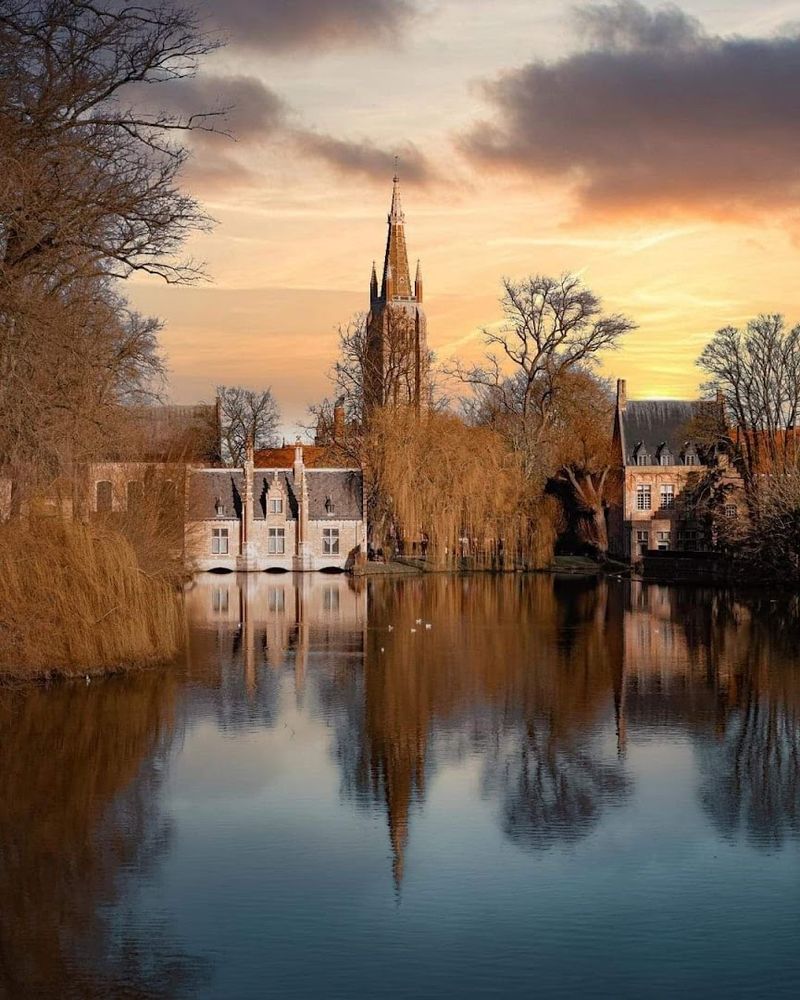
Step into Bruges and you will immediately feel like you have walked onto a movie set from the Middle Ages. The city’s network of canals, cobblestone lanes, and towering medieval buildings creates a skyline that looks almost too pretty to be real.
Locals call it the “Venice of the North,” and once you see it in person, you will completely understand why.
Start your weekend by climbing the 366 steps of the Belfry tower for panoramic views across the rooftops. Then take a slow canal cruise to appreciate the city’s architecture from the water.
The Markt square buzzes with energy and is the perfect spot for a coffee break.
Belgian chocolate shops and waffle stands are scattered throughout the city, so you will never go hungry between sightseeing stops. The Groeningemuseum houses a remarkable collection of Flemish paintings worth an hour of your time.
Bruges is compact enough to explore entirely on foot, which means no stressful navigation, just wandering and discovering at your own pace.
Salzburg, Austria
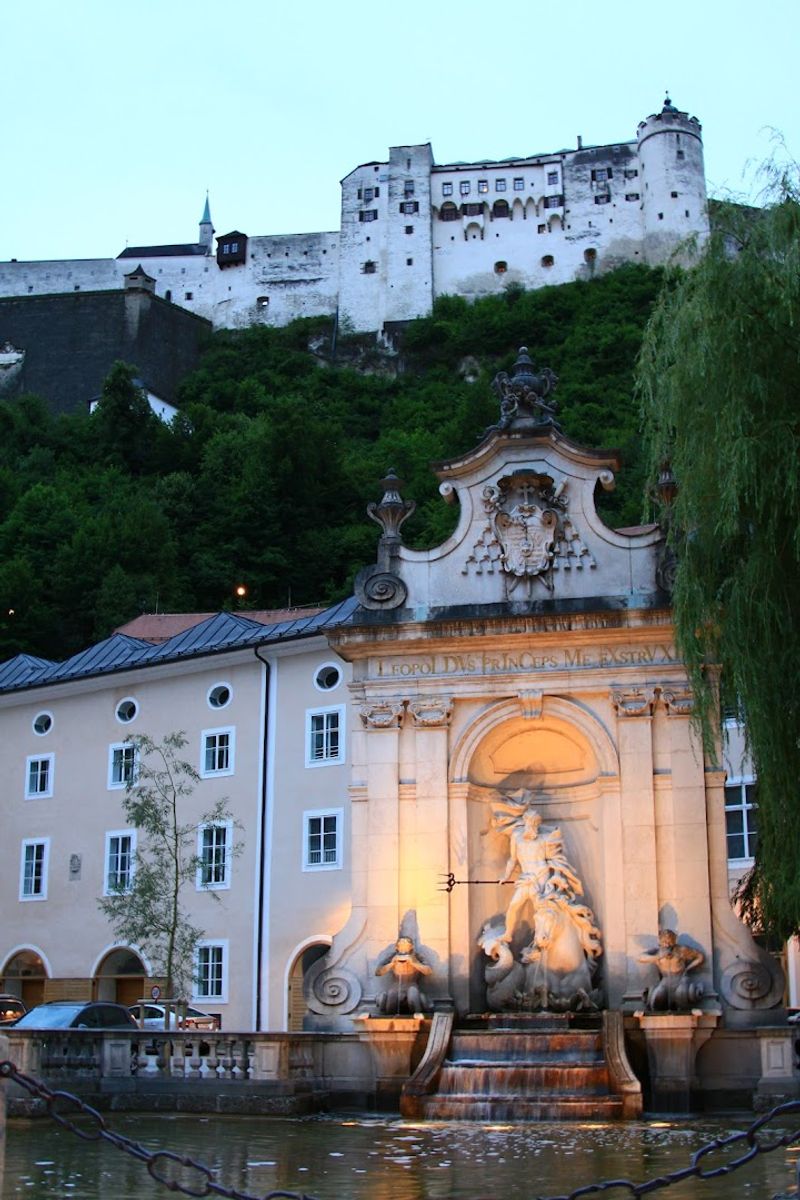
Salzburg punches well above its weight for a city of its size. Baroque architecture, a UNESCO-listed Old Town, and the dramatic backdrop of the Alps combine to make this one of Central Europe’s most photogenic cities.
Oh, and it also happens to be the birthplace of Mozart, which adds a serious layer of cultural prestige.
Hohensalzburg Fortress sits high above the city and offers sweeping mountain views that are worth the uphill walk or funicular ride. Mirabell Gardens is a gorgeous spot for a morning stroll, especially when the flowers are in full bloom.
The gardens featured in “The Sound of Music,” which gives them an extra touch of movie magic.
Getreidegasse, the city’s most famous shopping street, is lined with traditional wrought-iron signs hanging above boutique shops and bakeries. Grab a Mozart Kugel chocolate ball, a local specialty, before heading to the Salzburg Cathedral.
Most major sights are within easy walking distance, making this an ideal destination for travelers who love seeing a lot without burning through their energy before lunchtime.
Ljubljana, Slovenia
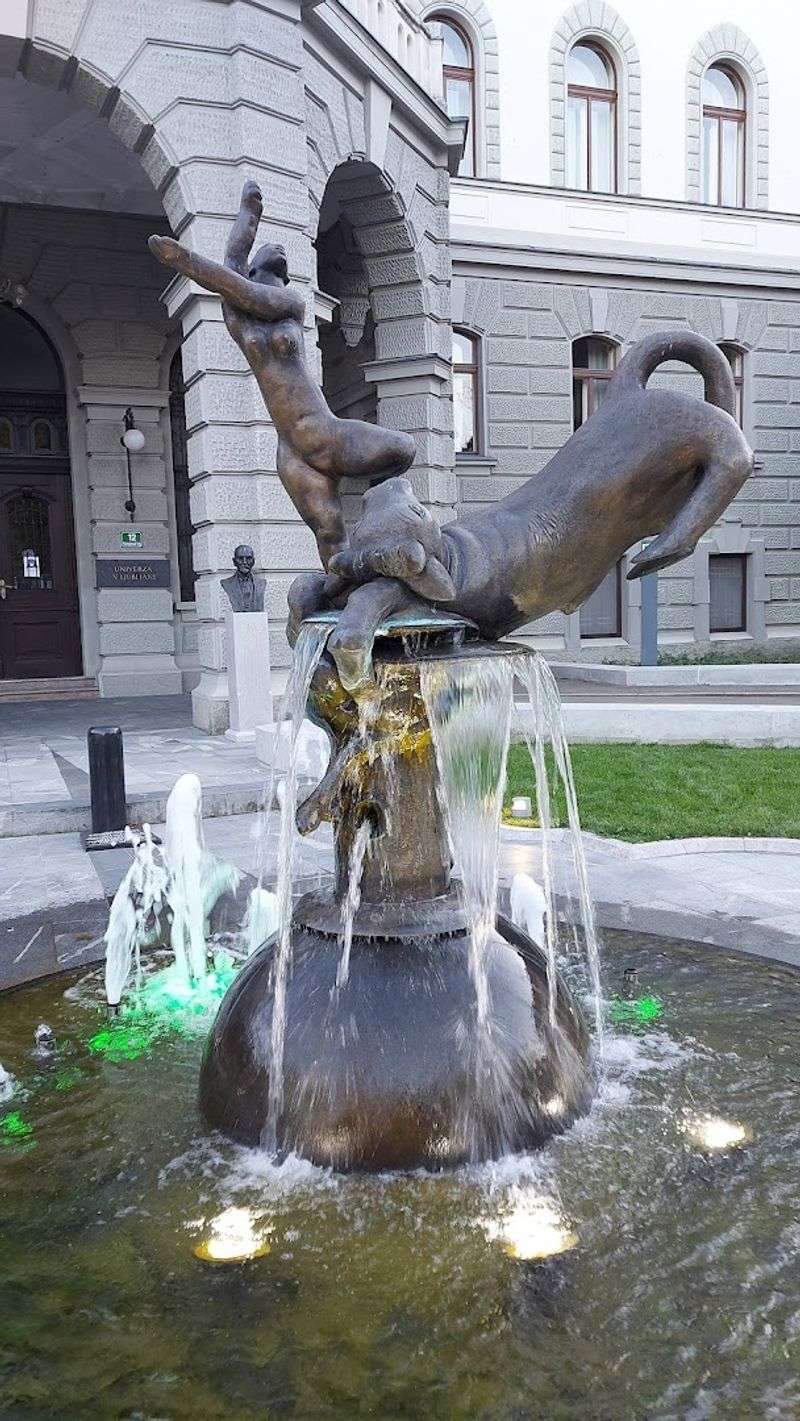
Ljubljana might be one of Europe’s best-kept secrets, and seasoned travelers are slowly catching on. Slovenia’s charming capital sits along the Ljubljanica River, with a hilltop castle watching over a city center full of pastel-colored buildings, flower-covered bridges, and some of the friendliest locals you will ever meet.
The whole city feels like a celebration of good living.
Ljubljana Castle is the obvious first stop, offering cable car rides and excellent panoramic views over the terracotta rooftops below. The Triple Bridge, designed by the famous architect Joze Plecnik, is a beautiful landmark connecting the old and new parts of the city.
Plecnik’s influence is visible throughout Ljubljana, making it feel like an open-air architecture museum.
The Central Market along the riverbank is a lively morning destination where locals shop for fresh produce, cheese, and handmade goods. Metelkova, a former military complex turned creative hub, shows the city’s artistic and alternative side.
Ljubljana is entirely car-free in the city center, which means the streets belong to pedestrians and cyclists, creating a relaxed, unhurried atmosphere that makes you want to linger just a little longer than planned.
Porto, Portugal
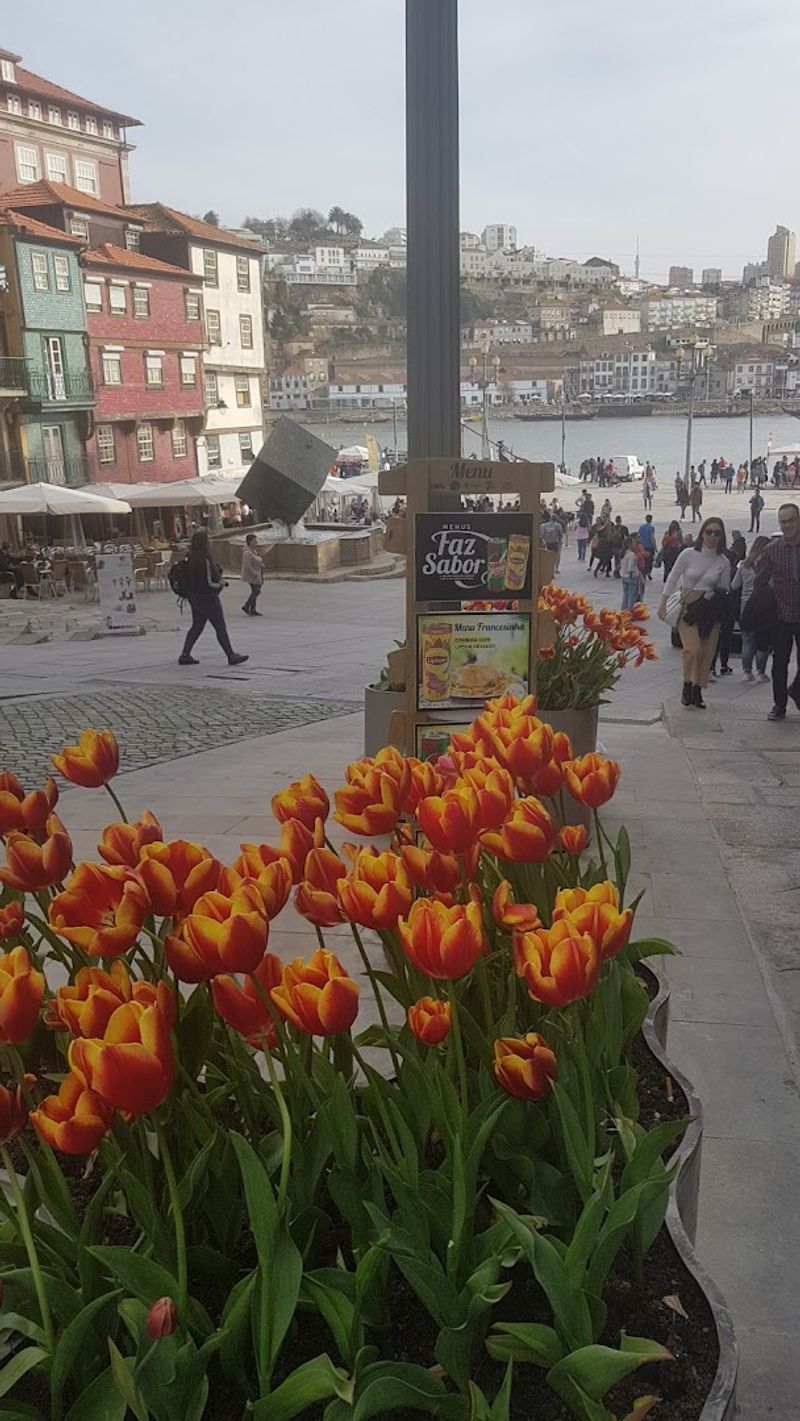
Porto has a gritty, soulful energy that no amount of Instagram filters can fully capture. The city’s hillside neighborhoods are draped in hand-painted azulejo tiles, crumbling baroque facades, and laundry lines that flutter between buildings like colorful flags.
It is the kind of place that rewards slow walkers and curious explorers.
The Ribeira district along the Douro River is where most visitors spend their time, and for good reason. The waterfront promenade is lined with seafood restaurants, wine bars, and stunning views of the iconic Dom Luis I bridge.
A short walk across that bridge leads to Vila Nova de Gaia, where dozens of port wine cellars offer tastings and tours.
The Livraria Lello bookshop, often ranked among the world’s most beautiful, is worth the small entry fee just to admire its ornate wooden interior and sweeping staircase. Catch a sunset from the Miradouro da Serra do Pilar viewpoint for a view that will stay with you long after you return home.
Porto rewards spontaneity, so allow yourself to get slightly lost in its winding uphill streets without worrying about sticking to a rigid itinerary.
Tallinn, Estonia
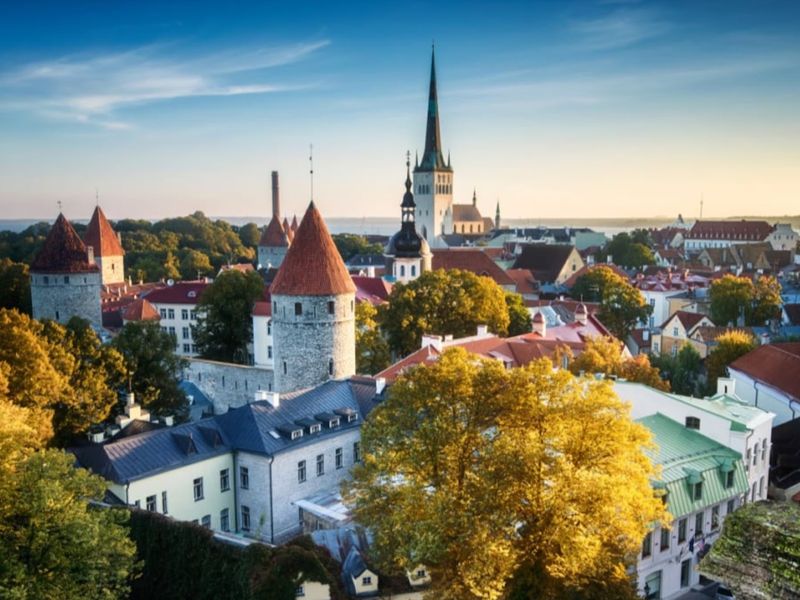
Tallinn is the kind of city that makes history feel genuinely exciting rather than like a school assignment. Its medieval Old Town is so well preserved that walking through it feels like stepping directly into the 13th century, complete with limestone towers, winding cobblestone streets, and ancient city walls that still stand tall after 700 years.
Toompea Hill, the upper part of the Old Town, offers spectacular views over the lower city and the Baltic Sea beyond. The Alexander Nevsky Cathedral, with its dramatic onion domes, is a striking contrast to the Gothic and Baroque architecture surrounding it.
Town Hall Square is the buzzing heart of the city, lined with outdoor cafes and medieval merchant houses.
Tallinn also has a surprisingly lively food and design scene tucked into its historic streets. The Telliskivi Creative City, just outside the Old Town, is packed with independent cafes, vintage shops, and street art.
Estonia’s digital-forward culture means free WiFi is available almost everywhere, a small but welcome detail for traveling with a full itinerary. Tallinn proves that Northern Europe’s charm is not reserved for Scandinavia alone.
Edinburgh, Scotland
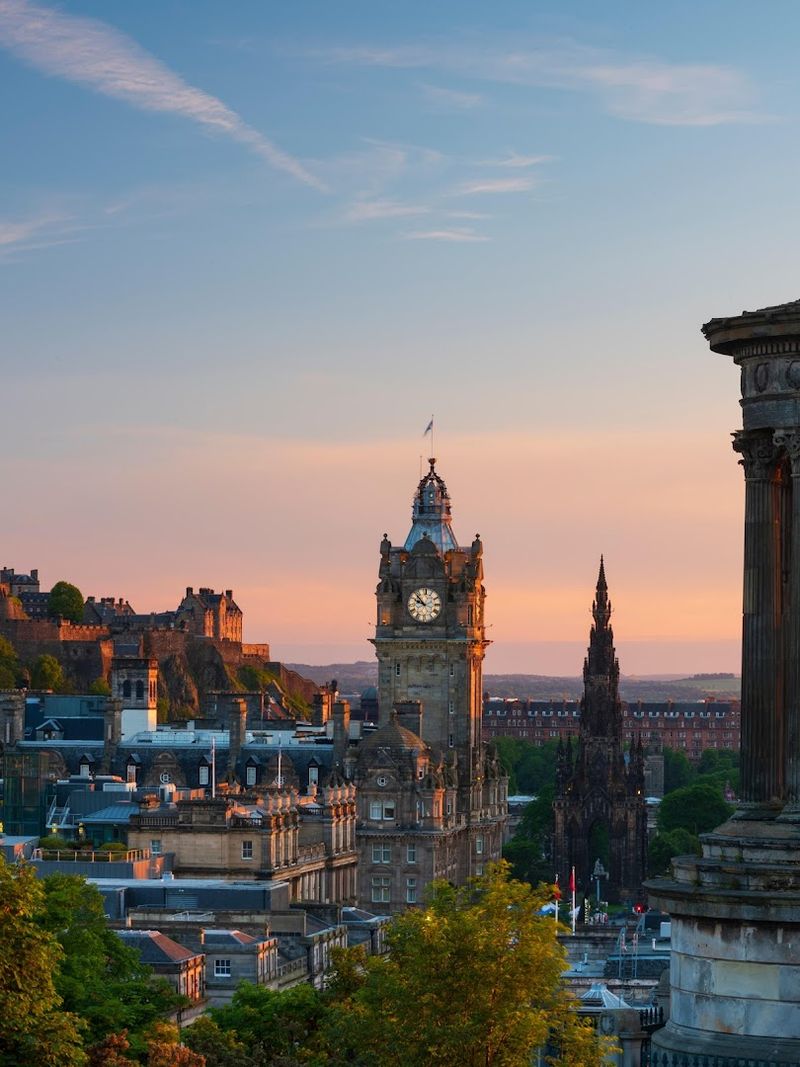
There is something thrillingly dramatic about Edinburgh that hits you the moment you spot the castle looming over the city from its volcanic perch. Scotland’s capital blends medieval grandeur with literary history, live music, and some seriously good whisky, all packed into a city center compact enough to explore largely on foot over a weekend.
The Royal Mile stretches from Edinburgh Castle down to the Palace of Holyroodhouse, passing closes, wynds, and countless historic landmarks along the way. Arthur’s Seat, an ancient volcano right in the middle of the city, rewards hikers with sweeping views across Edinburgh and the Firth of Forth.
The hike takes about 45 minutes and requires no special gear.
Victoria Street, with its curved row of colorful shopfronts, is said to have inspired Diagon Alley in the Harry Potter series. The Scottish National Museum is free to enter and offers a brilliant overview of Scottish history, science, and culture.
Evenings in Edinburgh are best spent in one of the cozy underground vaults or traditional pubs, where live folk music and locally distilled whisky make for an unforgettable end to the day.
Florence, Italy
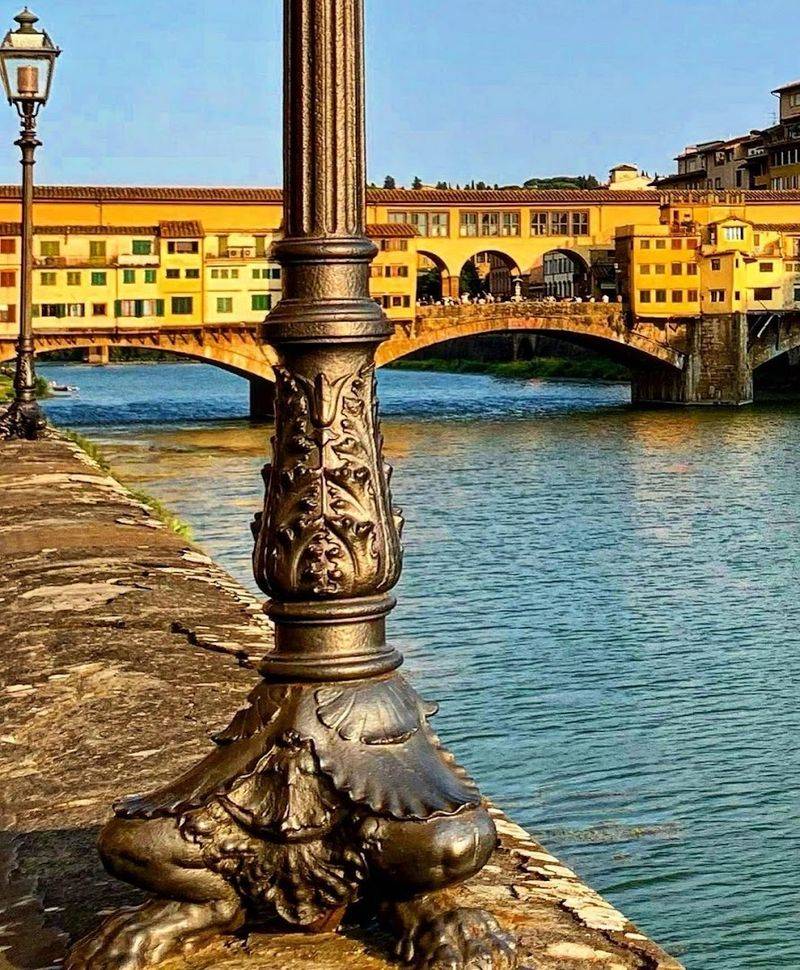
Florence is a city where art history is literally built into the streets. The birthplace of the Renaissance sits along the Arno River and packs more world-class masterpieces into one square mile than most countries have in their entire collections.
And yet, despite the global fame, the historic center remains remarkably walkable and human-scaled.
The Uffizi Gallery is home to Botticelli’s “The Birth of Venus” and dozens of other Renaissance treasures. Book tickets in advance to skip the long queues and spend your saved time exploring the city instead.
Crossing the Ponte Vecchio, Florence’s iconic medieval bridge lined with jewelry shops, is a must-do that costs nothing and never gets old.
Climb to the top of Brunelleschi’s Cathedral dome for one of Italy’s most rewarding city views, a perspective that makes the scale of Renaissance ambition genuinely jaw-dropping. The Oltrarno neighborhood across the river offers a quieter, more local experience with artisan workshops, wine bars, and trattorias.
Tuscan food alone is reason enough to visit Florence, so set aside time for a proper sit-down lunch featuring fresh pasta, ribollita soup, and a glass of Chianti.
Krakow, Poland
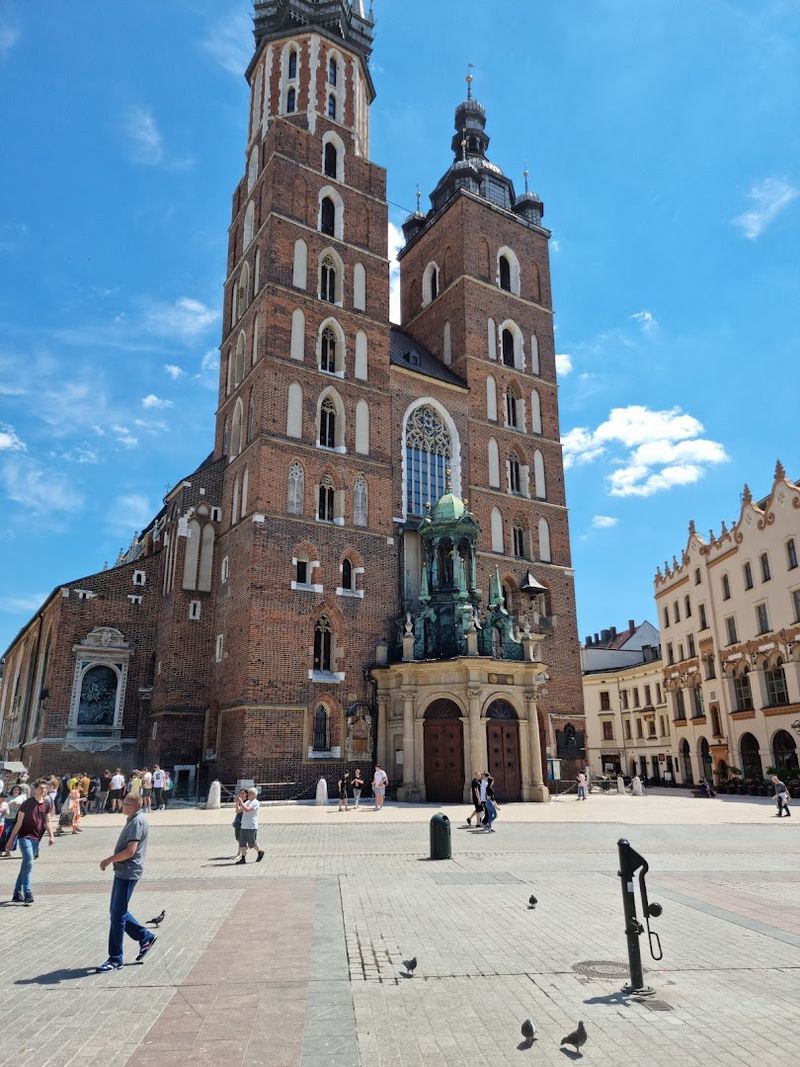
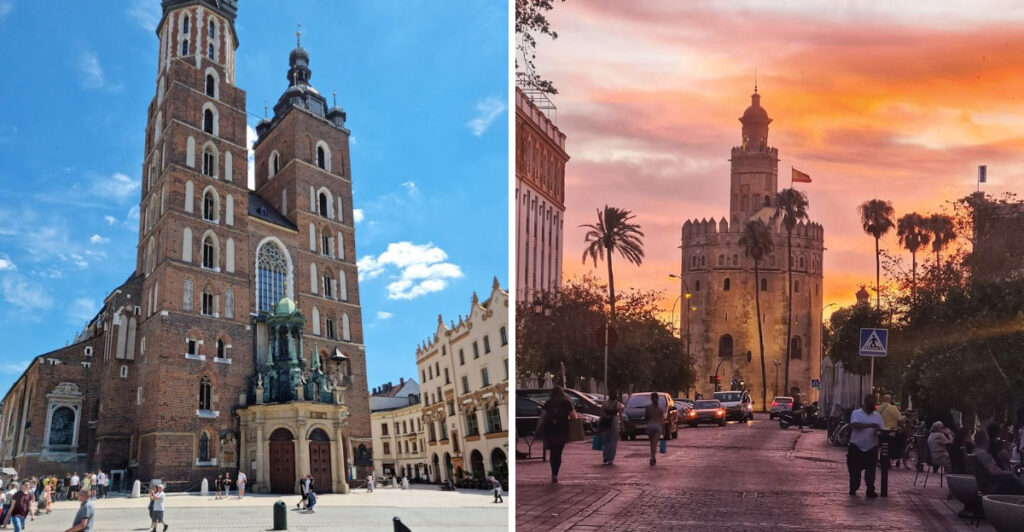
Krakow’s Main Market Square is one of those places that stops you in your tracks the moment you walk into it. At nearly 10 acres, it is the largest medieval town square in Europe, and it remains the beating heart of a city that has somehow managed to preserve its historic center through centuries of turbulent history.
The sheer scale of it is genuinely impressive.
Wawel Castle, perched on a limestone hill above the Vistula River, houses royal apartments, a cathedral, and a treasury worth several hours of exploration. The castle’s dragon legend is local folklore gold, and kids and adults alike enjoy the fire-breathing dragon statue at the base of the hill.
Kazimierz, the historic Jewish Quarter, has transformed into one of the city’s most vibrant neighborhoods.
Today, Kazimierz is filled with independent bookshops, vintage markets, art galleries, and some of the best restaurants in the city. Pierogi, Poland’s beloved stuffed dumplings, are served in countless varieties and at very wallet-friendly prices throughout Krakow.
The city is also a convenient base for a half-day trip to the Wieliczka Salt Mine, a UNESCO site featuring underground chapels carved entirely from salt.
Annecy, France
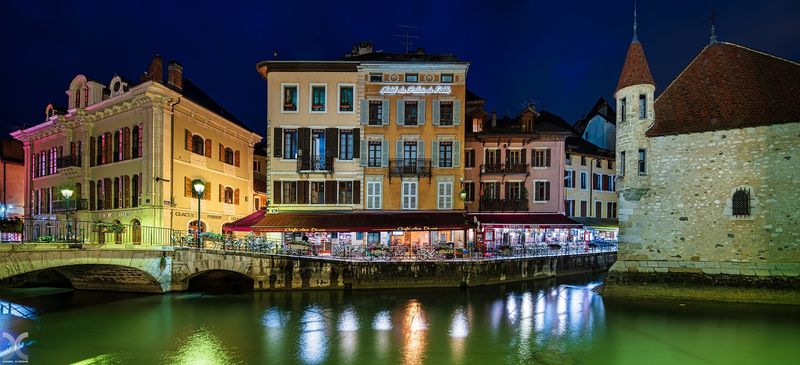
Annecy sits at the northern tip of one of France’s most stunning alpine lakes, and the combination of crystal-clear water, mountain peaks, and flower-draped medieval canals makes it genuinely hard to believe it is a real place. Locals here have an unfair advantage when it comes to their daily scenery, and visitors quickly understand why this town inspires serious envy.
The Palais de l’Ile, a 12th-century island building wedged into the middle of the Thiou Canal, is Annecy’s most recognizable landmark and one of the most photographed spots in France. Strolling along the canal-lined streets of the old town takes about two hours and reveals charming arcaded walkways, artisan cheese shops, and gelato stands at every turn.
The Sunday market along the lake is a local tradition worth waking up early for.
Lac d’Annecy is consistently ranked among the cleanest lakes in Europe, making it perfect for swimming, kayaking, or simply sitting beside it with a crepe and no particular plans. The surrounding mountains offer hiking and cycling trails for those who want to add some outdoor adventure.
Annecy works beautifully as a standalone weekend escape or as a base for exploring the wider French Alps.
Ghent, Belgium
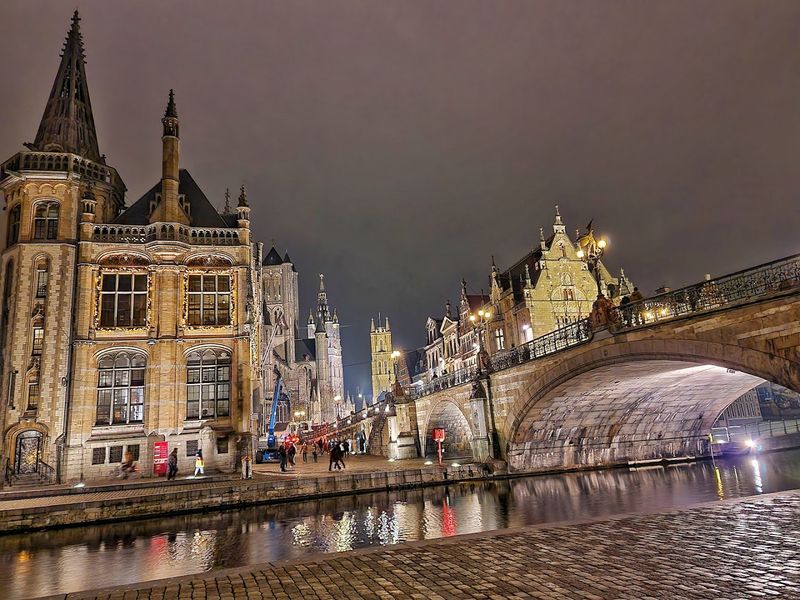
Ghent is what happens when a medieval city decides not to take itself too seriously. While neighboring Bruges leans into its fairy-tale image, Ghent mixes Gothic towers and ancient canals with craft beer bars, street art alleys, and a thriving university scene that keeps the city young, loud, and full of energy.
It is Bruges with an attitude, and travelers love it for exactly that reason.
The Graslei and Korenlei quays are lined with stunning guild houses that date back to the 12th century, and the view from St. Michael’s Bridge looking toward them is one of Belgium’s most spectacular urban panoramas. Gravensteen Castle, a medieval fortress complete with a moat and battlements, sits right in the city center and offers tours with a surprisingly playful approach to history.
Admission is reasonably priced and well worth it.
The Friday Market square and the nearby Vrijdagmarkt are great spots to soak up local life over a Gentse Strop beer, a brew named after a historical moment when Ghent’s citizens were forced to walk with nooses around their necks. Ghent’s food scene is also impressive, with a strong focus on plant-based options, the city has been promoting meat-free Thursdays since 2009.
Seville, Spain
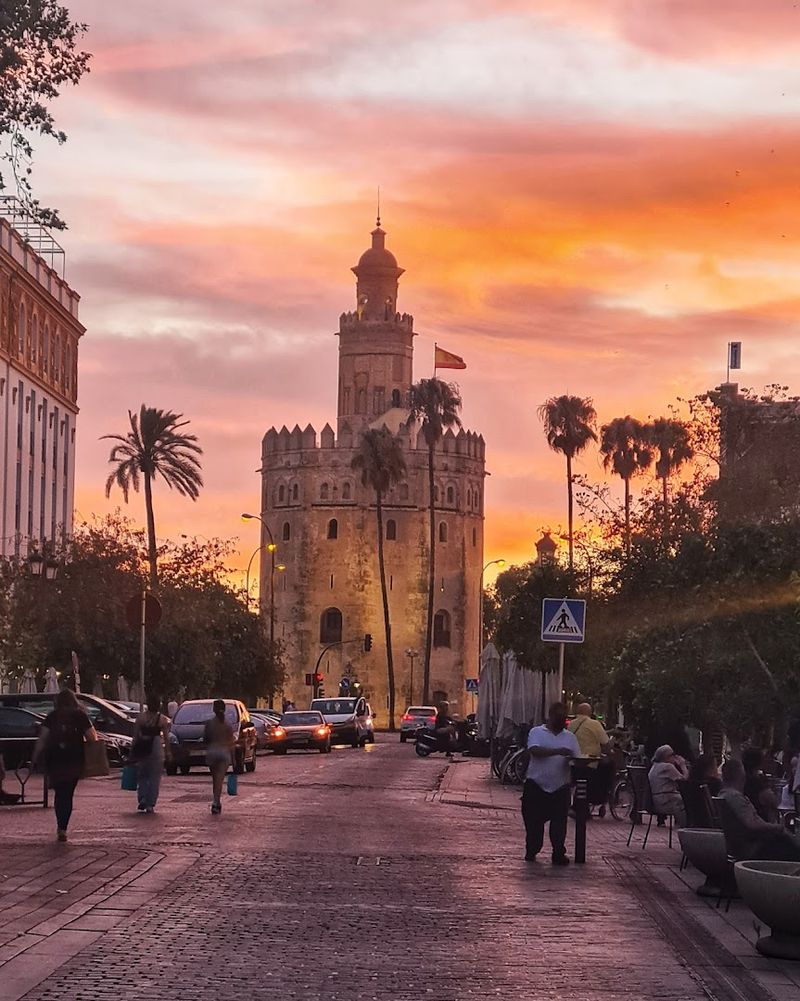
Seville turns up the heat in every possible sense of the word. Andalusia’s capital is a city of flamenco rhythms, orange-tree-lined streets, monumental architecture, and a tapas culture so deeply ingrained that eating small plates while standing at a bar feels like a full cultural experience.
Summer temperatures can be punishing, so a spring or autumn weekend visit is the smart move.
The Real Alcazar is arguably Spain’s most beautiful royal palace, a stunning fusion of Moorish and Renaissance architecture surrounded by lush gardens. It is still an official royal residence, which adds an extra layer of prestige to your visit.
The nearby Seville Cathedral is the largest Gothic cathedral in the world and houses the tomb of Christopher Columbus.
The Giralda tower, originally a minaret, can be climbed via a series of ramps rather than stairs, a design detail that allowed horses to carry dignitaries to the top. The Santa Cruz neighborhood, the former Jewish quarter, is a maze of whitewashed lanes, hidden plazas, and fragrant orange trees perfect for an afternoon wander.
End your evening at a tablao for a live flamenco performance, an experience that delivers more raw emotion than almost anything else you will find in a single weekend.
Dubrovnik, Croatia
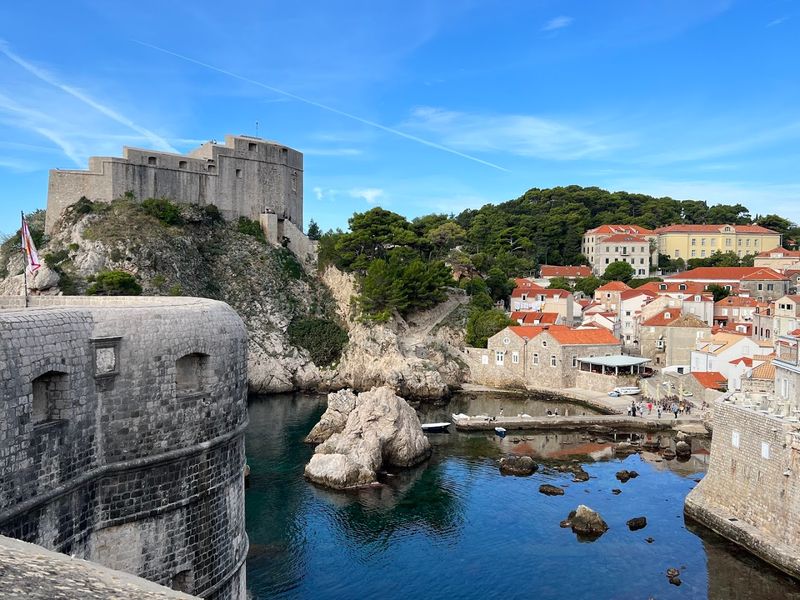
Dubrovnik’s old city is one of those rare places where the photographs actually undersell the real thing. Enclosed within massive 16th-century stone walls that drop straight into the Adriatic Sea, the city is a masterpiece of medieval urban planning that somehow survived wars, earthquakes, and the global tourism boom with its character largely intact.
Walking those walls is a weekend highlight you will not forget.
The Stradun, Dubrovnik’s main limestone-paved street, runs the full length of the old town and is flanked by baroque churches, fountains, and cafe terraces. The city gained a new generation of fans as a filming location for Game of Thrones, and guided tours of the show’s key locations are wildly popular.
Even if you have never watched a single episode, the city’s dramatic beauty speaks for itself.
Take the cable car up Mount Srd for a view that puts the entire walled city, the surrounding islands, and the Adriatic horizon into one breathtaking frame. Banje Beach just outside the city walls is perfect for a quick swim between sightseeing sessions.
Getting up early on a weekend morning is genuinely rewarding here, as the old town before the cruise ship crowds arrive feels like an entirely different and far more magical city.
Lucerne, Switzerland
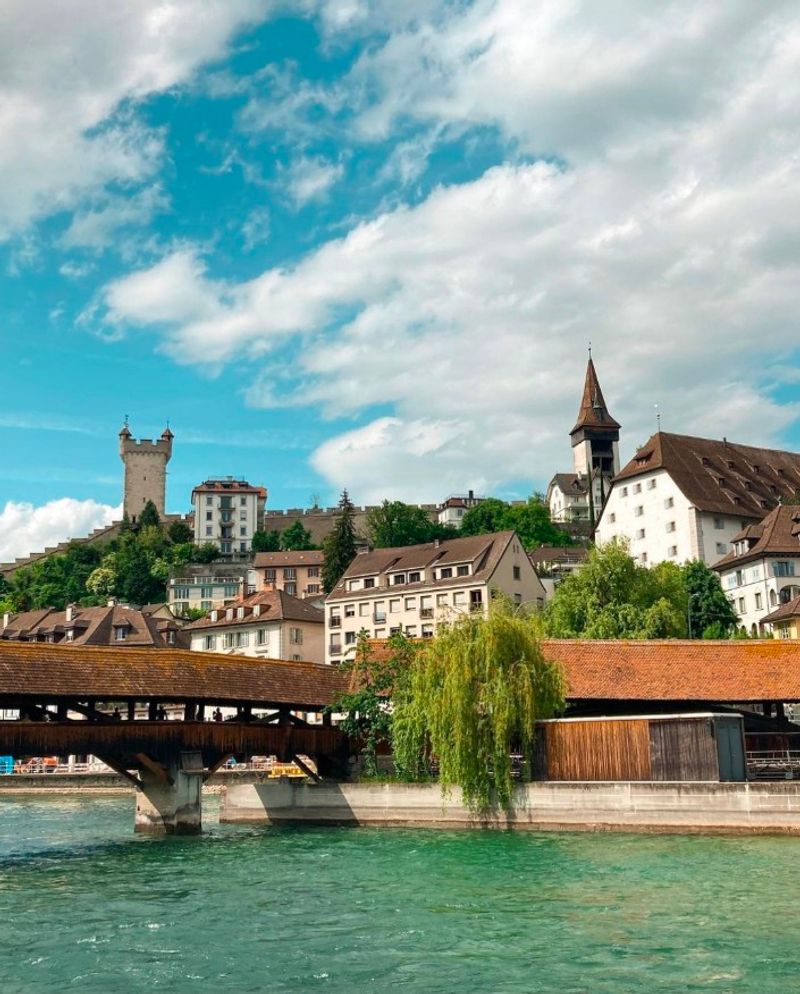
Lucerne has a way of making visitors feel like they have accidentally stumbled into a postcard. The iconic Chapel Bridge, a 14th-century covered wooden bridge painted with historical murals, stretches across the Reuss River with a backdrop of glassy water and snow-capped mountains that seems almost engineered for maximum visual impact.
It is one of Switzerland’s most photographed spots, and the real thing does not disappoint.
The Old Town on the north bank of the river is a warren of painted building facades, fountain squares, and clock towers that reward aimless wandering. The Lion Monument, a sculpture carved directly into a sandstone cliff, commemorates Swiss Guards who died during the French Revolution and carries a quiet, solemn power.
Mark Twain once called it the most mournful and moving piece of stone in the world.
For those who want to go higher, Mount Pilatus and Mount Rigi are both accessible by cogwheel railway or gondola from Lucerne and offer extraordinary Alpine views without needing to be an experienced hiker. The Swiss Museum of Transport is one of Europe’s best science and technology museums and makes for a great rainy-day option.
Lucerne combines urban charm and mountain adventure in a way that feels effortless and uniquely Swiss.
Valletta, Malta
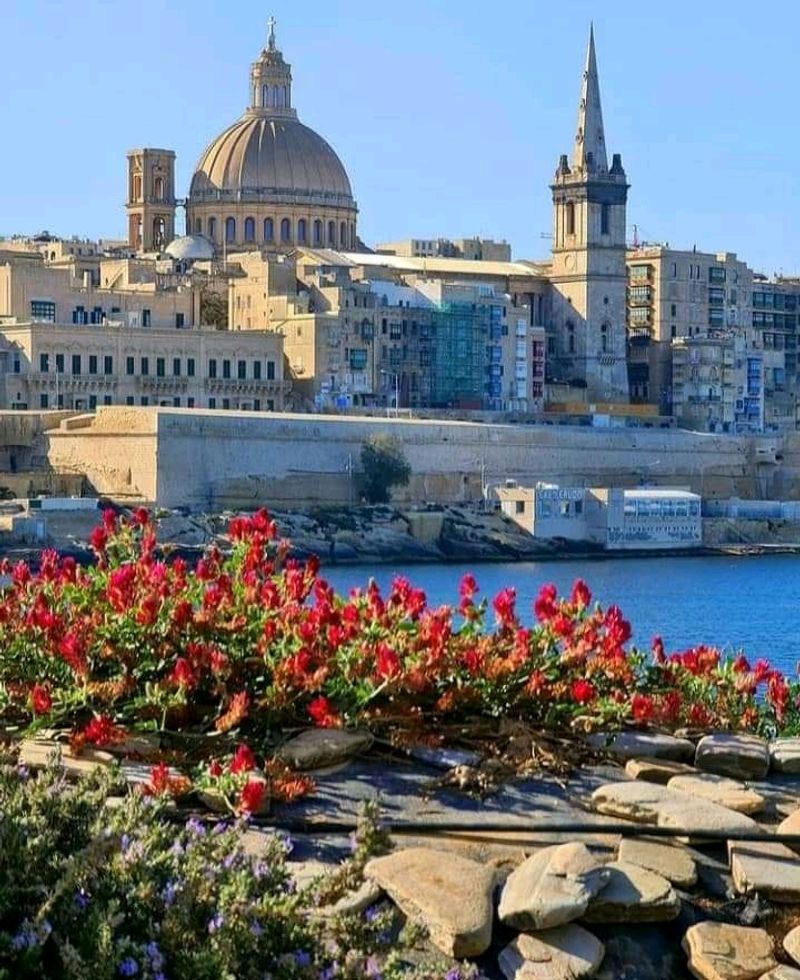
Valletta holds an extraordinary distinction: it is the smallest capital city in the European Union, covering just 0.8 square kilometers, yet it contains one of the highest concentrations of historic monuments per square meter of any city on Earth. That statistic might sound dry, but standing inside the Grand Harbour surrounded by 500-year-old fortifications and baroque architecture, it suddenly makes complete sense.
St. John’s Co-Cathedral is arguably the most spectacular baroque interior in the world. The floor is entirely covered in elaborate marble tombstones of Knights of Malta, and the walls are encrusted with gilded carvings.
Caravaggio’s largest surviving painting hangs inside, and seeing it in person is a genuinely humbling experience.
The Upper Barrakka Gardens offer one of the Mediterranean’s finest harbor views, best enjoyed in the late afternoon when the golden light turns the limestone walls amber. Valletta’s streets are built on a strict grid pattern, making navigation simple despite the city’s hilly terrain.
The food scene has exploded in recent years, with creative Maltese restaurants blending North African, Sicilian, and Middle Eastern influences into a cuisine that is entirely its own. A weekend in Valletta leaves most visitors immediately planning their return trip.
York, England
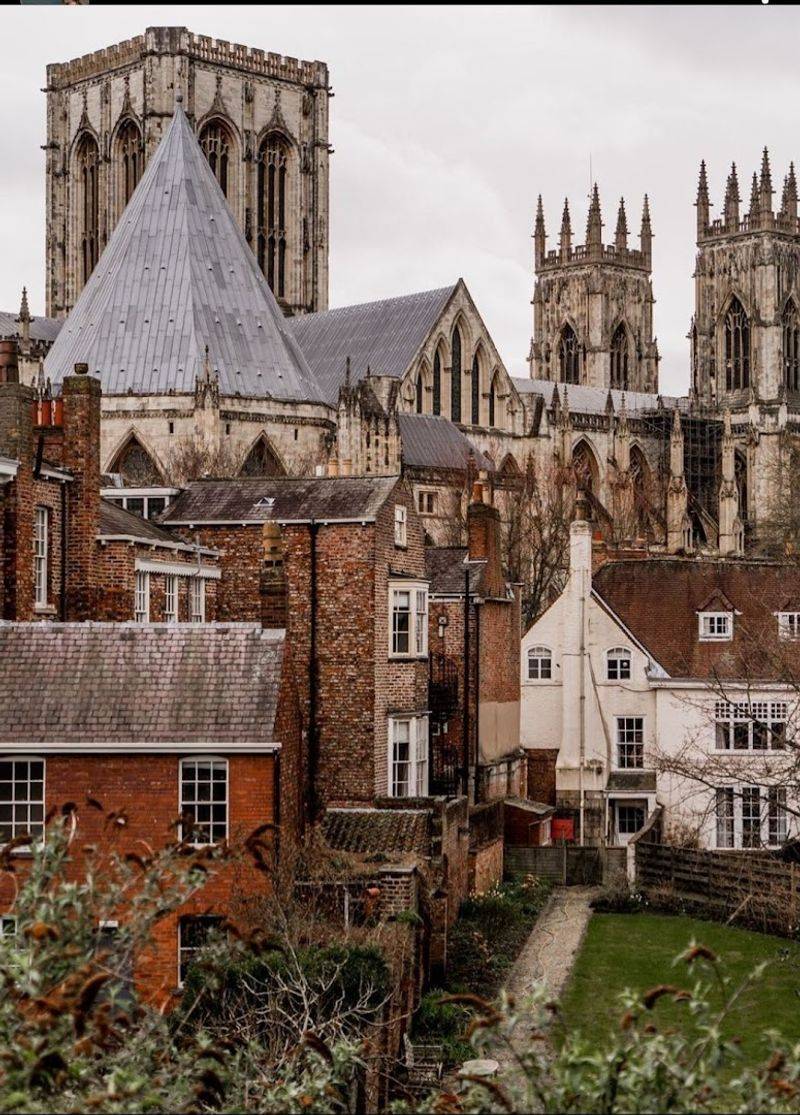
York is the kind of English city that makes visitors from all over the world stop mid-walk and audibly gasp. The Shambles, a medieval street so narrow that the upper floors of buildings lean toward each other like old friends sharing a secret, is one of the best-preserved medieval lanes in Europe and looks exactly like something from a storybook.
It also inspired the layout of Diagon Alley in Harry Potter, for the second time on this list.
York Minster, the largest Gothic cathedral in Northern Europe, dominates the city’s skyline and rewards those who climb its central tower with spectacular views across the rooftops and surrounding Yorkshire countryside. The city’s Roman, Viking, and Norman history can all be explored within walking distance of each other, making York a genuinely layered destination for history lovers of any age.
The JORVIK Viking Centre brings York’s Norse past to life with impressive reconstructions and real archaeological finds from beneath the city streets. The city walls, dating back to Roman times, can be walked almost in their entirety and provide a unique elevated perspective on the city below.
Wrap up a Saturday evening on Stonegate, one of York’s liveliest streets, where independent pubs, wine bars, and restaurants serve up the kind of warmth that makes English city breaks so genuinely satisfying.
Share this story