New York is one of those places that genuinely has something for everyone. Whether you love towering city skylines, peaceful mountain trails, or crashing ocean waves, this state delivers the full package.
From the busy streets of Manhattan to the quiet shores of Lake George, New York surprises travelers at every turn. Get ready to discover 15 spots that prove this state is truly in a league of its own.
Central Park, New York City
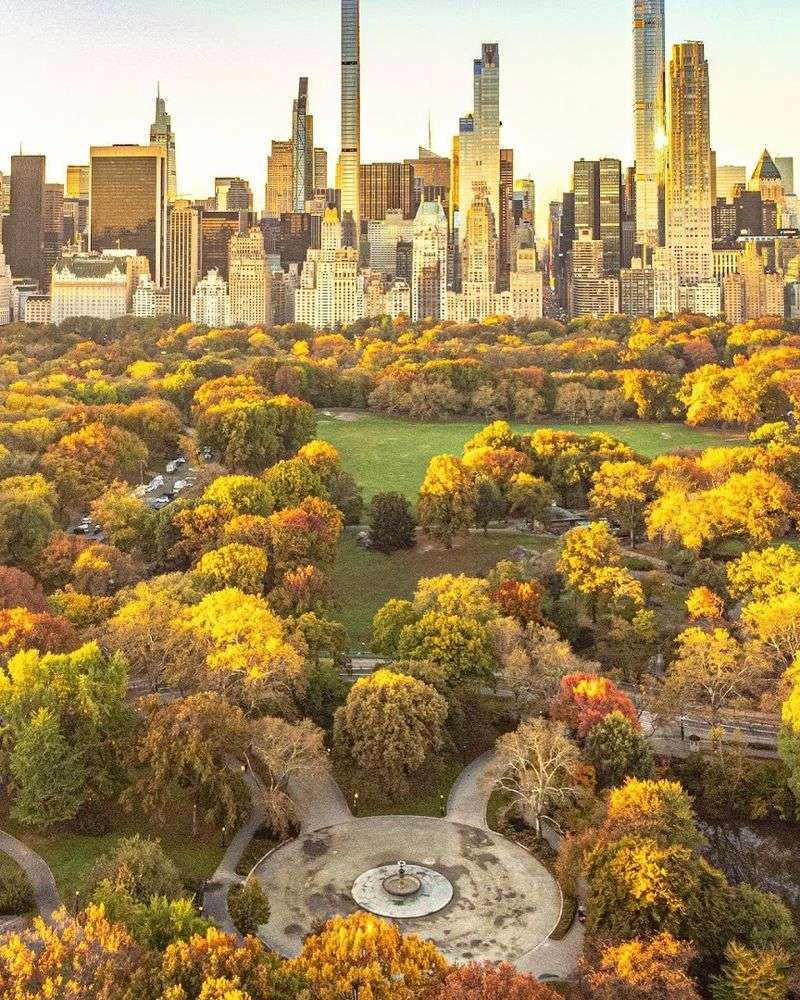
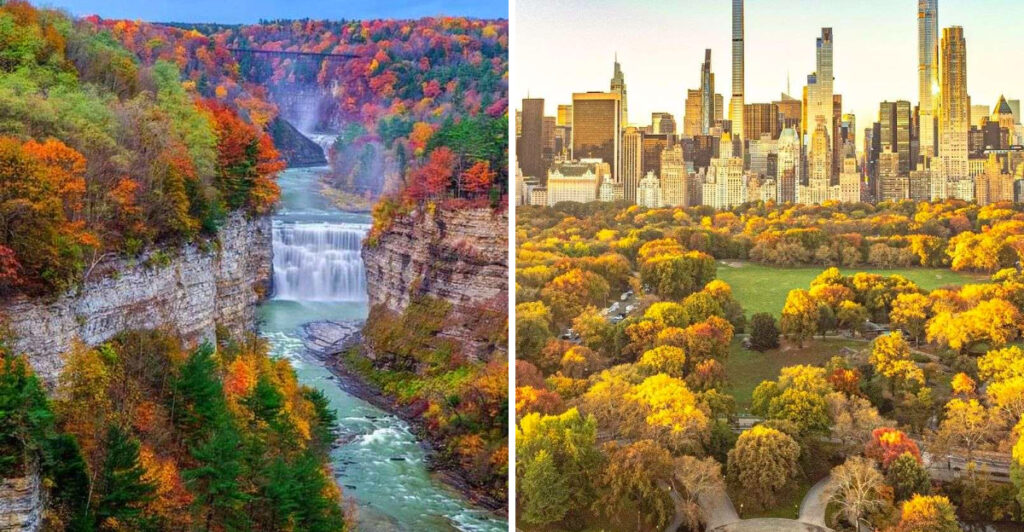
Few places on Earth pack this much beauty into 843 acres of city land. Central Park sits right in the middle of Manhattan, offering a green escape from the concrete jungle surrounding it on every side.
Millions of people visit each year, and somehow, it never feels old.
Belvedere Castle, the famous Bethesda Fountain, and the peaceful Jacqueline Kennedy Onassis Reservoir are just a few highlights spread across the park. Renting a rowboat on the lake is one of those experiences that feels almost magical, especially with the skyline peeking through the trees.
Joggers, dog walkers, and picnic lovers all share the space without it ever feeling too chaotic.
Every season brings a completely different mood to the park. Spring cherry blossoms and autumn foliage are both jaw-dropping in their own right.
Visiting during a light snowfall turns the entire place into something that looks straight out of a movie set. Bring comfortable shoes, a camera, and plenty of time because this park rewards slow, curious exploration more than any rushed stroll ever could.
Niagara Falls, Western New York
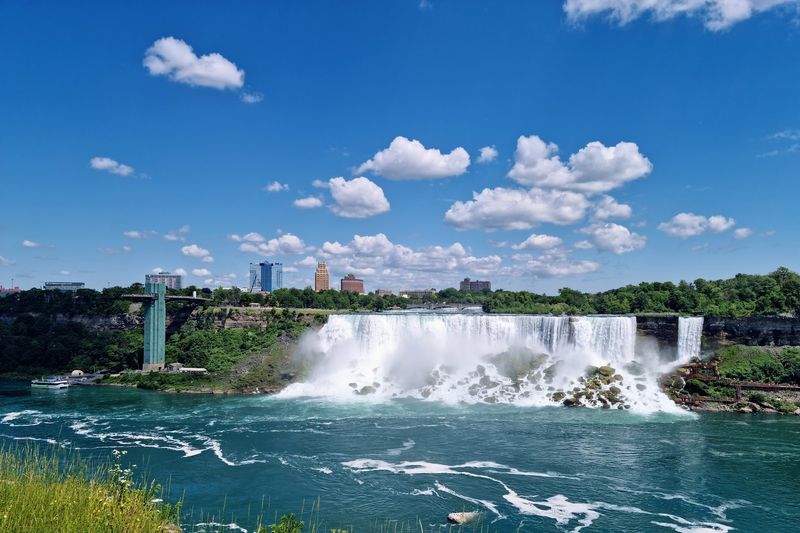
Standing at the edge of Niagara Falls for the first time is one of those moments that genuinely takes your breath away. The sound alone is enormous, a deep roar that you feel in your chest before you even see the water.
No photo has ever done it justice, and that is part of what makes it so worth visiting in person.
The Maid of the Mist boat tour brings you right up to the base of the falls, where the mist is so thick you will want a poncho. Observation decks on both the American and Canadian sides offer dramatically different perspectives of the same spectacular scene.
Horseshoe Falls is the largest of the three falls and the one that tends to make visitors go completely silent.
Nighttime visits during illuminated light shows transform the falls into something almost otherworldly. Different colors wash across the rushing water, creating a display that feels surprisingly emotional for a bunch of lights and water.
Plan to spend a full day here because the surrounding area has plenty of state parks, hiking trails, and viewpoints that make the trip even richer than expected.
The Adirondack Mountains
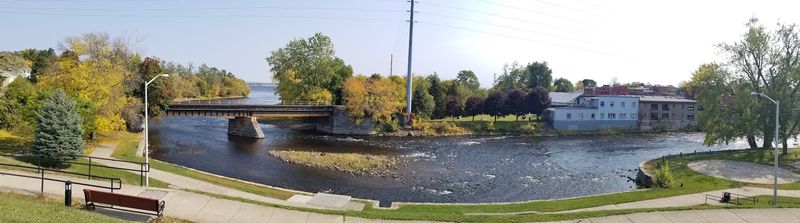
Roughly the size of Vermont, the Adirondack Park is the largest publicly protected area in the contiguous United States, and most people have no idea it exists. That low profile is honestly part of its charm.
Six million acres of forests, rivers, and mountain peaks sit waiting for anyone willing to make the drive.
Lake Placid, home of the 1980 Winter Olympics, sits right in the heart of the region and makes a fantastic base for exploring. Hiking the 46 High Peaks is a lifelong goal for many outdoor enthusiasts, but even casual trails offer stunning views without requiring serious gear.
Canoeing through the interconnected waterways feels like traveling through a world completely untouched by modern life.
Fall foliage season, typically late September through mid-October, turns the entire region into a patchwork of gold, red, and orange that is genuinely difficult to describe. Winter brings cross-country skiing, snowshoeing, and cozy lakeside inns with fireplaces.
Summer offers swimming, kayaking, and fishing in waters so clear you can see straight to the bottom. The Adirondacks reward every type of traveler who shows up with an open schedule and a sense of adventure.
Brooklyn Bridge, New York City
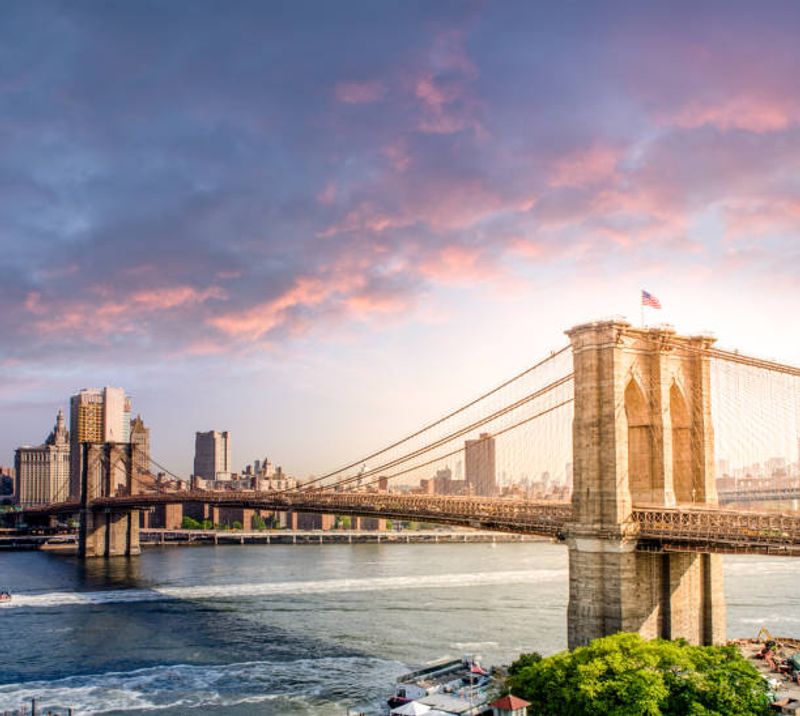
Completed in 1883, the Brooklyn Bridge was once the longest suspension bridge in the world, and it still looks like something out of a dream. The Gothic stone towers rise 276 feet above the East River, and the view from the pedestrian walkway stretches across one of the most recognizable skylines anywhere on the planet.
Walking across it feels like a genuine New York rite of passage.
The best strategy is to start on the Manhattan side and walk toward Brooklyn, arriving at DUMBO for coffee and a look back at the bridge from the famous cobblestone streets below. Sunrise walks are spectacular and far less crowded than midday, when tour groups and cyclists can make the crossing feel a little hectic.
Even on a gray day, the bridge has a moody, cinematic quality that makes every photo look intentional.
History fans will appreciate that the bridge took 14 years to build and tragically claimed the life of its original designer, John Roebling. His wife Emily played a crucial role in completing the project and was the first person to officially cross it.
That backstory adds a layer of meaning to what might otherwise feel like just another tourist walk.
Finger Lakes Region
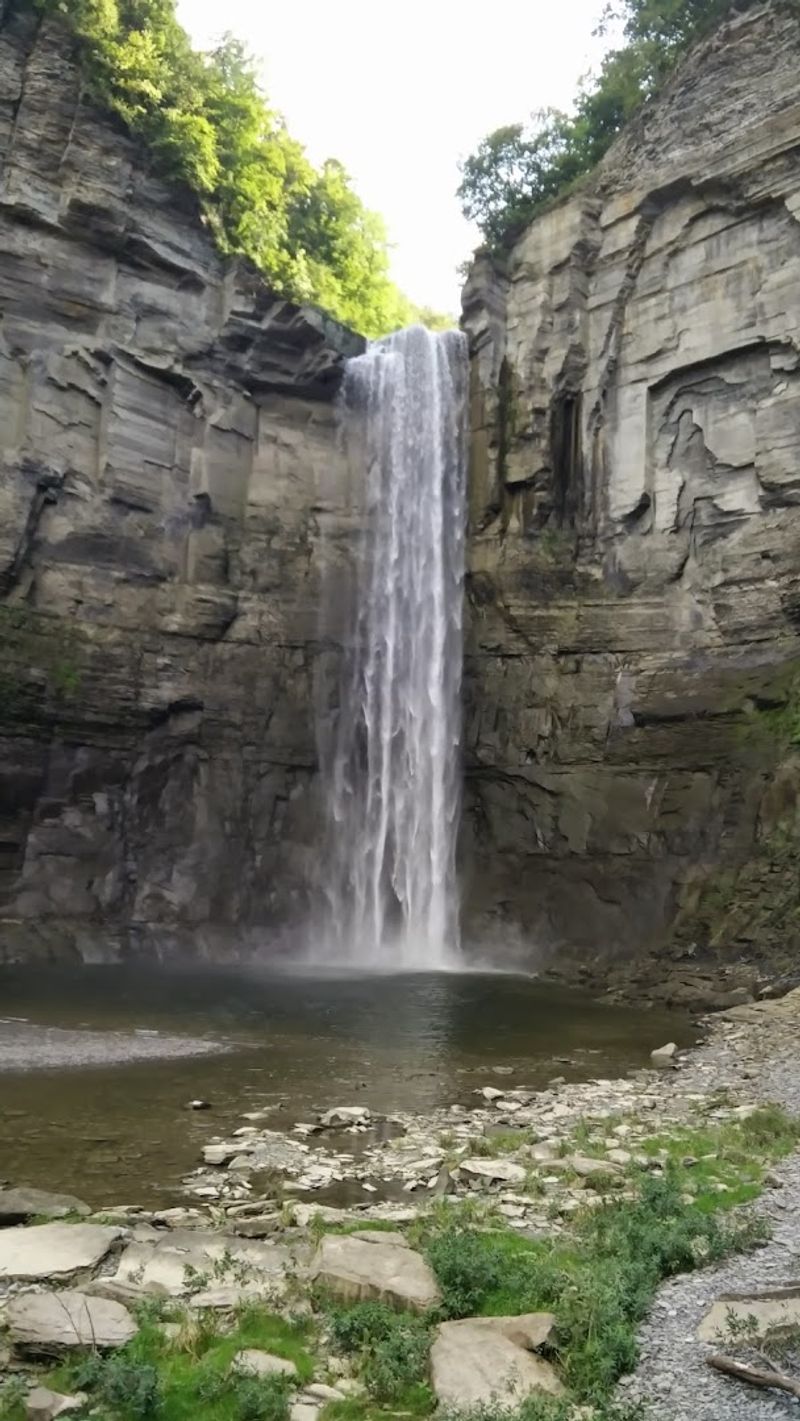
Eleven long, narrow lakes carved by ancient glaciers give this region its distinctive shape and its equally distinctive reputation for world-class wine. The Finger Lakes produce some of the best Riesling in North America, and the local wineries are incredibly welcoming to visitors who want to taste their way through the countryside.
This is the kind of destination that surprises people who were not expecting much.
Watkins Glen State Park sits at the southern tip of Seneca Lake and features 19 waterfalls packed into a two-mile gorge trail that takes roughly two hours to walk. Ithaca, home to Cornell University, adds a lively college-town energy with excellent restaurants and farmers markets.
Smaller towns like Skaneateles and Canandaigua offer beautiful lakefront parks perfect for swimming and kayaking on warm afternoons.
Cycling is hugely popular here, with dedicated wine trails that connect dozens of tasting rooms across the rolling hills. Autumn harvest season brings festivals, fresh apple cider, and the kind of golden afternoon light that makes even a simple lakeside lunch feel memorable.
Budget a minimum of three days to properly explore the region, and consider booking a lakeside cottage for the full slow-travel experience this area genuinely encourages.
Watkins Glen State Park
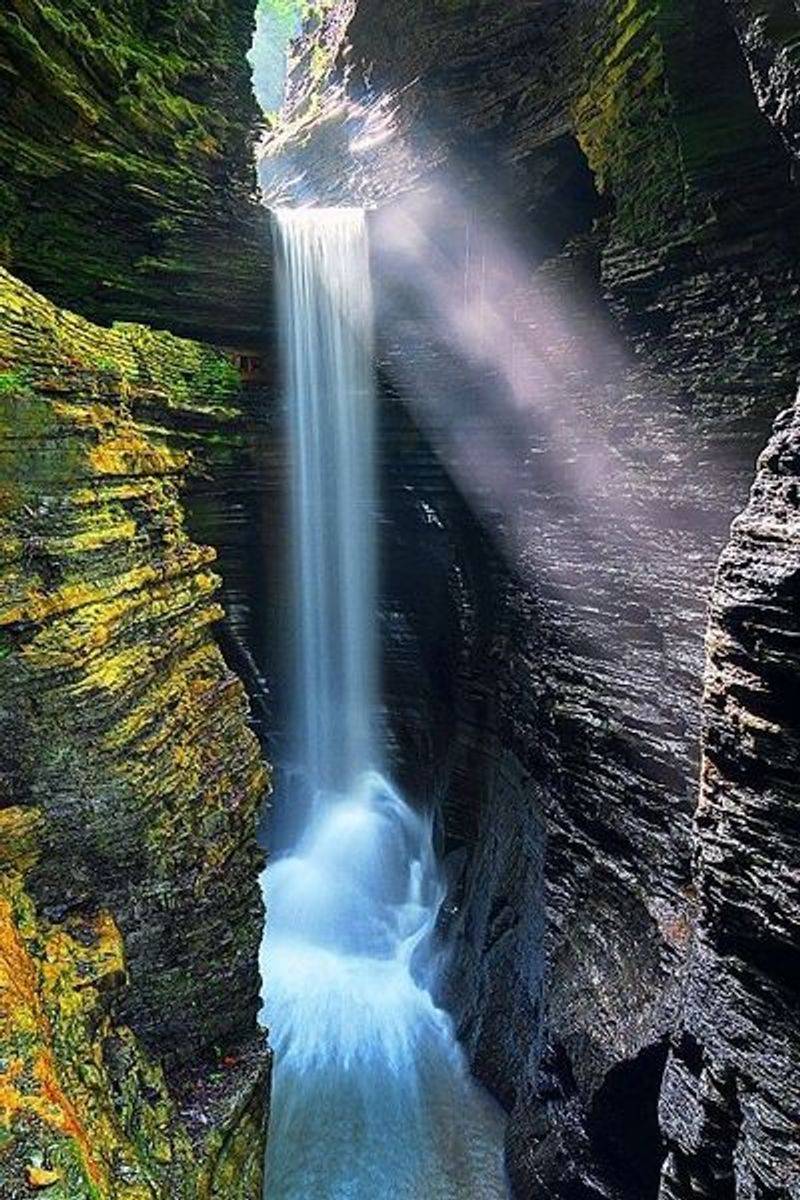
Watkins Glen might be the most dramatic two miles of walking trail in the entire northeastern United States. The gorge trail passes 19 waterfalls, crosses 19 bridges, and winds through canyon walls that rise more than 200 feet overhead in some sections.
The entire thing feels like walking through a living geology textbook, except far more beautiful and considerably wetter.
Spray from the falls keeps the air cool and the rocks slick, so waterproof shoes are a smart call even on sunny days. The famous Rainbow Falls section produces actual rainbows in the mist on bright mornings, which sounds like something a travel brochure would exaggerate but is completely real.
Arriving early on weekday mornings practically guarantees a quieter, more atmospheric experience before the afternoon crowds arrive.
The park also offers campsites, a pool, and upper rim trails that provide bird’s-eye views of the gorge below. Fall is arguably the best season to visit because the orange and red leaves framing the waterfalls create scenes of almost ridiculous beauty.
Admission is affordable, parking fills up fast on summer weekends, and the whole experience takes about three to four hours if you take your time and stop to appreciate each waterfall properly.
Times Square, New York City
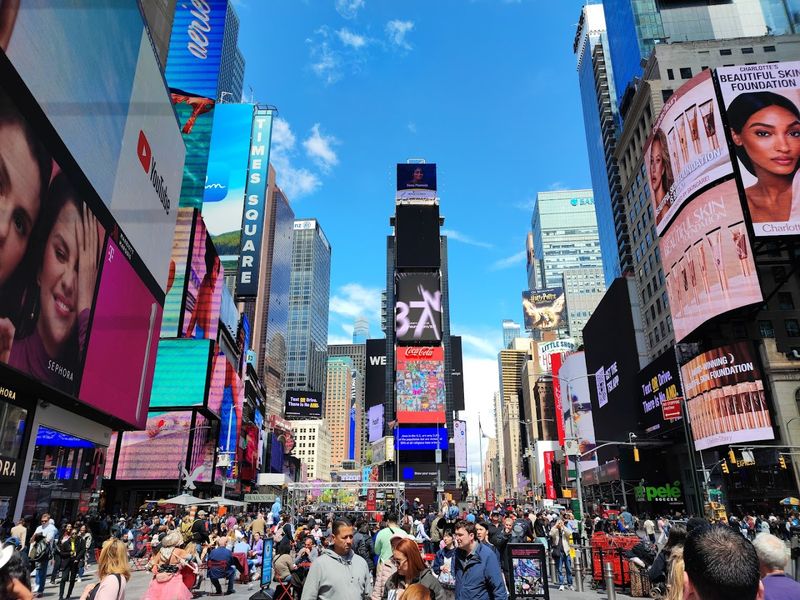
Love it or find it completely overwhelming, Times Square is impossible to ignore. The sheer scale of the LED billboards covering every building surface creates a brightness at midnight that rivals noon on a sunny day.
First-time visitors almost always stop walking and just stare straight up, which is exactly the right reaction.
Broadway theaters line the surrounding blocks, and catching a show here is one of those experiences that justifies an entire trip to New York on its own. The TKTS booth in the middle of the square sells same-day discount tickets for many shows, making Broadway far more affordable than most people assume.
Even wandering the area before a show, grabbing a slice of New York pizza and watching the human parade, counts as solid entertainment.
Times Square on New Year’s Eve is, predictably, absolute madness, but in a way that many people find genuinely exhilarating at least once. Weekday afternoons tend to be the most manageable for people who want photos without being shoulder-to-shoulder with every tourist in the city.
Street performers, costumed characters, and the occasional celebrity sighting keep things interesting even during a simple stroll through the area.
Lake George
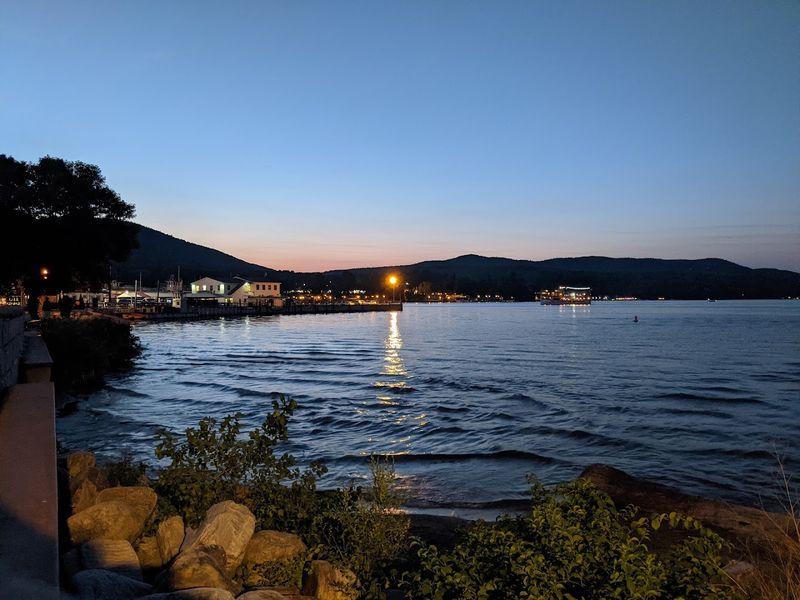
Thomas Jefferson once called Lake George the most beautiful water he had ever seen, and the lake has been collecting admirers at roughly the same rate ever since. Nestled between the Adirondack foothills, the water is so clear in some spots that you can see the rocky bottom from a boat.
That clarity, combined with the mountain backdrop, creates scenery that feels almost too picturesque to be real.
The village of Lake George sits at the southern tip and offers boat rentals, miniature golf, arcades, and waterfront restaurants that cater to families in the best possible way. Paddlewheel steamboat cruises run regularly throughout the summer and offer a relaxed, old-fashioned way to take in the full length of the 32-mile lake.
Camping on one of the lake’s 170 islands is an experience that feels genuinely remote despite being just two hours from Albany.
Fall transforms the surrounding mountains into a riot of color that reflects beautifully on the calm water. Winter brings ice fishing, snowmobiling, and a quieter, more peaceful version of the lake that locals tend to love most.
No matter when you visit, the combination of natural beauty and easy accessibility makes Lake George one of New York’s most reliably rewarding destinations.
Montauk, Long Island
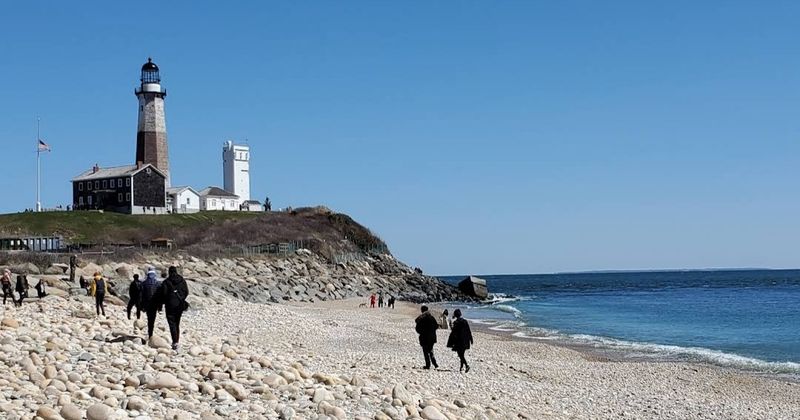
At the very tip of Long Island, where the land runs out and the Atlantic Ocean takes over completely, Montauk sits with the quiet confidence of a place that knows exactly what it is. Surfers, fishermen, and beach lovers have been making the pilgrimage out here for decades, drawn by the wild coastline and the refreshing lack of pretension.
The Hamptons may get more press, but Montauk gets more soul.
Montauk Point Lighthouse, built in 1796 at the request of George Washington, stands on dramatic rocky bluffs above crashing waves and is absolutely worth climbing for the views. Camp Hero State Park, right next door, offers hiking trails along ocean cliffs that feel genuinely rugged and remote.
Seafood restaurants along the harbor serve some of the freshest catches you will find anywhere on the East Coast.
Summer weekends draw crowds, but the shoulder seasons of May and October offer ideal weather with far fewer people competing for the same parking spots. Ditch Plains Beach is legendary among East Coast surfers and provides excellent wave-watching even for those who prefer dry land.
Renting a bike and cycling the length of the town is one of those simple pleasures that makes Montauk feel like a genuinely special place to spend a few slow, unhurried days.
Prospect Park, Brooklyn
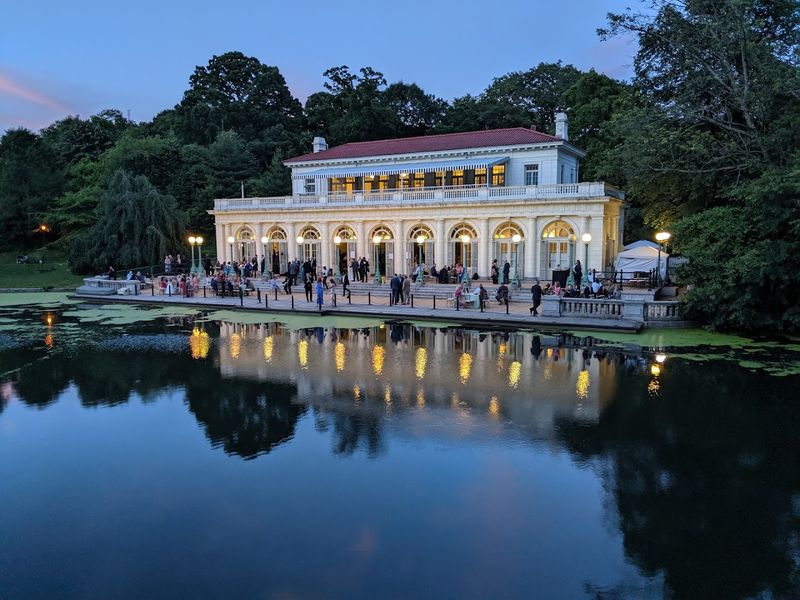
Frederick Law Olmsted, who co-designed Central Park, actually considered Prospect Park his finest work, and once you spend a few hours here, that opinion starts making a lot of sense. The 585-acre park has a more natural, less manicured feel than its Manhattan counterpart, with dense forests, meadows, and a 60-acre lake that genuinely feels like wilderness tucked inside a city.
Brooklyn residents tend to be fiercely protective of this place, and rightfully so.
The Long Meadow stretches nearly a mile and is one of the longest unbroken expanses of green space in any American urban park. Pedal boats on the lake are available during warmer months, and the Audubon Center inside the Boathouse offers excellent birdwatching opportunities that attract serious enthusiasts from across the region.
The adjacent Brooklyn Botanic Garden is a separate but wonderfully complementary stop that deserves at least two hours on its own.
Winter ice skating at the park’s rink is a beloved local tradition, and summer concerts at the Bandshell draw impressive lineups of musicians. The neighborhood surrounding Prospect Park, Park Slope, is one of Brooklyn’s most charming areas for walking, eating, and browsing independent bookshops.
Combining the park with a stroll through the neighborhood makes for a near-perfect Brooklyn afternoon that requires zero advance planning.
Hudson Valley
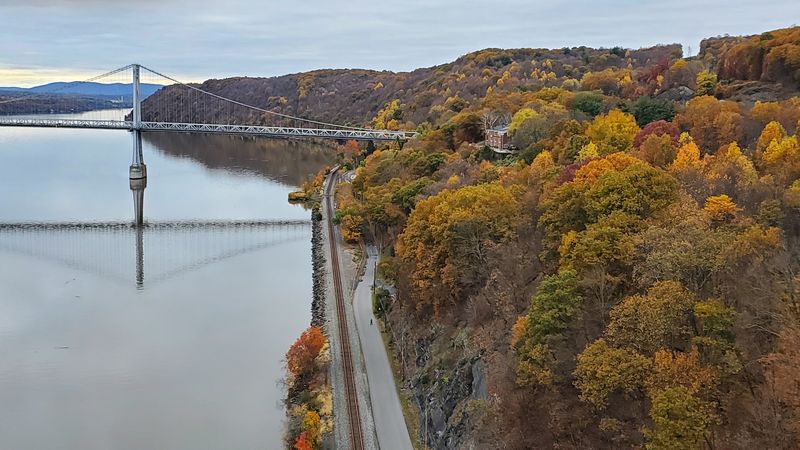
Just an hour north of New York City, the Hudson Valley has been inspiring artists, writers, and travelers since the 19th century, and the scenery makes it very easy to understand why. The Hudson River winds through a landscape of rolling hills, historic estates, and small towns that feel genuinely charming rather than manufactured for tourism.
This is one of those regions that improves with every return visit.
Beacon has transformed into a hub for contemporary art, anchored by Dia:Beacon, one of the most impressive modern art museums in the country housed inside a former factory. Cold Spring offers antique shops, hiking access to Hudson Highlands State Park, and riverside views that are especially striking during fall foliage season.
Rhinebeck and Hudson are both worth an afternoon for their independent restaurants, galleries, and beautifully preserved main streets.
Historic estates like Kykuit, the Rockefeller family home, and Franklin Roosevelt’s Hyde Park estate offer fascinating windows into American history and architecture. The valley’s farm-to-table food scene has exploded in recent years, with seasonal menus tied directly to local orchards and dairy farms.
Weekend train service from Penn Station makes the region accessible even without a car, which is a genuine luxury for city travelers looking for a quick, restorative escape.
Letchworth State Park
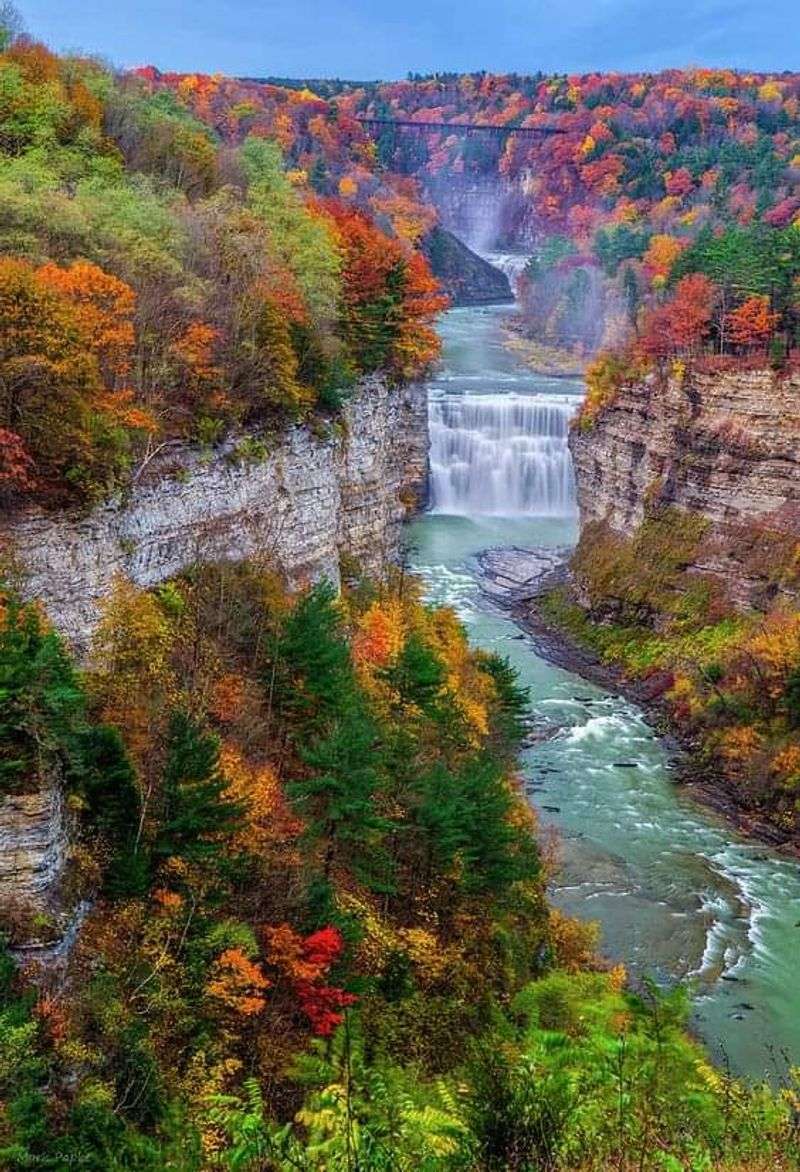
Nicknamed the Grand Canyon of the East, Letchworth State Park earns that comparison more honestly than most nicknames do. The Genesee River cuts through a gorge up to 600 feet deep, passing three major waterfalls and miles of forested cliffs that turn extraordinary shades of red and gold every October.
It was voted the number one state park in the United States in 2015, which surprised exactly no one who had already been there.
The Middle Falls, visible from the Glen Iris Inn restaurant patio, is arguably the most dramatic single viewpoint in the entire park and makes for a surreal dining experience. Hot-air balloon rides launched from the park during fall foliage season offer a perspective of the gorge that is completely unlike anything achievable on foot.
Seventeen waterfalls total are scattered throughout the park’s 14,000 acres, rewarding hikers who venture beyond the most popular overlooks.
Camping, whitewater rafting, horseback riding, and cross-country skiing round out a year-round activity list that keeps the park relevant in every season. The drive along the gorge rim road alone, even without stopping, is one of the most scenic road trips in New York State.
Spending a full weekend here barely scratches the surface of what this underrated gem actually has to offer visitors willing to explore it properly.
The High Line, New York City
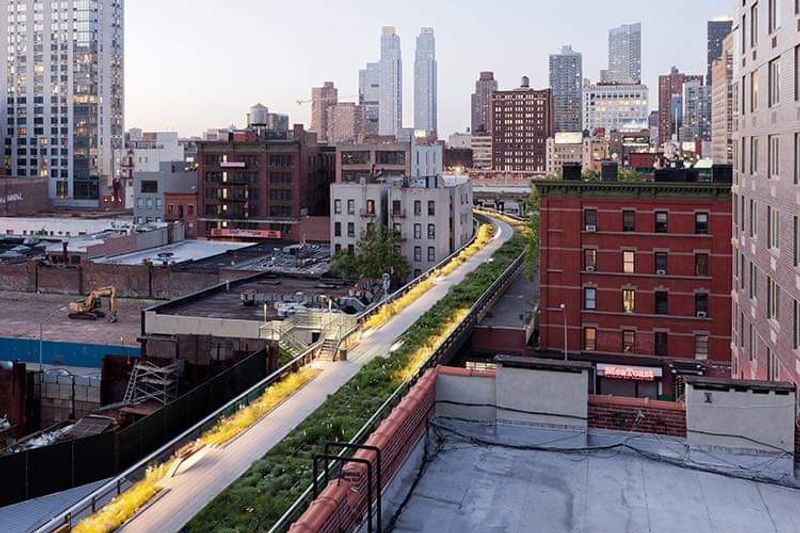
Nobody looked at a rusting, abandoned freight railway running through the middle of Manhattan and thought it was destined to become one of the most visited public spaces in America, but here we are. The High Line opened in 2009 after a community-led campaign saved it from demolition, and it has since attracted over eight million visitors per year.
That is a pretty spectacular return on a project that nearly ended up as a parking lot.
The 1.45-mile elevated walkway runs from the Meatpacking District through Chelsea and into Hudson Yards, weaving past native plantings, art installations, and some of the most interesting contemporary architecture in the city. Viewing platforms extend over Tenth Avenue, allowing visitors to watch Manhattan traffic flowing below like a river while standing completely above it all.
The surrounding neighborhood has transformed dramatically since the park opened, with galleries, restaurants, and the Hudson Yards development rising alongside the old rail bed.
Free admission makes the High Line one of the best deals in New York, and the rotating public art program means repeat visits always offer something new to discover. Early morning walks before the weekend crowds arrive are particularly peaceful, with the gardens catching soft light and the city still warming up below.
The nearby Whitney Museum of American Art makes a natural pairing for an afternoon that combines outdoor beauty with world-class contemporary art.
Catskill Mountains
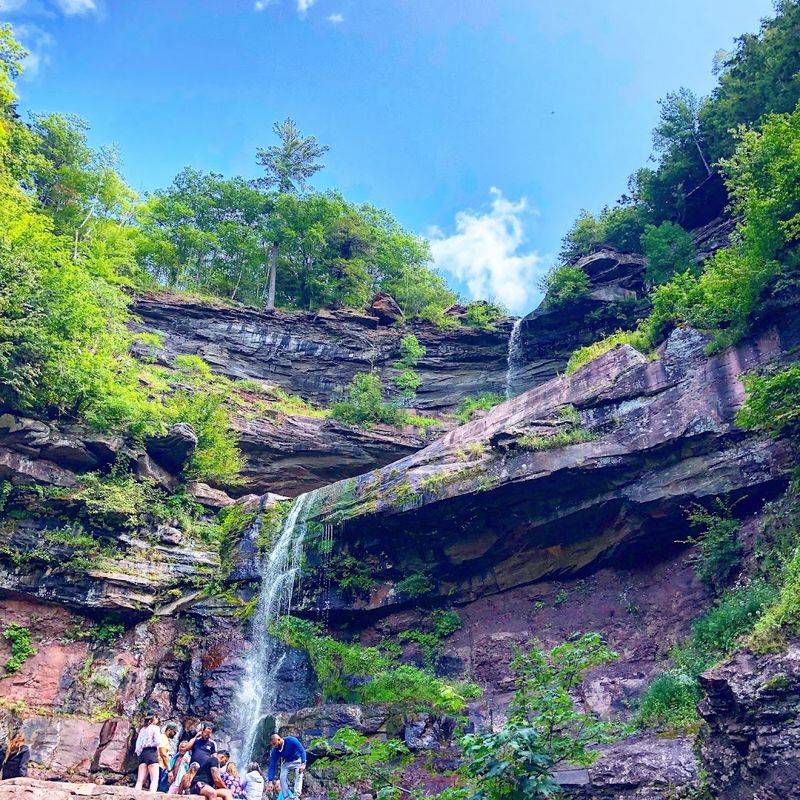
The Catskills have a creative reputation that stretches back centuries, from the Hudson River School painters who captured their ridgelines to the generations of writers, musicians, and comedians who retreated here to think. Something about the combination of misty peaks, tumbling waterfalls, and quiet mountain roads genuinely seems to loosen the mind.
This is the kind of place people visit once and then quietly start looking at real estate listings.
Kaaterskill Falls, at 260 feet, is the tallest two-stage waterfall in the northeastern United States and is reachable via a moderately challenging trail that rewards the effort magnificently. The town of Woodstock carries its legendary music festival name with a laid-back, artsy energy that still feels authentic rather than performed.
Catskill Center hiking trails connect dozens of peaks, including the popular Devil’s Path, which experienced hikers describe as one of the most demanding but rewarding ridge hikes in the region.
Cozy inns, farm-to-table restaurants, and boutique shops have given the Catskills a fresh identity that appeals to younger travelers alongside the longtime outdoor enthusiasts. Ski resorts at Hunter and Belleayre Mountain keep winter calendars full from December through March.
The two-hour drive from New York City makes spontaneous weekend escapes completely practical, which explains why the Catskills have remained continuously popular for well over 150 years.
Statue of Liberty, New York Harbor
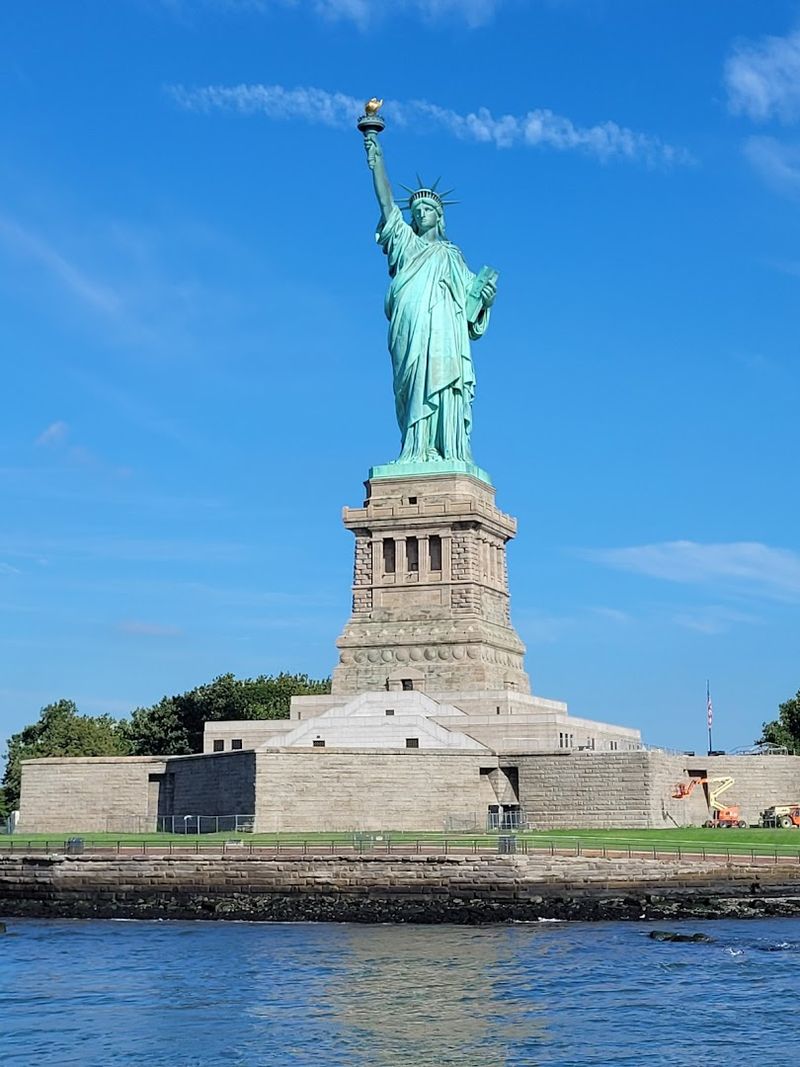
Gifted by France and dedicated in 1886, the Statue of Liberty has greeted millions of arriving immigrants and remains one of the most emotionally resonant landmarks on the planet. Standing 305 feet from ground to torch tip, Lady Liberty is even more impressive in person than the countless photographs and postcards suggest.
The ferry ride across New York Harbor alone offers some of the most iconic skyline views available anywhere in the city.
Tickets for crown access sell out weeks or even months in advance and should be booked the moment travel plans are confirmed. Pedestal access offers excellent views without the long climb, and the museum inside the pedestal provides genuinely moving exhibits about the statue’s construction and the immigration stories connected to it.
The audio tour available on the island is one of those rare audio guides that actually makes the experience richer rather than just filling silence.
Ellis Island, included in the same ferry ticket, deserves at least two hours of its own. The immigration museum there is one of the most thoughtfully curated historical sites in the country, with original documents, photographs, and interactive exhibits tracing the stories of the 12 million people who passed through its doors.
Visiting both islands together on a single day makes for an experience that is educational, emotional, and genuinely unforgettable for travelers of any age.
Share this story