Greece may be famous for Santorini and Mykonos, but some of its most magical coastal villages remain surprisingly peaceful. Across lesser-known islands and quiet mainland shores, travelers can still find whitewashed harbors, crystal-clear water, and authentic Greek life without overwhelming tourist crowds.
If you are ready to swap selfie sticks for fresh seafood and genuine sunsets, these hidden gems are waiting for you.
Assos, Kefalonia
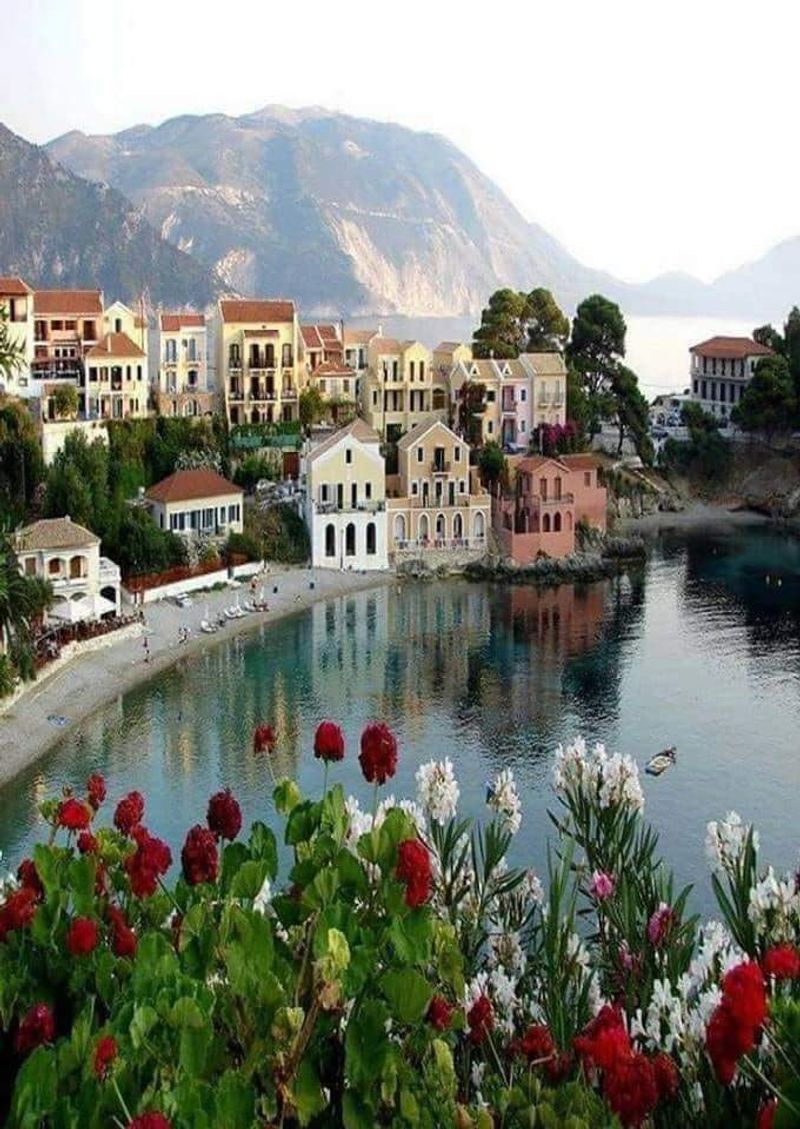
Tucked inside a narrow peninsula like a secret folded into the hillside, Assos is the kind of place that makes you want to cancel your return flight. Pastel pinks, yellows, and blues line the waterfront, reflected perfectly in the calm Ionian Sea below.
The Venetian fortress perched above town adds a layer of history that most visitors never expect to find here.
Getting to Assos requires a winding mountain road that rewards every careful turn with jaw-dropping views. Once you arrive, the pace slows dramatically.
Locals sit outside kafeneions, fishing boats bob lazily in the harbor, and the loudest sound is usually the clinking of coffee cups.
Waterfront tavernas serve fresh fish caught the same morning, and the nearby beaches offer some of Kefalonia’s clearest swimming water. Assos never feels overcrowded even in July.
Visiting in late spring or early September means you get sunshine, warmth, and almost the entire village to yourself. Bring a good book, comfortable sandals, and absolutely no agenda.
Sivota, Epirus
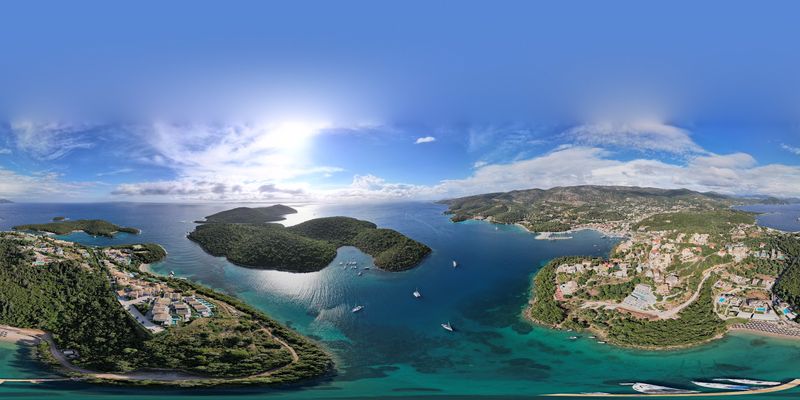
Sailors have a saying that the best anchorages are the ones nobody else knows about, and Sivota fits that description perfectly. Nestled along the northwestern mainland coast of Greece, this quiet fishing village sits inside a natural bay dotted with tiny uninhabited islands.
The water here shifts between shades of jade and sapphire depending on the time of day.
Most travelers heading toward Corfu or the Ionian islands drive straight past Sivota without a second glance. That oversight is their loss and your gain.
Seafood tavernas line the harbor serving grilled octopus and fresh shrimp at prices that feel almost too reasonable. Local fishermen still bring their catch in each morning, and you can often buy directly from the boats.
Renting a small motorboat for the day lets you explore hidden coves and swim in spots that rarely appear on any tourist map. The surrounding hills are covered in olive groves and pine forest, making even a simple walk feel rewarding.
Sivota is proof that mainland Greece hides some seriously underrated coastal magic worth every detour.
Karavostamo, Ikaria
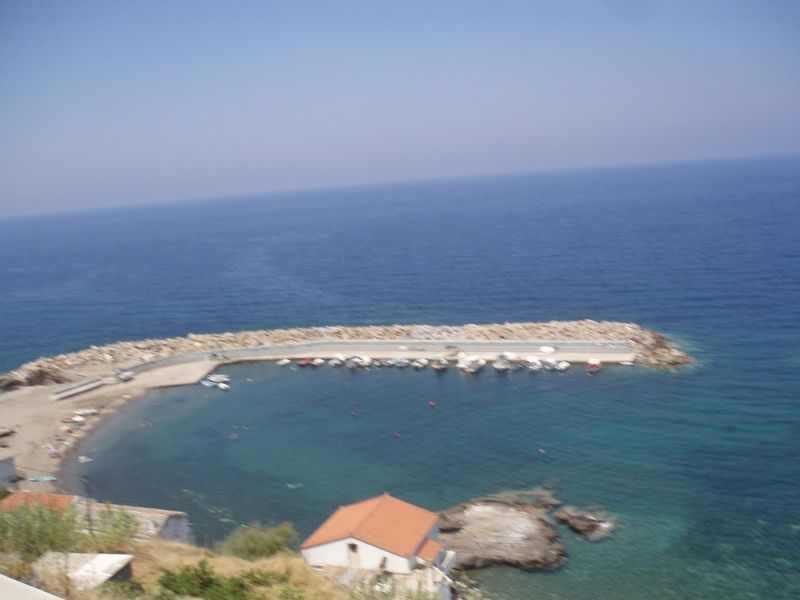
Ikaria is the island where people forget to rush, and Karavostamo is its most honest expression. Perched along the northern coast, this small village looks like it was carved directly from the rocky hillside centuries ago and simply never changed.
Stone houses cluster together above a quiet harbor where fishing boats outnumber tourists by a comfortable margin.
Ikaria is internationally famous for its longevity culture, meaning locals here live unusually long and healthy lives. Scientists have studied the island extensively, and the relaxed pace of Karavostamo is considered a big part of that formula.
There is no rush hour, no aggressive vendors, and no line for anything.
Old watermills sit along mountain streams nearby, and terraced hillsides planted with fig trees and grapevines surround the village on all sides. The local panigiri festivals held in summer are legendary, with music and dancing that sometimes continues until sunrise.
Swimming spots near the harbor are rocky but wonderfully clear. Karavostamo rewards slow travelers who prefer discovery over convenience, offering an experience that feels genuinely removed from the pressures of modern tourism.
Galaxidi, Central Greece
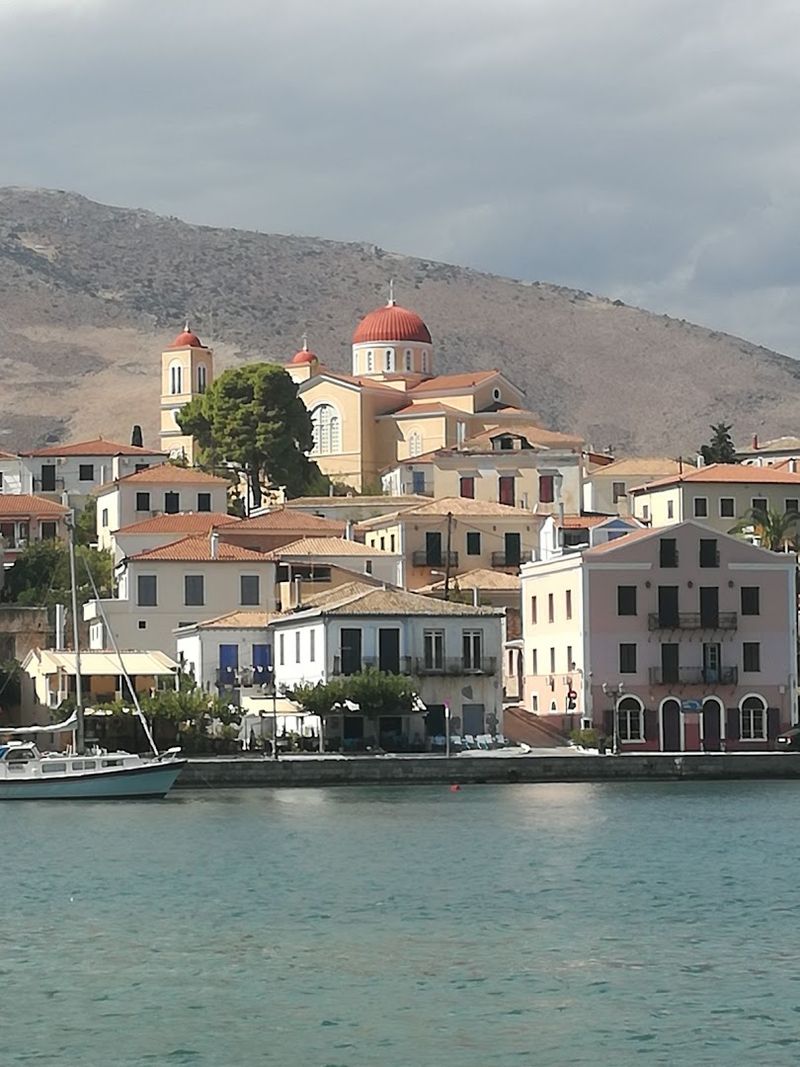
Picture a village so elegantly preserved that it feels like a film set, except every building is genuinely old and every local is genuinely unbothered by your camera. Galaxidi sits along the Gulf of Corinth, about two hours from Athens, and it carries itself with a quiet maritime confidence that comes from centuries of seafaring history.
At its peak in the 19th century, Galaxidi was one of Greece’s most important shipbuilding towns.
Today the harbor is calm and the colorful sea-captain mansions have been lovingly restored. Narrow cobblestone streets wind between bougainvillea-draped walls, and small cafes serve strong Greek coffee to unhurried guests.
The atmosphere is refined without being pretentious, which is a rare combination.
Most visitors to the area head straight to nearby Delphi and never realize Galaxidi exists. That means you can wander the waterfront, visit the small maritime museum, and eat fresh seafood without fighting anyone for a table.
Spring and autumn are especially lovely here when the light turns golden and the crowds thin to almost nothing. Galaxidi is the definition of an understated gem sitting in plain sight.
Monemvasia, Peloponnese
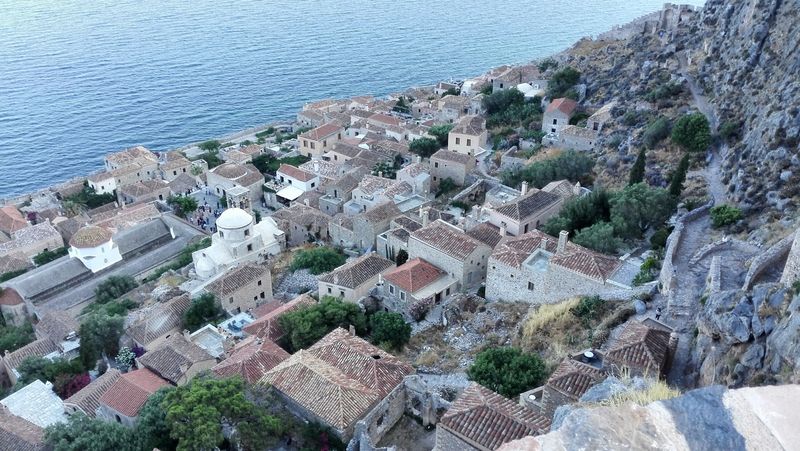
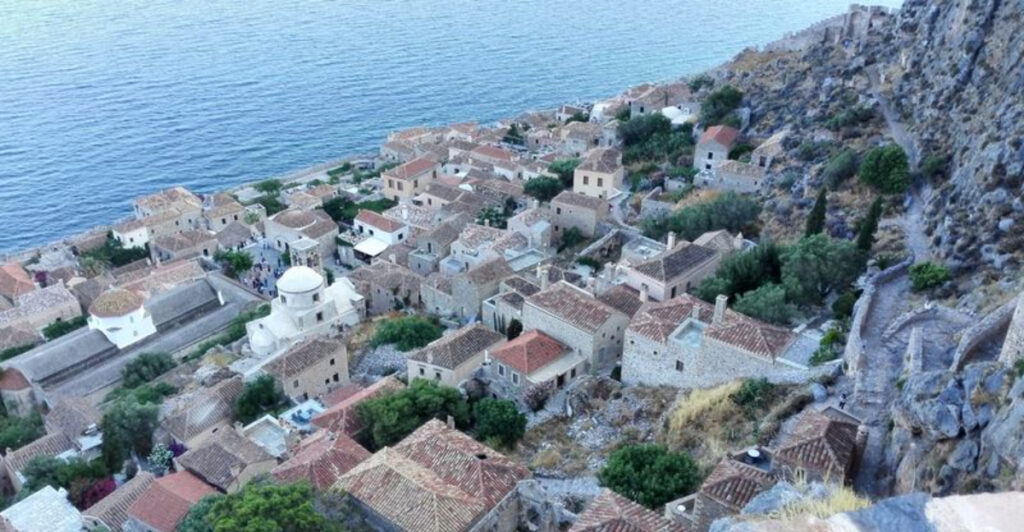
Rising from the sea like a forgotten fortress, Monemvasia is the kind of place that makes history feel alive and slightly cinematic. Connected to the mainland by a single narrow causeway, this medieval rock village was once one of the most powerful trading posts in the eastern Mediterranean.
Byzantine churches, Venetian towers, and Ottoman-era details all share the same ancient stone streets.
The lower town sits tucked inside the massive fortification walls, completely invisible from the mainland side. Walking through the single entrance gate feels like stepping into a different century.
Bougainvillea cascades over stone walls, cats nap in doorways, and the sea glitters far below every terrace.
Outside the peak July and August weeks, Monemvasia settles into a genuinely peaceful rhythm. Small boutique hotels occupy restored medieval buildings, and candlelit restaurants serve local wine alongside freshly grilled fish.
Climbing up to the upper castle ruins at sunset rewards you with panoramic views that stretch across the entire southern Peloponnese coastline. Visiting in May or October means cooler temperatures, fewer crowds, and a more authentic connection to one of Greece’s most spectacular and underappreciated destinations.
Avlemonas, Kythira
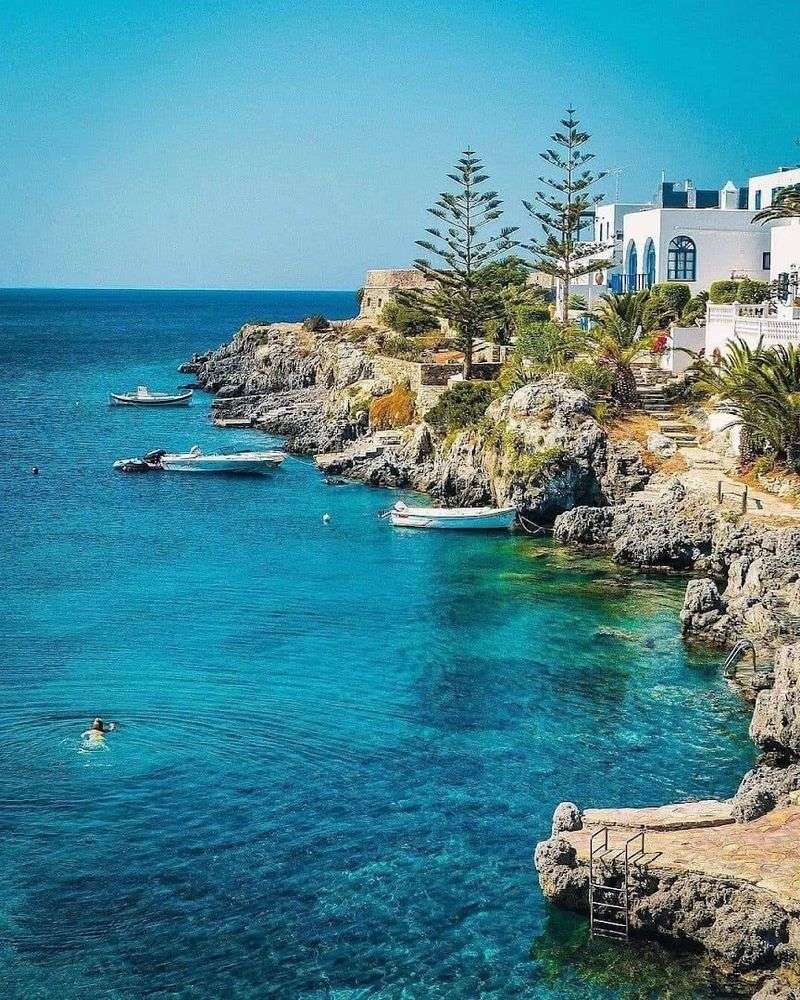
Kythira sits between the Ionian and Aegean seas like an island that can not quite decide where it belongs, and that geographical independence has kept it beautifully off the tourist radar. Avlemonas, a tiny harbor village on the island’s eastern coast, captures everything that makes Kythira special.
A small Venetian castle watches over the cove from above while crystal-clear water laps quietly at the rocky shore below.
The village has just a handful of tavernas and a relaxed local population that welcomes visitors without overwhelming them. Swimming directly from the rocks near the harbor is a daily ritual for both locals and guests.
The water clarity here is genuinely startling, especially for those arriving from busier Greek island beaches.
Kythira receives far fewer tourists than the Cyclades or Ionian islands, so Avlemonas retains an authenticity that is increasingly rare in Greek island tourism. The island is particularly popular with Greek-Australians tracing their family roots, giving it a warm, welcoming international-local blend.
Renting a car and exploring Kythira’s interior villages alongside Avlemonas creates one of the most rewarding and crowd-free Greek island experiences available today.
Klima, Milos
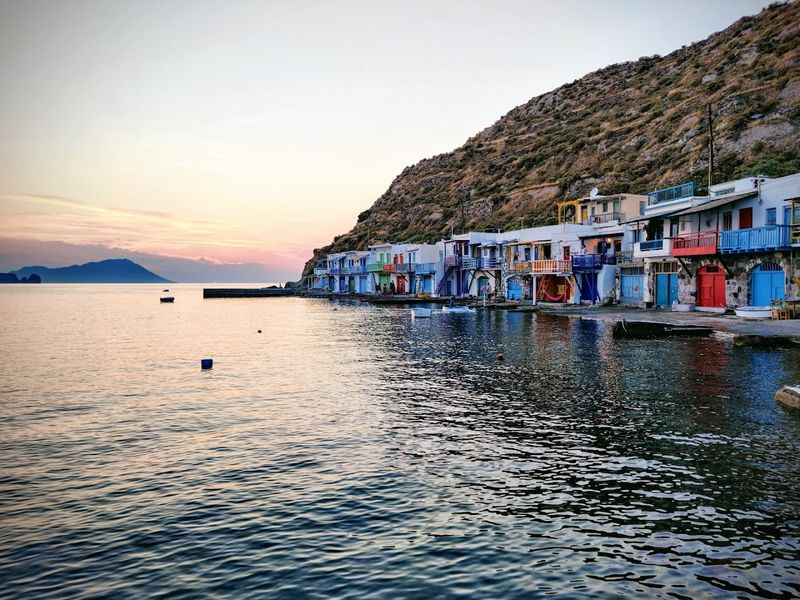
No fishing village in Greece looks quite like Klima, where the boathouses are painted in shades of candy-red, cobalt blue, and sun-yellow and sit so close to the water that the sea practically knocks on the front door. These traditional structures are called syrmata, built with a ground-floor garage for fishing boats and a sleeping loft above for the fishermen.
The whole arrangement is wonderfully practical and wildly photogenic.
Milos has grown more popular in recent years thanks to its famous colored beaches and lunar volcanic landscape, but Klima stays quieter than most of the island. There are no beach clubs or cocktail bars here, just a few simple tavernas, the sound of water against stone, and some of the most beautiful light in all of Greece at sunset.
Swimming off the small pier near the syrmata is a genuine pleasure, with clear volcanic water and almost zero boat traffic. The village is small enough to explore completely in under an hour, making it a perfect stop on a full-island road trip.
Pack a picnic, arrive in the late afternoon, and stay until the colors on the water turn gold. You will not regret it.
Limeni, Mani Peninsula
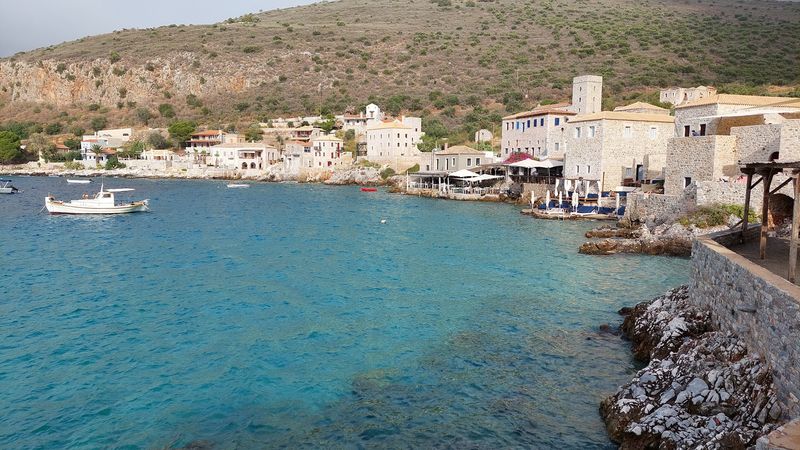
The Mani Peninsula is one of Greece’s wildest and most dramatic regions, and Limeni sits at the edge of it all like a reward for the adventurous. Stone tower houses, built originally for family feuds and fortification, rise above one of the most impossibly clear bays in the southern Peloponnese.
The water here is so transparent that you can see every pebble on the bottom from several meters up.
Limeni’s remote location on the deep Mani coast keeps the big tour buses away, meaning the village retains a raw, genuine character that feels increasingly rare in coastal Greece. A handful of excellent seafood tavernas perch directly above the water, serving sea urchin, grilled fish, and local wine with views that compete seriously with the food.
Swimming in the bay is effortless since the water stays calm even when the open sea gets choppy. The surrounding landscape of rocky mountains, prickly pear cactus, and abandoned stone settlements makes even a short drive through the area feel like an adventure.
Limeni works perfectly as a base for exploring the broader Mani region while enjoying a beautiful, peaceful harbor to return to each evening.
Chora, Folegandros
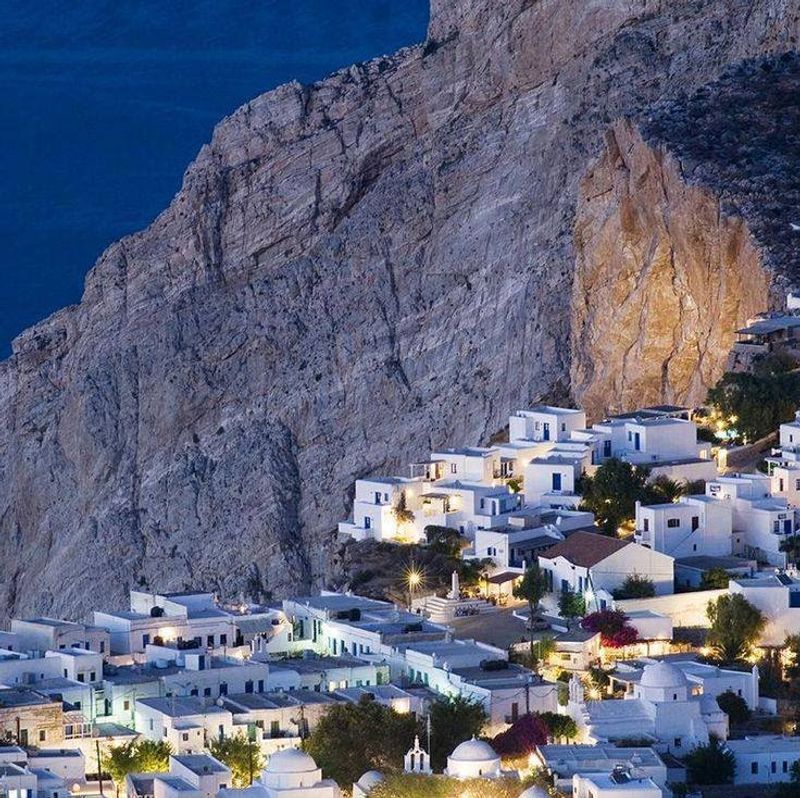
Folegandros is the Cyclades’ best-kept secret, a small island that somehow maintains its soul despite sitting within sailing distance of Santorini. The island’s main village, Chora, balances on the edge of a dramatic cliff with views that drop straight into the Aegean below.
Walking through its flower-filled alleys feels less like sightseeing and more like stumbling into a dream you had about Greece.
Unlike Mykonos, there are no neon-lit clubs or influencer-packed beach bars in Folegandros. Instead, you get candlelit squares, locally owned restaurants serving slow-cooked lamb and fresh fava, and a community that genuinely seems happy to share their island with respectful visitors.
The Church of Panagia sits atop the highest cliff and rewards the short hike with some of the most extraordinary sunset views in the Aegean.
Ferry connections to Folegandros are limited compared to busier Cycladic islands, which naturally filters the visitor numbers and keeps the atmosphere relaxed. The island has a small but loyal following of travelers who return year after year specifically because it never changes.
Visiting Chora in June or September means warm weather, open tavernas, and a crowd-free experience that most travelers assume no longer exists in the Cyclades.
Methoni, Peloponnese
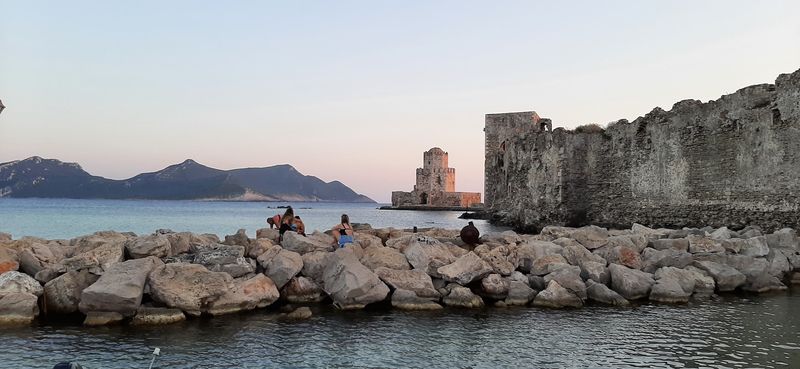
History enthusiasts and beach lovers rarely agree on a destination, but Methoni manages to satisfy both simultaneously. Sitting at the southwestern tip of the Peloponnese, this small coastal village is home to one of the largest and best-preserved Venetian fortresses in the entire Mediterranean.
The fortress stretches dramatically into the sea, ending in a round Ottoman tower called the Bourtzi that seems to float above the water.
Beyond the impressive walls, Methoni village itself is refreshingly normal in the best possible way. Local tavernas serve grilled meats and fresh fish at honest prices, and the nearby beaches offer long stretches of sand with very manageable summer crowds.
The town moves at a pace that encourages afternoon naps and long dinners.
Methoni sits along the scenic coastal route between Kalamata and Pylos, making it an ideal stop for travelers exploring the southern Peloponnese by car. The fortress is free to enter and remains genuinely undervisited compared to its historical significance.
Watching the sunset from the fortress walls with the sea on three sides is an experience that costs nothing and stays with you for years. Methoni is a strong argument for always checking what lies just off the main tourist route.
Naousa, Paros
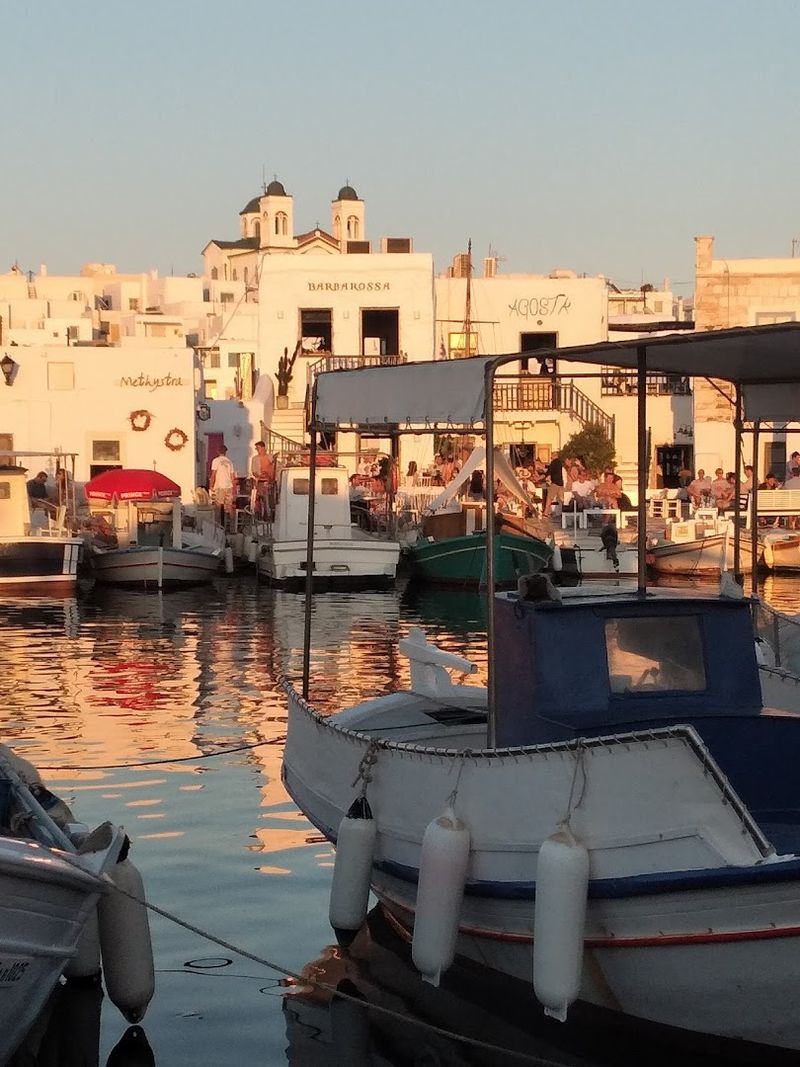
Paros has been creeping up the popularity charts for years, but Naousa manages to hold onto its fishing village character despite the growing attention. A ruined Venetian windmill stands guard at the harbor entrance while brightly painted caiques bob in the water below.
The combination of Cycladic whitewash and seafront energy gives Naousa a charm that feels genuinely earned rather than manufactured for tourists.
The village comes alive in the evenings when locals and visitors mix naturally along the waterfront. Small family-run restaurants serve exceptional seafood, and the local specialty of fresh tuna in various preparations is worth planning a meal around.
Naousa also sits close to some of Paros’s best beaches, including Kolymbithres with its famous granite rock formations.
Visiting during May, June, or September gives you the full Naousa experience without the August peak-season intensity. Shoulder season means available tables at the best restaurants, affordable accommodation, and a relaxed pace that lets you actually enjoy the place.
The harbor is especially beautiful just after sunrise when the fishing boats return and the light turns everything a warm amber. Naousa proves that even on a popular island, the right village can still deliver genuine magic.
Finikounda, Peloponnese
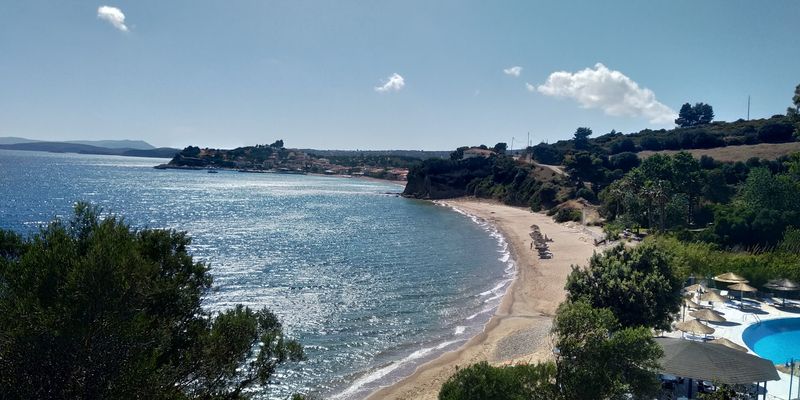
Some places earn their reputation purely through atmosphere, and Finikounda is exactly that kind of place. Sitting on a small peninsula between Methoni and Koroni along the southwestern Peloponnese coast, this laid-back fishing village offers sandy beaches, shallow calm water, and a pace of life that feels genuinely therapeutic.
The sea here is turquoise and warm, protected enough for easy swimming even when the wind picks up elsewhere.
Finikounda attracts a loyal crowd of Greek families and European campers who return every summer for exactly the same simple pleasures. Beach tavernas serve cold beer and grilled fish with sand between your toes, and nobody is in a rush to turn your table over.
The village itself is small and walkable, with a handful of shops, a bakery, and enough restaurants to keep you happily fed for a week.
The surrounding coastline offers excellent snorkeling and kayaking, with clear water and rocky coves within easy paddling distance. Finikounda also works as a convenient base for visiting both Methoni and Koroni, two of the Peloponnese’s finest historic coastal towns.
If your ideal Greek holiday involves a good book, a beach umbrella, and fresh calamari for lunch, Finikounda delivers every single time.
Emporio, Santorini
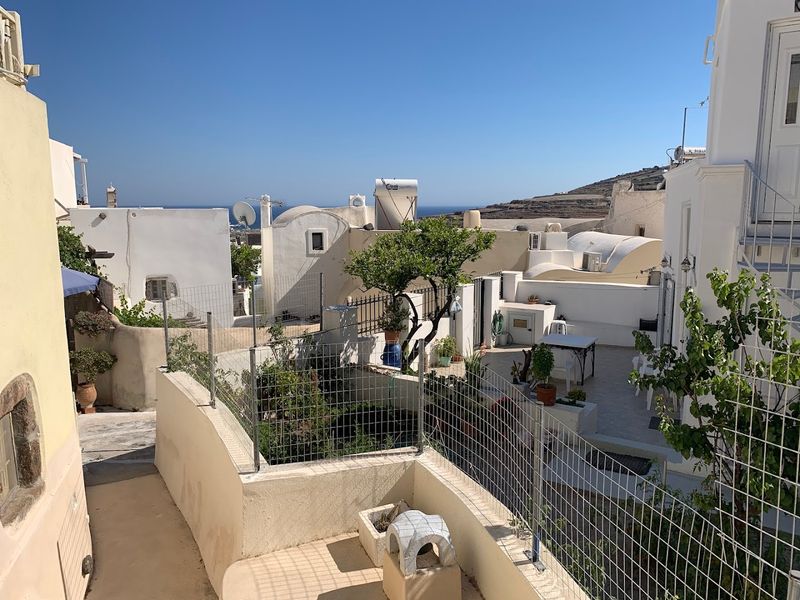
Everyone knows Santorini means Oia, sunset photos, and infinity pools that cost more per night than a used car. But head south to Emporio and a completely different island reveals itself.
This medieval village was built as a fortress town with winding alleyways designed to confuse invaders, and those same labyrinthine streets now create one of Santorini’s most atmospheric and crowd-free experiences.
Emporio is the island’s largest traditional village, and it operates on a refreshingly local rhythm. The central square fills with Greek families in the evenings rather than tourists chasing the perfect Instagram shot.
Traditional kafeneions serve strong coffee and homemade sweets, and the old windmills on the village edge frame views of the surrounding volcanic landscape beautifully.
The nearby black sand beach at Perissa is just a short drive away, offering a proper beach day without the premium prices of the caldera-view hotels. Staying in Emporio rather than Oia can cut your accommodation costs dramatically while giving you a more honest experience of the island.
Santorini is undeniably beautiful, and Emporio proves you do not need a luxury cliffside suite to feel it. Sometimes all it takes is a quiet alley and a very good local taverna.
Symi Harbor, Symi
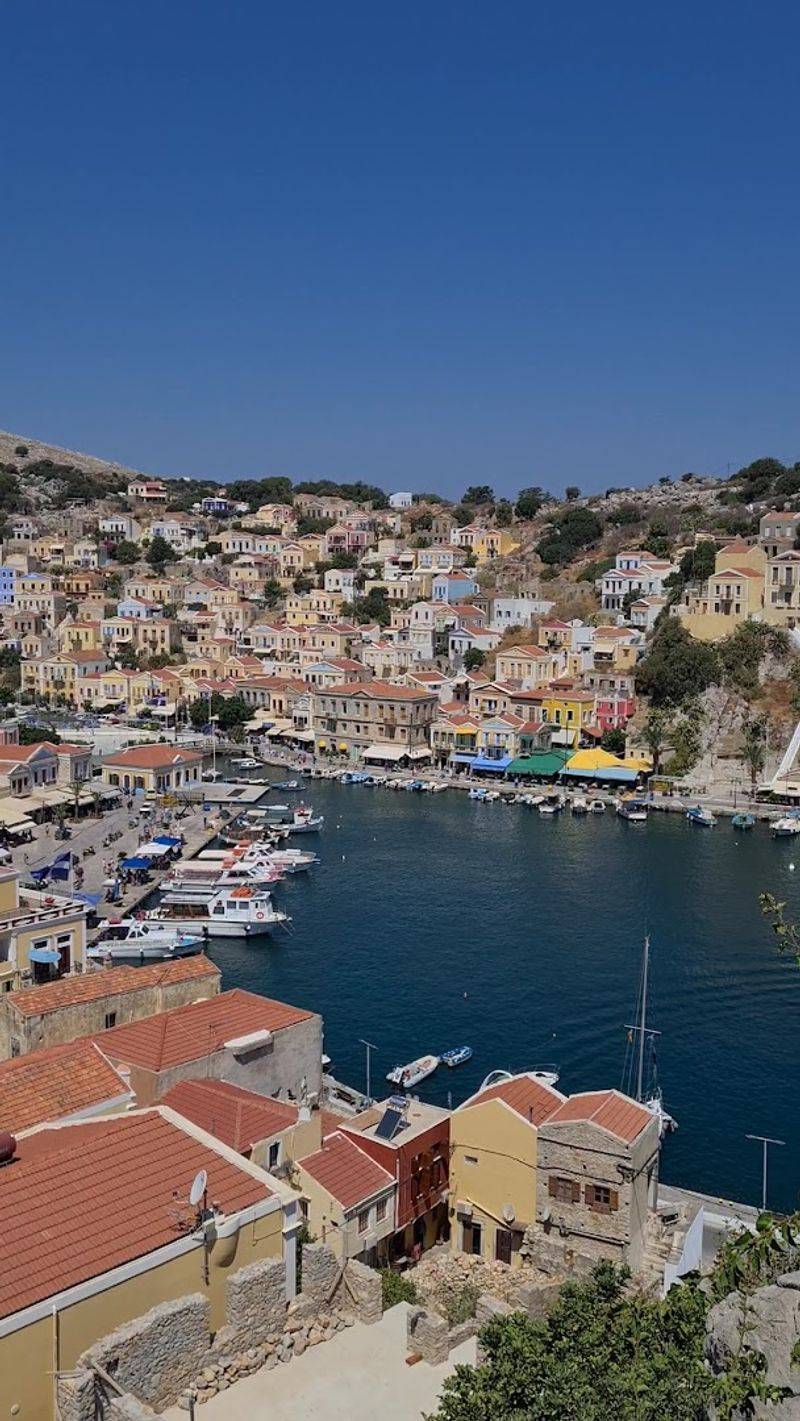
Few harbor arrivals in the Mediterranean can match the theatrical impact of sailing into Symi. Rows of pastel neoclassical mansions in ochre, terracotta, and cream rise in steep tiers from the water’s edge, creating a harbor panorama that genuinely stops conversation mid-sentence.
Symi was once one of the wealthiest islands in the Aegean, built on a thriving sponge-diving industry, and the elegant architecture reflects that prosperous past beautifully.
The island sits close to the Turkish coast in the Dodecanese and receives day-trippers from Rhodes, but most visitors leave by late afternoon, returning the harbor to its natural quiet. Staying overnight transforms the experience entirely.
Gialos, the lower harbor area, has excellent restaurants and a buzzing but manageable evening atmosphere, while the upper village of Chorio offers a quieter, more residential feel.
Walking the famous Kali Strata staircase connecting the two levels of Symi is both a workout and a sightseeing experience in itself, with beautiful mansions lining every step. The island’s beaches require a boat taxi or a good hike to reach, which keeps them wonderfully uncrowded.
Symi rewards visitors who stay at least two nights and explore beyond the main harbor, revealing a depth and beauty that day-trippers simply never see.
Agios Nikolaos, Crete
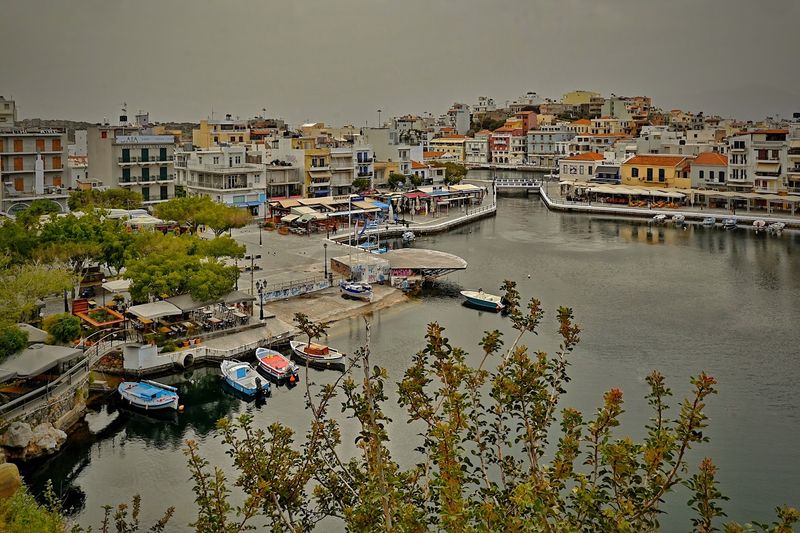
Crete is Greece’s largest island and one of its most visited, but eastern Crete operates at a noticeably different speed from the resort-heavy north coast. Agios Nikolaos, built around a mysterious bottomless lake connected to the sea by a short channel, has a character that sets it apart from the standard beach-resort formula.
The lakeside promenade lined with cafes and restaurants creates a uniquely relaxed atmosphere for an island town of its size.
The lake, called Voulismeni, was once believed by locals to have no bottom at all. Modern measurements put it at around 64 meters deep, which is still pretty impressive and explains the legend.
Sitting at a lakeside cafe with a frappe and watching boats pass through the narrow sea channel is one of those simple pleasures that defines unhurried Greek summer life.
Nearby beaches like Almyros and Ammoudi offer calm swimming without the shoulder-to-shoulder crowds of the island’s busiest resort zones. The town also serves as an excellent base for exploring the stunning Elounda area and the Spinalonga island fortress.
Agios Nikolaos balances history, natural beauty, and genuine local life in a way that reminds you why people fell in love with Crete long before the package holidays arrived.
Share this story