The American South becomes even more appealing once peak tourist crowds disappear. Cooler temperatures, lower hotel prices, quieter streets, and a more relaxed local atmosphere often make the off-season the ideal time to visit.
Whether you love history, beaches, mountains, or small-town charm, the South has something special waiting for you outside the busy season. These destinations shine brightest when summer vacations and holiday rushes finally come to an end.
Savannah, Georgia
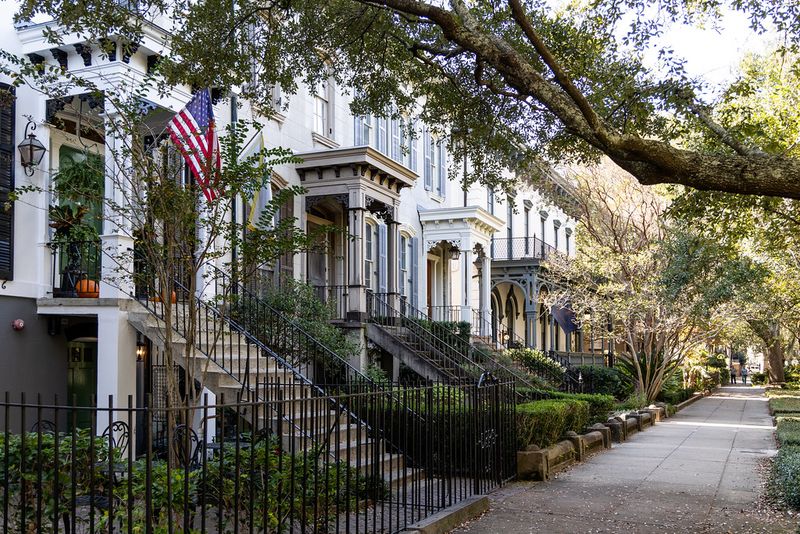
There is something almost cinematic about Savannah when the summer heat finally breaks. Late fall and winter bring comfortable walking temperatures to this city packed with historic squares, and suddenly those famous oak trees draped in Spanish moss feel like they belong to you alone.
Shorter lines at popular restaurants mean you can actually snag a table at places that are notoriously hard to book in peak season. River Street, usually shoulder-to-shoulder with tourists, transforms into a pleasant stroll with actual breathing room.
Hotel prices drop noticeably, making it easier to splurge on one of the gorgeous historic inns inside the city center.
Ghost tours feel genuinely spooky when the streets are quieter and the fog rolls in off the river. Local guides slow down and share more stories when they are not rushing groups through packed streets.
Savannah in the off-season rewards curious travelers who appreciate atmosphere over activity checklists.
Asheville, North Carolina
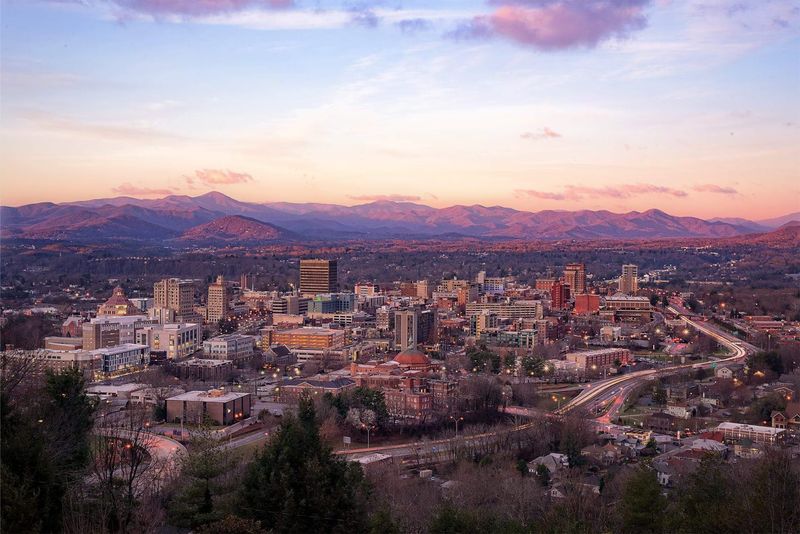
Once the leaf-peeping crowds pack up and head home, Asheville quietly becomes one of the most enjoyable small cities in the entire South. The Blue Ridge Mountains surrounding the city do not lose their appeal just because the leaves have fallen.
Winter light hits those ridgelines in a completely different and honestly more dramatic way.
Brewery lines shrink dramatically in the off-season, which is a big deal in a city that takes its craft beer seriously. Hiking trails around the area feel private and peaceful rather than busy and crowded.
Mountain cabin rentals often drop significantly in price, making a cozy weekend getaway genuinely affordable.
Early spring is another hidden gem window for visiting Asheville. Wildflowers start appearing on trail edges, local restaurants debut fresh seasonal menus, and the tourism machine has not yet revved back up to full speed.
Biltmore Estate, one of the most visited spots in the region, is far more relaxed to explore when you are not competing with summer crowds for parking and entry times.
Charleston, South Carolina
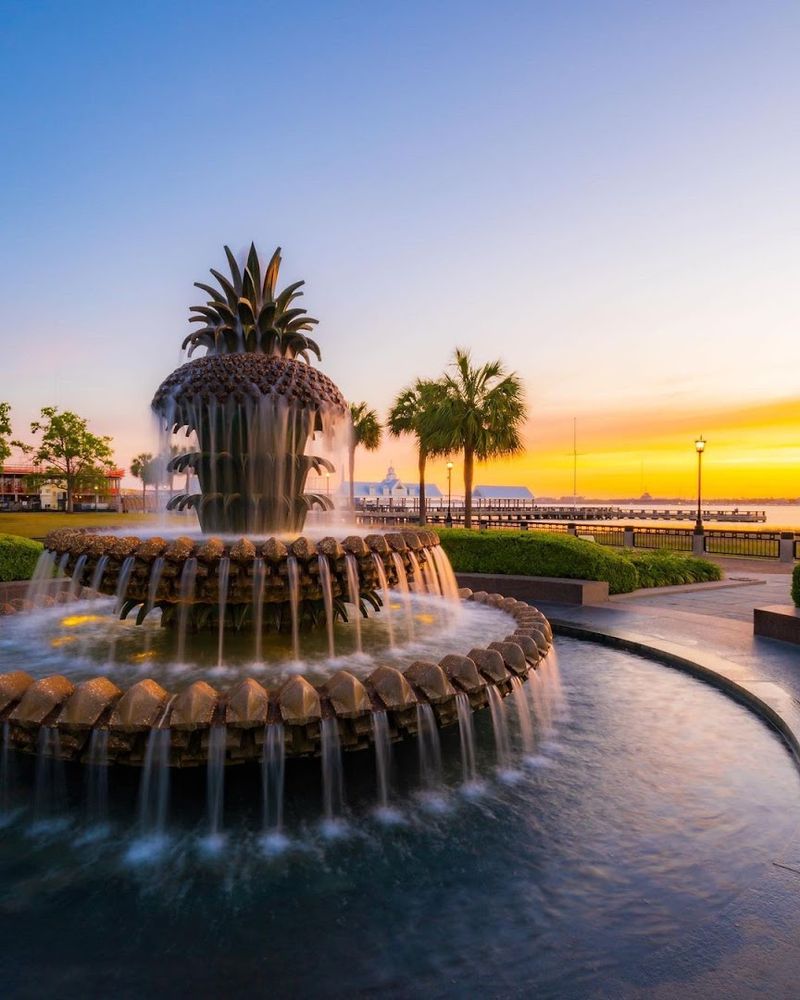
Ask anyone who has visited Charleston in July and they will likely mention the humidity before anything else. Cooler months flip the script entirely, turning this already gorgeous city into a genuinely comfortable place to wander for hours without melting.
Walking tours through the historic district are dramatically better when temperatures stay in the 50s and 60s. The architecture, the gardens, and the waterfront all feel more accessible and personal when you are not dodging massive cruise ship tour groups.
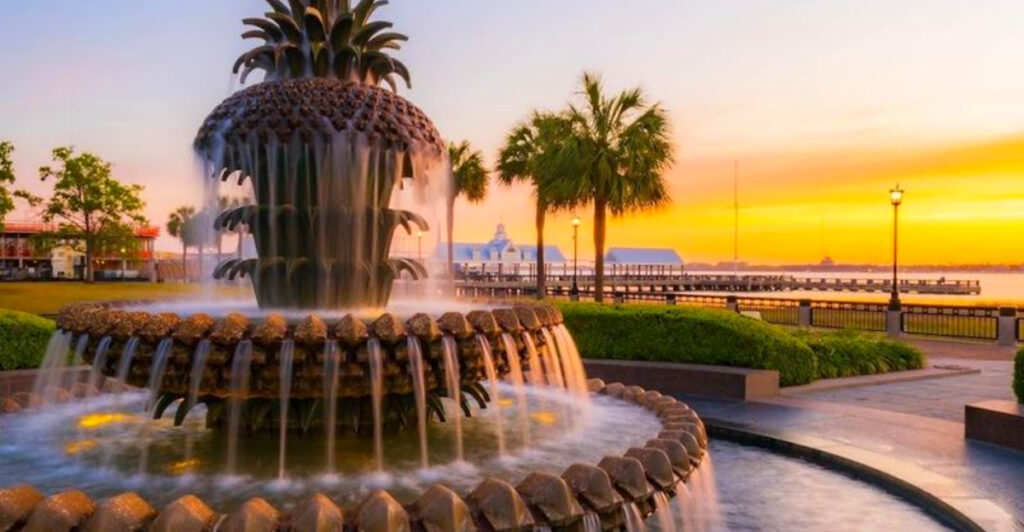
Waterfront Park and the Battery become peaceful spots for a slow morning walk rather than crowded photo backdrops.
Lowcountry cuisine tastes just as incredible in January as it does in June, and restaurant reservations are far easier to land during slower months. Middleton Place and Magnolia Plantation, two of the most stunning garden estates in the country, offer a quieter and more reflective experience outside peak season.
Charleston off-season is not a consolation prize. It is genuinely the better version of the trip.
New Orleans, Louisiana
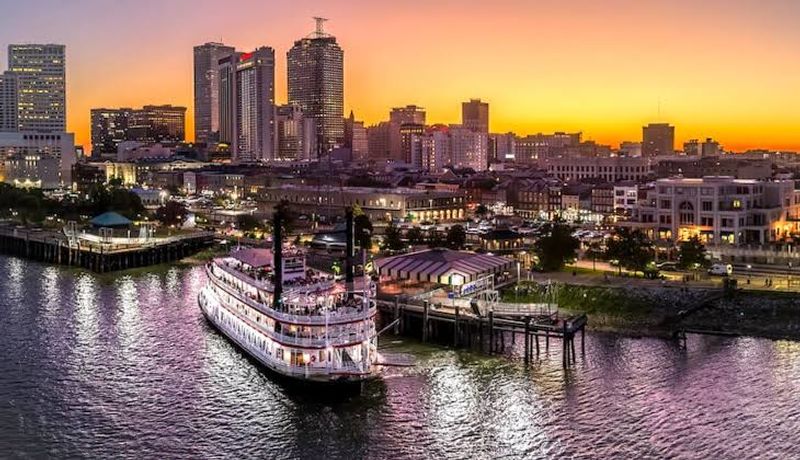
Mardi Gras gets all the headlines, but New Orleans between festivals might actually be the city at its most irresistible. Fall and early winter bring cooler temperatures and a slower rhythm that lets you actually absorb what makes this place so unlike anywhere else in America.
The French Quarter feels genuinely explorable rather than overwhelming when visitor numbers drop. Jazz clubs are easier to get into, and the musicians play just as hard for a smaller crowd.
Historic cemetery tours, bayou excursions, and streetcar rides all become far more enjoyable without summer heat pressing down on everything.
Hotel prices fall noticeably outside festival windows, and some of the city’s most celebrated restaurants suddenly have open reservation slots. The local food scene never takes a day off, so beignets, gumbo, and po-boys are waiting regardless of the month.
New Orleans off-season also gives you a chance to connect with actual locals rather than navigating around thousands of visitors who are there for the same party you are trying to avoid.
Beaufort, South Carolina
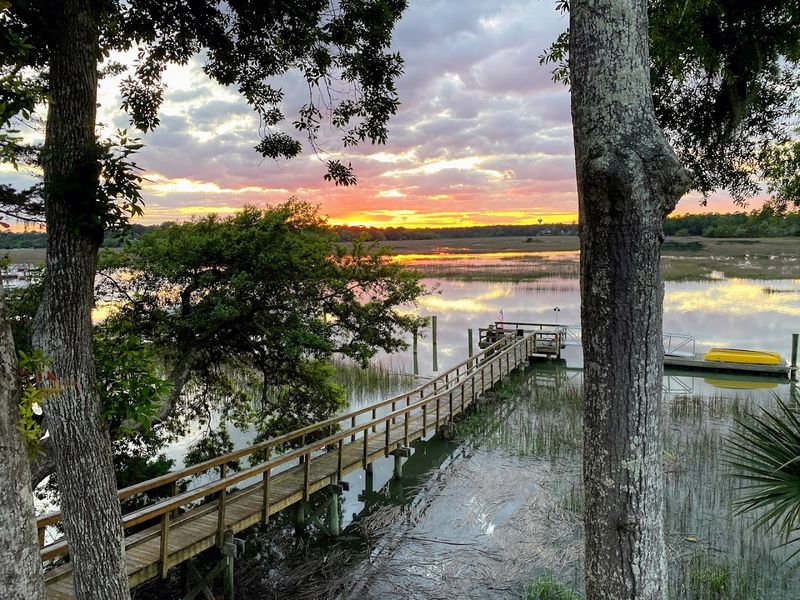
Beaufort is the kind of place that makes you wonder why it is not more famous, and the off-season is exactly when that quiet charm hits hardest. Situated between Hilton Head and Charleston, this small coastal city carries massive historic weight without the tourist machinery that surrounds its neighbors.
Tidal marshes shimmer in the low winter light in a way that feels almost too pretty to be real. Historic homes along the waterfront, many dating back to the 1800s, are easier to appreciate when you are not competing with tour buses for sidewalk space.
The pace here is genuinely slow, and that is the entire point.
Outdoor activities like kayaking through the ACE Basin and biking along the waterfront remain enjoyable well into winter thanks to mild Lowcountry temperatures. Local restaurants serve fresh seafood year-round, and the smaller crowds mean staff actually have time to chat and make recommendations.
Beaufort rewards travelers who are not chasing a packed itinerary and are happy to simply exist somewhere beautiful for a few days.
St. Simons Island, Georgia
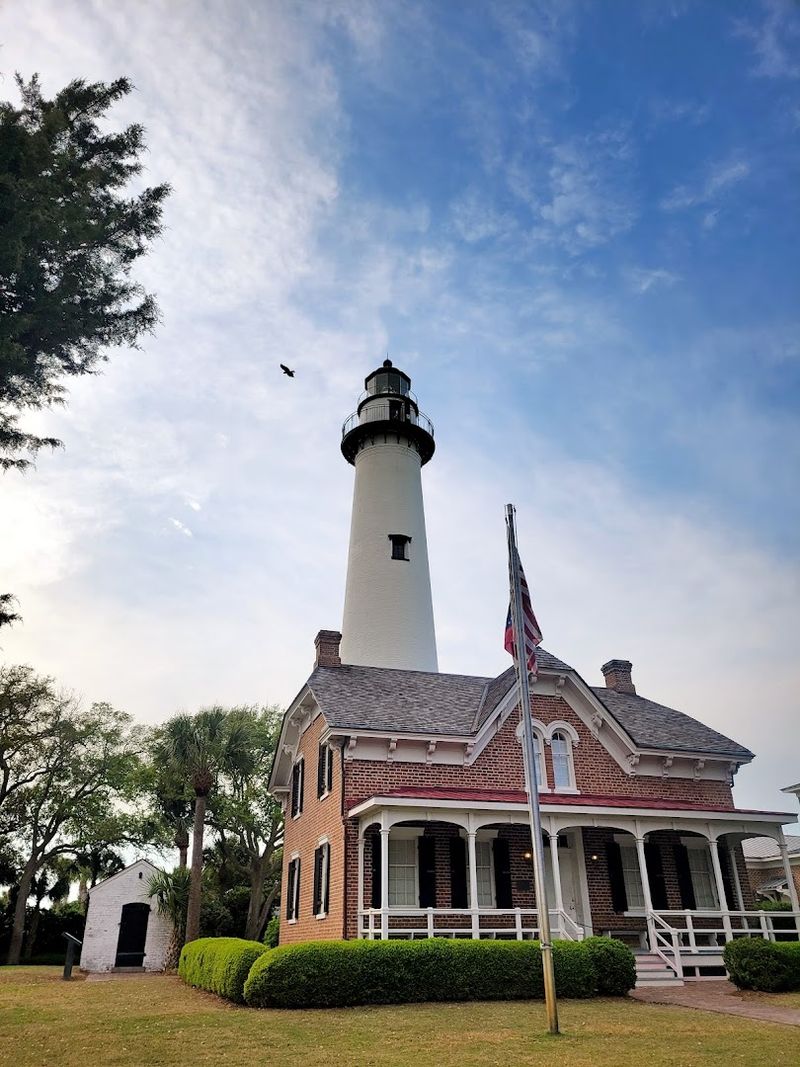
Summer on St. Simons Island means packed beaches, full parking lots, and restaurants with hour-long waits. Fall and winter turn that same island into something that feels almost private, and the difference is remarkable.
The beaches stretch out quietly with barely anyone in sight. That iconic canopy of live oaks draped in Spanish moss along the main roads becomes even more atmospheric when the crowds disappear and the light softens.
Biking the island’s scenic paths is a genuinely peaceful experience from October through March.
The St. Simons Lighthouse and the nearby Fort Frederica National Monument are far more enjoyable to explore without summer tour groups filling every corner. Fresh Georgia shrimp and local seafood remain staples at restaurants year-round, and service slows down in the best possible way during quieter months.
Off-season accommodations on the island drop in price, and you can often land oceanfront rentals for a fraction of what they cost in July. St. Simons in the off-season is not a backup plan.
For many repeat visitors, it has become the only way they want to experience the island.
Franklin, Tennessee
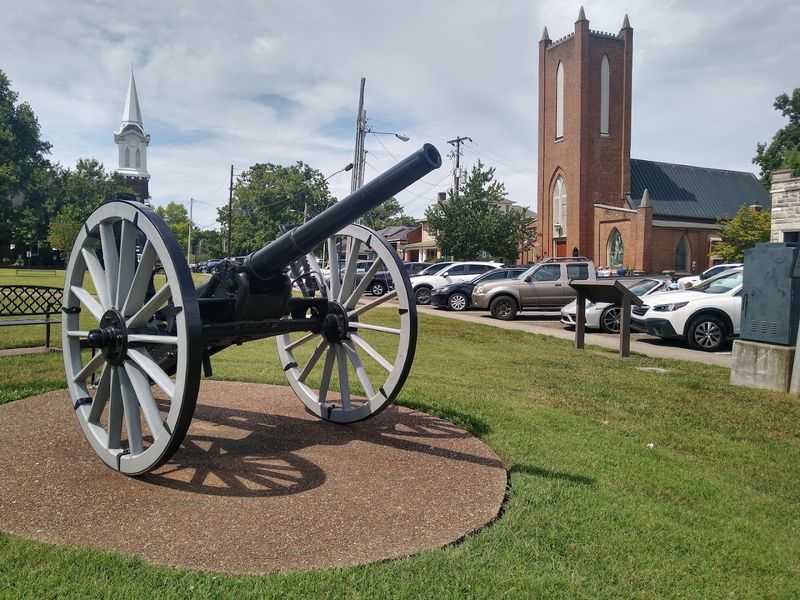
Franklin sits just south of Nashville and carries a completely different energy from its famous neighbor, especially once the tourist season cools down. The historic downtown square, lined with independent boutiques and locally owned restaurants, feels genuinely cozy during colder months rather than overwhelmed by weekend foot traffic.
Civil War history runs deep here, and the Carnton Plantation and Carter House are both far more reflective experiences when visited without large tour groups moving through at the same time. The town’s small but impressive collection of antique shops rewards slow browsing, something that is hard to do when sidewalks are packed.
Winter weekends in Franklin often feature local events, holiday markets, and live music at smaller venues that cater more to residents than visitors. Nearby scenic countryside drives through rolling Tennessee hills are lovely in fall and surprisingly beautiful even after leaves drop.
Franklin also benefits from being close enough to Nashville that a day trip for live music or a big dinner is always an option, but the town itself offers a quieter and more grounded Southern experience that feels refreshingly unhurried.
Fairhope, Alabama
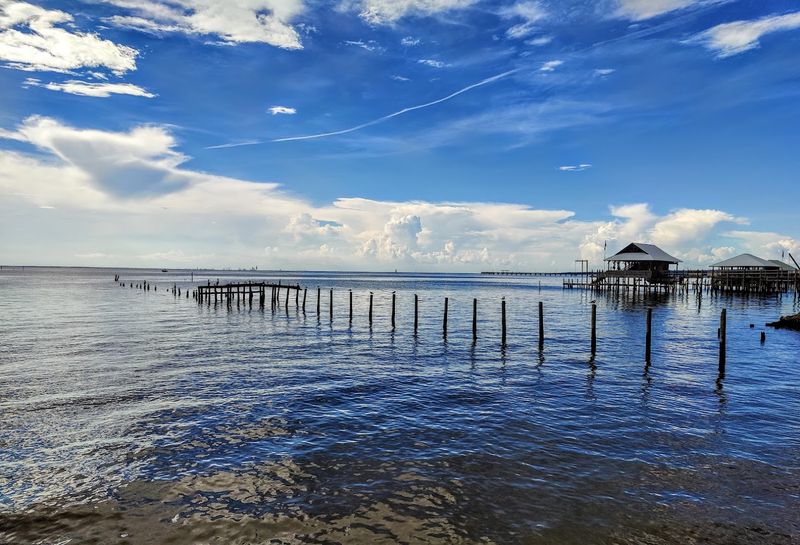
Perched on a bluff above Mobile Bay, Fairhope is one of those towns that feels like a well-kept secret even during its busiest months. Off-season strips away whatever small crowds do show up, leaving behind a genuinely serene waterfront community that rewards slow exploration.
Sunsets over Mobile Bay are spectacular year-round, but cooler temperatures make sitting on a bluff bench with a coffee actually enjoyable rather than a sweaty endurance test. The town’s art galleries, independent bookshops, and local cafes operate at a relaxed pace that encourages lingering.
Downtown Fairhope has a walkable, charming quality that feels more like a neighborhood than a tourist district.
The Eastern Shore of Mobile Bay also offers easy access to nearby Weeks Bay Reserve and the Mobile-Tensaw Delta, both excellent spots for bird watching and nature walks during fall and winter migration seasons. Fairhope’s farmers market continues operating through cooler months, giving visitors a genuine taste of local life.
For travelers exhausted by high-energy Gulf Coast resort towns, Fairhope in the off-season offers a completely different and deeply welcome kind of Southern coastal experience.
Highlands, North Carolina
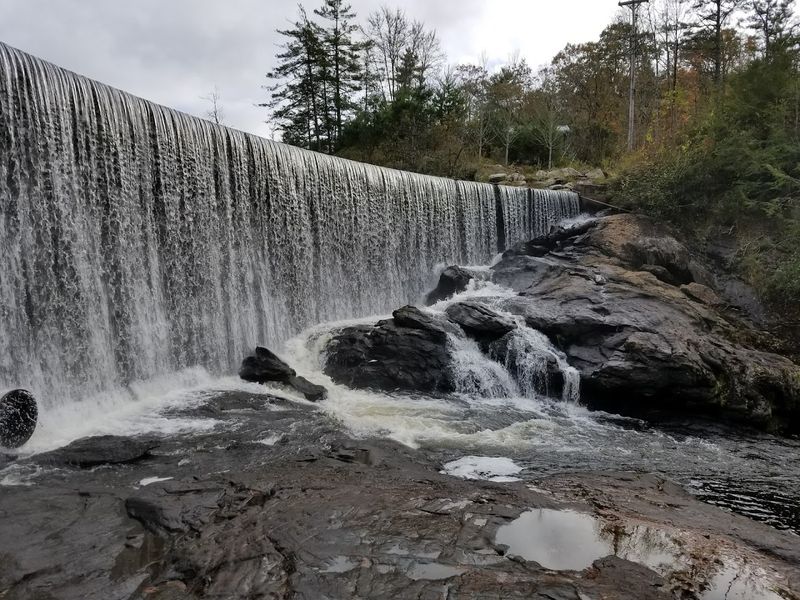
Highlands sits at nearly 4,000 feet in the Blue Ridge Mountains, which means even summer nights are cool and fall arrives earlier here than almost anywhere else in the South. Once the peak leaf season crowd clears out, this small mountain town becomes something genuinely special.
Waterfalls throughout the Highlands-Cashiers Plateau are more dramatic after autumn rains, and hiking trails that were packed in October feel almost entirely yours by November. The town has a surprisingly sophisticated dining scene for its size, and off-season reservations at the best restaurants go from impossible to easy practically overnight.
Cozy inns and mountain lodge rentals drop in price while still offering the same fireplaces, mountain views, and unhurried atmosphere that draw visitors in the first place. Winter occasionally dusts the peaks with snow, turning the landscape into something postcard-worthy without the chaos of a ski resort crowd.
Highlands attracts travelers who value quiet luxury over busy attraction lists, and the off-season is precisely when that quieter, more personal side of the town is most available. It is a small town that rewards travelers who are in no particular hurry.
Natchez, Mississippi
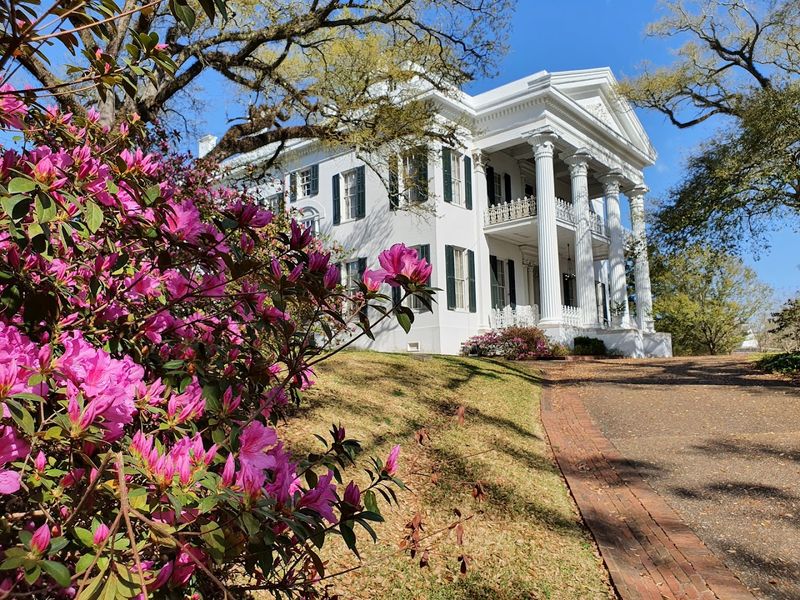
Natchez holds a staggering concentration of antebellum architecture for a city its size, and the off-season is when you can actually absorb it without competing with large tour groups or brutal Mississippi summer heat. This city along the river bluffs has layers of history that feel more accessible when the pace slows down.
Stanton Hall, Longwood, and Melrose are just a few of the historic mansions that offer tours year-round. Cooler months make walking between properties and exploring the surrounding grounds far more pleasant.
The Mississippi River views from the bluffs above downtown are genuinely dramatic in any season, but fall and winter light gives them a moody, cinematic quality.
Natchez Under-the-Hill, the old riverfront district, has a handful of local bars and restaurants that feel like they belong in a different century in the best possible way. The Natchez Trace Parkway, one of America’s most scenic drives, starts here and offers beautiful fall color well into November.
For history enthusiasts who want depth over speed, Natchez in the off-season is an almost perfect Southern travel destination with very few downsides.
Sarasota, Florida
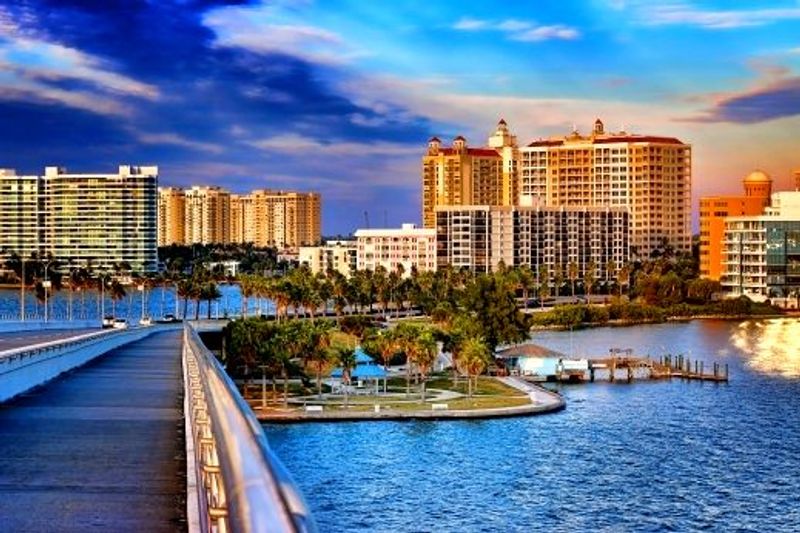
Florida’s reputation as a year-round tourist magnet makes it easy to forget that timing still matters enormously, and Sarasota proves that point well. Outside the winter snowbird rush and spring break chaos, this Gulf Coast city reveals a more relaxed and genuinely enjoyable side of itself.
Siesta Key Beach, consistently ranked among the best beaches in the country, is dramatically more pleasant when you can actually find a parking spot and spread out a towel without elbowing your neighbor. The water stays warm enough for swimming well into fall, making late September and October a quietly ideal window.
Hotel and rental prices dip noticeably once the spring break crowd clears out.
Sarasota also carries serious cultural weight for a beach city. The Ringling Museum of Art, Marie Selby Botanical Gardens, and a thriving performing arts scene give visitors plenty to do beyond the shoreline.
Local restaurants along the bayfront and in the Rosemary District serve excellent food year-round, and off-season dining means you are more likely to get a table and a genuinely unhurried meal. Sarasota off-season feels less like a compromise and more like insider knowledge.
Georgetown, South Carolina
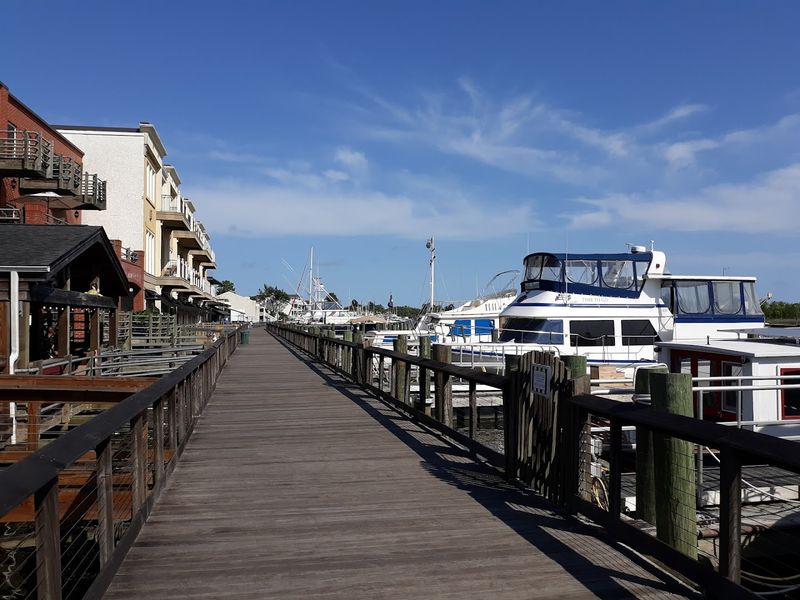
Georgetown does not get nearly the attention it deserves, and off-season visitors are the ones who benefit most from that oversight. Wedged between Myrtle Beach and Charleston, this small harbor city quietly offers some of the most authentic coastal South Carolina scenery anywhere on the coast.
The waterfront boardwalk along the Sampit River is peaceful and photogenic in a way that feels completely unforced. Shrimp boats still work out of Georgetown’s harbor, giving the town a working waterfront character that more famous destinations lost decades ago.
Historic downtown streets lined with 18th and 19th century buildings feel genuinely old rather than museum-staged.
Off-season means the few restaurants and cafes in town are operating at a comfortable pace, and staff are happy to point you toward local favorites rather than rushing you through a meal. Nearby Hobcaw Barony and the Tom Yawkey Wildlife Center offer excellent birding and nature experiences during fall and winter migration.
Georgetown is the kind of place where slowing down feels natural rather than forced, and the off-season amplifies that quality considerably. It is a genuinely underrated gem hiding in plain sight.
Dahlonega, Georgia
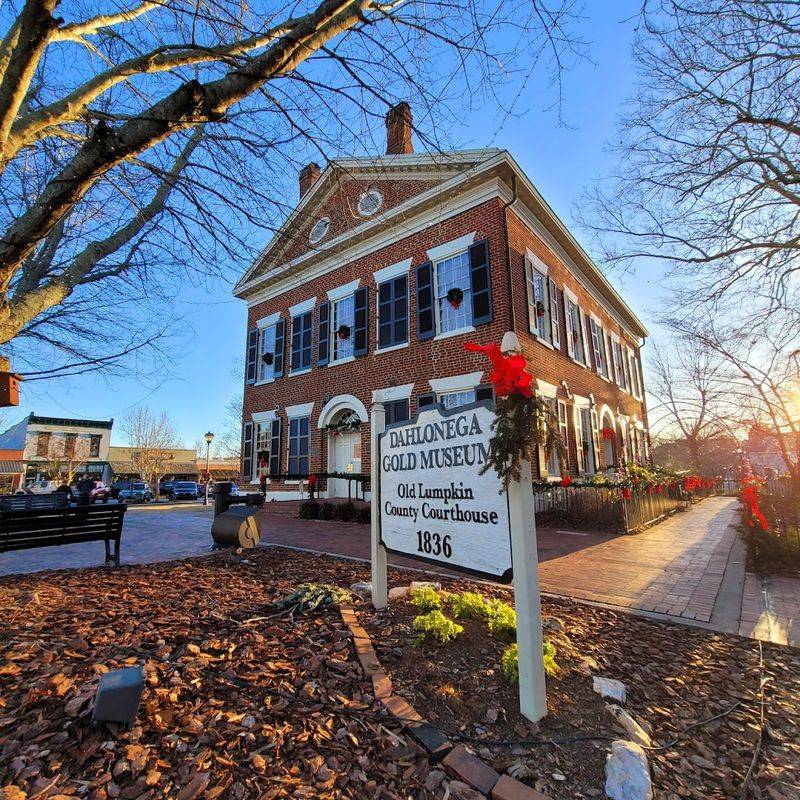
Dahlonega was the site of America’s first major gold rush in 1829, and while the gold is long gone, the town has found something arguably better in its growing wine country identity. Fall and winter are when this North Georgia mountain town earns its reputation as a genuinely relaxing getaway.
Vineyard tours along the Dahlonega Plateau Wine Trail are far more intimate during the off-season, when tasting rooms are unhurried and winery staff have time to actually talk about what is in your glass. The surrounding mountain scenery stays beautiful well after peak fall foliage, especially on clear winter days when views stretch for miles.
Cozy downtown inns and B&Bs are easier to book and noticeably cheaper from November through early spring.
Hiking around the area, including trails in the nearby Chattahoochee National Forest, is excellent during cooler months when bugs and humidity are not factors. The historic town square has a handful of good restaurants and local shops that feel genuinely welcoming rather than tourist-oriented.
Dahlonega in the off-season is proof that you do not need a crowded destination to have a memorable Southern weekend trip.
Outer Banks, North Carolina
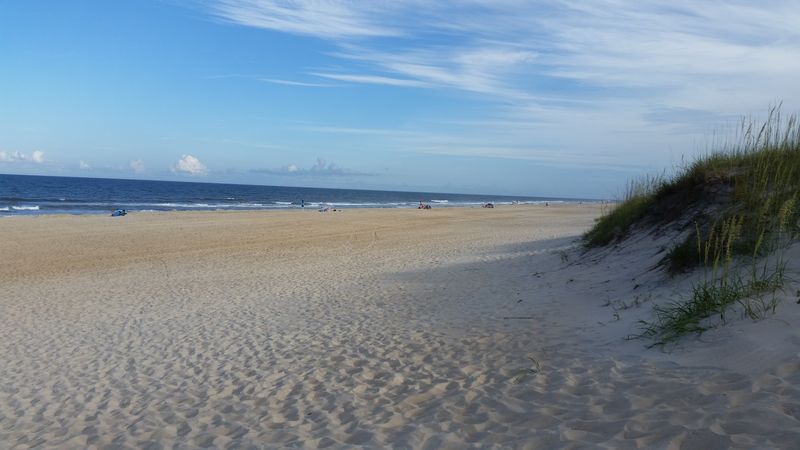
The Outer Banks in summer is a beloved family vacation staple, but the version of it that exists from October through April belongs to a completely different category of travel experience. Empty barrier island beaches stretching for miles with almost no one on them are not something you forget quickly.
Cape Hatteras National Seashore, one of the longest stretches of undeveloped coastline on the East Coast, is at its most atmospheric during the off-season. Waves are bigger, skies are more dramatic, and the whole landscape takes on a wilder, more elemental character.
Migratory birds move through the area in huge numbers during fall, making it a fantastic destination for bird watchers.
Rental prices for beach houses drop substantially from their summer peaks, and some of the most desirable oceanfront properties become genuinely affordable for a long weekend. The small fishing villages of Hatteras, Ocracoke, and Rodanthe feel more like real communities and less like resort backdrops once the summer crowd clears out.
Historic lighthouses, shipwreck stories, and local seafood restaurants round out an off-season Outer Banks trip that many travelers find more satisfying than any summer visit they have ever taken.
Amelia Island, Florida
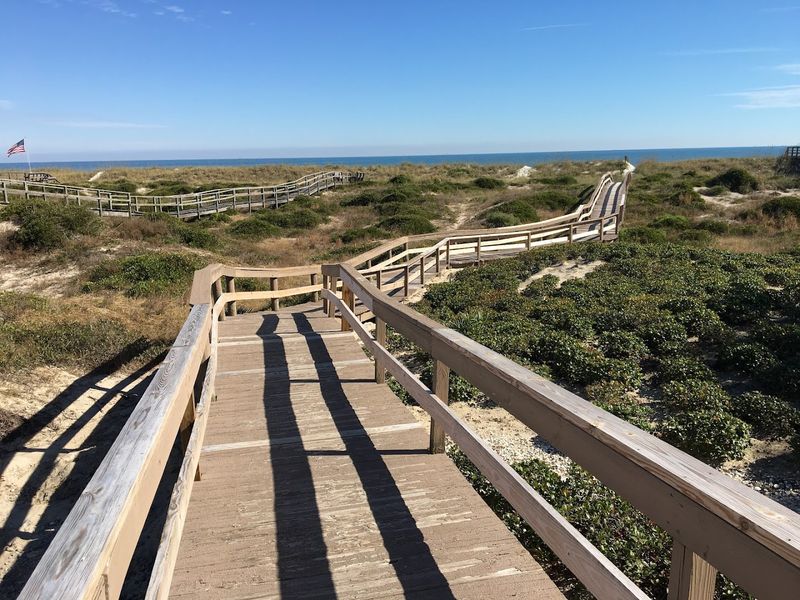
Eight miles of beach, a Victorian-era downtown, a Civil War era fort, and a salt marsh ecosystem that looks like something out of a nature documentary. Amelia Island packs a remarkable amount of character into a small barrier island, and the off-season is when all of it becomes most accessible.
Fernandina Beach, the island’s main town, has one of the best-preserved Victorian commercial districts in Florida. Strolling Centre Street during cooler months feels genuinely charming rather than crowded, and local shops and restaurants operate with a relaxed friendliness that peak season traffic tends to disrupt.
Fort Clinch State Park is excellent year-round, but fall and winter bring fewer families and more space to actually explore the grounds.
Kayaking through the island’s tidal creeks and salt marshes is far more comfortable in 65-degree weather than in summer’s oppressive heat and humidity. Dolphin sightings remain common year-round, and the off-season bird life along the marshes is genuinely impressive.
Hotel and resort rates on Amelia Island fall considerably outside peak season, making it possible to stay somewhere genuinely nice without paying peak Florida prices. For travelers who want beach charm without beach chaos, Amelia Island off-season delivers exactly that.
Share this story