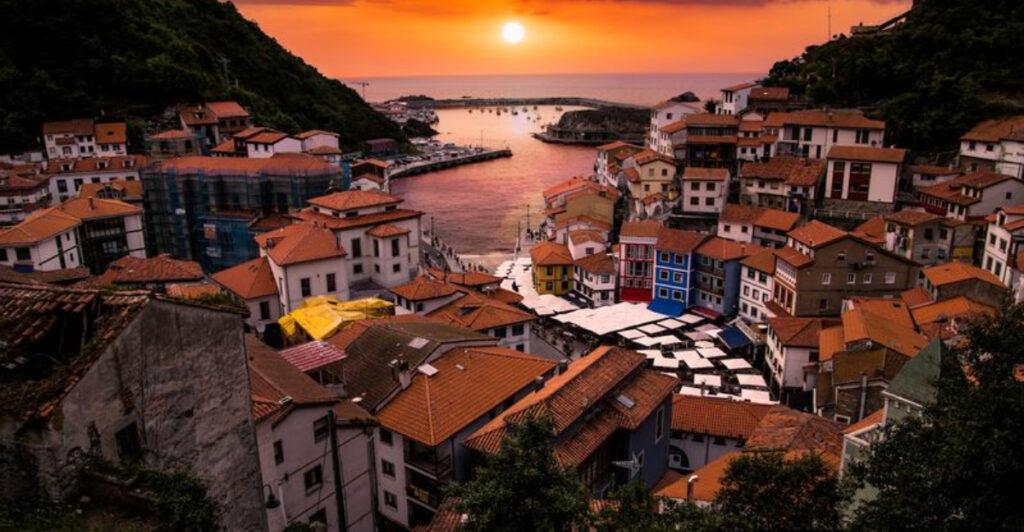
Spain is famous for its beaches, but most tourists end up in the same handful of resort towns every summer. The good news is that the country has dozens of coastal gems that are still flying under the radar.
From the misty green cliffs of Galicia to the sun-baked coves of Almería, these towns offer real character, fresh seafood, and actual locals going about their day. Pack light, skip the crowds, and let Spain surprise you.
Lekeitio, Basque Country
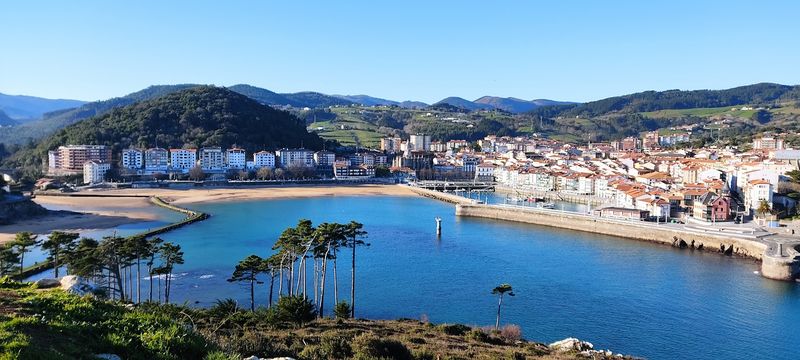
Lekeitio is the Basque coast’s best-kept secret, and frankly, it is embarrassing that more people are not talking about it. A working fishing port, handsome old buildings, and two beaches framing a tidal island you can actually walk to at low tide: this town delivers without even trying hard.
When the tide drops, a sandy path appears connecting the town to San Nicolás Island. It is one of those natural party tricks that makes every visitor feel like they stumbled onto something magical.
Timing your visit around the tides adds a fun layer of planning to the trip.
Lekeitio suits travelers who want Basque beauty without anchoring entirely in San Sebastián. The food scene is excellent, the old town is easy to explore on foot, and the maritime atmosphere stays genuine even in summer.
It is quieter than its famous neighbor but every bit as rewarding for those who make the effort.
Comillas, Cantabria
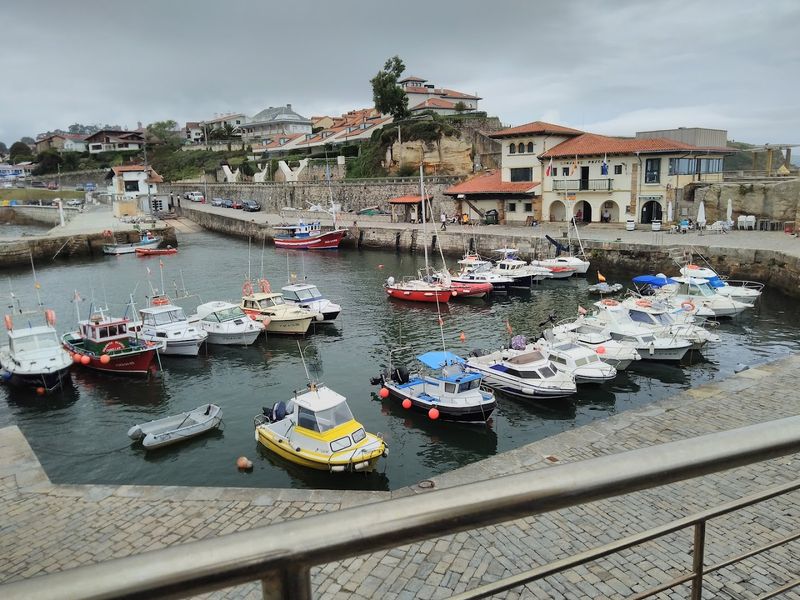
Skipping Comillas to fly straight to southern Spain is, objectively, a rookie mistake. This Cantabrian town has fine sand beaches, access to the Oyambre Nature Reserve, and a Gaudí building called El Capricho sitting quietly in town as if it is perfectly normal to have a modernist masterpiece next to your local bakery.
Spain’s tourism board highlights Comillas’ mix of beaches, dunes, cliffs, marshland, and estuary landscape, and they are not exaggerating. You can spend the morning surfing or swimming, then spend the afternoon gawking at architecture and wandering atmospheric streets.
That combination is genuinely rare for a small beach town.
Comillas is ideal for travelers who get bored on sun-loungers by day two. The coast is beautiful, the town has real cultural depth, and the green Cantabrian scenery makes the whole area feel lush and alive.
Northern Spain rewards the curious, and Comillas is one of its finest arguments.
San Vicente de la Barquera, Cantabria
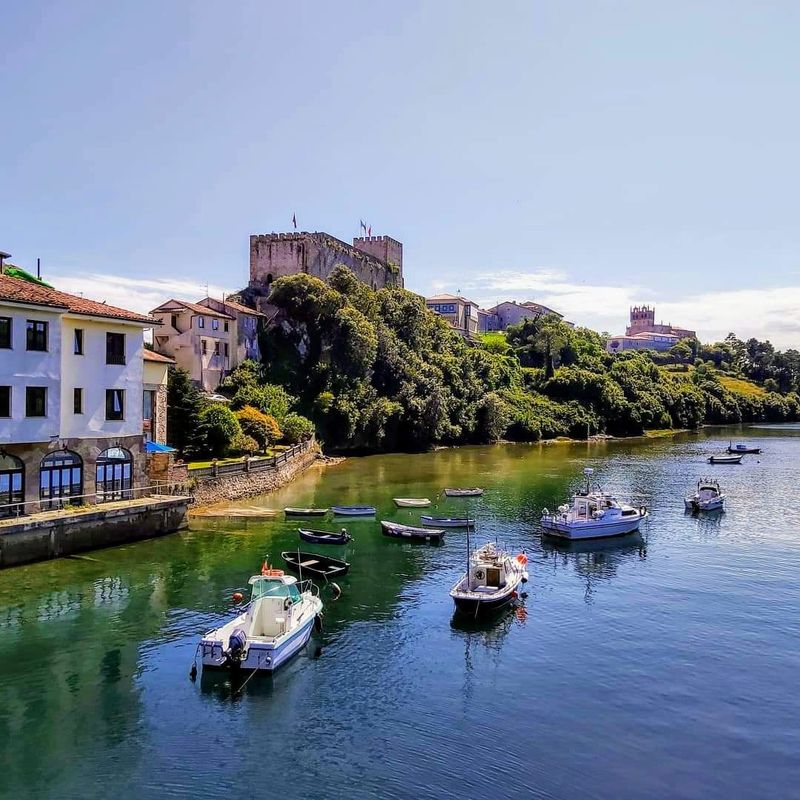
Few Spanish towns have a backdrop this theatrical without charging admission for the view. San Vicente de la Barquera sits where beaches, an estuary, stone bridges, and old streets converge, with the Picos de Europa mountains rising in the distance on clear days.
It looks like a film set that someone forgot to dismantle.
The tide completely changes the mood of the waterfront, pulling back to reveal wide sandflats and then returning to fill the estuary with calm water. That rhythm gives the town a constantly shifting personality that keeps it interesting beyond a single afternoon visit.
This is northern Spain’s coast at its most cinematic. You get fishing-town character, excellent seafood, wild-feeling beaches, and mountain scenery all in one spot.
There is no resort strip, no neon signs, and no queue for a sunbed. Just a genuinely beautiful Cantabrian town doing its thing, mostly unbothered by mass tourism.
Cudillero, Asturias
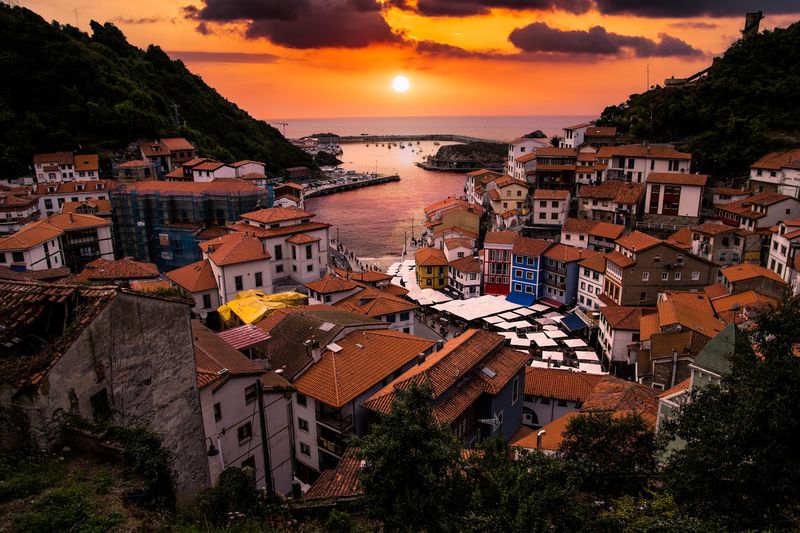
Someone clearly had too much paint and a very steep hill, and the result is Cudillero. This Asturian fishing village stacks its brightly colored houses down a dramatic slope right to the harbor, and the effect is genuinely jaw-dropping.
It is one of those places that looks better in real life than in photos, which is saying something.
The village is the attraction here. Walk the steep lanes, catch a viewpoint, and order grilled fish near the port while boats bob below.
Nearby, Playa del Silencio is one of Asturias’ most photographed coastal spots, well worth the short trip.
Northern Spain hits differently from the Mediterranean coast. It is greener, moodier, and wilder, with a rugged Atlantic energy that feels refreshingly unpolished.
Come for cliff-backed beaches, harbor views, and seafood so fresh it practically introduces itself. Just pack a light jacket because this is not Benidorm weather.
Ribadeo, Galicia
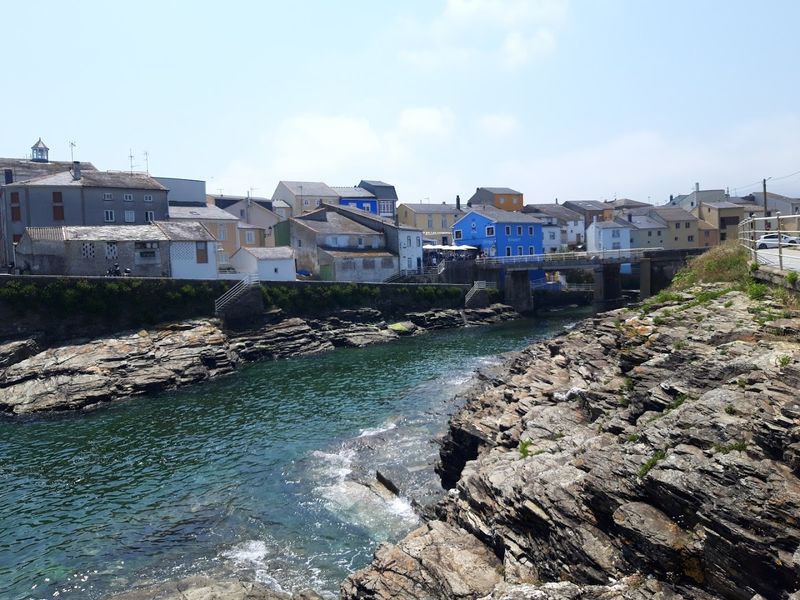
Ribadeo sits right on the Galicia-Asturias border, which means it gets to borrow the best qualities of both regions while maintaining its own quietly confident identity. Most travelers only pass through on their way to the famous Praia das Catedrais area nearby, and that is a genuine shame worth correcting.
The town itself has estuary views, an old-town feel, and a slow Galician pace that makes it a genuinely comfortable coastal base. Staying here rather than just visiting for an hour changes the whole experience of this stretch of coastline.
One practical note: the beaches near Ribadeo include tide-sensitive areas, so checking access rules and tide times before heading out is genuinely important, not just a boring disclaimer. A little planning unlocks a coastline that feels raw, Atlantic, and completely different from Spain’s polished Mediterranean image.
This is the kind of coast that stays with you long after the tan fades.
Muros, Galicia
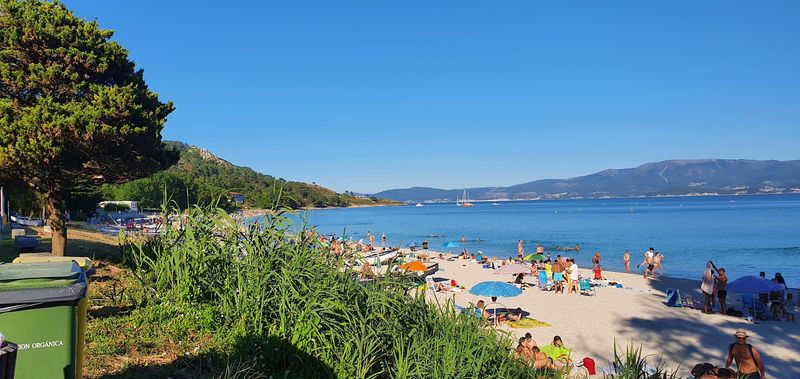
Muros has a texture that most purpose-built beach resorts simply cannot fake. Stone arcades line the streets, fishing boats sit in the harbor, and the whole town feels like it is operating on its own schedule, which has nothing to do with tourist season.
That authenticity is increasingly rare and genuinely worth seeking out.
The Rías Baixas setting gives Muros a sheltered, scenic quality that differs from the wilder Atlantic coast further north. Nearby beaches along the Galician coast add easy access to swimming and sand without the town itself becoming a resort.
It is a useful distinction for travelers who want both.
Muros works particularly well as a base for exploring western Galicia beyond the obvious tourist stops. It is pretty enough to enjoy for its own sake, practical enough to use as a hub, and still low-key enough to feel like a real place rather than a curated experience.
That combination is harder to find than it sounds.
A Guarda, Galicia
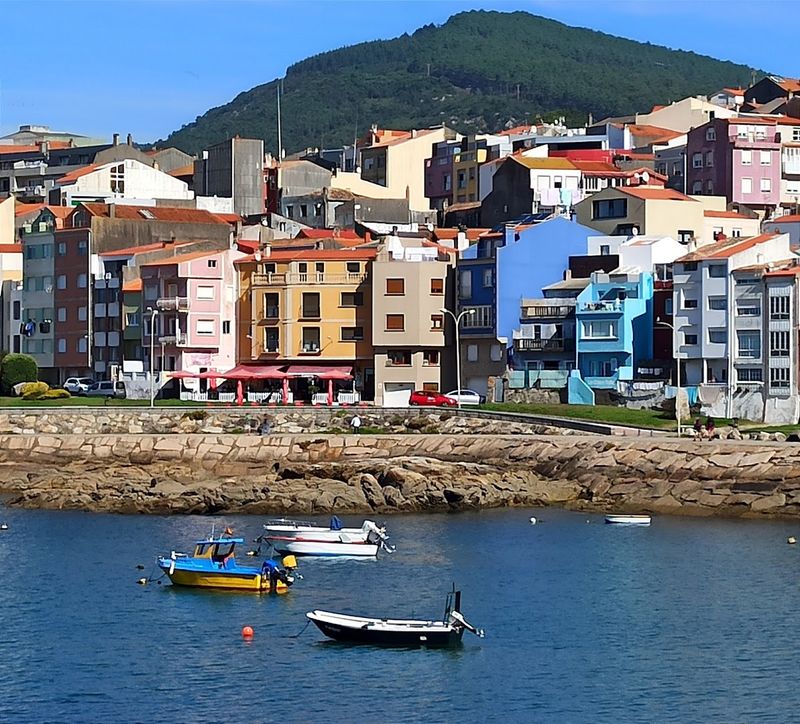
A Guarda sits at one of Spain’s most dramatically positioned corners, where the Miño River meets the Atlantic and Portugal is visible across the water. Spain’s tourism board calls it a typical Galician fishing village shaped by its position between sea, river, and mountain, and that triple-landscape combination is genuinely unusual to find in one small town.
Standing near the harbor and looking toward Portugal across the estuary gives the place a frontier feeling that is hard to replicate elsewhere. It is the kind of location that makes you feel slightly more adventurous than you actually are, which is always a welcome travel bonus.
A Guarda is not chasing Mediterranean resort energy, and that is precisely the point. The seafood here is excellent, the Atlantic views are wide and moody, and the town has a distinctly Galician personality that feels earned rather than performed.
Go for the scenery, stay for the percebes, and leave wondering why you waited so long.
Ortigueira, Galicia
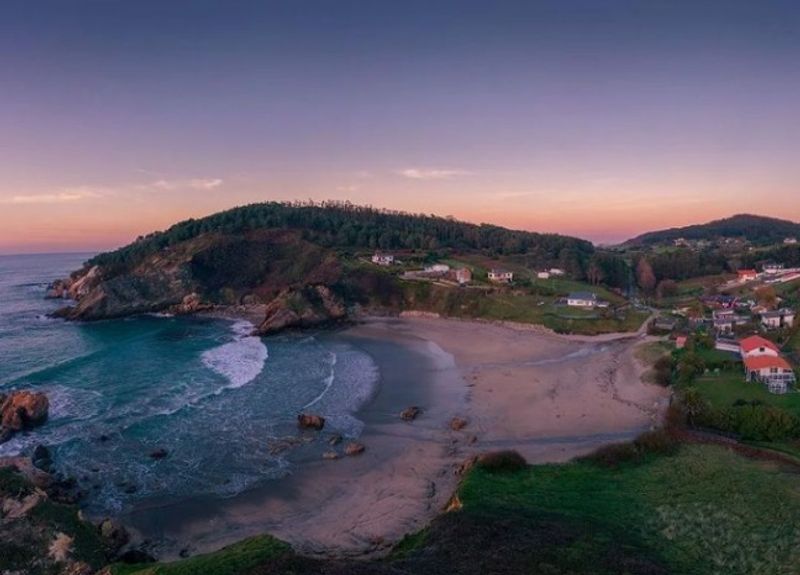
Ortigueira is for the kind of traveler who finds manicured resort pools slightly depressing. Located in A Coruña province, this Galician town is surrounded by cliffs, rivers, mountains, hiking routes, and beaches, and Spain’s official tourism information notes it has the widest estuary in northern Galicia.
That is a lot of wild landscape packed around one small town.
The coastline here has an untamed Atlantic quality that feels genuinely different from Spain’s sunnier, more polished beach destinations. It is cooler, greener, and more dramatic, perfect for people who prefer a good coastal walk to a sunbed rental.
Ortigueira does attract visitors for its famous cultural events, but as a beach base it remains refreshingly under the international radar. Come for the fresh air, the dramatic cliffs, the empty beaches, and that specific feeling of standing somewhere that has not yet been optimized for Instagram.
Some of the best places in Spain have not been discovered by the algorithm yet.
Combarro, Galicia
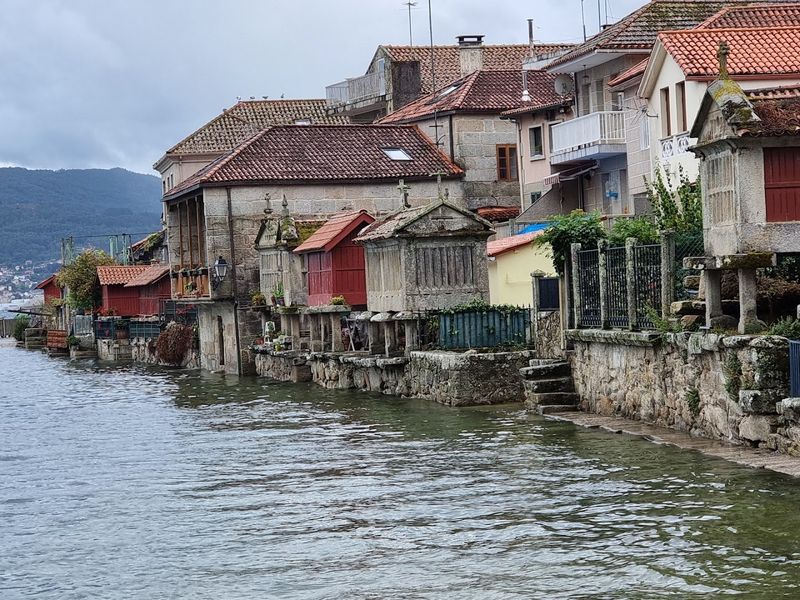
Combarro is the kind of village that makes photographers forget to eat lunch. Its stone waterfront is lined with hórreos, the raised Galician granaries that look like something from a fairy tale, alongside traditional seafaring houses and carved stone crosses.
The old quarter is officially a Property of Cultural Interest, which basically means the government agrees it is extraordinary.
This is not a classic beach resort, so adjust expectations accordingly. The appeal is atmosphere, harbor views, and the quietly beautiful Rías Baixas setting rather than a long sandy strip at your door.
Nearby beaches along the ría are easy to reach for a swim.
Combarro draws visitors, especially in peak season, so arriving early or visiting outside July and August makes a real difference. The village is small enough that crowds can overwhelm it quickly.
But even with a few other tourists around, it still offers an intimacy and Galician character that Spain’s major coastal resorts simply cannot match.
Villajoyosa, Valencia
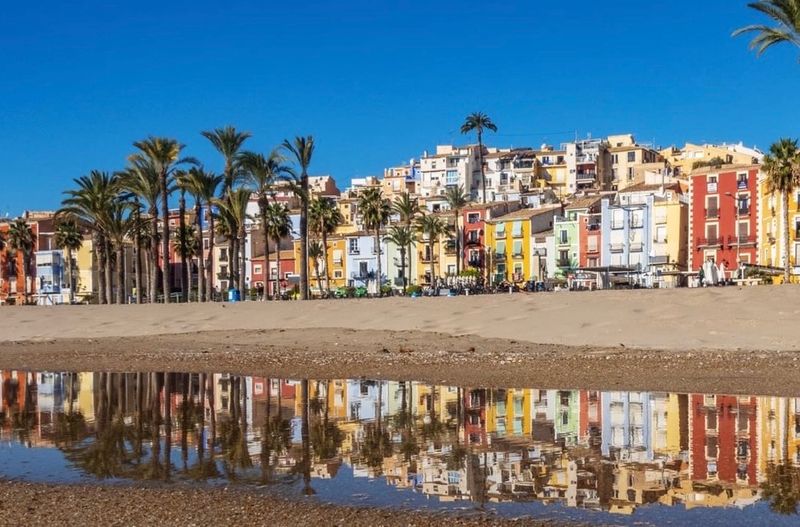
Villajoyosa might be the most cheerful-looking town on the entire Costa Blanca. Its seafront row of brightly painted fishermen’s houses in pink, yellow, orange, and blue looks almost aggressively photogenic, and it was named Europe’s Best Hidden Gem for 2024 by European Best Destinations.
Condé Nast Traveler reported on the accolade, so the secret is officially out, but the town still feels far calmer than Benidorm next door.
Beyond the Instagram-friendly facades, Villajoyosa has real beach days, a long chocolate-making tradition, and local festivals that give it genuine personality. The combination of coast and culture makes it more interesting than a standard resort stop.
Is it still under the radar? Partially.
Compared to the Costa Blanca’s biggest names, it remains noticeably more relaxed and local in feel. For travelers who want Mediterranean color, warm water, and a town that has not been entirely flattened by mass tourism, Villajoyosa is a very smart pick.
Alcossebre, Castellón
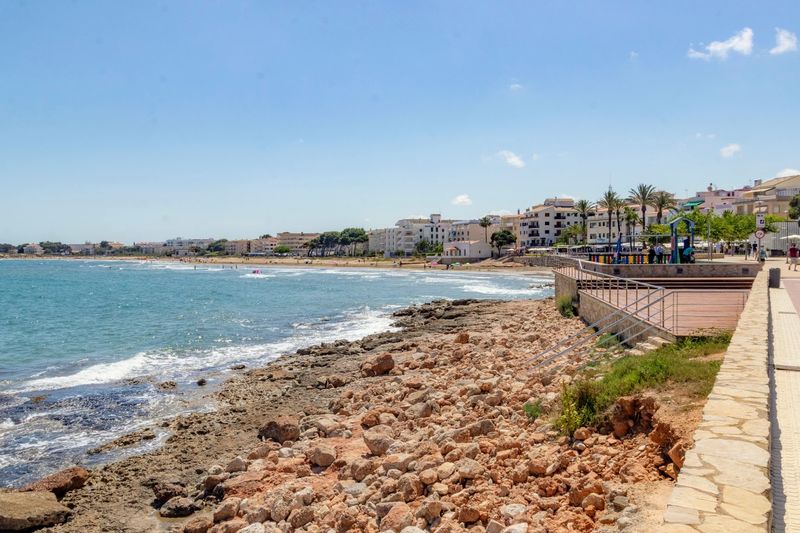
Alcossebre sits on the Costa del Azahar and quietly offers everything its louder neighbors charge premium prices for. Beaches, coves, dunes, wetlands, fresh fish, and rice dishes: Spain’s tourism board specifically highlights the L’Estany wetlands and the dune system between Carregador and La Romana beaches, which gives the area a natural richness that most resort towns lack entirely.
The Mediterranean warmth is all here, but without the intensity that can make famous resort strips feel exhausting by day three. It is the kind of place where you can actually hear the sea rather than competing music systems from neighboring beach bars.
Alcossebre rewards travelers who want variety in their coastline. Wetlands and coves mean the scenery shifts as you explore, making it feel more alive than a simple strip of sand and hotels.
If you want warm water, good food, and a pace that does not require recovery time afterward, this Castellón town deserves serious consideration.
La Herradura, Andalusia
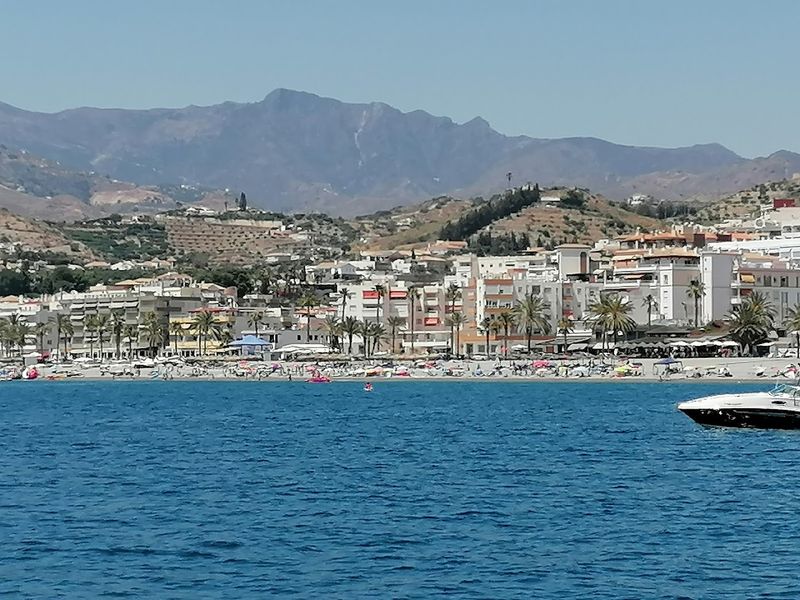
La Herradura translates to ‘the horseshoe,’ and the bay here earns that name completely. Tucked into Granada’s Costa Tropical, this curved, sheltered bay offers swimming, kayaking, paddleboarding, and diving in calm, clear water, while the surrounding hills keep the setting scenic without feeling overdeveloped.
Spain’s tourism site links it to the nearby historic town of Almuñécar, one of the oldest settlements on the Tropical Coast.
The Costa Tropical gets significantly less attention than the Costa del Sol, which means La Herradura retains a more local atmosphere even in summer. That is not an accident; it is a reward for choosing slightly less obvious.
Southern Spain’s warmth and color are fully present here, but the crowds are not. The bay’s natural shelter makes the water unusually calm for the Mediterranean, which is great news for anyone who prefers floating peacefully to battling waves.
Warm, scenic, and still relatively unhurried: La Herradura is Andalusia doing its best quiet impression.
Mojácar, Almería
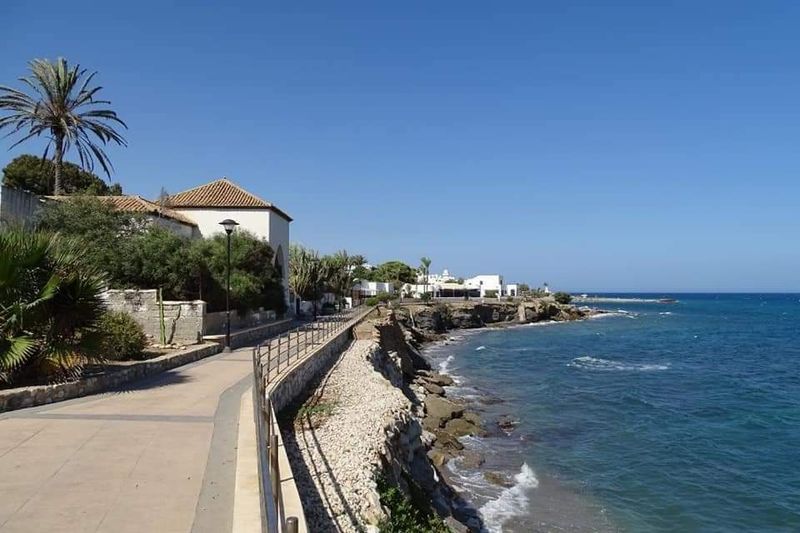
Mojácar pulls off a two-for-one deal that most Spanish coastal towns cannot manage. The whitewashed hilltop village sits above the coast with narrow lanes, wide views, and genuine Moorish-influenced character, while the beach area below gives easy access to the dry, wild beauty of southeastern Spain.
You get two completely different moods without changing your hotel.
The wider Almería region is closely linked with the Cabo de Gata-Níjar Natural Park, one of Spain’s most dramatic protected coastlines, making Mojácar a smart base for day trips as well as beach days. That combination of village, beach, and wild nature is hard to beat.
Mojácar is not unknown, but it avoids the anonymous resort-strip feeling that can make some Spanish coastal towns interchangeable. The old village has actual personality, the landscape feels genuinely rugged, and the sunshine here is reliable even by Andalusian standards.
For travelers who want character alongside their Costa, Mojácar delivers consistently.
Águilas, Murcia
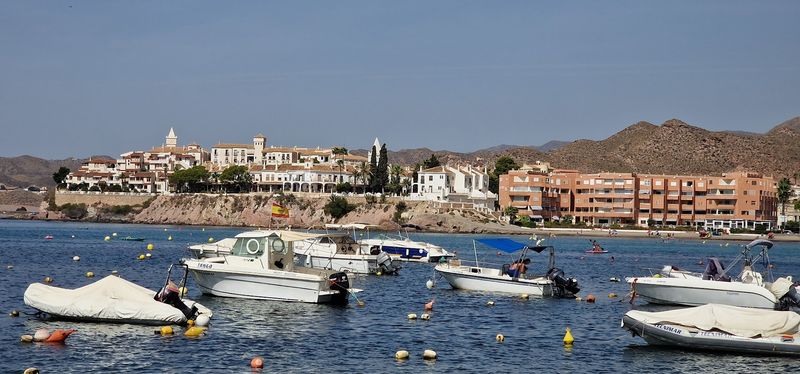
Águilas has a Carnival celebration so well-regarded that it is officially declared of International Tourist Interest by Spain’s tourism board, which is a serious accolade for a town that most international visitors have never even heard of. That gap between quality and fame is exactly what makes it interesting for travelers willing to look beyond the obvious regions.
Murcia’s coastline gets consistently overlooked in favor of Andalusia, Valencia, and the Balearic Islands, and Águilas benefits from that neglect in the best possible way. The beaches here feel more local, the town has genuine port character, and the rugged southeastern Spanish landscape gives the whole area a dry, sun-bleached beauty that is distinctly its own.
Outside major Spanish holiday periods, Águilas feels genuinely unhurried. The clear water, the rocky coves, and the dry hills rolling down to the sea create a setting that feels more honest than packaged.
Sometimes the best beach towns are the ones that never bothered to market themselves aggressively.
Valle Gran Rey, La Gomera
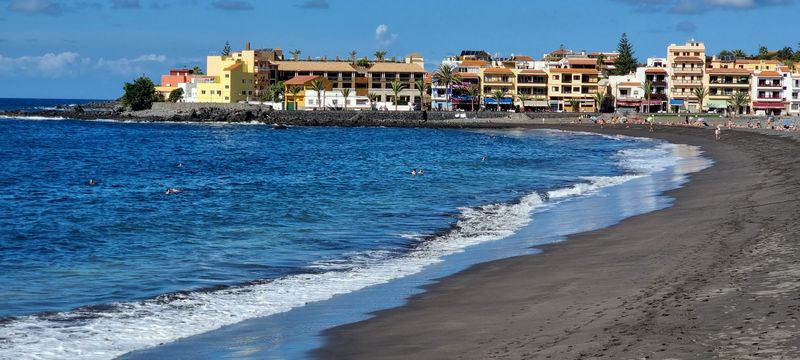
Valle Gran Rey sits at the bottom of a dramatic volcanic valley on La Gomera, where steep cliffs drop toward black-sand beaches and the Atlantic stretches out toward the horizon. Spain’s tourism site confirms it holds some of La Gomera’s best-known beaches, including La Puntilla and La Calera, and notes its popularity with divers and surfers.
The setting is genuinely unlike anywhere else in Spain.
La Gomera as a whole receives a fraction of the attention given to Tenerife, Gran Canaria, or Lanzarote, which keeps Valle Gran Rey feeling peaceful and unhurried even during Canary Islands high season. That is a rare quality in a place this beautiful.
Hikers and Canary Islands regulars already know about it, but for most international beach travelers it still feels like a real find. Black sand, cliff views, warm Atlantic water, and a valley that looks like nature designed it specifically to impress: Valle Gran Rey is the Canary Islands at their most quietly spectacular.
Share this story