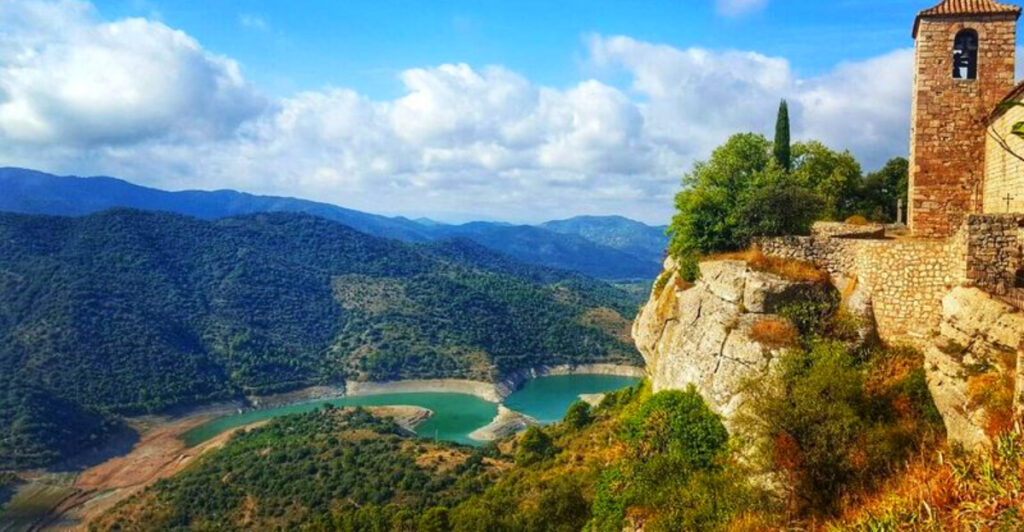
Spain is home to some of the most jaw-dropping wine regions on the planet, where ancient vineyards meet castle-topped hills and sun-soaked valleys. From the misty green coasts of Galicia to the dramatic cliffs of Priorat, every corner of this country tells a story through its wine.
Whether you are a wine lover or simply someone who appreciates stunning landscapes, these regions offer a feast for the eyes and the taste buds. Get ready to explore 15 Spanish wine regions that look and feel like they were lifted straight from the pages of a fairy tale.
La Rioja – Northern Spain
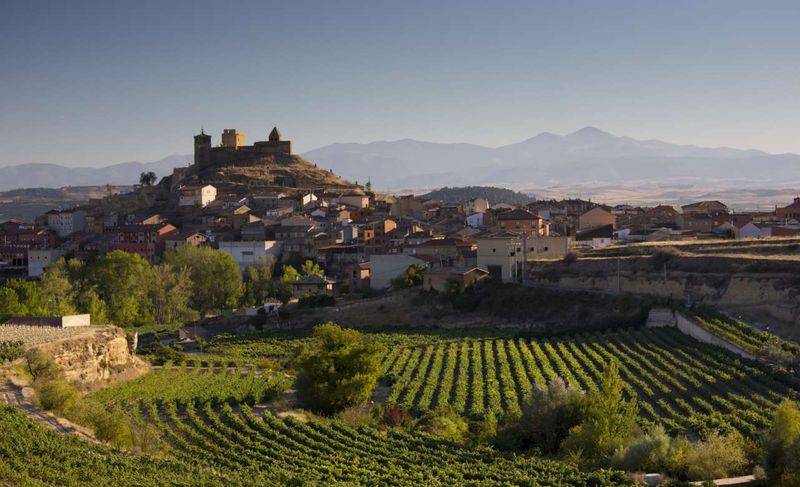
Ask any wine lover to name Spain’s most iconic wine region and chances are La Rioja rolls off the tongue first. Nestled in northern Spain, this region has been crafting world-class wines for centuries, and the landscape is just as impressive as what ends up in the glass.
The vineyards here roll across gentle hills like a patchwork quilt, interrupted by charming medieval villages such as Haro and Logroño. Cobblestone streets, ancient stone churches, and lively tapas bars make exploring the towns just as rewarding as touring the wineries.
La Rioja is famous for its Tempranillo grape, aged in oak barrels to create rich, complex flavors. Harvest season transforms the entire region into a canvas of deep reds and golden yellows.
Some of Spain’s boldest architectural wineries, designed by famous architects, sit right alongside centuries-old underground cellars. Whether you sip wine on a terrace at sunset or wander through a barrel-lined cellar, La Rioja delivers a truly unforgettable experience for all the senses.
Ribera del Duero – Castile and León
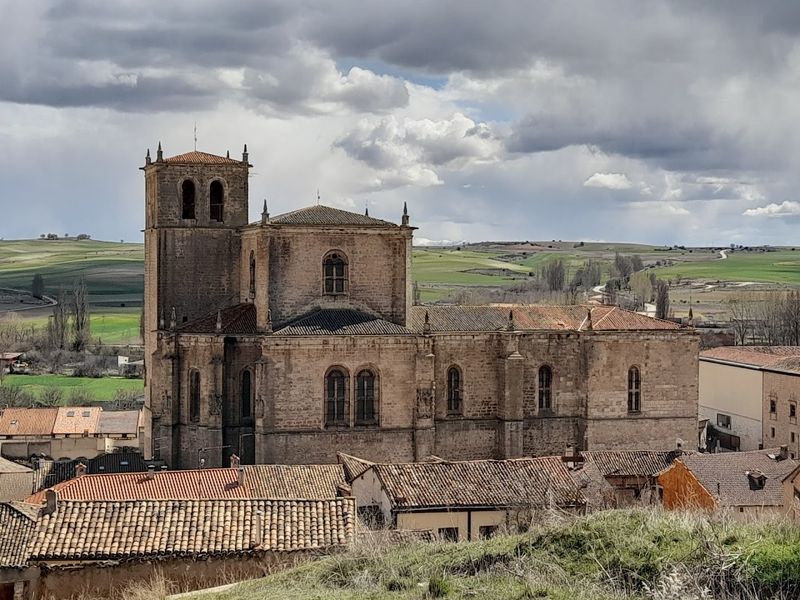
Perched high on the plateau of Castile and León, Ribera del Duero is a wine region that plays by its own dramatic rules. The Duero River cuts through ancient limestone terrain, and the vineyards growing along its banks produce some of Spain’s most powerful and sought-after red wines.
Temperature swings here are extreme, with scorching summer days giving way to cool nights. That contrast is exactly what gives Ribera del Duero wines their bold structure and vibrant fruit flavors.
The Tempranillo grape, locally called Tinta del País, thrives in this challenging environment.
Visually, the region is stunning. Medieval castles crown hilltops above golden plains, and small stone villages dot the landscape like scenes from an old painting.
Wineries range from centuries-old family estates to sleek modern facilities that would not look out of place in an architecture magazine. Visiting during autumn is particularly magical, when the vines turn brilliant shades of copper and burgundy.
History, drama, and seriously good wine make this region one of Spain’s most rewarding destinations for curious travelers and devoted wine fans alike.
Priorat – Catalonia
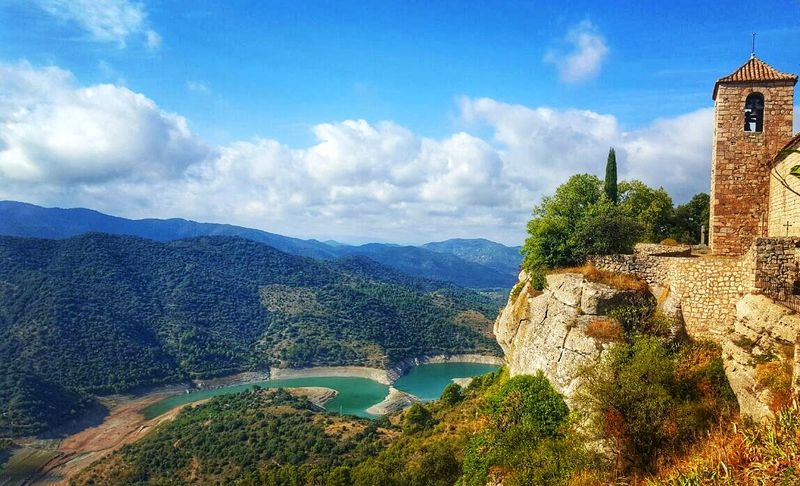
There is something almost otherworldly about Priorat. The steep hillsides covered in dark slate soil, locally called llicorella, shimmer under the Catalan sun like fish scales, and the vineyards clinging to near-vertical terraces look like they were planted by someone who truly loved a challenge.
Priorat earned its reputation the hard way. For years it was a forgotten region, until a small group of winemakers in the 1980s revived it and turned it into one of Spain’s two regions holding the prestigious DOCa status.
The wines produced here are intense, mineral-rich, and deeply complex, with flavors that seem to carry the weight of the rocky terrain itself.
The landscape is just as extraordinary as the wine. Ancient monasteries, crumbling stone villages, and terraced vineyards create a scene that feels frozen in time.
The town of Scala Dei, named after a legendary stairway to heaven, adds a mythical layer to the region’s already captivating story. Priorat is not the easiest place to reach, but that remoteness is part of its charm.
Travelers who make the effort are rewarded with breathtaking views and wines unlike anything else in Spain.
Rías Baixas – Galicia
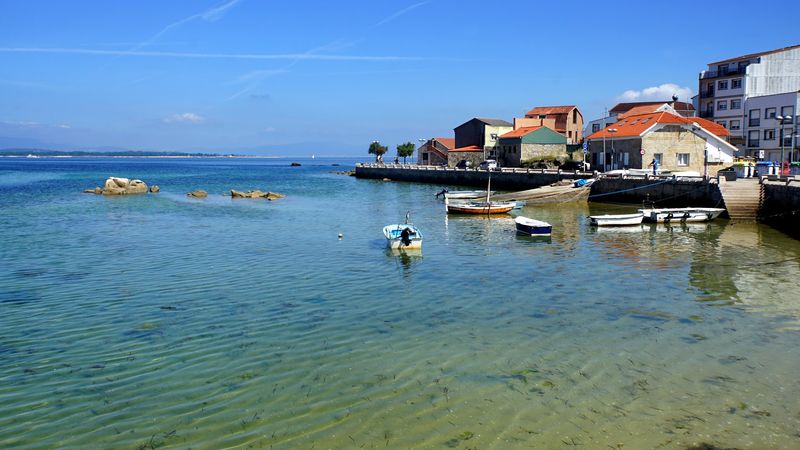
Forget everything you think you know about Spanish wine regions being dry and sun-baked. Rías Baixas breaks every stereotype with its lush green valleys, ocean breezes, and vineyards trained on overhead pergolas that look like leafy green canopies stretching toward the sea.
Located in Spain’s northwestern corner, Galicia gets plenty of Atlantic rainfall, which gives this region a fresh, almost Irish countryside feel. The star grape here is Albariño, producing crisp, aromatic white wines with citrus and peach notes that pair beautifully with the region’s incredible seafood.
The scenery is genuinely stunning. Granite-walled villages sit alongside tidal estuaries called rías, where fishing boats bob gently on calm waters.
Vineyards grow right up to the edge of the coast in some areas, creating a dramatic contrast between green vines and shimmering Atlantic waters. The Cambados wine festival each August draws visitors from across Spain to celebrate the beloved Albariño harvest with music, food, and plenty of toasting.
Rías Baixas is proof that Spanish wine culture is wonderfully diverse, and this green, coastal corner of the country deserves far more attention than it typically receives from international visitors.
Ribera Sacra – Galicia
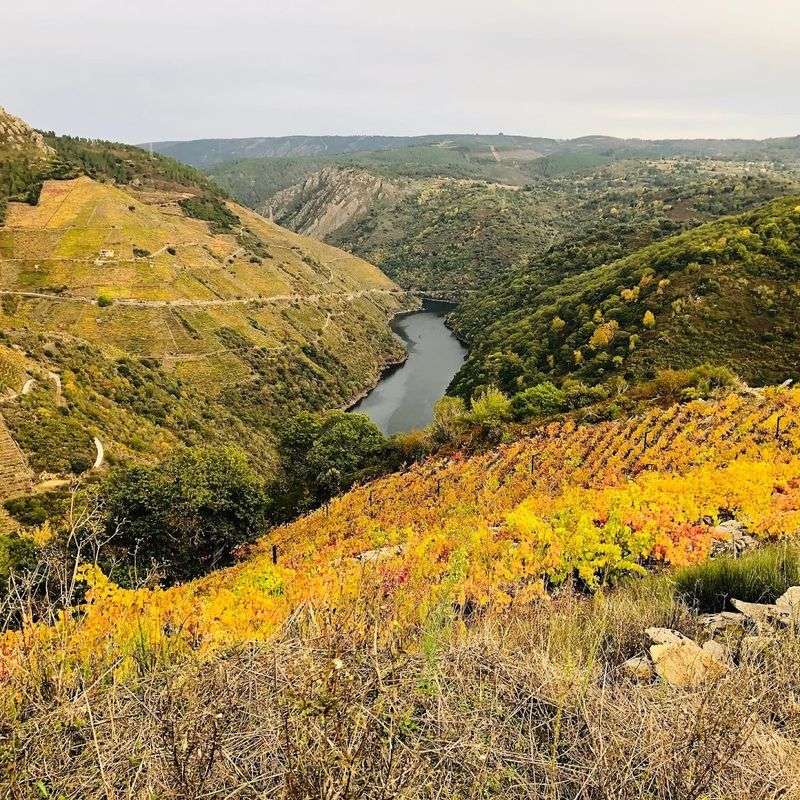
Ribera Sacra might be the most jaw-dropping vineyard landscape in all of Spain, and that is saying something in a country full of scenic wine regions. Ancient stone terraces cling to the walls of deep river canyons carved by the Miño and Sil rivers, and the vineyards planted on these near-vertical slopes require extraordinary effort to maintain.
Winemakers here practice what is known as heroic viticulture, a term earned when farming your land requires ropes, ladders, and sheer determination. Grapes are often harvested by hand and transported by boat or cable because tractors simply cannot operate on such extreme gradients.
The result is Mencía wines of remarkable elegance and intensity.
Beyond the wine, Ribera Sacra is dotted with Romanesque monasteries and tiny villages that seem untouched by the modern world. Boat tours along the Sil River canyons offer some of the most breathtaking views imaginable, with vine-covered cliffs towering above the emerald water.
The region is still relatively undiscovered by international tourists, which makes it feel like a genuine secret. Anyone willing to venture off the usual Spanish travel trail will find a landscape that genuinely takes the breath away at every turn.
Penedès – Catalonia
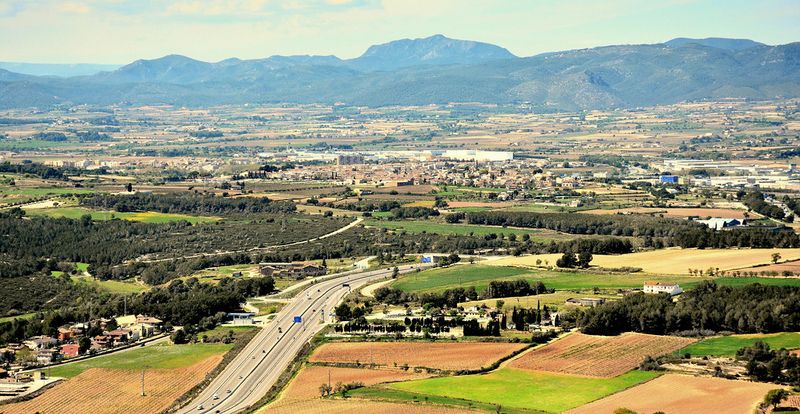
Just a short drive from the buzz of Barcelona lies a wine region that has been quietly perfecting its craft for thousands of years. Penedès is Catalonia’s most productive wine region and the undisputed home of Cava, Spain’s beloved sparkling wine made using the same traditional method as Champagne.
The landscape here is gentle and inviting. Rolling hills covered in neat rows of vines stretch between charming stone farmhouses called masies, and historic market towns offer excellent food and a relaxed pace of life.
The town of Sant Sadurní d’Anoia is considered the Cava capital of the world, hosting dozens of impressive wineries open to visitors.
Penedès is also home to pioneering winemakers who have pushed boundaries by introducing international grape varieties alongside traditional Catalan ones. Torres, one of Spain’s most famous wine families, calls this region home and has been experimenting with climate-resilient varieties for decades.
Cycling through the vineyards on a sunny afternoon, stopping at a winery for a tasting, and ending the day with fresh seafood in a village restaurant is the kind of simple pleasure that makes Penedès genuinely hard to leave. It rewards visitors who take their time exploring every quiet lane and hilltop view.
Jerez (Sherry Triangle) – Andalusia
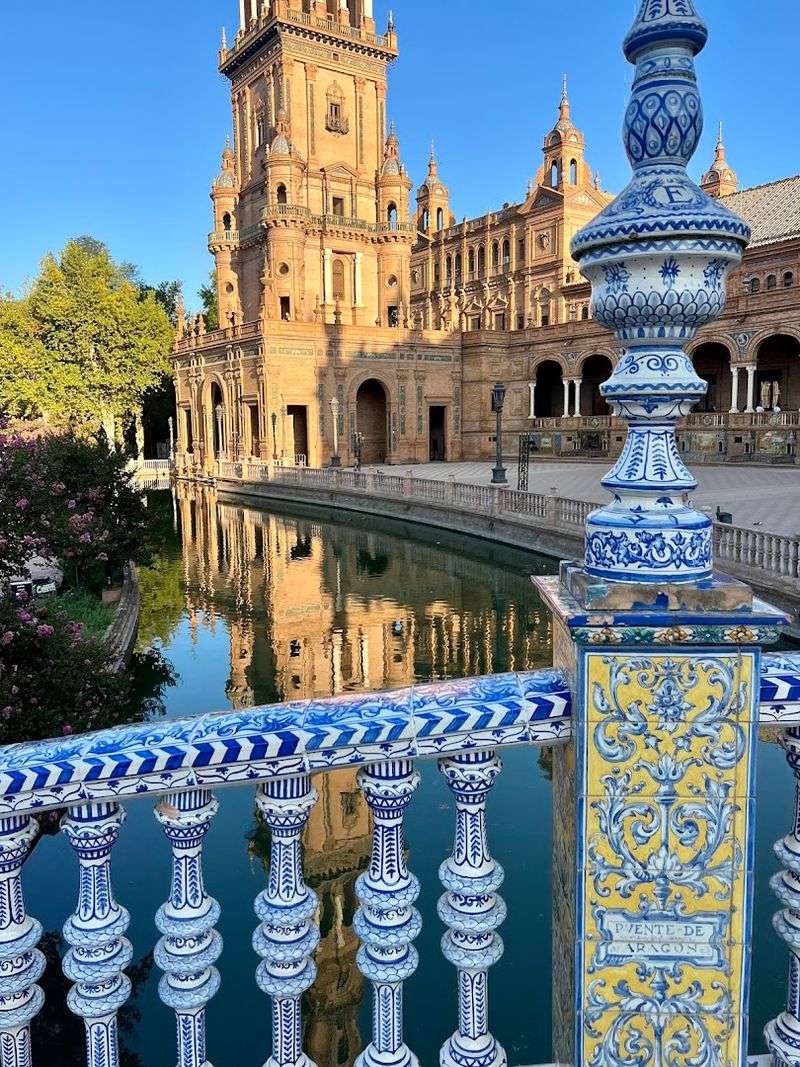
Sunlight bounces off whitewashed walls in Jerez de la Frontera, and the air carries a faint sweetness that wine lovers immediately recognize as sherry country. The Sherry Triangle, formed by the towns of Jerez, Sanlúcar de Barrameda, and El Puerto de Santa María, is one of the most culturally rich wine regions in the world.
Sherry is one of Spain’s oldest and most complex wine styles, ranging from bone-dry Fino and Manzanilla to rich, nutty Amontillado and velvety Pedro Ximénez. The unique solera aging system, where wines from different years are blended in stacked barrels, creates flavors of astonishing depth.
Walking through a grand old bodega with cathedral-like barrel halls is a genuinely humbling experience.
Beyond the wine, Jerez is famous for flamenco and Andalusian horses, with the Royal Andalusian School of Equestrian Art offering dazzling performances. The surrounding countryside, with its chalky white albariza soils glowing in the afternoon heat, has an almost surreal beauty.
Tapas culture thrives here, and locals pair their sherry with everything from jamón to fried fish. Jerez rewards slow travelers who linger long enough to appreciate the layers of history, flavor, and passionate local culture woven into every corner.
Toro – Castile and León
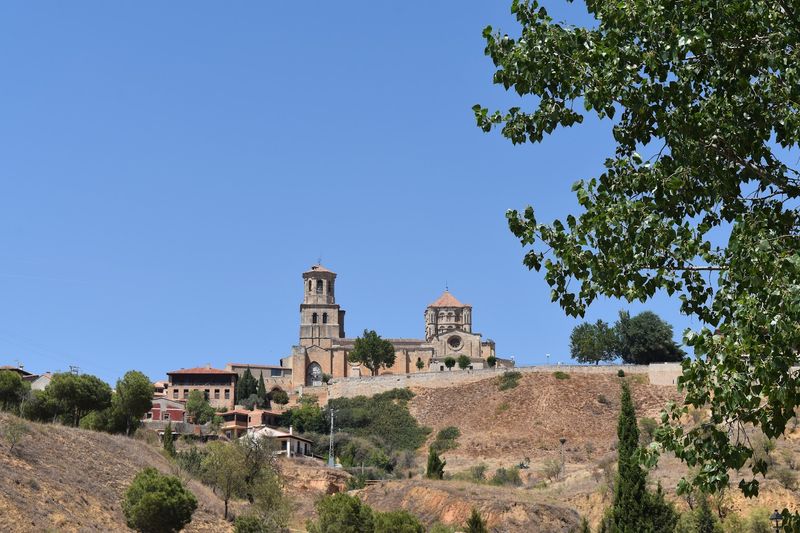
Toro is the kind of wine region that grabs you by the collar and demands your attention. Named after the Spanish word for bull, this region in Castile and León produces red wines as bold and unapologetic as the animal it is named after, made primarily from Tinta de Toro, a local strain of Tempranillo that has adapted over centuries to extremely harsh conditions.
The landscape here is raw and almost elemental. Wide open plains stretch under enormous skies, and some of the oldest ungrafted vines in Spain twist out of sandy soils that protected them from the phylloxera plague that devastated most of Europe’s vineyards in the late 1800s.
These ancient vines produce small quantities of extraordinarily concentrated fruit.
Toro is not a polished tourist destination, and that is precisely what makes it fascinating. The medieval town of Toro itself sits on a clifftop above the Duero River, offering sweeping views across the plateau.
The local cathedral and Romanesque churches feel genuinely untouched by commercialism. Wine tourists who seek authenticity over luxury will find Toro deeply satisfying.
The wines are powerful and honest, the scenery is dramatic, and the feeling of standing in a region still largely undiscovered by the wider world is genuinely thrilling.
Montsant – Catalonia
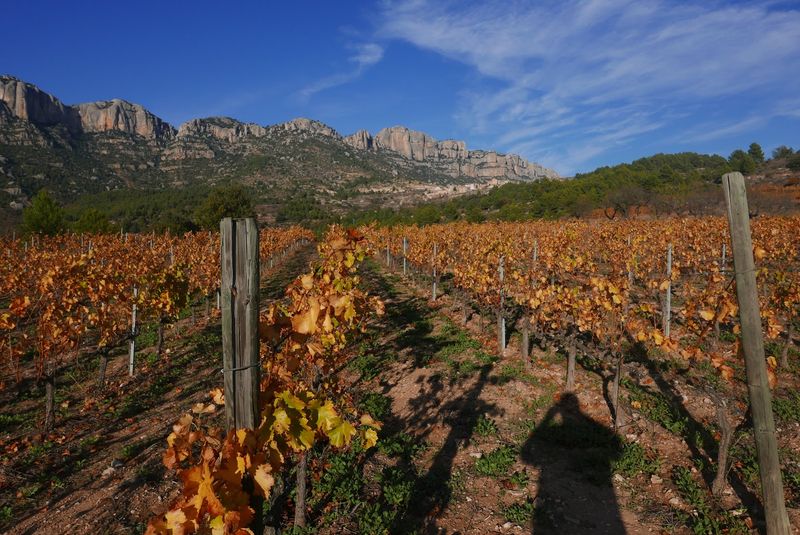
Picture a ring of dramatic rocky mountains forming a natural amphitheater around a valley filled with vineyards and quiet stone villages. That is Montsant, a Catalan wine region that wraps itself around its famous neighbor Priorat and offers equally spectacular scenery at a fraction of the crowds and prices.
The Serra de Montsant mountain range gives the region its name and its identity. The rocky sierra walls glow orange and red at sunset, creating a backdrop that photographers and painters have long found irresistible.
Below the cliffs, vineyards grow on a mix of granite, limestone, and slate soils, producing wines with real personality and mineral character.
Montsant wines made from Garnacha and Cariñena grapes have been winning international fans in recent years, offering impressive quality without the premium price tag of nearby Priorat. The region also has strong historical roots, with the ancient Carthusian monastery of Scala Dei sitting just inside the Priorat border and influencing winemaking traditions across both regions for centuries.
Small family-run wineries welcome visitors warmly, and the unhurried pace of life here feels like a genuine antidote to the modern world. Montsant is a beautiful secret that wine lovers are slowly, happily discovering.
Bierzo – Castile and León
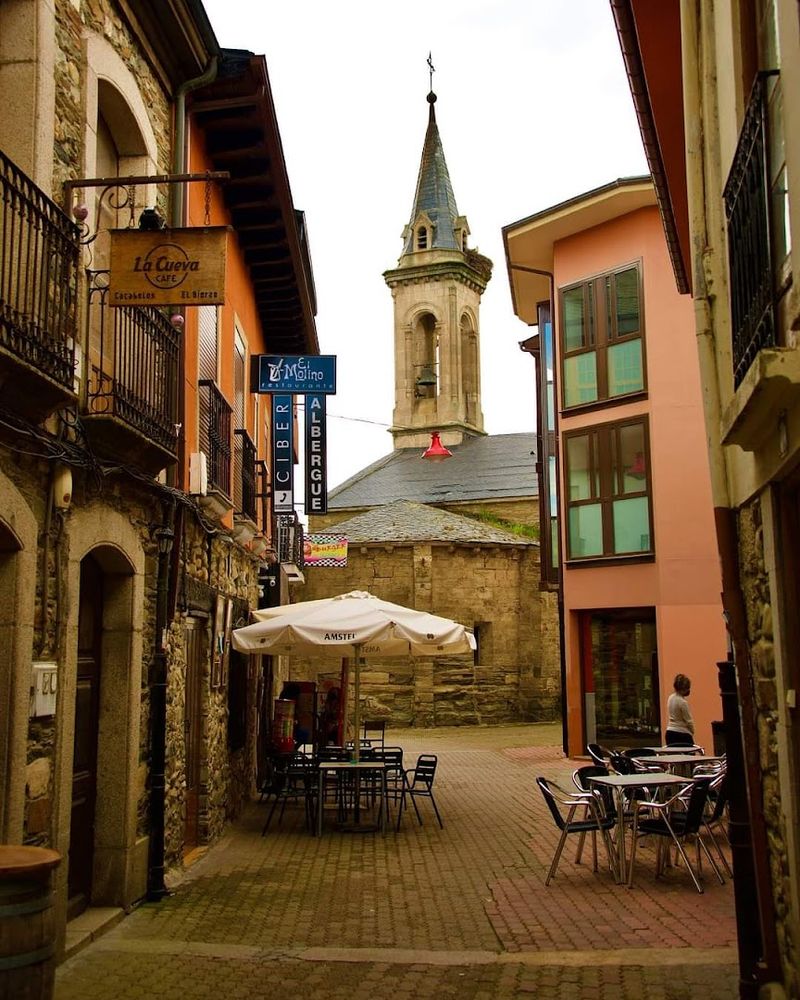
Tucked into the far northwestern corner of Castile and León, Bierzo feels more like Galicia than the arid meseta most people associate with this region. Forested mountains, rushing rivers, and green valleys create a landscape of genuine fairy-tale beauty, and the wines produced here are among the most exciting in Spain right now.
The Mencía grape rules Bierzo, producing red wines that are silky, aromatic, and refreshingly elegant compared to the heavyweight reds of neighboring regions. Winemakers here have attracted serious international attention for crafting wines that punch well above their weight in terms of complexity and finesse.
The region also sits along the famous Camino de Santiago pilgrimage route, meaning the charming town of Villafranca del Bierzo has welcomed weary travelers for centuries. Medieval castles, ancient churches, and slate-roofed villages add layers of history to every scenic drive.
The valley floor is also famous for its pimientos de Bierzo, a sweet pepper with protected status, making the local food scene as compelling as the wine. Autumn is spectacular in Bierzo, when the chestnut forests and vine leaves turn every shade of amber and gold.
It is the kind of place that makes you want to cancel your return ticket immediately.
La Mancha – Central Spain
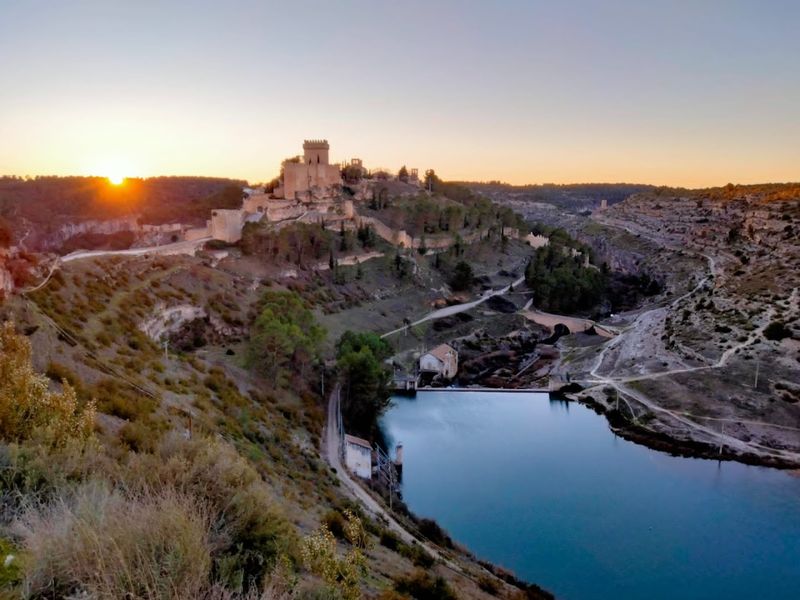
Windmills on hilltops, endless horizons, and vines as far as the eye can see. La Mancha is Spain’s largest wine region, covering a vast high plateau in the center of the country, and its connection to Miguel de Cervantes’ legendary novel Don Quixote gives it a literary atmosphere that no other wine region in the world can match.
The iconic white windmills of Consuegra and Campo de Criptana are recognized worldwide, standing as symbols of both Spanish culture and the timeless story of the knight who tilted at them. Wandering through these landscapes with a glass of local Airén or Tempranillo feels like walking through a living piece of literature.
La Mancha produces enormous quantities of wine, making it the single largest wine-producing region in the world by area. Quality has improved dramatically in recent decades, with modern winemakers harnessing the region’s intense sunshine and extreme climate to create wines of real character.
The flat terrain and vast skies give the landscape an almost hypnotic quality, especially at dawn and dusk when the light turns everything pink and gold. Travelers who dismiss La Mancha as boring are missing one of Spain’s most atmospheric and historically layered destinations.
The windmills alone are worth the journey.
Navarra – Northern Spain
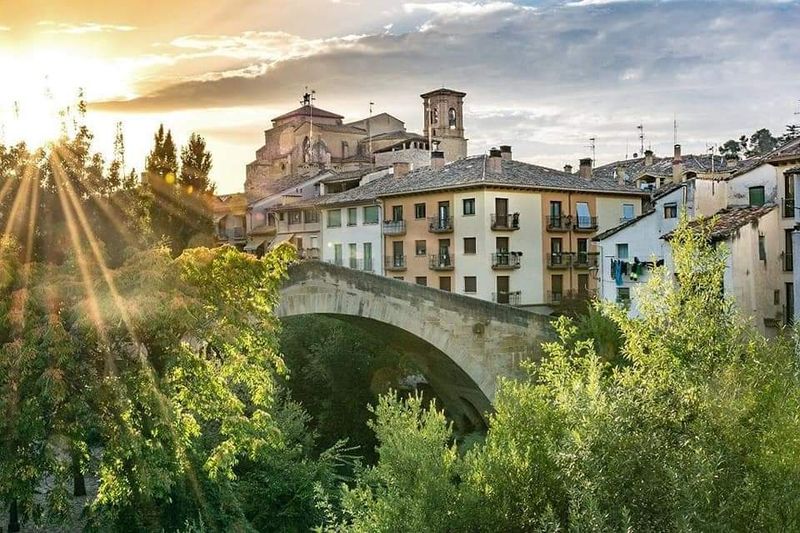
Navarra is the kind of region that wine travelers discover almost by accident, often passing through on the way to somewhere else, and then completely falling in love with. Sandwiched between the Pyrenees mountains and the Ebro River valley, Navarra offers a landscape that shifts dramatically from alpine meadows in the north to warm, vine-covered plains in the south.
The region is best known internationally for the Running of the Bulls in Pamplona, but wine lovers know it as a place of genuine quality and variety. Navarra produces excellent rosé wines from Garnacha grapes, along with increasingly impressive reds and whites that showcase the region’s diverse terroir.
Charming villages along the Camino de Santiago pilgrimage route give Navarra a spiritual and historical depth that feels authentic rather than staged for tourists. The medieval city of Pamplona is worth exploring beyond its famous July festival, with a beautiful old town, impressive fortifications, and a vibrant food scene.
Vineyard landscapes here feel personal and uncrowded, with family wineries offering tastings in relaxed, unpretentious settings. The combination of mountain scenery, cultural richness, and excellent wine makes Navarra one of northern Spain’s most complete and satisfying destinations for adventurous travelers.
Valdeorras – Galicia
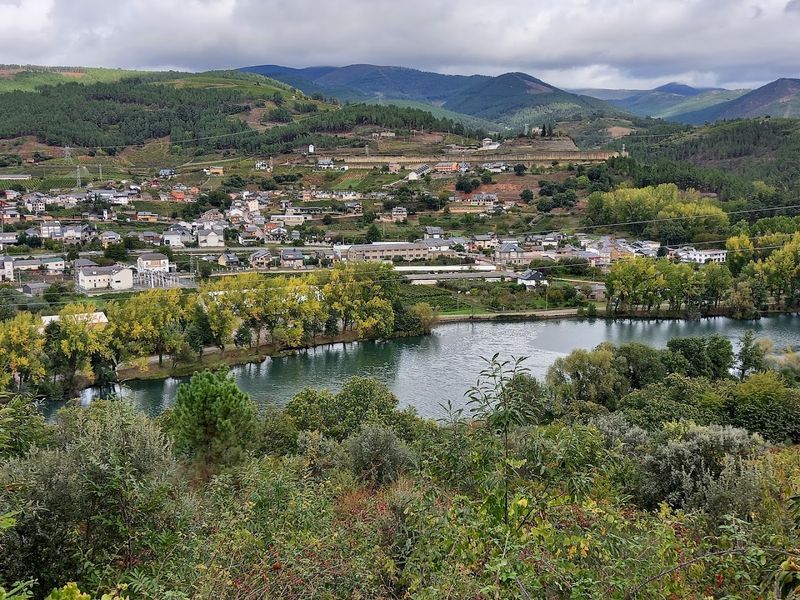
Valdeorras is Galicia’s best-kept secret, and the locals seem perfectly happy to keep it that way. Nestled in the eastern corner of Galicia where the landscape begins its dramatic transition toward the Castilian plateau, this quiet valley produces some of Spain’s most elegant and underappreciated white wines.
The Godello grape is the star here, capable of producing whites of extraordinary complexity and mineral depth. For years, Godello was nearly extinct, but a handful of passionate winemakers rescued it in the 1970s and rebuilt the region’s reputation from the ground up.
Today, Valdeorras Godello is considered one of Spain’s finest white wine achievements.
The scenery along the Sil River valley is quietly spectacular. Slate-terraced hillsides drop steeply toward the river, and small stone villages with traditional hórreos, the raised granaries unique to Galicia, dot the landscape with rustic charm.
There are no theme park wineries here, no glossy tourist infrastructure, just honest winemakers producing beautiful wines in a beautiful place. The markets in the main town of O Barco de Valdeorras are worth visiting for local cheeses, cured meats, and chestnuts.
Valdeorras rewards slow, curious travelers who prefer discovery over convenience and authenticity over spectacle.
Empordà – Catalonia
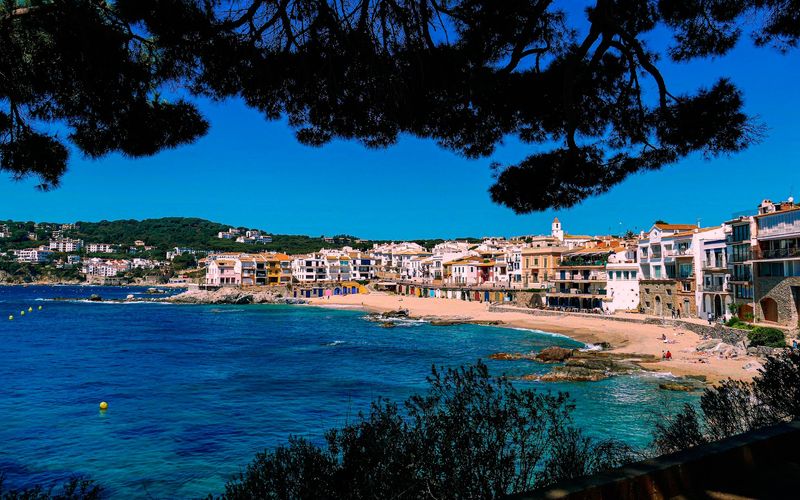
Wind is a character in Empordà. The Tramuntana, a fierce north wind that sweeps down from the Pyrenees and across the coastal plains of northern Catalonia, shapes everything here, from the twisted shapes of the olive trees to the concentrated flavors in the local wines.
Winemakers in Empordà have learned to work with this powerful force of nature rather than against it.
The region hugs the northeastern tip of Catalonia, bordering France and the Mediterranean Sea. Cap de Creus, one of Spain’s most dramatic headlands, marks the eastern edge of the Pyrenees where the mountains plunge into the sea.
Vineyards here grow in sight of the coast, and the combination of mountain air, sea breeze, and Mediterranean sunshine creates wines with a unique freshness and salinity.
Salvador Dalí was born in nearby Figueres and spent much of his life in the Empordà landscape, famously calling it the most beautiful place on earth. The surrealist atmosphere of his Teatre-Museu Dalí is a perfect complement to a wine tour of the region.
Greek and Roman ruins, medieval monasteries, and charming fishing villages round out a travel experience that feels richly layered. Empordà is where art, history, sea, and wine meet in one glorious coastal corner of Spain.
Somontano – Aragon
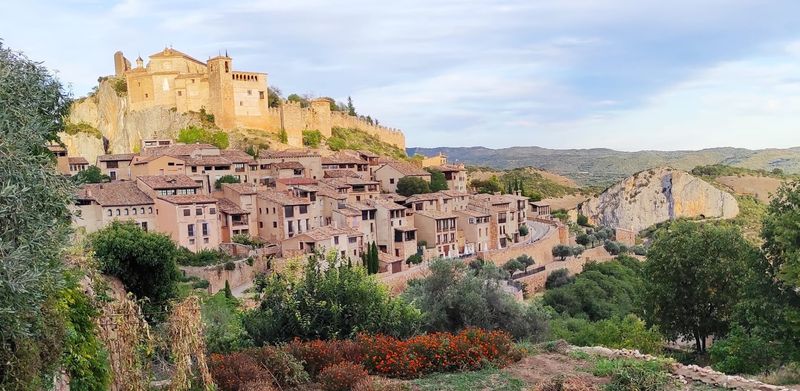
The name Somontano literally means under the mountain in Spanish, and one glance at the snow-capped Pyrenees looming over this Aragonese wine region tells you everything you need to know about its dramatic setting. Few wine regions in Spain can claim such a spectacular natural backdrop, and Somontano makes excellent use of it.
Unlike many Spanish regions that focus on a single native grape variety, Somontano embraced international varieties like Cabernet Sauvignon, Merlot, and Chardonnay alongside local grapes such as Moristel and Parraleta. This open-minded approach has helped the region develop a distinctive modern identity while still honoring its roots.
The medieval walled town of Ainsa, perched on a hilltop above the confluence of two rivers, is one of the most perfectly preserved historic towns in Spain and a highlight of any visit to the region. The annual Somontano Wine Festival held in Barbastro each August transforms the town’s medieval streets into a celebration of local wine, food, and music.
Hiking trails wind through the nearby Ordesa National Park, offering some of the most spectacular mountain scenery in the Pyrenees. Somontano is the rare wine destination that satisfies outdoor adventurers, history enthusiasts, and serious wine lovers all at once, making it one of Spain’s most genuinely rewarding and underrated regions.
Share this story