 Unearth The Voyage
Backpacking for the first time is equal parts exciting and terrifying, and honestly, that’s what makes it so worth it. The hardest part isn’t the packing or the planning, it’s just picking where to start.
Some destinations are so welcoming, so well-set-up for first-timers, that they practically hold your hand through the whole adventure. These 15 spots are proof that the world is far more accessible than it looks from your couch.
Lisbon & Porto, Portugal

Portugal basically invented the concept of a soft landing for nervous first-timers. The cities are walkable, the locals are friendly, and the hostels feel like social clubs where everyone already knows your name.
Lisbon is all cobblestone charm and rooftop views, while Porto is compact, artsy, and dangerously easy to fall in love with. Both cities have strong backpacker scenes, meaning you’ll never feel like the only person figuring things out as you go.
Food is cheap, public transport is solid, and the vibe is relaxed without being boring. I booked Lisbon on a whim once and ended up staying four extra days.
One key tip: Portugal sits inside the Schengen Area, so if you’re combining it with other European countries, keep that 90-day-in-180-days rule on your radar. Plan smart, and you’ll have zero regrets.
Dublin & Galway, Ireland
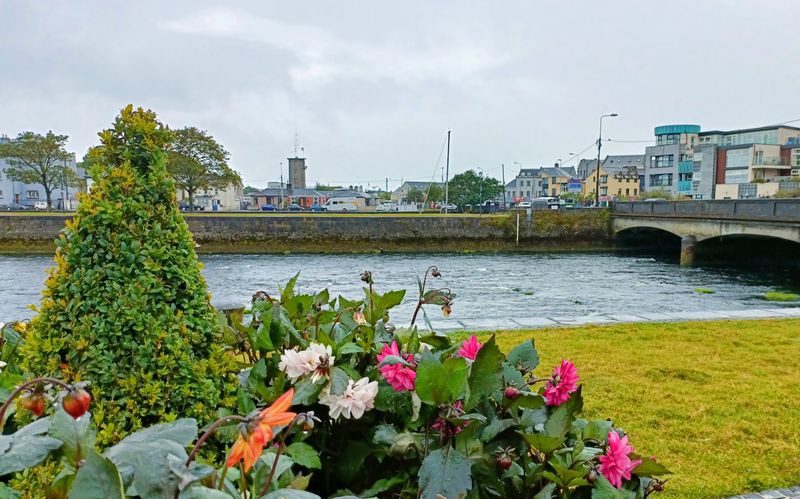
Ireland is the kind of place where you walk into a pub alone and walk out with five new best friends. That’s not an exaggeration.
The Irish have a gift for making strangers feel immediately welcome, and that energy runs through the whole country.
Dublin is buzzy, easy to navigate, and packed with free things to do. Galway, on the other hand, has a smaller, artsy, festival-town feel that backpackers absolutely love.
Getting between the two is straightforward, and the hostel culture in both cities is genuinely lively.
For getting around without overspending, grab a TFI Leap Card. It’s a prepaid card that works across public transport in Ireland and saves you the hassle of fumbling for exact change at every stop.
Public transport here is beginner-friendly, the signage is in English, and the worst thing that can happen is you end up somewhere with great scenery. Not bad.
Ljubljana & Lake Bled, Slovenia

Slovenia is quietly one of Europe’s best-kept secrets, and Lake Bled might be the most ridiculously beautiful place you’ll ever visit on a budget. A tiny island church sitting in the middle of an emerald lake?
Yes, that’s real, and yes, it’s as good as every photo suggests.
Ljubljana, the capital, is compact enough to explore in a day but charming enough to keep you there longer. The old town has a fairytale quality without the overcrowded tourist chaos you’d find in bigger European cities.
You can base yourself in Ljubljana and do day trips to Bled, Postojna Cave, or Triglav National Park without breaking a sweat.
Slovenia consistently ranks among the world’s most peaceful countries on the Global Peace Index, which is great news for anyone who wants adventure without unnecessary stress. Everything is close together, logistics are simple, and the scenery does all the heavy lifting.
Pack light and enjoy the ride.
Prague, Czech Republic

Few cities in Europe are as built for backpackers as Prague. The old town looks like someone designed it specifically to be photographed, and the sheer number of walking tours, budget hostels, and cheap eats makes it an almost frictionless first-time destination.
Getting around is easy, the metro is straightforward, and most major sights are within walking distance of the city center. History nerds will be thrilled, but even if medieval architecture isn’t your thing, the food, the beer culture, and the social hostel scene will keep you plenty entertained.
One underrated move: take a day trip to Kutna Hora. It’s a short train ride away and features a genuinely fascinating bone church that’s equal parts creepy and incredible.
The Czech Republic also ranks well on the Global Peace Index 2025, which matters when you’re navigating a new country solo. Prague is the kind of city that builds your confidence fast.
Budapest, Hungary

Budapest has a reputation for being one of Europe’s most fun cities, and it absolutely earns it. The thermal baths, the ruin bars, the Danube views, and the incredibly affordable prices make it a first-timer’s dream combination.
The city is split into Buda and Pest, which sounds complicated but is actually just a river dividing two very walkable halves. Most of the major sights are well-connected, and the metro system is one of the oldest in the world but still works like a charm.
The social vibe is high, the hostels are lively, and you’ll never be short of people to grab dinner with.
Here’s a practical tip that genuinely helps: structure one day around a walking tour and the key sights, then let the rest of the trip be spontaneous. It stops the overwhelm and still lets you feel like you’ve properly seen the city.
Budapest rewards both the planners and the wanderers.
Split & Dubrovnik, Croatia

Croatia’s Dalmatian Coast is one of those routes where the logistics practically plan themselves. Split is your base, Dubrovnik is your grand finale, and the ferries connecting them are part of the fun.
Split has a Roman palace that people literally live inside, which is objectively one of the coolest things in Europe. Dubrovnik, meanwhile, is the walled city that launched a thousand travel bucket lists.
The coastline between them is dotted with islands, hidden coves, and towns that look too pretty to be real.
Croatia has strong tourist infrastructure, so first-timers won’t feel lost. But here’s a heads-up worth taking seriously: if you’re visiting in peak summer, book your ferries and popular accommodations well in advance.
Coastal demand spikes fast, and showing up without a reservation can mean paying triple or sleeping somewhere far less scenic. Plan ahead, stay flexible on the small stuff, and Croatia will reward you generously.
Barcelona & Valencia, Spain

Spain is one of the most forgiving countries on the planet for first-time backpackers. Transport options are plentiful, food is everywhere and mostly excellent, and the cities are large enough to offer endless options without feeling overwhelming.
Barcelona brings the big-city energy: Gaudi’s wild architecture, a buzzing beach scene, and a nightlife culture that starts at midnight and doesn’t apologize for it. Valencia is the smarter follow-up move: slightly calmer, equally delicious, and home to the original paella.
Switching between the two by high-speed train takes about ninety minutes and costs less than you’d expect.
One important note for multi-country planners: Spain, like Portugal, is part of the Schengen Area. That 90-days-in-180-days rule applies across both countries combined, so track your days if you’re doing a longer European loop.
Day trips from both cities are easy and plentiful, making Spain one of the most rewarding places to be a first-timer.
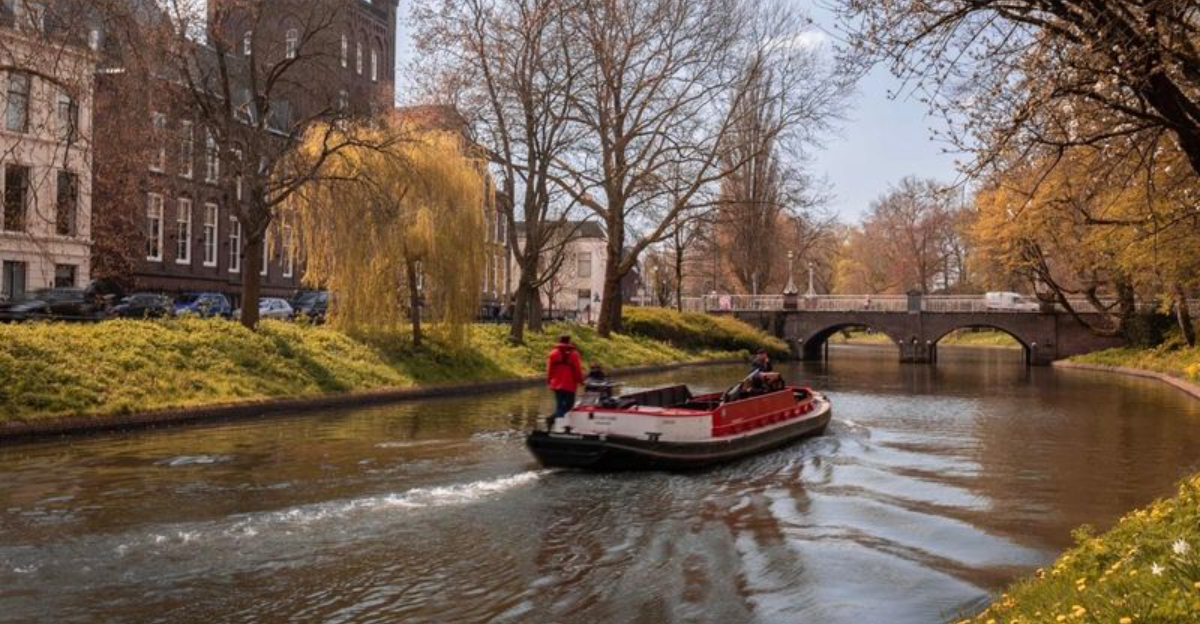
Amsterdam & Utrecht, Netherlands

The Netherlands is essentially the gold standard of organized travel. Everything runs on time, the cycling infrastructure is legendary, and you’d have to actively try to get lost in Amsterdam’s compact, canal-lined center.
Amsterdam has museums, markets, world-class street food, and a social energy that’s hard to match. But here’s a move that more backpackers should make: base yourself in Utrecht instead.
It’s thirty minutes away by train, costs significantly less for accommodation, and has its own charming canal system with the bonus of actually being able to hear yourself think.
Utrecht also has a fantastic student-town vibe, great coffee spots, and a pace that won’t exhaust you after two days. The Dutch train system connects you to Amsterdam, Rotterdam, and The Hague with zero stress.
For first-timers who want the full Dutch experience without blowing their budget on Amsterdam prices, this two-city strategy is genuinely one of the smartest plays in European backpacking.
Tokyo & Kyoto, Japan

Japan sounds intimidating until you actually get there, and then it feels like travel on easy mode. The trains are so punctual they’ve been known to issue apology notices for being one minute late.
That level of reliability is genuinely comforting when you’re new to solo travel.
Tokyo is sensory overload in the best possible way: towering neon signs, vending machines selling everything imaginable, and food that will ruin all other food for you permanently. Kyoto is the counterbalance, full of temples, bamboo forests, and a slower pace that feels like stepping into a completely different century.
Getting around Japan is dramatically easier with a Suica card. It’s a prepaid transit card issued by JR East that works on trains, subways, and buses across many regions, and you can even use it at convenience stores.
Japan’s strong culture of order and helpfulness makes it one of the safest and most rewarding first-timer destinations on the planet.
Chiang Mai & Bangkok, Thailand

Thailand is the backpacking classic for a reason, and that reason is that it works. The routes are well-trodden, the guesthouses are everywhere, the food is outstanding, and you’ll constantly run into other first-timers doing exactly what you’re doing.
Bangkok is the electric, chaotic, totally unforgettable opener. Street food on every corner, temples that stop you mid-step, and a nightlife scene that has genuinely no business being that fun.
Chiang Mai is the smarter second stop: cooler temperatures, a calmer pace, excellent cooking classes, and elephant sanctuaries that are actually ethical.
One thing worth knowing before you go: scam tactics do exist in tourist areas. Thailand’s tourism authorities regularly remind visitors to use verified services and stay alert to common tricks like fake gem shops and tuk-tuk detours.
Nothing that should scare you off, just basic awareness. Thailand rewards travelers who stay curious and slightly skeptical in equal measure.
It’s an incredible first adventure.
Hoi An & Hanoi, Vietnam

Vietnam has a way of getting under your skin fast. Hoi An alone, with its glowing lanterns, tailor shops, and riverside cafes, is enough to make you seriously reconsider your return flight date.
Hanoi is the grittier, more chaotic northern entry point, full of motorbike traffic, incredible street food, and a French colonial architecture that gives the old quarter a surprisingly European flavor. Hoi An, further south, is calmer, more photogenic, and packed with travelers who all seem to be having the best week of their lives.
Vietnam gives you that slightly more local feeling compared to some Southeast Asian destinations, while still having solid traveler infrastructure in the major hubs. The key tip every seasoned Vietnam traveler will give you is this: keep the route simple.
Go north or go south, but don’t try to squeeze everything into one trip. Vietnam is the kind of place that deserves a return visit, so save something for next time.
Ubud & Canggu, Bali, Indonesia

Bali has been on every backpacker’s list for years, and the hype is justified. It’s one of the most first-timer-friendly destinations in Asia, largely because the entire island seems to have been organized around making travelers feel comfortable and well-fed.
Ubud is the cultural heart: rice terraces, yoga retreats, traditional dance performances, and a cafe scene that somehow manages to be both healthy and delicious. Canggu is the cooler, beachier cousin where surfers, digital nomads, and backpackers all coexist in a surprisingly chill harmony.
The two are only about an hour apart, making them easy to combine.
Tours, shuttles, and social hostels are everywhere, so planning is genuinely low-stress. But the best piece of Bali advice I ever received was also the simplest: don’t overschedule.
Bali rewards the people who slow down, wander without an agenda, and let the place come to them. Build in blank days.
You’ll thank yourself later.
Cusco, Peru

Cusco sits at over 3,400 meters above sea level, and the altitude will remind you of that fact within about ten minutes of arriving. Take it slow for the first day or two, drink the coca tea they offer at the hotel, and don’t try to sprint up any staircases.
Trust the process.
Once you’ve acclimatized, Cusco opens up into one of the most fascinating cities in the world. Incan stone walls fused with Spanish colonial architecture, markets overflowing with textiles, and a travel infrastructure built entirely around adventurous visitors.
It’s genuinely one of the easiest places to do your first big adventure trip.
Machu Picchu is the main event, obviously, but book early. Official entry tickets are sold through the Peruvian government’s ticketing platform managed by Peru’s Ministry of Culture, and they sell out well in advance during peak season.
Do not leave this to the last minute. Cusco rewards the prepared traveler enormously.
Mexico City & Oaxaca, Mexico
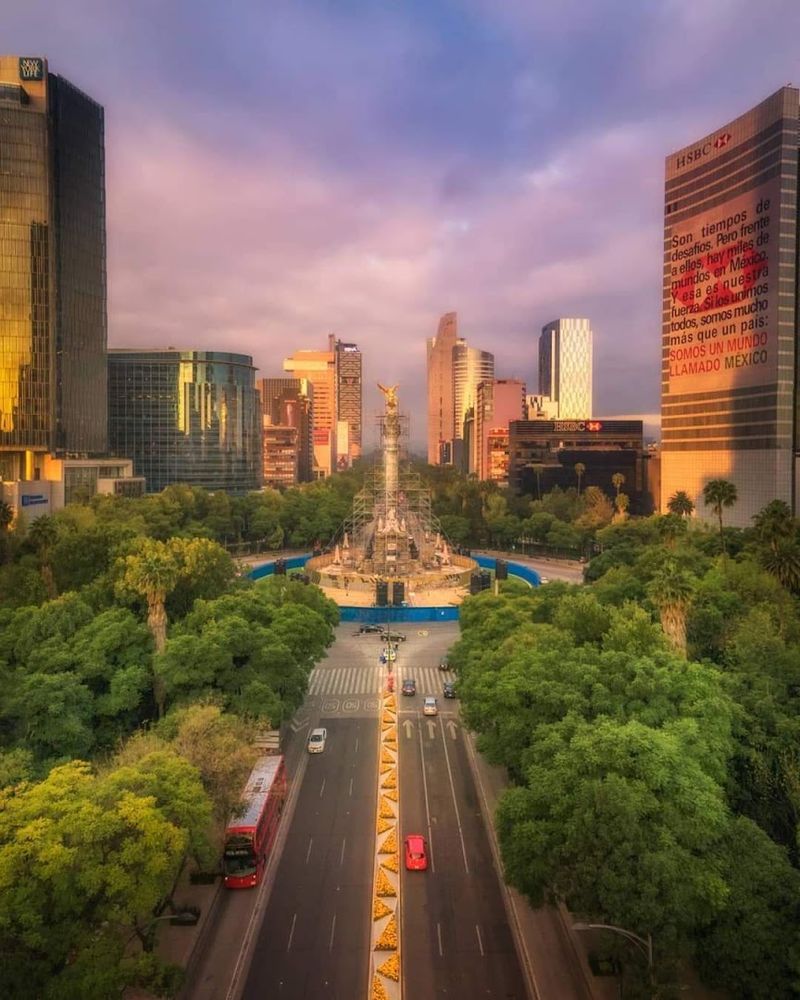
Mexico City is one of the great underrated first destinations for backpackers venturing into Latin America. It’s massive, yes, but it’s also incredibly organized, culturally overwhelming in the best way, and home to some of the finest street food on earth.
The museums alone could keep you busy for a week. The neighborhoods shift dramatically from one to the next, each with its own personality and food scene.
Then there’s Oaxaca, a few hours away by overnight bus, which is smaller, slower, and arguably even more delicious. Mole, tlayudas, mezcal, chocolate, markets bursting with color and noise.
Oaxaca is the kind of place that makes you immediately want to learn Spanish.
Day trips from both cities are plentiful and well-organized, which seriously reduces the planning burden for first-timers. One practical tip: use app-based rides at night when you’re tired.
Save the walking and exploring for daytime, when you can actually see and enjoy what’s around you.
Auckland to Queenstown, New Zealand
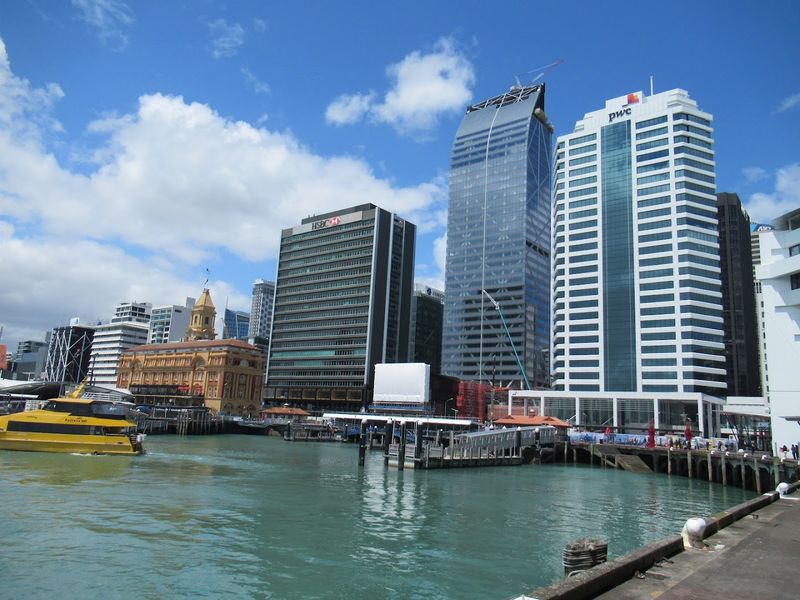
New Zealand is the outdoor adventure destination that doesn’t punish you for being a beginner. The hiking infrastructure here is so well-developed that even first-timers with zero trail experience can tackle world-class routes without feeling out of their depth.
The classic route runs from Auckland in the north down to Queenstown in the south, with countless stops worth making along the way: Rotorua’s geothermal weirdness, the Tongariro Crossing, the Marlborough wine region, and the jaw-dropping Fiordland. Each stop is easy to reach, well-signed, and set up with solid accommodation options at every budget level.
New Zealand’s Department of Conservation manages the famous Great Walks, describing them as well-formed, easy-to-follow premier tracks with booking available for stays up to June 2026. Snag your hut passes early because they sell out.
The country is famously safe, the locals are warm and helpful, and the scenery is genuinely hard to believe until you’re standing right in the middle of it.



