Finding a place to call home should not mean choosing between your wallet and your safety. Across the United States, dozens of cities and towns quietly offer low crime rates, reasonable housing costs, and genuinely great quality of life.
Many people assume affordable living means settling for less, but these 15 communities prove otherwise. From the Midwest to the South, each spot on this list delivers real value without making you look over your shoulder.
New Philadelphia, Ohio
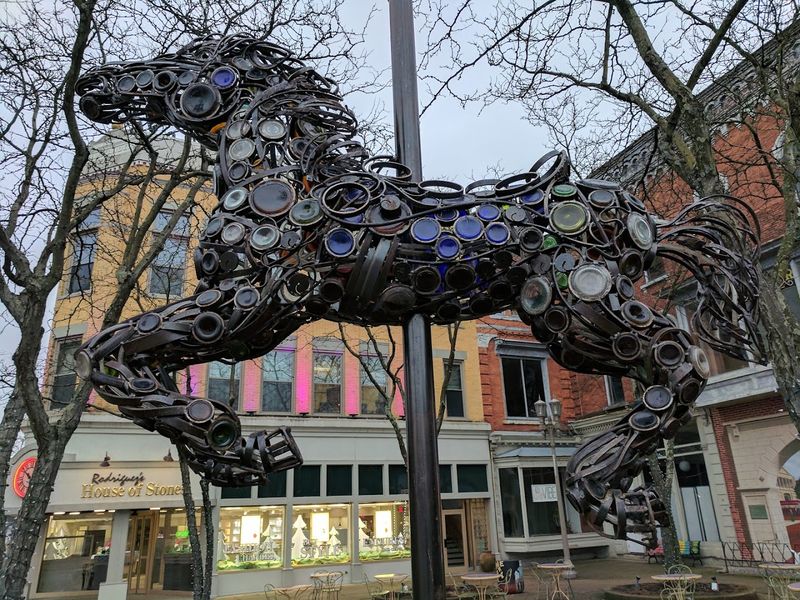
Tucked into the rolling hills of Tuscarawas County, New Philadelphia is the kind of town where neighbors still wave from their porches. Median home prices sit well below the national average, making homeownership genuinely achievable for first-time buyers and growing families.
Violent crime rates here are exceptionally low, which means kids can actually play outside without parents stressing.
The walkable downtown features local shops, restaurants, and community events that keep residents connected. Outdoor lovers appreciate the nearby Atwood Lake and Tappan Lake for weekend recreation.
You get fresh air, friendly faces, and a slower pace that most big-city dwellers dream about.
Job opportunities in manufacturing, healthcare, and retail keep the local economy steady. Public schools perform well, and the community invests in parks and public spaces.
For anyone seeking a genuinely safe and budget-friendly place to plant roots, New Philadelphia consistently delivers without asking you to sacrifice comfort or community spirit.
New Ulm, Minnesota
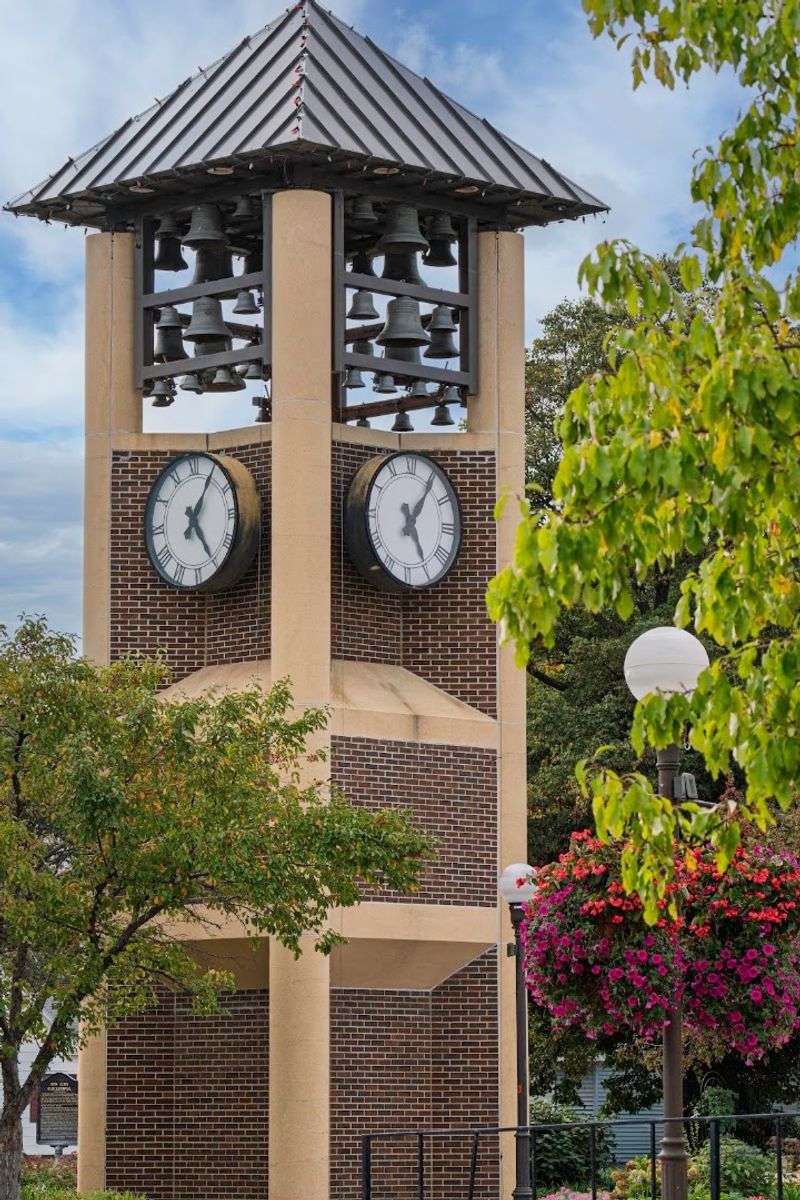
German heritage runs deep in New Ulm, where a massive Glockenspiel clock tower chimes in the town square and bratwurst is practically a food group. Beyond the cultural charm, this city of roughly 13,000 people consistently records some of the lowest violent crime rates of any community its size in the entire country.
That is not a small achievement.
Housing here is refreshingly affordable. A solid three-bedroom home can often be found for well under $200,000, which feels almost unreal compared to coastal city prices.
Excellent public schools and a tight-knit community atmosphere make it especially appealing for families with young children.
Winters are genuinely cold, so pack your warmest coat. But residents say the sense of safety and belonging more than makes up for the frosty temperatures.
Local festivals, strong civic pride, and access to outdoor recreation along the Minnesota River round out a lifestyle that is hard to beat at this price point. New Ulm rewards those willing to embrace small-town Midwestern living wholeheartedly.
Edwardsville, Illinois
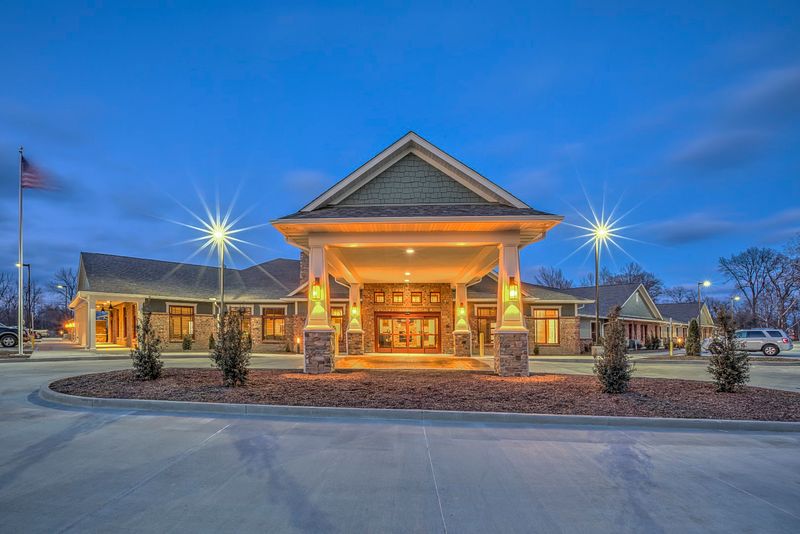
Just a short drive from St. Louis, Edwardsville gives residents the best of both worlds: suburban calm with urban access. Southern Illinois University Edwardsville anchors the local economy and keeps the cultural scene surprisingly lively for a city this size.
The university also brings bookstores, coffee shops, and community events that add real energy to everyday life.
Crime rates in Edwardsville consistently rank well below state and national averages, which is a genuine selling point for families relocating from larger metro areas. Housing costs remain moderate, especially when compared with similar suburbs around Chicago or St. Louis proper.
You can find well-maintained homes in established neighborhoods without stretching your budget uncomfortably thin.
Local schools earn strong marks, and the city invests noticeably in parks, trails, and public infrastructure. The downtown area has a relaxed, walkable feel with independently owned restaurants and boutiques.
For remote workers, young professionals, or families seeking a safe landing spot near a major city without paying major-city prices, Edwardsville checks nearly every box on the wish list with minimal compromise required.
Ponca City, Oklahoma
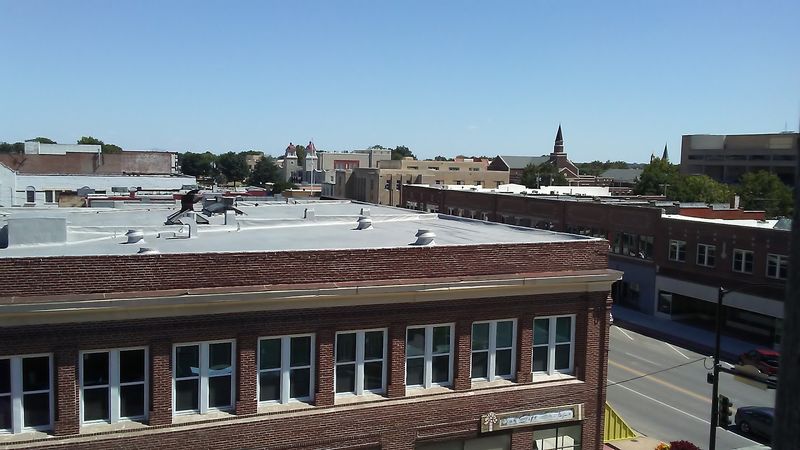
Ponca City carries a surprisingly rich history for a city of its size, rooted in the Oklahoma oil boom era. Grand historic mansions still line some of its streets, a quiet reminder of the prosperity that once flowed through this northern Oklahoma community.
Today, the city offers something arguably more valuable to everyday residents: genuinely affordable housing and a low cost of living.
Median home prices frequently fall below $120,000, making Ponca City one of the most budget-friendly real estate markets anywhere in the country. Crime rates, while not perfect, remain manageable and well below those of larger Oklahoma cities.
Families and retirees alike appreciate the relaxed pace and the warmth of neighbors who actually know your name.
The Pioneer Woman Museum and the Marland Mansion draw visitors from across the state, giving residents cultural attractions right in their backyard. Parks, lakes, and recreational trails offer weekend options that do not require spending money.
For buyers who want a real house with a real yard at a real price, Ponca City delivers that promise more reliably than almost anywhere else in the American heartland.
Enid, Oklahoma
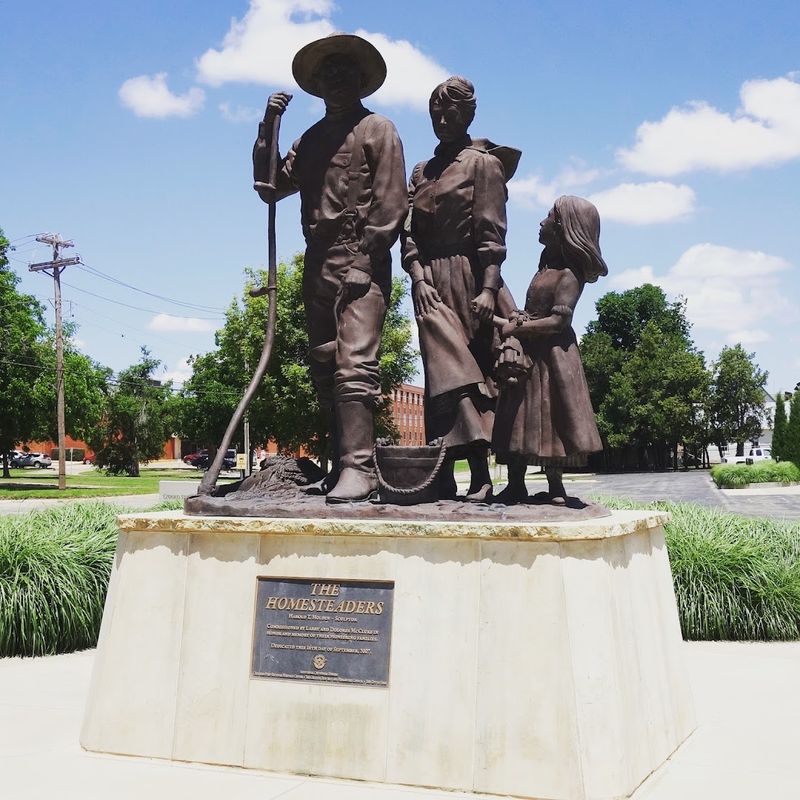
Enid does not shout about its virtues, but it earns them quietly. As one of Oklahoma’s larger regional cities, it offers genuine urban conveniences like hospitals, shopping centers, and restaurants without the congestion or price tags that come with bigger metros.
Housing costs here are strikingly low, with median home prices that routinely undercut the national average by a significant margin.
The city benefits from a diverse local economy that includes agriculture, aviation training at Vance Air Force Base, and healthcare. That economic mix provides job stability that smaller towns sometimes struggle to maintain.
Residents enjoy a strong sense of community pride, and local events like the Cherokee Strip Celebration draw crowds from across the region each year.
Traffic in Enid is refreshingly light, which means your commute is more likely to involve a stop sign than a standstill. Crime rates sit at a level that allows residents to feel comfortable in their neighborhoods without constant concern.
For first-time homebuyers, retirees on fixed incomes, or anyone simply tired of paying too much to live somewhere ordinary, Enid quietly makes a very compelling case for itself.
McAllen, Texas
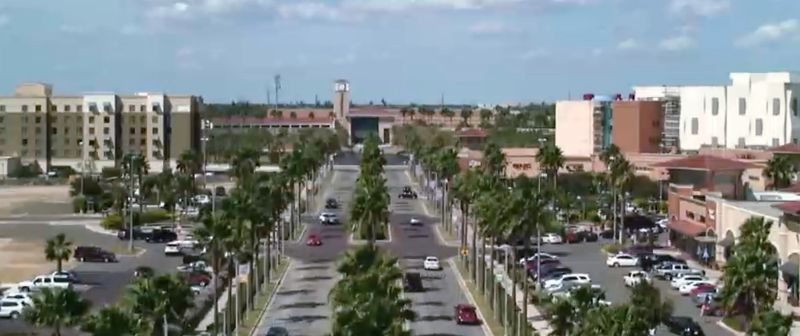
McAllen sits near the southern tip of Texas, where the Rio Grande Valley sun is generous and the cost of living is even more so. The city’s overall expenses run roughly 20 percent below the national average, and Texas residents pay zero state income tax, which adds up to real savings every single year.
Retirees have noticed this math, and the city has become a popular snowbird destination for good reason.
Healthcare options in McAllen are surprisingly robust for a border city, with multiple hospitals and specialty clinics serving the growing population. Affordable housing options range from modest starter homes to comfortable retirement communities, all at prices that feel almost too good to be true for newcomers from pricier states.
The local food scene, heavily influenced by Mexican culinary traditions, is outstanding and very wallet-friendly.
Safety has improved noticeably in recent years as the city has invested in community policing and neighborhood development programs. Outdoor attractions like Bentsen-Rio Grande Valley State Park bring birdwatchers and nature enthusiasts from across the country.
McAllen rewards residents who appreciate warm weather, cultural richness, and keeping more money in their pockets each month without sacrificing access to quality services.
Brownsville, Texas
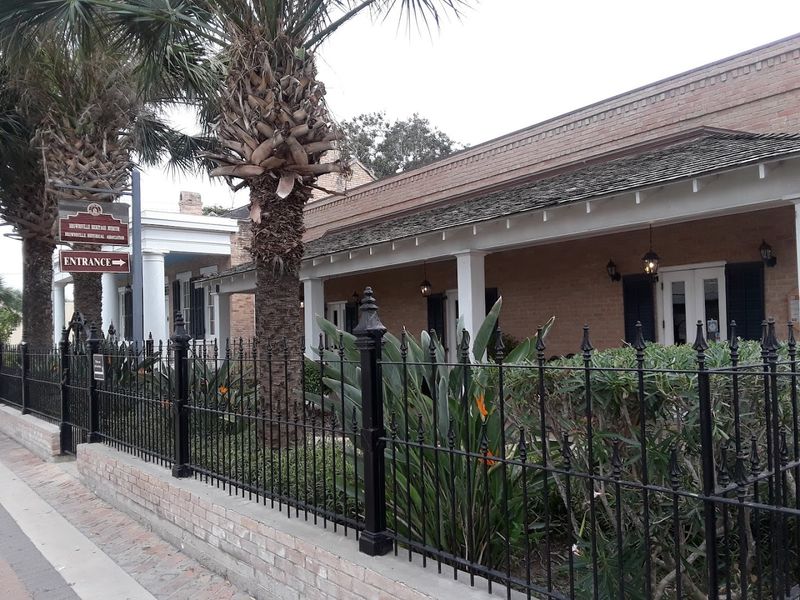
Brownsville holds the distinction of being one of the most consistently affordable cities in the entire United States, a title it has earned through years of rock-bottom housing costs and low everyday expenses. The warm Gulf Coast climate means lower heating bills and year-round outdoor living, which is a lifestyle perk that northern city dwellers tend to underestimate until they experience it firsthand.
The city borders Mexico along the Rio Grande, giving residents easy access to two countries, two cultures, and a food scene that is genuinely extraordinary. Authentic tacos, fresh seafood, and vibrant local markets make everyday eating an affordable pleasure.
Resaca trails, Boca Chica Beach, and Gladys Porter Zoo provide free or low-cost recreation options that keep families busy without draining bank accounts.
Brownsville has worked actively to improve safety metrics over recent years, and residents report feeling increasingly comfortable in their neighborhoods. Housing prices remain among the lowest of any comparable city in Texas, and property taxes, while present, are offset by the absence of state income tax.
For buyers seeking maximum housing value in a warm, culturally rich setting, Brownsville consistently ranks as one of America’s most underrated bargains.
Fishers, Indiana
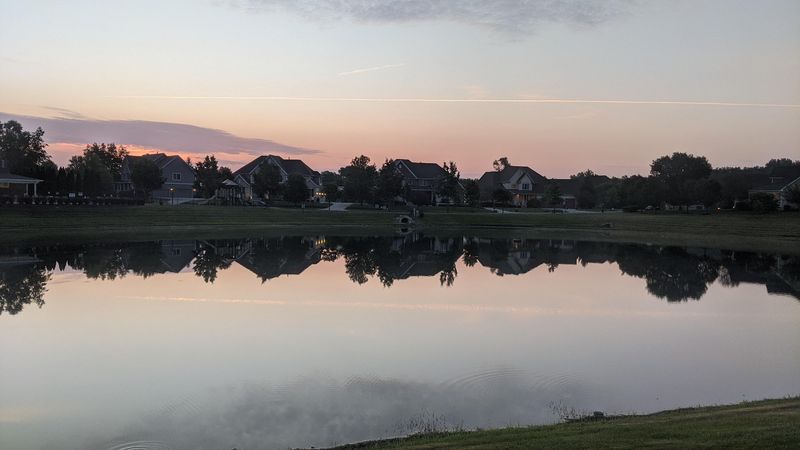
Fishers has a reputation for being almost suspiciously nice, and honestly, the statistics back that up. Year after year, national rankings place it among the top five safest cities in America, regardless of population size.
That kind of consistent recognition does not happen by accident. It reflects real investment in public safety, well-funded schools, and a community that genuinely cares about quality of life.
Yes, home prices in Fishers run slightly higher than some other entries on this list. But when you factor in the exceptional school district ratings, the abundance of parks and trails, and the booming job market fueled by Indianapolis proximity, the value proposition becomes very clear.
Families get a lot for what they spend here compared with similarly safe suburbs in other major metro areas.
The city has grown rapidly over the past decade, attracting tech companies, healthcare employers, and young professionals seeking suburban comfort near a vibrant city. Restaurants, breweries, and entertainment venues have followed the growth, giving residents a social scene that rivals much larger cities.
Fishers proves that safety and suburban charm do not have to feel boring or stale when the community keeps investing in itself.
Cary, North Carolina

Cary has earned a playful nickname among locals: the Containment Area for Relocated Yankees. That tongue-in-cheek label reflects just how many people from expensive northeastern cities have discovered this Research Triangle gem and decided to stay permanently.
The draw is obvious once you see the numbers: crime rates among the lowest for any U.S. city above 100,000 residents, paired with genuinely excellent public schools and services.
Housing costs have climbed in recent years as Cary’s popularity has grown, but they still compare favorably against comparable suburbs in Boston, Washington D.C., or New York. The city’s location near Raleigh and Durham means residents have access to world-class universities, major employers, and a thriving restaurant scene without paying downtown prices for their homes.
Greenways and parks weave throughout the city, making outdoor exercise and recreation genuinely accessible for all ages. The mild four-season climate keeps outdoor activities enjoyable for most of the year, which residents from colder states particularly appreciate.
Cary’s combination of safety, schools, and lifestyle quality makes it one of the Southeast’s most sought-after communities for families and professionals who want the full package at a reasonable, if not bargain-basement, price.
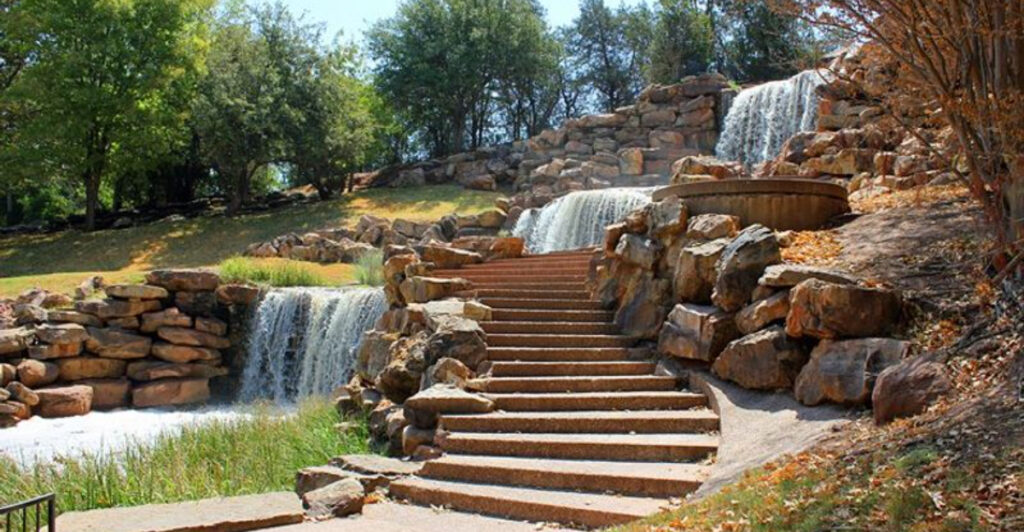
Wichita Falls, Texas
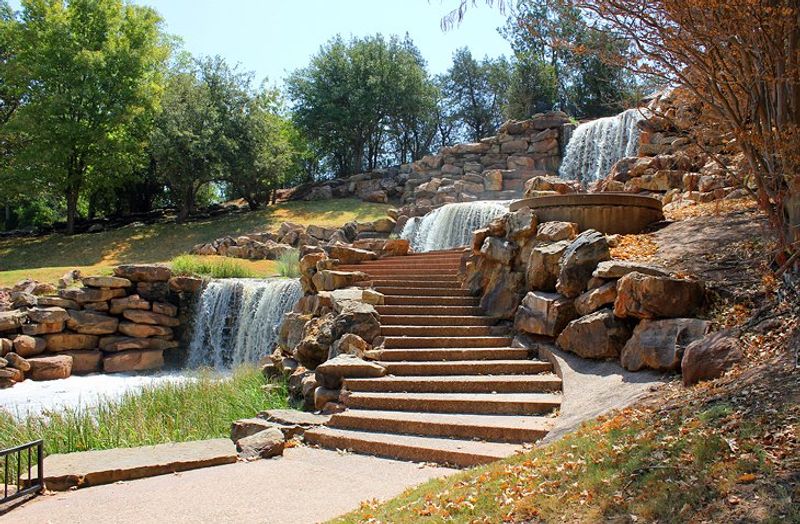
Wichita Falls might not dominate travel magazines, but it dominates affordability rankings with quiet regularity. The median home price here frequently falls below $150,000, which in today’s housing market feels like finding a forgotten treasure.
First-time buyers and retirees on fixed incomes consistently rank it as one of the best places in Texas to actually afford a house with a yard and a garage.
Sheppard Air Force Base provides economic stability and a steady population of military families who contribute positively to the community fabric. Local schools serve a diverse student population, and the city offers enough retail, dining, and entertainment options to satisfy everyday needs without requiring a road trip to Dallas.
The pace of life is unhurried in the best possible way.
Crime rates in Wichita Falls are not the absolute lowest on this list, but they remain manageable and well below what residents of major Texas metros typically experience. The city has invested in revitalizing its downtown area with new restaurants, art installations, and public events that have gradually improved community pride and engagement.
For buyers who want the most house for their money in a livable Texas city, Wichita Falls makes a strong and honest case.
Richmond, Indiana
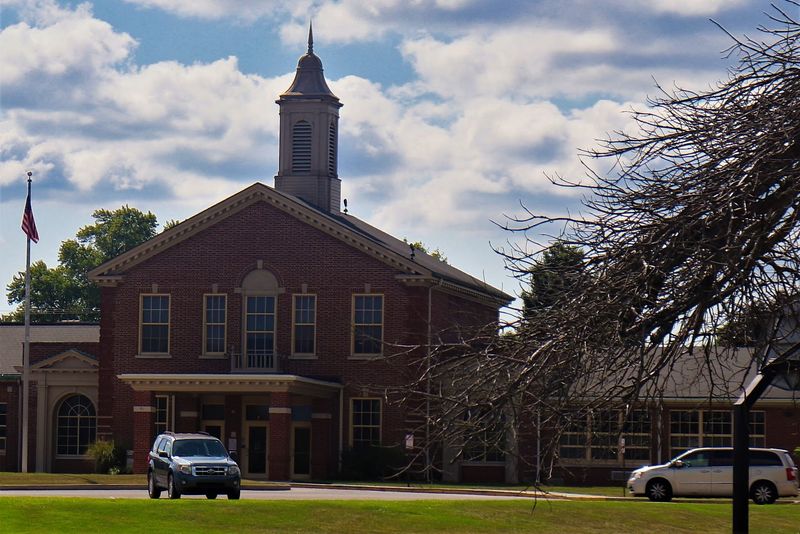
Richmond carries a quiet dignity that comes from its deep roots in Quaker history and its long-standing reputation as a community that values education and civic life. The city is home to Earlham College and Indiana University East, which give it an intellectual energy that surprises visitors expecting a purely industrial Midwestern town.
That academic presence also helps keep the local economy more diversified than many similarly sized communities.
Housing in Richmond is remarkably affordable even by Indiana standards. Well-preserved historic homes in established neighborhoods frequently list for under $100,000, offering buyers architectural character that newer construction simply cannot replicate at any price.
The cost of living overall sits significantly below the national average, stretching every paycheck and pension dollar noticeably further.
The city sits conveniently between Indianapolis and Dayton, Ohio, giving residents reasonable access to larger job markets and urban amenities without paying urban prices. Crime exists, as it does everywhere, but Richmond’s residential neighborhoods maintain a calm, livable quality that longtime residents genuinely appreciate.
For buyers who love the idea of a historic home in a real community with real roots and real savings, Richmond is worth a very serious look.
Muskogee, Oklahoma
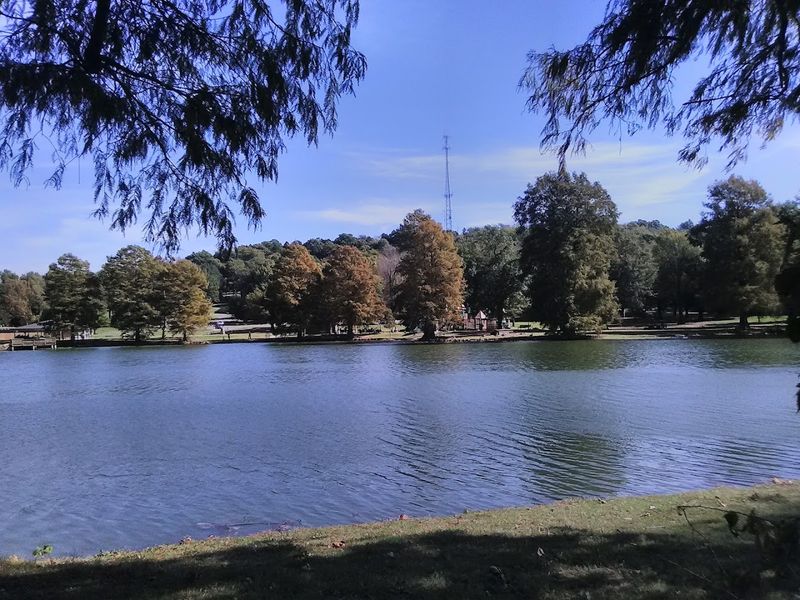
Merle Haggard famously sang about being proud to be from Muskogee, and while the song was mostly satire, the city itself is genuinely worth celebrating for practical reasons. Real estate here is among the most affordable in Oklahoma, with median home prices that allow buyers to purchase a spacious house without taking on a crushing mortgage payment.
That financial breathing room changes daily life in meaningful ways.
Muskogee sits along the Arkansas River and offers access to Fort Gibson Lake, one of Oklahoma’s most popular recreational lakes. Boating, fishing, and camping are essentially in the backyard for residents who enjoy outdoor activities without spending a fortune on travel.
The city also hosts the Oklahoma Renaissance Festival each spring, drawing thousands of visitors and adding a lively cultural event to the local calendar.
Everyday expenses in Muskogee, from groceries to utilities to dining out, run noticeably below national averages. The city has faced economic challenges over the years, but neighborhood investment and community revitalization efforts have produced real improvements.
For buyers willing to look beyond the headlines and explore what a small Oklahoma city actually offers day to day, Muskogee rewards that curiosity with genuine value and a welcoming community spirit.
El Paso, Texas
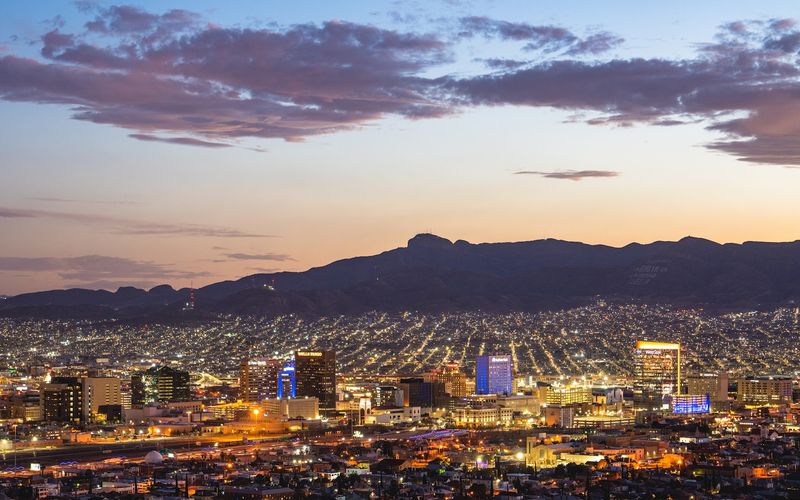
El Paso consistently earns recognition as one of the safest large cities in the United States, a fact that surprises many people who rely on outdated assumptions about border communities. With a population exceeding 700,000, it competes directly with cities many times its budget for the title of safest major American metro, and it frequently wins.
That safety record is a genuine source of local pride.
Housing costs in El Paso remain well below what residents pay in Houston, Austin, or Dallas, making it one of the most accessible large Texas cities for budget-conscious buyers. The sunny climate delivers over 300 days of sunshine annually, which reduces heating costs and keeps outdoor recreation available year-round.
The Franklin Mountains State Park sits literally within city limits, offering hiking and stunning desert scenery without driving anywhere significant.
The food scene draws heavy influence from Mexican and New Mexican culinary traditions, producing some of the best green chile and street tacos found anywhere in the Southwest at prices that are refreshingly reasonable. Fort Bliss provides significant economic stability and a large military community presence.
El Paso proves convincingly that a large, culturally vibrant, and genuinely safe city can still be affordable in modern America.
Fort Wayne, Indiana
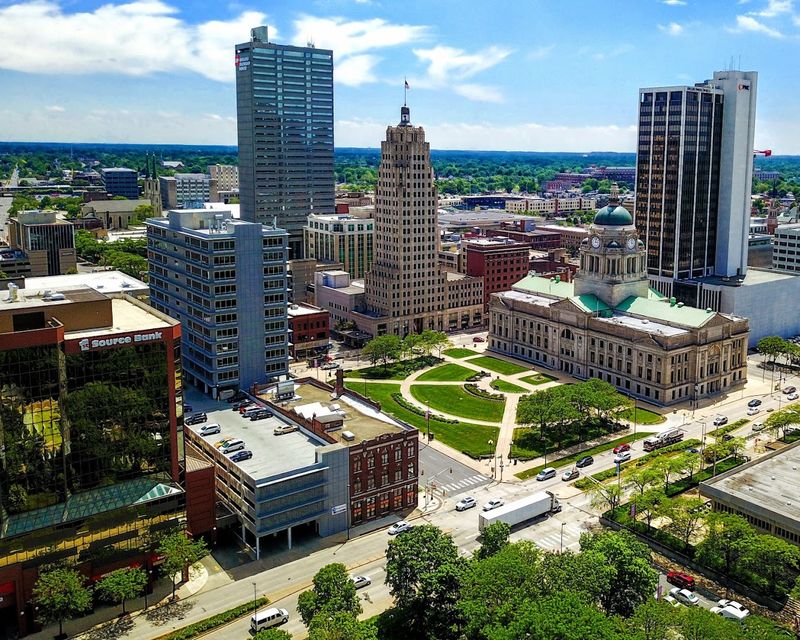
Fort Wayne is Indiana’s second-largest city, but it carries itself with the easygoing confidence of a place that knows it does not need to prove anything to anyone. Housing affordability here is the real headliner: median home prices regularly land between $150,000 and $180,000, which buys a genuinely comfortable family home in a neighborhood with actual character.
That is a deal that almost no comparable city on the East or West Coast can touch.
The local job market has diversified meaningfully in recent years, with growth in manufacturing, healthcare, and professional services reducing the city’s historical dependence on any single industry. Major employers like Parkview Health and Steel Dynamics provide stable career opportunities that attract younger residents looking to build long-term lives here rather than just passing through.
Crime rates in Fort Wayne fall below the national average for cities of its size, and specific residential neighborhoods consistently earn strong safety marks. The city’s park system is extensive and well-maintained, offering trails, sports facilities, and green spaces that families use heavily throughout the year.
Three rivers converge in downtown Fort Wayne, creating scenic waterfront areas that anchor a revitalized urban core. The overall package is simply hard to argue with at this price point.
Sioux Falls, South Dakota
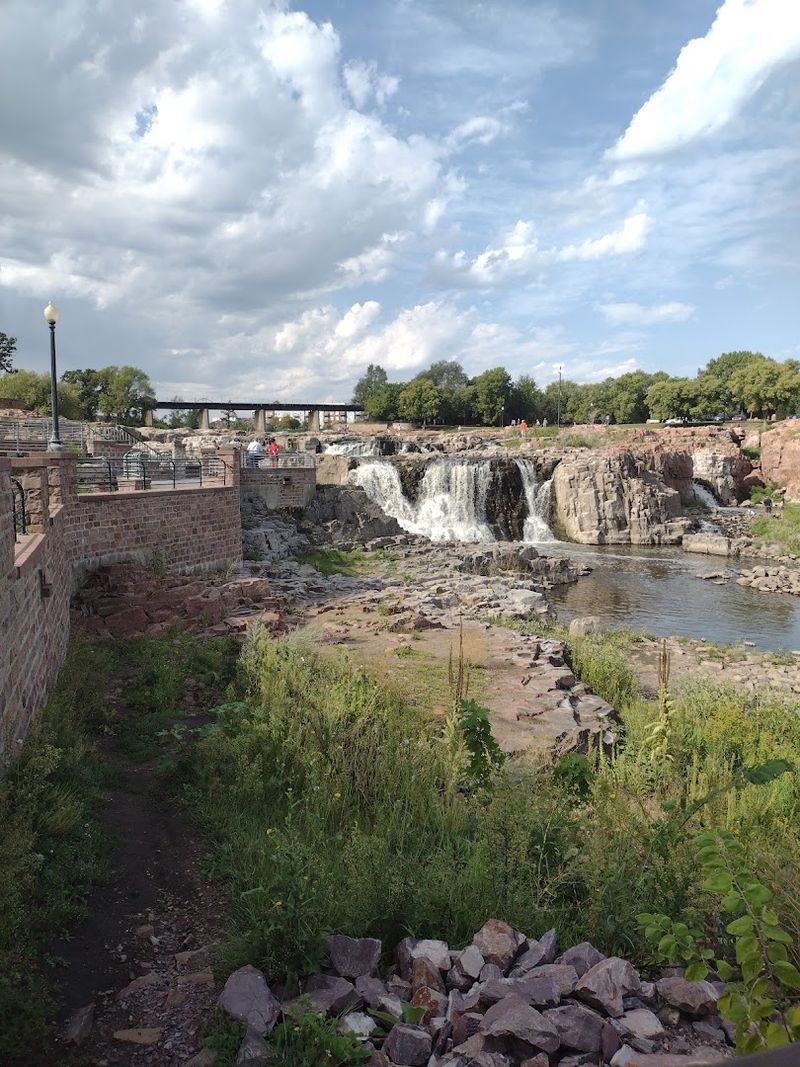
The waterfall that gives Sioux Falls its name roars right through the heart of Falls Park, a free attraction that residents treat like their own backyard and visitors drive hours to photograph. That accessible natural beauty is a fitting symbol for a city that consistently delivers quality without charging premium prices.
Sioux Falls has been one of the fastest-growing cities in the Midwest for over a decade, and the reasons are not hard to identify.
South Dakota charges no state income tax, which means every paycheck stretches further here than in most other states. Combined with housing costs that remain well below the national average and a strong local job market anchored by healthcare, banking, and retail sectors, the financial math works out favorably for most households that make the move.
Unemployment rates here consistently sit below national averages.
Crime rates in Sioux Falls are comparatively low for a city approaching 200,000 residents, and the extensive trail system connecting parks throughout the city keeps residents active and engaged with their community. Healthcare access is excellent, with Sanford Health and Avera Health both headquartered locally, a significant advantage for families and retirees alike.
Sioux Falls earns its growing reputation as one of America’s genuinely well-rounded places to live affordably and safely.
Share this story