 Unearth The Voyage
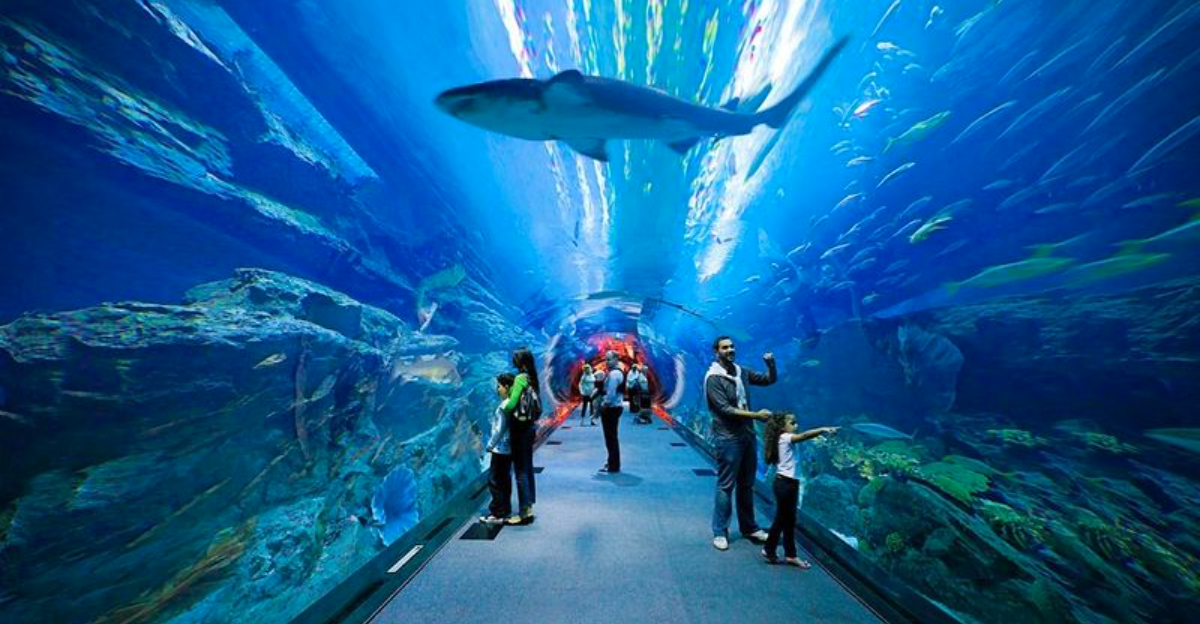
Some places make you feel like you are walking on the ocean floor without getting wet. The world’s greatest aquariums bring together rare creatures, stunning ecosystems, and jaw-dropping exhibits that leave visitors completely speechless.
From whale sharks gliding through colossal tanks to delicate jellyfish drifting in neon-lit chambers, these facilities push the boundaries of what a trip to the aquarium can be. Whether you are a marine science enthusiast or just someone who loves cool fish, this list has something to amaze everyone.
Georgia Aquarium — Atlanta, USA
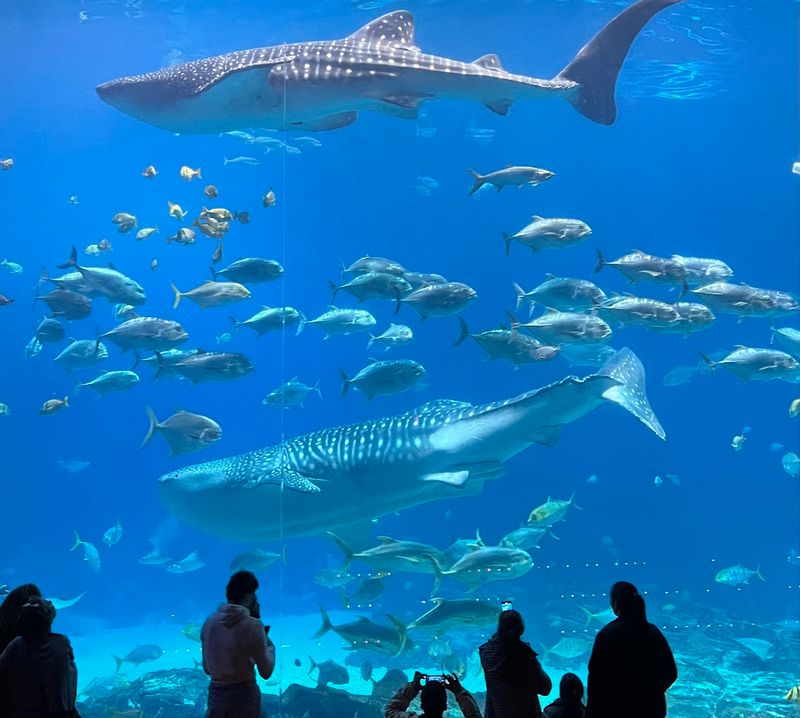
Standing in front of the Ocean Voyager viewing window at Georgia Aquarium feels less like visiting an attraction and more like pressing your face against the ocean itself. At roughly 10 million gallons, this is one of the largest aquarium tanks ever built — and it shows.
Whale sharks, the biggest fish on the planet, circle slowly overhead while manta rays glide past with effortless grace.
Georgia Aquarium houses more than 100,000 animals spanning hundreds of species, making it a true powerhouse of marine life. The aquarium also runs serious conservation and research programs, partnering with scientists worldwide to study and protect ocean ecosystems.
Visitors can even snorkel or dive directly inside the Ocean Voyager tank for an unforgettable up-close experience.
Beyond the headline exhibit, guests can explore beluga whale habitats, sea lion shows, and colorful reef displays. The sheer variety keeps every age group engaged for hours.
Few aquariums on Earth match the scale, ambition, and heart that Georgia Aquarium brings to every single exhibit on its floor.
Monterey Bay Aquarium — California, USA
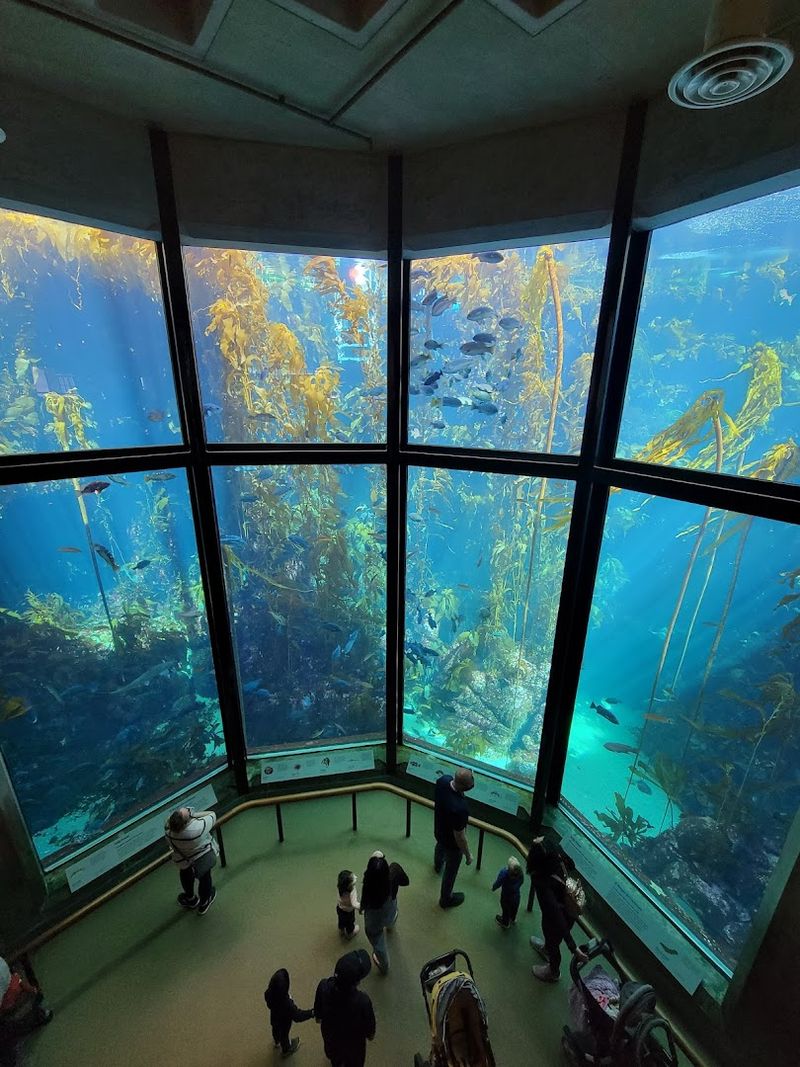
Sunlight filters through swaying kelp fronds while leopard sharks glide silently past — and that is just the opening act at Monterey Bay Aquarium. Perched right on the Pacific coast of California, this world-famous facility has a way of making visitors feel like they have stepped directly into the wild ocean just outside its walls.
The towering kelp forest exhibit alone is worth the trip.
Monterey Bay is internationally respected not just for its displays but for its conservation work. The sea otter rescue and rehabilitation program is one of the most celebrated in the world, giving injured and orphaned otters a second chance at life.
Rotating exhibits regularly feature deep-sea creatures and rare jellyfish species that most people have never seen outside of a documentary.
The aquarium also champions sustainable seafood awareness, educating millions of visitors each year about responsible ocean choices. Its Seafood Watch program has genuinely changed how restaurants and consumers think about what ends up on their plates.
Smart, beautiful, and wildly engaging, Monterey Bay Aquarium proves that caring deeply about the ocean and putting on a spectacular show are not mutually exclusive goals.
S.E.A. Aquarium — Singapore
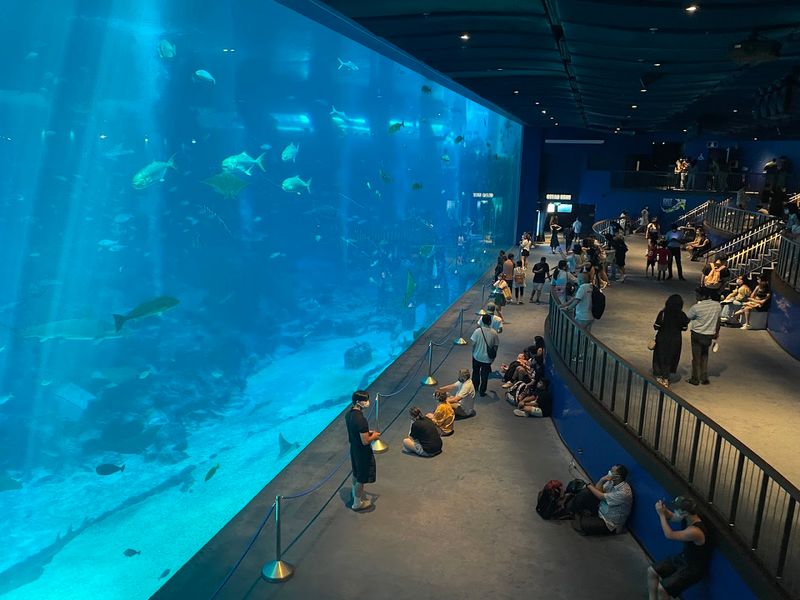
Walking up to the Open Ocean Habitat at S.E.A. Aquarium in Singapore is genuinely humbling — the viewing panel stretches so wide and tall that it fills your entire field of vision with swirling marine life.
More than 100,000 animals representing around 1,000 species call this extraordinary facility home. Manta rays, reef sharks, and dense schools of fish move through the water in a hypnotic, almost choreographed rhythm.
S.E.A. Aquarium is part of Resorts World Sentosa, which means it benefits from world-class facilities and consistently high production values.
Coral reef ecosystems are recreated with impressive accuracy, giving visitors a genuine sense of what a healthy reef actually looks like. Endangered marine species are spotlighted throughout, turning a fun outing into a quietly powerful conservation message.
The aquarium also runs behind-the-scenes programs where guests can meet marine biologists and learn how the team cares for thousands of animals daily. Those curious about what happens when the crowds go home will find these tours genuinely eye-opening.
S.E.A. Aquarium manages to be spectacular and educational simultaneously, which is a harder balance to strike than most people realize.
Okinawa Churaumi Aquarium — Okinawa, Japan
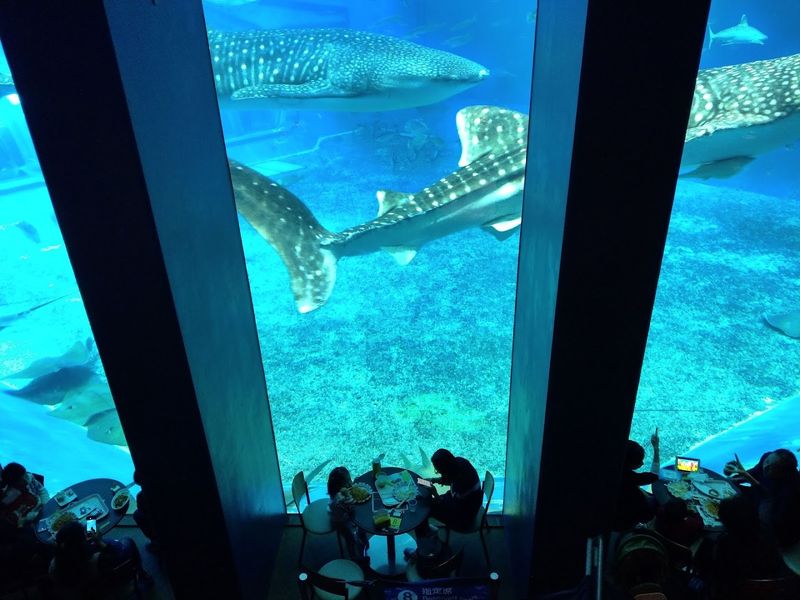
There is a moment at Okinawa Churaumi Aquarium when a whale shark drifts past the enormous acrylic viewing panel and the entire crowd goes completely silent. That says everything.
Located on the beautiful island of Okinawa, this legendary facility was one of the first aquariums in the world to successfully keep whale sharks in captivity, a feat that required years of scientific dedication.
The Kuroshio Tank is the star attraction, holding an astonishing volume of water and housing whale sharks alongside manta rays and hundreds of other species. More than 700 species of marine life are represented throughout the aquarium, including bizarre deep-sea organisms pulled from the dark waters surrounding Okinawa.
The deep-sea exhibit alone features creatures that look more like science fiction than biology.
Outside the main building, visitors can explore coral reef aquariums, sea turtle pools, and a manatee tank that rounds out an already packed itinerary. The surrounding Okinawa Commemorative National Government Park adds even more natural beauty to the visit.
Churaumi translates roughly to beautiful sea in the local Okinawan dialect — and after spending a day here, it is very hard to argue with that description.
Oceanogràfic — Valencia, Spain
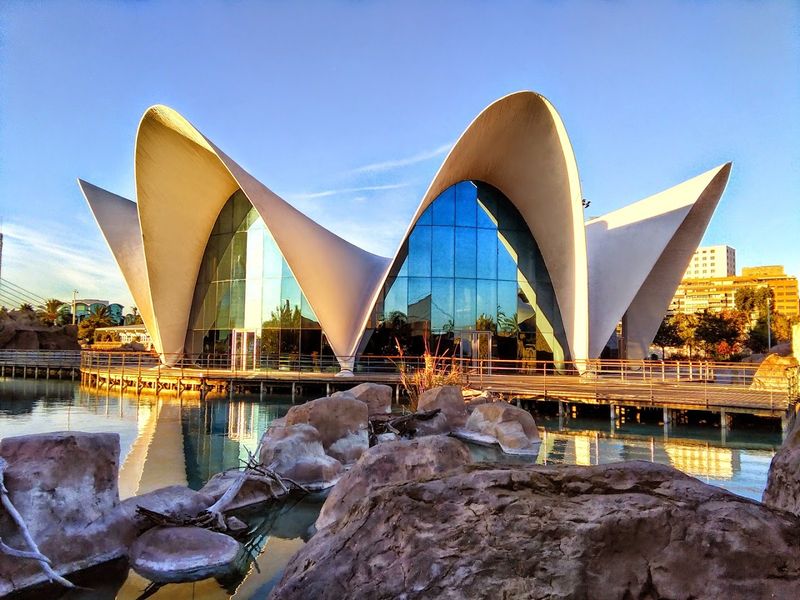
Valencia built a futuristic city of science and culture on its riverbed, and somehow the aquarium ended up being the coolest part of the whole complex. Oceanogràfic is the largest aquarium in Europe, spreading across a stunning architectural campus that looks like it belongs in a science fiction film.
The building alone is worth photographing from every angle before you even step inside.
Inside, the aquarium recreates an impressive range of marine environments — Arctic, Antarctic, Mediterranean, tropical, and deep-sea habitats all exist within walking distance of each other. Sharks circle overhead in glass tunnels while beluga whales glide through specially designed pools built to meet their specific behavioral and social needs.
The Mediterranean exhibit is particularly strong, showcasing regional species that rarely get this level of attention at other facilities.
Dolphin and sea lion presentations are scheduled throughout the day, and the penguin enclosure draws enormous crowds of delighted visitors. Oceanogràfic also participates in international breeding programs for endangered marine species, quietly doing important conservation work behind its photogenic exterior.
Pairing a visit here with a stroll through the wider City of Arts and Sciences makes for one of the most visually spectacular afternoons anywhere in Europe.
Osaka Aquarium Kaiyukan — Osaka, Japan
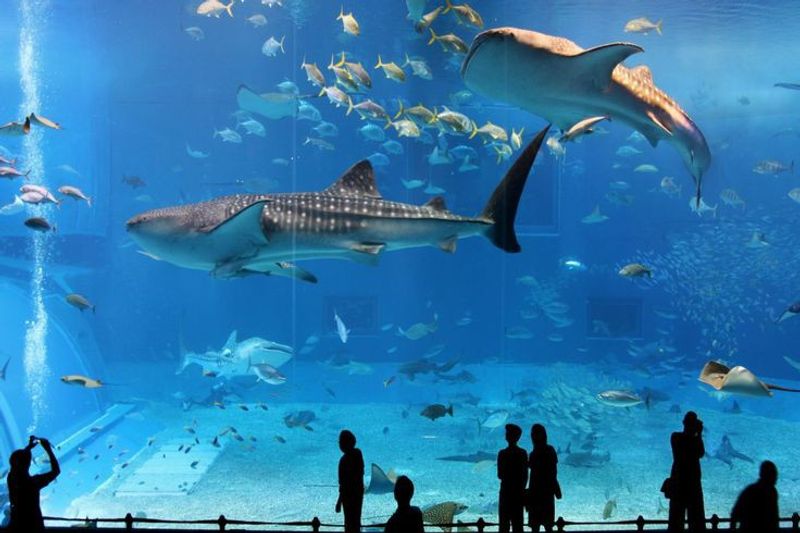
Kaiyukan does something genuinely clever that most aquariums never attempt — it wraps its central tank in a spiral walkway so visitors literally descend through different ocean layers as they explore. By the time you reach the bottom floor, you feel like you have traveled from the ocean surface all the way down into the deep.
It is a remarkably effective design that makes the experience feel like a real journey.
The Pacific Ocean tank at the heart of the aquarium is enormous, housing whale sharks and large pelagic species that need serious room to move. Surrounding exhibits recreate ecosystems from the Antarctic to the Great Barrier Reef, giving visitors a global tour of ocean habitats in a single afternoon.
The Antarctic section, complete with penguins waddling around their chilly enclosure, is consistently one of the most popular stops.
Kaiyukan opened in 1990 and has maintained its reputation as one of Japan’s finest aquariums ever since, continuously updating exhibits to reflect current marine science. Evening visits during special nighttime openings give the whole place a moody, atmospheric quality that daytime crowds simply cannot replicate.
Osaka already has plenty of reasons to visit — Kaiyukan is just one more excellent one.
Dubai Aquarium & Underwater Zoo — Dubai, UAE
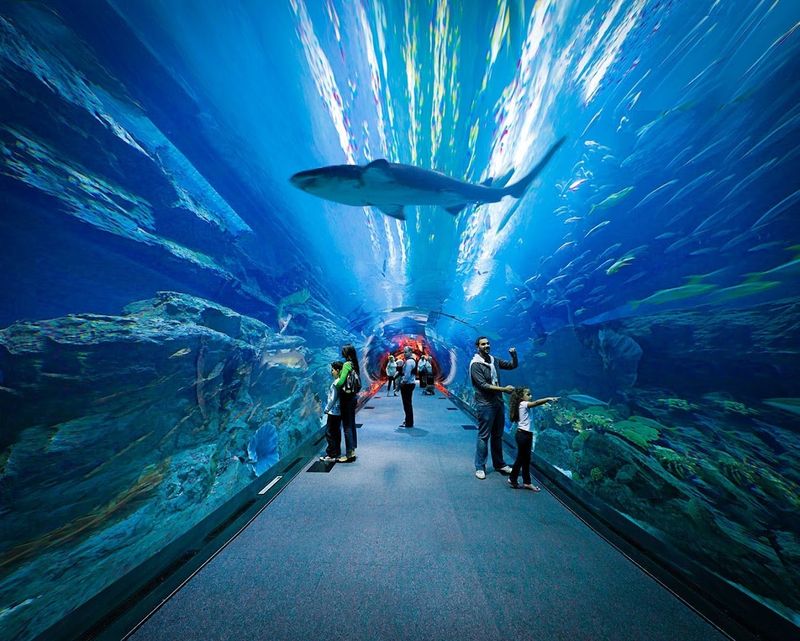
Only in Dubai would someone decide to put one of the largest suspended aquarium tanks in the world inside a shopping mall. The Dubai Aquarium and Underwater Zoo sits right in the middle of the Dubai Mall, meaning you can be browsing sneakers one minute and staring at a sand tiger shark the next.
It is the kind of unexpected contrast that makes Dubai genuinely one of a kind.
The walk-through glass tunnel stretches beneath thousands of fish, sharks, and rays that glide just inches above visitors’ heads. The effect is genuinely immersive, and the lighting inside the tunnel gives everything a cinematic blue glow that makes for incredible photographs.
Cage snorkeling and even shark diving experiences are available for visitors who want to get significantly closer to the action.
Above the main tank, the Underwater Zoo showcases a wildly eclectic mix of species — penguins, crocodiles, jellyfish, and otters all share space in a compact but entertaining collection. The facility also offers behind-the-scenes tours and educational programs for school groups.
Considering it lives inside a mall, the Dubai Aquarium punches well above its weight in terms of scale, variety, and sheer spectacle.
Oceanário de Lisboa — Lisbon, Portugal
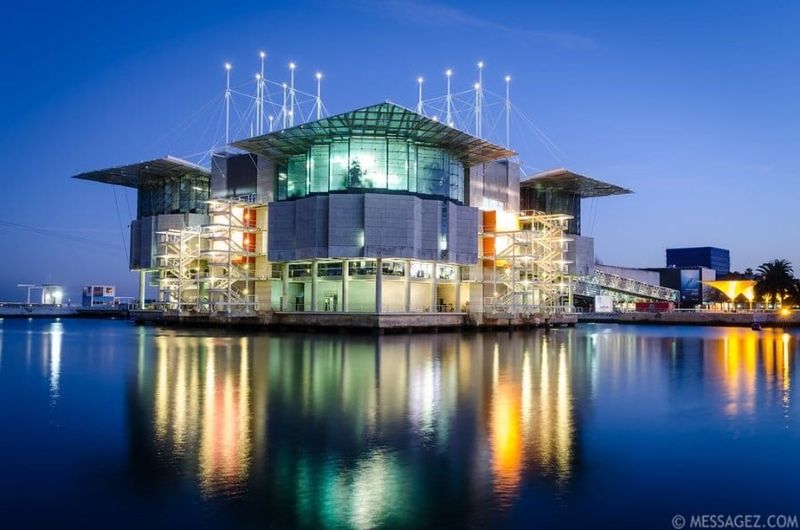
Sitting on the waterfront of Lisbon’s Parque das Nações, the Oceanário looks from the outside like a space station that landed gently on the Tagus River. Architect Peter Chermayeff designed it to feel as though the building itself is floating, and on a clear day with sunlight bouncing off the water, the effect is completely convincing.
Inside, the magic only deepens.
The central ocean tank is the architectural and biological heart of the aquarium, representing the open sea with species that include the wonderfully weird ocean sunfish — one of the heaviest bony fish alive. Four surrounding habitats recreate ecosystems from the Atlantic, Pacific, Indian, and Antarctic oceans, each with its own distinct character and carefully selected species.
Sea otters and penguins are among the crowd favorites that keep visitors lingering longer than they planned.
Oceanário de Lisboa earned its reputation as one of Europe’s finest aquariums through consistently thoughtful curation and a genuine commitment to marine education. The facility hosted the 1998 World Exposition before becoming the permanent aquarium it is today, and that ambitious origin story still shows in every detail.
Few aquariums anywhere manage to feel simultaneously artistic and scientifically rigorous in quite the same way.
Shanghai Ocean Aquarium — Shanghai, China
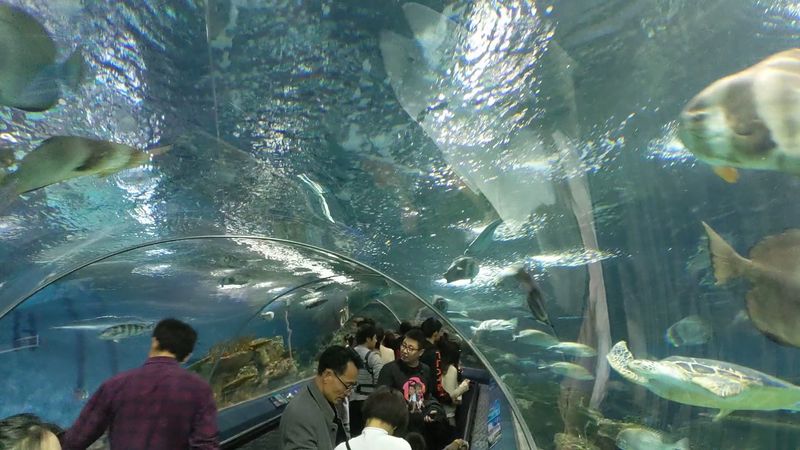
At roughly 155 meters, the underwater tunnel at Shanghai Ocean Aquarium is one of the longest of its kind anywhere on Earth — and walking its entire length while sharks cruise overhead never gets old no matter how many times you do it. Located near the iconic Oriental Pearl Tower, this aquarium blends world-class marine exhibits with an impressively deep collection of freshwater species from China’s own river systems.
Giant sea turtles, stingrays, and multiple shark species share the tunnel tank, creating a constantly shifting overhead display that keeps cameras clicking nonstop. The freshwater galleries are a genuine highlight for visitors who did not expect them, featuring rare fish from the Yangtze River and other Chinese waterways that are almost impossible to see anywhere else.
It is a smart curatorial choice that gives the aquarium a distinctly local identity.
Marine ecosystems from around the globe round out the collection, taking visitors from the Amazon basin to the coral reefs of Southeast Asia without leaving the building. The aquarium is well-organized and easy to navigate, making it a comfortable choice even for families with young children.
Shanghai Ocean Aquarium quietly earns its place among the world’s best with depth, variety, and genuine scientific credibility.
Ripley’s Aquarium of Canada — Toronto, Canada
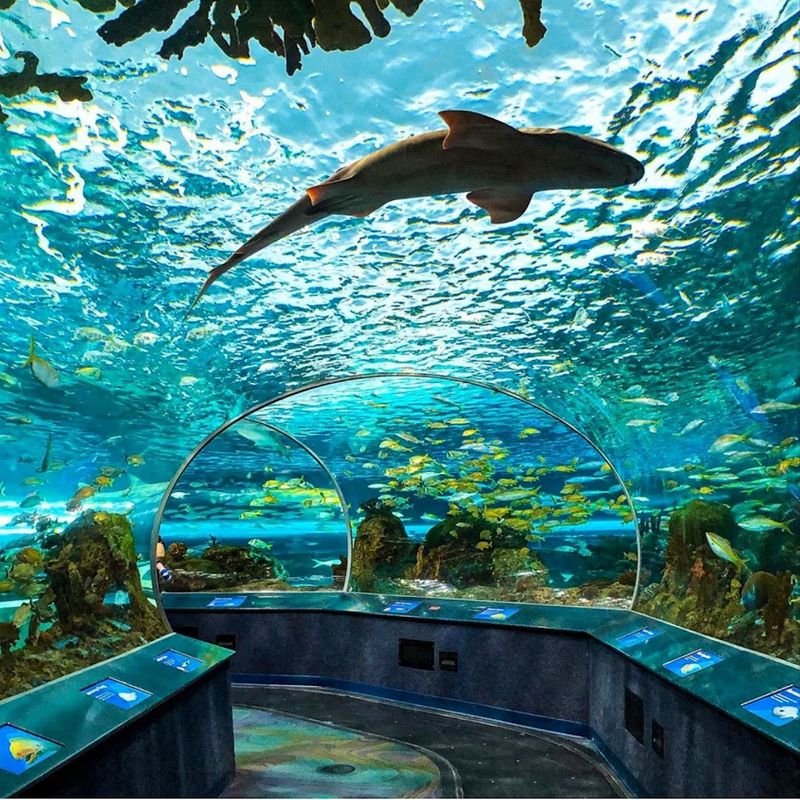
Flat on your back on a slow-moving belt while sand tiger sharks pass directly overhead — that is the signature Ripley’s Aquarium experience, and it is every bit as thrilling as it sounds. Located steps from the CN Tower in downtown Toronto, Ripley’s Aquarium of Canada has established itself as one of North America’s most entertaining and well-designed aquarium facilities since opening in 2013.
The Dangerous Lagoon tunnel is the undisputed star of the show, stretching 97 meters through a tank packed with sharks, sawfish, and green sea turtles. The moving walkway means even the smallest visitors get a full, unobstructed view without needing to be held up.
Sawfish are a particular highlight — these critically endangered animals are rarely seen in aquariums and their elongated, tooth-studded rostrums are genuinely prehistoric-looking.
Beyond the tunnel, vibrant coral reef galleries glow with color, and a rainbow of jellyfish drift through illuminated cylindrical tanks in a section that feels more like an art installation than a biology exhibit. Interactive touch pools let kids handle horseshoe crabs and sea stars under the supervision of knowledgeable staff.
Ripley’s manages to be flashy and fun without ever sacrificing the substance that makes a great aquarium worth returning to.
Two Oceans Aquarium — Cape Town, South Africa
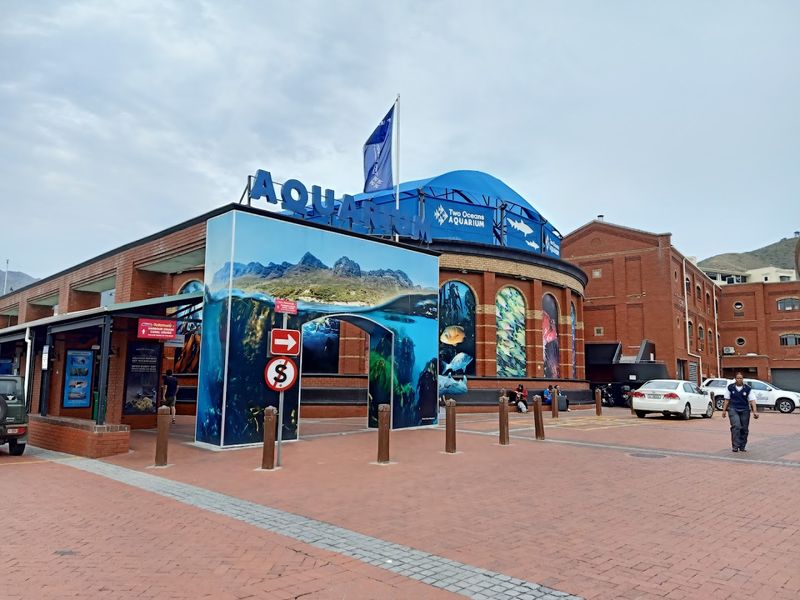
Cape Town sits at one of the most dramatic ocean crossroads on the planet, where the cold Atlantic and the warmer Indian Ocean collide near the Cape of Good Hope — and Two Oceans Aquarium takes full advantage of that extraordinary geography. Named directly after this natural phenomenon, the aquarium focuses on marine life from southern Africa with a regional specificity that sets it apart from larger, more globally focused facilities.
Ragged-tooth sharks are among the most striking residents, cruising through the predator exhibit with a slow, menacing elegance that draws visitors back for repeated viewings. The kelp forest tank recreates one of the most productive marine ecosystems on the South African coast, complete with swaying fronds and the curious fish that shelter among them.
Rare species from the cold deep waters surrounding the Cape regularly appear in rotating exhibits that keep the collection feeling fresh.
Two Oceans also runs one of Africa’s most active sea turtle rehabilitation programs, treating injured turtles and releasing them back into the wild. The facility is compact compared to some on this list, but what it lacks in size it more than makes up for in focus, passion, and local ecological relevance.
Visiting feels like a genuine introduction to the waters that define this spectacular corner of Africa.
L’Aquàrium de Barcelona — Barcelona, Spain
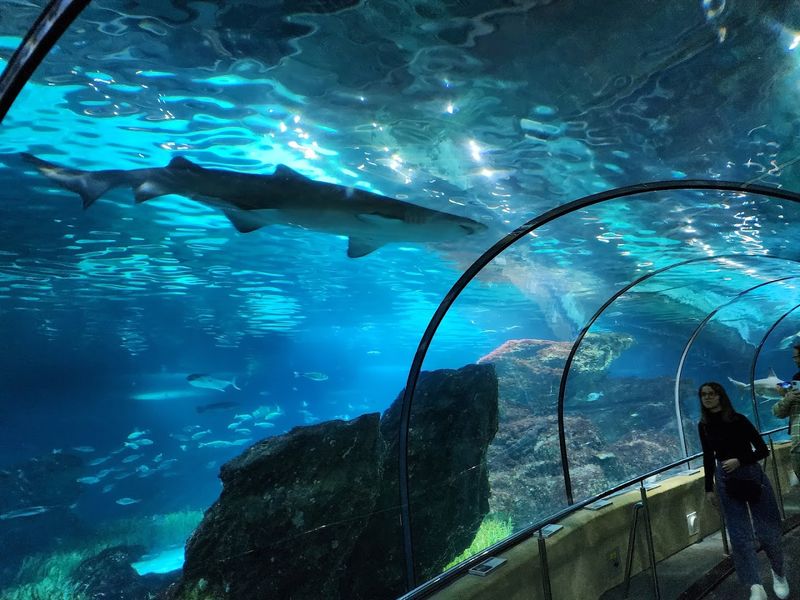
Barcelona’s aquarium has been sending visitors home with stiff necks since 1995, and nobody is complaining. The 80-meter Oceanari tunnel puts sharks and enormous Mediterranean fish directly above your head for what feels like an eternity of oceanic wonder.
It remains one of the longest Mediterranean-focused underwater tunnels in the world, and the sheer variety of species swimming overhead keeps the experience engaging from start to finish.
What makes L’Aquàrium de Barcelona genuinely special is its laser focus on Mediterranean marine ecosystems — a habitat that often gets overshadowed by tropical reefs in aquarium programming. The collection highlights species native to the waters just off the Spanish coast, including moray eels, groupers, and sea horses that thrive in Mediterranean conditions.
This regional dedication gives the aquarium an authenticity that broader, more globally scattered collections sometimes lack.
Conservation of Mediterranean species is woven into every exhibit, with clear messaging about overfishing, pollution, and the ongoing decline of regional marine biodiversity. The Planeta Aqua section introduces freshwater ecosystems and amphibians, adding welcome variety to the lineup.
Families with children will appreciate the interactive Explora! area, where touch tanks and hands-on activities transform marine science from a spectator sport into a full sensory adventure.
The Deep — Hull, England
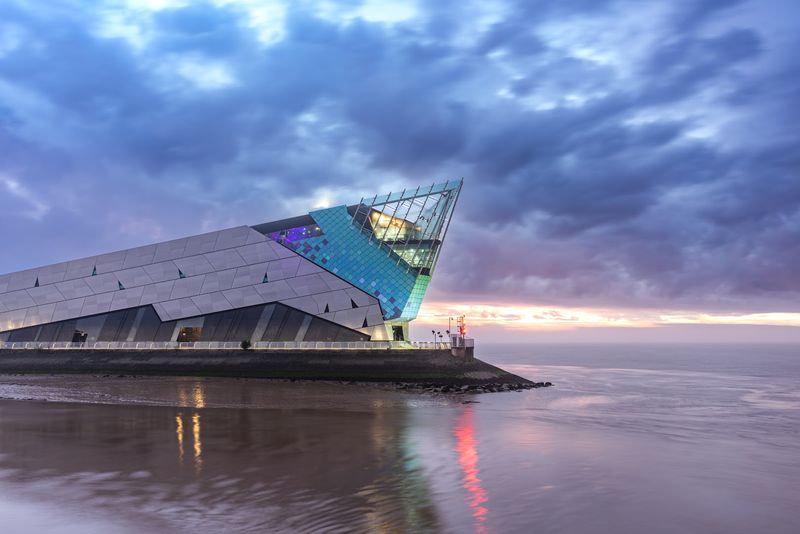
The building itself looks like a giant shark fin rising from the banks of the Humber River — and that is before you even get to the marine life inside. The Deep opened in Hull in 2002 and immediately became one of the UK’s most architecturally striking cultural attractions.
The angular, glass-and-steel structure was designed to evoke the bow of a ship pushing through the ocean, which is exactly the kind of ambition you want from an aquarium.
Inside, the exhibits take visitors on a journey through marine environments ranging from shallow tropical reefs to the crushing darkness of the deep ocean. Sharks and rays dominate the largest tanks, but the polar region exhibits featuring species from the Arctic and Antarctic are quietly among the most compelling displays in the building.
The deep-sea section uses dramatic lighting and pressure-themed design to genuinely convey how alien those environments are.
The Deep is also a registered charity, investing heavily in marine research and conservation education. Its scientists participate in fieldwork around the world, and findings from those expeditions regularly feed back into exhibit updates.
Hull is not the most obvious destination on a European aquarium tour, but The Deep makes a very convincing case for putting it on the itinerary.
Vancouver Aquarium — Vancouver, Canada
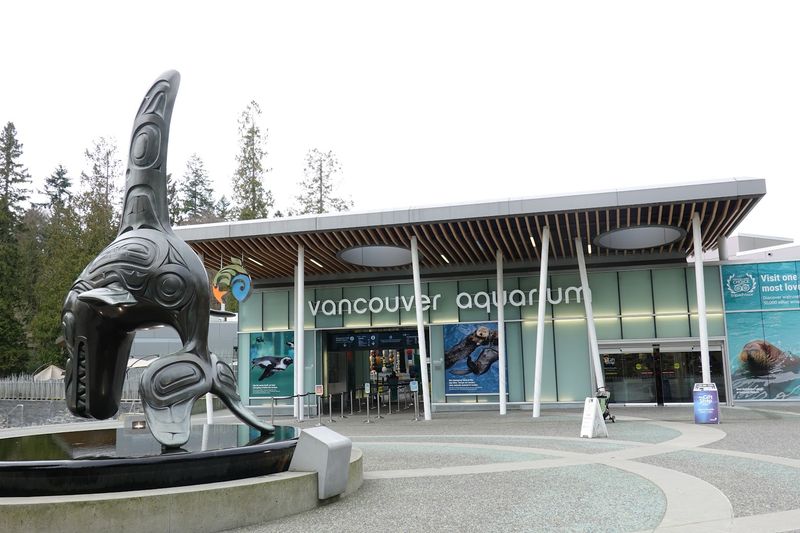
Tucked inside the ancient forest of Stanley Park, Vancouver Aquarium has a setting that most aquariums could only dream about — towering Douglas firs surrounding a world-class marine facility just minutes from downtown. The combination of natural beauty and scientific rigor gives the place a character that feels genuinely Pacific Northwest in the best possible way.
Even the walk through the park to get there feels like part of the experience.
Sea otters are the undisputed celebrities here, floating on their backs and cracking shellfish with the kind of cheerful efficiency that makes everyone watching feel unreasonably happy. The aquarium is deeply committed to marine rescue and rehabilitation, taking in injured animals from British Columbia’s coast and caring for them with impressive expertise.
Octopuses, jellyfish, and dolphins round out a collection that reflects the incredible richness of Canada’s Pacific marine environment.
Educational programming at Vancouver Aquarium is among the most thoughtful in North America, with a strong emphasis on climate change, ocean acidification, and the specific threats facing Pacific Northwest ecosystems. School programs bring thousands of students through each year, and the aquarium’s research partnerships with universities keep the science genuinely current.
For a facility that prioritizes doing good over being flashy, Vancouver Aquarium is quietly exceptional.
Chimelong Ocean Kingdom — Zhuhai, China
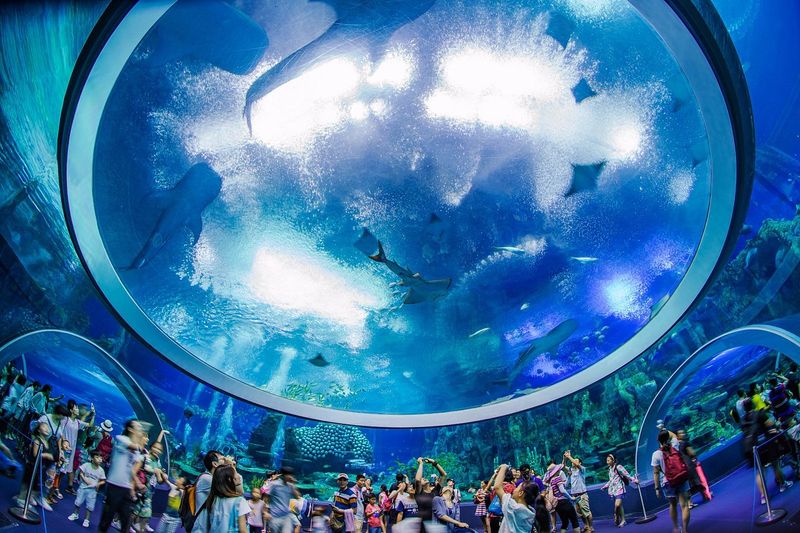
When Chimelong Ocean Kingdom opened in 2014, it did not just enter the list of great aquariums — it shattered world records and rewrote what people thought was physically possible in marine exhibit design. The facility in Zhuhai holds multiple Guinness World Records, including the largest aquarium tank on the planet.
The numbers involved are so large they start to feel abstract until you are actually standing in front of the viewing panel with your mouth open.
Whale sharks and manta rays share the main tank in numbers that would be remarkable at any facility, but here they feel almost commonplace given the sheer scale of the water surrounding them. Thousands of additional fish species fill supporting exhibits that would individually qualify as world-class attractions at smaller venues.
The park’s immersive theming and theatrical presentation push the experience well beyond a standard aquarium visit into something closer to a full-day marine adventure.
Chimelong Ocean Kingdom is part of a larger resort complex with rides, shows, and entertainment that make it a multi-day destination rather than a single afternoon outing. Marine conservation messaging runs throughout, though the spectacle understandably tends to grab most of the attention.
China has invested heavily in world-class tourism infrastructure, and Chimelong Ocean Kingdom stands as one of the most jaw-dropping results of that ambition.



