 Unearth The Voyage
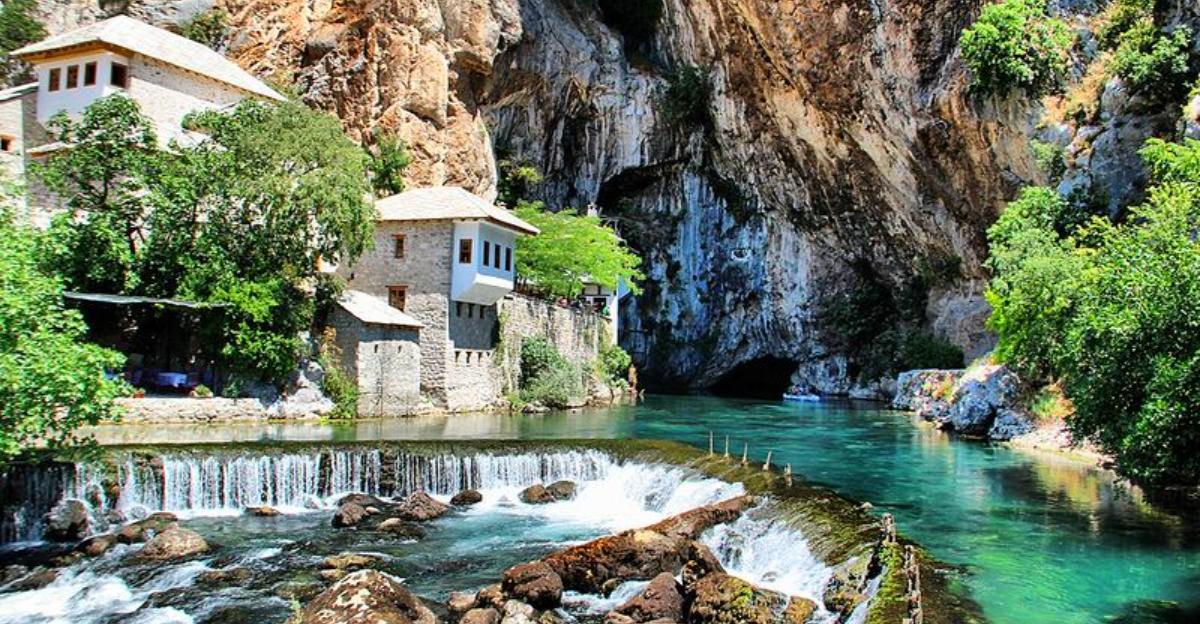
Budget travel doesn’t mean boring travel, and the Eastern Balkans prove it better than anywhere else in Europe. From medieval fortresses and lakeside UNESCO sites to vibrant city streets and stunning mountain views, this region offers incredible experiences without emptying your wallet.
Whether you’re craving history, nightlife, beaches or culture, these affordable destinations deliver unforgettable adventures at prices that will make you smile.
Sarajevo, Bosnia & Herzegovina — Affordable Culture & History
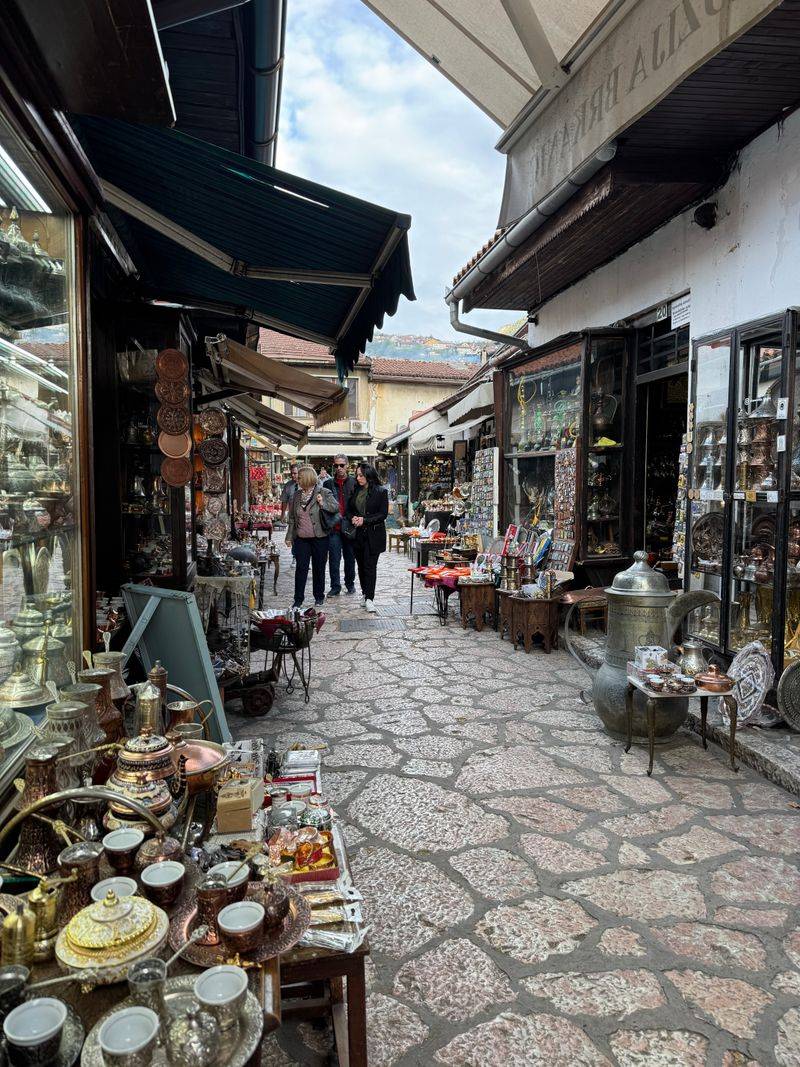
Wandering through Sarajevo feels like stepping into a living history book where every corner tells a different story. Ottoman mosques stand beside Austro-Hungarian buildings, creating a visual feast that costs nothing to admire.
The Old Town, known locally as Baščaršija, buzzes with market stalls, copper craftsmen and the irresistible smell of freshly baked burek.
Budget travelers will love how far their money stretches here. A hearty meal of ćevapi with fresh bread rarely costs more than a few euros, and local cafés serve strong Bosnian coffee for pocket change.
Accommodation options range from cozy hostels to affordable guesthouses, all offering genuine hospitality that money can’t usually buy.
History enthusiasts can explore poignant museums that chronicle both Ottoman heritage and recent conflict without paying Western European entrance fees. The surrounding mountains offer free hiking with panoramic city views.
Riverside walks along the Miljacka provide peaceful moments away from the bustling bazaar.
Sarajevo’s affordability doesn’t compromise its richness. Every meal, every conversation, every cobblestone street delivers authentic cultural immersion.
For travelers seeking depth and diversity on a shoestring budget, this Balkan capital checks every box while leaving plenty of cash for the next adventure.
Belgrade, Serbia — Lively City Life Without the Price Tag
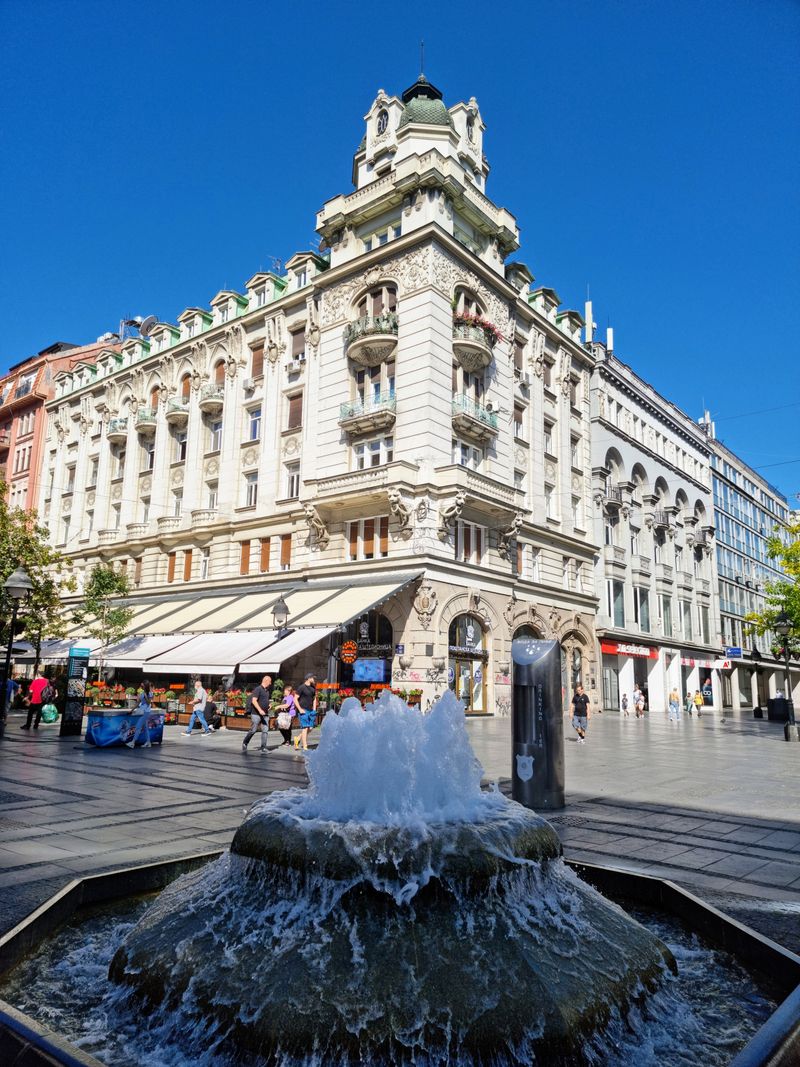
Big-city excitement meets small-town prices in Serbia’s energetic capital. Belgrade pulses with life from sunrise café culture to legendary floating river clubs that keep the party going until dawn.
The Belgrade Fortress stands proudly where two rivers meet, offering spectacular sunset views that rival any expensive European landmark.
Knez Mihailova Street buzzes with locals and travelers alike, lined with shops, street performers and outdoor cafés where espresso costs less than a euro. Transport around the city runs efficiently and cheaply, with trams and buses connecting every neighborhood.
Meals at traditional kafanas deliver generous portions of grilled meats and local specialties without the hefty bill.
Architectural layers reveal Ottoman, Austro-Hungarian and socialist influences side by side. History buffs can explore museums and galleries for minimal entrance fees.
The bohemian Skadarlija quarter channels old-world charm with cobblestone streets and live folk music.
Nightlife here operates on a different level entirely. River barges transform into clubs where admission stays low and drinks remain affordable.
Parks and green spaces provide free daytime exploration along the Danube and Sava rivers. Belgrade proves that unforgettable urban adventures don’t require draining your savings account.
Ohrid, North Macedonia — UNESCO Lakeside Gem
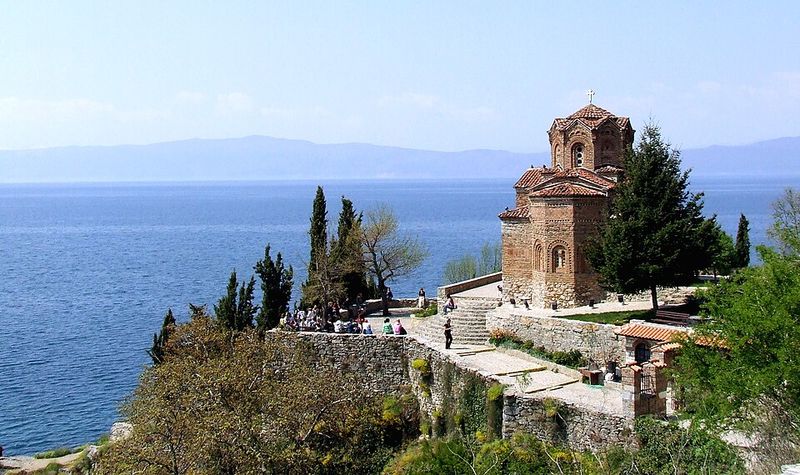
Crystal-clear waters lap against shores that have witnessed civilizations rise and fall for thousands of years. Lake Ohrid shimmers like a jewel set between mountains, earning its UNESCO status through both natural beauty and cultural significance.
Ancient churches dot hillsides while medieval fortresses overlook swimming spots where locals and travelers mingle freely.
Budget accommodation lines the lakefront, from family-run guesthouses to simple hotels with balcony views that would cost triple elsewhere in Europe. Fresh fish from the lake appears on restaurant menus at prices that seem almost too good to be true.
Walking the lakeside promenade costs nothing but delivers priceless scenery with every step.
The old town’s cobblestone streets wind past Byzantine-era churches with stunning frescoes. Boat rentals remain affordable for those wanting to explore hidden coves and beaches.
Nearby Struga offers an even more laid-back lakeside experience with riverside cafés and mountain hiking trails.
Swimming in one of Europe’s oldest and deepest lakes feels like a privilege, yet daily costs here stay remarkably low. Markets sell local produce and crafts at genuine prices without tourist markup.
Whether exploring ancient monasteries or simply lounging by impossibly clear water, Ohrid delivers extraordinary value.
Kotor, Montenegro — Dramatic Bay Views & Medieval Walls
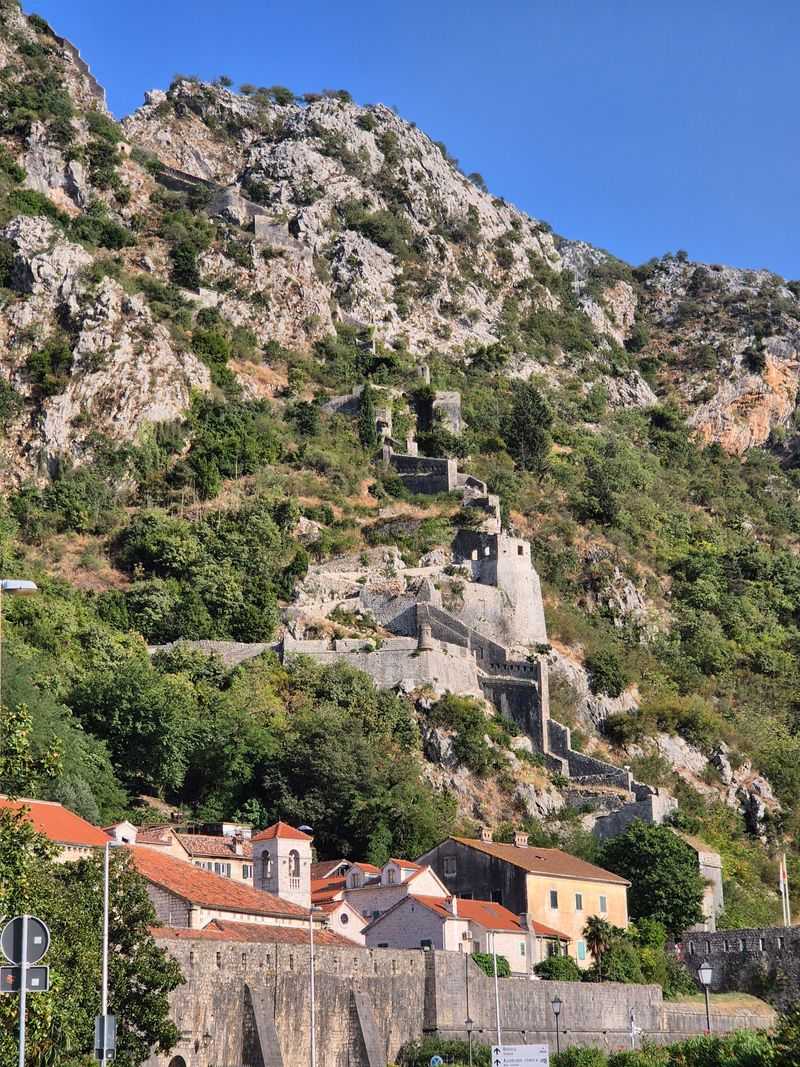
Dramatic doesn’t begin to describe the bay that surrounds this medieval treasure. Mountains plunge into fjord-like waters while ancient stone walls climb impossibly steep slopes above the compact old town.
Kotor packs more visual impact per square meter than destinations costing three times as much.
Wandering the marble-paved streets of the old town reveals hidden squares, centuries-old churches and cafés tucked into stone archways. The famous fortress walls challenge visitors with over a thousand steps, but the panoramic bay views from the top cost only a small entrance fee.
Early morning climbs beat both crowds and heat while delivering unforgettable sunrise vistas.
Local restaurants serve fresh seafood at prices that shock Western European travelers accustomed to coastal premiums. Accommodation ranges from budget-friendly apartments to family-run guesthouses within the old town walls.
The compact size means everything stays walkable, eliminating expensive transport costs.
Markets near the old town offer local produce, cheese and cured meats perfect for budget picnics with million-dollar views. Cat lovers will notice the town’s famous feline residents lounging in sunny spots.
Kotor proves that dramatic Adriatic beauty doesn’t require a dramatic budget.
Budva, Montenegro — Beaches & History on a Budget
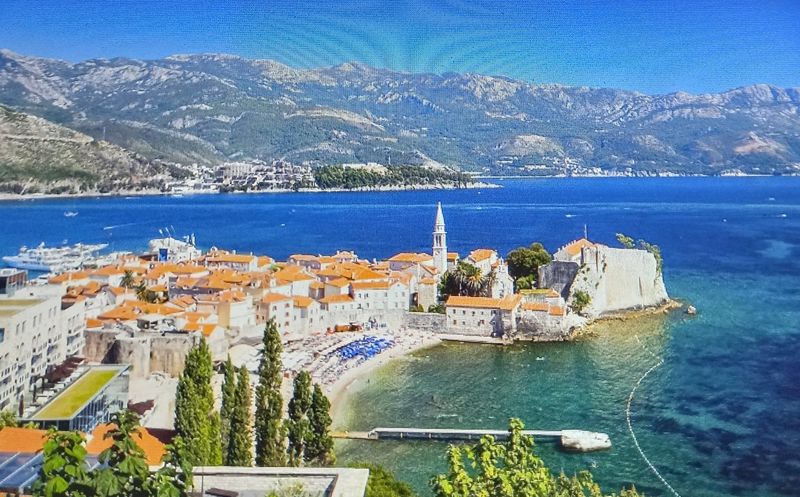
Sandy beaches meet medieval stone walls in this Adriatic hotspot that refuses to charge Western Mediterranean prices. Budva’s compact old town sits on a peninsula jutting into turquoise waters, while modern beaches stretch in both directions offering swimming spots for every preference.
The Mediterranean climate guarantees sunshine for most of the year.
Budget travelers score big here with affordable beachfront accommodation that would cost a fortune in Italy or Croatia. The seaside promenade fills with locals enjoying evening walks, creating a genuine atmosphere rather than a tourist-only zone.
Beach clubs offer loungers and umbrellas at reasonable daily rates, though plenty of free beach space remains available.
The old town’s narrow streets hide small restaurants serving fresh seafood without the coastal markup common elsewhere. Nightlife ranges from relaxed beach bars to energetic clubs, with drink prices staying surprisingly reasonable.
Historic churches and fortifications provide cultural exploration between beach sessions.
Local markets sell fresh produce, bread and cheese for self-catering travelers watching their budgets. Water sports and boat rentals cost less than at comparable beach destinations.
Budva delivers that perfect combination of sun, sea, history and savings that budget travelers dream about finding.
Tirana, Albania — Colorful Capital & Cheap Eats
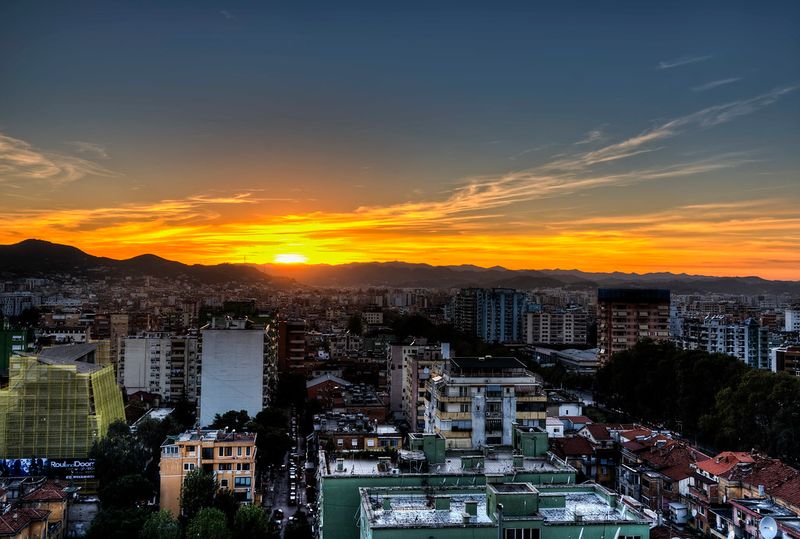
Bright splashes of color transform ordinary buildings into works of art throughout Albania’s lively capital. Former dictator Enver Hoxha’s bunkers now serve as quirky museums and art spaces, while Skanderbeg Square anchors the pedestrian-friendly city center.
Mountains frame the urban landscape, reminding visitors that nature sits just beyond the city limits.
Restaurant prices in Tirana often shock first-time visitors with their affordability. Traditional byrek costs pocket change, while full restaurant meals with local wine rarely exceed ten euros per person.
Cafés line every street, packed with locals sipping espresso and debating politics for hours.
The Blloku neighborhood, once reserved for communist elite, now buzzes with trendy bars, restaurants and shops at prices that remain accessible. Parks like the Grand Park offer green space for picnics and people-watching.
Museums charge minimal entrance fees, telling Albania’s complex history through fascinating exhibits.
Accommodation options range from modern hostels to boutique hotels, all priced well below Western European standards. The city’s compact size makes walking the best transport option, though cheap taxis and buses run frequently.
Mount Dajti cable car provides mountain views and hiking access for a small fee. Tirana delivers urban energy without the usual capital city costs.
Berat, Albania — “City of a Thousand Windows”
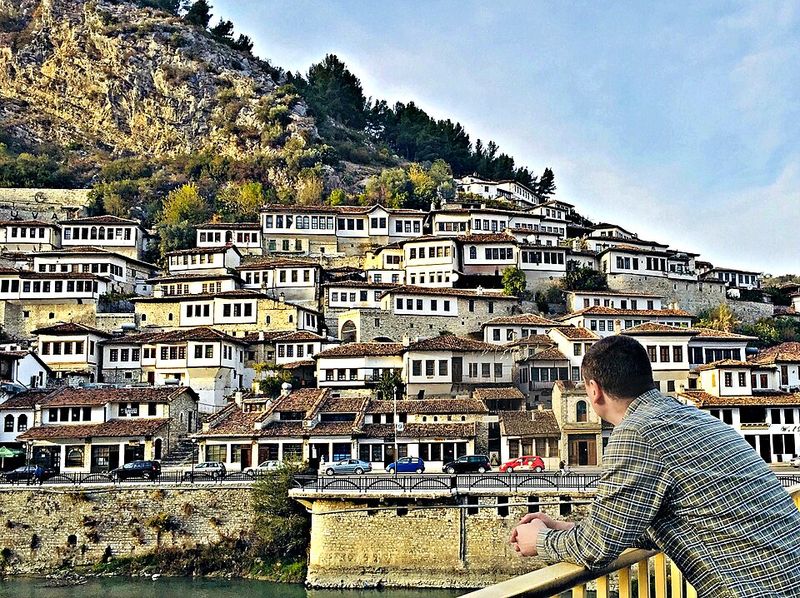
White Ottoman houses cascade down hillsides like frozen waterfalls, their countless windows catching sunlight and giving this UNESCO city its famous nickname. Berat’s beauty stops travelers in their tracks, yet prices remain astonishingly low compared to similar European heritage sites.
The castle fortress crowns the hill, with families still living within its ancient walls.
Cobblestone streets wind past centuries-old homes, many converted into small museums or guesthouses offering authentic stays at budget prices. Local wine production dates back thousands of years, and tasting rooms welcome visitors without the pretentious atmosphere or high costs of Western European wine regions.
Small restaurants serve traditional dishes in settings that feel like eating at a friend’s house.
The Mangalem and Gorica quarters face each other across the Osum River, connected by an elegant stone bridge perfect for sunset photography. Churches and mosques coexist peacefully, their architectural details revealing layers of history.
Entrance fees to museums and religious sites remain minimal.
Hiking trails lead into surrounding hills with panoramic city views. Markets sell fresh produce, honey and handmade crafts at local prices without tourist inflation.
Budget guesthouses often include homemade breakfast featuring local specialties. Berat proves that authentic cultural immersion doesn’t require emptying your wallet.
Prizren, Kosovo — History & Harmony on a Shoestring
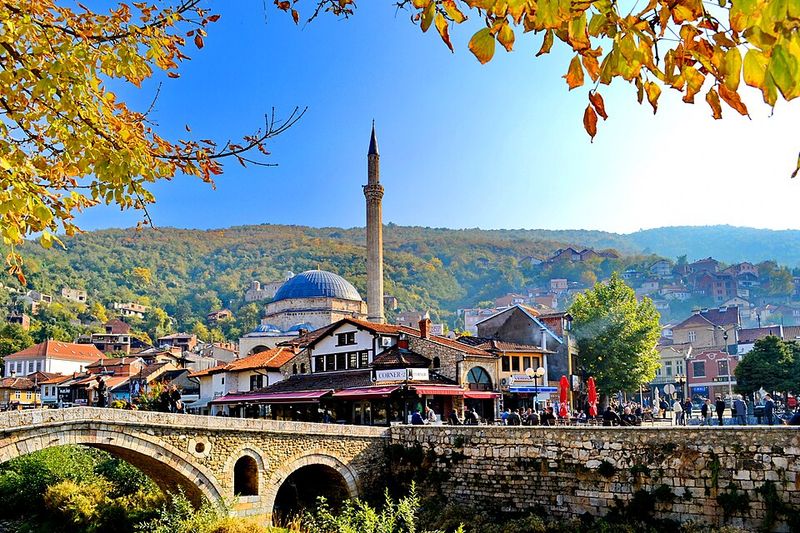
Stone bridges arch over the rushing Bistrica River while minarets and church spires share the skyline in remarkable harmony. Prizren charms every visitor with its relaxed atmosphere and genuine hospitality, all wrapped in layers of Ottoman, Byzantine and Albanian heritage.
The fortress ruins above town offer sweeping valley views without charging entrance fees.
Cafés line the riverbank where locals gather to socialize over strong Turkish coffee costing less than a euro. The old town’s narrow lanes reveal artisan workshops where craftsmen still practice traditional silver-working techniques.
Small restaurants serve flavorful local dishes at prices that seem almost impossibly low.
Multiple religious buildings—mosques, Orthodox churches, Catholic cathedrals—stand within walking distance of each other, reflecting the city’s diverse cultural tapestry. The Sinan Pasha Mosque and the Church of Our Lady of Ljeviš showcase stunning architectural details.
Museums charge minimal fees, and many historic sites remain completely free to explore.
Accommodation costs a fraction of Western European prices, with family-run guesthouses offering warm welcomes and insider tips. The annual Dokufest film festival brings international culture without international prices.
Markets sell fresh produce, local cheese and handmade goods at genuine local rates. Prizren delivers authentic Balkan character on the smallest of budgets.
Skopje, North Macedonia — Monumental & Surprisingly Cheap
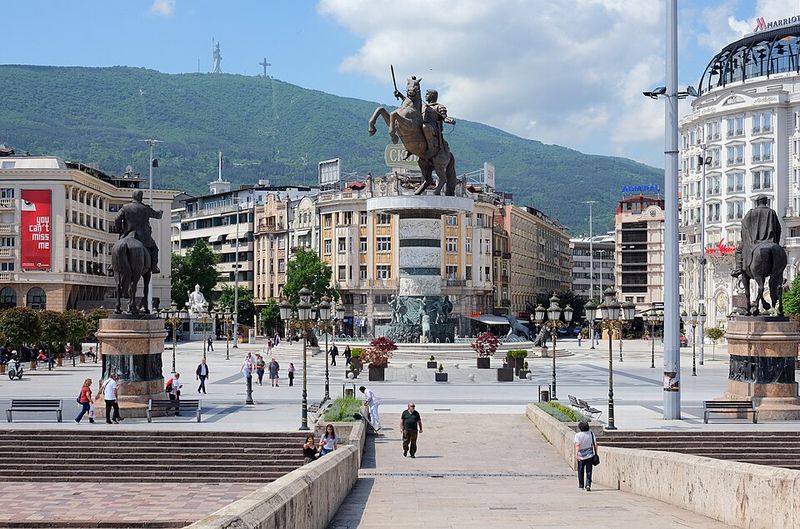
Controversial statues and monuments dot the cityscape like an outdoor sculpture park on steroids. Love it or find it over-the-top, Skopje’s recent architectural additions certainly spark conversation.
Behind the modern additions, the Old Bazaar whispers centuries of trading history with its maze of shops, mosques and caravanserais.
Restaurant meals cost shockingly little, with traditional tavče gravče or kebapi plates rarely exceeding five euros. Local beer and wine flow freely at prices that make extended café sessions financially painless.
The pedestrian-friendly city center makes walking between attractions easy and free.
Nearby Matka Canyon offers spectacular natural beauty just a short, cheap bus ride from downtown. Kayaking, hiking and boat tours through the canyon cost only a few euros.
The canyon’s monastery and caves add cultural depth to outdoor adventure.
Markets throughout the city sell fresh produce, bread and local specialties at prices that reflect genuine local economy rather than tourist markup. Accommodation ranges from modern hostels to budget hotels, all priced well below European averages.
The Stone Bridge connects old and new parts of the city, serving as both landmark and practical crossing.
Museums and galleries charge minimal entrance fees. Cafés in the Old Bazaar serve Turkish coffee in copper pots for pocket change.
Skopje may not win beauty contests, but it wins budget travel awards hands down.
Plovdiv, Bulgaria — Ancient City With Modern Vibes
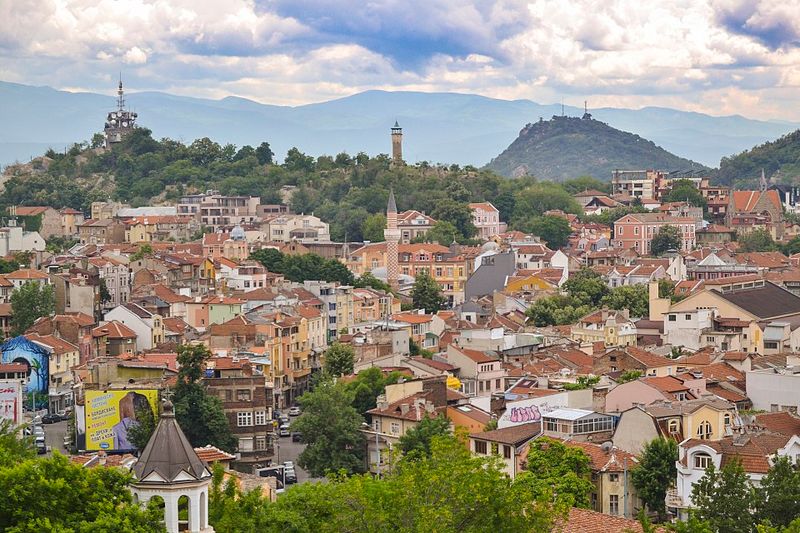
Roman ruins emerge unexpectedly between modern shops while street art transforms old walls into outdoor galleries. Plovdiv claims to be one of Europe’s oldest continuously inhabited cities, and evidence supports that boast at every turn.
The ancient amphitheater still hosts concerts, letting visitors enjoy performances in a venue older than most European nations.
Bulgaria’s overall affordability shines particularly bright in Plovdiv. Restaurant meals, including drinks, rarely top ten euros per person.
The old town’s cobblestone lanes hide budget-friendly guesthouses in restored revival-era houses with wooden balconies and period details. Cafés serve excellent coffee for prices that seem like misprints.
The Kapana district pulses with creative energy, its narrow streets filled with galleries, craft shops and hip bars. Street art covers many buildings, creating an ever-changing urban art exhibition.
Live music venues charge minimal cover fees, if any.
Walking remains the best way to explore, with compact distances between attractions. The city’s seven hills offer various viewpoints, all free to access.
Markets sell fresh produce, yogurt and local specialties at genuine Bulgarian prices.
Museums and archaeological sites charge entrance fees so low they barely register as expenses. The Roman stadium runs beneath the main shopping street, visible through glass panels in the sidewalk.
Plovdiv delivers ancient history, modern culture and artistic flair without modern prices.
Varna, Bulgaria — Black Sea Beaches & Culture
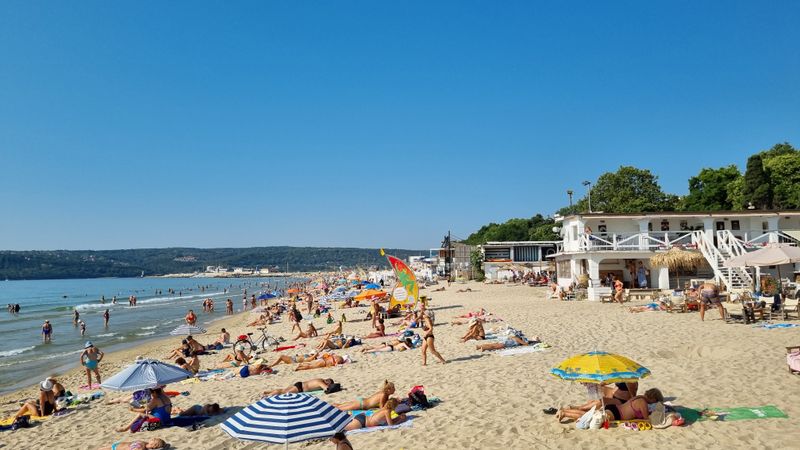
Golden sand beaches stretch along the Black Sea coast while the massive Sea Garden park provides green relief from summer heat. Varna combines beach resort amenities with genuine city culture, avoiding the soulless resort-only vibe that plagues many coastal destinations.
Archaeological treasures, including the world’s oldest gold treasure, add unexpected depth to a beach vacation.
Beach access remains largely free, with paid sections offering loungers and umbrellas at reasonable rates. Restaurants along the beach promenade serve fresh seafood at prices far below Western European coastal standards.
Bulgarian wine and beer cost pocket change, making sunset drinks an affordable daily ritual.
The Sea Garden itself deserves exploration, with walking paths, outdoor theaters, aquarium and dolphinarium all charging minimal or no fees. The Archaeological Museum houses impressive collections for a few euros entrance.
Roman thermal baths sit in the city center, free to view from the outside.
Accommodation options range from budget hostels to mid-range hotels, all priced well below similar Western European beach destinations. Local buses and transport run efficiently and cheaply.
Markets sell fresh produce, cheese and bread perfect for beach picnics.
The city’s size means cultural attractions sit within easy reach of beaches. Cafés throughout the center serve excellent coffee in air-conditioned comfort.
Varna proves that beach vacations don’t require beach-resort budgets.
Ohrid & Struga, North Macedonia — Lakeside Beauty for Less
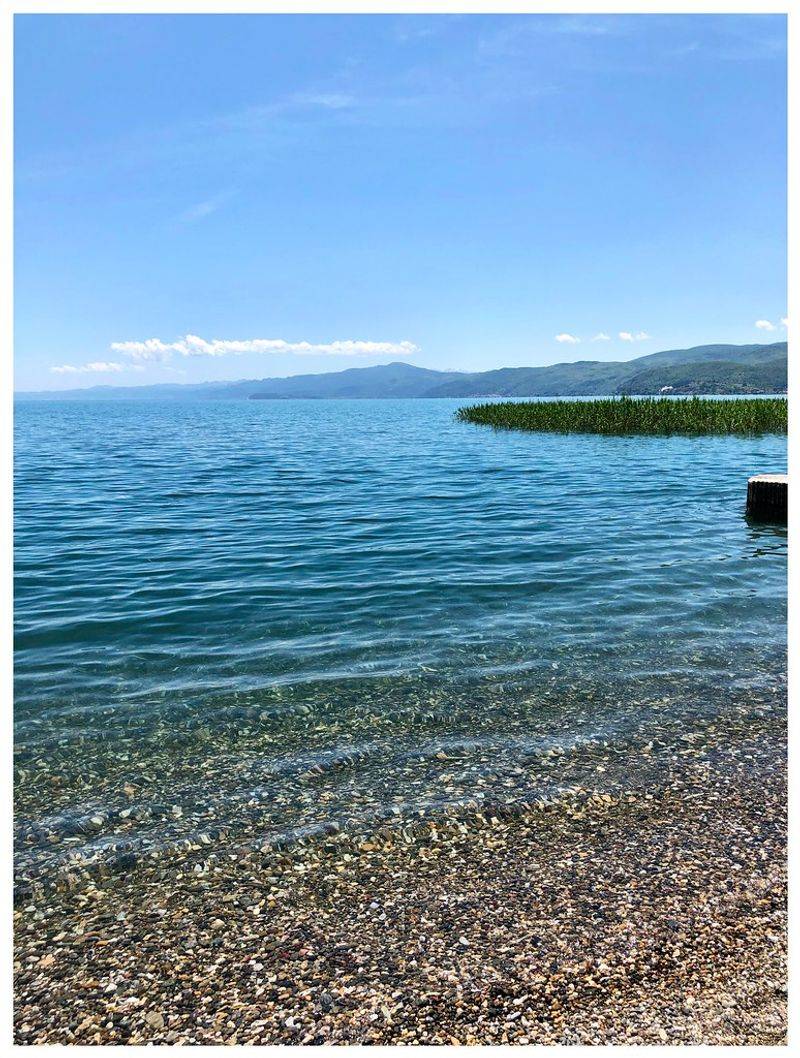
Two towns share one spectacular lake, doubling your options for affordable lakeside bliss. While Ohrid draws more attention, neighboring Struga offers equally beautiful lake access with even fewer crowds and lower prices.
The Crn Drim River flows through Struga’s center before emptying into the lake, creating unique riverside and lakeside experiences in one small town.
Accommodation in both towns costs remarkably little, with lakefront guesthouses offering views that would command premium prices elsewhere. Fresh fish from Europe’s deepest lake appears on menus at prices that encourage trying multiple restaurants.
Swimming spots range from organized beaches with facilities to quiet coves accessible by short walks.
UNESCO World Heritage status protects the lake’s unique ecosystem and surrounding cultural sites. Ancient monasteries dot the shoreline, most charging minimal entrance fees or accepting donations.
Boat tours and water sports remain affordable compared to other European lake destinations.
Hiking trails wind through surrounding mountains, offering panoramic lake views and access to remote villages. Markets in both towns sell local produce, honey and crafts.
The region’s wine production provides tasting opportunities without pretentious atmosphere or high costs.
Local buses connect the towns cheaply and frequently. Cafés line waterfronts where lingering over coffee or rakija feels like the right way to spend an afternoon.
This lake region delivers natural beauty and cultural depth on a budget that stretches comfortably.
Novi Sad, Serbia — Laid-Back Riverside Town
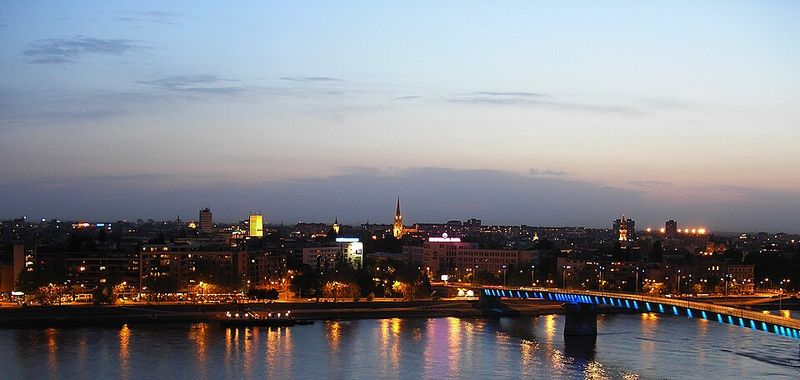
Serbia’s second city moves at a more relaxed pace than Belgrade while maintaining its own vibrant cultural scene. The Petrovaradin Fortress dominates the skyline from its position above the Danube, earning the nickname “Gibraltar on the Danube” for its strategic location and impressive fortifications.
The fortress hosts EXIT music festival each summer, bringing world-class acts to affordable ticket prices.
Riverside cafés and restaurants line the Danube embankment, perfect for long meals that won’t strain your budget. Traditional Serbian cuisine appears on menus at prices even lower than Belgrade’s already cheap standards.
Local wine and rakija flow freely at costs that encourage exploration.
The city center’s pedestrian zones make walking a pleasure, with Austro-Hungarian architecture providing visual interest. Museums and galleries charge minimal fees, and many cultural events remain free.
The fortress grounds themselves offer free exploration with spectacular river views.
Accommodation costs less than in Belgrade, with options ranging from hostels to small hotels in historic buildings. Transport around the city runs cheaply and efficiently.
Markets sell fresh produce and local specialties at genuine local prices.
The laid-back atmosphere contrasts with bigger cities while still offering cultural depth. Street cafés buzz with conversation and laughter.
Parks and green spaces provide relaxation spots. Novi Sad delivers Serbian culture and riverside beauty without requiring deep pockets or big city energy.
Blagaj, Bosnia & Herzegovina — Nature & History by the Buna
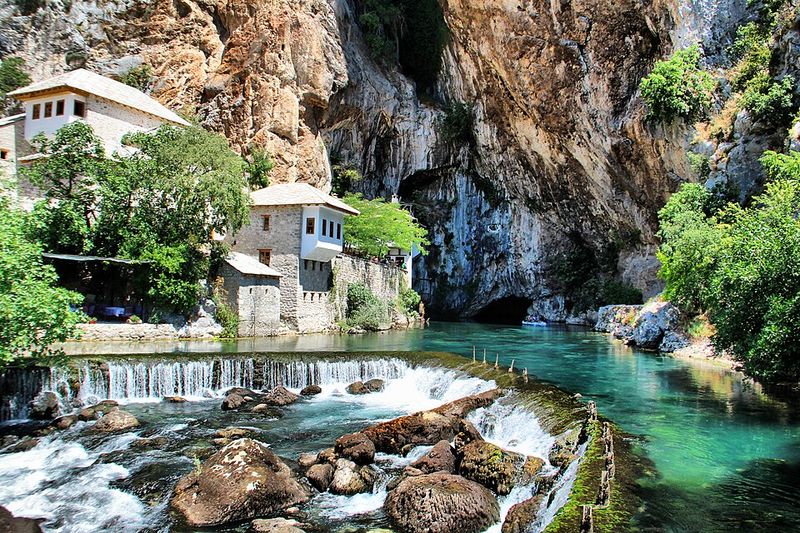
Cool spring water gushes from beneath towering cliffs where a Dervish monastery clings to the rock face like it grew there naturally. Blagaj’s dramatic setting stops visitors mid-step, cameras emerging instinctively.
The Buna River emerges fully formed from underground karst systems, creating an instant river of crystal-clear water.
The monastery, or tekke, welcomes visitors for a small fee, offering glimpses into Sufi traditions and stunning views over the spring. Restaurants built on wooden platforms over the rushing water serve fresh trout caught meters away, with meals costing a fraction of what similar settings would charge elsewhere.
The sound of flowing water provides natural ambiance that no restaurant could replicate.
Short walks from the main monastery lead to fortress ruins and hiking trails with valley views. The village itself moves at a peaceful pace, with locals far outnumbering tourists even in peak season.
Small cafés serve Bosnian coffee and homemade sweets.
Budget accommodation in nearby Mostar puts Blagaj within easy reach as a day trip, though small guesthouses in the village itself offer peaceful overnight stays. The combination of dramatic natural setting, historic architecture and genuine tranquility creates memorable experiences without memorable costs.
Swimming in the cold spring water provides free refreshment on hot summer days.
Mostar, Bosnia & Herzegovina — Iconic Bridge & Low Costs
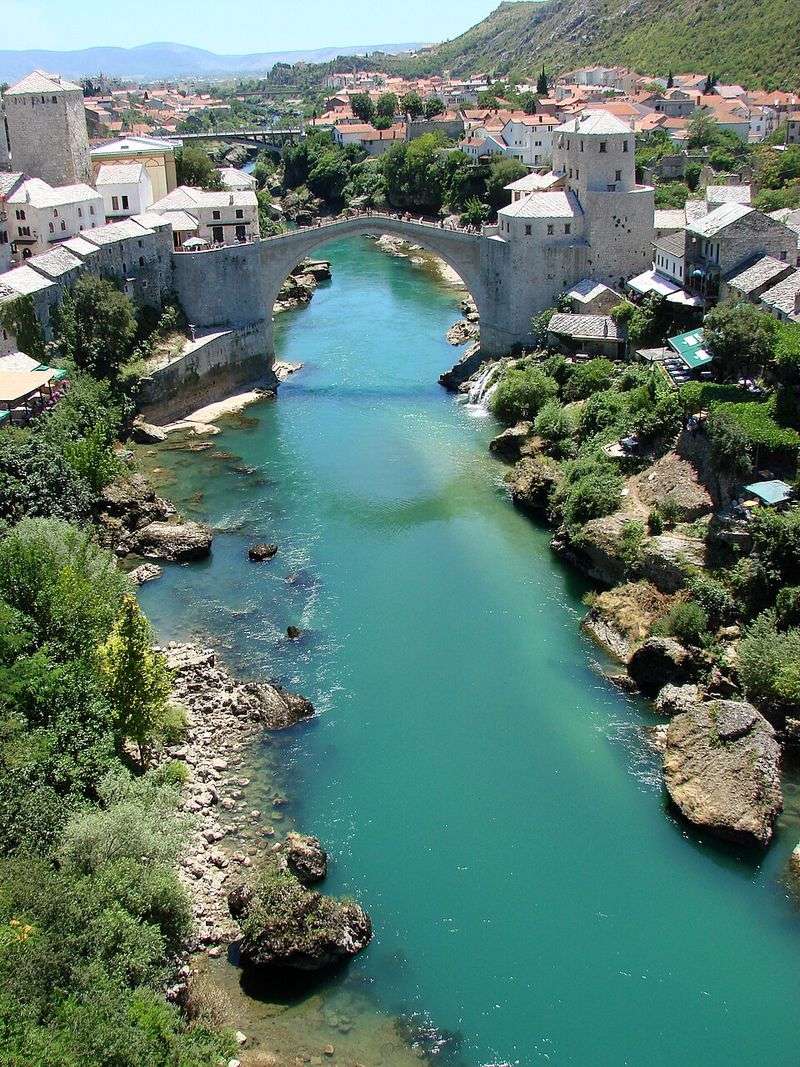
The graceful arch of Stari Most spans the emerald Neretva River like a stone rainbow, rebuilt after war destruction to restore Mostar’s most iconic symbol. Young men dive from the bridge’s peak into the cold river far below, collecting tips from watching crowds.
The old town spreads from both bridge ends, its cobblestone streets lined with shops selling copper goods, carpets and jewelry.
Accommodation costs remain among Europe’s lowest, with hostels and guesthouses offering beds for just a few euros per night. Restaurants serve traditional Bosnian dishes—ćevapi, dolma, baklava—at prices that encourage trying everything.
Turkish coffee and tea flow freely in riverside cafés where sitting for hours costs the price of one drink.
The old bazaar recreates Ottoman-era trading atmosphere with artisan workshops and market stalls. Mosques and churches share the skyline, though visible war damage reminds visitors of recent conflict.
Museums document both Ottoman heritage and 1990s warfare for minimal entrance fees.
The Neretva’s color shifts from emerald to turquoise depending on light and season, providing endless photo opportunities. Small beaches along the river offer swimming spots.
Nearby villages and waterfalls make affordable day trips.
Mostar combines dramatic beauty, deep history and genuine cultural experiences at budget prices that seem almost unbelievable. Every meal, every sight, every interaction delivers value that extends far beyond the low monetary cost.



