 Unearth The Voyage
Planning your first international trip can feel like standing at the edge of something thrilling and terrifying at the same time. You want adventure, but you also want to feel safe and not completely lost in translation.
The good news is that plenty of countries roll out the welcome mat for American first-timers, offering the perfect mix of accessibility, safety, and genuine friendliness that makes stepping off that plane feel less like a leap and more like a confident stride into something amazing.
Canada
Your phone buzzes with a text. Your credit card works at the gas station.
The cereal aisle looks suspiciously like home.
Canada is the international trip that doesn’t require you to panic-download translation apps or wonder if your debit card will suddenly become a useless piece of plastic. Border crossings are famously chill if you have a valid U.S. passport, and the whole country feels like a friendlier, slightly more polite remix of what you already know.
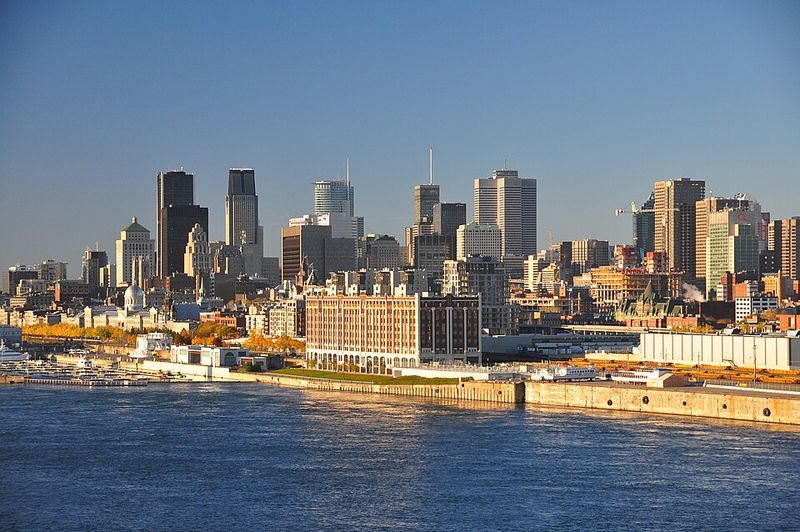
Cities like Vancouver, Toronto, and Montreal offer walkable neighborhoods, solid public transit, and enough cultural variety to keep things interesting without overwhelming your senses. You can grab poutine, explore museums, or just wander streets that feel both foreign and oddly comfortable.
Nature lovers get serious bragging rights here. National parks are accessible, well-marked, and don’t demand expert survival skills.
You can hike, kayak, or simply stare at mountains without feeling like you’re risking your life.
The best part? If something goes sideways, help is easy to find.
English is everywhere, healthcare is excellent, and Canadians are genuinely nice without the fake customer-service smile. It’s the perfect starter pack for international travel.
Ireland
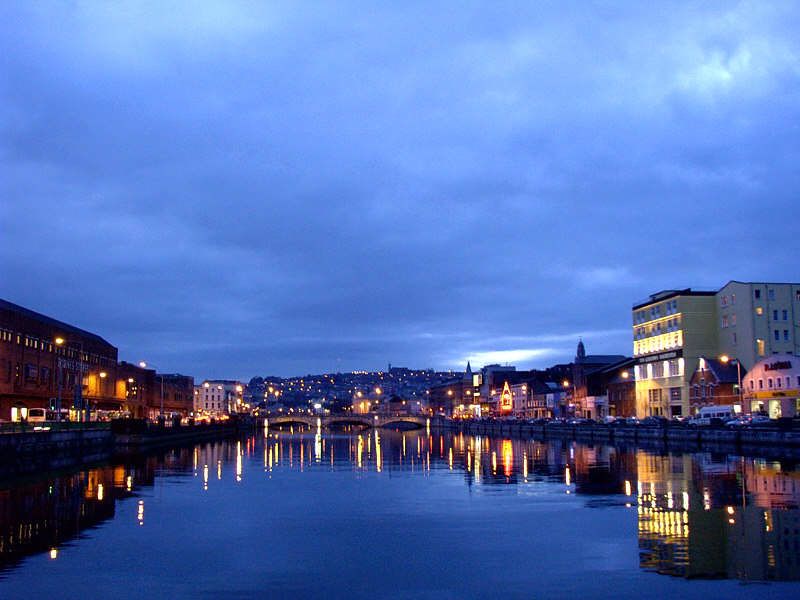
Walk into any Irish pub and within ten minutes, someone will probably offer unsolicited but excellent advice about where to eat, what to see, and why you absolutely must visit their cousin’s farm in County Cork. This is Ireland in a nutshell: warm, chatty, and shockingly easy to navigate even when you’re jet-lagged and confused.
English is the primary language, which immediately removes one giant first-trip stressor. You can ask for directions, order food, and make small talk without fumbling through a phrasebook or relying on frantic hand gestures.
Irish cities are compact and walkable. Dublin, Galway, and Cork offer history, music, and food scenes that don’t require a PhD to enjoy.
Buses and trains connect most major spots, and driving on the left is manageable once you stop screaming internally at every roundabout.
Ireland also ranks among the world’s most peaceful countries on the Global Peace Index, which means you can wander around without constantly clutching your backpack like it contains state secrets. The biggest danger is probably eating too much soda bread.
Touring routes are well-established, so even if you’re nervous about planning, you can follow the well-worn path and still feel like an adventurer.
United Kingdom

The thrill of hearing your own language in a foreign country is oddly satisfying, like finding twenty bucks in an old jacket. The UK delivers that comfort while still making you feel like you’ve actually left home.
Big cities like London, Edinburgh, and Manchester have public transit systems that work efficiently and make sense once you figure out the Oyster card situation. Day trips are endless.
You can see castles, countryside, and quirky villages without needing a car or a degree in cartography.
British customs feel familiar enough that you won’t accidentally offend anyone, but different enough to keep things interesting. Tea culture is real.
Queuing is an art form. Politeness is weaponized.
Food has come a long way from its bland reputation, and you’ll find excellent international cuisine alongside traditional fare. Just don’t expect free water at restaurants without asking, and definitely don’t tip like you’re still in the States.
One important note: check the UK’s Electronic Travel Authorisation rules before booking. Requirements have changed, and you’ll want to confirm whether they apply to you.
It’s a simple step that prevents headaches at the airport.
Portugal
Bite into a warm pastel de nata and suddenly Portugal makes perfect sense. The flaky pastry, the creamy custard, the dusting of cinnamon – it’s like the country distilled into dessert form: sweet, approachable, and impossible not to love.
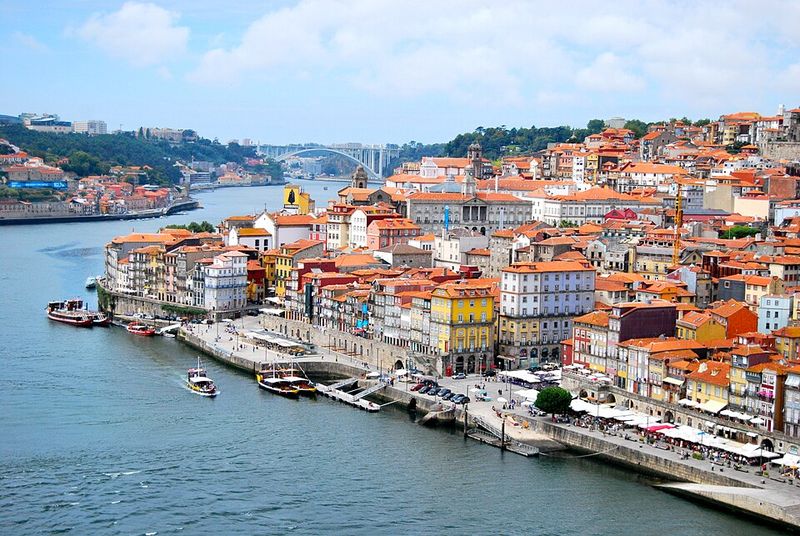
Portugal consistently ranks as one of the most peaceful countries in the world, which is a huge relief when you’re navigating your first international trip and your anxiety is doing backflips. Cities like Lisbon and Porto are walkable, charming, and filled with helpful locals who won’t make you feel stupid for getting lost.
Public transportation is solid. Trams, buses, and metros connect neighborhoods efficiently, and trains link major cities without requiring a second mortgage.
You can also explore smaller coastal towns and hilltop villages without needing advanced logistics skills.
English is fairly common in tourist areas, so communication barriers are minimal. Menus, signs, and museum info often include English translations, which takes the pressure off your high school Spanish skills that definitely won’t help here anyway.
Portugal is also budget-friendly compared to many European destinations. Your dollar stretches further, meals are affordable, and you can enjoy excellent wine without emptying your wallet.
It’s the rare combo of beautiful, safe, and reasonably priced.
Spain

Step outside at 10 p.m. and discover that Spain operates on a completely different clock. Dinner starts late.
Streets buzz with life. Public squares fill with families, friends, and solo travelers who all seem to have figured out that sleep is optional when the vibe is this good.
Spain is incredibly friendly and built for visitors. Fast trains connect Barcelona, Madrid, Seville, and Valencia, making multi-city trips smooth and stress-free.
Regional trains and buses fill in the gaps, so you can explore smaller towns without renting a car or deciphering confusing road signs.
The food scene alone justifies the plane ticket. Tapas culture encourages sampling, sharing, and grazing your way through menus without committing to giant entrees.
Markets overflow with fresh produce, jamón, and cheeses that make grocery shopping feel like a cultural experience.
English is common in major tourist areas, though learning a few Spanish phrases goes a long way in smaller towns. Locals appreciate the effort, even if your pronunciation is hilariously off.
Keep your street smarts sharp in busy tourist zones. Pickpockets target distracted visitors, so secure your belongings and stay aware.
Beyond that, Spain is a joyful, welcoming place that makes first-timers feel like seasoned travelers.
France
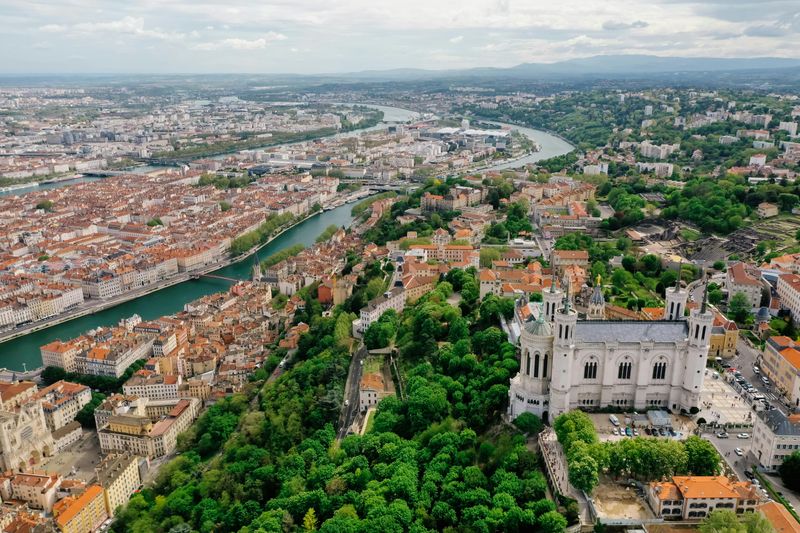
France has a reputation for being intimidating, but here’s the truth: it’s easier than people fear, and the bakeries are absolutely everywhere, which solves most problems before they start.
Paris has world-class public transit. The metro is extensive, affordable, and once you figure out the color-coded lines, you can zip across the city without breaking a sweat.
Regional trains connect dreamy towns like Nice, Lyon, and Bordeaux, so you can explore beyond the capital without needing a car.
Yes, learning a few French phrases helps. Bonjour, merci, and s’il vous plaît go a long way in showing respect and breaking the ice.
But in tourist areas, many people speak English, and a polite smile combined with genuine effort gets you surprisingly far.
French food is obviously legendary, but don’t sleep on the simple stuff. A fresh baguette, some good cheese, and a park bench can be one of your best meals.
Markets are perfect for picnic supplies, and cafes are ideal for people-watching while nursing an espresso.
France rewards curiosity. Wander off the main tourist drags, explore side streets, and stumble into neighborhoods where locals actually live.
That’s where the magic happens, and where your first trip transforms into something memorable.
Netherlands
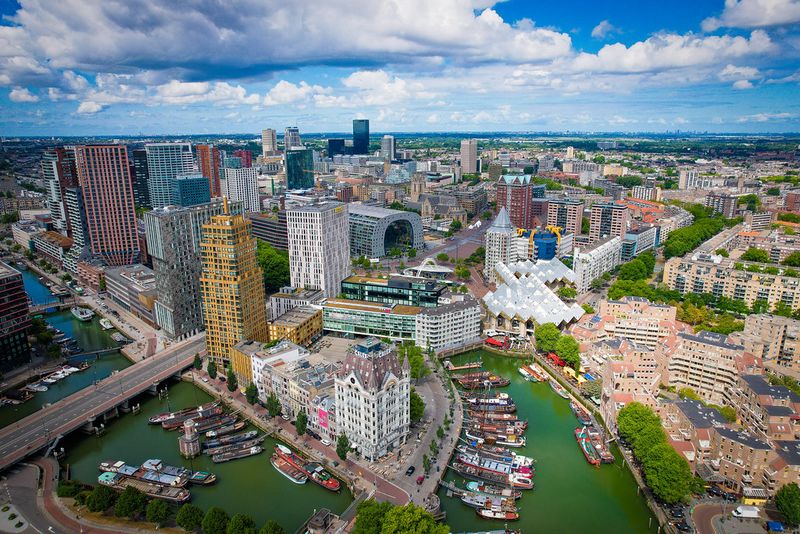
If you like things that simply work, the Netherlands will feel like a vacation and a masterclass in efficiency. Trains run on time.
Bikes outnumber people. Public transit is so seamless you’ll wonder why your hometown can’t figure this out.
The country is compact, which means you can see multiple cities without spending half your trip on transportation. Amsterdam, Utrecht, and Rotterdam are all easily accessible, and day trips to smaller towns like Haarlem or Delft are simple and rewarding.
English proficiency here is off the charts. The Netherlands consistently tops the EF English Proficiency Index, so communication is rarely a problem.
Locals switch to English effortlessly, and signs, menus, and transit info are often bilingual.
Bike culture is real and wonderful, but also slightly terrifying for first-timers. Rent a bike if you’re feeling brave, but watch out for the dedicated bike lanes.
Cyclists have the right of way, and they will absolutely not slow down for confused tourists standing in the wrong spot.
The Netherlands is also refreshingly straightforward. Prices are clearly marked, tipping isn’t mandatory, and customer service is friendly without being overly chatty.
It’s a country that respects your time and intelligence, which is incredibly refreshing when you’re already dealing with jet lag and sensory overload.
Germany
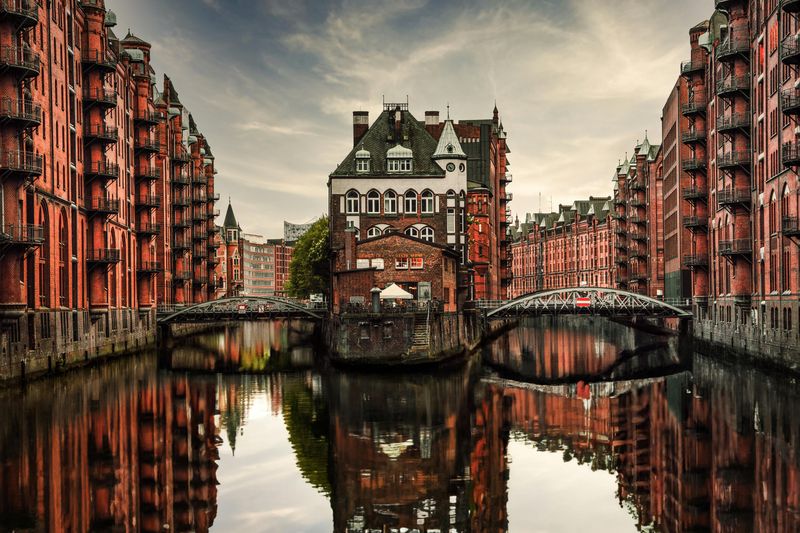
Germany is the friend who shows up early, brings snacks, and has the tickets saved as a PDF. Everything is organized, efficient, and designed to work smoothly, which is exactly what first-time travelers need when their brains are already juggling time zones and currency conversions.
Big cities like Berlin, Munich, and Hamburg are navigable and packed with history, culture, and excellent public transit. Trains make sense once you take a deep breath and look at the platform numbers instead of panicking.
Regional trains connect smaller towns, castles, and scenic routes without requiring a car.
Tourist infrastructure is strong. Museums offer English audio guides, signs include translations, and locals in major cities often speak English well.
Even in smaller towns, you can usually find someone willing to help if you’re lost or confused.
Germany’s food scene goes way beyond sausages and beer, though those are obviously excellent. Bakeries serve incredible bread and pastries, markets offer fresh produce, and international cuisine is widely available in cities.
Christmas markets are legendary if you’re visiting in winter. Mulled wine, roasted almonds, handmade ornaments, and festive lights transform town squares into something out of a storybook.
Even if you’re not religious, the atmosphere is magical and worth planning a trip around.
Switzerland
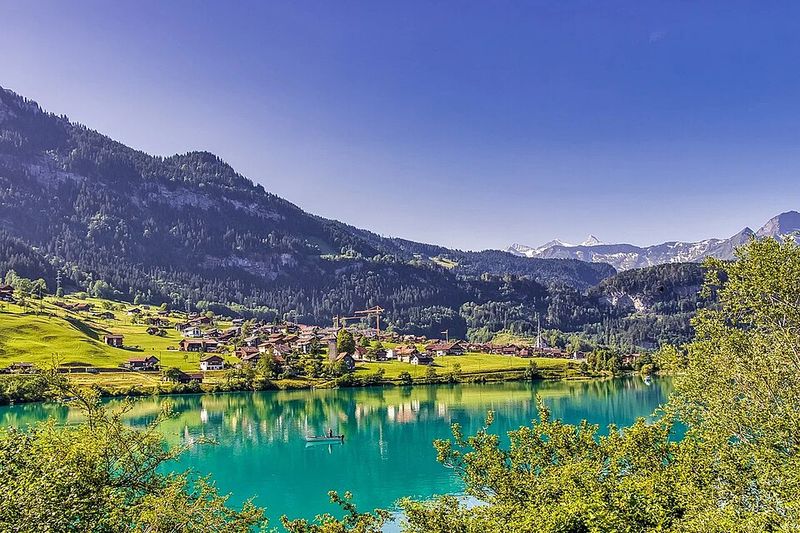
The scenery looks fake, like someone cranked the saturation slider too far in Photoshop. But the trains are very real and very on time, which is Switzerland’s superpower.
Public transportation here is integrated and reliable. Trains, buses, and boats all work together seamlessly, so you can hop between lakes, peaks, and postcard-perfect towns without renting a car or arguing with a parking meter.
The Swiss Travel Pass simplifies everything by covering most transportation and offering discounts on mountain railways.
Switzerland is famously smooth for first-timers because the infrastructure is excellent and the country is safe, clean, and well-organized. Signs are clear, stations are easy to navigate, and locals are generally helpful without being overbearing.
Yes, Switzerland is expensive. A sandwich can cost as much as a full meal elsewhere, and hotels aren’t cheap.
But the quality matches the price, and budget options exist if you’re willing to stay in hostels or cook your own meals.
Language varies by region. German, French, Italian, and Romansh are all official languages, but English is widely spoken in tourist areas.
Don’t stress about mastering multiple languages; politeness and patience go a long way.
Switzerland rewards slow travel. Take the scenic routes, linger in small villages, and enjoy the view instead of rushing to check off every landmark.
Austria
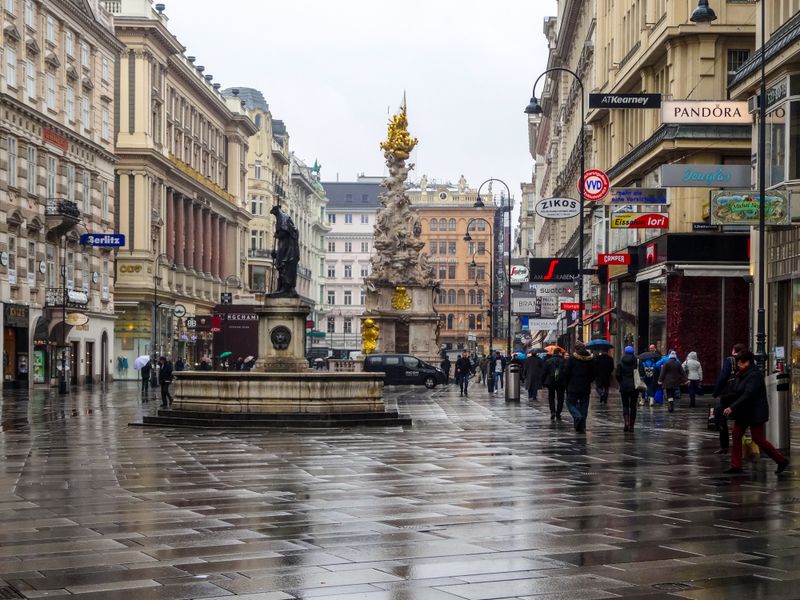
Vienna makes you feel classy even if you’re wearing sneakers and eating cake for lunch. There’s something about the grand architecture, the classical music history, and the general elegance that elevates your entire existence, even when you’re just trying to figure out which tram to take.
Austria is easy to travel thanks to excellent rail connections. Trains link Vienna, Salzburg, and Innsbruck efficiently, and regional lines reach smaller alpine towns and lakeside villages.
Public transit within cities is clean, punctual, and user-friendly.
The country ranks among the most peaceful globally, which creates a calm, orderly atmosphere. Streets feel safe, locals are polite, and tourist infrastructure is strong.
Museums, palaces, and concert halls cater to international visitors with English info and helpful staff.
Austrian food is hearty and delicious. Schnitzel, strudel, and sachertorte are must-tries, and coffeehouse culture is an experience unto itself.
Cafes aren’t just places to grab caffeine; they’re social institutions where you can linger for hours without anyone rushing you out.
Austria also offers stunning natural beauty beyond the cities. The Alps provide hiking, skiing, and jaw-dropping scenery, while lakes like Hallstatt attract photographers and romantics in equal measure.
It’s the perfect mix of urban sophistication and outdoor adventure, all wrapped in a safe, accessible package.
Italy
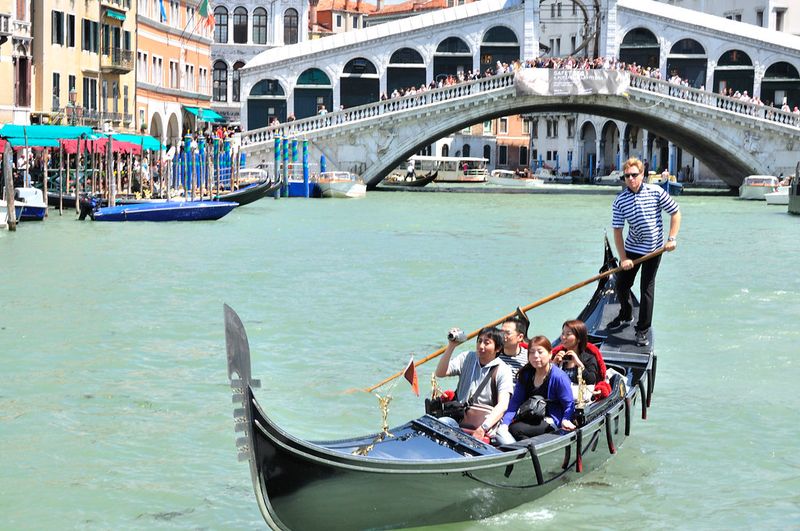
Italy is friendly chaos in the best way, and first-timers usually fall hard. The food is incredible, the history is everywhere, and the whole country feels like it’s designed to make you fall in love with life again.
Main tourist routes are well-trodden, which means plenty of infrastructure, English signage, and other travelers to commiserate with when you inevitably get lost. High-speed trains connect Rome, Florence, Venice, and Milan, making multi-city trips easy and affordable.
Food is basically a travel assistant that keeps you motivated. Pizza, pasta, gelato, espresso—every meal feels like a small victory.
Markets overflow with fresh produce, cheese, and cured meats, and even gas station snacks are surprisingly good.
One pro tip: validate tickets when required. Italy loves rules with flair, and failing to stamp your train ticket before boarding can result in fines.
It’s a small step that prevents headaches.
Italians are expressive, warm, and generally patient with tourists who are clearly trying their best. Learn a few basic phrases like grazie, per favore, and dov’è il bagno, and you’ll be fine.
Italy rewards wandering. Get lost in side streets, stumble into neighborhood trattorias, and explore beyond the main attractions.
That’s where you’ll find the real magic and the stories you’ll tell for years.
Japan

The first time you hear a train arrive exactly when the sign promised, you may become a new person. Japan operates on a level of precision that feels almost magical, especially if you’re used to public transit that treats schedules as loose suggestions.
Japan is exceptionally safe-feeling for many visitors. Crime rates are low, streets are clean, and lost items are often returned.
You can walk around at night without constantly looking over your shoulder, which is a huge relief on a first international trip.
Signage is often bilingual in major areas, especially in Tokyo, Kyoto, and Osaka. Train stations, airports, and tourist attractions include English info, and many locals in cities speak some English.
Translation apps help fill the gaps, and Japanese hospitality is famously excellent.
U.S. passport holders can visit without a visa for short stays, but always confirm the current entry rules before you go. Requirements can change, and it’s better to check official sources than rely on outdated blog posts.
Food is an adventure. Vending machines dispense hot coffee and cold tea.
Convenience stores sell surprisingly good meals. Restaurants display plastic food models in windows, so you can point at what looks good without speaking a word.
Japan rewards curiosity and respect. Follow local customs, remove your shoes when required, and bow slightly when greeting people.
Small gestures go a long way.
Singapore
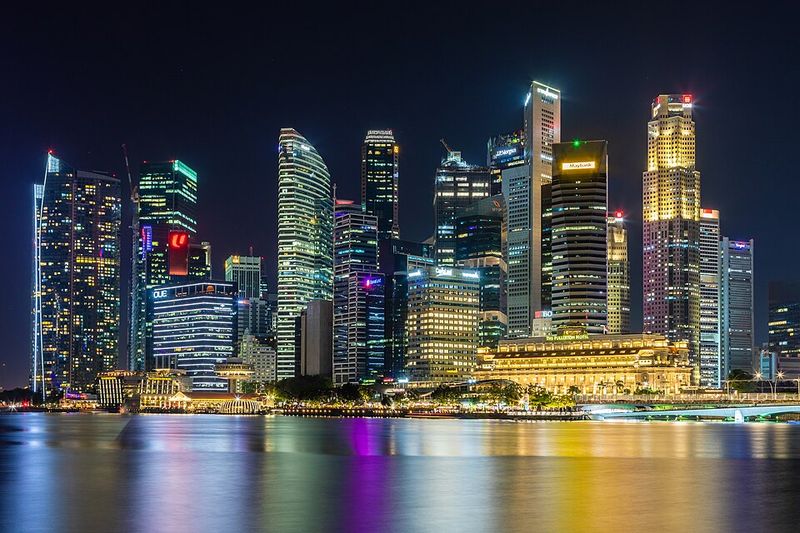
Singapore is what happens when a city decides to make travel ridiculously simple. It’s clean, efficient, English is widely used, and the airport could honestly win awards for being a fun place to exist.
Changi Airport features gardens, waterfalls, shops, and lounges that make layovers feel like mini-vacations. Once you’re in the city, the MRT system is easy to navigate, affordable, and connects all major attractions.
Singapore is also incredibly safe. Crime rates are low, streets are spotless, and public behavior is regulated in ways that might feel strict but ultimately create a calm, orderly environment.
You won’t see litter, graffiti, or aggressive panhandling.
Food is a highlight. Hawker centers offer incredible meals at budget-friendly prices, and the mix of Chinese, Malay, Indian, and international cuisine means you’ll never run out of options.
Don’t skip the chili crab or chicken rice.
Visa requirements depend on nationality, so verify your status with Singapore’s official resources before booking. Most U.S. travelers can enter visa-free for short stays, but it’s always smart to double-check.
Singapore is compact, which means you can see a lot in a short time. Gardens by the Bay, Marina Bay Sands, Chinatown, and Little India are all easily accessible.
It’s the perfect destination for first-timers who want big-city energy without the overwhelm.
Australia
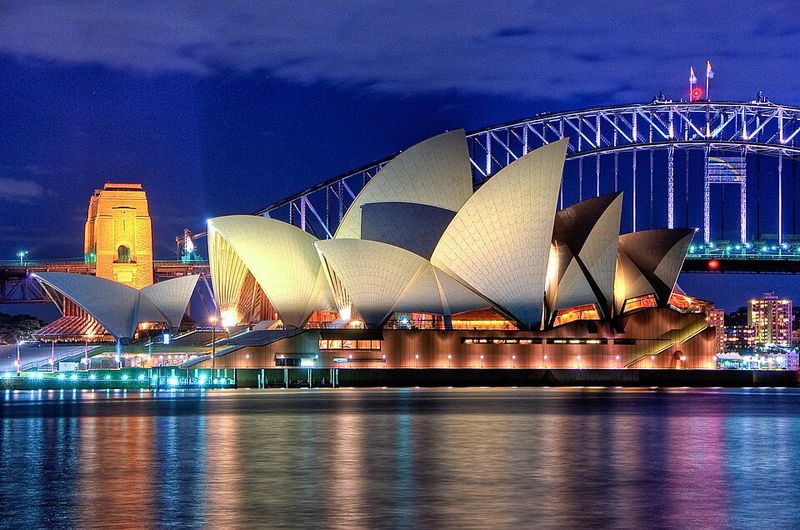
Australia is a friendly giant of a first-trip destination, and yes, people really are that casually nice. Strangers call you mate, baristas chat while making your flat white, and locals offer directions without making you feel like an idiot.
Major cities like Sydney, Melbourne, and Brisbane are easy to navigate. Public transit is solid, neighborhoods are walkable, and English is obviously not a barrier.
The outdoors is accessible without needing expert planning, so you can visit beaches, hike trails, and explore national parks without feeling overwhelmed.
Many U.S. travelers use the Electronic Travel Authority system, which streamlines entry requirements. Check your eligibility and requirements ahead of time to avoid surprises at the airport.
It’s a simple online process that takes minutes.
Australia is big, so don’t try to see everything in one trip. Focus on one or two regions, and save the rest for next time.
Domestic flights connect major cities, and road trips along the coast are iconic if you have time.
Wildlife is a legitimate attraction. Kangaroos, koalas, and colorful birds are everywhere, though the scary stuff like spiders and snakes mostly stays out of your way.
Just don’t stick your hands into dark crevices or walk barefoot in the bush.
Australia feels like a warm, sunny hug. It’s relaxed, welcoming, and perfect for easing into international travel without the culture shock.
New Zealand

If your goal is safe, scenic, and I can figure this out, New Zealand is your place. It’s laid-back, well set up for road trips and guided tours, and locals tend to be refreshingly helpful without making you feel lost.
New Zealand is compact enough to explore thoroughly but diverse enough to keep things interesting. The North Island offers geothermal wonders, beaches, and Maori culture, while the South Island delivers mountains, fjords, and adventure sports.
Both are accessible and welcoming to first-timers.
Check whether you need an NZeTA or a visitor visa using New Zealand’s official tool. Requirements vary by nationality, and it’s a quick online process that prevents headaches at immigration.
Driving is popular here, and roads are generally well-maintained. Rental cars are affordable, and the freedom to stop at scenic viewpoints whenever you want is worth the effort.
Just remember to drive on the left and take your time on winding mountain roads.
New Zealand is also famously safe. Crime rates are low, infrastructure is solid, and the country’s small population means even cities feel manageable.
You can explore without constant vigilance, which is a relief when you’re already navigating a new place.
Nature is the main event. Hikes range from easy walks to multi-day treks, and guided tours make adventure sports accessible even for beginners.
It’s the perfect destination for first-timers who want beauty, safety, and a sense of accomplishment.



