 Unearth The Voyage
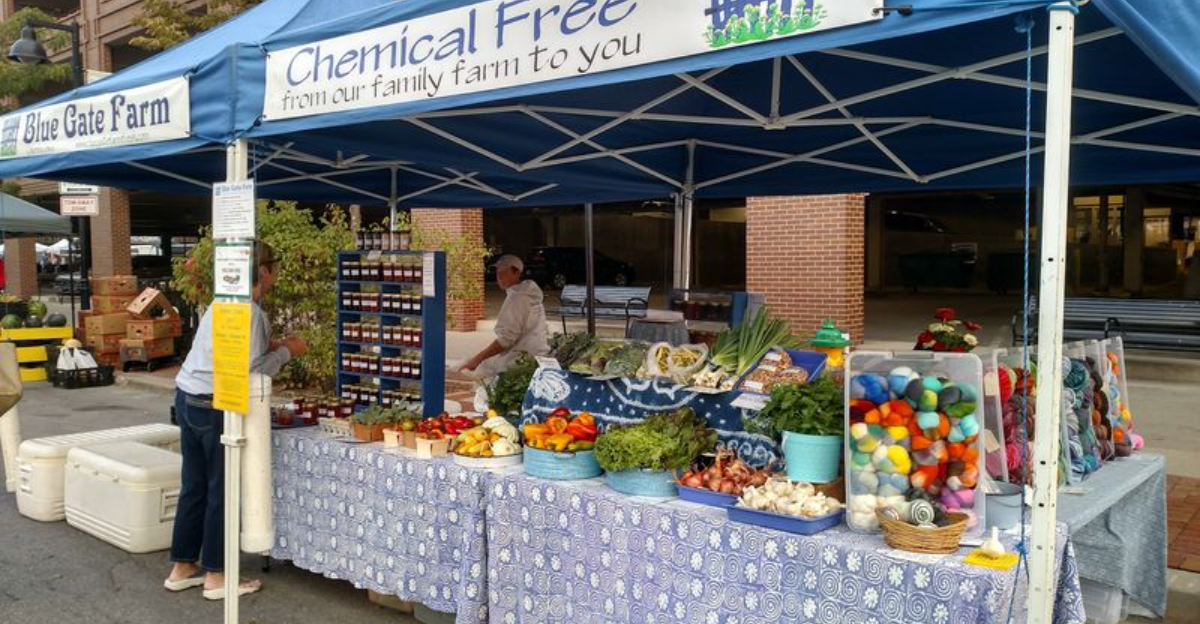
There is something genuinely exciting about wandering through a farmers’ market on a Saturday morning, tote bag in hand, with no real plan except to eat well. Local farmers’ markets connect communities to the freshest seasonal food grown and made right in their own region.
They support small producers, cut out the middleman, and make grocery shopping feel like an adventure rather than a chore. From the foggy waterfront stalls of San Francisco to the Southern charm of Charleston, these 15 markets are worth planning a trip around.
Ferry Plaza Farmers Market (San Francisco, California)
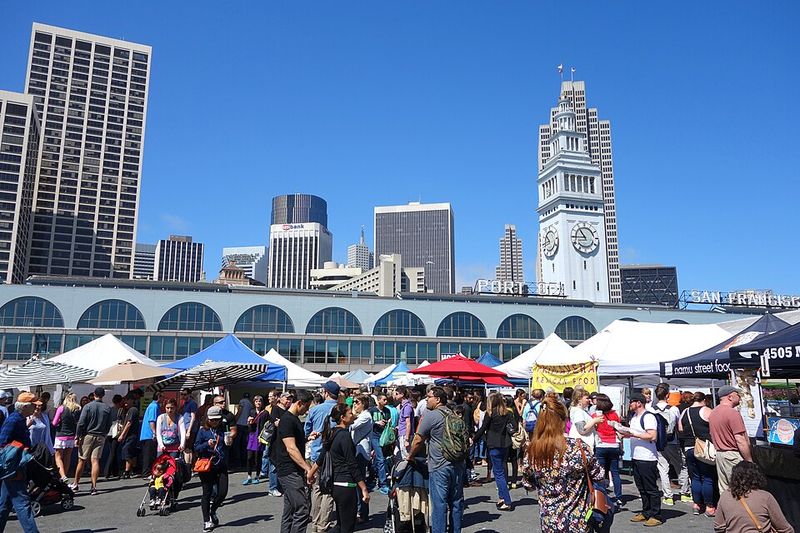
California’s produce runway show runs three days a week, and Saturday at the Ferry Plaza is the main event. Over 100 vendors line up along the Embarcadero with peak-season stone fruit, heirloom tomatoes, and artisan foods that would make any chef weep with joy.
The Ferry Building itself is a stunning backdrop.
I visited on a foggy Tuesday and still walked away with the best peaches of my life. The market has a serious craft food scene too, with local olive oils, small-batch jams, and farmstead cheeses filling every corner.
It is not just a market; it is a full sensory commitment.
The Saturday market draws the biggest crowd and the widest vendor lineup. Get there early to score the good stuff before the lines form.
Pro tip: grab coffee from one of the building’s vendors and stroll before you shop.
Union Square Greenmarket (New York City, New York)
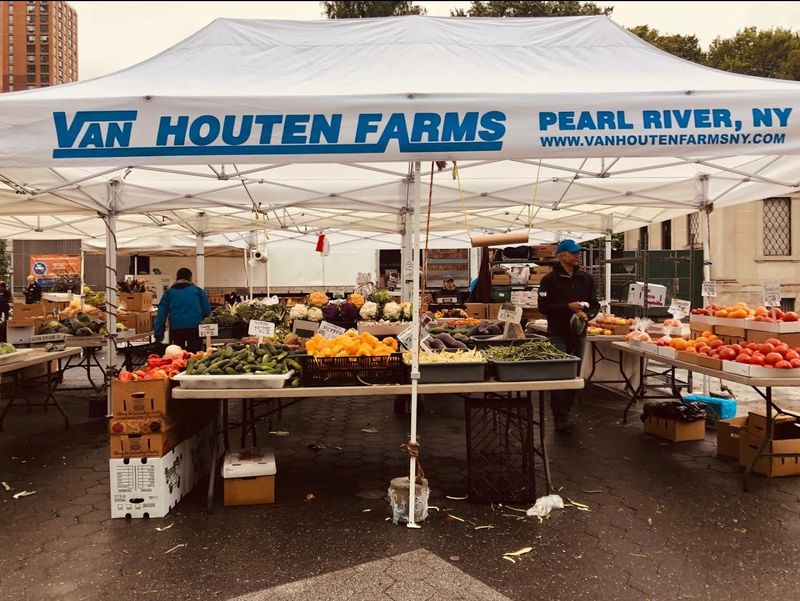
Right in the middle of Manhattan, Union Square Greenmarket pulls off something remarkable: it makes New York feel like a small town. Operated year-round by GrowNYC, the market brings regional farmers directly to city shoppers who genuinely want to know where their food comes from.
That is not something you see every day in NYC.
The vendor mix changes with the seasons, which is kind of the whole point. Spring brings ramps and fiddleheads.
Fall arrives with apple varieties you have never heard of. Winter keeps things going with root vegetables, preserved goods, and hearty greens that survive the cold.
Locals treat it like a weekly ritual, and honestly, that energy is contagious. You will see chefs, families, and food bloggers all sharing the same narrow aisles.
Show up with a reusable bag, some cash, and zero agenda. The market will handle the rest.
Santa Monica Farmers Markets (Santa Monica, California)
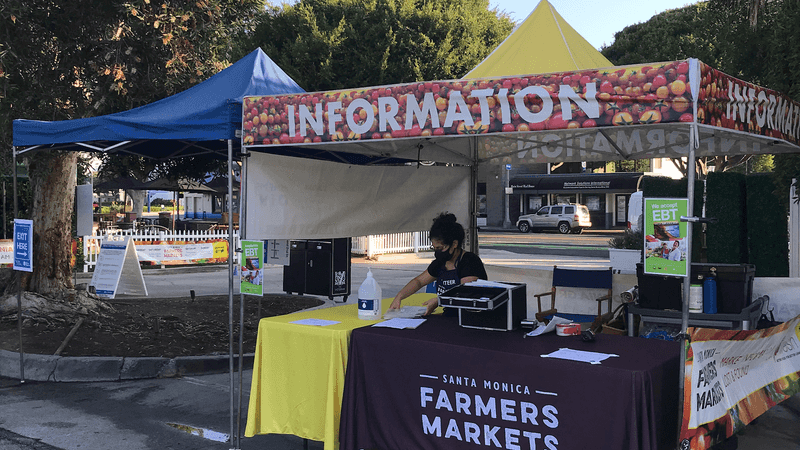
Professional chefs do not shop at just any market. The Downtown Santa Monica market on Arizona Avenue has earned a serious reputation as the place where LA’s best kitchens source their ingredients.
That alone tells you everything you need to know about the quality level here.
The City of Santa Monica runs multiple weekly markets, but the Arizona Avenue location is the crown jewel. Ultra-fresh California produce shows up in varieties you will not find at any supermarket.
Think six types of citrus and squash in colors that seem almost too pretty to cook.
Even if you are not a professional chef (same), shopping here feels like a masterclass in seasonal eating. Walk the full length before buying anything.
You will spot things on the second pass that you missed on the first. The market has been a pillar of local food culture for decades, and it earns that status every single week.
Dane County Farmers’ Market (Madison, Wisconsin)
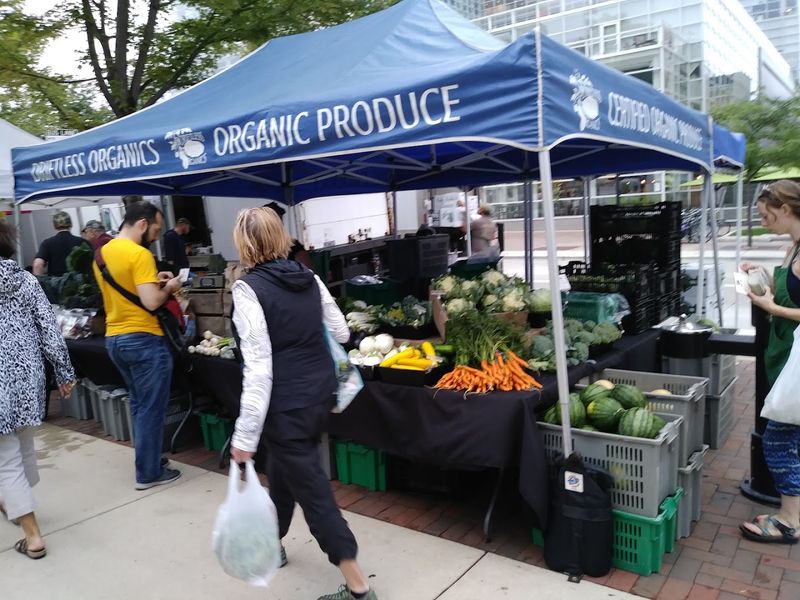
Wrapping around the Wisconsin State Capitol on a Saturday morning, the Dane County Farmers’ Market is a genuinely jaw-dropping scene. Visit Madison officially calls it the largest producer-only farmers market in the country, which means every vendor grew or made what they are selling.
No middlemen, no resellers, just farmers.
The producer-only rule is a big deal. It guarantees a direct connection between the person at the booth and the land the food came from.
Wisconsin cheese curds, fresh bread, heirloom vegetables, and local honey make regular appearances. The Capitol Square setting gives the whole thing an almost storybook quality.
Seasonal schedules are posted by organizers, so check ahead before your visit. Saturday is the headline event, but the market also runs additional days during peak season.
Wear comfortable shoes because the full loop around the Capitol is longer than it looks. Totally worth every step.
Portland Farmers Market at PSU (Portland, Oregon)
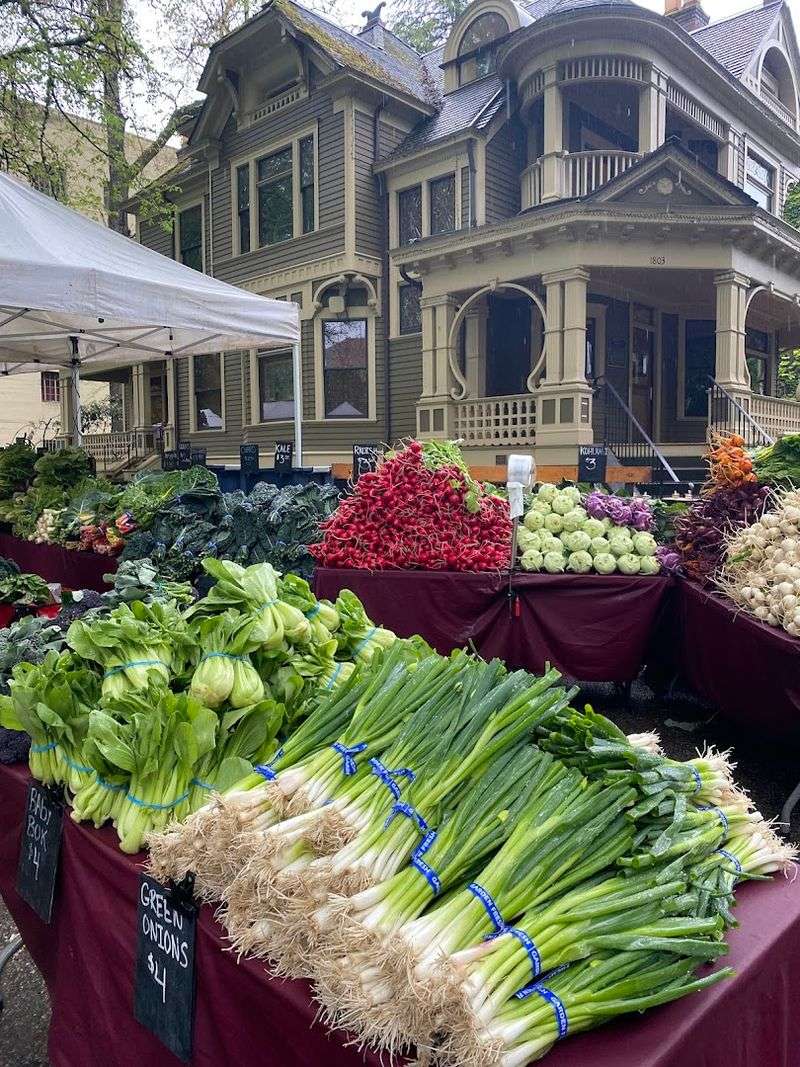
Portland’s food culture runs deep, and the PSU Farmers Market is where that culture shows up every single Saturday, rain or shine. As the flagship location for Portland Farmers Market, the PSU site averages around 100 vendors per week.
That is not a small gathering; that is a full-blown local food festival happening every weekend.
The market runs year-round, which is a commitment that Pacific Northwest regulars truly appreciate. Winter markets thin out a little, but the loyal vendor base keeps showing up with mushrooms, root vegetables, preserved goods, and the kind of artisan bread that makes you forget carbs were ever controversial.
First-time visitors often underestimate the size of the market and run out of time before they finish browsing. Budget at least two hours and bring more cash than you think you need.
Locals swear by this market for a reason, and one visit is usually enough to convert anyone into a regular.
Pike Place Market (Seattle, Washington)
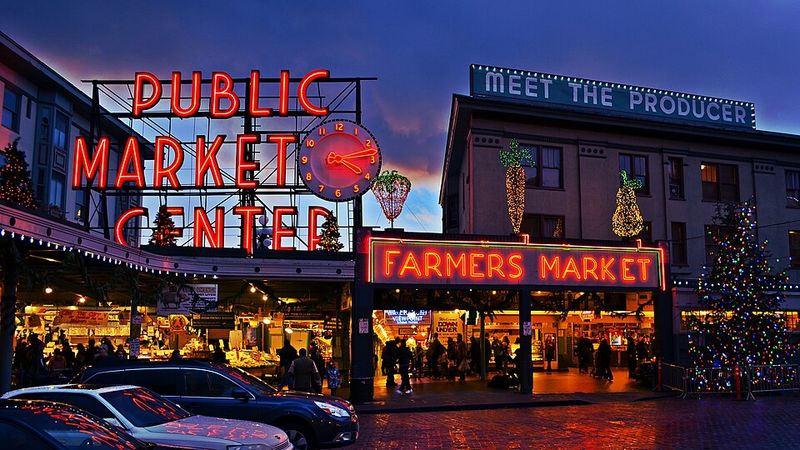
Seattle’s original farmers market has been doing its thing since 1907, which makes it older than most American institutions anyone actually cares about. Pike Place Market calls itself the city’s original farmers market, and with over a century of history behind it, the claim holds up pretty well.
The market runs year-round and serves as a hub for local food producers, fishmongers, flower vendors, and specialty food makers. The fish toss is fun to watch, but the real draw is the incredible variety of local goods packed into a relatively small historic district.
Fresh Dungeness crab, Pacific Northwest produce, and handmade crafts all share the same bustling space.
Pike Place is crowded on weekends, especially in summer, so weekday visits offer a calmer experience with shorter lines. The market sits right on the waterfront, so the views are a bonus.
Come with an appetite and leave with more bags than you planned on carrying.
Eastern Market (Detroit, Michigan)
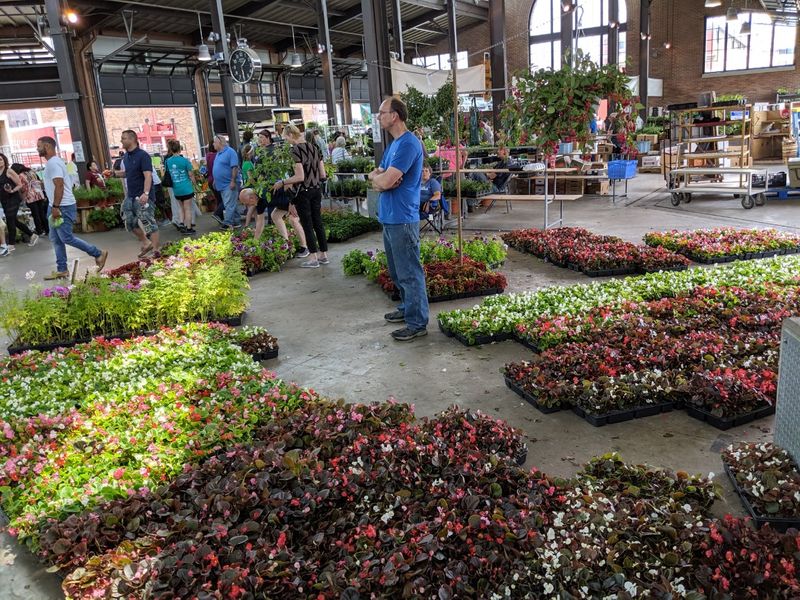
Detroit’s Eastern Market has been feeding the city since 1891, and Saturday Market is still the heartbeat of the whole operation. The market’s own site highlights Saturday as the signature day, with local produce, flowers, plants, packaged foods, and handmade goods all packed into the historic market sheds.
It is one of the country’s best-known public market districts, full stop.
The scale of Eastern Market is genuinely impressive. Thousands of shoppers show up every Saturday, creating an energy that feels more like a neighborhood celebration than a grocery run.
Flower vendors alone take up entire sections of the market, and the colors are almost unfair.
Come hungry, because the food vendors serving hot breakfast and lunch are not to be skipped. Eastern Market is also a great entry point for understanding Detroit’s food scene, which is far more dynamic than outsiders expect.
Take your time, talk to the vendors, and plan on staying longer than you intended.
Green City Market (Chicago, Illinois)
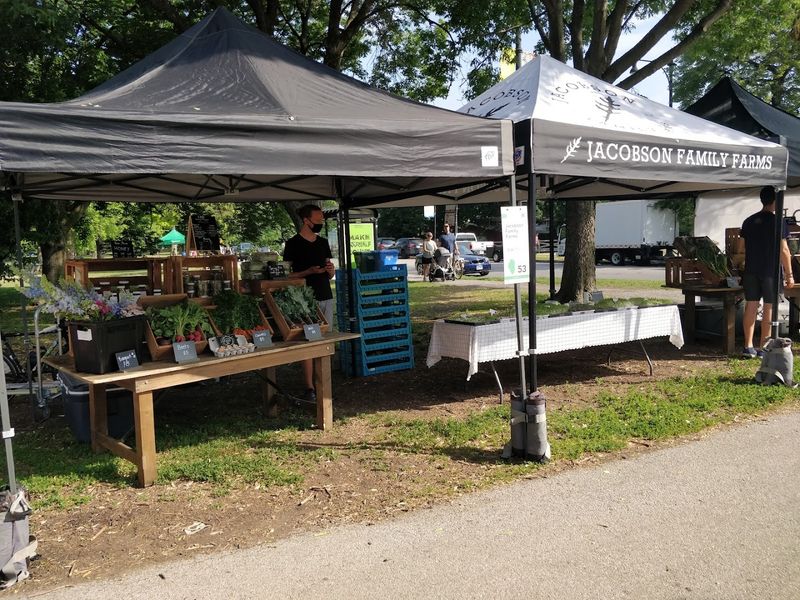
Lincoln Park is already one of Chicago’s most beloved neighborhoods, and from April through November, Green City Market makes it even harder to leave. The market focuses on sustainable farming and local producers, which gives it a curatorial quality that sets it apart from bigger, more open-access markets.
Not just anyone gets a booth here.
The Midwest growing season is shorter than California’s, but Green City Market makes every week count. Sweet corn, heirloom tomatoes, and stone fruits show up at peak ripeness, and the vendor lineup consistently features farms with real sustainability credentials.
Chef demos at the market are a bonus worth catching when they happen.
Green City Market also runs a winter indoor market, so Chicago’s brutal cold does not have to mean a break from local food. Check the official schedule for both locations and dates.
The Lincoln Park outdoor market is the main attraction, and on a clear Chicago morning, it is honestly one of the best ways to spend a Saturday.
Crescent City Farmers Market (New Orleans, Louisiana)
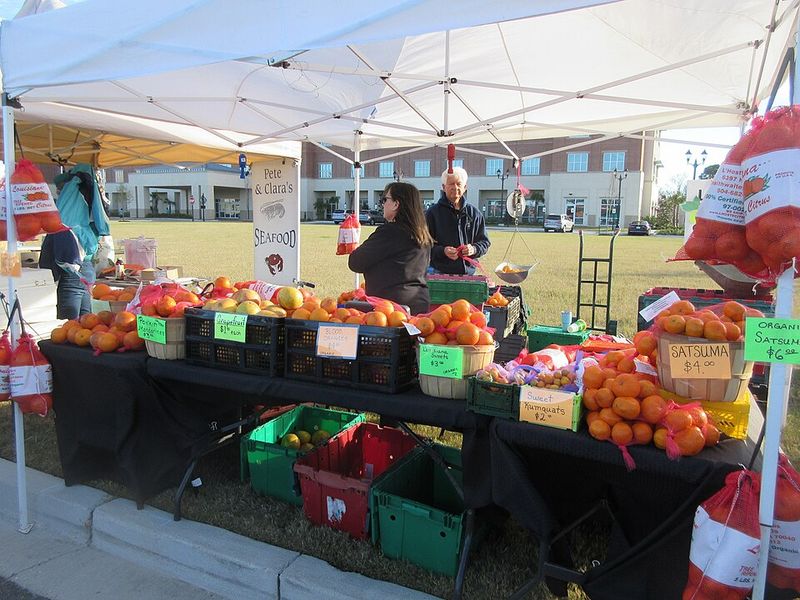
New Orleans has a food culture unlike anywhere else in the country, and the Crescent City Farmers Market is where that culture connects directly to the source. The market operates weekly and year-round across multiple locations in the city, bringing local produce and Gulf-region food staples to neighborhoods throughout New Orleans.
The Gulf region adds a dimension to this market that you simply do not find in landlocked cities. Fresh seafood from local fishers shows up alongside Louisiana-grown produce, Creole spice blends, and regional specialties that reflect the city’s deep culinary roots.
Shopping here feels like a cooking lesson you did not sign up for but are very glad you attended.
Check the weekly vendor updates before visiting, as the lineup shifts with the season and the catch. Each market location has its own neighborhood personality, which makes visiting multiple spots genuinely worthwhile.
New Orleans does not do anything halfway, and the Crescent City Farmers Market is no exception to that rule.
Mill City Farmers Market (Minneapolis, Minnesota)
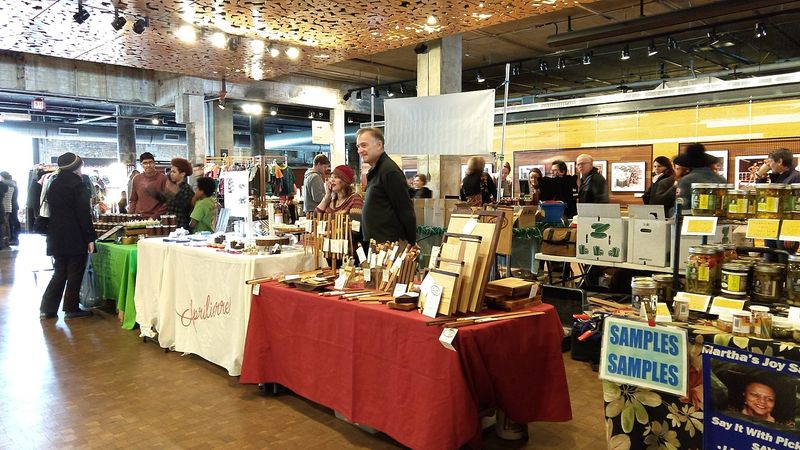
Minneapolis winters are no joke, but Mill City Farmers Market refuses to let the cold win. The market runs an outdoor Saturday season and pivots to indoor winter dates, keeping local food access going year-round.
That kind of commitment to continuity is exactly why it has built such a loyal following among Minneapolis shoppers.
The market positions itself around local and sustainable groceries, which shapes the entire vendor mix. You will find produce, meat, dairy, baked goods, and specialty items all sourced from within the region.
The Mississippi River setting adds a dramatic backdrop that makes the outdoor season especially worth visiting.
Mill City is the kind of market where regulars know the vendors by name and vendors know their customers’ orders by heart. That community energy is hard to manufacture and impossible to fake.
Check the official site for seasonal dates and indoor winter market details. Whether you visit in July or January, the quality stays consistently high.
Downtown Farmers’ Market (Des Moines, Iowa)
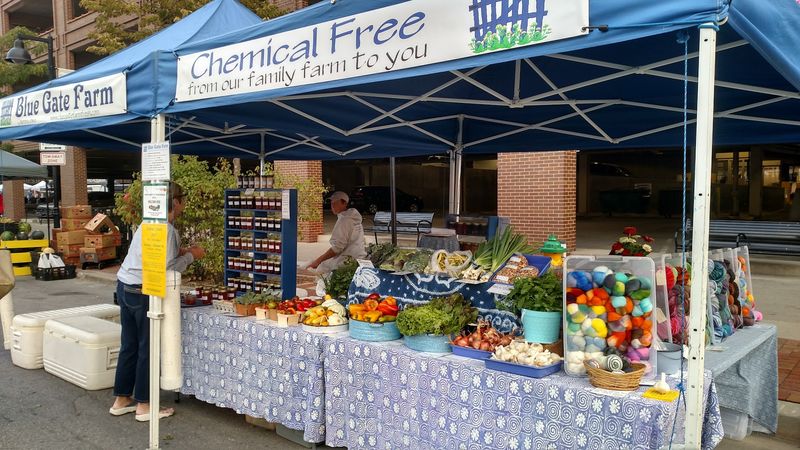
Des Moines does not get nearly enough credit as a food city, and the Downtown Farmers’ Market is a big part of why that reputation deserves an upgrade. Running Saturdays in the Historic Court District during market season, this is a destination-style event that draws serious crowds and equally serious vendors.
The market takes over multiple blocks of downtown, turning the neighborhood into a massive outdoor food hall every Saturday morning. Iowa’s agricultural roots mean the produce game here is strong.
Sweet corn, pumpkins, fresh herbs, and locally raised meats show up in abundance, and the baked goods situation is out of control in the best way.
Beyond the food, the market creates a full downtown experience. Local musicians, food trucks, and artisan vendors fill the surrounding streets, making it easy to spend a full morning here without running out of things to explore.
Check organizer listings for the current season’s dates and hours before heading out.
Hollywood Farmers Market (Los Angeles, California)
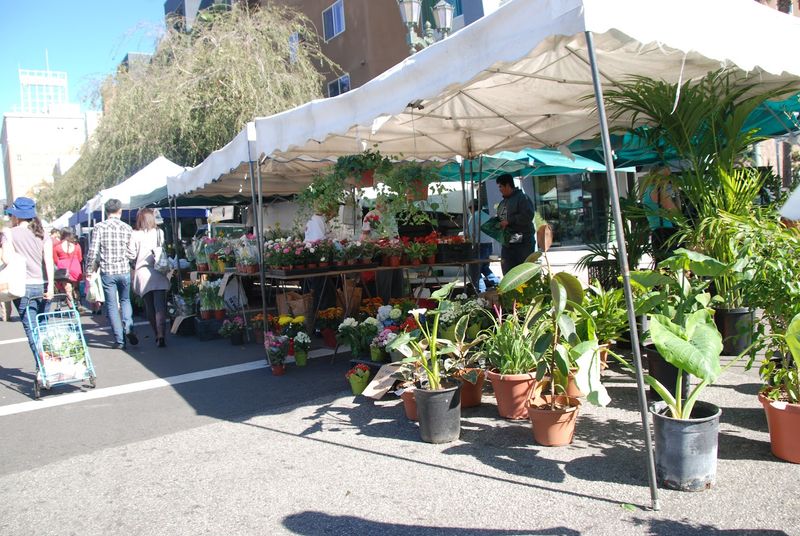
Sunday mornings in Hollywood have a ritual, and it involves a tote bag and this market. Running Sundays from 8am to 1pm at Ivar and Selma, the Hollywood Farmers Market is a reliable weekly gathering of farm-fresh produce, flowers, nuts, dried fruit, and rotating special events that keep things interesting season to season.
LA’s year-round growing climate means the produce here never really takes a break. Even in January, the vendor stalls overflow with citrus, greens, and root vegetables that most of the country can only dream about during winter.
The flower vendors alone are worth the trip if you are into that sort of thing.
Special events pop up throughout the year, from cooking demonstrations to seasonal celebrations, giving regulars a reason to keep showing up beyond the groceries. The market has a neighborhood feel despite being located in one of LA’s most famous districts.
Arrive by 8:30am to avoid the peak crowd and get first pick of the best finds.
Boulder Farmers Market (Boulder, Colorado)
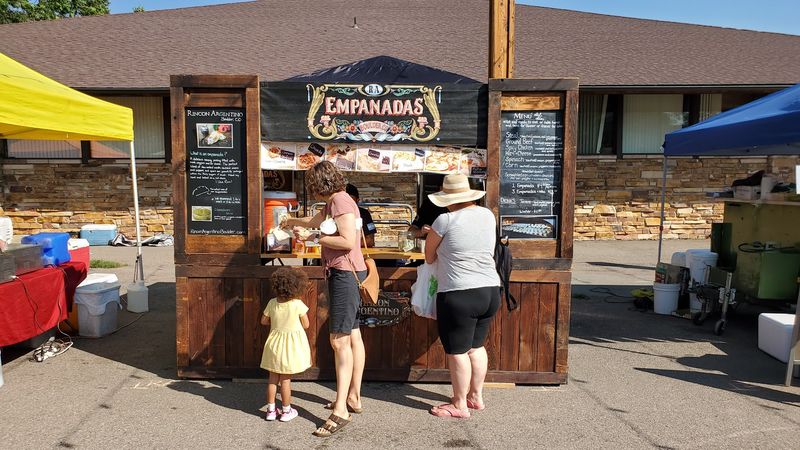
Boulder has been doing the local food thing longer than most cities even knew it was cool. The Boulder Farmers Market has been a community institution since 1987, which means it has had decades to build a vendor roster and a loyal customer base that most markets would envy.
That kind of longevity does not happen by accident.
Located at 13th Street and Canyon Boulevard, the market runs both Saturday and Wednesday markets during its seasonal schedule, giving shoppers more than one chance per week to stock up on Colorado-grown goods. The Rocky Mountain setting makes even a quick grocery run feel like an outdoor adventure.
Boulder County Farmers Markets posts the seasonal schedule, so check ahead for exact dates and hours. The vendor lineup features local farms, artisan food makers, and specialty producers who reflect Boulder’s strong commitment to sustainable and organic agriculture.
Whether you are a longtime local or just passing through, this market is worth rearranging your schedule for.
Charleston Farmers Market (Charleston, South Carolina)
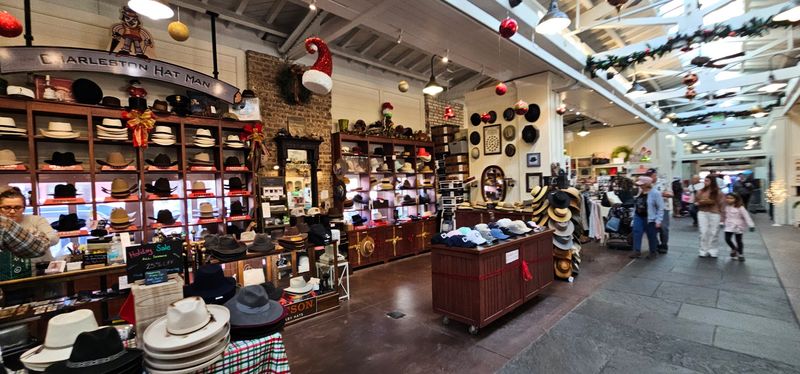
Marion Square on a Saturday morning in Charleston is one of those scenes that makes you want to slow down and actually enjoy your weekend. The Charleston Farmers Market fills the square with local farmers, food vendors, and an event atmosphere that turns a simple shopping trip into a full-blown Southern experience.
Bring your biggest tote bag.
South Carolina’s growing season is long and generous, which shows up clearly in what vendors bring to market. Fresh vegetables, seasonal fruits, locally made jams, artisan breads, and prepared foods from local producers make the vendor lineup genuinely diverse.
The market has a lively, festival-like energy that sets it apart from quieter, more utilitarian markets.
The official market site posts the seasonal Saturday schedule, so confirm dates before visiting. Marion Square itself is a beautiful setting, surrounded by Charleston’s historic architecture and within easy walking distance of the city’s best restaurants and shops.
The market pairs exceptionally well with a slow morning stroll through the surrounding neighborhood afterward.
Dupont Circle FRESHFARM Market (Washington, DC)
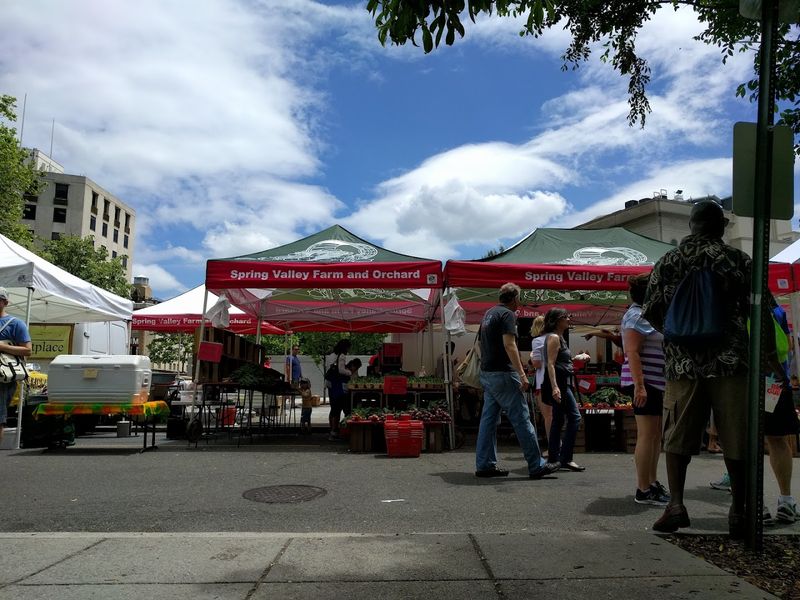
DC locals do not just shop at the Dupont Circle FRESHFARM Market; they plan their entire Sunday around it. FRESHFARM describes this as one of their major markets, and the food media has backed that up consistently, placing it among the top farmers markets in the country year after year.
The reputation is fully earned.
The market shines brightest during peak growing season, when the regional vendor lineup expands and the produce variety hits its high point. Mid-Atlantic farms bring in everything from summer tomatoes to fall apples, and the specialty food vendors keep the options interesting well beyond basic groceries.
It is a genuinely well-curated market experience.
For first-time visitors, the Dupont Circle location is easy to reach by Metro, which makes it one of the most accessible major markets in the country. Sunday timing makes it a natural anchor for a longer neighborhood morning.
Grab something to eat from a prepared food vendor and find a bench nearby. The people-watching alone is worth the trip.



