 Unearth The Voyage
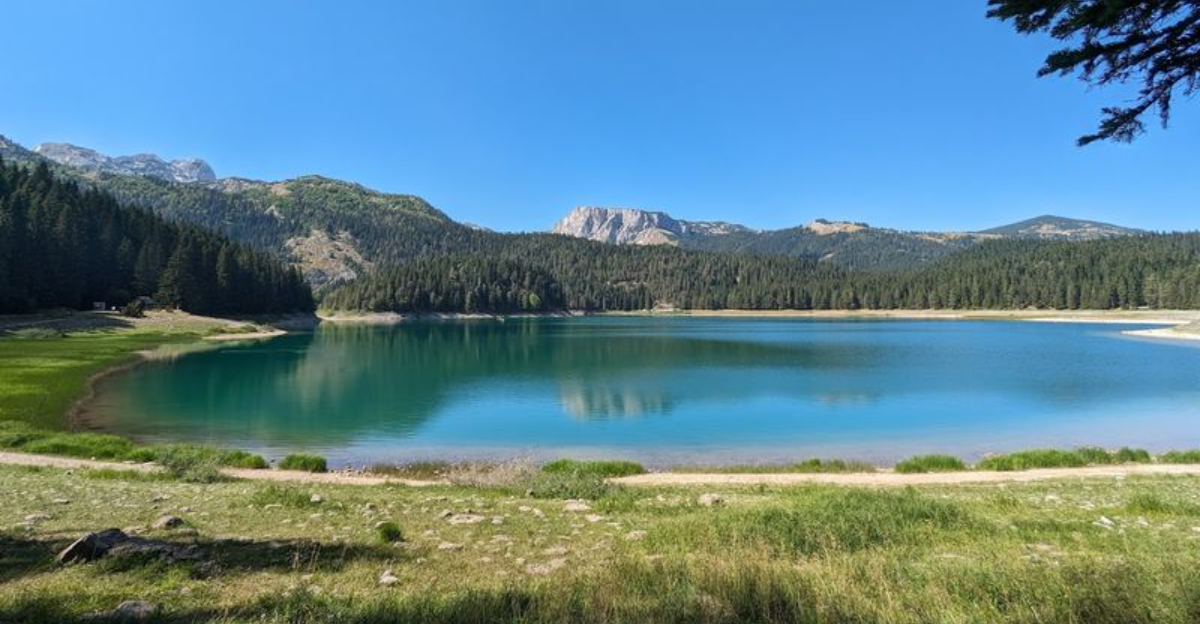
Some of the most breathtaking places on Earth are not found on typical tourist maps. They are tucked away in remote corners, waiting for curious travelers willing to go the extra mile.
From razor-sharp limestone forests to oases hidden in desert dunes, these hidden gems offer experiences you simply cannot find anywhere else. If you crave real adventure and unforgettable landscapes, this list was made for you.
1. Socotra Island, Yemen
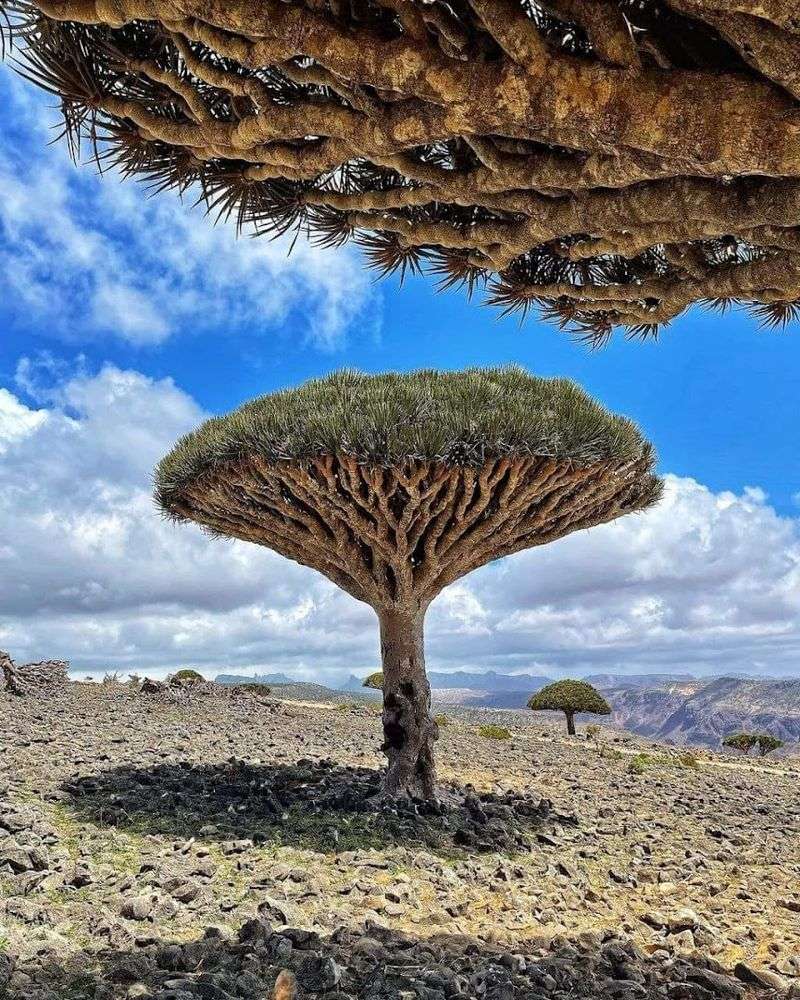
Nicknamed “the Galapagos of the Indian Ocean,” Socotra Island looks like something straight out of a science fiction film. Its most iconic feature is the Dragon’s Blood tree, which has an umbrella-shaped canopy found nowhere else on Earth.
About one-third of Socotra’s plant species are completely unique to this island.
Socotra is a UNESCO World Heritage site, recognized for its incredible biodiversity. The island also has white sandy beaches, turquoise waters, and dramatic mountain landscapes.
Getting there takes effort, but that is exactly what makes it so rewarding.
Travelers who make the journey often describe it as one of the most surreal experiences of their lives. Socotra is proof that our planet still holds places that feel truly out of this world.
Pack light, bring curiosity, and prepare to be amazed.
2. Faroe Islands, Denmark
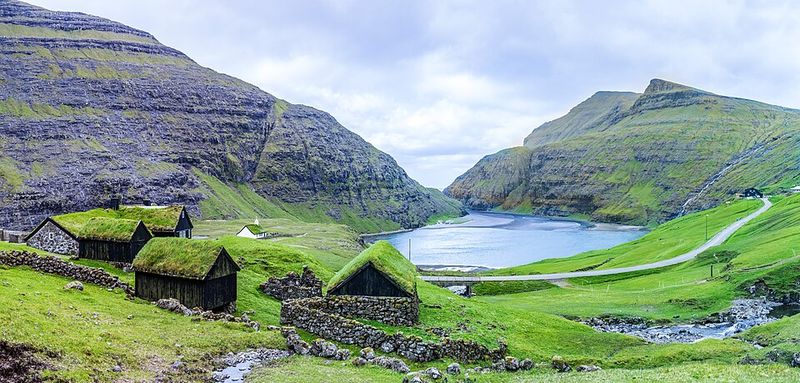
Sitting quietly between Iceland and Norway, the Faroe Islands feel like a world that time forgot. Eighteen rugged islands rise sharply from the North Atlantic, wrapped in low clouds and dotted with tiny colorful villages.
The scenery here is so dramatic it almost does not look real.
Hikers love the Faroe Islands for their well-marked trails leading to cliffside viewpoints and hidden waterfalls. Bird-watchers come specifically to spot puffins nesting along the rocky coastlines.
The islands are also home to some of the friendliest locals you will ever meet on a remote adventure.
With a population of only around 55,000 people, the Faroes offer a peaceful escape from crowded tourist hotspots. Roads wind through tunnels carved directly into mountains, adding to the sense of discovery.
Every corner here feels like a reward for the adventurous traveler willing to seek it out.
3. Svalbard, Norway
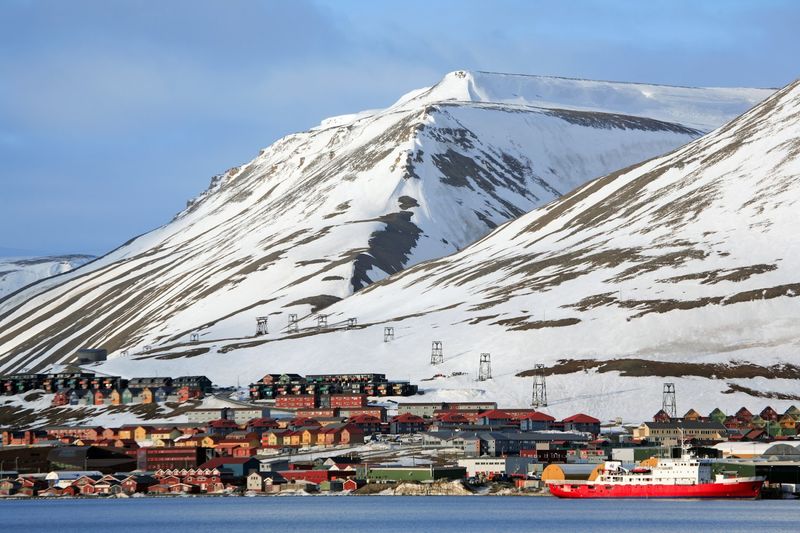
Here is a fun fact: polar bears outnumber people on Svalbard, Norway’s remote Arctic archipelago. This frozen wilderness sits closer to the North Pole than to mainland Norway, making it one of the most extreme travel destinations on the planet.
Glaciers cover more than 60 percent of the landmass.
Svalbard is one of the best places in the world to witness the northern lights during winter months. In summer, the sun never sets, creating the famous midnight sun phenomenon that leaves visitors speechless.
Wildlife here includes Arctic foxes, reindeer, and walruses roaming freely across the tundra.
Adventure options range from dog sledding and snowmobile expeditions to glacier hikes and boat tours through icy fjords. Safety guides are required in certain areas because of the polar bear presence.
Svalbard rewards bold travelers with an experience that feels raw, wild, and completely unforgettable.
4. Huacachina, Peru
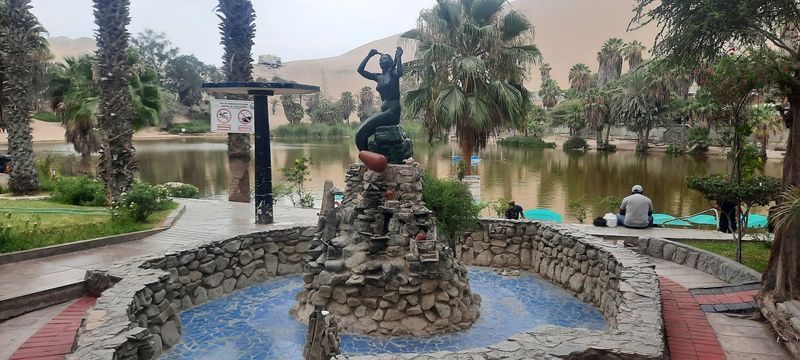
Imagine a tiny village built around a shimmering lagoon, completely encircled by sand dunes that tower over 100 meters high. That is Huacachina, one of the most surreal natural oases on Earth, tucked inside the Peruvian desert near the city of Ica.
It looks like a postcard, but it is 100 percent real.
Sandboarding down the steep dunes is the most popular activity here, drawing thrill-seekers from around the globe. Dune buggy rides at sunset offer heart-pounding excitement with jaw-dropping golden views.
The whole experience feels like being inside a desert adventure film.
The oasis itself is small, with just a handful of hostels and restaurants lining the water’s edge. Visiting at sunset is especially magical as the dunes glow orange and pink.
Huacachina is a short detour from Lima, making it an easy addition to any Peru travel itinerary.
5. Tristan da Cunha, South Atlantic Ocean
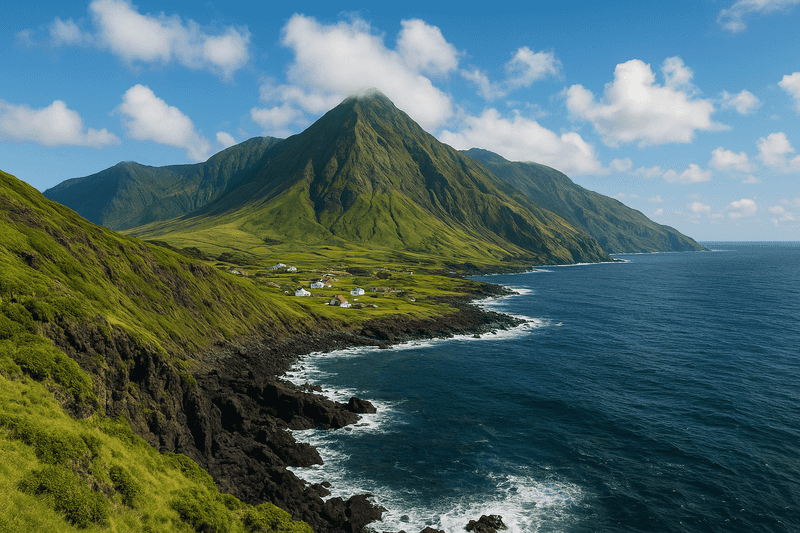
Tristan da Cunha holds a remarkable title: the most remote inhabited island on Earth. Located roughly 2,400 kilometers from the nearest landmass, this tiny volcanic island is home to fewer than 300 residents.
Getting there requires a week-long boat journey from South Africa, with no airport in sight.
The island’s volcano, Queen Mary’s Peak, last erupted in 1961 and is still considered active today. Residents were temporarily evacuated during that eruption but chose to return, showing just how deeply connected they are to this isolated land.
The community is tight-knit, self-sufficient, and incredibly welcoming to the rare visitor who arrives.
Only a limited number of tourists make it to Tristan da Cunha each year, which means the experience feels genuinely exclusive. The landscapes are wild, green, and untouched.
For someone who wants to go somewhere truly off the beaten path, this island delivers like nowhere else on Earth.
6. Chefchaouen, Morocco
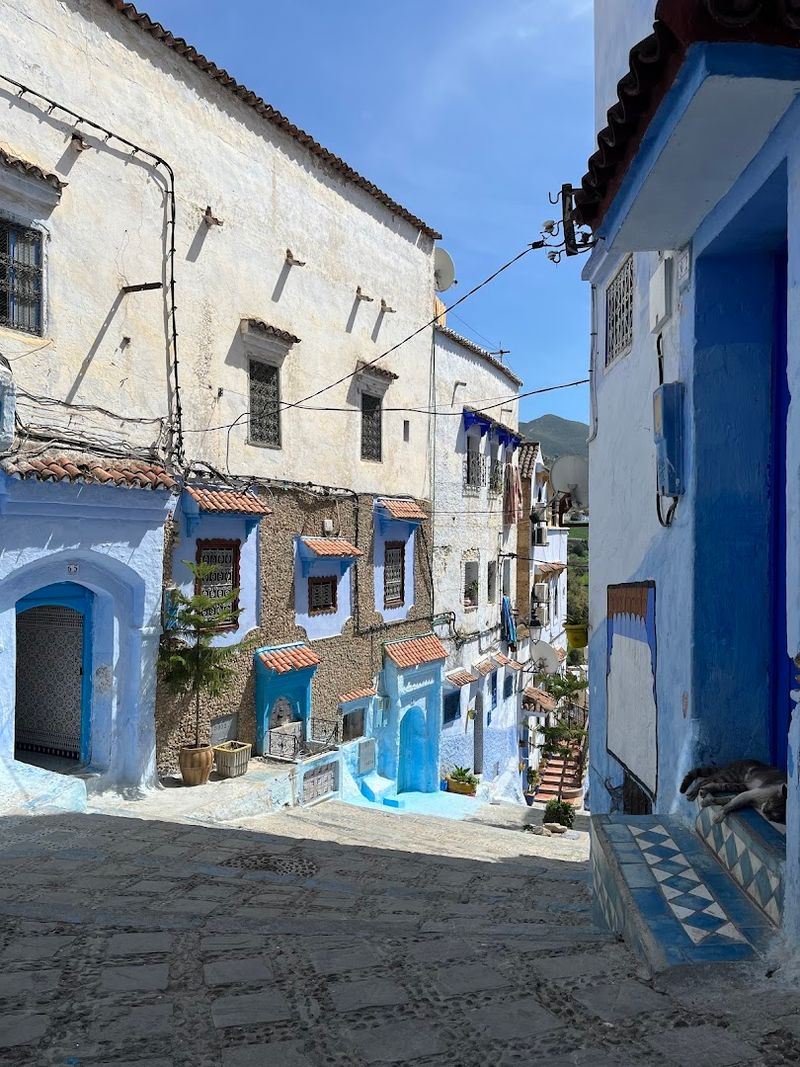
Walking through Chefchaouen feels like stepping inside a painting. Every alley, wall, and staircase in this mountain town is painted in shades of blue, from pale sky tones to deep cobalt.
Nestled in the Rif Mountains of northern Morocco, Chefchaouen earned its nickname, the Blue Pearl, for very good reason.
Unlike Morocco’s busy cities like Marrakech or Fez, Chefchaouen moves at a calmer, quieter pace. Local artisans sell handmade wool blankets, leather goods, and spices in the relaxed medina.
The surrounding mountains also offer excellent hiking trails for those who want to explore beyond the blue streets.
The town’s blue tradition reportedly dates back to the 15th century, tied to Jewish refugees who settled here. Whether that story is fully accurate or not, the result is one of the most photogenic and peaceful destinations in all of Africa.
Chefchaouen is a hidden gem hiding in plain sight.
7. Pitcairn Island, Pacific Ocean
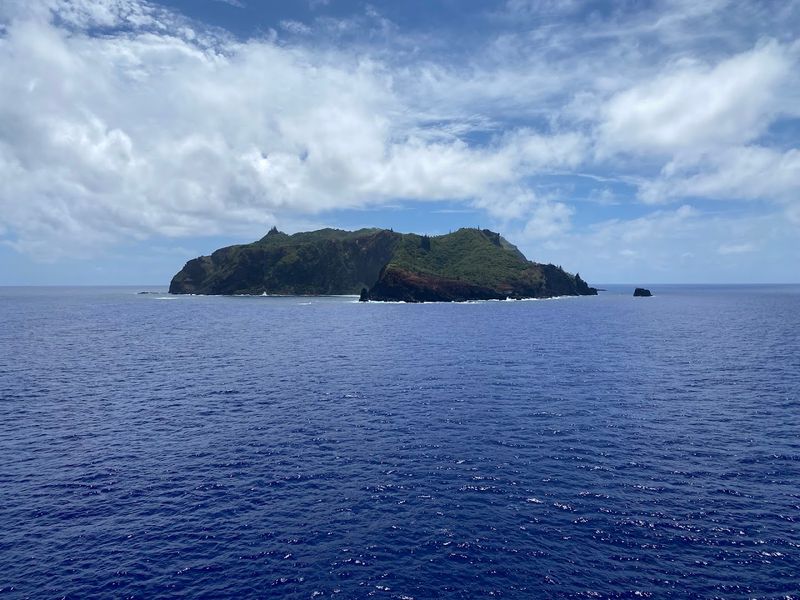
Only about 45 to 50 people call Pitcairn Island home, making it one of the least populated territories on Earth. These residents are descendants of the infamous Bounty mutineers who fled British authorities in 1790 and settled this remote Pacific island.
The story alone makes Pitcairn one of the most fascinating places on the planet.
There is no airport on Pitcairn, and the only way to reach it is by boat from French Polynesia, a journey that can take up to 36 hours. Visitors are incredibly rare, which means the experience feels genuinely exclusive and historic.
The island’s dramatic cliffs, lush jungle, and volcanic landscape reward those willing to make the trek.
Pitcairn is also known for its vibrant honey, handmade crafts, and rich underwater marine life. The locals are known for being warm and enthusiastic hosts.
Adventure seekers who manage to visit often describe it as one of the most extraordinary experiences of their traveling lives.
8. Zhangye Danxia Landform, China
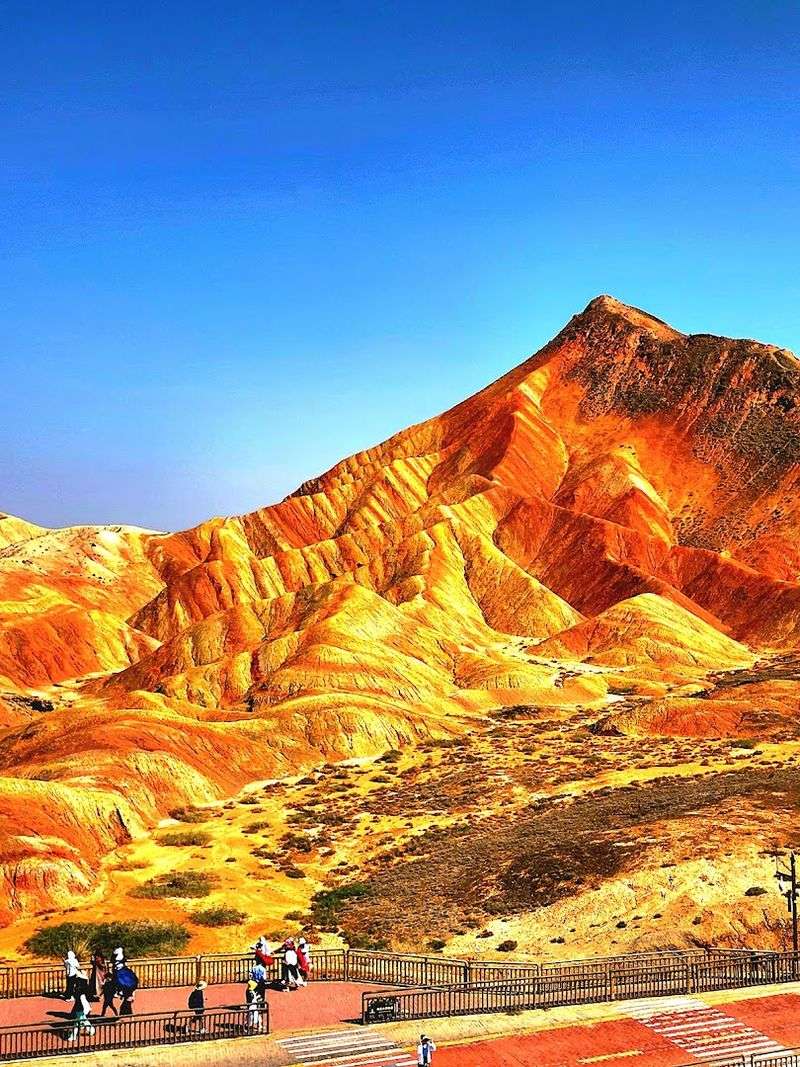
At first glance, the Zhangye Danxia Landform looks like someone took a giant paintbrush to the mountains. Swirling bands of red, orange, yellow, and purple streak across the rock formations in China’s Gansu Province, creating landscapes so vivid they seem digitally altered.
These are the famous Rainbow Mountains, and they are entirely natural.
The colors formed over millions of years as layers of colored sandstone and minerals were compressed and then lifted by tectonic activity. Erosion gradually sculpted the dramatic ridges and peaks visible today.
The result is one of the most visually stunning geological formations anywhere on Earth.
Viewing platforms allow visitors to take in the full scale of the landform without disturbing the fragile terrain. Early morning and late afternoon light bring out the richest colors.
Zhangye Danxia became a UNESCO World Heritage site in 2010, cementing its status as one of China’s most spectacular hidden treasures.
9. Lofoten Islands, Norway
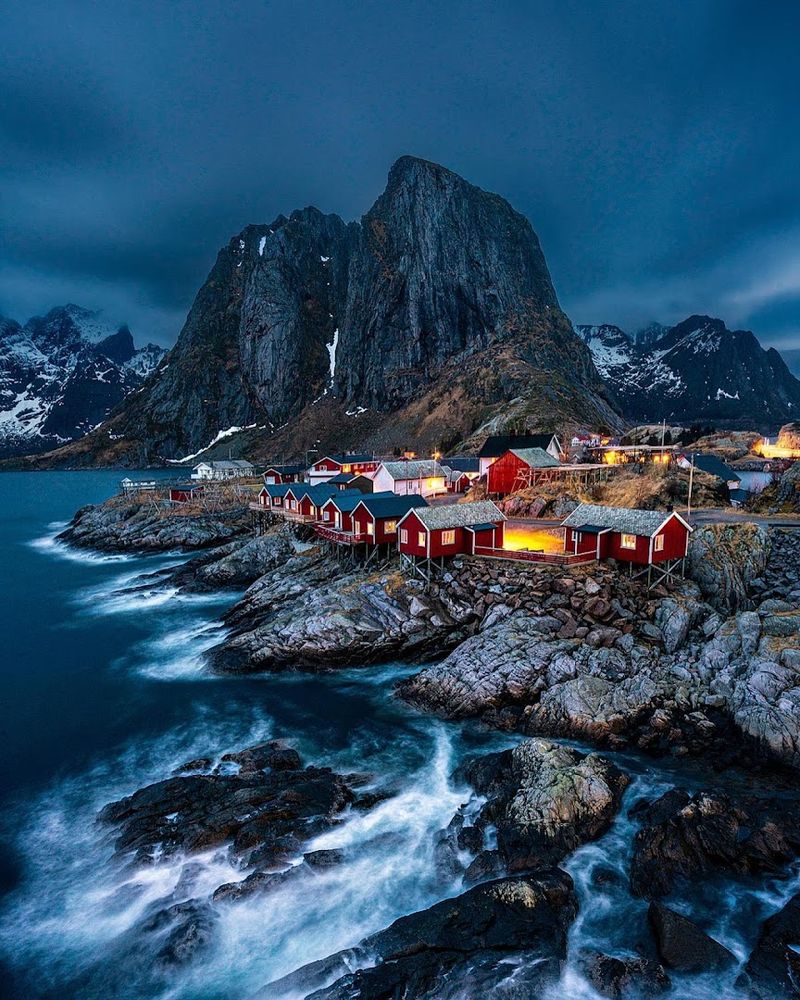
The Lofoten Islands sit above the Arctic Circle in Norway, yet they enjoy a surprisingly mild climate thanks to the Gulf Stream. What greets visitors here is nothing short of spectacular: jagged peaks rising sharply from the sea, mirror-calm fjords, and candy-colored fishing villages clinging to rocky shores.
Lofoten consistently ranks among the most beautiful places in Europe.
Winter brings one of the best northern lights shows on the continent, drawing photographers and nature lovers from around the world. Summer offers the magical midnight sun, ideal for hiking, kayaking, and surfing on some of Norway’s most scenic beaches.
The famous Reine village, perched between mountains and water, is a highlight for nearly every visitor.
Fishing has been the lifeblood of Lofoten for over a thousand years, and traditional wooden cabins called rorbu, once used by fishermen, now serve as cozy guesthouses. The islands feel authentic, wild, and deeply connected to the sea.
Lofoten is the kind of place that changes how you see the natural world.
10. Zabljak and Durmitor National Park, Montenegro
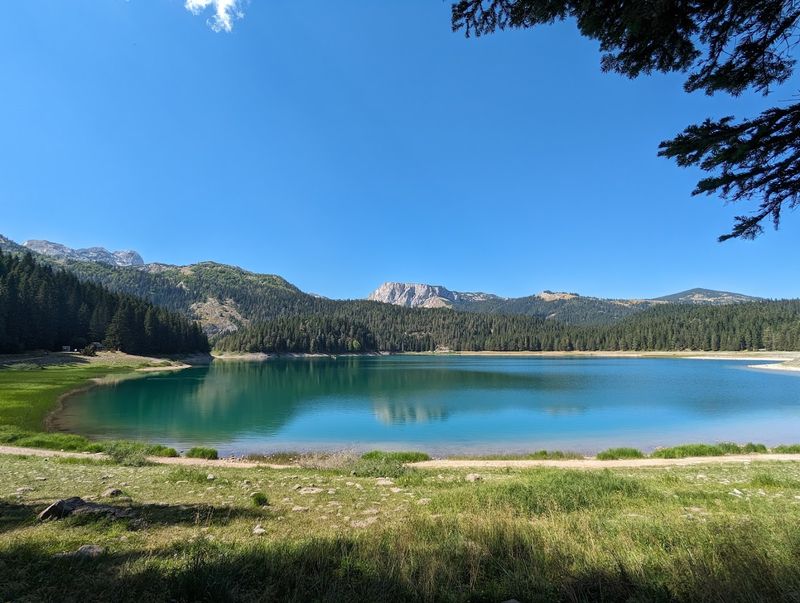
Tucked away in the Balkans, Montenegro is one of Europe’s most underrated adventure destinations, and Durmitor National Park is its crown jewel. The park sits around the town of Zabljak, the highest town in the Balkans at about 1,450 meters above sea level.
Snow-capped peaks, dense pine forests, and glacial lakes make this place feel completely removed from the modern world.
The Tara River Canyon runs through the park and is the deepest canyon in Europe, reaching over 1,300 meters at its deepest point. White-water rafting through the canyon is an experience that thrills even the most seasoned adventure travelers.
Hikers can also tackle the 48 glacial lakes scattered across the plateau, known locally as “mountain eyes.”
Winter transforms Durmitor into a ski destination, while summer opens up trails for mountain biking and paragliding. The whole region sees far fewer tourists than Western European parks of similar quality.
For adventurers who love dramatic scenery without the crowds, Durmitor is a true hidden treasure.
11. Aysen Region, Chilean Patagonia
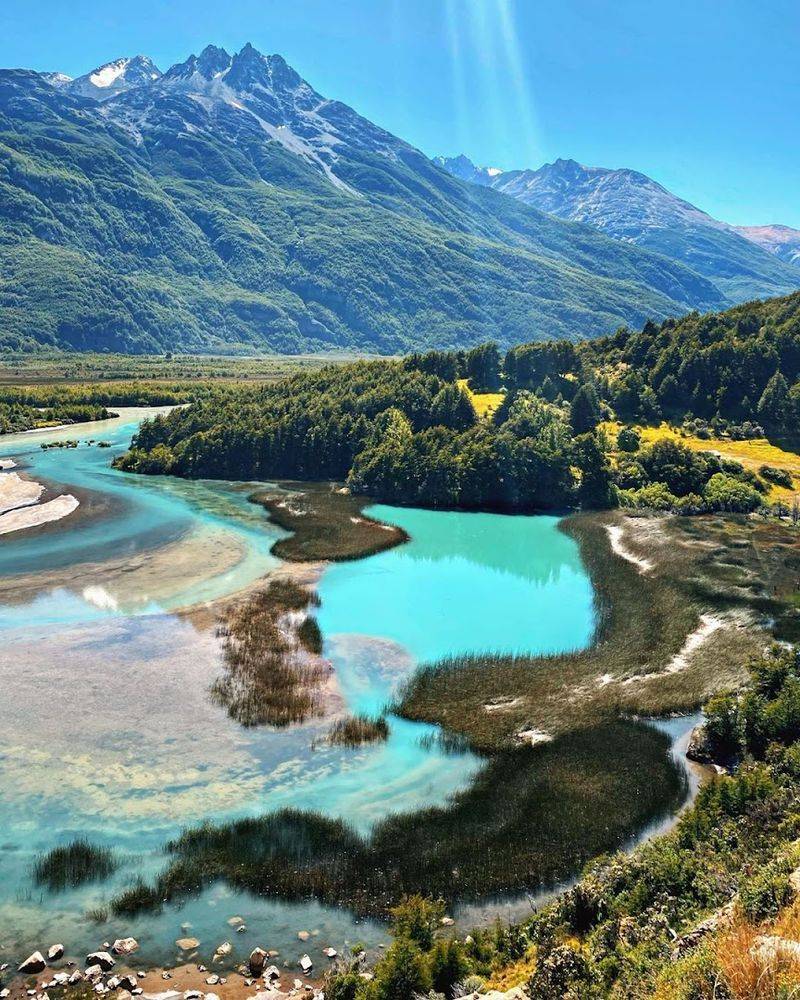
Chilean Patagonia’s Aysen Region is one of the least populated places in all of South America, and that is exactly what makes it extraordinary. Vast glaciers, ancient forests, winding fjords, and roaring rivers stretch as far as the eye can see with almost no human infrastructure in sight.
This is true wilderness at its most untamed.
The Carretera Austral, a legendary highway stretching over 1,200 kilometers, cuts through the heart of Aysen and is considered one of the world’s great road trips. Travelers drive or cycle past hanging glaciers, turquoise rivers, and remote fishing villages that see very little outside contact.
It is a journey that demands patience and rewards it generously.
Kayaking through the fjords, trekking in Cerro Castillo National Park, and fly-fishing in crystal-clear rivers are among the top activities here. The skies above Aysen are among the clearest in the Southern Hemisphere.
Anyone willing to travel far and rough it a little will find Patagonia’s best-kept secret waiting here.
12. Isle of Skye’s Hidden Valleys, Scotland
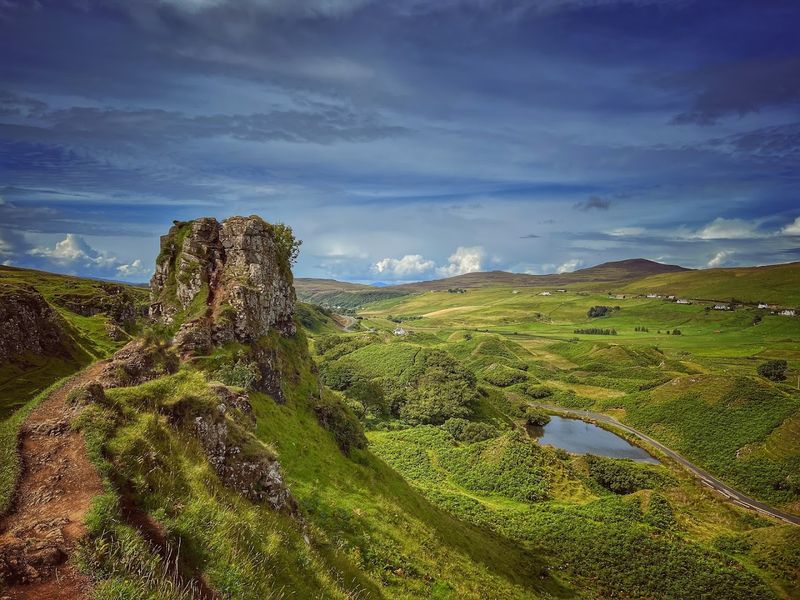
Scotland’s Isle of Skye draws visitors every year, but many of its most magical corners remain blissfully overlooked. The Fairy Pools, a series of crystal-clear turquoise pools fed by mountain waterfalls, feel like something from a Celtic legend.
Nearby, the Quiraing cliffs offer one of the most dramatic ridge walks in all of Britain.
What makes Skye special is how quickly the mood can shift. One moment the hills are bathed in golden light, and the next a curtain of mist rolls in, turning the landscape into something mystical and ancient.
That unpredictability is part of the island’s irresistible charm.
Beyond the well-known spots, Skye rewards explorers who wander off marked paths. Hidden sea caves, deserted beaches, and crumbling castle ruins dot the coastline.
Renting a car and simply driving without a fixed plan is one of the best ways to experience the Isle of Skye’s wild and secret soul.
13. The Azores, Portugal
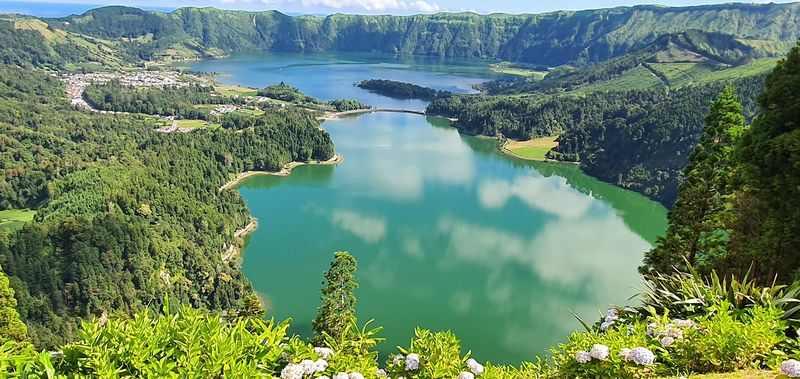
Rising from the middle of the Atlantic Ocean, the Azores archipelago looks like it was designed by someone who wanted to pack every natural wonder into one place. Nine volcanic islands offer crater lakes, steaming hot springs, thundering waterfalls, and sea cliffs teeming with wildlife.
Portugal’s best-kept secret sits roughly 1,500 kilometers west of Lisbon.
Whale watching in the Azores is world-class, with sperm whales, blue whales, and dolphins regularly spotted in the surrounding waters. The island of Flores is especially remote and wild, while Sao Miguel is home to the famous Sete Cidades twin lakes, one blue and one green, resting inside a dormant volcano.
Hiking trails connect ancient lava fields, coastal cliffs, and lush tea plantations that produce the only tea grown in Europe. The Azores also offer excellent diving thanks to warm, clear Atlantic waters.
For travelers wanting dramatic nature without extreme crowds, the Azores deliver something genuinely special every single visit.
14. Karijini National Park, Australia
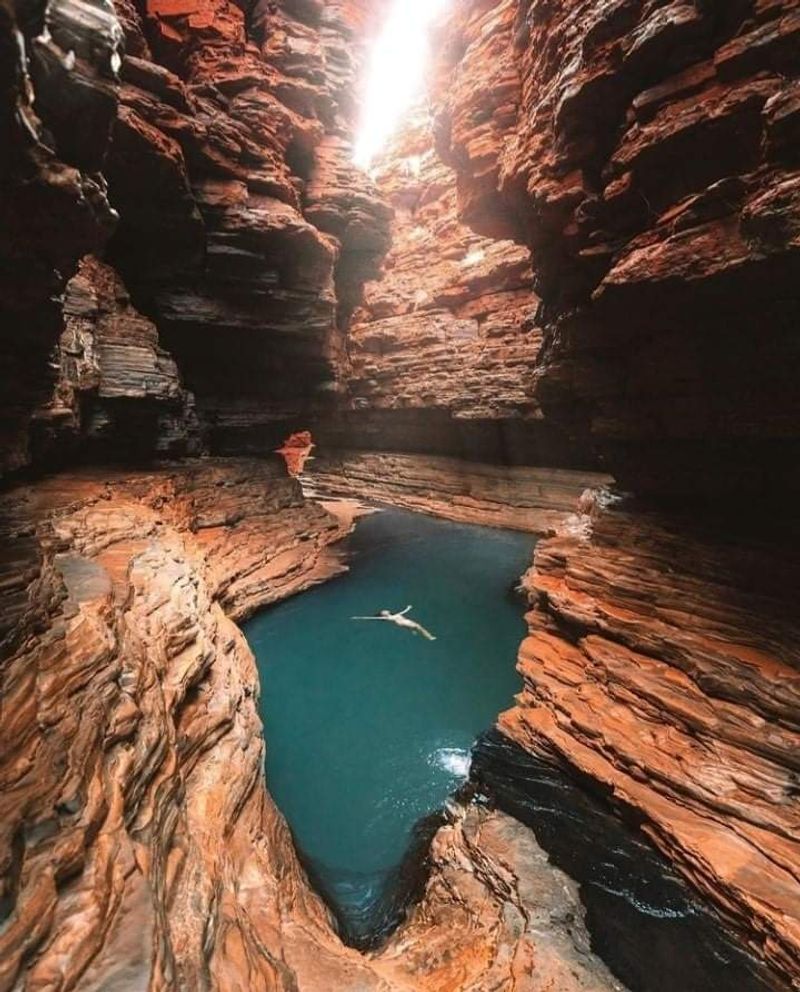
Most travelers visit Australia for the Great Barrier Reef or Sydney, but Karijini National Park in Western Australia’s Outback is one of the country’s most spectacular and least visited wonders. Ancient red gorges carved into Precambrian rock over 2.5 billion years old slice through the desert landscape like open wounds in the earth.
The colors here, deep red, rust orange, and vivid green, are absolutely striking.
Natural rock pools hidden at the bottom of narrow gorges offer some of the most refreshing swims imaginable after a hot desert hike. Handrail Pool, Fern Pool, and Fortescue Falls are among the most beloved spots.
Reaching some pools requires scrambling down rocky ledges and wading through cool water, which adds to the sense of genuine discovery.
Karijini is also rich in Aboriginal cultural history, with the Banjima, Kurrama, and Innawonga peoples having called this land home for tens of thousands of years. Stargazing here on a clear Outback night is extraordinary.
Karijini proves that Australia’s most remarkable landscapes are not always the ones on the postcards.
15. Madagascar’s Tsingy de Bemaraha
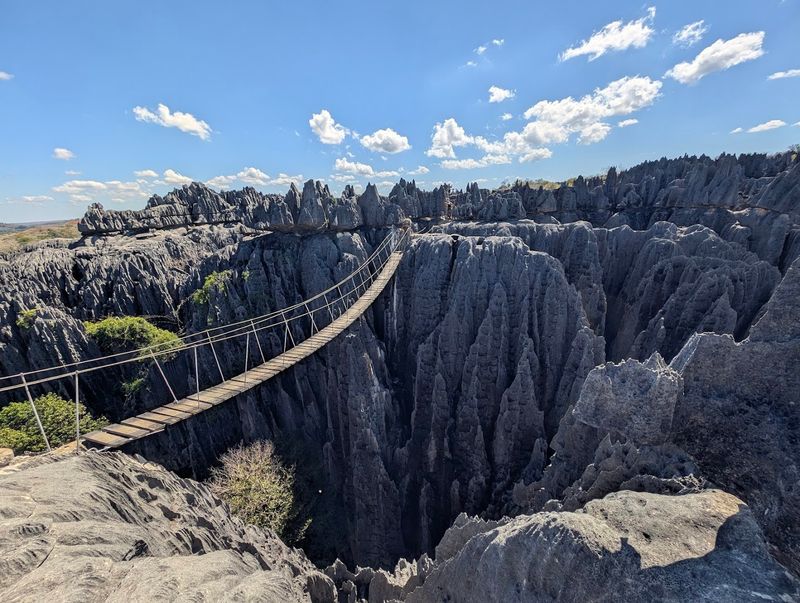
Walking through Tsingy de Bemaraha feels like navigating another planet. Thousands of razor-sharp limestone spires jut upward from the ground, forming what locals call a “stone forest” that stretches across northwestern Madagascar.
The word “tsingy” in the Malagasy language roughly means “where one cannot walk barefoot,” and that name tells you everything you need to know.
This UNESCO World Heritage site was formed when rainwater gradually dissolved and sculpted the limestone plateau over millions of years. The result is a labyrinth of vertical blades, deep chasms, and hidden caves that challenge even experienced trekkers.
Suspension bridges and fixed ropes help visitors navigate the most dramatic sections safely.
The Tsingy is also a biodiversity hotspot, sheltering lemurs, rare birds, and dozens of reptile species found nowhere else. Visiting requires hiring a local guide, which also supports the surrounding communities.
For adventurers who want something genuinely unlike anything else on Earth, Tsingy de Bemaraha is an unforgettable final destination on any bucket list.



