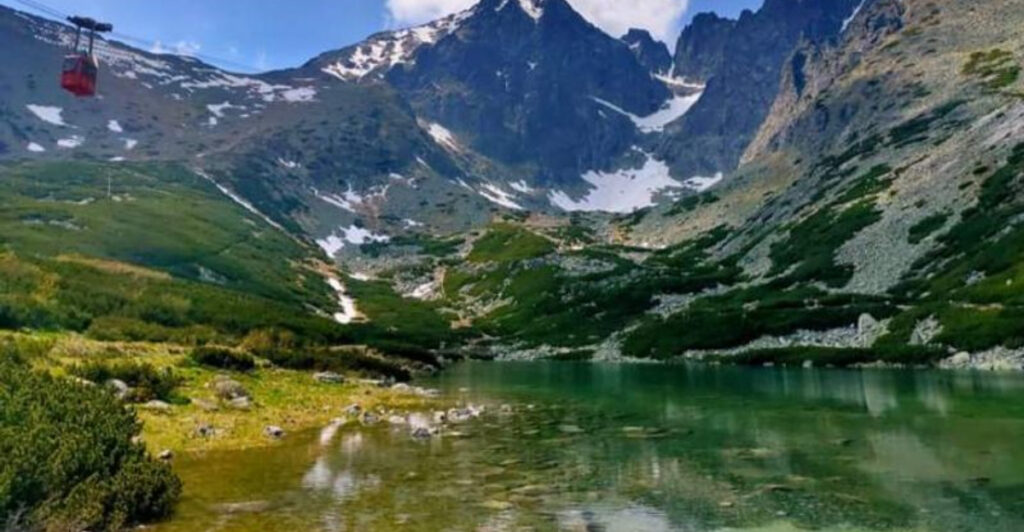
Europe is packed with incredible hiking destinations, from icy Arctic trails to sun-drenched coastal paths. Whether you are a seasoned trekker or just starting out, there is a trail here that will challenge you, reward you, and probably make you question your choice of footwear.
I have spent years exploring European trails, and trust me, the views are always worth the blisters. Get ready to lace up your boots and discover the best hiking spots this continent has to offer.
The Dolomites, Italy
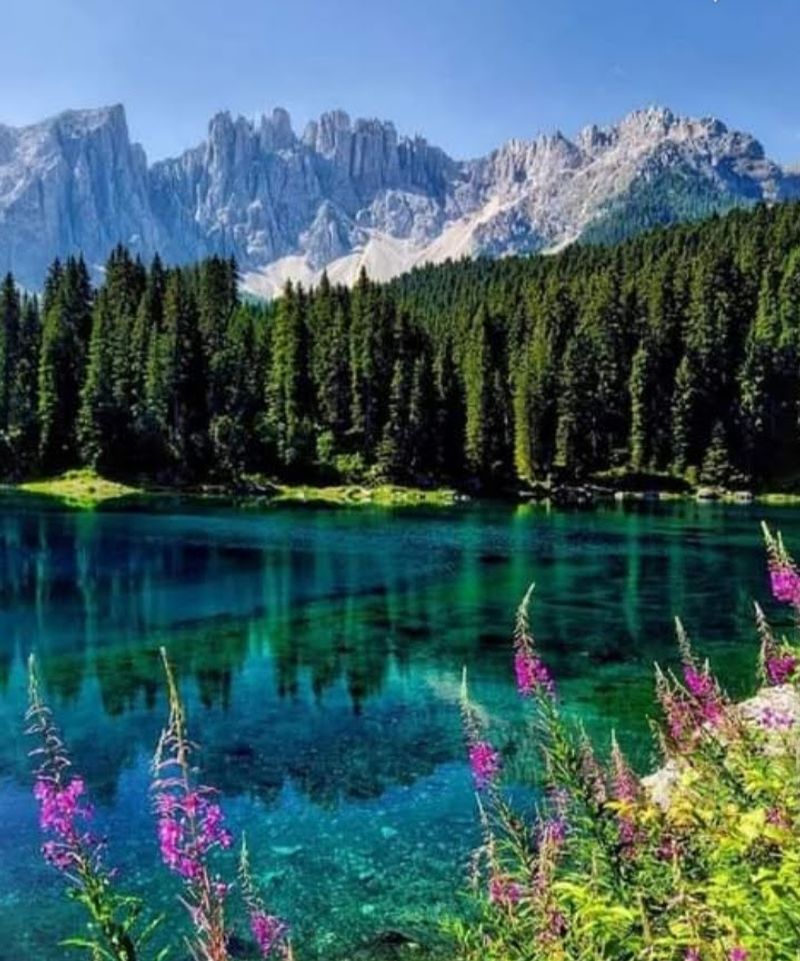
Some mountains look like they were designed by a dramatic film director, and the Dolomites are exactly that. Northern Italy’s iconic limestone towers rise so sharply they almost look fake.
The Alta Via 1 trail is a hut-to-hut classic that will test your legs and reward your eyes in equal measure.
The Tre Cime di Lavaredo loop is probably the most photographed hike in Italy, and for good reason. Three massive rock pillars dominate the skyline like nature’s own skyscrapers.
I completed this loop on a crisp September morning and genuinely could not stop grinning.
Mountain rifugios make overnight stays surprisingly comfortable. You get a warm meal, a bunk bed, and a sunrise view that no hotel can match.
Summer and early autumn are the best seasons, so plan ahead and book your rifugio spots early because they fill up fast.
Lofoten Islands, Norway
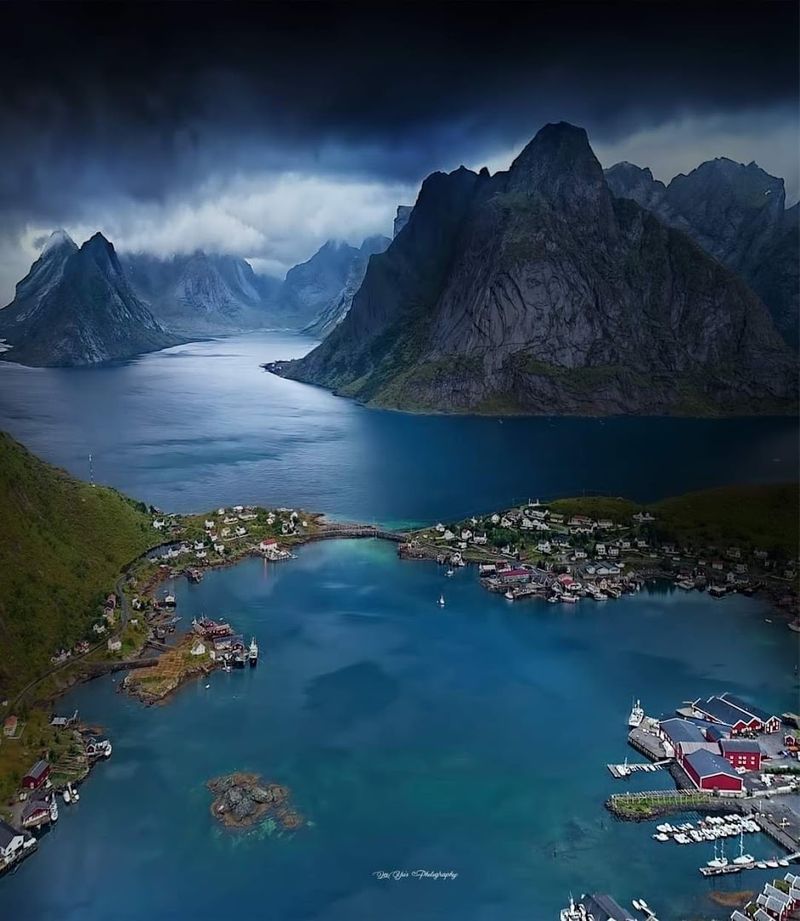
The Lofoten Islands broke my brain a little. White-sand beaches sitting beneath jagged Arctic peaks, fishing villages painted in red and yellow, and the sun refusing to set at midnight.
It looks like someone stitched two completely different landscapes together and somehow made it work perfectly.
Reinebringen is the star climb here. It is steep, relentless, and absolutely worth every step once you reach the top and see the fjords stretching out below you.
Coastal trails offer a gentler alternative for those who prefer their adventures with slightly less vertical drama.
Hiking under the midnight sun is genuinely surreal. You check your watch, it says 11 PM, and the sky is still glowing gold.
Pack layers because Arctic weather changes quickly, and bring a camera because your phone storage will not survive Lofoten without some serious pre-trip clearing.
Tour du Mont Blanc, France, Italy and Switzerland
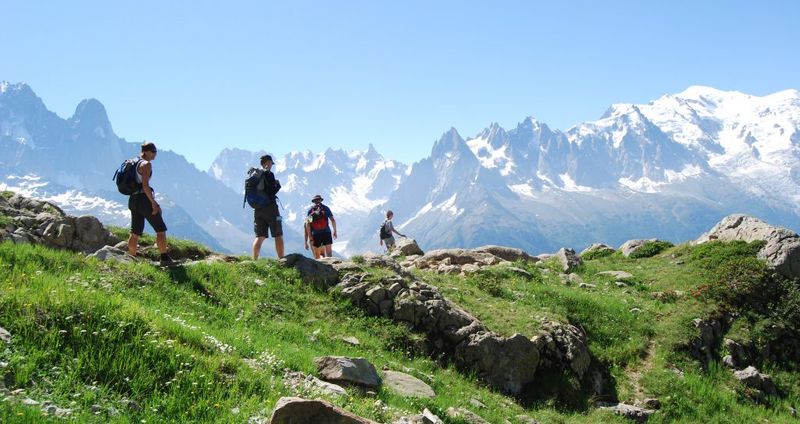
Walking around one of Europe’s highest mountains through three countries sounds like an overachiever’s holiday, and honestly, it is. The Tour du Mont Blanc covers roughly 170 kilometers of alpine valleys, glacier views, and charming mountain villages that make every sore muscle feel justified.
France, Italy, and Switzerland each bring their own flavor to the trail. French refuges, Italian rifugios, and Swiss mountain huts all serve different food, which is basically the best reason to keep walking.
The trail is challenging but well-marked, making it manageable for experienced hikers with solid fitness.
Most trekkers complete it in 11 days, though you can stretch it longer if you enjoy lingering over views and extra portions of alpine cheese. Book accommodation months in advance because popular stops fill up quickly.
This is one trek where planning pays off as much as the hiking itself.
Madeira, Portugal
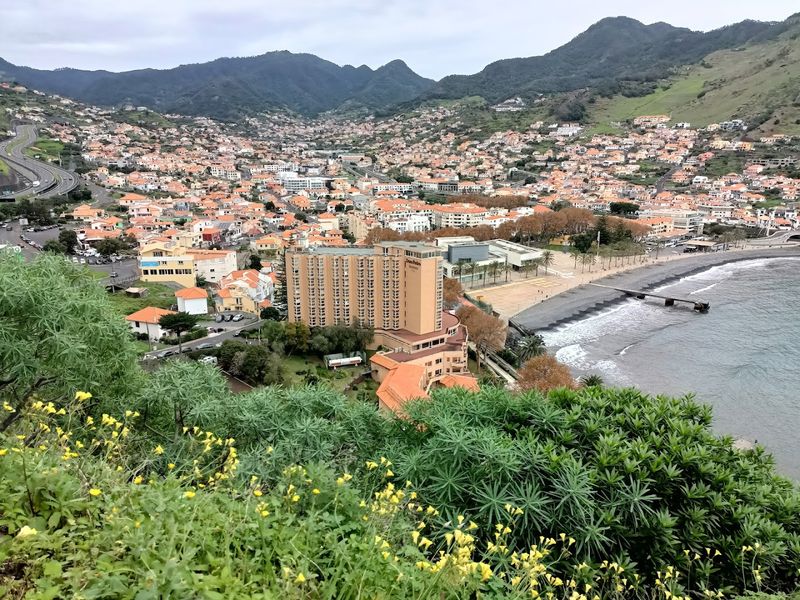
Madeira is the kind of place that makes you wonder why you ever hiked anywhere else. Volcanic mountains, ancient cloud forests, and coastal cliffs that drop straight into the Atlantic Ocean combine to create one of Europe’s most diverse hiking islands.
It punches well above its size.
The levada walks are Madeira’s signature experience. These narrow irrigation channels wind through the island’s interior, and the trails alongside them offer flat, scenic routes through some seriously wild landscape.
For something more demanding, ridge traverses like Pico do Arieiro to Pico Ruivo will properly test your legs.
Overcrowding on popular trails has become a real issue, so the island introduced a reservation system for certain routes. Always check the official Madeira hiking portal before your trip.
Going early in the morning also helps you beat the crowds and catch the best light on those dramatic clifftop views.
The Scottish Highlands, Scotland
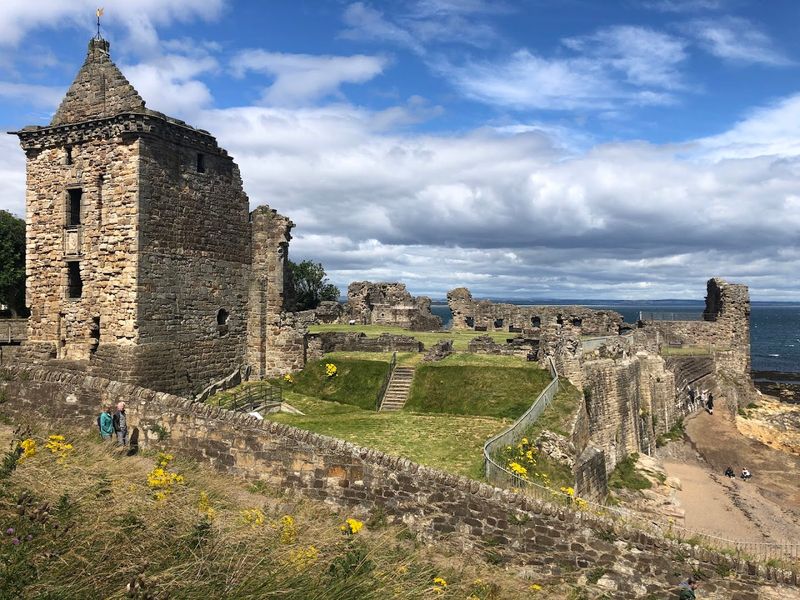
Scotland does not do subtle. The Highlands serve up moody skies, vast empty glens, and mountains that look like they belong in an ancient legend.
Rain is basically part of the experience, and after a while, you actually start to enjoy it in a slightly masochistic way.
The West Highland Way is the region’s most famous long-distance trail, stretching from Milngavie near Glasgow all the way to Fort William. It passes lochs, moors, and some genuinely jaw-dropping mountain scenery over about 154 kilometers.
I tackled a section near Rannoch Moor and felt like the only person left on Earth.
Midges are Scotland’s tiny, uninvited hiking companions. These microscopic insects swarm in summer, especially near water and in calm weather.
Pack insect repellent, wear long sleeves at dawn and dusk, and accept that the midges will win a few rounds. The scenery more than compensates.
Kungsleden Trail, Sweden
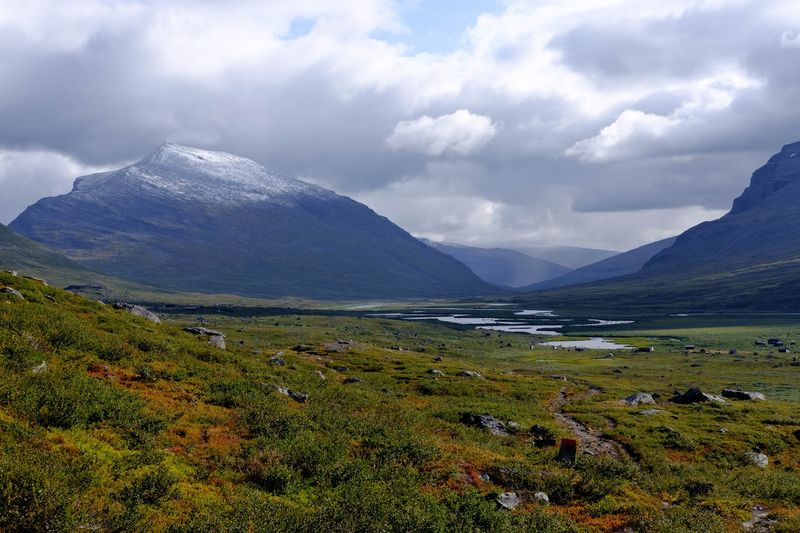
Sweden named this trail the King’s Trail, and after walking a section of it, you understand why. The Kungsleden stretches 440 kilometers through Arctic wilderness, birch forests, and open tundra that feels completely untouched by modern life.
Reindeer might wander past your tent. That is just a normal Tuesday up here.
The trail runs above the Arctic Circle, which means midnight sun in summer and genuinely other-worldly light conditions for photography. Encounters with Sami culture along the route add a fascinating human layer to what could otherwise just be an exercise in beautiful emptiness.
STF mountain stations provide warm meals and beds at regular intervals.
Solitude seekers will find the Kungsleden deeply satisfying. Crowds are thin compared to Alpine routes, and the pace feels naturally slower.
Go in late July or August for the best conditions. Mosquitoes are enthusiastic in early summer, so pack accordingly and do not say I did not warn you.
Tatra Mountains, Poland and Slovakia
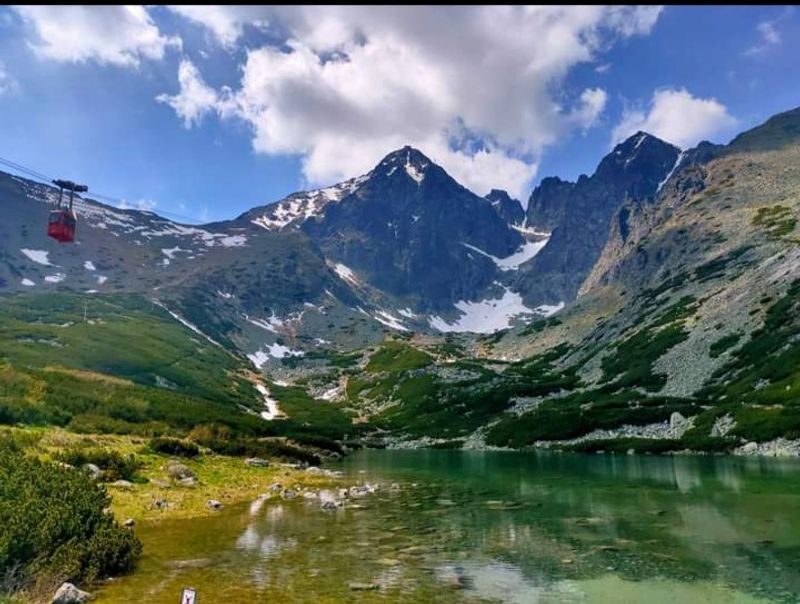
The Tatras are Europe’s best-kept secret, and hikers who discover them tend to get slightly smug about it. Shared between Poland and Slovakia, this compact but seriously dramatic mountain range packs in rocky peaks, glacial lakes, and ridge trails that demand both fitness and a good head for heights.
Rysy is the highest peak on the Polish side and a rite of passage for serious hikers. The summit route is steep and exposed in places, but the panoramic views across both countries make the effort absolutely worthwhile.
Morskie Oko lake below is one of the most beautiful alpine lakes I have ever stood beside.
The Tatras are small enough to explore in a focused week-long trip, which makes them perfect for travelers who want alpine adventure without committing to a month-long expedition. Stay in Zakopane on the Polish side for great food, lively atmosphere, and easy trail access every single morning.
Julian Alps, Slovenia
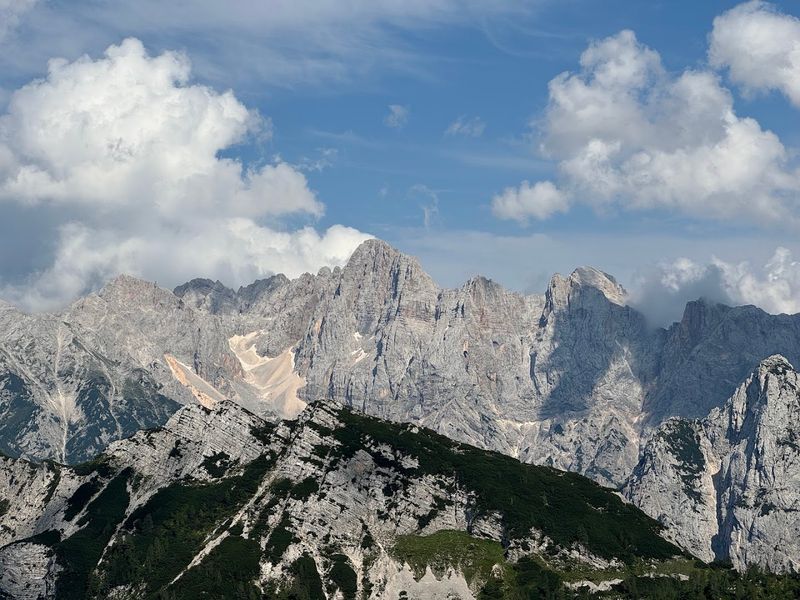
Slovenia is tiny, but its Julian Alps hit well above their weight class. Triglav National Park covers nearly four percent of the entire country and delivers alpine scenery that rivals far more famous European ranges.
Crystal-clear rivers, forested valleys, and jagged peaks make this one of Central Europe’s finest outdoor destinations.
Mount Triglav is Slovenia’s highest peak at 2,864 meters and carries serious national significance. Slovenians consider climbing it a patriotic duty, and the summit routes are genuinely demanding.
The Juliana Trail offers a longer, more relaxed circuit around the entire park for those who prefer multi-day scenic touring over peak-bagging.
Bled and Bovec are the best bases for exploring the region. Both towns offer great food, affordable accommodation, and immediate access to excellent trails.
Slovenia also happens to be one of Europe’s most affordable alpine destinations, which means your hiking budget stretches considerably further here than in Switzerland or Austria.
Iceland’s Laugavegur Trail, Iceland
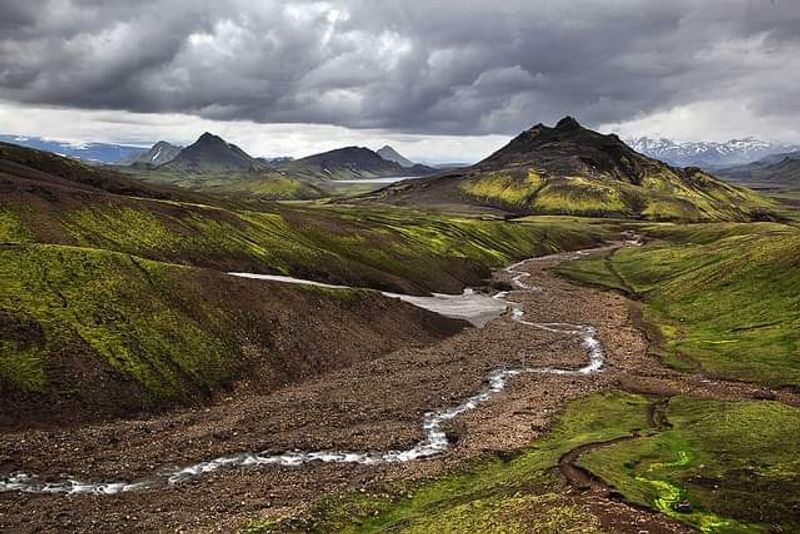
No other trail in Europe looks quite like the Laugavegur. Iceland’s most famous multi-day hike crosses volcanic deserts, electric-colored rhyolite mountains, and lava fields that look like they belong on another planet.
It is 55 kilometers of scenery that genuinely has no comparison anywhere else on Earth.
The route runs from Landmannalaugar to Thorsmork and typically takes four days. Huts are bookable along the way, which saves you from carrying a full camping kit.
Iceland’s weather, however, is famously unpredictable and will throw wind, rain, sunshine, and possibly sleet at you within a single afternoon.
Crossing glacial rivers is part of the adventure on this trail. Some crossings have stepping stones, others require wading, and water temperature is always shockingly cold.
Waterproof boots are non-negotiable. Book huts months in advance because the Laugavegur fills up fast, especially in July and August when the trail is at its most accessible.
Swiss Alps, Switzerland
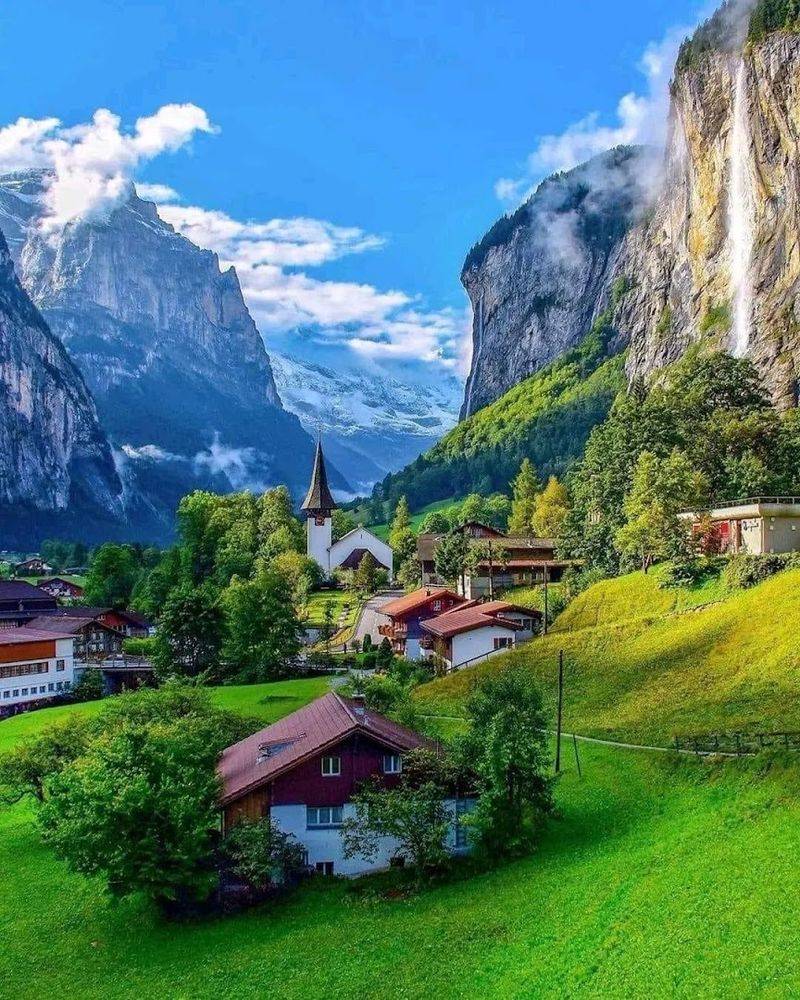
Switzerland charges a premium for everything, including its mountain views, but the Swiss Alps deliver a hiking experience so polished it almost feels unfair to other countries. Trails are immaculately marked, mountain huts serve proper hot meals, and the scenery around every corner is genuinely calendar-worthy.
Zermatt sits in the shadow of the Matterhorn and offers trails for every ability level. Grindelwald and Lauterbrunnen in the Bernese Oberland are equally stunning, with waterfalls, glaciers, and iconic views that have been drawing hikers for well over a century.
The Five Lakes Walk near Zermatt is one of my personal favorites for sheer scenic reward per kilometer.
Swiss public transport connects hikers to trailheads with remarkable efficiency. Cable cars and mountain railways reduce the grunt work of gaining altitude, leaving your energy for the good parts.
A Swiss Travel Pass makes getting around affordable and adds genuine value to any multi-day hiking trip across the country.
Picos de Europa, Spain
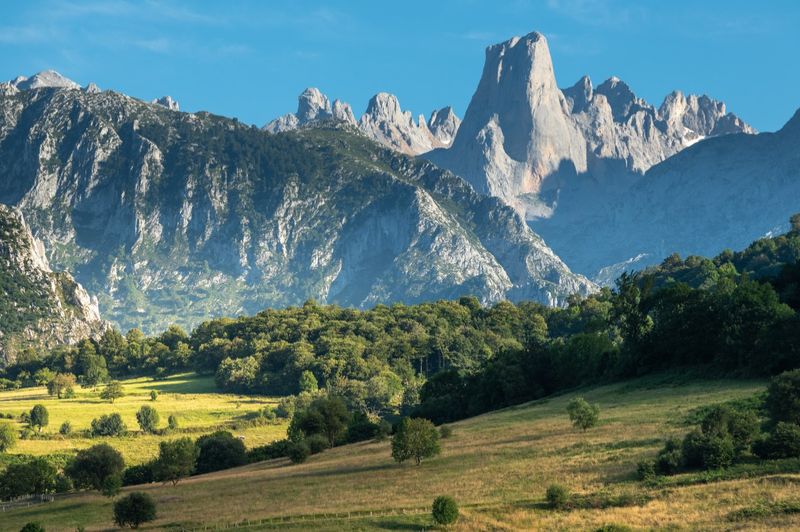
Northern Spain’s Picos de Europa are what happens when limestone mountains decide to get seriously dramatic. Deep gorges, jagged ridgelines, and viewpoints that make your stomach drop combine to create one of the Iberian Peninsula’s most rewarding hiking regions.
Best of all, it is nowhere near as crowded as the Alps.
The Cares Gorge trail is the undisputed star of the Picos. This 12-kilometer route cuts through a spectacular river canyon with sheer cliffs rising hundreds of meters on either side.
It is not technically difficult, but the exposure and scenery make it feel like a genuine adventure throughout.
The nearby town of Potes makes an excellent base, with good local food and easy access to multiple trailheads. Picos de Europa also sits within easy reach of the Cantabrian coast, so you can combine mountain hiking with seafood lunches by the ocean.
That is not a bad way to spend a week at all.
Cinque Terre National Park, Italy
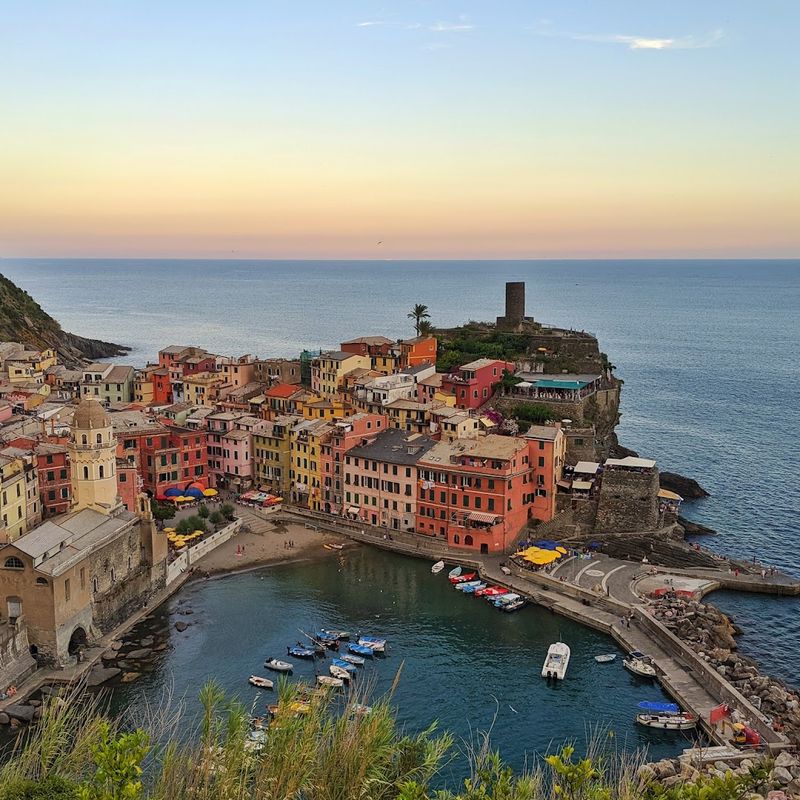
Cinque Terre is where hiking meets an Instagram account that is clearly doing very well. Five pastel-colored villages clinging to steep cliffs above the Mediterranean, connected by coastal trails that offer some of the most photographed views in all of Italy.
Yes, it gets busy. Yes, it is still worth it.
The trail network has had sections close periodically for maintenance and weather damage, so checking the official Cinque Terre website before your trip is genuinely important rather than just a polite suggestion. The Via dell’Amore section between Riomaggiore and Manarola has been restored and is a highlight of the coastal path.
Go in May or early October to avoid peak summer crowds. The national park charges an access fee for the main trails, which helps fund maintenance and conservation.
Wear proper shoes because the paths are uneven and rocky, and resist the temptation to hike in sandals no matter how warm the weather gets.
Pyrenees Mountains, France and Spain
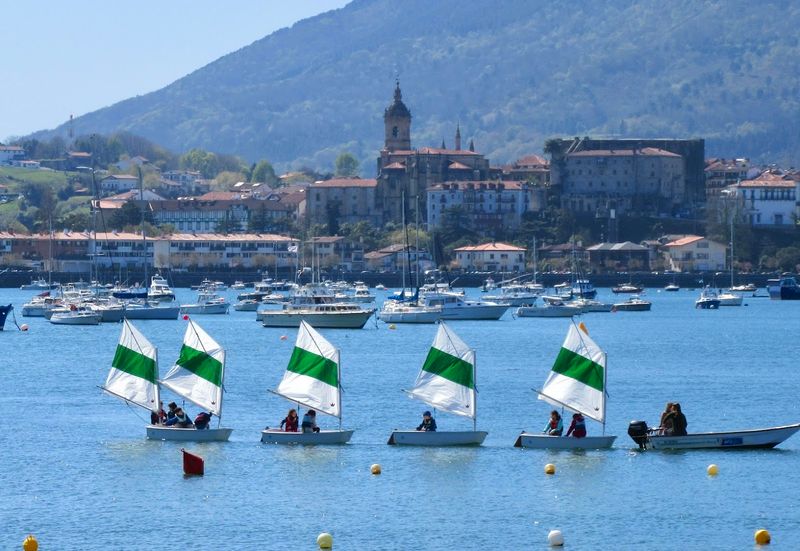
The Pyrenees are the Alps’ quieter, slightly wilder sibling, and serious trekkers love them for exactly that reason. Stretching 430 kilometers along the French and Spanish border, this mountain range offers remote passes, hidden lakes, and traditional villages that feel genuinely off the beaten tourist trail.
The GR10 runs the length of the French side while the GR11 covers the Spanish flank. Both are multi-week undertakings that attract experienced trekkers looking for sustained adventure without the crowds of more famous Alpine routes.
Day hikers can pick stunning sections near Gavarnie or the Ordesa Valley without committing to the full route.
Wildlife spotting in the Pyrenees is a genuine bonus. Brown bears have been reintroduced to the range, and griffon vultures circle overhead with impressive wingspan.
The border crossing passes add a satisfying sense of geographic achievement to each hiking day. Pack rain gear because the weather shifts fast and catches out the unprepared regularly.
Saxon Switzerland National Park, Germany
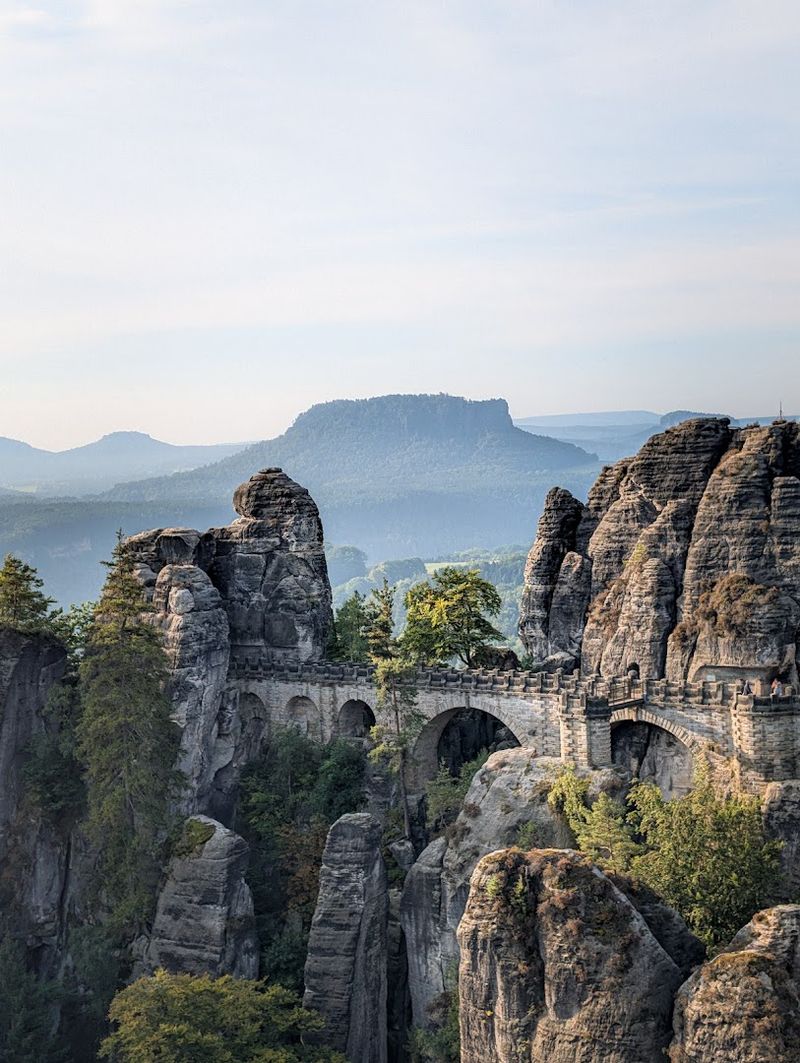
Saxon Switzerland has nothing to do with Switzerland and everything to do with towering sandstone pillars, forested gorges, and viewpoints so dramatic they make German hikers go completely speechless. Located in eastern Germany near Dresden, this park is one of Central Europe’s most distinctive and underappreciated landscapes.
The Bastei Bridge is the park’s most famous landmark, a sandstone ridge with a historic bridge perched above the Elbe River valley at a genuinely dizzying height. Beyond the main tourist spots, quieter trail networks wind through rock formations, caves, and dense forest that reward explorers who wander off the obvious path.
Dresden is just 30 kilometers away, making Saxon Switzerland an easy add-on to a city break. The combination of cultural sightseeing and proper outdoor hiking in one trip is hard to beat for value and variety.
Autumn is particularly spectacular here when the forest turns gold and the sandstone glows in the low afternoon light.
Plitvice Lakes National Park, Croatia
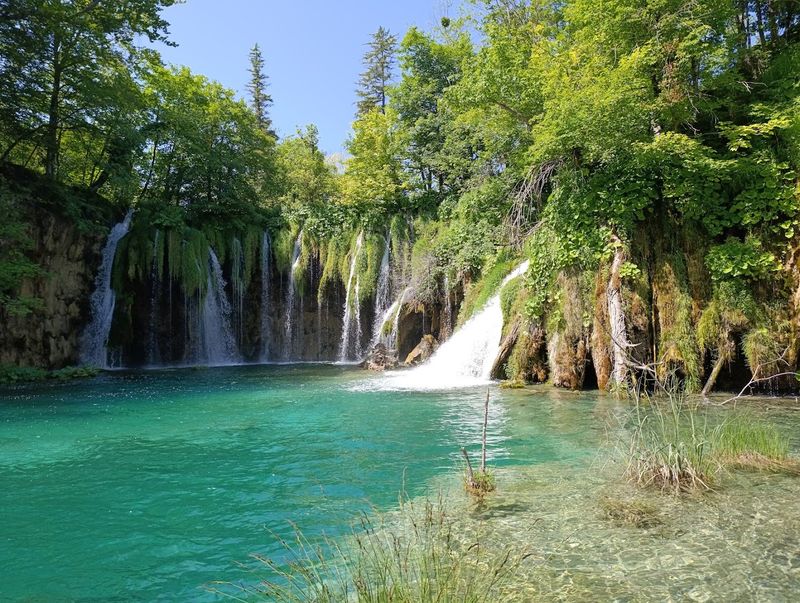
Plitvice Lakes is what happens when a national park decides to show off. Sixteen terraced turquoise lakes connected by cascading waterfalls and wooden boardwalk trails create a landscape so vivid it looks permanently filtered.
Croatia’s most visited national park earns every single tourist it attracts, which is saying something.
The boardwalk trails make Plitvice accessible for hikers of most fitness levels, which is part of its broad appeal. This is not rugged alpine territory, but the sheer visual drama of the lakes and waterfalls more than compensates for the lack of steep climbs.
Walking the upper and lower lake circuits together takes about four to six hours.
Timed entry tickets are required and sell out well in advance during summer. Booking online before your trip is essential rather than optional.
Spring is arguably the best time to visit when snowmelt boosts the waterfalls to their most powerful and crowds are thinner than the peak July and August rush.
Share this story