 Unearth The Voyage
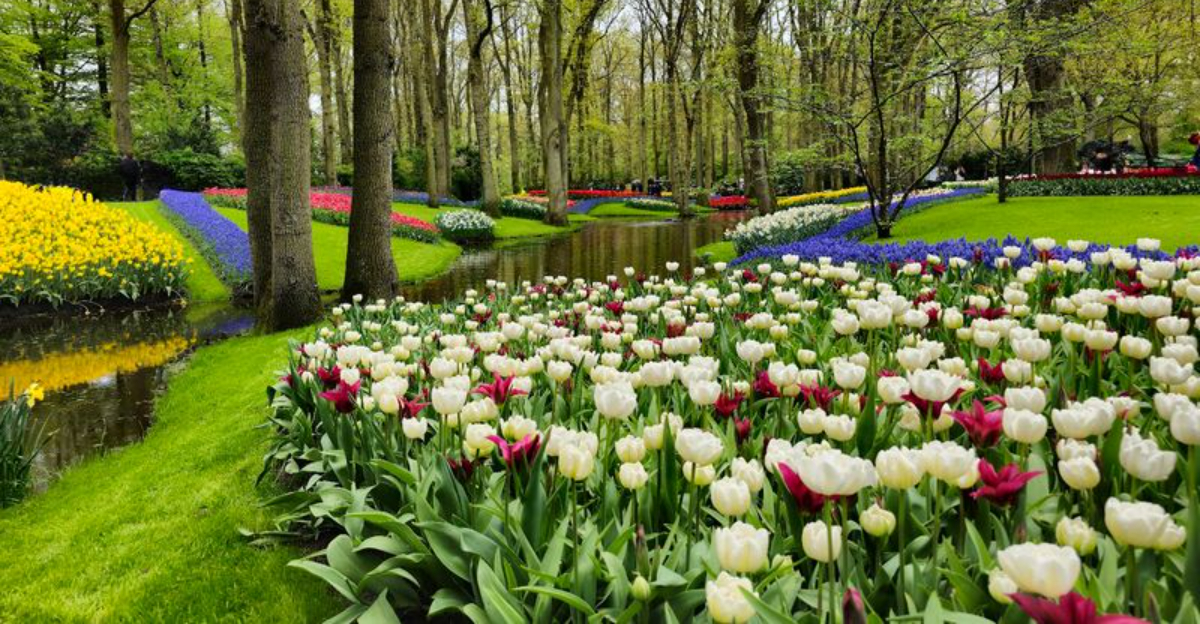
Spring in Europe is basically the continent showing off. Flowers everywhere, longer days, and that sweet spot before summer crowds take over.
I took my first European spring trip years ago and immediately wondered why I had ever traveled in any other season. Whether you are after festivals, hikes, or just great coffee on a sunny terrace, these 15 destinations will make your spring plans seriously hard to narrow down.
Seville (Spain)
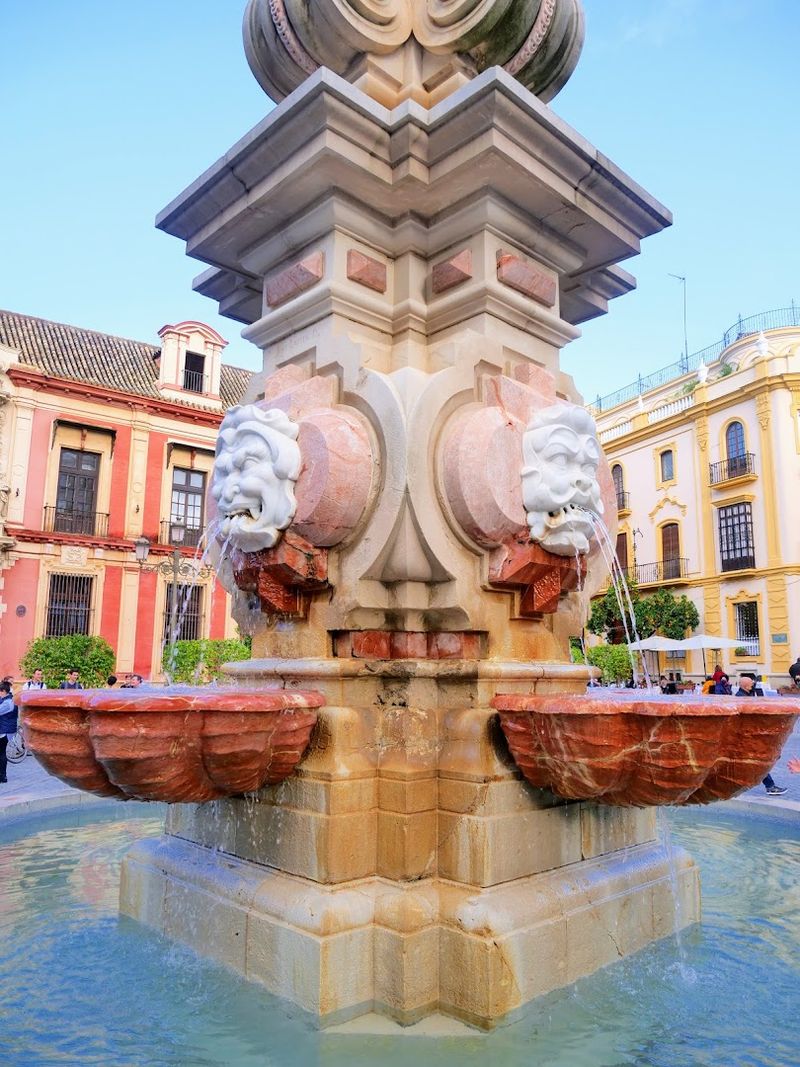
Seville does not do spring quietly. The city layers Semana Santa processions straight into the Feria de Abril, giving visitors two back-to-back events that define Spanish culture at its most theatrical.
Semana Santa fills the streets with candlelit floats and centuries-old brotherhoods. Then, just weeks later, the Feria transforms a dedicated fairground into a city-within-a-city, packed with music, dancing, and enough color to make your eyes happy.
Outside festival season, Seville in spring is still exceptional. Temperatures are warm but not brutal, the orange blossom scent drifts through the old town, and the Alcazar gardens are genuinely beautiful at this time of year.
I spent an afternoon just wandering Triana without any agenda and ended up at a tiny tapas bar that became my favorite meal of the whole trip. That is Seville’s real trick.
It rewards slow, unplanned exploration just as much as any organized itinerary.
Madeira (Funchal, Portugal)
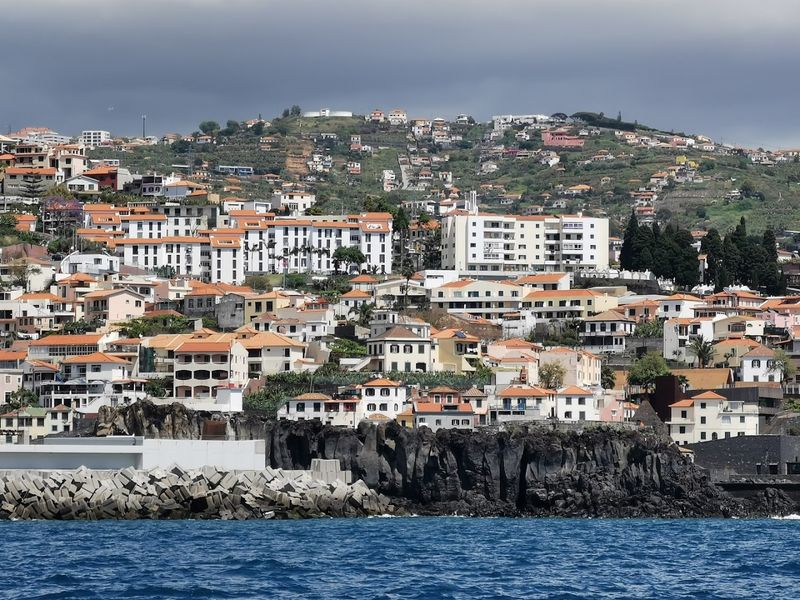
Madeira has a reputation as a year-round destination, but spring is when the island genuinely outdoes itself. The Flower Festival in Funchal is the centerpiece, and it is a proper spectacle.
Streets fill with floral carpets, children carry bouquets in parades, and the whole city smells like a botanical garden that forgot to stay contained. It is charming in a way that feels completely unforced.
Beyond the festival, Madeira’s spring hiking conditions are among the best in Europe. The levada walks, which follow centuries-old irrigation channels through lush valleys, are cooler and greener than in summer.
The dramatic northern coastline looks especially wild in April and May.
Funchal itself is worth several days on its own. The covered market, the hillside neighborhoods, and the cable car up to Monte all deliver.
Madeira is one of those places that keeps surprising you the longer you stay. Book more days than you think you need.
Valencia (Spain)
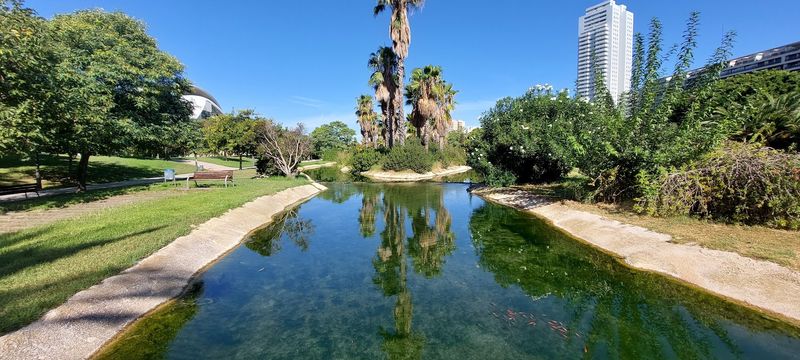
Las Fallas is the only festival I know where the grand finale involves setting everything on fire. Giant satirical sculptures, some standing several stories tall, are built over months and then burned on the final night.
It is spectacular and slightly surreal.
UNESCO lists the Fallas Festivity as Intangible Cultural Heritage, and the core dates run March 14 through 19. Every day brings parades, flower offerings, and the famous mascletà, a daily firecracker display that is less about light and more about raw noise.
Valencia is also just a fantastic city outside of festival season. The City of Arts and Sciences looks like a set from a sci-fi film.
The beach is walkable from the city center. The paella here is the real deal, not the tourist imitation you get elsewhere.
Spring temperatures are ideal for exploring on foot. Valencia rewards walkers who wander off the main tourist circuit into its quieter neighborhoods and local market halls.
Keukenhof (Lisse, Netherlands)
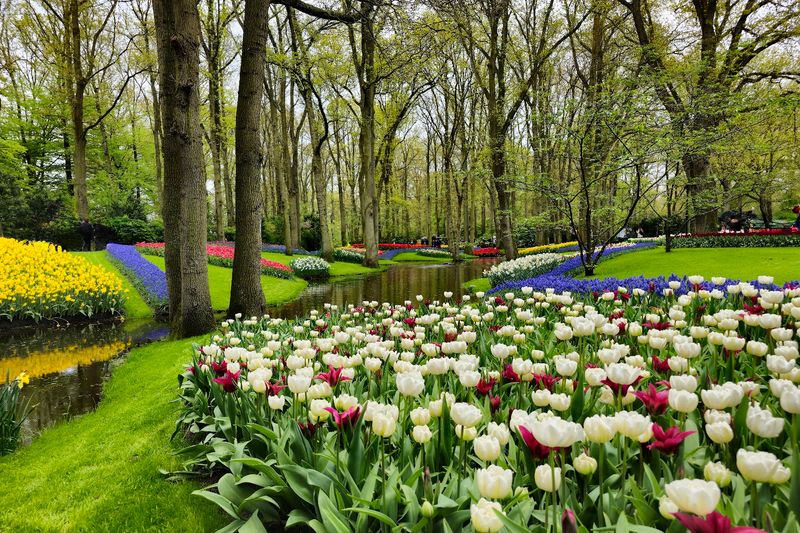
Seven million bulbs. That is not a typo.
Keukenhof plants around seven million flowers each season, and the result is one of the most jaw-dropping garden displays on the planet.
Located in Lisse, about 40 minutes from Amsterdam, the park is only open for a limited window each spring. Missing it means waiting a full year, so check the official dates before booking anything.
The best strategy is arriving early on a weekday. Crowds build fast, especially on weekends.
Renting a bike to explore the surrounding bulb fields is a brilliant move that most visitors skip entirely.
Tulips get all the glory, but hyacinths and daffodils steal their share of the spotlight too. There are themed pavilions, windmills, and boat tours through the flower fields nearby.
It is a lot to take in, but in the best possible way. Go once and you will immediately start planning your return.
Vienna (Austria)
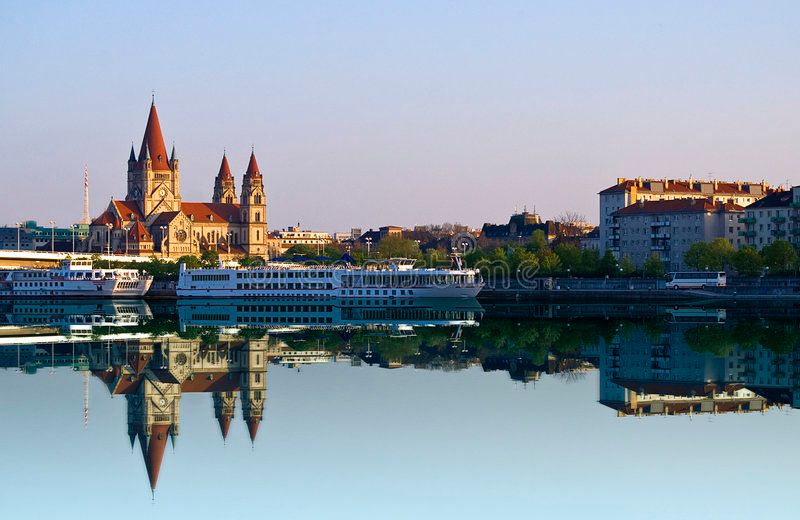
Vienna has a particular talent for making you feel like you are living inside a very elegant postcard. Spring softens the city’s grand architecture with blossom trees and longer golden afternoons.
Schonbrunn Palace hosts a seasonal Easter and Spring Market with decorated stalls, local crafts, and food that makes lingering unavoidable. The palace gardens themselves are worth an hour just for the walk up to the Gloriette viewpoint.
The coffee house culture here is not just a cliche. Sitting in a Viennese Kaffehaus with a melange and a slice of Apfelstrudel while watching spring rain tap the window is genuinely one of life’s small pleasures.
I did exactly that on my last visit and felt no guilt whatsoever.
Museum Quarter, the Naschmarkt, and a stroll along the Ringstrasse all feel better with mild spring temperatures. Vienna is one of those cities where doing very little still feels incredibly worthwhile.
That is high praise.
Edinburgh (Scotland)
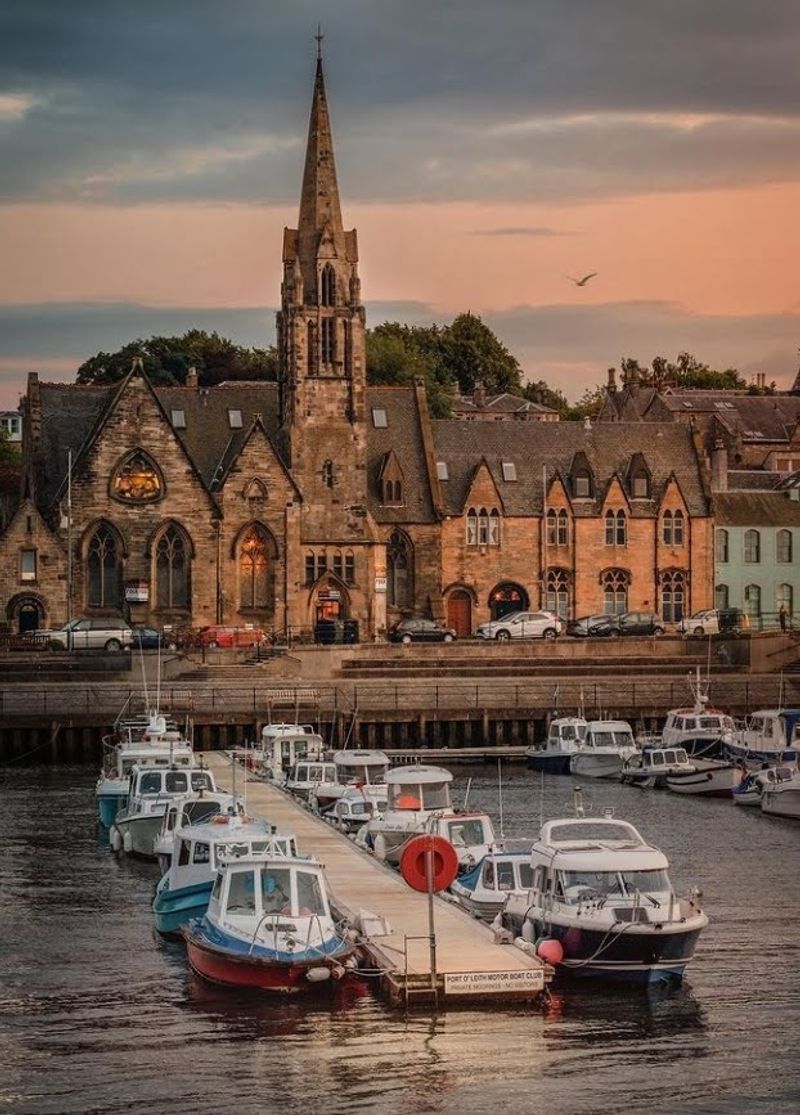
Scotland in spring is a gamble, and Edinburgh knows it. The city plays up the drama with unpredictable skies that make every clear afternoon feel like a gift you did not expect.
The Beltane Fire Festival on April 30 is one of the most visually striking events in the UK calendar. Performers with fire, ancient Celtic ritual energy, and a hilltop setting above the city skyline make it genuinely unforgettable.
Calton Hill is the venue, and the atmosphere is unlike anything else in Europe.
Beyond Beltane, spring Edinburgh rewards explorers. Arthur’s Seat is a manageable hike with panoramic payoff.
The Royal Mile is far less crowded than in August. The National Museum of Scotland is free and frankly excellent.
Edinburgh’s food scene has improved dramatically over the last decade. Spring is a great time to book a few good restaurants without the summer competition for tables.
The city is smaller than it looks on a map and very walkable.
Bonn (Germany)
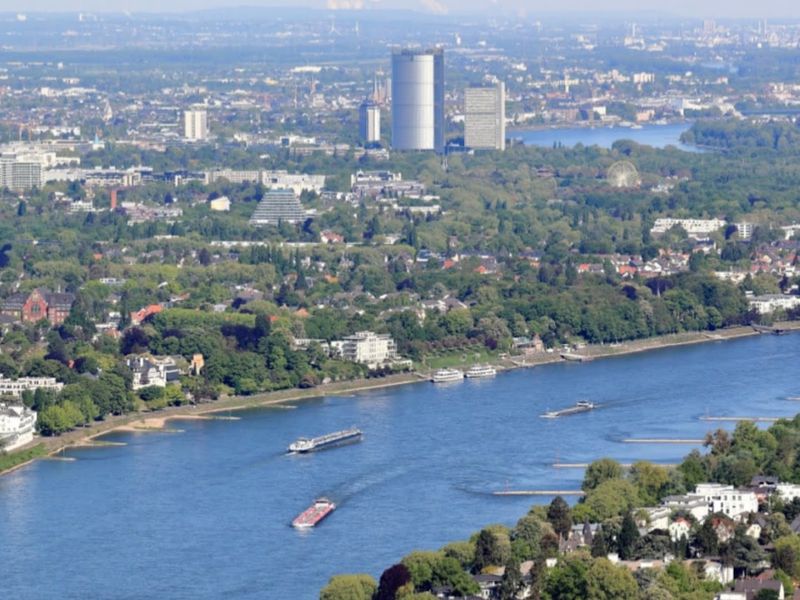
Bonn’s cherry blossom streets are one of Europe’s best-kept seasonal secrets, though the secret gets harder to keep every year. The Heerstrasse and surrounding roads in Nordstadt turn into a tunnel of pink blooms that photographers queue for at sunrise.
Timing is everything here. Bloom season typically falls in mid-to-late April, but it shifts depending on the year.
Checking local forecasts or blossom trackers in the weeks before your trip is genuinely worth the effort.
Bonn itself is often overlooked in favor of nearby Cologne, which is a mistake. As Beethoven’s birthplace, it has a solid cultural identity.
The Beethoven House museum is small but well done. The old town is relaxed, walkable, and not overrun with tour groups.
The Rhine promenade is lovely in spring for a slow afternoon walk. Grab a coffee, find a bench, and watch the river traffic go by.
Bonn is a low-pressure destination that consistently delivers more than visitors expect.
Cinque Terre (Italy)
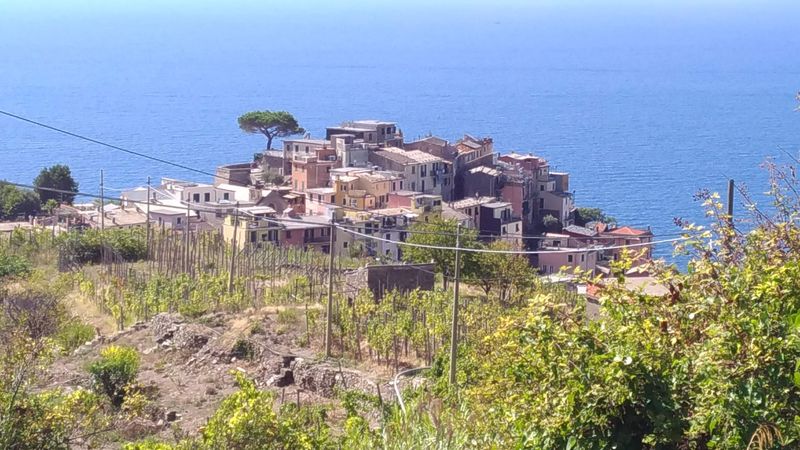
Five villages, zero cars, and trails that cling to cliffs above the Ligurian Sea. Cinque Terre in spring is the version of this place that actually matches the postcards, without the human gridlock of July and August.
April and May bring comfortable hiking temperatures and wildflowers on the terraced hillsides. The famous Sentiero Azzurro trail connects the villages along the coast and is genuinely rewarding when you are not shuffling through a crowd.
Each village has its own personality. Vernazza is the most photogenic.
Manarola has the famous harbor view. Riomaggiore is the easiest to reach by train.
Corniglia sits highest and rewards the climb. Monterosso has the best beach.
Spring also means better availability at the smaller guesthouses and trattorias. Booking ahead is still wise, but you have actual options.
The local focaccia and fresh seafood are reason enough to visit. The scenery is just a very convincing bonus on top of an already strong case.
Paris (France)
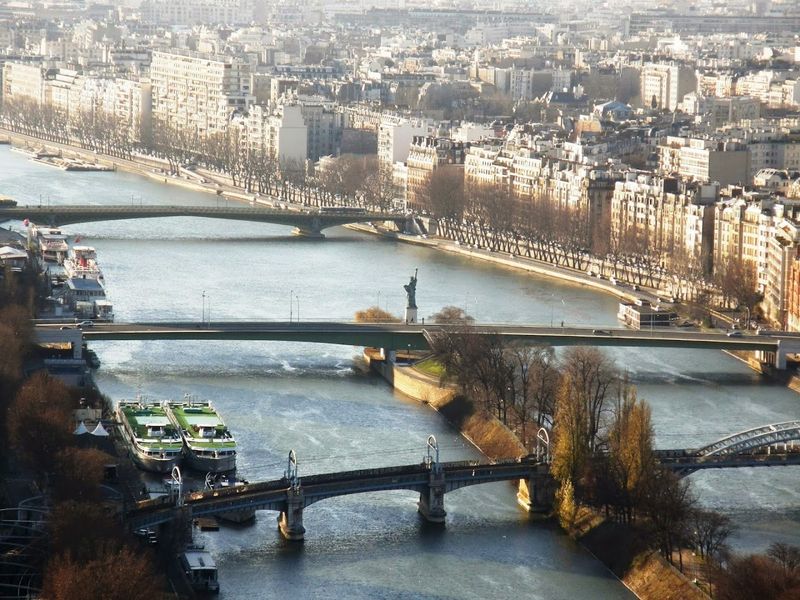
Paris in spring operates on its own logic. The city becomes less about ticking landmarks and more about the pleasure of simply being there, which is a very French way to exist.
Luxembourg Gardens fills with blossoming chestnut trees and Parisians who have clearly been waiting all winter for this. The Seine embankments are perfect for long, aimless walks.
Even the queue at a good boulangerie feels like part of the experience.
The major museums are worth visiting in spring, but the neighborhoods carry the real atmosphere. Le Marais, Montmartre, and Canal Saint-Martin each have distinct characters worth spending half a day in.
Skipping the Eiffel Tower in favor of a picnic near the Champ de Mars is a perfectly valid life choice.
Paris rewards slow mornings and long lunches. Spring light here has a quality that makes everything look slightly more beautiful than it probably deserves.
That is not a complaint. Book a neighborhood hotel and walk everywhere.
Prague (Czechia)
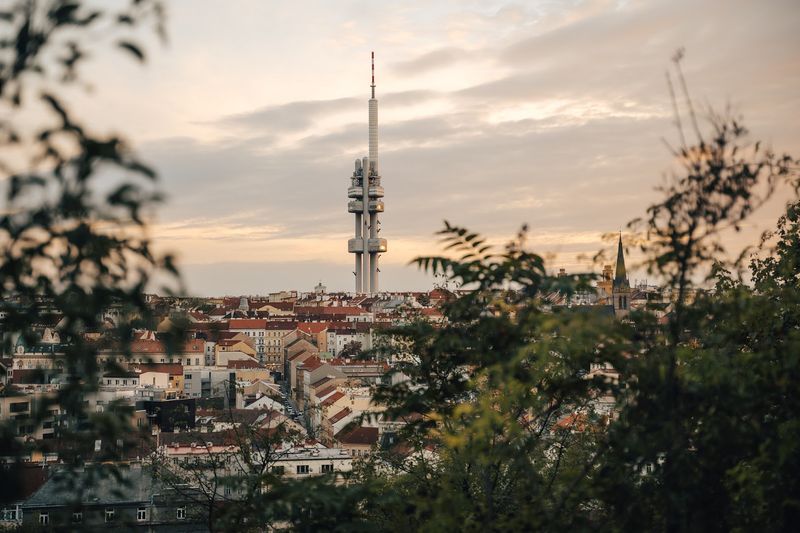
Prague is one of those cities that looks almost too beautiful to be real, and spring adds a layer of softness that makes the Gothic and Baroque architecture even more striking against blue skies.
The classic castle-to-river route through Mala Strana and across Charles Bridge is a must, but spring makes it actually enjoyable rather than a sweaty endurance test. Comfortable temperatures and manageable crowds make a real difference.
Letna Park and Vysehrad fortress are two spots that most visitors skip entirely, which is their loss. Both offer elevated views over the city without the selfie-stick density of the Old Town Square.
Prague’s food scene has improved considerably. Beyond svickova and goulash, there are now genuinely good modern Czech restaurants worth seeking out.
The craft beer culture here is serious business too. Spring evenings on a riverside terrace with a cold Czech lager are a strong argument for extending your stay by at least one day.
Copenhagen (Denmark)
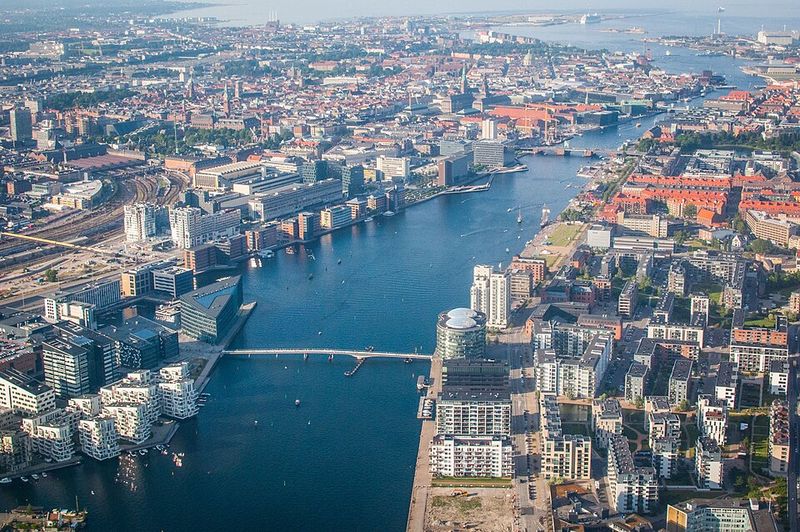
The moment Copenhagen’s outdoor terraces reopen in spring, the whole city exhales. Danes take outdoor socializing seriously, and watching an entire population reclaim their patios after a long winter is genuinely heartwarming.
Nyhavn is the obvious starting point, but the real Copenhagen lives in neighborhoods like Norrebro, Vesterbro, and Frederiksberg. These areas have better coffee, more interesting food, and locals who are not performing for tourists.
Spring day trips from Copenhagen are excellent. Roskilde, Louisiana Museum of Modern Art, and the North Zealand coast are all within an hour.
Hotel prices in the city are noticeably lower than in peak summer, which helps justify staying longer.
The cycling infrastructure here is so good that renting a bike for a day is less a tourist activity and more just the sensible way to get around. Tivoli Gardens reopens in spring too, which adds a cheerful, slightly retro charm to evening plans.
Copenhagen delivers on almost every level.
Lake Bled (Slovenia)
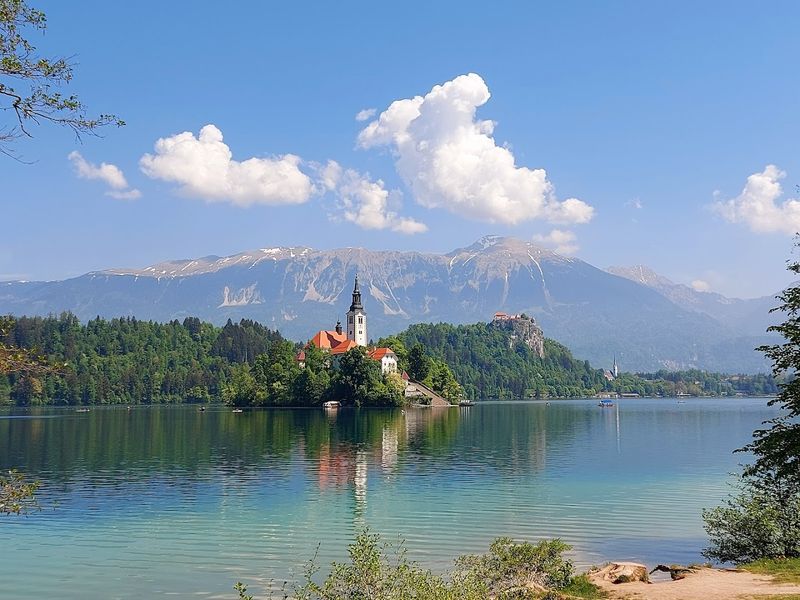
There is a small island in the middle of Lake Bled with a church on it. Boats ferry visitors across.
The Alps frame the whole scene behind a medieval castle on a cliff. Slovenia is not playing fair with its scenery.
Spring is arguably the best season here. The loop walk around the lake takes about two hours and rewards you with constantly shifting angles of the same impossibly good view.
Temperatures are cool enough to enjoy the hike without overheating.
Bled is a small town, which means it fills up fast in summer. Spring gives you the viewpoints and the waterfront without shoulder-to-shoulder competition.
The famous kremna rezina, a local vanilla cream cake, tastes the same regardless of season and is entirely worth the calories.
Vintgar Gorge, just a few kilometers away, is a spring bonus. Meltwater from the mountains fills the gorge with rushing turquoise water that looks almost artificial.
It is a short trip from Bled and one of the most striking natural sights in the region.
Dubrovnik (Croatia)
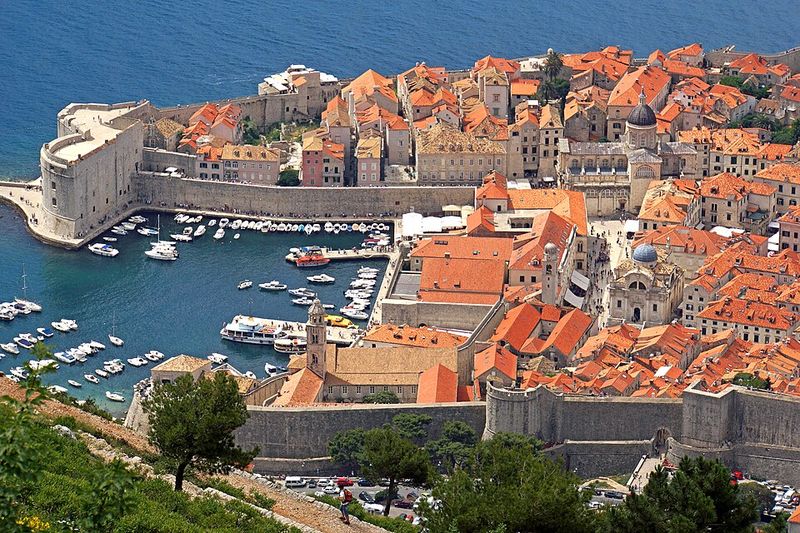
Dubrovnik in summer is famous for two things: stunning views and enormous cruise ship crowds. Spring neatly solves the second problem while keeping everything that makes the first one worth the trip.
Walking the city walls in April or May is a different experience entirely. You can actually stop to look at the Adriatic rather than shuffling forward in a slow-moving queue.
The light in the morning is exceptional from the walls, especially looking east toward Lokrum island.
The old town’s stone streets and baroque fountains feel more accessible when you can wander without a crowd pressing from all sides. Restaurants are more relaxed, prices are lower, and staff are genuinely happy to see you rather than mildly exhausted by you.
Spring also opens up excellent day trips. Konavle valley, the Elaphiti Islands, and Montenegro’s Bay of Kotor are all within reach.
Dubrovnik makes a strong base for exploring the southern Dalmatian coast at a pace that actually lets you enjoy it.
Santorini (Greece)
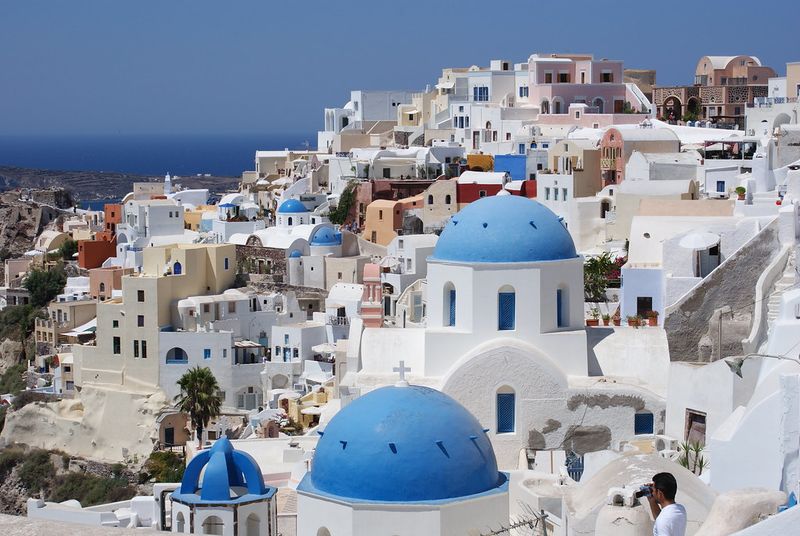
Santorini’s reputation for beauty is completely deserved and slightly exhausting to manage in peak summer. Spring is when the island actually becomes livable again, with mild temperatures that make walking between villages a pleasure rather than a survival challenge.
The caldera walk from Fira to Oia is about 10 kilometers and delivers continuous views over the volcanic bay. In April and May, you can take your time at every viewpoint without a crowd forming behind you.
That alone is worth the off-season timing.
The island’s volcanic beaches, black and red sand, are genuinely unusual and far less crowded in spring. Perissa and Kamari are worth a morning.
The wineries here produce excellent Assyrtiko white wine that pairs well with literally any meal on the island.
Oia at sunset is still busy in spring, but manageable. Arriving early and claiming a spot on the castle ruins gives you the famous view without the full theatrical scramble.
Santorini rewards visitors who plan just a little bit ahead.
Amsterdam (Netherlands)
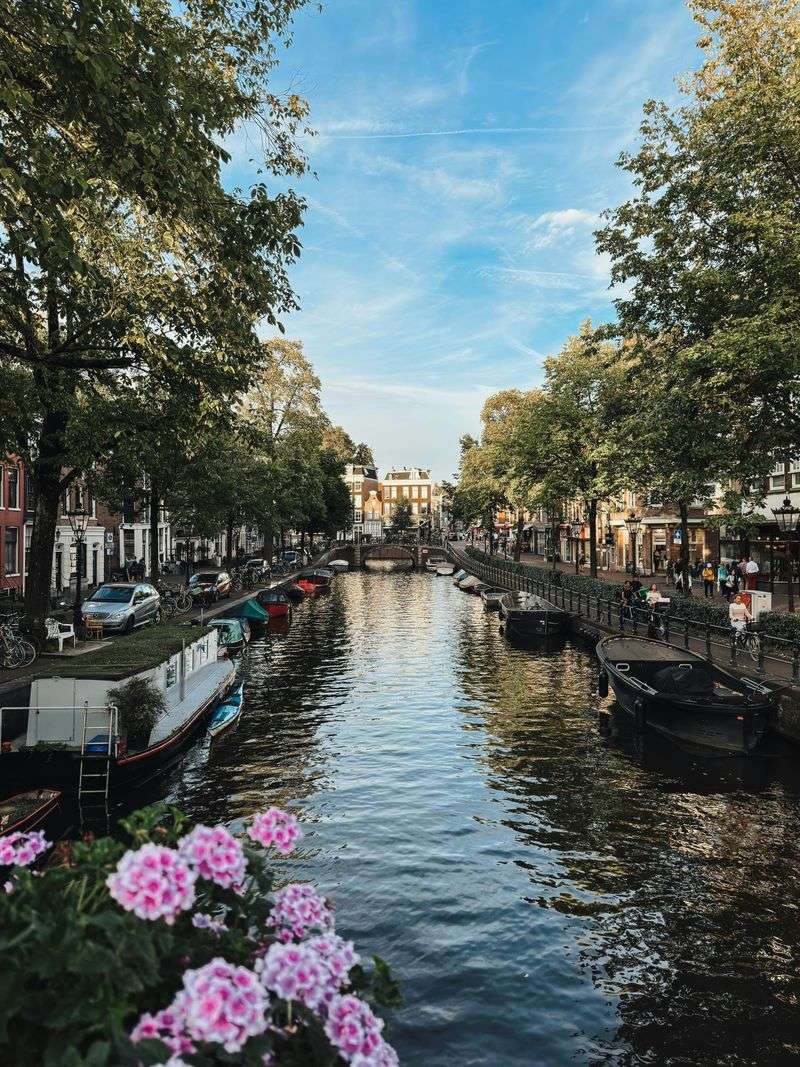
Amsterdam in spring has a certain smugness about it, and honestly the city has earned the right. Canals lined with blooming trees, cyclists everywhere, and a general atmosphere of a place that knows exactly how good it looks right now.
The city is an excellent base for day trips into the surrounding bulb fields and, of course, Keukenhof. But Amsterdam itself does not need a supporting act.
The Jordaan neighborhood in spring is one of the most pleasant urban walks in Europe, full of independent shops, brown cafes, and bridges that beg to be photographed.
The Rijksmuseum and Van Gogh Museum are both world-class. Pre-booking is essential year-round, but spring queues outside are at least bearable compared to August.
The NDSM Wharf and Noord district offer a grittier, more contemporary side of the city worth half a day.
Spring hotel rates are higher than winter but lower than summer. Arriving mid-week helps considerably.
Amsterdam is compact, endlessly walkable, and one of those cities that rewards returning visitors with something new every time.



