 Unearth The Voyage
Europe is packed with adventure, but some of the best experiences are found far from big cities—in small towns, remote valleys, and lesser-known regions where nature takes center stage. From kayaking wild rivers to hiking alpine trails and exploring rugged coastlines, these destinations offer a perfect mix of outdoor activity, authenticity, and fewer crowds.
Places like Slovenia’s Soča Valley or Norway’s fjords are known for combining dramatic landscapes with adventure sports, from rafting to mountain trekking. If you’re looking for something more immersive and off the beaten path, these 15 small European destinations deliver unforgettable adventure.
Soča Valley, Slovenia
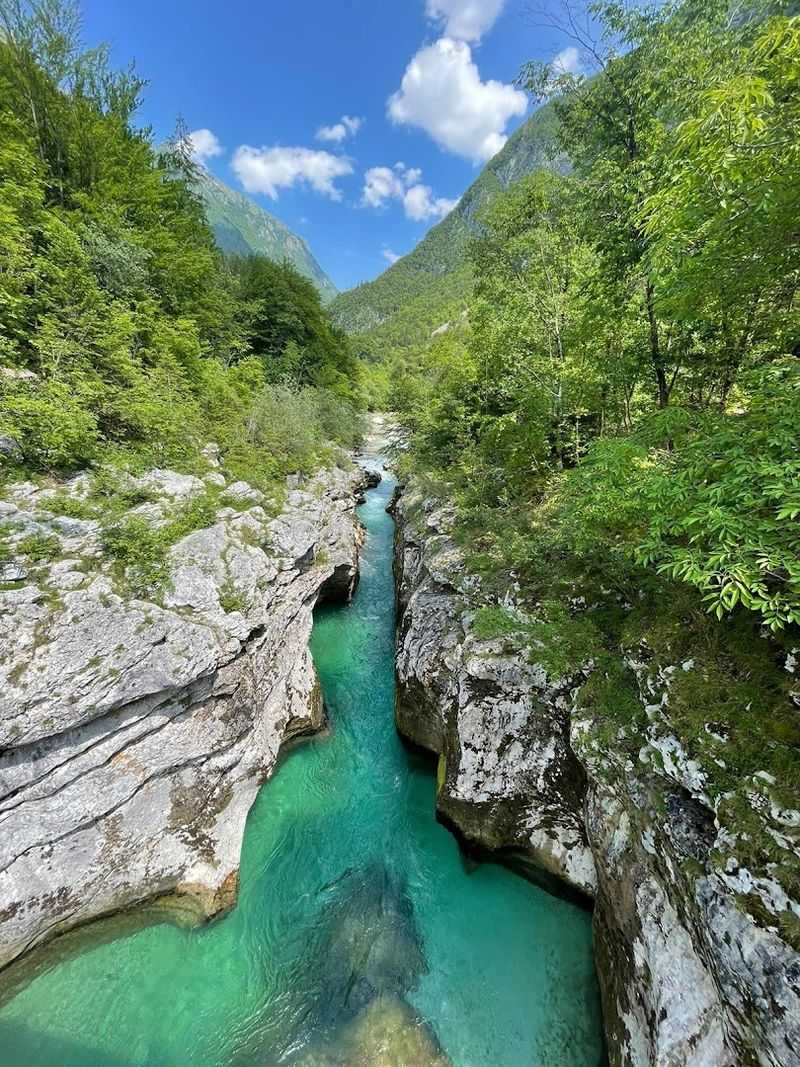
Picture a river so brilliantly green it looks like someone poured liquid emerald straight into the mountains—that’s the Soča River, and it’s every bit as stunning in person. The Soča Valley in Slovenia is one of Europe’s premier adventure playgrounds, drawing kayakers, rafters, and canyon explorers from across the globe.
Both beginners and seasoned paddlers find their match here, with calm stretches and heart-pumping rapids waiting just around every bend.
Surrounding the river, the Julian Alps offer world-class hiking and mountain biking trails that reward you with jaw-dropping panoramas at every turn. Multi-day hiking routes connect alpine huts where you can refuel with hearty Slovenian food before heading back out.
The trails range from easy forest walks to serious summit climbs, so there’s genuinely something for every fitness level.
The valley’s compact size makes it easy to pack multiple activities into a single trip. You could raft in the morning, hike a ridge in the afternoon, and still make it back to the village for a cold local beer.
Kobarid, a charming town in the valley, serves as the perfect adventure base with cozy guesthouses and experienced local guides ready to help you explore every corner.
Braemar, Scotland
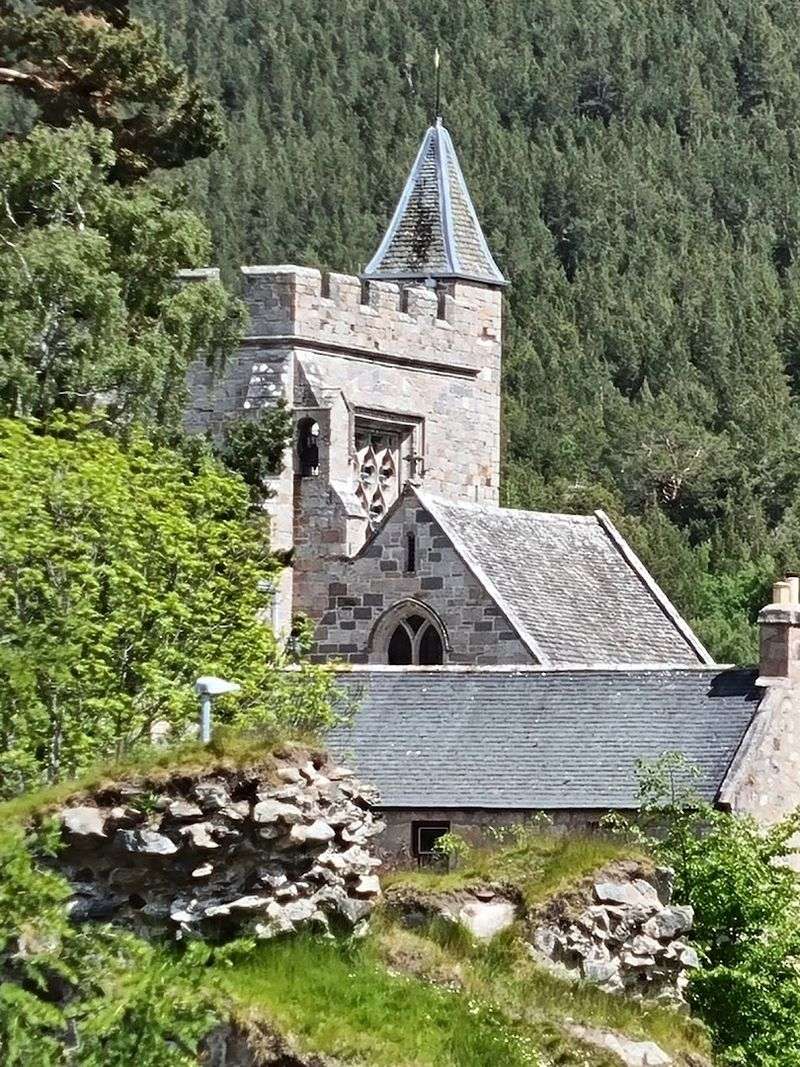
There’s something wonderfully stubborn about Braemar—this tiny Scottish village refuses to be overshadowed by bigger, flashier destinations, and honestly, it wins every time. Tucked inside the Cairngorms National Park, it sits at the heart of Britain’s largest national park, giving visitors immediate access to some of the most untamed Highland scenery imaginable.
The air here smells like pine and rain, and that combination alone feels like an adventure.
Hikers can tackle the famous Munros—Scottish peaks over 3,000 feet—right from the village doorstep. Wild swimming in glacially cold rivers and lochs is a rite of passage for the brave, while cycling routes wind through ancient Caledonian forests that feel straight out of a fairy tale.
The landscape changes dramatically with the seasons, offering a completely different experience in winter compared to long summer evenings.
Braemar’s outdoor culture runs deep. Locals here have been hunting, hiking, and competing in Highland Games for centuries, and that tradition of rugged self-reliance gives the village a genuine character you won’t find in tourist hotspots.
Small independent cafes and cozy pubs make excellent recovery spots after a long day on the trails. For travelers chasing authentic, crowd-free adventure, Braemar quietly delivers everything on the list.
Vikos Gorge, Greece
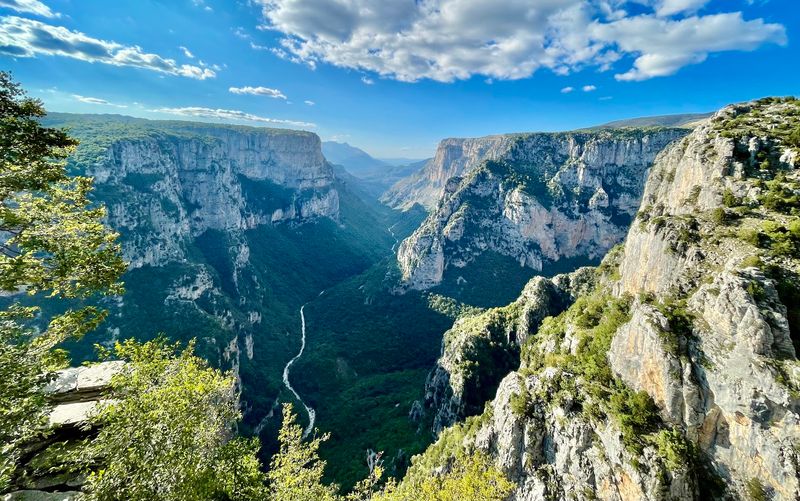
Officially recognized by the Guinness World Records as the deepest gorge relative to its width, Vikos Gorge doesn’t mess around when it comes to scale. Located in the Pindus Mountains of northwestern Greece, it stretches nearly 20 kilometers and plunges over 900 meters at its deepest point.
Hikers who complete the full traverse earn bragging rights that no resort holiday can compete with.
The trails inside Vikos-Aoös National Park are well-marked but genuinely challenging, threading through dense oak and beech forests before opening onto breathtaking ridge-top viewpoints. Rock climbers will find excellent routes on the gorge’s limestone walls, while the Voidomatis River at the bottom offers crystal-clear water perfect for a refreshing swim after the descent.
Wildlife sightings—including bears, wolves, and golden eagles—are surprisingly common in these remote hills.
The surrounding Zagori region adds a cultural layer to the adventure. Stone-arched bridges and traditional slate-roofed villages dot the landscape, many of them unchanged for centuries.
Staying in a local guesthouse in villages like Monodendri or Papingo turns the trip into something truly memorable. Greece is famous for its islands, but this mountain corner of the country offers a completely different and deeply rewarding kind of travel experience.
Lofoten Islands, Norway
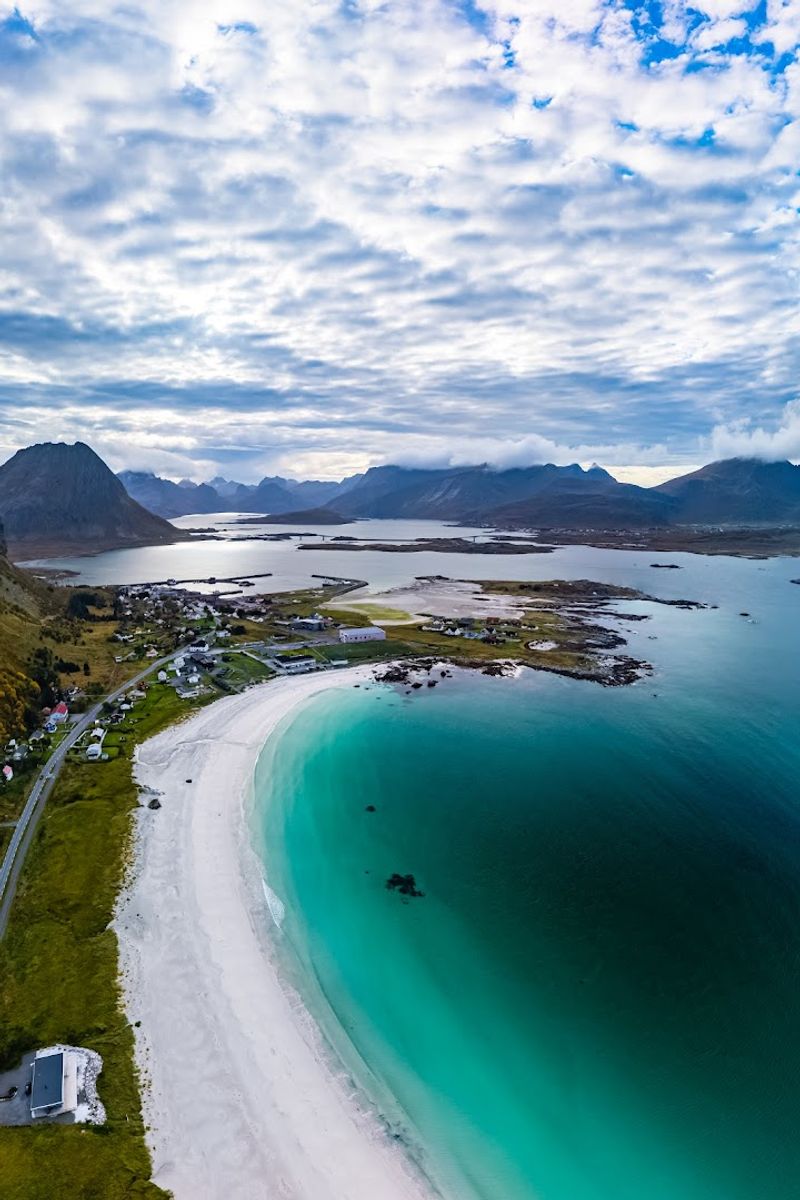
At 68 degrees north latitude, the Lofoten Islands sit well above the Arctic Circle—yet somehow feel like the most alive place on Earth during summer. The midnight sun means you can hike a mountain at 11pm and watch the sky turn gold over the Norwegian Sea without needing a headlamp.
That alone is worth the journey.
Sea kayaking through the fjords here is an experience that’s hard to put into words. Paddling beneath sheer mountain walls that plunge straight into the ocean, with seabirds wheeling overhead and the occasional seal popping up nearby, feels almost cinematic.
Surfing is also surprisingly popular in Lofoten—the North Atlantic swells produce consistent waves that attract a small but dedicated surf community year-round.
Hiking the steep peaks is a core part of any Lofoten visit. Trails like Reinebringen and Svolværgeita offer summit views that rank among the most dramatic in all of Europe.
The fishing villages below look impossibly picturesque from above, their red and yellow rorbuer cabins reflected in still water. Winter brings a completely different adventure—northern lights, snowshoeing, and ice fishing replace the midnight sun activities.
Lofoten manages to be spectacular in every single season, which is a rare achievement for any destination.
Madeira, Portugal
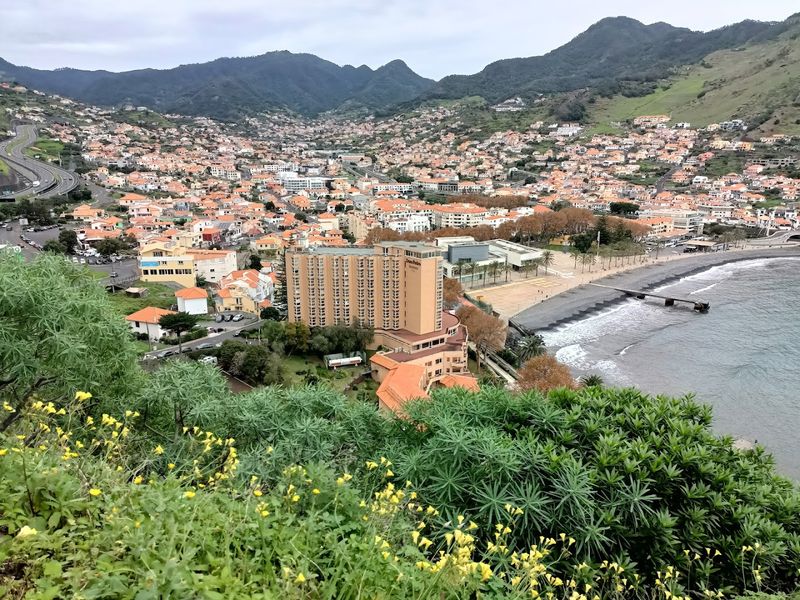
Madeira earns its nickname as the ‘Island of Eternal Spring’ not just for its mild climate, but for the endless variety of landscapes that seem to bloom around every corner. This Portuguese island rises sharply from the Atlantic Ocean, creating a terrain so dramatic that every hike feels like a small expedition.
The island packs volcanic peaks, ancient forests, sea cliffs, and flower-filled valleys into just 741 square kilometers.
The levadas are Madeira’s most iconic adventure feature—a network of narrow irrigation channels built centuries ago that now double as hiking trails through the island’s interior. Following a levada means you’re essentially walking along a water channel carved into cliffsides and through tunnels, with lush laurisilva forest (a UNESCO World Heritage Site) pressing in on both sides.
Some sections require a headlamp and a head for heights, making them genuinely exciting rather than just scenic strolls.
Beyond the levadas, Madeira offers canyoning in volcanic gorges, mountain biking on high-altitude plateaus, and paragliding over coastal cliffs. The Pico Ruivo summit hike rewards climbers with views stretching across the entire island on clear days.
Funchal, the island’s charming capital, makes an excellent base with great food, lively markets, and easy access to trailheads. Madeira consistently surprises visitors who expect a quiet beach holiday and instead find a full-blown adventure island.
Durmitor National Park, Montenegro
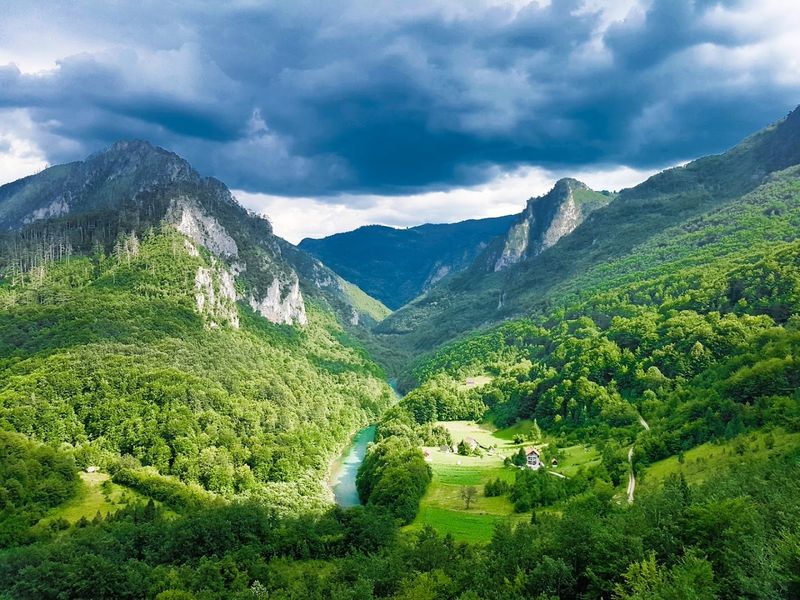
Montenegro is one of Europe’s smallest countries, but Durmitor National Park packs more raw adventure per square kilometer than destinations three times its size. The park is a UNESCO World Heritage Site and home to 48 glacial lakes, dramatic karst peaks, and the Tara River Canyon—the second deepest canyon in the world after the Grand Canyon.
That last fact alone should be enough to get any adventure traveler booking flights.
White-water rafting on the Tara River is the headline act, with multi-day rafting trips passing through canyon walls that soar up to 1,300 meters above the river. The scenery is so overwhelming that even experienced rafters report moments of complete, stunned silence.
Hiking in Durmitor ranges from gentle lakeside walks to serious alpine summit routes, with the Bobotov Kuk peak offering the most rewarding views in the park.
Winter transforms Durmitor into a genuine ski destination, with deep powder snow and uncrowded slopes that European ski resort regulars would envy. The mountain town of Žabljak serves as the park’s base, sitting at over 1,400 meters elevation and offering a handful of good restaurants and cozy mountain lodges.
Prices across Montenegro remain refreshingly affordable compared to Western Europe, making Durmitor an exceptional value adventure destination that deserves far more recognition than it currently receives.
Dolomites Villages, Italy
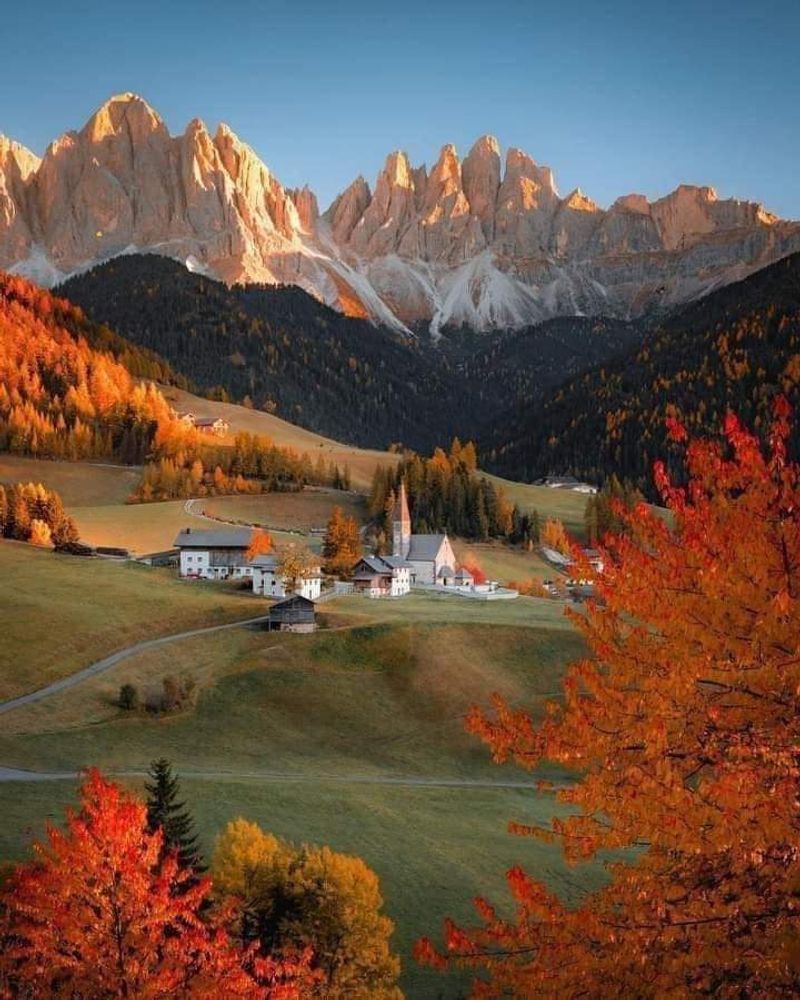
The Dolomites look like a movie set that nature accidentally made too beautiful. These pale limestone towers in northeastern Italy glow pink and orange at sunrise and sunset—a phenomenon locals call ‘enrosadira’—and the effect is so dramatic that first-time visitors often just stand there open-mouthed for several minutes.
The good news is that behind all that scenery, serious adventure is waiting.
Via ferrata routes are the Dolomites’ signature offering—fixed iron cables and ladders bolted into sheer rock faces that allow non-technical climbers to ascend routes that would otherwise require full mountaineering skills. Routes range from beginner-friendly to genuinely terrifying, and the views from the top are consistently extraordinary.
The Alta Via long-distance trails connect mountain refuges (rifugios) across the entire range, making multi-day trekking trips both practical and deeply satisfying.
Small villages like Cortina d’Ampezzo, Ortisei, and Selva di Val Gardena serve as adventure hubs with excellent gear shops, experienced mountain guides, and some of the best mountain food in Europe. Hearty South Tyrolean dishes—think crispy speck, dense dumplings called canederli, and apple strudel—fuel the days perfectly.
Mountain biking on high-altitude singletrack and skiing in winter round out the Dolomites’ remarkable year-round adventure calendar. Few places in Europe balance natural drama with practical adventure infrastructure quite this well.
Dalmatian Coast Islands, Croatia
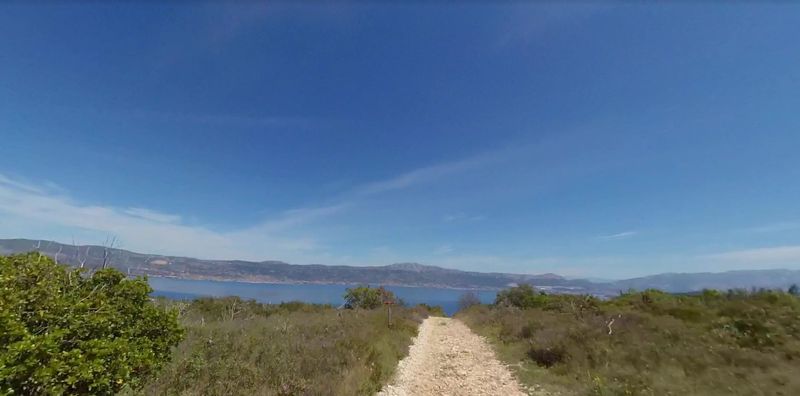
Croatia’s famous Adriatic coastline gets most of the tourist attention, but the real magic happens when you paddle away from the busy ports and start exploring the smaller, quieter islands by kayak. The Dalmatian Coast has over a thousand islands, and most of them see a fraction of the visitors that Dubrovnik or Split attract.
That’s where the adventure begins.
Sea kayaking between islands like Vis, Lastovo, and Mljet opens up a completely different Croatia—one of hidden sea caves, uninhabited beaches reachable only by water, and fishing villages where the pace of life hasn’t changed much in decades. The water clarity here is exceptional, with visibility reaching 30 meters or more in places, making snorkeling from your kayak a genuinely memorable experience.
Multi-day kayaking routes with island camping allow for full immersion in the coastal wilderness.
Hiking on the islands adds another dimension to the adventure. Mljet National Park, for example, covers the western third of the island with dense pine and oak forest surrounding two saltwater lakes.
The lesser-known island of Lastovo is a designated dark sky reserve, making stargazing after a day on the water an unexpectedly magical bonus. Croatia’s island-hopping culture is alive and well, but doing it under your own paddle power beats any ferry timetable hands down.
Vjosa River, Albania
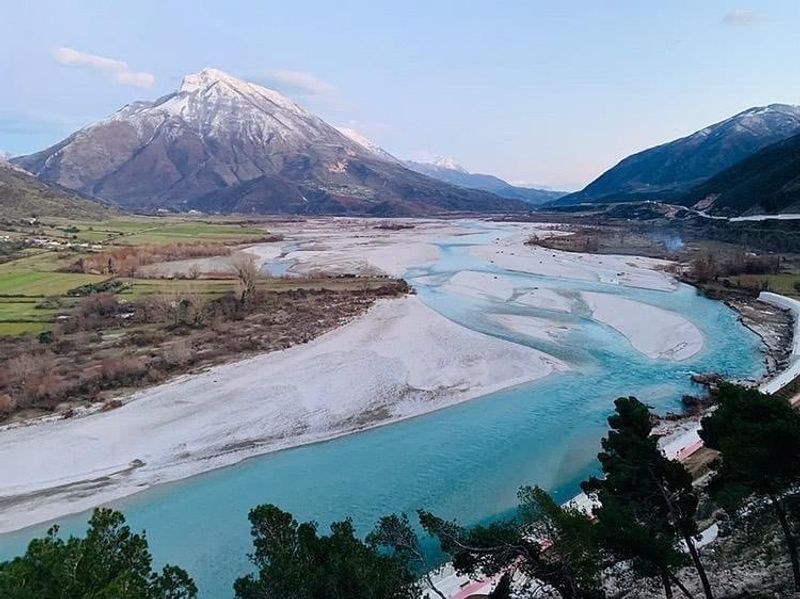
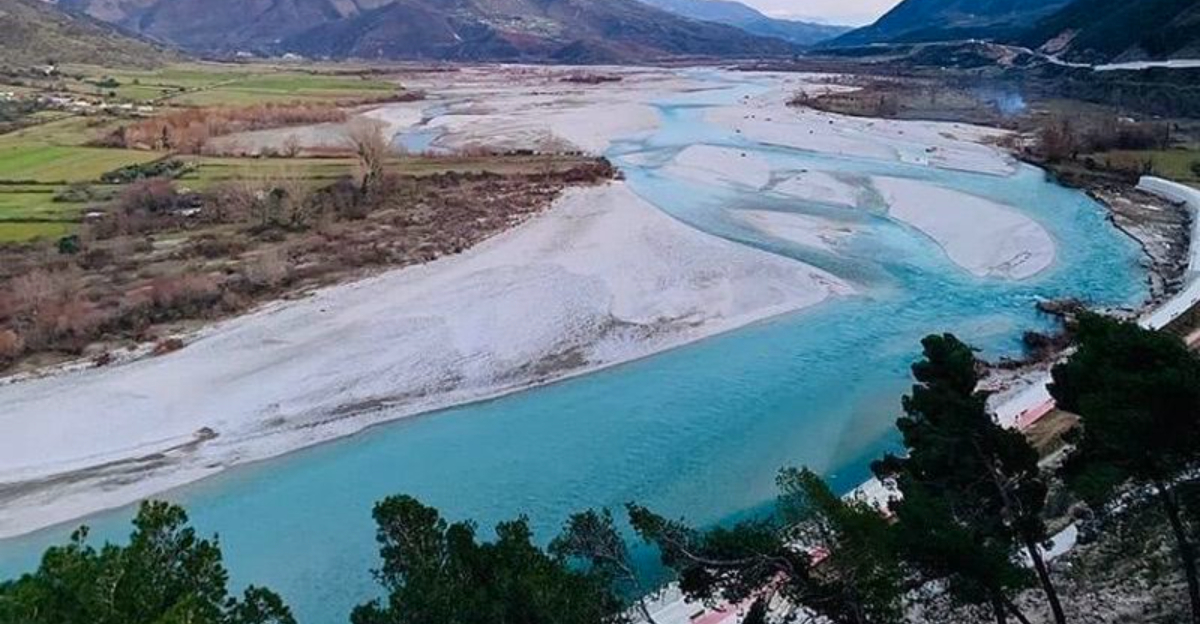
In an age when almost every major European river has been dammed, channeled, or otherwise tamed, the Vjosa River in Albania stands as something genuinely rare—a wild, free-flowing river running completely unobstructed for over 270 kilometers. Scientists call it one of the last wild rivers in Europe, and conservation organizations have been fighting hard to keep it that way.
Paddling it feels like stepping back into a version of Europe that mostly no longer exists.
Rafting and kayaking the Vjosa means navigating through gorges that haven’t been touched by infrastructure, past gravel beaches where you can camp under completely dark skies with no light pollution in sight. The river’s character changes dramatically along its length—from wide, braided sections perfect for beginners to tighter gorge sections with more technical water that challenge experienced paddlers.
The surrounding landscape is raw and sparsely populated, giving the whole experience a true wilderness feel.
Albania as a country is still finding its tourism footing, which works entirely in the adventurous traveler’s favor. Prices are among the lowest in Europe, locals are famously hospitable, and the infrastructure is improving rapidly without yet losing its rough-around-the-edges charm.
The Vjosa River National Park, established in 2023, now protects the river officially. Getting there now, before the crowds discover it, feels like the smart move for any serious adventure traveler.
Lake District (Søhøjlandet), Denmark
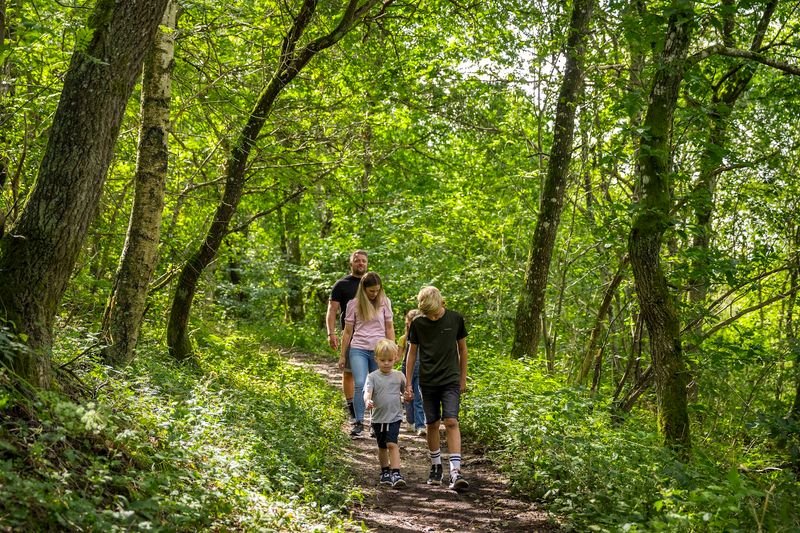
Denmark doesn’t have mountains, and it’s completely at peace with that fact. The Danish Lake District—known locally as Søhøjlandet—makes brilliant use of what it does have: a landscape of gently rolling hills, interconnected lakes, dense beech forests, and winding rivers that invite slow, meditative exploration.
Located in the central Jutland peninsula, it’s the closest thing Denmark has to highland wilderness, and it’s genuinely lovely.
Kayaking the lake system is the standout activity here. Routes connect multiple lakes via short portages, allowing paddlers to cover real distance over several days while camping on designated lakeside spots.
The water is clean, the routes are well-mapped, and the sense of solitude you can achieve—even in a small, densely populated country like Denmark—is surprisingly complete. Cycling routes through the region are equally rewarding, with forest trails and country roads linking charming market towns.
Hiking in Søhøjlandet is accessible and family-friendly, with trails circling lakes and climbing to modest hilltop viewpoints that reveal the patchwork of forest and water below. The town of Silkeborg makes an excellent base, with a good range of accommodation, canoe rental shops, and a local museum dedicated to the famous Tollund Man—an Iron Age bog body discovered nearby.
For travelers who want adventure without altitude, Denmark’s Lake District quietly punches well above its weight.
Azores Islands, Portugal
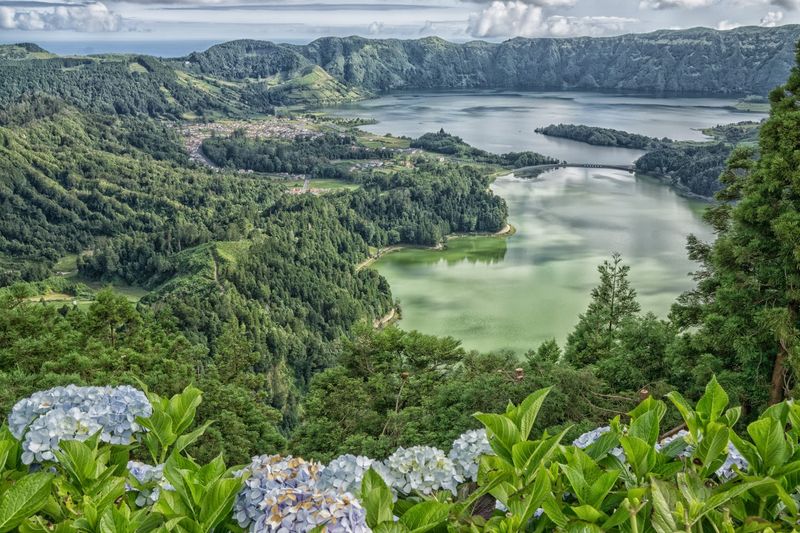
Sitting roughly 1,500 kilometers west of mainland Portugal in the middle of the Atlantic Ocean, the Azores archipelago operates on its own terms. Nine volcanic islands, each with a distinct personality, make up one of Europe’s most geologically active and visually dramatic destinations.
The islands sit at the junction of three tectonic plates, which explains the hot springs, fumaroles, and crater lakes that punctuate every island’s landscape.
São Miguel, the largest island, is the classic starting point—home to the stunning Sete Cidades twin crater lakes, the geothermal cooking pots of Furnas, and some of the best whale watching in the world. Sperm whales, blue whales, and dolphins are regularly spotted in the waters surrounding the islands, making boat trips genuinely thrilling rather than just hopeful.
Hiking trails crisscross volcanic caldeiras and coastal cliffs, with the Flores and Faial islands offering particularly dramatic walking routes.
Scuba diving in the Azores is world-class, with warm currents bringing exceptional marine biodiversity and visibility. Canyoning, surfing, and mountain biking add to an adventure menu that would satisfy even the most activity-hungry traveler.
The islands remain relatively uncrowded compared to mainland Portuguese destinations, and the local food scene—especially fresh seafood, local cheeses, and passion fruit everything—makes recovery days between adventures genuinely enjoyable. The Azores reward travelers who make the extra effort to get there.
Pyrenees Villages, Spain/France
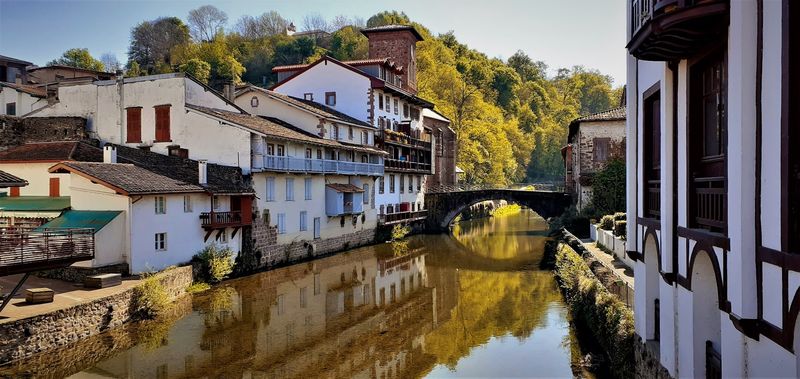
Straddling the border between Spain and France, the Pyrenees mountain range is one of Europe’s great adventure corridors—and the small villages scattered throughout it are the secret ingredient that makes exploring it so satisfying. These stone-built communities, some with populations under 200 people, have been sending shepherds, pilgrims, and traders into the high mountains for centuries.
Today they welcome hikers and climbers with the same quiet, no-fuss hospitality.
The GR10 (French side) and GR11 (Spanish side) are legendary long-distance trails that traverse the entire range coast to coast—roughly 800 kilometers each. Most visitors tackle sections rather than the full route, using villages like Gavarnie, Torla, and Aínsa as base camps for day hikes into the surrounding national parks.
The Cirque de Gavarnie, a natural amphitheater of glaciated rock walls and Europe’s highest waterfall, is one of the most breathtaking single sights on the entire continent.
Wildlife in the Pyrenees is exceptional—brown bears, Pyrenean chamois, golden eagles, and even the elusive lammergeier vulture call these mountains home. Climbing routes, canyoning in narrow gorges, and cross-country skiing in winter round out the adventure options.
The food culture on both sides of the border is outstanding, with hearty mountain cuisine serving as perfect fuel for big days in the hills. The Pyrenees reward patience and effort in equal measure.
Faroe Islands, Denmark
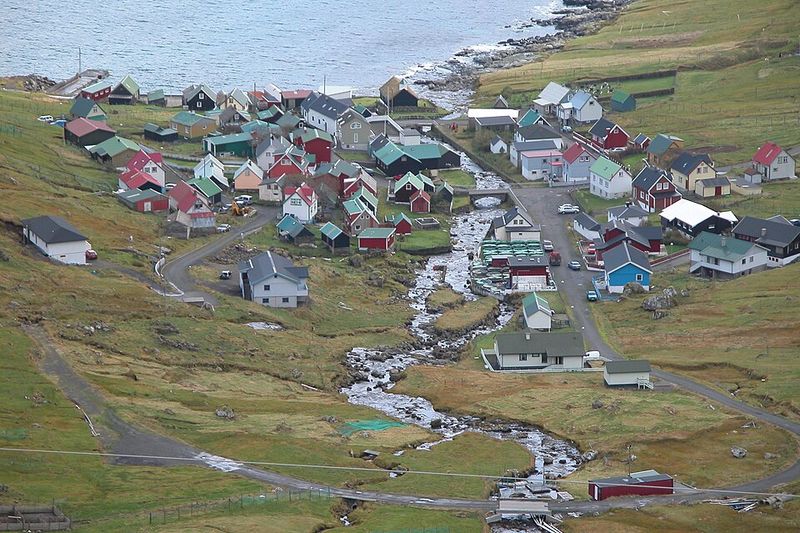
The Faroe Islands don’t try to impress you—they simply exist in their own magnificent, weather-battered way, and somehow that’s more impressive than anything carefully curated for tourists. This self-governing archipelago of 18 islands sits halfway between Norway and Iceland in the North Atlantic, where the weather changes every twenty minutes and the landscape looks like it was designed by someone with a flair for the dramatic.
Fog, rain, and sudden sunshine are all part of the daily experience.
Hiking here is unlike anywhere else in Europe. Trails lead to cliff edges where waterfalls spill directly into the ocean hundreds of meters below, to lake Sørvágsvatn—which appears to float impossibly above the sea in photographs—and to remote villages accessible only on foot.
The famous hike to the island of Trælanípa offers one of the most vertigo-inducing viewpoints in the entire world. Physical fitness and proper gear are non-negotiable; the terrain is serious.
Birdwatching is another major draw—the Faroes host enormous seabird colonies including Atlantic puffins, gannets, and fulmars. The islands have no large predators, making wildlife surprisingly approachable.
The tiny capital Tórshavn is one of Europe’s smallest capitals and makes an atmospheric base with excellent seafood restaurants and a compact old town of grass-roofed wooden houses. Visiting the Faroe Islands feels like discovering a place that wasn’t quite meant to be found.
Julian Alps, Slovenia
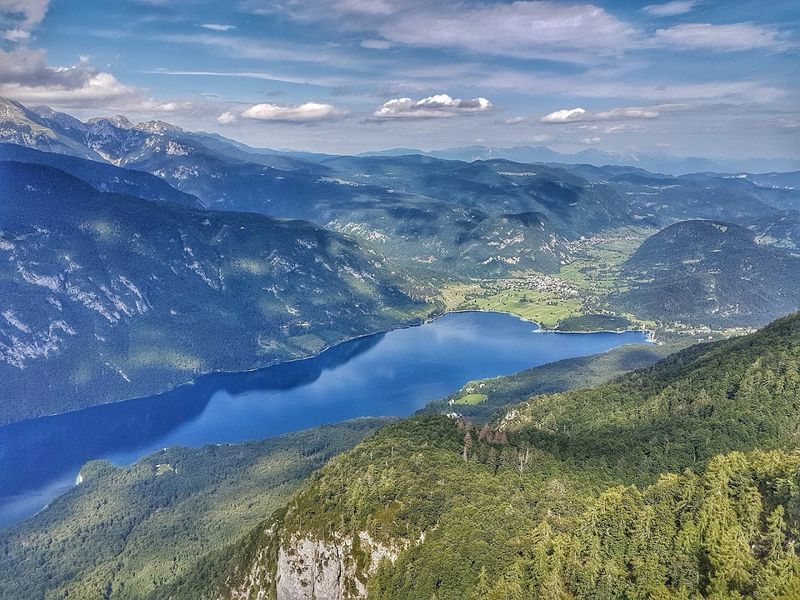
Slovenia’s Julian Alps are the kind of place that makes you question why you ever went anywhere else. Compact enough to explore thoroughly in a week but rich enough to keep you busy for a month, this alpine region sits at the meeting point of Central European, Mediterranean, and Alpine influences—which means the scenery, food, and culture are all unexpectedly diverse.
Lake Bohinj, quieter and arguably more beautiful than the more famous Lake Bled, sits at the heart of Triglav National Park like a perfectly placed reward.
Mount Triglav, Slovenia’s highest peak at 2,864 meters, is a national symbol—and climbing it is considered something of a rite of passage for Slovenians. The standard route is achievable by fit hikers without technical climbing skills, though the exposed ridge sections demand respect and proper footwear.
For those who prefer lower-altitude adventures, the park’s network of marked trails covers hundreds of kilometers through valleys, forests, and alpine meadows dotted with wildflowers in summer.
Lake swimming, cycling between villages, and via ferrata climbing add variety to the alpine hiking menu. The region’s mountain huts (planinske koče) serve hearty Slovenian food at elevations where every meal tastes better than it has any right to.
Kranjska Gora and Bovec serve as convenient base towns with gear rental and guiding services. The Julian Alps consistently rank among the best value alpine destinations in Europe, delivering Swiss-quality scenery at a fraction of the price.
Porto Santo, Portugal
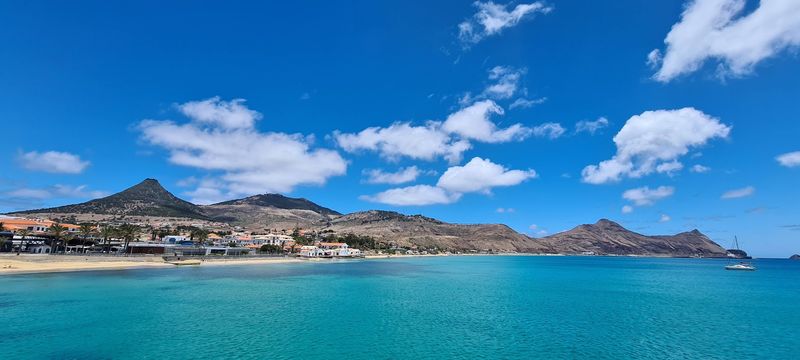
Porto Santo is Madeira’s quieter, sun-drenched neighbor—a small volcanic island just 11 kilometers long with a nine-kilometer golden sand beach that stretches the entire length of its southern coast. While Madeira gets the hiking headlines, Porto Santo offers its own distinct adventure experience, one that trades dense forest for open volcanic terrain and trades crowds for genuine solitude.
Getting here requires a ferry from Madeira or a short flight, which naturally filters out the casual day-trippers.
Hiking across Porto Santo’s volcanic interior reveals a landscape of rugged hills, ancient windmills, and dramatic coastal viewpoints with no one else in sight. The Pico do Facho summit offers a panoramic view of the entire island and, on clear days, the mountains of Madeira rising from the sea in the distance.
Mountain biking is particularly well-suited to the island’s terrain, with dirt tracks connecting viewpoints and coastal cliffs across the relatively compact landscape.
Water sports are a major draw—the island’s consistent Atlantic winds make it a popular windsurfing and kitesurfing destination, while the clear coastal waters are excellent for snorkeling and scuba diving. The therapeutic black volcanic sand beach is famous for its supposed mineral properties, attracting visitors seeking natural wellness alongside outdoor activity.
Porto Santo moves at a gentler pace than most adventure destinations, but the combination of hiking, water sports, and utter tranquility makes it a genuinely restorative place to recharge between bigger expeditions.



