Step outside on a clear night far from the city, and you might just witness something that stops you in your tracks: a sky absolutely packed with stars. Light pollution has robbed most Americans of that experience, but a handful of special places still offer skies so dark and clear that the Milky Way looks close enough to touch.
Whether you’re a seasoned astronomer or just someone who loves lying on a blanket and looking up, these 15 destinations will blow your mind. Pack your curiosity, grab a blanket, and get ready for a night you won’t forget.
Big Bend National Park, Texas
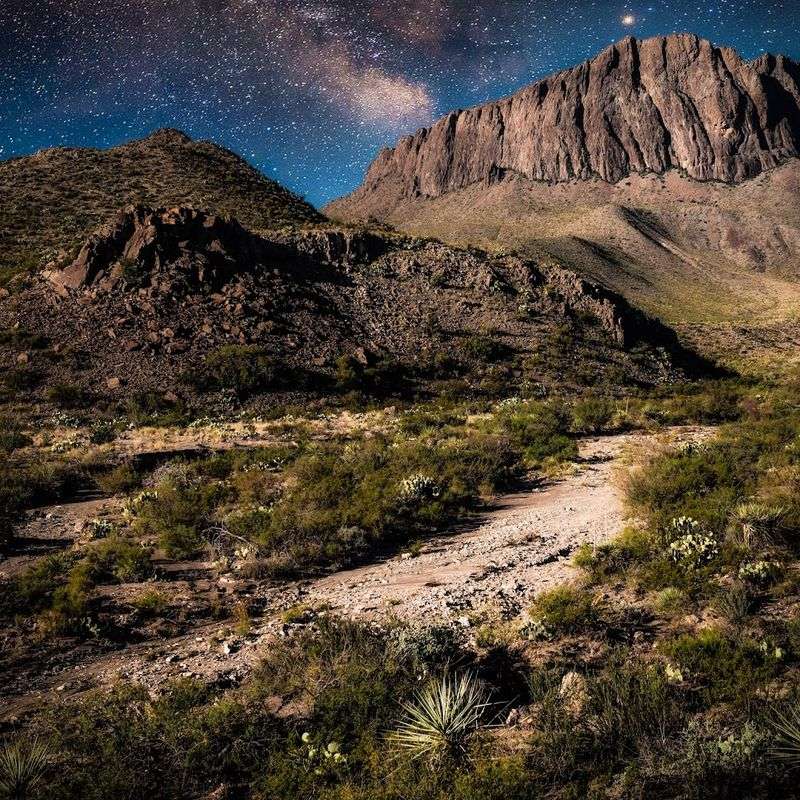
Surrounded by hundreds of miles of nothing but open desert, Big Bend sits in one of the most remote corners of the continental United States, and the sky above it proves it. The nearest city of any real size is so far away that light pollution barely registers.
On moonless nights here, the Milky Way doesn’t just appear, it dominates the entire sky like a glowing river of light.
Big Bend earned a Gold Tier designation from the International Dark-Sky Association, one of the highest honors a park can receive for night-sky quality. Meteor showers are especially dramatic here because there is simply nothing competing with the show overhead.
Rangers sometimes host special stargazing nights where they point out planets, nebulae, and star clusters using powerful telescopes.
The best viewing spots include the Chisos Basin and the Rio Grande Village area, both of which offer wide, open sightlines. Temperatures drop quickly after sunset in the desert, so bring layers even in summer.
If you want the darkest skies east of the Pacific, Big Bend delivers in a way that is genuinely hard to believe until you see it yourself.
Bryce Canyon National Park, Utah
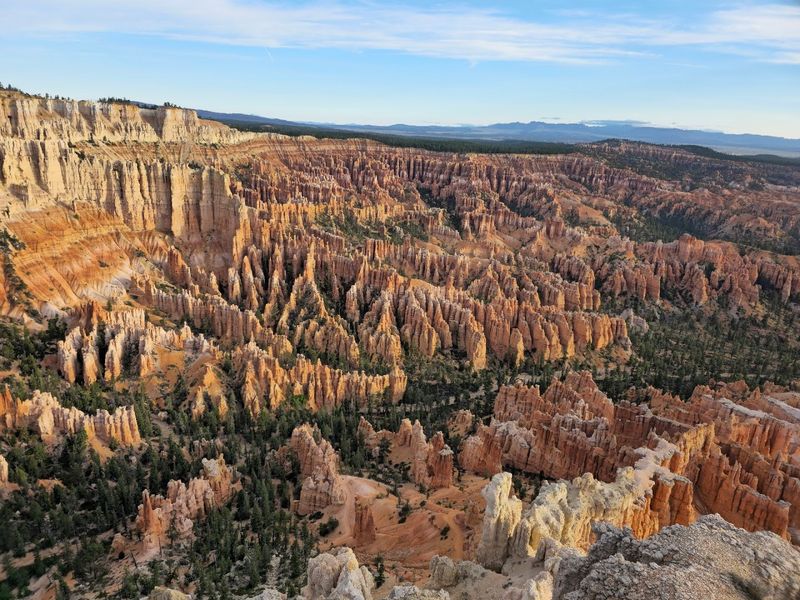
Imagine standing at the rim of a canyon filled with bizarre, spire-like rock formations while the Milky Way blazes directly overhead. That is a Tuesday night at Bryce Canyon.
The park sits at elevations between 8,000 and 9,000 feet, which means thinner atmosphere, drier air, and far less interference between your eyes and the universe above.
Bryce Canyon hosts an annual Astronomy Festival every June that draws thousands of visitors and dozens of telescopes from astronomy clubs across the country. During the festival and on regular ranger-led programs throughout the year, park staff help visitors identify constellations, planets, and even distant galaxies.
The park has committed strongly to reducing any internal light pollution by shielding its own fixtures.
What makes Bryce Canyon extra special is the landscape itself. Those famous hoodoo formations glow faintly orange and pink even at night, creating a surreal foreground against the starry backdrop that photographers absolutely lose their minds over.
Dress warmly because even summer nights at this elevation get cold fast. Arrive early to claim a good spot along the rim before the crowd builds up around sunset.
Great Basin National Park, Nevada
Great Basin is one of the least-visited national parks in the entire country, and honestly, that’s a gift for anyone who shows up with a telescope and a thermos of hot coffee. The isolation that keeps the crowds away is exactly what keeps the skies here so magnificently dark.
On a clear night, the Andromeda Galaxy, which sits roughly 2.5 million light-years away, is visible to the naked eye.
The park earned its Gold Tier Dark Sky designation partly because of its incredible remoteness. The nearest towns are tiny, and the landscape offers wide open views in nearly every direction.
Wheeler Peak, which rises to over 13,000 feet, provides an especially dramatic backdrop for night photography.
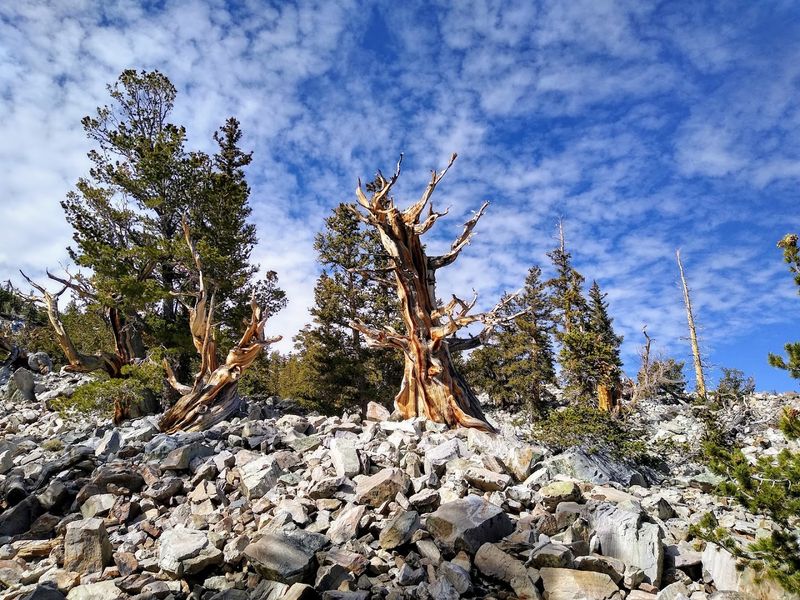
Great Basin also has a fascinating astronomy program called the Astronomy Festival held each September, when amateur and professional astronomers gather to share equipment and knowledge. Ancient bristlecone pine trees, some of the oldest living organisms on Earth, make hauntingly beautiful foreground subjects for astrophotography.
Camping inside the park puts you right under those dark skies all night long. The combination of isolation, elevation, and dry desert air makes this one of the most underrated stargazing locations in the entire country.
Mauna Kea, Hawaii
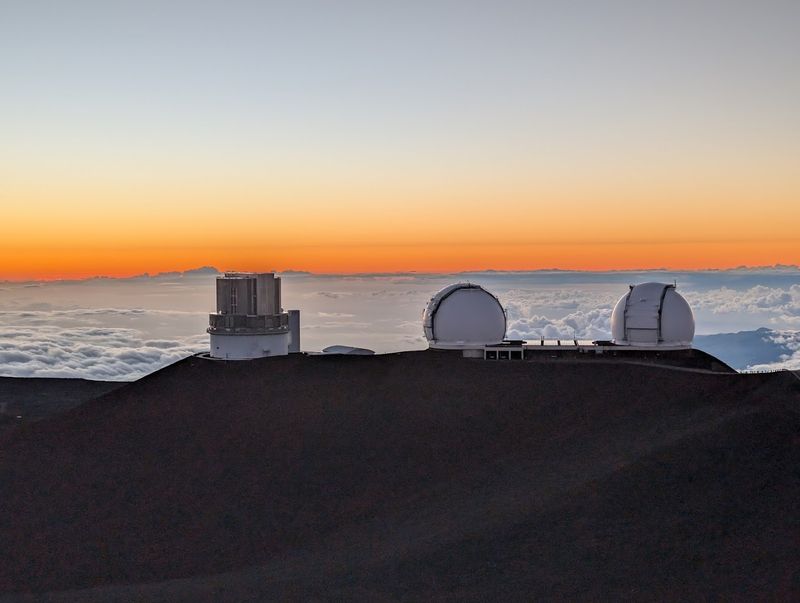
At nearly 14,000 feet above sea level, Mauna Kea stands so high that you are literally observing the universe from above most of the clouds and moisture that normally blur the night sky. This is not just a popular stargazing spot, it is home to some of the most powerful and prestigious telescopes on the planet.
Scientists from around the world have chosen this mountain specifically because its skies are among the clearest anywhere on Earth.
Visitors can drive to the Visitor Information Station at around 9,200 feet, where rangers and volunteers host free nightly stargazing programs. The summit itself requires a four-wheel drive vehicle and some acclimatization time due to the altitude.
Going up too quickly can cause headaches and dizziness, so spending at least 30 minutes at the visitor station before heading higher is strongly recommended.
The view from the summit on a clear night is simply without comparison in the United States. The horizon drops away below you, the air is bone dry, and the stars burn with a sharpness and intensity that feels almost unreal.
Hawaii’s tropical latitude also means you can see stars and constellations that are never visible from the mainland. Mauna Kea is a bucket-list stop that genuinely earns every bit of its legendary reputation.
Cherry Springs State Park, Pennsylvania
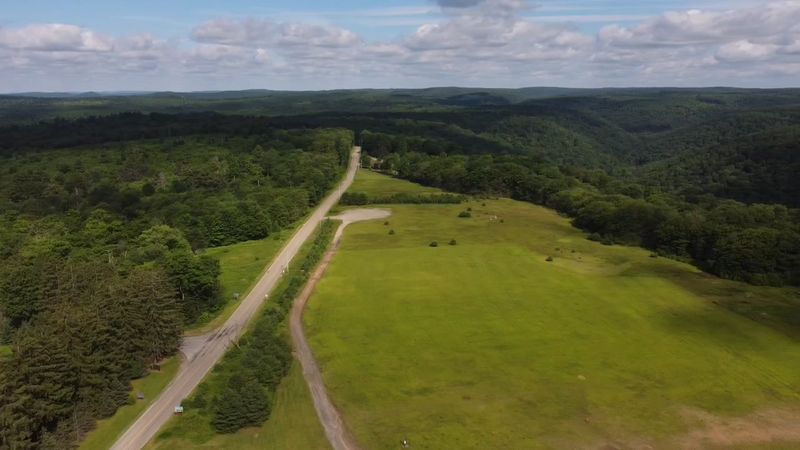
Tucked inside the Susquehannock State Forest in northcentral Pennsylvania, Cherry Springs State Park is a genuine surprise for anyone who assumes the entire eastern United States is too bright for serious stargazing. This small park sits on a high plateau surrounded by miles of dense forest that block out the glow of distant cities in every direction.
The result is a sky that consistently shocks first-time visitors.
Cherry Springs has a dedicated overnight astronomy field where visitors can set up telescopes, cameras, and lawn chairs for the whole night. The field has strict rules about white lights and car headlights to protect the darkness for everyone.
An orientation area near the entrance offers a less regulated space for casual observers who just want to lie on the grass and look up.
The park is especially famous for giving eastern stargazers a rare chance to see the Milky Way with real clarity. During summer, the galactic core rises high enough to photograph in stunning detail.
Meteor showers, including the Perseids in August, draw huge crowds of enthusiastic sky watchers. If you live anywhere from New England to the Mid-Atlantic and want a legitimate dark-sky experience without flying across the country, Cherry Springs is your answer.
Death Valley National Park, California
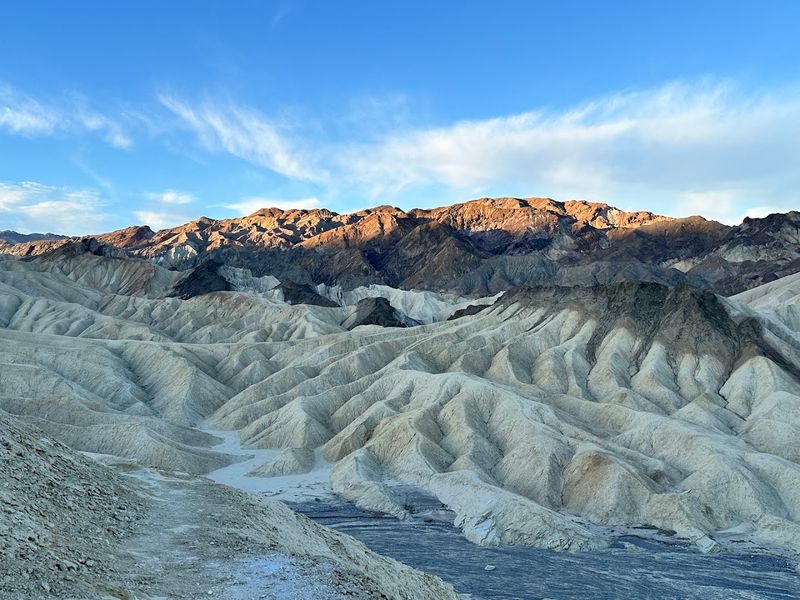
Death Valley has a reputation for being one of the most extreme environments on Earth, but what most people don’t know is that it also holds an International Dark Sky Park designation. Once the sun goes down and the scorching heat begins to ease, the desert reveals a sky so loaded with stars that it genuinely looks like someone spilled glitter across a black canvas.
The valley floor sits below sea level, and the surrounding mountain walls block any stray light from distant towns.
Zabriskie Point and the Mesquite Flat Sand Dunes are two of the most popular spots for night photography because both offer dramatic and unique foreground elements. The dunes especially create an almost alien landscape when photographed under the Milky Way.
Clear skies are almost guaranteed here since Death Valley averages fewer than two inches of rain per year.
Visiting in fall or winter is far more comfortable for extended night sessions since summer temperatures can still be dangerous even after dark. The park is massive, covering over 3,000 square miles, so finding a secluded spot away from other visitors is rarely a problem.
Bring plenty of water, snacks, and a red-light flashlight to preserve your night vision during those long, spectacular hours under the stars.
Denali National Park, Alaska
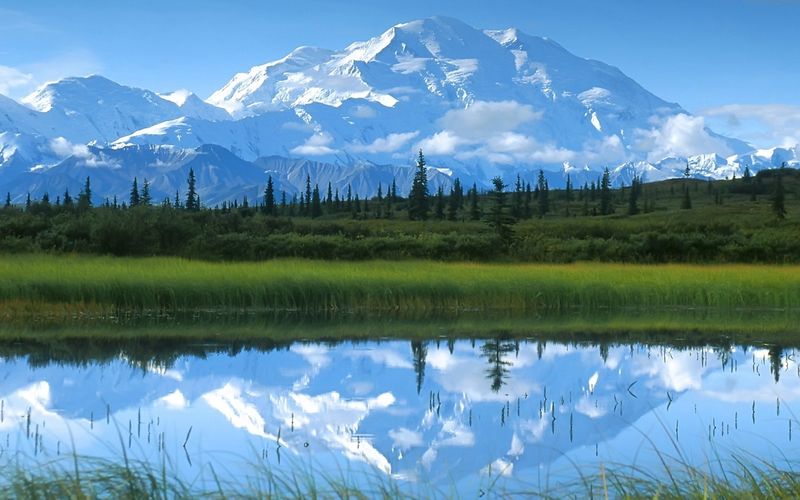
Most stargazing lists talk about the Milky Way, but Denali offers something that takes the whole experience to a completely different level: the aurora borealis. From late August through early April, the northern lights ripple and dance across the Alaskan sky in curtains of green, purple, and pink that no photograph fully captures.
Combine that with the towering presence of North America’s highest peak, and you have a night sky experience unlike anything else in the country.
Denali’s single road stretches 92 miles into the park, putting visitors deep into true wilderness far from any city lights. The park has almost no internal light pollution because private vehicles are restricted beyond the first 15 miles.
Most visitors take buses deeper into the park during the day, but the darkness that settles in at night is profound and absolute.
Outside of aurora season, summer nights offer a different kind of magic. During June and July, Alaska barely gets dark at all due to the midnight sun, so serious stargazers should plan trips for fall or winter.
Dog sledding tours and guided night hikes sometimes include aurora watching as part of the experience. Pack serious cold-weather gear because Alaskan nights are not forgiving, even in early fall.
Joshua Tree National Park, California
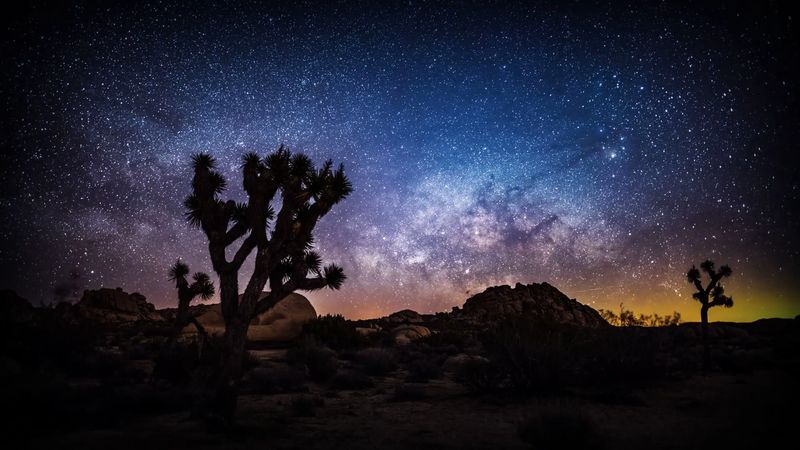
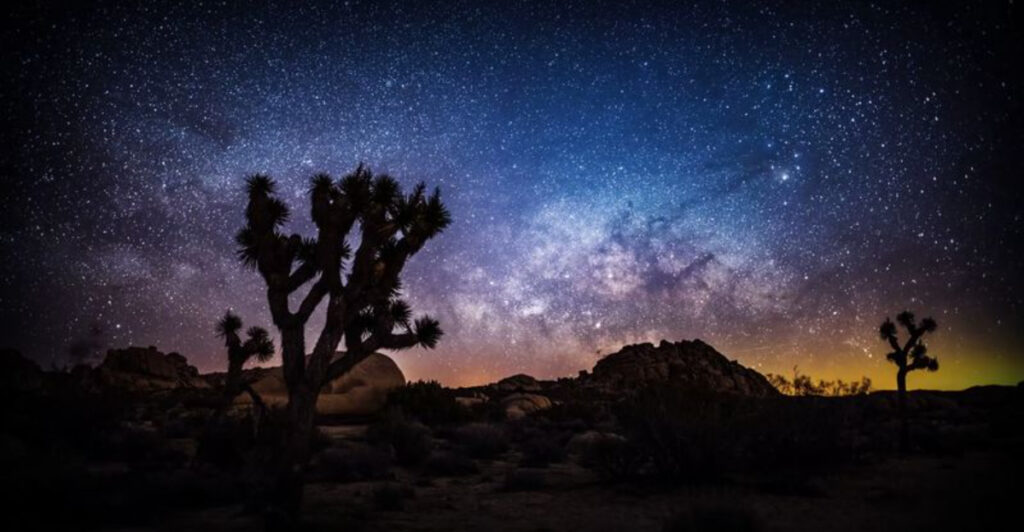
There is something almost cartoonish about Joshua trees, with their spiky, reaching arms frozen mid-stretch against the sky, and at night, those strange silhouettes become some of the most photographed shapes in American astrophotography. Joshua Tree National Park sits at the junction of two desert ecosystems, the Mojave and the Colorado, and its skies benefit from the dry air and relative distance from major urban centers.
The park earned its International Dark Sky Park designation in 2017.
The park regularly hosts ranger-led astronomy programs where staff use green laser pointers to trace constellations and point out planets, nebulae, and star clusters. The Cholla Cactus Garden and Skull Rock areas are particularly popular after dark because of their dramatic shapes.
Jumbo Rocks Campground is a favorite among astrophotographers who want to set up for the whole night.
One thing worth knowing: Joshua Tree is close enough to Los Angeles and San Diego that weekend nights can get crowded, especially during popular meteor showers. Arriving on a weeknight or during the off-season gives you much quieter skies and far less competition for good spots.
Spring and fall offer the most comfortable nighttime temperatures. The combination of weird desert beauty and genuinely dark skies makes Joshua Tree one of the most accessible great stargazing parks in the American West.
Chaco Culture National Historical Park, New Mexico
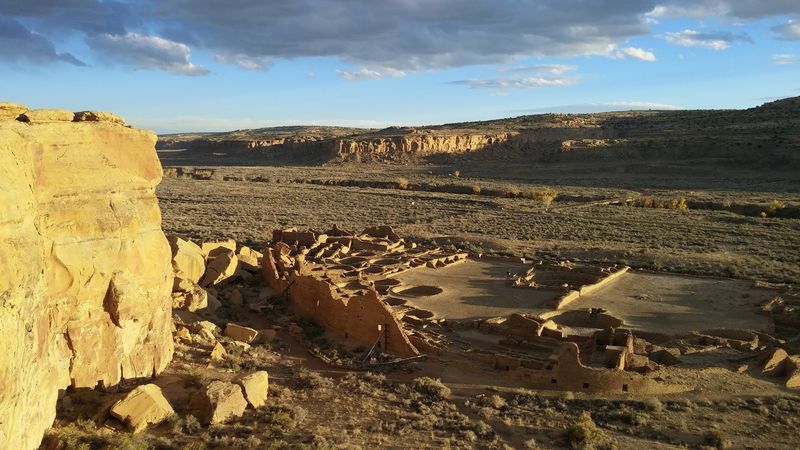
Chaco Canyon holds a secret that most tourists miss entirely: the ancient people who built these massive stone structures over 1,000 years ago were serious astronomers. Many of the buildings are precisely aligned with solar and lunar cycles, and some windows frame the rising sun on specific solstice mornings with pinpoint accuracy.
Visiting Chaco after dark connects you to that ancient sky-watching tradition in a way that is genuinely moving.
The park sits in a remote basin in northwestern New Mexico, far from any significant source of artificial light. The skies here are consistently ranked among the darkest in the Southwest, and the park holds a Gold Tier International Dark Sky designation.
The combination of historical depth and astronomical quality makes Chaco unlike any other stargazing destination on this list.
Access to Chaco requires driving several miles on unpaved roads, which helps keep casual visitors away and preserves the solitude. Camping inside the park is available and puts you directly under those ancient skies all night.
Rangers lead occasional evening programs that connect the astronomy of the ancestral Puebloans with the stars visible overhead. If history and astronomy feel like two separate passions to you, Chaco Canyon will change your mind in about five minutes.
Cosmic Campground, New Mexico
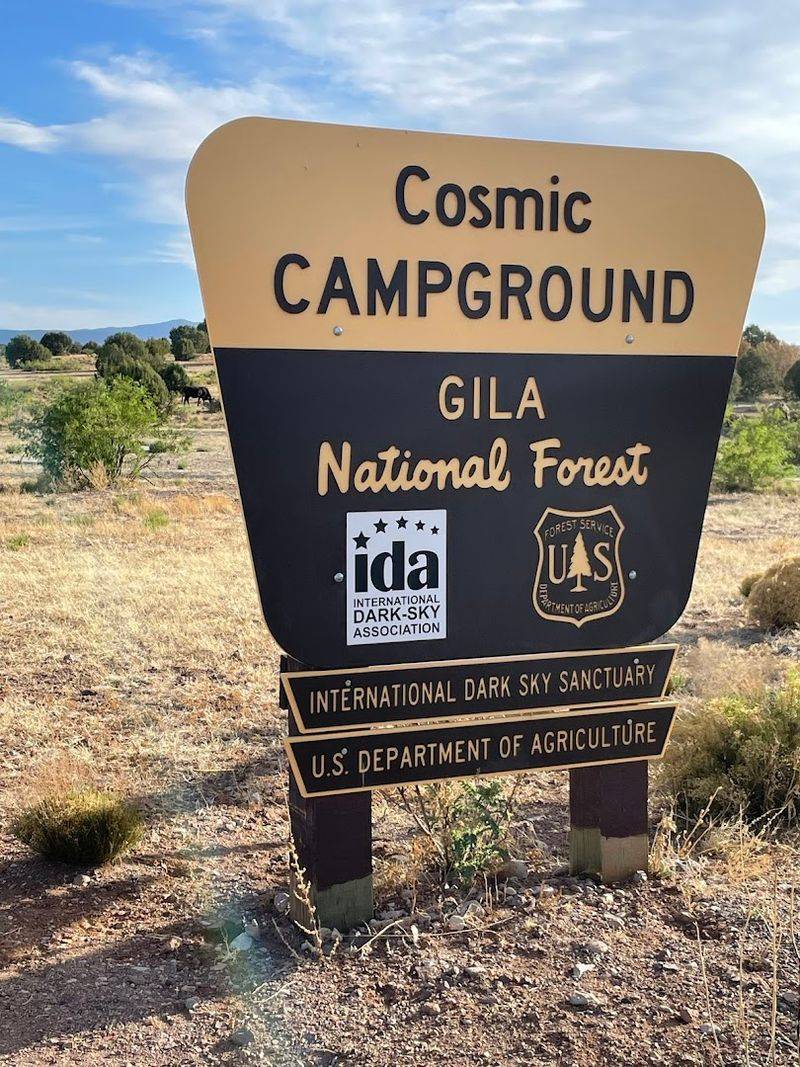
The name alone should tell you everything you need to know. Cosmic Campground didn’t earn that name by accident.
Nestled deep inside the Gila National Forest in a remote corner of southwestern New Mexico, this small campground became the very first International Dark Sky Sanctuary designated in the United States, a title reserved for places with truly exceptional and protected darkness.
The site is simple and free, with basic facilities and room for a handful of groups at a time. That simplicity is part of the charm.
There are no entrance fees, no crowds, no gift shops, just open sky in every direction and darkness so complete it can feel slightly disorienting at first. Visitors regularly report being able to read a map by the light of the Milky Way alone on the best nights.
The surrounding Gila National Forest adds to the experience by providing a buffer of millions of acres of protected land with virtually no development. The nearest town is tiny and distant enough that its glow barely registers on the horizon.
Because the site is small and relatively unknown outside of astronomy circles, it offers a peaceful, uncrowded alternative to the national park stargazing scene. If solitude and extreme darkness are your priorities, this hidden gem should be at the very top of your list.
Central Idaho Dark Sky Reserve, Idaho
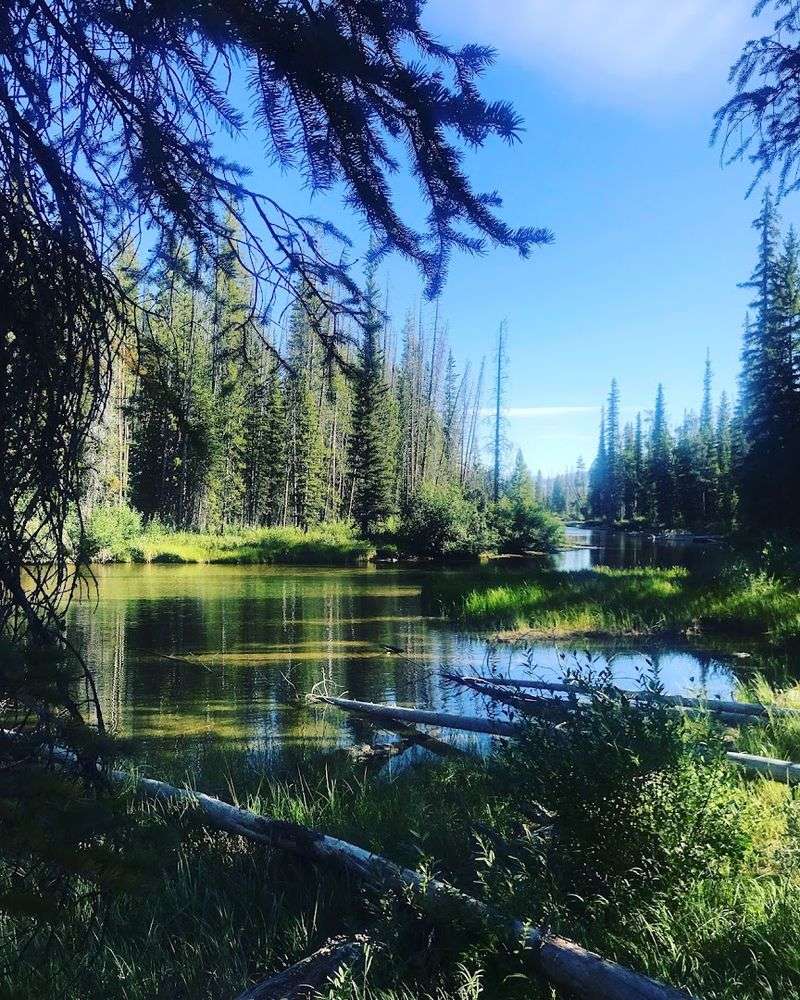
Covering more than 1,400 square miles of central Idaho’s mountain wilderness, the Central Idaho Dark Sky Reserve is one of the largest protected dark-sky areas anywhere in the world. The reserve was officially designated in 2017, making it the first International Dark Sky Reserve in the United States.
The communities inside the reserve, including the town of Stanley, actively limit light pollution and support astronomy tourism as part of their local economy.
Stanley itself sits in the Sawtooth Valley at around 6,200 feet elevation, surrounded by jagged mountain peaks that provide stunning foreground material for night photography. The Salmon River runs through the area and sometimes reflects star patterns on calm nights.
Summer weekends bring a mix of outdoor enthusiasts who hike by day and stargaze by night, creating a lively but still wonderfully dark atmosphere.
The reserve hosts regular star parties and astronomy events, particularly during summer when the roads are accessible. Fall brings even darker skies as the summer haze clears and temperatures drop.
Wildlife is abundant in this region, so keep your camp clean and be bear-aware during evening walks. Few places in America combine serious outdoor adventure with world-class dark skies quite as seamlessly as the Central Idaho Dark Sky Reserve.
Headlands International Dark Sky Park, Michigan
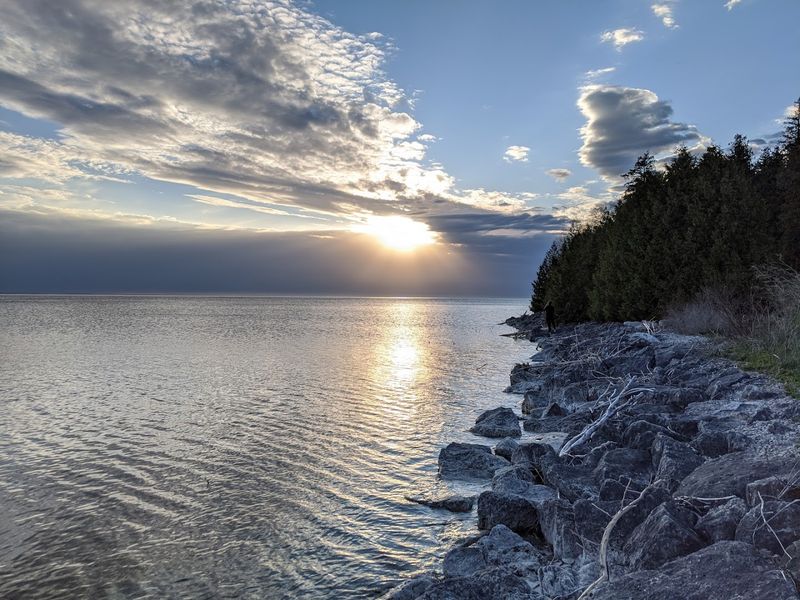
Most people don’t think of Michigan when they imagine world-class stargazing, but Headlands International Dark Sky Park near Petoskey has been quietly earning astrophotographers’ devotion for years. Perched along the northern shoreline of Lake Michigan, the park combines open water horizons with genuinely dark skies to create viewing conditions that are surprisingly excellent for the Midwest.
The lake itself acts like a giant mirror on calm nights, doubling the visual impact of the stars above.
Headlands was designated an International Dark Sky Park in 2011, one of the earliest parks to receive that recognition. The park stays open 24 hours a day, 365 days a year, which means night owls and early risers both get their shot at the sky.
A small observatory on-site occasionally hosts public viewing events, and the park’s dedicated staff are enthusiastic about sharing their knowledge.
Because of its northern latitude, Headlands is also one of the better spots in the Lower 48 for catching the northern lights during periods of strong solar activity. Geomagnetic storms in 2024 brought aurora displays visible as far south as Florida, but Headlands got a front-row seat.
The sandy beach makes for comfortable viewing without the need for specialized equipment. Bring a blanket, a hot drink, and low expectations about sleep.
Voyageurs National Park, Minnesota
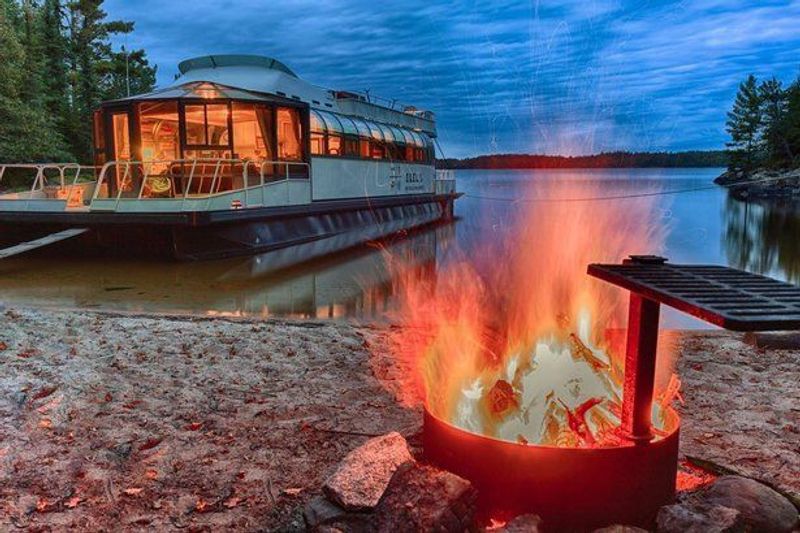
Water covers roughly a third of Voyageurs National Park, and when the northern lights decide to perform on a calm night, the reflections in those interconnected lakes create a visual effect so stunning that it almost feels staged. Located in northern Minnesota just a few miles south of the Canadian border, Voyageurs is one of the best places in the contiguous United States to see the aurora borealis.
The park’s remote location and minimal light pollution create ideal conditions.
Because so much of the park is accessible only by water, many of the best stargazing spots require a boat or canoe to reach. That effort pays off enormously in the form of complete solitude and skies unobstructed by any artificial light.
Houseboats are a popular way to spend the night right on the water, putting you in a perfect position to watch the sky all night long.
Summer nights are short this far north, but they are packed with stars and sometimes aurora activity even outside of peak season. Winter visits offer the longest, darkest nights and the highest probability of seeing the northern lights, though temperatures can plunge well below zero.
Ice fishing shacks and snowmobile trails make parts of the park accessible year-round. Voyageurs rewards the adventurous traveler with experiences that are nearly impossible to find anywhere else in the Lower 48.
Oregon Outback International Dark Sky Sanctuary, Oregon
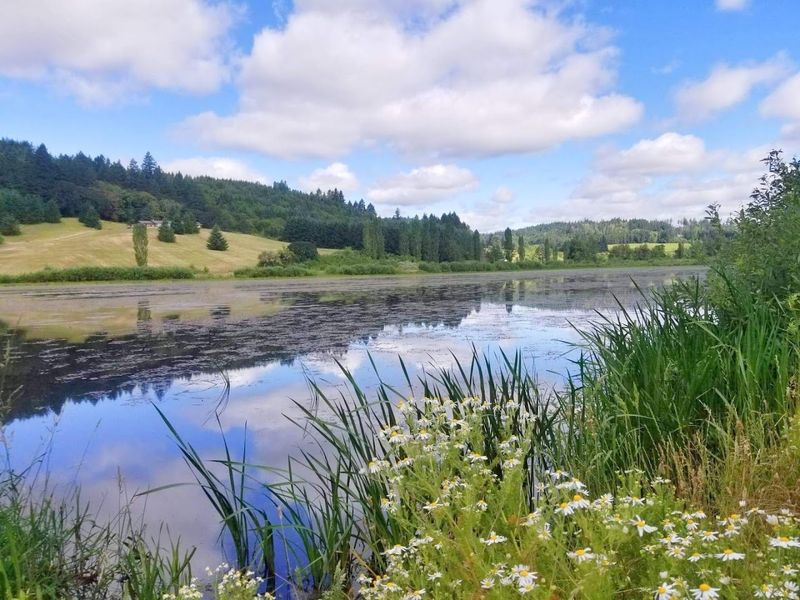
Southeastern Oregon is so empty, so flat, and so far from anything resembling a city that it was almost inevitable it would become a record-breaker in the dark-sky world. The Oregon Outback International Dark Sky Sanctuary covers millions of acres of remote high desert, making it the largest Dark Sky Sanctuary on the planet.
The designation recognized what locals and a handful of adventurous stargazers already knew: the skies out here are in a category entirely their own.
The landscape itself is starkly beautiful, all sagebrush plains, dry lake beds, and wide-open horizons that stretch in every direction without interruption. On the clearest nights, the Milky Way casts a faint shadow, a phenomenon so rare that most people never witness it in their entire lives.
The air is extraordinarily dry, which eliminates the atmospheric haze that softens star views in more humid regions.
Towns in the area are tiny and widely spaced, which means services are limited. Planning ahead with food, water, and fuel is essential before venturing into this region.
The best months for visiting are late spring through early fall when roads are passable and temperatures are manageable. If you want to experience what the night sky looked like before electricity changed everything, the Oregon Outback delivers that experience with jaw-dropping effectiveness.
Torrey, Utah
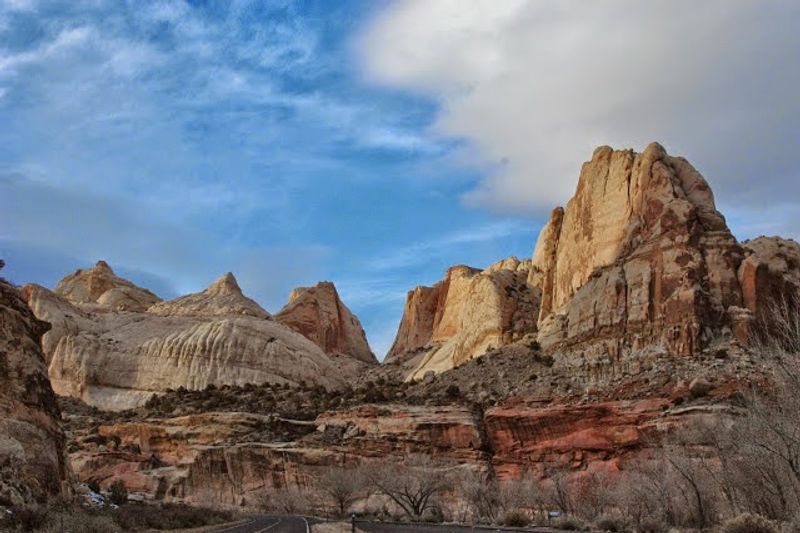
Sitting at the doorstep of Capitol Reef National Park, the tiny town of Torrey, Utah has quietly become one of America’s most celebrated stargazing destinations. With a population of only a few hundred people and surrounded by some of the most dramatic red rock scenery in the Southwest, Torrey offers a rare combination of accessibility and genuine darkness.
You can eat dinner at a local restaurant, walk outside, and be staring at the full Milky Way within minutes.
Capitol Reef itself is one of the least crowded major national parks in Utah, which means its skies stay darker than those above the more famous Zion or Arches parks. The park earned an International Dark Sky Park designation and actively manages its lighting to preserve the night environment.
The Waterpocket Fold, a massive geological feature that runs through the park, creates a spectacular foreground for night photography.
Torrey has developed a small but passionate astronomy tourism scene, with local lodges and tour operators offering guided stargazing experiences. The area’s high elevation and dry climate help ensure clear skies on the majority of nights throughout the year.
Spring and fall are particularly lovely because daytime temperatures are mild enough for hiking before the night sky show begins. For anyone road-tripping through Utah’s canyon country, Torrey is a stop that should absolutely not be skipped.
Share this story