Europe is full of places that never make it onto a basic tourist checklist, and honestly, that is where the real magic hides. From canyon walks carved by ancient rivers to medieval villages dangling off cliffsides, the continent keeps surprising even the most seasoned travelers.
I started looking past the famous landmarks a few years ago, and what I found completely changed how I travel. These 15 experiences are the kind that make you forget your phone exists and just stare in disbelief.
Walk Fjaðrárgljúfur Canyon, South Iceland, Iceland
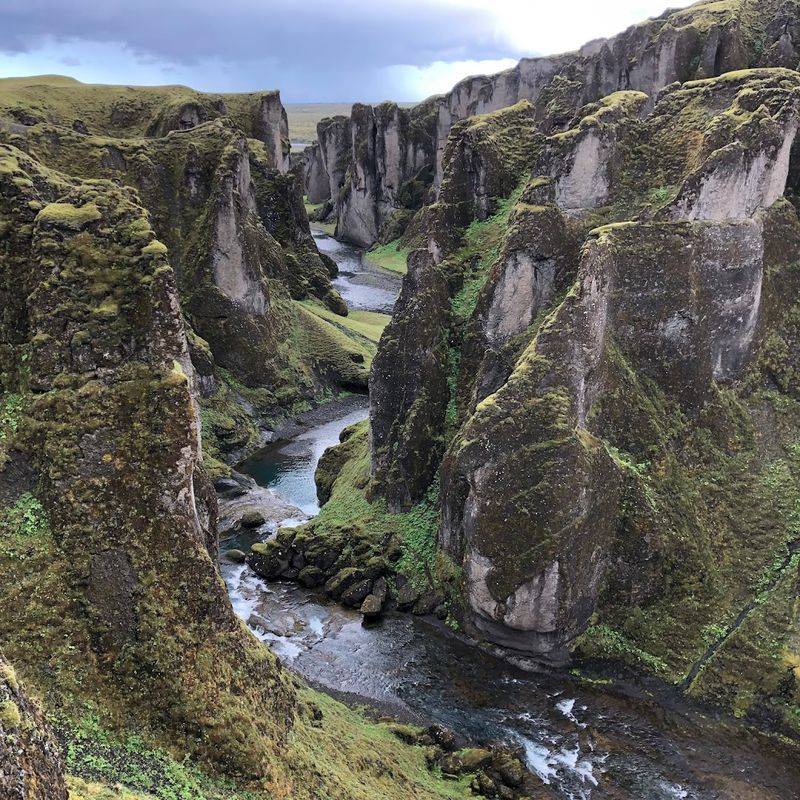
Few places on Earth make you feel this small this fast. Fjaðrárgljúfur Canyon in South Iceland is a two-million-year-old gorge carved by glacial meltwater, and it looks like someone forgot to tell it to stop being dramatic.
The walls rise up to 100 meters and stretch for about two kilometers.
A well-marked path runs along the rim, giving you views that honestly border on ridiculous. The canyon became unexpectedly famous when Justin Bieber filmed a music video here, which either makes it cooler or less cool depending on your age.
Either way, the scenery does not care about pop culture.
Go early in the morning to avoid crowds and catch the soft light bouncing off the moss-covered walls. Waterproof boots are a smart call since the trail can get muddy fast.
No entrance fee, no fuss, just pure Icelandic scenery doing its absolute best.
See Stuðlagil Canyon, East Iceland, Iceland
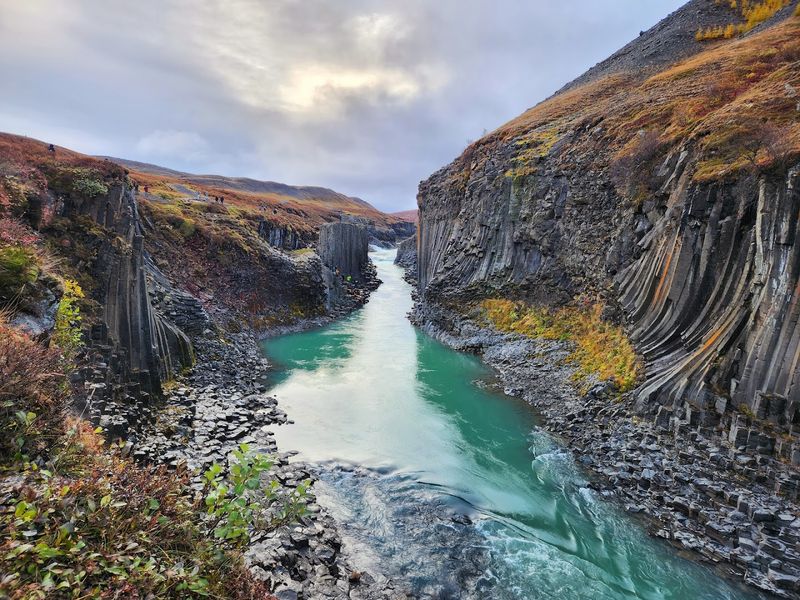
Stuðlagil Canyon might be the most photogenic place in Iceland that most people have never heard of. Located in the remote East Fjords region, it features a river running between towering basalt columns so perfectly geometric they look sculpted by hand.
Spoiler: no human made these.
The canyon only became accessible after a nearby dam lowered the river levels around 2002, revealing the columns underneath. Before that, the whole thing was basically underwater.
Nature had been hiding a masterpiece for decades.
Getting here requires a bit of effort. The east side trail is shorter but involves a river crossing that can get tricky depending on conditions.
The west side is longer but safer and still delivers knockout views. Pack snacks, wear layers, and bring a fully charged phone because your camera roll is about to explode.
This is one of those places that genuinely rewards the extra effort.
Ride Up to Hallstatt Skywalk, Hallstatt, Austria
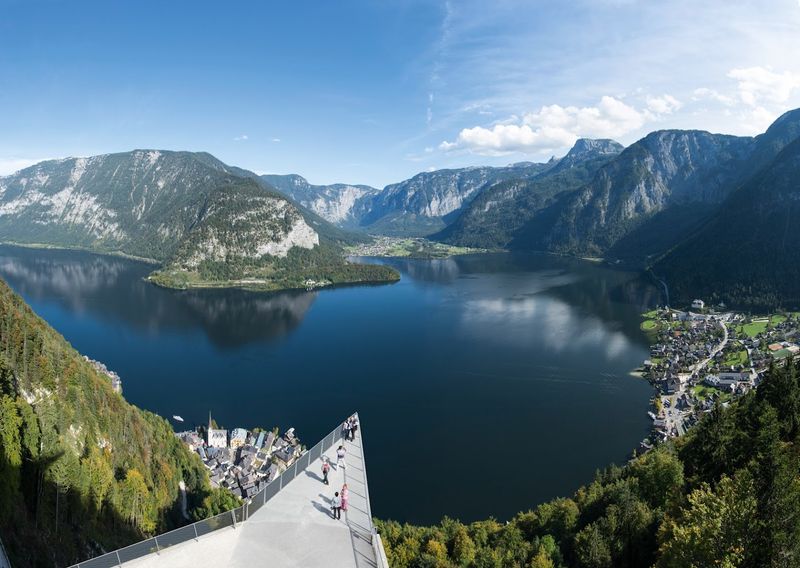
Hallstatt is already one of Austria’s most beloved villages, but most visitors never bother going higher than the lakeside promenade. Take the funicular up to the Skywalk and you will immediately understand what you have been missing.
The view from the top is genuinely jaw-dropping.
The platform sits 350 meters above the village and gives you a full bird’s-eye perspective over the lake, the rooftops, and the surrounding Alps. I went up on a slightly cloudy day and the mist rolling over the mountains made it look like a fantasy film set.
No CGI required.
The funicular runs regularly and the ride itself is fun, especially if you are not great with heights and want to test your bravery in small doses. At the top there is also an ancient salt mine you can tour, which adds a surprisingly fascinating history lesson to the whole trip.
Budget a solid half-day for this one.
Explore the Monasteries of Meteora, Kalambaka, Greece
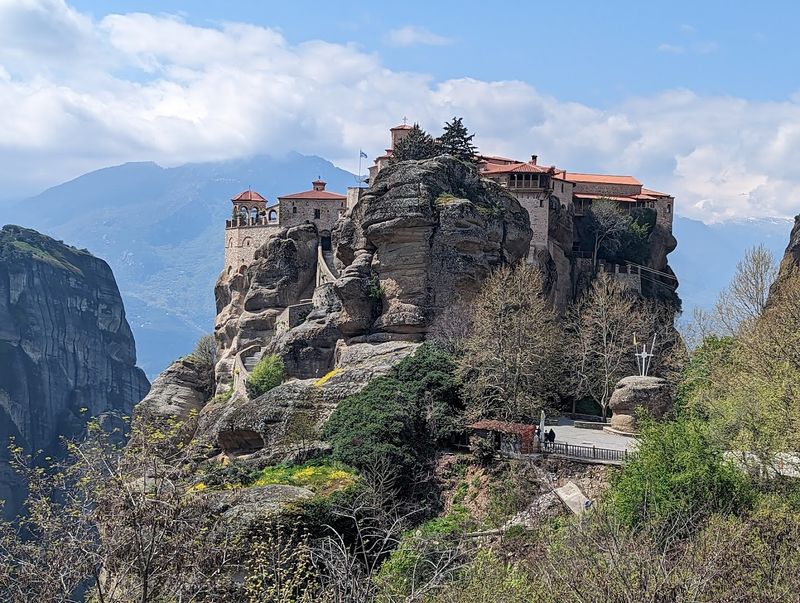
Built on top of enormous sandstone pillars that shoot straight up from the Thessalian plain, the monasteries of Meteora are one of the most surreal sights in all of Europe. There are six active monasteries still standing, and monks have been living up there since the 14th century.
That is commitment to a commute.
Each monastery offers a slightly different experience, so try to visit at least two or three if time allows. Modest dress is required inside, meaning covered shoulders and knees, so pack accordingly or buy a wrap at the entrance.
The views from the top are absolutely worth the climb up hundreds of stone steps.
Sunrise and sunset are the golden hours here, both literally and photographically. The town of Kalambaka below makes a great base, with plenty of good tavernas to recover in after a day of stair-climbing.
Go in spring or autumn to dodge the worst of the summer heat and crowds.
Cross the Footbridge to Civita di Bagnoregio, Lazio, Italy
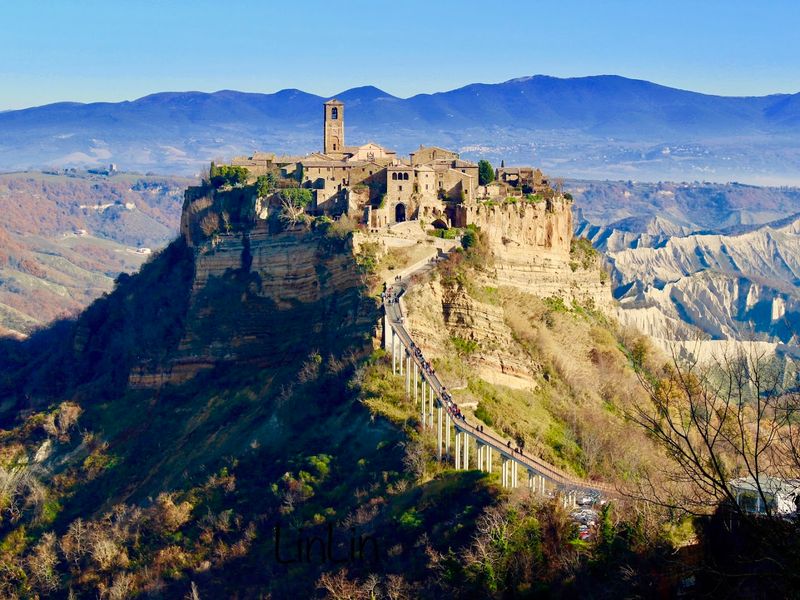
They call it the dying city, and that nickname alone should be enough to get you on the next train to Lazio. Civita di Bagnoregio sits on a crumbling plateau of volcanic tufa rock, slowly eroding away with each passing year.
Only a narrow footbridge connects it to the rest of the world.
The village has fewer than 20 permanent residents, but it has been continuously inhabited since Etruscan times. Walking across that bridge feels like crossing into a different century entirely.
The cobbled streets, medieval churches, and complete absence of cars make it one of the most peaceful places I have ever stood in Italy.
Entry costs a small fee, which goes toward maintaining the bridge and preserving the village. Come on a weekday to avoid the tour bus rush.
The walk takes about 20 minutes each way and is not particularly strenuous. Bring water, wear comfortable shoes, and leave plenty of time to just wander without any agenda.
Wander the Cave Streets of Setenil de las Bodegas, Andalusia, Spain
Most towns are built around their geography. Setenil de las Bodegas decided to build directly into it.
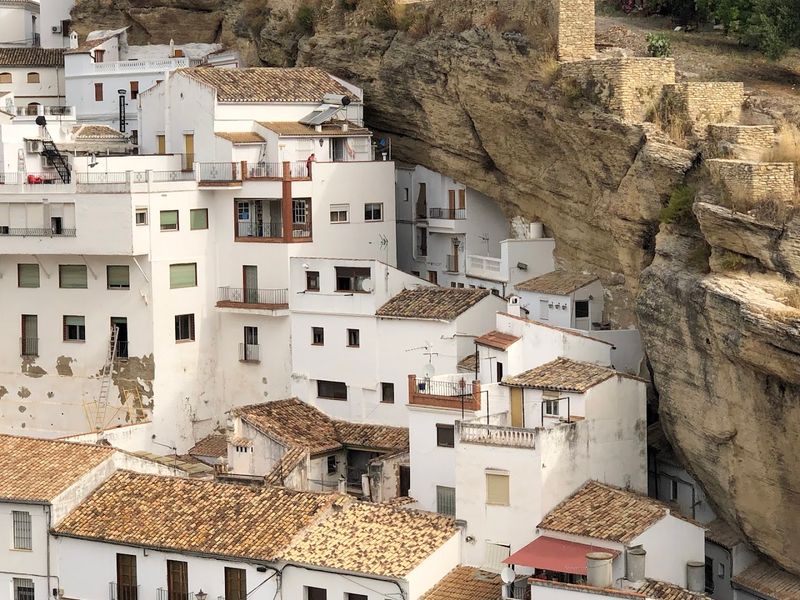
This small Andalusian village is famous for its streets that run underneath massive overhanging rock ledges, with houses, bars, and restaurants carved right into the cliff face. It is genuinely one of the weirdest and most wonderful places in Spain.
The rock overhangs act as natural roofs, keeping the streets cool in summer and sheltered from rain in winter. Locals have been using this setup for centuries, and the whole place has a calm, lived-in atmosphere that feels completely removed from tourist Spain.
Order a coffee at one of the cave bars and take it all in.
Setenil sits about 20 kilometers from Ronda, making it an easy and very worthwhile day trip. The village is small enough to explore on foot in a couple of hours.
There is no entry fee, no queues, and no crowds fighting for selfie spots. Just good tapas and excellent geology.
Climb Through Rocamadour, Lot, France
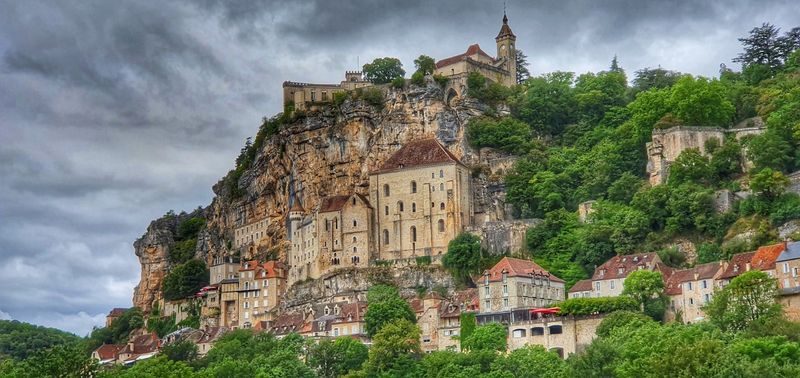
Rocamadour does not spread out horizontally like most towns. It stacks.
This medieval pilgrimage site in the Lot Valley is built vertically into a sheer limestone cliff, with levels of chapels, sanctuaries, and a castle rising one above the other like a religious skyscraper from the Middle Ages.
Pilgrims have been climbing the 216 steps of the Grand Escalier on their knees since the 12th century. You are welcome to use your feet and still feel appropriately humbled by the climb.
At the top, the views over the Alzou Canyon are worth every step.
The village is split into three levels connected by elevators, paths, and staircases. Start at the bottom near the river, work your way up through the medieval quarter, and finish at the chateau for the best panoramic view.
Go in the early morning before tour groups arrive. The whole place has an eerie, timeless atmosphere that is hard to shake once you have experienced it.
Follow the Boardwalks of Plitvice Lakes National Park, Croatia
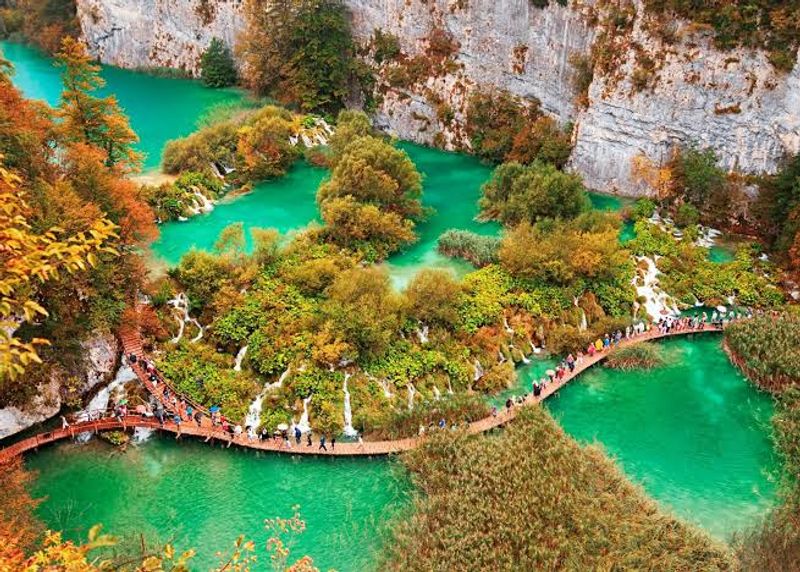
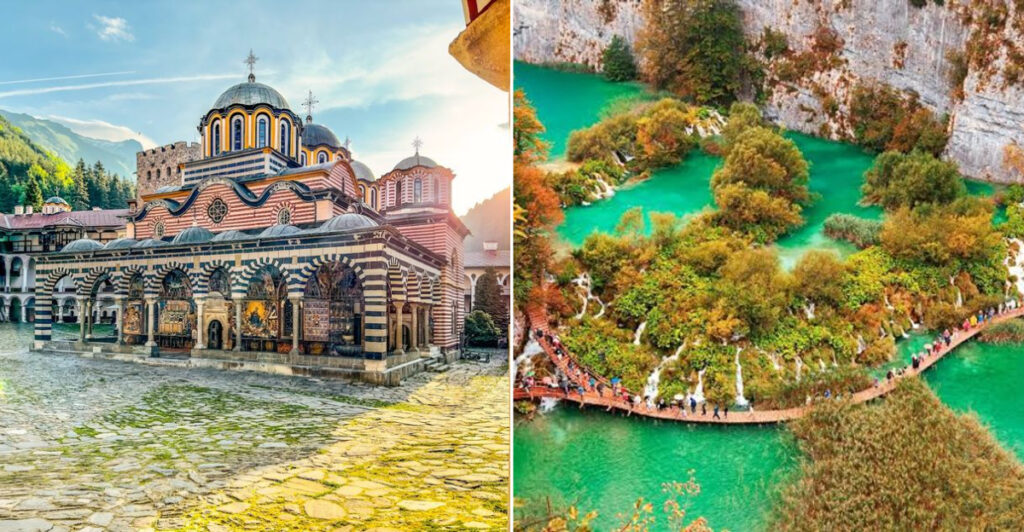
Walking on water is generally considered impossible, but Plitvice Lakes National Park comes pretty close. A network of wooden boardwalks runs directly over and alongside a series of 16 terraced lakes connected by waterfalls, all in shades of turquoise and teal that seem too vivid to be real.
Croatia really did not need to flex this hard, and yet here we are.
The park is a UNESCO World Heritage Site and one of Croatia’s most visited attractions, so timing matters. Early morning visits in spring or autumn offer the best combination of light, fewer people, and cooler temperatures.
Summer midday visits are crowded and hot, so plan accordingly.
There are several routes ranging from two to six hours, so you can tailor the visit to your energy level. Wear shoes with grip since the boardwalks get slippery.
Swimming is not allowed, which is a rule that will genuinely test your willpower when you see how beautiful the water looks.
Visit Rila Monastery, Rila Mountains, Bulgaria
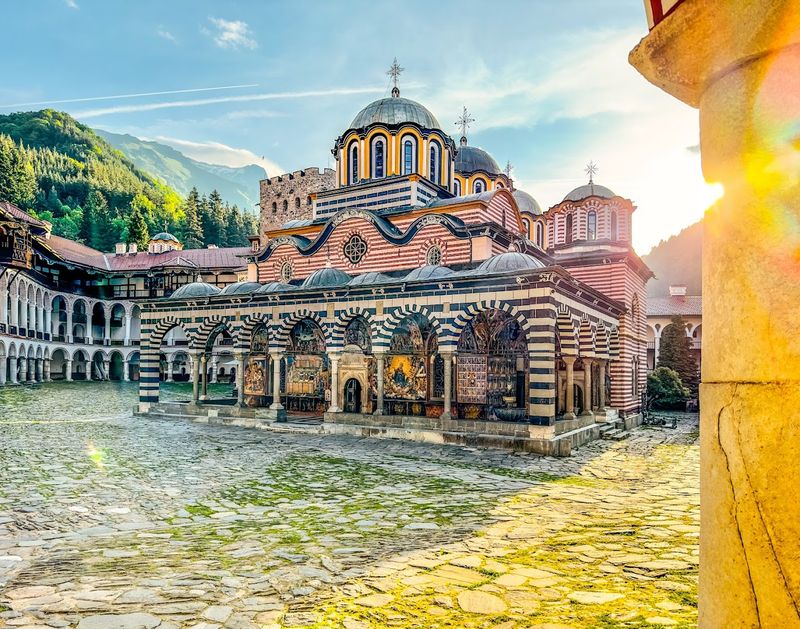
Bulgaria rarely tops European travel bucket lists, which is a genuine shame and also secretly great news for those who do show up. Rila Monastery, tucked into the forested Rila Mountains about 120 kilometers south of Sofia, is one of the most beautiful and historically significant places in the entire Balkans.
It has been a spiritual and cultural center since the 10th century.
The exterior is immediately striking, with bold striped arches, vivid frescoes, and a fortress-like outer wall that somehow makes the whole complex feel both grand and intimate. Inside, the medieval tower and the main church covered in over 1,200 scenes from the Bible are genuinely breathtaking to explore.
A day trip from Sofia is very doable, but staying overnight in the monastery guesthouse is a surprisingly peaceful experience. The surrounding mountains offer great hiking trails if you want to extend the trip.
Entry to the grounds is free, though the museum inside charges a small fee.
Ride the Underground Train at Postojna Cave, Slovenia
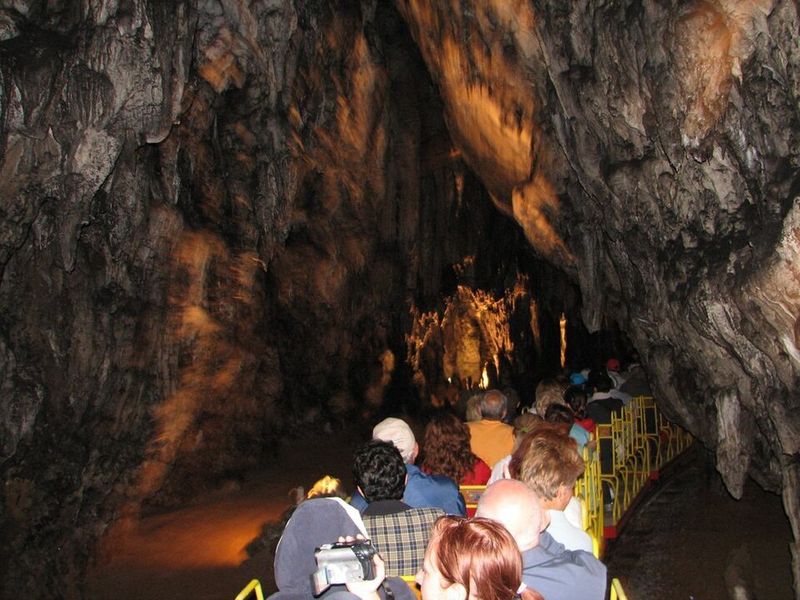
Most cave tours involve a lot of walking and a tour guide speaking in a hushed, reverent tone. Postojna Cave in Slovenia starts with a two-kilometer electric train ride through the underground before you even begin the walking part.
It sets the tone immediately: this place is not messing around.
The cave system stretches for over 24 kilometers, making it one of the largest in Europe. The train zips through tunnels of stalactites at a pace that makes it feel slightly cinematic.
After disembarking, a guided walking tour takes you through enormous caverns filled with formations that have been growing for millions of years.
The highlight for many visitors is the olm, a blind cave salamander that lives exclusively in the underground waters here. It is pale, strange-looking, and utterly fascinating.
The cave stays at a constant 10 degrees Celsius year-round, so bring a jacket regardless of the weather outside. Tours run daily and tickets should be booked in advance during peak season.
Take a Pletna Boat to Bled Island, Bled, Slovenia
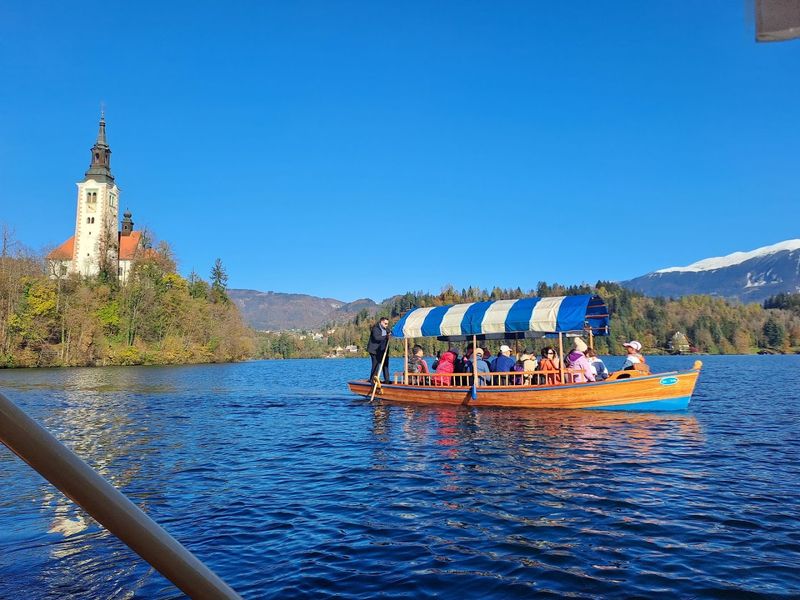
Lake Bled is the kind of place that makes you question whether you have accidentally walked into a postcard. The emerald-green lake, the island with its tiny Baroque church, the medieval castle perched on a cliff above, and the Julian Alps framing it all in the background is almost too much beauty at once.
And yes, it is exactly as good as it looks.
The traditional way to reach Bled Island is by Pletna, a flat-bottomed wooden boat rowed by local boatmen whose families have held the rights to this service for generations. The 15-minute ride is calm and genuinely lovely.
Once on the island, you can ring the wishing bell in the church tower, which is said to grant wishes. No guarantees, but worth a try.
The 99 steps up to the church are a local wedding tradition: the groom carries the bride up all of them without stopping. Watching tourists attempt this voluntarily is free entertainment.
Book Pletna rides at the shore and arrive early in summer to avoid long waits.
Walk the Bastei Bridge, Saxon Switzerland, Germany
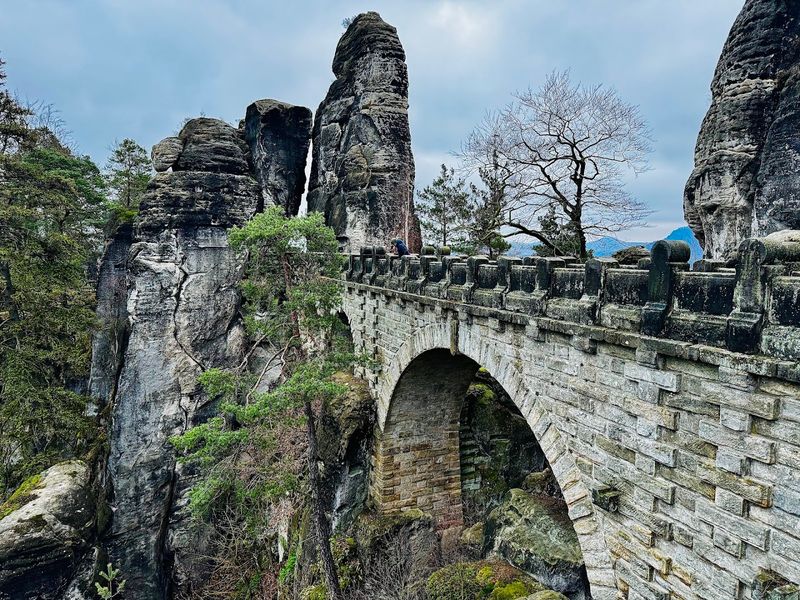
The Bastei Bridge looks like it belongs in a fantasy novel, which is probably why it has been inspiring artists since the Romantic era. This narrow stone bridge connects several jagged sandstone pillars rising 194 meters above the Elbe River in Saxon Switzerland National Park, just southeast of Dresden.
It was built in 1851 and has been causing vertigo ever since.
The views from the bridge are spectacular in every direction. Below, the forested valley stretches out in deep green, and on clear days you can see for miles.
Autumn is particularly stunning when the trees turn orange and gold around the grey rock formations.
The area is part of a larger hiking network with trails ranging from easy strolls to more challenging routes through the sandstone landscape. Parking fills up fast on weekends, so arriving early or taking the train from Dresden is the smarter move.
Entry to the bridge area costs a small fee and is absolutely worth every cent.
Hike to Aescher and Wildkirchli, Appenzell, Switzerland
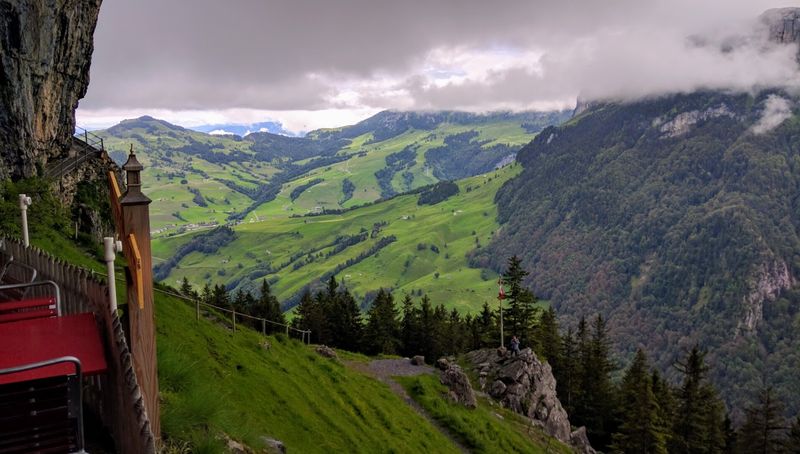
The Aescher guesthouse in Appenzell is one of the most photographed buildings in Switzerland, and once you see it, you will completely understand why. It is built directly into a sheer limestone cliff face at around 1,400 meters altitude, with the rock acting as the back wall of the building.
It looks like a hobbit house designed by a very ambitious architect with a thing for heights.
Getting there requires a cable car from Wasserauen followed by a 30-minute hike along a well-marked trail. The hike is manageable for most fitness levels, and the scenery along the way through alpine meadows is excellent.
Wildkirchli, a small chapel carved into the rock just below Aescher, adds an extra layer of historic charm to the visit.
The guesthouse serves traditional Swiss food and cold drinks, which taste significantly better after a mountain hike. It closes in winter and gets busy on summer weekends, so a weekday visit in June or September is the sweet spot.
The whole experience feels refreshingly far from ordinary tourism.
Step Across the Basalt Columns at Giant’s Causeway, County Antrim, Northern Ireland
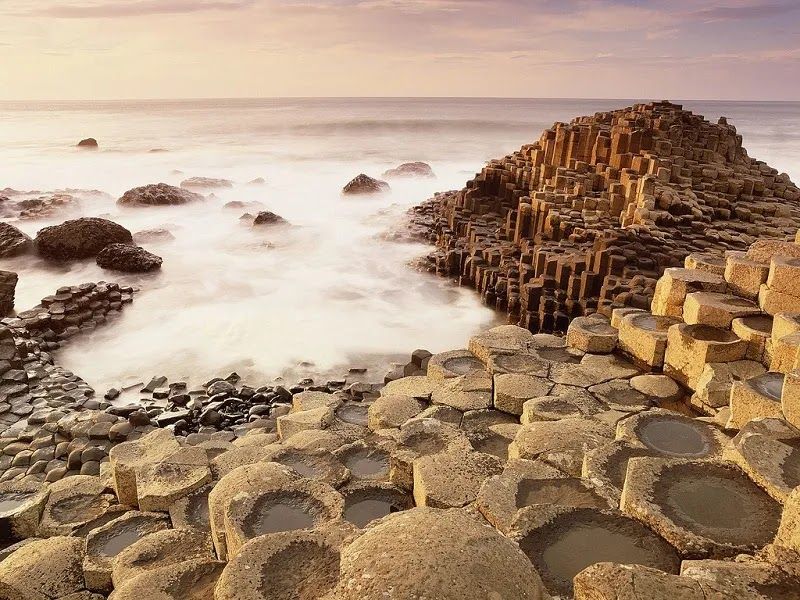
About 40,000 interlocking basalt columns stepping down into the North Atlantic is not something most people expect to find on the northern coast of Ireland. Yet here they are, formed by volcanic activity around 60 million years ago, so geometrically perfect that the locals decided a giant must have built them.
His name was Fionn mac Cumhaill, and honestly, the legend makes more intuitive sense than the geology.
Walking across the columns feels like stepping across a giant’s game board. The shapes are hexagonal, fitting together with a precision that genuinely baffles first-time visitors.
The surrounding coastal scenery, with dramatic cliffs and crashing waves, adds to the otherworldly atmosphere.
The visitor centre is worth a stop for the geological backstory before heading to the columns themselves. Arrive early or late in the day to avoid the crowds that peak around midday.
The site is a UNESCO World Heritage Site and the most visited attraction in Northern Ireland. Wear sturdy shoes since the basalt gets slippery when wet, which in Ireland is basically always.
Spend a Day at Puy du Fou España, Toledo, Spain
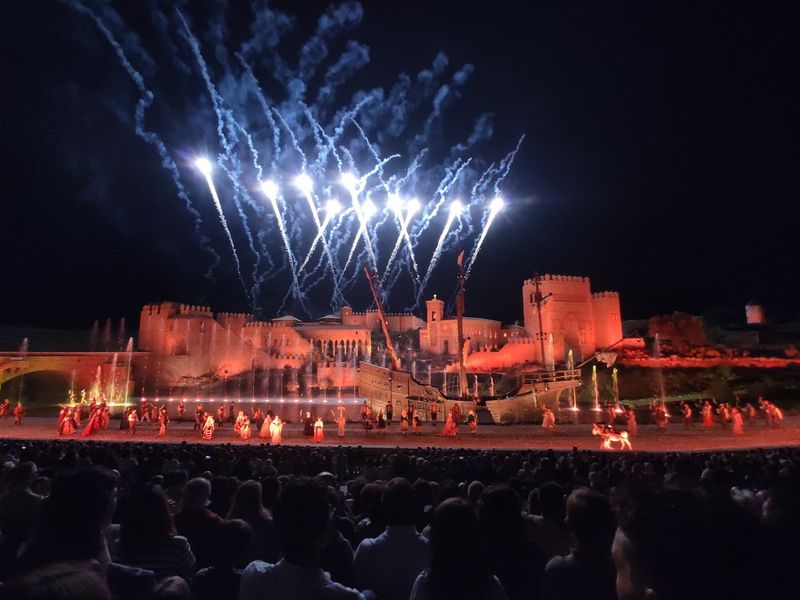
Puy du Fou España near Toledo is not your average theme park. There are no roller coasters, no cartoon characters, and no overpriced cotton candy.
What it does have is a series of jaw-dropping live historical shows performed by hundreds of actors, horses, birds of prey, and enough pyrotechnics to make a film director cry with envy. It opened in 2021 and already has people raving.
The shows cover different periods of Spanish history, from Roman gladiators to medieval knights to the age of exploration, all staged with production values that rival major cinema. The Viking show alone involves a full-scale longship and a lake.
I am not exaggerating.
Unlike its French sister park, Puy du Fou España is still relatively under the radar internationally, which means shorter queues and a more relaxed atmosphere. Book tickets in advance online and plan to spend a full day.
Evening shows are particularly spectacular. Toledo itself is worth an extra night to explore the historic old town nearby.
Share this story