Japan is one of those places that keeps surprising you long after you think you have figured it out. Sure, Tokyo and Kyoto are incredible, but the country hides so many jaw-dropping experiences off the tourist trail.
From ancient pilgrimage routes to glowing art islands, Japan rewards curious travelers like few places on earth. If you are ready to go beyond the usual stops, this list is your starting point.
Sleep in a Temple on Mount Koya
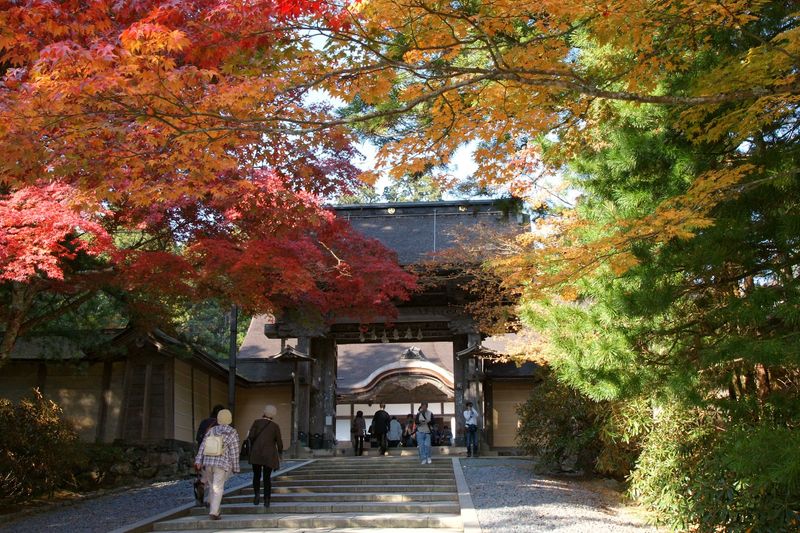
Mount Koya is one of Japan’s most sacred places, and spending the night there feels like stepping into a different century. Monks have lived on this mountain for over 1,200 years, and many temples now open their doors to overnight guests.
You sleep on futons, eat Buddhist vegetarian meals called shojin ryori, and wake up early enough to join the morning prayer ceremony. The silence alone is worth the trip.
I still think about the smell of incense drifting through the wooden hallways at dawn.
The temple cemetery, Okunoin, is one of the most atmospheric walks in all of Japan, especially at night when stone lanterns line the path between towering cedar trees. Over 200,000 graves sit quietly under the forest canopy.
Book your stay well in advance because spots at popular temples like Ekoin fill up fast, particularly in autumn.
Walk the Kumano Kodo
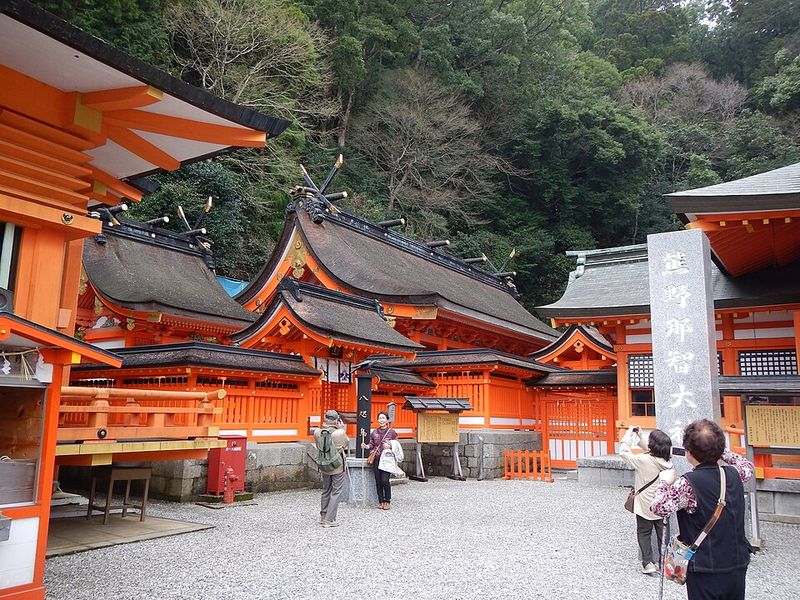
Only two pilgrimage routes in the world hold UNESCO World Heritage status. The Kumano Kodo in Wakayama is one of them, and the Camino de Santiago in Spain is the other.
That already tells you something special is going on here.
The trail winds through forested mountains to three grand shrines known as the Kumano Sanzan. Pilgrims have walked this path for over a thousand years, and the route still carries that weight of history with every step.
The Nakahechi route is the most popular for first-timers, stretching roughly 70 kilometers across rugged terrain. Small guesthouses called minshuku dot the trail, offering hot meals and warm beds after long hiking days.
Autumn is a brilliant time to walk, when the hillsides turn red and gold. Pack decent rain gear because this region gets serious rainfall year-round, and muddy trails are part of the deal.
Visit Naoshima’s Art Island
Naoshima is proof that art and nature can share the same address without arguing about it. This small island in the Seto Inland Sea has transformed itself into one of the most talked-about art destinations in Asia.
The Chichu Art Museum alone is worth the ferry ride. Tadao Ando designed it to sit mostly underground, with natural light doing all the heavy lifting inside.
Works by Claude Monet and James Turrell fill the spaces in ways that feel genuinely surprising.
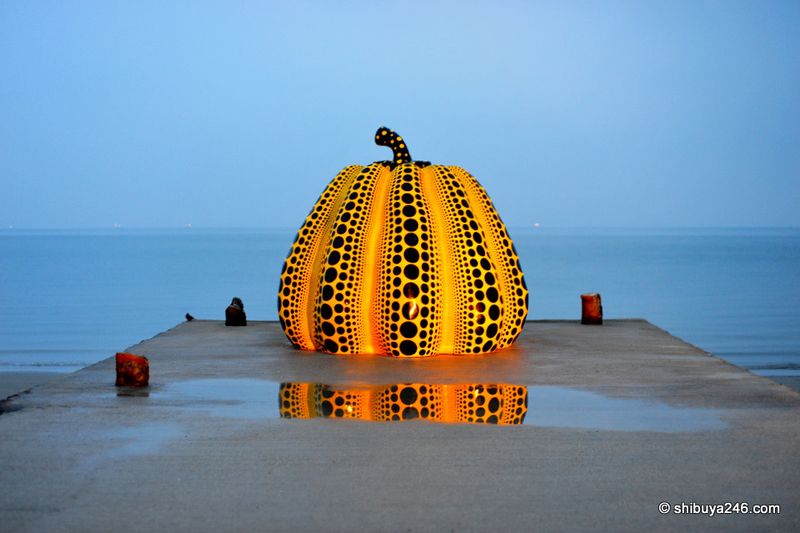
Yayoi Kusama’s giant yellow pumpkin sculpture sitting by the waterfront has become the island’s unofficial mascot. Beyond the museums, the old fishing village of Honmura is full of art house projects tucked inside traditional buildings.
Wear comfortable shoes because the island is best explored on foot or by rented bicycle. The ferry from Uno Port takes about 20 minutes and runs regularly throughout the day.
Bike the Shimanami Kaido
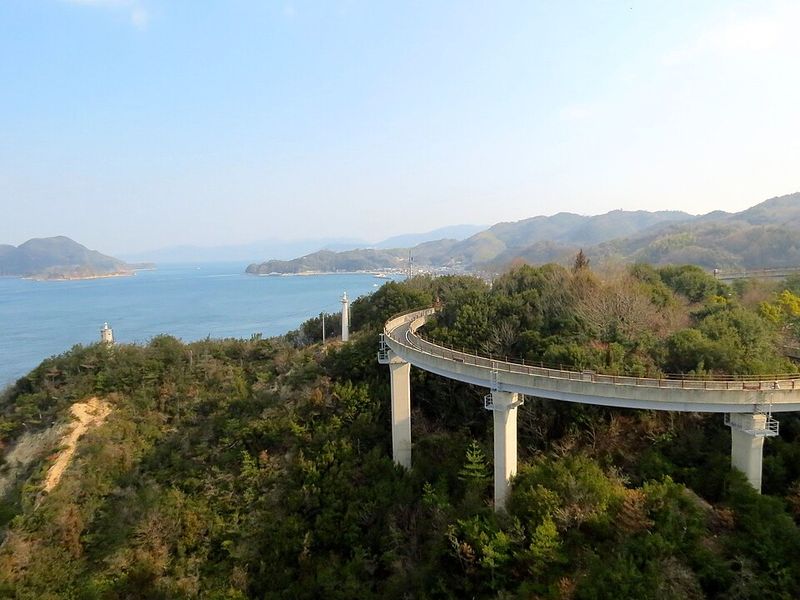
Stretching roughly 70 kilometers across six islands between Onomichi and Imabari, the Shimanami Kaido is widely considered one of the best cycling routes in the world. Bold claim, but it earns it.
The route crosses a series of suspension bridges that hang dramatically above the Seto Inland Sea, giving you views that make even tired legs forget their complaints. Most cyclists complete it over two days, stopping overnight on one of the islands along the way.
Bicycle rental stations are set up at both ends and on several islands, so you can drop off your bike at a different location from where you picked it up. Oshima Island has a great citrus farm stop midway through the route.
The cycling path is well-marked and mostly separated from traffic, making it accessible for casual riders too. Spring cherry blossoms and autumn foliage turn this already scenic ride into something genuinely unforgettable.
Hike the Forests of Yakushima
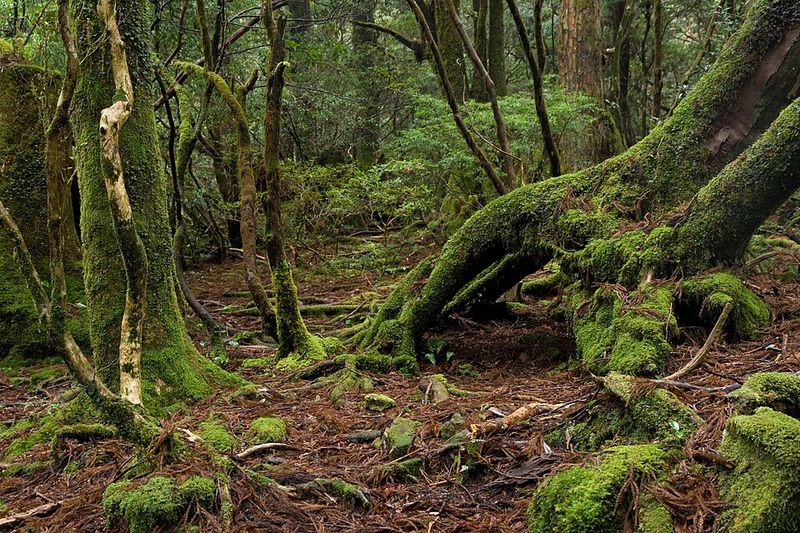
Yakushima is the kind of place that makes you feel genuinely small in the best possible way. This island off the southern tip of Kyushu is home to cedar trees that have been standing for thousands of years.
Jomon Sugi, the oldest tree on the island, is estimated to be between 2,170 and 7,200 years old depending on who you ask. Getting there requires a full day hike of around 10 hours round trip, but hikers who make the effort consistently call it life-changing.
The forest itself was a major inspiration for Studio Ghibli’s film Princess Mononoke, and walking through it, you start to understand why. Thick green moss covers everything, and the air feels almost impossibly clean.
The island receives some of the heaviest rainfall in Japan, so waterproof gear is not optional here. Permits are required for some trails during peak season, so plan ahead carefully.
Try a Sand Bath in Beppu
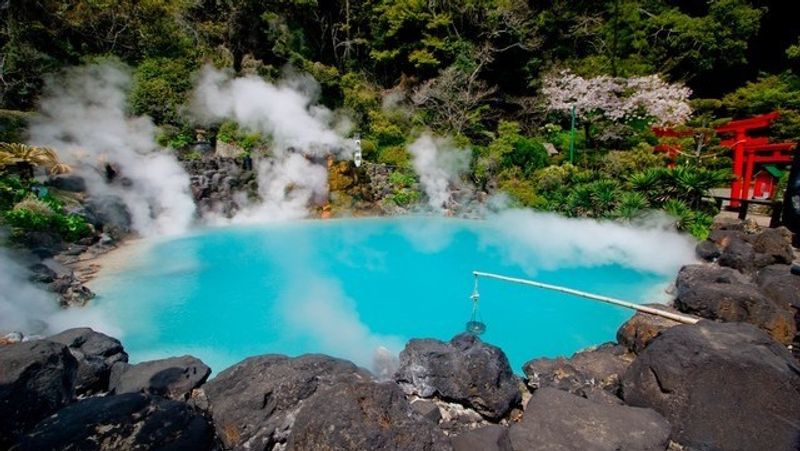
Beppu produces more geothermal hot spring water than almost anywhere else on the planet, which means the locals have gotten very creative about what to do with all that heat. Enter the sand bath.
At Beppu’s famous sunamushi baths, attendants shovel naturally heated volcanic sand over your body until only your head sticks out. The temperature sits around 50 degrees Celsius, and you stay buried for about 10 to 15 minutes.
It sounds mildly alarming, but it feels genuinely wonderful.
The sand is heated by underground hot springs rather than open flame, so the warmth seeps into your muscles in a way regular baths simply cannot match. Yuya Hama is one of the most popular spots, located right on the beachfront with ocean views from the changing rooms.
Beppu also has eight distinct hot spring zones called the Hells, colorful boiling pools that are worth touring even if you just watch from a safe distance.
Stroll Through Kinosaki Onsen
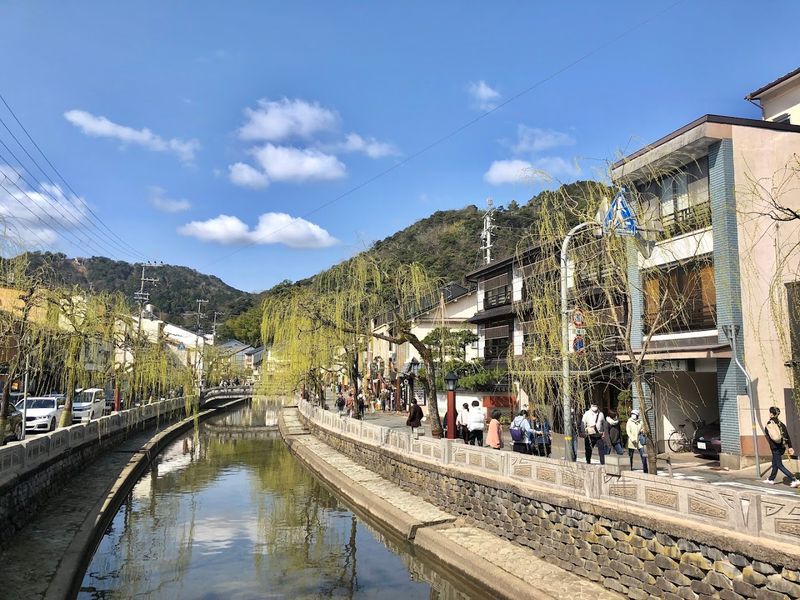
Kinosaki Onsen might be the most charming small town in Japan, and it has been perfecting that charm for roughly 1,300 years. The concept here is simple and brilliant: one entry fee covers access to all seven public bathhouses in town.
Guests pick up a yukata from their inn, slip on wooden geta sandals, and spend the evening hopping between baths. Each bathhouse has its own personality, from cave-style soaking to riverside outdoor pools.
The willow-lined canal that runs through the center of town glows beautifully at night when the lanterns come on. Writers and artists have been coming to Kinosaki for inspiration for centuries, including the famous novelist Shiga Naoya who wrote a celebrated short story here after surviving a near-fatal accident nearby.
Most ryokan include dinner and breakfast in the room rate, and the local seafood, particularly Tajima crab in winter, is outstanding. This is slow travel done exactly right.
Walk the Nakasendo Trail
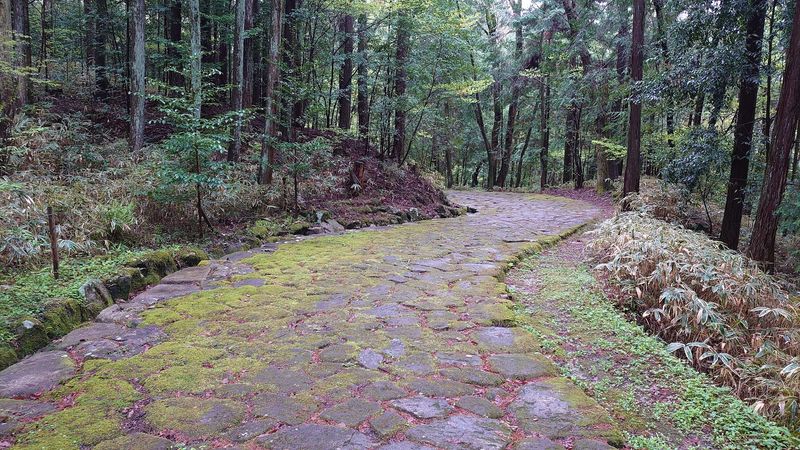
The Nakasendo was one of the five major highways of Edo-period Japan, connecting Kyoto to Edo (now Tokyo) through the mountains of central Honshu. The most scenic stretch runs between the post towns of Magome and Tsumago, covering about 8 kilometers of preserved historic road.
Walking this section feels like a genuinely honest trip back in time. The villages have been carefully maintained to look much as they did in the 17th and 18th centuries, with wooden inns, sake shops, and old signposts still standing along the path.
A luggage forwarding service operates between the two towns, so you can walk with just a daypack while your bags travel ahead to meet you. The trail itself passes through cedar forests and rice paddies, crossing small streams along the way.
Autumn is spectacular here, but honestly every season brings something worthwhile. Stay overnight in a traditional wooden guesthouse in Tsumago for the full experience.
Explore the Iya Valley
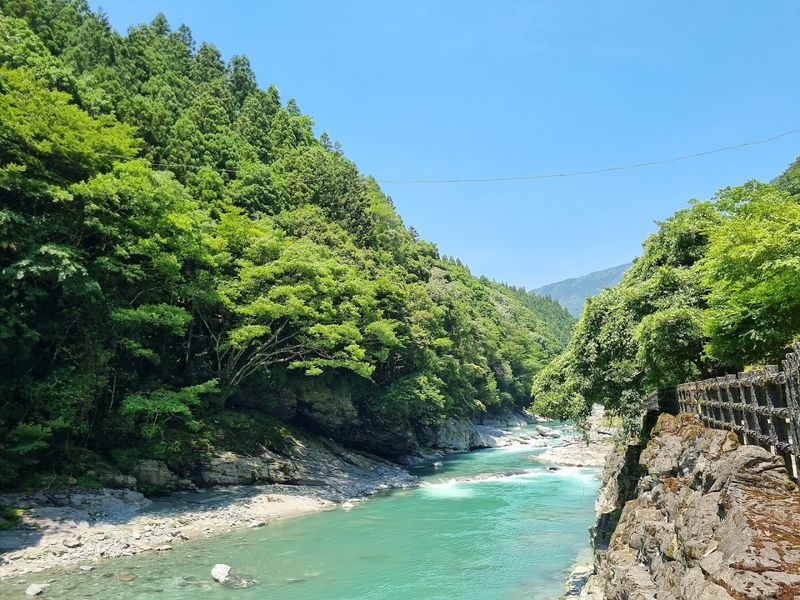
Tucked deep inside Shikoku’s mountains, the Iya Valley is one of Japan’s most remote and dramatically beautiful places. Getting there is part of the adventure, involving winding mountain roads that hug cliff edges with cheerful disregard for the drop below.
The valley is famous for its kazurabashi, vine bridges woven from mountain wisteria that swing gently over the rushing Iya River far below. The bridges are rebuilt every three years using traditional techniques that date back hundreds of years.
Local legend says the valley was a refuge for defeated Heike clan warriors after the Genpei War in the 12th century, which explains the remote and fortress-like setting. Ochiai Village is a UNESCO-recognized historic settlement where old farmhouses cling to almost vertical hillsides.
The region also has excellent rafting, onsen, and arguably the best thatched-roof farmhouse accommodation in all of Japan. Renting a car is strongly recommended because public transport in this area is very limited.
Row Through Takachiho Gorge
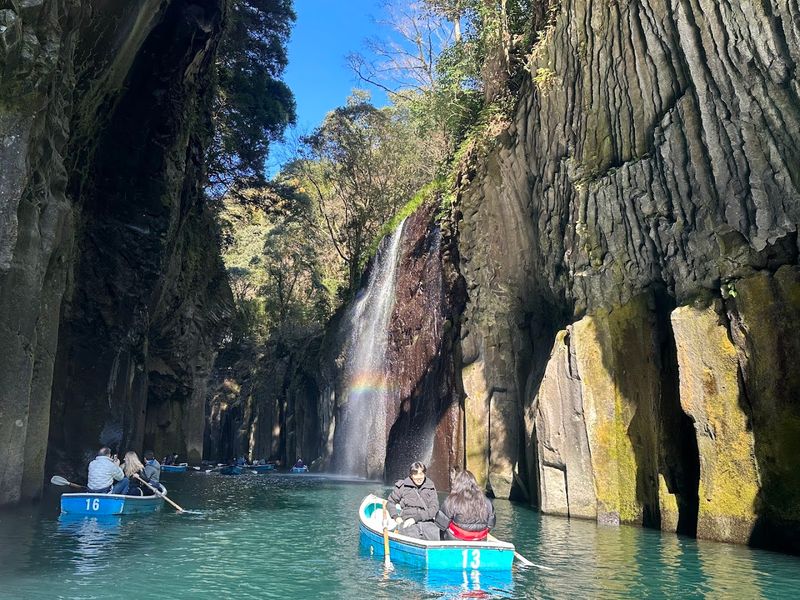
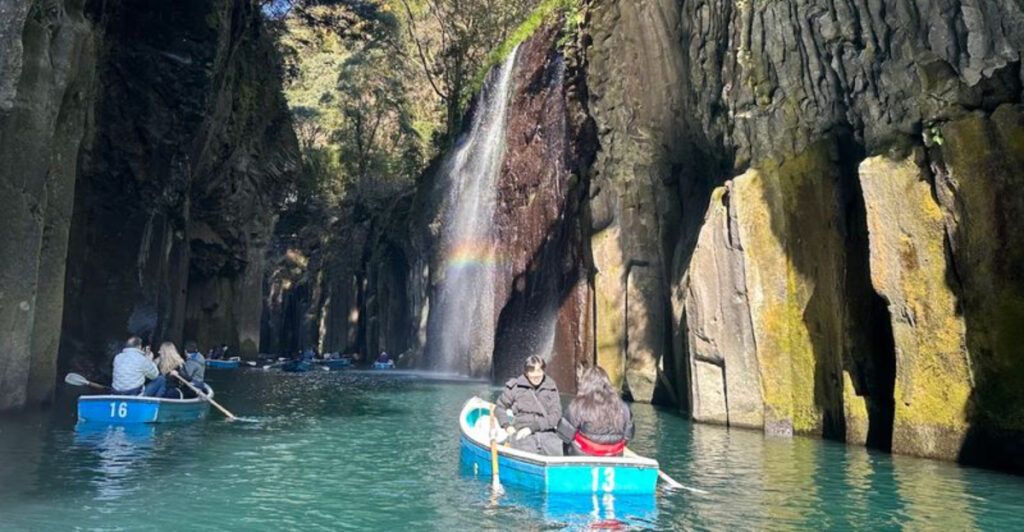
Takachiho Gorge was carved by the Gokase River slicing through ancient basalt lava flows, creating walls of hexagonal columns that rise dramatically on both sides of the water. It looks like something a film director made up.
Rowboats are available for rent right at the gorge, and paddling through the narrow canyon under those towering rock walls is genuinely one of the most fun 30 minutes you can spend in Japan. The small Manai Waterfall drops directly into the gorge from a height of 17 meters.
Takachiho is also deeply connected to Japanese mythology. According to the Kojiki, Japan’s oldest written chronicle, the sun goddess Amaterasu hid in a cave nearby after a quarrel with her brother, plunging the world into darkness.
The local Takachiho Shrine holds nightly kagura dance performances that retell these ancient stories. Arrive early to rent a boat because queues can stretch well over an hour during peak season.
Discover Samurai History in Aizu-Wakamatsu
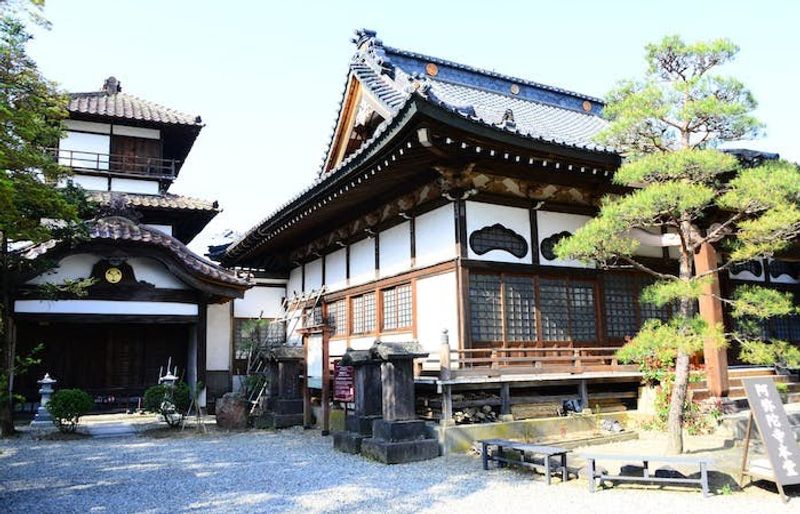
Few cities in Japan carry the samurai spirit as seriously as Aizu-Wakamatsu. This city in Fukushima Prefecture was the site of one of the most dramatic battles of the Boshin War in 1868, when loyalist samurai held out against imperial forces in a siege that lasted over a month.
Tsuruga Castle, also called Crane Castle, stands beautifully restored at the heart of the city. The castle museum does an excellent job of explaining the Aizu clan’s fierce loyalty and ultimate defeat, including the heartbreaking story of the Byakkotai, a group of teenage samurai who took their own lives on a nearby hill after mistakenly believing the castle had fallen.
The Bukeyashiki samurai residence gives a vivid picture of daily life for a senior retainer’s family. Aizu is also known for outstanding lacquerware and sake, so the cultural souvenirs here are genuinely worth buying.
The city gets far fewer tourists than Kyoto but offers comparable historical depth.
Visit Arita and Imari
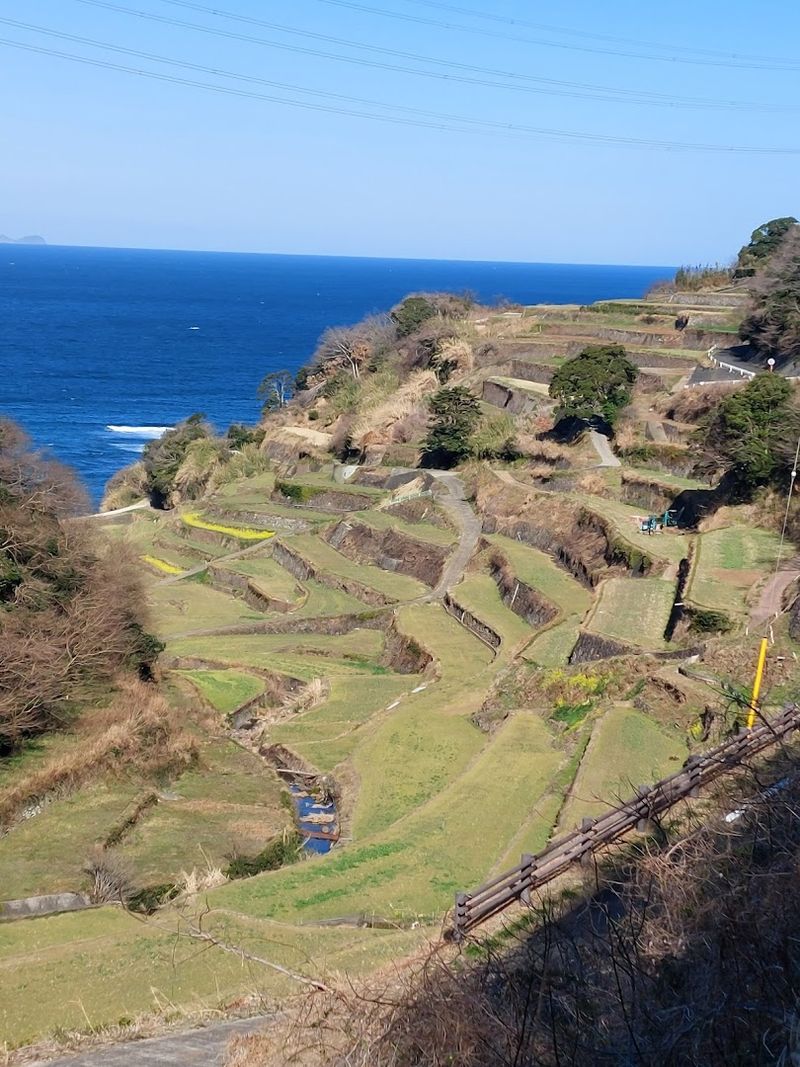
Japan’s porcelain tradition was essentially born in Arita around 1616 when kaolin clay was discovered in the hills of Saga Prefecture. That single discovery kicked off an industry that would eventually export ceramics to European royalty and reshape decorative arts worldwide.
Walking through Arita today, you pass kilns, galleries, and ceramic shops lining streets that have barely changed in centuries. The craftsmanship on display is extraordinary, from delicate blue-and-white Arita ware to the more colorful Kakiemon and Imari styles.
The nearby town of Imari served as the original export port, which is why European collectors historically called this style Imari porcelain regardless of where it was actually made. The Kyushu Ceramic Museum in Arita offers a thorough and well-presented history of the region’s craft.
A large ceramic fair called the Arita Pottery Festival draws hundreds of thousands of visitors each May. Outside festival season, the town is refreshingly quiet and easy to explore at your own pace.
See the Tottori Sand Dunes
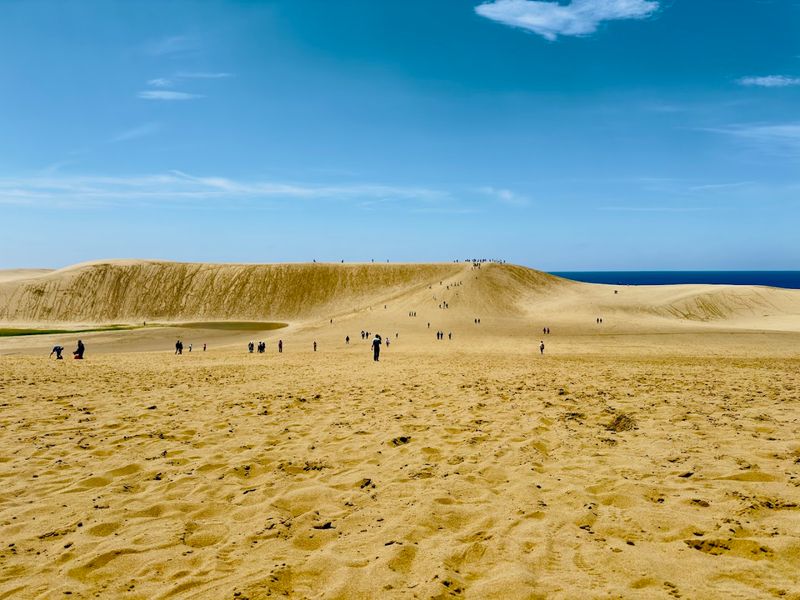
Most people are genuinely surprised to learn that Japan has proper sand dunes. Tottori’s dunes stretch about 16 kilometers along the Sea of Japan coast and reach heights of up to 90 meters, making them the largest dune system in the country.
The scale catches visitors off guard. Standing at the top of the main dune ridge with the grey-blue sea on one side and a pine forest on the other gives you a view that feels completely out of place in Japan in the best possible way.
Camel rides are available, which is either wonderfully absurd or perfectly logical depending on your perspective. The nearby Sand Museum hosts a rotating exhibition of massive sculptures carved entirely from sand by international artists, and the detail in the works is jaw-dropping.
Tottori city is also home to the official Crayon Shin-chan and Conan manga museums, making this an oddly rich cultural stop. The dunes are best visited in winter when the wind carves the sharpest patterns.
Stay in Shirakawa-go
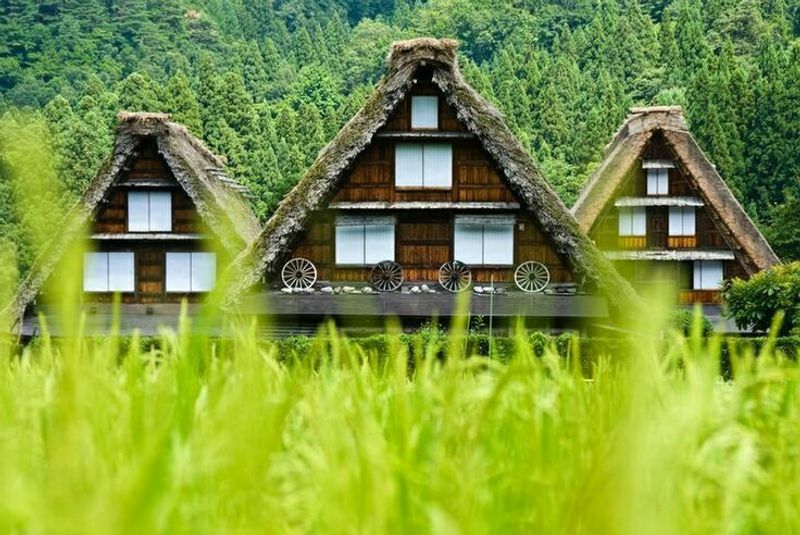
Shirakawa-go sits in a steep mountain valley in Gifu Prefecture, and its thatched-roof farmhouses look like they belong in a fairy tale. The gassho-zukuri style, whose name means hands in prayer, produces steeply pitched roofs designed to shed the region’s enormous winter snowfall.
The village is a UNESCO World Heritage Site and draws big crowds during the day, but staying overnight completely changes the experience. After the tour buses leave, the village becomes extraordinarily peaceful, and you have the lantern-lit streets almost entirely to yourself.
Several farmhouses operate as guesthouses, serving hearty mountain meals that include local river fish, mountain vegetables, and hoba miso grilled over a charcoal fire at your table. The winter light-up events held on select evenings in January and February are among the most visually stunning seasonal events in Japan.
Book these nights at least six months in advance because they sell out almost immediately. The surrounding mountains also offer excellent snowshoeing trails.
Explore Aomori’s Nebuta Festival
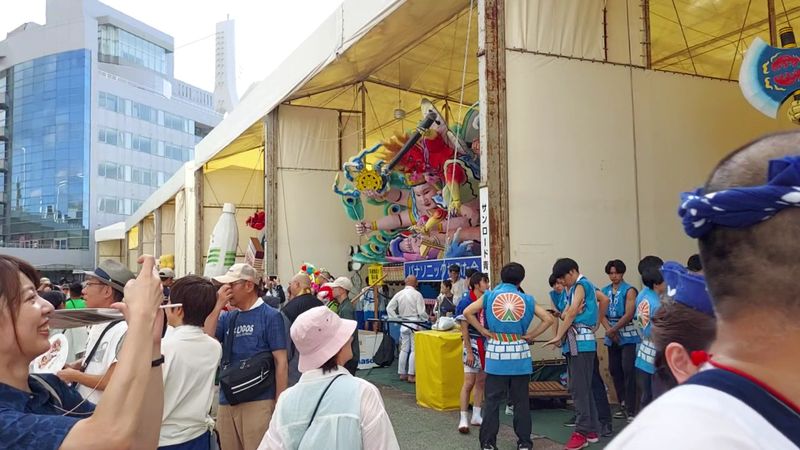
Every August, the city of Aomori in northern Japan goes completely wild for one week with the Nebuta Festival, one of the most electrifying summer events in the entire country. Giant illuminated floats depicting warriors, demons, and mythological figures are paraded through the streets after dark.
The floats, called nebuta, are hand-built by teams of craftspeople over several months. Some stand over five meters tall and light up with hundreds of bulbs from inside, making the painted faces glow with an intensity that stops crowds in their tracks.
Dancers called haneto leap and chant alongside the floats in colorful costumes, and anyone can join in if they wear the right outfit. Rental costume shops set up around the city specifically for this purpose.
Aomori is also famous for its apples, its outstanding seafood market called Furukawa, and the nearby Towada-Hachimantai National Park. The Nebuta Museum WA RASSE keeps the festival alive year-round with excellent displays.
Share this story