 Unearth The Voyage
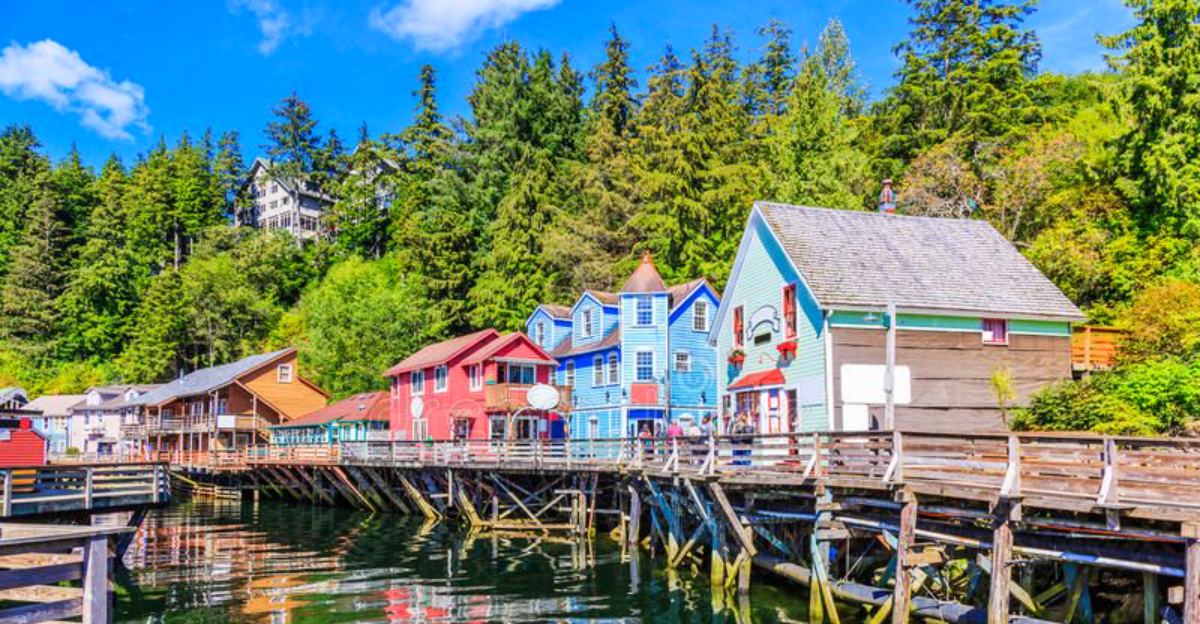
For many people, mountain living means waking up to crisp air, dramatic peaks, and endless outdoor adventure. Across the United States, several states stand out for their stunning mountain landscapes, charming high-altitude towns, and access to national parks and wilderness areas.
From the towering Rockies to the misty Appalachian Mountains, these states offer some of the best environments for anyone dreaming of life surrounded by nature.
Colorado
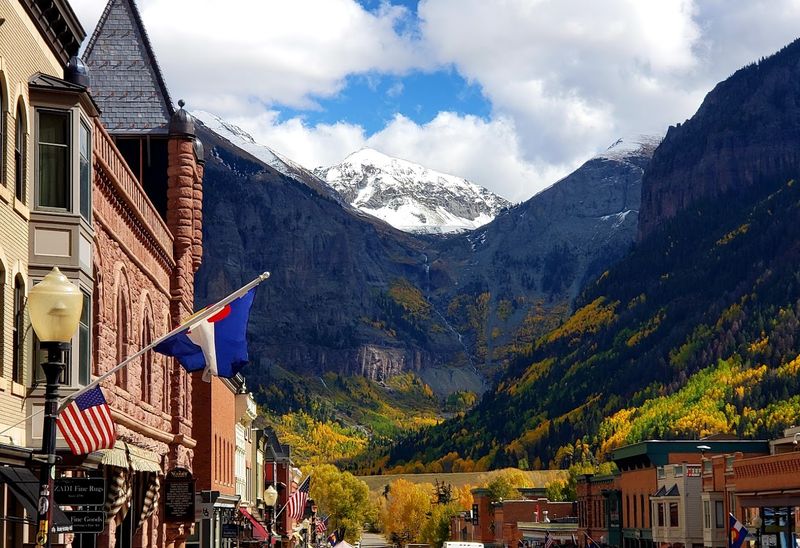
Fifty-eight peaks above 14,000 feet—Colorado doesn’t just have mountains, it practically is mountains. The Rocky Mountains dominate the state’s landscape, creating a playground that outdoor lovers dream about their entire lives.
Whether you’re lacing up hiking boots or clipping into ski bindings, the scenery never gets old.
Towns like Aspen, Telluride, and Leadville each carry their own personality. Aspen leans upscale and artsy, Telluride feels like a secret gem tucked in a box canyon, and Leadville holds the title of the highest incorporated city in the United States at over 10,000 feet.
Each community offers a genuinely unique mountain experience.
Summers in Colorado are spectacular, with wildflower-covered meadows and cool temperatures perfect for biking and climbing. Winters bring legendary powder snow that skiers travel from around the world to experience.
Colorado consistently ranks among the healthiest and happiest states in the country, and honestly, it’s hard to feel gloomy when mountain views greet you every single morning.
Montana
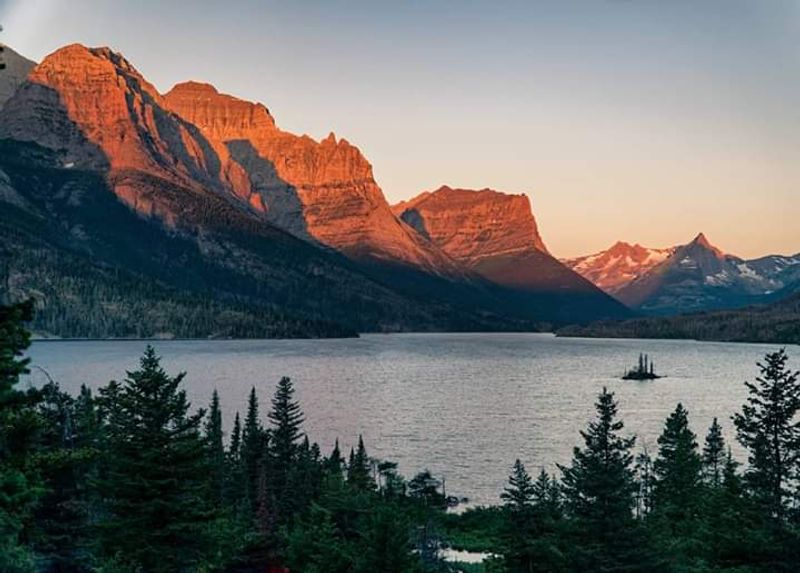
Nowhere else in America does the sky feel quite as enormous as it does in Montana. That famous “Big Sky Country” nickname earns its reputation every single day, especially when jagged mountain peaks punch through clouds above endless wilderness.
The scale of this place genuinely takes your breath away.
Glacier National Park alone could justify moving to Montana. With over a million acres of pristine wilderness, it’s home to grizzly bears, mountain goats, and hundreds of miles of hiking trails.
The Going-to-the-Sun Road is one of the most spectacular scenic drives anywhere on Earth, cutting right through alpine terrain that looks almost too dramatic to be real.
Small towns like Whitefish and Bozeman have grown into vibrant communities without losing their mountain-town soul. Bozeman in particular has attracted a wave of remote workers who want access to world-class skiing and fishing without giving up good coffee shops or a lively arts scene.
Montana rewards those willing to embrace a slower pace, colder winters, and the occasional moose strolling through the backyard.
Wyoming
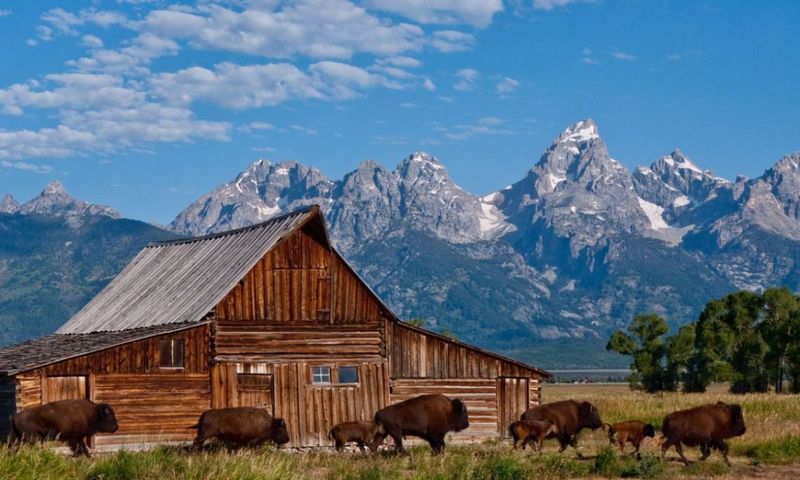
The Grand Tetons rise so suddenly and so sharply from the valley floor that first-time visitors often stop their cars just to stare. Wyoming holds some of the most jaw-dropping mountain scenery in North America, and about 47% of the state is classified as mountainous.
That’s not just a landscape—that’s a lifestyle.
Yellowstone National Park sits right next door to Grand Teton National Park, giving Wyoming residents access to two extraordinary natural wonders within a short drive. Geysers, hot springs, bison herds, and wolf packs make Wyoming feel like a living nature documentary.
Jackson Hole serves as the cultural and recreational hub of the region, blending rugged adventure with surprisingly good restaurants and galleries.
Wyoming’s population is small, which means less traffic, more elbow room, and a genuine sense of community in mountain towns. The state has no income tax, making it financially attractive alongside its natural appeal.
Winters are serious business here—cold temperatures and heavy snow are facts of life—but residents tend to embrace that harshness as part of what makes Wyoming living feel earned and rewarding.
Utah
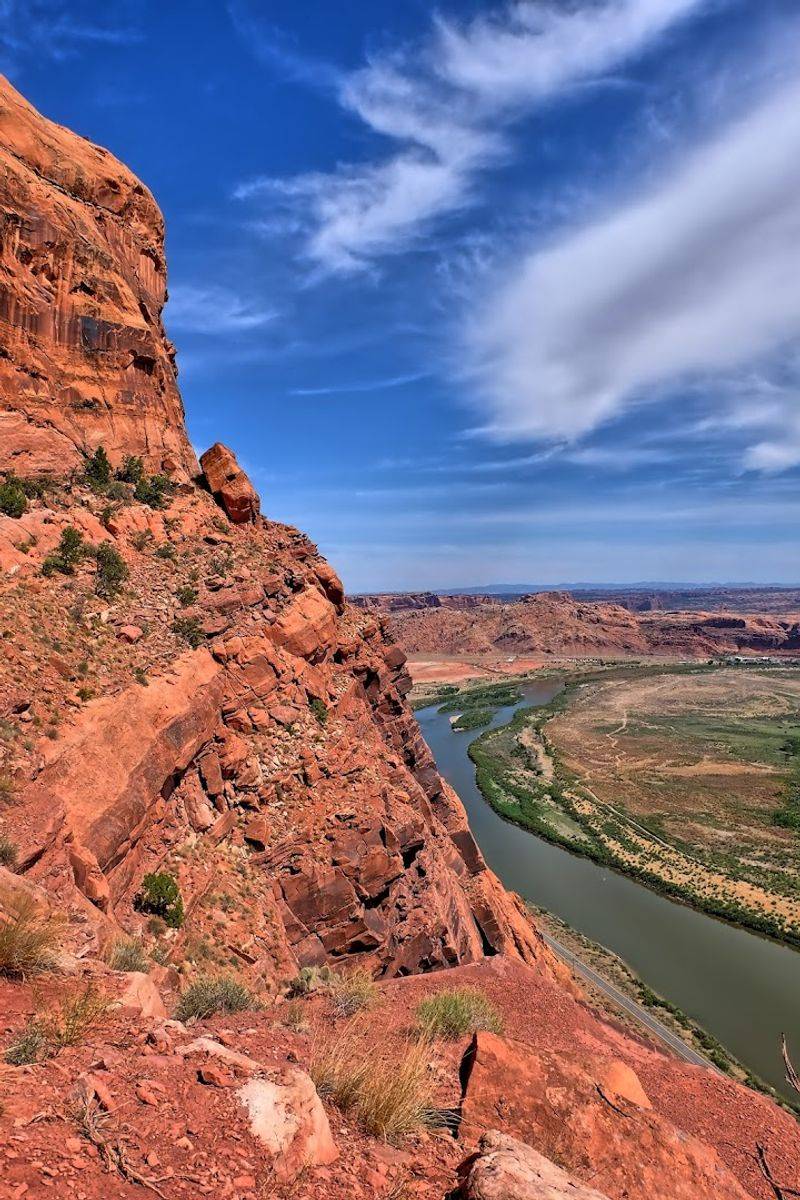
Utah is the only state where you can ski world-class powder in the morning and hike red rock canyons by afternoon—sometimes on the same day. The contrast between alpine mountain ranges and desert landscapes creates a visual variety that never stops being stunning.
It’s like nature couldn’t decide what to do with Utah and just went with everything.
The Wasatch Mountains anchor the northern part of the state, providing exceptional skiing near Salt Lake City. Park City alone hosted the 2002 Winter Olympics and continues to draw athletes and adventure seekers from around the globe.
Utah’s snow is famously dry and light, earning the marketing slogan “The Greatest Snow on Earth,” which most skiers enthusiastically agree with.
Beyond winter sports, summer in Utah is packed with hiking, mountain biking, and exploring five stunning national parks. Moab has become a mountain biking mecca, attracting riders who want technical slickrock trails with canyon views as a backdrop.
Utah’s outdoor recreation economy is booming, and communities throughout the state have invested heavily in trails, parks, and green spaces that make mountain living genuinely enjoyable year-round.
Idaho
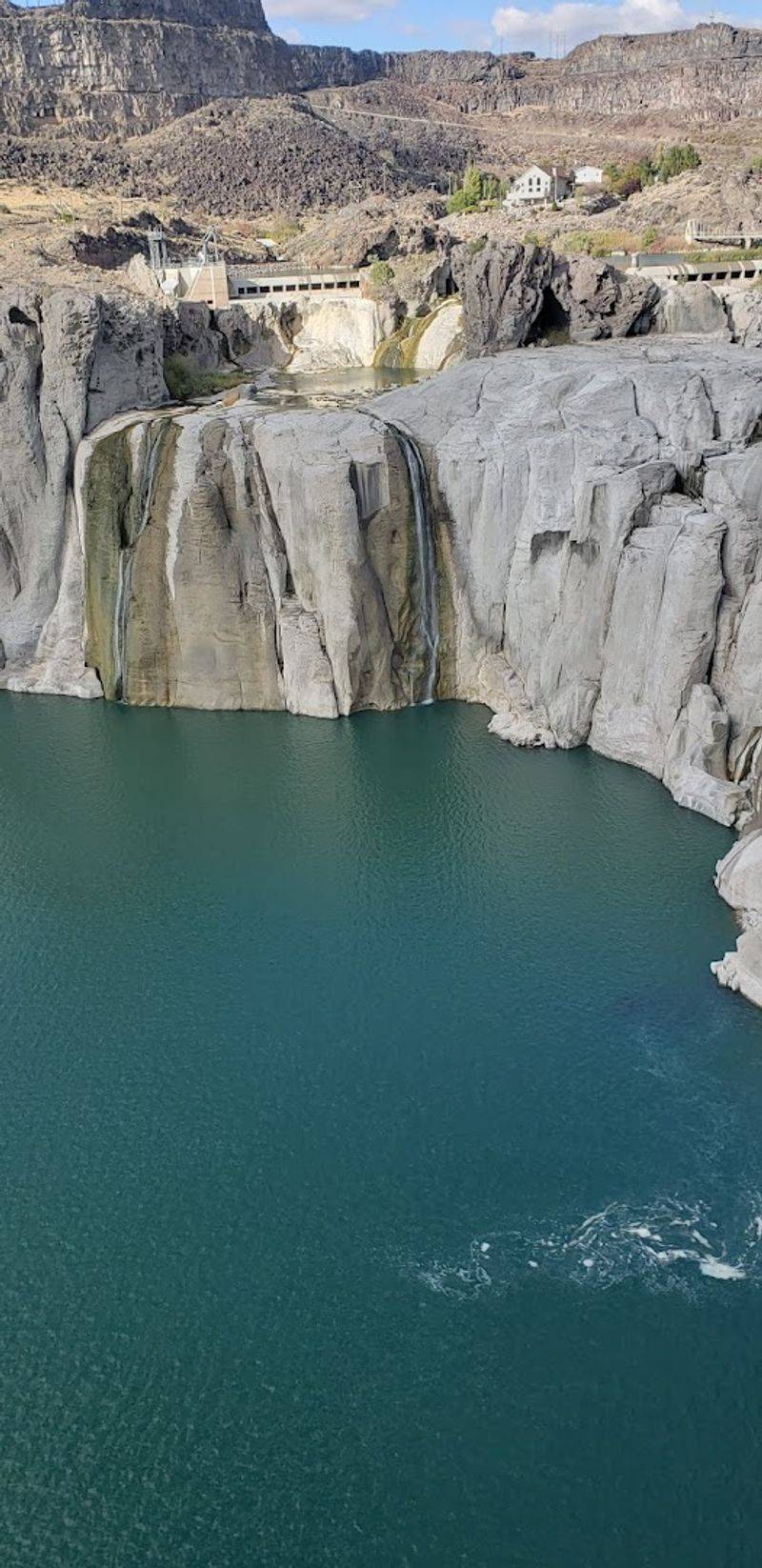
Idaho keeps a low profile, and honestly, that’s part of its charm. The Sawtooth Mountains near Stanley are among the most photographed ranges in the American West, yet crowds remain refreshingly manageable compared to more famous destinations.
Jagged granite peaks reflecting in mirror-still alpine lakes feel like a reward for those willing to seek them out.
The Bitterroot Range along the Montana border adds even more wilderness to Idaho’s impressive mountain portfolio. Sun Valley is the state’s most well-known resort town, attracting skiers and summer hikers who appreciate its polished amenities surrounded by raw natural beauty.
Ernest Hemingway loved Sun Valley so much he made it his home—if it’s good enough for Hemingway, that says something.
Idaho’s rivers are legendary among fly fishermen, and the combination of mountain terrain and rushing whitewater makes it a top destination for rafting and kayaking. The cost of living is lower than neighboring Colorado or Washington, making it increasingly attractive for families and remote workers.
Mountain towns like Sandpoint on Lake Pend Oreille offer a quieter, more affordable alternative to more crowded Western mountain destinations without sacrificing scenery or outdoor access.
Washington
Mount Rainier is so massive it creates its own weather system—a fact that residents of the Pacific Northwest learn quickly and reference often. Standing at 14,411 feet, this glacier-capped volcanic giant dominates the skyline from Seattle on clear days, serving as a constant reminder that Washington’s mountain game is extraordinarily serious.
The Cascade Range stretches the full length of the state, creating a dramatic spine of peaks and forests.
Towns like Leavenworth bring a quirky twist to mountain living. This small town famously transformed itself into a Bavarian-style village in the 1960s to attract tourism, and the gamble paid off spectacularly.
Surrounded by the Wenatchee National Forest, Leavenworth now hosts festivals year-round and provides easy access to hiking, skiing, and whitewater rafting.
Winthrop in the Methow Valley offers a wilder, less touristy mountain experience with world-class cross-country ski trails and a charming Old West aesthetic. Washington’s mountains receive significant snowfall, making winter sports a major draw.
The combination of ocean proximity, volcanic peaks, old-growth forests, and mild coastal influence gives Washington mountain living a uniquely Pacific Northwest flavor that’s hard to replicate anywhere else in the country.
Oregon
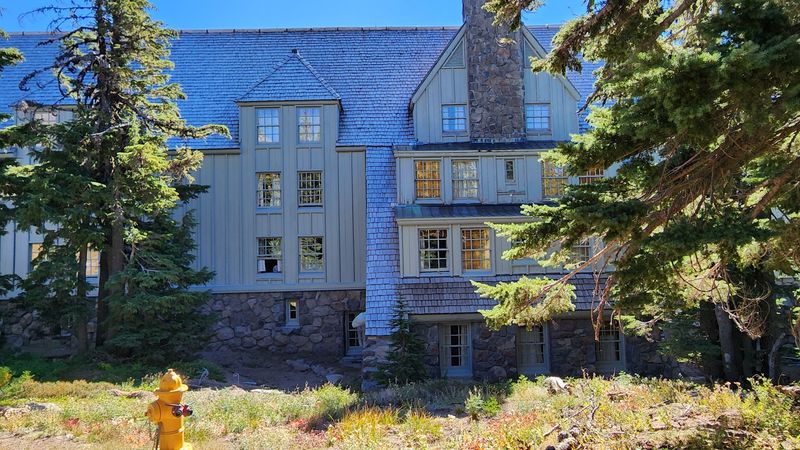
Oregon’s mountains are dramatic in a way that feels slightly cinematic, like someone dialed up the color saturation just a notch. Crater Lake, formed inside a collapsed volcano, holds the deepest lake in the United States and displays a shade of blue so vivid it almost looks digitally enhanced.
The Cascade Range runs north to south through the state, anchoring a mountain lifestyle that blends rugged wilderness with laid-back Pacific Northwest culture.
Bend has become one of the most talked-about mountain cities in America, and the hype is genuinely deserved. Sitting east of the Cascades, Bend enjoys more sunny days than its reputation suggests while maintaining easy access to skiing at Mount Bachelor, hiking around volcanic buttes, and paddling the Deschutes River.
The craft beer scene here is also remarkable, because mountain towns need good beer.
Smaller communities like Sisters and Joseph offer quieter alternatives for those wanting mountain scenery without city energy. Oregon’s outdoor recreation economy supports thousands of jobs, and the state has invested in trail systems that connect towns to wilderness areas in meaningful ways.
Mountains here aren’t just backdrop—they’re genuinely woven into daily life and community identity throughout the state.
California
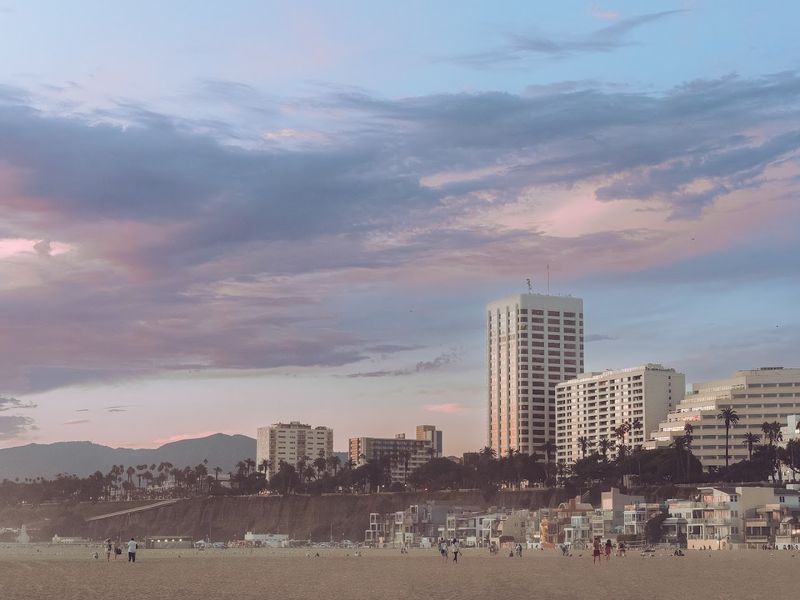
California surprises people who assume it’s all coastline and palm trees. The Sierra Nevada mountain range stretches over 400 miles through the eastern part of the state, containing some of North America’s most spectacular alpine terrain.
John Muir called the Sierra Nevada the “Range of Light,” and anyone who has watched a sunset paint those granite peaks golden understands exactly what he meant.
Lake Tahoe sits at 6,225 feet elevation, straddling the California-Nevada border with water so clear you can see objects at depths of over 70 feet. The communities around Tahoe—South Lake Tahoe, Truckee, Tahoe City—offer skiing, hiking, kayaking, and mountain biking within minutes of front doors.
Mammoth Lakes further south provides another exceptional mountain community with world-class skiing and access to volcanic landscapes that feel genuinely otherworldly.
Yosemite Valley draws millions of visitors annually, but surrounding communities like Groveland and El Portal offer quieter mountain living adjacent to that famous wilderness. California’s mountain regions enjoy milder winters than Rocky Mountain states in many areas, making year-round outdoor living comfortable.
The trade-off is higher housing costs, though mountain communities remain more affordable than coastal California cities.
Arizona
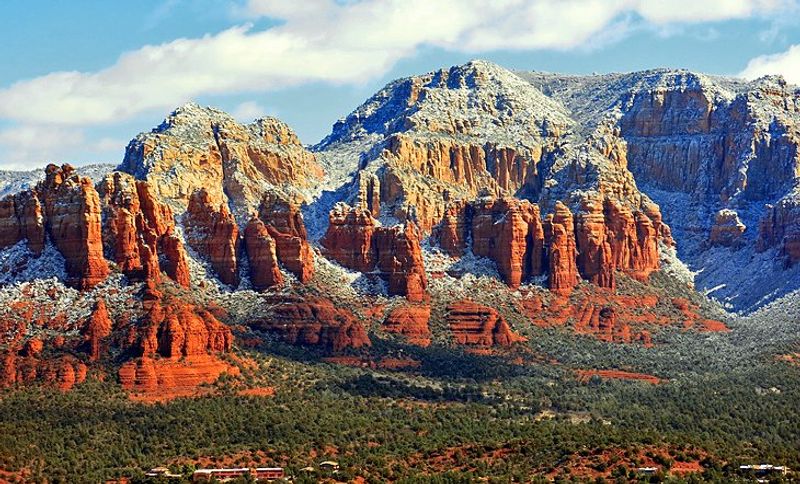
Most people picture Arizona as endless cactus and scorching heat, so discovering that Flagstaff sits at 7,000 feet elevation surrounded by pine forests and snow-capped volcanic peaks tends to produce genuine surprise. The San Francisco Peaks, including Humphreys Peak at 12,633 feet, provide dramatic alpine scenery that feels completely disconnected from the desert landscape just an hour south.
Arizona’s mountain geography is genuinely one of America’s best-kept secrets.
Flagstaff itself is a vibrant university town with a strong outdoor culture, an excellent local food scene, and some of the darkest skies for stargazing in the continental United States. The city has been designated an International Dark Sky City, meaning light pollution is actively managed to protect nighttime visibility.
Mountain stargazing here is truly extraordinary on clear nights.
The cooler temperatures make Flagstaff a popular escape for Phoenix residents fleeing summer heat, but full-time mountain residents enjoy four distinct seasons including genuine snowfall. Nearby Snowbowl ski resort provides winter recreation, while hundreds of miles of hiking and mountain biking trails surround the city.
Jerome, a quirky former mining town perched on Mingus Mountain, adds yet another dimension to Arizona’s surprisingly rich mountain living options.
New Mexico
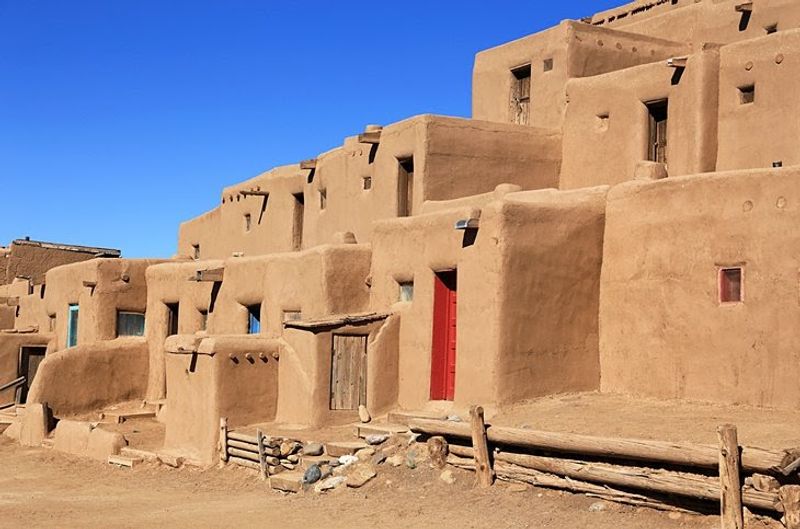
New Mexico pulls off a combination that shouldn’t logically work but absolutely does—ancient adobe architecture, vibrant Southwestern culture, and dramatic mountain ranges all sharing the same stunning landscape. The Sangre de Cristo Mountains, whose name translates to “Blood of Christ” for the red glow they take on at sunset, rise dramatically above high desert valleys and historic towns.
It’s a visual experience unlike anywhere else in America.
Santa Fe sits at 7,000 feet, making it one of the highest capital cities in the United States. The city’s art scene is world-renowned, and the combination of mountain setting, cultural richness, and 300 days of sunshine annually creates a lifestyle that attracts artists, retirees, and outdoor enthusiasts in equal measure.
Taos, just north of Santa Fe, adds ski resort access and a legendary arts community built around its famous Pueblo.
Wheeler Peak, New Mexico’s highest point at 13,161 feet, offers serious hiking challenges within the Carson National Forest. The Jemez Mountains near Los Alamos provide additional wilderness for exploring hot springs, volcanic landscapes, and aspen groves.
New Mexico’s cost of living remains relatively affordable compared to neighboring Colorado, making it an increasingly attractive option for mountain lifestyle seekers.
North Carolina
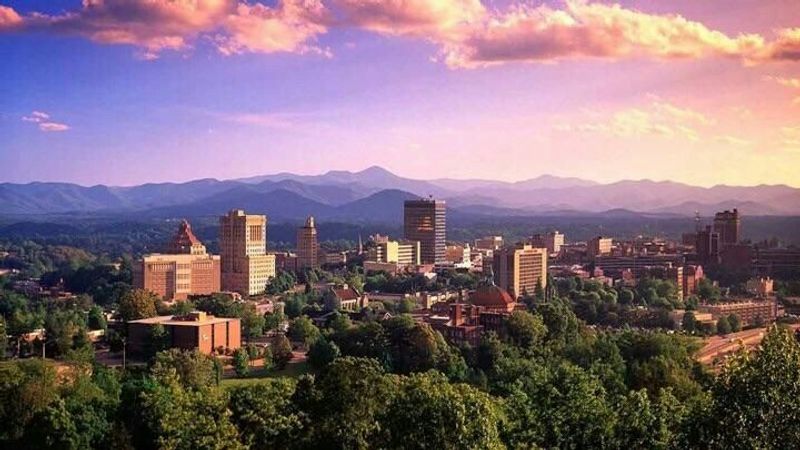
There’s something almost magical about the way the Blue Ridge Mountains soften into layer after layer of hazy blue ridges fading into the distance—it’s a view that genuinely stops conversations mid-sentence. Western North Carolina’s Appalachian landscape has a gentler, more ancient feel than the sharp Rocky Mountain peaks out west, and that mellow grandeur draws a different kind of mountain lover entirely.
These are mountains with character built over millions of years.
Asheville has exploded in popularity over the past decade, and rightfully so. The city blends mountain culture with a thriving arts scene, exceptional craft breweries, farm-to-table dining, and a creative community that gives it a personality unlike any other mountain city in the South.
The surrounding countryside offers waterfalls, hiking trails, and small towns like Brevard and Black Mountain that each carry their own distinct mountain charm.
The Blue Ridge Parkway winds 469 miles through the region, offering some of the most scenic driving in the entire country. Fall foliage season transforms the mountains into a patchwork of red, orange, and gold that draws visitors from across the eastern United States.
North Carolina’s mountain region enjoys milder winters than northern mountain states, making it appealing for those who want four seasons without extreme cold.
Tennessee
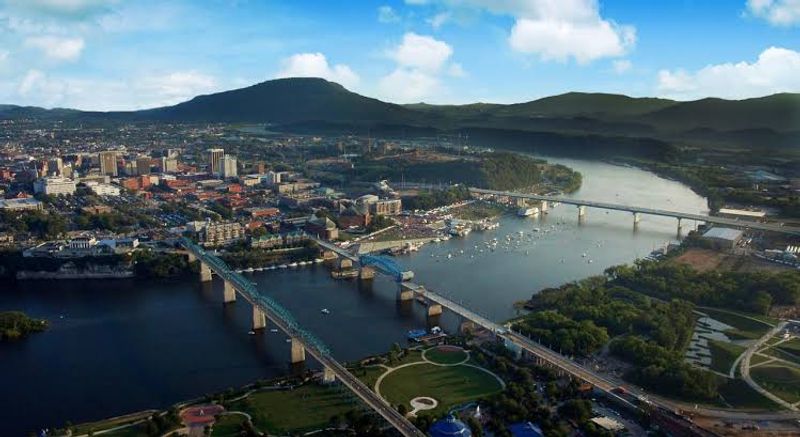
Kuwohi, the highest point in the Great Smoky Mountains at over 6,600 feet, sits on the Tennessee-North Carolina border and offers sweeping 360-degree views that make the long hike completely worth every step. The Great Smoky Mountains National Park is the most visited national park in America—not Yellowstone, not the Grand Canyon—which tells you something significant about how powerfully these ancient peaks capture people’s hearts.
Tennessee mountain living comes with extraordinary natural access built right in.
The Smokies earned their name from the natural fog and mist that frequently fills the valleys between ridgelines, creating an atmospheric quality that photographers and painters have chased for centuries. Gatlinburg and Pigeon Forge serve as the tourist gateways, but smaller communities like Townsend and Cosby offer quieter, more authentic mountain living experiences.
Townsend in particular brands itself as the “Peaceful Side of the Smokies,” which is a promise it genuinely keeps.
Tennessee’s mountain region enjoys relatively mild winters compared to northern Appalachian states, with snowfall that’s scenic rather than overwhelming. Black bears are genuine neighbors in these mountains—residents learn quickly to secure trash cans and bird feeders accordingly.
The rich Cherokee cultural heritage woven throughout the region adds meaningful historical depth to mountain life in Tennessee.
Vermont
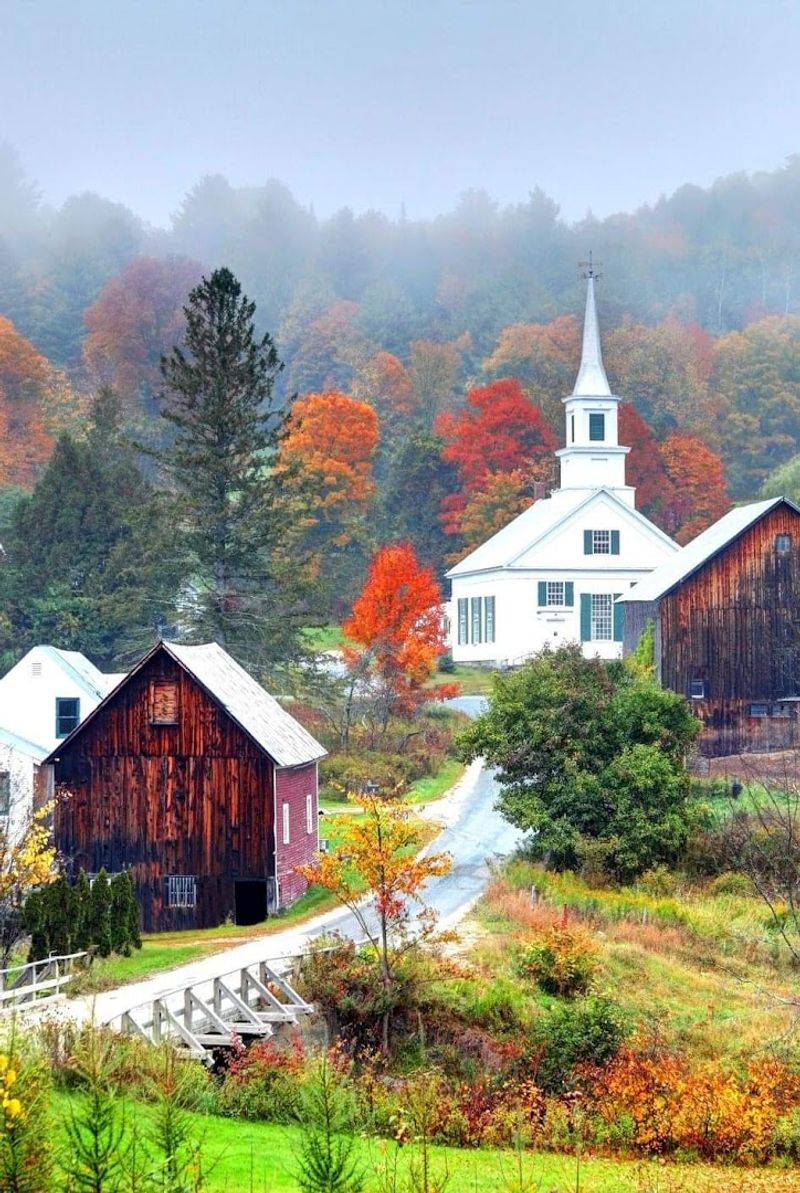
Vermont is the kind of place that appears on Christmas cards and makes people immediately want to move there—and then many of them actually do. The Green Mountains run the full length of this small state, creating a continuous spine of forested ridges that turn absolutely spectacular every autumn.
Vermont’s mountain lifestyle is quieter and more intimate than the dramatic western ranges, built around covered bridges, maple syrup farms, and genuinely charming village greens.
Stowe is Vermont’s most famous mountain community, home to the resort where the von Trapp family—yes, the real Sound of Music family—settled after fleeing Europe. The skiing at Stowe is legitimately world-class, and the town itself maintains a tasteful, unhurried atmosphere that luxury ski resorts elsewhere often struggle to replicate.
Woodstock, frequently called the prettiest small town in America, offers similar New England mountain charm at slightly lower altitude.
Vermont takes local food seriously, with farm stands, artisan cheese makers, and craft breweries woven into mountain communities throughout the state. The Long Trail, America’s oldest long-distance hiking path, traverses the Green Mountains for 272 miles and provides extraordinary ridge-walking experiences.
Vermont’s small population and strong community values create a mountain living culture that genuinely prioritizes quality of life over rapid growth.
New Hampshire
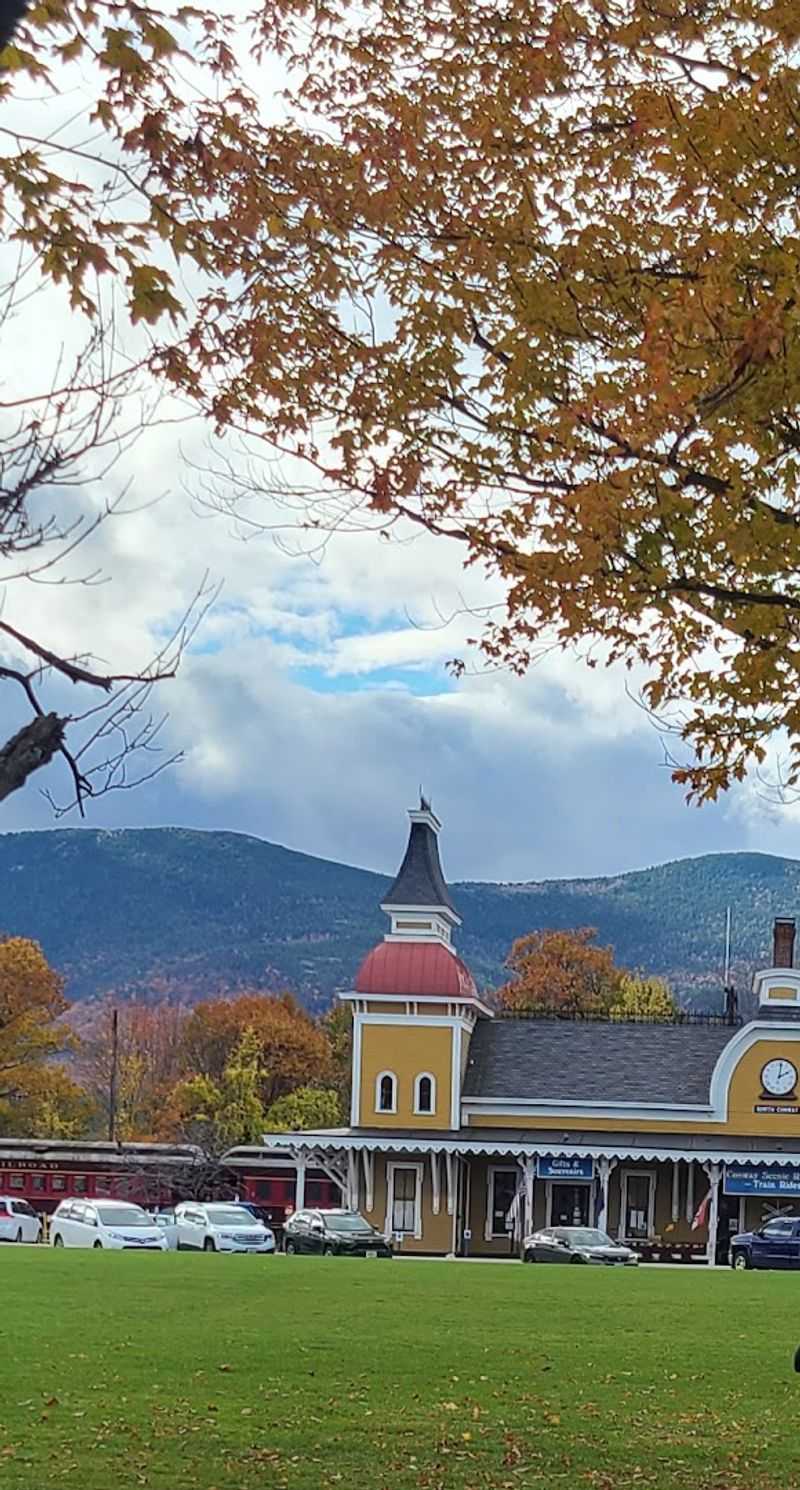
Mount Washington holds the record for the highest wind speed ever recorded at Earth’s surface—231 miles per hour in 1934—and the mountain wears that wild reputation proudly. The White Mountains of New Hampshire pack remarkable alpine drama into a relatively compact area, making them surprisingly accessible for serious mountain experiences in the northeastern United States.
You don’t need to fly to Colorado to find genuine high-country adventure here.
North Conway serves as the commercial and recreational hub of the White Mountains region, offering outlet shopping alongside rock climbing, skiing, and river tubing in a way that somehow all makes sense together. The Mount Washington Cog Railway, operating since 1869, still carries passengers up the steep summit in a historic achievement of mountain engineering that remains genuinely impressive today.
Franconia Notch State Park provides dramatic cliff faces, waterfalls, and ridge trails that rival anything in New England.
New Hampshire’s mountain towns attract both outdoor purists and families looking for four-season recreation within reasonable driving distance of Boston. The state has no income tax and no sales tax, which makes the financial side of mountain living here particularly attractive.
Fall foliage season transforms the White Mountains into a show of color that draws leaf-peepers from across the eastern seaboard every single October.
Alaska
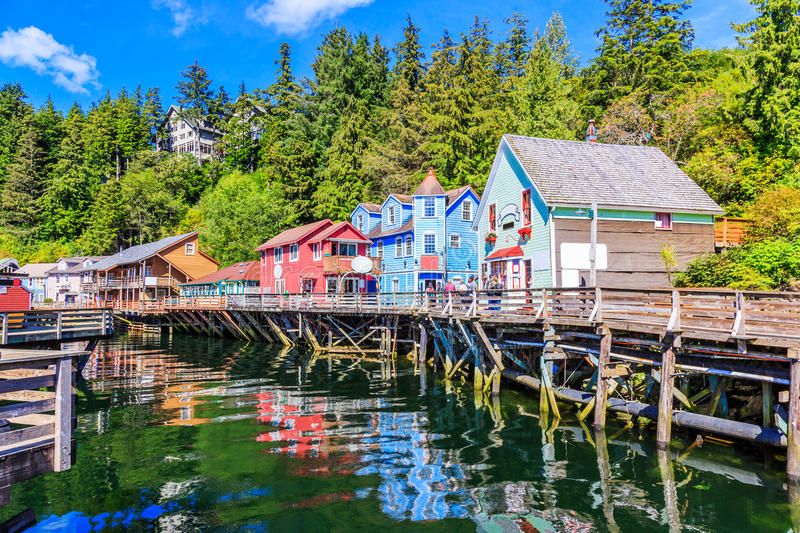
Denali stands at 20,310 feet, making it the tallest mountain in North America by a margin so large it almost feels like showing off. Alaska’s mountain ranges—the Alaska Range, the Wrangell Mountains, the Chugach—collectively contain peaks, glaciers, and wilderness on a scale that makes every other state’s mountains feel, well, modest by comparison.
This is mountain living turned all the way up to maximum intensity.
Living in Alaska’s mountain communities means embracing extremes that most Americans never experience. Winters bring months of darkness and temperatures that regularly drop far below zero, while summers compensate with nearly endless daylight and landscapes that burst into wildflower-covered glory.
Residents develop a particular toughness and self-reliance that becomes a genuine source of pride and identity.
Towns like Talkeetna, the gateway community for Denali climbers, carry a wonderfully eccentric frontier spirit. Juneau, the state capital, is famously accessible only by boat or plane, surrounded by mountains and glaciers that press right against the city limits.
Alaska rewards those willing to trade convenience for extraordinary natural grandeur—moose in the yard, northern lights overhead, and mountain views that professional photographers spend entire careers trying to capture adequately.



