 Unearth The Voyage
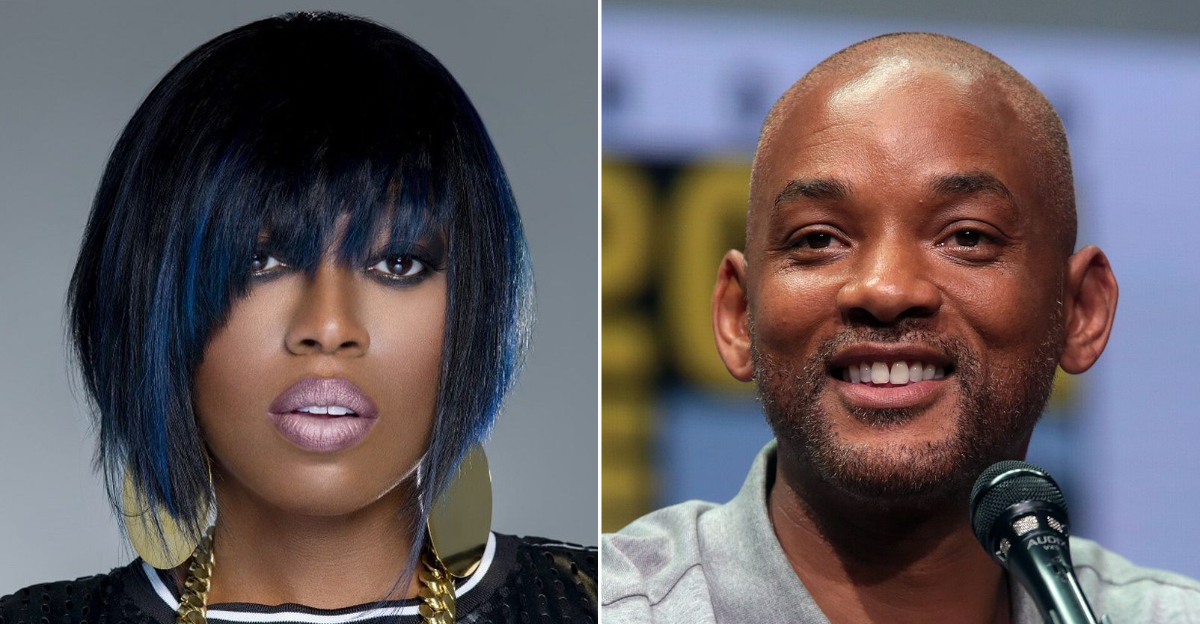
The 1990s belonged to a generation of Black artists and athletes who didn’t just break barriers. They rewrote the rules entirely.
From music videos that felt like short films to championship performances that became global events, these superstars shaped how we dress, talk, and dream. Their influence still echoes in every corner of pop culture today.
Michael Jordan
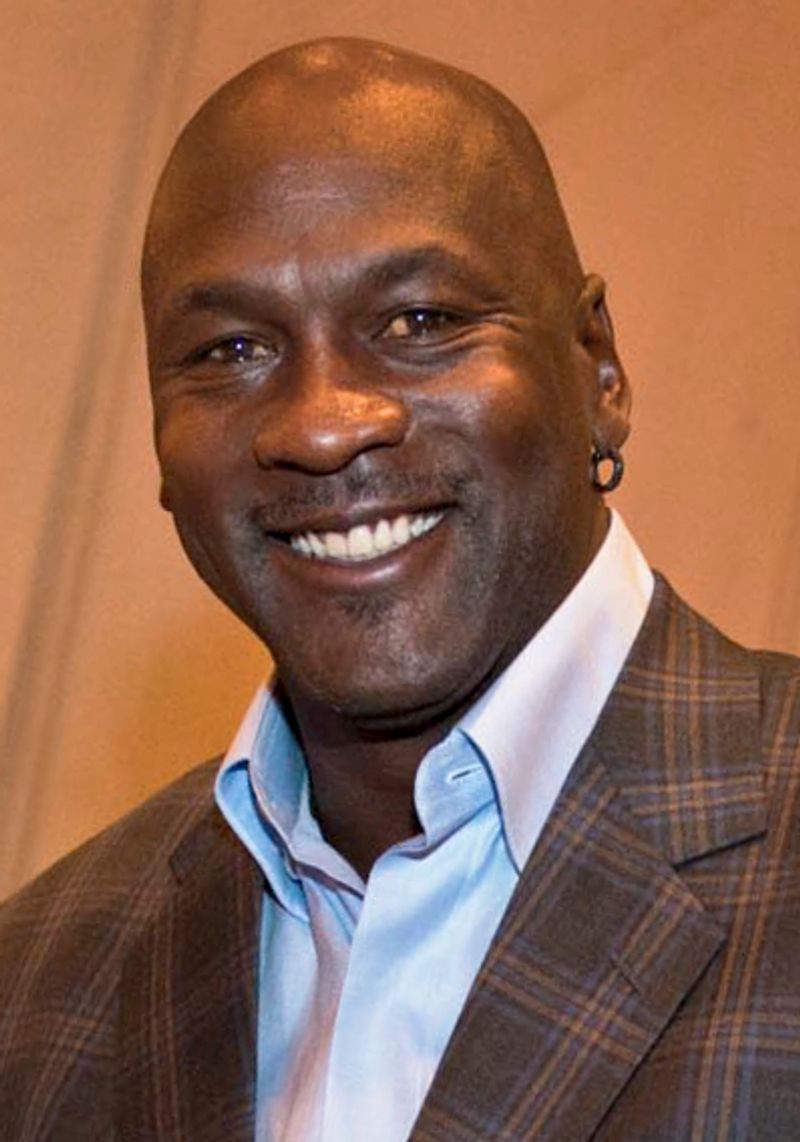
Confetti. That is what I remember first.
The 1998 shot in Utah rewired sports and style.
Six rings by 1998, a global sneaker empire, Space Jam, and a shrug that launched a thousand GIFs. Jordan didn’t just win.
He set the template for every brand-savvy athlete after him.
His Airness made basketball appointment television. Every playoff run felt like a coronation.
Kids wore his jersey to school, businessmen quoted his commercials, and sneakerheads camped outside stores.
The Bulls dynasty was more than a team. It was a cultural event with a logo everyone recognized.
Jordan turned athletic excellence into a lifestyle brand before anyone else figured out the formula.
He made clutch synonymous with cool. That fadeaway became a universal symbol.
Winning never looked so effortless or so expensive.
Whitney Houston
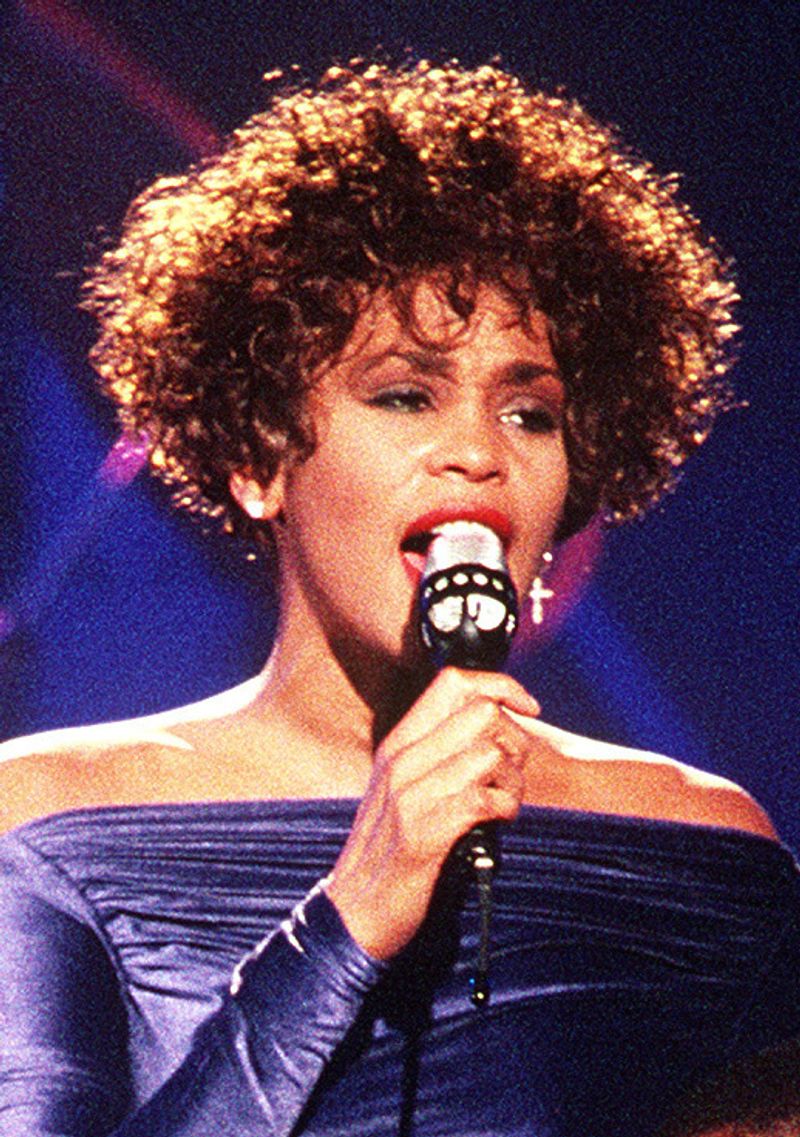
Goosebumps arrive before the first chorus. The Bodyguard soundtrack turned radio into her runway.
“I Will Always Love You” ruled the charts and wedding playlists. That Super Bowl national anthem still sounds like victory on tape.
Whitney made power feel effortless.
Her voice didn’t need tricks or gimmicks. Pure tone, perfect pitch, and a range that made other singers reconsider their career choices.
She owned ballads like real estate.
The Bodyguard became the bestselling soundtrack ever. Whitney’s face was everywhere: MTV, magazine covers, movie posters.
She crossed over without compromising.
Gospel roots met pop spectacle in her throat. Every note landed with intention.
She made technical perfection sound like breathing, and millions tried to sing along knowing they’d never quite reach her altitude.
Tupac Shakur
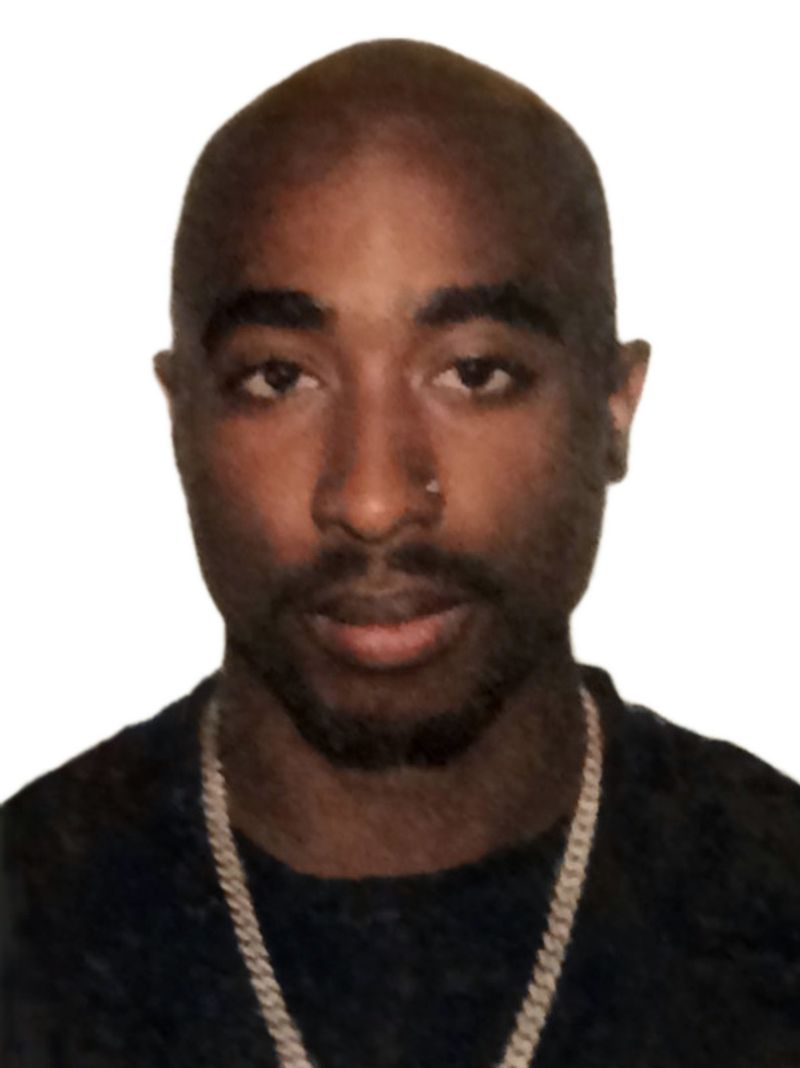
A car stereo at dusk. Pac’s stories spilled like a journal you weren’t supposed to read.
Albums like Me Against the World and All Eyez on Me were confessions and battle plans. He made vulnerability sound fearless and rage sound precise.
Tupac didn’t rap. He testified.
Every verse carried weight, whether he was celebrating life or confronting death. His eyes in photos looked like they’d seen too much too soon.
Poetry met street corner philosophy. He quoted Shakespeare and spoke on systemic injustice with equal passion.
The contradictions made him human, not hypocritical.
His legacy grew after 1996. New generations discover his catalog and realize he was describing their world decades early.
The bandana, the tattoos, the intensity became iconic because the substance underneath couldn’t be faked.
The Notorious B.I.G.
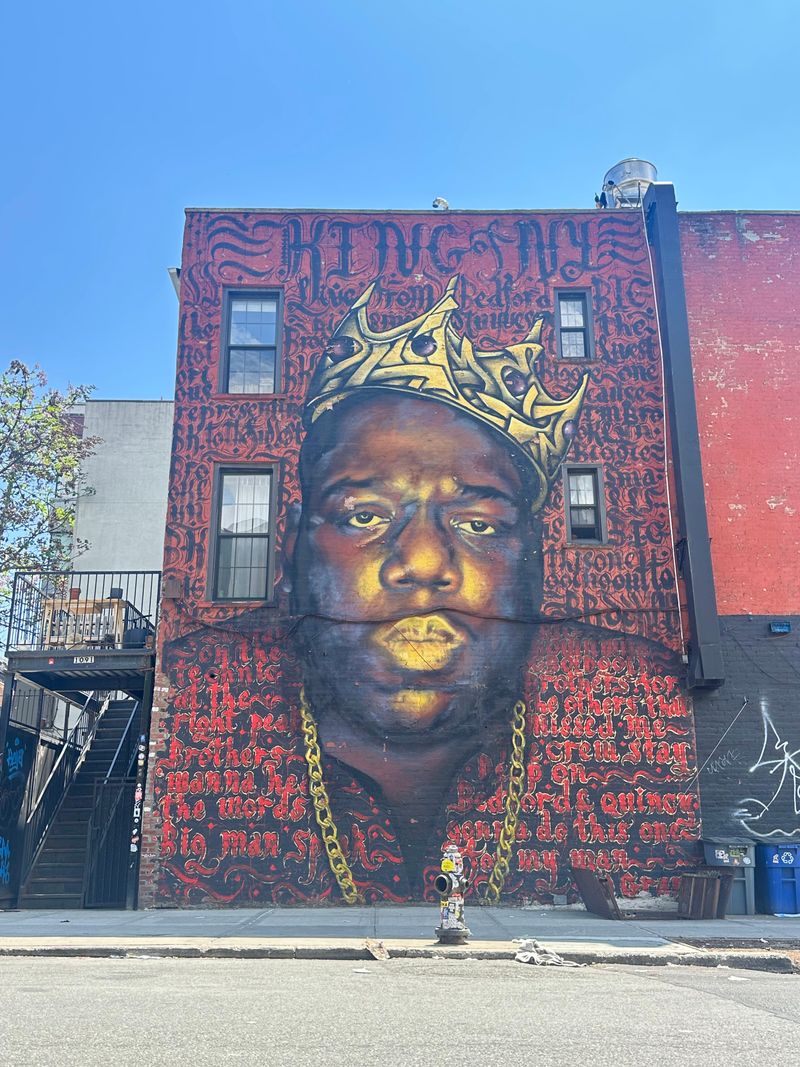
A hypnotic bassline walks in wearing a Coogi sweater. Biggie took Brooklyn to the world with Ready to Die and Life After Death.
His punchlines landed like headlines. Even today, rappers chase his cool like it’s a finishing school.
Biggie’s flow was butter over gravel. Smooth delivery, hard content.
He could make a crime story sound like a bedtime tale you wanted to hear twice. His voice had texture.
The Notorious One turned struggle into art without glorifying or apologizing. He painted pictures with precision.
Every bar felt quotable.
Coogi sweaters became status symbols. Versace shades, too.
Big made luxury rap feel earned, not borrowed. His presence on a track guaranteed replay value.
The crown wasn’t a prop. It was a prophecy he fulfilled before leaving too soon.
Will Smith
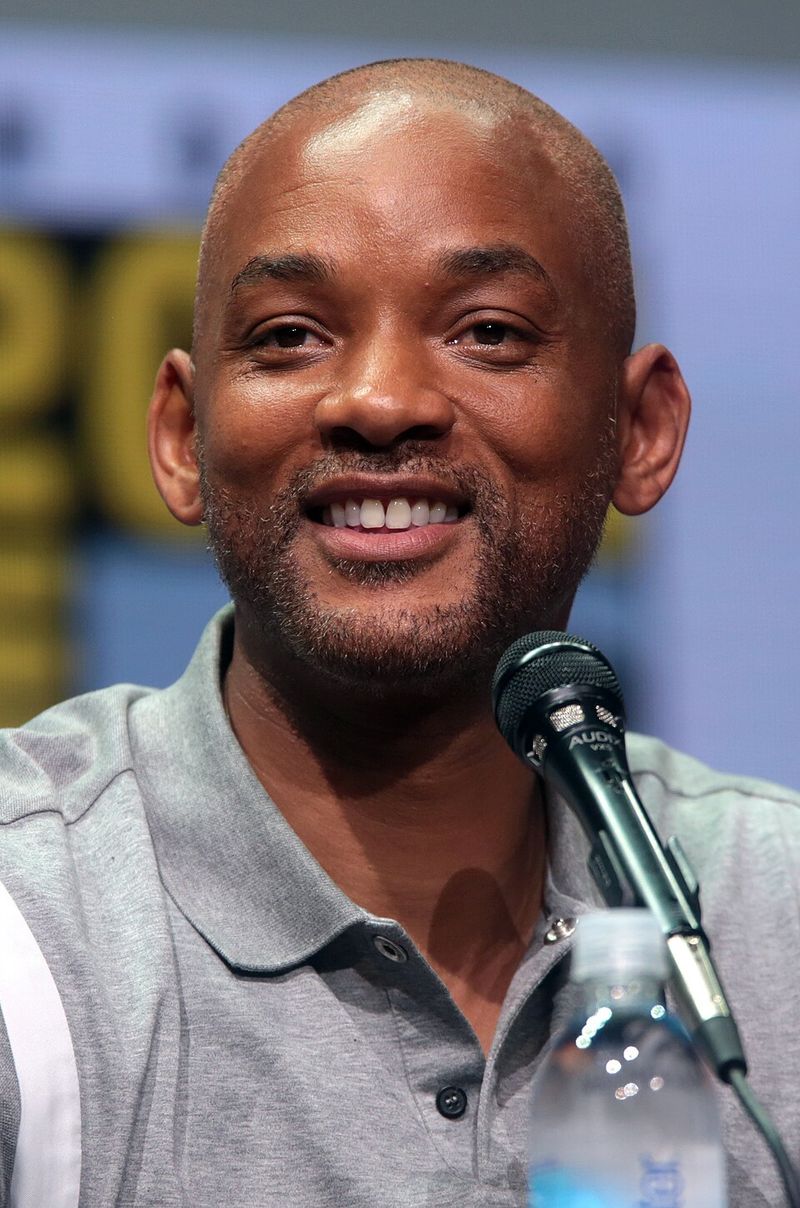
I still hum the theme when I pass a playground. TV charisma turned into blockbuster muscle with Independence Day and Men in Black.
Family-friendly, funny, and bankable, Will cracked the code on superstar versatility. He made summer movie season feel like his living room.
The Fresh Prince became the Fresh King. Sitcom star to action hero without losing the charm.
He punched aliens, chased aliens, and made both look fun.
Will’s appeal crossed every demographic. Kids loved the jokes, adults respected the hustle, and Hollywood loved the box office receipts.
He turned down roles that didn’t fit his brand and won anyway.
Rap albums, TV reruns, movie premieres. He juggled it all with a grin.
No scandal, no controversy, just consistent excellence and a handshake that felt genuine through the screen.
Janet Jackson
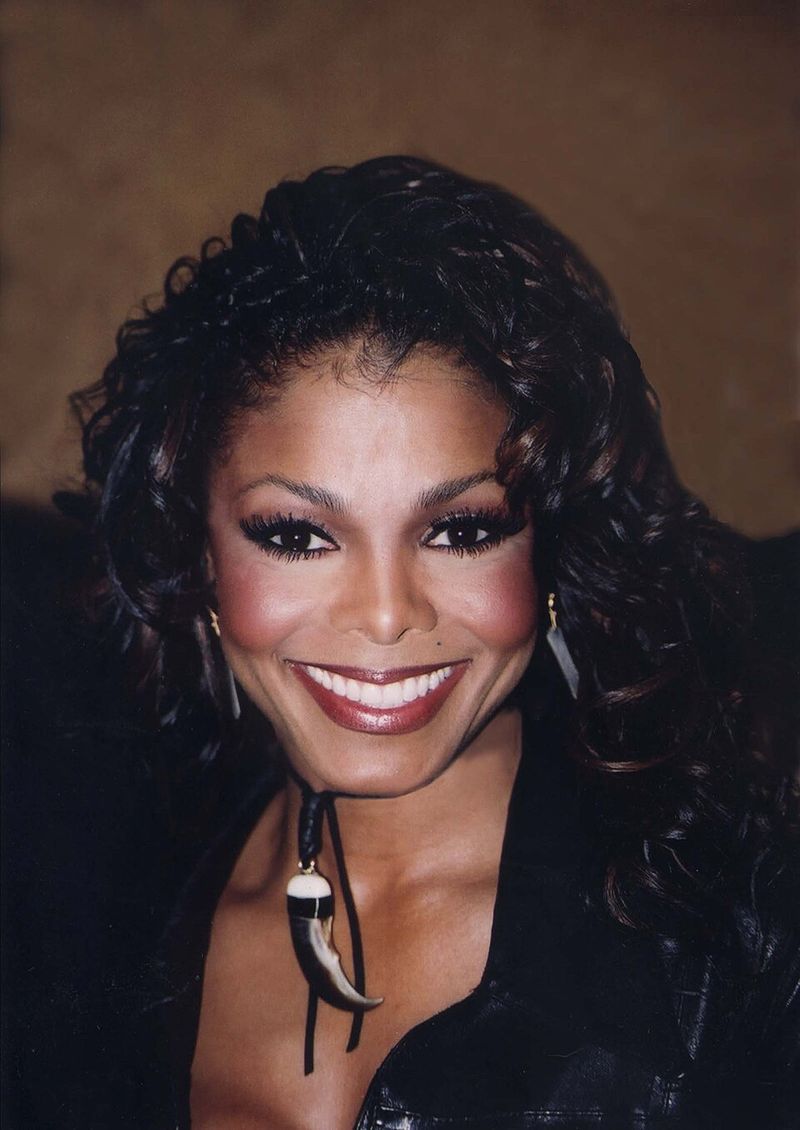
A snare hits like a camera flash. janet. and The Velvet Rope fused intimacy with choreography that looked like punctuation.
Janet’s tours were blueprints. Her control over image and sound taught pop stars how to be architects.
She didn’t follow trends. She set them, then moved on before anyone could copy properly.
The key earring, the military jackets, the synchronized precision became her signature.
Janet explored themes other pop stars avoided: depression, self-worth, sexuality without apology. The Velvet Rope was a therapy session set to bass.
Her videos played like short films. Every frame mattered.
Dancers studied her routines like textbooks. She proved that vulnerability and strength could share the same stage, and both deserved a spotlight.
Control wasn’t just an album title. It was her career philosophy.
Denzel Washington
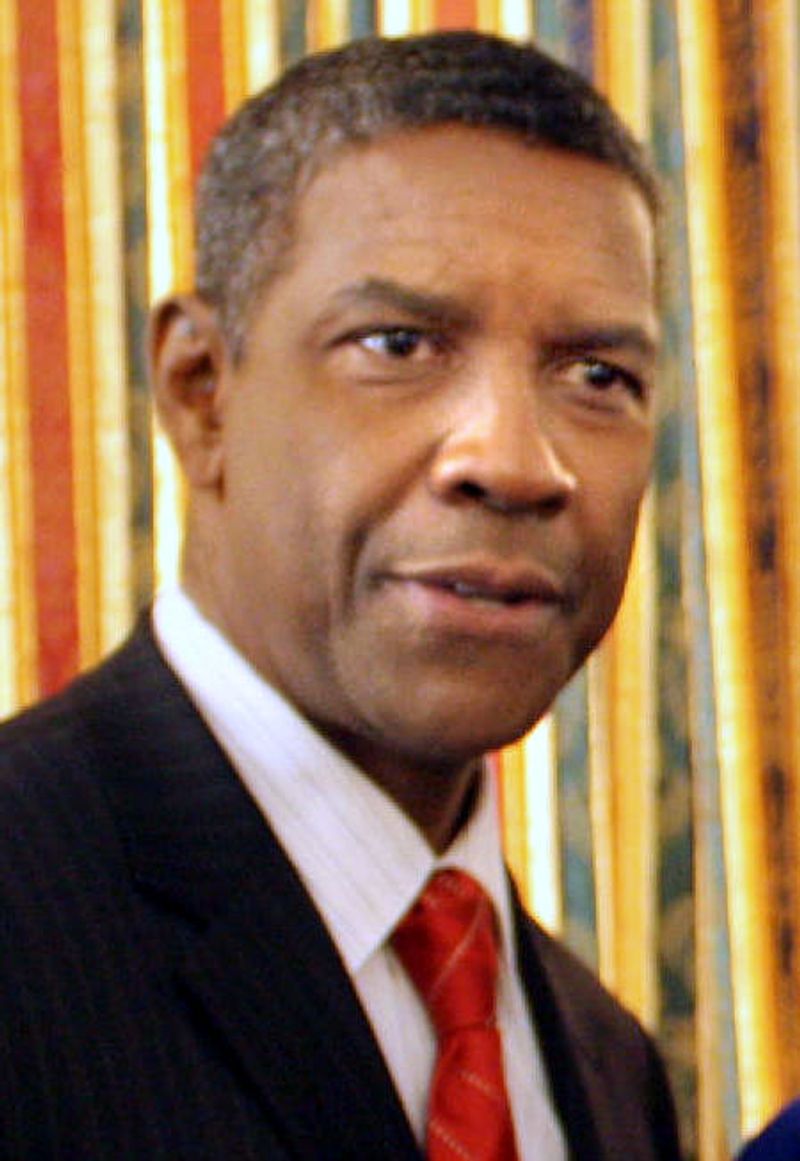
Silence in the theater says everything. From Malcolm X to He Got Game, Denzel carried authority without shouting.
He made every frame look honest. When he stared down the lens, you sat up straighter.
Denzel didn’t chase blockbusters. He chose roles that mattered, then made them unforgettable.
His Malcolm X wasn’t an impression. It was a possession.
Three hours felt like twenty minutes.
He could play a preacher, a detective, a coach, or a convict, and you believed every word. That voice carried weight even in whispers.
Oscar nominations became routine. Leading man status wasn’t handed to him.
He earned it scene by scene, refusing to be boxed in. Hollywood learned that Denzel Washington on the poster meant quality, not just star power.
Gravitas became his brand.
Oprah Winfrey
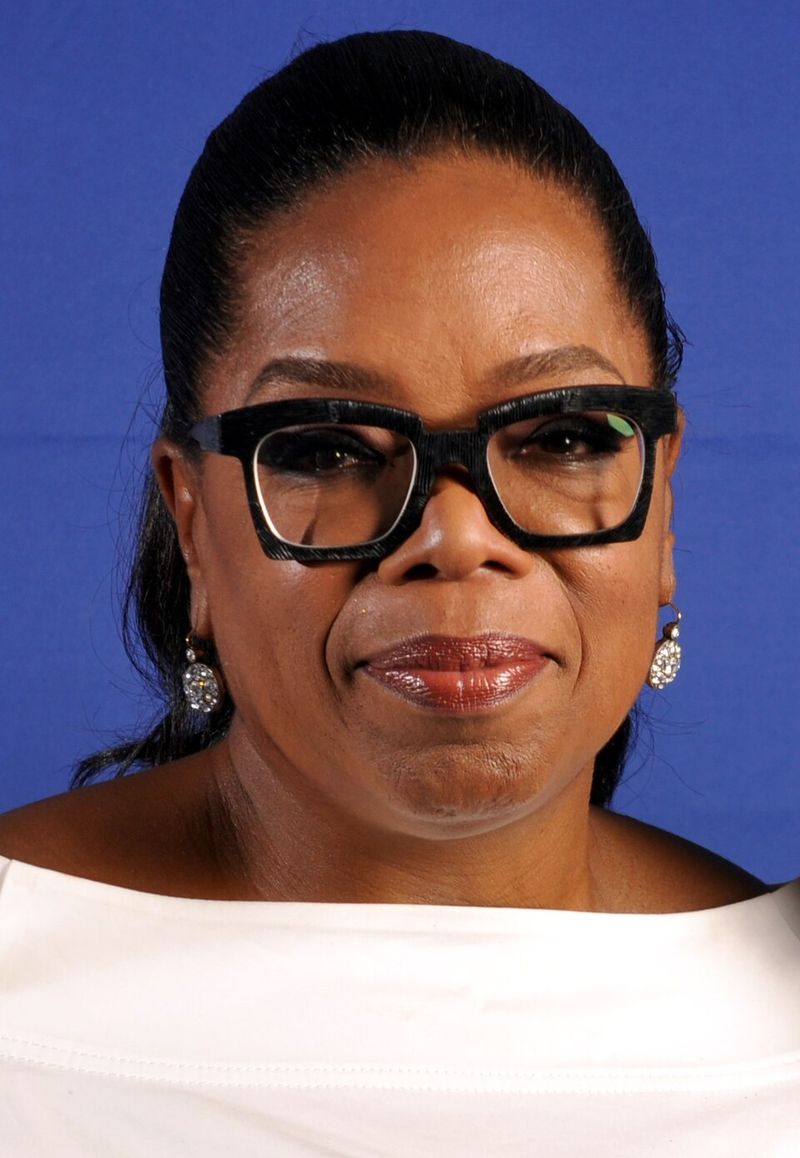
I once ran late for dinner because an Oprah Book Club reveal trapped me on the couch. Her show was appointment empathy.
Confession, celebration, and commerce met on that stage. She didn’t chase the zeitgeist.
She scheduled it.
Oprah turned afternoon television into a cultural movement. Authors became bestsellers overnight.
Causes gained momentum. Conversations that used to happen in whispers went national.
She built an empire on authenticity. No script could capture what happened when she leaned in and listened.
Guests cried, laughed, and revealed truths they’d never shared publicly.
The Book Club selections moved millions of copies. Her endorsement meant more than a review in any newspaper.
She made vulnerability profitable and self-improvement accessible. Every episode felt like sitting with a friend who happened to have the best connections.
Lauryn Hill
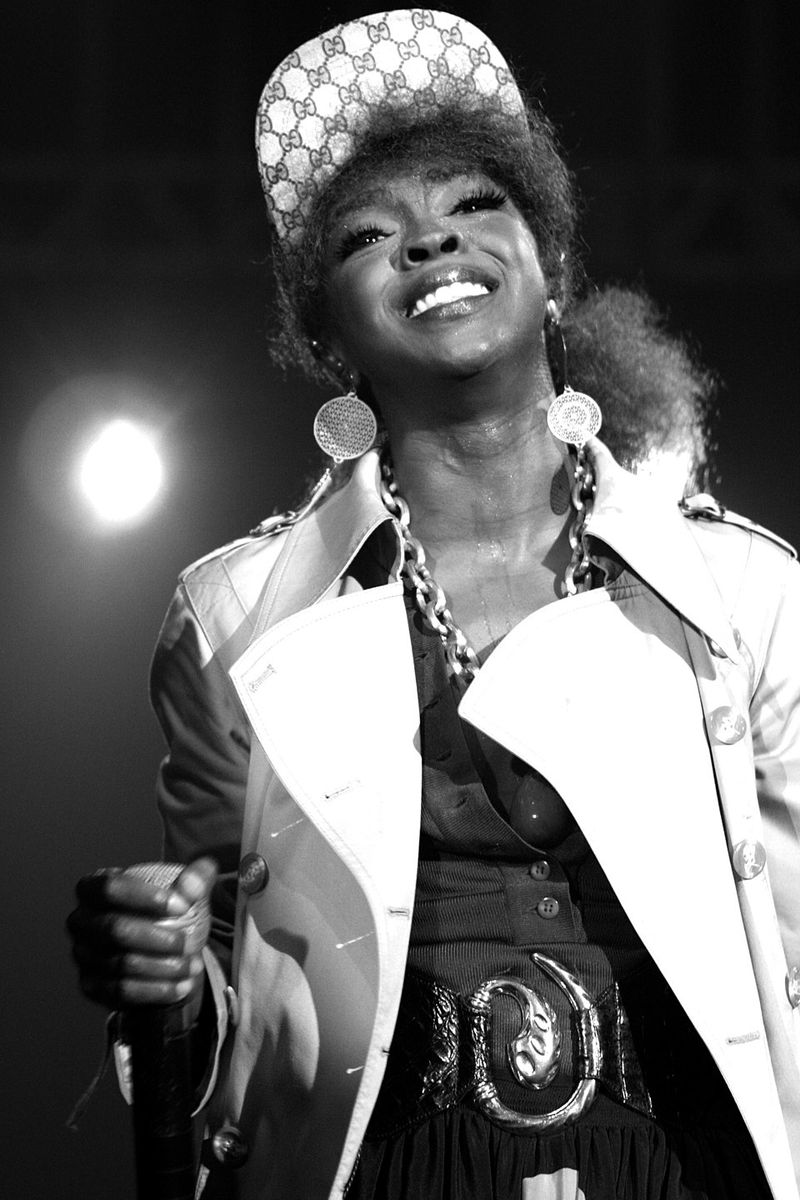
A bell rings in my head when “Doo Wop” starts. The Miseducation of Lauryn Hill made rap, soul, and R&B feel like one conversation.
With the Fugees, she lifted covers into canon. Precision pen.
Warm voice. Timeless cool.
Lauryn didn’t fit into one genre, so she created her own lane. The Miseducation won five Grammys and became a manual for blending vulnerability with bars.
She rapped, sang, produced, and wrote with equal skill. “Killing Me Softly” with the Fugees became bigger than the original. Her version owned the ’90s.
The album addressed love, motherhood, faith, and fame without flinching. Every track felt personal yet universal.
She made acoustic guitar cool in hip-hop. Her influence shows up in every artist who refuses to be categorized.
One album, endless echoes.
Mariah Carey
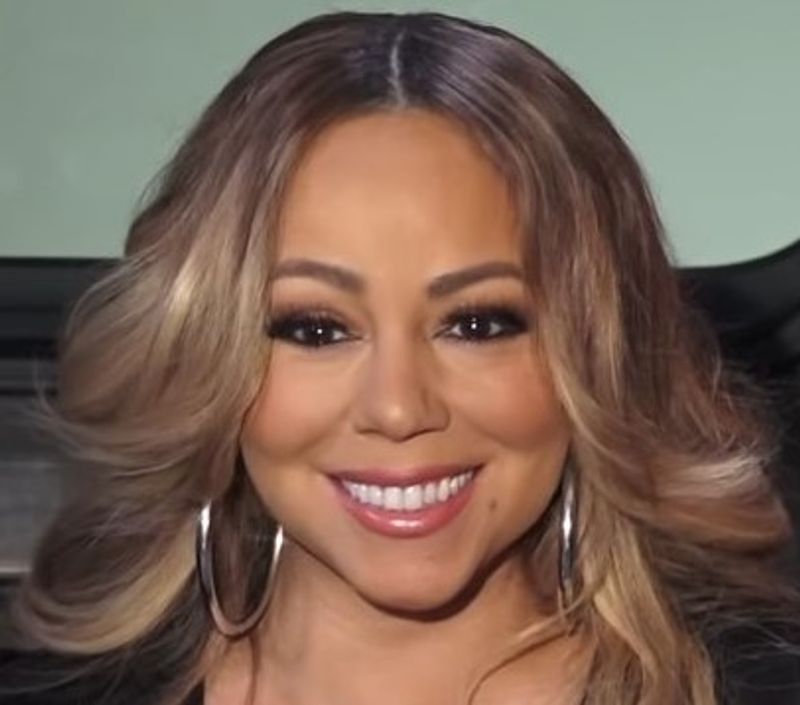
A high note glides like a laser. Music Box, Daydream, and Butterfly fed the charts with relentless number ones.
“All I Want for Christmas Is You” turned December into Mariah season. She blended pop glamour with R&B instincts and never missed the camera.
Mariah’s whistle register became her signature weapon. Five octaves at her disposal, and she used every one.
Ballads, uptempo jams, collaborations with rappers—she did it all.
Her videos were events. The butterfly motif wasn’t just aesthetic.
It symbolized transformation and freedom. She rewrote her own narrative while topping charts.
Fourteen number-one singles in the ’90s alone. The record labels couldn’t keep up with her output.
Radio loved her, fans memorized every run, and critics had to admit she was more than a voice. She was a force.
Michael Jackson
A single glove, still electric under arena lights. Dangerous brought stadium-scale spectacle into the new decade.
HIStory kept the spotlight bright. MJ’s choreography stayed a language everyone spoke, from school dances to viral clips before viral was a word.
The King of Pop didn’t slow down. Dangerous dropped in 1991 with “Black or White” and “Remember the Time” dominating MTV.
The videos were mini-movies with budgets to match.
His influence stretched beyond music. Fashion, dance, humanitarian efforts—MJ was everywhere.
The moonwalk remained undefeated.
HIStory responded to controversy with defiance and artistry. The statue imagery, the military aesthetic, the anthems—he made spectacle look effortless.
Even as the world changed, MJ remained a constant. His legacy from the ’90s alone could fill a museum.
The glove, the fedora, the magic.
Halle Berry
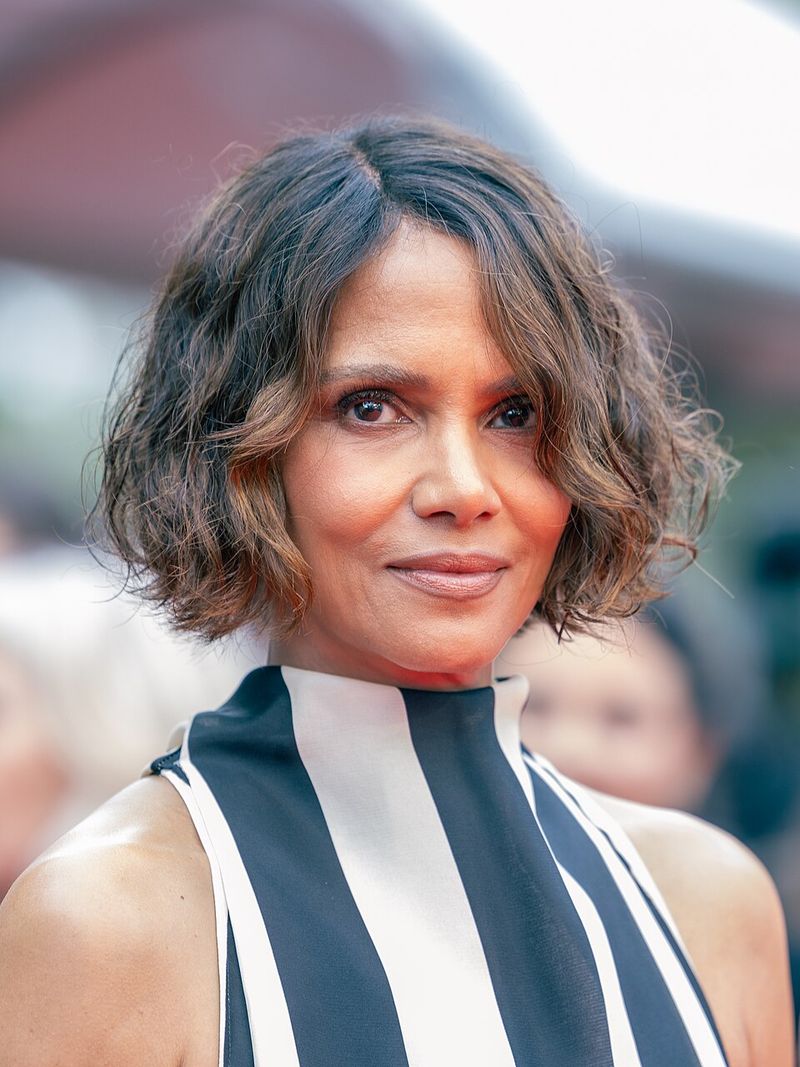
The room goes quiet when she enters a scene. Boomerang, Losing Isaiah, Bulworth, and more proved her versatility.
She balanced rom-com shine with dramatic weight. Fashion editors and film critics agreed for once.
Halle didn’t just break barriers. She shattered them with style.
Her beauty opened doors, but her talent kept them open. She chose roles that challenged perceptions.
Boomerang made her a romantic lead. Losing Isaiah showcased her dramatic chops.
Bulworth proved she could handle comedy and politics. Range became her calling card.
Magazine covers multiplied. Red carpets became runways.
She moved between indie films and studio projects without losing credibility. Hollywood couldn’t box her in, though they tried.
Halle made elegance look effortless and ambition look graceful. The ’90s were her launchpad to legend status.
Missy Elliott
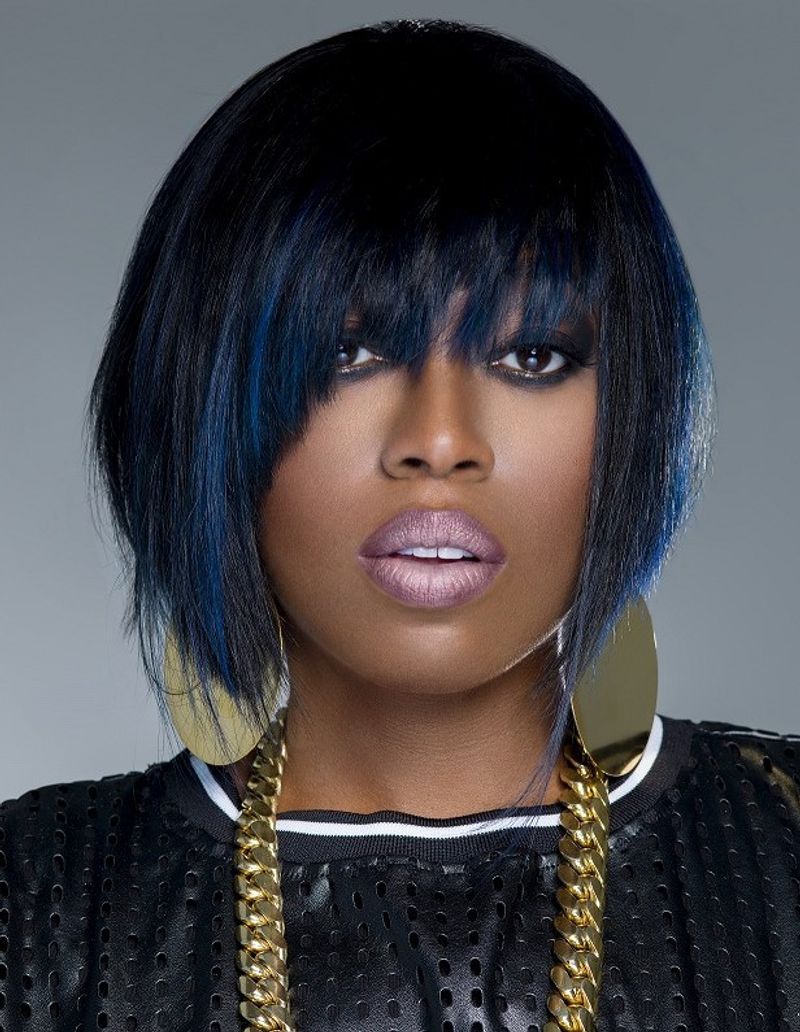
Close your eyes and you still see the fish-eye lens. Supa Dupa Fly made weird feel wonderful.
Missy’s hooks were sticky and her visuals changed the rules for everyone else. Innovation sounded fun in her hands.
She arrived in 1997 with a trash bag suit and a sound nobody expected. The beats were alien.
The rhymes were playful yet precise. Hip-hop hadn’t seen anything like it.
Timbaland’s production met Missy’s vision, and magic happened. “The Rain” video flipped reality. Her creativity had no ceiling.
She wrote for Aaliyah, 702, and Total while building her own empire. Missy proved that women could produce, direct, and dominate without fitting into anyone’s mold.
The industry tried to catch up, but she was already three steps ahead, giggling at the chaos she caused.
Tiger Woods
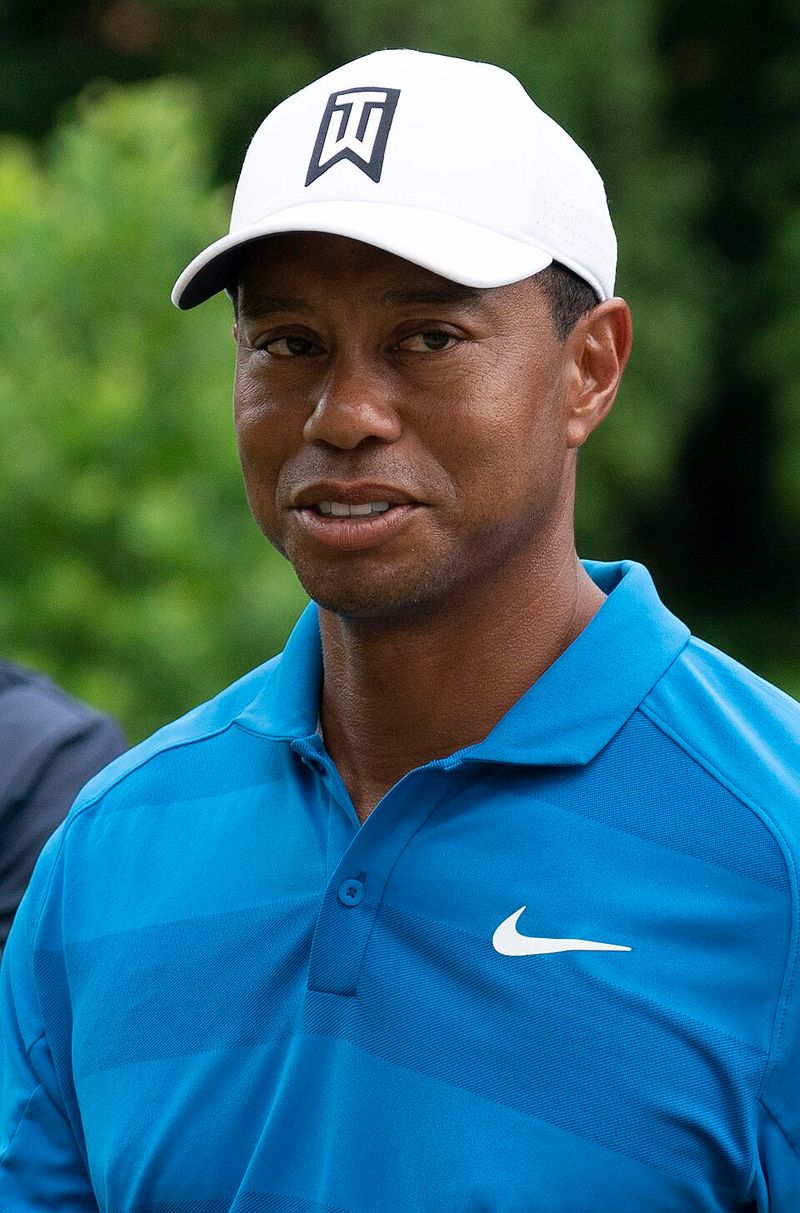
A Sunday roar rolls down the fairway. The 1997 Masters wasn’t just a win.
It was a reset.
Tiger brought gym intensity to golf, plus endorsements that leaped off the course. He made highlight reels out of quiet sports moments.
Twenty-one years old, twelve strokes ahead, and a green jacket that changed everything. Golf had never seen this level of dominance from someone so young.
Tiger made the sport cool. Kids wanted to play.
Ratings skyrocketed. Sponsors lined up.
He transformed a country club game into must-see TV.
His focus was surgical. Every putt mattered.
Every drive was calculated. The fist pump became iconic.
Nike built campaigns around him. Golf courses added yardage to keep up.
Tiger didn’t just play the game. He redefined what excellence looked like in a sport that desperately needed his arrival.
Serena Williams
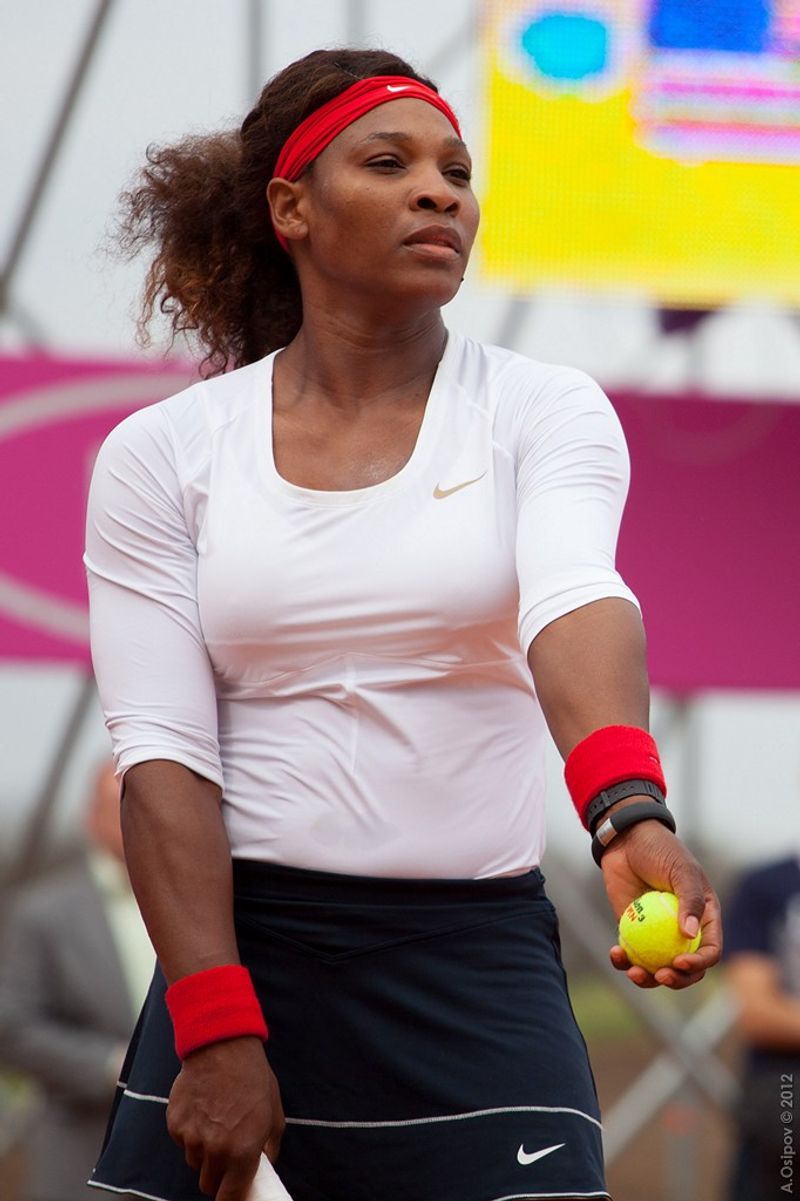
The 1999 US Open served a warning. Power, placement, and beads in motion.
Serena arrived a teenager and left a legend in progress. The serve said tomorrow.
The swagger said now. I still remember watching and thinking, this is different.
Seventeen years old, first Grand Slam title, and a game that looked like the future. Opponents had no answer for the velocity.
The Williams sisters rewrote tennis together.
Serena’s confidence wasn’t arrogance. It was preparation meeting opportunity.
Every grunt carried intention. Every celebration felt earned.
She made athleticism beautiful. The beads clicked with every movement.
Fashion and function merged on her frame. Critics doubted, but trophies silenced them.
The ’90s were just her introduction. The serve, the style, the substance—all arrived at once.
Tennis would never be the same after Serena stepped on court.



