Brazil is the kind of country that makes you feel like you could explore it for a lifetime and still miss something incredible. From white sand dunes that fill with lagoons to jungles so vast they have their own weather systems, the natural wonders here are genuinely hard to wrap your head around.
I spent weeks researching this list and kept finding places I had never even heard of before. Whether you are planning a trip or just curious about what makes Brazil so extraordinary, these 15 natural wonders are a great place to start.
Lençóis Maranhenses National Park
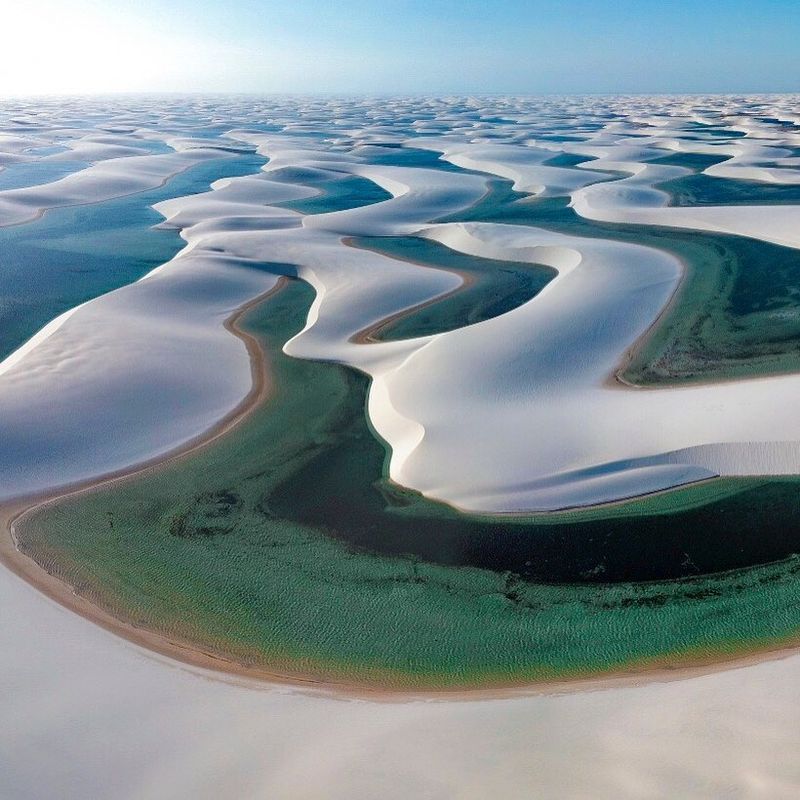
White sand dunes and clear blue lagoons in the same place? Yes, that is actually a real thing.
Lençóis Maranhenses National Park in Maranhão looks like a desert that forgot the rules and decided to fill itself with water. During the rainy season, freshwater lagoons form between the dunes, creating one of the most surreal landscapes in South America.
UNESCO places the park at a rare intersection of three biomes: the Cerrado, Caatinga, and Amazon. That ecological overlap makes it genuinely one of a kind.
The best time to visit for full lagoons is June through September, when the water is at its peak.
Getting there takes some effort, but that is honestly part of the charm. Barreirinhas is the main gateway town, and guided 4×4 tours are the most popular way to reach the lagoons.
Pack sunscreen, water, and prepare to question everything you thought you knew about deserts.
Iguaçu Falls
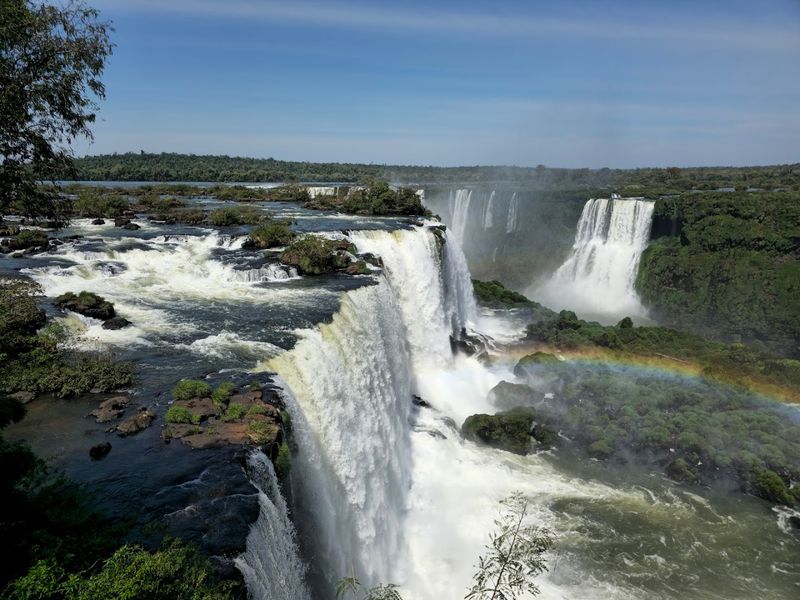
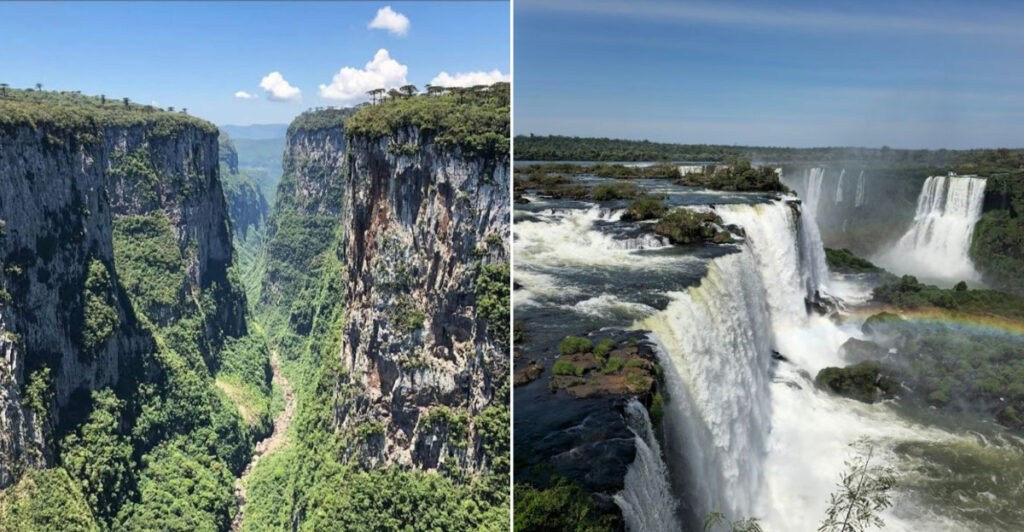
Nearly 300 waterfalls packed into one location is not something you stumble across every day. Iguaçu Falls sits on the border of Brazil and Argentina, forming a semicircular curtain of water about 80 meters high and 2,700 meters wide.
UNESCO gave it World Heritage status, and honestly, the place earns it every single day.
The Brazilian side offers sweeping panoramic views of the full waterfall system, while the Argentine side gets you closer to individual cascades. Most visitors do both, which makes for an unforgettable two-country adventure.
Foz do Iguaçu, the Brazilian gateway city, has solid tourism infrastructure with hotels, tours, and transport options.
One tip worth keeping: visit on a weekday if possible, because weekends bring serious crowds. The park also protects Atlantic Forest habitat, so wildlife sightings like toucans and coatis are genuinely common.
Iguaçu is loud, wet, and completely spectacular.
The Pantanal
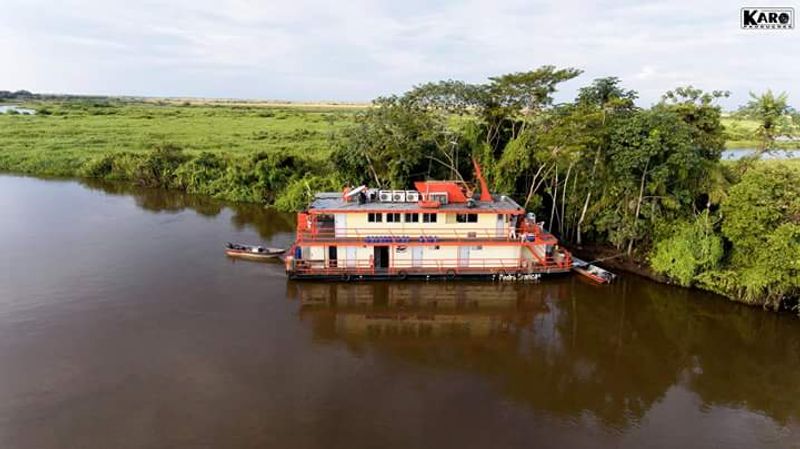
The Pantanal does not get the same fame as the Amazon, but it absolutely deserves to. It is the largest tropical floodplain on the planet, stretching across Mato Grosso and Mato Grosso do Sul into parts of Bolivia and Paraguay.
UNESCO recognizes it as both a World Natural Heritage Site and a Biosphere Reserve, which is a rare double honor.
What makes the Pantanal special for wildlife watchers is the open landscape. Unlike dense rainforest, the wetlands here give you clear sightlines.
Jaguars, giant otters, caimans, capybaras, and hundreds of bird species are all part of the regular cast.
The dry season, roughly July to October, is the best time to visit for wildlife. Rivers shrink, animals gather near water sources, and spotting becomes much easier.
Cuiabá and Campo Grande are both solid entry points. The Pantanal rewards patience, and it almost always delivers something worth the wait.
Fernando de Noronha
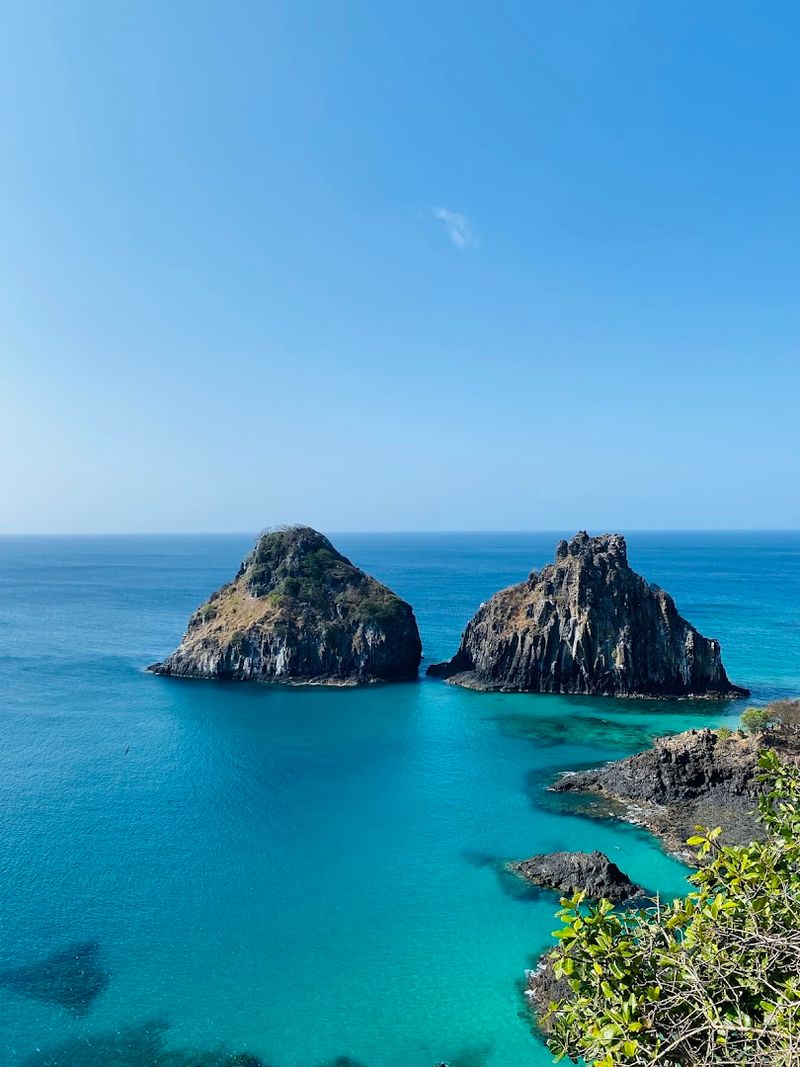
Fernando de Noronha is the kind of place that makes people quit their jobs and move to Brazil. This Atlantic archipelago sits about 350 kilometers off the northeastern coast, and its water clarity is almost unfair.
UNESCO protects it alongside Atol das Rocas, recognizing its role in sheltering endangered species and critical marine habitat in the Tropical South Atlantic.
Access is controlled to protect the ecosystem. Visitors pay an environmental fee that increases with each day they stay, which is a clever way of keeping crowds manageable.
Sancho Bay, consistently ranked among the world’s best beaches, is accessible through the Fernando de Noronha Marine National Park system.
Spinner dolphins are frequently spotted in Baía dos Golfinhos, and sea turtles nest on several beaches. Snorkeling and diving here are exceptional.
Fernando de Noronha is not cheap, but for those who make it, the experience tends to permanently rearrange their travel priorities.
Chapada Diamantina
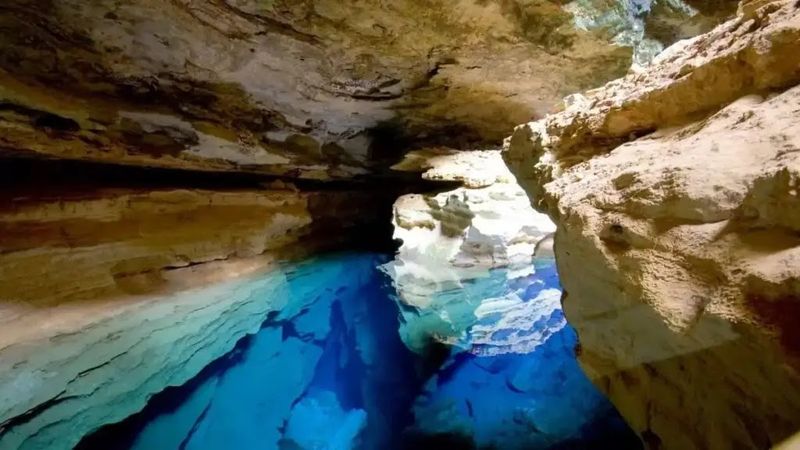
Bahia is famous for its beaches, but the interior hides something equally impressive. Chapada Diamantina is a sprawling highland region about 400 kilometers from Salvador, full of canyons, plateaus, waterfalls, and caves.
Visit Brasil describes it as a paradise for adventure seekers, and that is not marketing fluff. The trails here genuinely deliver.
One route leads to a viewpoint. Another drops into a cave with underground lakes.
A third winds through cliff walls to a waterfall that seems to appear out of nowhere. The variety is what keeps hikers coming back for multiple days.
Lençóis is the most popular base town, with good accommodation options and local guides who know the trails well. Hiring a guide is strongly recommended, especially for longer routes.
The region was once a diamond mining area, which explains the name and adds a layer of human history to all the geological drama. Chapada Diamantina is a proper adventure destination.
Jalapão State Park
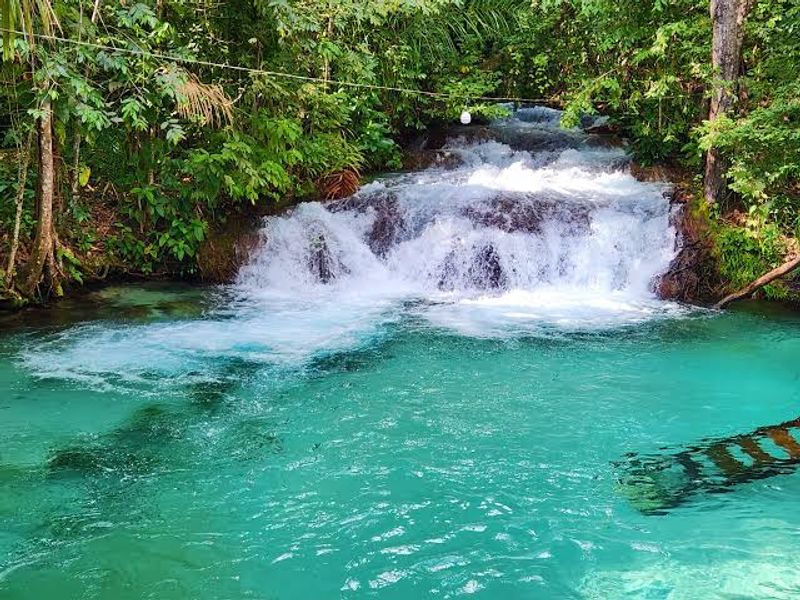
Jalapão is what happens when the Cerrado decides to show off. Located in Tocantins, this vast protected area is known for golden dunes, natural rivers, wetlands, and the fervedouros, which are pressurized spring pools so clear and buoyant that swimmers literally float without much effort.
Visit Brasil calls it the largest preserved Cerrado area in Brazil, and the scale of it is genuinely impressive.
The roads to Jalapão are rough, and distances between attractions are long. Most travelers visit with organized tours or experienced local guides, which is not just a suggestion but a practical necessity.
Cell service is limited, and getting stuck without help is a real possibility.
That remoteness is also what makes it so rewarding. Crowds are thin, the skies are wide, and the landscape feels completely untouched.
Fervedouro Cariocas is one of the most visited springs, but there are several worth exploring. Jalapão is not a weekend trip.
Plan for at least four to five days.
Chapada dos Veadeiros
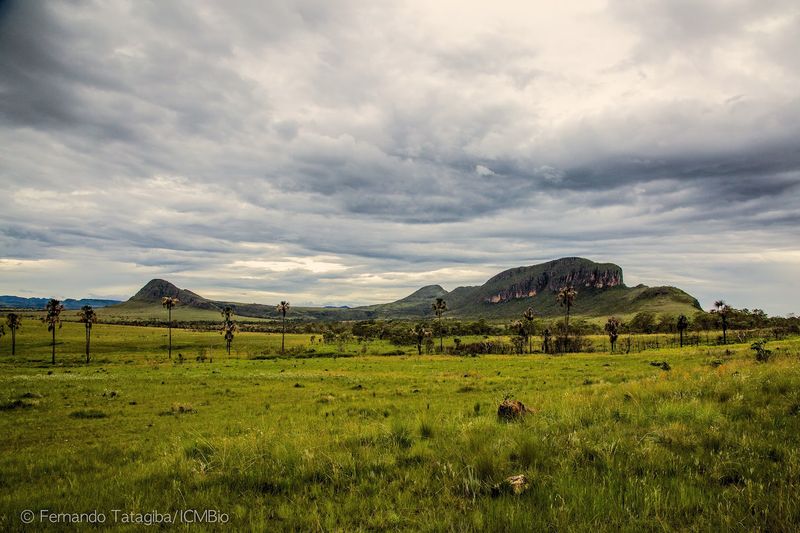
Chapada dos Veadeiros sits in the Brazilian highlands of Goiás, and it has the kind of waterfalls that make you stop walking mid-trail just to stare. The park protects around 240,611 hectares of Cerrado biome, one of the world’s most biodiverse savannas, and UNESCO has recognized it as a World Heritage Site.
Alto Paraíso de Goiás is the main gateway and a solid base for multi-day visits.
The trails range from easy riverside walks to serious full-day hikes with significant elevation. Canyons, natural pools, and cascades are spread throughout the park, so there is no single must-see.
The whole place is the attraction.
Wildlife in the Cerrado includes maned wolves, giant anteaters, and a remarkable variety of birds. The best hiking conditions are during the dry season, from May to September.
Chapada dos Veadeiros does not get the same tourist traffic as Iguaçu or Noronha, which makes it feel like a genuinely well-kept secret worth sharing.
Bonito
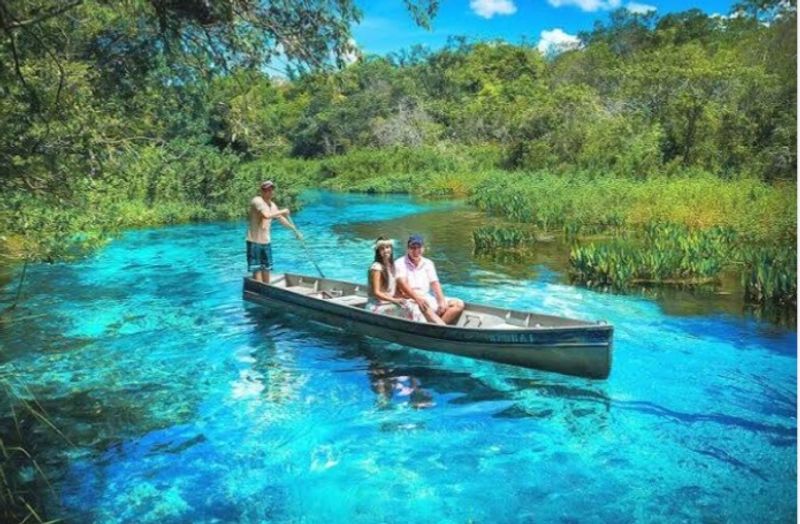
Bonito earned its name, which means “beautiful” in Portuguese, without any exaggeration. This small town in Mato Grosso do Sul has built one of Brazil’s most thoughtful ecotourism systems around its extraordinary natural resources.
Crystal-clear rivers, caves, waterfalls, and snorkeling trails make it a destination unlike anywhere else in the country.
The rivers here are naturally filtered through limestone, which gives them an almost unreal transparency. Snorkeling in the Rio da Prata or Rio Sucuri means floating alongside hundreds of fish in water so clear it barely feels real.
All activities in Bonito are ticketed and capacity-controlled to protect the environment.
Gruta do Lago Azul is one of the most iconic stops, a cave with a stunning blue underground lake that visitors can book in advance. I had heard about Bonito for years before finally looking into it properly, and the reviews from travelers are remarkably consistent.
Everyone says the same thing: it exceeded expectations. That is worth paying attention to.
Anavilhanas National Park
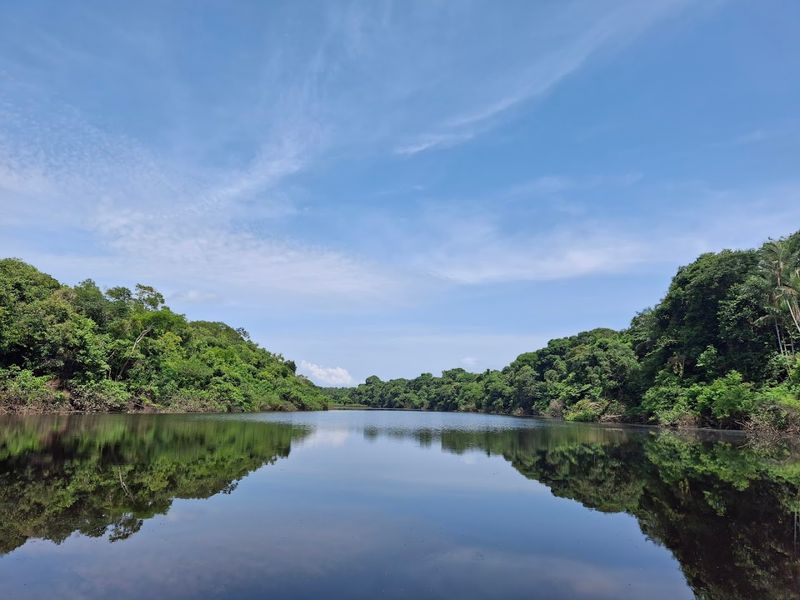
Most people picture one giant forest when they think of the Amazon, but Anavilhanas shows a completely different side of it. This national park along the Rio Negro is the second-largest river archipelago in the world, with around 400 islands and 60 lakes spread across a stretch of dark-water river northwest of Manaus.
During the wet season, the forest floods and the islands partially submerge, creating a labyrinth of trees growing straight out of the river. Boat rides through flooded forest feel genuinely otherworldly.
The dry season reveals beaches along the riverbanks and makes wildlife watching easier.
Pink river dolphins, caimans, monkeys, and a remarkable variety of birds are all regular sightings. Novo Airão is the gateway town and has grown into a solid base for tours.
Anavilhanas is often combined with a Manaus visit, which makes logistical sense. It is quieter and less commercialized than some Amazon destinations, and that lower profile is a genuine advantage.
Aparados da Serra National Park
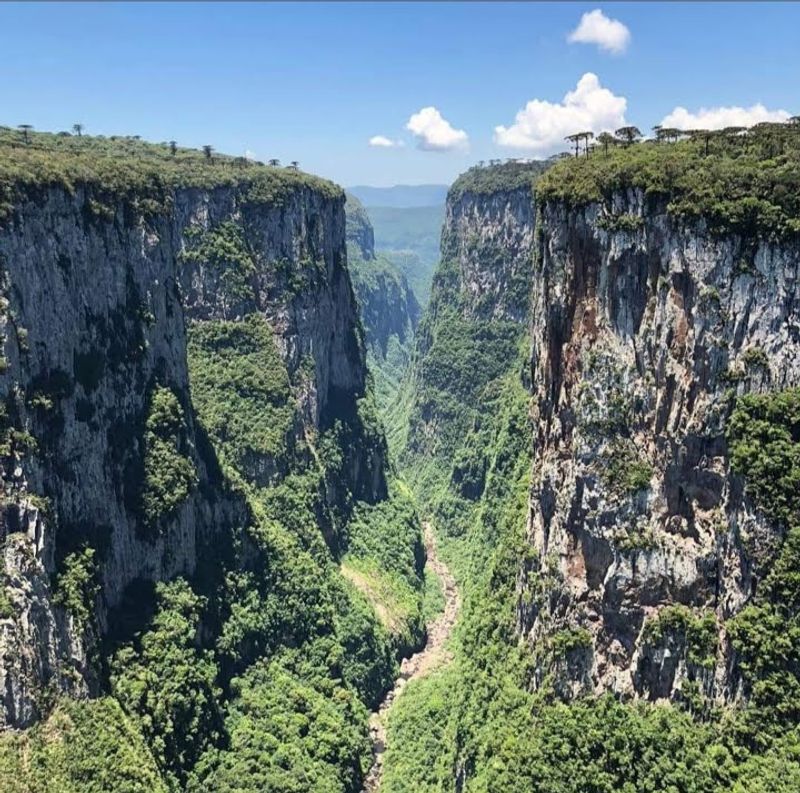
Southern Brazil tends to surprise people. Most visitors expect tropical beaches and rainforest, not dramatic canyons with vertical walls stretching over 700 meters high.
Aparados da Serra National Park, accessed through the town of Cambará do Sul in Rio Grande do Sul, is home to Itaimbezinho Canyon, one of the most striking geological features in the country.
Itaimbezinho runs about 5.8 kilometers long, and the canyon floor is lush with Atlantic Forest vegetation. Two main trails offer very different experiences: one follows the rim for panoramic views, while another descends to the canyon base and requires a guide.
Fog frequently rolls in from the coast, adding atmosphere to the whole scene.
The climate here is genuinely cold by Brazilian standards, especially in winter. Bring layers.
The contrast between this landscape and Brazil’s tropical reputation is part of what makes Aparados da Serra so memorable. It feels like a different country entirely, and that is exactly the point.
Serra da Capivara National Park
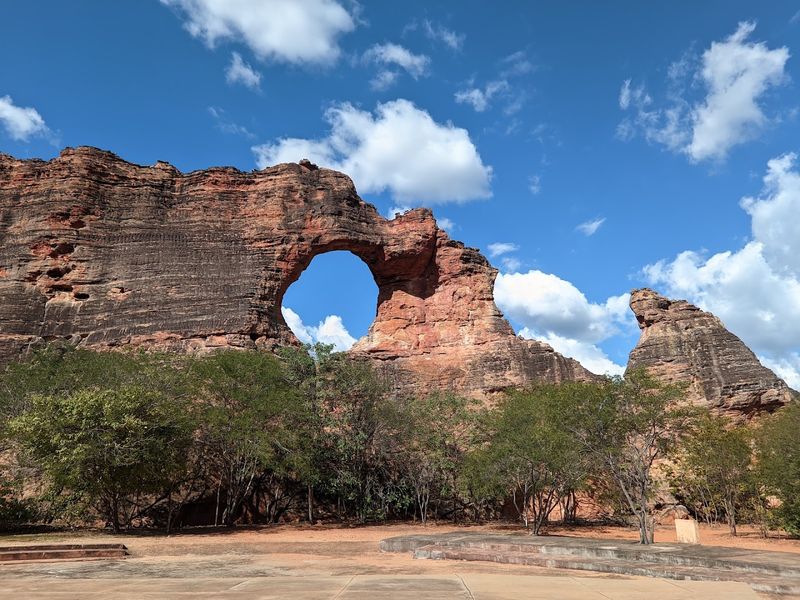
Serra da Capivara is where natural beauty and ancient human history collide in the most fascinating way. Located in Piauí, this UNESCO World Heritage Site is packed with thousands of rock paintings left by groups who lived in the region for tens of thousands of years.
The paintings cover canyon walls, cave ceilings, and rock shelters throughout the park.
The landscape itself is striking. Red sandstone formations, semi-arid vegetation, and dramatic canyon views make it visually compelling even without the archaeological layer.
The combination of the two makes Serra da Capivara genuinely unlike any other park in Brazil.
Coronel José Dias is the main gateway, and the Nature Science Museum nearby provides important context for what visitors see on the trails. Guided visits are essential here, both for navigation and for understanding what the rock art represents.
Serra da Capivara deserves far more international attention than it currently gets. Consider this your official nudge to add it to the list.
The Brazilian Amazon
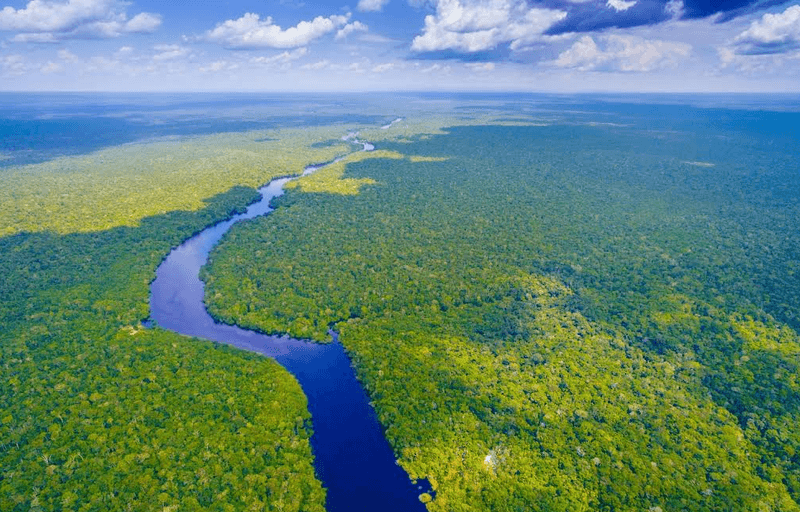
No list about Brazilian natural wonders could skip the Amazon without losing all credibility. This is not one attraction but an entire world: the largest tropical rainforest on Earth, covering more than half of Brazil’s territory.
Visit Brasil connects it to river travel, ecolodges, protected areas, and biodiversity that scientists are still cataloguing decades into research.
Manaus is the most common starting point for Amazon experiences. From there, travelers access nearby reserves, river cruises, and jungle lodges at various price points.
Anavilhanas National Park, covered separately on this list, is one of the most accessible protected areas from Manaus.
Wildlife in the Amazon includes jaguars, pink river dolphins, anacondas, poison dart frogs, macaws, and species that do not even have common names yet. The scale of it is genuinely difficult to process.
Visiting even a small corner of the Amazon changes how you think about the natural world, and that shift tends to be permanent.
Pico da Neblina National Park
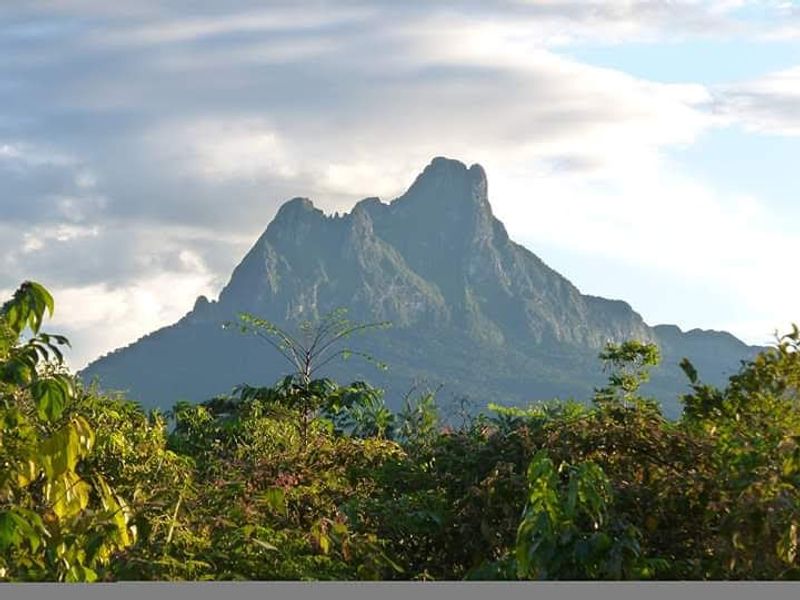
Brazil’s highest mountain is not a well-known fact, even among people who love Brazil. Pico da Neblina stands at 2,994 meters in the far northwest Amazon, near the border with Venezuela, and it is genuinely one of the most remote peaks on the continent.
The Frankfurt Zoological Society describes the park as part of a major tropical rainforest protected area surrounding Brazil’s highest summit.
Getting there is not a casual weekend plan. The area falls within Yanomami Indigenous territory, which means visits require proper authorization, coordination with Indigenous communities, and significant advance planning.
Expeditions typically depart from São Gabriel da Cachoeira.
The park is not set up for standard tourism, and that is intentional. The Yanomami people play a central role in any authorized visit, and their involvement is not optional.
For those who do make it, the experience is described as extraordinary and deeply humbling. Pico da Neblina is for serious adventurers with serious respect for the land and its people.
Atol das Rocas
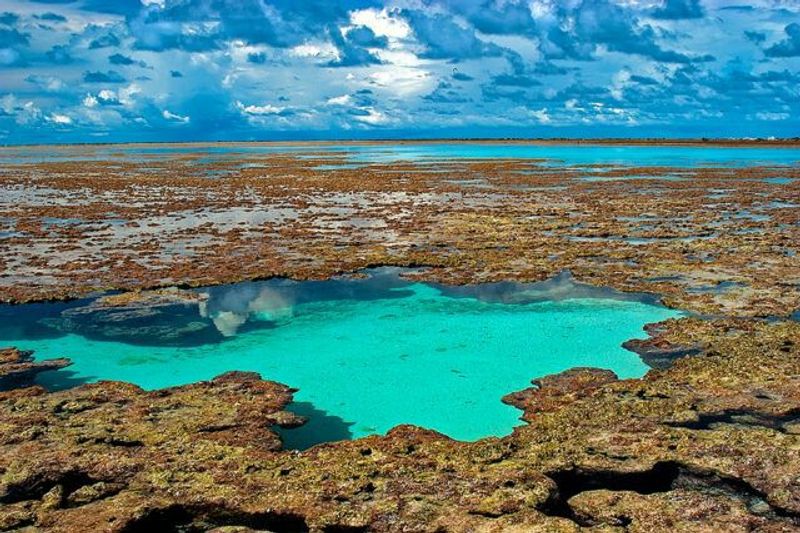
Atol das Rocas is Brazil’s only oceanic atoll, and most Brazilians have never heard of it. Paired with Fernando de Noronha under the same UNESCO World Heritage designation, it forms part of the Brazilian Atlantic Islands site protecting critical marine habitat in the South Atlantic.
The atoll sits about 260 kilometers off the coast of Rio Grande do Norte.
Access is strictly limited, and that restriction is the whole point. Atol das Rocas serves as a nesting ground for sea turtles and seabirds, a nursery for fish, and a refuge for marine life that cannot survive in more disturbed environments.
Scientific research missions and conservation teams are the primary visitors.
For travelers, understanding Atol das Rocas is less about visiting and more about appreciating why some places need to stay off-limits. Its ecological value depends entirely on low human impact.
It is a reminder that protecting a place sometimes means keeping people out, and that is a lesson worth sitting with.
Chapada dos Guimarães
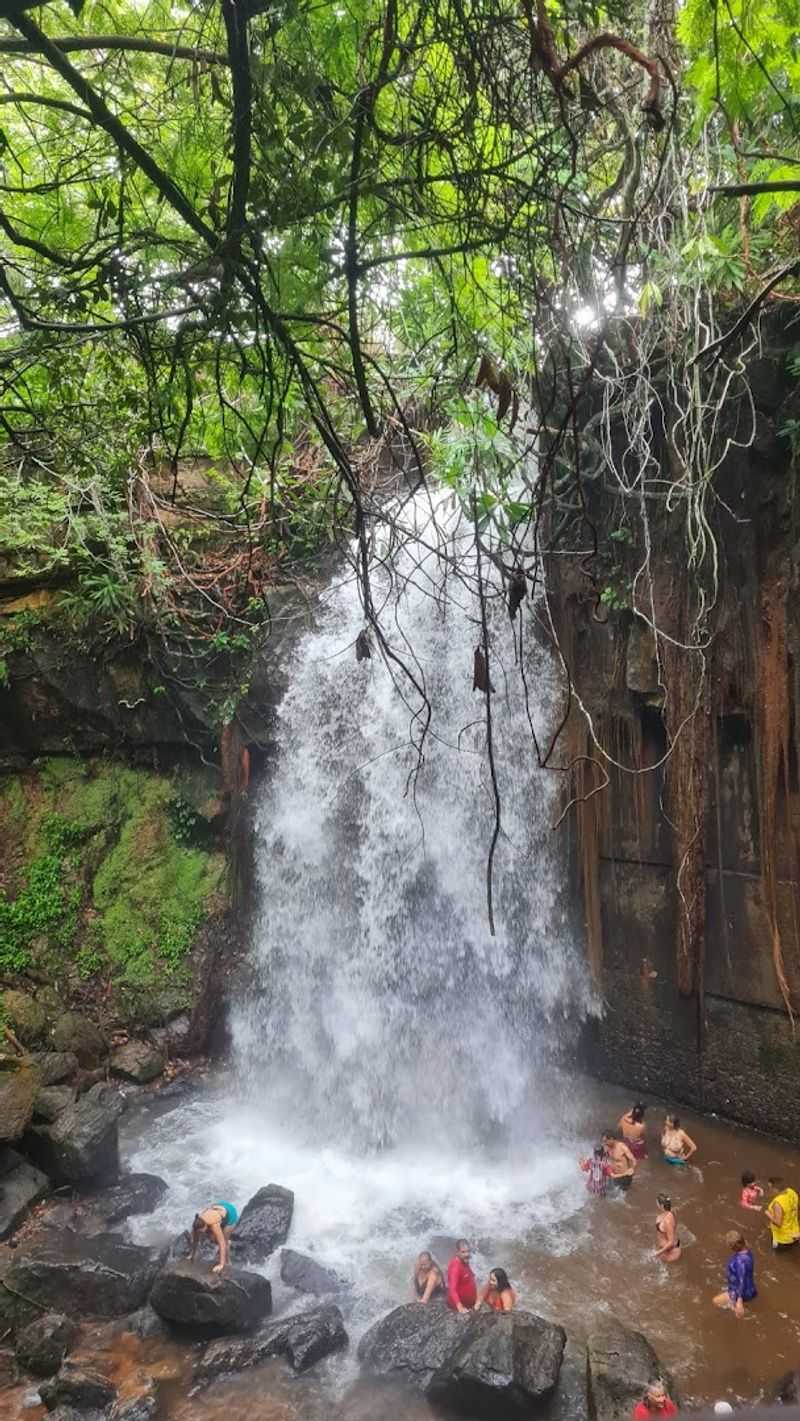
Chapada dos Guimarães sits close to Cuiabá in Mato Grosso, which makes it one of the more accessible highland destinations in central Brazil. Red cliffs, dramatic viewpoints, waterfalls, and classic Cerrado landscapes define the park, and Visit Brasil lists Cuiabá as a key gateway to both this park and the Northern Pantanal.
Two major natural wonders within reach of one city is a solid travel deal.
The Véu de Noiva waterfall is one of the park’s most photographed spots, dropping around 86 meters into a rocky basin. The Mirante do Geodésico viewpoint is also popular, sitting near what is considered the geodesic center of South America.
That is a fun fact that tends to impress people at dinner.
The town of Chapada dos Guimarães, just outside the park, has restaurants, guesthouses, and a pleasant small-town atmosphere. Day trips from Cuiabá are common, but staying overnight gives more time for trails.
This one punches well above its tourist profile.
Share this story