The Balkans is one of Europe’s most underrated regions, packed with jaw-dropping landscapes, ancient history, and vibrant cultures all tucked into a relatively small corner of the continent. From frozen waterfalls in Croatia to monasteries perched on rocky cliffs in Greece, this part of the world has a way of surprising even the most seasoned travelers.
Whether you’re into hiking, history, beach days, or just wandering through charming old towns, the Balkans has something worth seeing. Get ready to add some seriously stunning places to your travel list.
Plitvice Lakes National Park, Croatia
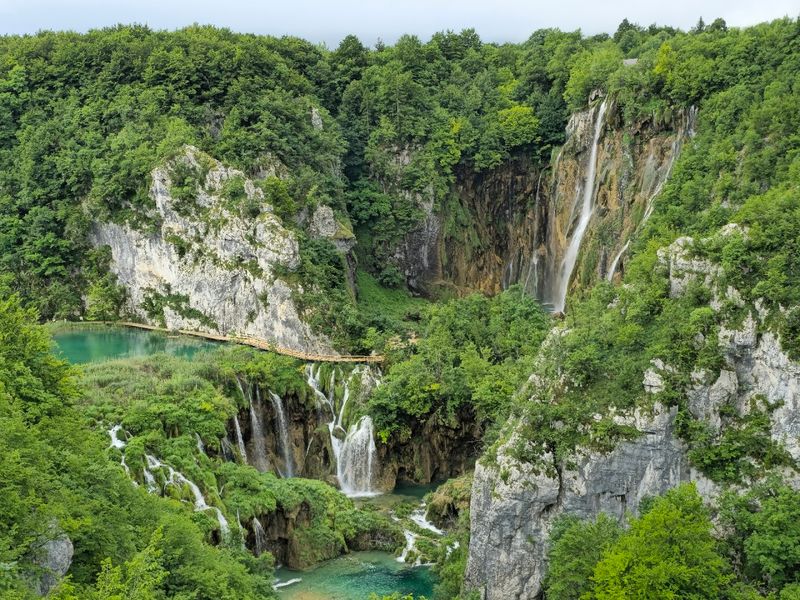
Somewhere between a nature documentary and a dream, Plitvice Lakes National Park exists as one of those rare places that actually looks better in real life than in photos. The park is made up of 16 terraced lakes connected by a series of waterfalls that tumble over limestone and chalk, producing that signature electric-blue color that makes your eyes do a double take.
Wooden walkways float just above the water’s surface, letting you walk directly over the lakes and feel completely surrounded by the scenery. The park covers over 295 square kilometers, so there is plenty of ground to cover across its upper and lower lake sections.
Most visitors spend a full day exploring, and even then, it feels like you barely scratched the surface.
As a UNESCO World Heritage Site since 1979, Plitvice is well protected and carefully managed. Visiting early in the morning helps you avoid the biggest crowds.
Winter visits offer a completely different vibe, with frozen waterfalls and snow-dusted trees turning the whole park into something out of a storybook.
Bay of Kotor, Montenegro
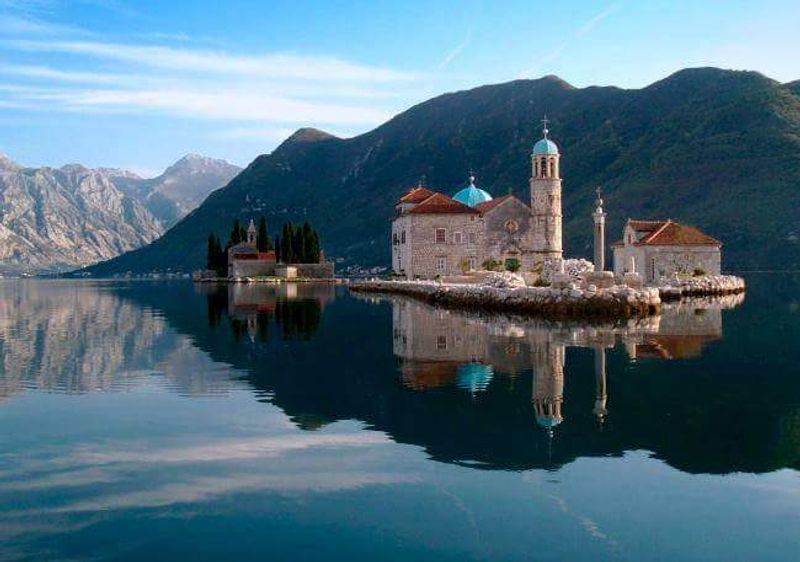
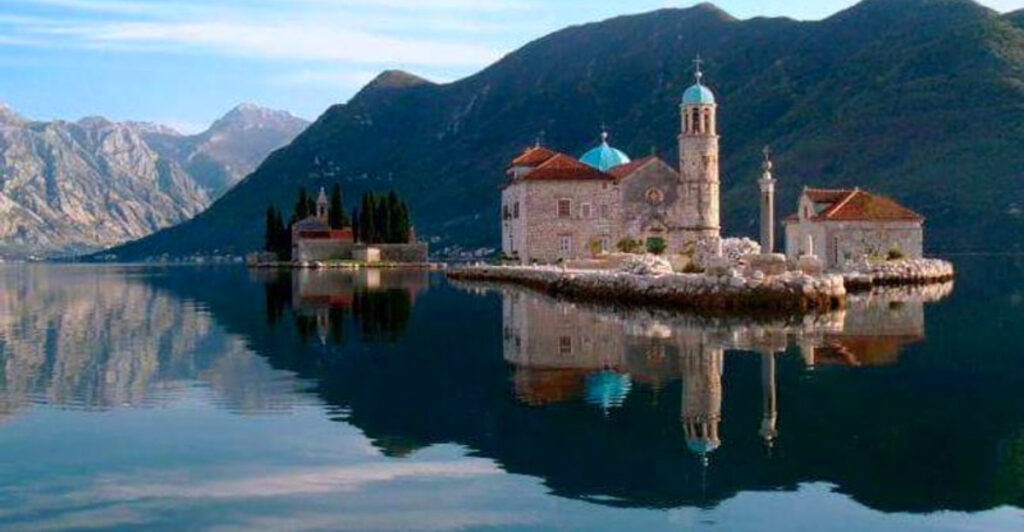
Picture a fjord that took a wrong turn and ended up in the Mediterranean, and you basically have the Bay of Kotor. This stunning inlet in Montenegro is surrounded by the Dinaric Alps on all sides, creating a dramatic backdrop that makes the whole place feel like a natural amphitheater built just for looking at.
The walled city of Kotor sits at the innermost point of the bay and is one of the best-preserved medieval towns in the entire Adriatic region. Its narrow stone streets, Venetian-era buildings, and ancient fortifications climbing the cliff above town make it endlessly fun to explore.
The tiny island of Perast nearby is also worth a boat ride over, especially to visit the famous Our Lady of the Rocks church.
Sailing or kayaking around the bay gives you a totally different perspective than staying on land. Sunset from the fortress walls above Kotor is genuinely one of the most spectacular views in the Balkans.
The bay is easily reachable from Dubrovnik, making it a popular day trip that almost always becomes a multi-day stay instead.
Lake Bled, Slovenia
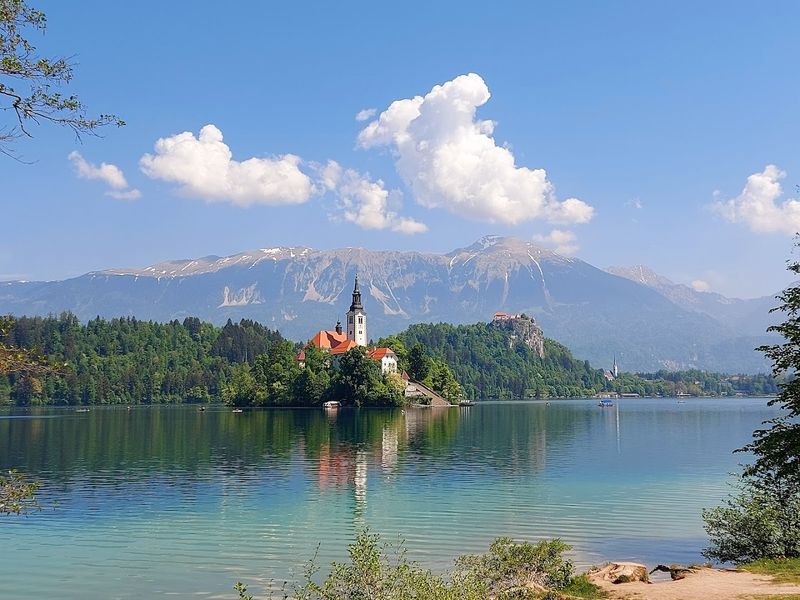
There is a tiny island in the middle of this lake, and on that island sits a church with a wishing bell, and the only way to get there is by traditional wooden boat called a pletna. If that sentence alone does not convince you to visit Lake Bled, nothing will.
Sitting at the foot of the Julian Alps in northwestern Slovenia, Lake Bled has been charming visitors for centuries. The water is a rich, glacier-fed blue-green that shifts color depending on the time of day and season.
Bled Castle, perched dramatically on a cliff 130 meters above the lake, offers some of the best panoramic views you will find anywhere in Central Europe.
Beyond sightseeing, the area is a fantastic base for outdoor activities like hiking, cycling, and even paragliding. The famous Vintgar Gorge is just a short trip away and adds another layer of natural beauty to the visit.
Cream cake, or kremna rezina, is the local dessert specialty and absolutely worth trying at one of the cafes along the lakeside promenade. Bled is a small town that punches way above its weight.
Mostar and Stari Most, Bosnia and Herzegovina
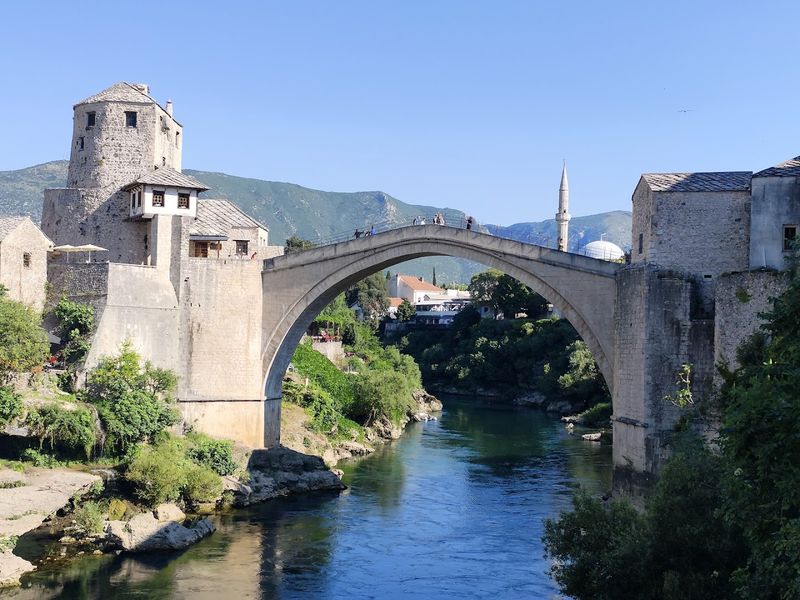
Every summer, trained divers leap from the top of Stari Most into the cold Neretva River below, a tradition that has been going on for centuries and still draws crowds of amazed onlookers. That single fact tells you a lot about Mostar: it is a place where history and living culture exist side by side in the most vivid way.
Stari Most, which translates to Old Bridge, was originally built in 1566 during the Ottoman period. It was destroyed during the Bosnian War in 1993 and painstakingly rebuilt using the same limestone and traditional techniques, reopening in 2004.
Today it stands as both a symbol of resilience and one of the most photographed bridges in Europe.
The old bazaar area of Kujundziluk runs right up to the bridge and is lined with copper workshops, souvenir shops, and small restaurants serving Bosnian coffee and cevapi. The call to prayer from nearby mosques mingles with the sound of the river below, creating an atmosphere unlike anything else in the region.
Visiting at dusk, when the bridge is lit up and the crowds thin out, is the best way to truly appreciate this remarkable place.
Lake Ohrid, North Macedonia
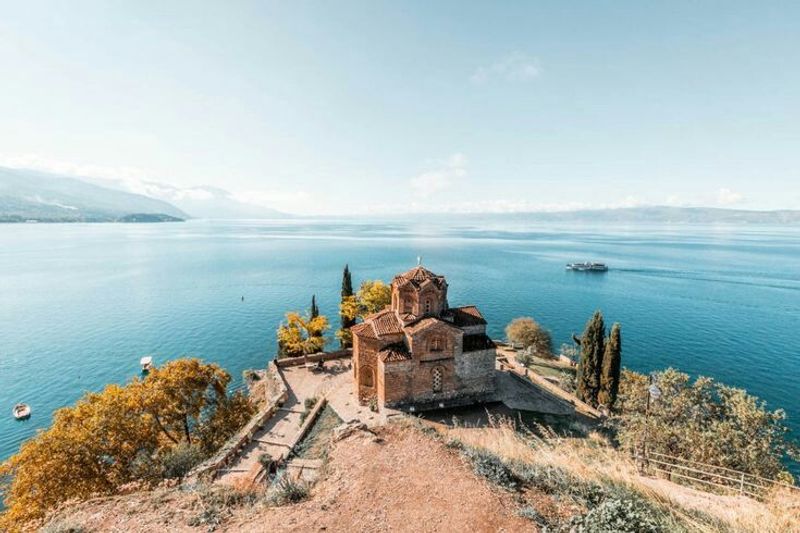
Scientists estimate that Lake Ohrid is between three and five million years old, making it one of the oldest lakes on Earth and a genuine living museum of biodiversity. Over 200 endemic species call it home, many of which exist nowhere else on the planet.
That alone makes it one of the most scientifically significant bodies of water in Europe.
The town of Ohrid wrapping around the lake’s shore is equally impressive. Ancient churches, Roman-era theaters, and medieval fortresses are scattered throughout the old town, which has earned dual UNESCO status for both its natural and cultural value.
The Church of Saint John at Kaneo, perched on a rocky cliff directly above the water, is probably the most photographed spot in North Macedonia.
The lake’s water is so clear that visibility can reach up to 22 meters deep in some spots, making it popular for swimming and snorkeling. Local restaurants serve Ohrid trout, a delicacy unique to the lake, which is worth trying at least once.
The town has a relaxed, unhurried pace that makes it easy to linger longer than planned. Most visitors end up staying twice as long as they originally intended.
Albanian Riviera, Albania
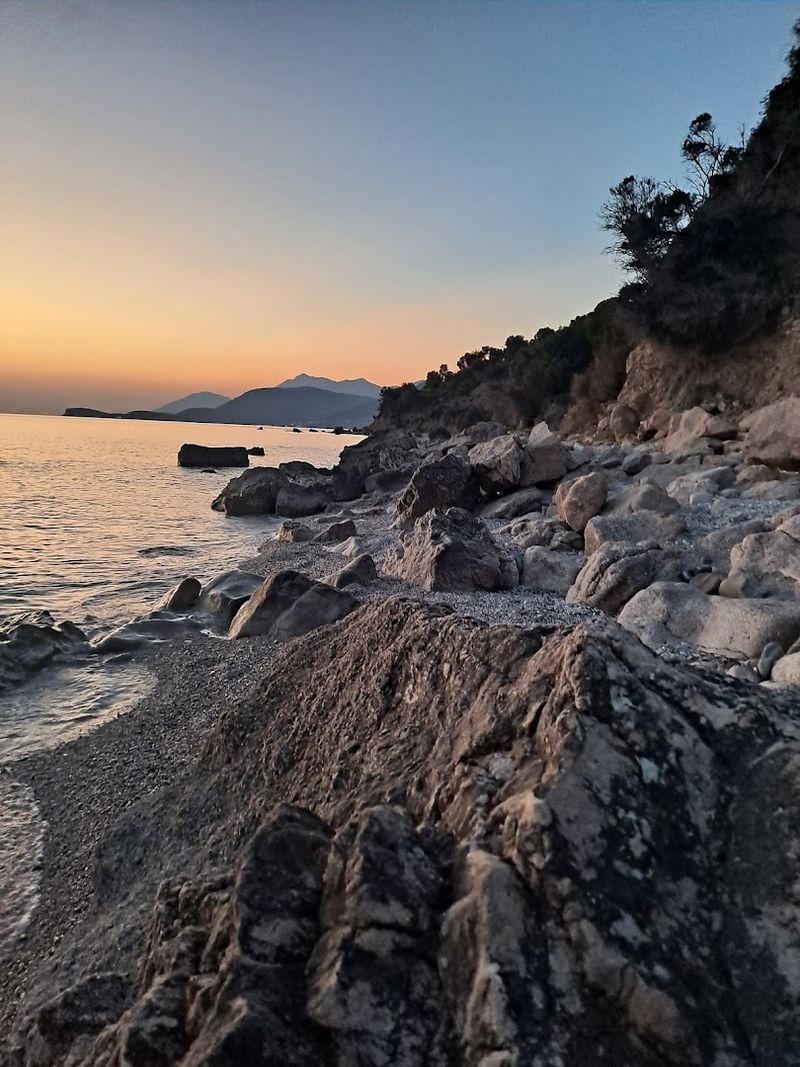
Ksamil has the kind of water that makes you question whether someone secretly added food coloring to the sea. The Albanian Riviera stretches along the country’s southern coast and delivers turquoise bays, hidden beaches, and dramatic hillside views that rival far more famous Mediterranean destinations, often at a fraction of the cost.
Unlike the packed beaches of Croatia or Greece, much of the Albanian Riviera still feels genuinely undiscovered. Small fishing villages like Himara and Dhermi offer charming local restaurants, affordable accommodation, and beaches that are not yet overwhelmed by sunbeds and beach bars.
The road running along the coast offers some of the most spectacular driving views in all of Europe.
The nearby ancient ruins of Butrint, a UNESCO-listed archaeological site, add a serious cultural dimension to any beach trip along the riviera. Founded by the Greeks and later occupied by Romans and Byzantines, Butrint tells thousands of years of history through its remarkably preserved structures.
Albania as a whole is still very much on the edge of mainstream tourism, which means visiting now feels like catching a destination right before the rest of the world fully discovers it.
Durmitor National Park, Montenegro
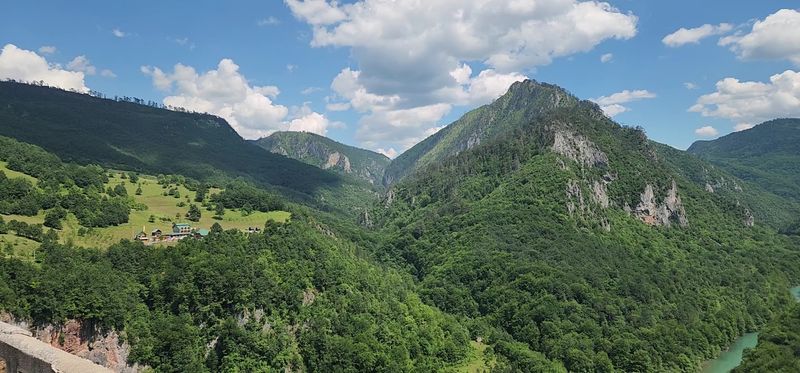
The Tara Canyon cuts 1,300 meters deep into the earth, making it the second deepest river canyon in the world, and it runs right through Durmitor National Park. That one geological fact sets the tone for everything else this wild corner of Montenegro has to offer.
Durmitor is a UNESCO-listed national park in the Dinaric Alps, home to 18 glacial lakes, thick pine forests, and peaks that rise above 2,500 meters. The Black Lake, or Crno Jezero, is the most visited of the glacial lakes and sits at the base of the Meded peak, offering a strikingly beautiful reflection of the mountains on calm days.
Hiking trails range from gentle lakeside walks to serious multi-day summit routes.
In winter, Durmitor transforms into a ski destination with slopes suited to all levels. Rafting on the Tara River in summer is one of the most popular adventure activities in the entire Balkans, drawing thrill-seekers from across Europe.
The nearby town of Zabljak serves as a base for most visitors and has a good selection of guesthouses and local restaurants. This park rewards those willing to get off the beaten coastal path through Montenegro.
Sarajevo, Bosnia and Herzegovina
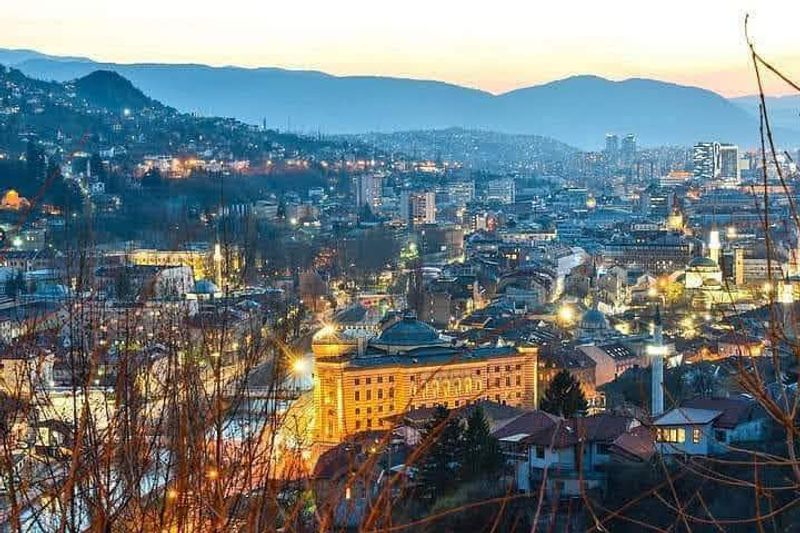
Walk ten minutes in Sarajevo and you will pass a mosque, a Catholic cathedral, a Serbian Orthodox church, and a synagogue. No other city in Europe puts that kind of religious and cultural diversity so literally within walking distance, and it is one of the things that makes Sarajevo genuinely unlike anywhere else on the continent.
The Bascarsija, the old Ottoman bazaar at the heart of the city, is a maze of copper workshops, tea houses, and restaurants serving Bosnian classics like burek and cevapi. The smell of freshly brewed Bosnian coffee drifting from small wooden cafes is one of those sensory details that sticks with you long after you have left.
The city’s history is complex and at times deeply painful, but Sarajevo wears it openly and honestly.
The Tunnel of Hope, used to supply the city during the 1990s siege, is now a museum and one of the most moving historical sites in the region. Cable car rides up Mount Trebevic give a stunning aerial view of the city nestled in its valley.
Sarajevo has a creative, resilient energy that surprises first-time visitors who arrive with only a vague sense of its wartime past. It is a city that genuinely rewards curiosity.
Meteora, Greece
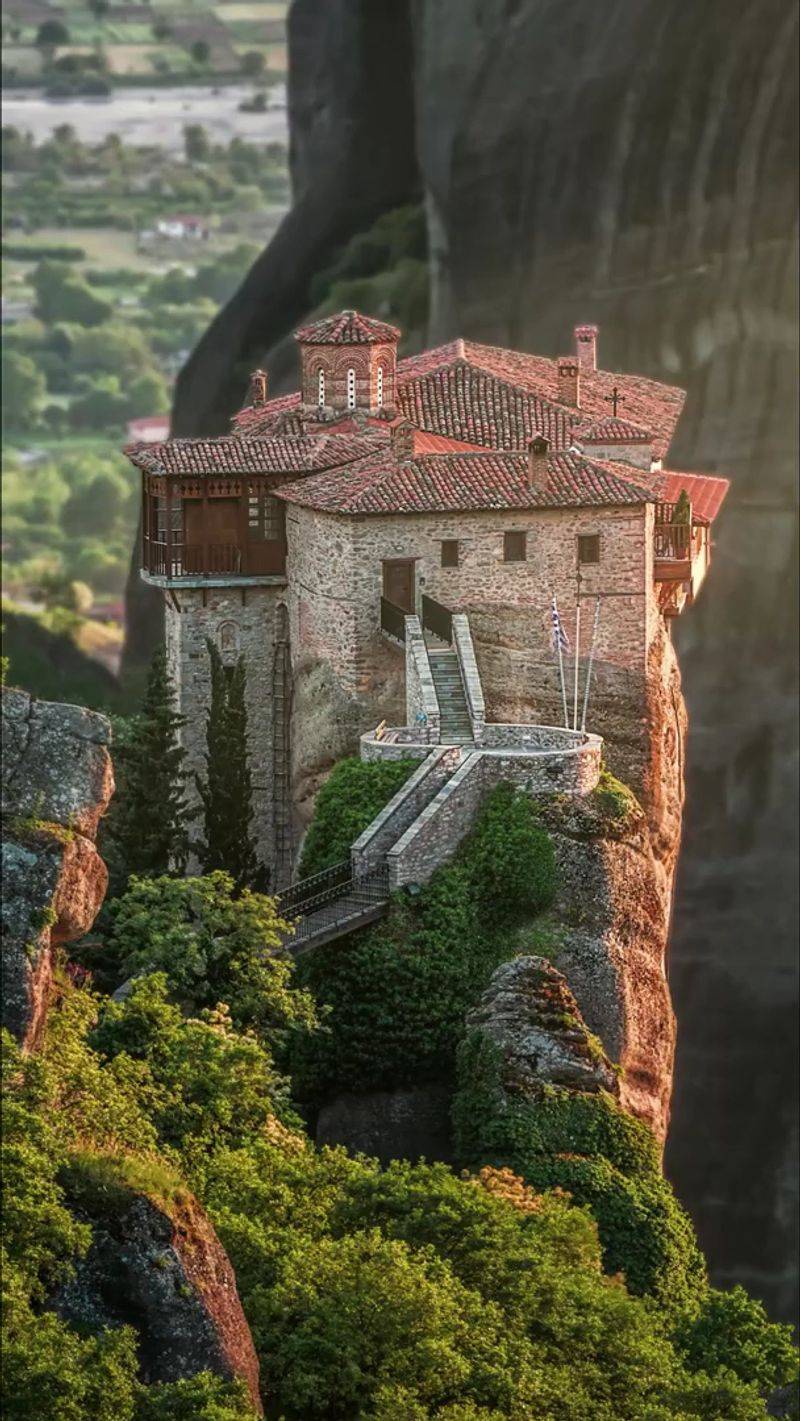
Monks decided the best place to build their monasteries was on top of enormous free-standing rock pillars, some of which rise 400 meters above the ground, and honestly, it is hard to argue with the logic. Meteora in central Greece is one of those destinations where the first view genuinely stops you in your tracks.
The name Meteora means suspended in the air in Greek, which is exactly what the six remaining monasteries appear to be. Originally, the only way to reach them was by rope ladders or nets hauled up by the resident monks.
Today, carved steps and paved paths make access much easier, though the sense of awe at arriving at the top has not diminished at all.
The Eastern Orthodox monasteries date back to the 14th and 15th centuries and are still active religious sites, meaning dress codes apply and certain areas remain off-limits to tourists. The frescoes inside are stunning examples of Byzantine art.
Sunrise and sunset light up the rocks in deep oranges and purples, making early morning or late afternoon the best times to visit for photography. Meteora is a dual UNESCO World Heritage Site, recognized for both its natural geology and its cultural monuments.
Rila Monastery, Bulgaria
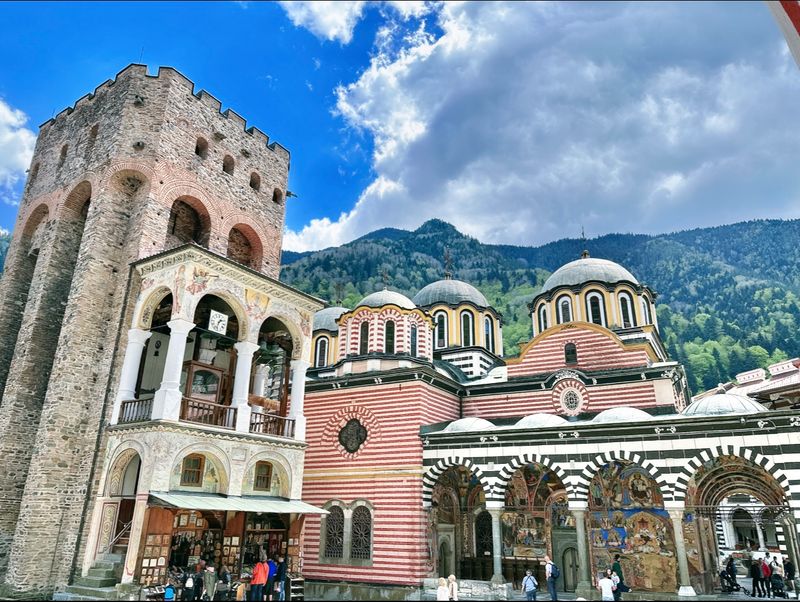
The frescoes covering Rila Monastery’s exterior walls are so vivid and detailed that they look like they were painted last year, not in the 1800s. This is Bulgaria’s most celebrated cultural monument, and it has been drawing pilgrims, artists, and curious travelers to the forested Rila Mountains for over a thousand years.
Founded in the 10th century by the hermit Saint Ivan of Rila, the monastery was a crucial center of Bulgarian culture and literacy during the centuries of Ottoman rule. It preserved Bulgarian language, manuscripts, and traditions at a time when much of the country’s cultural identity was under serious pressure.
That history gives the place a weight and significance that goes well beyond its striking visual beauty.
The monastery’s courtyard is framed by dramatically striped black and white arches on multiple levels, creating an architectural style unlike anything else in the Balkans. A medieval defensive tower at one end adds to the dramatic visual contrast.
The surrounding Rila Mountains also happen to contain the highest peak in the Balkans, Mount Musala, making this a great base for combining cultural sightseeing with serious hiking. The drive through the forested valley leading to the monastery is beautiful in its own right.
Berat, Albania
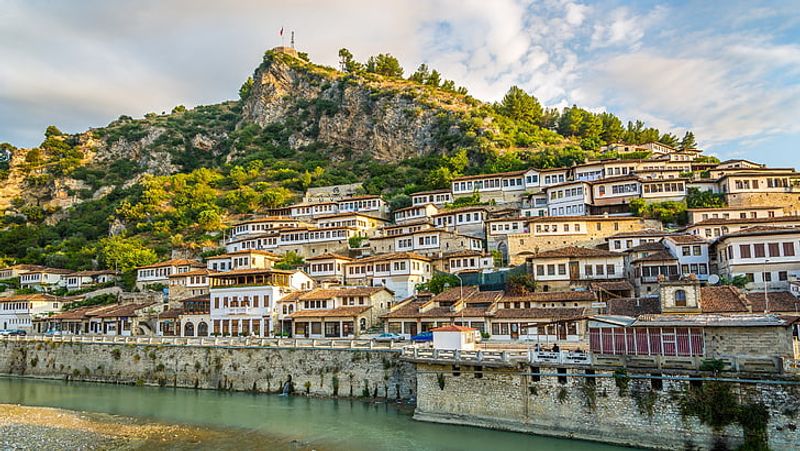
Berat earned its nickname the City of a Thousand Windows honestly. Looking up at the hillside neighborhoods, the rows of identical white Ottoman houses with their oversized windows stacked one above the other create a visual effect that is completely unique in the Balkans.
It is the kind of town that makes you want to sketch it rather than just photograph it.
The old neighborhoods of Mangalem and Gorica sit on opposite sides of the Osum River and are both remarkably well preserved, earning the city UNESCO World Heritage status in 2008. Narrow cobblestone streets wind between houses that have barely changed in centuries, and small family-run guesthouses within the old quarters give visitors the chance to actually sleep inside the history.
The castle at the top of the hill, Kalaja, is one of the most unusual fortresses in the region because people still live inside it. Families have inhabited the castle walls for generations, and wandering through its lanes feels more like visiting a living village than a historical ruin.
Local restaurants in Berat serve excellent Albanian cuisine at very reasonable prices. Byrek, tavë kosi, and fresh local wine are all worth sampling during a visit to this genuinely underrated gem.
Tara National Park, Serbia
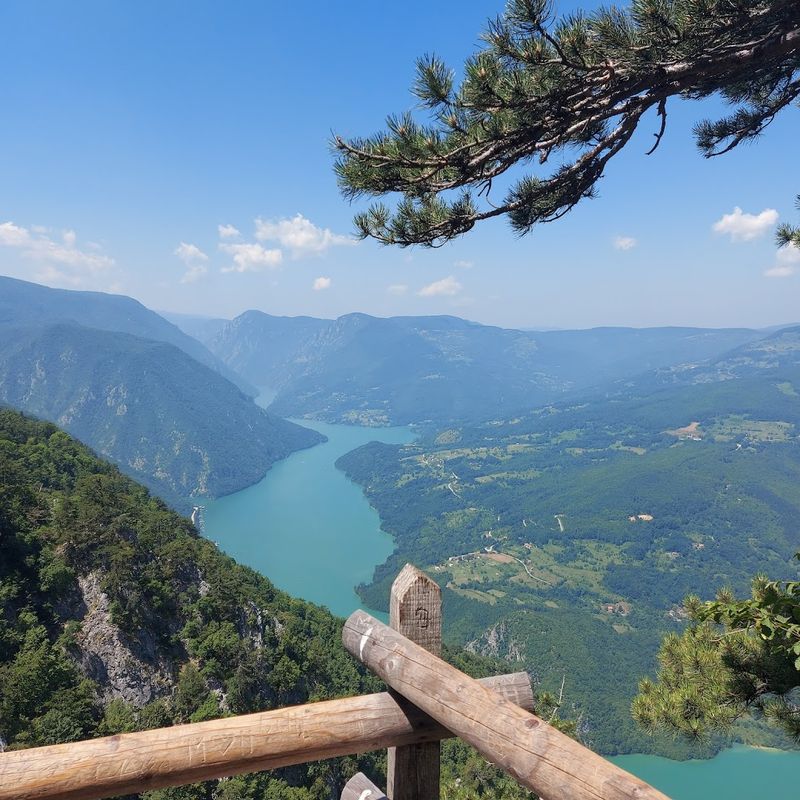
Serbia does not always make the top of Balkans travel lists, but Tara National Park makes a very strong case for why it should. Draped across the western slopes of the Tara Mountain range, this park is one of the greenest, most peaceful corners of the entire region, and it sees a fraction of the visitor numbers that comparable parks in Croatia or Slovenia attract.
The park is home to the Panjak relic spruce, a tree species that has survived since the Ice Age and exists in very few places on Earth. Ancient beech forests, meadows thick with wildflowers, and the dramatic Drina River canyon winding below the mountain all make for extraordinary scenery.
The viewpoint at Banjska Stena, where the mountain drops sharply into the canyon, is one of the most dramatic natural vistas in Serbia.
The Drina River House, a tiny wooden cabin balanced on a rock in the middle of the river, has become one of Serbia’s most recognizable images and is visible from certain riverside spots within the park area. Hiking trails range from easy forest walks to more challenging ridge routes.
Wildlife including brown bears, wolves, and eagles calls this park home, giving it a genuinely wild character that feels rare in modern Europe.
Soca Valley, Slovenia
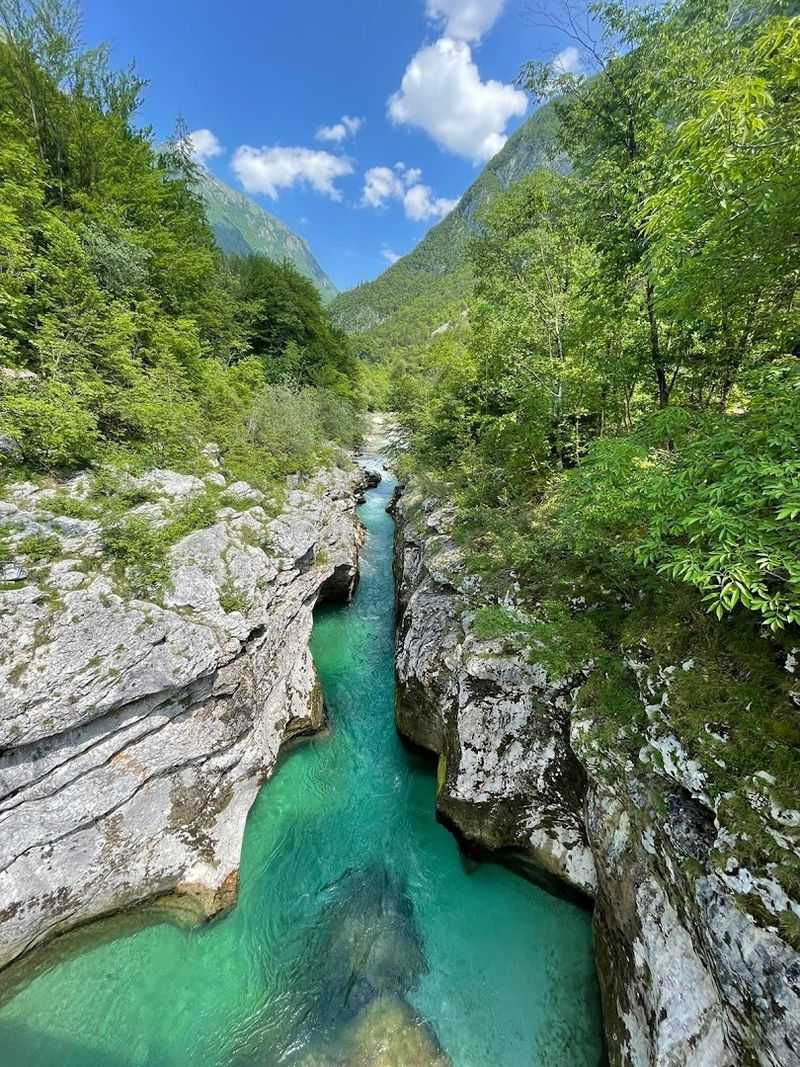
The Soca River runs a color that has no real name in English. It is somewhere between turquoise, mint, and electric green, and it glows with an intensity that makes the whole valley feel slightly otherworldly.
This is Slovenia’s adventure playground, and it earns that reputation in every season.
The valley stretches through the Julian Alps near the Italian border and was the site of some of the fiercest fighting during World War One. The Walk of Peace, a long-distance trail running through the valley, connects dozens of memorials, cemeteries, and museum sites that tell the story of the Isonzo Front.
That historical layer adds real depth to what is already a strikingly beautiful landscape.
White-water rafting on the Soca is the most popular activity in summer, drawing kayakers and rafters from across Europe who come specifically for its challenging rapids and clear water. Fly fishing in the river is also famous, as the Soca marble trout is one of the most sought-after catches in European freshwater fishing.
The villages of Bovec and Kobarid serve as practical bases for exploring the valley, with good food, comfortable guesthouses, and easy access to the best outdoor spots. Autumn turns the hillsides gold and red, making it arguably the most beautiful season to visit.
Dubrovnik, Croatia
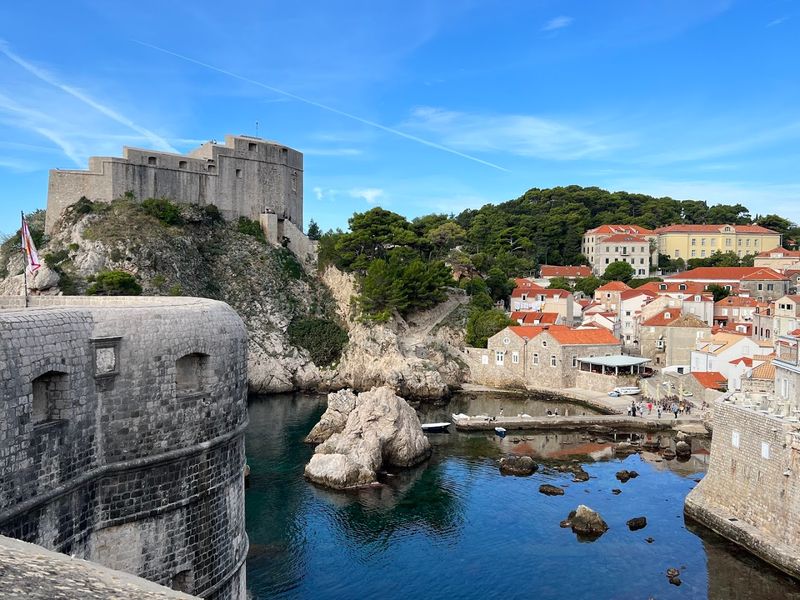
Walking the city walls of Dubrovnik at sunrise, before the cruise ships dock and the old town fills with visitors, is one of those travel experiences that genuinely justifies the hype. The walls stretch nearly two kilometers around the entire old city, and the views they offer over the terracotta rooftops and the Adriatic below are spectacular at any time of day.
Dubrovnik was an independent republic for nearly five centuries, known as the Republic of Ragusa, and that history of independence and trade shaped the city’s remarkable wealth of Renaissance and Baroque architecture. The Stradun, the main limestone-paved street running through the heart of the old town, is polished smooth by millions of footsteps and glows almost white in the afternoon sun.
Cable car rides up Mount Srd give a bird’s-eye view of the old city and the surrounding islands scattered across the Adriatic. The nearby Elaphiti Islands and Lokrum Island are easy day trips that offer quieter beaches and a welcome break from the old city’s crowds.
Visiting in shoulder season, either May or October, gives you most of the beauty with significantly fewer people. Dubrovnik rewards those who take the time to explore beyond its most famous postcard views.
Sutjeska National Park, Bosnia and Herzegovina
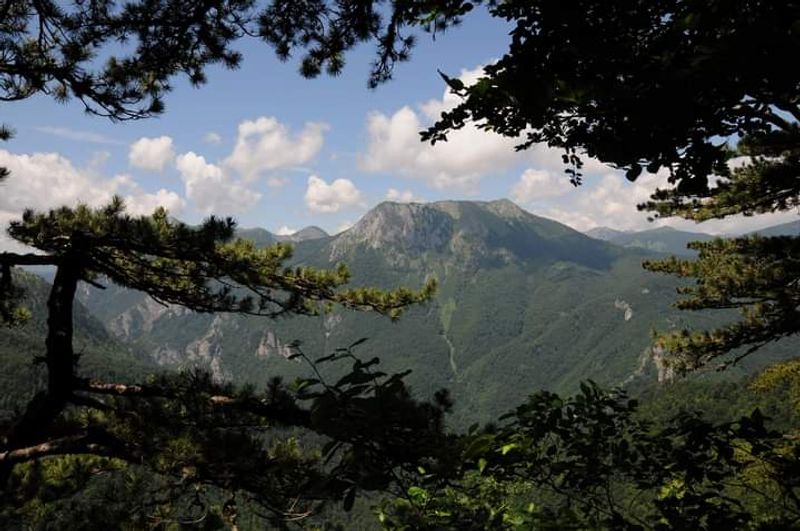
Sutjeska National Park contains Perucica, one of only two remaining primeval forests in Europe, where trees have been growing undisturbed for thousands of years and some stand over 50 meters tall. Walking through it feels genuinely prehistoric, like the rest of the modern world simply does not exist beyond the tree line.
Established in 1962, Sutjeska is the oldest national park in Bosnia and Herzegovina and one of the most biologically rich areas in the entire Balkans. The park is home to brown bears, wolves, lynx, and golden eagles, and the combination of mountain peaks, glacial lakes, and ancient forest makes it feel more like a lost wilderness than a tourist destination.
Maglic, the highest peak in Bosnia at 2,386 meters, sits within the park and offers a challenging but rewarding summit hike.
Trnovacko Lake, a glacial lake shaped like a heart when viewed from above, is one of the most photographed natural features in the region and requires a full-day hike to reach. The park sees relatively few international visitors compared to Croatia’s national parks, which means the trails are quiet and the wildlife encounters are more frequent.
For travelers who want raw, unfiltered nature without crowds, Sutjeska is genuinely hard to beat anywhere in the Balkans.
Share this story