Some places on Earth look so extraordinary that photos of them barely seem real. Deserts are like that.
They stretch across continents, hide ancient cultures, and hold some of the most jaw-dropping scenery you will ever see. From towering orange dunes in Morocco to glowing white sand in New Mexico, the world’s deserts are wildly different from each other, and every single one has something that makes it worth the journey.
Whether you are a road tripper, a photographer, a history lover, or just someone who wants to stand somewhere truly unforgettable, this list covers deserts that deliver. Some are remote and wild.
Others are surprisingly easy to reach. All of them are the kind of places people save to their travel lists and talk about long after they get home.
Wadi Rum, Jordan
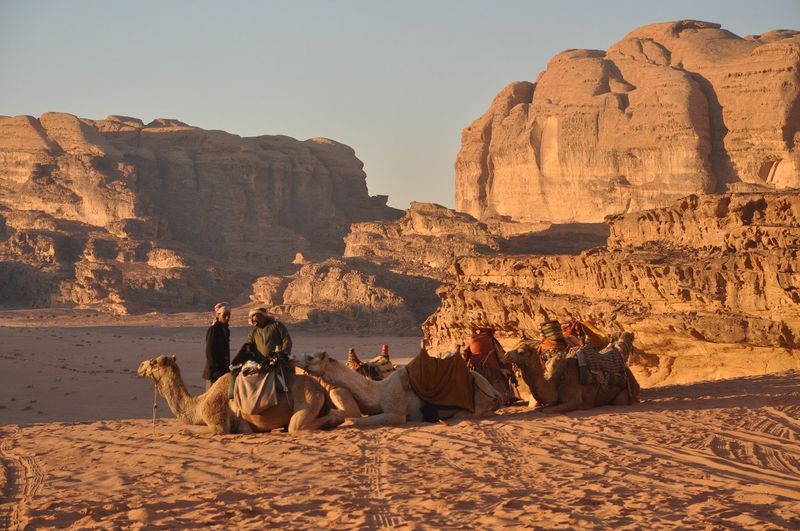
Standing in Wadi Rum feels like being dropped onto another planet. The sandstone cliffs, natural arches, and wide red sand valleys create a landscape so unusual that it has been used as a filming location for multiple science fiction movies.
Jordan’s Wadi Rum Protected Area is a UNESCO World Heritage Site, recognized for both its natural formations and its deep connection to Bedouin culture and history.
Most visitors enter through the Wadi Rum Visitor Center and then join jeep tours, camel rides, or guided hiking routes that wind through the canyon systems and past ancient rock inscriptions. Overnight stays in Bedouin-style camps are popular, and the stargazing here is exceptional due to the low light pollution across the desert.
What sets Wadi Rum apart from many other desert destinations is how seamlessly the natural scenery and cultural storytelling are woven together, giving visitors both a visual and a human experience worth remembering.
Namib Desert, Namibia
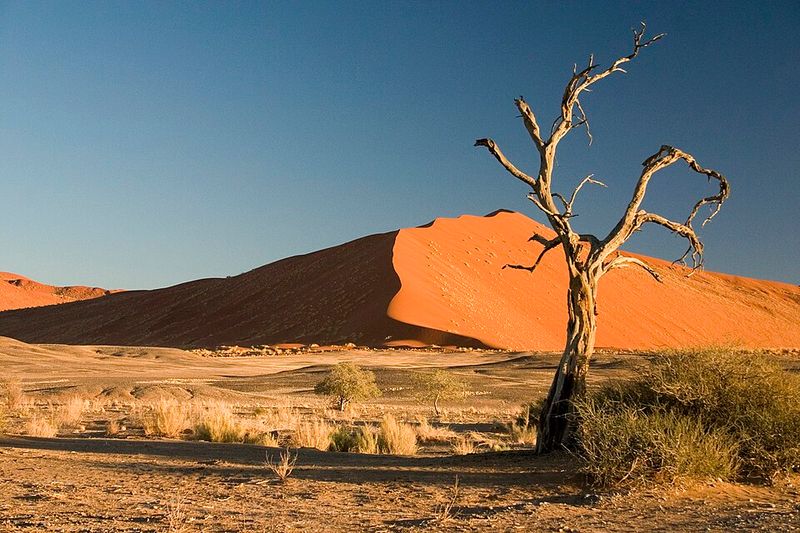
Scientists estimate the Namib Desert is somewhere between 55 and 80 million years old, which would make it the oldest desert on Earth by a wide margin. That age shows in the landscape.
The red dunes of Sossusvlei within Namib-Naukluft Park reach heights of over 300 meters, and the ancient dead trees of Deadvlei, bleached white against the deep orange sand, create one of the most photographed natural scenes on the African continent.
Namib-Naukluft Park is described by Namibia’s environment ministry as the country’s largest conservation area, protecting gravel plains, coastal desert zones, and the dramatic dune fields that most visitors come to see. Sesriem Canyon, a narrow gorge carved by the Tsauchab River, is another highlight worth adding to any Sossusvlei trip.
Namibia’s desert tourism is well organized, and the country’s wide open roads and low visitor density make it feel genuinely remote even on a guided tour.
Atacama Desert, Chile
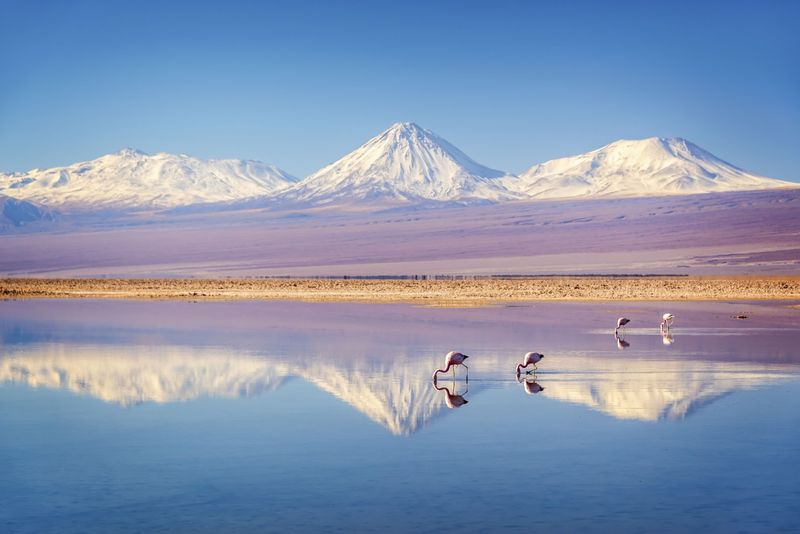
The Atacama Desert in northern Chile holds the title of driest non-polar desert on Earth, and in some areas, measurable rainfall has never been recorded. That extreme dryness creates landscapes that look almost sculpted: cracked salt flats, rust-colored canyons, steaming geysers, and volcanic peaks that rise cleanly above the horizon.
The region around San Pedro de Atacama serves as the main base for travelers, with organized excursions running daily to key sites.
Valle de la Luna, a protected area within Los Flamencos National Reserve, offers year-round access and is one of the most approachable ways to experience the Atacama’s surreal terrain. The El Tatio geyser field, located at high altitude, is best visited at dawn when steam activity is strongest.
Stargazing in the Atacama is world-class, and the region hosts several professional observatories alongside tourism-focused astronomy programs that give visitors access to some of the clearest night skies on the planet.
Death Valley National Park, California and Nevada
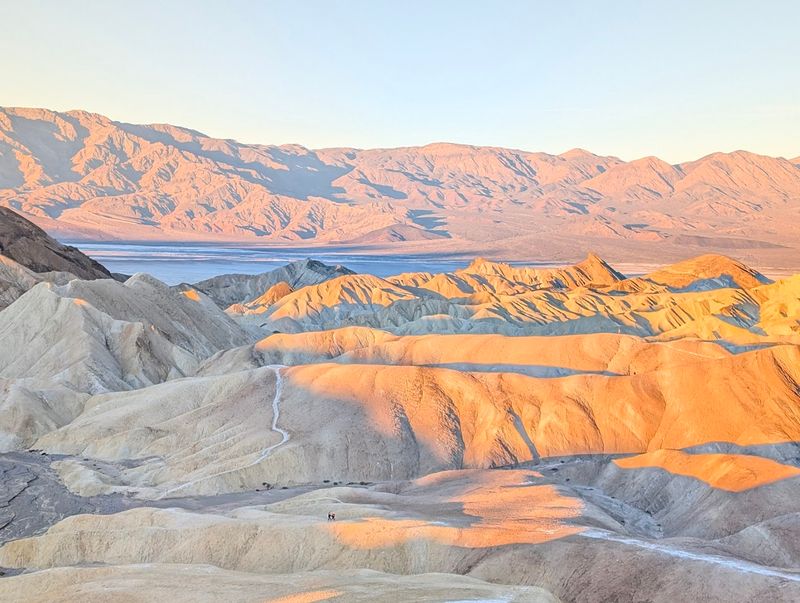
Death Valley holds the record for the highest reliably recorded air temperature on Earth, reaching 134 degrees Fahrenheit at Furnace Creek in 1913. That extreme reputation is part of what draws visitors, but the park’s appeal goes well beyond temperature records.
Badwater Basin, Zabriskie Point, Mesquite Flat Sand Dunes, and Artists Palette are among the most visually striking desert formations in the entire National Park System.
The National Park Service maintains current road and condition updates online, which is essential reading before any visit, since summer heat, flash floods, and seasonal closures can significantly affect travel plans. Spring visits between February and April tend to offer the most comfortable conditions, and in good wildflower years the desert floor blooms in ways that look completely out of place against the surrounding rock and salt.
Summer visits are possible but require serious heat safety preparation, including extra water, early morning timing, and reliable vehicle cooling systems.
Sahara Desert, Morocco
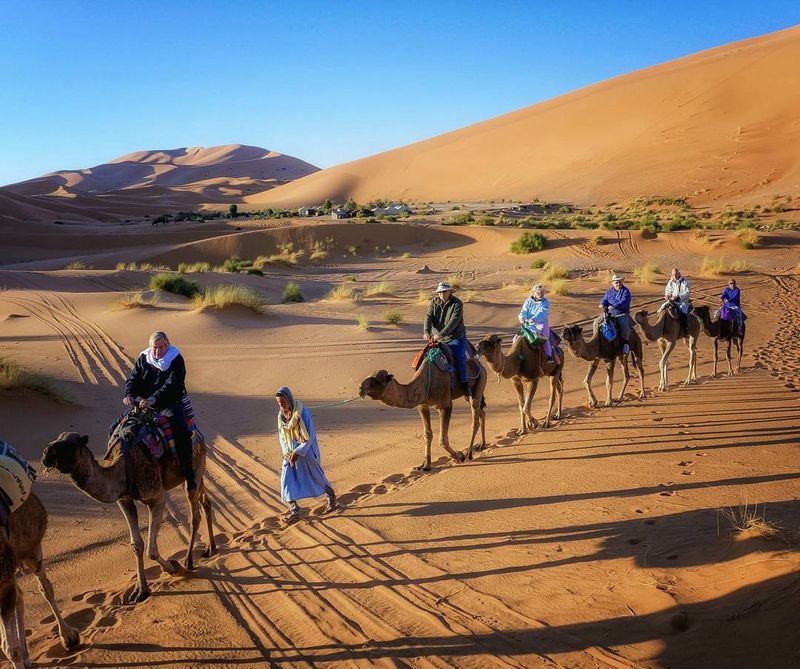
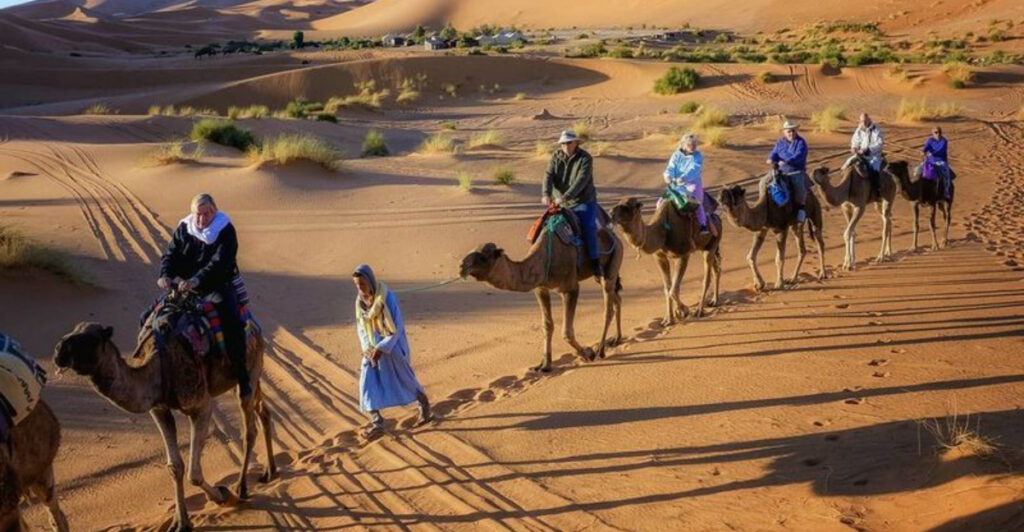
The orange dunes of Erg Chebbi near Merzouga rise dramatically from the flat desert floor, and when the late afternoon light hits them, the whole landscape turns the color of fire. These dunes can reach heights of around 150 meters, making them some of the most visually striking in all of North Africa.
Merzouga is the main gateway into this part of the Moroccan Sahara, with a well-developed network of desert camps, guided camel treks, and 4×4 excursions.
Desert camps range from basic to luxury, and most include dinner, traditional music, and overnight stays under open skies packed with stars. The experience of waking up in the Sahara before sunrise, watching the dunes shift color from deep red to pale gold, is genuinely hard to put into words.
For first-time desert travelers, the Moroccan Sahara is one of the most organized and accessible entry points into serious desert travel anywhere in the world.
White Sands National Park, New Mexico
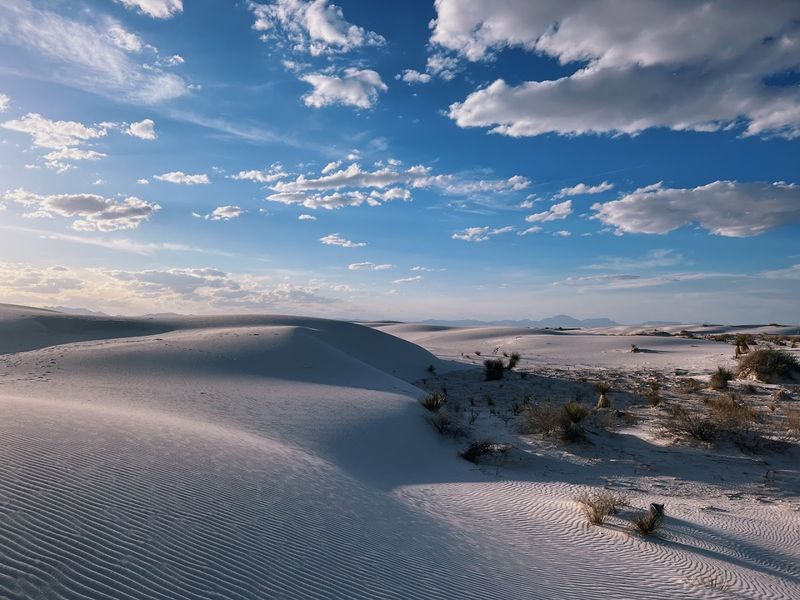
White Sands sits in the Tularosa Basin of southern New Mexico and protects the world’s largest gypsum dune field, covering around 275 square miles of brilliant white sand. Unlike typical quartz sand, gypsum stays cool even in direct sunlight, which means walking barefoot across these dunes in summer is actually comfortable.
The National Park Service says the park is open daily year-round except Thanksgiving and Christmas Day, with seasonal hour variations worth checking before arrival.
Sunset visits are especially popular because the white dunes shift through shades of pink, gold, and pale blue as the light changes, creating a color show that feels almost too good to be real. Sledding down the dunes is allowed and encouraged, and the park even sells plastic sleds at the visitor center gift shop.
Photographers tend to arrive about an hour before sunset to catch the full range of colors across the dune crests and valleys.
Great Sand Dunes National Park and Preserve, Colorado
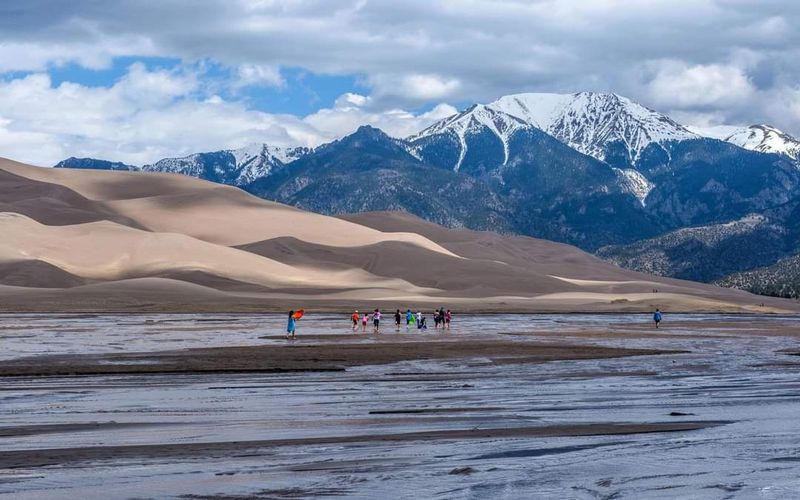
Great Sand Dunes is genuinely one of the strangest-looking places in the American West. The dunes rise up to 750 feet tall, making them the highest in North America, and they sit directly in front of the snow-capped Sangre de Cristo Mountains, creating a visual combination that takes a moment to process.
The National Park Service confirms the park is open 24 hours a day, seven days a week, year-round, though some roads and facilities have seasonal closures.
Medano Creek, a seasonal stream that flows along the base of the dunes each spring and early summer, adds another layer of strangeness: visitors actually wade through shallow moving water before climbing up into the sand. The park also connects to Baca National Wildlife Refuge and the wider preserve, giving hikers access to grasslands, wetlands, and forest terrain beyond the dune field.
For desert lovers who also enjoy mountain scenery, this park delivers both in a single visit.
Joshua Tree National Park, California
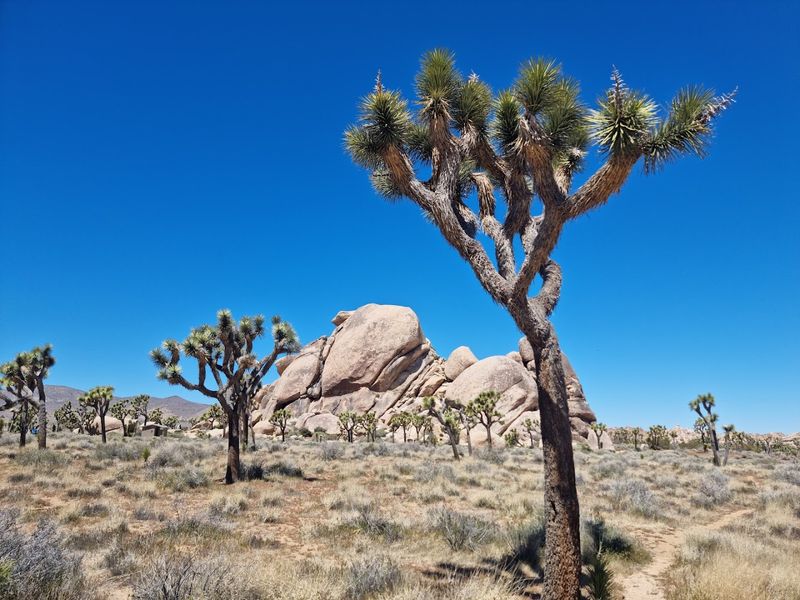
Joshua trees look like something a child drew from imagination, with their twisted arms and spiky clusters pointing in every direction. These trees only grow in the Mojave Desert, and Joshua Tree National Park protects the place where the Mojave meets the Colorado Desert, creating a transition zone with two distinct ecosystems in one park.
The result is a landscape unlike anything else in California or, really, anywhere else.
The National Park Service confirms the park is open 24 hours a day, 365 days a year, though visitor centers keep their own hours and some areas are day-use only. Rock climbing, short hikes, photography, and road trips through the park’s interior are all popular activities.
Stargazing here is exceptional, and the park was designated an International Dark Sky Park in 2017. Spring visits bring out desert wildflowers, while winter nights offer cold, clear skies that make the stars look close enough to touch.
Dubai Desert Conservation Reserve, United Arab Emirates
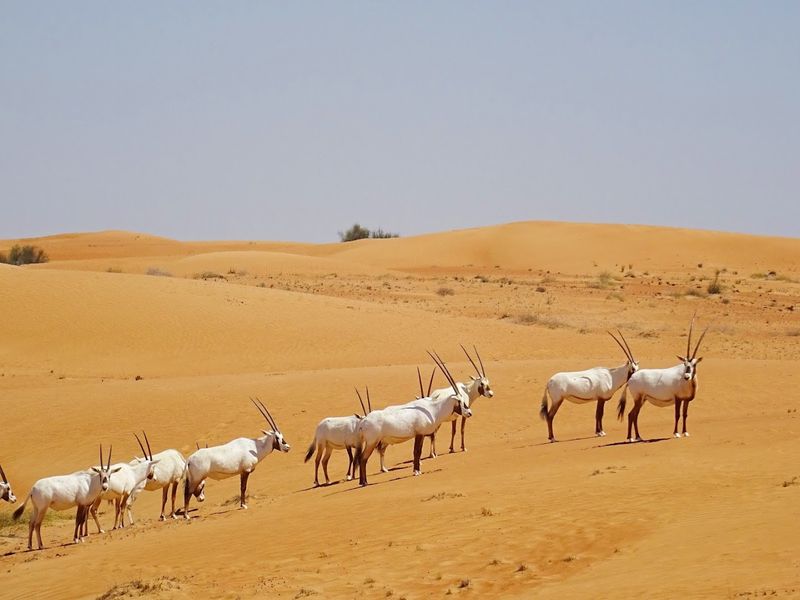
Just outside the towers and highways of Dubai, the Dubai Desert Conservation Reserve protects about 225 square kilometers of natural desert habitat. The reserve describes itself as the UAE’s first national park and was established partly to protect the Arabian oryx, a species that was reintroduced here after becoming extinct in the wild.
Seeing one of these elegant white antelopes against the desert backdrop is one of the more quietly memorable wildlife moments available near a major global city.
Visitor experiences within the reserve include falconry demonstrations, guided camel rides, nature walks, and access to a visitor center that explains the conservation work happening on the ground. For travelers spending time in Dubai who want something beyond the built environment, this reserve offers a genuine and well-organized desert experience without requiring a long journey.
The dune landscape is classic Arabian desert, and the reserve’s protected status means it feels noticeably wilder than the typical tourist desert camp outside the city.
Thar Desert, Rajasthan, India
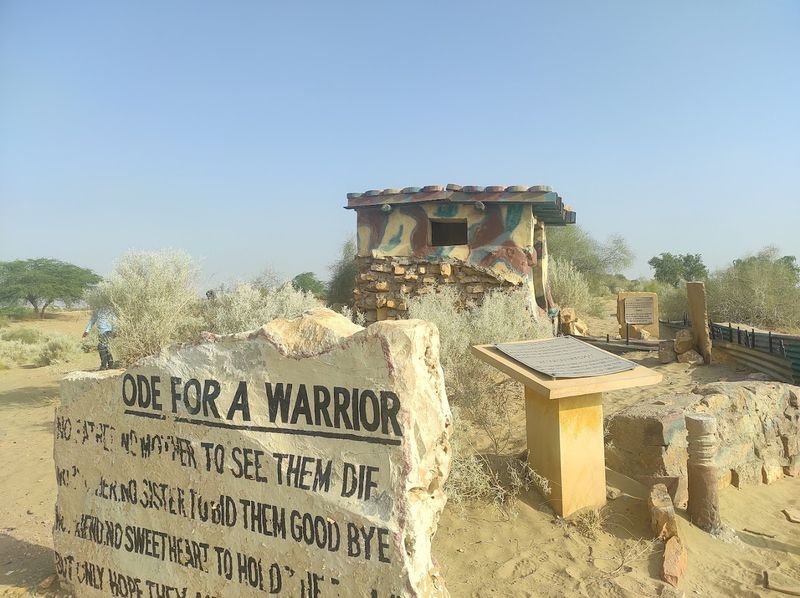
Jaisalmer is sometimes called the Golden City, and the name fits. The sandstone fort, havelis, temples, and market streets all carry the same warm yellow-gold tone as the Thar Desert that surrounds them.
The Thar is the most densely populated desert in the world, which means a trip here is as much about people, culture, and architecture as it is about dunes and open landscapes.
Rajasthan Tourism highlights Sam Sand Dunes as one of the key attractions near Jaisalmer, with desert safari camps offering camel rides, folk music performances, and overnight stays in the dunes. The dunes at Sam sit about 40 kilometers west of Jaisalmer and are most visited around sunset when the colors are at their richest.
Beyond the dunes, Jaisalmer Fort is a living heritage site where families still reside inside the ancient walls, making it one of the few inhabited forts of its kind remaining in India.
Uluru-Kata Tjuta National Park, Australia
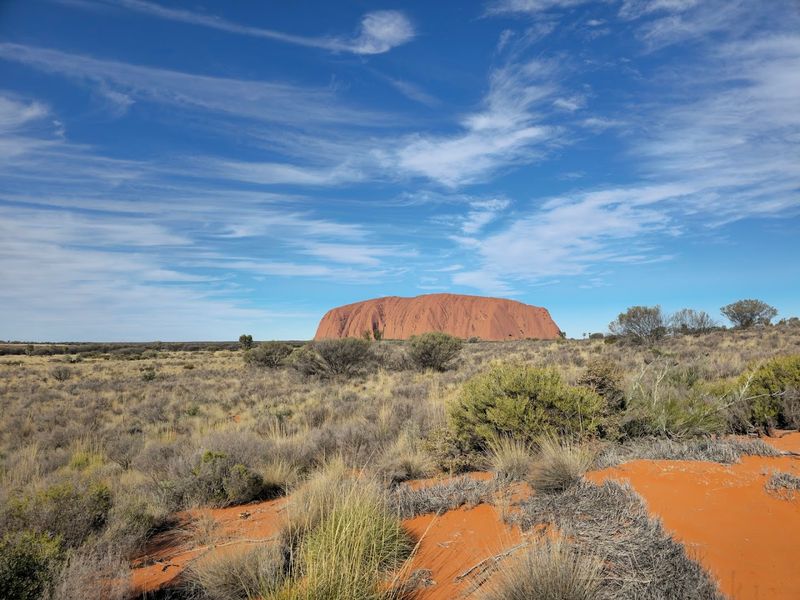
Uluru is one of the most recognizable natural landmarks on Earth, but photographs still do not fully prepare visitors for the scale of it. The sandstone monolith rises 348 meters above the surrounding desert floor and measures about 9.4 kilometers around its base.
What makes Uluru particularly meaningful is its deep spiritual and cultural significance to the Anangu people, the traditional custodians of this land, who have asked visitors not to climb the rock out of respect for their heritage.
Parks Australia confirms the park is open every day of the year, with hours varying by season and the park closing at night. Sunrise and sunset viewing areas draw large crowds, and the way Uluru shifts from pale ochre to deep red to near-purple as the light changes is one of those natural displays that genuinely stops people in their tracks.
Kata Tjuta, a group of 36 domed rock formations nearby, offers outstanding walking trails with views that rival Uluru itself.
Mojave National Preserve, California
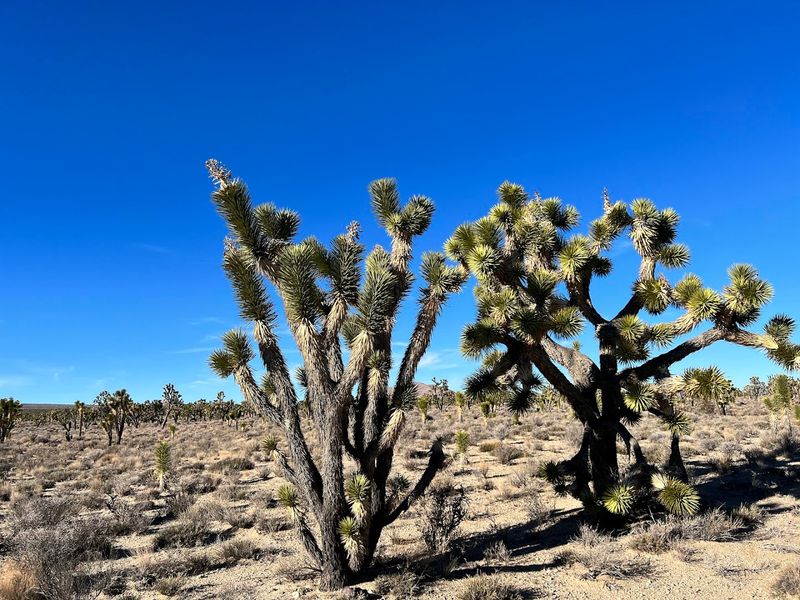
Mojave National Preserve covers about 1.6 million acres of California desert and sits between Joshua Tree National Park and the Nevada border, yet it sees a fraction of the visitor traffic of its neighbors. That relative quiet is part of the appeal.
The preserve contains Kelso Dunes, a field of sand dunes rising up to 650 feet and known for a rare phenomenon called booming sand, where moving sand produces a low rumbling sound under the right conditions.
The National Park Service confirms all outdoor areas of the preserve are open 365 days a year, 24 hours a day. Beyond Kelso Dunes, the preserve holds Cima Dome, one of the largest natural concentrations of Joshua trees in the world, along with volcanic cinder cones, lava tubes, old railroad infrastructure, and wide open basins that feel genuinely remote.
For desert road trippers who want variety without crowds, this preserve rewards the detour in ways most visitors do not expect.
Antelope Canyon, Arizona
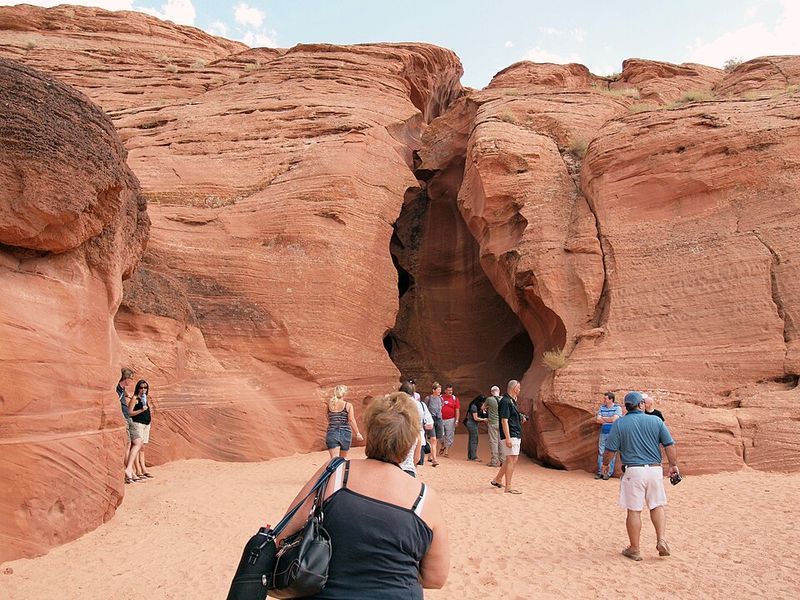
Antelope Canyon is carved into Navajo sandstone near Page, Arizona, and over centuries of flash flooding and wind erosion, the rock has been shaped into smooth, flowing walls that look almost liquid. The canyon is divided into two separate sections, Upper Antelope Canyon and Lower Antelope Canyon, each with its own character and access point.
Both are located on Navajo Nation land, and all visits are conducted through authorized Navajo-guided tours listed by Navajo Nation Parks and Recreation.
Upper Antelope Canyon is wider and more accessible, while Lower Antelope Canyon involves more ladder climbing and narrower passages but offers equally dramatic formations. The shafts of light that pierce through the narrow ceiling openings during midday are one of the most photographed natural light effects in the American Southwest.
Booking tours in advance is strongly recommended, especially during spring and summer when availability fills up quickly and wait times at the canyon entrance can be significant.
Gobi Desert, Mongolia
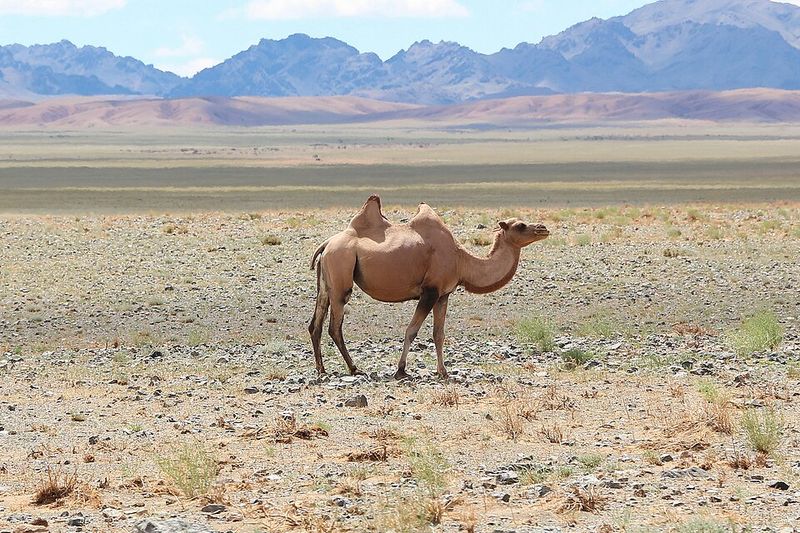
The Gobi is not the kind of desert most people picture when they hear the word. It covers parts of northern China and southern Mongolia, and much of it is actually rocky gravel plains rather than classic sand dunes.
But the dune fields that do exist here, particularly Khongoryn Els, known locally as the Singing Sands, are genuinely impressive, stretching roughly 180 kilometers in length and rising up to 300 meters in some areas.
Beyond the dunes, the Gobi holds Yolyn Am, a narrow canyon where ice persists into summer, and Bayanzag, known as the Flaming Cliffs, a badlands site famous for some of the most significant dinosaur fossil discoveries of the 20th century. Ger camps, which are traditional Mongolian round tent accommodations, serve as the main lodging option across the region.
Travel to the Gobi requires more planning than most desert destinations, but the combination of geology, paleontology, and nomadic culture makes it one of the most layered desert experiences available.
A’Sharqiyah Sands, Oman
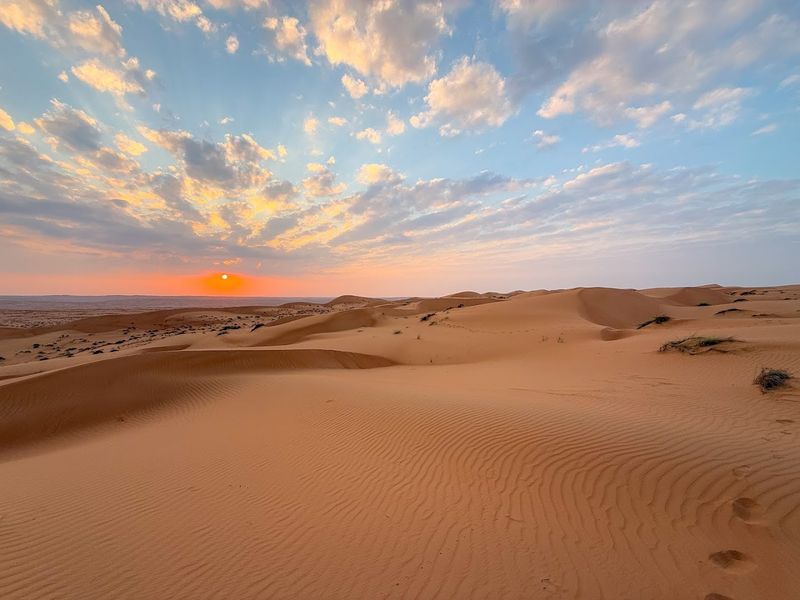
A’Sharqiyah Sands, widely known as Wahiba Sands, stretches across roughly 12,500 square kilometers of eastern Oman and holds some of the most classically beautiful dune scenery in the Arabian Peninsula. The dunes shift in color depending on the time of day and the mineral content of the sand, moving from pale cream in the morning light to rich red and burnt orange by late afternoon.
Experience Oman describes the area as one of the country’s premier desert camping destinations.
Established desert camps offer a range of accommodations from simple tents to more comfortable permanent structures, and activities typically include camel rides, dune bashing by 4×4, and sandboarding. The Bedouin communities who have lived in and around Wahiba Sands for generations add a cultural layer that distinguishes this destination from purely scenic desert stops.
Oman’s reputation for safety and hospitality makes A’Sharqiyah Sands one of the more approachable Arabian desert experiences for first-time visitors to the region.
Share this story