Bosnia and Herzegovina is the kind of place that sneaks up on you, then refuses to leave your memory. One minute you are staring at waterfalls that look almost staged, and the next you are wandering stone alleys where every corner seems to have a story.
It is wild, warm, historic, affordable, and full of scenery that makes your camera work overtime. If you are craving a trip with charm, drama, and a few delicious surprises, this list is a very good place to start.
Kravice Waterfalls
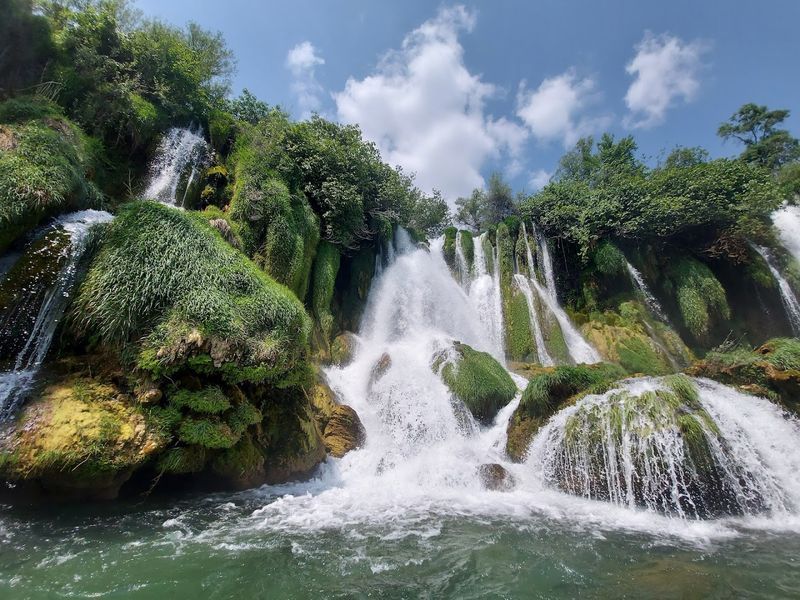
That first thunderous splash at Kravice Waterfalls feels like nature turning up the volume just for you. The falls spread in a broad semicircle, with streams tumbling over limestone into a clear turquoise pool that begs for a swim.
It is dramatic without feeling overly polished, which is part of the charm.
Come in summer and you can float beneath the spray, dry off on the banks, then repeat as often as your sunscreen allows. The greenery around the cliffs gives the whole place a lush, almost tropical mood, even though you are firmly in southern Herzegovina.
Early morning is best if you want that rare photo without a stranger’s elbow making a guest appearance.
What makes Kravice so satisfying is how easy it is to enjoy. You do not need extreme hiking skills or fancy gear, just a swimsuit, water shoes, and a willingness to be lightly misted.
Stay long enough to hear the steady roar fade into background music, and you will understand why this waterfall keeps showing up on every Bosnia and Herzegovina wish list.
Mostar & Stari Most
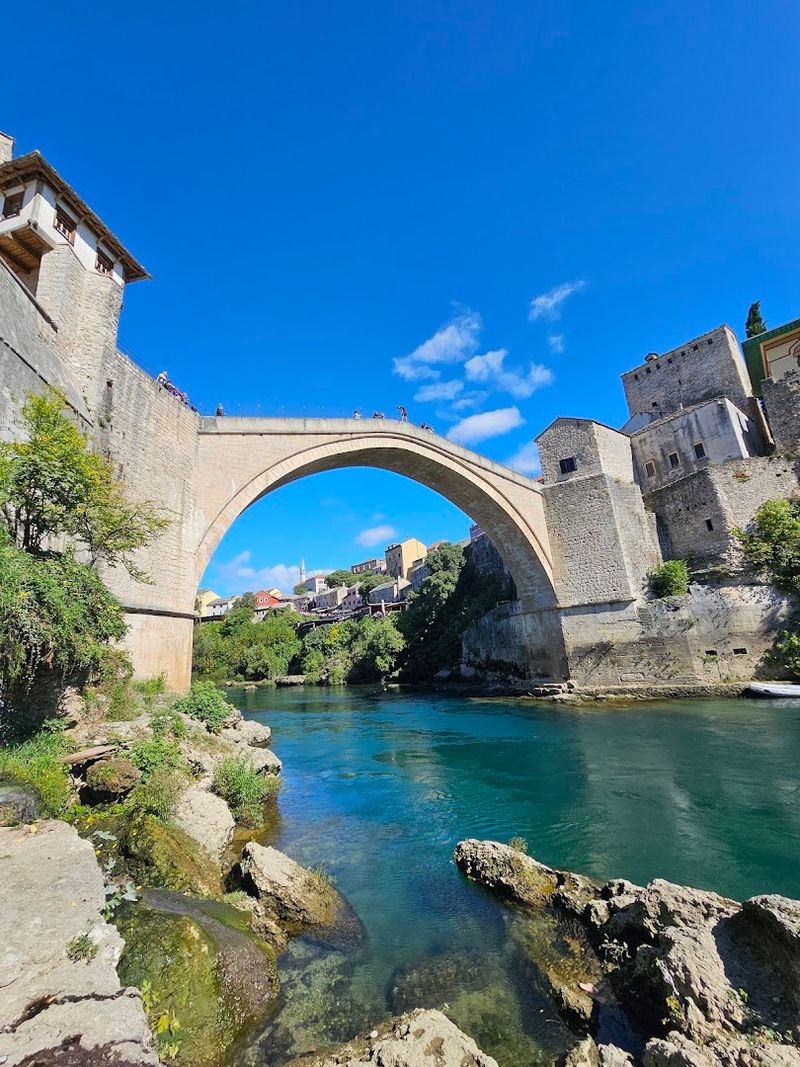
Mostar does not simply pose for photos, it practically directs the whole shoot. At its heart stands Stari Most, the elegant stone bridge arching over the emerald Neretva River with the confidence of a landmark that knows it is famous.
Rebuilt after the war, it remains a powerful symbol of resilience, unity, and stubborn beauty.
The old town around the bridge is a maze of cobbled lanes, copper shops, sweet coffee aromas, and rooftops glowing under the Herzegovinian sun. You can browse handmade crafts, sit beside the river, or watch local divers gather courage before leaping from the bridge into the chilly water below.
That jump is not a casual splash, and your knees may feel nervous just watching it.
Mostar works because it blends spectacle with intimacy. One moment you are admiring a UNESCO World Heritage icon, and the next you are chatting with a shopkeeper or lingering over baklava.
Go near sunset if you can, when the stone softens in golden light and the river below turns impossibly rich. It is touristy, yes, but deservedly so, and still deeply moving.
Una National Park
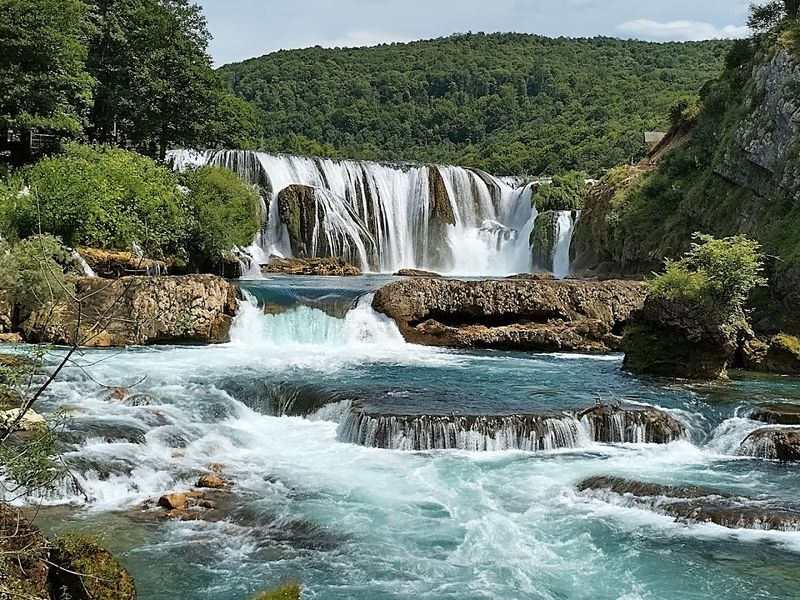
Una National Park looks like someone polished every river stone before you arrived. The Una River runs through the park in shades of green and blue so clear that you may start doubting your sunglasses.
This is one of Bosnia and Herzegovina’s finest wild corners, protected for its waterfalls, forests, wildlife, and wonderfully clean water.
The star attraction is Štrbački Buk, a roaring waterfall wrapped in thick greenery and constant mist. It is powerful, photogenic, and loud enough to end any group debate about where to stand next.
If you like adventure, rafting on the Una is a superb way to feel the river’s energy rather than simply admire it from a safe, dry distance.
Hikers, paddlers, birdwatchers, and fresh-air collectors all find something to love here. Trails lead through peaceful forest, viewpoints open onto rushing water, and small villages nearby add a welcome human touch.
The park still feels refreshingly uncrowded compared with famous nature spots elsewhere in Europe. Visit when you want scenery that feels alive, not arranged, and leave enough time to slow down beside the water.
Sarajevo
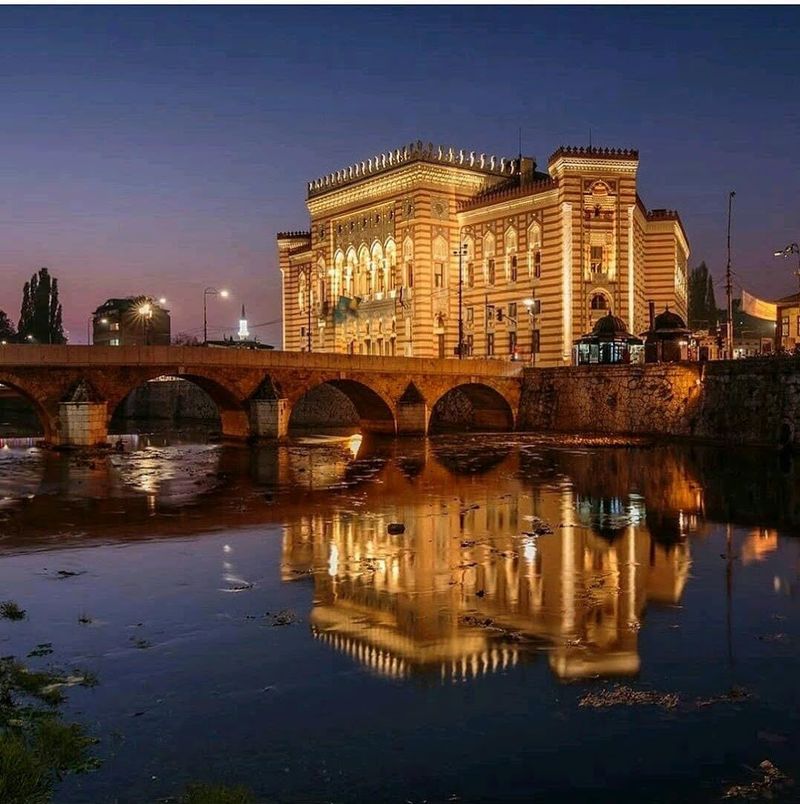
Sarajevo greets you with coffee, call to prayer, church bells, and mountain air all at once. Few cities wear their layers so openly, and that mix is exactly what makes the Bosnian capital unforgettable.
Ottoman lanes, Austro-Hungarian facades, Yugoslav landmarks, and modern cafés share the same compact, walkable stage.
Start in Baščaršija, where copperware glints in shop windows and the smell of grilled ćevapi follows you with persuasive determination. The old bazaar feels wonderfully alive, not preserved behind glass, and it is easy to lose an hour simply wandering.
Nearby, you can cross bridges, visit museums, and trace stories that are moving, complicated, and essential to understanding the city.
Sarajevo is not only history, though it certainly has plenty. Mountains rise around the city, giving you quick access to viewpoints, hiking routes, and winter sports areas that once hosted Olympic events.
The best visits balance serious reflection with everyday pleasures, from strong Bosnian coffee to evening strolls along the Miljacka River. It is a city that asks you to pay attention, then rewards you with warmth, humor, and unforgettable atmosphere.
Blagaj Tekke & Buna Spring
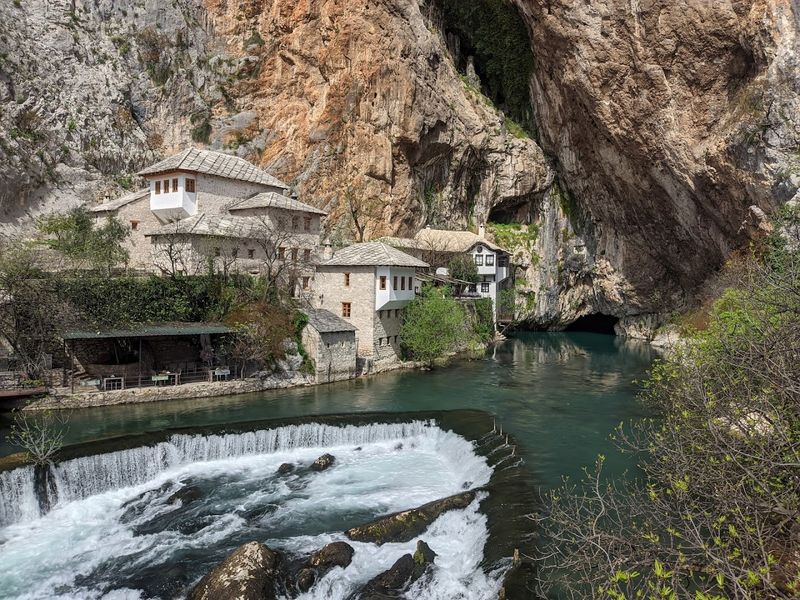
Blagaj Tekke sits so neatly beneath the cliff that you may wonder who found the perfect postcard slot first. This historic Dervish monastery stands beside the source of the Buna River, where water bursts from a cave under towering rock walls.
The setting is calm, striking, and almost suspiciously photogenic.
The river is cold, clear, and fast, flowing past terraces where visitors linger over trout, coffee, or the simple pleasure of shade. Inside the tekke, you get a quieter look at spiritual life and Ottoman-era architecture, with wooden details and rooms that invite respectful curiosity.
Outside, the cliff does most of the showing off, rising steeply above the pale walls and green water.
Blagaj is an easy trip from Mostar, which makes it perfect for a half-day escape. Arrive early if you want fewer tour groups and softer light on the water.
You do not need to rush here, because the main attraction is the atmosphere itself. Sit by the Buna, listen to the current, and let the place work its gentle magic before heading back toward busier streets.
Jajce & Pliva Waterfall
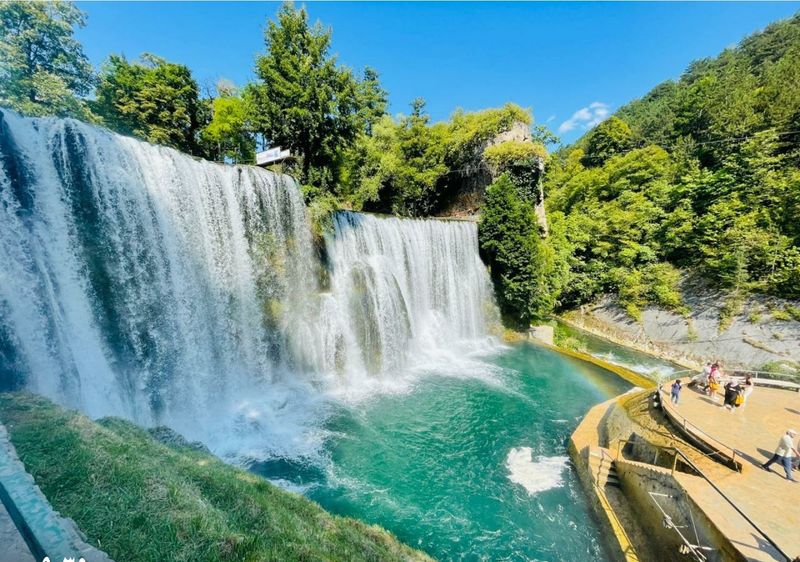
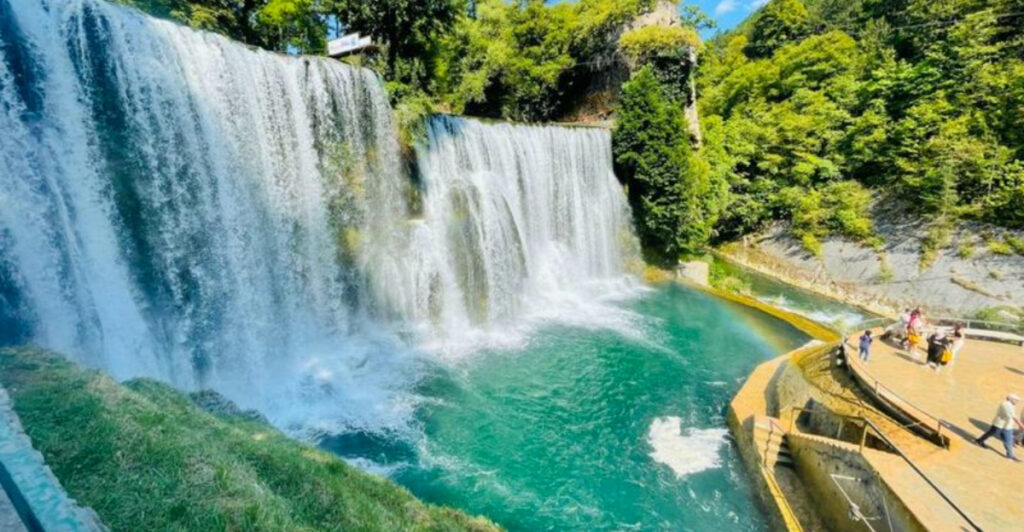
Jajce has a waterfall in the middle of town, because apparently a regular town square was not dramatic enough. Pliva Waterfall drops about 20 meters where the Pliva and Vrbas rivers meet, creating a roaring centerpiece below medieval walls.
It is one of those rare sights where nature and town planning seem to have made a very bold agreement.
Above the falls, the old town climbs toward a fortress with wide views over rooftops, river valleys, and surrounding hills. You can explore stone streets, historic gates, catacombs, and traces of the town’s royal Bosnian past without needing a packed schedule.
The waterfall remains the attention grabber, but Jajce has enough layers to keep curious travelers busy.
Just outside town, the Pliva Lakes add a calmer mood, especially around the famous wooden watermills. These tiny mill huts look delightfully old-fashioned, standing beside channels that once powered local life.
Pair the lakes with the waterfall and you get a visit that feels both energetic and peaceful. Jajce is compact, memorable, and slightly theatrical in the best possible way.
Sutjeska National Park & Maglić Mountain
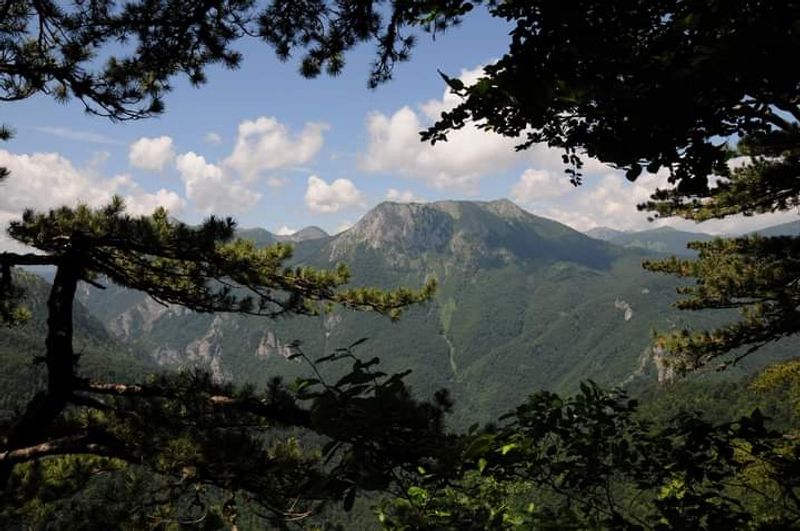
Sutjeska National Park is where Bosnia and Herzegovina stops whispering and starts flexing. This is the country’s oldest national park, home to Maglić Mountain, the highest peak in Bosnia and Herzegovina.
The landscapes are rugged, green, and unapologetically wild, with deep valleys, alpine views, and trails that make your legs file a formal complaint.
One of the park’s great treasures is Perućica, among Europe’s last remaining primeval forests. Its ancient trees, thick undergrowth, and hidden waterfall make the place feel wonderfully untouched, though access is often best arranged with a guide.
Then there is Trnovačko Lake nearby, a heart-shaped glacial lake that hikers adore, even after the climb reminds them they own calf muscles.
Sutjeska is not the place for flip-flops and vague plans. Weather can change quickly, trails can be demanding, and the rewards are huge if you arrive prepared.
Bring layers, water, good boots, and a healthy respect for mountain distances. In return, you get some of the Balkans’ finest views, plus the satisfying feeling that you have stepped beyond the easy tourist circuit.
Vrelo Bosne (Spring of the Bosna River)
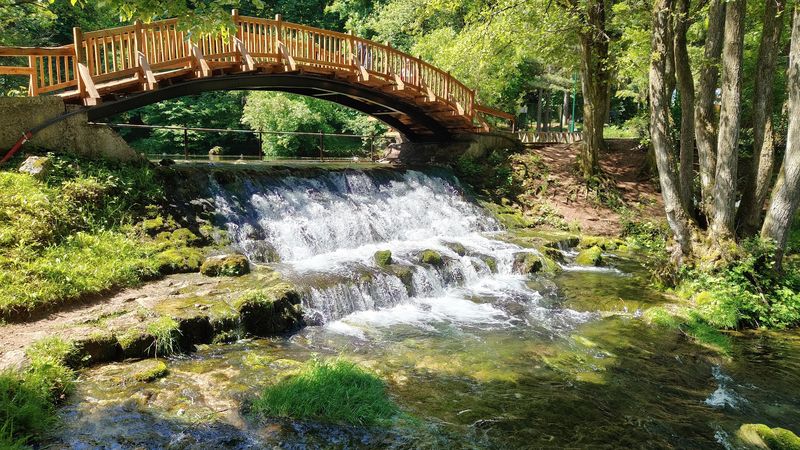
Vrelo Bosne feels like Sarajevo’s deep breath after a busy morning of sightseeing. Located near the city at the foot of Mount Igman, this leafy park protects the spring of the Bosna River.
Clear streams, wooden bridges, and tree-lined paths create an easy escape that feels far calmer than its short distance from town suggests.
Visitors often arrive by horse-drawn carriage along the long avenue from Ilidža, which adds a charming old-world touch without requiring much effort. Once inside the park, you can stroll beside bubbling water, watch swans patrol like tiny officials, and enjoy the shade under tall trees.
Spring brings bright greenery, while autumn turns the paths golden and quietly cinematic.
This is not a place that demands a complicated itinerary. Bring comfortable shoes, a snack, and a little time to wander without checking the clock every five minutes.
Families, couples, solo travelers, and anyone needing a break from museum hopping will appreciate the gentle pace. Vrelo Bosne proves that sometimes the best travel moment is simply following a stream and letting the city noise disappear behind you.
Počitelj
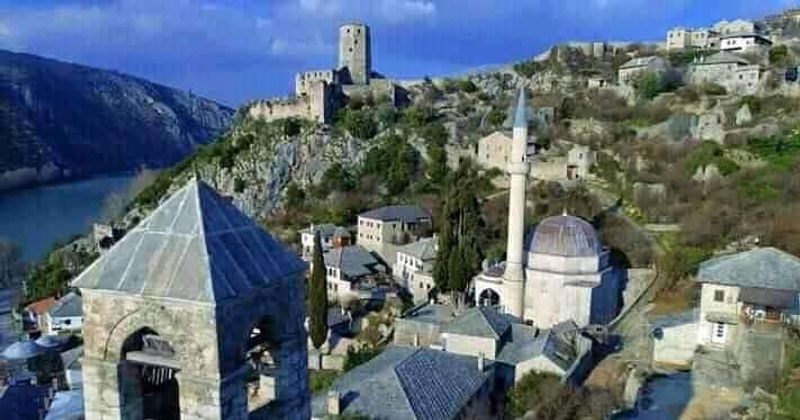
Počitelj climbs a hillside as if every stone house wanted a better river view. This medieval village overlooks the Neretva River and preserves a beautiful mix of Ottoman architecture, fortress walls, stone lanes, and quiet courtyards.
It is small enough to explore slowly, but rich enough to make every turn feel worthwhile.
The climb to the fortress is the main event, and yes, your lungs may comment along the way. From the top, the view stretches across terraced roofs, the mosque, cypress trees, and the Neretva valley below.
Down in the village, artists, fruit sellers, and friendly locals keep the place from feeling like an empty museum.
Počitelj works best when you let yourself drift. Pause for pomegranate juice, admire the stonework, then continue upward until the breeze finds you.
The village is especially lovely in late afternoon, when warm light settles across the walls and the crowds thin out. It is a short stop on paper, but the atmosphere lingers.
If you enjoy historic places with texture, views, and just enough steps to earn dessert, Počitelj belongs on your route.
Lukomir Village
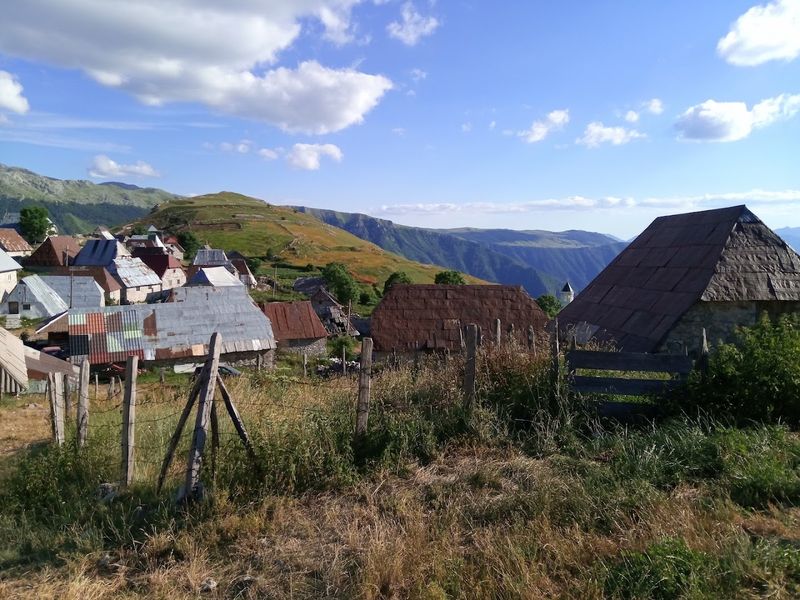
Lukomir Village feels wonderfully far from hurry, noise, and any calendar notification trying to ruin your mood. Sitting at nearly 1,500 meters above sea level, it is the highest and most remote traditional village in Bosnia and Herzegovina.
Stone houses with steep wooden roofs stand against sweeping mountain scenery, with the Rakitnica Canyon cutting a dramatic line nearby.
Life here moves to older rhythms, shaped by livestock, weather, family, and the short mountain season. Visitors can walk through the village respectfully, try local food when available, and learn how people have adapted to this high, rugged environment.
The views are huge, but the human details are just as memorable, from woolen clothing to conversations over coffee.
Hiking is one of the best reasons to come, especially on routes linking Lukomir with surrounding Bjelašnica landscapes. Trails reveal canyon viewpoints, rolling pastures, and quiet corners that feel far removed from city life.
Do check road conditions and seasonal access, since winter can isolate the village completely. Visit with patience and respect, and Lukomir offers one of Bosnia’s most rewarding glimpses of mountain heritage.
Neretva River Canyon
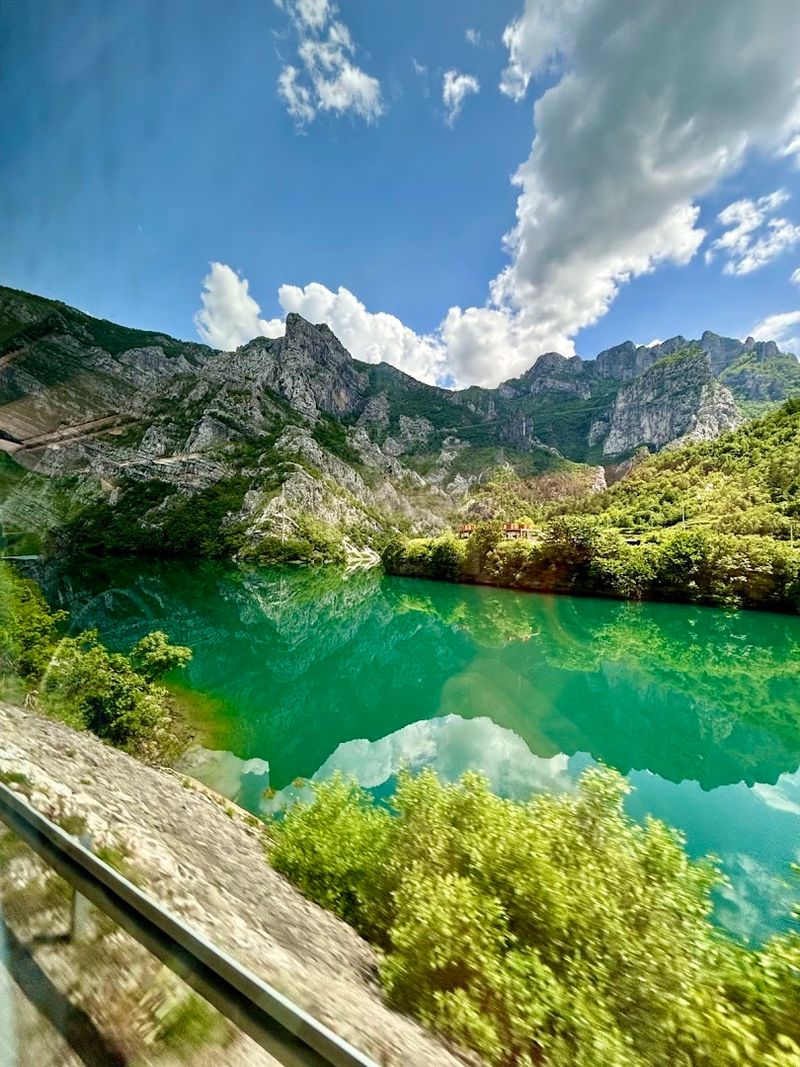
The Neretva River Canyon has the kind of turquoise water that makes everyone suddenly become a photographer. Cutting through rugged mountains, the river creates some of Bosnia and Herzegovina’s most striking scenery.
Its color shifts with the light, from pale jade to deep blue-green, while cliffs and forested slopes rise sharply on either side.
Rafting is the headline activity, especially on stretches near Konjic where the river combines excitement with manageable beauty. You can paddle through calmer sections, bounce over rapids, and stop at riverbanks that feel far from daily life.
If staying dry sounds wiser, viewpoints along roads and rail routes still deliver outstanding canyon scenes.
The Neretva is more than a pretty backdrop, since it connects towns, histories, and landscapes across the country. Following it south toward Mostar gives you changing views, old bridges, mountain villages, and plenty of chances to pull over for one more photo.
Summer brings rafting crowds, while spring offers strong flows and fresh greenery. However you experience it, the canyon proves that a river journey can be every bit as memorable as a destination.
Trebinje
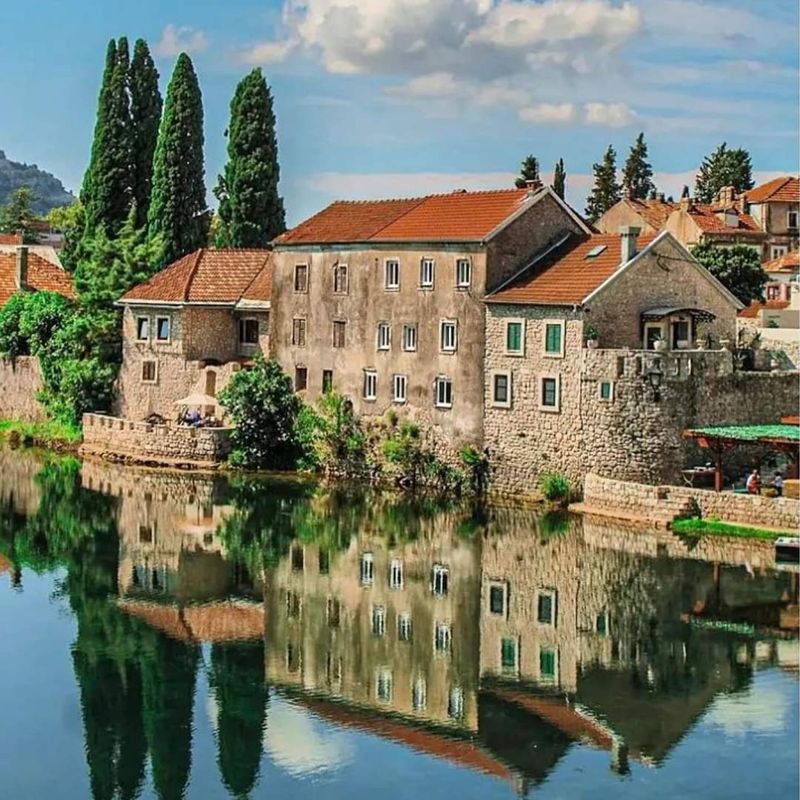
Trebinje arrives with sunshine, stone streets, and the relaxed confidence of a town that knows it is underrated. Set in southern Herzegovina near the Trebišnjica River, it has a Mediterranean feel without the seaside crowds.
Think leafy squares, warm stone, old bridges, vineyards, and cafés where lingering seems less like a choice and more like local law.
The old town is compact and pleasant, with narrow lanes, a riverside setting, and plenty of places to sit under plane trees. Arslanagić Bridge adds historic grace, while the hilltop Hercegovačka Gračanica monastery offers a sweeping view over the town and surrounding countryside.
Wine lovers should pay attention, because this region produces excellent local varieties that deserve more international applause.
Trebinje is ideal when you want charm without elbowing through crowds. It pairs well with a trip to Dubrovnik, Mostar, or nearby monasteries, but it also rewards a slower overnight stay.
Evening is especially lovely, when the streets cool, the cafés fill, and the town settles into an easy rhythm. Come for the sunshine, stay for the calm, and leave wondering why more people are not talking about it.
Banja Luka
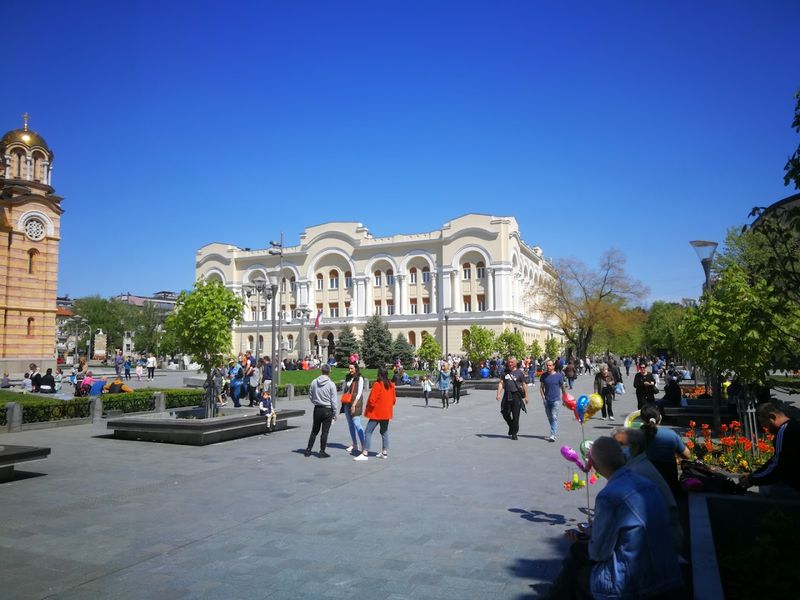
Banja Luka has a laid-back streak that shows up before you even finish your first riverside coffee. As the largest city in northern Bosnia and Herzegovina, it blends urban energy with generous green spaces and the winding Vrbas River.
It is not flashy in the obvious way, but that is exactly why many travelers enjoy it.
The Vrbas is the city’s natural star, offering rafting, kayaking, and scenic walks along its banks. Kastel Fortress adds history in the center, while parks, cafés, and broad streets make wandering pleasantly easy.
You will find a slower pace here than in Sarajevo, plus a strong local café culture that can turn a quick break into an accidental afternoon.
Banja Luka is a smart stop if you want to see a different side of the country. It feels lived-in, friendly, and practical, with enough attractions to fill a day or two without overwhelming you.
Nearby countryside and river canyons add outdoor appeal, especially for active travelers. Come with curiosity rather than a checklist, and the city reveals its appeal quietly, one shaded terrace and river bend at a time.
Igman & Bjelašnica Mountains
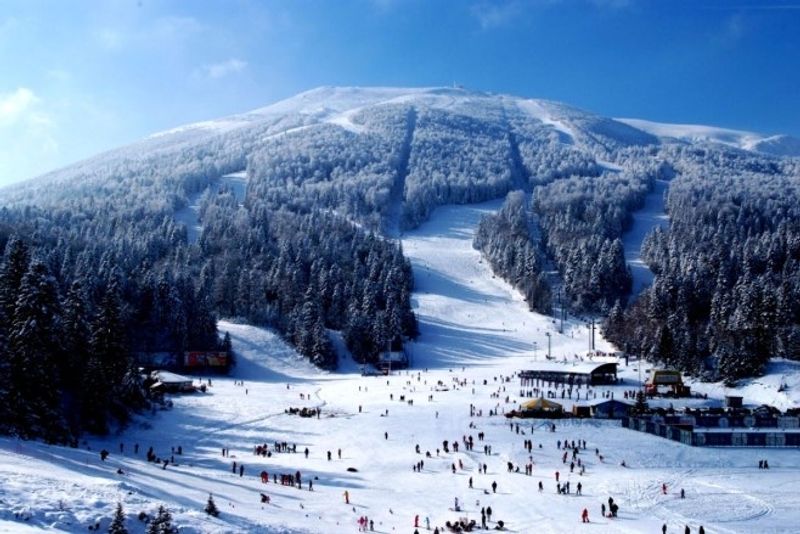
Igman & Bjelašnica Mountains are Sarajevo’s backyard adventure zone, and they do not make you choose a favorite season. These neighboring mountains hosted events during the 1984 Winter Olympics, giving them a sporting legacy that still adds character today.
In winter, ski slopes draw locals and visitors; in summer, trails open onto breezy ridges, meadows, and wide views.
Bjelašnica is the higher, bolder presence, popular for skiing, hiking, and mountain escapes. Igman feels forested and accessible, with picnic areas, historic Olympic sites, and routes suited to gentler outdoor days.
Together, they offer a quick change of scenery from Sarajevo’s streets to fresh air that feels almost medicinal after too much coffee and pastry.
You can visit for a simple viewpoint, a full hiking day, or a snowy weekend if conditions cooperate. Weather shifts fast in the mountains, so layers and common sense are your best travel companions.
The reward is a landscape that shows how close Sarajevo sits to serious nature. Whether you are chasing ski runs, wildflowers, or just a cooler breeze, Igman and Bjelašnica make the capital feel even more special.
Pliva Lakes
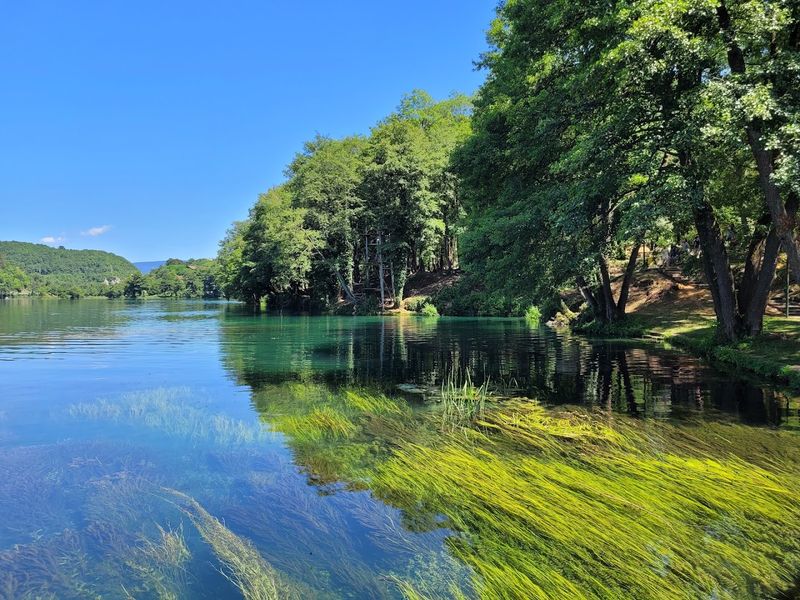
Pliva Lakes are the calm encore after Jajce’s waterfall has finished making all that glorious noise. Located just outside town, the lakes offer smooth water, green surroundings, and a slower pace that invites you to stay longer than planned.
They are especially lovely when the surface turns glassy and the hills reflect back like they are checking their hair.
Kayaking, fishing, cycling, and easy lakeside walks are all popular here, making the area good for families and low-stress travelers. The famous wooden watermills nearby add a charming historic touch, standing over small channels where water once powered daily work.
They are simple structures, but they have become one of the country’s most beloved photo stops.
What makes Pliva Lakes so enjoyable is the balance of activity and rest. You can rent a boat, picnic by the shore, or do absolutely nothing with impressive dedication.
Pair them with Jajce for a full day that moves from dramatic waterfall views to peaceful lake time. Come in the morning for softer light, or in late afternoon when the mood becomes quiet and golden.
Either way, it is a beautiful place to exhale.
Share this story