 Unearth The Voyage
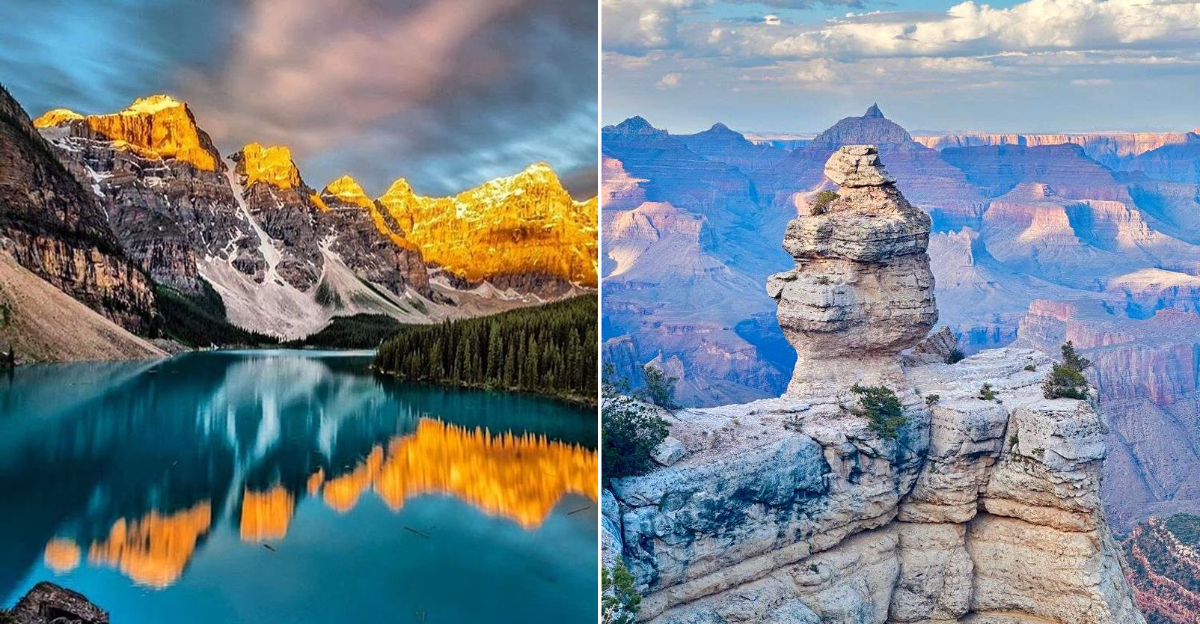
Some places on Earth are so stunning they feel like they belong in a dream. From towering mountains to underwater rainbows, these destinations remind us just how wild and beautiful our planet really is.
Whether you love adventure, history, or just staring at something gorgeous until your jaw hurts, this list has something for everyone. Pack your curiosity and maybe a good camera, because these 15 spots are worth every mile it takes to get there.
Great Barrier Reef, Australia: A rainbow city under the sea
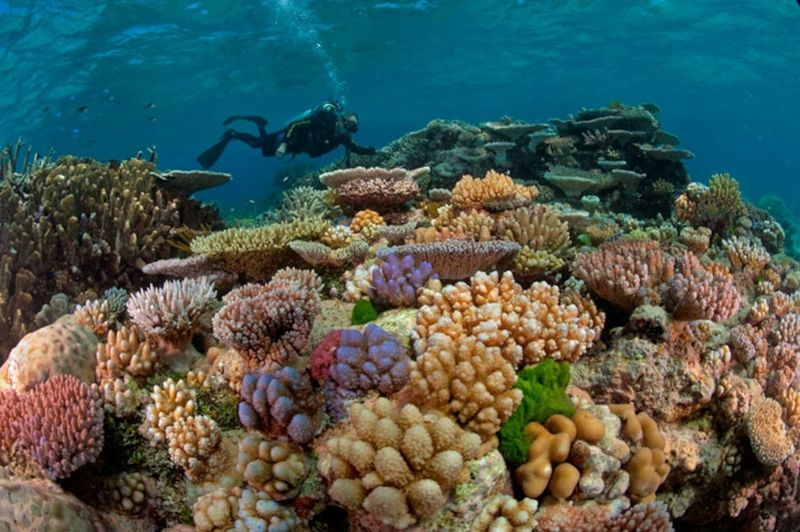
If you’ve ever wanted to float above pure wow, this is your moment. The Great Barrier Reef is the world’s largest coral reef system, and it was listed as a UNESCO World Heritage site in 1981.
Snorkel if you’re curious, dive if you’re brave, and try not to wave at a fish like it owes you money. The water is warm, the visibility is ridiculous, and the coral looks like someone spilled a box of crayons underwater.
You’ll see fish in colors you didn’t know existed. Some are tiny and shy, others are bold enough to photobomb your underwater selfie.
Sea turtles glide past like they’re late for brunch. The reef stretches over 2,300 kilometers, so there’s plenty of room to explore.
Most tours leave from Cairns or Port Douglas. Wear reef safe sunscreen to protect the coral.
Bring an underwater camera, because your friends will absolutely not believe you otherwise. This place is proof that Earth has a serious creative side.
Machu Picchu, Peru: Ancient, dramatic, undefeated
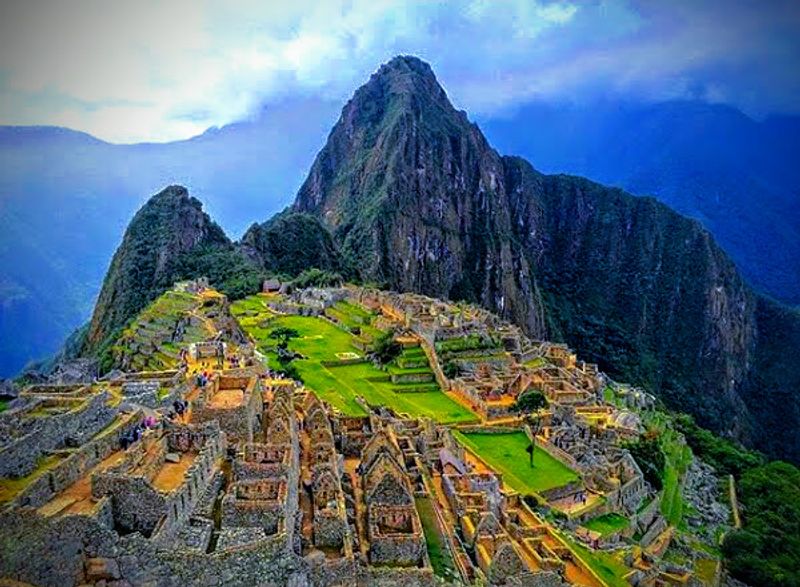
You know a place is special when it looks like it was built purely for the photo angle. Machu Picchu is an Inca site high in the Andes, and it’s recognized by UNESCO.
The fog rolls in, the stone terraces appear, and suddenly you’re whispering “wow” like you’re in a library. Built in the 15th century and abandoned a hundred years later, it sat hidden until 1911.
Getting there involves a train ride through valleys that look like screensavers. Then you climb.
A lot. The altitude is real, so take it slow and drink plenty of water.
Once you’re up there, the views are so good they feel rude. Stone temples, perfectly fitted walls, and llamas wandering around like they own the place.
Go early to beat the crowds and catch the sunrise. Wear good shoes because those steps are older than your great great great grandparents.
This site has survived earthquakes, weather, and centuries of mystery. Standing there feels like time travel with better lighting.
Grand Canyon, USA: Big views, tiny problems
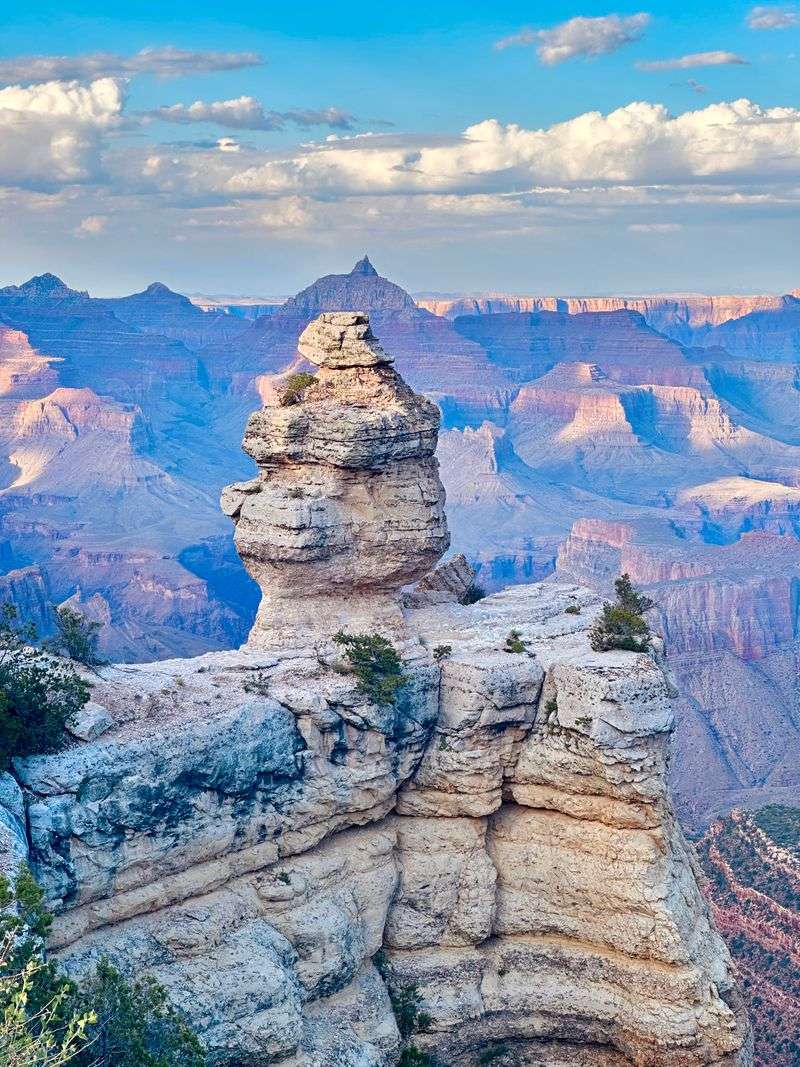
The first time you see it, your brain does a quick reboot. The Grand Canyon is so enormous it makes your to do list feel like a cute hobby.
Bonus point for sunrise and sunset, when the colors decide to show off. It became a U.S. national park in 1919, and it still knows how to make an entrance.
Standing at the rim feels like looking at a painting that someone forgot to finish. Layers of rock drop down nearly a mile, each one a different shade of red, orange, or brown.
You can hike down if you’re feeling brave, but most people are happy just staring. Bring water, wear sunscreen, and prepare to use the word “wow” more than you thought possible.
The South Rim is open all year and has the most visitor facilities. The North Rim is quieter but closes in winter.
Either way, this canyon has been humbling humans for over a century. It’s big, it’s bold, and it absolutely does not care about your schedule.
Petra, Jordan: Walk through a canyon, meet a masterpiece
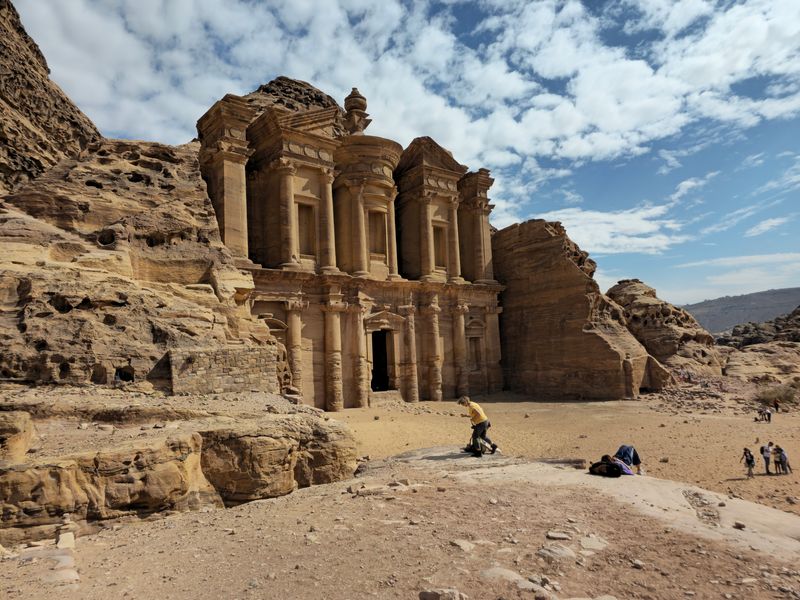
The approach alone is a whole storyline. Petra is famously carved into red sandstone, and UNESCO describes it as half built and half carved.
When the Treasury façade finally appears, it feels like the world’s most stylish jump scare, in the best way. You walk through a narrow canyon called the Siq, walls towering on both sides, and then boom.
A massive carved building appears out of nowhere. The Nabataeans built this city over 2,000 years ago, and they clearly had a flair for drama.
The stone changes color depending on the light. Morning gives you soft pinks, afternoon brings out deep reds.
There’s way more to explore beyond the Treasury. Tombs, temples, and a monastery that requires 800 steps but delivers views that make your legs forgive you.
Wear comfortable shoes and bring water. The site is huge and mostly uphill.
Petra is one of those places that photographs well but feels even better in person. The scale, the craftsmanship, the sheer audacity of carving a city into a cliff?
Unmatched.
Taj Mahal, India: White marble, big feelings
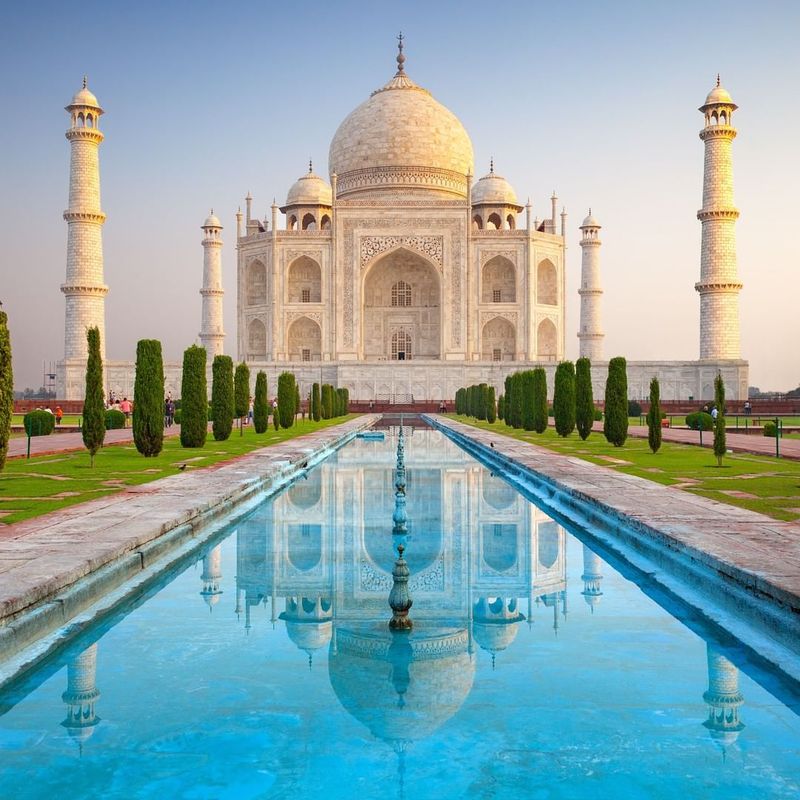
Some landmarks are famous because they’re old. The Taj Mahal is famous because it’s stunning and it knows it.
Built in Agra between 1631 and 1648 by order of Shah Jahan, it’s also a UNESCO World Heritage site. Go early if you can, before the crowds arrive with their elbows and opinions.
The building is perfectly symmetrical, which feels almost smug. White marble inlaid with semi precious stones catches the light and glows at sunrise.
The whole structure was built as a tomb for Shah Jahan’s wife, Mumtaz Mahal. Love it or find it a bit extra, but you can’t deny the craftsmanship.
The gardens leading up to it are peaceful if you time it right. The reflection pool gives you that classic postcard shot.
Bring shoe covers or be ready to go barefoot inside. Photography is allowed outside but not inside the main chamber.
Standing in front of it feels a little surreal. It’s one of those places that lives up to the hype without even trying.
Serengeti National Park, Tanzania: Nature’s greatest live show
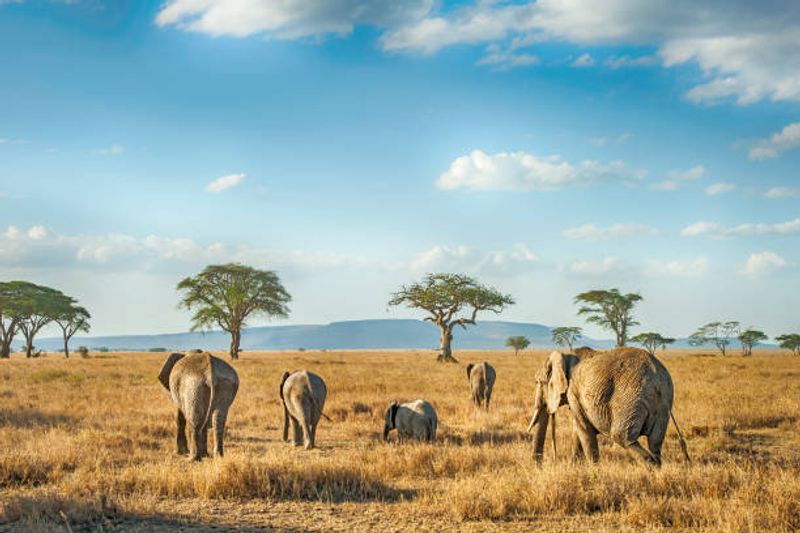
This is where the horizon looks endless and the wildlife acts like it owns the place. UNESCO highlights the annual migration of huge herds followed by predators, which is basically the most intense parade on Earth.
Bring binoculars and a healthy respect for anything with teeth. The Serengeti covers nearly 15,000 square kilometers, so there’s plenty of room for drama.
Wildebeest, zebras, and gazelles move in massive groups, and the predators follow like they’re on a dinner schedule. Lions lounge in the shade looking unbothered.
Cheetahs sprint across the plains like they’re late for something important. Elephants stroll by with the confidence of someone who has never worried about anything.
Safari vehicles get you close but not too close. Guides know where the action is and when to stay quiet.
Go during migration season if you want the full spectacle, but honestly, any time is good. The landscape alone is worth the trip.
Sunsets here are the kind that make you forget how to use your camera. Just sit back and let the Serengeti do its thing.
Galápagos Islands, Ecuador: Where the animals run the meeting
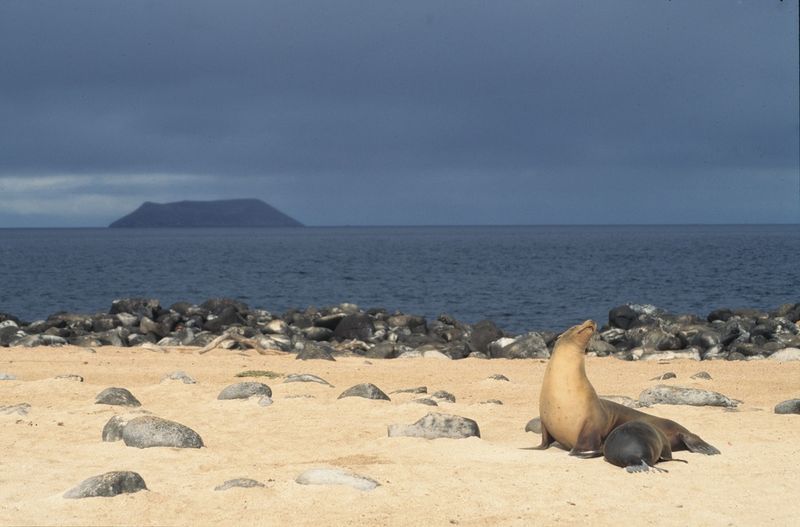
The Galápagos are a masterclass in weird and wonderful. UNESCO notes the archipelago sits about 1,000 km from mainland Ecuador and includes many islands and islets, with most land protected as national park.
Translation: the wildlife has home field advantage, and you are the guest. Sea lions nap on benches like they pay rent.
Giant tortoises move at their own pace and could not care less about your schedule. Blue footed boobies strut around showing off their feet like they’re auditioning for something.
Marine iguanas sunbathe on rocks, looking like tiny dinosaurs with a tanning addiction. The animals here have no fear of humans because they’ve never had a reason to.
Snorkeling brings you face to face with sea turtles, rays, and penguins. Yes, penguins, because the Galápagos do not follow the rules.
Tours are guided to protect the ecosystem, and the rules are strict for good reason. Stay on marked paths, don’t touch the animals, and pack out everything you bring in.
This place inspired Darwin’s theory of evolution, and it still feels like a biology lesson taught by the coolest teacher ever.
Antarctica: The coldest flex on the planet
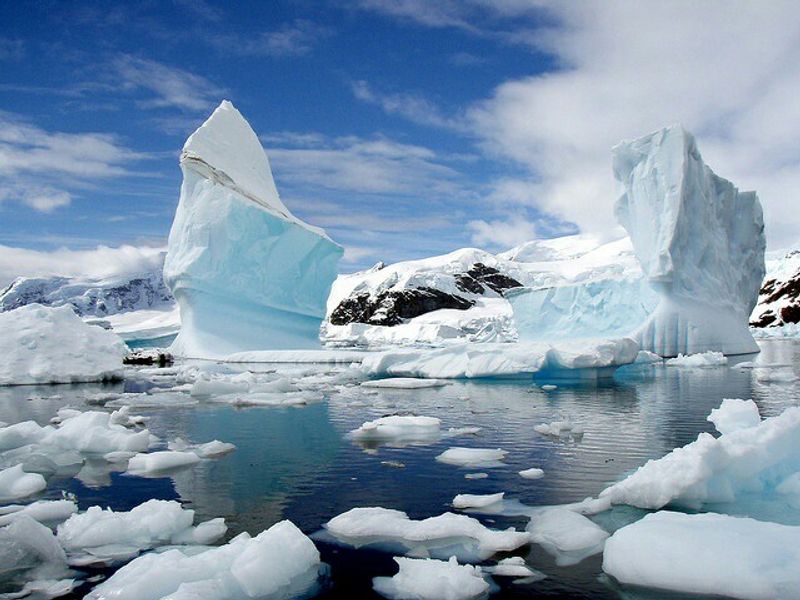
It’s silent, it’s white, and it’s so big it makes you feel politely small. Icebergs drift like they’re late for an appointment, and penguins waddle around like little CEOs.
It’s not an easy trip, but it’s the kind of place that rewires your sense of scale. Antarctica is the coldest, driest, and windiest continent, and it does not do halfway.
Cruise ships take you through the Drake Passage, which can be rough but rewards you with views that belong on another planet. Icebergs come in shades of blue you didn’t know ice could be.
Seals lounge on floating chunks of ice, looking unbothered by the cold. Whales surface nearby, exhaling mist like they’re sighing at the beauty of it all.
You’ll wear so many layers you’ll waddle like the penguins. But once you’re there, the cold becomes background noise.
Expeditions include zodiac landings on ice and visits to research stations. Bring a good camera and waterproof everything.
Standing on the seventh continent feels like joining a very exclusive club. It’s remote, it’s raw, and it’s absolutely unforgettable.
Northern Lights in Tromsø, Norway: The sky goes full theater kid
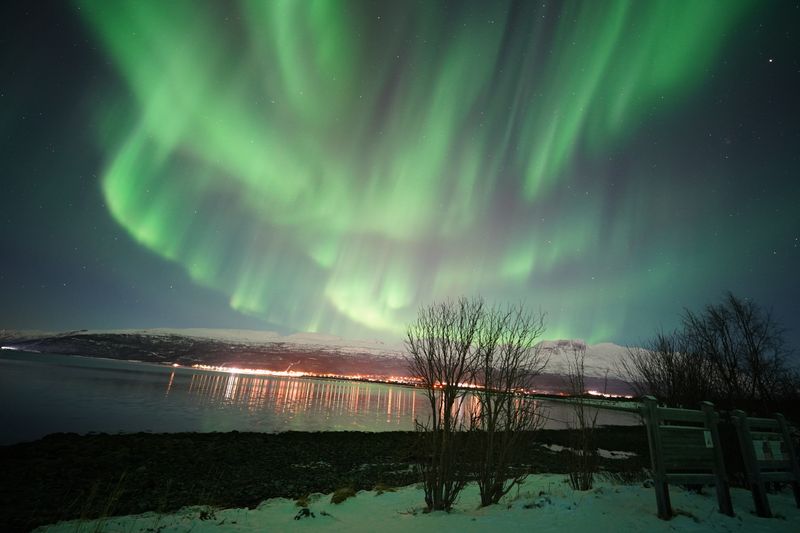
Some nights the sky just decides to perform. Tromsø sits far north in Norway and is a popular base for aurora watching, especially during the darker months.
Dress like you’re attending a winter wedding outdoors and you’ll be fine. Mostly.
The Northern Lights happen when charged particles from the sun collide with gases in Earth’s atmosphere. The result?
Green, pink, and purple waves rippling across the sky like someone spilled neon paint.
Tromsø is above the Arctic Circle, so winter nights are long and dark, which is perfect for aurora hunting. Tours take you away from city lights to increase your chances.
You’ll stand in the cold, staring up, wondering if your camera is good enough. Spoiler: it’s not, but take the photos anyway.
The lights move and shift, sometimes faint, sometimes so bright they feel unreal. Patience is key because nature doesn’t run on a schedule.
Bring hand warmers, a thermos of something hot, and a sense of humor about the cold. When the lights finally show up, you’ll forget about your frozen toes.
Banff National Park, Canada: Mountains that do not believe in subtlety
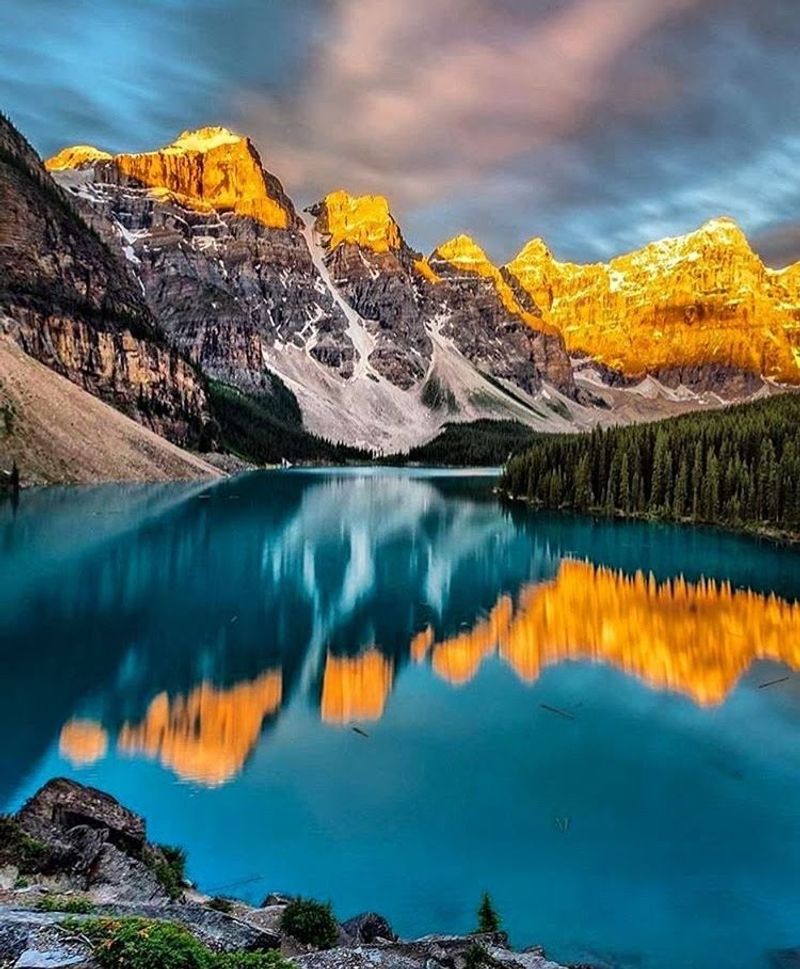
Banff looks like it was designed by someone who refused to tone it down. Turquoise lakes, sharp peaks, and air that feels oddly premium.
Even the parking lots have scenery that could start an argument. Lake Louise is the star, with water so blue it looks Photoshopped.
Moraine Lake is a close second, surrounded by jagged mountains called the Valley of the Ten Peaks. Both are glacially fed, which explains the color and the cold.
Hiking trails range from easy strolls to full day climbs. Wildlife sightings are common, so keep your distance and stay alert.
Elk wander through the town of Banff like they’re checking the shops. Bears are around too, so carry bear spray and know how to use it.
Winter turns the park into a snowy wonderland perfect for skiing. Summer brings wildflowers and endless daylight.
The town itself has restaurants, hot springs, and enough photo ops to fill your phone twice over. Banff doesn’t do subtle, and honestly, why should it?
Kyoto, Japan: Quiet streets, loud beauty
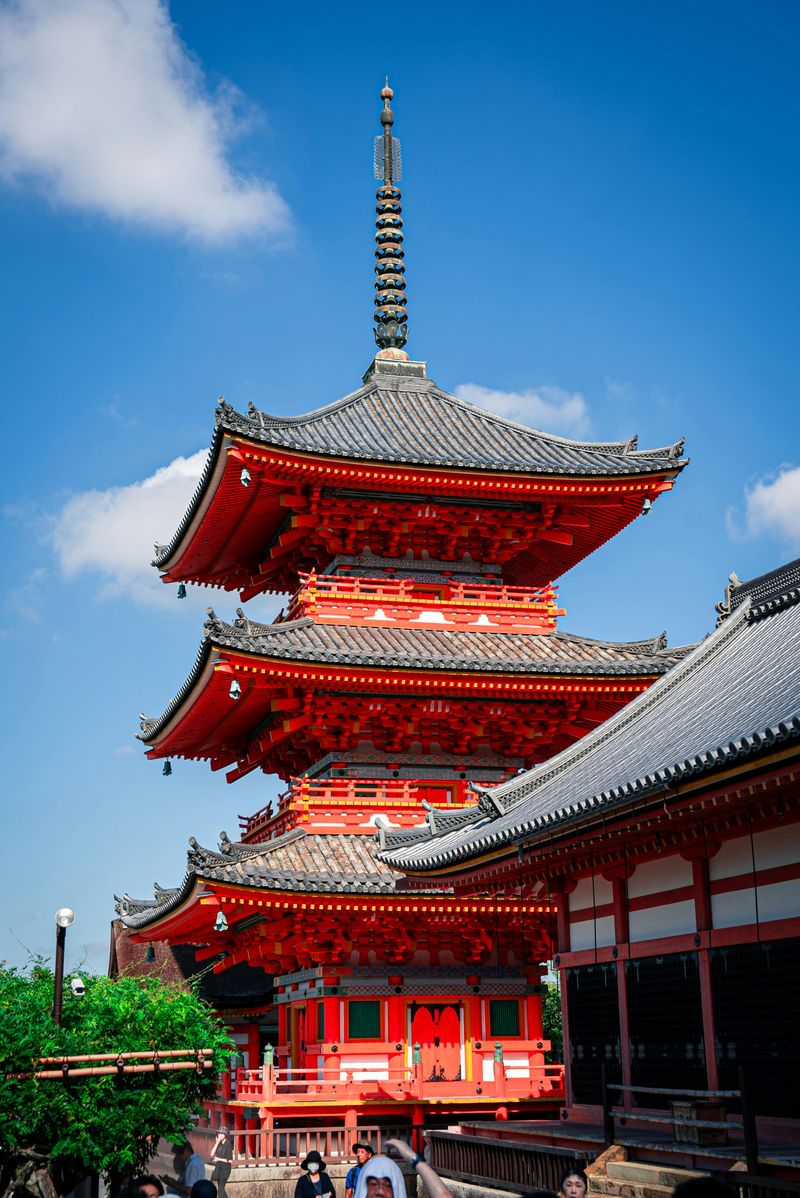
Kyoto is the place that makes you slow down without asking permission. I once wandered into a calm temple area and instantly lowered my voice like the trees were judging me.
Shrines, gardens, and lantern lit evenings make it feel polished without being flashy. Kyoto was Japan’s capital for over a thousand years, and it shows.
Temples like Kinkaku-ji shine gold against green trees and still water. Fushimi Inari has thousands of red torii gates winding up a mountain, each one donated and inscribed.
The Arashiyama Bamboo Grove feels like walking through a natural cathedral. Stalks tower overhead, swaying and creaking in the breeze.
Geisha districts like Gion come alive at dusk. Traditional wooden buildings line narrow streets, and if you’re lucky, you might spot a geiko or maiko heading to an appointment.
Spring brings cherry blossoms, autumn delivers fiery red maples. Both seasons draw crowds, but the beauty is worth the company.
Kyoto rewards wandering. Get lost on purpose, try the street food, and let the city teach you how to appreciate the small stuff.
Santorini, Greece: Blue domes, big main character energy
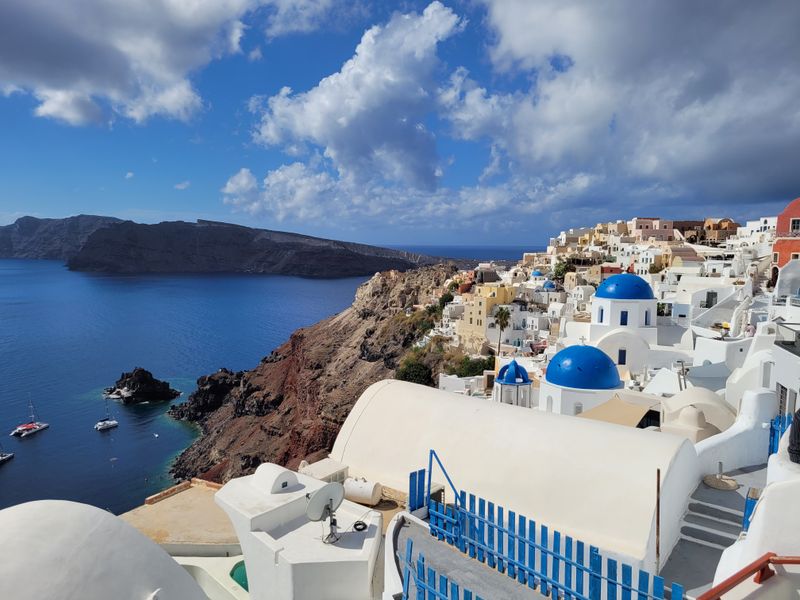
Santorini is basically sunshine with a good PR team. White buildings stack along cliffs, the sea sparkles, and every corner begs for a photo.
Come for the views, stay for the “I can’t believe this is real” feeling. The island is what’s left of a massive volcanic eruption thousands of years ago.
The caldera, a giant crater filled with water, creates the dramatic cliffside setting. Towns like Oia and Fira cling to the edge, offering sunset views that have launched a thousand Instagram accounts.
Blue domed churches dot the landscape, contrasting perfectly with whitewashed walls. Narrow streets wind between shops, cafes, and hotels carved into the rock.
The beaches here are different. Red Beach has rust colored sand, Black Beach is volcanic pebbles.
Both are striking in their own way. Wine tours are popular because the volcanic soil produces unique grapes.
Sunsets in Oia draw crowds, so arrive early or find a quieter spot. Either way, the sky puts on a show that justifies the hype.
Salar de Uyuni, Bolivia: The world’s biggest mirror, casually
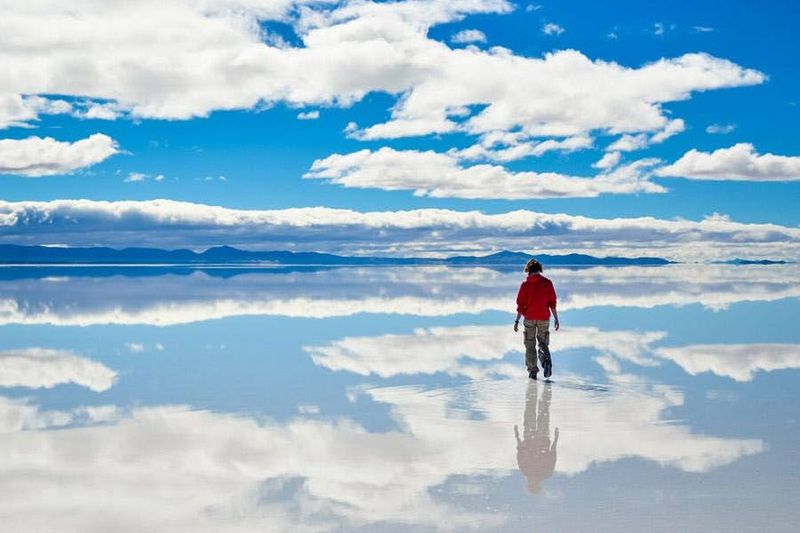
When it’s wet, the salt flats reflect the sky so perfectly it feels like a glitch. When it’s dry, it turns into a blinding white expanse that makes sunglasses feel mandatory.
Either way, you’ll be saying “hold on” every five minutes just to stare again. Salar de Uyuni is over 10,000 square kilometers of salt crust left behind by ancient lakes.
During the rainy season, a thin layer of water covers the flats, creating the mirror effect. The horizon disappears, and you can’t tell where the ground ends and the sky begins.
Perspective photos are a must. Make yourself look tiny next to a giant shoe, pretend to hold the sun, or recreate movie posters.
In the dry season, the salt forms geometric patterns that stretch forever. The silence is surreal, broken only by the crunch of salt under your feet.
Tours often include visits to cactus covered islands and colorful lagoons with flamingos. The altitude is high, so take it easy and drink water.
This place doesn’t feel real, but your sore legs will remind you it absolutely is.
Yellowstone National Park, USA: Geysers, bison, and pure chaos in the best way
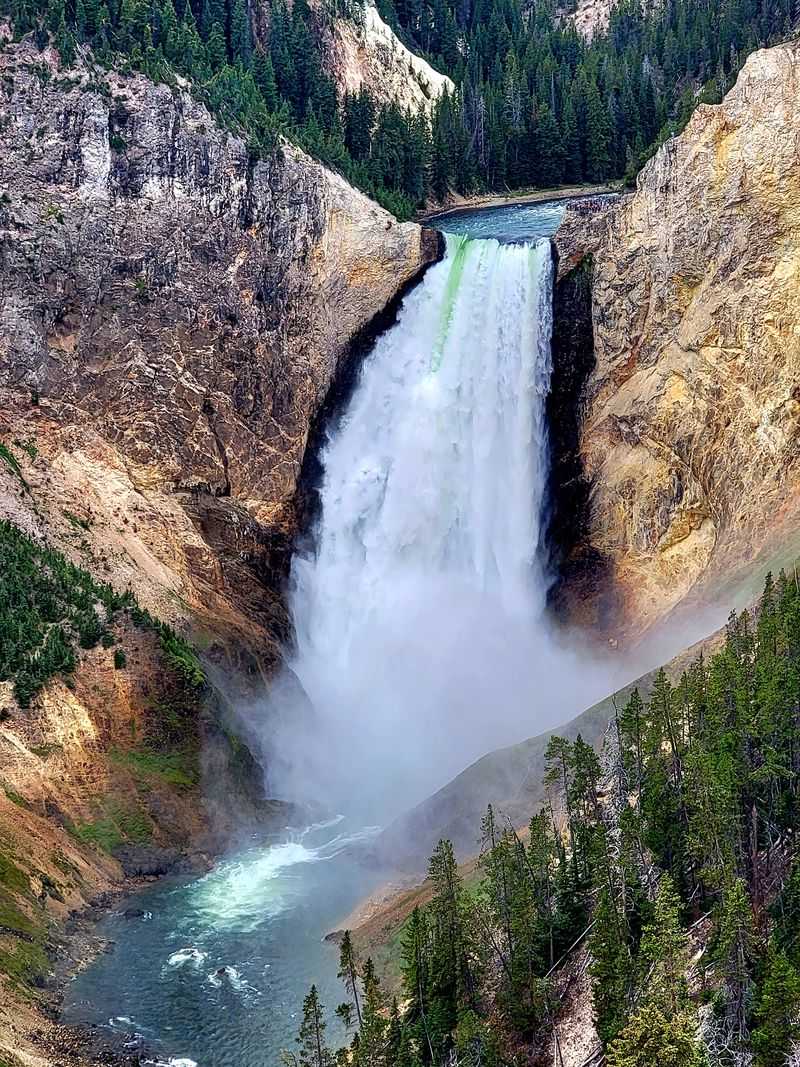
Yellowstone is a reminder that the Earth is not here to be calm. It became the first federally protected national park in 1872, and it still delivers that “wild planet” vibe on demand.
If you see bison, admire from a distance, because they do not do fan meetups. Old Faithful erupts like clockwork, shooting water high into the air while crowds cheer like it’s a concert.
The Grand Prismatic Spring looks like someone spilled a rainbow into a hot tub. Bright orange, yellow, and blue rings surround steaming turquoise water.
Geysers, hot springs, and mud pots bubble and hiss across the park. The whole place sits on a supervolcano, which sounds scary but mostly just makes for great scenery.
Wildlife roams freely. Bison block roads, elk graze in meadows, and wolves hunt in the Lamar Valley if you’re lucky enough to spot them.
Hiking trails range from boardwalks over thermal features to backcountry treks. Stay on marked paths because the ground can be dangerously hot.
Yellowstone is big, wild, and unapologetically weird. Plan for a few days if you want to see it all.
The Dolomites, Italy: Spiky peaks and pasta rewards
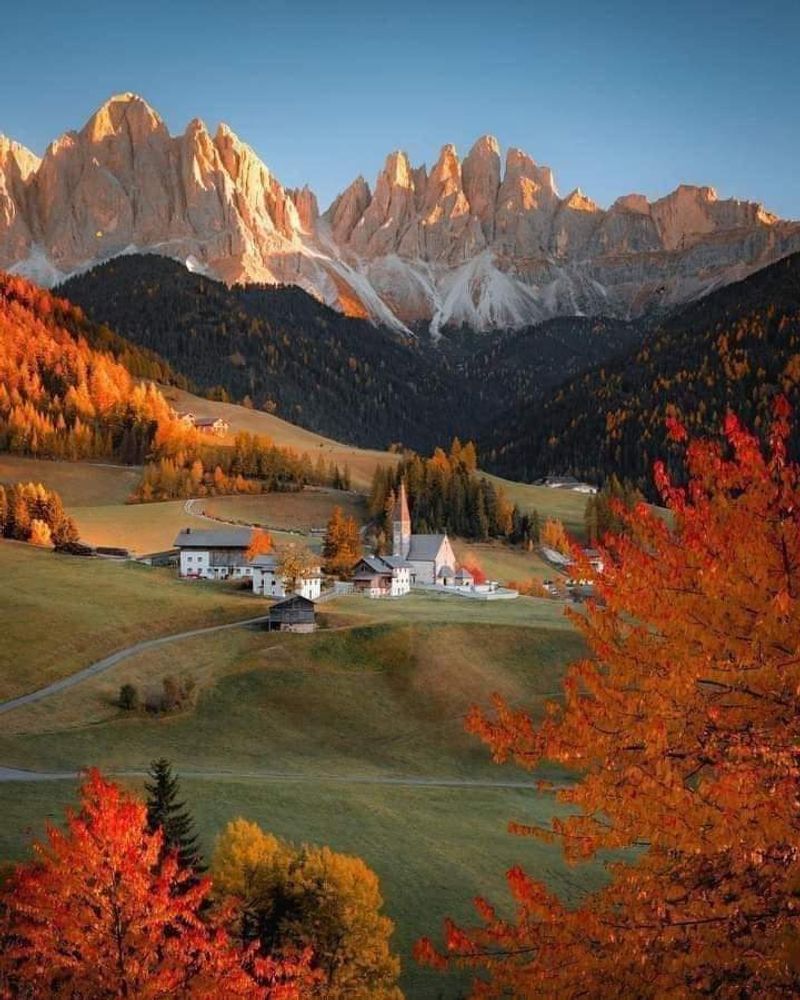
These mountains look sharp enough to cut the sky. Hike in summer, ski in winter, and take approximately 400 photos you will swear are all different.
Also, the post hike meal hits harder when the views have already humbled you. The Dolomites are part of the Italian Alps, and they’re a UNESCO World Heritage site for good reason.
Jagged peaks rise dramatically, their pale limestone glowing pink and orange during sunrise and sunset. Locals call it “enrosadira,” and it’s worth setting an alarm for.
Hiking trails wind through valleys, past alpine lakes, and up to mountain huts where you can refuel with polenta and strudel. The Tre Cime di Lavaredo loop is iconic and surprisingly doable.
In winter, ski resorts connect across the region, offering runs for all levels. The scenery alone makes the trip worthwhile, even if you spend more time falling than skiing.
Towns like Cortina d’Ampezzo mix mountain charm with Italian style. Cafes serve espresso with a side of mountain views.
The Dolomites reward effort with beauty, good food, and the kind of peace that only comes from being surrounded by giants.



