 Unearth The Voyage
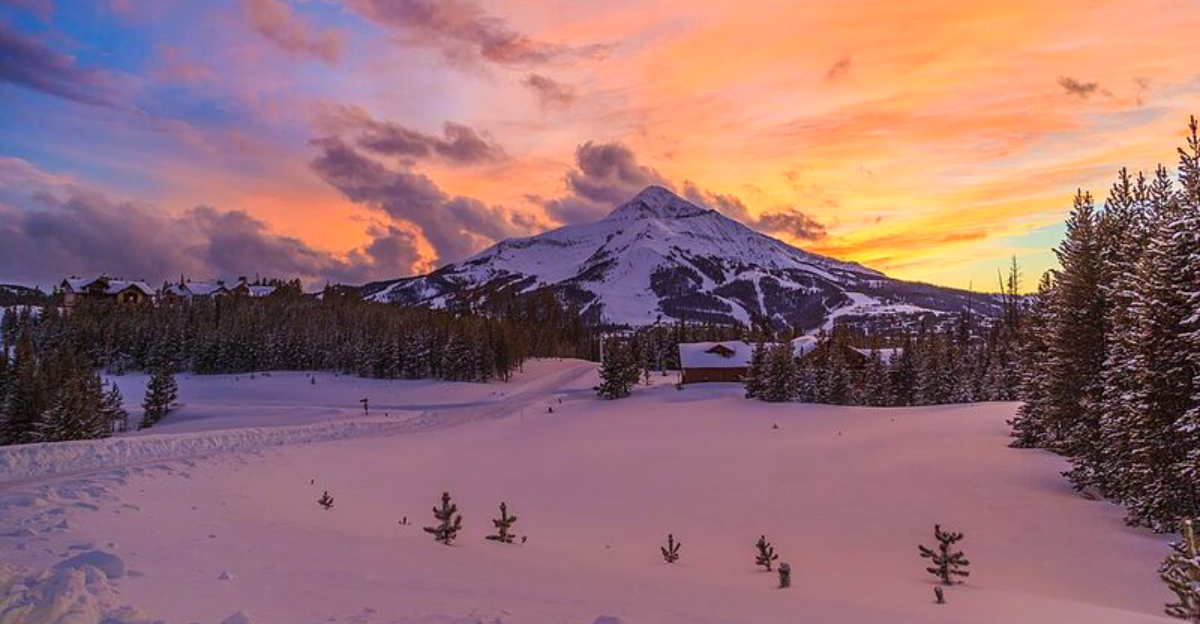
Winter in America isn’t created equal. While some states enjoy mild, pleasant temperatures, others endure bone-chilling cold that can freeze exposed skin in minutes.
From the icy tundra of Alaska to the windswept plains of Nebraska, these fifteen states represent the absolute coldest places in the nation during winter months. Understanding just how frigid these locations become helps us appreciate the resilience of people who call these places home and prepares travelers for what they might encounter.
1. Alaska – the winter heavyweight champ
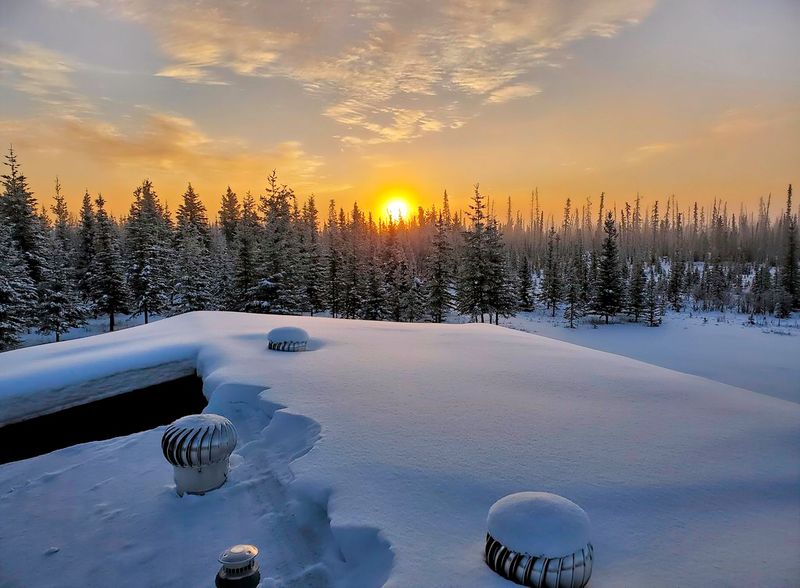
Alaska doesn’t just win the cold competition; it absolutely dominates it. With an average winter temperature hovering around 2.6°F, this state experiences cold that most Americans can barely imagine.
The thermometer doesn’t just dip below freezing here; it plummets to depths that challenge human survival without proper preparation.
Prospect Creek Camp holds the record for the coldest temperature ever recorded in the United States at a staggering negative 80°F back in January 1971. That kind of cold can freeze gasoline, shatter metal, and turn boiling water into snow crystals before it hits the ground.
Many Alaskan communities deal with temperatures so low that cars must remain running all winter, or they’ll never start again.
Living in Alaska during winter requires serious adaptation and respect for nature’s power. Residents invest in specialized heating systems, layered clothing, and emergency supplies that would seem excessive anywhere else.
The state’s infrastructure must withstand these extreme conditions, from specially formulated road materials to buildings designed to handle incredible temperature stress.
Despite the brutal cold, Alaskans embrace their winter with pride, viewing it as a badge of honor that separates the tough from everyone else.
2. North Dakota – open plains, brutal cold
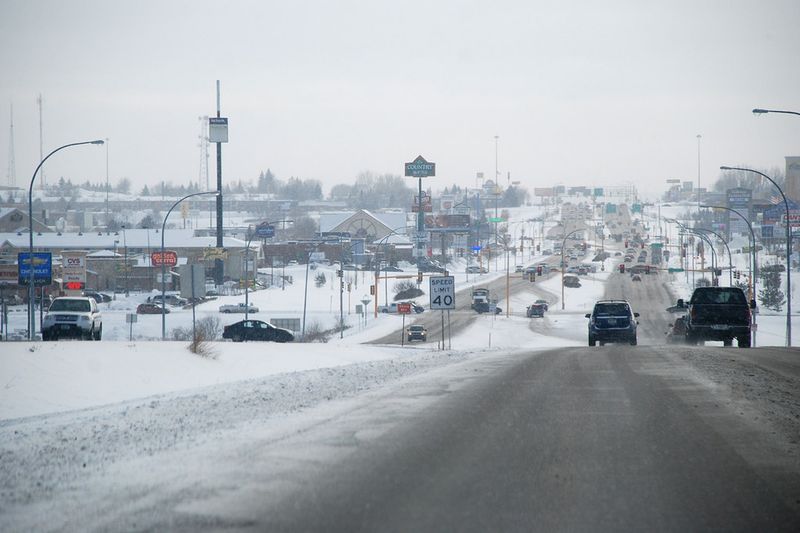
Standing on completely flat land where nothing blocks the arctic wind screaming down from Canada, that’s winter in North Dakota, where the average temperature drops to 12.2°F and the wind makes it feel even colder. The state’s geography works against anyone trying to stay warm, as there are few natural barriers to shield communities from relentless northern blasts.
Parshall recorded North Dakota’s coldest temperature at negative 60°F in February 1936. These aren’t just numbers on a thermometer; they represent conditions where exposed skin freezes in under five minutes.
Farmers and ranchers face unique challenges, needing to protect livestock and maintain equipment that can crack or fail in such extreme temperatures.
The combination of cold and wind creates something meteorologists call “windchill,” which makes the actual temperature feel even more dangerous. North Dakotans develop thick skin, both literally and figuratively, learning to dress in multiple layers and plan every outdoor activity carefully.
School closures happen regularly, not because of snow, but because temperatures are simply too dangerous for children waiting at bus stops.
Life here builds character and teaches respect for weather that can turn deadly without warning.
3. Minnesota – ‘cold enough to squeak’ snow country
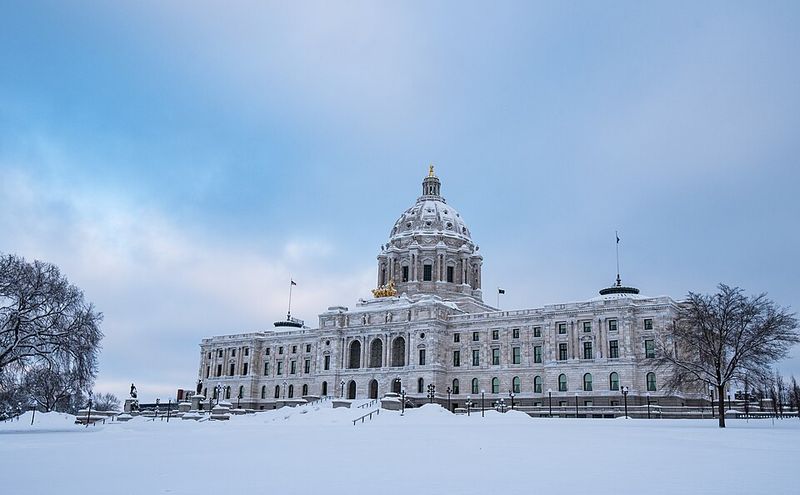
Minnesotans have a saying about their snow: when it’s cold enough, it squeaks under your boots. At an average winter temperature of 12.4°F, the state experiences cold that transforms snow into something more like Styrofoam.
This unique phenomenon occurs because the ice crystals compress differently at extremely low temperatures, creating that distinctive crunching sound.
Tower, Minnesota, shares the record for one of the coldest temperatures in the lower 48 states at negative 60°F, recorded in February 1996. The state’s ten thousand lakes become frozen highways during winter, with ice thick enough to support trucks and fishing houses.
Ice fishing isn’t just a hobby here; it’s a way of life that helps people embrace rather than hide from the cold.
Minnesota’s winters last from November through March, with January and February bringing the most severe conditions. Residents invest heavily in winter gear, home insulation, and vehicle winterization.
Block heaters for cars are standard equipment, not optional accessories.
Schools rarely close for cold alone, as Minnesotans pride themselves on their ability to function despite temperatures that would paralyze other states. The culture here celebrates winter through festivals, outdoor activities, and a shared understanding that complaining about cold is pointless when you live here.
4. Maine – deep-freeze New England
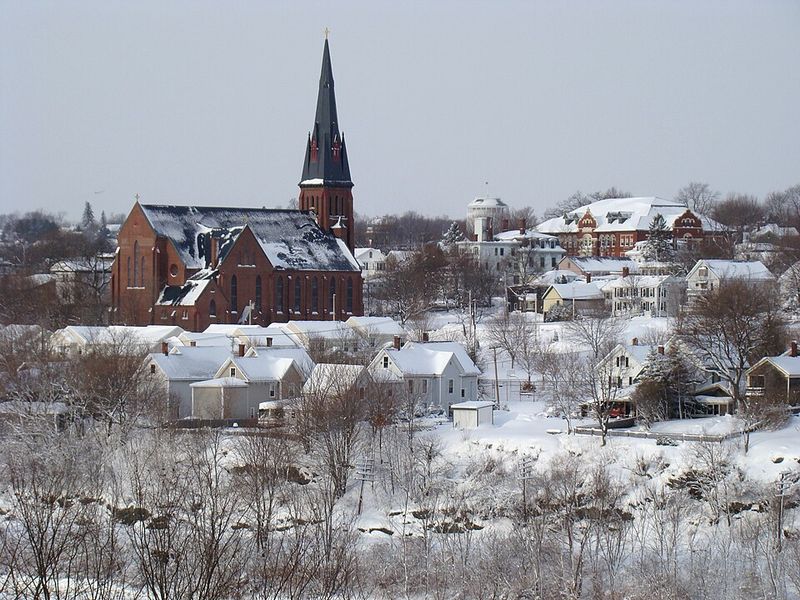
Maine brings New England cold to an entirely different level. While southern New England states experience chilly winters, Maine’s average winter temperature of 16.8°F puts it in a league with midwestern states.
The combination of northern latitude, proximity to cold ocean currents, and continental weather patterns creates winters that surprise visitors expecting milder coastal conditions.
Big Black River recorded Maine’s coldest temperature at negative 50°F in January 2009, proving that recent decades haven’t softened the state’s winter punch. The northern and western regions experience significantly colder temperatures than the coast, where ocean influence provides slight moderation.
Rural communities can become isolated during severe cold snaps, especially when combined with heavy snow.
Mainers prepare for winter with the seriousness it deserves, stocking up on heating fuel, winterizing homes, and ensuring vehicles can handle months of harsh conditions. The state’s famous lobster industry continues even in winter, with hardy fishermen braving frigid waters and dangerous conditions.
Maple syrup production actually depends on these cold temperatures, as trees need the freeze-thaw cycle to produce sap.
Winter tourism thrives here despite the cold, with skiing, snowmobiling, and ice fishing drawing visitors who want authentic winter experiences rather than mild substitutes.
5. Wisconsin – winter that doesn’t play nice
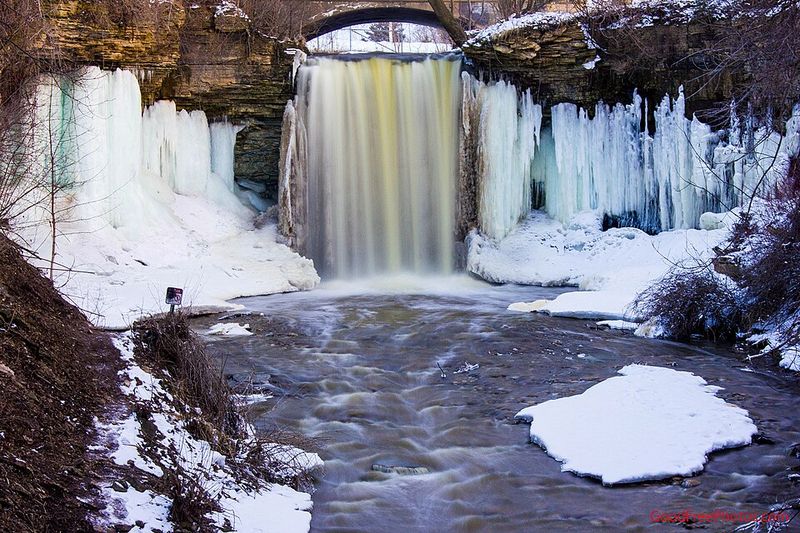
Wisconsin’s winters arrive with attitude and stick around longer than welcomed guests. An average winter temperature of 17.2°F means residents face months of serious cold, not just occasional chilly days.
The state’s location between the Great Lakes creates unique weather patterns, where lake-effect snow combines with arctic air masses to deliver punishing winter conditions.
Couderay holds Wisconsin’s cold record at negative 55°F, recorded twice in February 1996. That kind of cold isn’t just uncomfortable; it’s genuinely dangerous, capable of causing frostbite in minutes and hypothermia in less than an hour without proper protection.
Wisconsin’s dairy farms face enormous challenges keeping animals warm and maintaining milk production when temperatures plummet.
The state’s infrastructure must handle extreme temperature swings, from summer heat to winter deep freeze, causing roads to crack and buildings to expand and contract repeatedly. Wisconsinites embrace winter sports enthusiastically, with ice fishing, snowmobiling, and skiing becoming major recreational activities rather than reasons to hibernate indoors.
Green Bay Packers fans famously endure freezing temperatures at Lambeau Field, where some of the coldest NFL games in history have been played. This winter toughness becomes part of state identity, separating true Wisconsinites from those just passing through.
6. Vermont – small state, savage cold snaps
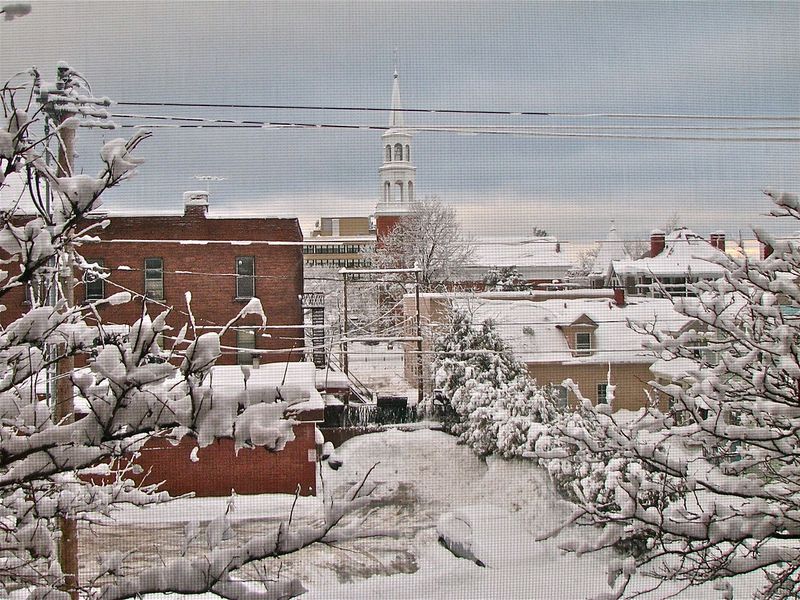
Don’t let Vermont’s small size fool you into thinking its winters are mild. With an average winter temperature of 19.4°F, this tiny New England state delivers cold that rivals much larger midwestern states.
The Green Mountains create microclimates where temperatures can vary dramatically over short distances, with valleys trapping cold air and creating particularly frigid conditions.
Bloomfield recorded Vermont’s coldest temperature at negative 50°F way back in December 1933, showing that severe cold snaps have long been part of the state’s winter character. Vermont’s maple syrup industry depends entirely on these cold temperatures, as sugar maples need the freeze-thaw cycle to produce the sap that becomes the state’s signature product.
Rural Vermont communities can become quite isolated during severe cold combined with heavy snow, as many roads become impassable and small towns hunker down. The state’s ski industry thrives on this cold, which helps maintain snow quality throughout the season.
Vermonters develop a practical approach to winter, with wood stoves remaining common as backup heating sources.
The combination of cold temperatures and traditional New England architecture means homes must be well-insulated and properly maintained. Winter here isn’t just a season; it’s a test of preparation, resilience, and respect for nature’s power.
7. South Dakota – winter plains = next-level windchill days
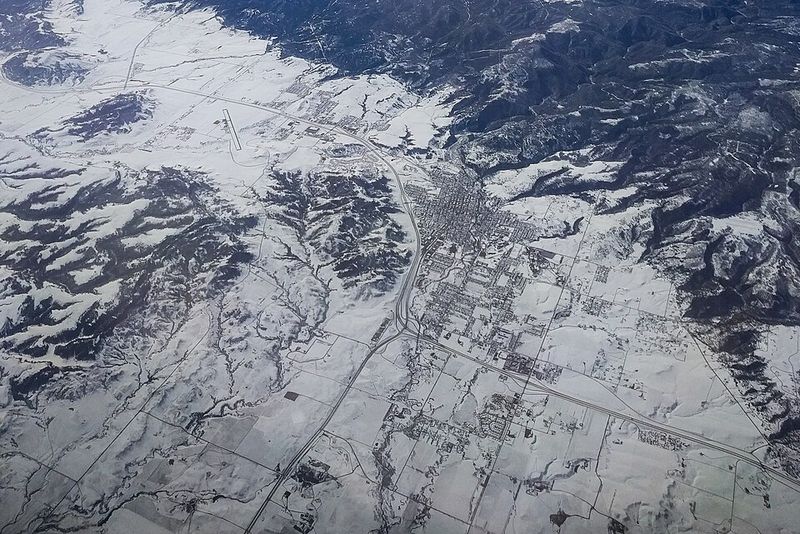
South Dakota’s winter experience centers on one brutal reality: there’s nowhere to hide from the wind. An average winter temperature of 19.5°F becomes significantly more dangerous when combined with winds that sweep unobstructed across the plains.
The state’s relatively flat geography means arctic air masses move in quickly and completely, dropping temperatures dramatically in just hours.
McIntosh holds the state record at negative 58°F from February 1936, during the same cold snap that devastated much of the northern plains. Windchill values can make these already dangerous temperatures feel even colder, sometimes reaching negative 70°F or worse.
Ranchers face enormous challenges protecting cattle during these extreme events, as livestock can die quickly without adequate shelter.
The state’s famous Mount Rushmore remains open year-round, though winter visitors experience the monument under dramatically different conditions than summer tourists. South Dakota communities have developed extensive emergency response systems for winter weather, knowing that blizzards combined with extreme cold create life-threatening situations.
Schools often close not just for snow, but because windchill values make it unsafe for children to be outside even briefly.
Residents learn to check weather forecasts obsessively and plan activities around cold snaps that can arrive with little warning.
8. New Hampshire – cold climbs fast here
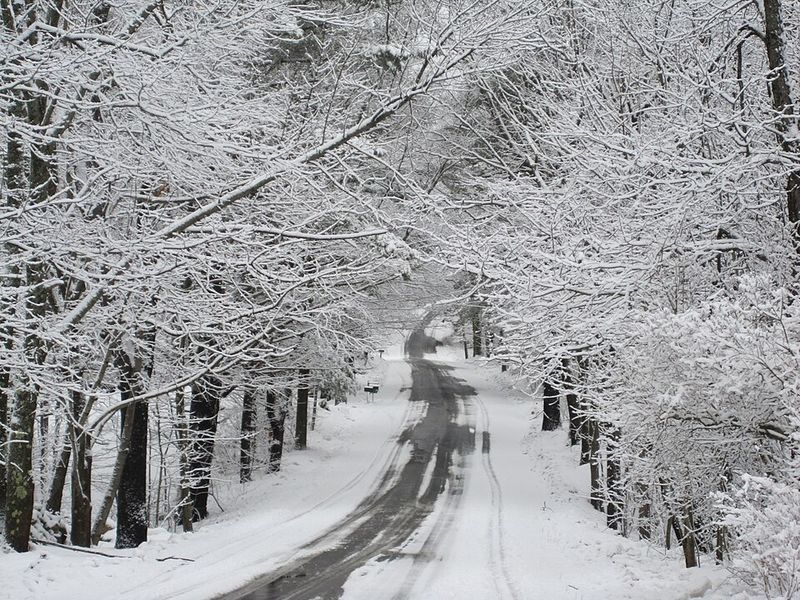
New Hampshire’s winter cold intensifies dramatically with elevation, creating some of the most extreme conditions in the eastern United States. An average winter temperature of 21.1°F tells only part of the story, as mountain summits experience far colder conditions than valleys.
Mount Washington, famous for having some of the worst weather on Earth, recorded the state’s coldest temperature at negative 50°F in January 1885.
Mount Washington’s summit regularly experiences temperatures below zero combined with hurricane-force winds, creating windchill values that can reach negative 100°F or colder. These conditions have claimed lives of unprepared hikers and climbers who underestimated winter’s power at elevation.
The mountain’s weather observatory provides crucial data about extreme weather conditions, helping meteorologists understand how cold and wind interact.
Lower elevations in New Hampshire experience more moderate but still serious cold, with northern regions seeing temperatures consistently below freezing from December through February. The state’s ski industry benefits from reliable cold temperatures that keep snow conditions excellent throughout winter.
Small towns throughout New Hampshire maintain the New England tradition of town heating oil dealers and wood suppliers who help residents stay warm.
Winter preparation here includes not just warm clothing but also understanding how quickly conditions can deteriorate, especially at higher elevations where weather changes rapidly.
9. Montana – big sky, big cold
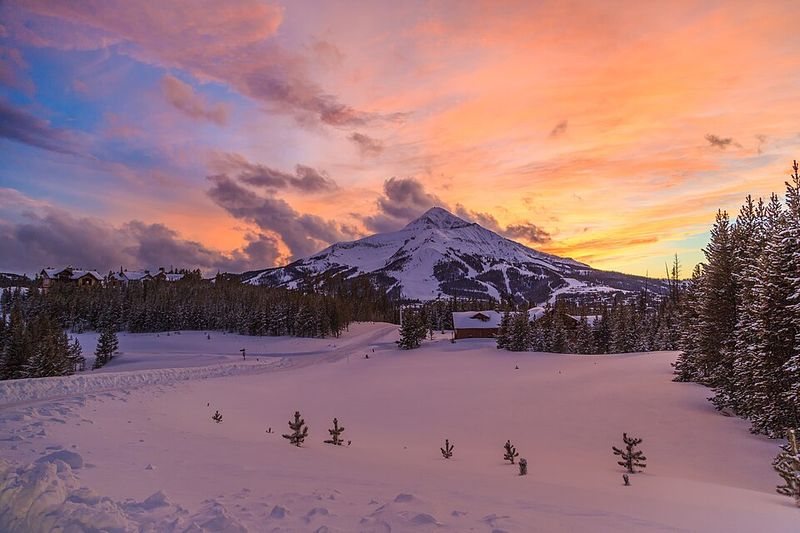
Montana lives up to its “Big Sky Country” nickname during winter, when clear nights allow temperatures to plummet spectacularly. An average winter temperature of 21.2°F doesn’t capture the state’s capacity for truly extreme cold.
Rogers Pass holds the record for the coldest temperature ever recorded in the lower 48 states at negative 70°F in January 1954, a record that still stands decades later.
The state’s geography creates diverse winter experiences, from relatively mild western valleys to brutally cold eastern plains. Mountain passes can become completely impassable during winter storms, isolating communities for days or weeks.
Montana’s ranching industry faces unique challenges, as cattle must survive outdoors through these extreme temperatures with only minimal shelter.
Cities like Great Falls and Havre regularly experience extended periods below zero, where daily high temperatures never reach positive numbers. Residents develop a matter-of-fact attitude toward cold that outsiders find remarkable, continuing daily activities in conditions that would shut down most other places.
Vehicle maintenance becomes crucial, as cars that aren’t properly winterized simply won’t start when temperatures drop below negative 20°F.
Montana’s winter beauty attracts photographers and outdoor enthusiasts who appreciate landscapes transformed by snow and extreme cold into something otherworldly and spectacular.
10. Wyoming – where ‘cold’ gets historic
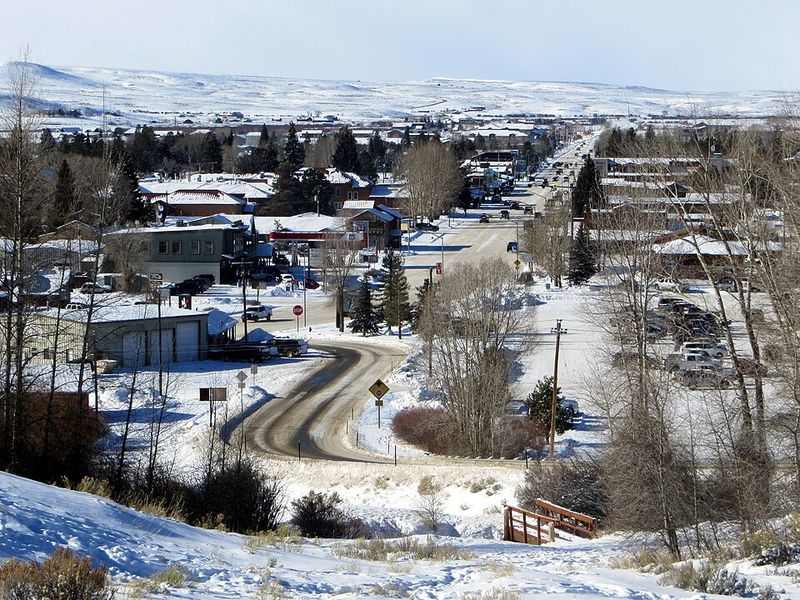
Wyoming’s winters write themselves into weather history books with regularity. An average winter temperature of 21.2°F matches Montana’s, but Wyoming’s cold records tell stories of truly legendary conditions.
Riverside Ranger Station in Yellowstone National Park recorded negative 66°F in February 1933, making it one of the coldest temperatures ever measured in the contiguous United States.
Yellowstone’s high-elevation valleys become natural cold air traps during winter, where dense cold air sinks and accumulates, creating temperatures far below surrounding areas. The park transforms into a winter wonderland where geothermal features create dramatic contrasts between steaming hot springs and frozen landscapes.
Bison and other wildlife must adapt to these extreme conditions, developing thick winter coats and behavioral strategies for survival.
Wyoming’s wind adds another dimension to winter misery, with some areas experiencing near-constant winds that drive windchill values to dangerous levels. Interstate 80, a major transcontinental highway, frequently closes during winter due to blowing snow and extreme cold combined with wind.
Ranching remains Wyoming’s backbone industry, requiring incredible hardiness from both animals and people who work outdoors regardless of temperature.
The state’s relatively small population means many areas remain truly remote during winter, where self-sufficiency isn’t optional but absolutely necessary for survival.
11. Iowa – winter that sneaks up and sticks around
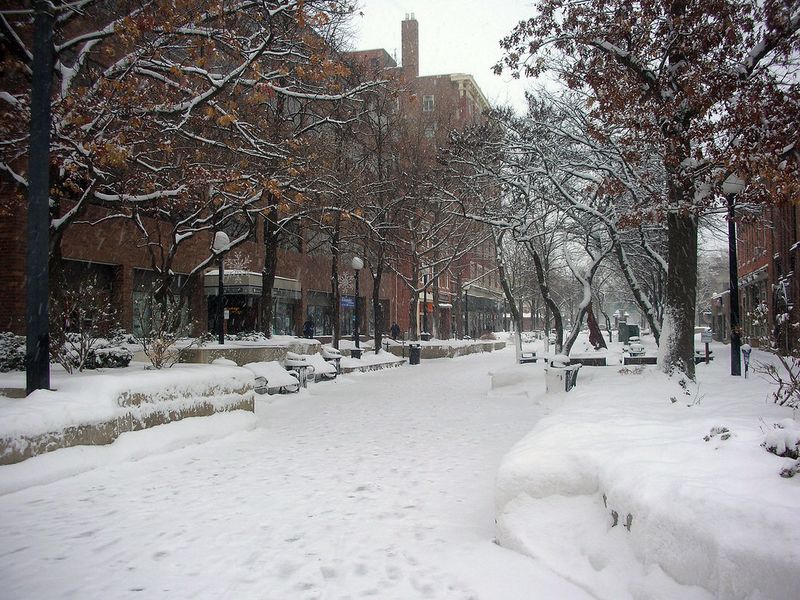
Iowa’s winters don’t announce themselves with dramatic mountain scenery or coastal storms; they just settle in and refuse to leave. An average winter temperature of 21.7°F means months of consistently cold conditions across the state’s agricultural heartland.
The state’s position in the middle of the continent leaves it exposed to arctic air masses that sweep down from Canada with nothing to slow them.
Washta recorded Iowa’s coldest temperature at negative 47°F in January 1912, during an era before modern heating and insulation made winter survival easier. Iowa’s extensive farmland creates a landscape with few windbreaks, allowing cold winds to blow unobstructed across frozen fields.
Modern farmers must balance livestock care, equipment maintenance, and crop planning around winter conditions that can damage or destroy inadequately protected resources.
Small towns throughout Iowa maintain tight-knit communities partly because winter weather creates shared challenges that bring people together. School snow days are common, though cold alone rarely closes schools unless temperatures become truly dangerous.
Iowa’s winter sports culture revolves around indoor activities like wrestling and basketball, as outdoor conditions make fall and spring sports more practical.
The state’s residents develop a pragmatic relationship with winter, accepting it as inevitable rather than fighting against something they cannot change.
12. Michigan – Great Lakes, great cold snaps
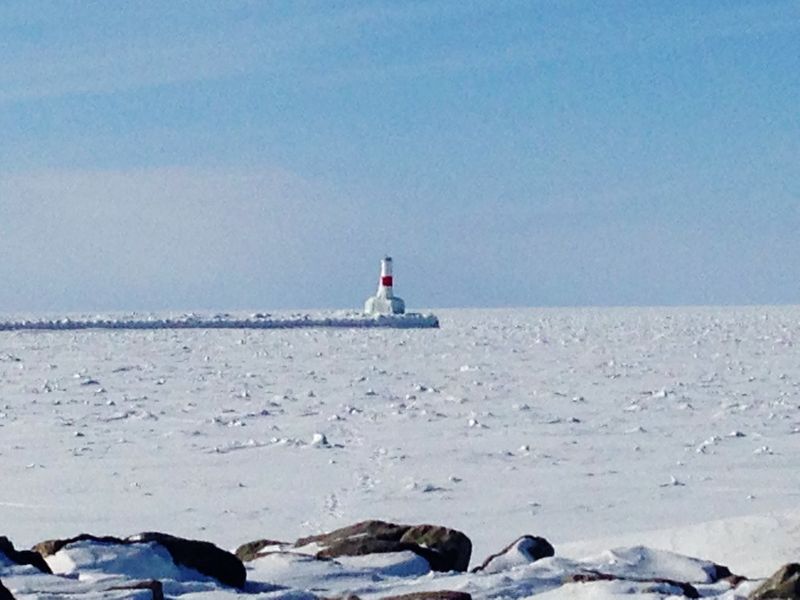
Michigan’s unique geography, surrounded by Great Lakes, creates winter conditions unlike anywhere else in America. An average winter temperature of 21.7°F combines with lake-effect snow to deliver winters that bury communities under feet of snow while temperatures plummet.
Vanderbilt recorded the state’s coldest temperature at negative 51°F in February 1934, showing that Michigan’s cold can rival states much farther north.
The Upper Peninsula experiences particularly harsh winters, with communities like Houghton regularly receiving over 200 inches of snow annually combined with extended periods of below-zero temperatures. Lake-effect snow occurs when cold air passes over warmer lake water, picking up moisture and dumping it as heavy snow on downwind shores.
This phenomenon can create dramatically different conditions over short distances, with some areas buried while others remain relatively clear.
Michigan’s automotive industry developed partly because winter conditions provided perfect testing grounds for vehicles that needed to operate in extreme cold and snow. Residents distinguish between “trolls” (those living below the Mackinac Bridge) and “yoopers” (Upper Peninsula residents), with the latter claiming bragging rights for enduring more severe winters.
Ice fishing, snowmobiling, and skiing become major recreational activities, helping Michiganders embrace winter rather than merely endure it through months of cold and snow.
13. New York – not just ‘city winter’
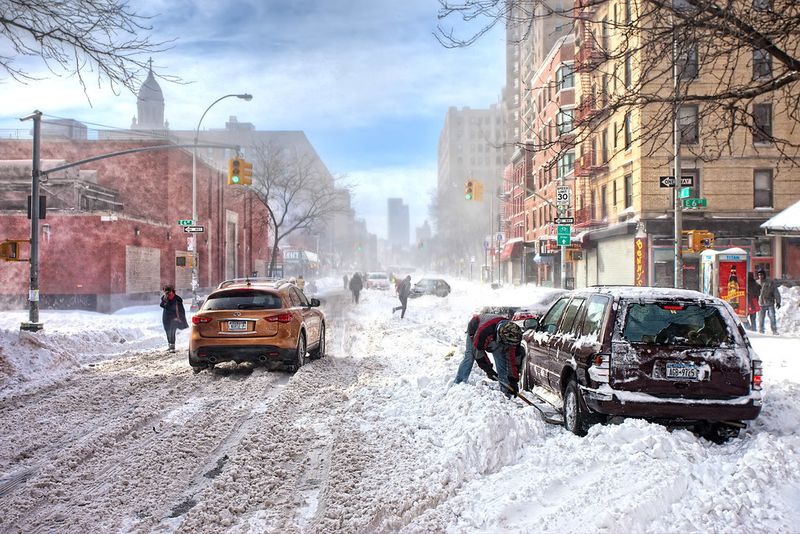
Most people think of New York City when they hear “New York,” but the state’s winter story belongs to the Adirondacks and other upstate regions. An average winter temperature of 23.3°F reflects conditions across the entire state, but northern areas experience far colder temperatures than the relatively mild city.
Old Forge recorded New York’s coldest temperature at negative 52°F in February 1979, proving that upstate winters rival anything the Midwest offers.
The Adirondack Mountains create microclimates where cold air settles into valleys, producing temperatures significantly lower than surrounding areas. Lake-effect snow from Lake Ontario and Lake Erie dumps massive amounts of snow on communities like Buffalo and Syracuse, where residents measure annual snowfall in feet rather than inches.
Upstate New York’s winter economy depends on cold temperatures and heavy snow, with ski resorts, snowmobile trails, and winter tourism providing crucial income.
New York City’s relatively mild winters create a disconnect between downstate and upstate residents, who experience completely different winter realities despite living in the same state. Small towns throughout the Adirondacks and other rural areas can become quite isolated during severe winter weather, requiring residents to maintain self-sufficiency.
Winter preparation includes not just warm clothing but also ensuring adequate heating fuel, food supplies, and backup plans for power outages that can last days.
14. Idaho – mountain cold that bites
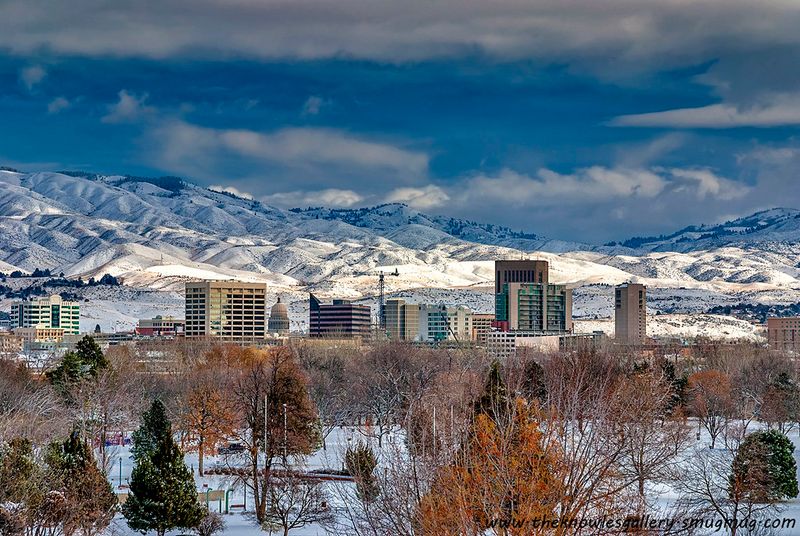
Idaho’s mountainous terrain creates winter conditions that catch unprepared visitors by surprise. An average winter temperature of 25.4°F might seem moderate compared to states farther north, but Idaho’s elevation and geography produce extreme cold in specific locations.
Island Park Dam recorded the state’s coldest temperature at negative 60°F in January 1937, matching the coldest temperatures recorded anywhere in the lower 48 states.
High mountain valleys become natural cold air traps where dense, frigid air settles and accumulates, creating temperatures far below what elevation alone would suggest. Stanley, Idaho, regularly competes for the title of coldest town in the lower 48 states, with winter mornings frequently dropping below negative 30°F.
The state’s ski industry benefits from reliable cold temperatures that create excellent snow conditions from November through April.
Idaho’s agricultural economy, particularly potato farming, requires careful planning around winter conditions that can damage stored crops and complicate spring planting. Rural communities throughout central Idaho’s mountains can become isolated during severe winter weather, when mountain passes close and roads become impassable.
Residents develop self-reliance skills and maintain supplies necessary for surviving extended periods without outside help.
Winter beauty attracts photographers and outdoor enthusiasts who appreciate Idaho’s dramatic landscapes transformed by snow and cold into spectacular scenery.
15. Nebraska – prairie winter, no mercy
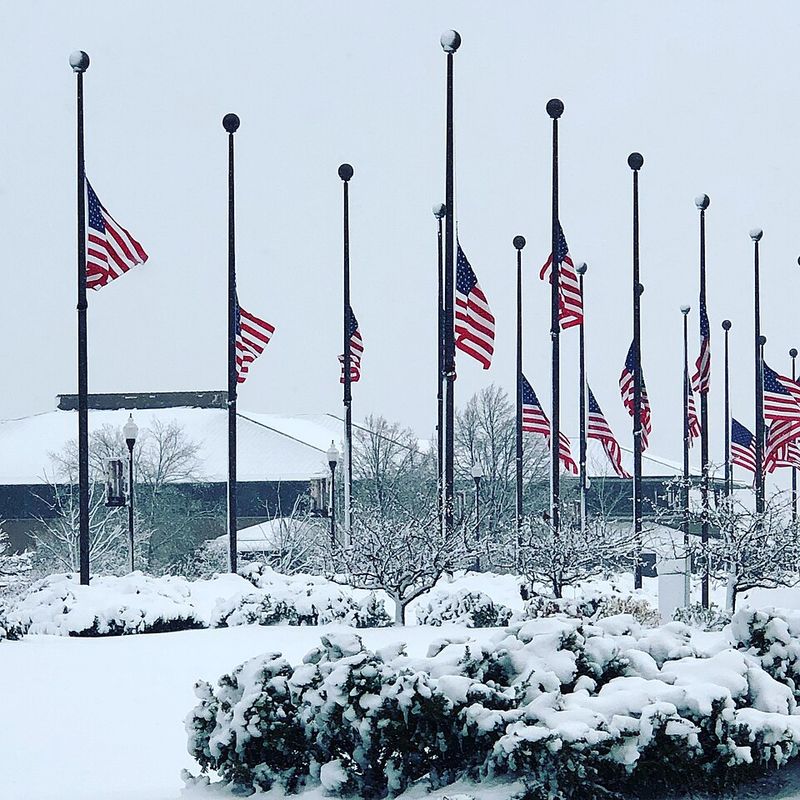
Nebraska closes out our list but shouldn’t be underestimated. An average winter temperature of 25.7°F combined with prairie winds creates conditions that challenge residents throughout the season.
Oshkosh recorded the state’s coldest temperature at negative 47°F in December 1989, matching an earlier record from Bridgeport in 1899, showing that extreme cold remains part of Nebraska’s winter character across different eras.
The state’s position in the Great Plains means weather systems move through quickly, bringing rapid temperature changes that can drop readings 40 degrees in just hours. Ranchers and farmers face constant challenges protecting livestock and equipment from cold that can damage or destroy inadequately protected resources.
Nebraska’s relatively flat terrain offers little natural protection from wind, making windchill a serious concern during cold snaps.
Small towns across the state maintain strong community connections, partly because winter weather creates shared challenges that bring neighbors together. Football culture at the University of Nebraska means fans regularly endure freezing temperatures at Memorial Stadium, where late-season games can be played in near-zero conditions.
Winter preparation here includes not just personal readiness but also community-level planning for storms and cold snaps that can affect entire regions.
Nebraskans develop a practical, no-nonsense attitude toward winter, accepting cold as part of life on the plains.



