 Unearth The Voyage
Some of Earth’s most breathtaking places are changing faster than we can book a flight. Rising seas, melting ice, and human pressures are reshaping icons that once felt timeless. This isn’t a doom list; it’s a call to witness, learn, and support protection while there’s still time. Pack your curiosity and urgency – the world’s rarest adventures are waiting, and they won’t wait forever.
1. The Maldives
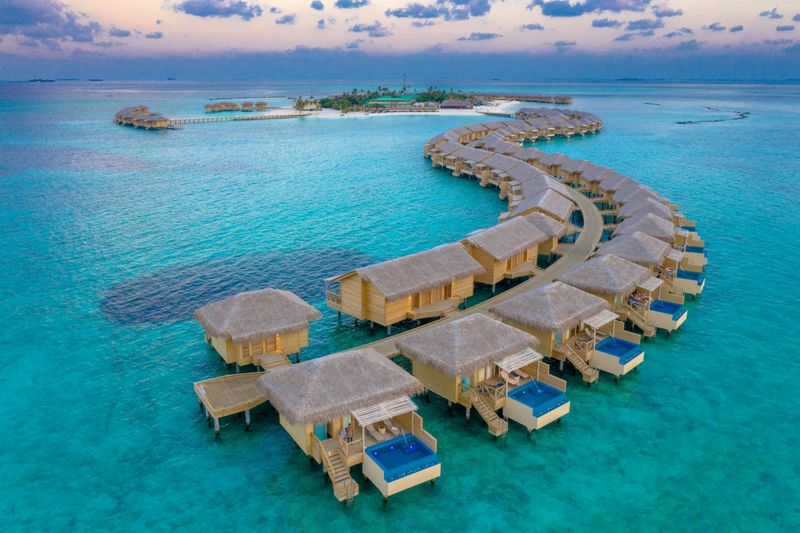
Skimming over turquoise lagoons, the Maldives dazzles with overwater villas, manta rays, and beaches that look photoshopped. Yet its average elevation is barely above sea level, putting it on the front line of climate-driven tides and storms. Coral reefs, essential for protection and tourism, are bleaching under heat stress. Visit mindfully: choose eco-certified resorts, minimize flights by staying longer, and join reef-safe snorkeling tours. Support local conservation projects and learn from community guides. The Maldives is a paradise teaching the world about resilience, adaptation, and why small islands matter immensely to our shared future.
2. Kiribati
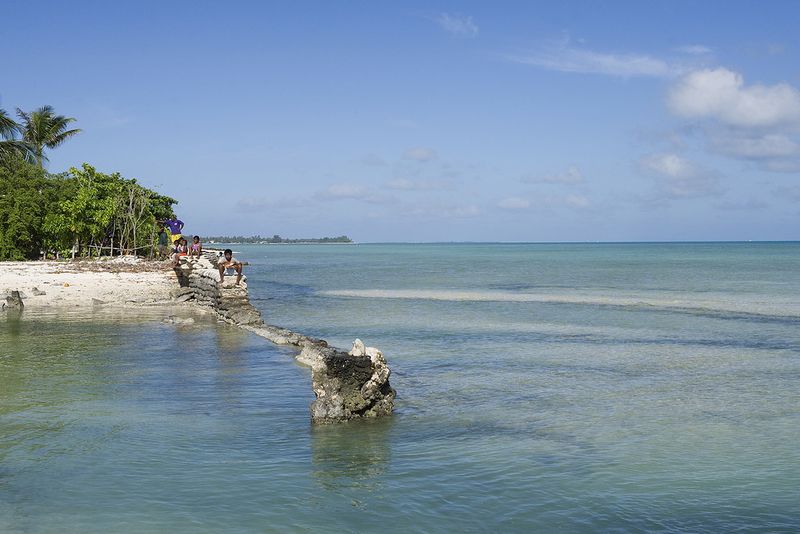
Kiribati’s reef-fringed atolls stretch across the equator, where culture and ocean are inseparable. Some islets have already vanished, and salty intrusion threatens crops and freshwater lenses. Visitors can explore traditional maneaba meeting houses, paddle crystalline lagoons, and witness front-line climate adaptation. Choose local homestays and guides to keep benefits in community hands. Travel light on carbon, stay longer to learn more, and respect fragile reef ecosystems. Kiribati is not just vulnerable; it’s visionary, with migration-with-dignity plans and grassroots resilience shaping its future. Go to listen, to share stories, and to stand in solidarity.
3. Tuvalu
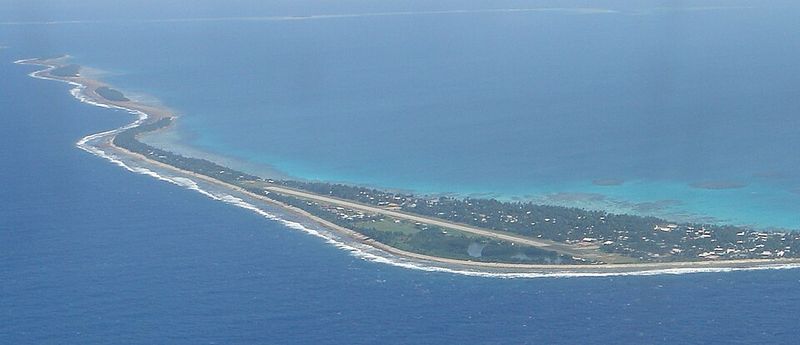
Tuvalu, where land barely rises above the tides, is a place of gentle hospitality and powerful lessons. The ocean sets the rhythm for fishing, festivals, and everyday life, yet higher seas and storms threaten homes and heritage. Come to experience pulaka pits, traditional fale gatherings, and clear lagoons alive with reef fish. Travel with humility: avoid reef damage, reduce plastic, and support community-led tours. Learn about local adaptation and the Tuvaluan concept of caring for place and people. Your visit can amplify voices on the front line of climate reality and help fund practical resilience.
4. Venice, Italy
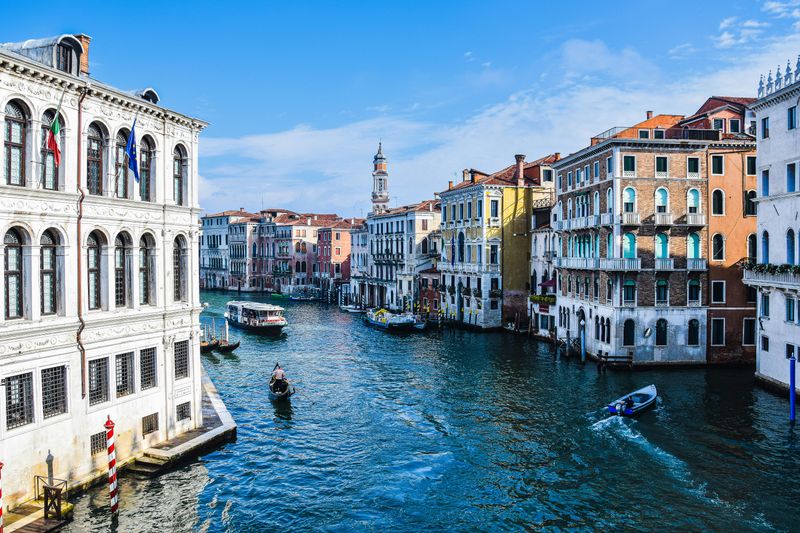
Venice is a dream of stone and water, where palazzos glow over mirrored canals and violins drift at dusk. Yet the city is sinking and facing more frequent acqua alta floods as climate change amplifies extremes. Wander quiet sestieri, visit artisan workshops, and glide under bridges by vaporetto rather than private boats. Choose off-peak travel to ease crowding and support restoration-minded businesses. Explore MOSE flood barriers and lagoon ecology tours to grasp the challenges and innovations. Venice’s beauty is undeniable, but its future depends on mindful travelers who value heritage as much as romance.
5. Great Barrier Reef, Australia
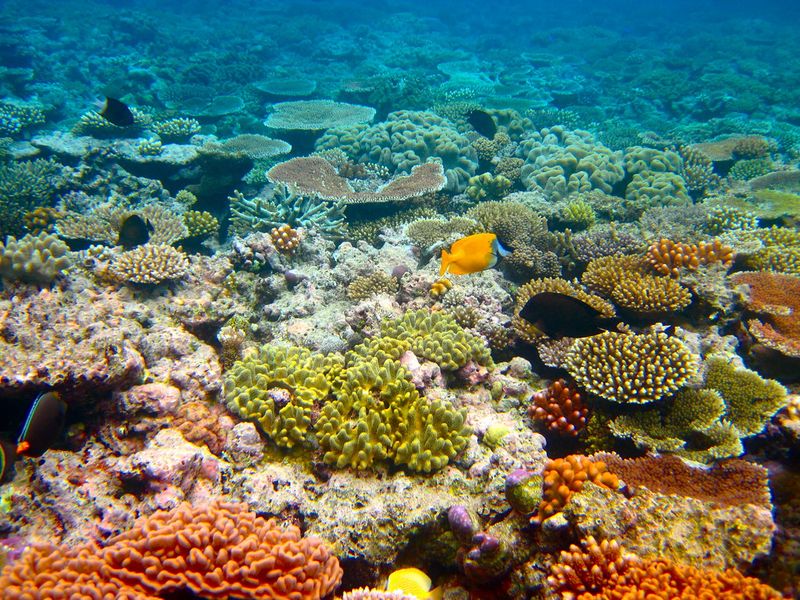
Stretching for thousands of kilometers, the Great Barrier Reef is a living mosaic of corals, turtles, and shimmering fish. Marine heatwaves trigger mass bleaching, while acidification weakens reef-building. Visit with operators certified for reef-safe practices and choose sites prioritizing science-led stewardship. Snorkel gently, avoid touching coral, and use mineral-based sunscreen. Consider citizen-science surveys to contribute data. Pair your trip with visits to Indigenous sea country tours that share deep-time connections and custodianship. The reef’s fate is not sealed—advocacy, emissions cuts, and careful tourism can help. Witness it respectfully, then take that urgency home.
6. Mount Kilimanjaro, Tanzania
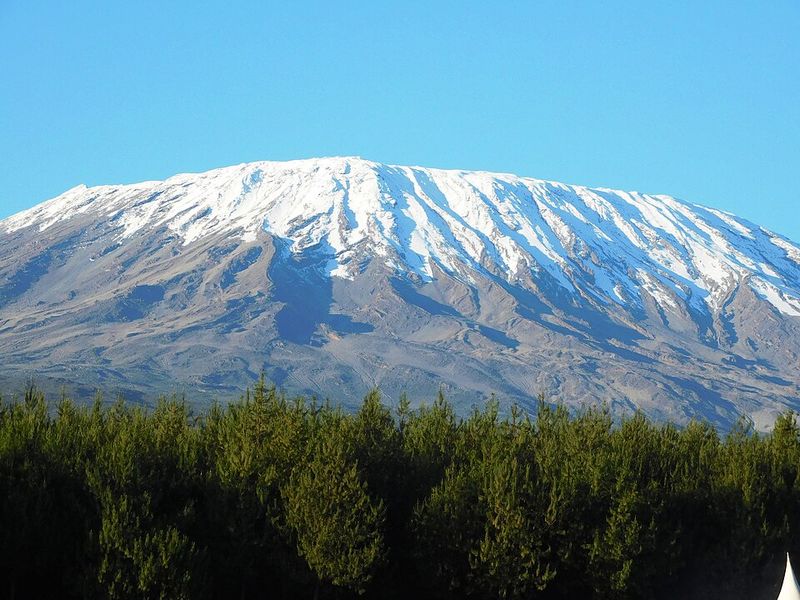
Kilimanjaro’s snow-capped silhouette rises from African savanna like a legend. Its iconic glaciers are shrinking rapidly, altering delicate alpine ecosystems and the dreamscape summit. Choose responsible operators paying fair wages, pack out all waste, and tread softly through rainforest to crater rim. Acclimatize properly and savor each ecological zone, from colobus-haunted forests to moorland studded with giant groundsels. Learn from Chagga communities about water sources fed by icefields now receding. The climb is challenging but deeply rewarding. Go now, not just to tick a summit, but to witness change and support mountain livelihoods.
7. Glacier National Park, USA (Montana)
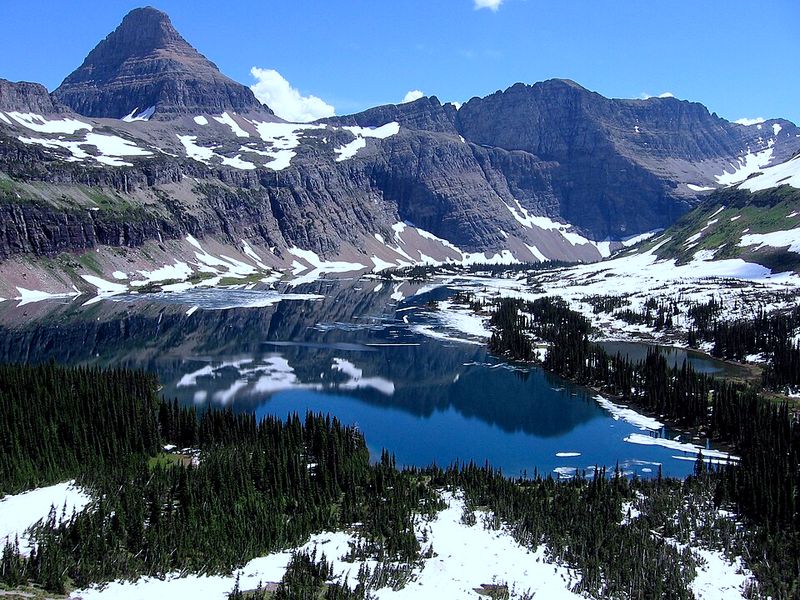
Once famed for hundreds of glaciers, this Montana park now counts only a fraction, each year edging smaller. Hike to ice-carved cirques, watch mountain goats traverse cliffs, and paddle mirror-like lakes reflecting knife-edged peaks. Interpretive centers explain glaciology and changing snowpack. Travel shoulder seasons, use shuttles on Going-to-the-Sun Road, and keep bear-aware. Join ranger talks to grasp how warming reshapes fire regimes, wildlife corridors, and water flows. The remaining ice is astonishingly beautiful but fleeting. Your visit can fund preservation and fuel conversations about safeguarding America’s alpine treasures for future generations.
8. Petra, Jordan
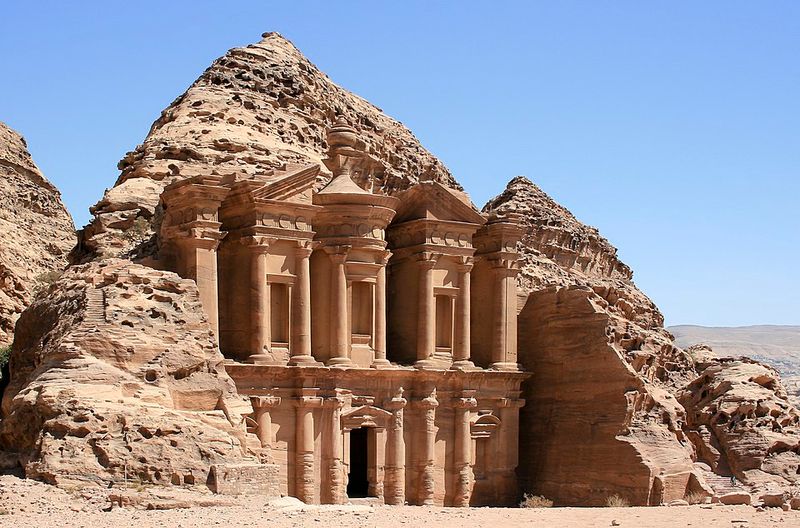
Petra’s rose-red canyons reveal a city carved from stone, where Nabataean genius channeled water through desert cliffs. Sandstone weathers easily, and intensified storms accelerate erosion along the Siq and monuments. Enter at dawn to watch the Treasury glow, then explore lesser-visited trails to the Monastery and High Place of Sacrifice. Hire licensed local guides and support Bedouin artisans. Respect fragile surfaces, avoid leaning or climbing on ancient facades, and bring reusable bottles for refill stations. Petra’s endurance depends on careful stewardship and climate resilience. It’s a wonder that rewards patience, curiosity, and protection.
9. Angkor Wat, Cambodia
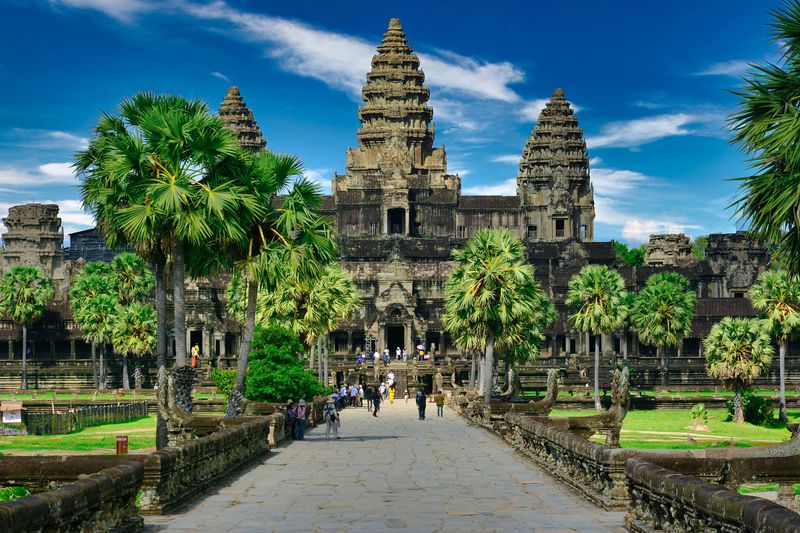
Angkor’s temple complex unfurls through jungle, where bas-reliefs ripple like stories in stone. Extreme rainfall and environmental stress threaten foundations, while tourism pressure strains fragile walkways. Wander early among lotus ponds, then cycle to quieter temples like Ta Nei. Choose guides trained in heritage conservation and avoid touching carvings. Refill water at designated stations and stick to boardwalks during wet seasons. Support community projects around Siem Reap that reduce deforestation and waste. Angkor’s magic lies in its scale and serenity—two qualities that depend on mindful footsteps and long-term protection.
10. The Dead Sea (Israel / Jordan)
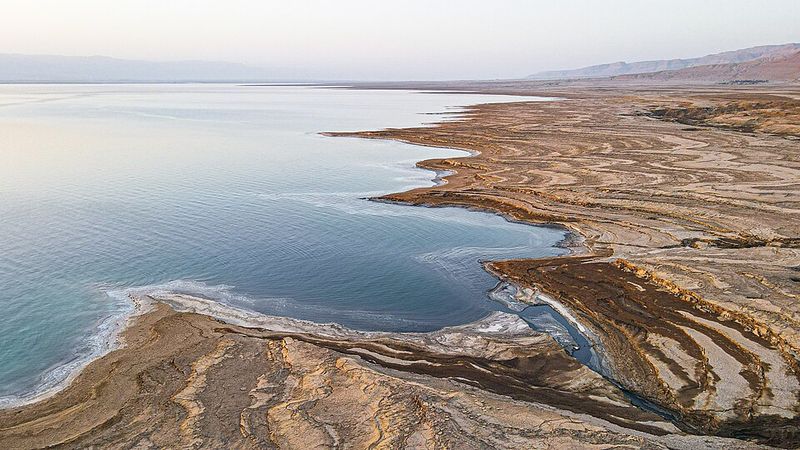
The Dead Sea is otherworldly, a gleaming expanse where you float effortlessly above salt-crusted shores. Rapid shrinkage from water diversion and evaporation creates sinkholes and a retreating shoreline. Visit designated beaches and follow safety guidance; sinkhole zones are no-go. Pair your float with hikes in nearby desert canyons and historical sites. Choose operators supporting regional water stewardship and learn about restoration efforts. Photograph crystalline salt chimneys at sunrise to see colors bloom. The Dead Sea’s stark beauty is fragile; your awareness and advocacy can help sustain this unique landscape.
11. Amazon Rainforest
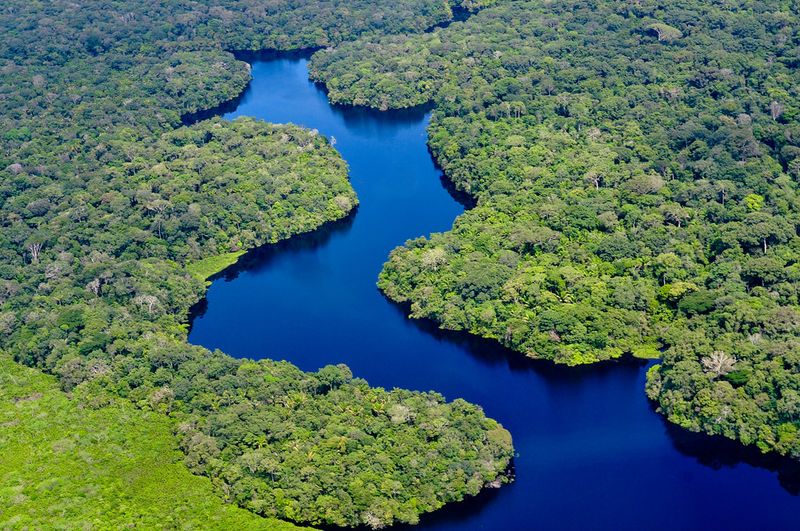
The Amazon hums with life: river dolphins, macaws, orchids, and forest giants that breathe moisture into the sky. Deforestation, fires, and a drying climate threaten to push parts toward ecological tipping points. Choose community-led lodges and certified operators that protect riparian zones and wildlife. Travel by low-impact boats, skip single-use plastics, and support Indigenous guardianship programs. Guided night walks reveal bioluminescence and secretive creatures. Learn about forest-carbon cycles and the power of standing forests. Your journey funds alternatives to extractive economies and carries home a story of interdependence we cannot afford to forget.
12. Socotra, Yemen
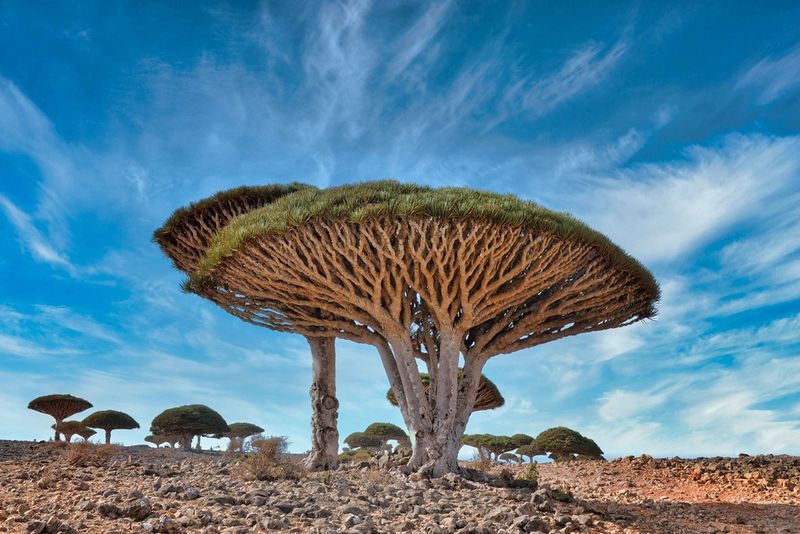
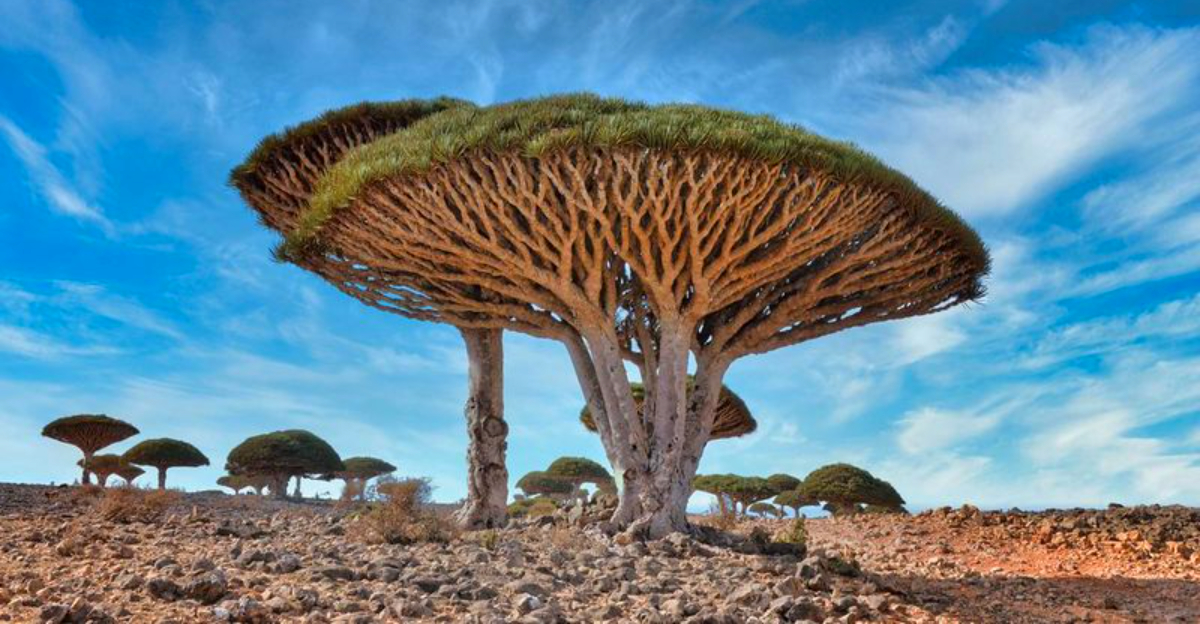
Socotra feels prehistoric, with dragon blood trees branching like candelabras over limestone plateaus. Endemic plants and coastal dunes frame coves of luminous blue, while cultural traditions remain strong. Pressures from climate change and unmanaged visitation threaten fragile habitats. Travel with licensed local guides, camp only in permitted areas, and avoid collecting plants or shells. Choose small-group, low-impact itineraries that benefit communities. Photograph thoughtfully and leave no trace. Socotra’s enchantment lies in its rarity—every footprint should honor that. Visiting responsibly helps safeguard a living museum of evolution.
13. Antarctic Peninsula
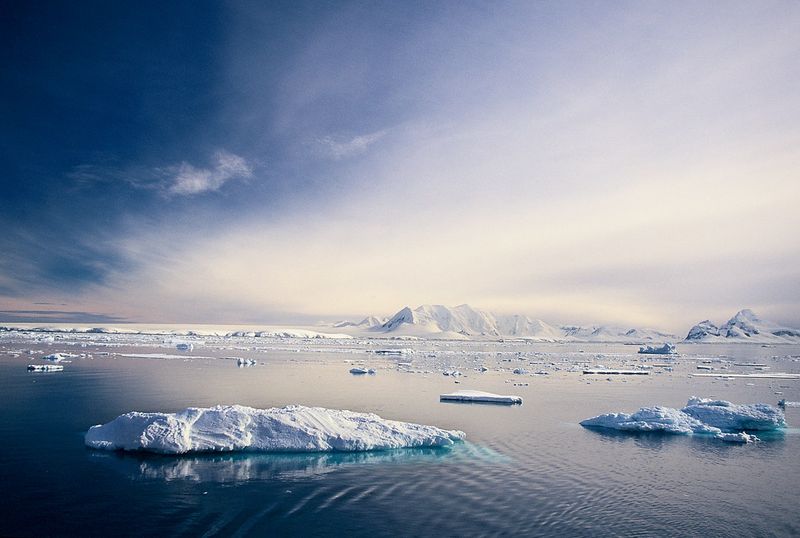
Antarctica is a cathedral of ice, where tabular bergs drift past penguin rookeries and whales surface in mirror-still bays. The peninsula is warming rapidly, destabilizing ice shelves and reshaping fragile ecosystems. Choose operators adhering to IAATO rules, with small ships and strict biosecurity. Zodiac quietly among brash ice, keep wildlife distances, and attend onboard science briefings. Offset travel emissions and support polar research. Weather can change in minutes—embrace patience and humility. A journey south is more than spectacular; it’s a sober glimpse of a changing planet’s front line.
14. Rwenzori Mountains (Uganda)
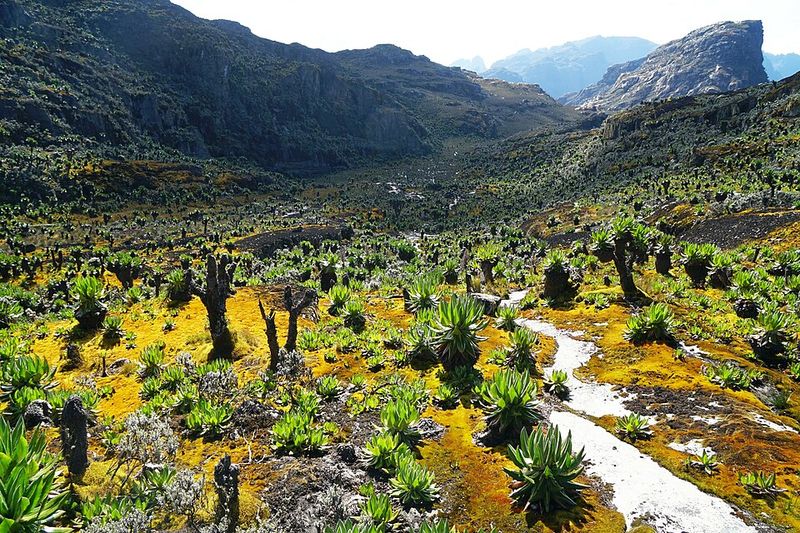
The fabled Mountains of the Moon cradle Afro-alpine valleys, lobelia forests, and glaciers shrinking toward the skyline. Multi-day treks traverse bogs, boardwalks, and rugged ridges with views into cloud kingdoms. Rising temperatures are recasting water cycles and snowlines. Hire local porters and guides, use designated camps, and pack out all waste. Move slowly to protect delicate soils and savor rare plant communities. Your permit fees support conservation and community livelihoods. Rwenzori trekking is demanding and deeply rewarding—an expedition into one of Africa’s most overlooked wonders.
15. Taro Island, Solomon Islands
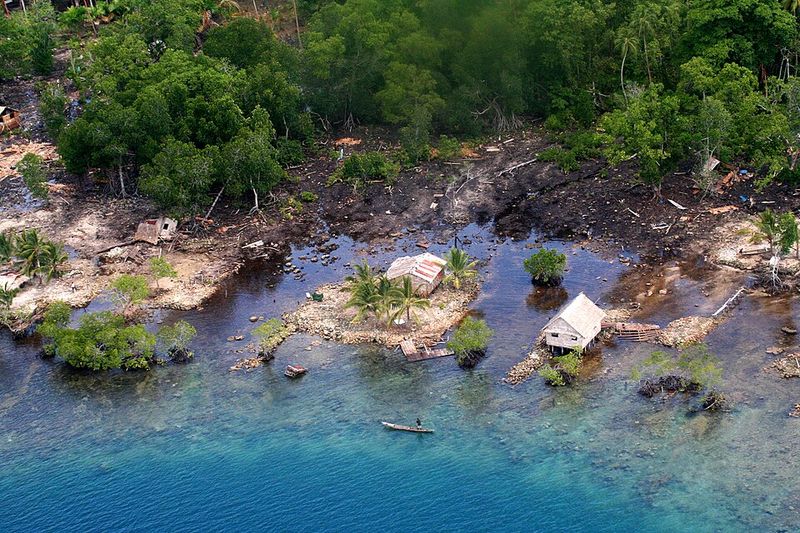
Taro Island is a small provincial capital poised on the edge of the Pacific, barely two meters above the sea. King tides and storms already test its defenses, prompting discussions of relocation. Visit respectfully to understand how communities adapt through traditional knowledge and modern planning. Choose local guesthouses, eat island-grown foods, and travel light to reduce freight emissions. Avoid reef damage, pack reef-safe sunscreen, and support youth education programs. Your presence can bring income and attention to a story that deserves the world’s ear: resilience, dignity, and the cost of rising seas.



