The Big Island of Hawaii is one of those places that makes you question every life choice that kept you from visiting sooner. From erupting volcanoes to black sand beaches, this island packs more variety into one landmass than most countries can manage.
I finally made it here last year, and honestly, I left with a full memory card, slightly sunburned shoulders, and zero regrets. Whether you are a thrill-seeker, a beach bum, or a coffee lover, this island has something on this list with your name on it.
Hawaiʻi Volcanoes National Park
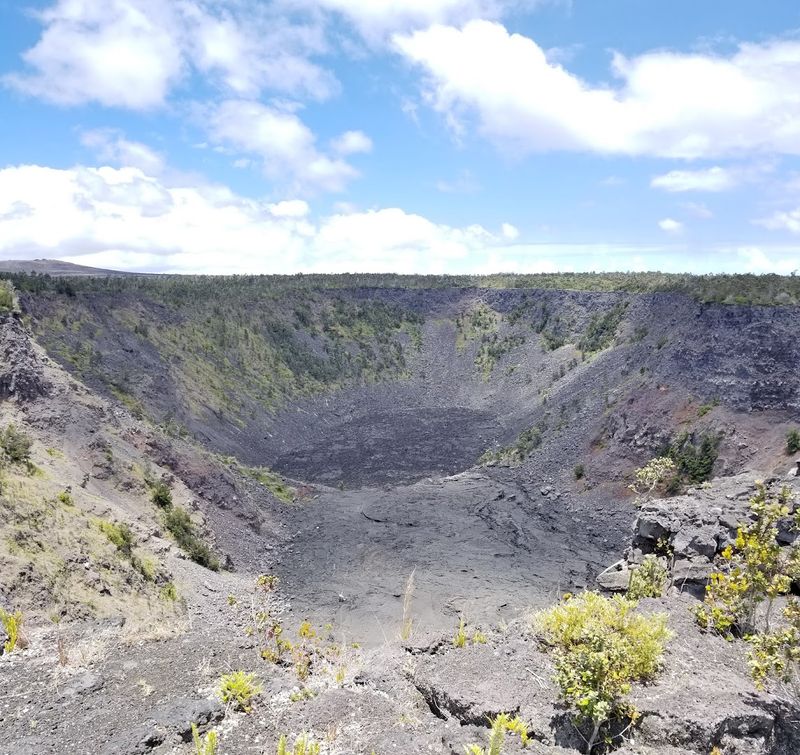
There are national parks, and then there is Hawaiʻi Volcanoes National Park, where the ground literally glows. This place is home to two of the most active volcanoes on Earth, Kīlauea and Mauna Loa, and walking through it feels like stepping onto another planet entirely.
The park covers over 330,000 acres and offers trails for every fitness level. You can walk through hardened lava fields, peer into steaming craters, and spot rare native plants along the way.
Rangers lead free talks daily, which are genuinely worth attending.
Entry costs $35 per vehicle and covers seven days of access. Go early in the morning to beat the crowds and catch the best light on the lava landscape.
Pack layers because the elevation brings cooler temperatures than you might expect on a tropical island.
Kīlauea Caldera
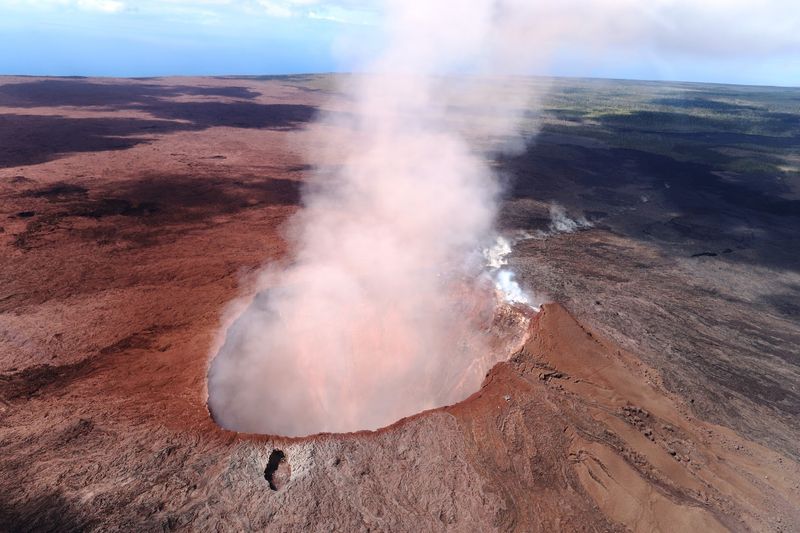
Kīlauea Caldera is the kind of place that makes you feel wonderfully small. At roughly two miles wide, this massive volcanic crater sits at the heart of Hawaiʻi Volcanoes National Park and has been erupting almost continuously since 1983.
Standing at the Jaggar Museum overlook at night, when the lava lake glows orange against the dark sky, is one of those moments that burns into your memory forever. No filter needed, no exaggeration required.
The glow is real and it is spectacular.
Check the USGS Hawaiian Volcano Observatory website before your visit for the latest eruption updates. Conditions change fast here, and some viewing areas open or close depending on activity levels.
Wear closed-toe shoes, bring a flashlight for evening visits, and keep a safe distance from all crater edges at all times.
Mauna Kea Visitor Information Station
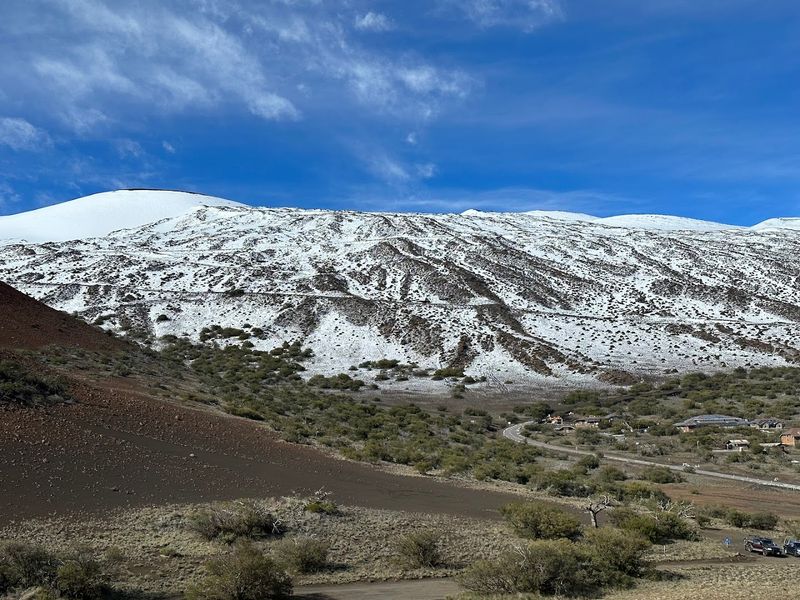
At 9,200 feet above sea level, the Mauna Kea Visitor Information Station is where stargazing stops being a hobby and starts being a religious experience. The station sits below the summit observatories and serves as the perfect launchpad for an unforgettable night under the stars.
Every evening, volunteers set up telescopes for free public stargazing sessions starting around 6 PM. The sky up here is so clear and dark that you can spot galaxies with your bare eyes.
I counted at least four shooting stars without even trying.
Dress warmly, and I mean seriously warmly. Temperatures at this elevation drop fast after sunset, even in summer.
Hot chocolate is sold at the station, which feels like a small miracle when the wind picks up. Do not attempt the summit road without a four-wheel-drive vehicle and proper acclimatization time.
Kīlauea Iki Trail
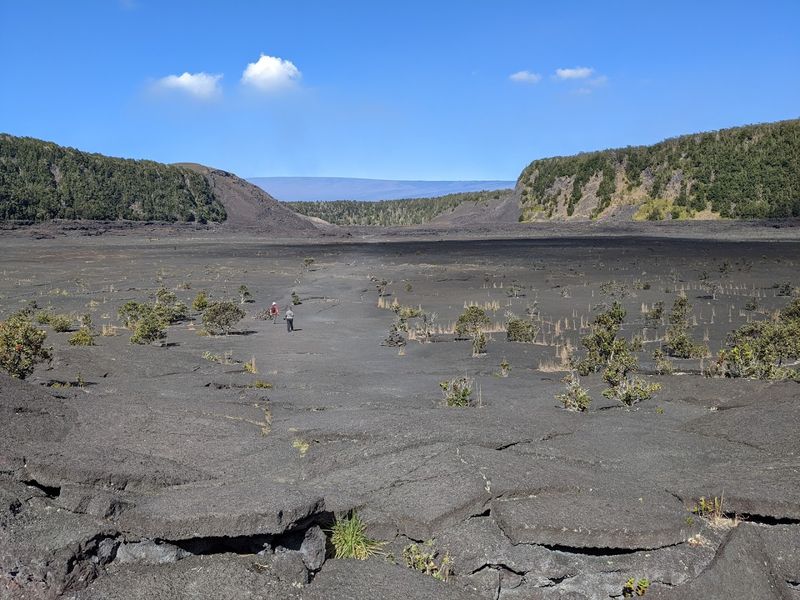
The Kīlauea Iki Trail is four miles of pure geological drama, and it earns every bit of hype it gets. The trail descends from a lush rainforest rim, drops 400 feet, and deposits you directly onto the floor of a crater that erupted violently back in 1959.
Walking across that hardened lava lake feels surreal. The surface is cracked and alien-looking, with steam still venting from fissures below.
Trail markers guide the way, but the landscape is so otherworldly that you will stop every few minutes just to stare.
The full loop takes about two to three hours at a comfortable pace. Wear sturdy hiking shoes because the lava rock is uneven and rough on sneakers.
Bring plenty of water since there is no shade on the crater floor. Starting from the Thurston Lava Tube trailhead is the most popular approach and offers the best views.
Nāhuku (Thurston Lava Tube)
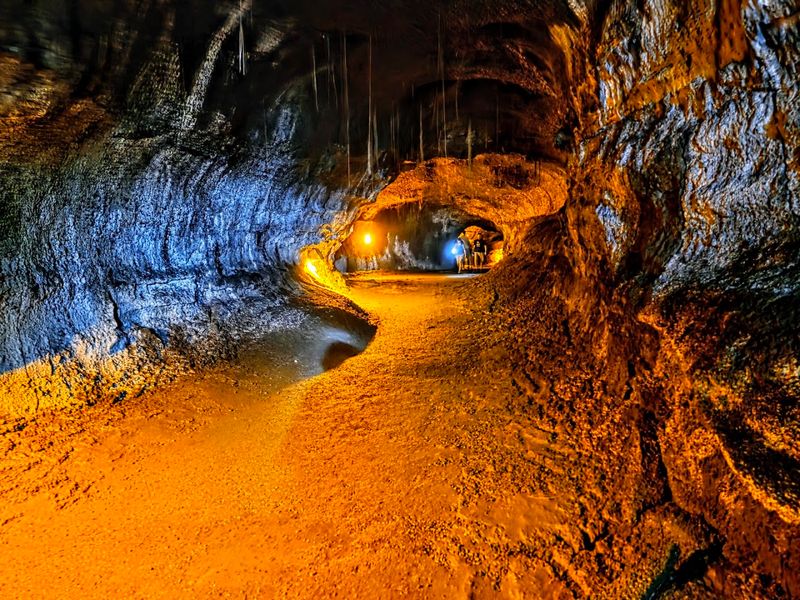
Nāhuku, better known as the Thurston Lava Tube, is basically a natural underground tunnel formed by flowing lava thousands of years ago. When the outer lava cooled and hardened, the molten rock inside kept moving, draining out and leaving behind a hollow tube you can walk through today.
The main lit section is about 0.4 miles long and takes around 20 minutes to explore. Beyond the lit area, an unlit extension continues further into the darkness for adventurous visitors who bring their own flashlights.
It is genuinely cool down there, both in temperature and in the coolest-thing-ever sense.
The surrounding trail passes through a stunning fern forest that feels prehistoric and magical. Arrive before 10 AM to avoid tour bus crowds.
The lava tube is stroller and wheelchair accessible in the main section. Entry is included with your Hawaiʻi Volcanoes National Park pass, so no extra cost required.
ʻAkaka Falls State Park
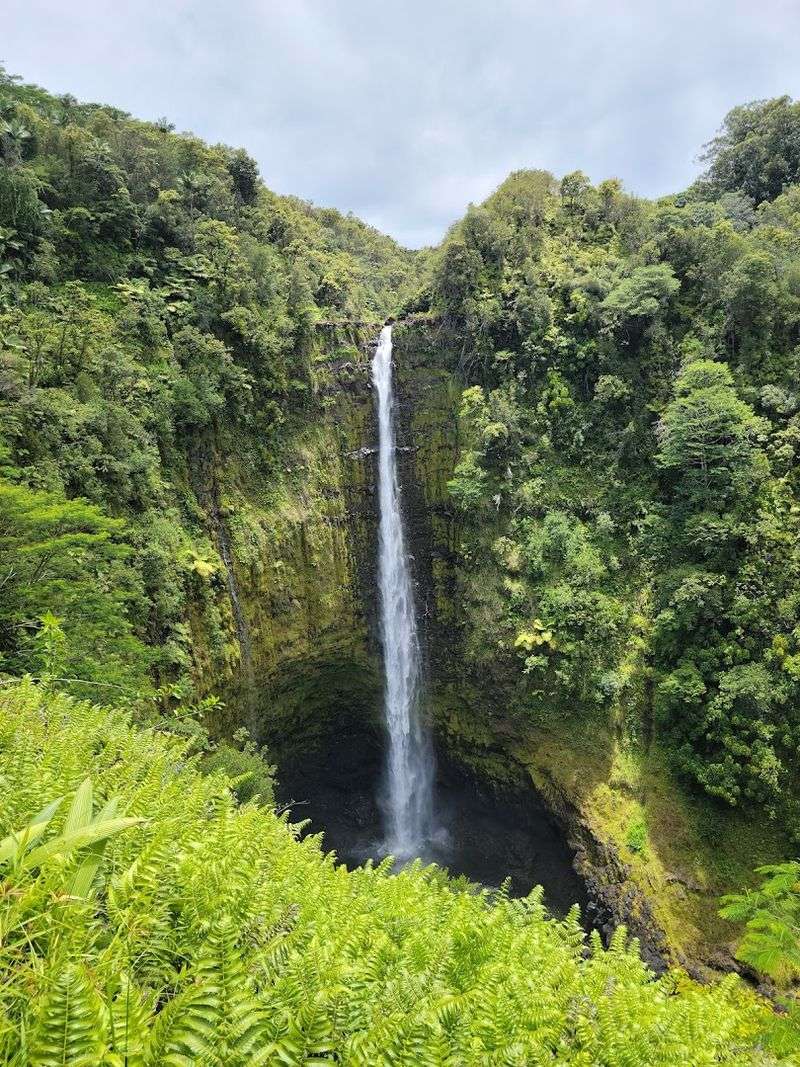
Few waterfalls anywhere on Earth can match the sheer drama of ʻAkaka Falls, which plunges a jaw-dropping 442 feet straight down into a gorge below. The name alone sounds like something a waterfall should be called.
Getting there involves a 0.4-mile paved loop trail through a dense tropical forest packed with bamboo, wild ginger, and giant ferns. The path is well-maintained and easy enough for most fitness levels, though it does have some gentle inclines.
The payoff at the end is absolutely worth every step.
Entry is $5 per person or $10 per car, making it one of the best-value stops on the island. Visit in the morning for the best light and fewer crowds.
Bring bug spray because the lush jungle environment tends to attract mosquitoes. The park is located near the town of Honomu on the Hamakua Coast, about 15 miles north of Hilo.
Kealakekua Bay
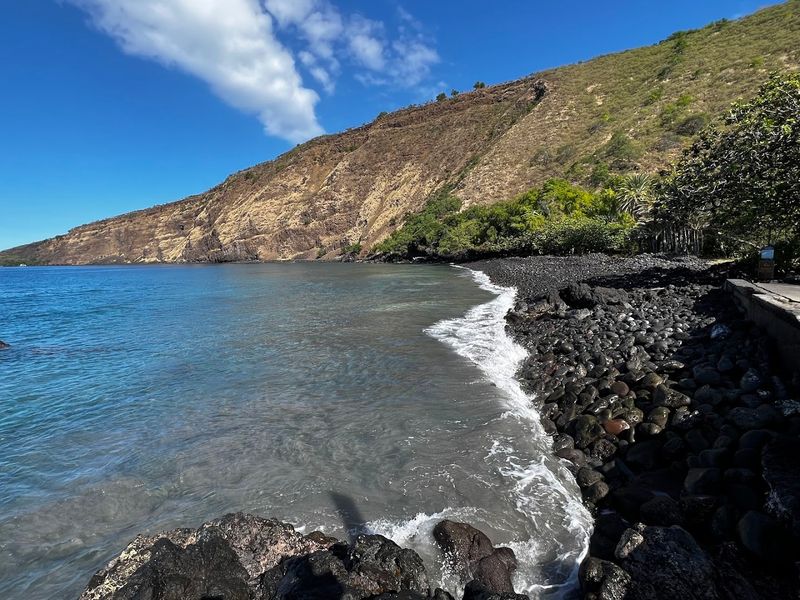
Kealakekua Bay holds two major claims to fame: it is one of the best snorkeling spots in all of Hawaii, and it is also the place where Captain James Cook met his rather unfortunate end in 1779. History and coral reefs in one location, now that is a combo.
The bay is a protected marine sanctuary, which means the fish here are plentiful, fearless, and ridiculously colorful. Spinner dolphins are regular visitors, often showing up early in the morning to rest in the calm waters.
Snorkeling near the coral gardens on the north side of the bay is an absolute highlight.
Access options include kayaking from Napoopoo Beach, booking a snorkel boat tour from Kailua-Kona, or hiking the steep 2.4-mile trail down from the road. The boat tour option is the easiest and most popular.
Reserve in advance during peak season because spots fill up fast.
Punaluʻu Black Sand Beach
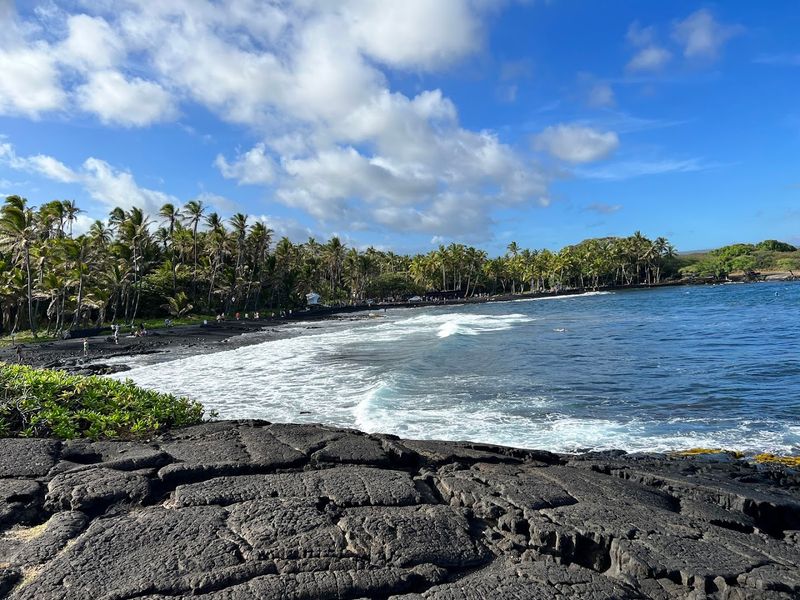
Punaluʻu Black Sand Beach looks like someone accidentally spilled a giant bag of ground pepper along the coastline, and it is absolutely stunning. The jet-black sand comes from lava that cooled rapidly when it hit the ocean, shattering into tiny glassy fragments over time.
The real stars of this beach are the Hawaiian green sea turtles, called honu, who haul themselves onto the sand to bask in the sun. Watching a 300-pound turtle sleep like it has zero responsibilities is honestly inspiring.
They are protected by federal law, so keep a respectful distance of at least six feet.
Swimming here is generally not recommended due to strong currents, but the beach is a perfect spot for photos, picnics, and turtle-watching. There are restrooms and covered picnic tables on site.
The beach sits along Highway 11 between Volcano and Na’alehu, making it an easy stop on a Big Island road trip.
Waipiʻo Valley Lookout
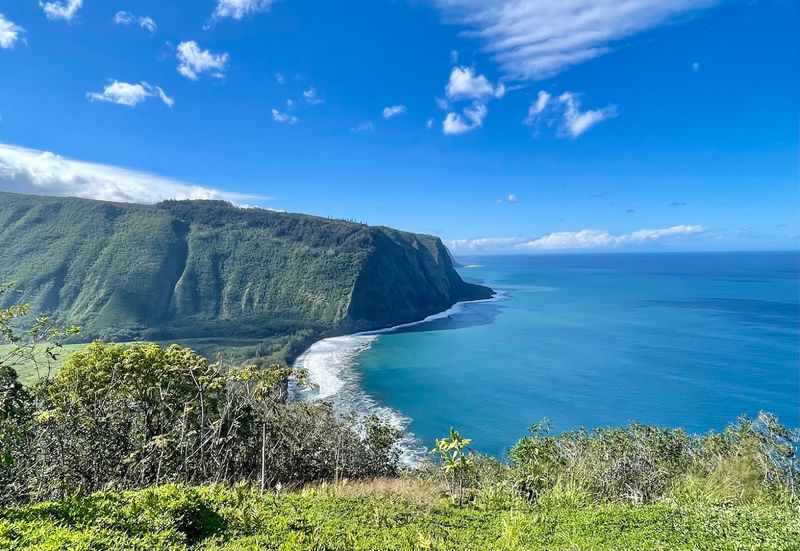
Standing at the Waipiʻo Valley Lookout for the first time genuinely stopped me mid-sentence. The valley stretches out below like something from a fantasy novel: towering green cliffs, a winding black sand beach, and a river cutting through the lush floor below.
Waipiʻo means curved water in Hawaiian, and this valley has been considered sacred for centuries. Ancient Hawaiian royalty used it as a retreat, and it was once home to thousands of people.
Today, only a small number of families live down in the valley.
The lookout itself is free and accessible from the town of Honokaa. The road down into the valley is extremely steep, averaging 25% grade, and is restricted to four-wheel-drive vehicles only.
Tour operators offer guided wagon or horseback rides into the valley if you want to explore beyond the view. Most visitors are perfectly satisfied with the view from the top, which is genuinely spectacular.
Kona Coffee Farms
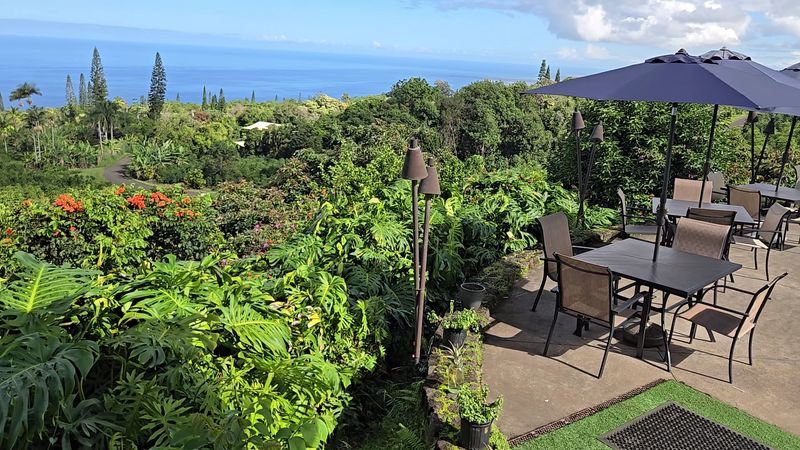
Kona coffee is not just a morning beverage; it is practically a local religion on the Big Island. Grown on the slopes of Mauna Loa and Hualalai in the Kona district, this coffee benefits from a unique microclimate of sunny mornings, cloudy afternoons, and rich volcanic soil.
Visiting a Kona coffee farm is a genuinely fun and surprisingly educational experience. Most farms offer free or low-cost tours where you can walk through the trees, learn how coffee cherries are processed, and sample fresh roasted cups straight from the source.
The difference between Kona coffee here and the grocery store version is remarkable.
Look for farms displaying the 100% Kona Coffee label, since many blends sold as Kona contain as little as 10% actual Kona beans. The Holualoa and Captain Cook areas have the highest concentration of farms.
Visit between November and April for the best chance of seeing ripe coffee cherries on the trees.
Rainbow Falls
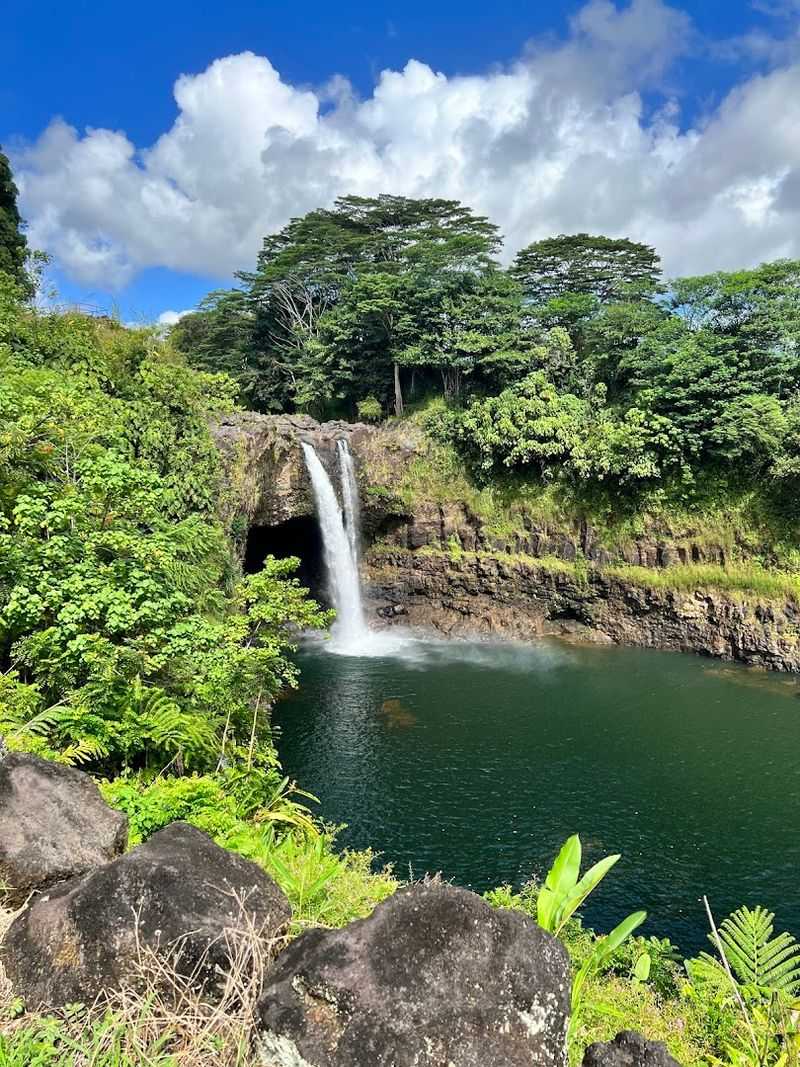
Rainbow Falls earns its name every single morning when sunlight hits the mist rising from the 80-foot cascade and throws a perfect arc of color across the air. Show up between 9 and 10 AM on a sunny day and you will see exactly why it is called what it is called.
Located just minutes from downtown Hilo, this waterfall is one of the easiest bucket-list checks on the entire island. A short paved path leads from the parking area to the main viewing platform, making it accessible for nearly everyone.
You can also climb a nearby staircase to reach the top of the falls for a different perspective.
Admission is free, which makes it even better. The surrounding park has benches, restrooms, and plenty of shade from enormous banyan trees.
According to Hawaiian legend, the cave behind the falls was once home to Hina, the mother of the demigod Maui. That story alone makes the visit more interesting.
Hapuna Beach State Recreation Area
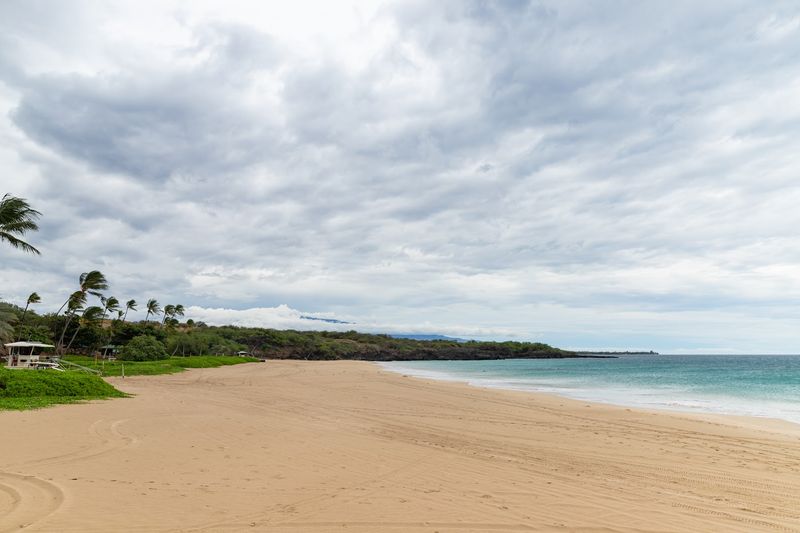
Hapuna Beach has been ranked among the best beaches in the United States so many times that it has basically stopped being surprised by the compliments. Half a mile of white sand, calm turquoise water, and reliable sunshine make this the kind of beach that ruins all other beaches for you.
The waves here are gentle enough for casual swimming in summer but can get feisty in winter, making it popular with bodyboarders and boogie boarders during the rougher months. Snorkeling near the rocky points at either end of the beach rewards patience with some decent fish sightings.
Parking costs $10 per vehicle, and the lot fills up fast on weekends, so arriving before 9 AM is a smart move. On-site facilities include restrooms, showers, picnic areas, and a snack bar.
Bring your own shade since the beach has very few trees. Sunscreen here is not optional; it is survival gear.
Holei Sea Arch
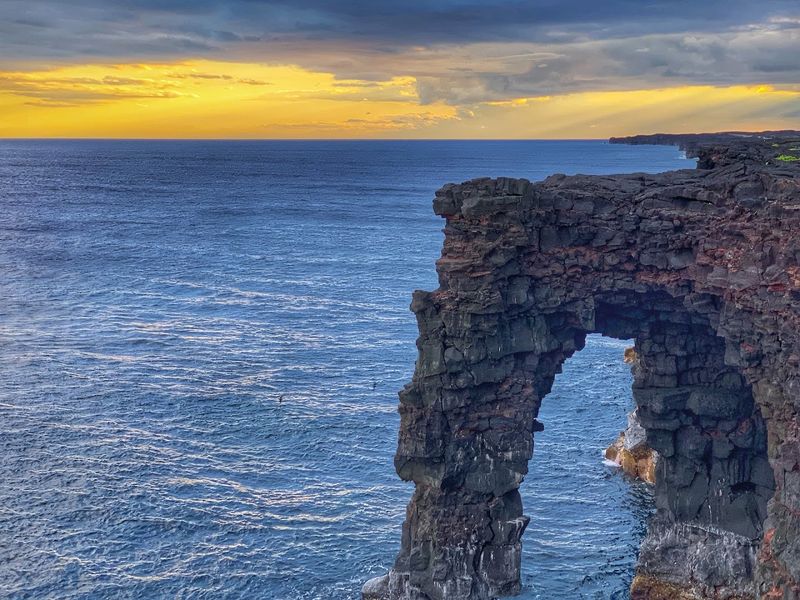
The Holei Sea Arch is one of those geological accidents that looks too dramatic to be real. Waves have been hammering the lava coastline along the Chain of Craters Road for centuries, carving out this stunning natural arch that juts boldly over the Pacific Ocean.
Standing at the railing and watching the waves surge through and under the arch is genuinely thrilling. The arch is about 90 feet tall, and the ocean below churns and crashes with enough force to remind you who is actually in charge around here.
Do not cross the safety barriers; the lava edges can be unstable.
The viewpoint is located near the end of Chain of Craters Road, roughly 20 miles from the park entrance. No extra fee is required beyond your park admission.
Visit during high surf for the most dramatic wave action, but always check conditions first. Morning light hits the arch beautifully for photographers.
Kona Manta Ray Night Snorkel Site
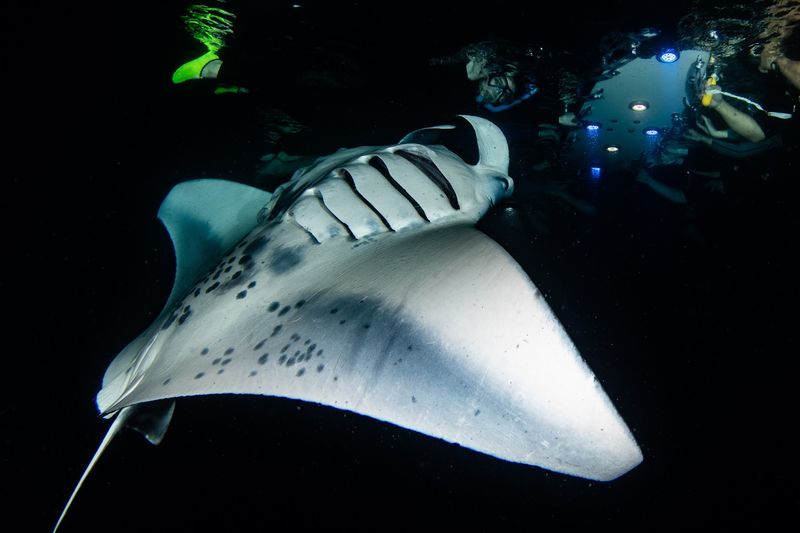
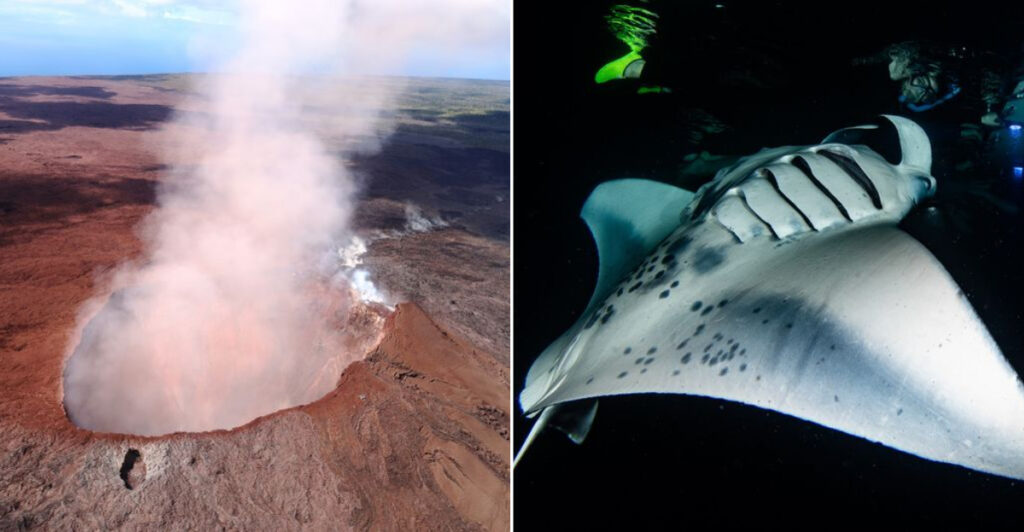
Giant manta rays have wingspans up to 18 feet, feed entirely on microscopic plankton, and have absolutely no interest in eating you. That last fact makes the Kona Manta Ray Night Snorkel one of the most thrilling and surprisingly peaceful wildlife encounters on the planet.
Tour operators run nightly trips from Kailua-Kona to a site near Garden Eel Cove, where underwater lights attract plankton, which in turn attracts mantas. You float on the surface holding a board with a light while the rays spiral and barrel-roll beneath you in the dark water.
It is genuinely magical and a little bit mind-bending.
Tours typically last two to three hours and cost between $80 and $130 per person. No prior diving experience is needed since snorkeling is the standard option.
Book at least a few days in advance during peak travel months. Manta sightings are not guaranteed, but the success rate at this site runs well above 80%.
Chain of Craters Road
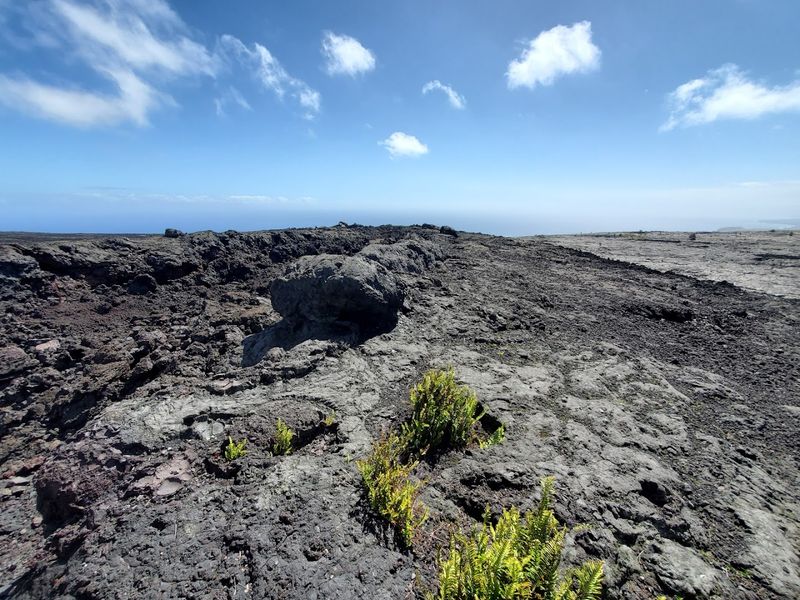
Chain of Craters Road is a 19-mile stretch of highway that winds through Hawaiʻi Volcanoes National Park and ends abruptly where lava flows buried the road and kept right on going into the sea. The road itself is a destination, not just a way to get somewhere.
Along the route, you will pass a series of pit craters, ancient petroglyphs carved into lava rock, and vast fields of hardened black lava stretching in every direction. The Pu’u Loa Petroglyph Trail is a short detour worth taking; it leads to one of the largest petroglyph fields in Hawaii.
The road ends at the coast near the Holei Sea Arch, giving you a dramatic ocean finale after miles of volcanic scenery. Sunrise and sunset drives along this road are particularly stunning, with the light turning the black lava into shades of purple and gold.
Fill up your gas tank before entering the park since there are no stations inside.
Share this story