 Unearth The Voyage
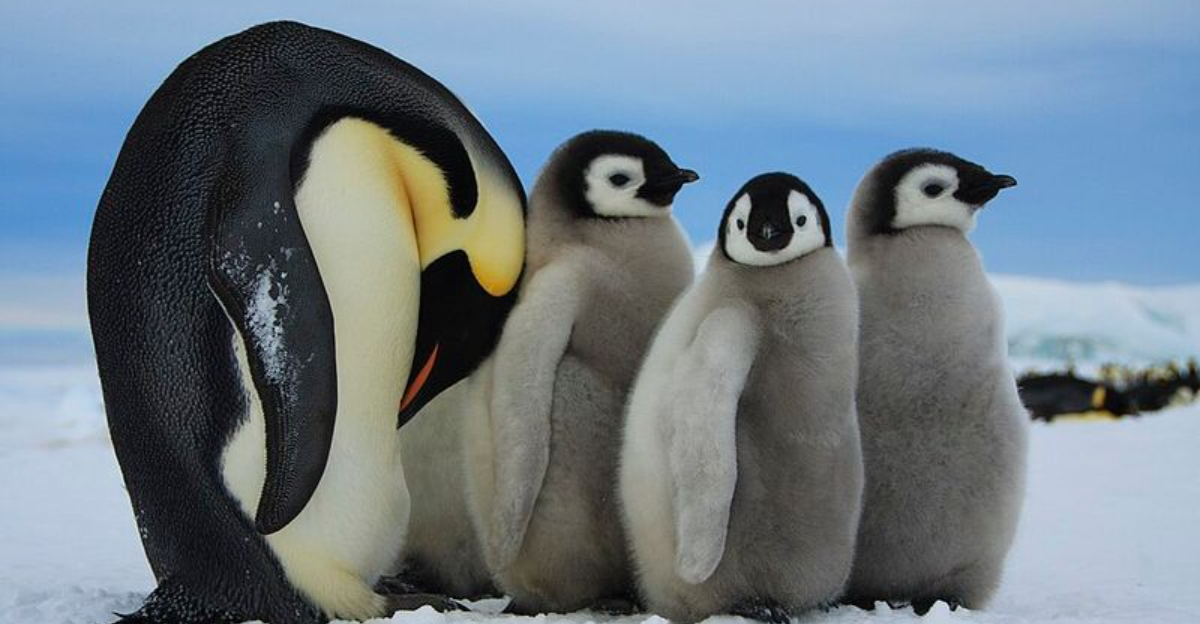
Watching wildlife in their natural homes is one of the most amazing experiences you can have on this planet. But not all animal tours are created equal, and some can actually harm the creatures we love.
The good news is that there are incredible places around the world where you can see stunning animals while knowing your visit helps protect them and their habitats.
1. Mountain gorilla trekking in Rwanda (Volcanoes National Park)
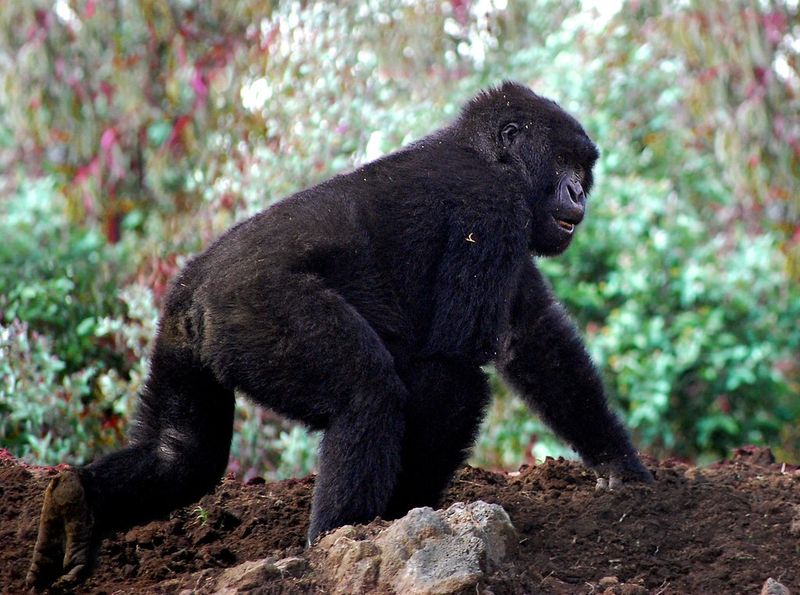
Volcanoes National Park offers one of the rarest wildlife encounters on Earth. Your expensive permit does more than grant you access.
It funds rangers who risk their lives protecting gorillas from poachers and habitat loss.
Only eight people visit each gorilla family per day, and you get just one hour with them. Strict rules keep everyone at least seven meters away, and if you are sick, you cannot go.
These measures protect gorillas from human diseases while letting them live undisturbed lives in the misty mountains they call home.
2. Mountain gorilla trekking in Uganda (Bwindi Impenetrable or Mgahinga)
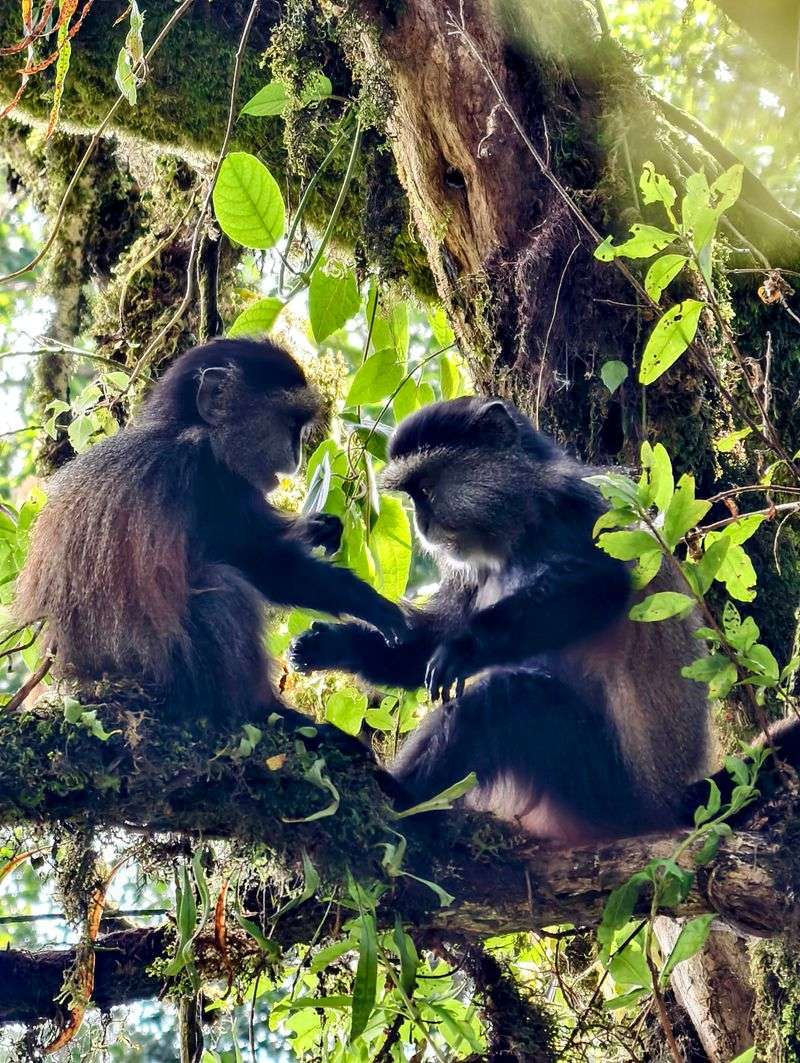
Uganda gives you two stunning locations to meet mountain gorillas in the wild. Bwindi Impenetrable National Park is home to roughly half the world’s remaining mountain gorillas.
Mgahinga offers dramatic volcanic scenery along with the apes.
Permit fees here are lower than Rwanda but still substantial, directly supporting conservation work. The same careful protocols apply: small groups, limited time, mandatory distance, and health checks.
Local communities benefit from tourism revenue, giving them powerful reasons to protect gorillas rather than clear forest for farmland.
3. Swimming with whale sharks at Ningaloo Reef, Western Australia (licensed tours)
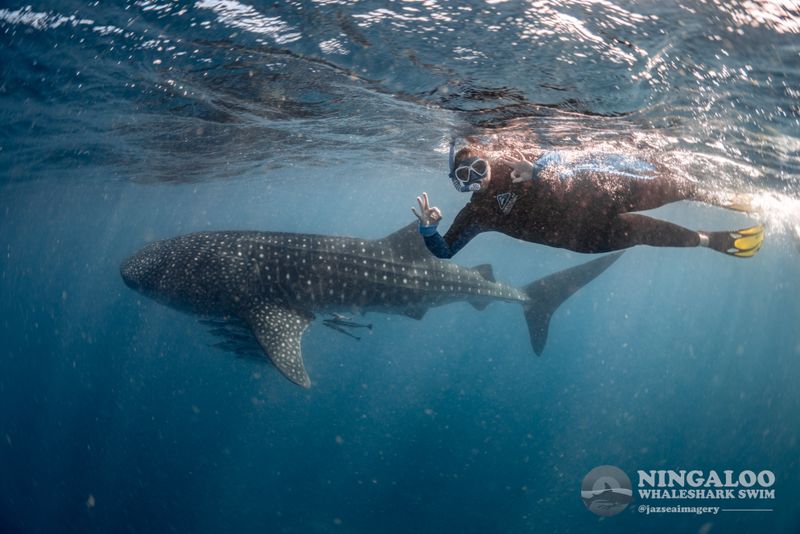
Every autumn, the world’s largest fish gather at Ningaloo Reef to feast on coral spawn. Licensed operators follow strict codes that protect these gentle giants.
Boats must keep specific distances, and only a limited number of swimmers can be in the water at once.
You cannot touch the whale sharks, and guides position you ahead of the animals so they swim past you naturally. Western Australia’s management system is considered a global model for how to let people experience wildlife without stressing or harming the animals involved.
4. Watching the Bracken Cave bat flight in Texas (Bracken Cave Preserve)
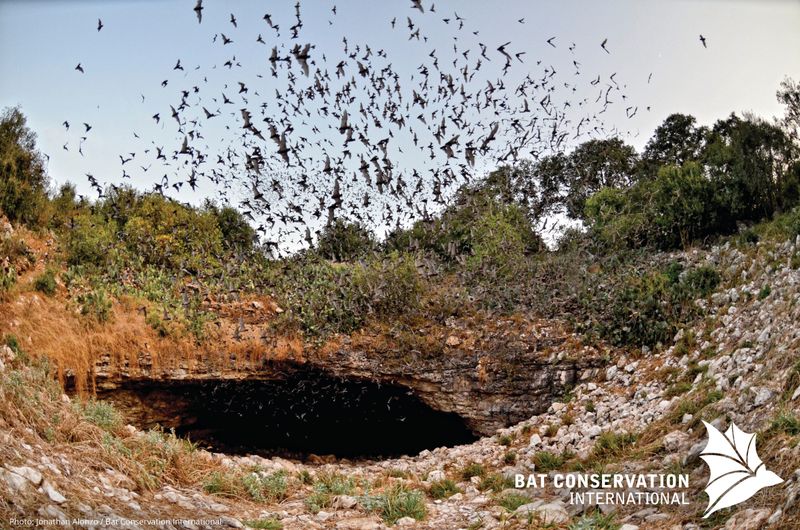
Picture twenty million Mexican free-tailed bats spiraling into the Texas sky at dusk. Bracken Cave hosts the largest bat colony on the planet.
Bat Conservation International manages the site, and visits require advance reservations to prevent overcrowding.
Your ticket price directly supports bat research and habitat protection. Viewing areas keep people at a respectful distance while the bats perform their nightly exodus to hunt insects.
This controlled access means the colony can thrive while giving lucky visitors an unforgettable natural spectacle that looks like a living tornado.
5. Monarch butterflies overwintering in Mexico (Monarch Butterfly Biosphere Reserve)
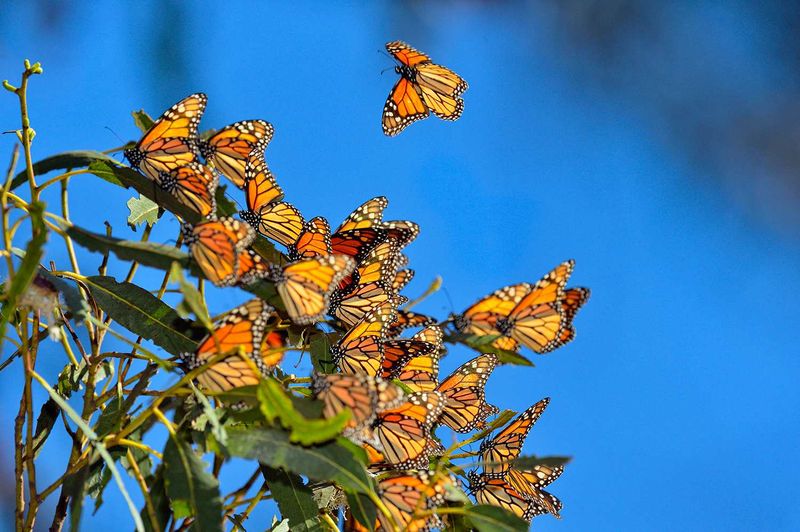
Millions of monarch butterflies cluster so densely on oyamel fir trees that branches bend under their collective weight. This UNESCO World Heritage Site protects the forests where monarchs from across North America gather each winter.
Designated trails and viewing areas let you witness this miracle without trampling fragile habitat. Local guides share knowledge about the butterflies’ incredible multi-generational migration.
Your visit supports communities that protect these forests year-round, creating economic alternatives to illegal logging that once threatened this phenomenon.
6. Polar bear viewing based out of Churchill, Manitoba (via licensed operators)
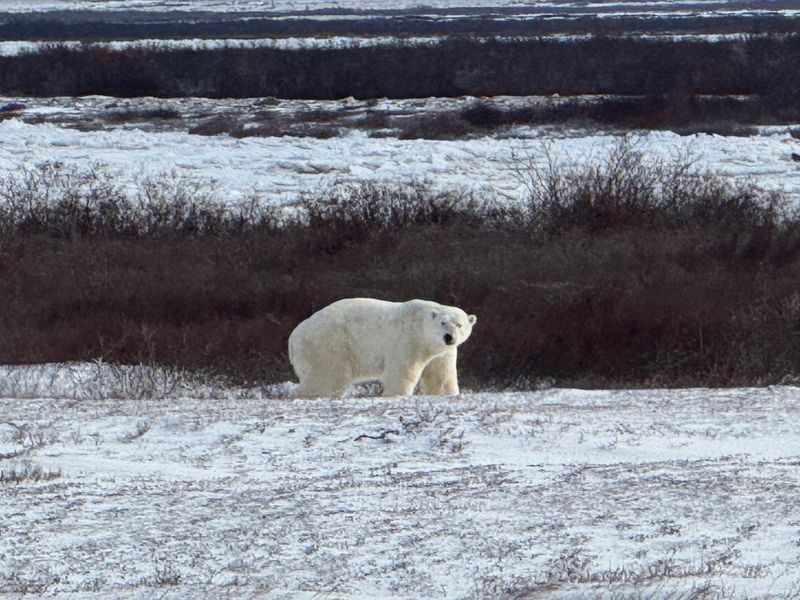
Churchill sits right on polar bear migration routes, earning its nickname as the polar bear capital of the world. Licensed operators use special tundra vehicles that keep you safely elevated while bears pass underneath, completely unbothered.
Wapusk National Park and surrounding protected areas enforce strict guidelines for tour companies. Bears are never baited or fed, and vehicles maintain proper distances.
Visiting during the natural migration window means you see bears doing what they would do anyway, heading to Hudson Bay to hunt seals on winter ice.
7. Brown bear viewing at Brooks Camp, Katmai National Park (Alaska)
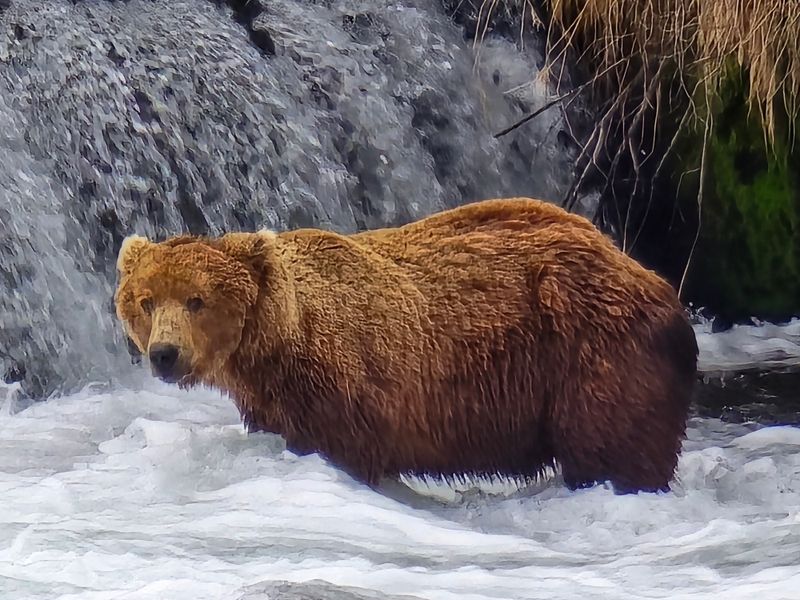
Brooks Falls is famous for bears catching salmon mid-leap, and Katmai has perfected bear-human coexistence. Every visitor receives a mandatory safety orientation before accessing viewing platforms.
Rangers monitor bear activity constantly and adjust access as needed.
Elevated platforms keep people out of bear space while providing incredible views. The bears are habituated to human presence but not dependent on people for food, which is the critical difference.
They remain wild, focused on salmon, teaching their cubs to fish just as they have for thousands of years.
8. Sea turtle nesting walks in Tortuguero (Costa Rica) through conservation programs
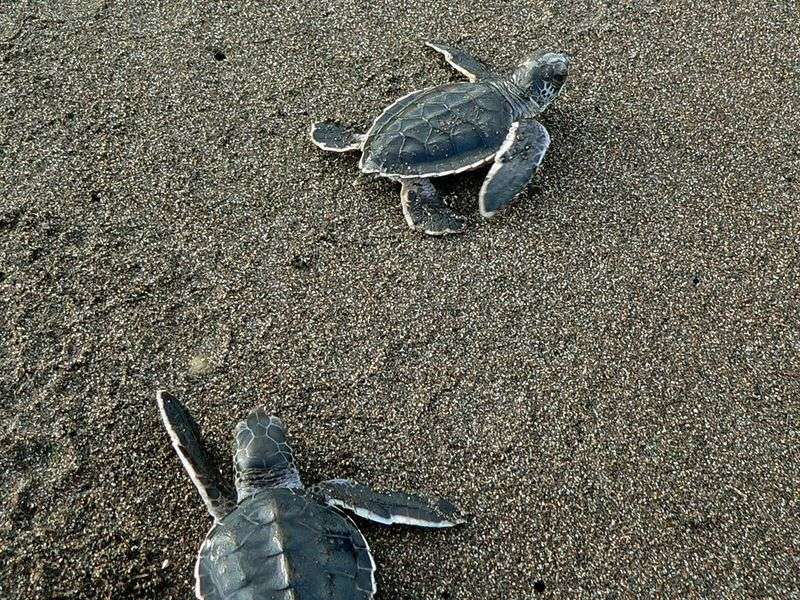
Tortuguero’s beaches host one of the most important green sea turtle nesting sites in the Western Hemisphere. Conservation organizations lead nighttime walks using red lights that do not disturb nesting mothers.
Group sizes are kept small, and touching turtles is absolutely prohibited.
Guides position you to observe without interfering with the ancient ritual of digging nests and laying eggs. Your tour fees fund patrols that protect nests from poachers and help scientists gather data.
Watching a turtle complete her nesting under starlight is humbling and beautiful.
9. Galápagos Islands wildlife viewing under National Park rules (with certified guides)
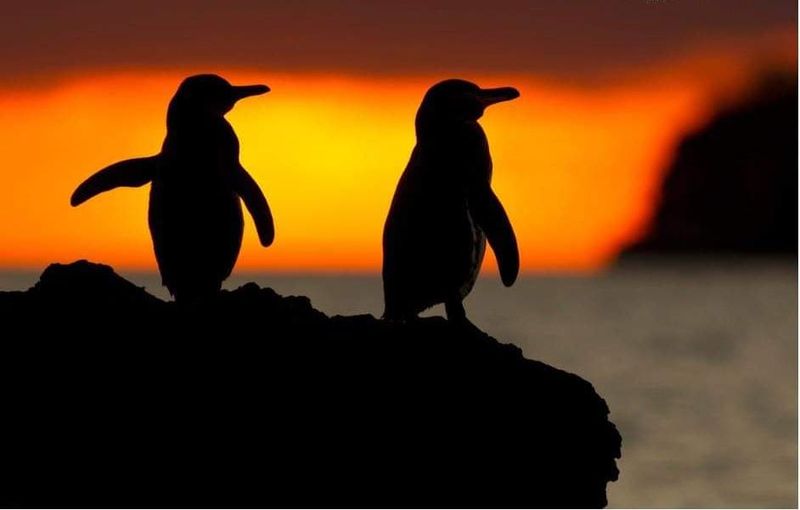
Animals in the Galápagos show almost no fear of humans, making responsible tourism absolutely critical. All visitors must travel with certified naturalist guides who enforce park rules.
You must stay on marked trails, keep two meters from wildlife, and never feed or touch animals.
These rules protect creatures that evolved without major predators and lack natural wariness. Sea lions, marine iguanas, and blue-footed boobies go about their lives while you watch from close but respectful distances.
Your park fees support ongoing conservation of this living laboratory of evolution.
10. Antarctica penguin encounters with IAATO-style wildlife distance rules
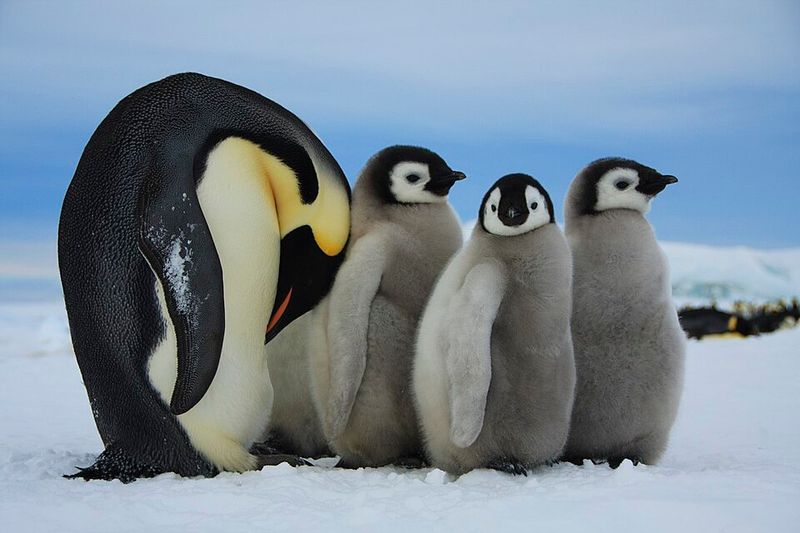
Antarctica has no native human population and no government, but tourism follows strict voluntary guidelines. The International Association of Antarctica Tour Operators promotes rules like staying at least five meters from penguins and other wildlife.
Visitors must never block animal pathways or separate parents from chicks.
Expedition staff carefully select landing sites and limit time ashore. If a curious penguin waddles up to you, you stay still and let it approach.
This framework keeps Antarctica pristine while allowing people to experience penguin colonies, seals, and whales in their icy realm.
11. Orangutan-focused river journeys in Tanjung Puting National Park (Indonesian Borneo)
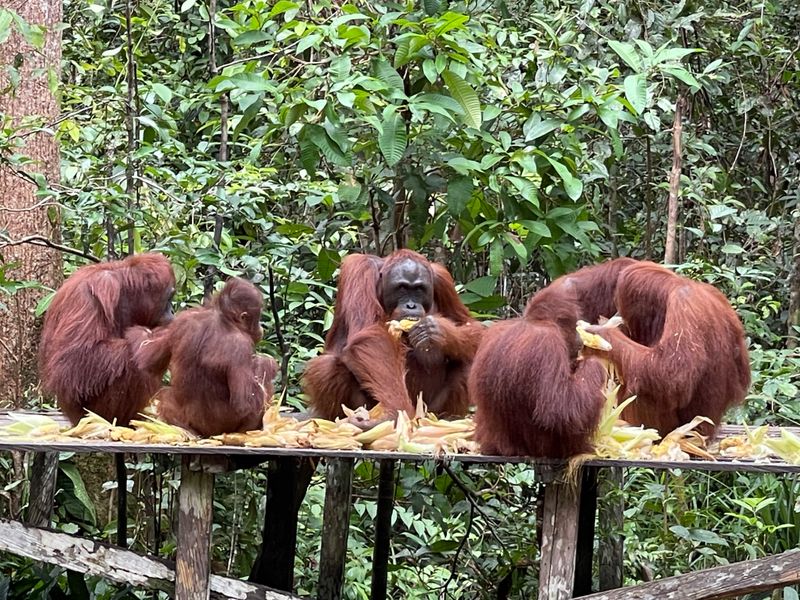
Traditional wooden houseboats called klotoks take you up rivers deep into orangutan habitat. Tanjung Puting protects one of the largest remaining wild orangutan populations.
Park rules emphasize no touching, no feeding, and maintaining distance from these critically endangered great apes.
You might spot mothers with babies swinging through the canopy or males displaying their impressive cheek pads. Some areas have rehabilitation centers where orphaned orangutans learn forest skills, but the goal is always returning them to the wild.
Your visit supports protection efforts against illegal logging and poaching.
12. Jaguar watching by boat in Brazil’s Pantanal (supporting research & conservation)
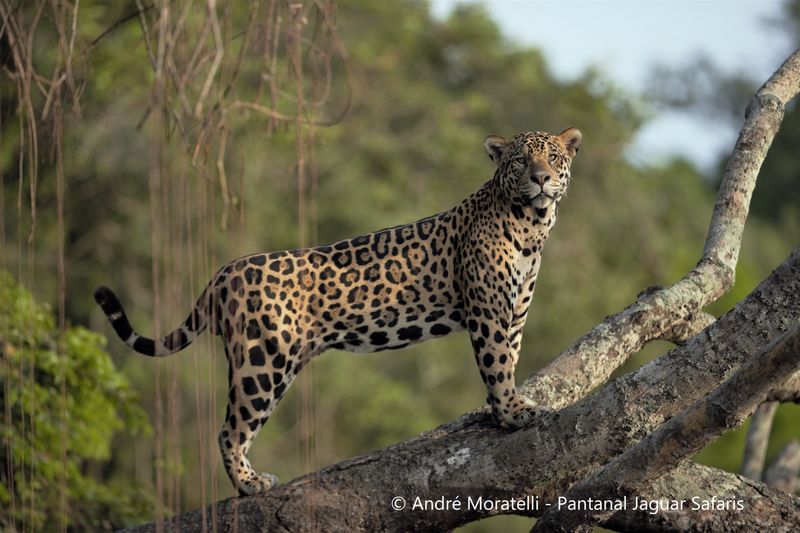
The Pantanal wetlands have become the best place on Earth to see wild jaguars. These powerful cats hunt along riverbanks, and boat-based viewing keeps humans safely separate.
Responsible operators work with conservation organizations conducting jaguar research, and your tour may contribute data through photo identification.
Boats maintain proper distances and never chase or corner animals. Jaguars here have learned that boats are not threats, so they often continue hunting or resting while you watch.
This tolerance benefits both species, giving jaguars economic value that protects them from ranchers.
13. Swimming (passively) with manatees in Crystal River, Florida under refuge rules
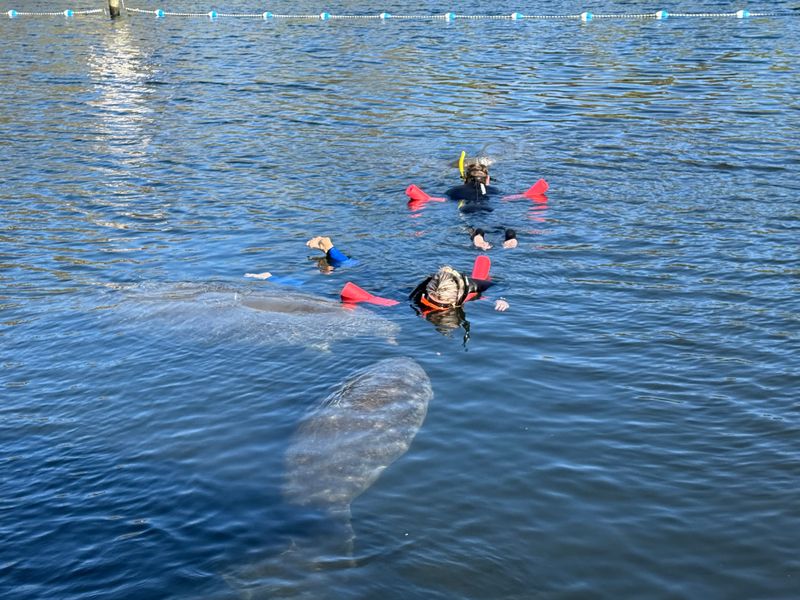
Crystal River hosts the only place in the United States where you can legally swim with wild manatees. Federal refuge rules are very specific: passive observation only, which means you cannot chase, touch, or initiate contact with these gentle marine mammals.
If a manatee approaches you, you may gently touch it with one open hand, but you cannot grab, poke, or ride it. Guides enforce these rules strictly.
During winter, hundreds of manatees gather in the warm spring waters, and following the rules ensures they can rest undisturbed while still allowing magical close encounters.
14. Snow leopard tracking in Hemis National Park (Ladakh, India) via community-based stays
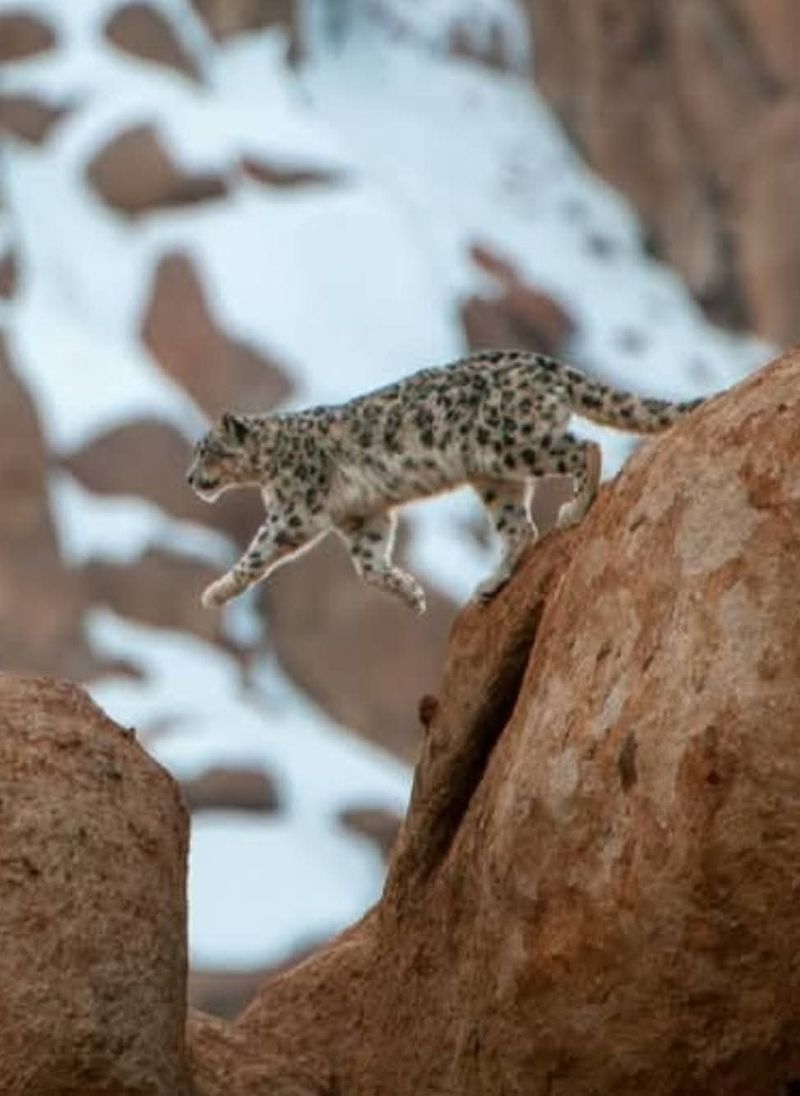
Snow leopards are famously elusive, and spotting one requires patience, luck, and expert local guides. Hemis National Park in the high Himalayas protects critical habitat for these endangered cats.
Community-based tourism programs give villagers income from travelers instead of from livestock that competes with leopard prey.
Responsible operators never use bait and maintain strict viewing distances when sightings occur. You spend days scanning rocky slopes with scopes, learning to read the landscape.
Even without seeing a leopard, you support conservation that helps predators and people coexist peacefully.
15. Wolf watching in Yellowstone at legally safe viewing distances
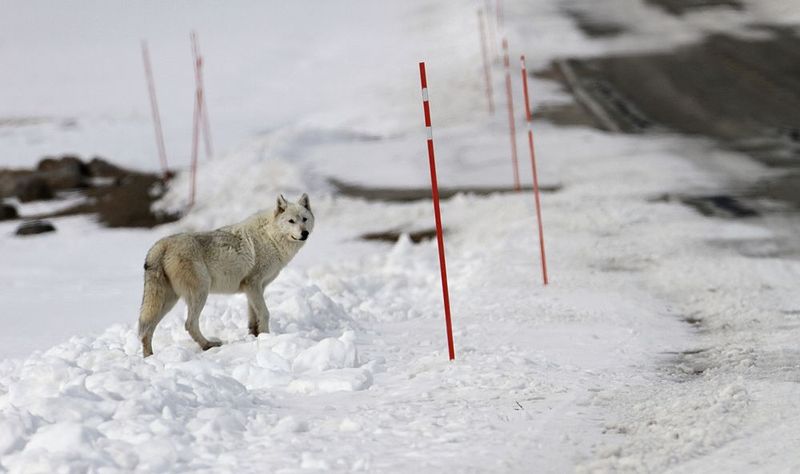
Yellowstone’s wolf reintroduction is one of conservation’s greatest success stories. Park rules require staying at least 100 yards from wolves and bears, and 25 yards from other animals.
These distances protect both wildlife and people from dangerous encounters.
Lamar Valley is famous for wolf sightings, and you will often find crowds with spotting scopes at dawn and dusk. Wolves hunt, play, and raise pups while visitors watch from roadside pullouts.
This proves that people can experience predators in wild settings without harming them, inspiring wolf conservation efforts worldwide.



