Not every great snorkeling trip requires a boat, a guide, or a complicated reservation. Some of the best coral reefs in the Caribbean are sitting just a short swim from the shoreline, waiting for anyone willing to put on a mask and wade in.
From the protected coves of Aruba to the geothermal wonders of Dominica, these beaches offer reef access that feels almost too easy to be real. Whether you are a seasoned snorkeler or someone trying it for the first time, this list covers 15 Caribbean beaches where the reef comes to you, no charter required.
Trunk Bay, St. John, U.S. Virgin Islands
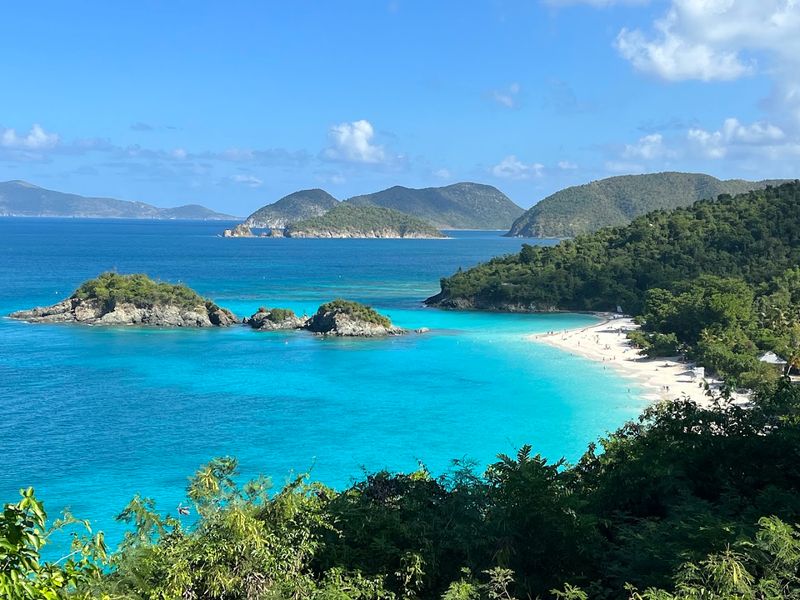
Few beaches in the Caribbean come with their own underwater classroom, but Trunk Bay does. Located inside Virgin Islands National Park, this beach features a marked underwater snorkeling trail managed by the National Park Service.
Visitors follow signs beneath the surface that identify reef animals and explain coral reef protection in plain, easy-to-read language.
The trail runs along a stretch of coral that sits close enough to shore to be reached with minimal swimming. You do not need advanced skills or special equipment to enjoy it.
Rental gear is available on site, which makes the experience accessible for first-timers and families traveling without their own snorkeling kits.
There is a small entry fee to access the beach since it sits within the national park. Getting there usually involves a ferry from St. Thomas or a drive across St. John.
Plan to arrive early because the beach draws crowds, especially during peak travel season.
Coki Point Beach, St. Thomas, U.S. Virgin Islands
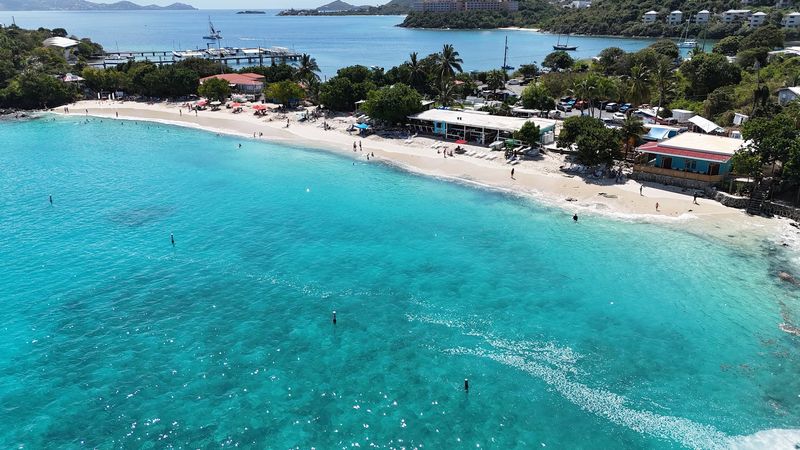
Coki Point is the kind of beach that keeps things lively without making snorkeling feel like a chore. Located on the eastern end of St. Thomas, the beach sits right next to Coral World Ocean Park, and the reefs just offshore are consistently promoted by Visit USVI as some of the most accessible on the island.
The water near shore is shallow and clear, with reef fish appearing quickly once you wade in. Rental equipment is easy to find nearby, and the beach has food vendors and facilities that make it comfortable for a full day out.
It is not a quiet, tucked-away cove, so expect some activity around you.
What sets Coki Point apart is the combination of solid reef access and full beach-day convenience. You can snorkel in the morning, grab something to eat, and head back out in the afternoon without ever leaving the beach area.
That kind of flexibility is genuinely useful.
Mangel Halto, Aruba
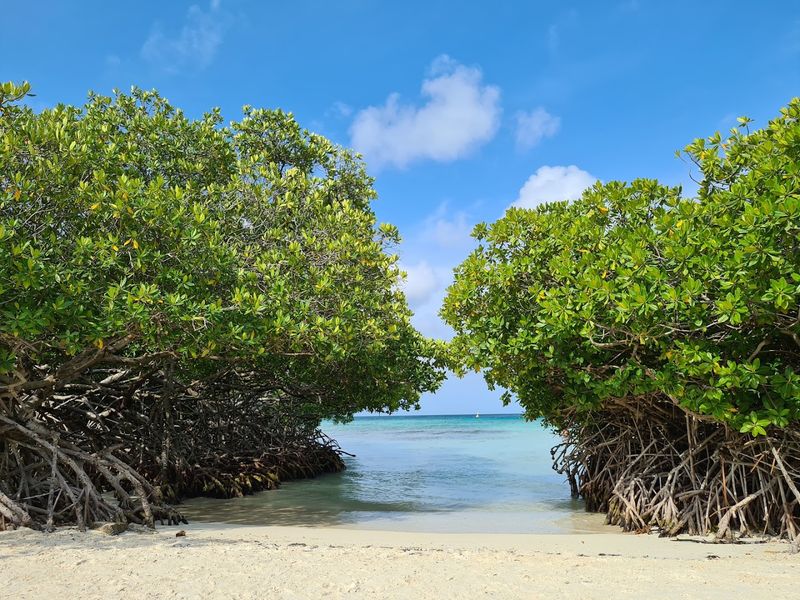
Mangel Halto sits on Aruba’s southern coast, sheltered by mangroves that keep the water calm even when the trade winds pick up elsewhere on the island. That natural protection makes it one of the more reliably clear shore-snorkeling spots on the island, which is saying something given how strong Aruba’s snorkeling reputation already is.
Aruba’s official tourism site highlights Mangel Halto as a top spot for snorkeling, kayaking, and paddleboarding, and the reef life visible from shore supports that description. Sea turtles, reef fish, and coral formations are commonly reported in the area.
The mangrove-lined entry adds a different visual texture compared to typical open-sand beaches.
Facilities at Mangel Halto are minimal, so bringing your own water and snacks is a smart move. Parking is available near the beach.
The spot tends to be quieter than Aruba’s more tourist-heavy beaches, which gives the water a calmer, less crowded feel during most visits.
Boca Catalina, Aruba
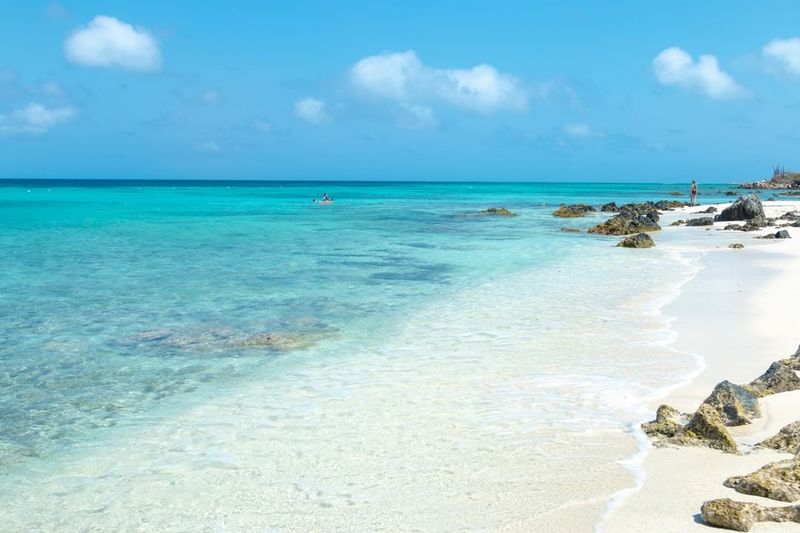
Boca Catalina is a small bay tucked into Aruba’s Malmok area, and its modest size is actually one of its biggest strengths. The calm, protected water makes it approachable for casual snorkelers who want reef access without dealing with strong currents or heavy surf.
Aruba.com lists it among the island’s best shore snorkeling beaches, and the conditions there tend to back that up.
The reef starts close to the waterline, so you do not have to swim far before fish and coral start appearing. The bay’s rocky edges and sandy bottom create varied habitat, which supports a solid mix of marine life.
It is not a large beach, so space fills up on busier days.
Parking is available near the beach, and no boat or guide is needed to enjoy the snorkeling here. Bringing your own gear is recommended since there are no rental facilities directly on site.
The Malmok area has other snorkeling spots nearby, making Boca Catalina a good anchor stop for a full morning on the water.
1000 Steps Beach, Bonaire
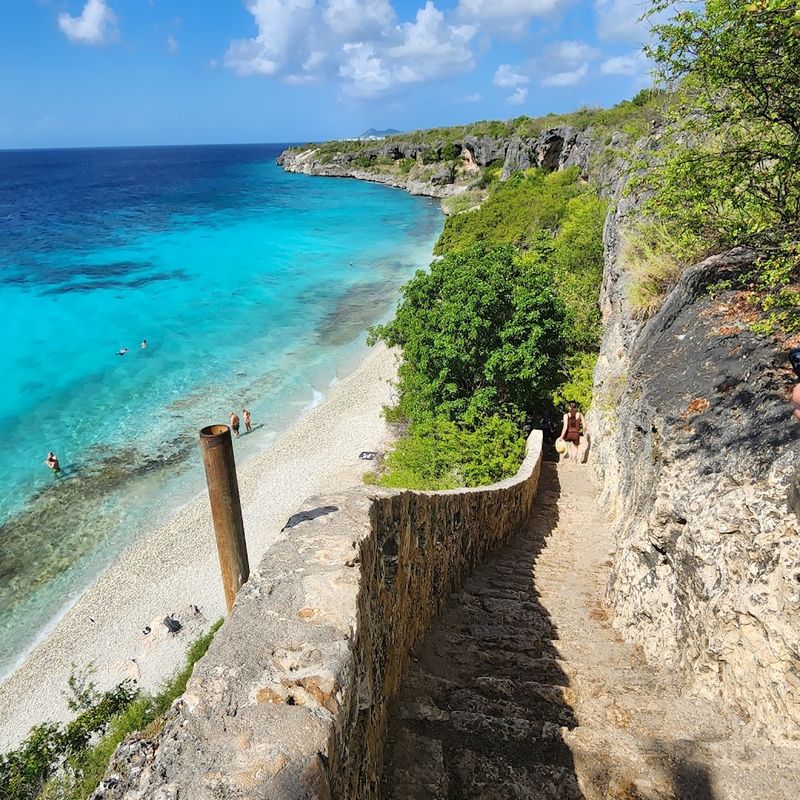
The name sounds intimidating, but the actual staircase leading down to this Bonaire beach has far fewer than a thousand steps. The nickname stuck anyway, and the reef waiting at the bottom makes the short climb worthwhile.
Bonaire’s tourism site describes 1000 Steps as a snorkeling site with clear water, healthy corals, and sea turtles visible in the area.
Bonaire has built its entire marine tourism identity around shore-accessible reefs, and 1000 Steps is one of the most recognizable examples. The Bonaire National Marine Park protects the surrounding waters, which contributes to the reef health visitors consistently encounter here.
Coral coverage and water clarity are both strong at this site.
The beach itself is rocky rather than sandy, so water shoes are worth packing. There are no vendors or rental shops on site, so arriving prepared with your own gear, water, and snacks is important.
The payoff is a reef experience that requires nothing more than your own effort to reach.
Playa Lagun, Curaçao
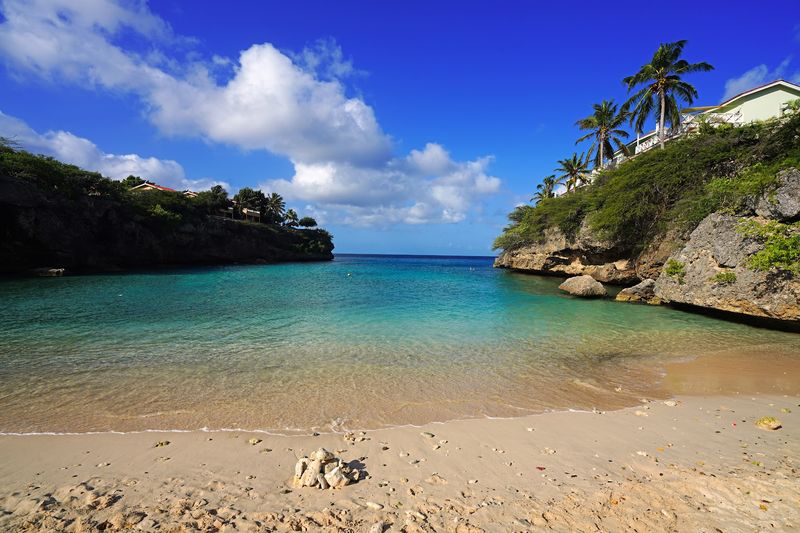
Playa Lagun is one of those beaches where the geography does most of the work. The narrow cove is flanked by rocky cliffs that funnel calm water into a channel, creating a natural snorkeling corridor that shelters reef life from open-water conditions.
Curaçao’s official tourism page promotes it as a favorite among both divers and snorkelers.
The reef near the end of the channel features coral formations and large sponges at the drop-off, which is a notable detail for snorkelers who want to see something beyond just sandy bottom and scattered fish. Sea turtles are also commonly spotted in the area, adding to the appeal for visitors who want a chance at wildlife encounters.
The beach is small, and parking can be tight during peak hours. A few local vendors operate near the entrance, offering basic snacks and rental gear.
Arriving earlier in the day gives you better water clarity and a less crowded experience in the cove before afternoon visitors arrive.
Smith’s Reef, Providenciales, Turks and Caicos
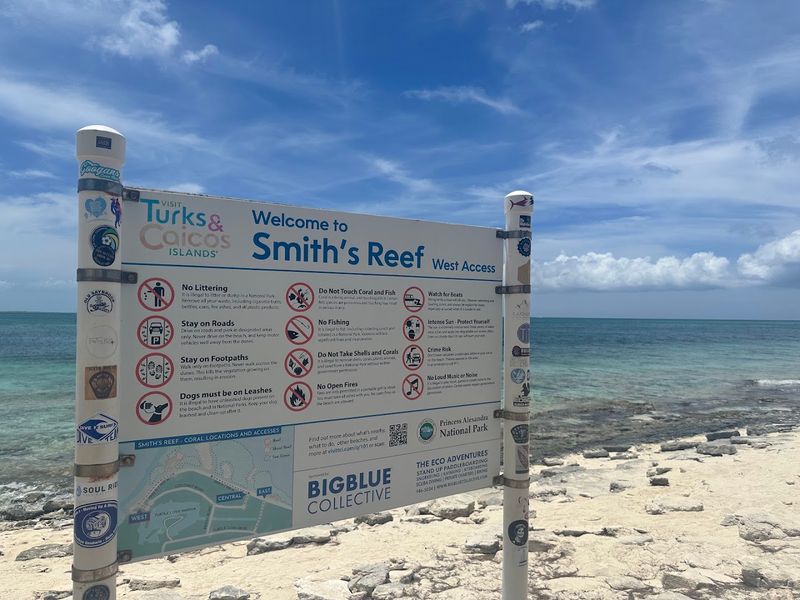
Smith’s Reef earns its reputation by delivering genuine reef variety without requiring a boat. Visit Turks and Caicos describes it as several reef systems and coral heads off central Providenciales, with outer reefs that rank among the best easily accessible beach snorkeling on the island.
That is a meaningful description in a destination known for world-class underwater scenery.
The reef starts close to the beach access point and extends outward in sections, which means snorkelers of different comfort levels can all find a suitable area. Beginners can stay near the shallower coral heads, while more confident swimmers can push toward the outer reef systems for deeper views and more fish activity.
There are no major facilities directly at Smith’s Reef, so planning ahead matters. The location sits near enough to Grace Bay’s main hotel strip that most visitors can reach it easily without renting a car.
Snorkeling conditions tend to be best in the morning before afternoon wind picks up on the north coast.
The Bight Reef, Providenciales, Turks and Caicos
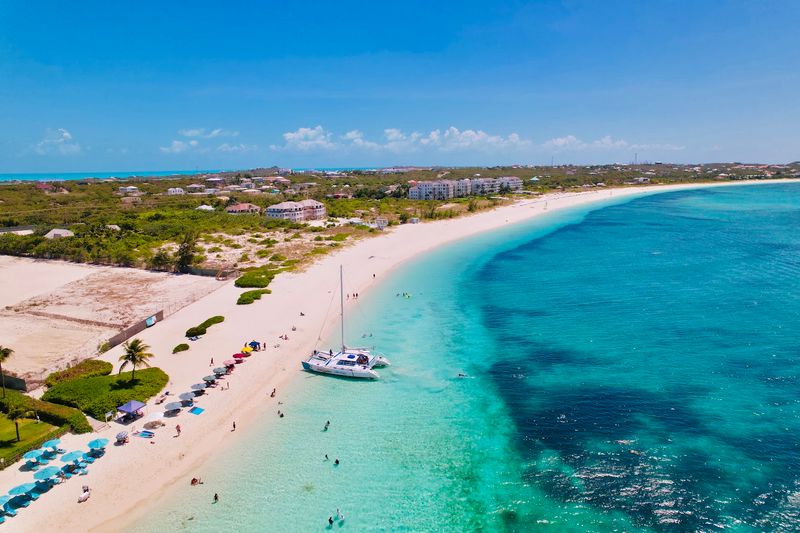
Also called Coral Gardens, The Bight Reef sits along the central north coast of Providenciales and benefits from its position near Grace Bay, one of the most celebrated stretches of beach in the Caribbean. Visit Turks and Caicos highlights its central location and notes that hotels and restaurants sit close to both the beach and the reef, making logistics simple for most visitors.
The coral formations at The Bight Reef are dense enough to support a wide variety of reef fish, and the shallow water makes it easy to observe them without diving deep. The name Coral Gardens gives a sense of what the reef actually looks like when conditions are clear, which they frequently are along this stretch of coast.
Because of its proximity to Grace Bay’s busy hotel corridor, the reef can see moderate snorkeler traffic during high season. Going out early in the morning tends to offer calmer water and fewer people sharing the reef.
No boat is needed, and entry is directly from the beach.
Smith Barcadere, Grand Cayman, Cayman Islands
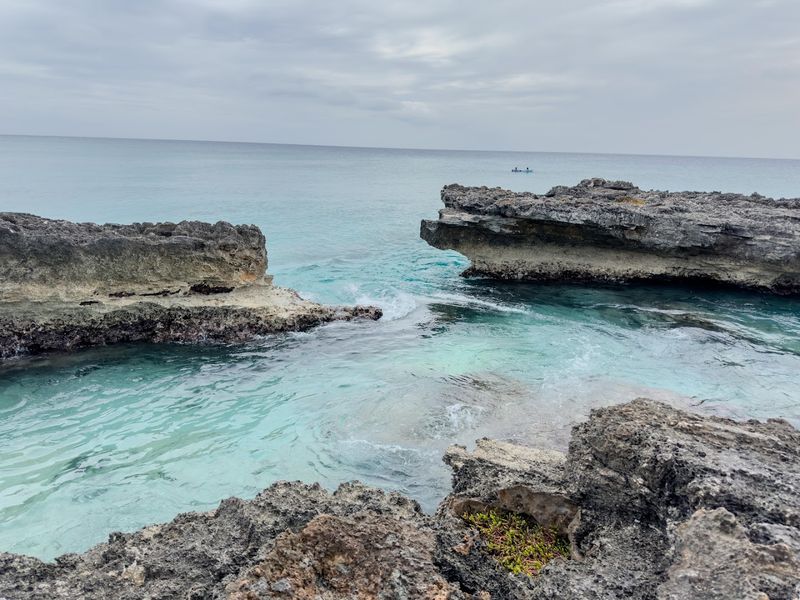
Smith Barcadere, more commonly called Smith Cove, is one of those Grand Cayman spots that locals and informed visitors tend to appreciate more than first-time tourists who head straight to Seven Mile Beach. The Cayman Islands Department of Tourism describes the snorkeling here as phenomenal, and the amenities back up the idea that this is a well-maintained public beach worth visiting.
Public restrooms, picnic benches, and outdoor showers are all available on site, which puts it ahead of many comparable Caribbean reef beaches in terms of practical comfort. The reef sits close to shore, making it accessible for swimmers who do not want to venture far from the beach.
The cove’s sheltered shape helps keep the water calm, which is useful when trade winds are active elsewhere on the island. Grand Cayman has no shortage of snorkeling options, but Smith Barcadere stands out for combining reef quality with public access and real facilities in a single stop.
Anse Chastanet, Soufrière, Saint Lucia
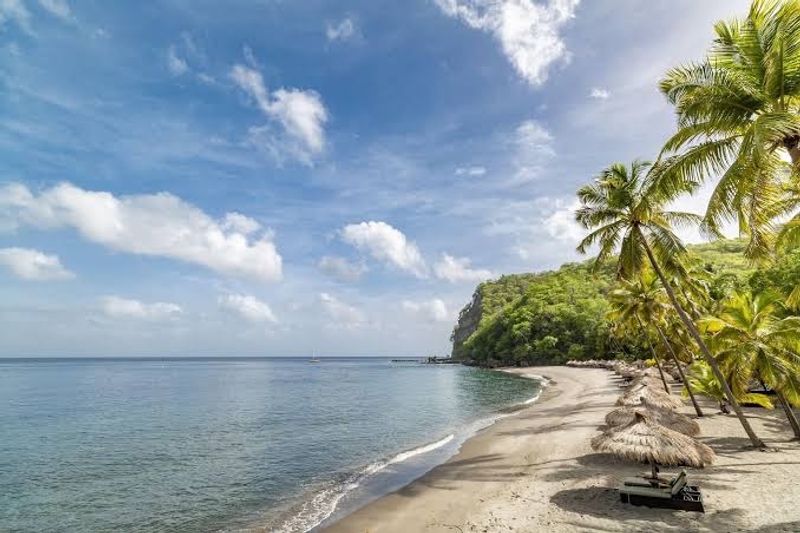
Anse Chastanet sits in one of the most visually striking settings on this entire list. The volcanic sand beach is framed by dense jungle hillsides and sits within view of the Piton mountains, which are among the most recognized landmarks in the entire Caribbean.
The Saint Lucia Tourism Authority describes the beach as having calm waters and vibrant coral reefs just steps from shore.
The resort that shares the beach’s name operates water sports facilities that include snorkeling equipment, and the reef can be accessed directly from the beach without taking a boat. That combination of dramatic scenery and accessible reef life makes Anse Chastanet a strong candidate for the most visually memorable entry on this list.
Getting to Soufrière requires either a drive through Saint Lucia’s interior or a water taxi from Castries, but most visitors find the journey worthwhile. The beach is not a budget destination since the resort anchors the area, but day visitors can access the beach and reef with some planning.
Steps Beach, Rincón, Puerto Rico
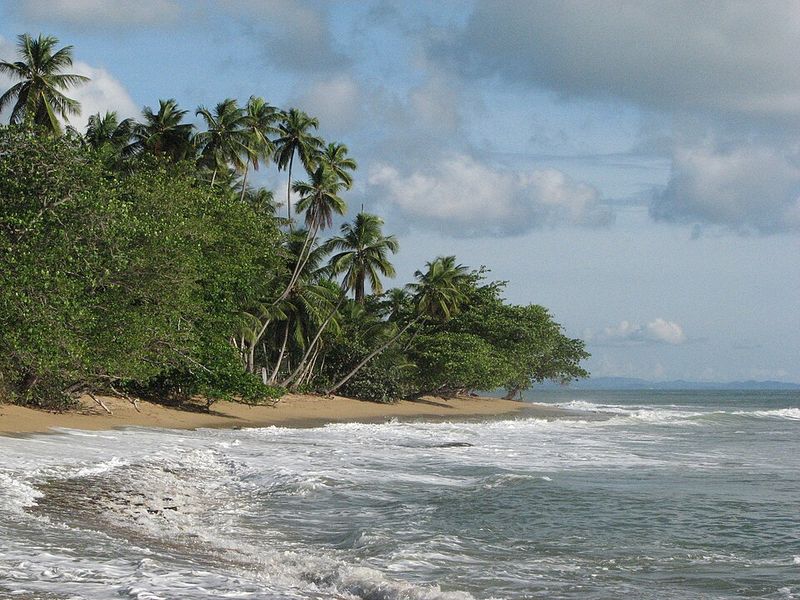
Steps Beach sits within the Tres Palmas Marine Reserve in Rincón, a protected area established specifically to preserve marine biodiversity and the elkhorn coral that grows in its waters. Elkhorn coral is a threatened species, and seeing it in a protected marine reserve adds a layer of ecological significance that most beach visits simply do not offer.
Discover Puerto Rico identifies Steps Beach as a popular spot for both surfing and snorkeling within the reserve, which reflects how the beach draws different types of ocean users depending on the season and conditions. When waves are calm, the snorkeling near the reef is the main draw.
When surf is up, the same reef creates the breaks that attract wave riders.
The beach is reachable by car from Rincón’s town center, and parking is available nearby. No entry fee is required to access the beach.
Snorkeling gear is not available on site, so arriving with your own equipment is necessary to make the most of the reef access the reserve provides.
Tamarindo Beach, Culebra, Puerto Rico
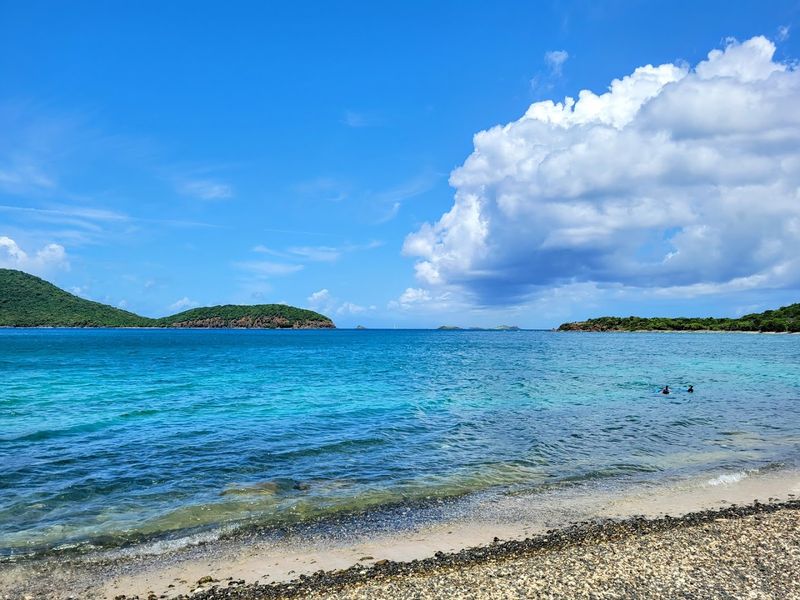
Culebra is a small island off Puerto Rico’s eastern coast, and Tamarindo Beach is one of its calmer, more reef-protected shores. Travel guides for Culebra describe Tamarindo as sheltered by a fringing reef that keeps the water inside the bay generally clear and gentle, which makes it a practical option for snorkelers who prefer a less demanding entry point.
Sea turtles are a well-documented part of the Tamarindo experience. The beach is known as a nesting area, and turtles are frequently spotted in the water near the reef during appropriate seasons.
That alone makes it worth adding to a Culebra itinerary, especially for visitors who have not had a reliable turtle encounter elsewhere.
Getting to Culebra requires a ferry from Ceiba or a short flight, but the island’s overall pace and natural character make the trip feel worthwhile. Tamarindo sits a short drive or bike ride from Culebra’s main town of Dewey.
Bringing your own snorkeling gear is strongly recommended since rental options on the island are limited.
Folkestone Marine Park, Barbados
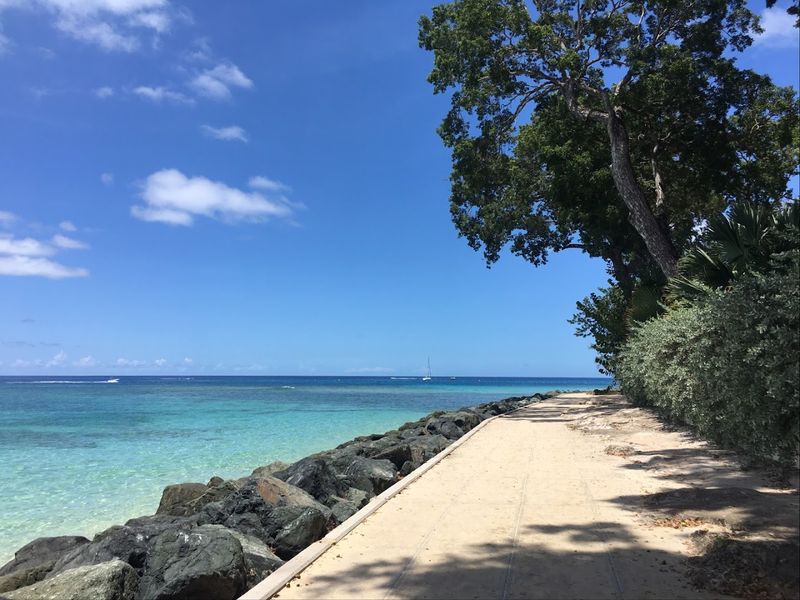
Barbados has a well-organized approach to marine conservation, and Folkestone Marine Park is the centerpiece of that effort. The park describes itself as the island’s premier protected marine reserve, offering snorkeling, conservation programming, and family-friendly marine experiences within a managed environment.
That level of structure makes it a reliable option rather than a hit-or-miss beach stop.
The park includes a marked snorkeling trail that guides visitors through the reef area, similar in concept to what Trunk Bay offers in the U.S. Virgin Islands.
An underwater sculpture park also sits within the reserve, adding a human-made element to the natural reef landscape that gives snorkelers something extra to look for during their swim.
Folkestone is located on Barbados’s west coast near the town of Holetown. Facilities at the park include a museum, changing rooms, and equipment rental, which covers most of what a visitor needs for a comfortable day.
Admission fees apply, and the park is managed by the Barbados Marine Trust.
Champagne Reef, Dominica
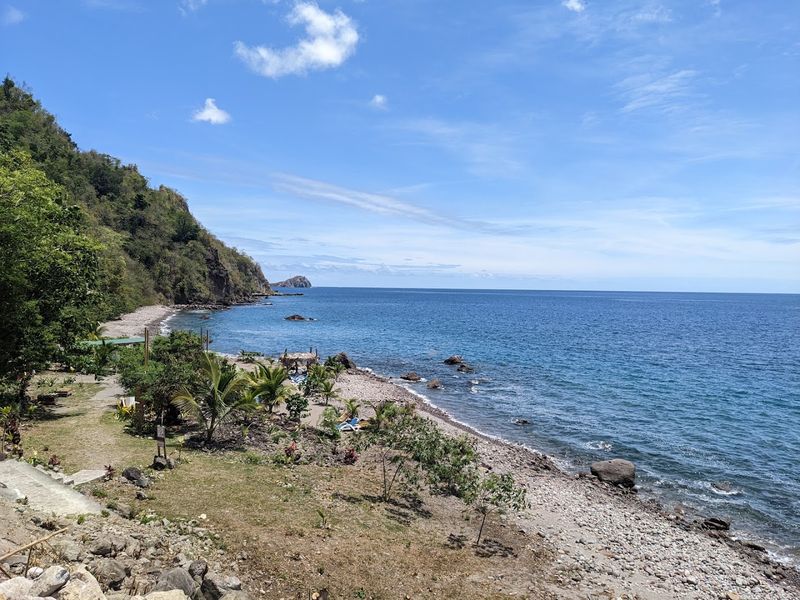
Champagne Reef earns its name from something genuinely unusual: geothermal activity beneath the seafloor pushes tiny bubbles up through the reef, creating a fizzing, carbonated effect around swimmers. It is one of the few places in the Caribbean where volcanic geology and marine life intersect in a way that is directly visible and swimmable from shore.
Dominica leans hard into its identity as the Nature Island of the Caribbean, and Champagne Reef fits that reputation well. Current snorkeling guides and tour operators continue to promote it as one of Dominica’s top snorkeling sites.
The reef itself supports coral and fish alongside the geothermal vents, so the experience is not just about the bubbles.
The beach area near Champagne Reef is not a traditional white-sand shore, but that does not diminish the snorkeling quality. A small entry fee is typically charged to access the site.
Water shoes are useful given the rocky entry. Dominica’s overall infrastructure is modest, so planning transportation in advance makes the visit go more smoothly.
Pirate’s Bay, Charlotteville, Tobago
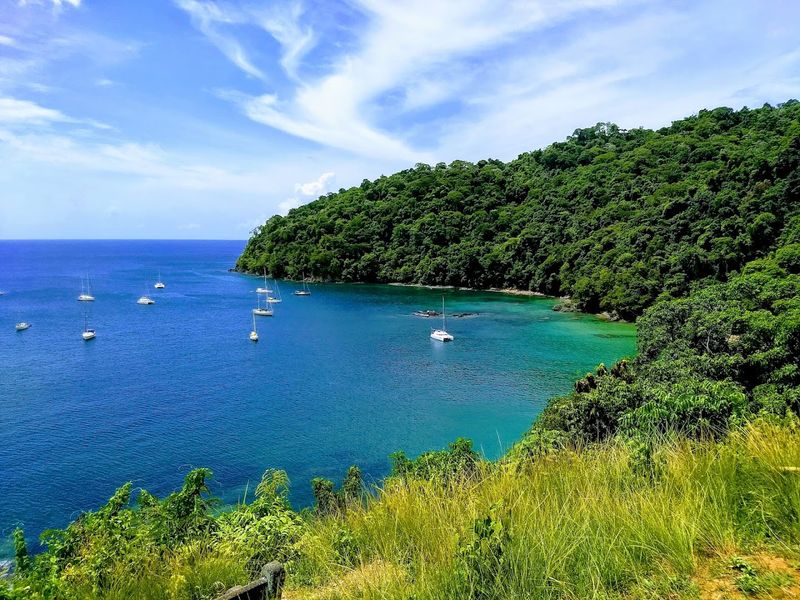
Pirate’s Bay sits near the fishing village of Charlotteville on Tobago’s northeastern tip, and its relative remoteness is part of what keeps it genuinely calm. Visit Tobago describes it as one of the island’s treasured beaches, suited for swimming and snorkeling in clear, sheltered water.
The bay’s quiet setting contrasts with the busier resort beaches elsewhere on the island.
What makes Pirate’s Bay especially interesting for this list is the reef eco snorkel trail operated by ERIC Tobago along the fringing reef between Charlotteville Jetty and the bay itself. That trail gives snorkelers a guided route through the reef system, adding structure and ecological context to the swim without requiring a boat.
Reaching Charlotteville involves a winding drive across Tobago’s interior or a water taxi from Scarborough, but the journey rewards visitors with a part of the island that still feels unhurried. The bay has limited facilities, so packing food, water, and your own snorkeling gear before leaving town is a practical step worth taking.
Share this story