 Unearth The Voyage
Hollywood has always had a complicated relationship with identity. For decades, many talented performers were pressured to hide or downplay where they came from just to get a foot in the door.
Some changed their names, altered their appearance, or stayed silent about their roots to avoid discrimination. Their stories reveal a side of the entertainment industry that is both eye-opening and worth understanding.
1. Rita Hayworth
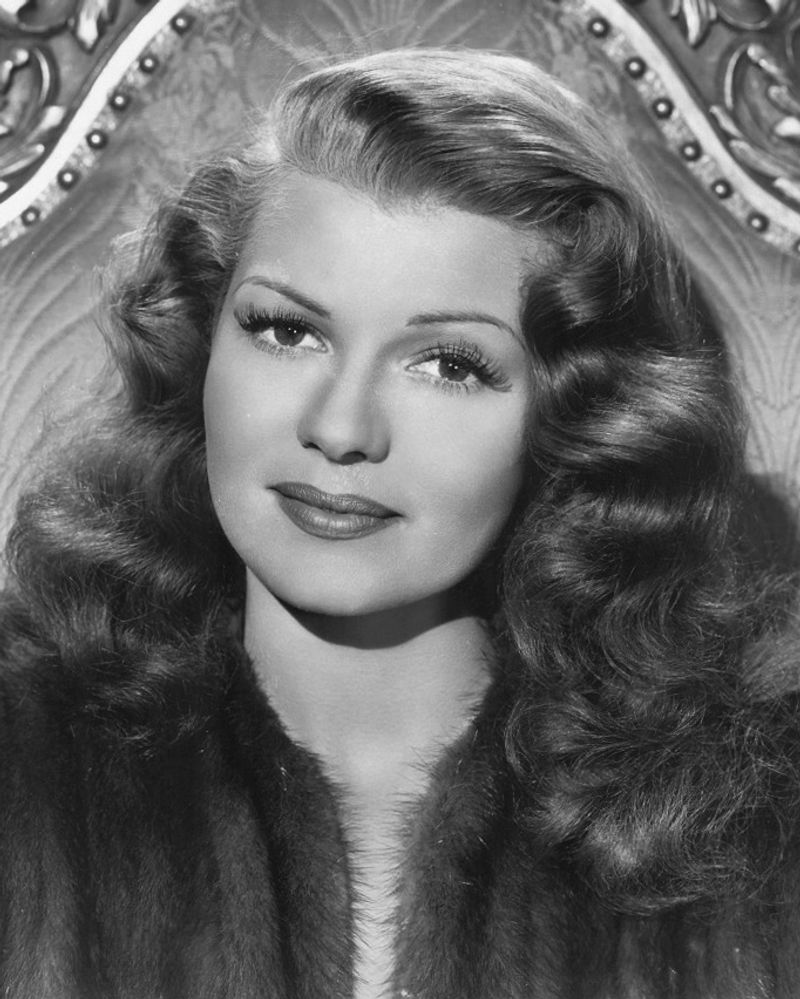
Before the world knew her as Rita Hayworth, she was Margarita Cansino, a young Spanish-American dancer performing in Tijuana clubs with her father. Her Mexican and Spanish roots were central to who she was, but Columbia Pictures had other plans.
Studio executives lightened her dark hair, raised her hairline through painful electrolysis, and gave her an Anglo-sounding name to make her more marketable to white American audiences.
The transformation worked commercially, but it came at a personal cost. Hayworth reportedly said that men fell in love with Rita, but woke up with Margarita.
She carried the weight of that erased identity throughout her life.
Her story is one of the most striking examples of how Hollywood systematically stripped Latino performers of their cultural identity in exchange for stardom. She became an icon, but never fully on her own terms.
2. Freddie Mercury
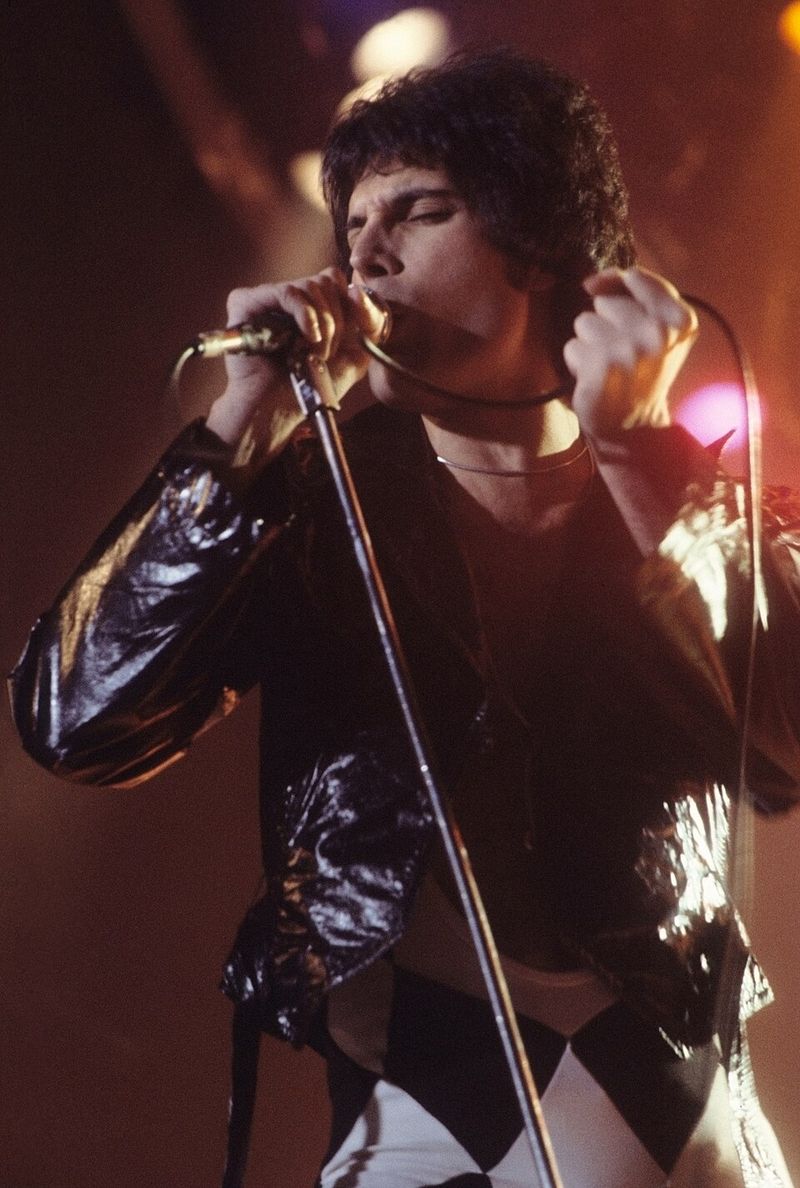
Freddie Mercury was one of the most electrifying performers in rock history, but few fans in his lifetime knew much about his true background. Born Farrokh Bulsara in Zanzibar to Parsi Indian parents, Mercury rarely discussed his heritage in interviews.
He was raised in India and attended boarding school there before his family eventually settled in England.
His silence on the subject was not accidental. The music industry of the 1970s and 1980s was not especially welcoming to South Asian artists in rock, and Mercury seemed to prefer letting his music speak louder than his biography.
He also kept his Zoroastrian faith largely private.
After his death in 1991, more details about his upbringing came to light, and many fans expressed genuine surprise. Today, his Parsi Indian heritage is celebrated as an important part of his remarkable and layered identity.
3. Kirk Douglas
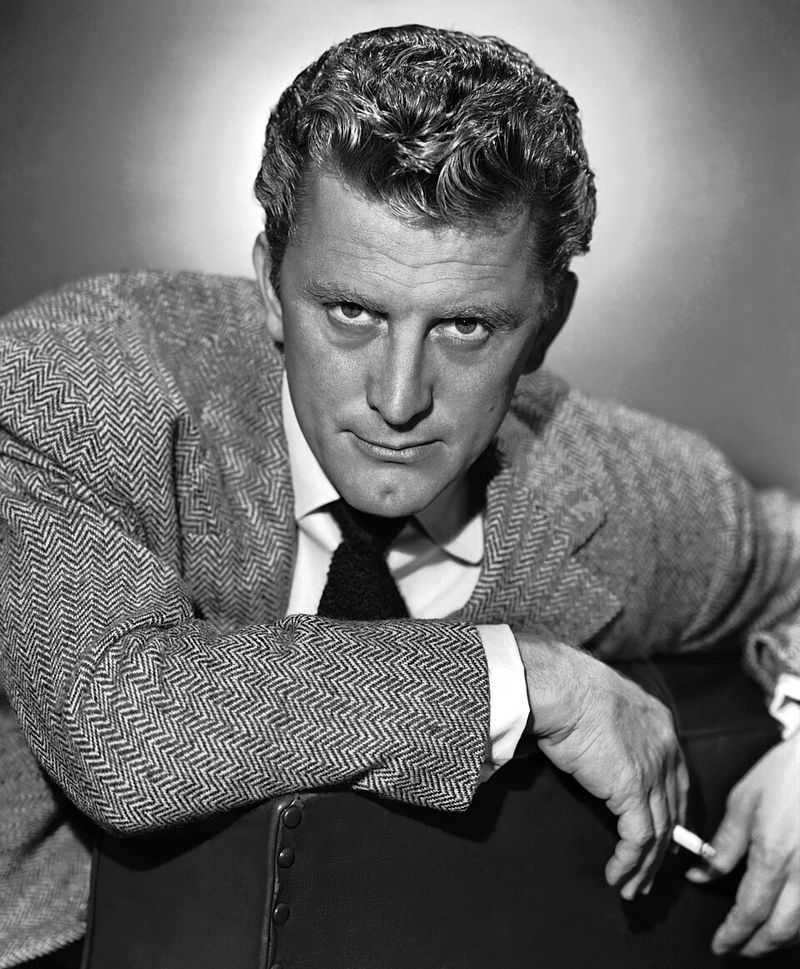
Kirk Douglas was born Issur Danielovitch in Amsterdam, New York, to Jewish immigrants from Belarus. Growing up poor in a community where antisemitism was common, he understood early that his name and background could close doors.
By the time he reached Hollywood, he had already reinvented himself with a new name that sounded more all-American.
Douglas rarely spoke openly about his Jewish identity during the early part of his career, a time when discrimination against Jewish people in the entertainment industry was real and widespread. Many studios quietly preferred performers who could pass as generically white and Protestant.
Later in life, however, Douglas embraced his heritage with pride. He wrote about his Jewish roots in his memoirs and became more vocal about antisemitism.
His journey from hiding to celebrating his identity mirrors that of many Jewish performers who came of age in mid-century Hollywood.
4. Tony Curtis
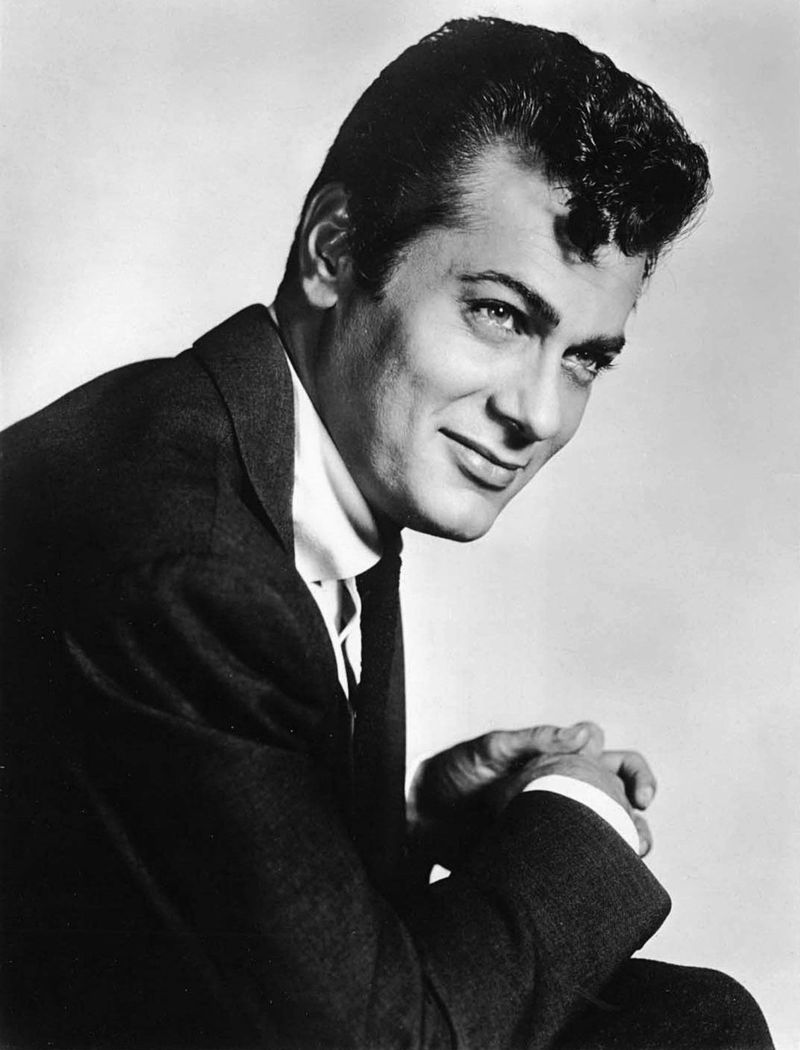
Bernard Schwartz grew up in the Bronx, the son of Hungarian Jewish immigrants. When he arrived in Hollywood in the late 1940s, Universal Pictures quickly decided that Bernard Schwartz was not the kind of name that would sell movie tickets.
He became Tony Curtis, and a star was born, though not exactly the one who had walked through the studio gates.
Curtis acknowledged in interviews that the name change was part of a broader pressure to conform to what studios considered a mainstream, marketable image. Jewish actors of his era frequently faced the unspoken expectation that they would downplay or erase signs of their ethnic and religious background.
Despite the professional makeover, Curtis remained connected to his Jewish identity throughout his life. He later spoke candidly about the antisemitism he encountered and the complicated feelings that came with building a career partly built on concealment.
5. John Garfield
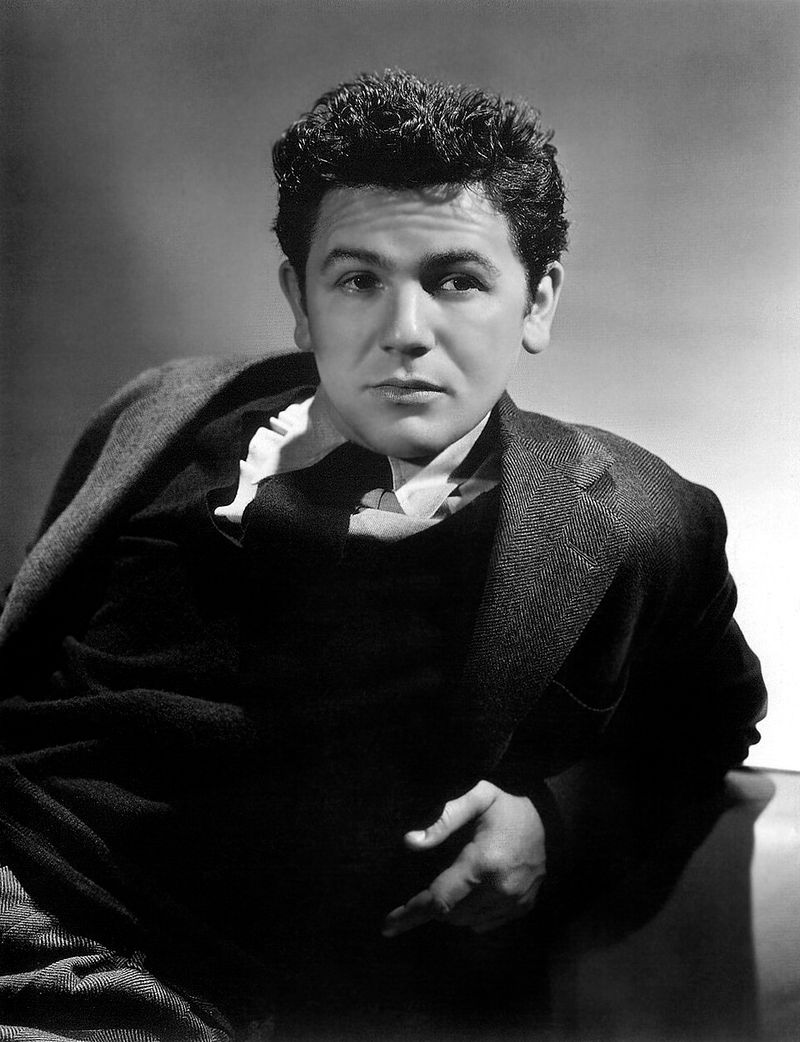
Jacob Garfinkle was born on the Lower East Side of Manhattan to Ukrainian Jewish immigrants. He grew up tough, streetwise, and passionate about acting.
When Hollywood came calling, the studio system had a familiar request: lose the name. Jacob Garfinkle became John Garfield, and his rough-edged charm made him a natural fit for film noir roles in the 1940s.
The pressure to adopt a more American-sounding name was part of a broader cultural climate in which Jewish actors were expected to blend in rather than stand out. Garfield complied with the name change, though he was known privately as someone who never forgot where he came from.
Tragically, Garfield died young at 39, his career already damaged by the Hollywood blacklist. His story is a reminder that the sacrifices performers made to fit in did not always lead to the security or acceptance they were promised.
6. Lauren Bacall
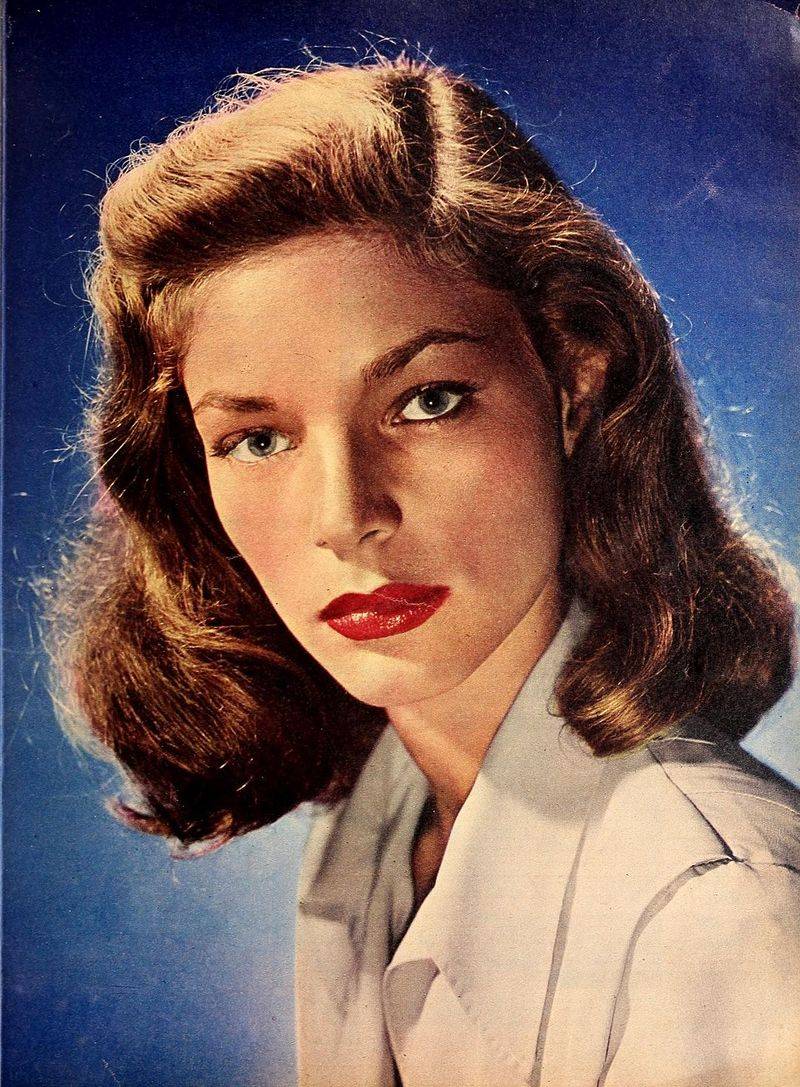
Few voices in Hollywood history are as instantly recognizable as Lauren Bacall’s, but the woman behind that voice was born Betty Joan Perske in New York City to Jewish parents with Romanian and German roots. When she signed with Warner Bros. in the early 1940s, a new name was part of the package.
Betty Perske became Lauren Bacall, a name that sounded sleek, mysterious, and conveniently ambiguous.
Bacall was not alone in this experience. Jewish women in Hollywood frequently faced the expectation that they would shed markers of their ethnic identity to appeal to a wider audience.
The studio system was efficient at manufacturing new identities, and performers often had little say in the matter.
Bacall later spoke about her Jewish background with openness and warmth. She never denied her roots, and in later interviews made clear that her heritage was something she carried with quiet pride throughout her long and celebrated career.
7. Mel Brooks
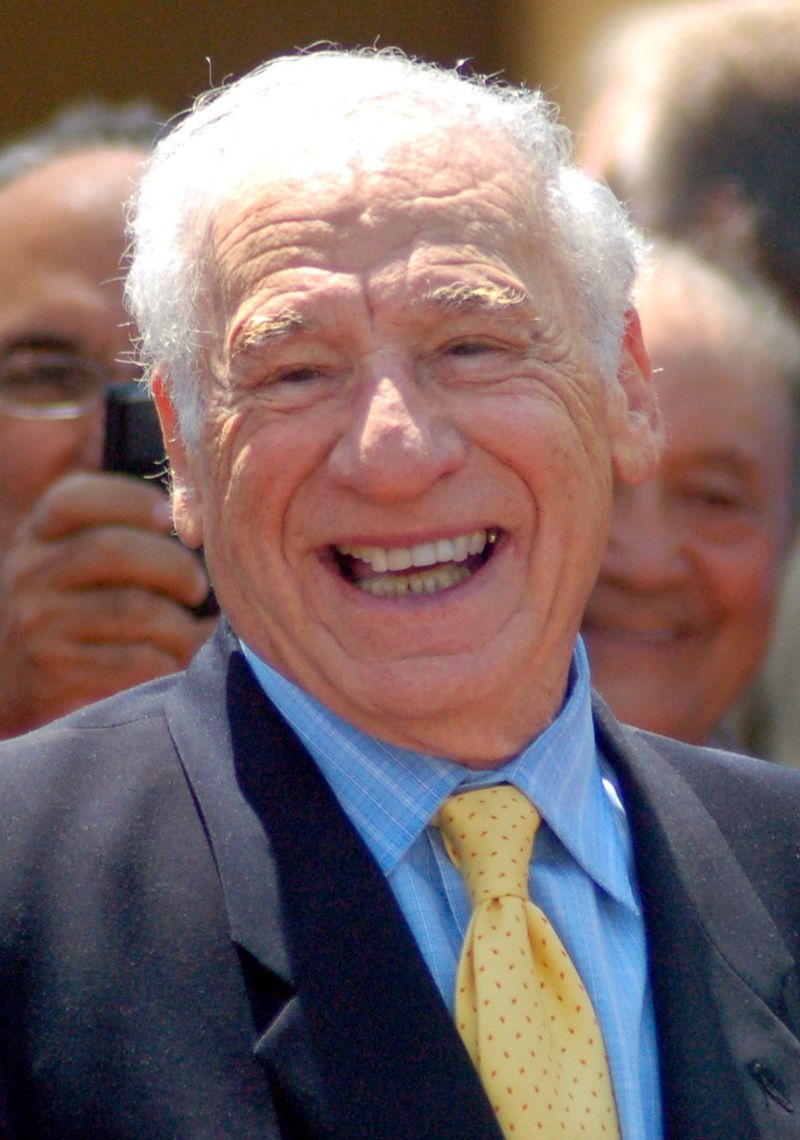
Melvin Kaminsky grew up in Brooklyn, the son of Jewish immigrants, and he never really tried to hide who he was, but he did change his name. Melvin Kaminsky became Mel Brooks early in his comedy career, a practical decision made partly to fit better on a marquee and partly to sidestep the casual antisemitism that shaped entertainment industry decisions at the time.
What makes Brooks different from many on this list is that he then spent his entire career leaning directly into his Jewish identity. His humor is deeply rooted in Jewish culture, history, and sensibility.
Films like The Producers and Blazing Saddles are saturated with that perspective.
Brooks has said in interviews that comedy was always his way of confronting the things that scared or threatened him. Changing his name may have been a concession to the times, but his art was never anything less than fully, joyfully himself.
8. Martin Sheen
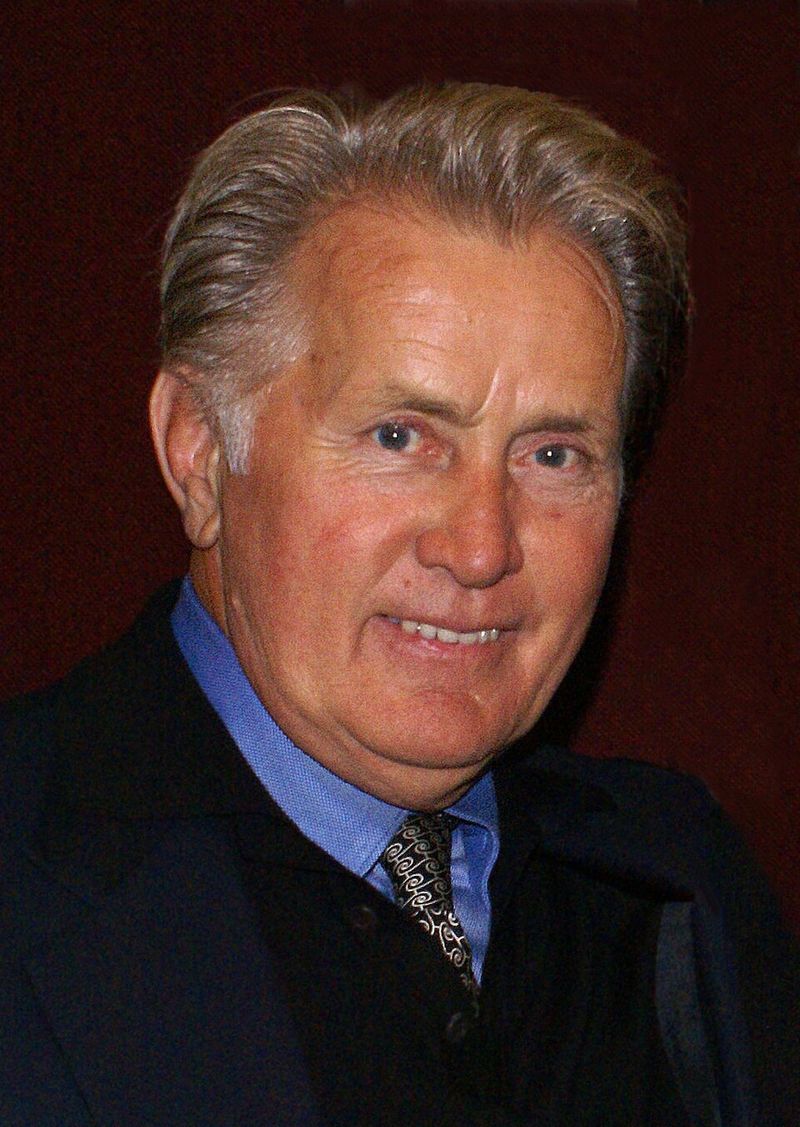
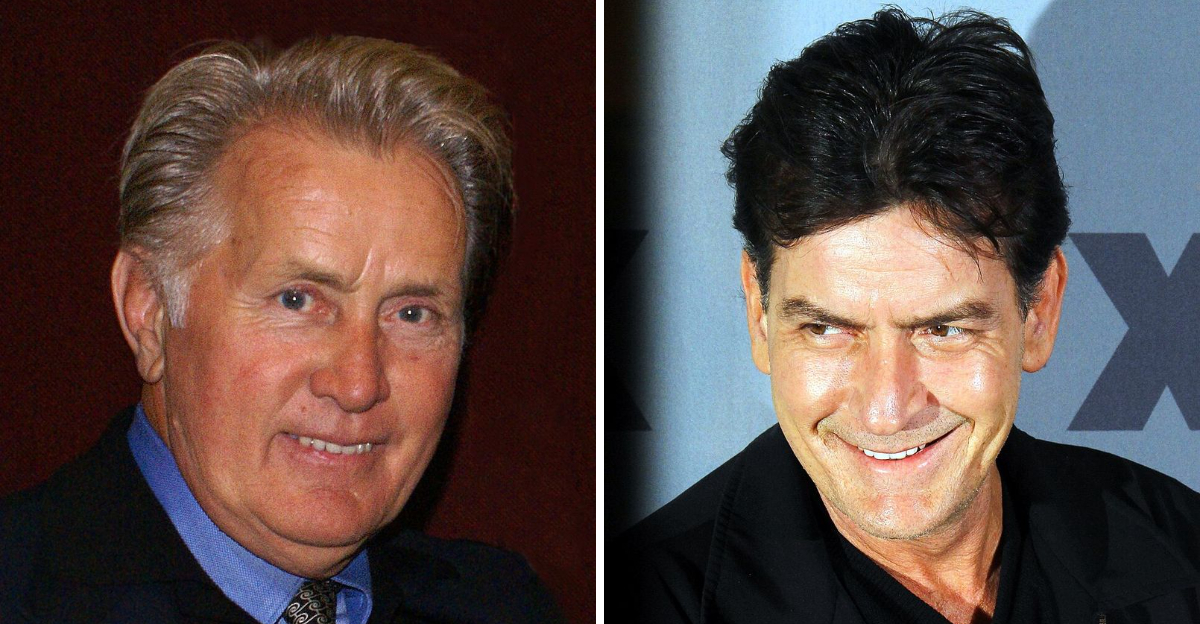
Ramon Antonio Gerard Estevez was born in Dayton, Ohio, to a Spanish immigrant father and an Irish-American mother. When he started pursuing acting in New York, he quickly discovered that casting directors were not lining up to audition someone named Ramon Estevez.
Opportunities were scarce, and the bias was obvious enough that he adopted a stage name inspired by Bishop Fulton J. Sheen and a CBS casting director named Robert Dale Martin.
Martin Sheen went on to have one of the most respected careers in American film and television. Yet for years, the name change represented a compromise he had made with an industry that was not ready to give a Latino actor the same chances it gave others.
His son Emilio Estevez chose to keep the family name, a decision Martin has said he admired. Sheen himself has grown increasingly open about his Spanish heritage and its importance to his sense of self.
9. Charlie Sheen
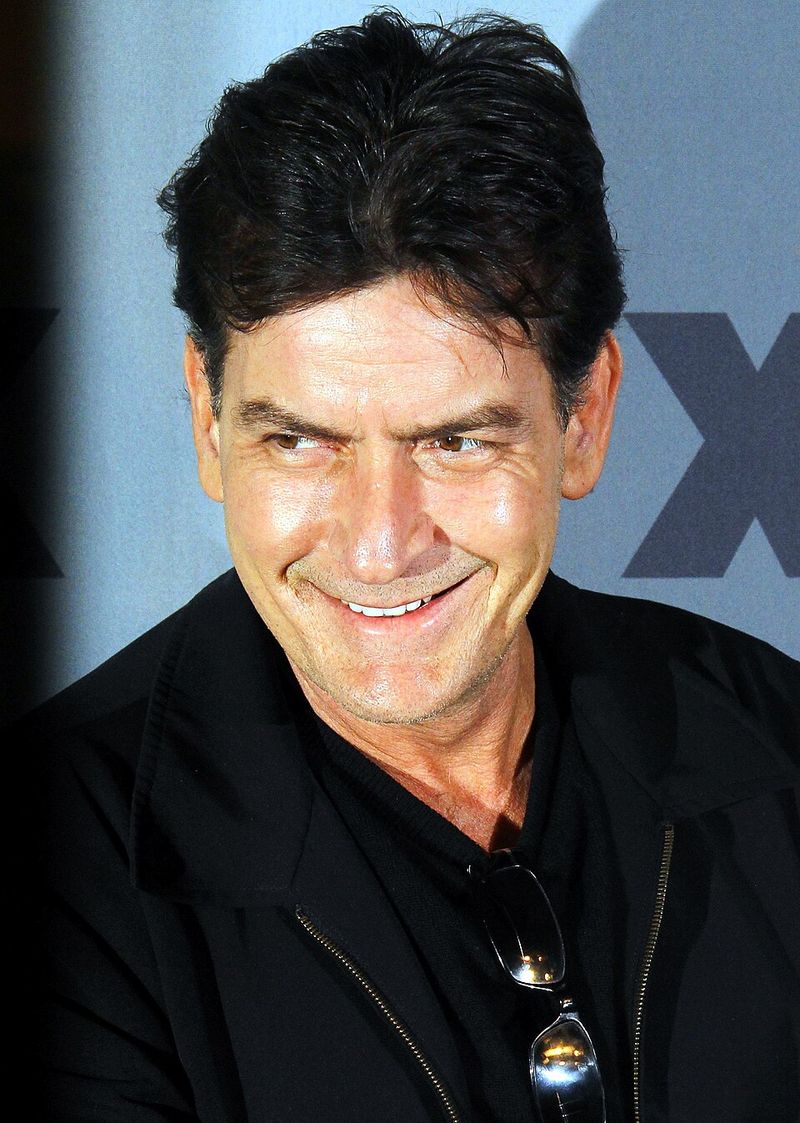
Carlos Irwin Estevez was born into a family that already knew something about navigating Hollywood with a Latino surname. His father, Martin Sheen, had changed his name to find work.
When Charlie followed his father into acting, he made a similar choice, adopting the Sheen stage name rather than working under Estevez.
The decision was practical rather than deeply ideological. The entertainment industry of the 1980s still offered fewer leading-man opportunities to actors with Latino names, and Charlie was aiming for mainstream blockbuster roles.
Platoon, Wall Street, and Major League came quickly, and the Sheen name was attached to all of them.
Unlike his brother Emilio, who built a career under the Estevez name, Charlie stayed with Sheen professionally throughout his career. He has spoken about his heritage in interviews but acknowledged that the name choice was shaped by the realities of an industry that was slow to change its biases.
10. Raquel Welch
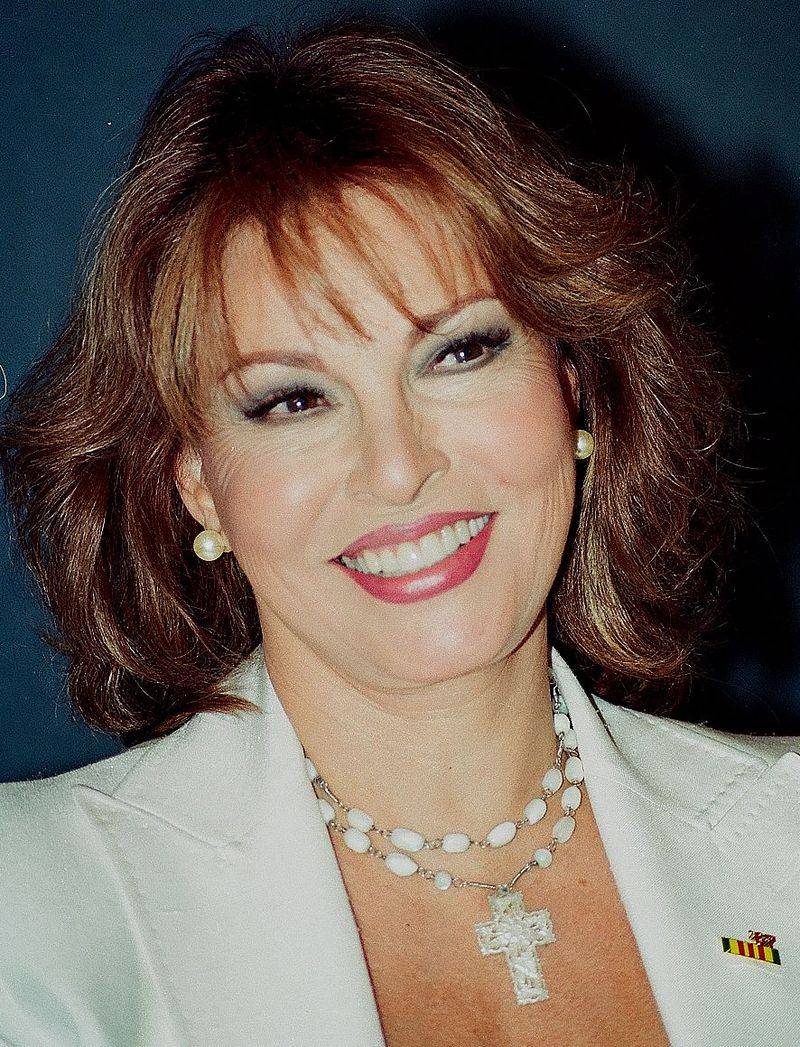
Jo Raquel Tejada was born in Chicago to a Bolivian father and an Anglo-American mother. By the time she became Raquel Welch and emerged as one of Hollywood’s biggest sex symbols in the 1960s, her Latina heritage had been carefully softened in the public image the studio helped craft around her.
She was marketed as exotic but not too ethnic, a distinction that mattered enormously in that era.
Welch herself later acknowledged that she downplayed her Latin roots early in her career because she feared it would limit the kinds of roles she was offered. The industry’s appetite for Latina actresses was narrow and often stereotyped, and she wanted to be seen as a leading lady without those limitations.
In later years, she spoke more openly and proudly about her Bolivian heritage. She became a voice for greater representation of Latino performers in Hollywood and expressed regret about the compromises she felt she had to make.
11. Anthony Quinn
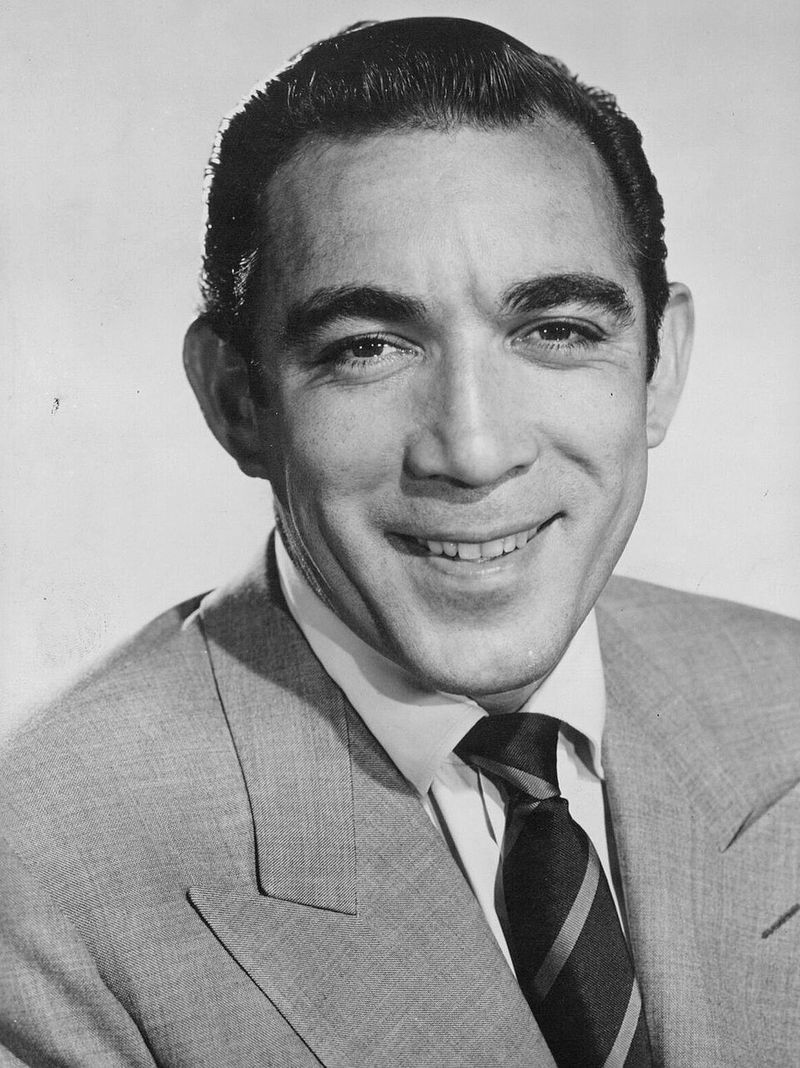
Anthony Quinn was born in Chihuahua, Mexico, to a Mexican mother and an Irish-Mexican father, and he grew up in Los Angeles. His background was genuinely multicultural, but Hollywood had a habit of casting him as almost anything except specifically Mexican.
He played Greeks, Arabs, Italians, and Native Americans, a range that reflected the industry’s preference for ethnic ambiguity over authentic representation.
Early in his career, Quinn navigated the studio system carefully, aware that being too closely associated with his Mexican roots could cost him leading roles. He was often described in press materials in vague terms that avoided pinning down his actual heritage.
Quinn won two Academy Awards and became one of the most respected character actors of his generation. Later in life, he grew more open about his Mexican-American identity and the complicated path he had walked to build a career in a system that rarely celebrated where he actually came from.
12. Tab Hunter
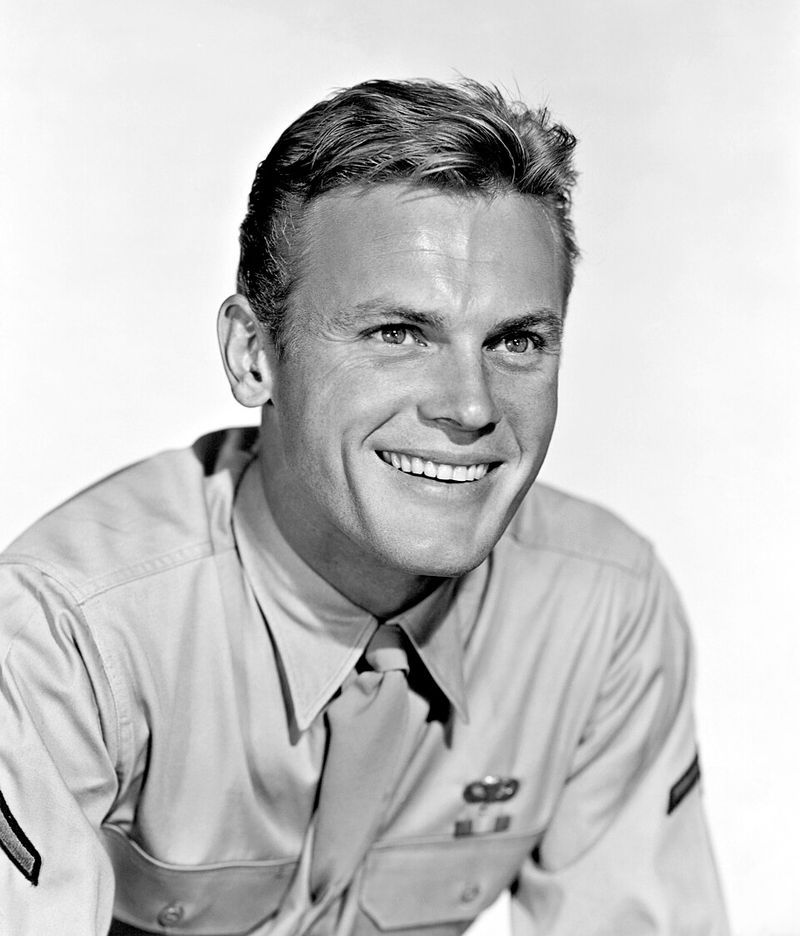
Arthur Kelm, later known professionally as Tab Hunter, was one of the biggest teen idols of the 1950s. The name Tab Hunter was invented for him by his agent, Henry Willson, who had a talent for creating all-American personas that bore little resemblance to the actual people underneath.
The new name was part of a complete image overhaul designed to make him as appealing and unthreatening as possible to mainstream audiences.
Hunter kept his German heritage quiet, but it was his sexuality that the studio system was most determined to suppress. Warner Bros. worked hard to manage his public image, arranging dates with female stars and keeping his private life firmly out of the press.
He eventually wrote a memoir in 2005 in which he addressed both his hidden background and his years of living under studio control. His story is a striking example of how thoroughly the old Hollywood system could reshape a person’s identity.
13. Merle Oberon
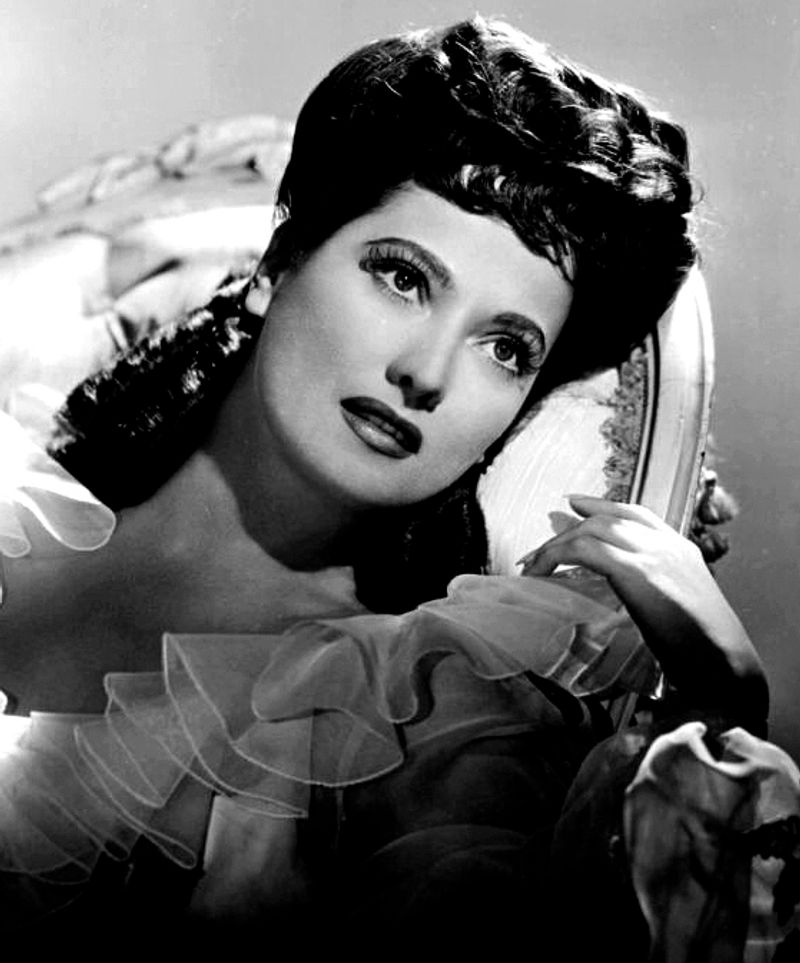
Merle Oberon is one of Hollywood’s most dramatic cases of hidden identity. Born Estelle Merle O’Brien Thompson in Bombay, India, to a Sri Lankan mother and a British father, she spent decades concealing her South Asian heritage and presenting herself as Tasmanian-born with entirely European roots.
The deception was thorough and deliberate, driven by the very real racism she would have faced had the truth been known.
Oberon went so far as to list her mother as her maid when family members visited set, a painful detail that speaks to the lengths she felt she had to go. Passing as white was, for her, a matter of professional survival in an industry where non-white actresses faced severe limitations and outright rejection.
The full story of her origins only became widely known after her death in 1979. Documentaries and biographical accounts have since helped reclaim the complexity of her identity and the systemic racism that made hiding it feel necessary.
14. Carol Channing
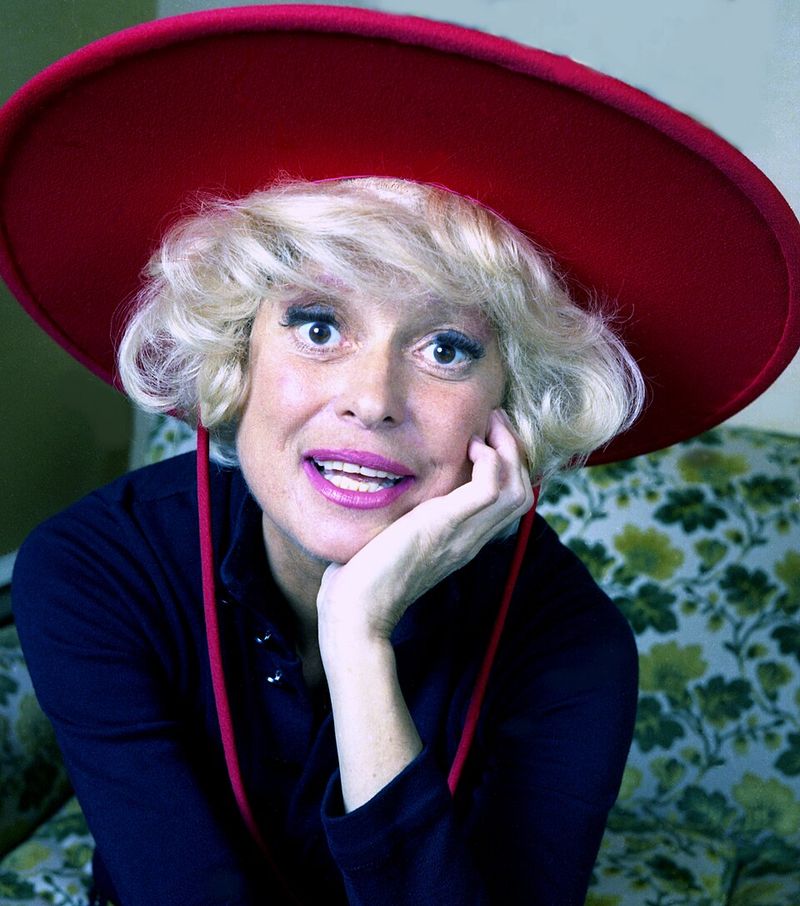
Carol Channing was best known for her booming voice, enormous eyes, and her legendary role in Hello, Dolly! What most people did not know for most of her life was that she had Black heritage on her father’s side.
Channing revealed this in her 2002 memoir, explaining that her father had kept it secret from her for years, and that she had only learned the truth as a young adult.
Once she knew, she made the choice to keep it quiet professionally. The era in which she built her career was one in which that knowledge could have drastically changed the opportunities available to her.
She passed as white, and the industry she worked in benefited from that without ever acknowledging the system that made it necessary.
Her candid memoir sparked significant conversation about race, identity, and the hidden costs of navigating a society built on racial categories. Many readers found her honesty both brave and deeply humanizing.
15. Ben Kingsley
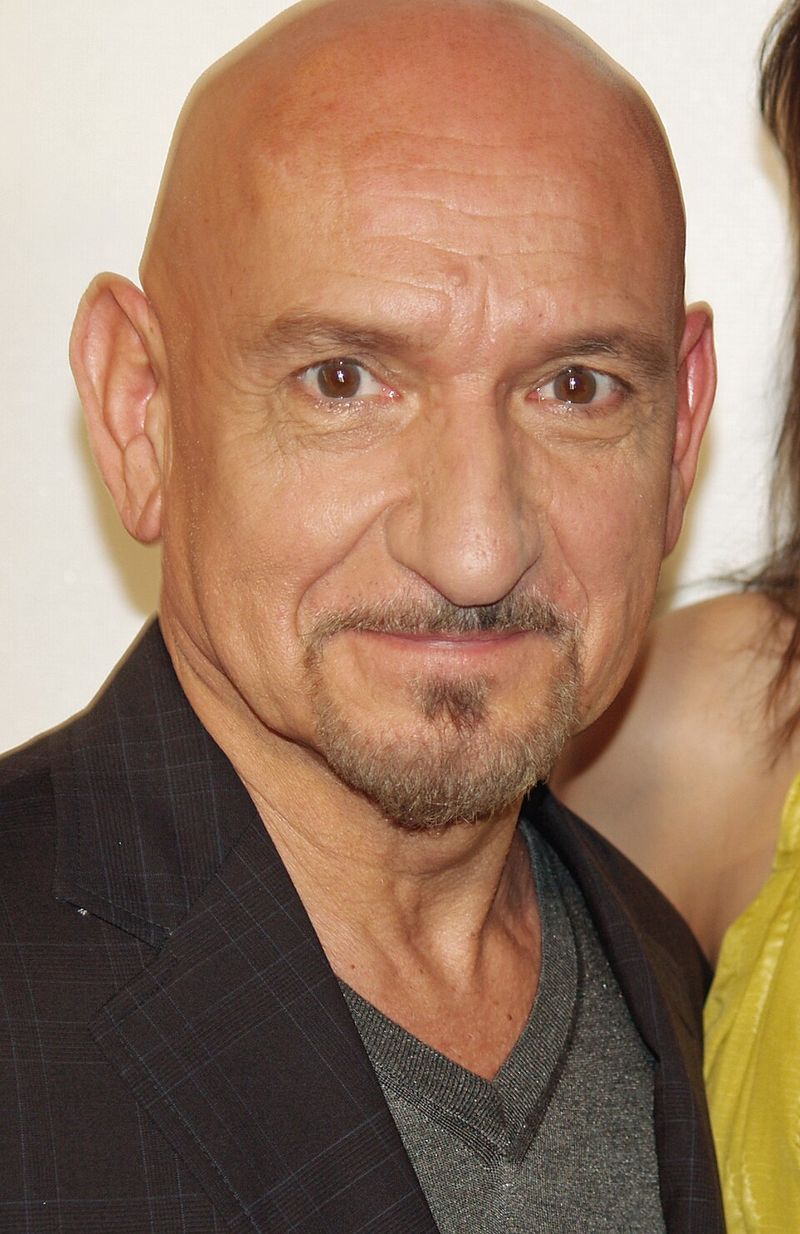
Ben Kingsley was born Krishna Pandit Bhanji in Scarborough, England, to an Indian father of Gujarati descent and an English mother. When he began his acting career in Britain, he made the decision to use a stage name, choosing Ben Kingsley partly from family names and partly as a way to avoid being immediately typecast before directors had a chance to see what he could do.
The strategy worked remarkably well. Kingsley went on to win an Academy Award for his portrayal of Mahatma Gandhi in 1982, one of the most celebrated performances in film history.
The irony that he won playing an Indian leader while having partially hidden his own Indian heritage was not lost on observers.
Kingsley has since spoken about his heritage with evident pride and warmth. He no longer downplays his Indian roots and has been open about the ways his background shaped both his worldview and his approach to the craft of acting.



