Hollywood has always been a place where careers can rise and fall overnight. Some stars lost everything not because of bad acting, but because of politics, personal scandals, or simply speaking up at the wrong time.
The stories behind these blacklistings are shocking, sad, and sometimes even inspiring. From the red-scare era of the 1950s to the #MeToo movement, here are 15 celebrities whose careers were derailed and the real reasons why.
1. Dalton Trumbo
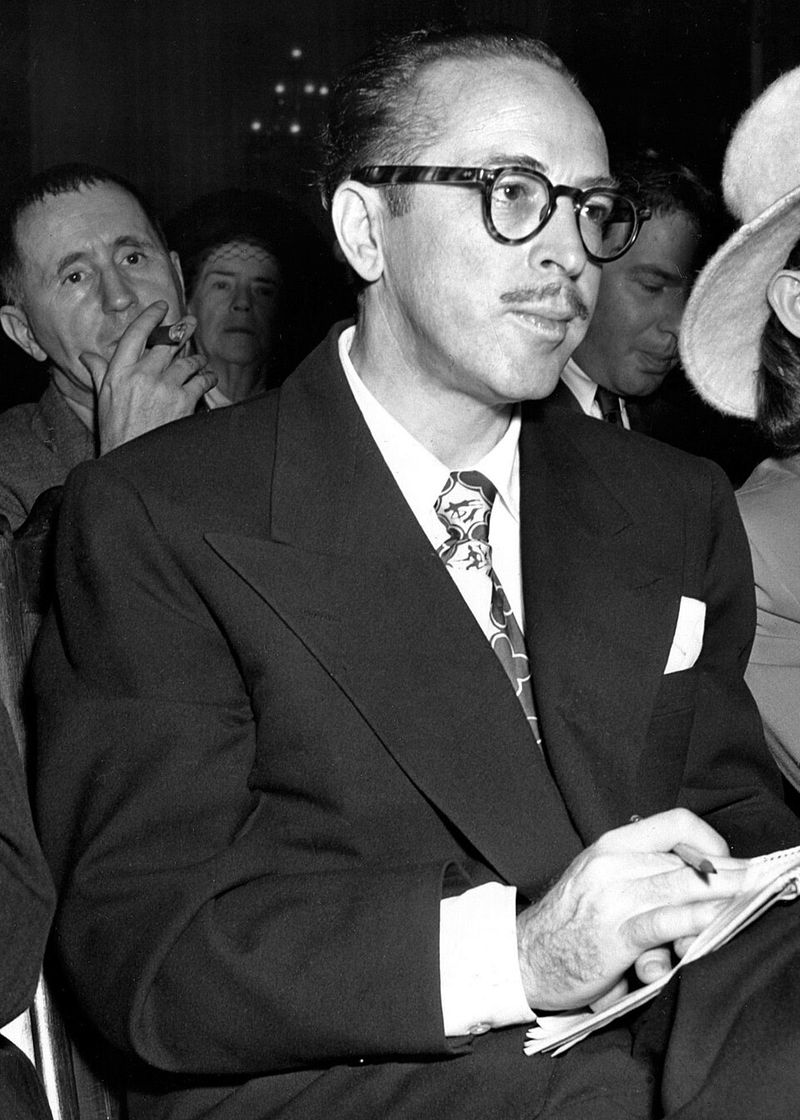
Dalton Trumbo once wrote some of Hollywood’s most celebrated screenplays, but the U.S. government had other plans for him. In 1947, he refused to cooperate with the House Un-American Activities Committee, which was hunting for supposed communists in the film industry.
That refusal landed him in prison for nearly a year.
After his release, no major studio would touch his name. So Trumbo did something clever: he kept writing under fake names.
He secretly won two Academy Awards during this period, one for Roman Holiday and one for The Brave One, without anyone knowing it was him.
His story became a symbol of creative defiance under oppression. In 2015, a biopic starring Bryan Cranston brought his legacy back into the spotlight.
Trumbo was eventually credited for his work, proving that talent is hard to silence forever.
2. Ring Lardner Jr.
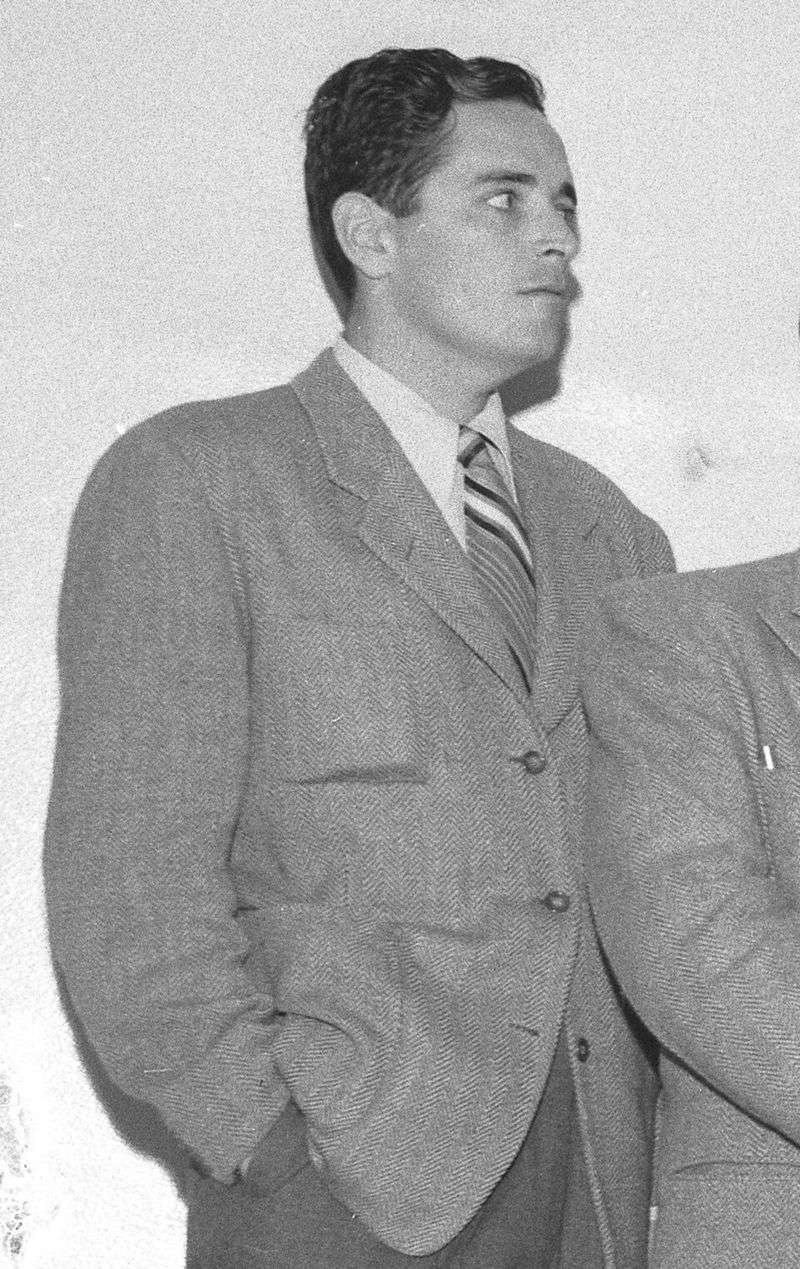
Few people in Hollywood paid a heavier price for their political beliefs than Ring Lardner Jr. As one of the infamous Hollywood Ten, he refused to answer questions before Congress about his Communist Party membership and was sentenced to prison in 1950.
When he got out, the industry wanted nothing to do with him. For over a decade, he wrote secretly under fake names just to survive.
His talent never disappeared, but the doors stayed firmly shut.
Then came 1970, and everything changed. Lardner won the Academy Award for Best Adapted Screenplay for the film MASH, earning a standing ovation.
It was a triumphant return that nobody in the blacklist era saw coming. His story is a reminder that punishing artists for their politics rarely kills their craft.
Sometimes, it just delays the applause.
3. Zero Mostel
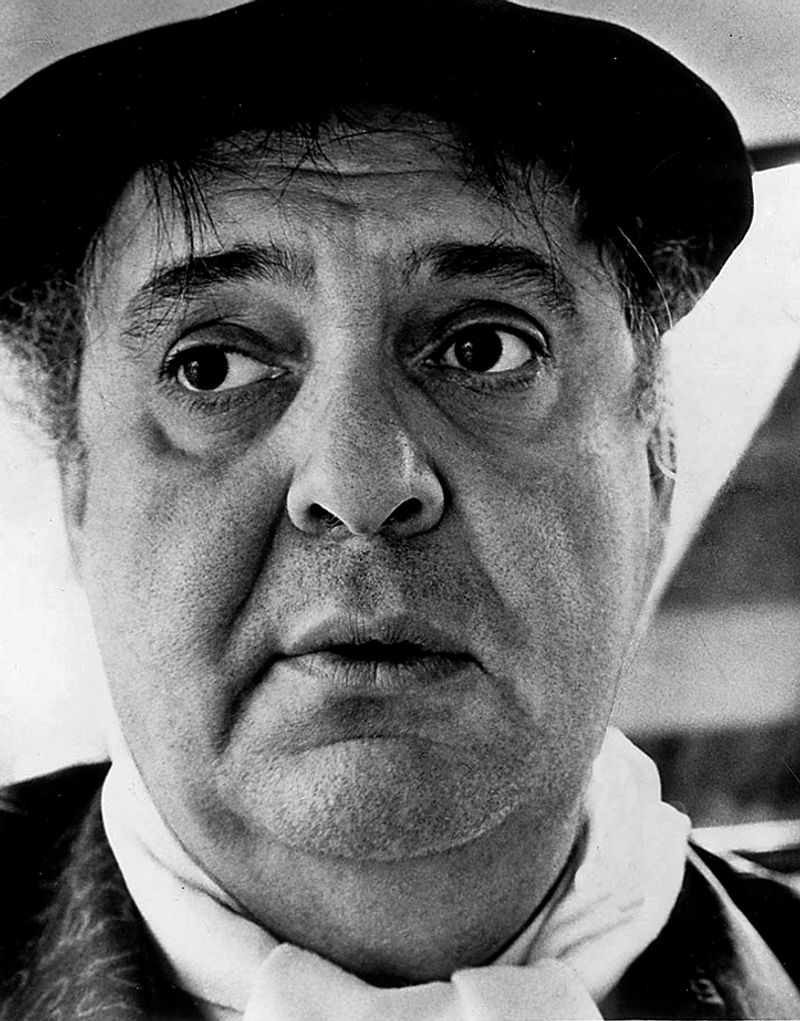
Zero Mostel was larger than life in every sense. His booming voice and rubber-faced performances made audiences roar with laughter, but during the blacklist era, Hollywood stopped laughing along with him.
Mostel was named as a communist sympathizer and found himself shut out of film and television work throughout much of the 1950s. Rather than name names to save his career, he refused to cooperate with authorities.
That decision cost him dearly in Hollywood.
He survived by leaning into theater, eventually landing the role of a lifetime as Tevye in Fiddler on the Roof on Broadway. The stage became his refuge when the screen turned its back on him.
Mostel never fully returned to major film stardom, but his Broadway legacy became legendary. He showed that being blacklisted from one door does not mean every door is closed.
4. Edward G. Robinson
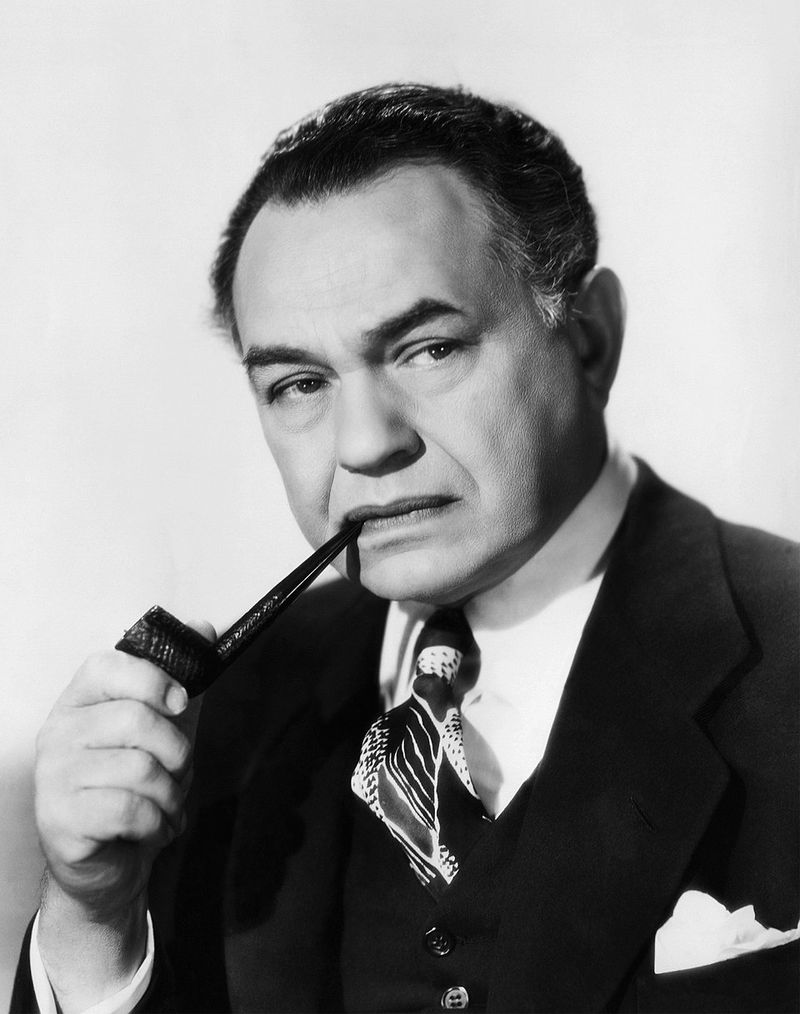
Edward G. Robinson never went to jail, but the damage done to his career was real and painful.
Unlike others who were formally blacklisted, Robinson landed in what many called the greylist, a shadowy zone where suspicion alone was enough to cost someone major roles.
His name appeared in Red Channels, a pamphlet that accused hundreds of entertainment figures of having communist ties. Studios quietly stopped casting him in leading parts, even though no charges were ever proven against him.
Robinson eventually agreed to testify before Congress and cleared his name, but the years of lost work could never be recovered. He had been one of Hollywood’s biggest stars in the 1930s and 1940s, known for gangster roles that defined an era.
His story proves that rumor and suspicion can be just as destructive as a formal accusation.
5. Charlie Chaplin
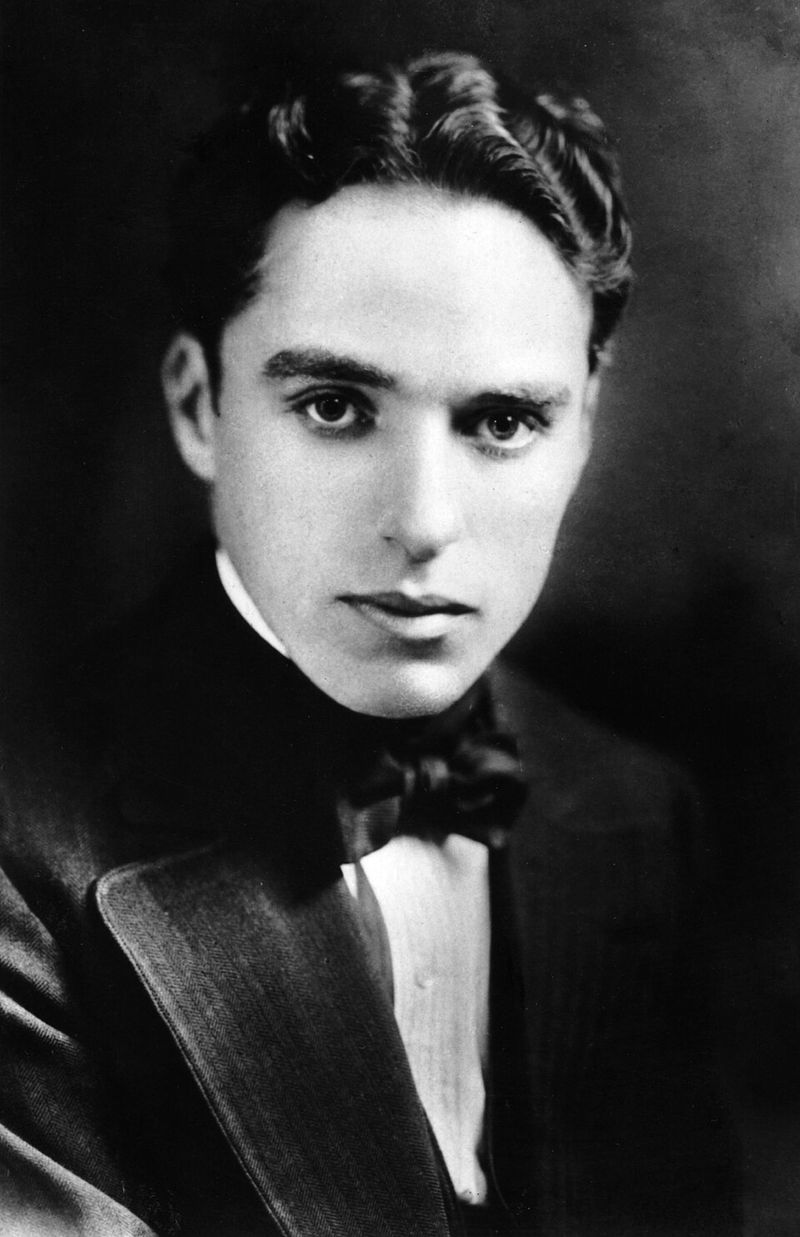
Charlie Chaplin was one of the most famous people on Earth, and yet the United States essentially told him he was no longer welcome. In 1952, while Chaplin was sailing to London for a film premiere, U.S. authorities revoked his re-entry permit.
He never came back.
The FBI, led by J. Edgar Hoover, had been watching Chaplin for years.
His films often mocked capitalism and authority, and his personal life gave critics plenty of ammunition. Despite never being formally charged, the political climate made him a target.
Chaplin settled in Switzerland and continued making films abroad. He finally returned to the U.S. in 1972 to accept an honorary Academy Award, receiving one of the longest standing ovations in Oscar history.
His exile lasted two decades, but his legacy outlasted every political grudge held against him.
6. Brendan Fraser
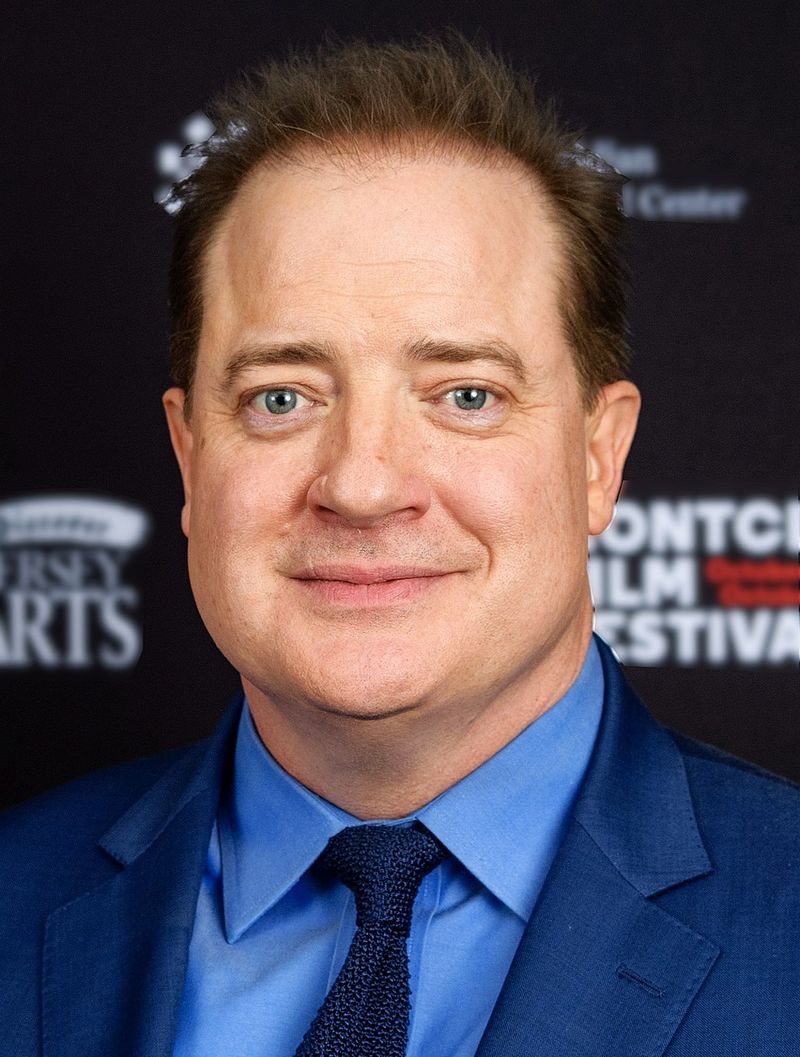
Brendan Fraser was everywhere in the late 1990s. The Mummy, George of the Jungle, Bedazzled — he was Hollywood gold.
Then, almost without warning, he vanished from the big screen, and fans spent years wondering why.
In 2018, Fraser revealed the painful truth. He said that Philip Berk, a former president of the Hollywood Foreign Press Association, had groped him at a lunch meeting in 2003.
Fraser reported it, but the fallout hit him instead. He described feeling humiliated and said his career quietly dried up in the years that followed.
What makes his story especially powerful is the ending. Fraser made a stunning comeback in the 2022 film The Whale, winning the Academy Award for Best Actor.
The audience at the ceremony gave him a long, emotional standing ovation. Hollywood had finally welcomed him back home.
7. Mo’Nique
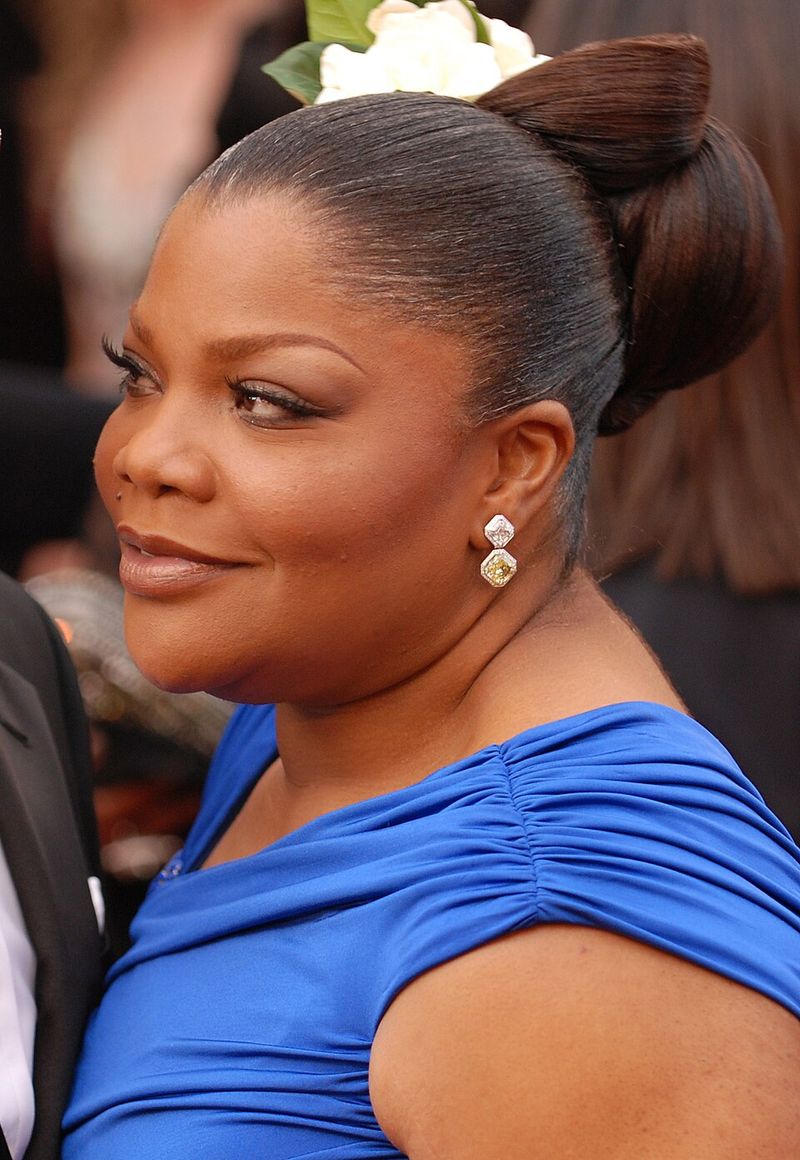
Mo’Nique won the Oscar for Best Supporting Actress for her role in Precious in 2009. It should have launched her into Hollywood’s top tier.
Instead, she claims it marked the beginning of her industry exile.
The trouble started when she refused to do unpaid promotional work for the film. In Hollywood, awards campaigns involve a lot of free press appearances, and Mo’Nique said no. She has stated that Lee Daniels, Tyler Perry, and Oprah Winfrey all warned her that her refusal would hurt her career, but she stood her ground.
Work dried up fast. For years she was largely absent from major film and television projects.
Mo’Nique has spoken openly about the blackballing, calling it retaliation for not playing by unwritten industry rules. Her case sparked a wider conversation about how power operates behind Hollywood’s polished exterior.
8. Katherine Heigl
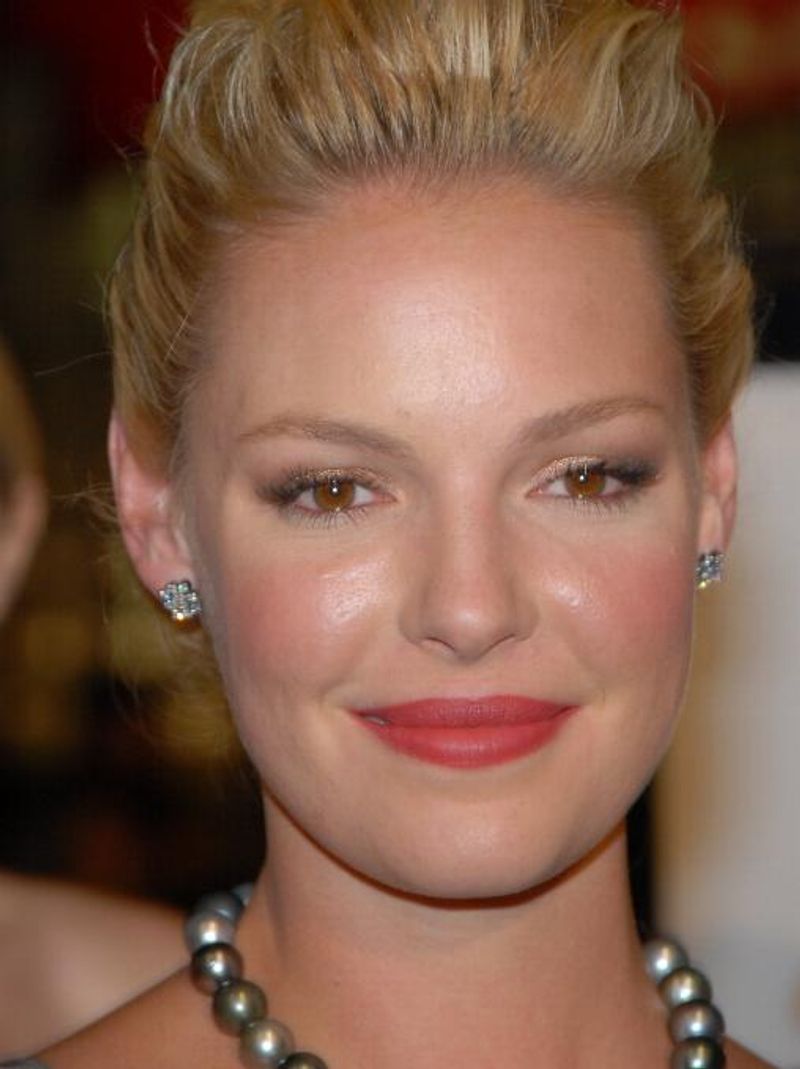
Getting labeled difficult in Hollywood can be just as career-ending as a scandal. Katherine Heigl found that out the hard way after a series of very public moments that rubbed industry insiders the wrong way.
Her downfall accelerated in 2008 when she withdrew her own name from Emmy consideration, publicly stating that the writing on Grey’s Anatomy had not given her enough to work with. Writers and producers were not amused.
She had also made headlines for criticizing the film Knocked Up, calling it a little sexist, even though she starred in it.
Roles slowed, and her reputation as someone hard to work with spread through the industry. Heigl has since acknowledged that she could have handled some situations better.
She made a quiet comeback years later with the Netflix series Firefly Lane. Her story is a cautionary tale about the power of perception in show business.
9. Ashley Judd
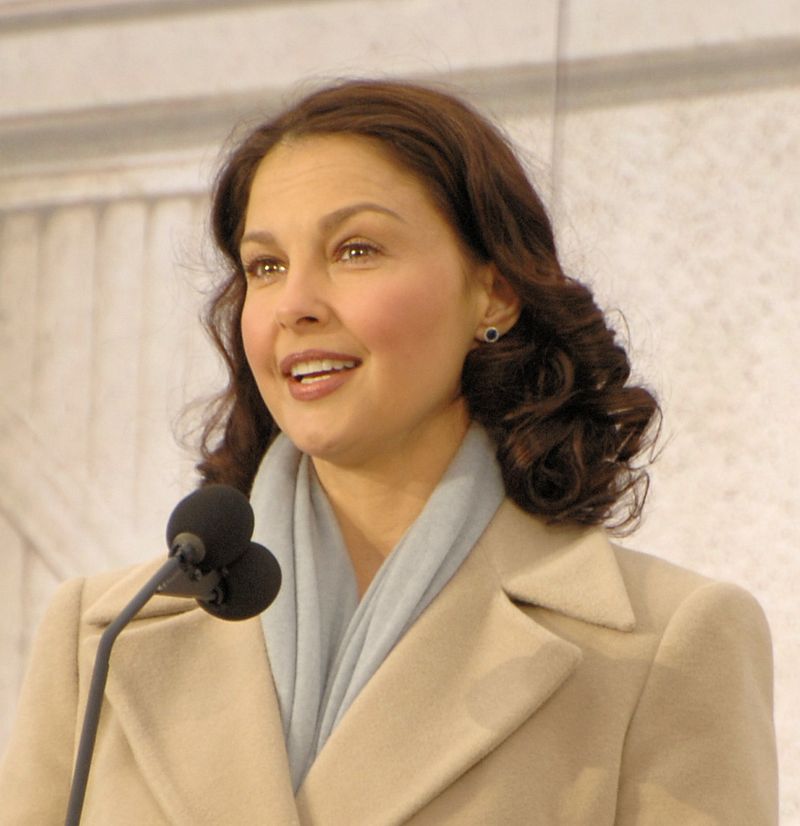
Ashley Judd was a rising star in the 1990s with films like Kiss the Girls and Double Jeopardy building real momentum. Then, she says, one powerful man decided her career was over.
Judd has alleged that Harvey Weinstein invited her to a hotel meeting under the pretense of a business discussion and then made inappropriate advances. When she refused, she claims he began actively working to damage her career.
She said he warned a director not to cast her, calling her a nightmare to work with.
For years, Judd watched opportunities disappear without knowing exactly why. She eventually became one of the first women to publicly name Weinstein in a 2017 New York Times investigation that helped ignite the #MeToo movement.
Her courage in speaking out helped bring down one of Hollywood’s most feared figures and opened the door for countless others to share their stories.
10. Mira Sorvino

Mira Sorvino won the Oscar for Best Supporting Actress in 1995 for Mighty Aphrodite and seemed destined for a long, celebrated career. What happened next took years to fully understand.
Like Ashley Judd, Sorvino alleges that Harvey Weinstein pursued her and that when she rejected his advances, her career opportunities began to shrink. Director Peter Jackson later revealed that Weinstein had specifically advised him not to hire Sorvino or Judd for The Lord of the Rings, describing them as difficult.
Jackson said he had no idea why at the time and simply took the advice.
When the truth came out in 2017, Sorvino was heartbroken but also relieved. She finally had an explanation for the years of confusion and lost roles.
Her story became one of the most striking examples of how one person’s abuse of power can silently redirect an entire career.
11. Rose McGowan
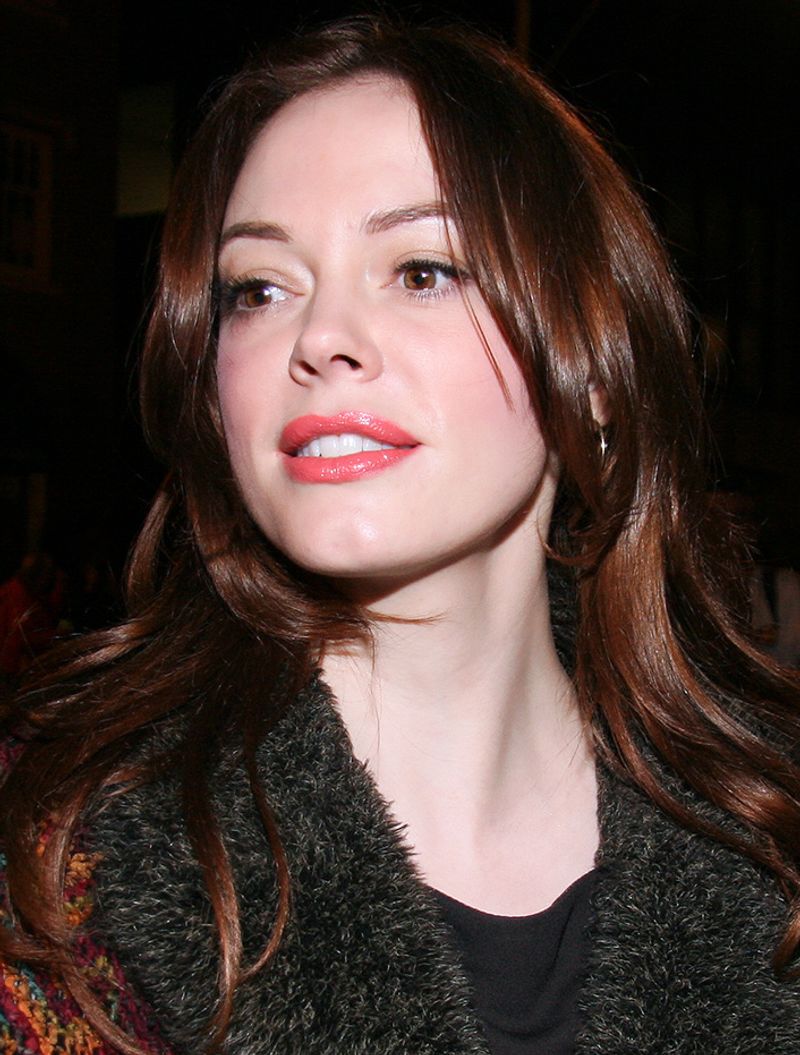
Rose McGowan was on a clear upward trajectory after Scream turned her into a household name in 1996. Then her career hit a wall so suddenly that even fans noticed something was off.
McGowan has alleged that Harvey Weinstein assaulted her in the late 1990s and that after she began speaking out and resisting his influence, her career quietly stalled. She has described being isolated, followed, and pressured into silence for years.
Unlike many others, McGowan refused to stay quiet, and that resistance came at a steep professional cost.
She became one of the loudest voices of the #MeToo movement, and her public battle against Weinstein helped reshape Hollywood’s conversation about power and accountability. McGowan’s story is raw and complicated, but her willingness to speak when others were afraid helped change an industry that had protected abusers for far too long.
12. Isaiah Washington
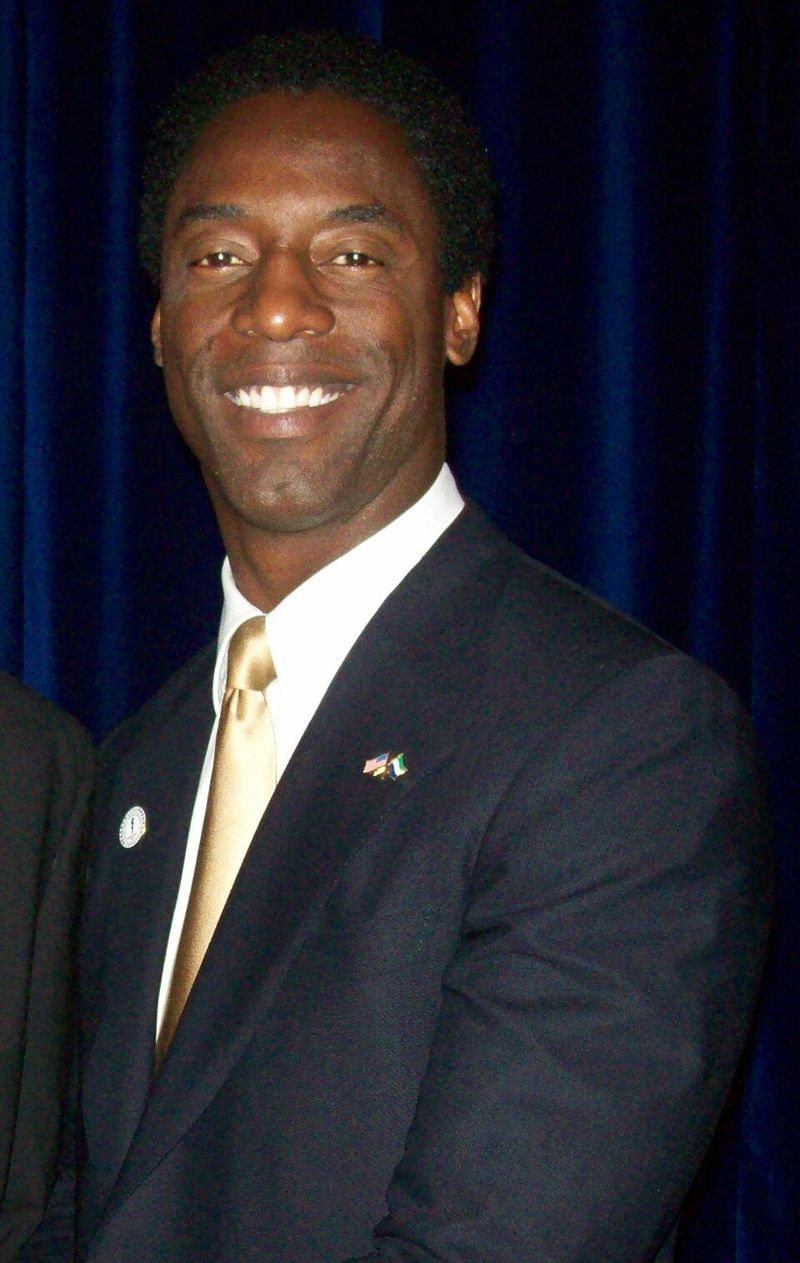
Isaiah Washington had one of the best jobs on television as Dr. Preston Burke on Grey’s Anatomy, one of the most-watched shows of the mid-2000s. A single backstage incident unraveled it all.
During a heated argument on set in 2006, Washington used a homophobic slur directed at co-star T.R. Knight.
The incident became public, and despite a public apology and a stint in counseling, ABC fired him at the end of season three. The backlash from the LGBTQ+ community and advocacy groups was swift and fierce.
Washington struggled to land significant roles for years afterward. He has spoken about feeling professionally exiled and has expressed regret for his words.
He eventually returned to Grey’s Anatomy for a guest appearance in 2014, offering a kind of symbolic closure. His story is a sharp reminder that words carry real consequences, even when spoken off camera.
13. Mel Gibson
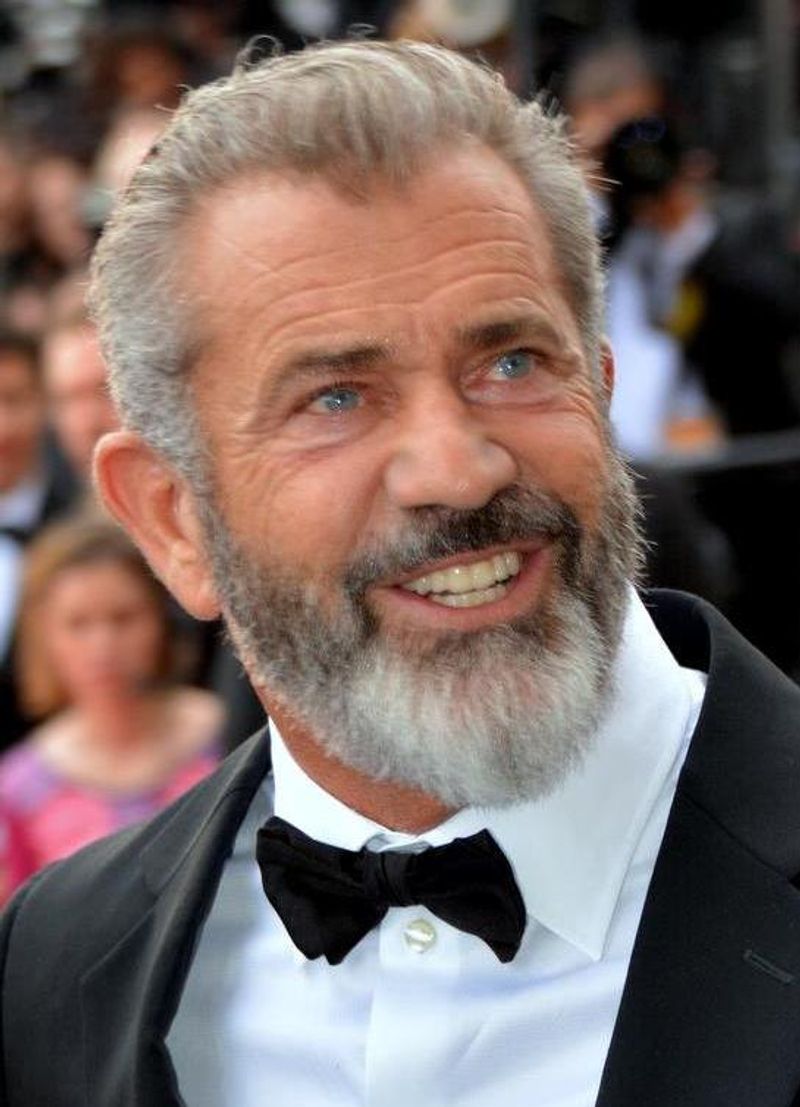
Mel Gibson was once one of the most powerful men in Hollywood, directing Braveheart and The Passion of the Christ while starring in blockbuster after blockbuster. Then 2006 arrived, and the whole thing came apart at once.
During a DUI arrest, Gibson made a series of deeply offensive antisemitic remarks to police officers. The recording leaked, and the response from the industry was immediate and severe.
Studios distanced themselves, agents dropped him, and projects evaporated. A later recording of Gibson making racist and threatening comments to his former partner added another layer of damage.
For nearly a decade, he was largely frozen out of major Hollywood productions. His comeback began slowly, with Hacksaw Ridge in 2016 earning him a Best Director Oscar nomination and reminding audiences of his filmmaking talent.
Gibson’s story is messy, but it shows how far a career can fall and how long the road back truly is.
14. Winona Ryder
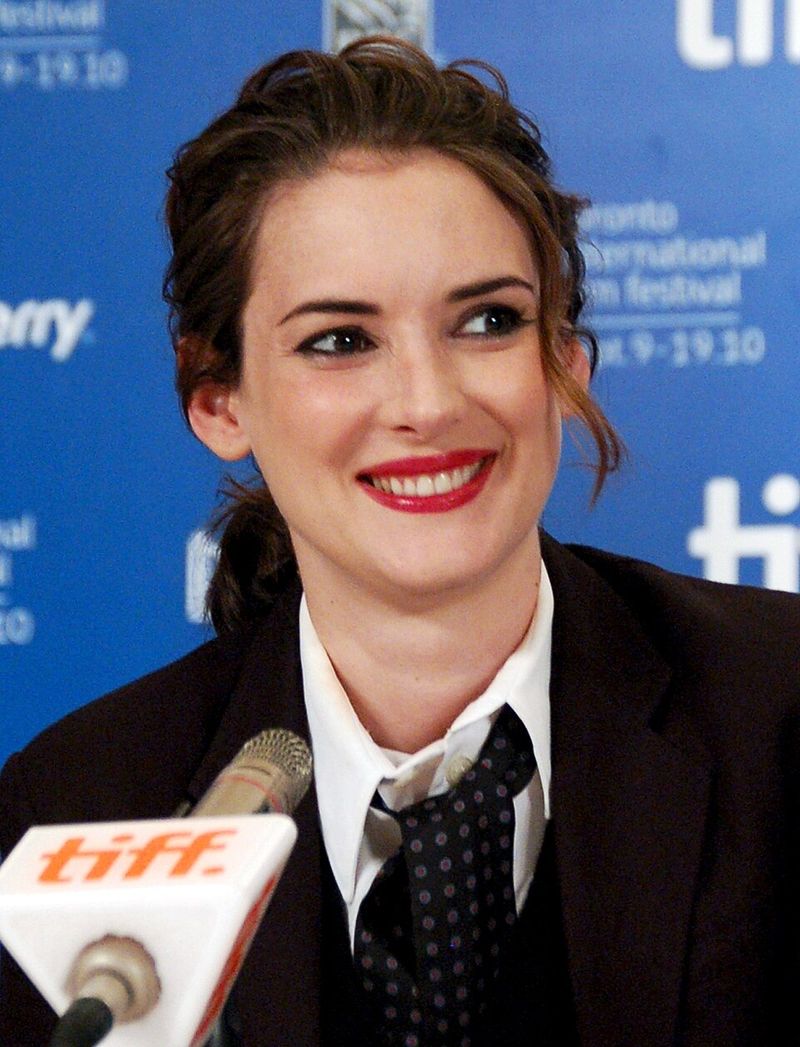
Winona Ryder was the darling of 1990s cinema. From Beetlejuice to Little Women to Girl, Interrupted, she seemed untouchable.
Then a Saks Fifth Avenue security camera changed everything.
In 2001, Ryder was caught shoplifting merchandise worth thousands of dollars from the Beverly Hills store. She was convicted of grand theft and vandalism in 2002.
The public reaction was brutal, and Hollywood, never shy about distancing itself from controversy, quietly stopped calling.
Her film roles became sparse and less prominent throughout the mid-2000s. The comeback, when it came, was spectacular.
Her role as Joyce Byers in Stranger Things starting in 2016 introduced her to an entirely new generation of fans who had no idea she had ever been away. Ryder’s story is proof that a single bad moment does not have to define a career forever, especially when the talent was always there.
15. Robert Downey Jr.
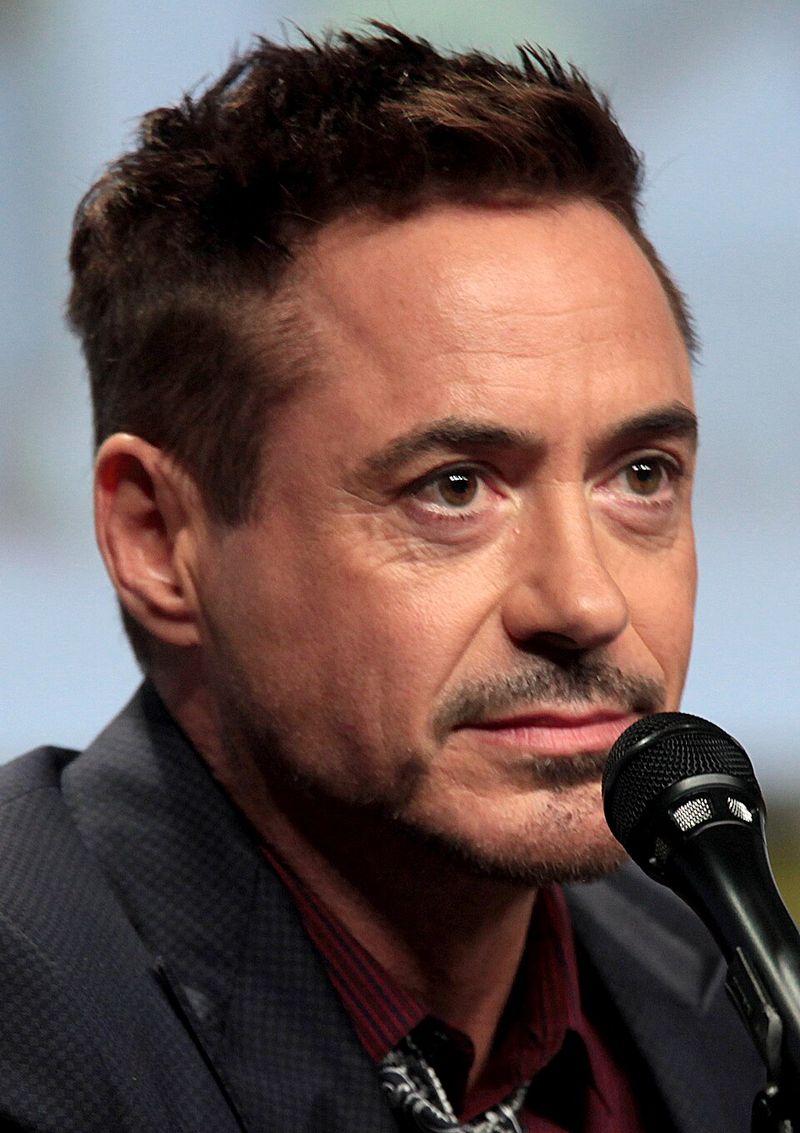
Before he was Iron Man, Robert Downey Jr. was Hollywood’s most expensive liability. His talent was never in question, but his addiction to drugs and alcohol turned him into someone no studio wanted to insure or employ.
Throughout the late 1990s and early 2000s, Downey cycled through arrests, rehab stints, and prison time. His struggles were painfully public.
At one point, he was found barefoot and incoherent in a neighbor’s home. Studios loved him on screen but could not take the financial risk of hiring him.
His turnaround began with a small but memorable role in the 2003 film The Singing Detective, followed by a bigger opportunity in Kiss Kiss Bang Bang in 2005. Then came Iron Man in 2008, and the rest is box office history.
Downey became the highest-paid actor in Hollywood, proving that rock bottom can sometimes be the best foundation for a comeback story.
Share this story