When a famous person dies, their legacy doesn’t always pass on quietly. Behind the music, movies, and memories, there are often complicated legal battles, surprising revelations, and family disputes that play out in the public eye.
Celebrity estates can involve millions of dollars, unclear wills, and long court fights that sometimes last for years. These real-life stories remind us that fame and fortune don’t always make things simpler when someone passes away.
1. Prince
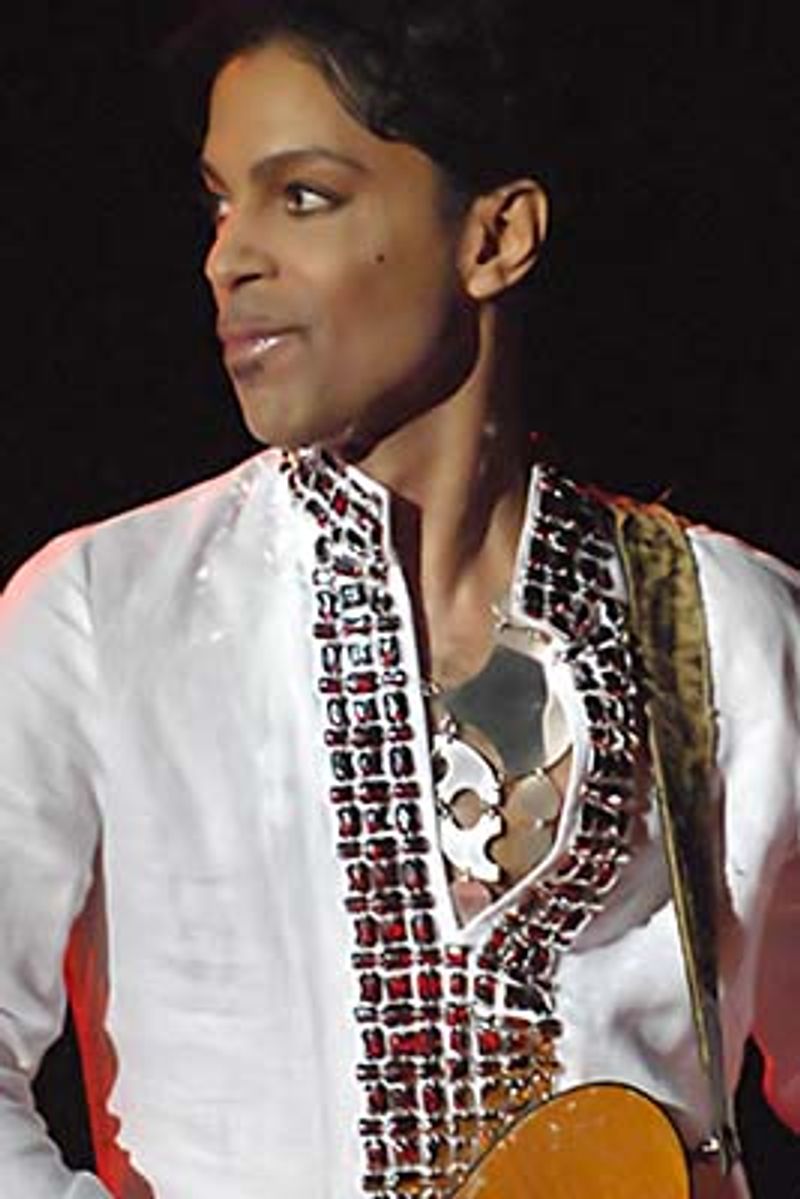
When Prince died in April 2016 at his Paisley Park estate in Minnesota, the music world was stunned. Even more surprising was what came next: he had no known will.
That meant his massive estate, estimated at over $150 million, had to go through a lengthy legal process to determine who would inherit it.
His six siblings were eventually recognized as heirs, but the process took years. Multiple people came forward claiming to be relatives, adding layers of confusion to an already complicated case.
The IRS also got involved, disputing the estate’s value and seeking a much larger tax bill.
By 2023, a settlement was finally reached, but not before the estate had been tied up in court for seven years. Prince’s story became a widely cited example of why even the most successful people need a clear and updated estate plan.
2. Aretha Franklin
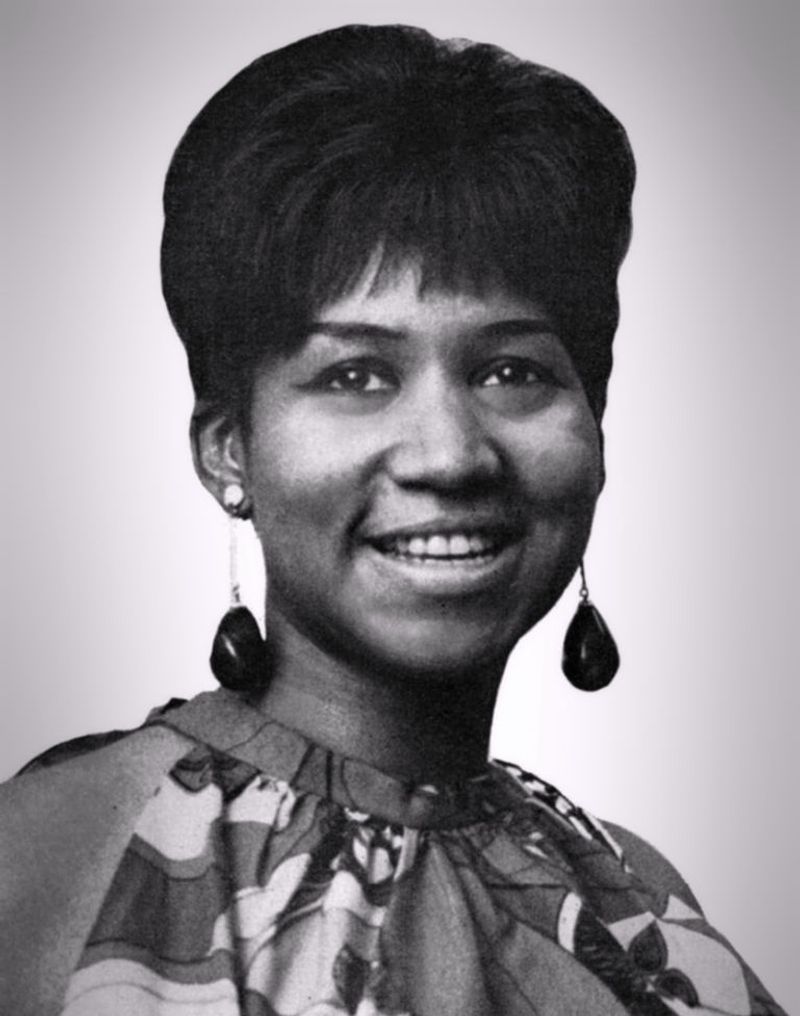
Aretha Franklin, the Queen of Soul, passed away in August 2018, and like Prince, she left no formal will on file. Her four sons were named as potential heirs to an estate worth an estimated $80 million.
But things quickly became complicated when handwritten notes were discovered inside her home.
Two handwritten documents were found, one tucked under couch cushions and another in a spiral notebook. Both appeared to be attempts at writing a will, but they contradicted each other in key ways.
Michigan courts had to determine whether either document was legally valid.
A judge eventually ruled that one of the handwritten notes qualified as a legal will, marking a historic moment in estate law. The case showed how informal documents can carry real legal weight under certain circumstances.
It also sparked widespread conversations about the importance of having a proper, witnessed will in place.
3. James Brown
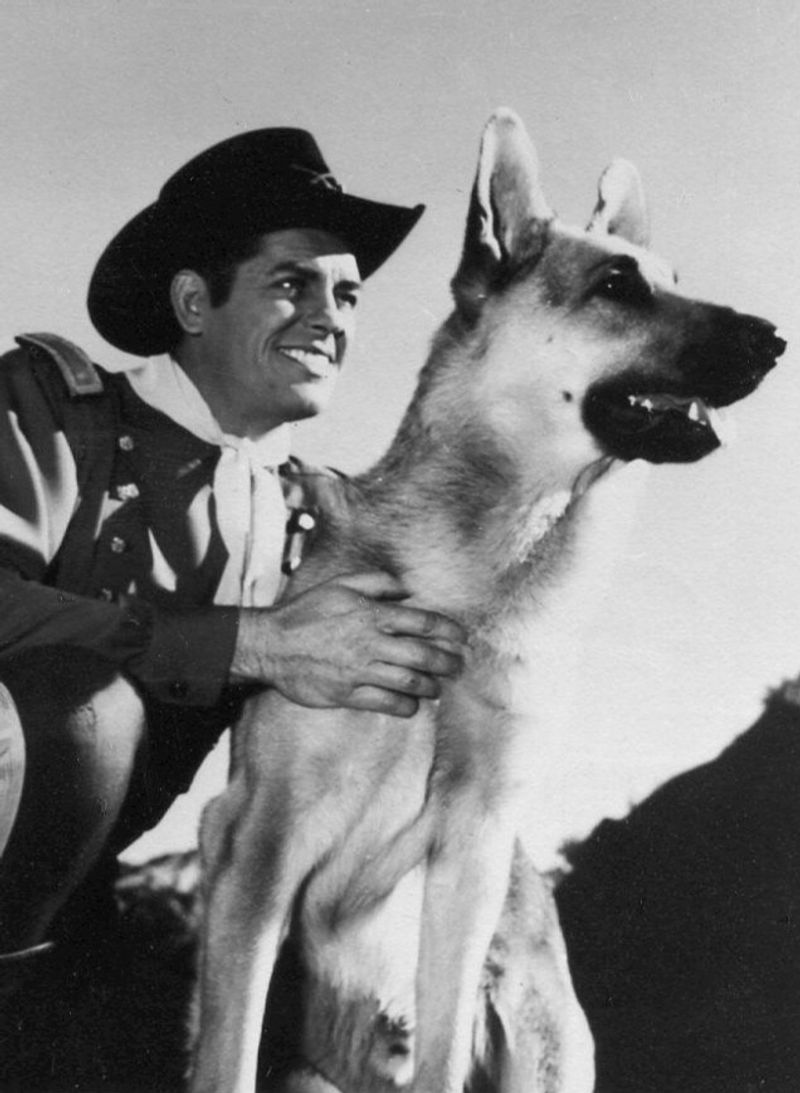
James Brown, the Godfather of Soul, died on Christmas Day in 2006. He left behind a will, but that didn’t stop one of the messiest estate battles in music history from unfolding.
His estate, valued at around $100 million, became a legal war zone almost immediately after his death.
Brown’s will directed that much of his money go toward educational scholarships for needy children in South Carolina and Georgia. However, a group of people, including a woman who claimed to be his common-law wife, challenged the will in court.
His children from various relationships also disputed the terms.
The legal fights dragged on for over a decade. At various points, the courts, the state of South Carolina, and multiple attorneys general got involved.
His case highlighted how even a carefully written will can be challenged and delayed when family relationships are complex and contested.
4. Michael Jackson
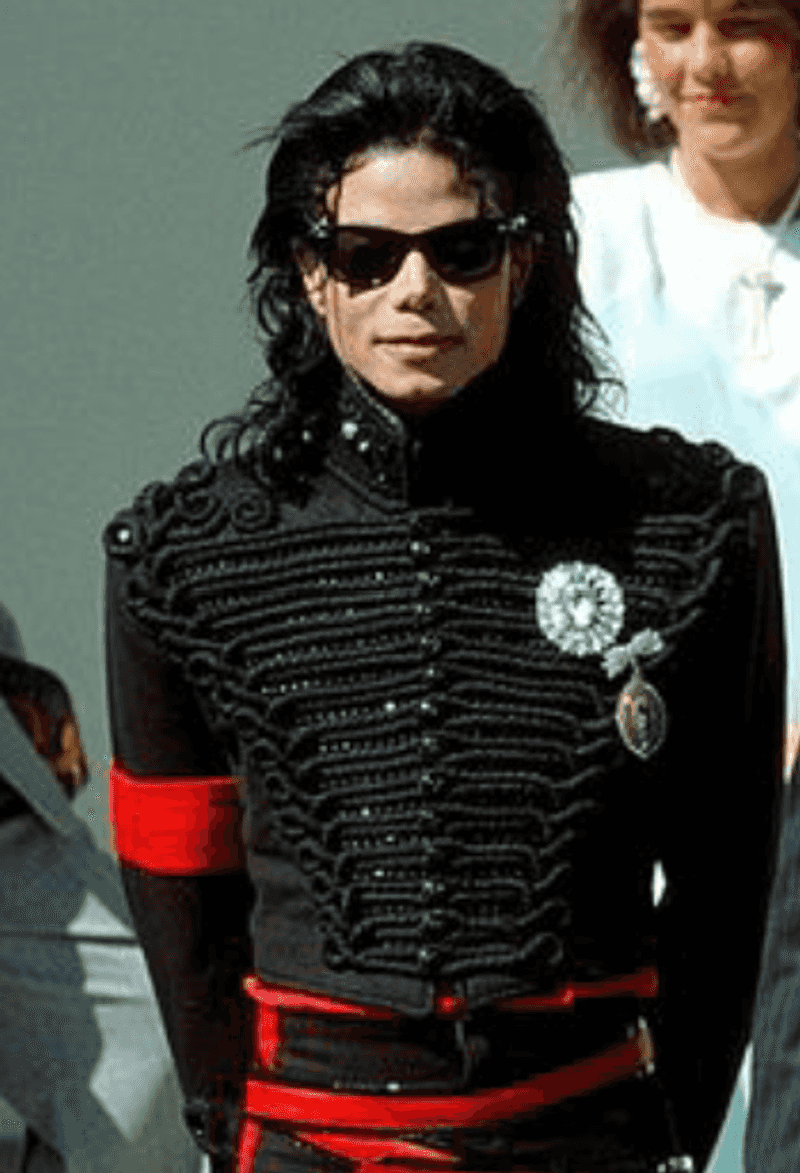
Michael Jackson’s death in June 2009 triggered one of the largest and most publicized estate battles in entertainment history. His estate was initially thought to be deeply in debt, but his executors turned things around dramatically.
Through smart licensing deals, music releases, and the Cirque du Soleil show, the estate generated over $2 billion in the years following his death.
His mother, Katherine Jackson, and his three children were named as beneficiaries. However, his former wife Debbie Rowe and others contested various aspects of the estate’s management.
The IRS also filed a massive claim, arguing the estate had undervalued his image and likeness rights.
A tax court ruling in 2021 sided largely with the estate, setting an important legal precedent for how celebrity image rights are valued after death. Jackson’s estate remains one of the highest-earning in history, a remarkable turnaround from its troubled starting point.
5. Elvis Presley
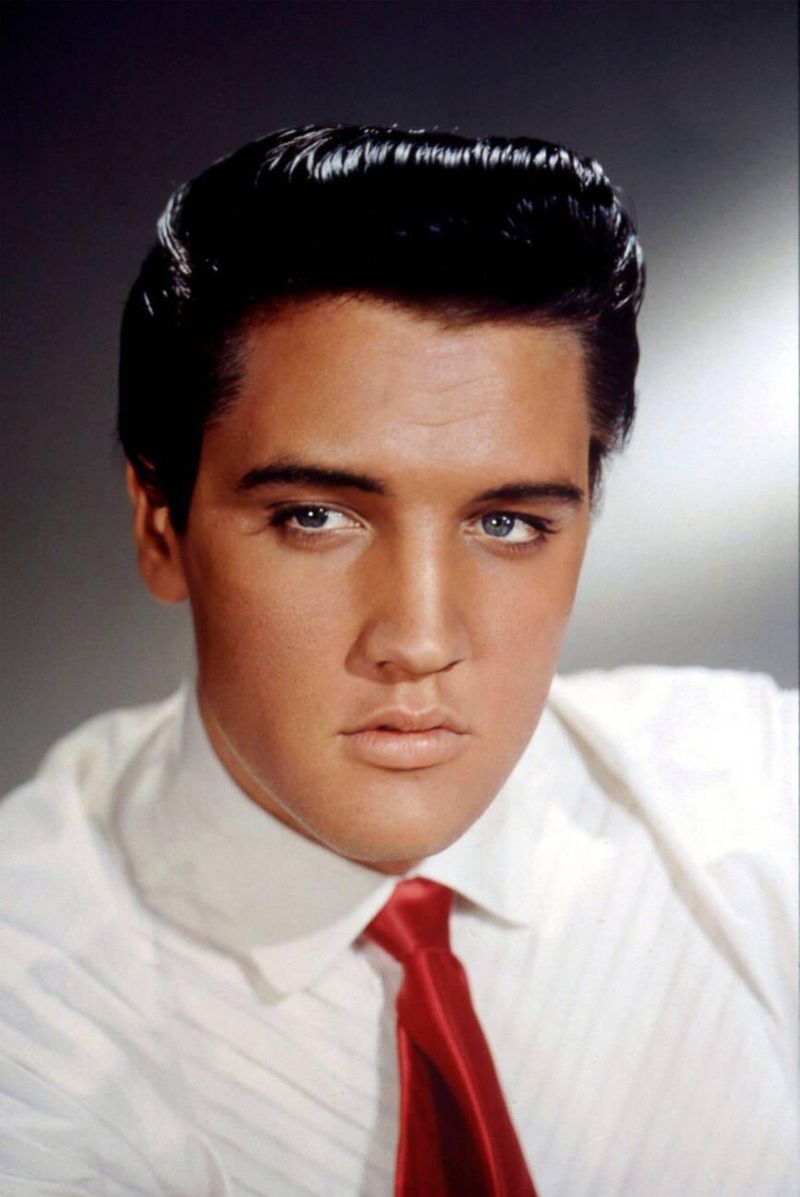
Elvis Presley died in August 1977, leaving behind Graceland and an estate that was, surprisingly, in poor financial shape. His ex-wife Priscilla Presley took charge of managing his legacy and transformed it into one of the most profitable celebrity estates in the world.
Graceland became a major tourist attraction, drawing hundreds of thousands of visitors each year.
Years later, the estate faced a new kind of headline. In 2023, Elvis’s daughter Lisa Marie Presley passed away, leaving behind her own complicated estate situation.
A dispute arose over the trust that controlled Graceland, with questions about who held legal authority over the property.
Adding further drama, a company attempted to foreclose on Graceland in 2024 using what turned out to be a fraudulent loan document. A judge blocked the sale, and the scheme unraveled quickly.
Elvis’s story shows how a legacy can evolve, thrive, and still face unexpected threats decades later.
6. Whitney Houston
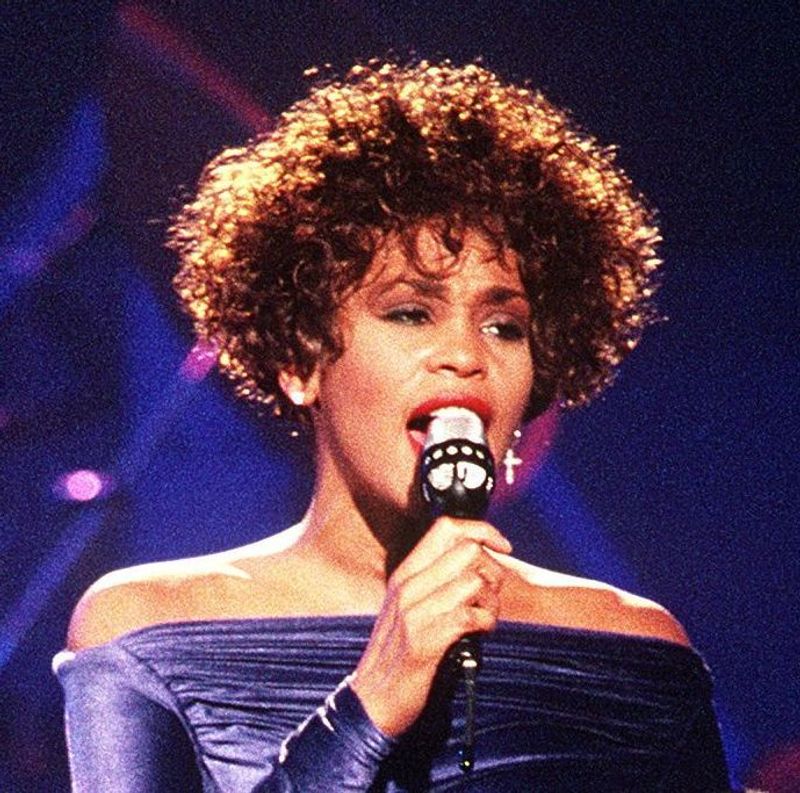
Whitney Houston died in February 2012, and her estate passed to her only daughter, Bobbi Kristina Brown. The will was straightforward in structure, but tragedy struck again when Bobbi Kristina was found unresponsive in a bathtub just three years later, in January 2015.
She died several months after that, at just 22 years old.
With Bobbi Kristina gone, the estate passed to Whitney’s mother, Cissy Houston, and her siblings according to the terms of the original trust. However, questions arose about the management of assets and how money had been handled during Bobbi Kristina’s short time as heir.
A lawsuit was filed against Nick Gordon, Bobbi Kristina’s partner, alleging he had taken money from her accounts and contributed to her death. He was ordered to pay $36 million in a civil case.
The entire sequence of events turned Whitney’s estate story into a deeply personal and heartbreaking public saga.
7. Robin Williams
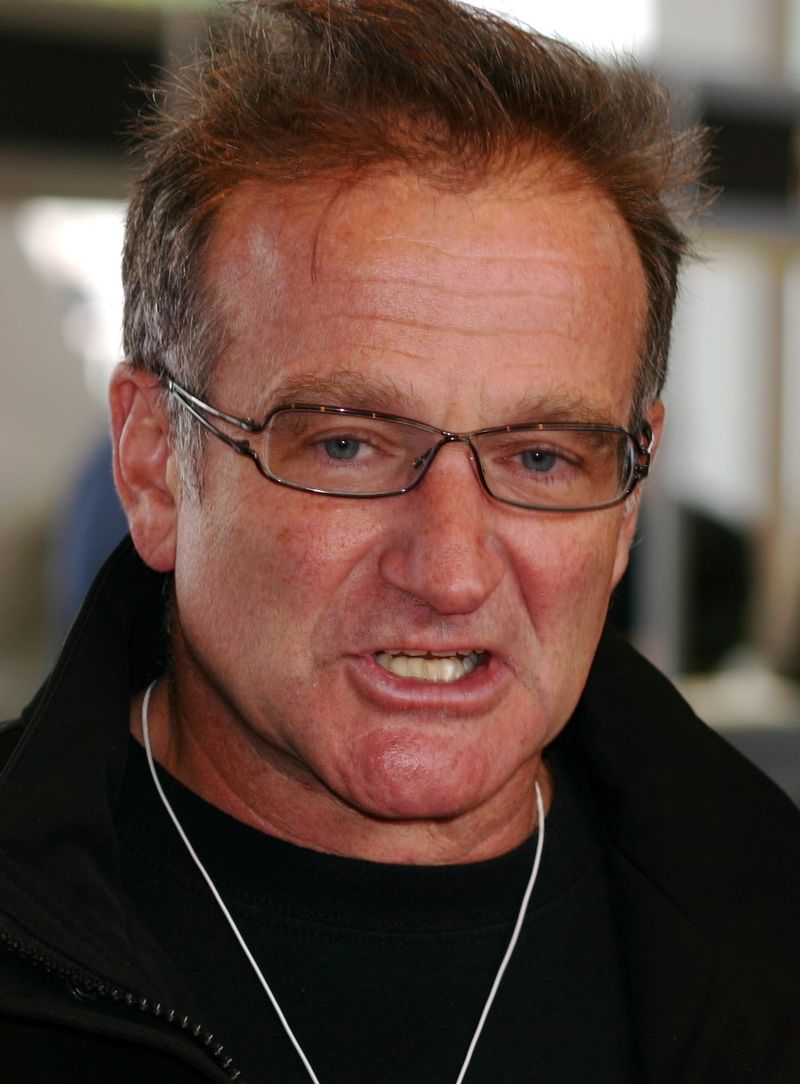
Robin Williams died in August 2014, and although he left a will, his estate still ended up in a painful legal dispute. The core conflict was between his third wife, Susan Schneider Williams, and his three adult children from previous marriages.
The fight centered on personal items found in the family home in Tiburon, California.
Susan argued she was entitled to keep personal memorabilia and items connected to Robin’s career. His children, Zachary, Zelda, and Cody, disagreed about what counted as personal property versus what belonged to the estate’s trust.
Items like his bicycle collection, watches, and movie memorabilia were at the center of the dispute.
The case was eventually settled out of court, with both sides reaching a private agreement. Robin’s children later spoke publicly about the emotional toll the legal battle had taken on them.
The case became a well-known example of how even loving families can clash over sentimental possessions after a loss.
8. Heath Ledger

Heath Ledger died unexpectedly in January 2008 at the age of 28, just months before his iconic performance as the Joker in The Dark Knight was released. He left a will, but it had been written before the birth of his daughter, Matilda, with actress Michelle Williams.
As a result, Matilda was not named in the document.
His estate was left entirely to his parents and sisters. However, his family chose to do the right thing and voluntarily transferred the inheritance to Matilda.
It was a generous and widely praised decision that resolved the situation without a court battle.
Even so, the story raised important public awareness about updating legal documents after major life changes like having a child. His posthumous Oscar win for Best Supporting Actor also raised the estate’s profile and the value of his name and image rights.
Matilda has since been well cared for by both her mother and the Ledger family.
9. Tom Petty
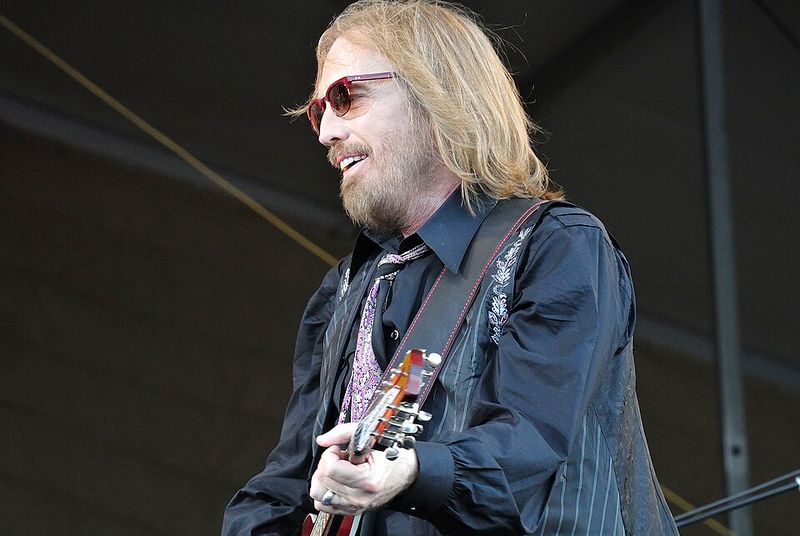
Tom Petty died in October 2017, and within a few years, his estate became the center of a very public family dispute. His second wife, Dana Petty, and his two daughters from his first marriage, Adria and Annakim, ended up in a bitter legal fight over control of his music catalog and legacy.
The disagreement reportedly began over a box set release and decisions about how Tom’s music would be used and marketed going forward. His daughters accused Dana of making unilateral decisions without proper consultation, while Dana maintained she was acting in accordance with Tom’s wishes.
Court filings described the conflict in sharp terms, with both sides trading accusations. The case was eventually settled privately, but not before it had generated significant media coverage.
For fans of Tom Petty’s music, the dispute was a sad reminder that even celebrated legacies can become entangled in family tension and grief.
10. Leonard Cohen
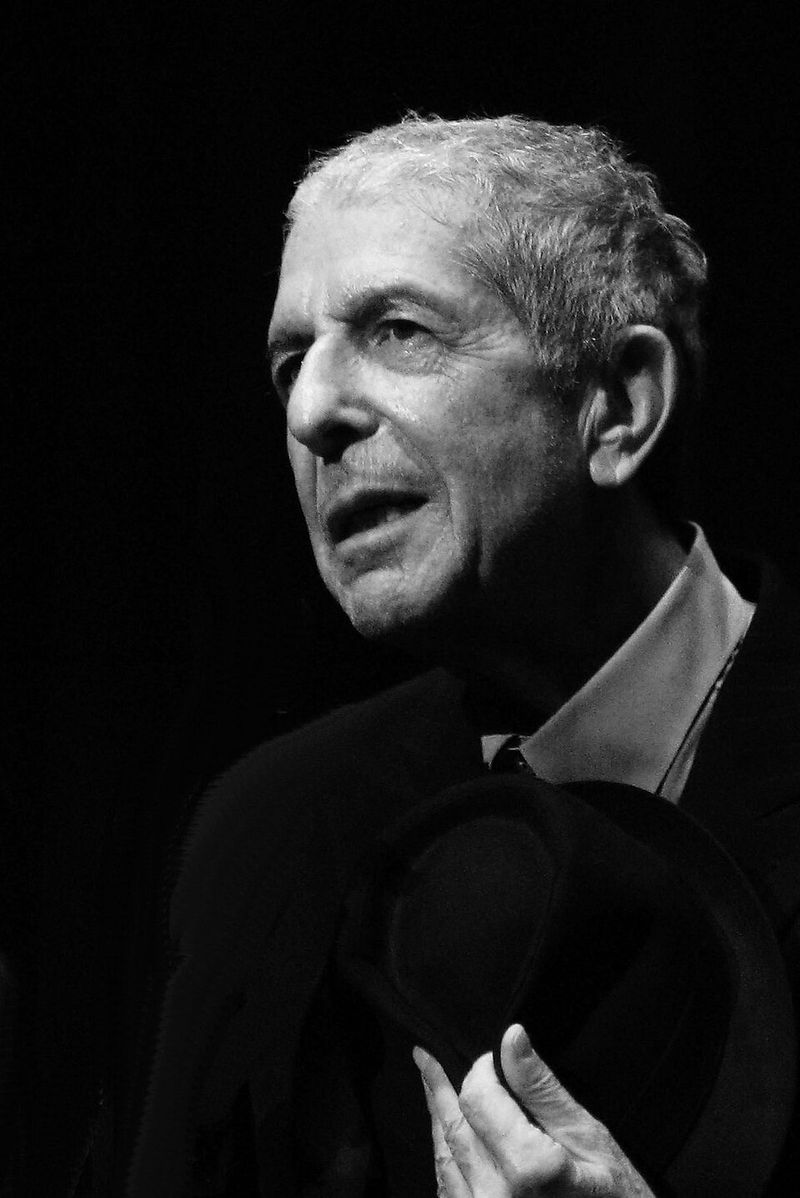
Leonard Cohen passed away in November 2016, just weeks after releasing his final album, You Want It Darker. He left behind a carefully managed estate, but not without its own complications.
A lawsuit filed years earlier had revealed that his former manager had allegedly drained millions from his retirement fund, forcing Cohen to return to touring in his seventies.
After his death, questions arose about the handling of his literary and musical archives. His son Adam Cohen took on a significant role in managing the legacy, overseeing posthumous releases and the preservation of his father’s vast body of work.
Several albums and poetry collections were released after his death, all generating renewed public interest.
Cohen had reportedly rebuilt his finances before he died, but the earlier fraud case left a mark on how people viewed the vulnerability of artists to financial exploitation. His estate has since been handled with care, honoring his reputation as one of the most thoughtful and literary songwriters of his generation.
11. Kobe Bryant
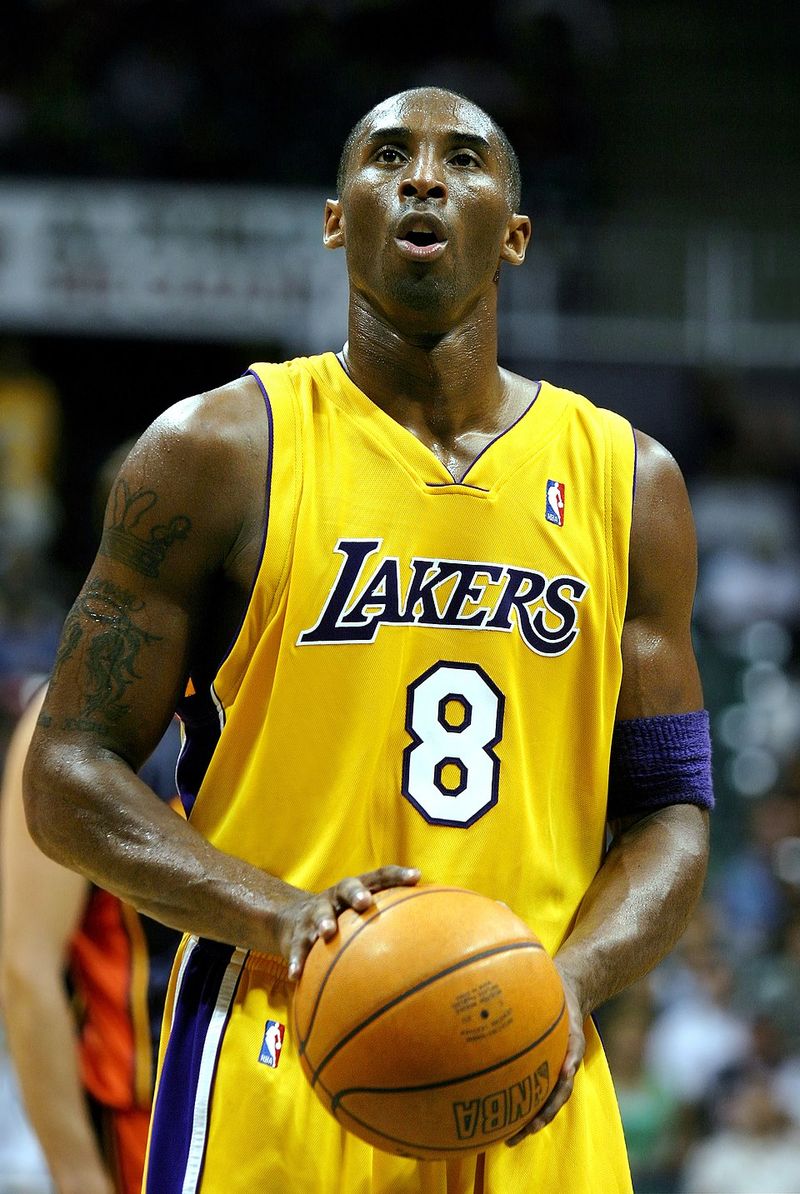
Kobe Bryant died in a helicopter crash in January 2020, along with his daughter Gianna and seven others. The tragedy was devastating on a personal level, but it also opened a complex chapter for his estate.
Kobe had a living trust in place, which helped keep most of his financial affairs out of public probate court.
His wife, Vanessa Bryant, became the primary manager of the estate, which included his business ventures, the Mamba Sports Academy, and rights to his name and image. She also pursued a high-profile lawsuit against the Los Angeles County Sheriff’s Department and the fire department for sharing graphic photos from the crash scene.
A jury awarded Vanessa $16 million in that case. Meanwhile, she has worked to preserve Kobe’s legacy through charitable efforts and brand management.
His estate story stands out not just for its financial complexity, but for the deeply human fight for dignity and respect that followed his death.
12. Chadwick Boseman
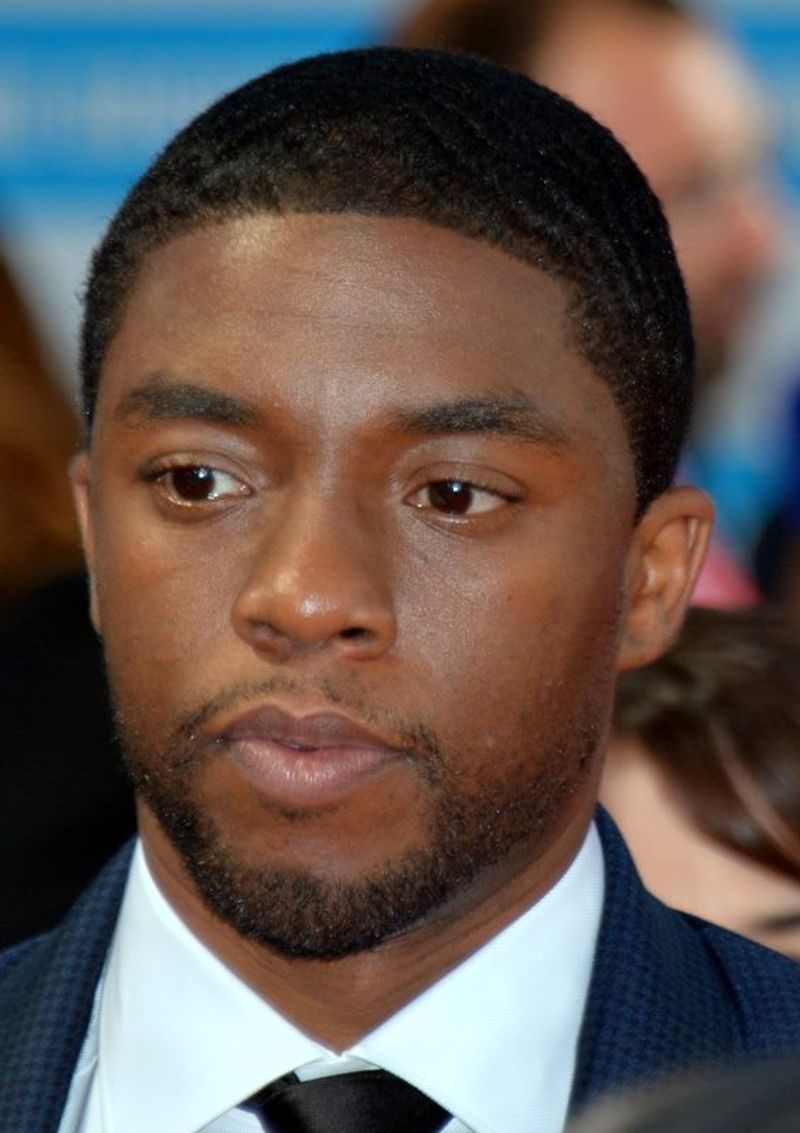
Chadwick Boseman, best known for playing Black Panther, died in August 2020 after a private four-year battle with colon cancer. His death shocked the world, partly because so few people outside his inner circle had known he was ill.
He passed away without a will, which meant his estate had to go through California’s intestate succession process.
His wife, Taylor Simone Ledward, whom he had married shortly before his death, was appointed administrator of his estate. The estate’s value was reported to be around $938,500 after debts, a figure that surprised many given his film success.
Much of his income had reportedly been donated or spent during his lifetime.
Taylor later petitioned for a larger monthly allowance from the estate to cover living expenses, a request that was approved by the court. Boseman’s situation highlighted how even beloved and successful stars can leave behind modest estates when proper planning is absent during a serious illness.
13. Anna Nicole Smith

Anna Nicole Smith’s estate battle is one of the longest and most dramatic in legal history. After the death of her elderly billionaire husband, J.
Howard Marshall, in 1995, Smith claimed she was entitled to a share of his $1.6 billion estate. His son, E.
Pierce Marshall, argued she had no legal claim. What followed was a legal fight that went all the way to the U.S.
Supreme Court twice.
Anna Nicole died in February 2007 before the case was ever fully resolved. Her own death then triggered a separate legal battle over the paternity and custody of her newborn daughter, Dannielynn.
Multiple men came forward claiming to be the father, and DNA testing eventually confirmed that photographer Larry Birkhead was Dannielynn’s biological father.
The Marshall estate case outlived Anna Nicole herself, continuing through the courts for years after her death. Her story became a landmark example of how estate litigation can span decades and multiple court systems.
14. Jimi Hendrix
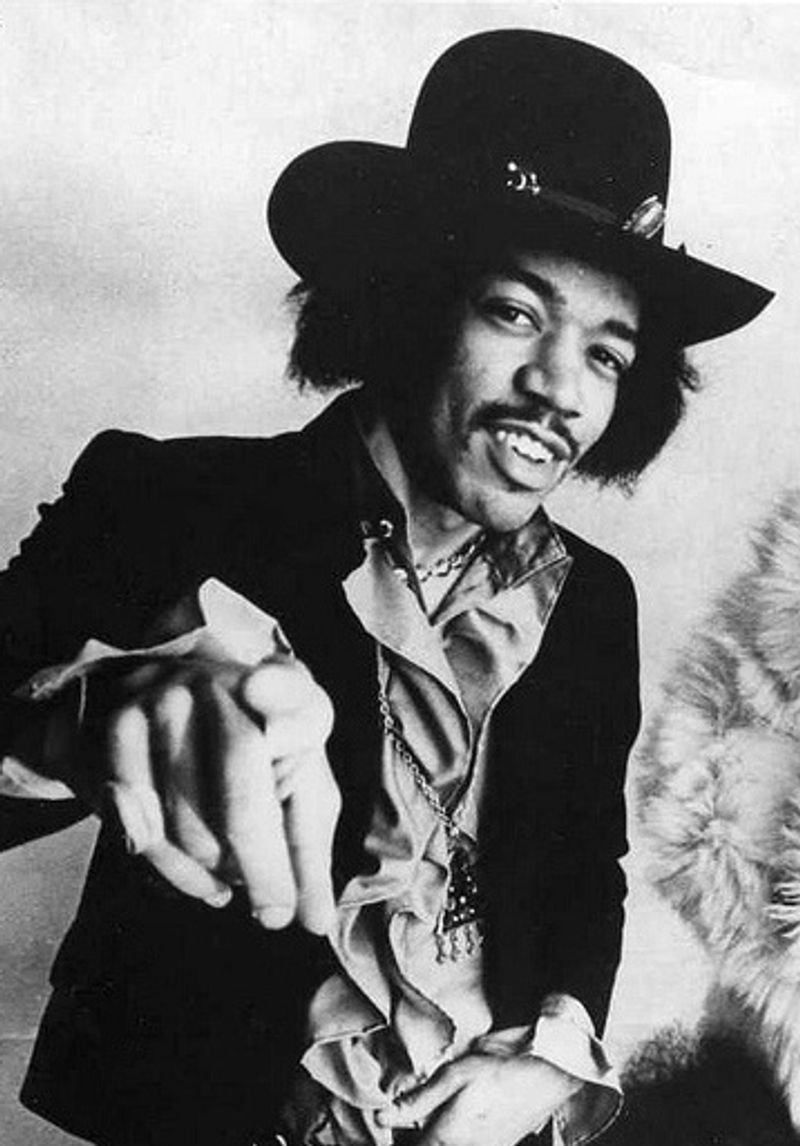
Jimi Hendrix died in September 1970 without a will, and the legal fallout from that decision echoed for decades. His father, Al Hendrix, spent years fighting to reclaim control of Jimi’s music and name rights from the companies that had acquired them.
After a long legal struggle, Al won back control of the estate in 1995, a victory that was celebrated as a landmark case for artists’ rights.
When Al Hendrix died in 2002, he left the estate to his adopted daughter, Janie Hendrix, rather than to Jimi’s biological brother, Leon. Leon challenged the decision in court, arguing the estate should have been shared more equally among family members.
The legal battles between the two continued for years.
Today, Janie Hendrix manages the estate through Experience Hendrix LLC. The company controls Jimi’s music catalog, licensing, and merchandise.
His estate remains one of the most valuable in rock history, generating millions each year more than five decades after his death.
15. Philip Seymour Hoffman
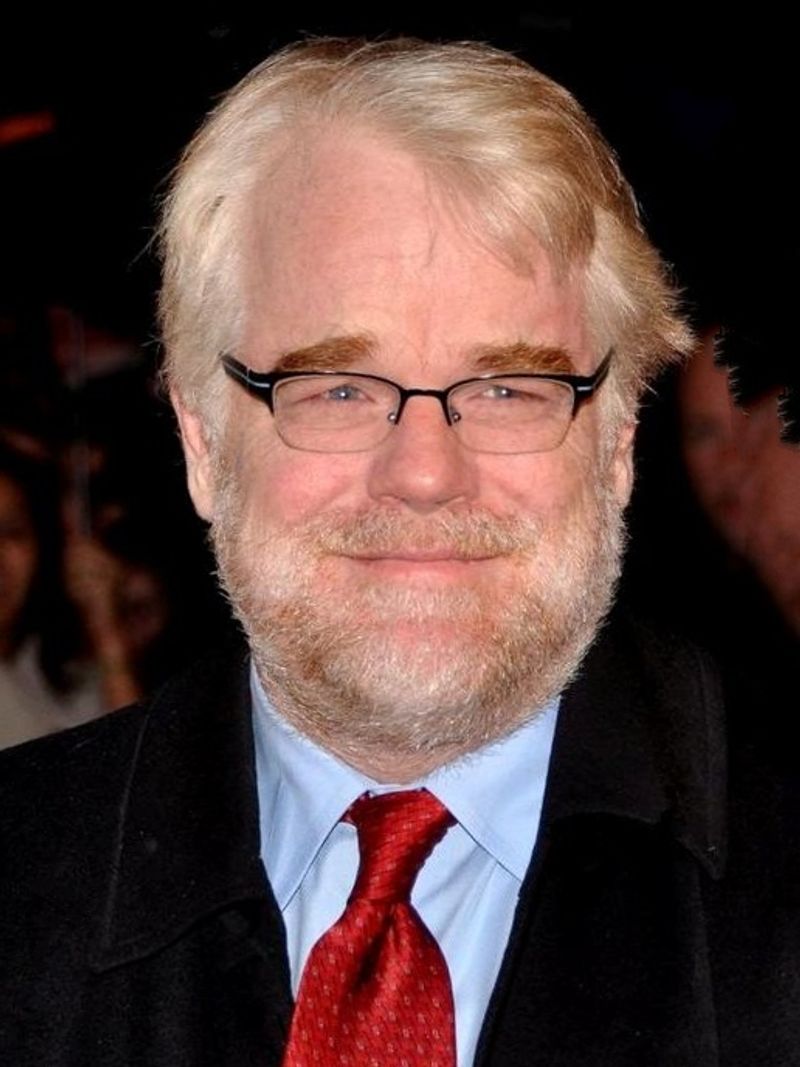
Philip Seymour Hoffman died in February 2014 from an accidental drug overdose, leaving behind three children with his longtime partner, Mimi O’Donnell. He had an updated will, but it contained a controversial clause: he had deliberately chosen not to set up a trust for his children.
He reportedly wanted them to grow up in cities like New York and London, not as trust fund kids isolated from real life.
His estate was valued at around $35 million. Because he and Mimi were never married, she did not automatically inherit as a spouse would have.
Instead, the estate passed to his children, with Mimi serving as their guardian and managing the funds on their behalf.
Hoffman’s estate plan was unusual and sparked debate among financial planners and legal experts. Some admired his reasoning, while others questioned whether his approach truly served his children’s best interests.
His story offers a rare look at how personal values can shape even the most practical financial decisions.
Share this story