Some courtroom cases go far beyond the walls of a courthouse and become part of American history. When celebrities face criminal charges, millions of people tune in, debate the verdict, and remember where they were when the decision came down.
These trials shaped public conversations about justice, fame, and the legal system in ways that still echo today. From Hollywood stars to music legends, here are 15 celebrity trials that kept the entire country glued to their screens.
1. O.J. Simpson (1995)
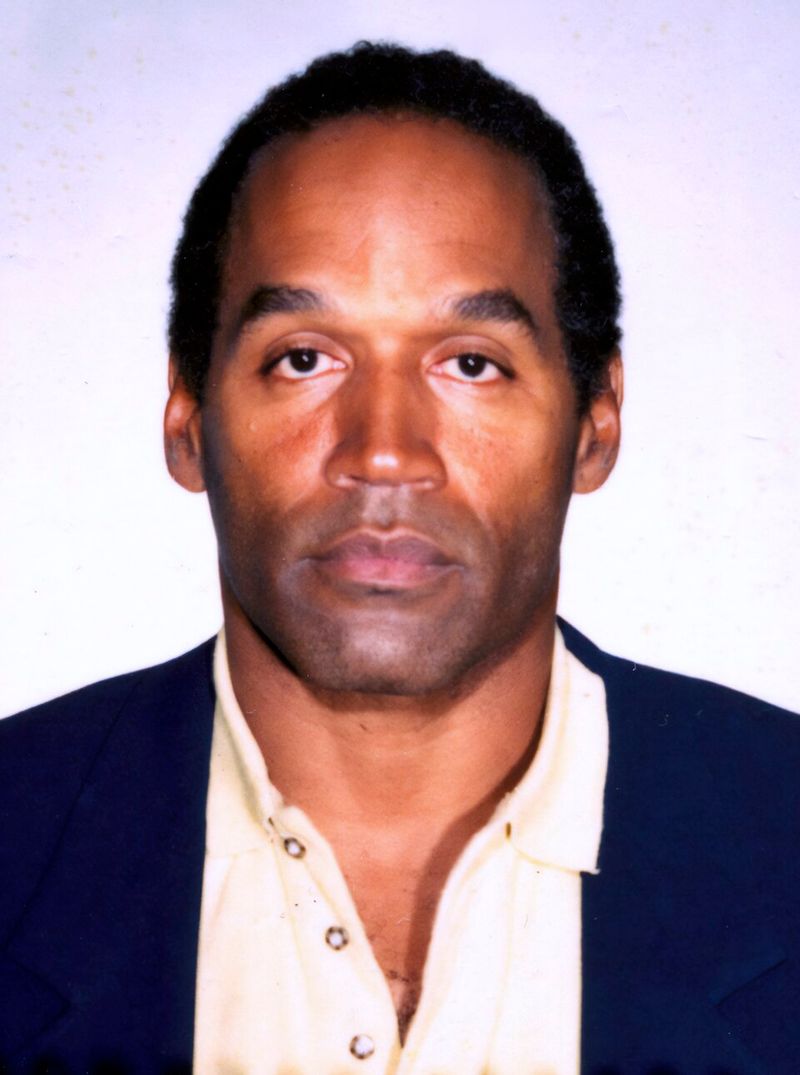
Few trials in American history have captured the public imagination quite like the O.J. Simpson case.
The former NFL superstar and actor was charged with the murders of his ex-wife, Nicole Brown Simpson, and her friend Ronald Goldman in June 1994. The case had everything: fame, violence, race, and a legal dream team that became household names.
The televised proceedings drew an estimated 150 million viewers on verdict day alone. Evidence debates over a bloody glove, DNA testing, and police conduct kept courtrooms and living rooms buzzing for months.
Defense attorney Johnnie Cochran’s phrase “If it doesn’t fit, you must acquit” became one of the most quoted lines in legal history.
Simpson was acquitted on October 3, 1995, sparking deeply divided reactions across the country. The verdict exposed sharp racial divides in how Americans viewed law enforcement and the justice system.
2. Johnny Depp vs. Amber Heard (2022)
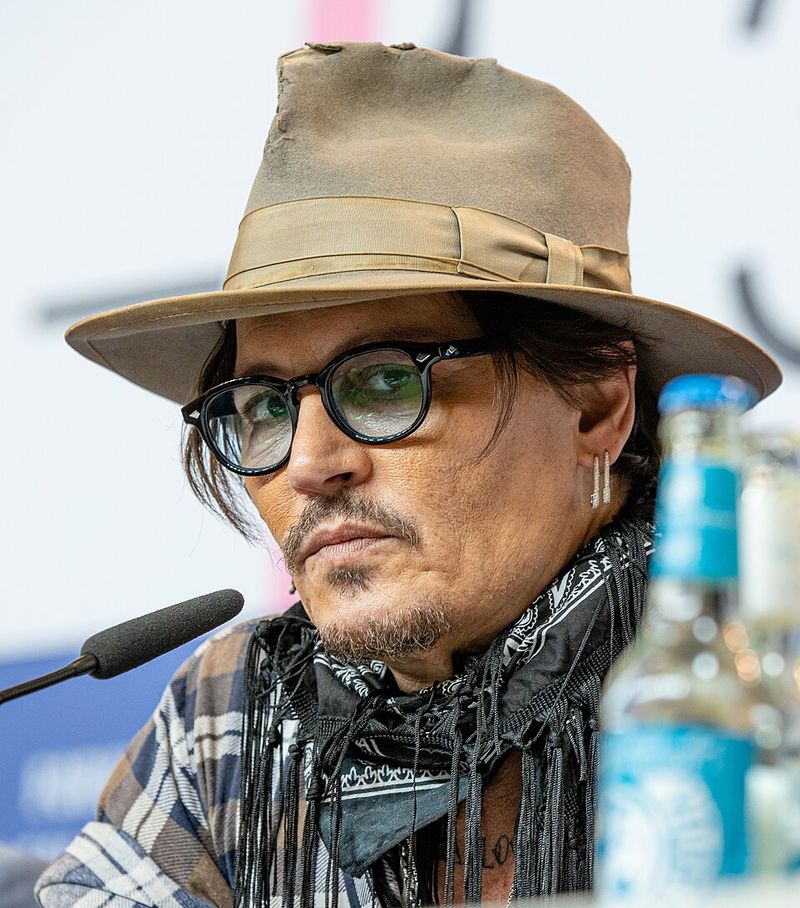
When Johnny Depp sued his ex-wife Amber Heard for defamation over a 2018 Washington Post op-ed, few predicted the trial would become a global media phenomenon. Heard had described herself as a survivor of domestic abuse, and Depp argued the piece cost him major film roles.
Both sides presented disturbing audio recordings, medical records, and witness testimony.
Because the proceedings were fully livestreamed, millions watched every moment from home. Social media exploded with daily reactions, memes, and passionate supporters on both sides.
The trial sparked serious conversations about domestic violence, media bias, and how public opinion can influence legal perception.
The jury ultimately sided with Depp, awarding him over $10 million in damages. Heard received a smaller counterclaim award.
The case remains one of the most-watched and most-debated legal events of the 2020s, raising important questions about fairness in the age of viral media.
3. Michael Jackson (2005)
Michael Jackson was arguably the most famous person on Earth when he walked into a California courtroom in 2005 facing 14 counts related to child molestation allegations. The accuser was a 13-year-old cancer survivor, and the case had been building since a 2003 documentary reignited earlier questions about Jackson’s relationships with children.
Fans camped outside the Santa Maria courthouse for months, while news networks ran wall-to-wall coverage. Jackson arrived to court in pajama pants on one memorable day, adding to the surreal atmosphere surrounding the proceedings.
The trial lasted four months and included testimony from dozens of witnesses on both sides.
On June 13, 2005, the jury acquitted Jackson on all 14 counts. The verdict was met with celebrations outside the courthouse.
Regardless of the outcome, the trial permanently altered how the public viewed one of music’s greatest icons and sparked lasting debate about celebrity, power, and accountability.
4. Bill Cosby (2018)
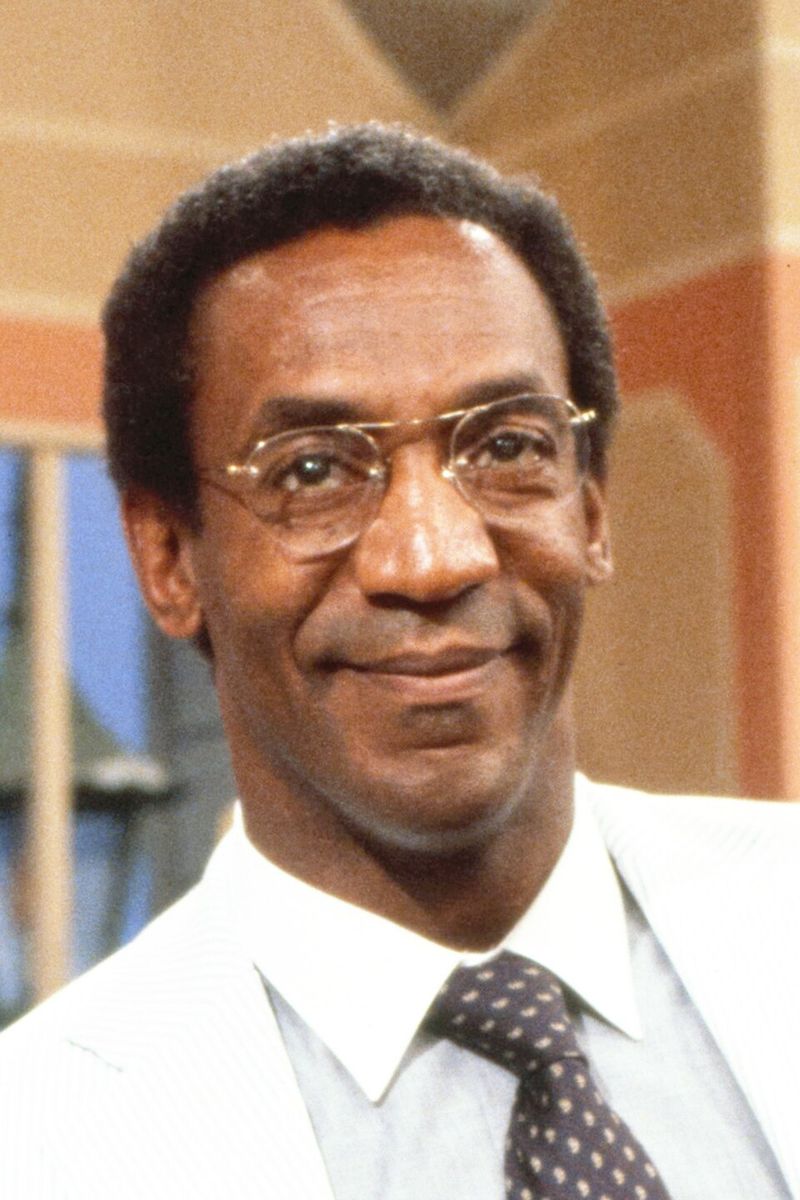
For decades, Bill Cosby was known as “America’s Dad,” beloved for his clean comedy and the wholesome family values of his hit television show. That image shattered when dozens of women came forward accusing him of sexual assault spanning several decades.
His 2018 retrial ended in a conviction that felt historic to many survivors and advocates.
Cosby was found guilty of three counts of aggravated indecent assault against Andrea Constand, a former Temple University employee. The verdict was celebrated as a breakthrough moment in the fight against sexual violence by powerful men.
He was sentenced to three to ten years in state prison.
In 2021, the Pennsylvania Supreme Court overturned the conviction on procedural grounds related to a prior immunity agreement, and Cosby was released. The reversal was deeply controversial.
Still, the trial remains a landmark case in the broader cultural reckoning over sexual misconduct and the limits of fame as a shield.
5. Harvey Weinstein (2020)
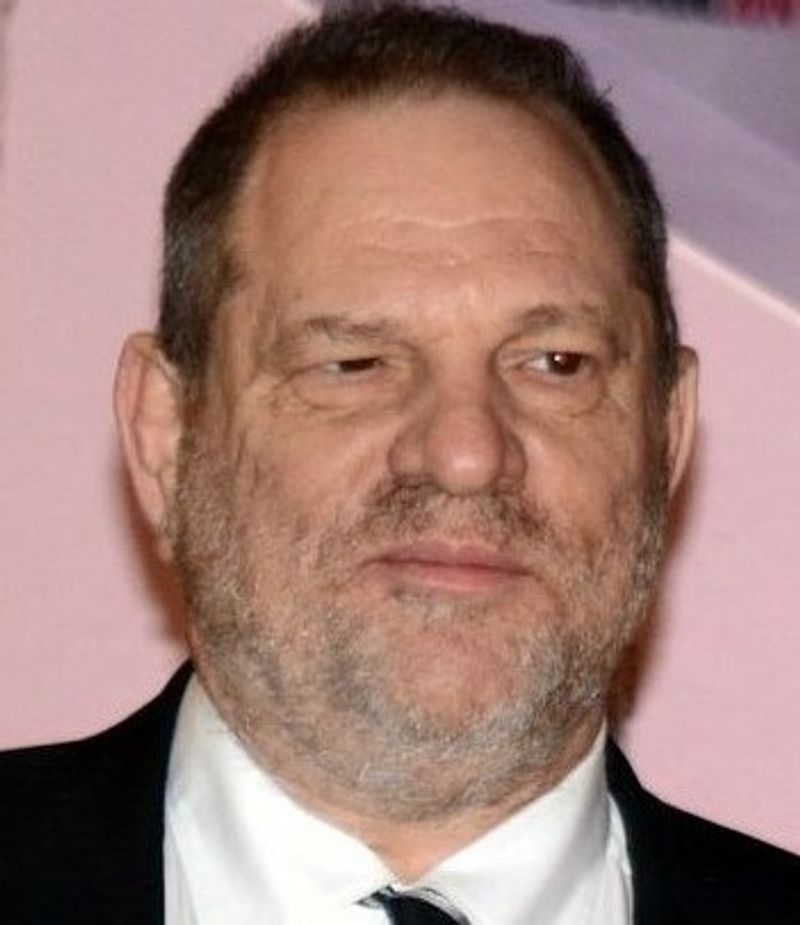
Harvey Weinstein’s 2020 criminal trial in New York City was more than a legal proceeding. It was a defining moment for the global reckoning with sexual misconduct in the workplace.
Once one of Hollywood’s most powerful producers, Weinstein faced accusations from more than 80 women, though only a handful of cases proceeded to trial.
Prosecutors presented testimony from multiple accusers, painting a picture of systematic abuse carried out over decades. The defense argued that relationships were consensual.
The courtroom became a focal point for the #MeToo movement, with supporters rallying outside and media coverage reaching every corner of the country.
Weinstein was convicted of rape in the third degree and criminal sexual assault in the first degree. He was sentenced to 23 years in prison.
The verdict sent a powerful message that wealth and industry influence could no longer guarantee immunity from accountability, reshaping conversations about power across entertainment and beyond.
6. Phil Spector (2009)
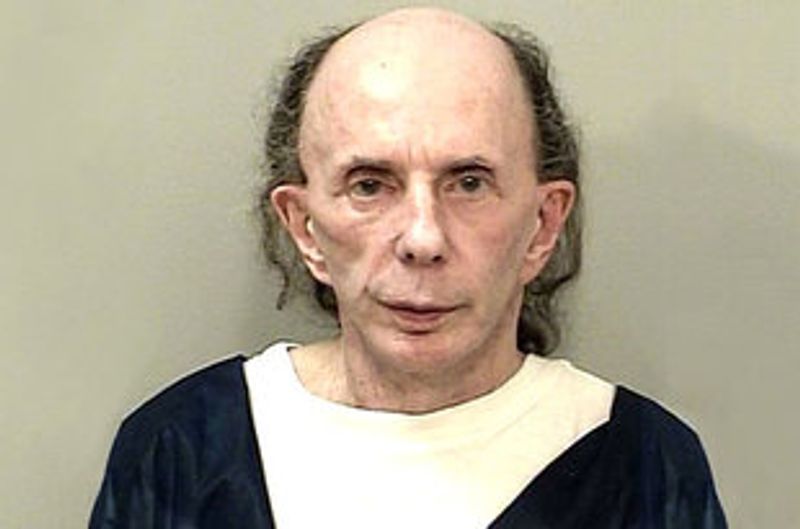
Music producer Phil Spector invented the “Wall of Sound” recording technique and shaped some of the most iconic songs in rock and roll history. But it was a very different kind of headline that defined his final chapter.
In February 2003, actress Lana Clarkson was found dead inside Spector’s Los Angeles mansion with a gunshot wound to the head.
Spector claimed it was an accidental self-inflicted shooting. Prosecutors argued he had a documented history of threatening women with firearms.
His first trial in 2007 ended in a hung jury, adding to the anticipation surrounding the retrial two years later.
In 2009, a jury convicted Spector of second-degree murder. He was sentenced to 19 years to life in prison.
The trial was notable not only for its celebrity drama but also for its striking courtroom moments, including Spector’s rotating collection of unusual wigs that became a media fixation throughout proceedings.
7. Robert Blake (2005)
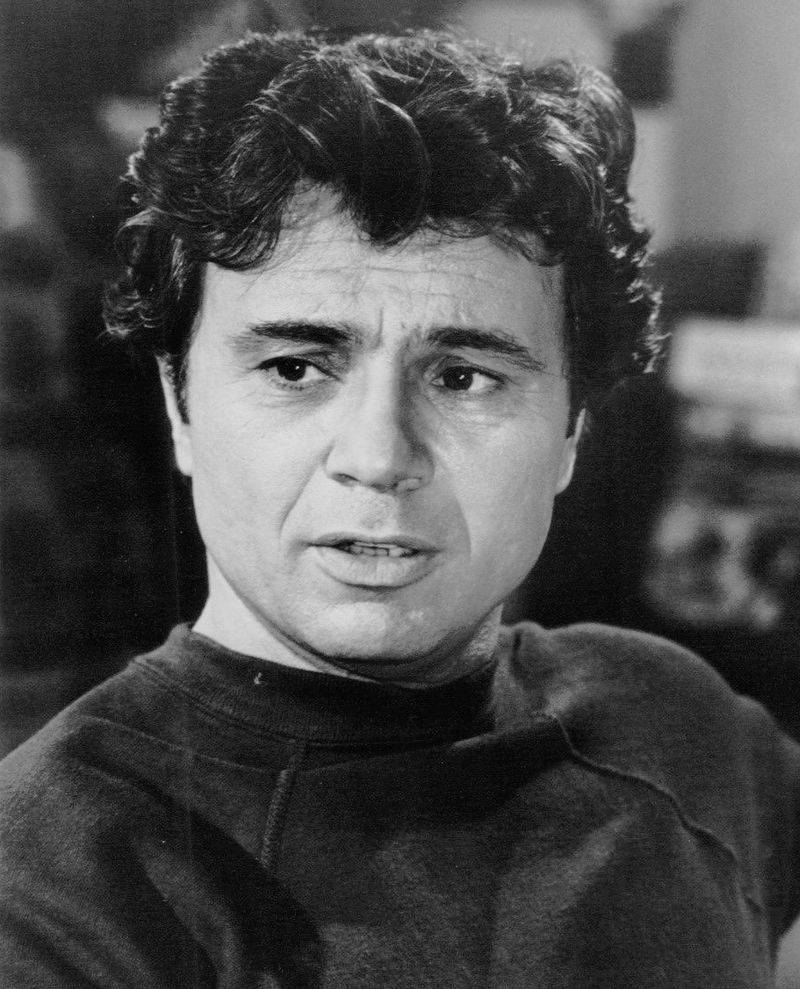
Robert Blake spent decades building a career in Hollywood, most famously starring in the TV series Baretta. But in May 2001, his wife Bonny Lee Bakley was shot and killed in a car outside a restaurant in Studio City, California.
Blake claimed he had gone back inside to retrieve a gun he had left at the table, and that someone else committed the crime.
The murder trial drew heavy media attention, partly because Blake was a recognizable face and partly because the case involved genuinely puzzling evidence. Two stuntmen testified that Blake had previously asked them to kill Bakley, which Blake’s attorneys aggressively challenged.
In 2005, a jury acquitted Blake of murder. However, a civil jury later found him liable for Bakley’s wrongful death and ordered him to pay $30 million in damages.
The split outcomes highlighted the critical difference between criminal and civil court standards, a distinction many Americans found confusing and deeply unsatisfying.
8. Martha Stewart (2004)
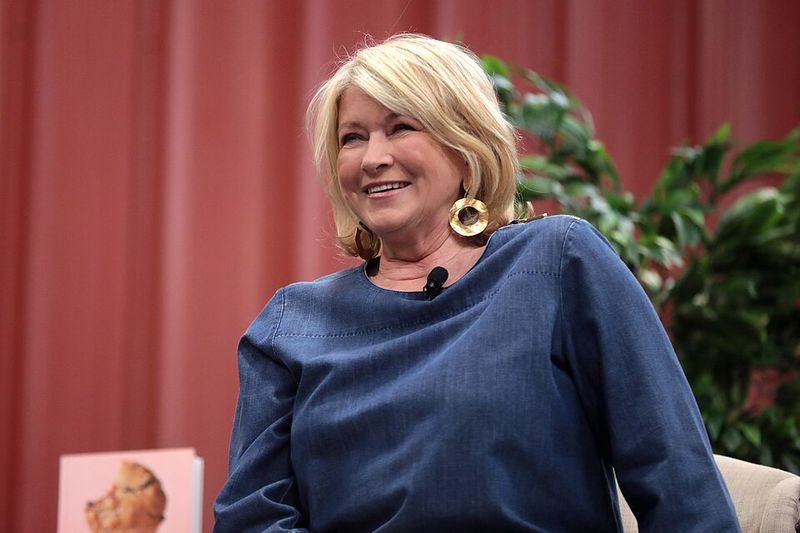
Martha Stewart built an empire on elegance, taste, and the art of living beautifully. So when federal prosecutors charged the lifestyle guru with crimes related to a stock sale, the contrast was jarring.
The case stemmed from her December 2001 sale of ImClone Systems stock just before the company’s share price collapsed, raising suspicions of insider trading.
Interestingly, Stewart was not actually charged with insider trading itself. Instead, she faced charges of conspiracy, obstruction of justice, and making false statements to investigators.
The distinction mattered legally but did little to soften the public blow to her carefully cultivated image.
She was convicted on all four counts in March 2004 and sentenced to five months in federal prison, followed by five months of home confinement. Stewart served her sentence and returned to rebuild her brand with surprising success.
The trial became a case study in how celebrity status can both attract scrutiny and help someone recover from public disgrace.
9. Winona Ryder (2002)
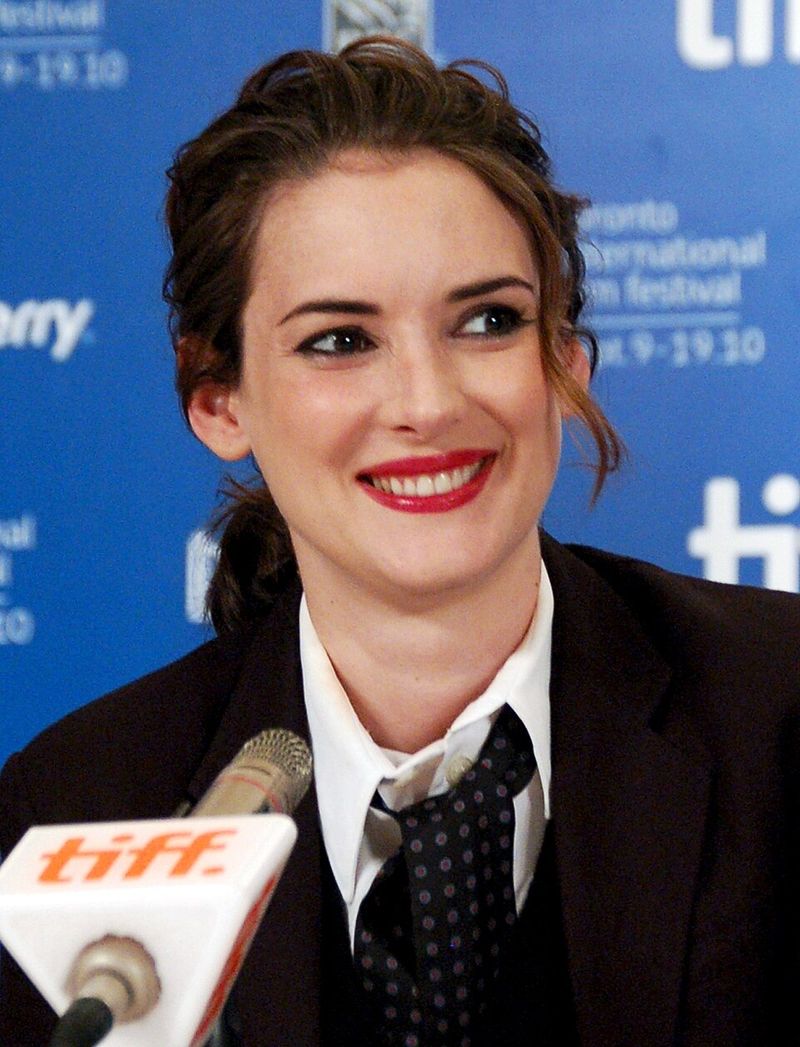
Winona Ryder was one of the most celebrated actresses of the 1990s, known for films like Beetlejuice, Edward Scissorhands, and Girl, Interrupted. So when security cameras caught her shoplifting more than $5,500 worth of merchandise from a Beverly Hills Saks Fifth Avenue in December 2001, the story became tabloid gold almost overnight.
Ryder claimed she was researching a role and had misunderstood her director’s instructions. The defense struggled to gain traction, and prosecutors presented surveillance footage along with items found in her bag.
The trial drew enormous entertainment media coverage and turned the courtroom into something closer to a celebrity spectacle.
She was convicted of grand theft and vandalism in November 2002 and sentenced to probation, community service, and fines. The conviction did not end her career, and she eventually returned to critical acclaim.
Still, the trial remains one of the most memorable celebrity legal stories of the early 2000s for its sheer unexpectedness.
10. Alec Baldwin (2024)
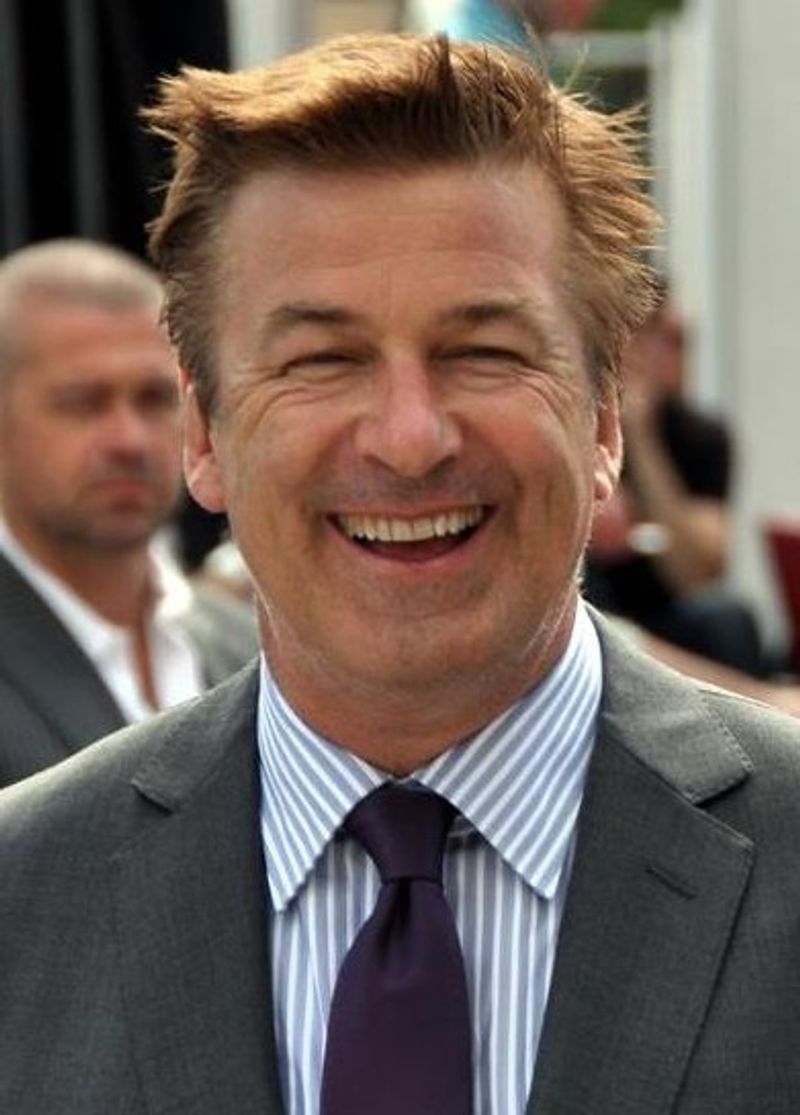
On October 21, 2021, a single gunshot on the New Mexico set of the film Rust killed cinematographer Halyna Hutchins and wounded director Joel Souza. The gun was held by actor and producer Alec Baldwin, who said he did not pull the trigger.
The tragedy sparked immediate questions about on-set safety practices and who bore legal responsibility.
After years of legal maneuvering, Baldwin was charged with involuntary manslaughter and stood trial in 2024. The case attracted intense media coverage not only because of Baldwin’s fame but also because of its serious implications for how firearms are handled in film production.
The trial ended abruptly when the judge dismissed the case with prejudice after prosecutors were found to have improperly withheld evidence from the defense. The dismissal meant Baldwin could not be retried.
The outcome left many unanswered questions about accountability, and Hutchins’s family and colleagues continued to speak publicly about the need for lasting safety reforms on film sets.
11. Jussie Smollett (2021)
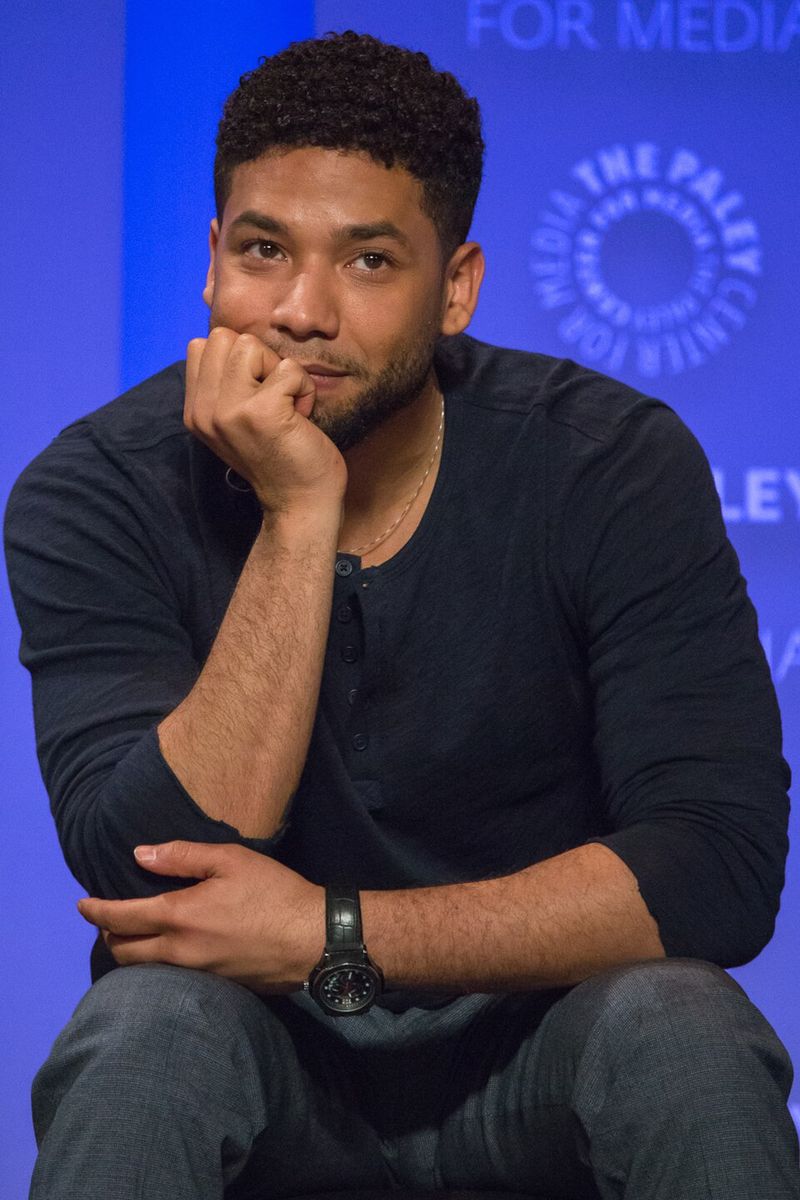
In January 2019, Empire actor Jussie Smollett told Chicago police he had been attacked by two men who hurled racial and homophobic slurs at him, poured bleach on him, and placed a noose around his neck. The story made national headlines and prompted widespread outrage.
Then, within weeks, the narrative collapsed when police identified the alleged attackers as two brothers who worked with Smollett on Empire.
Investigators concluded Smollett had staged the attack and paid the brothers to carry it out. He was charged with filing a false police report, a claim he denied throughout.
The case became a flashpoint in debates about hate crimes, media credulity, and celebrity treatment in the justice system.
Smollett was convicted in 2021, but the Illinois Supreme Court overturned the conviction in 2024 on procedural grounds related to a prior agreement with prosecutors. The legal saga left many observers frustrated, regardless of which side they had supported from the beginning.
12. R. Kelly (2021)
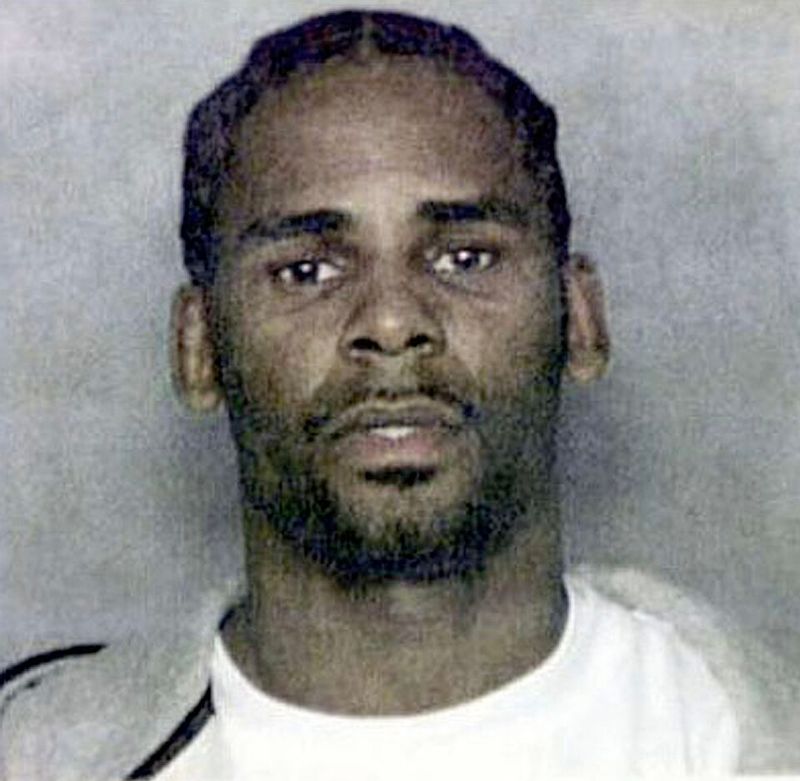
For years, rumors and allegations surrounded R&B superstar R. Kelly, yet his music career continued largely uninterrupted.
A 2019 documentary series titled Surviving R. Kelly brought renewed urgency to accusations that had circulated for decades, and federal prosecutors in New York moved forward with serious charges.
The resulting trial was one of the most significant in music industry history.
Kelly was charged with racketeering and sex trafficking, with prosecutors arguing he ran a criminal enterprise designed to recruit, groom, and abuse young women and girls. Survivors testified at length about manipulation, control, and abuse that spanned years.
The courtroom testimony was difficult to hear but essential to understanding the full scope of the allegations.
He was convicted on all nine counts in September 2021 and later sentenced to 30 years in federal prison. The verdict was seen as a long-overdue reckoning, validating years of warnings from survivors who had spoken out before anyone in the industry was willing to listen.
13. A$AP Rocky (2025)
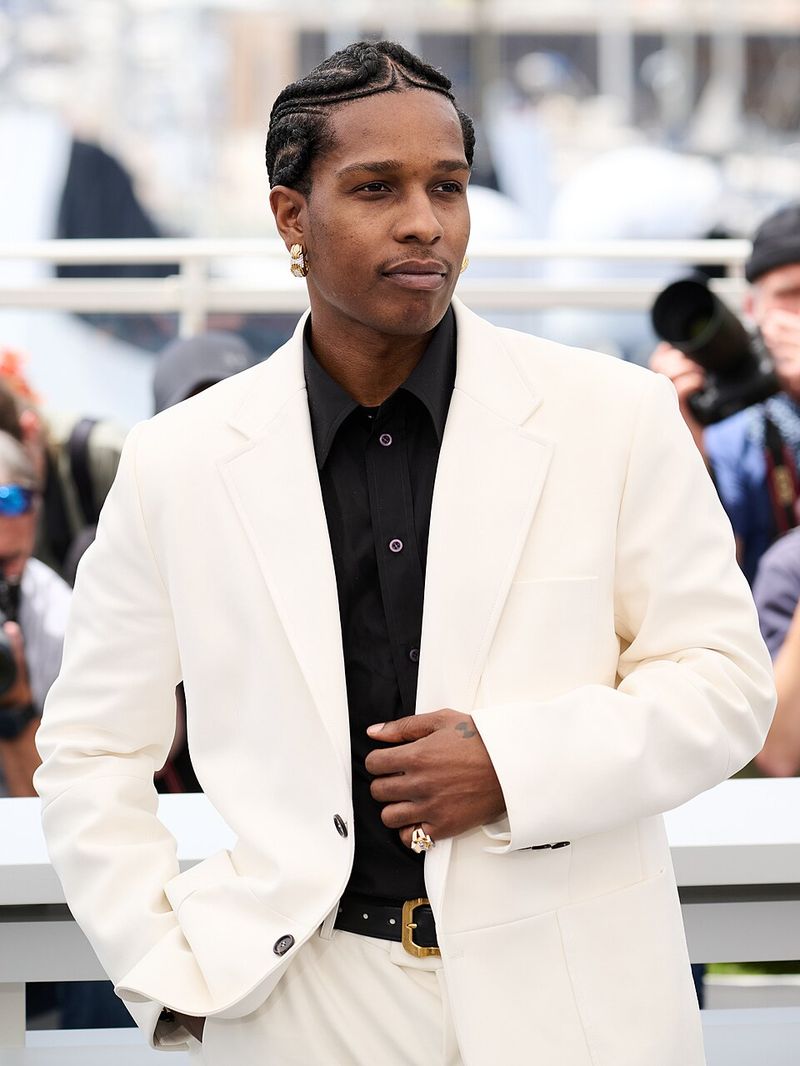
A$AP Rocky, born Rakim Mayers, is one of hip-hop’s most recognizable figures, known as much for his fashion influence as his music. In 2021, a former friend named Terell Ephron accused the rapper of shooting at him during a confrontation in Hollywood.
Rocky was arrested in April 2022 after returning from a trip abroad, and the case drew immediate global attention.
Rocky maintained his innocence throughout. His legal team argued the alleged victim had a motive to fabricate the incident and that the evidence did not support the charges.
The trial, which finally took place in 2025 after years of delays, was closely followed by fans, music industry figures, and legal observers alike.
The jury acquitted Rocky on all counts. The verdict was celebrated widely in the music world.
Beyond the personal relief for Rocky, the case highlighted broader conversations about celebrity prosecution, the reliability of witness testimony, and how fame can both complicate and intensify the legal process for those in the public eye.
14. Fatty Arbuckle (1921-1922)
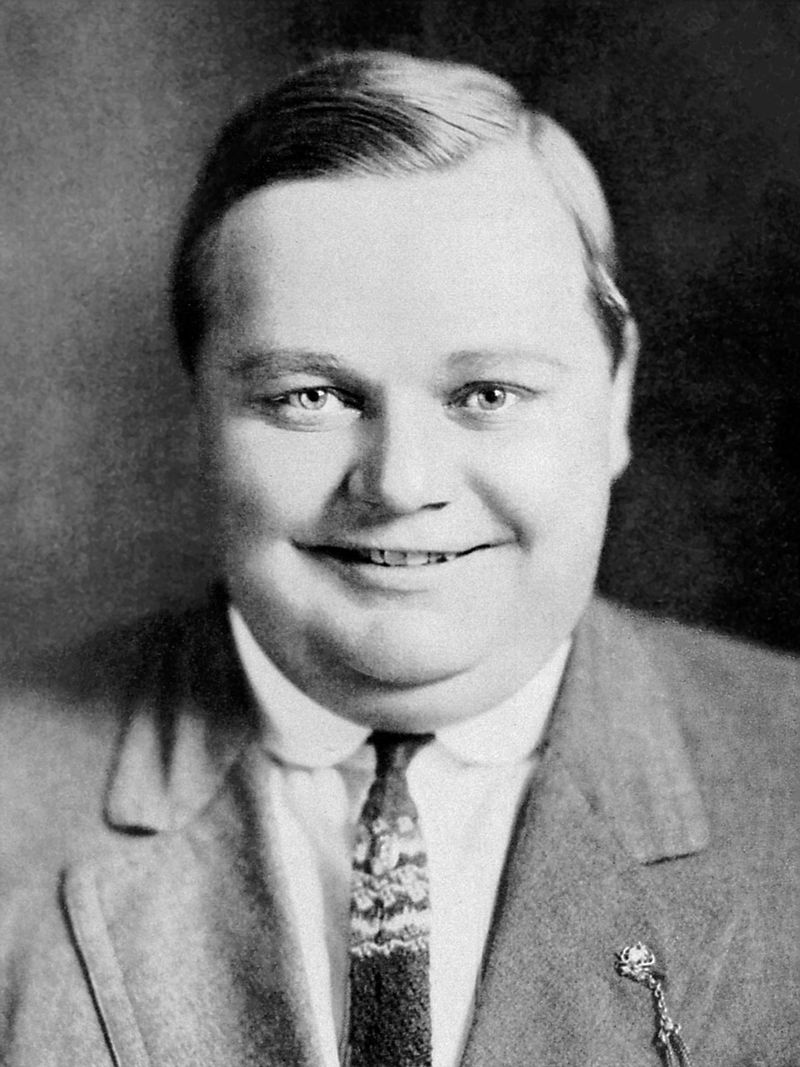
Long before the modern tabloid era, Hollywood had its own era-defining scandal. Silent film comedian Roscoe “Fatty” Arbuckle was one of the biggest stars in the world when he was accused of the assault and manslaughter of actress Virginia Rappe following a Labor Day party in San Francisco in September 1921.
The story spread across newspapers like wildfire, destroying his reputation almost instantly.
What followed was a remarkable and exhausting legal saga: three separate trials over more than a year. The first two ended in hung juries.
The third, however, produced a clear result. The jury acquitted Arbuckle and went so far as to issue a written statement of apology, declaring there was not the slightest proof to connect him with the crime.
Despite the acquittal, the damage was irreversible. Hollywood studios blacklisted him for years.
The case became an early and cautionary tale about the power of media coverage to convict someone in the court of public opinion long before any verdict is reached.
15. Oscar Pistorius (2014)
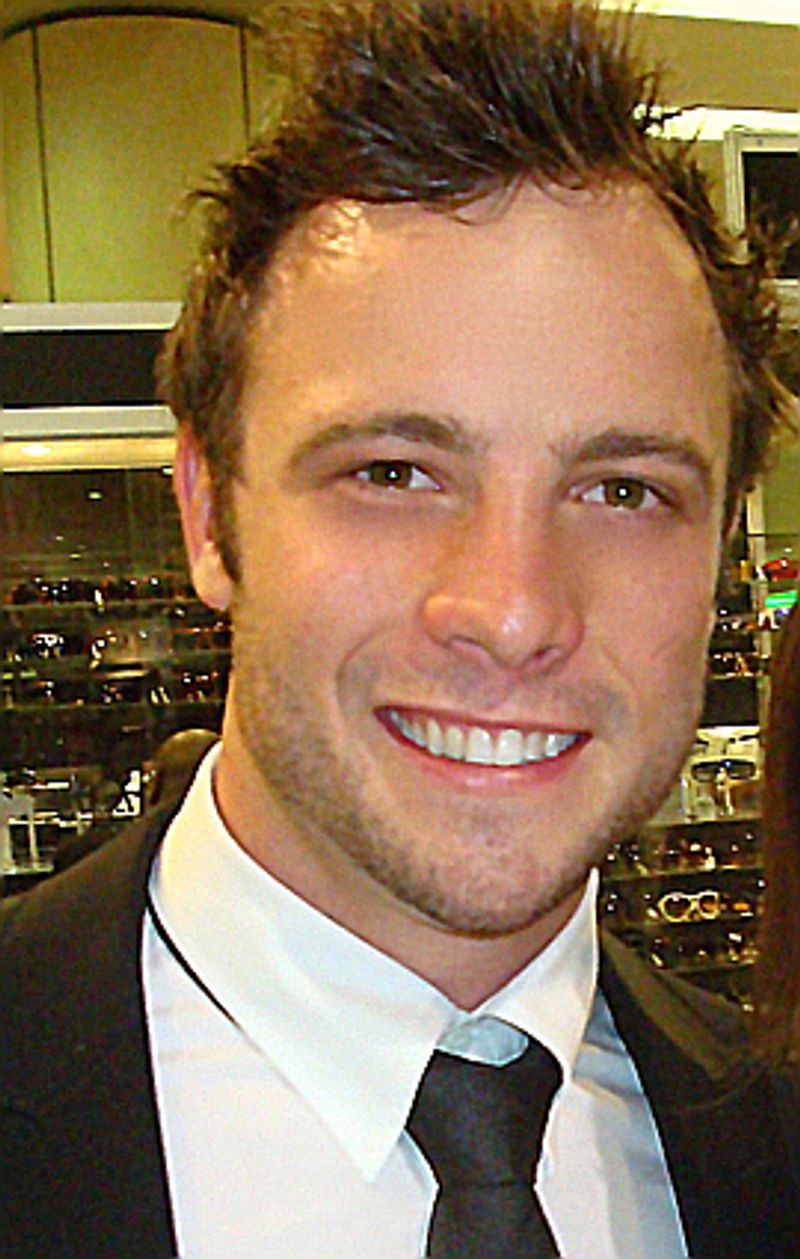
Oscar Pistorius made history as the first double-amputee athlete to compete in the Olympic Games, earning the nickname “Blade Runner” for the carbon-fiber prosthetic legs he wore on the track. Then, on Valentine’s Day 2013, he shot and killed his girlfriend, model Reeva Steenkamp, through the locked door of a bathroom in his Pretoria home.
He claimed he mistook her for an intruder.
The trial, held in South Africa in 2014, was broadcast internationally and followed obsessively in the United States. American audiences tuned in with the same intensity typically reserved for domestic cases, gripped by the combination of athletic legend, a tragic death, and a legal system operating under unfamiliar rules.
Pistorius was initially convicted of culpable homicide, a verdict later upgraded to murder on appeal. He was sentenced to 13 years and five months in prison.
The case raised profound questions about privilege, gender-based violence, and whether fame softens the consequences of taking a life.
Share this story