 Unearth The Voyage
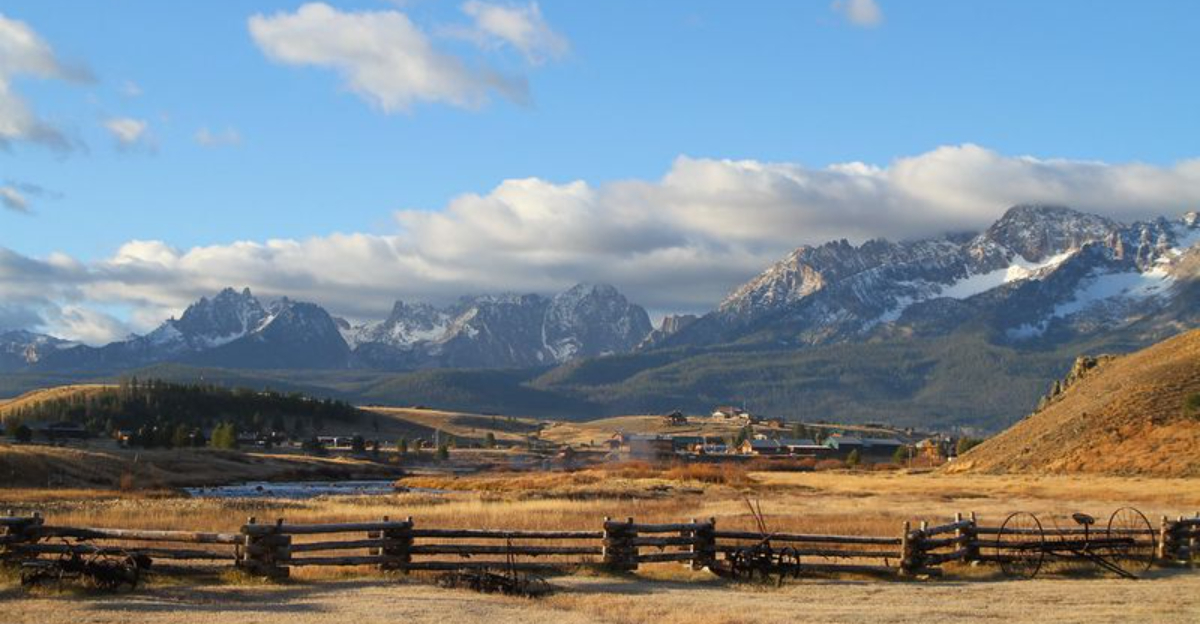
Sometimes the best thing you can do is trade your packed schedule for a mountain town where the biggest decision is whether to hike before or after breakfast. Across the United States, tucked into valleys and perched on ridgelines, there are places where life genuinely slows down.
These aren’t theme parks or tourist traps — they’re real communities with character, fresh air, and scenery that makes you forget what day it is. Pack light, leave the rush behind, and get ready to discover 15 mountain escapes that feel like the world’s best-kept secrets.
Mazama — Methow Valley, Washington
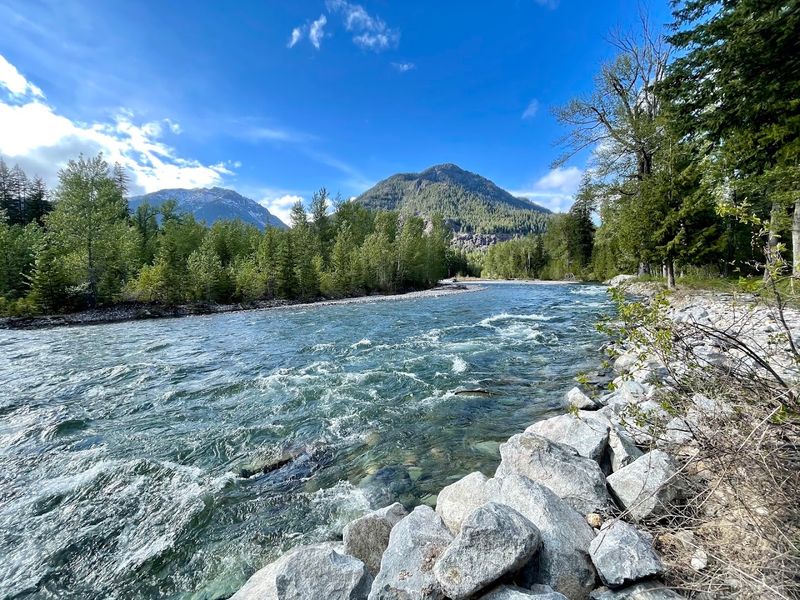
Blink and you might miss Mazama — but slowing down enough to notice it is exactly the point. Tucked into the eastern foothills of the North Cascades, this micro-community sits at the end of a long valley road where the mountains seem to close in like a warm hug.
The Methow Valley trail system is legendary among cross-country skiers in winter and mountain bikers in summer, yet Mazama itself stays refreshingly unhurried. The general store doubles as a community hub where conversations stretch long over locally made pastries and strong coffee.
Rivers run cold and clear nearby, perfect for a spontaneous wade on a warm afternoon. Wildflowers carpet the meadows in summer, turning the valley into a living painting that no filter could improve.
What makes Mazama truly special is how little it asks of you. Show up, breathe deep, wander slowly, and let the North Cascades backdrop do the rest of the work.
Cooke City — Montana
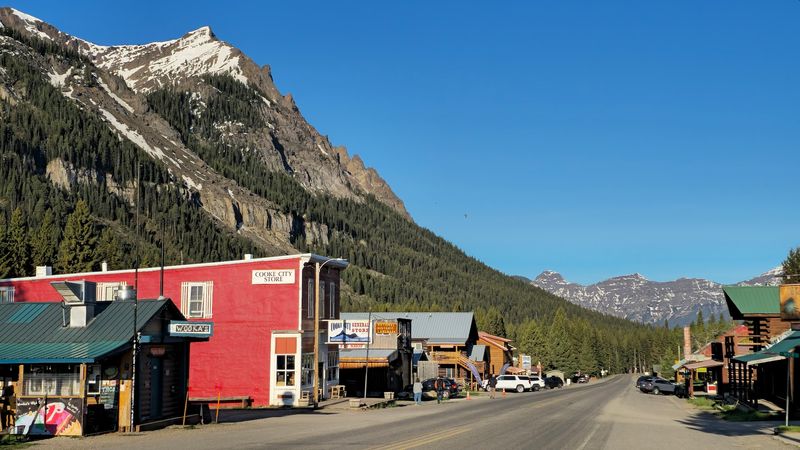
Sitting at the end of the road just beyond Yellowstone’s northeastern corner, Cooke City operates on its own timeline — one that hasn’t changed much in decades. Fewer than 100 people live here year-round, and the local vibe is equal parts frontier grit and genuine mountain hospitality.
Wildlife sightings aren’t a bonus here — they’re practically part of the daily schedule. Grizzly bears, wolves, and bison have been spotted just outside of town, reminding visitors that Cooke City sits firmly on nature’s turf, not the other way around.
Rustic lodges offer warm beds after long days on back-road trails, and the handful of local eateries serve hearty meals that taste earned. Winter isolates the town almost completely, transforming it into a snowmobiler’s paradise and a haven for those who genuinely love quiet.
Summer opens the roads and brings hikers chasing high-elevation solitude. Either way, Cooke City delivers a rare sense of frontier peace that bigger mountain towns lost long ago.
Aspen — Colorado
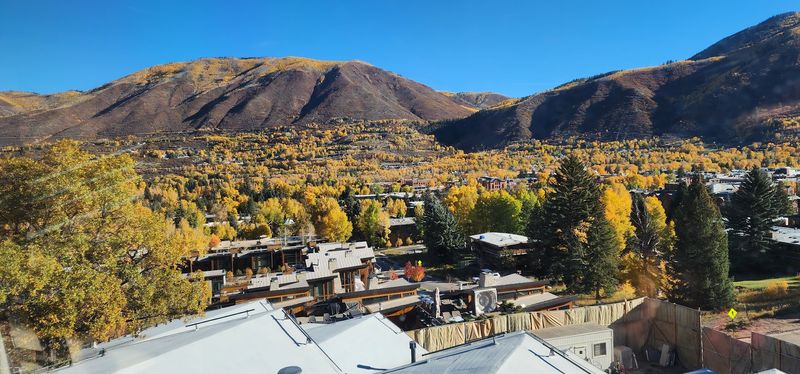
Sure, Aspen has a reputation for fur coats and ski passes that cost more than a used car — but strip away the peak-season glitz and you’ll find a genuinely beautiful mountain town worth savoring. The Victorian downtown is storybook-pretty, with brick sidewalks, independent bookshops, and cafes that encourage lingering.
Summer and fall are Aspen’s quieter seasons, when the crowds thin and the real character of the place comes forward. Golden aspen trees transform the hillsides into something resembling a painter’s dream, and hiking trails lead to high-altitude meadows without the winter chaos.
The Roaring Fork River runs right through town, offering peaceful spots to sit and watch the water move while time seems to pause. Free outdoor concerts, art installations, and farmers markets fill warm-weather weekends with culture that doesn’t require a black-tie budget.
Aspen rewards the patient visitor who looks past the luxury label. Underneath the glamour, it’s still a mountain town with dramatic scenery, clean air, and the kind of beauty that earns its famous name.
Telluride — Colorado
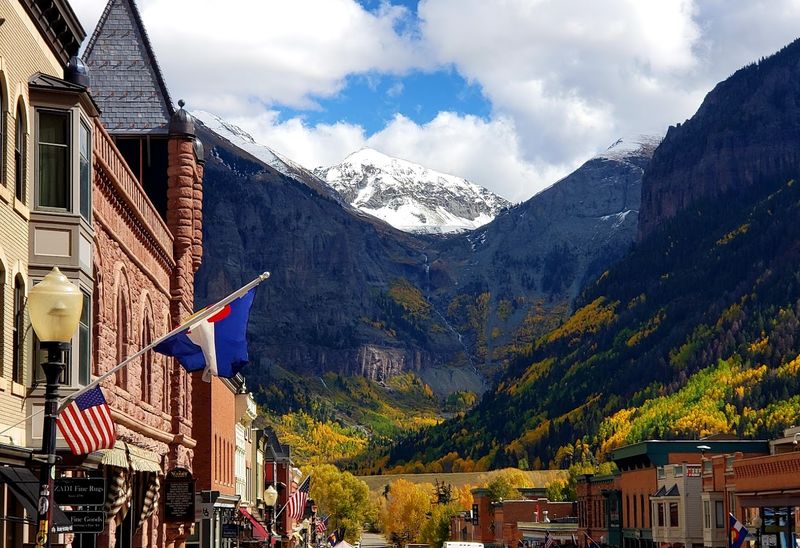
Trapped — in the best possible way — inside a dramatic box canyon, Telluride is the kind of place that makes you forget your return flight exists. The mountains rise so steeply on three sides that the town feels like its own private world, and honestly, that’s not far from the truth.
Victorian-era storefronts line the main street, painted in cheerful colors that pop against the grey granite peaks above. The free gondola connecting Telluride to Mountain Village isn’t just transportation — it’s a slow, scenic ride that forces you to appreciate the view from above, whether you want to or not.
Bridal Veil Falls, the tallest free-falling waterfall in Colorado, drops dramatically at the canyon’s end and is reachable by a pleasant hike. Film, bluegrass, and mushroom festivals throughout the year give the town a cultural heartbeat that surprises first-timers.
Mining history runs deep here — you can feel it in the architecture and hear it in the local stories. Telluride doesn’t just slow time; it makes you wonder why you ever moved so fast.
Stanley — Sawtooth Valley, Idaho
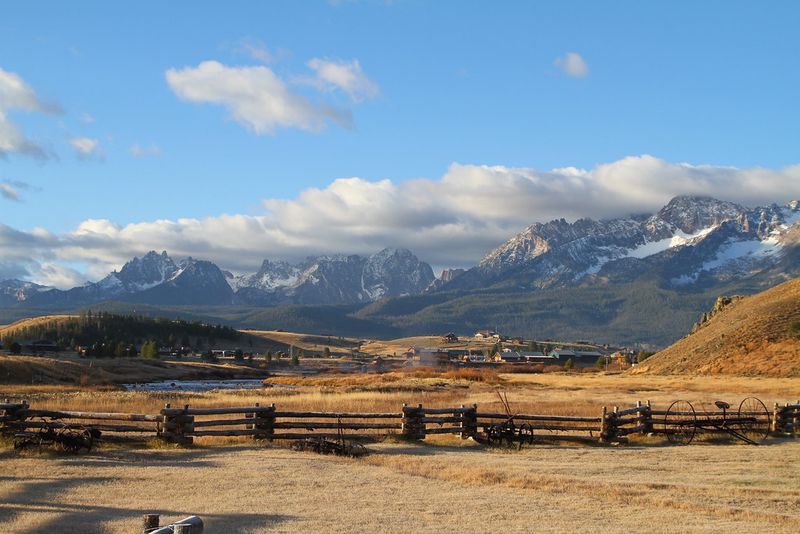
With only around 100 people calling it home, Stanley might just be the most gloriously uncrowded town in the entire American West. Surrounded by the jagged Sawtooth Mountains and laced with crystal-clear rivers, it feels less like a destination and more like a reward for those willing to make the drive.
Mornings here come with birdsong, elk sightings, and coffee that tastes better simply because there’s nowhere to rush off to. The Salmon River cuts right through the valley, offering world-class fly fishing and lazy float trips that practically force relaxation upon you.
At night, Stanley earns its reputation as one of the darkest sky areas in the country — meaning stargazing isn’t just good, it’s genuinely jaw-dropping. Backcountry trails fan out in every direction, leading hikers into quiet wilderness where cell service disappears and peace takes its place.
Stanley doesn’t try to impress anyone. It doesn’t need to.
Whitefish — Montana
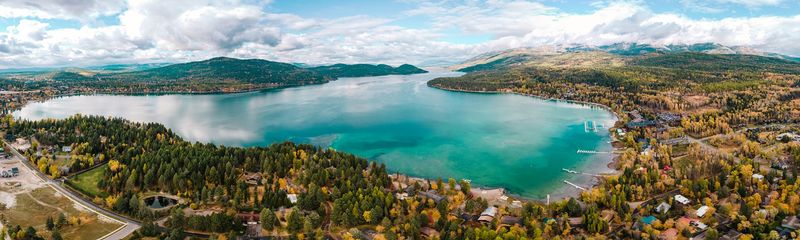
There’s something quietly confident about Whitefish — it knows exactly what it is and makes no apologies for it. Sitting at the base of Big Mountain and just a short drive from Glacier National Park, this small Montana town delivers big scenery with zero pretension.
The downtown is genuinely walkable and filled with locally owned shops, craft breweries, and restaurants that source ingredients from nearby farms. Whitefish Lake is the summer centerpiece, offering paddleboarding, kayaking, and lakeside lounging that feels more like a dream than a Tuesday afternoon.
Winter brings ski season to Whitefish Mountain Resort, but even non-skiers find plenty to love — snowshoe trails, cozy fireside bars, and the kind of cold, crisp air that makes hot chocolate taste like a revelation. Glacier National Park’s famous Going-to-the-Sun Road is within easy reach for summer day trips.
The town’s craft beer scene is quietly impressive, with several taprooms pouring creative ales worth exploring slowly. Whitefish moves at a pace that feels deliberate rather than lazy — as if the whole town agreed that rushing simply wasn’t worth it.
Bend — Oregon
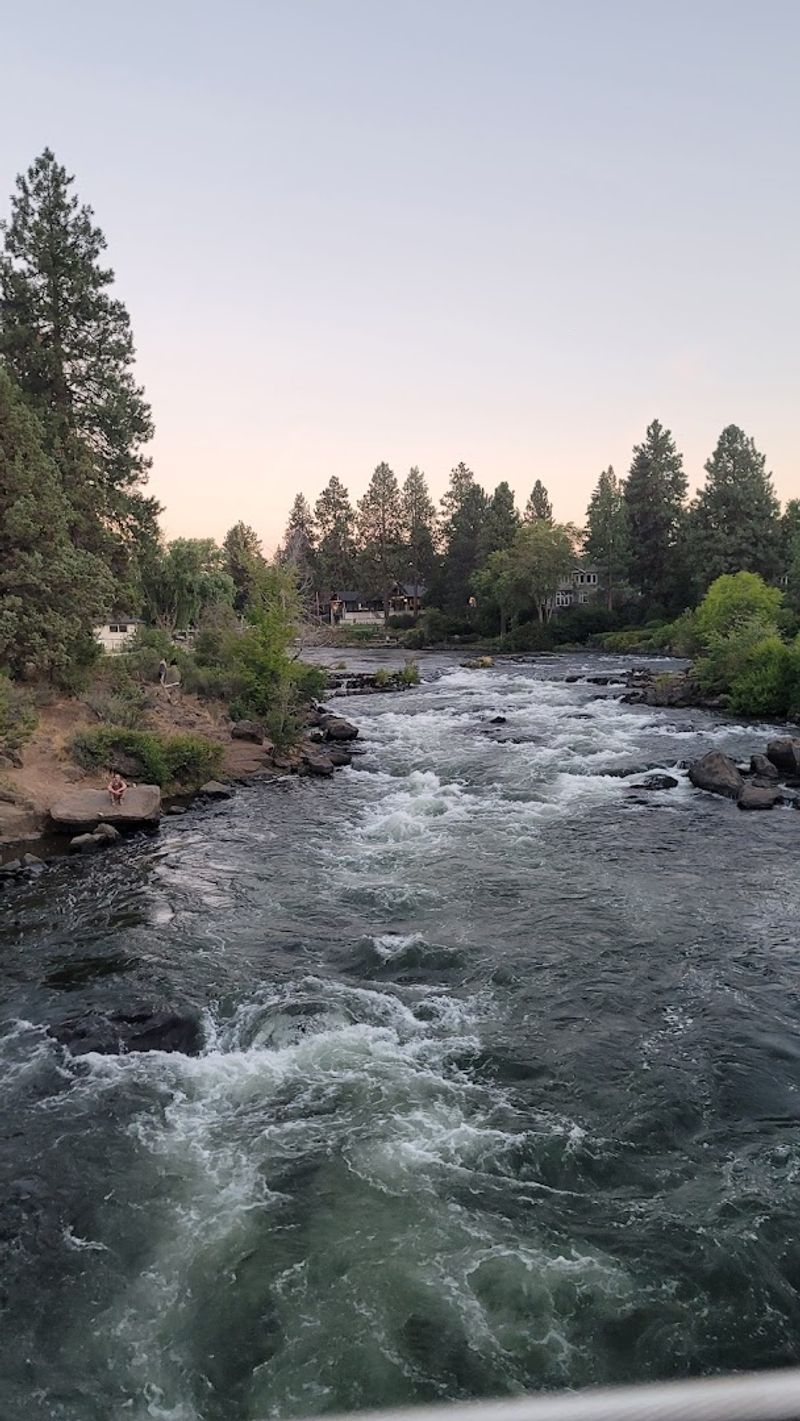
Craft beer in one hand, hiking poles in the other — Bend has figured out a lifestyle balance that most cities only dream about. Positioned in central Oregon with the Cascades as a permanent backdrop, this mid-sized mountain city combines outdoor adventure with a genuinely relaxed downtown energy.
The Deschutes River Trail winds through town, letting you walk or bike for miles alongside rushing water without ever feeling like you’ve left nature behind. Smith Rock State Park, a short drive away, offers some of the most dramatic canyon and rock climbing scenery in the entire Pacific Northwest.
Bend’s craft brewery scene is legendary — the city has more breweries per capita than almost anywhere in America, and most of them have outdoor patios designed for long, lazy afternoons. Ski resorts at Mt.
Bachelor are close enough for day trips without the need to stay in a ski town. What Bend does best is make outdoor adventure feel casual and unhurried rather than scheduled and exhausting.
Come with loose plans, flexible days, and an appetite for both trails and tap handles.
Blowing Rock — North Carolina
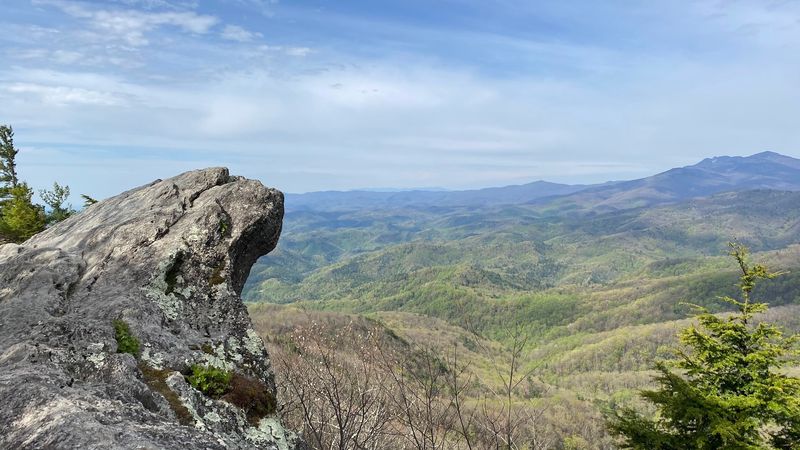
Legend has it that a Cherokee brave was blown back up from the gorge below by the powerful winds that gave this town its name — and the rock formation responsible still draws curious visitors today. Blowing Rock perches at 4,000 feet on the Blue Ridge, offering panoramic views that stretch into three states on a clear day.
The town itself is postcard-perfect, with a compact downtown full of art galleries, locally owned boutiques, and bakeries selling things you didn’t know you needed until they were in front of you. Nearby Grandfather Mountain and the Blue Ridge Parkway offer scenic drives and hikes at a pace set entirely by you.
Julian Price Memorial Park and Bass Lake sit just minutes away, providing peaceful spots for picnics, paddleboat rides, and waterside reflection. The town’s art scene punches well above its size — the Blowing Rock Art and History Museum is legitimately impressive for a town this small.
Fall transforms the surrounding ridgelines into a riot of orange, red, and gold that draws leaf-peepers from across the Southeast. Blowing Rock rewards those who slow down enough to actually look around.
Beech Mountain — North Carolina
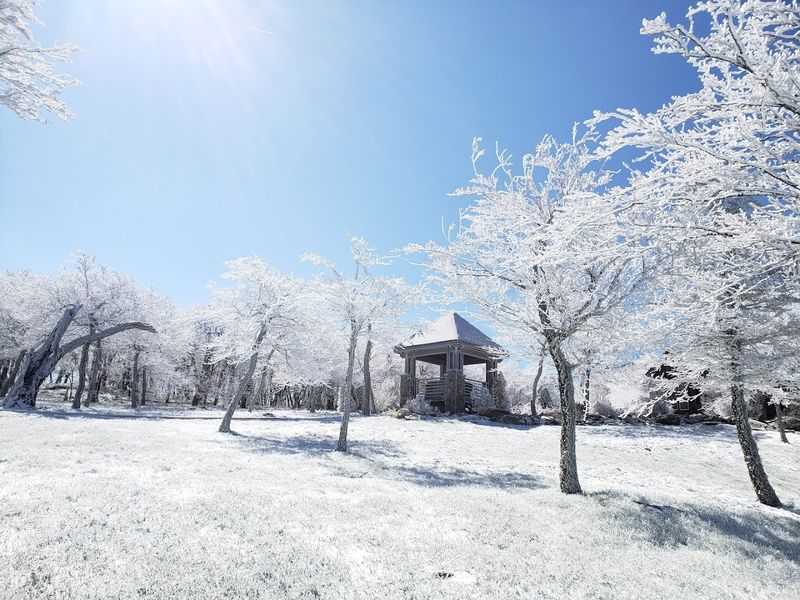
At 5,506 feet above sea level, Beech Mountain holds the title of the highest incorporated town east of the Mississippi River — a fact that comes with bragging rights and genuinely cool summer temperatures. While the rest of the South bakes in July heat, Beech Mountain residents are wearing light jackets and loving every minute of it.
Summer hiking trails wind through spruce and fir forests that feel more like Canada than Carolina, offering cool-air walks with views that make the climb worthwhile. The Beech Mountain Resort keeps things lively in winter with skiing and snowboarding, but the real magic is the post-slope scene of fireplaces, warm drinks, and unhurried evenings.
The town’s small but charming downtown has local restaurants, a brewery, and a community arts center that hosts events throughout the year. Fred’s General Mercantile, a beloved local institution, is the kind of store where you go for one thing and leave an hour later with five things you didn’t expect.
Beech Mountain doesn’t oversell itself. It simply sits up there in the clouds, doing its thing, and lets visitors figure out for themselves why leaving is so difficult.
Lake Placid — New York
Twice an Olympic host city — 1932 and 1980 — Lake Placid carries its sports history with quiet pride rather than loud fanfare. The famous Miracle on Ice happened right here, but day-to-day life in this Adirondack village moves at a pace that would make Olympic sprinters yawn.
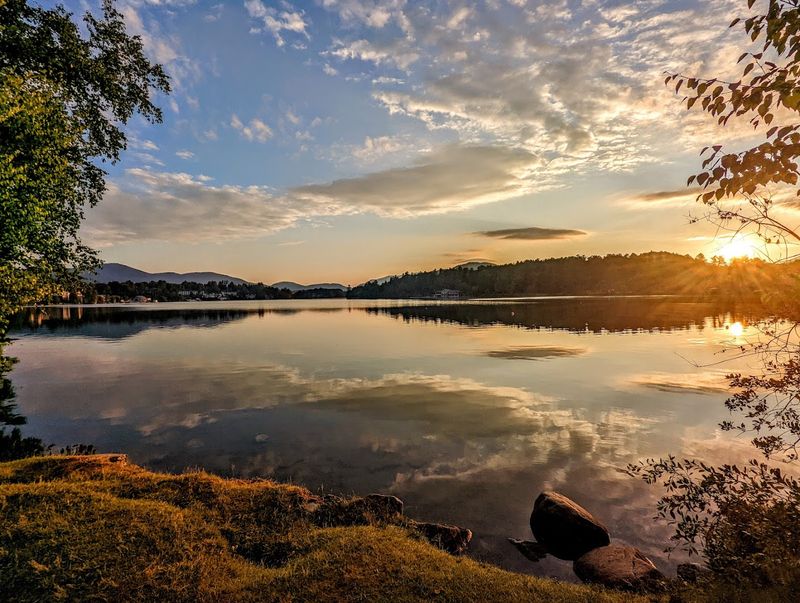
Mirror Lake sits right in the heart of town, reflecting the surrounding mountains with a stillness that practically demands you stop and stare. Canoe rentals, lakeside benches, and a flat walking path around the water make it easy to spend an entire morning doing nothing productive and feeling great about it.
The surrounding Adirondack High Peaks region offers some of the best backcountry hiking in the Northeast, with trails leading to summits that reward the effort with sweeping views across millions of acres of protected wilderness. Main Street has independent shops, cozy restaurants, and an Olympic Museum worth several hours of your attention.
Fall foliage season turns the entire region into a color spectacle, drawing visitors who quickly understand why people keep returning year after year. Lake Placid earns its charm through consistency — it’s reliably wonderful no matter when you visit.
Truckee — California
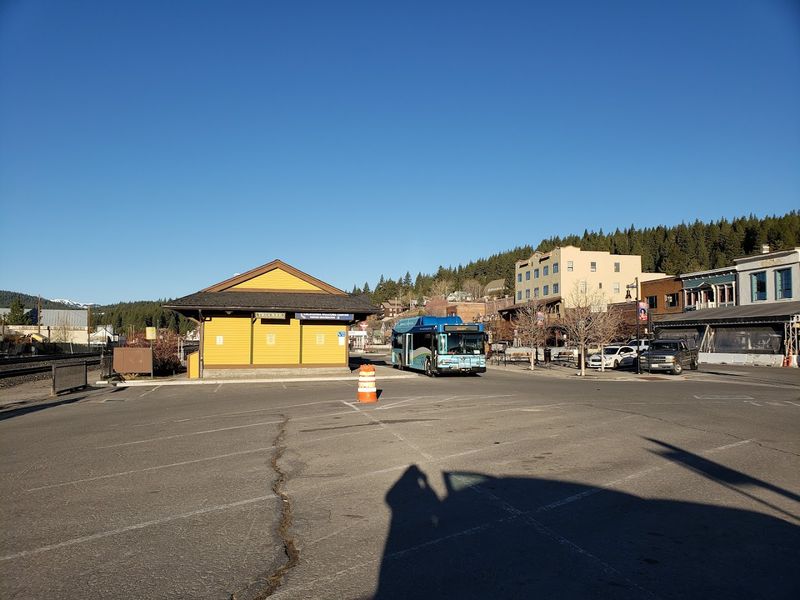
Old West character didn’t disappear from California — it just moved to Truckee and opened a coffee shop. This Sierra Nevada town sits at nearly 6,000 feet and wears its history on its sleeve, with historic brick buildings along Commercial Row that date back to the railroad era of the 1860s.
Lake Tahoe is just 15 minutes down the road, but Truckee has its own gravitational pull. The downtown is genuinely walkable, with independent restaurants, bookstores, and bars that feel lived-in rather than designed for Instagram.
Winter transforms Truckee into a snow-globe scene, with ski resorts including Northstar and Squaw Valley within easy reach for day trips. Summer brings mountain biking, hiking, and swimming in the Truckee River, which runs right through the canyon below town.
The Donner Party’s tragic 1846 winter camp is nearby, adding an unexpectedly gripping history lesson to any visit. Donner Memorial State Park tells the story well and offers peaceful lakeside trails that feel nothing like the grim tale they commemorate.
Truckee moves slowly enough for you to notice the details — the woodsmoke, the pine, the way mountain light hits those old brick walls.
Ouray — Colorado
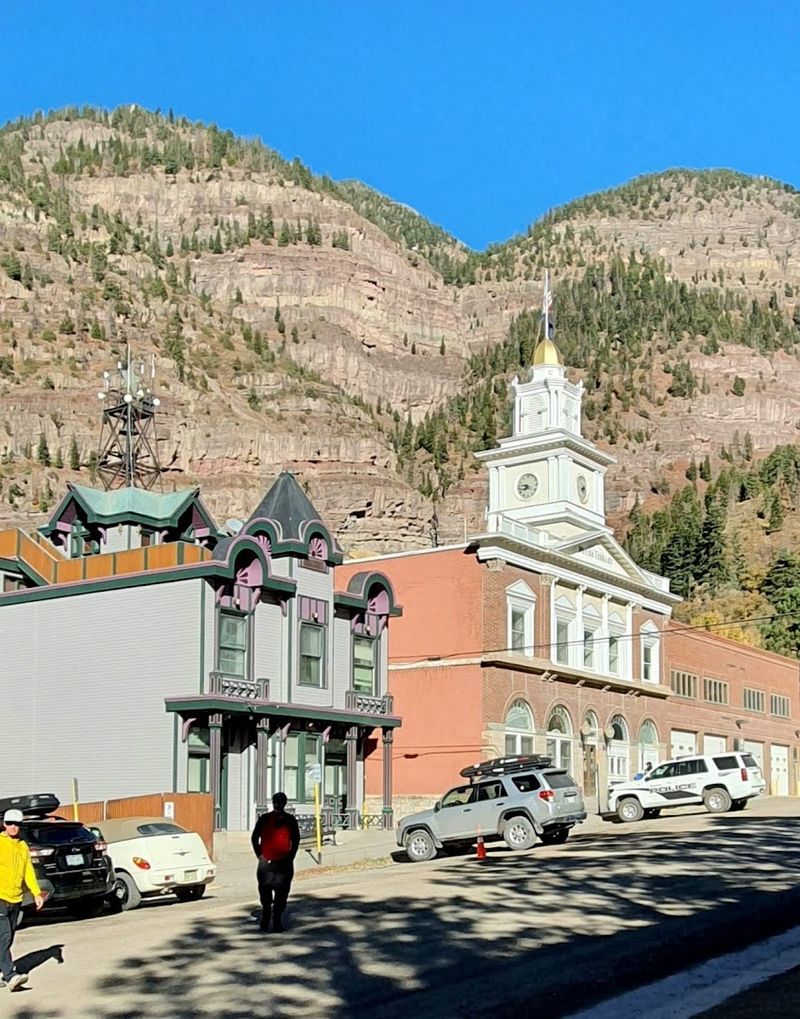
Ouray goes by the nickname “Switzerland of America,” and standing at the town center with 14,000-foot walls of rock rising on three sides, the comparison feels entirely fair. This Victorian mining town sits in a narrow valley so steep that the mountains essentially serve as its walls, roof, and daily backdrop.
The Ouray Hot Springs Pool is fed by natural geothermal water and open year-round, making a soak while snowflakes fall around you one of the more surreal and satisfying experiences in Colorado. The Uncompahgre River runs through town, adding a pleasant soundtrack to morning walks along the riverside trail.
The Ouray Perimeter Trail circles the entire town, offering hikers a close-up look at the canyon walls, waterfalls, and mine ruins that tell the story of a silver rush that once turned this quiet valley into a boomtown. Box Canyon Falls, a short walk from Main Street, sends a roaring waterfall through a narrow slot canyon that feels almost impossibly dramatic.
Jeep roads fan out from town into the San Juans, offering access to high passes and ghost towns. Ouray doesn’t just slow time — it rewrites your whole definition of scenery.
Asheville & Asheville Foothills — North Carolina
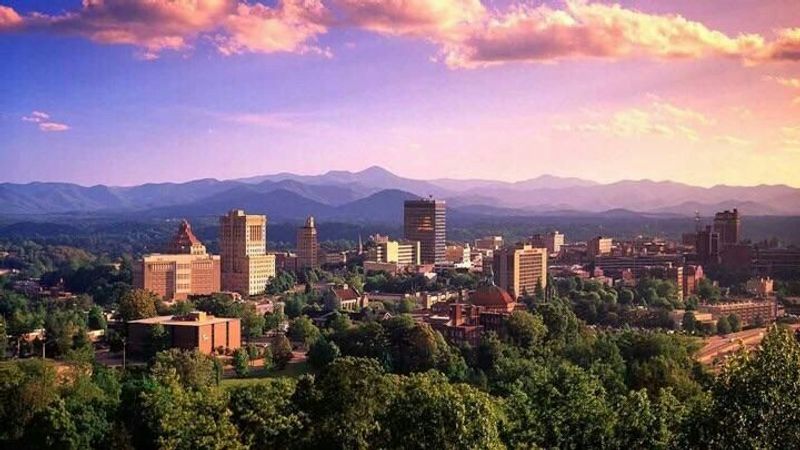
Asheville proper buzzes with art, music, and some of the best food in the South — but venture just beyond city limits and the Blue Ridge Parkway opens up a world where silence is the main attraction. The foothills surrounding Asheville offer scenic overlooks, waterfall hikes, and forested back roads that feel a thousand miles from anywhere busy.
Charming bed-and-breakfasts tucked into the hills serve farm-fresh breakfasts that make waking up early feel like a genuine pleasure. The parkway itself is a masterpiece of slow travel — a two-lane road with no billboards, no trucks, and no reason to go faster than 45 miles per hour.
Chimney Rock State Park and Dupont State Recreational Forest are within easy reach, offering dramatic waterfall hikes and rock formations that earned their Hollywood credentials as filming locations. Local farm stands along rural routes sell fresh produce, honey, and apple cider that tastes like the mountains themselves bottled it.
Black Mountain, a small town just east of Asheville, adds galleries and a walkable downtown to the mix. The foothills region rewards those who resist the urge to rush through and instead let the Blue Ridge set the pace.
Leadville — Colorado
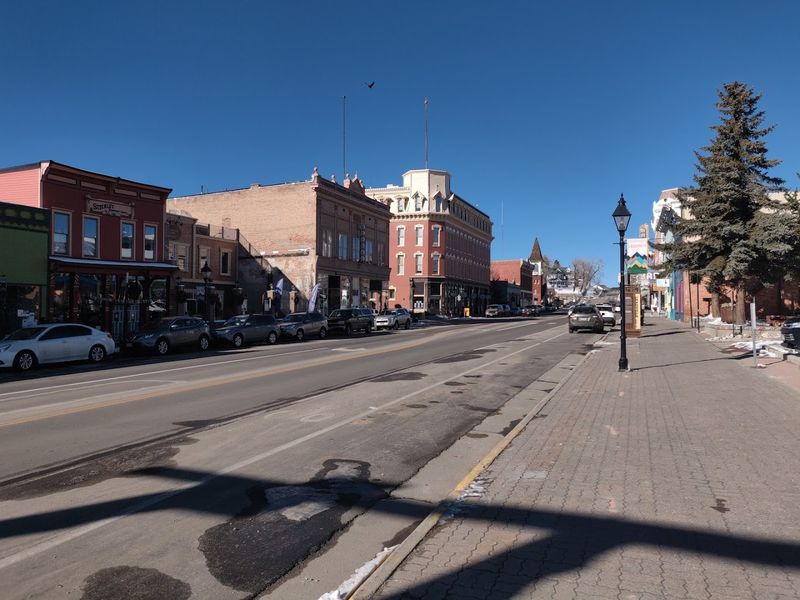
At 10,258 feet above sea level, Leadville is the highest incorporated city in the United States — a fact that makes every cup of coffee taste slightly more heroic. The altitude is real, so take the first day easy, drink water, and let the thin air remind you that you are, in fact, on top of a mountain.
The Historic District is remarkably well-preserved, with Victorian-era buildings that once housed silver barons, gamblers, and frontier legends including Doc Holliday and Baby Doe Tabor. Walking these streets feels less like sightseeing and more like stepping through a time portal to the 1880s silver boom era.
The surrounding Sawatch Range holds Colorado’s two highest peaks — Mount Elbert and Mount Massive — making Leadville a natural base for serious summit attempts or simply scenic drives along mountain roads. Turquoise Lake, just west of town, offers camping, fishing, and paddling in an alpine setting that doesn’t require any effort to appreciate.
Winter quiets Leadville considerably, and that stillness is a gift — snowshoeing along old mining roads with no one else around is as restorative as any spa day. Leadville earns its altitude with character, history, and scenery that punches well above its weight.
Crested Butte — Colorado
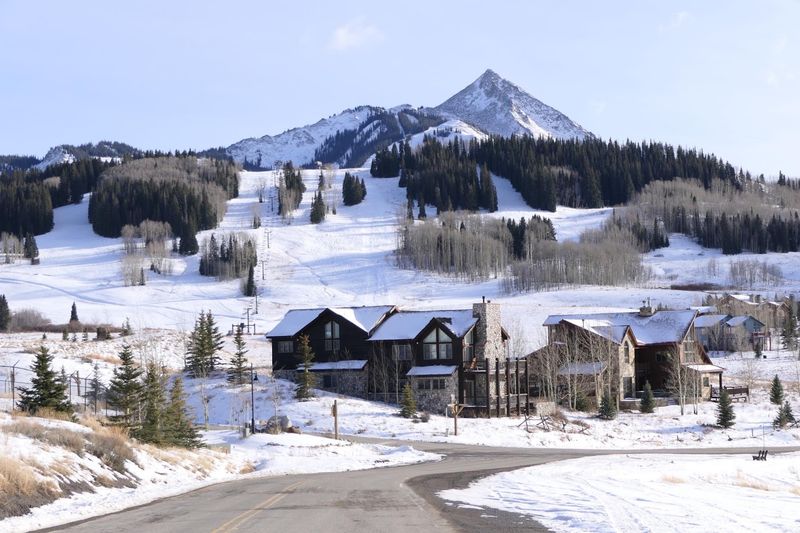
Wildflowers don’t just grow near Crested Butte — they stage a full-on annual takeover that draws visitors from across the country every July. The surrounding meadows erupt in color so vivid and dense that the town officially hosts a Wildflower Festival, and it’s every bit as spectacular as it sounds.
The main street is lined with brightly painted Victorian buildings housing art galleries, coffee shops, and restaurants run by people who clearly chose this place because they love it, not because it was convenient. That passion shows in everything from the locally roasted espresso to the handmade goods in the boutiques.
Crested Butte Mountain Resort handles winter with style, offering uncrowded ski runs and a backcountry culture that attracts powder enthusiasts who prefer substance over hype. The town sits 8,885 feet up in the Elk Mountains, and the surrounding landscape shifts beautifully with each season — wildflowers give way to golden aspens, then crisp snowfields, then mud season (which locals embrace with impressive good humor).
Gothic Road leads into a high-alpine valley where wildflowers and wildlife coexist in extraordinary numbers. Crested Butte doesn’t just feel like time slowed down — it feels like someone pressed pause on everything stressful and handed you the remote.



