Many of today’s nations are only a few hundred years old, but some cities have been continuously inhabited for thousands of years. These remarkable urban centers have survived empires, invasions, natural disasters, and dramatic political change.
Walking their streets is like stepping into a living history book where ancient ruins and modern life coexist side by side. Get ready to meet fifteen cities that were already ancient when most countries were just getting started.
Jericho — Palestine
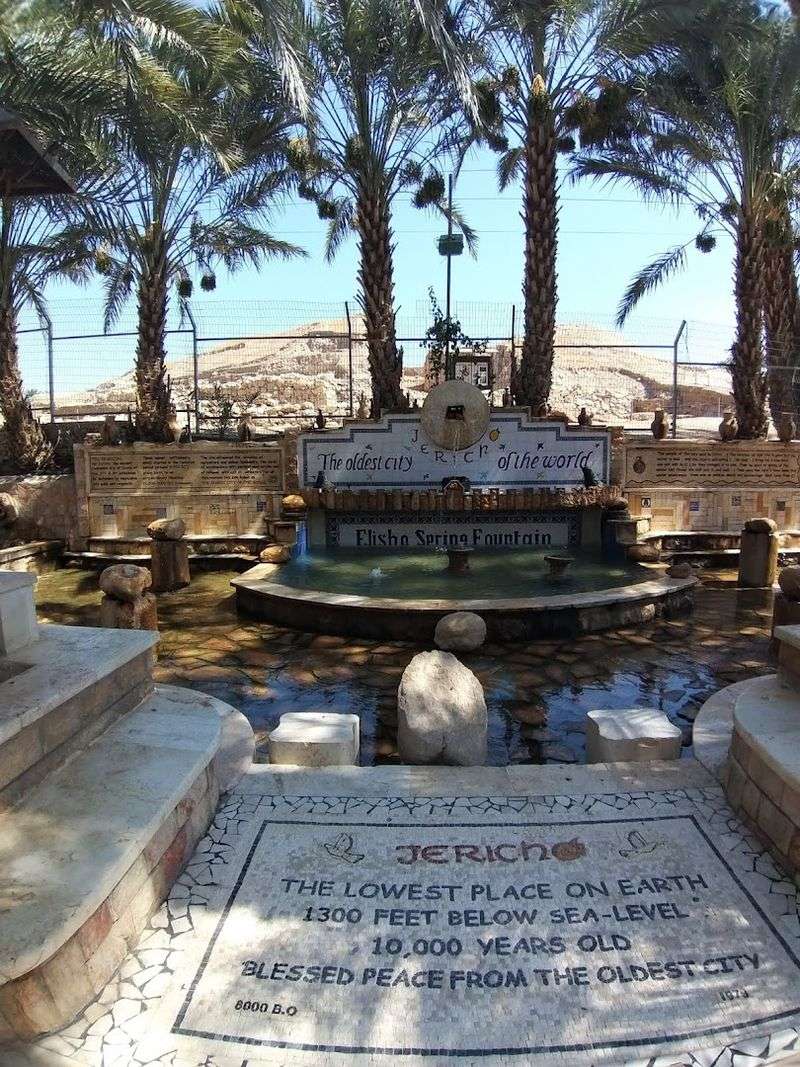
Roughly 11,000 years ago, people were already building homes in Jericho — long before writing, wheels, or most things we consider civilization even existed. That mind-bending fact alone earns this Palestinian city a permanent spot at the top of any ancient-cities list.
Archaeologists have uncovered layer upon layer of human activity here, each one telling a different chapter of an impossibly long story.
What kept people coming back was simple: water. The Ein as-Sultan spring has been bubbling up fresh water for millennia, turning this desert spot into a reliable home base.
Ancient mud-brick walls discovered at the site are among the oldest known in human history, suggesting organized community life existed here far earlier than once believed.
Today Jericho is a real, functioning city in the West Bank with markets, restaurants, and residents going about their daily lives. Visitors can explore the Tel es-Sultan archaeological site, ride a cable car up to a mountaintop monastery, and eat fresh dates grown in the same fertile soil that fed communities thousands of years ago.
Few places on Earth carry that kind of weight so effortlessly.
Damascus — Syria
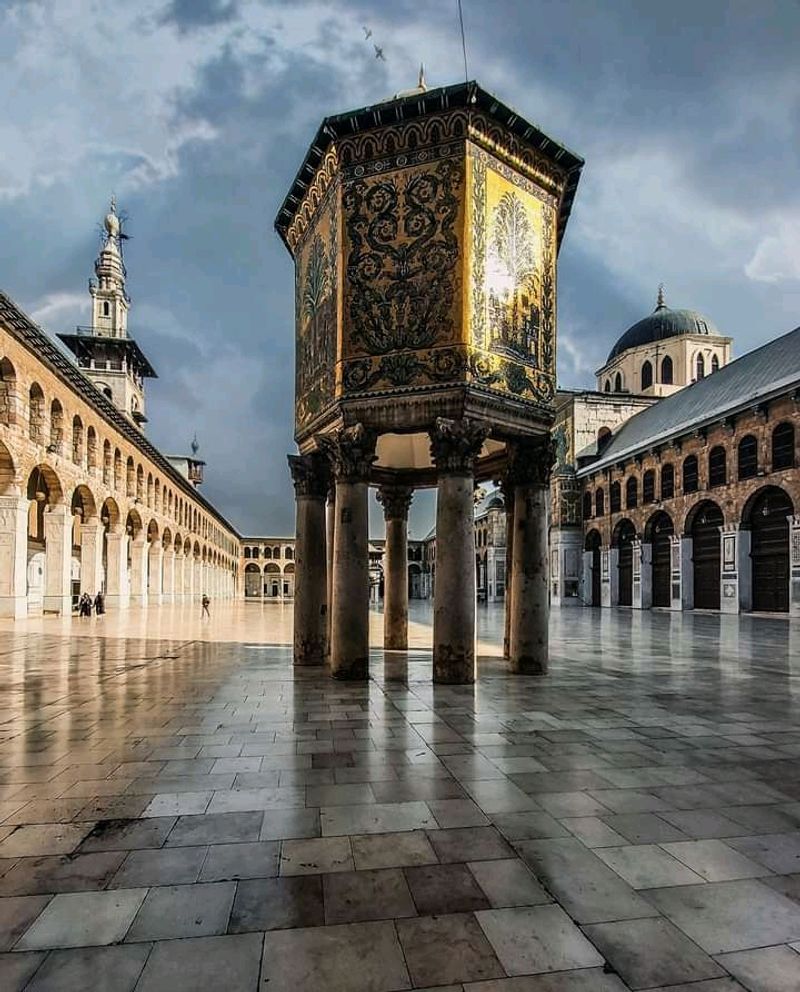
Ask historians which city has the strongest claim to being continuously inhabited the longest, and Damascus will almost always appear near the top of the list. Nestled in a fertile oasis surrounded by desert, this Syrian capital has been a crossroads of civilizations for at least 10,000 years.
Empires rose and fell around it, but Damascus kept going.
The city’s position along ancient trade routes made it enormously valuable. Merchants traveling between Asia, Africa, and Europe passed through Damascus, leaving behind languages, religions, foods, and architectural styles that still echo in its streets today.
The Umayyad Mosque, one of the oldest and most magnificent mosques in the world, stands as a powerful symbol of that layered history.
Even the old city’s layout — its narrow winding lanes, covered markets, and courtyard houses — follows patterns established centuries ago. The Street Called Straight, mentioned in the Bible’s New Testament, still exists and still has people walking it daily.
Modern Damascus has universities, coffee shops, and traffic jams like any other capital, but its ancient bones are never far beneath the surface. That combination of old and new is what makes it genuinely extraordinary.
Byblos — Lebanon
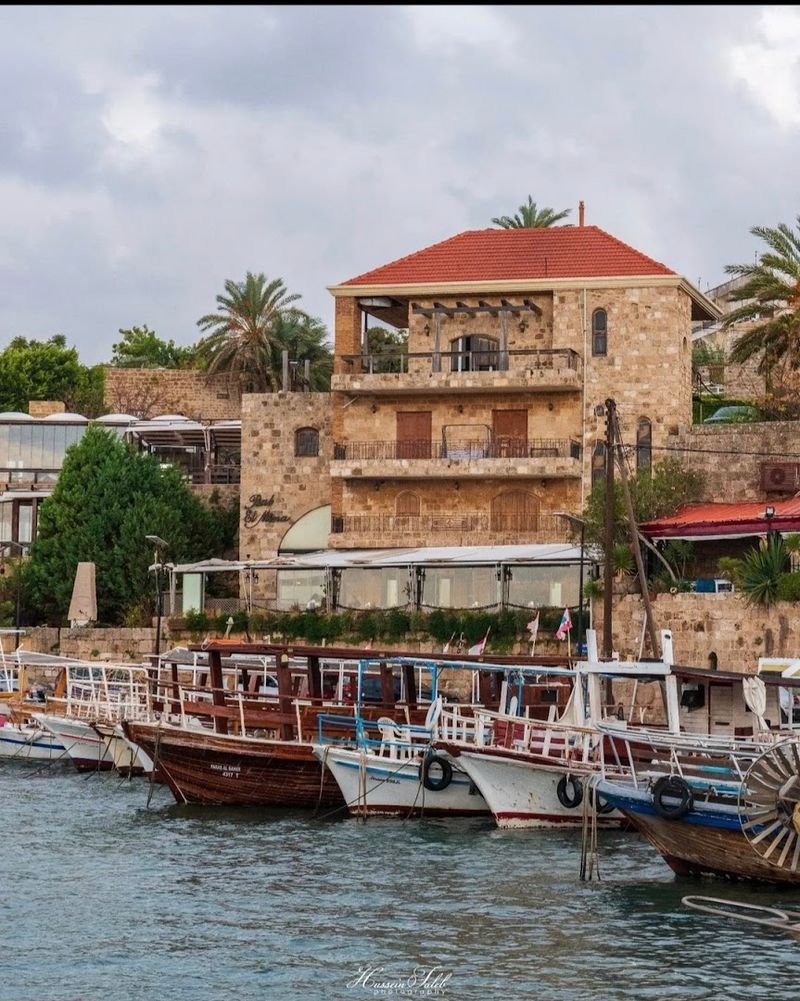
The word “Bible” itself comes from Byblos — a fun fact that tells you everything about how influential this small Lebanese coastal city once was. Ancient Greeks named their word for book after this city because Byblos was the primary port through which Egyptian papyrus entered the Mediterranean world.
That papyrus became the paper that carried ideas across civilizations.
Byblos has been continuously inhabited since at least 7000 BC, making it one of the oldest cities on the planet. Phoenicians, Egyptians, Assyrians, Persians, Greeks, Romans, Byzantines, Arabs, Crusaders, and Ottomans all left their marks here.
Walking through the archaeological site feels like flipping through a very thick history textbook, except the ruins are real and you can touch them.
The old harbor is still charming and active, lined with seafood restaurants and fishing boats. A Crusader castle built from recycled ancient stones sits right next to Phoenician temples and Roman columns, creating one of the most visually fascinating archaeological landscapes anywhere in the world.
Modern Byblos — called Jbeil locally — has a lively nightlife scene, too. It somehow manages to be both a UNESCO World Heritage Site and a genuinely fun place to spend a weekend.
Aleppo — Syria
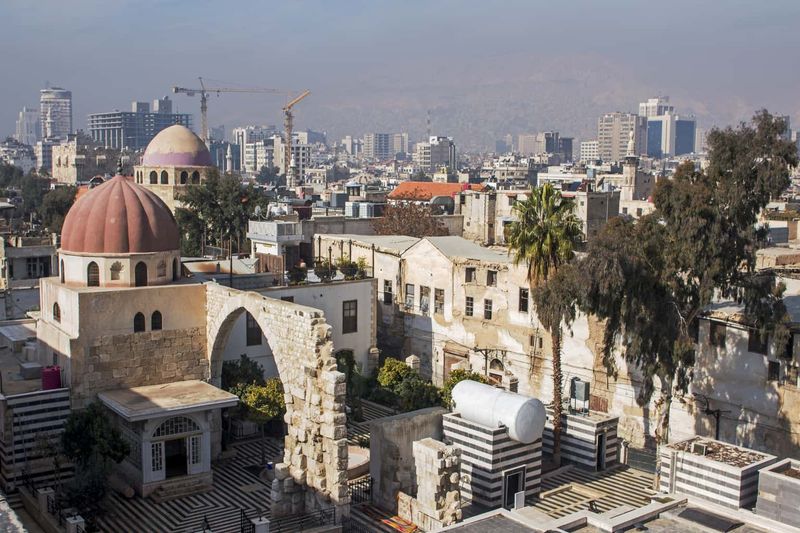
Perched at the crossroads of ancient trade routes, Aleppo once held a commercial importance that rivaled any city in the known world. Evidence of human settlement here stretches back to the fifth millennium BC, placing it firmly among humanity’s oldest urban experiments.
Merchants from across Asia, Africa, and Europe haggled in its legendary covered souks, which were once the longest in the world.
The city’s famous citadel — a massive fortified complex rising dramatically from the center of town — has been occupied, rebuilt, and reinforced by civilization after civilization. Hittites, Assyrians, Greeks, Romans, Byzantines, Arabs, Mongols, and Ottomans all recognized that whoever controlled Aleppo controlled the region’s most important crossroads.
The citadel’s moat, gates, and towers reflect that long parade of rulers.
Aleppo also earned a global reputation for its cuisine, with dishes like kibbeh and the famous Aleppo pepper becoming well-known far beyond Syria’s borders. The city suffered devastating damage during Syria’s recent conflict, but reconstruction efforts are ongoing and residents have shown remarkable determination to preserve and restore what was lost.
Aleppo’s story is one of extraordinary resilience — a city that has been knocked down before and always found a way to rebuild itself stronger.
Athens — Greece
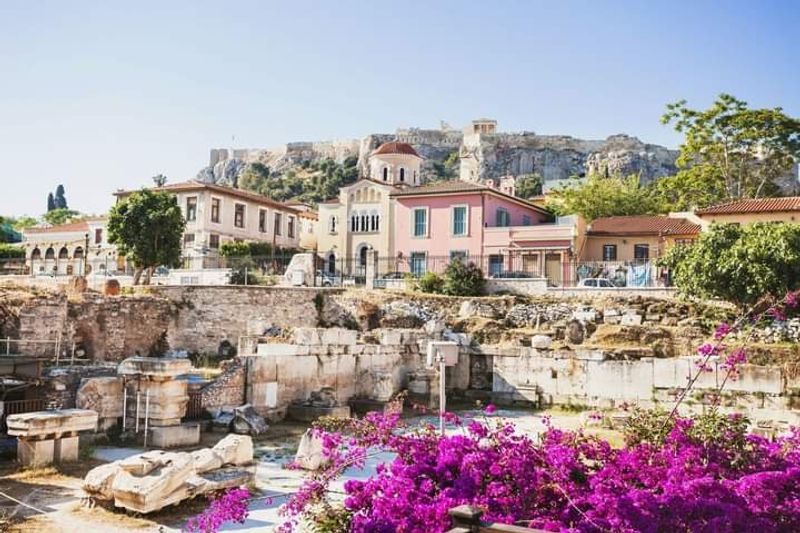
Somewhere around 3,400 years ago, Athens was already a thriving city — and it was already arguing about politics. The birthplace of democracy, philosophy, and theater, Athens shaped the intellectual foundations of Western civilization in ways that still ripple through modern life.
Every courtroom, every university, and every voting booth owes something to what Athenians figured out thousands of years ago.
The Acropolis still watches over the city like a stone guardian, its Parthenon columns gleaming white against the blue Aegean sky. Beneath it, the ancient Agora — the original public square where Socrates once questioned passersby about the nature of justice — has been partially restored and is open to visitors.
Standing there, it is genuinely hard not to feel the weight of history pressing down on you.
Modern Athens is a loud, chaotic, wonderfully alive city of nearly four million people. Street art covers walls next to ancient columns.
Tavernas serve grilled octopus a few steps from ruins that predate most religions. Athens has had rough economic patches in recent decades, but its energy and cultural pride remain undimmed.
The city that invented so many ideas about what civilization should look like is still very much in the business of living up to them.
Jerusalem — Israel and Palestine
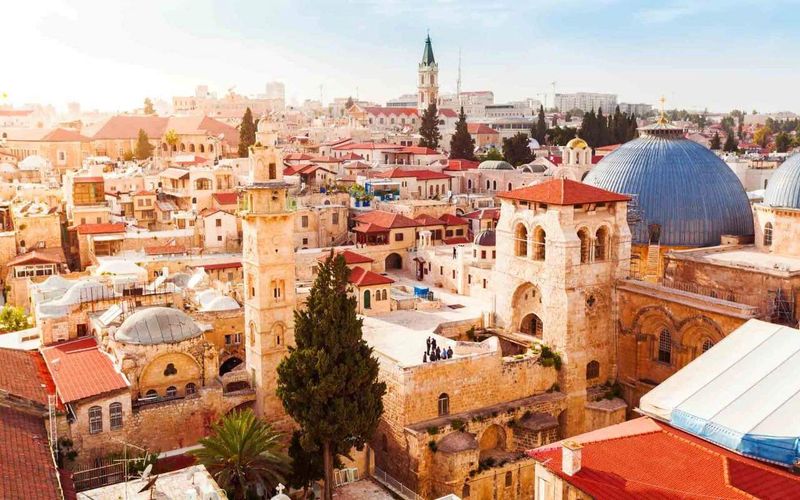
No city on Earth carries quite the same spiritual voltage as Jerusalem. Sacred to three of the world’s major religions — Judaism, Christianity, and Islam — this ancient city has been prayed over, fought over, and written about more than perhaps any other place in human history.
People have been living here for at least 5,000 years, and the city shows every single one of them.
The old city is divided into four quarters — Jewish, Christian, Muslim, and Armenian — each with its own distinct character, smells, and sounds. The Western Wall, the Church of the Holy Sepulchre, and the Dome of the Rock all sit within walking distance of each other, creating a concentration of religious significance that is simply unmatched anywhere on the planet.
Beyond its spiritual weight, Jerusalem is also a modern capital city with universities, tech companies, restaurants, and a thriving arts scene. The Mahane Yehuda market is a riot of color, spice, and noise that feels equally ancient and contemporary.
Visiting Jerusalem can be overwhelming in the best possible way — there is simply too much history packed into too small a space, and every corner seems to have a story attached to it that spans multiple centuries.
Beirut — Lebanon
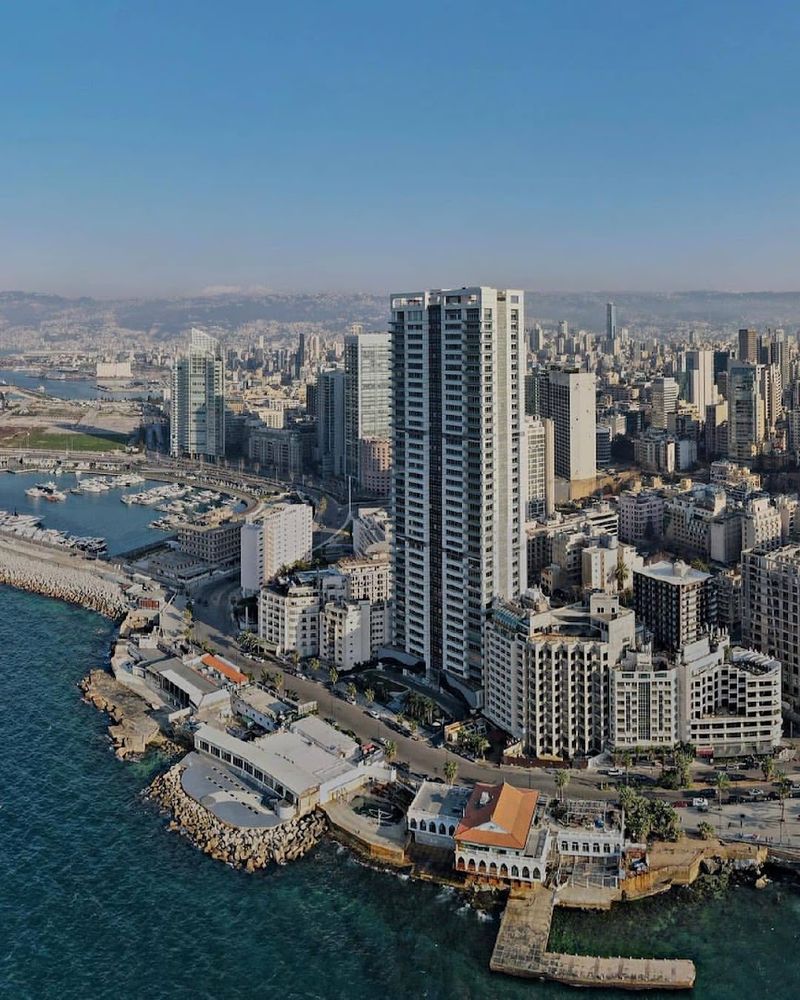
Beirut has been destroyed and rebuilt so many times that resilience is practically baked into the city’s DNA. Settled by the Phoenicians around 3000 BC, this Lebanese capital has been ruled by Greeks, Romans, Arabs, Crusaders, Ottomans, and French colonizers, each leaving architectural fingerprints that still color the city today.
Roman columns literally poke up through the pavement in the downtown district.
The city earned the nickname “Paris of the Middle East” during the mid-twentieth century, a period when its cosmopolitan culture, vibrant nightlife, and intellectual scene attracted visitors from across the globe. Civil war, Israeli bombardment, and a catastrophic port explosion in 2020 have all tested Beirut severely.
Yet its residents keep returning, rebuilding, and stubbornly refusing to let the city die.
What makes Beirut so compelling is its contradictions. Glamorous rooftop bars sit near bullet-pocked buildings.
Trendy art galleries occupy neighborhoods that were once front lines. The food scene is world-class, with Lebanese cuisine drawing food lovers from every corner of the Earth.
Beirut is messy, complicated, occasionally heartbreaking, and absolutely electric. It is a city that wears its history openly, scars and all, and somehow manages to make even the scars look interesting.
Erbil — Iraq
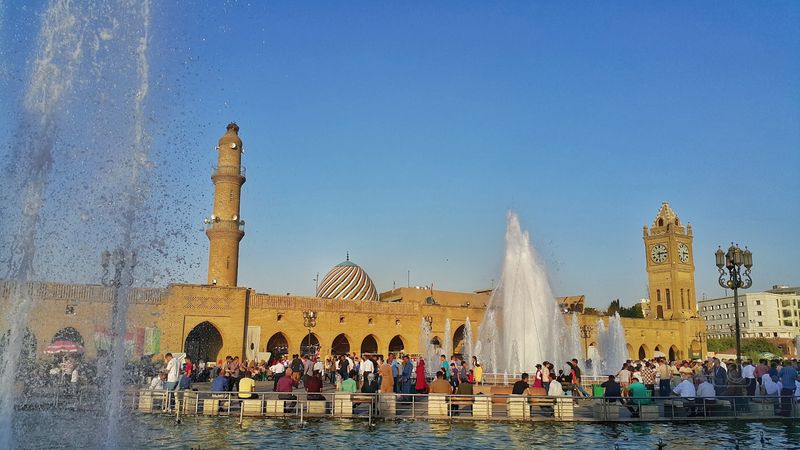
Right in the middle of a busy modern city, a massive earthen mound rises about 30 meters above the surrounding streets — and people have been living on top of it for at least 6,000 years. Erbil’s famous citadel, known locally as Qalat Hawler, is one of the oldest continuously inhabited urban structures on Earth and earned UNESCO World Heritage status in 2014.
That is a seriously impressive resume.
The citadel’s position gave ancient inhabitants a defensive advantage over anyone approaching across the flat Mesopotamian plain. Over centuries, generations of builders constructed on top of earlier foundations, gradually raising the mound higher and higher.
The layers of civilization compressed beneath it are an archaeologist’s dream, each stratum holding clues about how people lived, traded, and organized their communities thousands of years ago.
Modern Erbil is the capital of the Kurdistan Region of Iraq and has experienced rapid development in recent decades. Shopping malls, international hotels, and new residential neighborhoods have sprung up around the ancient citadel.
But the old bazaar at the base of the mound still buzzes with spice merchants, tea sellers, and craftsmen. Sitting in a tea house with the ancient citadel looming overhead while modern Erbil hums around you is one of those genuinely rare travel experiences worth going far out of your way for.
Sidon — Lebanon
Sidon once ruled the Mediterranean from the deck of a ship. As one of the most powerful Phoenician city-states, it launched trading vessels across the ancient sea, establishing colonies and commerce routes that shaped the ancient world’s economy.
The city’s name appears in the Bible, in Homer’s Iliad, and in countless ancient texts — a sign of just how significant it was to the people who lived thousands of years ago.
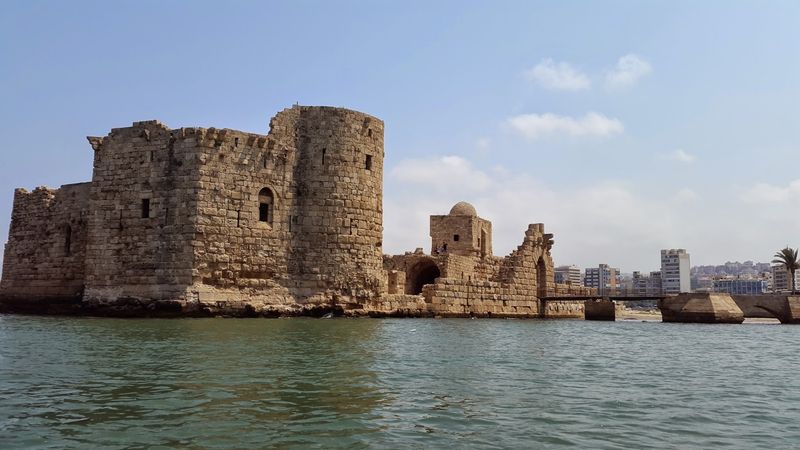
At least 4,000 years of continuous habitation have stacked up in Sidon, creating a layered urban landscape that historians and archaeologists find endlessly fascinating. The Sea Castle, a Crusader fortress built on a small island just off the coast, is probably the city’s most photographed landmark.
It sits in the harbor like a medieval postcard, surrounded by fishing boats bobbing in the same waters Phoenician galleys once crossed.
The old souk of Sidon is one of the best-preserved traditional markets in Lebanon, with covered lanes winding past soap shops, spice stalls, and old caravanserais. Sidon soap — made from pure olive oil — has been produced here for centuries and remains a beloved local export.
The city today is Lebanon’s third largest, a busy port town that somehow balances ancient heritage with the rhythms of modern southern Lebanese life.
Plovdiv — Bulgaria
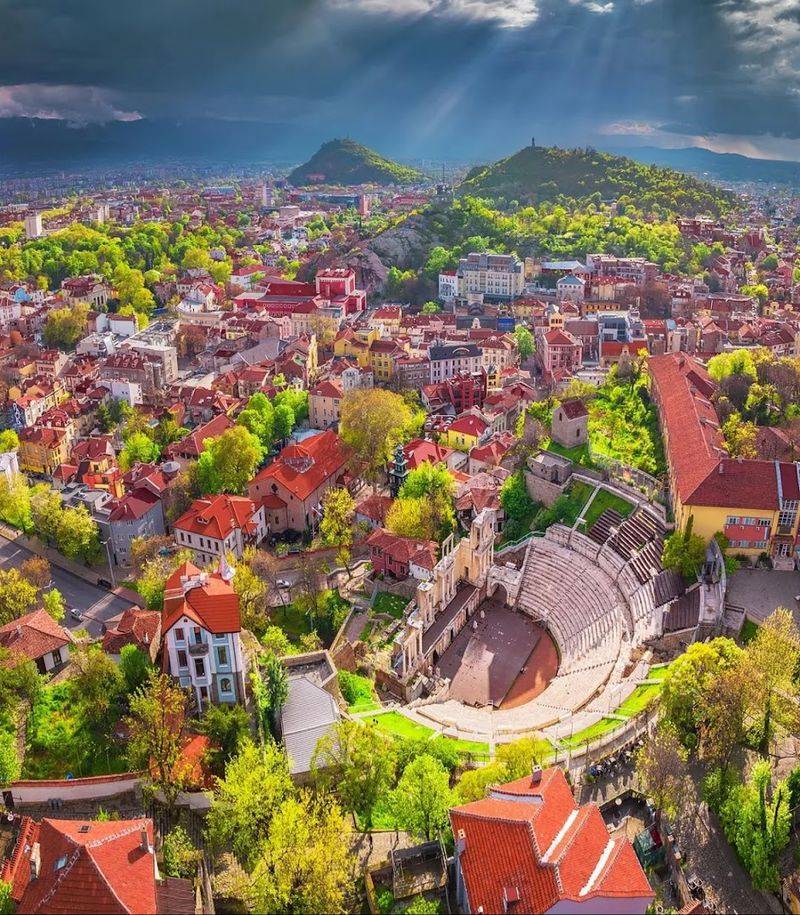
Europe’s oldest continuously inhabited city is not Rome, not Athens — it is actually Plovdiv, a Bulgarian gem that most people outside Eastern Europe have never heard of. Archaeological evidence confirms human settlement here stretching back to the Neolithic period, roughly 6,000 to 8,000 years ago.
That makes Plovdiv older than the pyramids, older than the Greek city-states, and older than pretty much anything else on the continent.
The Romans called it Trimontium, meaning “three hills,” and they loved it enough to build a magnificent theater that is still used for concerts and performances today. Watching an outdoor opera performance in a 2,000-year-old Roman amphitheater while surrounded by Bulgarian rose wine is an experience that sounds made up but is completely real.
The old town perched on the hills above is equally magical, filled with brightly painted National Revival-era mansions that seem to lean out over the cobblestone streets below.
Plovdiv served as the European Capital of Culture in 2019, which introduced it to a much wider global audience. Visitors discovered a city with a thriving arts scene, buzzing cafe culture, and a genuinely welcoming atmosphere.
It remains far less crowded than more famous European destinations, which means you can actually enjoy the ancient theater without fighting through tour groups. That alone makes it worth the trip.
Varanasi — India
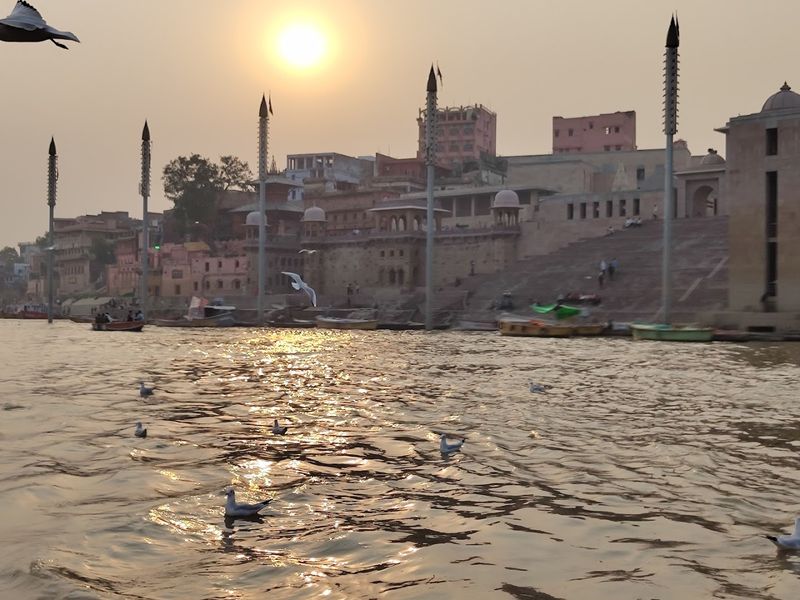
Mark Twain visited Varanasi in 1897 and wrote that it was “older than history, older than tradition, older even than legend, and looks twice as old as all of them put together.” He was not exaggerating. Hindus believe Varanasi is the earthly home of Lord Shiva and that dying here guarantees liberation from the cycle of rebirth — which means people have been making pilgrimages to this city for at least 3,000 years, possibly far longer.
The ghats — wide stone staircases descending to the Ganges River — are the city’s beating heart. Every morning before sunrise, thousands of pilgrims wade into the sacred river while priests perform elaborate fire rituals on the riverbanks.
The smoke, chanting, bells, and the smell of marigold garlands create an atmosphere that is simultaneously overwhelming and profoundly moving. Nothing quite like it exists anywhere else on Earth.
Varanasi is also a major center for classical Indian music, silk weaving, and Sanskrit scholarship. The Banaras Hindu University, founded in 1916, continues that intellectual tradition.
Narrow lanes called galis wind through the old city, hiding temples, sweet shops, and tea stalls around every corner. Getting lost in those lanes is practically a tourist tradition, and most visitors agree it is the best way to actually experience the city.
Yerevan — Armenia
Founded in 782 BC as the military fortress of Erebuni, Yerevan is actually older than Rome — a fact Armenians will tell you with obvious and entirely justified pride. The fortress was built by Urartian King Argishti I to defend against northern invaders, and the excavated ruins of Erebuni are still visible on the outskirts of the modern city.
Not many capital cities can say their origin story involves a Bronze Age king.
Modern Yerevan is built largely from the distinctive pink volcanic tuff stone quarried from Armenia’s mountains, giving the entire city a warm rosy glow in the afternoon light. Soviet-era boulevards and grand public squares coexist with ancient churches, open-air markets, and a surprisingly energetic contemporary arts scene.
Republic Square, the city’s central plaza, puts on spectacular dancing fountain shows in the evenings that draw huge local crowds.
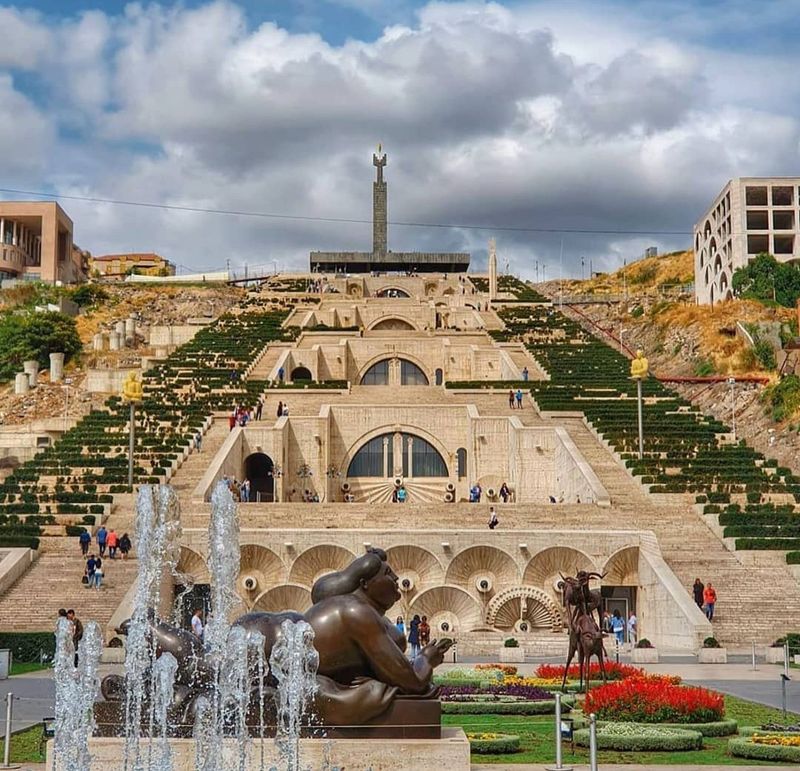
Armenia’s complex history — including the devastating 1915 genocide — gives Yerevan a depth of cultural memory that shapes everything from its museums to its cuisine. The Cascade complex, a giant stairway covered in outdoor sculpture that connects the city center to a hilltop park, has become a symbol of Yerevan’s creative ambitions.
On clear days, the snow-capped peak of Mount Ararat looms over the city from across the Turkish border, a powerful and emotionally loaded presence for every Armenian.
Luoyang — China
Thirteen dynasties chose Luoyang as their capital — a record that speaks louder than any tourist brochure ever could. For more than 3,000 years, this city in central China’s Henan province served as a political, cultural, and spiritual powerhouse.
At its peak during the Han and Tang dynasties, Luoyang was one of the largest and most sophisticated cities on the planet, with a population that dwarfed most European capitals of the same era.
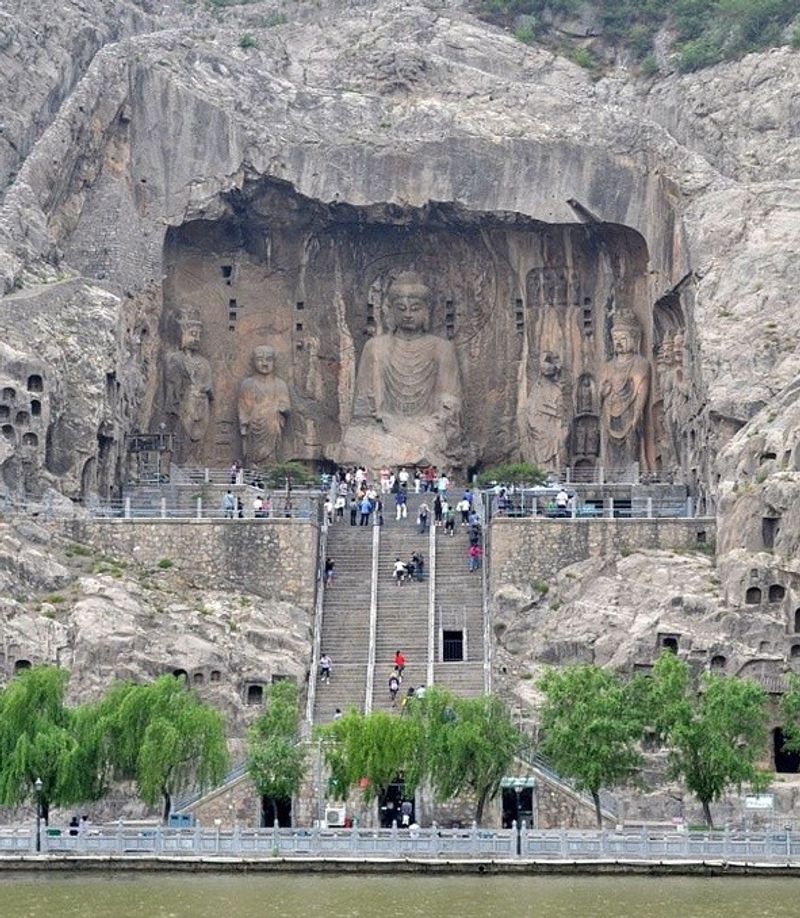
The Longmen Grottoes, located just outside the city along the banks of the Yi River, are Luoyang’s most jaw-dropping attraction. Over 100,000 Buddhist figures have been carved directly into limestone cliffs, ranging from tiny finger-sized carvings to a colossal seated Buddha more than 17 meters tall.
Construction began in 493 AD and continued for 400 years, with emperors, nobles, and ordinary citizens all commissioning carvings as acts of devotion.
Luoyang is also famous throughout China for its peonies — the city holds an annual peony festival every April that draws millions of visitors who come specifically to see gardens exploding with flowers. The White Horse Temple, considered the first Buddhist temple built in China, sits just east of the city and remains an active place of worship.
Luoyang proves that some cities get better and more interesting the deeper you look into them.
Faiyum — Egypt
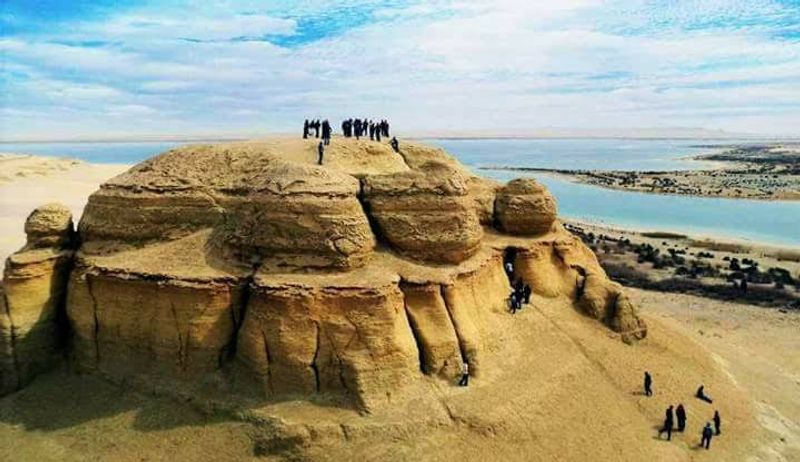
Tucked into a lush depression southwest of Cairo, Faiyum feels like a secret Egypt keeps from most tourists. While everyone rushes to Luxor and Giza, this ancient oasis city quietly carries on a history stretching back to around 4000 BC.
Ancient Egyptians called the region “the land of the lake,” and they prized it enormously for its agricultural richness in an otherwise arid landscape.
The Greeks who ruled Egypt after Alexander the Great were so taken with Faiyum that they transformed it into a thriving cultural center, bringing in settlers, building temples, and commissioning the remarkable Faiyum mummy portraits — strikingly realistic painted faces placed over mummified bodies that now hang in museums around the world. Those portraits stare back at you with such lifelike intensity that it is genuinely unsettling to remember they are 2,000 years old.
Roman mosaics, Coptic Christian monasteries, and pharaonic temples are scattered across the Faiyum region, creating an archaeological landscape of unusual variety. The nearby Wadi El Hitan, or Valley of the Whales, is a UNESCO site where ancient whale fossils embedded in desert rock prove the area was once covered by ocean.
Faiyum rewards curious travelers who take the time to explore beyond Egypt’s more famous destinations, offering history, nature, and genuine local character in equal measure.
Istanbul — Türkiye
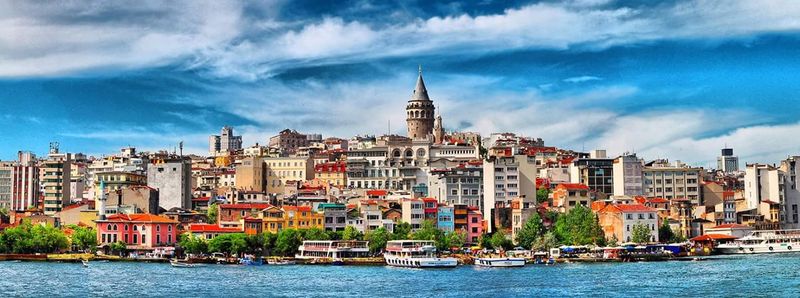
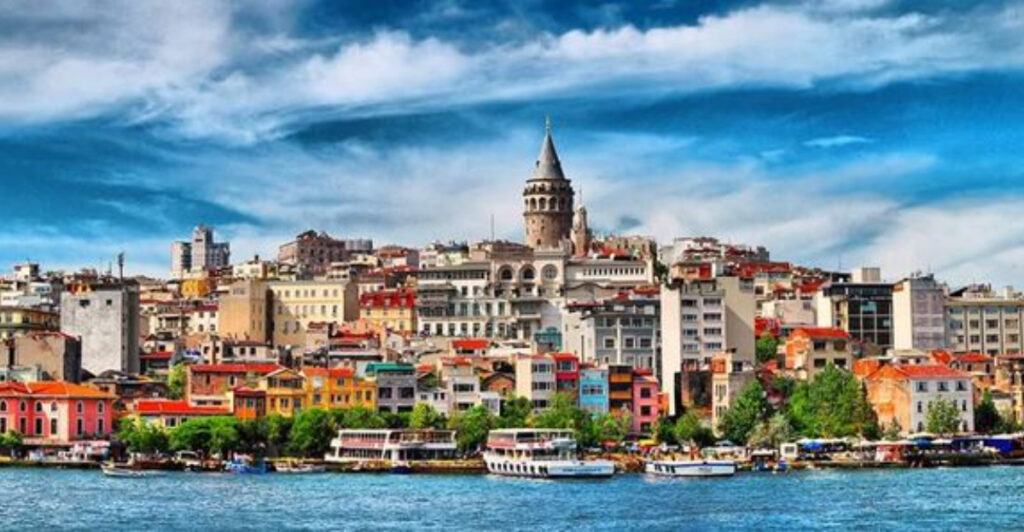
Standing on the Galata Bridge in Istanbul, you can watch fishing lines dangle into the Bosphorus while ferries churn past and minarets pierce the skyline in every direction. This city has been doing exactly this kind of layered, chaotic, magnificent thing for roughly 2,700 years.
Founded as the Greek colony of Byzantium around 657 BC, it later became Constantinople, capital of the Roman Empire’s eastern half, and eventually Istanbul, heart of the Ottoman Empire.
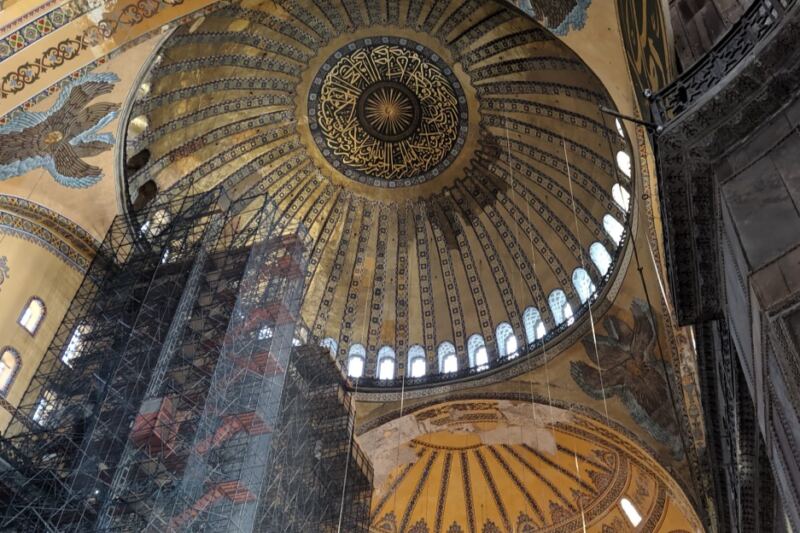
Few buildings in the world carry as much historical weight as the Hagia Sophia. Built as a Christian cathedral in 537 AD, converted to a mosque in 1453, turned into a museum in 1934, and then reconverted to a mosque in 2020, it has witnessed more history than most nations have existed to record.
Its enormous dome, hovering above the nave with seemingly impossible lightness, still takes your breath away regardless of what you believe or do not believe.
Istanbul today is a city of 15 million people spread across two continents, connected by bridges and ferries spanning the Bosphorus. The Grand Bazaar, one of the world’s oldest and largest covered markets, sells everything from spices to carpets to gold jewelry.
Rooftop restaurants, underground cisterns, Byzantine mosaics, and Ottoman hammams all compete for your attention. Istanbul does not so much blend old and new as refuse to acknowledge any difference between them.
Share this story