
When most people picture eco-friendly cities, they imagine cobblestone streets in Europe or wind turbines dotting Scandinavian coastlines. But a growing number of American cities are quietly rewriting that story, investing in clean energy, better public transit, and greener neighborhoods.
From the Pacific Coast to the Atlantic, U.S. cities are showing the world that going green is not just possible here, it is already happening. Get ready to meet the American cities leading the charge on sustainability.
San Jose, California
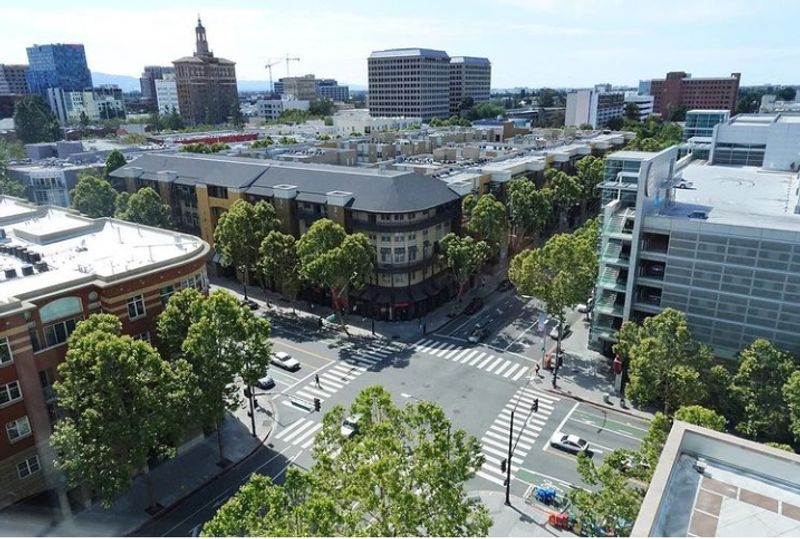
Silicon Valley is famous for tech giants, but San Jose has quietly built another kind of reputation: being one of the greenest cities in the entire country. The city draws nearly all of its electricity from clean sources, making it a national leader in renewable energy use.
That is not an accident. Years of deliberate climate policy and investment have shaped a city that takes sustainability seriously.
San Jose’s Green Vision plan set bold targets for clean jobs, water conservation, and zero-waste programs. The city has planted thousands of trees and worked hard to reduce greenhouse gas emissions across every sector.
Residents benefit from cleaner air, greener streets, and lower energy costs as a result.
Electric vehicle charging stations are everywhere, and the city actively encourages residents to ditch gas-powered cars. San Jose also partners with local businesses to reduce waste and improve environmental performance.
For a city of nearly one million people, that level of coordination is genuinely impressive. San Jose proves that a booming economy and a healthy planet can absolutely share the same zip code.
Washington, D.C.

Forget the political drama for a moment, because Washington D.C. is doing something quietly remarkable: turning one of America’s most iconic cities into a sustainability showpiece. The capital’s Metro system moves hundreds of thousands of people daily, keeping countless cars off the road.
Pair that with an expanding network of bike lanes and pedestrian-friendly streets, and you have a city that makes getting around without a car genuinely easy.
D.C. has committed to achieving carbon neutrality by 2045, and it is already making measurable progress. Buildings across the city are being retrofitted for energy efficiency, and the local government has invested heavily in solar energy programs for homes and businesses.
The city also maintains hundreds of miles of trails and parks that give residents green breathing room in the middle of a dense urban environment.
One of D.C.’s most underrated strengths is its walkability. Many neighborhoods score near perfect on walkability indexes, meaning residents can handle daily errands entirely on foot.
The combination of smart transit, strong policy, and genuine community commitment makes Washington D.C. one of the East Coast’s most well-rounded green cities. Not bad for a place better known for gridlock of a different kind.
Oakland, California

Oakland does not just talk about environmental justice; it builds policy around it. The city has long recognized that pollution and climate change hit lower-income communities hardest, and its sustainability programs are specifically designed to fix that imbalance.
That focus on equity makes Oakland’s green story different from almost any other city on this list.
The city’s Climate Action Plan sets ambitious targets for cutting emissions while also improving air quality in neighborhoods that have historically faced the worst pollution. Oakland has invested in electric buses, expanded bike infrastructure, and worked to bring community gardens and urban green spaces into underserved areas.
These are not symbolic gestures; they are structural changes.
Oakland’s port, one of the busiest on the West Coast, has also committed to cleaner operations, reducing diesel emissions that once choked nearby neighborhoods. The city’s tree-planting programs have added thousands of trees to neighborhoods that had far too few.
Renewable energy adoption is growing steadily, supported by city programs that help lower-income households access solar power. Oakland is proof that going green and fighting inequality are not competing goals.
When done right, they are the exact same mission.
Irvine, California

Planned from scratch in the 1960s, Irvine was designed with space and livability in mind, and that original vision has aged remarkably well in the era of sustainability. The city boasts more than 16,000 acres of parks and open space, giving residents constant access to nature without ever leaving city limits.
That kind of green infrastructure is rare in Southern California and genuinely sets Irvine apart.
Irvine consistently ranks among the cleanest cities in the United States for air quality, a remarkable achievement given its location in the greater Los Angeles region. The city’s planning model keeps residential, commercial, and industrial zones thoughtfully separated, reducing pollution and improving quality of life.
Bike paths and walking trails connect neighborhoods, making car-free commutes a realistic option for many residents.
Renewable energy programs have gained strong traction in Irvine, with thousands of homes equipped with solar panels and the city pushing for cleaner electricity across the board. Water conservation is also a serious priority, with efficient landscaping and recycled water systems reducing demand significantly.
Irvine shows that smart planning from the very beginning can create a city that naturally leans green. Good design really does matter more than people realize.
San Francisco, California
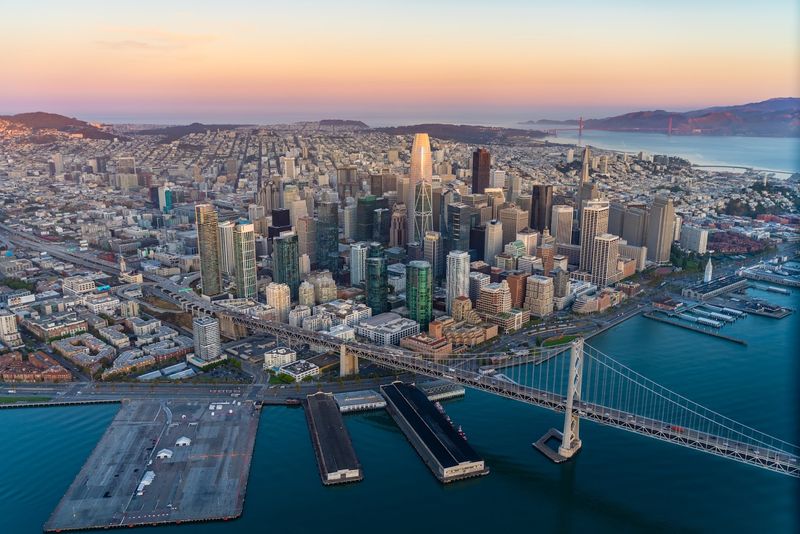
San Francisco has been doing things other cities were not brave enough to try for decades, and sustainability is no exception. The city achieved a landfill diversion rate of over 80 percent, meaning more than four-fifths of its waste is composted or recycled rather than buried in the ground.
That figure alone would be remarkable; the fact that San Francisco did it at city scale makes it legendary.
Public transit ridership is high, cycling culture is deeply embedded, and walkability scores put most neighborhoods among the best in the country. The city has banned single-use plastic bags, plastic straws, and foam containers, pushing businesses to adopt greener alternatives years before other cities caught on.
These decisions were not always popular, but they moved the needle in measurable ways.
San Francisco’s climate goals include reaching net-zero emissions by 2040, and the city is on a credible path to get there. Clean energy programs, building efficiency standards, and electric vehicle incentives are all part of a comprehensive strategy.
The city’s famous fog might dim the solar panels occasionally, but nothing dims San Francisco’s commitment to a greener future. It has earned its reputation as America’s sustainability trailblazer many times over.
Honolulu, Hawaii
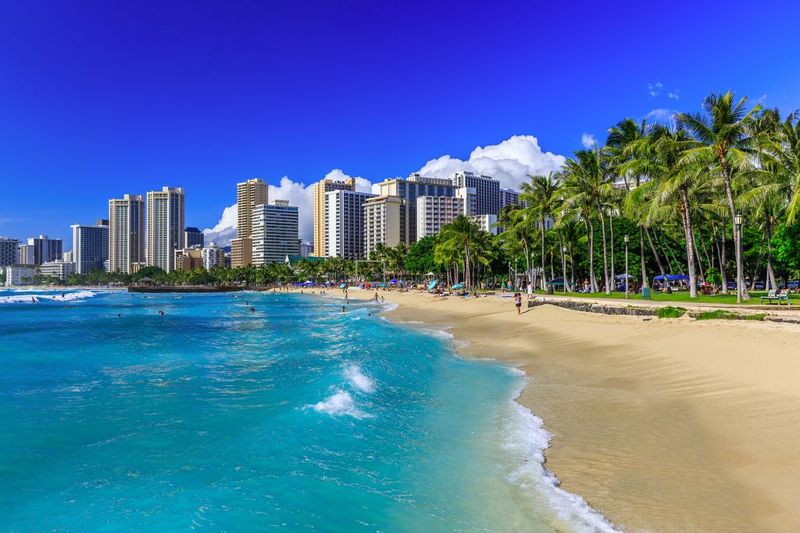
Living on an island in the middle of the Pacific Ocean has a way of making environmental awareness feel personal. Honolulu residents can literally see the ocean from most neighborhoods, which tends to sharpen the focus on protecting it.
The city and state of Hawaii have responded with some of the most ambitious clean energy commitments in the entire country.
Hawaii has legally committed to reaching 100 percent renewable electricity by 2045, and Honolulu is the engine driving that transition. Solar energy adoption on the islands is among the highest per capita in the nation, and the city has invested heavily in expanding its electric bus fleet and improving bike and pedestrian infrastructure.
Getting around without a car is becoming increasingly practical.
Air quality in Honolulu is consistently excellent, benefiting from ocean breezes and strict environmental protections. The city also enforces some of the toughest rules in the country on coastal development and marine habitat protection.
Sunscreen containing certain chemicals harmful to coral reefs has even been banned statewide. Honolulu is not just protecting its environment for tourism reasons; residents genuinely care about the natural world surrounding them.
That authentic commitment shines through in every policy the city adopts.
Minneapolis, Minnesota

Yes, it gets cold enough in Minneapolis to freeze your coffee before you finish drinking it, but that has not stopped the city from building one of the best cycling networks in America. Minneapolis consistently ranks as the most bike-friendly large city in the United States, with more than 100 miles of protected bike lanes and trails that stay busy even when temperatures dip below freezing.
Minnesotans are a hearty bunch.
The city’s commitment to sustainable transportation goes beyond bikes. Minneapolis has a light rail system connecting key neighborhoods and suburbs, reducing car dependency significantly.
The Midtown Greenway, a former railroad corridor converted into a multi-use trail, has become one of the most celebrated urban cycling paths in the country. It is both functional and genuinely beautiful.
Minneapolis has also set aggressive climate goals, targeting an 80 percent reduction in greenhouse gas emissions by 2050. Urban tree canopy programs, green building standards, and community solar projects are all part of the city’s broader sustainability strategy.
The city draws on abundant wind energy from the surrounding region and is steadily transitioning its electricity supply to cleaner sources. Minneapolis proves that a great green city does not require warm weather.
It just requires willpower.
Portland, Oregon
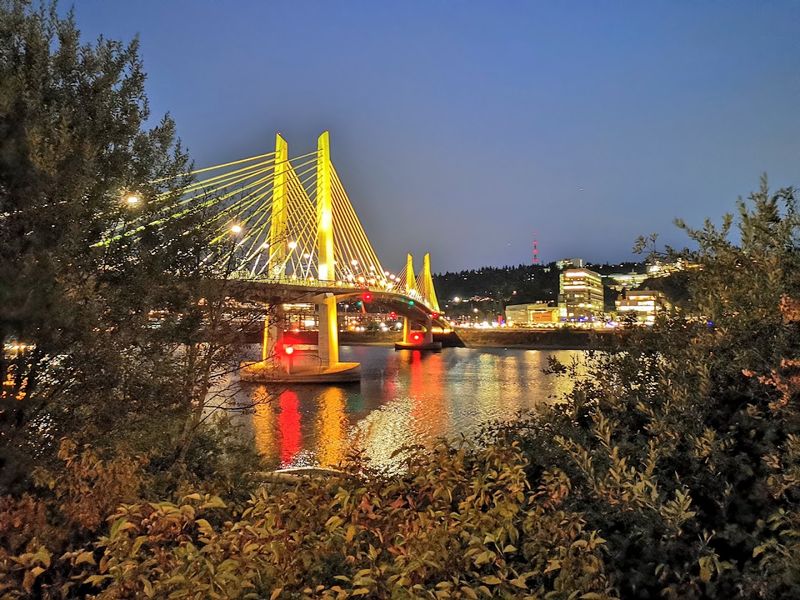
Portland has been the weird, wonderful, relentlessly eco-conscious city of American imagination for so long that it is easy to forget just how much of that reputation is backed by actual results. The city’s cycling infrastructure is genuinely world-class, with over 385 miles of bike lanes, paths, and routes winding through the city.
Portland riders log millions of miles annually, keeping cars parked and emissions down.
Public transit in Portland is anchored by TriMet, a system that includes light rail, buses, and a streetcar network connecting most of the city’s major neighborhoods. The city has made significant investments in electric buses and continues expanding transit access to underserved communities.
Getting around Portland without a car is not just possible; for many residents, it is the obvious choice.
Portland’s climate action plan is one of the most detailed and ambitious in the country, covering everything from building energy use to food system sustainability. The city has also invested heavily in urban tree planting and green infrastructure to manage stormwater and reduce heat.
Renewable energy adoption is widespread, with many residents and businesses sourcing power from wind and solar. Portland is not just talking about a greener future.
It has been building one, block by block, for decades.
Seattle, Washington
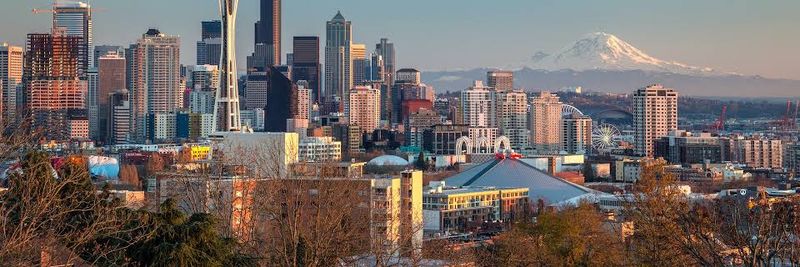
Seattle sits between a mountain range and a saltwater sound, which gives residents a daily reminder of exactly what is worth protecting. That geographic reality has shaped a city culture deeply committed to environmental stewardship, and Seattle’s policies back that culture up with real action.
The city gets roughly 90 percent of its electricity from hydropower, making its grid one of the cleanest in the entire country.
Seattle’s transit system has expanded significantly in recent years, with light rail now connecting the city to suburbs that were previously car-only territory. The city is also home to the Burke-Gilman Trail, a beloved multi-use path stretching more than 27 miles through neighborhoods, parks, and along the waterfront.
Cycling in Seattle is not just a hobby; it is a legitimate commuting option for thousands of residents.
The city has committed to carbon neutrality and is pushing hard on building electrification, electric vehicle infrastructure, and green stormwater management. Seattle’s urban tree canopy is extensive, and the city actively works to protect and expand it.
Composting and food waste recycling programs are among the most robust in the country. Seattle proves that a rainy, hilly city can be just as green as any sun-drenched California neighbor, maybe even greener.
Denver, Colorado
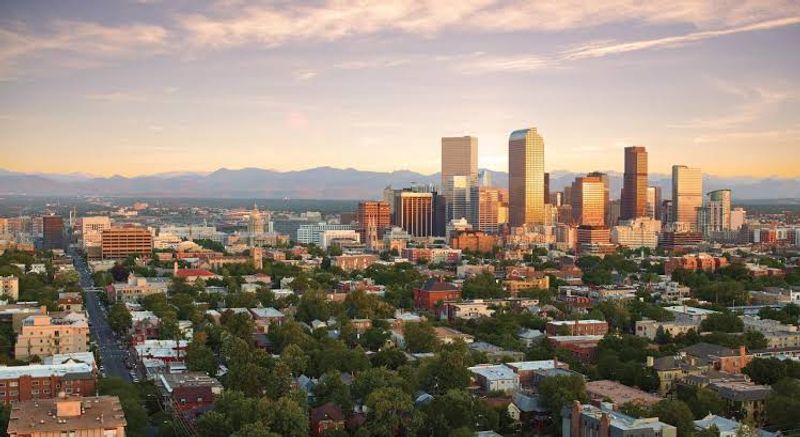
At a mile above sea level, Denver residents have always been close to nature, and that proximity has shaped a city that takes its environmental responsibilities seriously. Denver’s outdoor culture, with skiing, hiking, and cycling baked into daily life, creates a population that genuinely cares about keeping the air clean and the landscape beautiful.
That cultural foundation supports some ambitious green policy.
Denver’s Energize Denver initiative targets significant reductions in building energy use, which is one of the largest sources of urban emissions. The city has also invested heavily in its light rail and bus rapid transit network, connecting neighborhoods and reducing the need for car trips.
The 80-mile-long Cherry Creek Trail runs right through the heart of the city, giving cyclists and pedestrians a car-free route that is both practical and stunning.
Renewable energy is growing fast in Colorado, and Denver is positioned to benefit enormously. The city has set targets for 100 percent renewable electricity and is working with utilities and businesses to get there.
Green building certifications are increasingly required for new construction, pushing developers to build smarter from the start. Denver is not just a gateway to the Rockies; it is becoming a model for how western cities can grow responsibly while keeping one eye firmly on the horizon.
Boston, Massachusetts
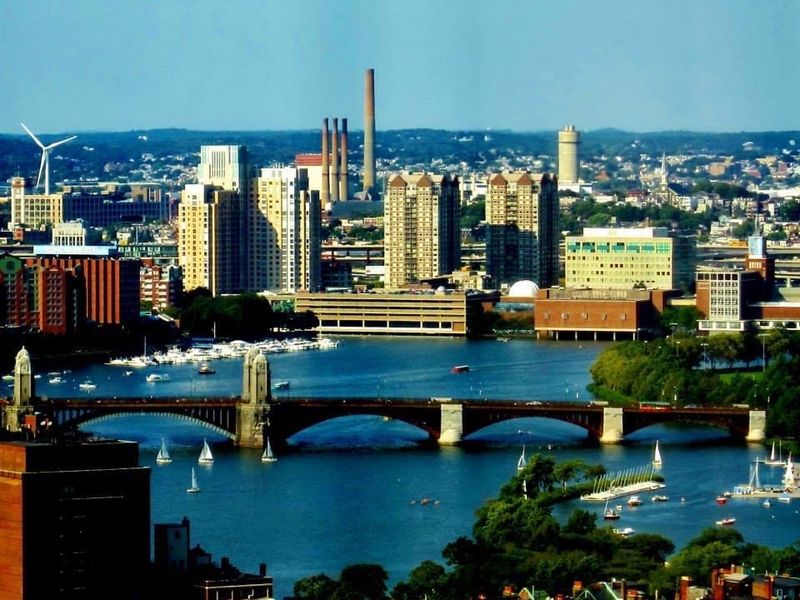
Boston has been around long enough to know that good things take planning, and the city has applied that patient, methodical approach to sustainability with impressive results. The MBTA transit system, one of the oldest in the country, moves over a million riders per day, making car ownership genuinely optional for many Boston residents.
That density of transit access is a green advantage most American cities can only dream about.
The city’s Climate Action Plan is detailed, data-driven, and regularly updated, targeting carbon neutrality by 2050 with clear milestones along the way. Boston has made walkability a central feature of neighborhood planning, with dense, mixed-use streets that put daily needs within easy reach on foot.
The city’s Emerald Necklace, a chain of parks and green spaces designed by Frederick Law Olmsted, gives residents access to nature without leaving the urban core.
Boston is also a national leader in climate resilience planning, which matters enormously for a coastal city facing rising sea levels. The city has invested in flood barriers, green infrastructure, and updated building codes designed to handle future climate conditions.
Boston’s universities and research institutions also contribute cutting-edge sustainability research that shapes policy locally and nationally. History and innovation make a surprisingly effective team in this city.
Madison, Wisconsin
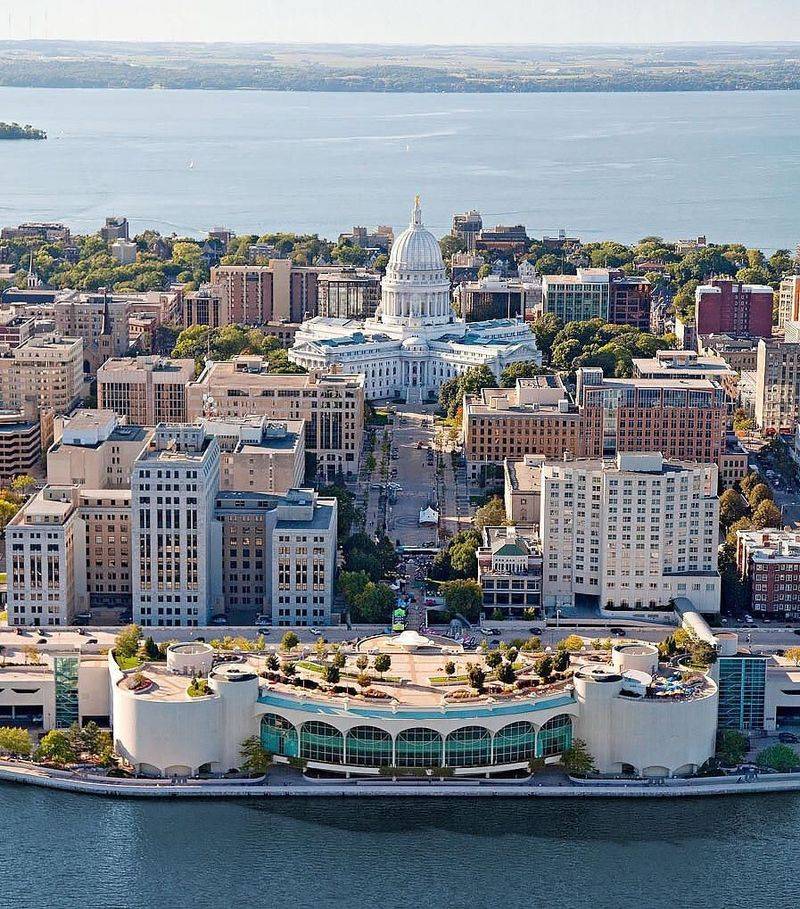
Tucked between two sparkling lakes in southern Wisconsin, Madison punches well above its weight class when it comes to sustainability. The city consistently earns national recognition for cycling infrastructure, environmental quality, and community-driven green initiatives, remarkable achievements for a city of roughly 270,000 people.
Madison proves that you do not need to be a metropolis to lead on climate.
The University of Wisconsin-Madison has been a major driver of the city’s green identity, pursuing ambitious sustainability goals on campus and producing research that shapes environmental policy across the country. The city itself has committed to 100 percent renewable energy by 2030, one of the more aggressive timelines among American cities of any size.
Local government, universities, and residents are all pulling in the same direction.
Madison’s farmers market, held weekly around the State Capitol, is one of the largest in the country and reflects a community deeply committed to local food systems and sustainable agriculture. The city’s cycling network is extensive and well-maintained, making bike commuting a popular and practical choice year-round.
Green building standards, urban composting programs, and lake water quality monitoring round out a sustainability profile that is genuinely comprehensive. Madison is small in size but seriously large in environmental ambition.
Sacramento, California
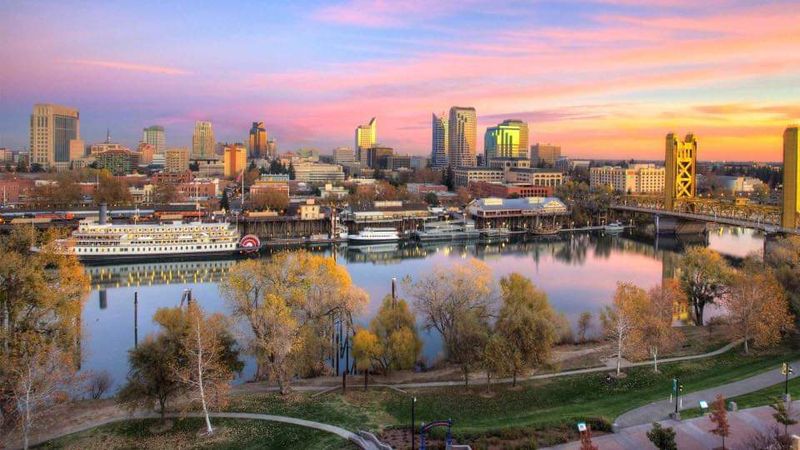
Sacramento calls itself the City of Trees, and that nickname is not just marketing fluff. The city has one of the largest and most diverse urban tree canopies in the entire country, with hundreds of thousands of trees shading streets, parks, and neighborhoods.
Those trees do real environmental work, reducing urban heat, cleaning the air, and absorbing stormwater. Sacramento takes its canopy seriously and actively works to protect and expand it.
As California’s state capital, Sacramento is at the center of some of the most progressive environmental policymaking in the United States. The city has launched ambitious programs to expand solar energy access, including initiatives targeting low-income households that might otherwise be left out of the clean energy transition.
That equity focus is a genuine point of pride for local leaders.
Sacramento’s light rail system connects much of the city and surrounding region, and the city has invested in expanding electric bus service to improve coverage. Sustainable development standards are increasingly applied to new construction, pushing the city’s building stock toward greater energy efficiency.
Sacramento also benefits from California’s statewide push toward zero-emission vehicles, with charging infrastructure growing rapidly across the city. Tree by tree and panel by panel, Sacramento is building a greener future at an impressive pace.
Boulder, Colorado
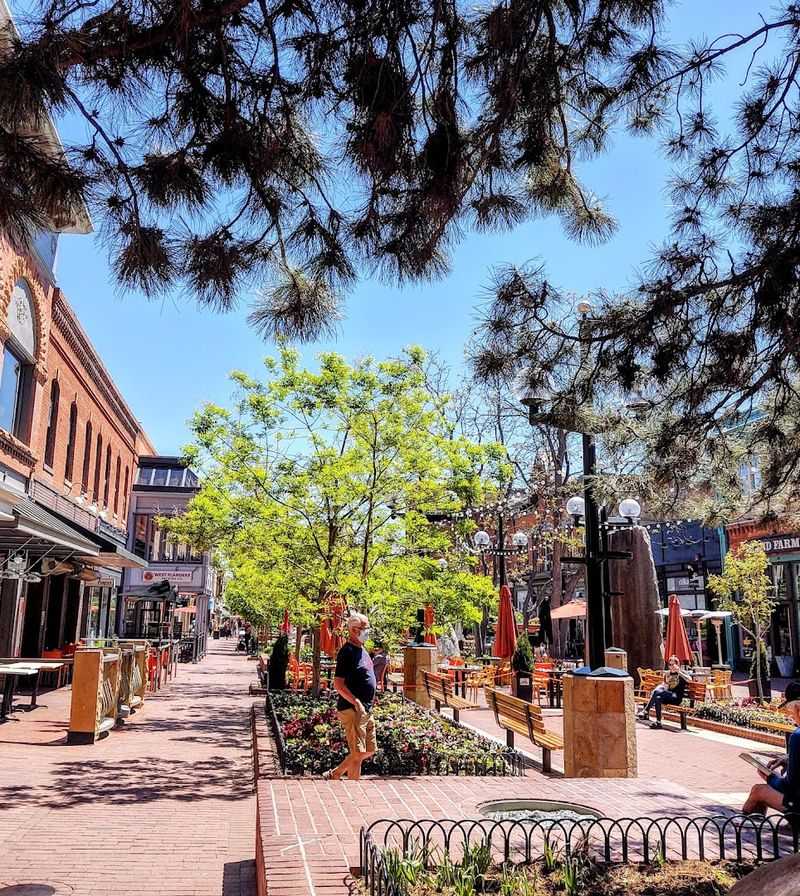
Boulder might be the most environmentally self-aware city in America, and the numbers back that up. Nestled against the dramatic backdrop of the Flatirons, Boulder has spent decades building sustainability into the fabric of daily life.
The city actually tried to municipalize its electric utility specifically to accelerate the shift to renewable energy, a bold and unusual move that reflected just how serious Boulder residents are about clean power.
Cycling is practically a religion in Boulder. The city has an exceptional network of off-street trails and on-street bike lanes, and a significant portion of residents commute by bike regularly.
The Boulder Creek Path, running through the heart of the city, is one of the most used recreational corridors in Colorado. Active transportation here is not a fringe activity; it is mainstream culture.
Boulder’s open space program has permanently protected over 45,000 acres of land surrounding the city, preventing sprawl and preserving wildlife habitat and natural beauty. The city enforces some of the strictest green building codes in the country, and local businesses face high environmental expectations from a community that genuinely holds them accountable.
Boulder’s sustainability story is not just about policy; it is about a community that decided, collectively, what kind of place it wanted to be and then actually built it.
New York City, New York
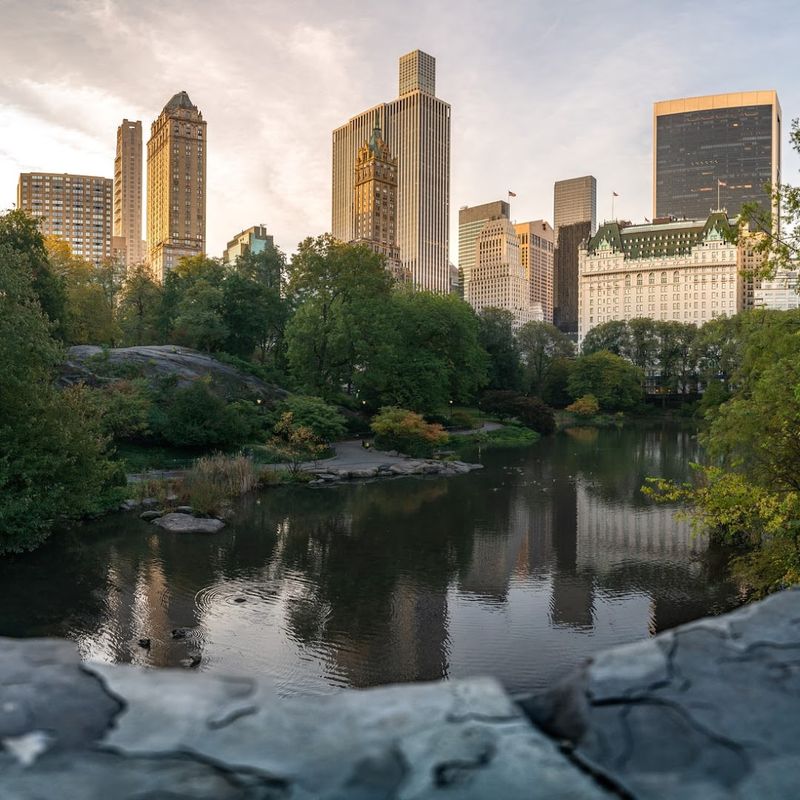
New York City is not the first name that comes to mind when people think green, but the numbers tell a surprisingly compelling story. The average New Yorker has a carbon footprint roughly 70 percent lower than the typical American, largely because of how the city is built.
Density is an environmental superpower, and New York has more of it than anywhere else in the country.
The subway system carries over three million riders on an average weekday, keeping an almost unimaginable number of cars off the road. Citi Bike, the city’s bike-share program, has become one of the busiest in the world, logging tens of millions of trips annually.
New York’s streets are increasingly being redesigned to prioritize pedestrians and cyclists over private vehicles, a shift that is both popular and environmentally significant.
New York City’s Local Law 97 is one of the most ambitious building emissions standards ever enacted by an American city, requiring large buildings to dramatically cut carbon output or face steep fines. Green roofs, urban gardens, and expanded parks are adding greenery to neighborhoods that once had almost none.
The city’s sheer scale means that even incremental improvements create enormous environmental benefits. New York proves that the biggest city in America can also be one of its most efficient, one subway ride at a time.
Share this story