Some cities carry a reputation that travels far beyond their borders, and not always for the right reasons. From gang-controlled streets to cartel warfare and skyrocketing homicide rates, certain urban centers face challenges that most people can barely imagine.
Measuring danger is never simple, since researchers look at homicide rates, violent crime statistics, and how safe residents actually feel walking outside. The cities on this list represent a wide range of cultures and continents, but they share one troubling thing in common: they consistently appear at the top of the world’s most dangerous city rankings.
Port-au-Prince, Haiti
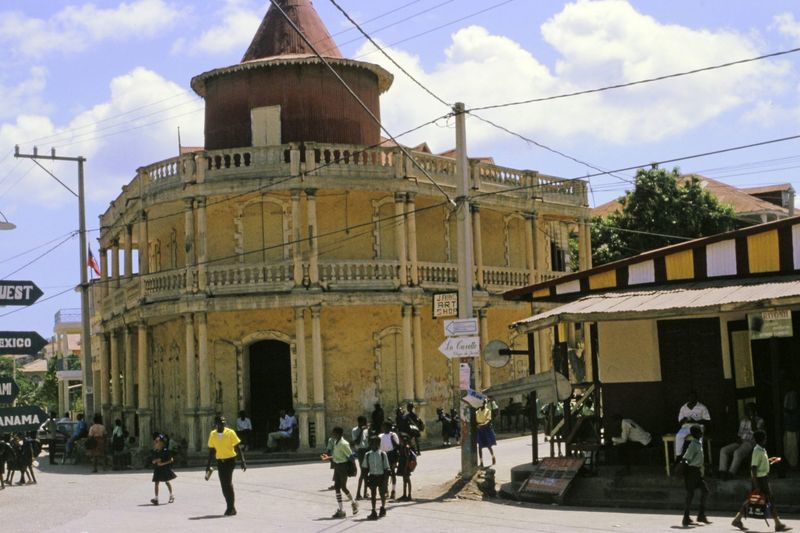
Gangs run the show in Port-au-Prince, and that is not an exaggeration. Armed criminal groups control an estimated 80% of the city, making daily life genuinely terrifying for ordinary residents.
Haiti’s capital has collapsed into one of the worst humanitarian crises in the Western Hemisphere.
The 2021 assassination of President Jovenel Moise sent the country into a political freefall it has not recovered from. Without a functioning government to push back, gangs expanded their territory rapidly.
Kidnappings became so common that even church groups and school buses were targeted.
Homicide rates in Port-au-Prince have reached levels that shock even seasoned researchers who study violence globally. The United Nations has repeatedly called for international intervention.
Many residents have fled to rural areas or attempted dangerous sea crossings to escape.
Despite all of this, Haitian communities show remarkable resilience. Local organizations continue working to feed families, educate children, and maintain some sense of normal life under extraordinary pressure.
Port-au-Prince is a city of contradictions, heartbreak, and stubborn human spirit all at once.
Caracas, Venezuela
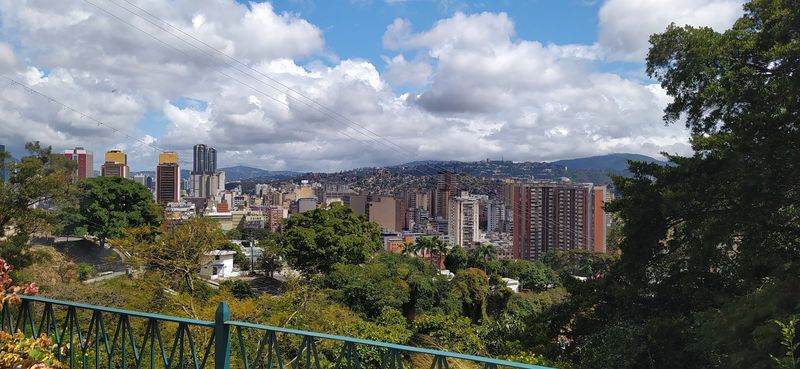
Once upon a time, Caracas was the jewel of South America, a booming oil-rich capital full of glamour and ambition. That version of the city feels like ancient history now.
Decades of economic mismanagement and political chaos have turned it into one of the most violent places on earth.
Venezuela’s economic collapse has pushed millions into poverty, and desperation often fuels crime. Caracas regularly records homicide rates that rival active war zones.
Kidnappings, armed robbery, and gang shootouts are everyday realities for people living in the city’s densely packed hillside barrios.
The government has repeatedly claimed victory over crime through aggressive policing operations, but independent researchers tell a very different story. Many violent incidents go unreported because trust in law enforcement is almost nonexistent.
Corruption within police ranks makes the problem significantly worse.
Expats and tourists are strongly advised against visiting without serious local guidance and security measures in place. Yet even amid the chaos, Caracas has a cultural heartbeat that refuses to quit.
Music, food, and community ties remain strong among residents who simply have nowhere else to go.
Ciudad Obregon, Mexico
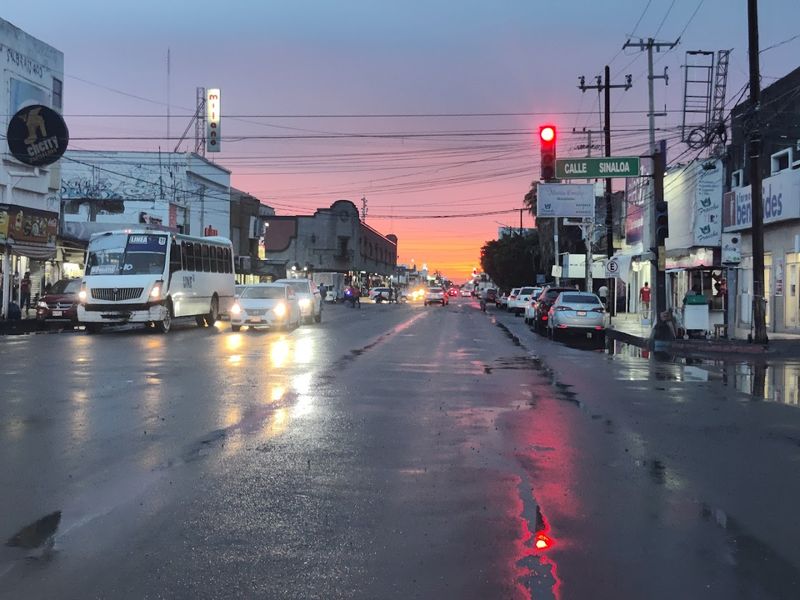
Ciudad Obregon does not get as much international press as Tijuana or Juarez, but the numbers tell a brutal story. Located in Sonora, one of Mexico’s most cartel-contested states, this city has recorded some of the highest homicide rates per capita anywhere in the world in recent years.
The Sinaloa Cartel and rival factions have turned the region into a battleground for drug trafficking supremacy. Residents describe a city where gunfire at night is not unusual and where certain neighborhoods are effectively off-limits without criminal connections.
Local businesses have suffered enormously from extortion rackets.
Agriculture is the backbone of Sonora’s economy, and Ciudad Obregon sits at its center. The contrast between its productive farmlands and its violent streets is striking.
Farmers and workers just trying to make a living are often caught between warring criminal factions with no safe way out.
Mexican federal forces have launched operations in the region, but sustained peace has remained frustratingly out of reach. Ciudad Obregon is a reminder that danger in Mexico is not limited to the border towns that dominate international headlines.
The violence runs much deeper than that.
Tijuana, Mexico
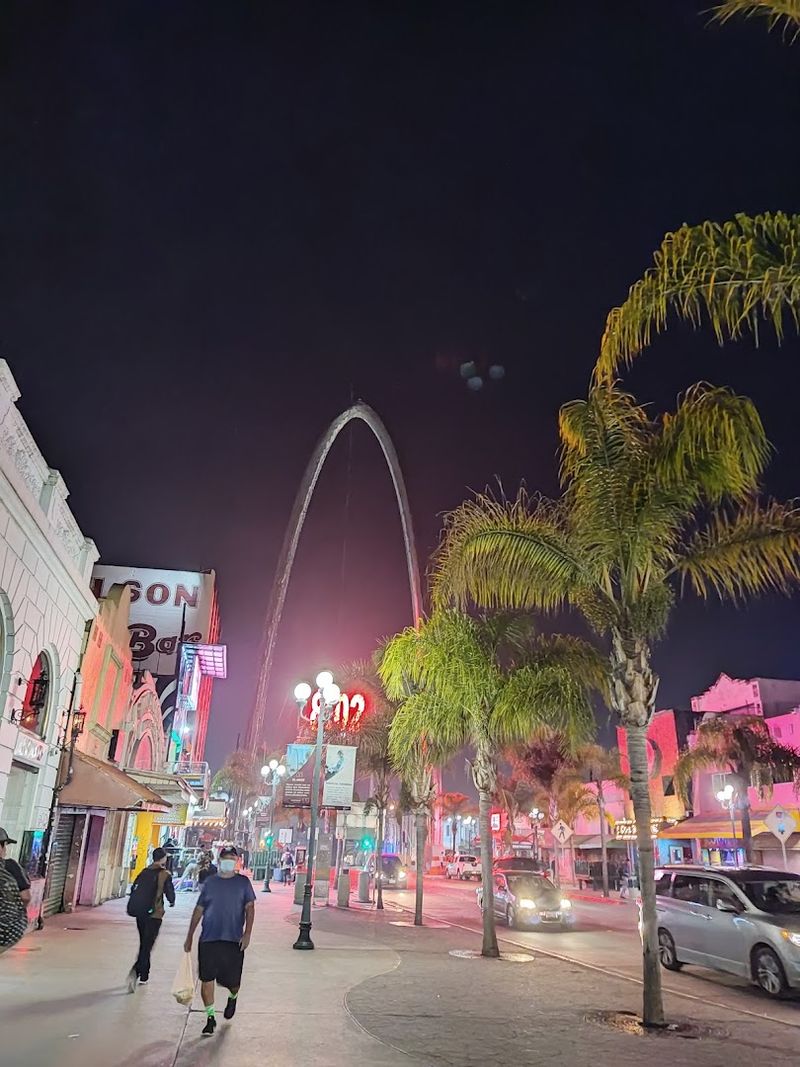
Tijuana sits right on the edge of two worlds, literally. The U.S.-Mexico border runs directly through its backyard, and that geography has made it one of the most fought-over criminal territories on the planet.
Rival cartels clash constantly over who controls the incredibly lucrative smuggling routes into California.
The city recorded over 2,000 homicides in a single year at its peak, a staggering number for a city of roughly two million people. Most victims are connected to organized crime, but innocent bystanders are far from immune.
Stray bullets and mistaken identity have claimed civilian lives too.
Tijuana also has a vibrant, legitimate side that often gets overlooked. Its food scene is world-class, its craft beer culture has earned international recognition, and it draws millions of visitors from San Diego every year.
Tourism and danger coexist in an uneasy, complicated balance.
Travelers who stick to tourist-friendly zones generally report feeling relatively safe. However, venturing into unfamiliar neighborhoods without local knowledge carries serious risk.
Law enforcement presence has increased in recent years, but cartel influence remains deeply embedded in the city’s daily life and politics.
Ciudad Juarez, Mexico
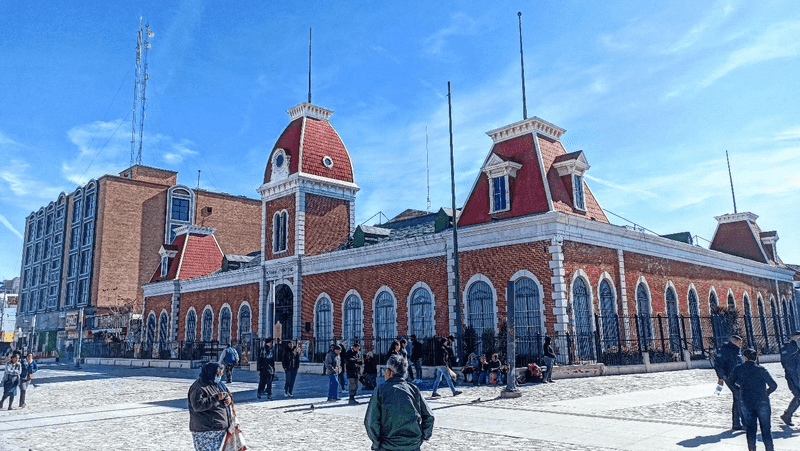
If you followed global news in the late 2000s, Ciudad Juarez was practically a synonym for chaos. At the height of the cartel wars, it earned the grim title of the world’s most dangerous city, recording over 3,000 murders in a single year.
The entire world was watching.
Things did improve after Mexican military intervention and a shifting cartel landscape brought some measure of order. Homicide numbers dropped significantly through the 2010s, and residents cautiously began rebuilding community life.
Businesses reopened, parks filled up again, and hope made a comeback.
However, recent years have brought a troubling uptick in violence again as criminal organizations continue competing for control. Juarez remains a critical crossing point for drugs, migrants, and contraband heading into the United States.
That makes it permanently valuable to criminal networks and permanently dangerous because of it.
The city also has a painful legacy tied to the unsolved murders and disappearances of hundreds of women, a crisis that drew global outrage and human rights attention. Activists and families continue demanding justice.
Ciudad Juarez carries its scars visibly, but its people carry an equally visible determination to survive and push forward.
Pietermaritzburg, South Africa
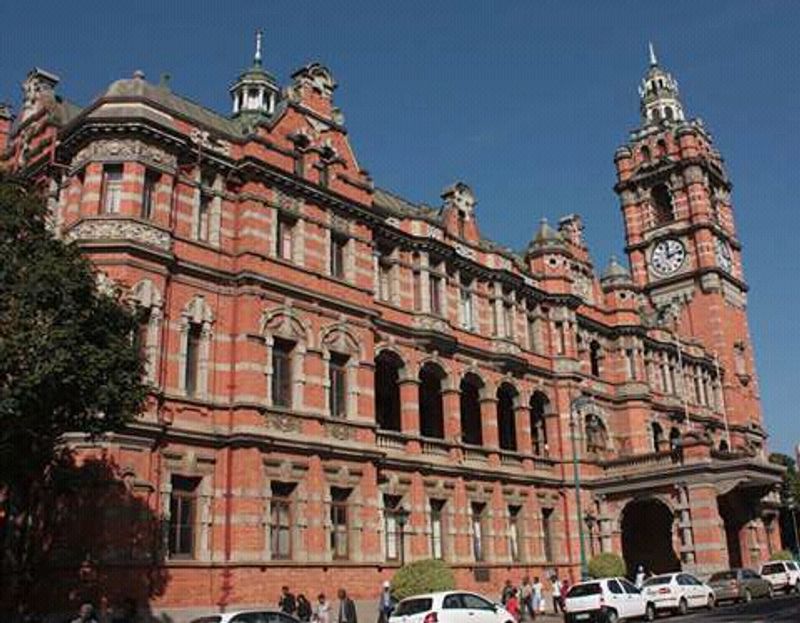
Most people outside South Africa struggle to find Pietermaritzburg on a map, which makes it surprising that this mid-sized city consistently ranks among the world’s most dangerous urban areas. Crime-index platforms that aggregate user-reported data have repeatedly placed it at or near the very top of global danger lists.
Violent crime, including armed robbery, assault, and murder, is a serious daily concern for residents. The city sits in KwaZulu-Natal province, which has historically been one of South Africa’s most violent regions.
Political tensions, poverty, and unemployment all contribute to a challenging security environment.
Pietermaritzburg is also a city with genuine historical significance. It served as the capital of the British Colony of Natal and has deep connections to Mahatma Gandhi, who was famously thrown off a train here in 1893, an event that helped shape his philosophy of nonviolent resistance.
That history makes its modern struggles feel especially poignant.
Local community groups and NGOs work hard to address the root causes of crime through education and economic programs. Progress is slow, but it is real.
Pietermaritzburg is a city that deserves to be known for more than its crime statistics, even if those statistics remain stubbornly alarming.
Johannesburg, South Africa
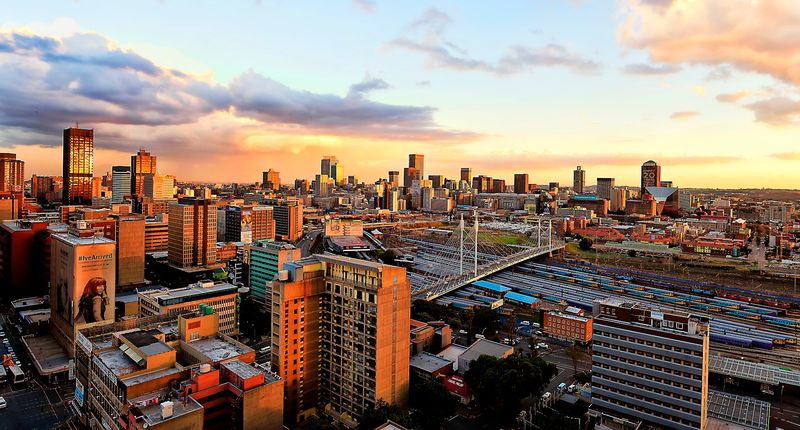
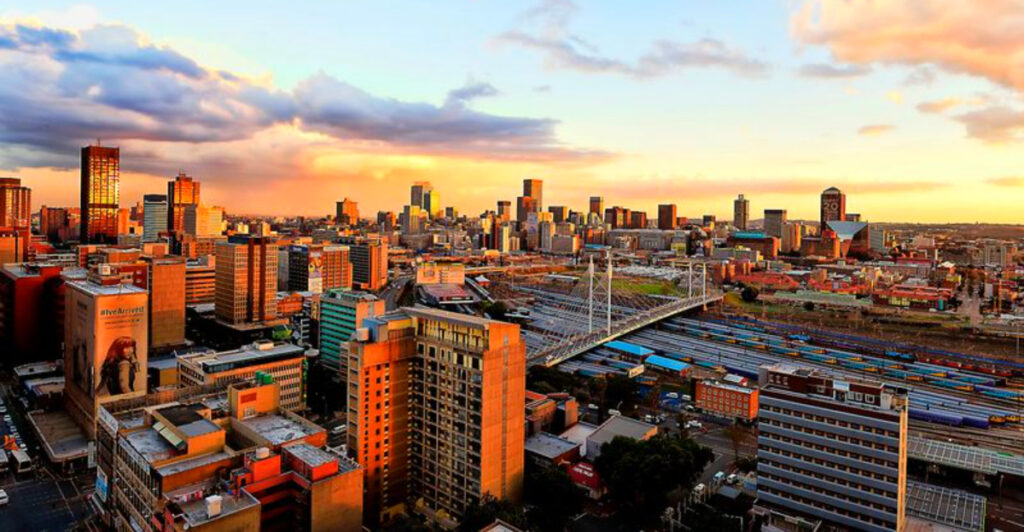
Joburg, as locals call it, is Africa’s financial powerhouse and one of the continent’s most exciting cities. But behind the glittering skyscrapers and buzzing restaurant scene lies a persistent and serious crime problem that residents navigate every single day.
Armed robbery and carjacking are disturbingly common, even in upscale neighborhoods.
The city’s inequality is stark and visible. Wealthy gated communities sit just kilometers from densely packed townships where unemployment can exceed 50%.
That economic divide creates tension and fuels opportunistic crime on a massive scale. Security guards, electric fences, and private security companies are standard features of middle-class life here.
Johannesburg’s inner city went through a dramatic decline in the 1990s as businesses fled crime and white flight reshaped the urban landscape. Today, neighborhoods like Maboneng and Braamfontein are experiencing genuine revival, drawing young creatives, artists, and entrepreneurs back into the urban core.
The city is fighting back, one block at a time.
Visitors are strongly advised to avoid walking alone at night and to use trusted transportation rather than hailing random taxis. With proper precautions, many tourists visit Johannesburg without incident.
Still, complacency gets people into trouble here faster than almost anywhere else on the continent.
Pretoria, South Africa
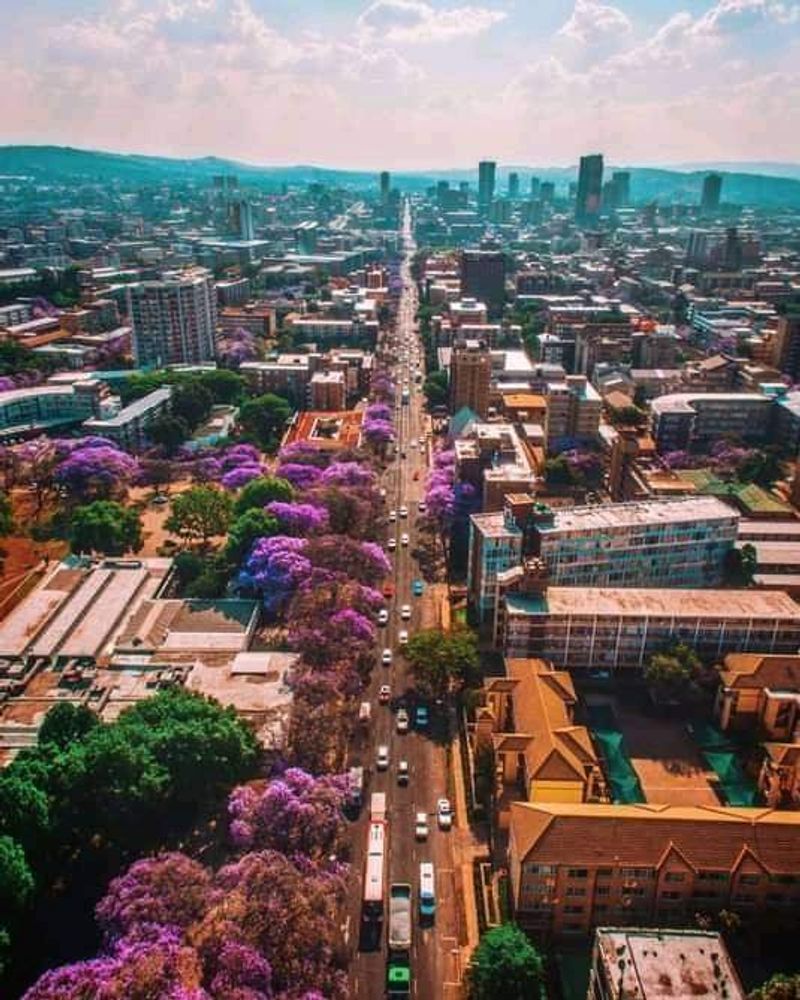
Every October, Pretoria transforms into a purple paradise when thousands of jacaranda trees burst into bloom across the city. It is genuinely one of Africa’s most beautiful seasonal spectacles.
The nickname City of Jacarandas sounds charming, which makes it all the more jarring that Pretoria also consistently ranks among the world’s most dangerous urban areas.
As South Africa’s administrative capital, Pretoria houses the country’s executive branch of government and dozens of foreign embassies. The diplomatic quarter is heavily secured and relatively safe.
But outside those protected zones, violent crime, including murder, robbery, and sexual assault, remains at alarming levels.
Crime-index rankings that measure both actual statistics and residents’ perceptions of safety regularly place Pretoria near the top. Many residents describe a constant low-level anxiety about personal safety that shapes everything from daily commutes to evening plans.
Driving instead of walking is not a lifestyle choice here; it is a safety strategy.
South Africa’s government has acknowledged the crisis and launched various policing initiatives, but results have been inconsistent. Pretoria’s challenges are deeply tied to national issues of unemployment, inequality, and an overstretched justice system.
Solving those problems is a long game, and residents are the ones paying the daily price.
Durban, South Africa
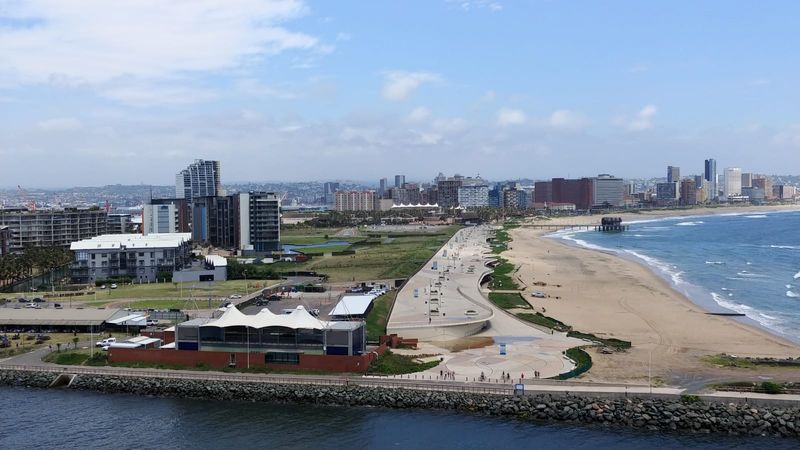
Durban has one of the most beautiful coastlines in Africa, with warm Indian Ocean waters, golden beaches, and a year-round subtropical climate that makes it sound like paradise. And in many ways it genuinely is.
But the city also carries a serious crime burden that complicates that picture significantly.
Violent crime in Durban spans robbery, assault, and homicide, with certain inland neighborhoods far more affected than the beachfront tourist zones. The port area, one of Africa’s busiest, drives enormous economic activity but also attracts criminal networks involved in smuggling and organized crime.
Those two realities coexist uncomfortably.
KwaZulu-Natal province, where Durban sits, has historically experienced political violence tied to rivalry between the ANC and IFP parties. While that specific conflict has lessened, the culture of violence it created has left lasting marks.
Gang activity has filled some of the space left behind.
Tourists visiting Durban’s Golden Mile beachfront and popular shopping areas generally have positive experiences. The city has invested in tourism infrastructure and visible policing in key areas.
However, local residents in less-protected neighborhoods face a very different daily reality, one that crime statistics make impossible to ignore or sugarcoat.
Cape Town, South Africa
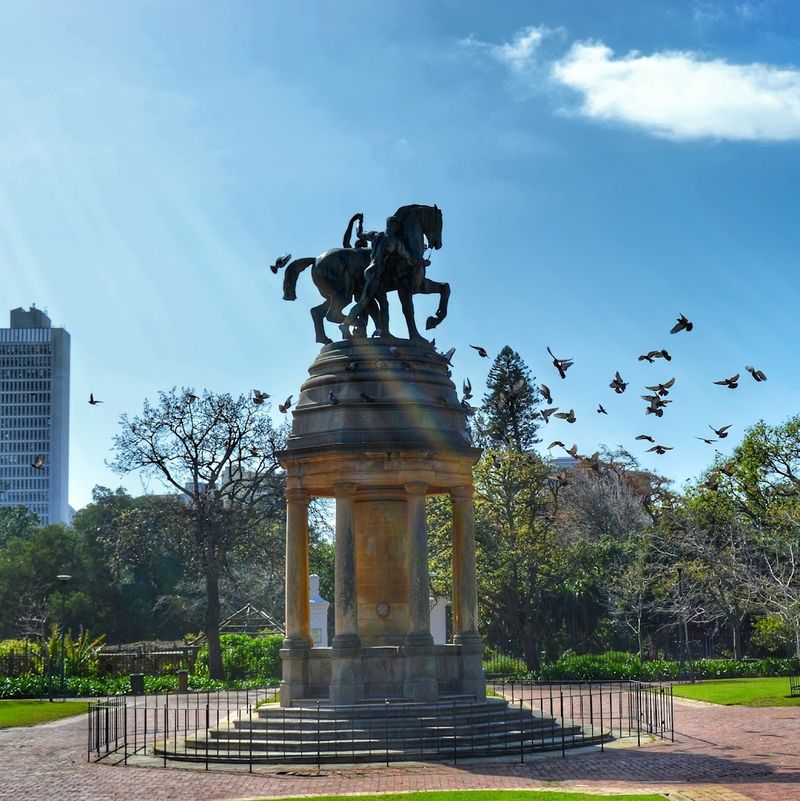
Cape Town might be the most photographed city in Africa, and honestly, the camera never lies about how stunning it looks. Table Mountain, the Cape Winelands, Boulders Beach penguins… the place practically sells itself.
But beneath that postcard-perfect surface, Cape Town has a gang violence problem that is genuinely devastating to communities on the Cape Flats.
The Cape Flats, a sprawling area of townships and informal settlements southeast of the city center, has been a battleground for gangs like the Americans and Fancy Boys for decades. Homicide rates in those neighborhoods rival the most dangerous cities anywhere in the world.
Residents live with the constant stress of crossfire, stray bullets, and recruitment pressure on their children.
The contrast between Cape Town’s tourist experience and its local reality is probably the sharpest of any city on this list. Visitors sipping wine in Franschhoek are often completely unaware of the violence happening just 40 kilometers away.
That geographic and social separation is both a practical reality and a moral tension the city has never fully resolved.
Community organizations in the Cape Flats do extraordinary work with extremely limited resources. Anti-gang programs, youth sports initiatives, and social workers are making incremental differences.
Cape Town’s beauty is real; so is its pain.
San Pedro Sula, Honduras
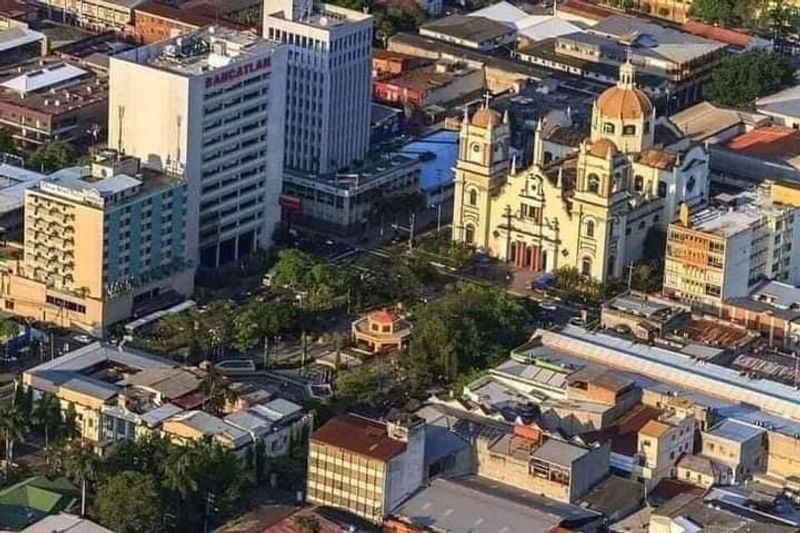
For several years running in the early 2010s, San Pedro Sula held the title nobody wants: the murder capital of the world. Homicide rates exceeded 170 per 100,000 residents at the peak, numbers so staggering they seemed almost unreal.
The city became a symbol of Central America’s gang crisis and the human cost of the drug trade.
MS-13 and Barrio 18 have long competed violently for control of San Pedro Sula’s neighborhoods, extorting businesses, recruiting children, and terrorizing communities into silence. The gangs essentially function as a parallel government in some areas, collecting taxes and enforcing their own brutal rules.
Residents who resist often pay with their lives.
Interestingly, the murder rate has dropped significantly from those catastrophic peaks, largely due to aggressive government crackdowns and shifting gang dynamics. San Pedro Sula is no longer the undisputed murder capital, though it still ranks uncomfortably high.
Progress is real but fragile, and many residents remain skeptical about how lasting it will be.
Honduras as a whole faces severe poverty and institutional corruption that makes crime extremely difficult to address at its roots. San Pedro Sula’s story is ultimately about what happens when a city is left without adequate resources, justice, or opportunity for its youngest residents.
Salvador, Brazil
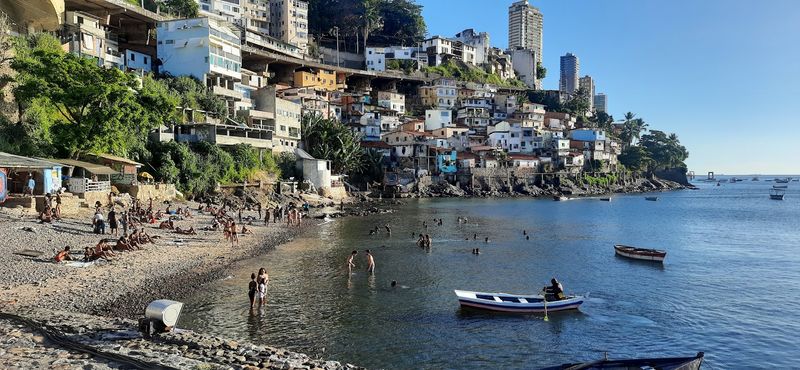
Salvador’s historic Pelourinho neighborhood is a UNESCO World Heritage Site, painted in brilliant colors, full of samba rhythms and Afro-Brazilian culture that makes it one of Brazil’s most magnetic destinations. The city is also the capital of Bahia state and home to some of the country’s most celebrated festivals.
And yet Salvador consistently appears on lists that no city wants to be on.
Gang violence and drug trafficking drive extremely high homicide numbers, particularly in the city’s peripheral neighborhoods far from the tourist zones. Rival factions battle over territory with a ferocity that has made certain areas genuinely no-go zones for outsiders and even for many residents.
Young Black men are disproportionately among the victims, a pattern that human rights groups have repeatedly highlighted.
Brazil’s broader security crisis, including the growth of criminal organizations like the PCC and CV, has reshaped violence patterns in Salvador and other northeastern cities. Federal and state governments have launched security programs with mixed results.
Corruption within law enforcement continues to undermine progress.
Salvador’s culture is extraordinary and its people are warm, creative, and deeply proud of their heritage. Millions of tourists visit every year, particularly during Carnival.
The city holds beauty and brutality in the same hands, and neither side is going away anytime soon.
Cali, Colombia
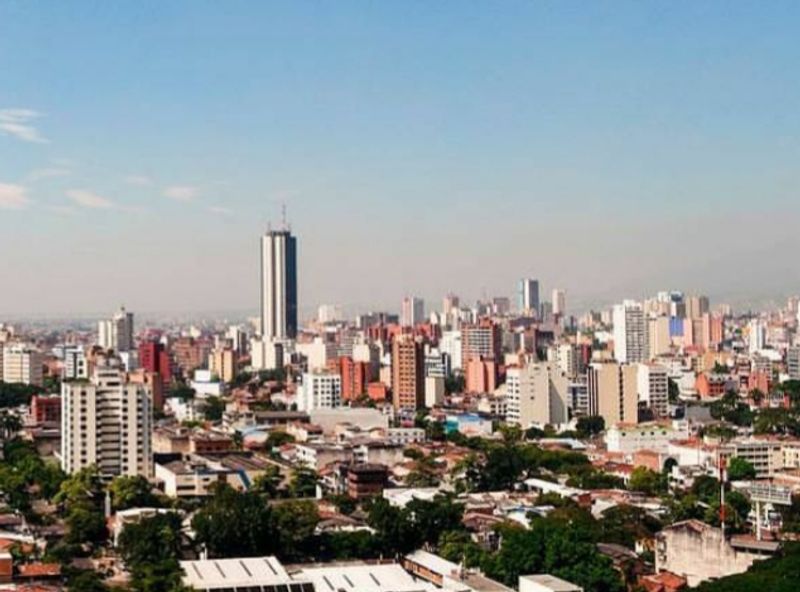
Salsa music was practically invented in Cali, and on any given night the city’s dance clubs pulse with an energy that is genuinely infectious. Cali is colorful, passionate, and culturally rich in ways that make it one of Colombia’s most compelling cities.
It is also one that has never fully escaped the shadow of organized crime.
Cali was deeply embedded in the cocaine trade through the infamous Cali Cartel, which rivaled Medellin’s Escobar empire in the 1980s and 90s. After the cartel’s dismantling, successor criminal organizations stepped in, and violence never fully disappeared.
Street gangs, called combos, control neighborhoods and engage in extortion, drug dealing, and turf warfare.
Homicide rates in Cali have fluctuated over the years but remain significantly higher than global averages. Certain districts in the east and south of the city are far more dangerous than the upscale neighborhoods of the north, where middle-class and wealthy residents live in relative comfort.
That internal geography of safety is a feature of many Colombian cities.
Colombia overall has made remarkable progress in reducing violence since the darkest days of the 1990s. Cali has benefited from some of that progress.
But the city still has serious work to do before it can shed its place on international danger rankings for good.
Kingston, Jamaica
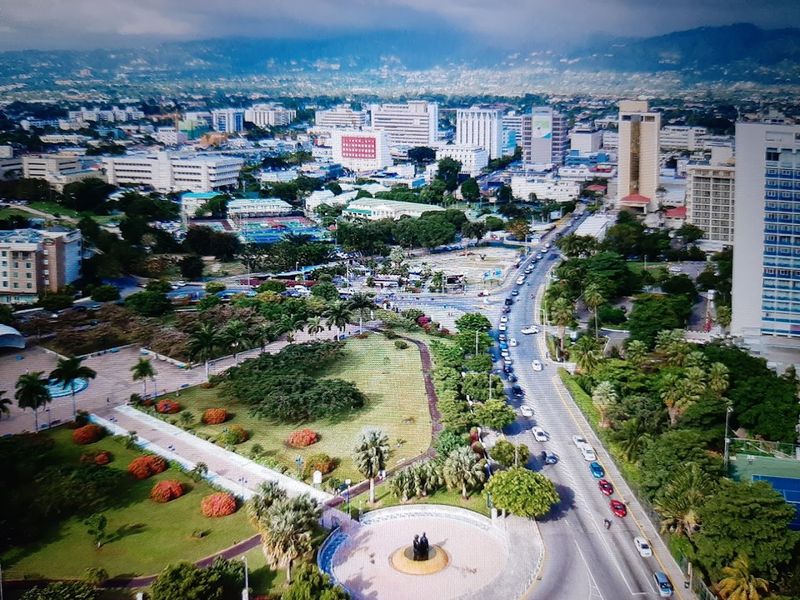
Bob Marley grew up in Kingston, and his music carried the city’s soul to every corner of the planet. The reggae legend sang about peace, love, and unity while living through one of the Caribbean’s most violent urban environments.
That tension between artistic greatness and street-level hardship defines Kingston in ways that are hard to explain from the outside.
Gang violence is deeply rooted in Kingston’s political history. During the 1970s, political parties actively armed rival gangs in garrison communities to deliver votes, creating a cycle of violence that has never been fully broken.
Those garrison neighborhoods, places like Tivoli Gardens and Arnett Gardens, remain some of the most dangerous urban spaces in the Western Hemisphere.
Jamaica’s homicide rate is among the highest in the world relative to its population size. Kingston accounts for a significant portion of those numbers.
Drug trafficking, extortion, and inter-gang warfare over territory drive most of the violence, with civilians regularly caught in the crossfire.
Beyond the crime headlines, Kingston is a genuinely fascinating city with a world-class music scene, excellent food, and a fiercely proud creative community. New Kingston, the commercial district, is lively and relatively safe.
The city’s contradictions are sharp, but its personality is impossible not to admire from a distance.
Port Moresby, Papua New Guinea
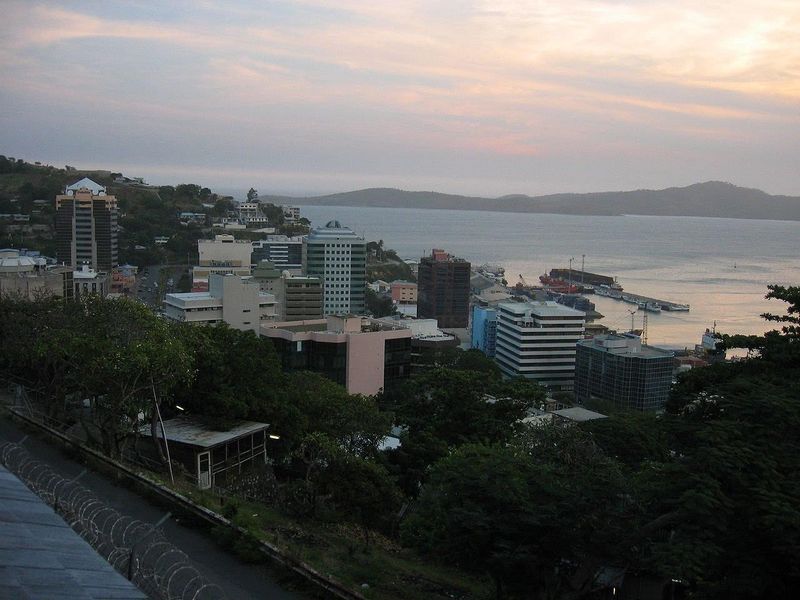
Papua New Guinea is home to some of the most extraordinary biodiversity on earth, and Port Moresby sits on a stunning harbor with views that belong in a travel magazine. Unfortunately, the city is also one of the most consistently dangerous capitals in the Asia-Pacific region, and its reputation among travelers is severely cautionary.
Armed robberies, carjackings, and gang activity called raskol crime are everyday concerns for residents and the small expat community. Walking outside after dark is widely considered extremely risky even in relatively central areas.
Many businesses and embassies operate behind high walls, security guards, and razor wire as standard procedure.
Papua New Guinea faces significant development challenges, including limited infrastructure, high unemployment, and a justice system that struggles to function effectively across the country’s rugged and remote geography. Port Moresby reflects those national challenges in concentrated form.
The city grows rapidly as people migrate from rural areas seeking work, but formal employment opportunities have not kept pace.
Crime-index surveys that measure how unsafe residents feel consistently place Port Moresby near the very top globally. Expats working in the extractive industries that drive PNG’s economy typically live in secured compounds.
Despite everything, the city has a vibrant local culture and a population that is remarkably friendly when conditions allow it to show.
Share this story