 Unearth The Voyage
Some places just look like they belong on the big screen. Walking through certain cities feels like stepping onto a movie set, where every corner, street, and building tells a story. Whether it’s the neon glow of futuristic streets or cobblestone lanes from centuries past, these destinations capture our imagination and transport us into the world of cinema.
New York City, USA — The Urban Blockbuster
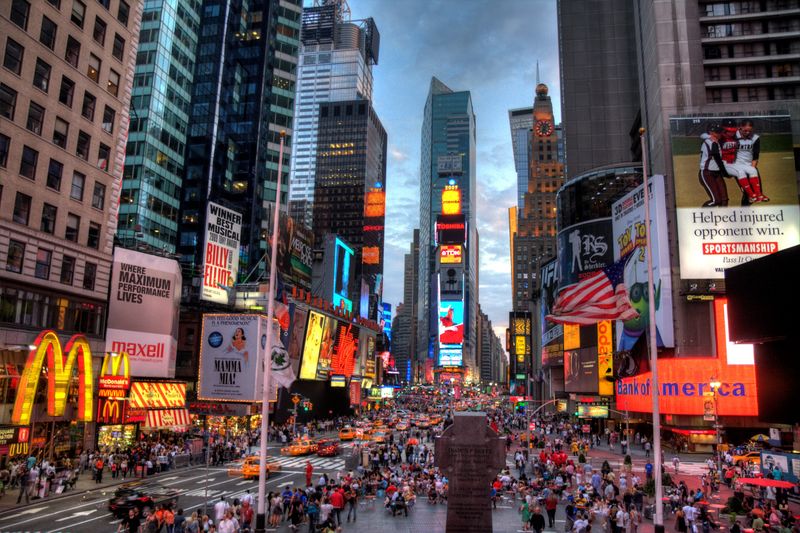
New York City’s iconic skyline, bustling streets, and distinctive neighborhoods have starred in films for decades—from gritty dramas like Taxi Driver to romantic tales and superhero blockbusters. Its yellow taxis, Central Park promenades, and neon-lit Times Square instantly feel cinematic, as if you’re walking through scenes from countless stories.
The city’s blend of towering skyscrapers and quirky side streets makes every walk feel like a new scene unfolding. Whether you’re crossing Brooklyn Bridge at sunrise or grabbing a hot dog from a street vendor, there’s an undeniable movie magic in the air.
From classic films to modern Marvel adventures, NYC has been the backdrop for every genre imaginable. The energy, diversity, and constant motion create an atmosphere where anything can happen. Visitors often feel like they’re extras in an ongoing production, with the city itself as the star.
Every neighborhood offers a different cinematic vibe—SoHo’s artistic charm, the Financial District’s corporate drama, or Harlem’s cultural richness. It’s no wonder filmmakers keep coming back to capture this endlessly fascinating metropolis on screen.
Paris, France — Romance and Timeless Cinema
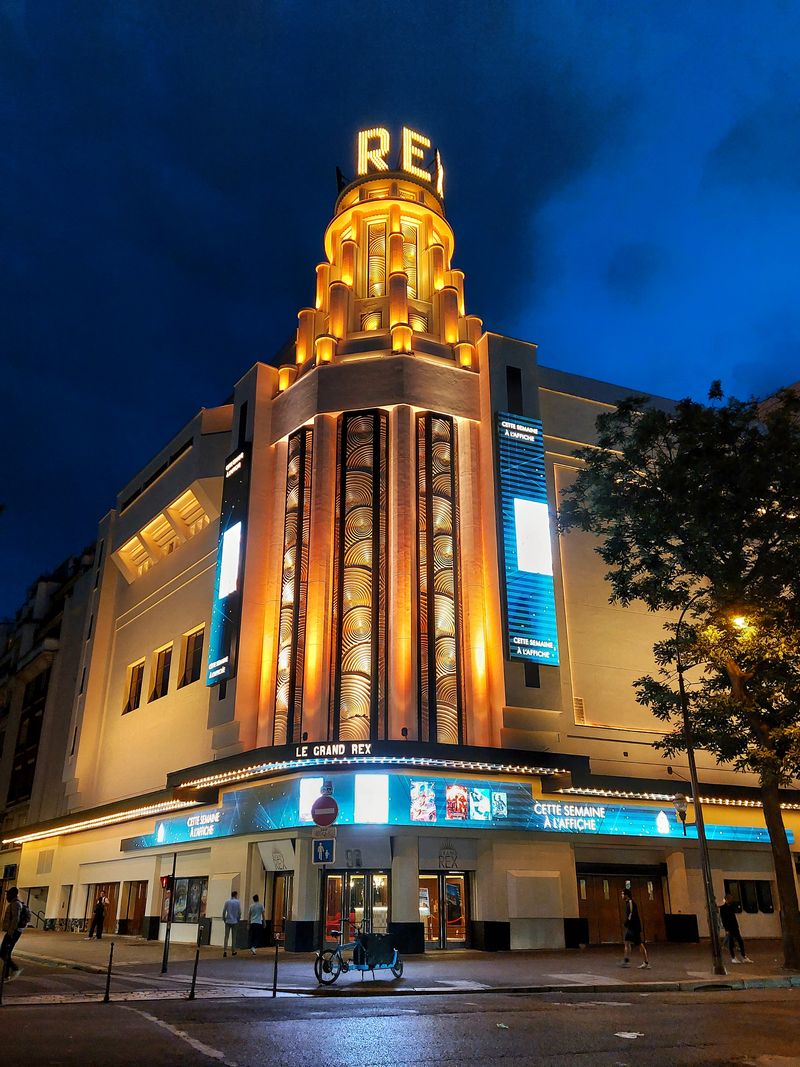
Paris is a perennial favorite for filmmakers because its historic architecture, Seine River bridges, and café culture evoke romance and classic storytelling. From sweeping shots of the Eiffel Tower to quiet cobblestone lanes, the city feels like scenes from romantic classics and artistic films.
It’s no surprise that walking in Montmartre or along the Seine makes visitors feel as if they’ve stepped into a movie of love and memory. The charming bistros, flower-lined balconies, and accordion music drifting through narrow streets create an atmosphere straight from a screenplay.
Films like Amélie and Midnight in Paris have captured the city’s whimsical magic, showing how even ordinary moments become extraordinary against this backdrop. The soft glow of streetlamps reflected in rain-soaked pavements adds to the dreamlike quality that directors adore.
Every arrondissement tells a different story, from the bohemian charm of the Latin Quarter to the elegant grandeur of the Champs-Élysées. Paris doesn’t just host movies—it inspires them, making every visitor feel like the protagonist of their own romantic adventure.
Rome, Italy — Ancient Epic Backdrop
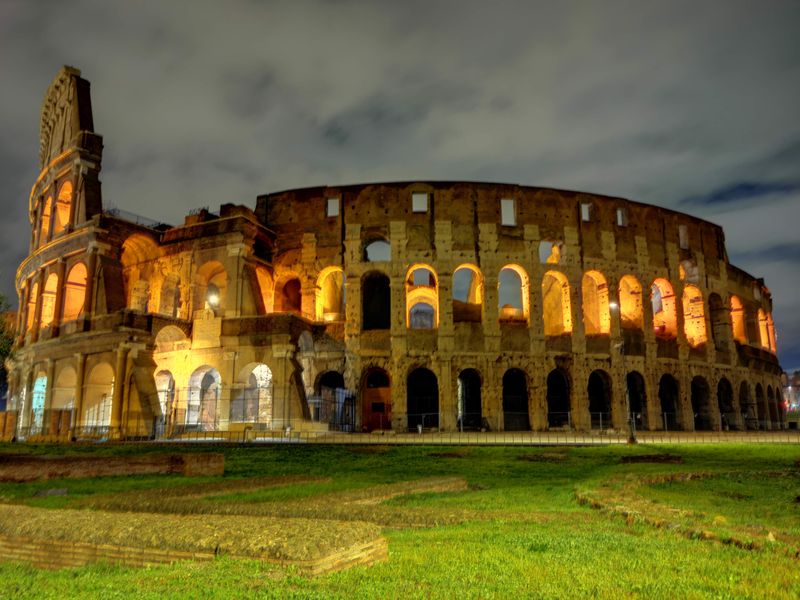
Rome’s ancient amphitheaters, Baroque piazzas, and grand ruins give it a sense of historical drama that filmmakers love. Scenes from films like Roman Holiday and Eat, Pray, Love showcase the city’s cinematic potential.
Wandering through the Colosseum, Piazza Navona, and narrow alleyways feels like entering a world where history and everyday life blend into epic storytelling. The layers of civilization—from Roman temples to Renaissance fountains—create visual richness that cameras can’t resist.
Tossing a coin into the Trevi Fountain or climbing the Spanish Steps recreates iconic movie moments that have captivated audiences for generations. The warm terracotta buildings, vibrant street markets, and sidewalk trattorias add authentic Italian flavor to every frame.
Directors love how Rome effortlessly shifts between grand spectacle and intimate human moments. A gladiator epic can be filmed in the morning, and a tender love scene by evening, all within the same ancient walls. This versatility makes Rome an eternal favorite for storytellers seeking both grandeur and emotional depth in their visual narratives.
Istanbul, Turkey — East Meets West in Cinematic Style
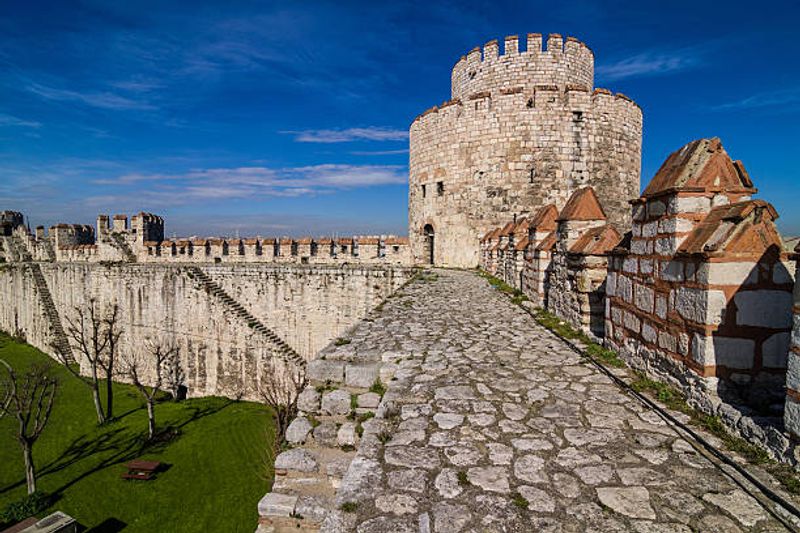
Istanbul’s skyline of domes, minarets, and waterways creates an atmospheric backdrop perfect for thrillers, romances, and historical narratives. Films like Skyfall have used the city’s evocative streets and Bosphorus vistas, and its blend of cultures feels like a movie setting rich with intrigue and story.
Walking the Grand Bazaar or crossing ancient bridges feels like a film scene brimming with mystery and beauty. The call to prayer echoing across the water at dusk, fishing boats bobbing alongside modern ferries, and the scent of spices wafting through covered markets create sensory experiences that translate beautifully to screen.
The city straddles two continents, offering filmmakers unique opportunities to capture cultural crossroads and dramatic tension. Byzantine churches stand beside Ottoman palaces, while contemporary cafes nestle in centuries-old neighborhoods, creating visual contrasts that enhance storytelling.
Hagia Sophia’s magnificent dome, the colorful tiles of the Blue Mosque, and the labyrinthine streets of Sultanahmet provide endless cinematic possibilities. Whether it’s an espionage thriller or a romantic drama, Istanbul’s atmospheric qualities add depth and exotic appeal to any production.
Prague, Czech Republic — Fairytale Streets and Fantasy Sets

With Gothic spires, medieval bridges, and hidden courtyards, Prague feels like a classic fairytale brought to life. Its timeless old town evokes fantasy films and romantic period pieces alike, so wandering the Charles Bridge or ancient alleyways gives you the sense of being inside a storybook film set.
The astronomical clock in Old Town Square, the imposing Prague Castle overlooking the city, and gas-lit lanes create an enchanted atmosphere that filmmakers treasure. Directors seeking medieval or fantasy settings often choose Prague because it requires minimal set decoration—the magic is already there.
Films ranging from historical dramas to vampire tales have used Prague’s atmospheric streets and dramatic architecture. The Vltava River winding through the city adds romantic reflections and scenic bridges that enhance any cinematic composition.
Unlike many European cities, Prague’s historic center survived major wars relatively intact, preserving its authentic medieval character. This makes it perfect for period pieces set anywhere from the Middle Ages to Victorian times. Walking through Malá Strana or Josefov feels like time travel, with every turn revealing another picture-perfect scene worthy of cinema.
Tokyo, Japan — Futuristic Cinema Meets Tradition
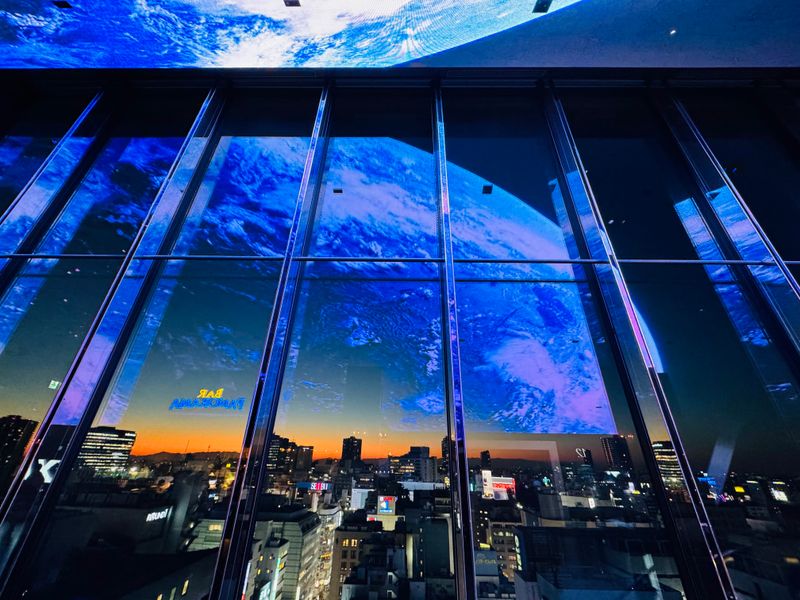
Tokyo’s neon-lit avenues, bustling intersections, and serene temple gardens create a cinematic contrast that feels straight out of sci-fi and anime films. Its busy cityscapes, high-tech backdrop, and sudden pockets of calm make it feel like a montage of stories unfolding at every turn.
The famous Shibuya Crossing, where thousands of people cross simultaneously, has become an iconic establishing shot in countless films. Towering video screens, colorful advertisements, and the constant hum of activity create a cyberpunk atmosphere that directors adore for futuristic settings.
Yet just minutes away, you can find tranquil Shinto shrines surrounded by ancient trees, offering a stark visual contrast. This juxtaposition of ultra-modern technology and preserved tradition gives Tokyo unique storytelling possibilities that few cities can match.
Films like Lost in Translation and Blade Runner-inspired productions have captured Tokyo’s distinctive energy and visual style. The city never sleeps, with izakayas glowing warmly beneath elevated train tracks and vending machines illuminating quiet residential streets. Whether filming a high-octane chase or an intimate character moment, Tokyo provides the perfect cinematic canvas for contemporary stories.
Los Angeles, USA — Hollywood’s Home Turf
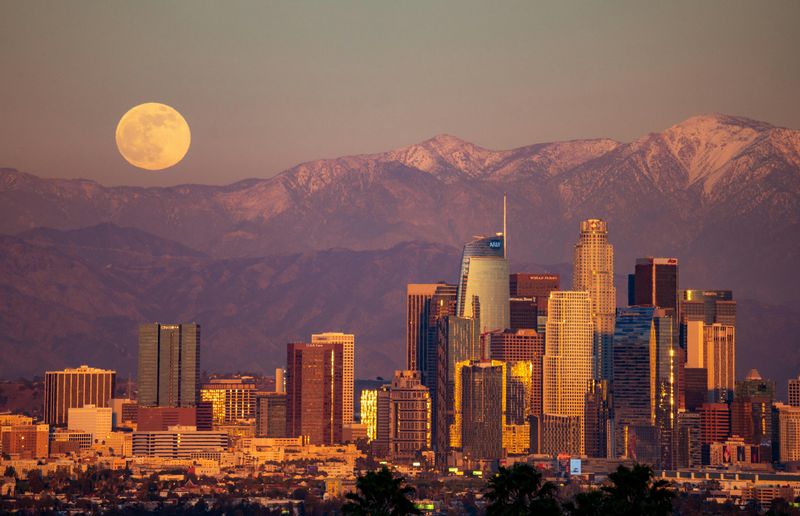
As the literal heart of the film industry, Los Angeles is inherently cinematic. Beyond studios and celebrity hotspots, its palm-lined boulevards, coastal views, and iconic signs have appeared in countless films and TV shows.
Visiting LA feels like walking through the production scrapbook of cinema history itself, making it a bucket-list city for movie lovers. From the glamorous Hollywood Boulevard to the laid-back Venice Beach boardwalk, each neighborhood has starred in productions that defined generations.
The Hollywood sign overlooking the city serves as a universal symbol of dreams and ambition, appearing in everything from romantic comedies to apocalyptic thrillers. Sunset Boulevard, Rodeo Drive, and Griffith Observatory have become characters in their own right, instantly recognizable to audiences worldwide.
LA’s diverse landscapes allow filmmakers to create almost any setting without leaving the county—desert scenes, mountain vistas, urban jungles, and beach sunsets are all within reach. The golden California light that bathes the city has a unique quality that cameras love. Whether you’re touring studio backlots or simply driving down Mulholland Drive, you’re constantly surrounded by cinematic history and ongoing productions.
Buenos Aires, Argentina — Dramatic Streets and Tango Flair
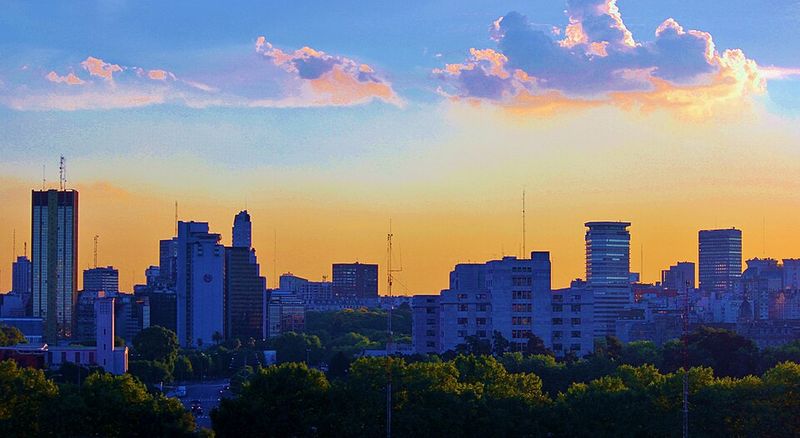
Buenos Aires’ European-inspired avenues, art-filled plazas, and colorful neighborhoods lend it a dramatic, story-rich ambience. Films like Evita and The Motorcycle Diaries capture its romantic and revolutionary spirit, and exploring areas like La Boca or San Telmo feels like navigating an emotionally charged film set full of rhythm and character.
The passionate tango dancing in candlelit milongas, the faded elegance of belle époque buildings, and the political murals adorning neighborhood walls all contribute to the city’s cinematic appeal. Directors seeking locations with emotional intensity and cultural depth consistently choose Buenos Aires.
The wide Avenida 9 de Julio, claimed to be the world’s widest avenue, provides sweeping establishing shots, while intimate cafés and bookstores offer perfect settings for character-driven scenes. The city’s literary heritage and artistic soul permeate every corner.
Recoleta’s cemetery, where elaborate mausoleums house famous Argentines, creates an atmospheric backdrop for dramatic moments. The contrast between wealthy northern districts and working-class southern barrios adds social complexity that enriches storytelling. Buenos Aires pulses with a theatrical energy that makes everyday life feel like cinema.
Barcelona, Spain — Gaudí’s Dreamlike Landscapes
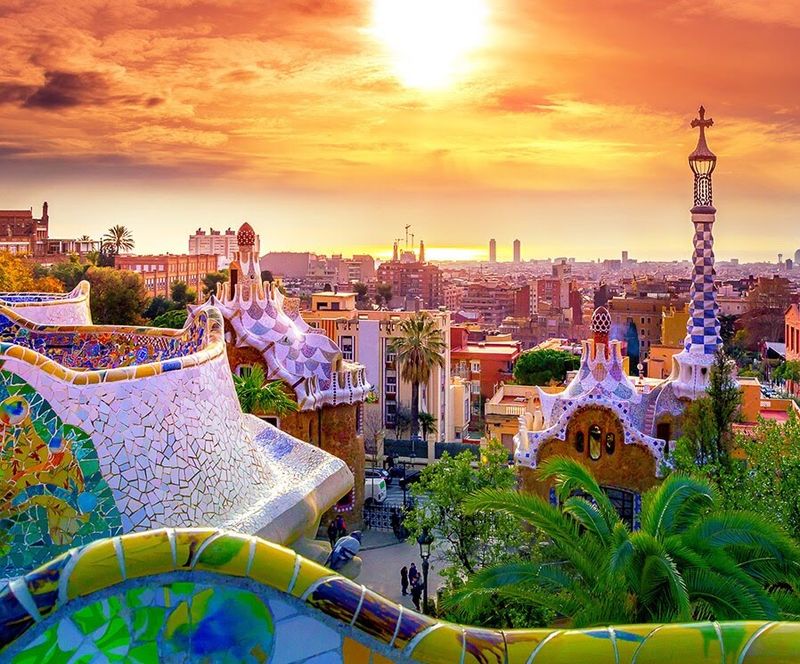
Barcelona’s Gaudí architecture, sun-dappled squares, and vibrant street life give it a uniquely cinematic visual style. Scenes from films like Vicky Cristina Barcelona showcase how the city’s artistic ambience elevates even ordinary moments into movie-worthy frames, with colorful façades and sweeping city vistas that feel unreal yet unforgettable.
The Sagrada Família’s otherworldly spires and Park Güell’s whimsical mosaics create fantastical backdrops that look almost computer-generated but are wonderfully real. Gaudí’s organic forms and bold colors provide visual interest that cameras capture beautifully.
The Gothic Quarter’s medieval lanes contrast sharply with modernist masterpieces, giving filmmakers diverse options within walking distance. Las Ramblas’ human statues and flower stalls add lively street scenes, while Barceloneta beach offers Mediterranean sunshine and relaxed coastal vibes.
Directors love how Barcelona combines artistic sophistication with laid-back Mediterranean culture. You can film an intense dramatic scene in a shadowy Gothic alley, then capture a joyful celebration in a sun-filled plaza minutes later. The city’s creative spirit—from Picasso to Miró—infuses every neighborhood, making Barcelona feel like a living work of art that happens to be the perfect movie location.
Venice, Italy — Watery Romance and Timeless Backdrops
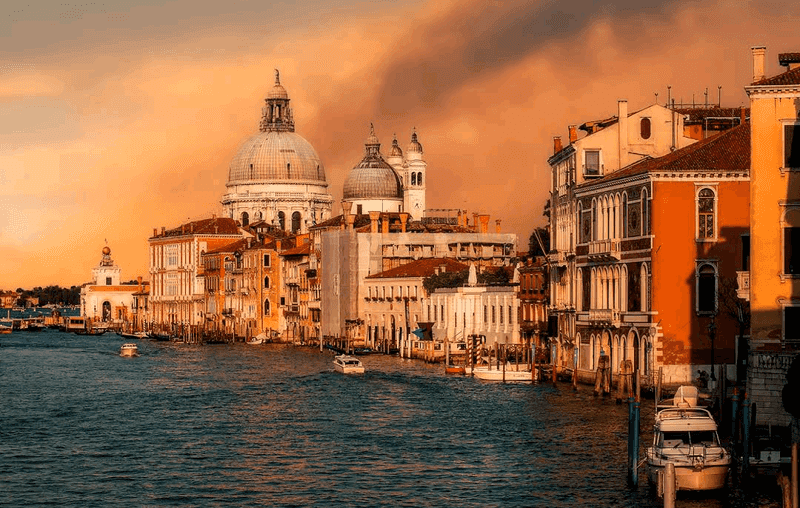
Venice feels like a motion picture in slow motion. Its canal labyrinths, historic bridges, and reflective waterways have hosted countless film moments—dramatic chases, romantic encounters, and atmospheric explorations.
Strolling through its alleyways or gliding on a gondola evokes entire scenes from classic and contemporary cinema alike. The absence of cars creates an almost dreamlike quality, with only footsteps on stone bridges and water lapping against ancient foundations breaking the silence.
Films like Casino Royale, The Italian Job, and The Tourist have used Venice’s unique geography for spectacular action sequences and romantic interludes. St. Mark’s Square flooded with pigeons, the Rialto Bridge arching over the Grand Canal, and masked figures during Carnevale provide instantly iconic imagery.
The city’s fading grandeur—peeling paint on Renaissance palazzos, weathered statues guarding doorways—adds melancholic beauty that resonates emotionally on screen. Directors appreciate how Venice’s watery streets force creative cinematography and movement.
As water taxis navigate canals where roads should be, and bridges connect islands in an intricate maze, Venice offers visual storytelling opportunities found nowhere else. Its fragile beauty and timeless romance make it perpetually cinematic.
London, UK — Classic Scenes and Modern Flicks
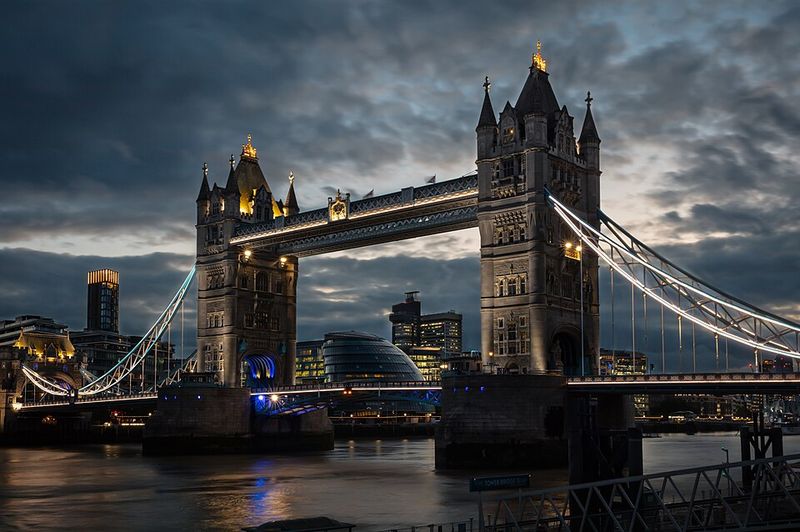
London’s historic squares, red buses, and iconic landmarks make it instantly recognizable on screen. From romantic comedies to espionage thrillers, its eclectic mix of old and new can feel like you’re moving between different film genres—a cinematic journey through centuries of architecture and story.
The Tower Bridge, Houses of Parliament, and Buckingham Palace provide quintessentially British backdrops, while neighborhoods like Notting Hill and Camden offer colorful, character-filled settings. Directors love how London accommodates period dramas and contemporary stories equally well.
James Bond films have used London extensively, from MI6 headquarters to underground chase scenes in the Tube. Meanwhile, romantic films like Love Actually and Bridget Jones’s Diary showcase the city’s charming side—cozy pubs, Christmas lights, and rainy streets that glisten cinematically.
The contrast between the financial district’s glass towers and the historic lanes of Covent Garden gives filmmakers visual variety. Harry Potter fans recognize King’s Cross Station, while Sherlock Holmes devotees seek Baker Street. London’s theatrical heritage and literary connections make it feel like a city built on stories, where every corner has appeared in some production and every street carries cinematic history.
Udaipur, India — Palaces, Lakes and Bollywood Glamour
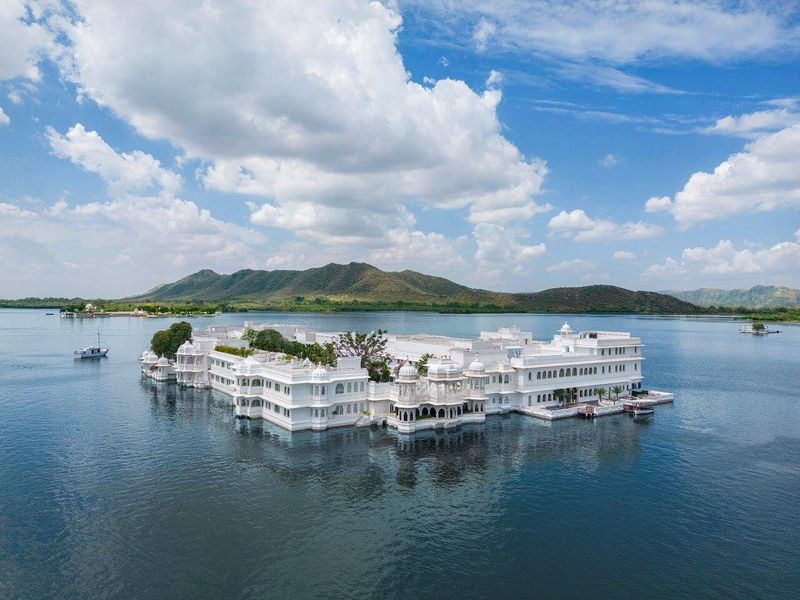
Udaipur’s glittering lakes, grand palaces, and regal ambience create an indulgently cinematic feel akin to lavish period films. Famous as a shooting location for films like Octopussy, its palaces floating on water and sunset reflections make you feel like you’re part of a royal adventure.
The Lake Palace, appearing to float on Lake Pichola, provides one of the world’s most romantic and visually stunning settings. White marble architecture glowing in golden hour light creates images so beautiful they seem enhanced, yet they’re entirely real.
The City Palace complex, with its intricate courtyards, mirror work, and painted walls, offers filmmakers endless ornate backdrops perfect for historical epics or contemporary romance. Udaipur’s nickname, the City of Lakes, reflects how water enhances every view, adding reflections and movement to static architecture.
Bollywood productions frequently choose Udaipur for wedding scenes and romantic songs because the setting radiates luxury and beauty. The surrounding Aravalli hills provide dramatic landscapes, while traditional Rajasthani culture adds colorful costumes and music. Sunset boat rides past illuminated palaces create magical moments that cameras capture effortlessly, making Udaipur a favorite for filmmakers seeking opulent, dreamlike locations.
Mumbai, India — Bollywood’s Vibrant Canvas

As the heart of India’s film world, Mumbai pulsates with energy that feels larger than life. Its contrasting neighborhoods—from elegant Marine Drive to crowded markets—have featured in scores of films and give visitors a sense of being in a dynamic, real-life movie that blends drama, culture, and motion.
The city produces more films annually than Hollywood, and cinema permeates daily life. Massive Bollywood posters adorn buildings, film shoots block traffic regularly, and aspiring actors arrive daily chasing dreams. This constant connection to filmmaking gives Mumbai an authentically cinematic atmosphere.
Marine Drive’s sweeping curve along the Arabian Sea provides romantic sunset backdrops, while the Gothic Revival architecture of South Mumbai adds colonial grandeur. The contrast between luxury high-rises and sprawling slums creates visual drama that reflects complex social narratives.
Directors love Mumbai’s intensity—the packed local trains, chaotic traffic, colorful festivals, and street food vendors all contribute to vibrant, energetic scenes. From the historic Gateway of India to the modern Bandra-Worli Sea Link, the city offers diverse locations. Mumbai doesn’t just host movies; it lives and breathes cinema, making every visit feel like stepping onto an active film set.
Kyoto, Japan — Timeless Frames and Historic Beauty
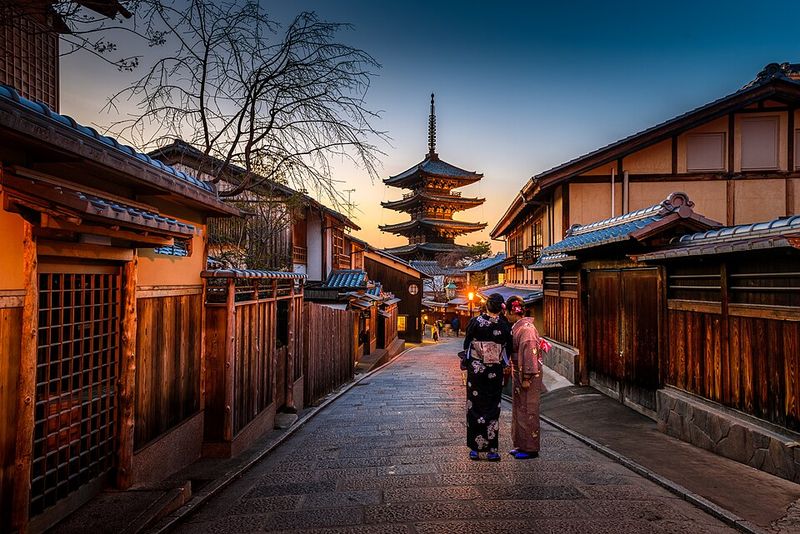
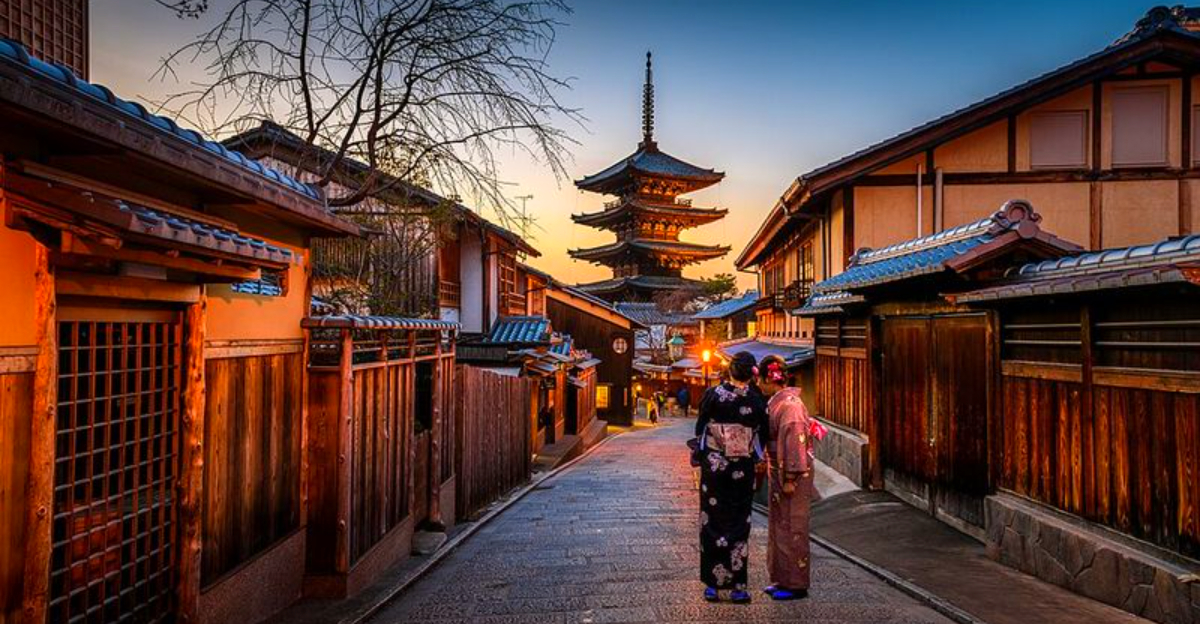
Kyoto’s ancient temples, serene gardens, and traditional streets look like scenes from period films and historical dramas. Its preserved heritage and seasonal beauty—especially in cherry blossom or autumn colors—make every walk feel like a carefully composed movie frame.
The city served as Japan’s capital for over a thousand years, and that imperial history remains visible in countless temples, shrines, and palaces. Filmmakers seeking authentic Japanese settings choose Kyoto for its wooden machiya townhouses, geisha districts, and meditation gardens that transport viewers to another era.
The famous Fushimi Inari shrine with thousands of vermillion torii gates creating tunnels up the mountainside provides one of the most photographed and filmed locations in Japan. Meanwhile, the golden Kinkaku-ji temple reflected in its pond creates picture-perfect symmetry that cameras adore.
Seasonal transformations add dramatic variety—pink cherry blossoms in spring, lush green in summer, fiery maple leaves in autumn, and snow-dusted temples in winter. The Arashiyama bamboo grove’s towering green stalks create an otherworldly atmosphere perfect for fantasy or contemplative scenes. Kyoto’s dedication to preserving traditional culture makes it eternally cinematic and timelessly beautiful.
San Francisco, USA — Hills, Bridges and Celluloid Drama

San Francisco’s rolling hills, iconic Golden Gate Bridge, and cruise-filled bay make it an unforgettable movie backdrop—from dramatic thrillers to heartfelt romances. Its varied neighborhoods and fog-kissed vistas give every street a cinematic pulse that resonates long after the credits roll.
The city’s dramatic topography creates natural visual interest—cars climbing steep streets, cable cars clinging to hills, and sudden breathtaking views around every corner. Directors use these elements to build tension in chase scenes or emphasize character journeys with uphill struggles and downhill releases.
Hitchcock’s Vertigo showcased San Francisco’s psychological depths, while Mrs. Doubtfire highlighted its family-friendly charm. The Golden Gate Bridge serves as a powerful symbol in countless films, from disaster movies to romantic dramas, its rust-red towers emerging from characteristic fog.
Victorian painted ladies in Alamo Square, the bustling Ferry Building, and eclectic neighborhoods like Chinatown and Haight-Ashbury provide diverse settings within one compact city. The Bay Area’s tech culture adds contemporary relevance, while Alcatraz Island offers dramatic historical weight. San Francisco’s unique character—progressive, artistic, and beautifully situated—makes it perpetually appealing to storytellers seeking memorable locations with personality.



