Not every city rolls out the red carpet for visitors, but some places genuinely make Americans feel like they belong from the moment they arrive. Whether it’s shared history, easy communication, or just plain good vibes, these cities have a knack for making travel feel effortless.
From Europe to Asia to Latin America, the world is full of places where locals treat tourists like long-lost friends. Pack your bags, because these 15 cities are practically begging you to show up.
Dublin, Ireland
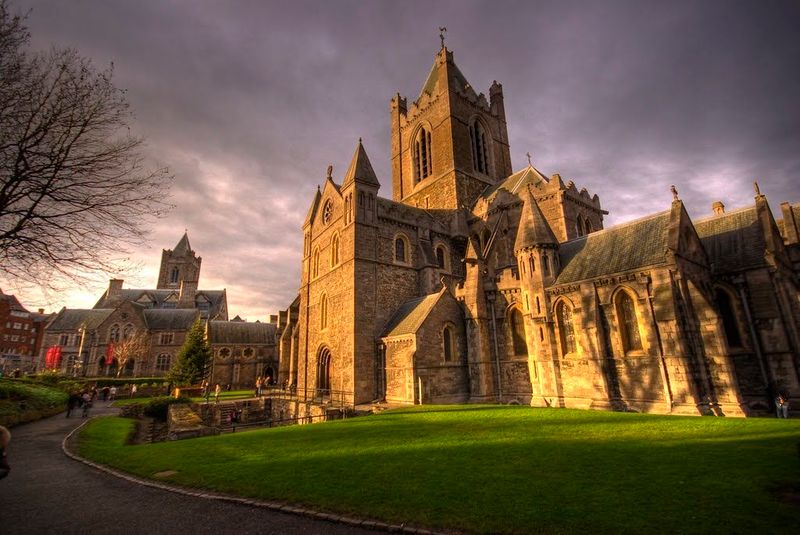
Walk into almost any Dublin pub and within ten minutes, a stranger will have bought you a drink and told you their grandmother’s life story. That is just how Dublin operates.
The city’s social culture is built on conversation, laughter, and an almost magical ability to make outsiders feel instantly included.
Americans and Irish share a deep historical connection, with millions of U.S. families tracing roots back to Ireland. That shared heritage creates an immediate warmth that goes beyond typical tourist hospitality.
Locals genuinely light up when they meet American visitors, often asking which county their ancestors came from.
English is obviously no barrier here, which makes navigating the city remarkably stress-free. Menus, signs, and friendly locals all speak your language.
The city’s compact size means most major attractions are walkable, and the famous Temple Bar neighborhood offers a lively mix of music, food, and socializing. Dublin is essentially the friendliest soft landing in all of Europe for first-time international travelers.
Krakow, Poland
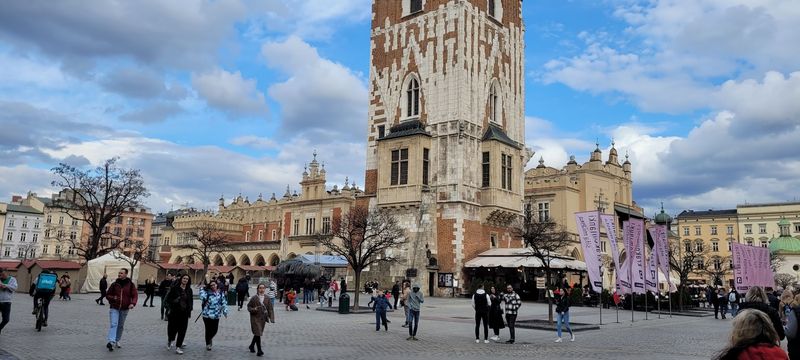
Poland consistently ranks among the most pro-American countries in all of Europe, and Krakow is where that goodwill shows up most visibly. The warmth here is not performed for tourism brochures.
It is genuine, everyday friendliness that catches visitors off guard in the best possible way.
Younger locals in Krakow speak impressive English and are often enthusiastic about practicing it with American tourists. Ask for directions and you might end up getting a personal walking tour instead.
The city’s historic Old Town is a UNESCO World Heritage Site, meaning there is no shortage of stunning places to explore once the friendly locals point you in the right direction.
Prices in Krakow are remarkably affordable compared to Western European cities, which makes the experience feel even more rewarding. A full dinner with drinks at a traditional Polish restaurant costs a fraction of what you would spend in Paris or Amsterdam.
The combination of low costs, rich history, welcoming locals, and a buzzing nightlife scene makes Krakow one of Europe’s most underrated destinations for American travelers looking for something genuinely special.
Lisbon, Portugal
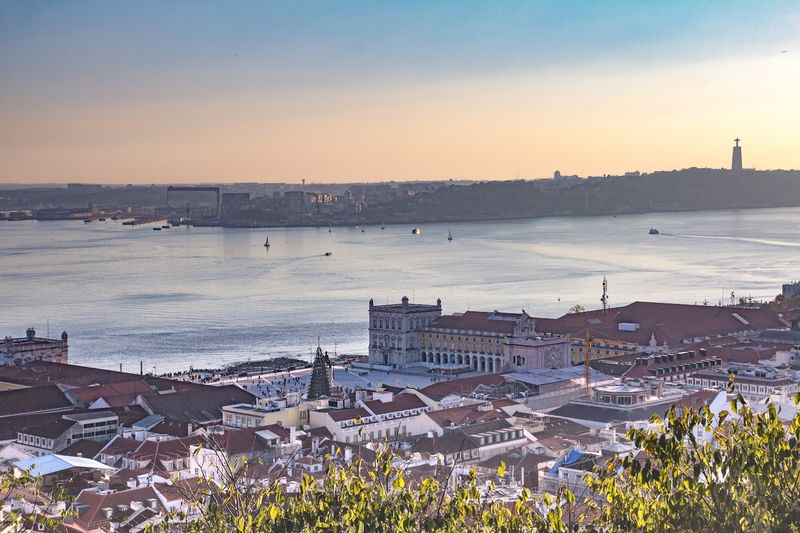
Lisbon has quietly become one of the hottest cities on the American travel radar, and for very good reason. The Portuguese capital offers sun-drenched streets, stunning viewpoints, and a pace of life that immediately tells your nervous system to relax.
Visitors consistently describe their first day in Lisbon as feeling like a long exhale.
English is widely spoken throughout the city, particularly in restaurants, hotels, and the popular neighborhoods of Bairro Alto and Alfama. Locals are patient with tourists and seem genuinely happy to share tips about their city.
There is no cold shoulder here, even during peak tourist season when other European capitals can feel a bit worn out by visitors.
The food scene alone is worth the flight. Pasteis de nata, grilled fish, and local wine served at outdoor tables overlooking the river create a sensory experience that is hard to top.
Lisbon also has a growing American expat community, which means the city has organically developed a comfort level with U.S. visitors that feels natural rather than commercialized. It is charming, safe, affordable, and genuinely welcoming in all the right ways.
Tel Aviv, Israel
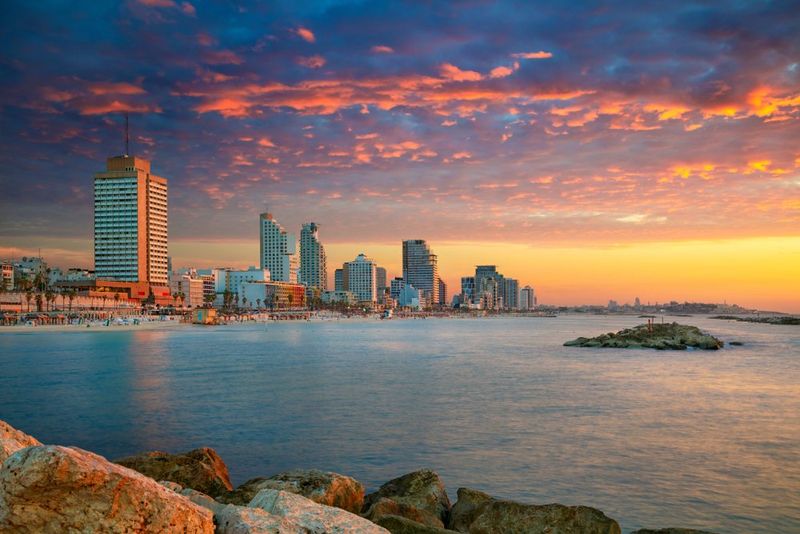
Tel Aviv might be the only city in the world where American tourists sometimes feel like they are the ones struggling to keep up with the locals. The energy here is electric, direct, and completely unapologetic.
Conversations happen fast, opinions are shared freely, and nobody is pretending to be anything they are not.
The cultural overlap between Israel and the United States runs deep. Shared values, strong political ties, and millions of American Jews with family connections to Israel create a familiarity that makes the city feel surprisingly close to home.
Many locals have lived or studied in the U.S., so references to American sports, food, and pop culture land easily.
Tel Aviv’s beach culture is world-class, stretching along a gorgeous Mediterranean coastline lined with cafes, bars, and volleyball courts. The nightlife is legendary and runs genuinely late by any city’s standards.
Kosher and non-kosher food options cover every craving imaginable, and the restaurant scene is innovative and exciting. For Americans who want a city that combines warmth, energy, and a deeply familiar social rhythm with something completely new, Tel Aviv delivers in ways that are hard to fully describe until you experience it firsthand.
Tokyo, Japan
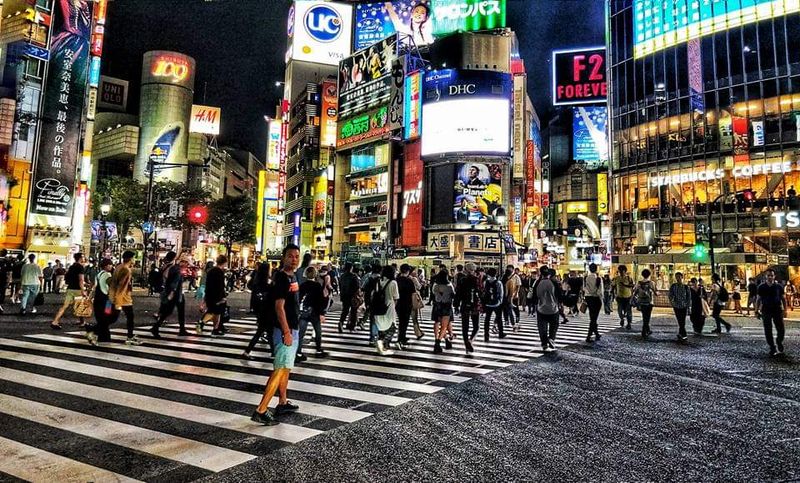
Tokyo operates on a level of organized hospitality that most cities can only dream about. Every transit worker, convenience store clerk, and restaurant host treats visitors with a level of care and precision that feels almost surreal the first time you experience it.
Americans who arrive expecting culture shock often leave completely converted.
Japanese hospitality, known as omotenashi, is not just a tourism slogan. It is a deeply held cultural value that shapes every interaction.
Lost at a train station? A local will walk you to your platform.
Confused by a menu? Staff will find a translated version or use their phone to help.
The city actively wants you to have a good time, and it shows in every small detail.
Tokyo is also extraordinarily safe, clean, and easy to navigate thanks to an excellent English signage system throughout the subway. Neighborhoods like Shinjuku, Shibuya, and Harajuku each offer a completely different personality, keeping exploration exciting for days.
The food ranges from Michelin-starred restaurants to incredible ramen shops that cost less than five dollars. For Americans visiting Asia for the first time, Tokyo is genuinely one of the most approachable and rewarding entry points on the entire continent.
Mexico City, Mexico
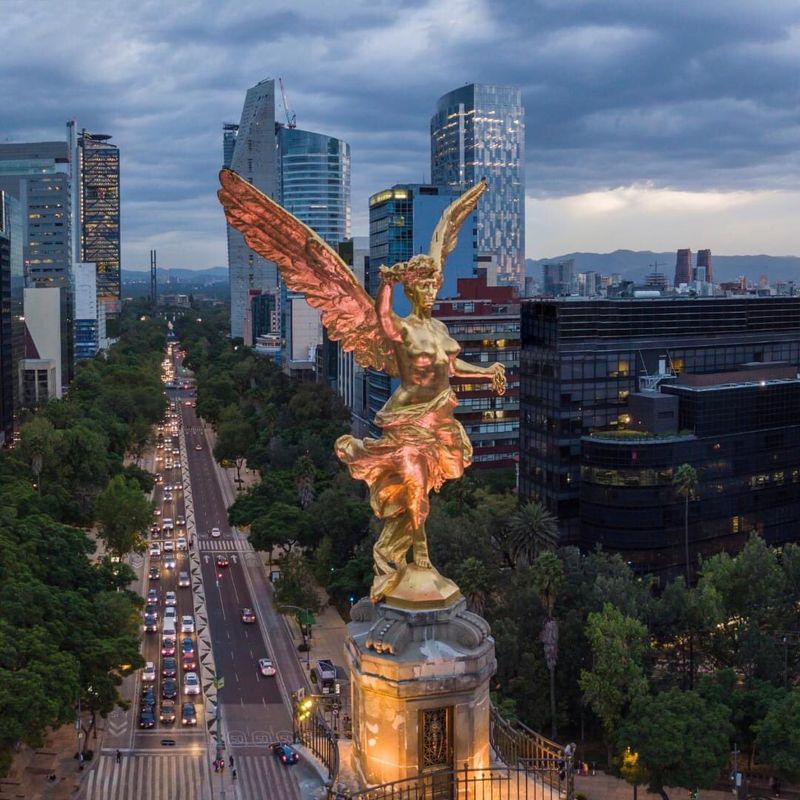
Forget every outdated stereotype. Mexico City is one of the most sophisticated, culturally rich, and flat-out exciting destinations in the entire Western Hemisphere.
American visitors who make it past the airport often describe it as a life-changing trip they wish they had taken years earlier.
The neighborhoods of Roma and Condesa are particular favorites among U.S. travelers, packed with trendy cafes, bookstores, galleries, and restaurants serving food that rivals anything in New York or Los Angeles. Locals in these areas are used to international visitors and often speak English comfortably.
The city’s social culture is warm and expressive, and showing genuine interest in Mexican food and culture earns instant points with residents.
Mexico City’s culinary scene is genuinely world-class. The city has more Michelin-recognized restaurants than most European capitals, and street food options are endlessly exciting.
Markets, museums, and ancient ruins sit alongside modern art galleries and rooftop bars. The proximity to the U.S. also means flights are short and affordable from most American cities.
For visitors who arrive open-minded and curious, Mexico City tends to deliver an experience that completely reshapes their understanding of what travel can feel like.
Melbourne, Australia
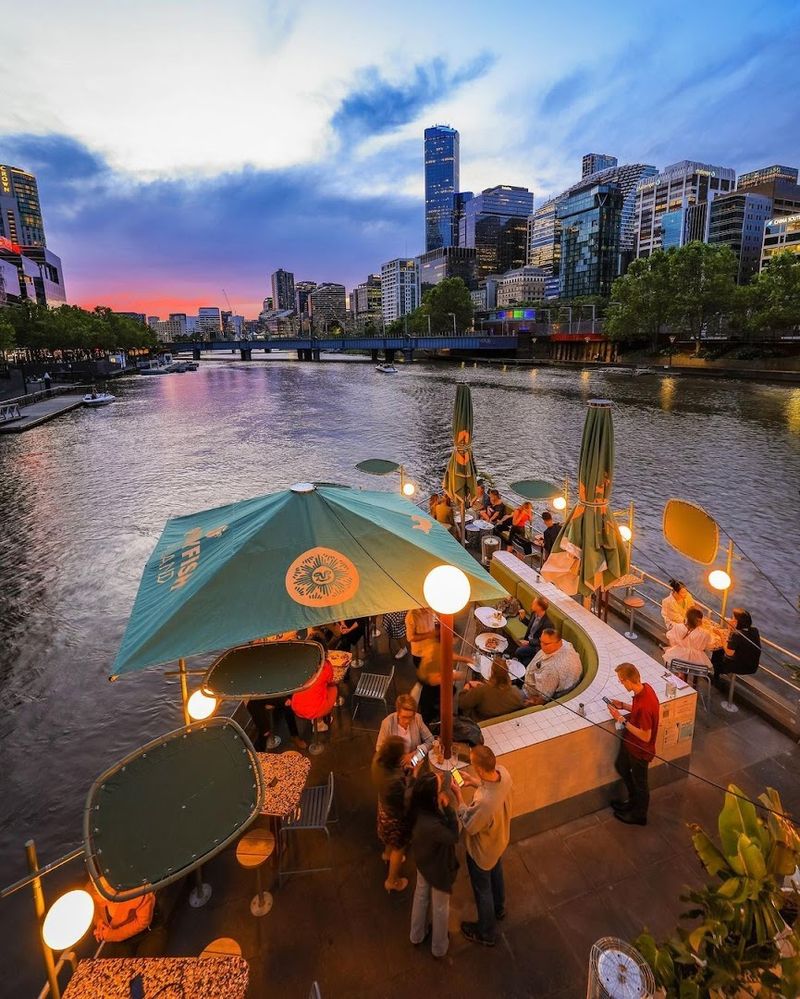
Australians have a gift for making people feel comfortable without even trying. Melbourne takes that national talent and cranks it up to eleven.
The city’s famous laneway cafe culture, creative energy, and relaxed social vibe create an environment where American tourists tend to stop feeling like tourists within about 48 hours.
The shared language obviously helps, but Melbourne’s appeal goes beyond easy communication. Australians and Americans share a cultural rhythm that includes a love of sports, casual outdoor socializing, and a general preference for directness over formality.
Conversations flow naturally, and locals are quick with humor and genuinely curious about American visitors.
Melbourne consistently ranks among the world’s most livable cities, which means its infrastructure, dining, and entertainment options are top-tier. The coffee culture alone is worth the long flight.
Melbourne locals take their espresso extraordinarily seriously, and the city’s cafe scene is considered among the best anywhere in the world. Sports fans will also feel right at home, with Australian rules football, cricket, and tennis all offering exciting live experiences.
Add in stunning coastal day trips and a thriving arts scene, and Melbourne becomes a city that is very hard to leave once you have settled in.
Amsterdam, Netherlands
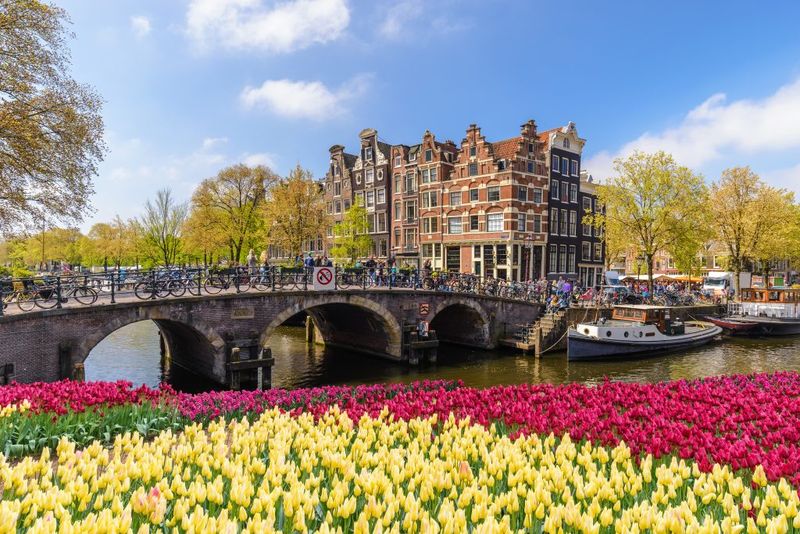
Amsterdam might be the most effortlessly international city in Europe. Nearly everyone speaks English with impressive fluency, and the city’s centuries-old tradition of global trade has created a culture that genuinely values openness and curiosity about the outside world.
Americans here rarely feel like they are navigating a foreign country.
The Dutch are famously direct communicators, which many American visitors find refreshing after encounters with more reserved European cultures. Ask a local for a restaurant recommendation and you will get an honest, specific answer rather than a polite deflection.
That straightforward friendliness, combined with the city’s open-minded social atmosphere, creates a welcoming environment that is easy to appreciate from day one.
Amsterdam’s compact size is a major advantage for tourists. Almost everything worth seeing is accessible by foot or bicycle, and the canal ring neighborhoods are endlessly photogenic.
Museum options are world-class, including the Rijksmuseum and the Anne Frank House. The food scene has improved dramatically in recent years, moving well beyond its traditional reputation.
Cozy brown cafes, called bruine kroegen, offer a uniquely Dutch social experience that pairs perfectly with an afternoon of exploring. Amsterdam rewards curious, easygoing travelers with a city that feels both historic and completely alive.
Seoul, South Korea
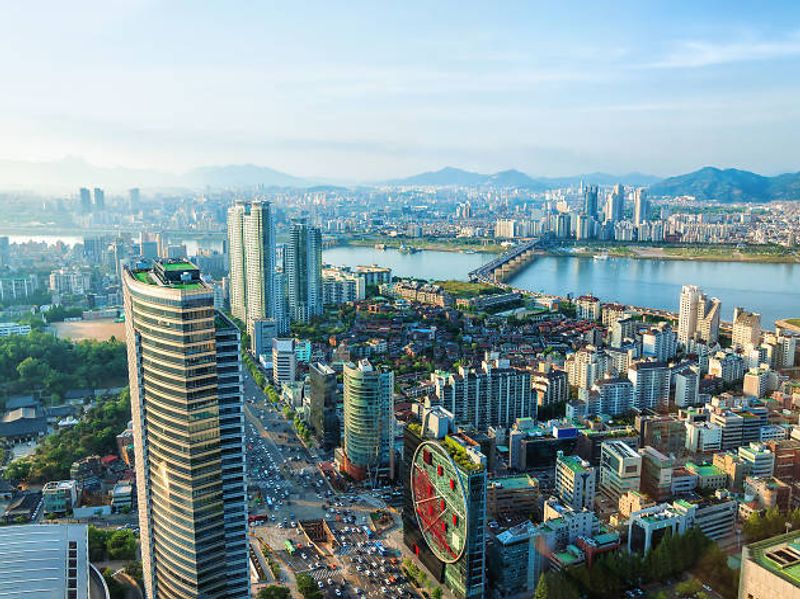
Seoul has undergone a remarkable transformation in global perception over the past decade, and American tourists have noticed. K-pop, K-dramas, Korean food, and beauty culture have created a massive wave of American interest in South Korea, and Seoul has responded by becoming one of the most tourist-ready cities in Asia.
The U.S. and South Korea share a long military and political alliance, and that relationship has created genuine goodwill toward American visitors at a cultural level. Younger Koreans especially are enthusiastic about connecting with international tourists.
Many speak conversational English, and translation apps fill in any remaining gaps with ease.
Seoul itself is an extraordinary city to explore. Ancient palaces sit directly next to glass skyscrapers, traditional tea houses share blocks with cutting-edge fashion boutiques, and the street food scene in neighborhoods like Myeongdong is genuinely world-class.
The subway system is efficient, affordable, and fully labeled in English, making independent exploration completely manageable. Safety is also a genuine selling point.
Seoul consistently ranks among the safest major cities in the world, which gives first-time visitors real peace of mind. For Americans curious about East Asia, Seoul is an electrifying and surprisingly comfortable starting point.
Athens, Greece
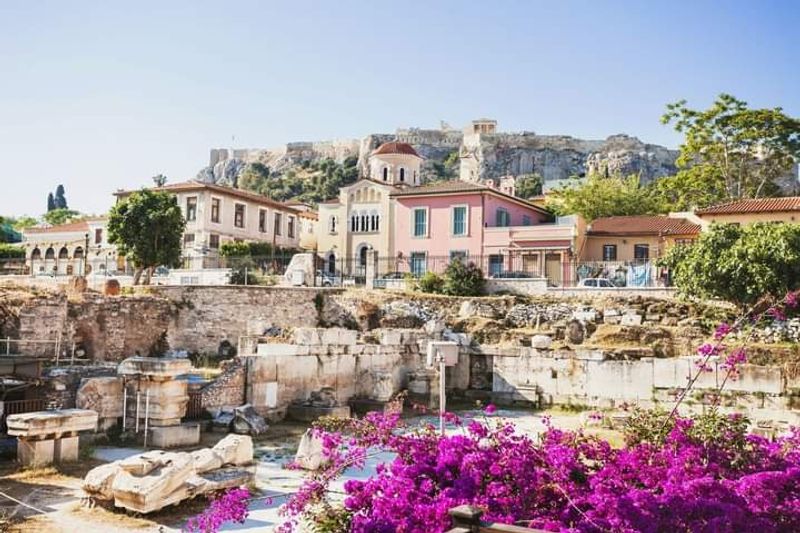
Greeks have been welcoming strangers since before hospitality had a word for it. The ancient concept of philoxenia, which literally means love of strangers, is still alive and well in modern Athens, and American tourists feel its effects almost immediately upon arrival.
This city does not just tolerate visitors. It genuinely celebrates them.
Locals in Athens are expressive, warm, and almost impossibly generous with their time and recommendations. Sit down at a neighborhood taverna and the owner will likely bring you something extra off the menu just because you seem nice.
Conversations start easily, opinions are shared freely, and by the end of a meal you might have three new Facebook friends and an invitation to someone’s cousin’s wedding.
The history on display in Athens is staggering, with the Acropolis standing watch over the entire city like a reminder that this place has seen everything. But Athens is not just a museum.
The Monastiraki flea market, the street art of Psiri, and the rooftop bars of Koukaki show a city that is vibrant, creative, and very much alive. Food costs are low, the weather is brilliant most of the year, and the people make every meal feel like a celebration.
Athens earns its reputation every single day.
Vancouver, Canada
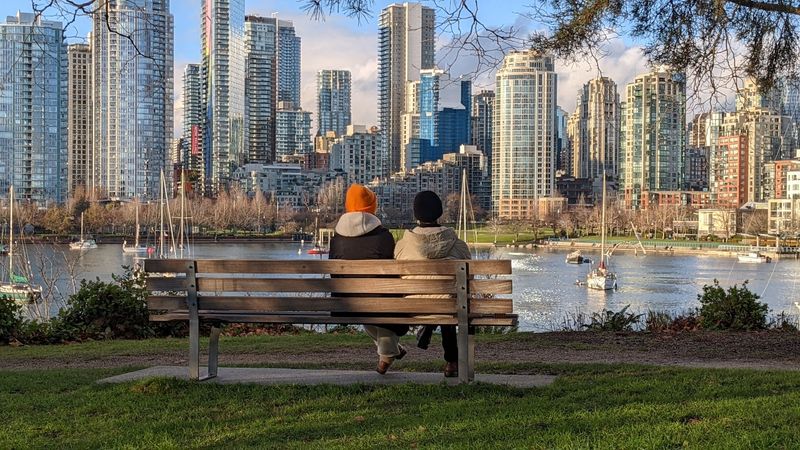
Vancouver offers Americans something genuinely rare in international travel: the feeling of being somewhere new without the anxiety of feeling completely lost. The city is familiar enough to feel comfortable but distinct enough to feel like a real adventure.
That sweet spot is harder to find than it sounds, and Vancouver nails it consistently.
Canada’s relationship with the United States is obviously close, and Vancouver’s multicultural population means the city is well-practiced at welcoming people from everywhere. The social culture is famously polite without being stiff, and locals are happy to chat, recommend hikes, or point you toward the best pho in the city.
The Canadian version of friendliness has a slightly calmer energy than the American variety, which many visitors find genuinely relaxing.
The outdoor lifestyle in Vancouver is extraordinary. Stanley Park offers over 400 hectares of forest, beaches, and trails right inside the city limits.
The North Shore mountains provide skiing in winter and hiking in summer. The food scene reflects the city’s diverse population, with exceptional Japanese, Chinese, Indian, and Pacific Northwest cuisine all within easy reach.
Getting there from most U.S. cities is quick and affordable. Vancouver is essentially a world-class international city with the comfort level of a friendly neighbor.
Buenos Aires, Argentina
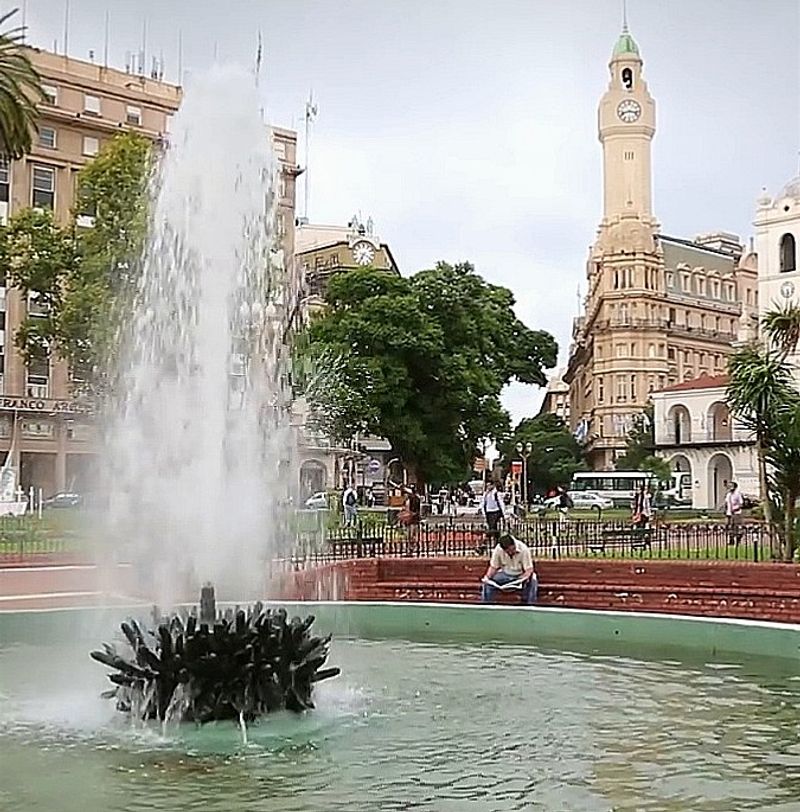
Buenos Aires runs on passion. Passion for food, music, football, politics, and conversation.
Americans who visit often describe feeling swept up in the city’s social energy within hours of arrival. There is a theatrical quality to daily life here that makes even a simple dinner feel like an event worth remembering.
Argentines are famously curious about the outside world and particularly interested in American culture. Sports, movies, music, and food are all common conversation starters, and locals will happily debate the merits of American versus Argentine barbecue with cheerful intensity.
The city’s cafe culture encourages long, lingering visits that naturally lead to unexpected connections with locals and fellow travelers alike.
Buenos Aires has a distinctly European architectural flavor, with wide Parisian-style boulevards, ornate theaters, and elegant neighborhoods that reward slow, wandering exploration. The food scene is exceptional, built around legendary steakhouses, fresh pasta traditions brought by Italian immigrants, and an outstanding wine culture.
Prices for Americans are very favorable thanks to exchange rate dynamics that make dining and accommodation remarkably affordable. Tango shows, vibrant markets, and a nightlife scene that genuinely does not start until midnight round out a city that rewards visitors who stay long enough to really feel its rhythm.
Bangkok, Thailand
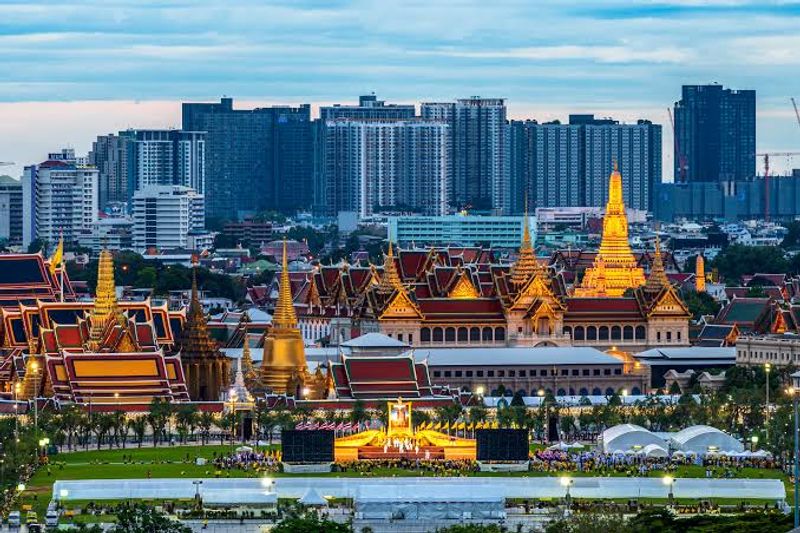
Bangkok is a city that has tourism figured out at an almost scientific level, and American travelers are the beneficiaries of decades of investment in making visitors feel welcome. From the moment you land at Suvarnabhumi Airport, the process of getting around, finding food, and experiencing the city is smoother than you might expect for somewhere this enormous and energetic.
Thai hospitality is one of the country’s most celebrated cultural exports, and Bangkok delivers it at scale. Hotel staff, tuk-tuk drivers, market vendors, and restaurant owners all share an approach to service that feels genuinely warm rather than transactional.
The famous Thai smile is not a performance. It is a cultural reflex that makes every interaction feel a little lighter.
The food in Bangkok is a non-stop highlight from breakfast through midnight snacks. Street food stalls serve pad thai, mango sticky rice, and grilled satay at prices that seem almost impossible for the quality involved.
The city’s temples, floating markets, and rooftop bars offer wildly different experiences that keep each day feeling fresh. English signage is common in tourist areas, and ride-hailing apps make transportation completely straightforward.
Bangkok rewards curious travelers with an overwhelming, joyful sensory experience that most visitors want to repeat.
Nice, France
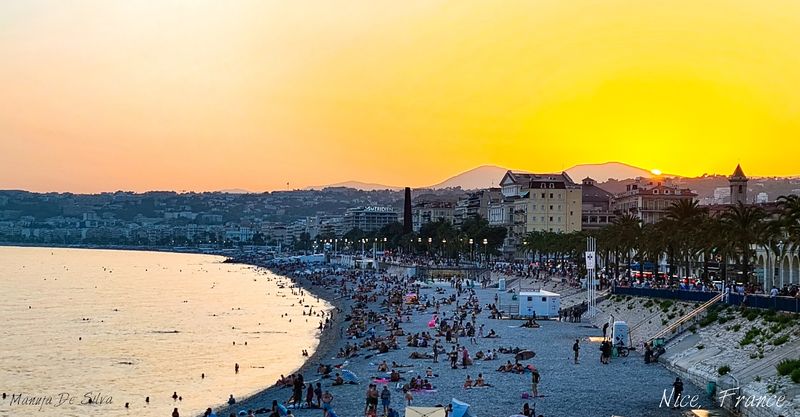
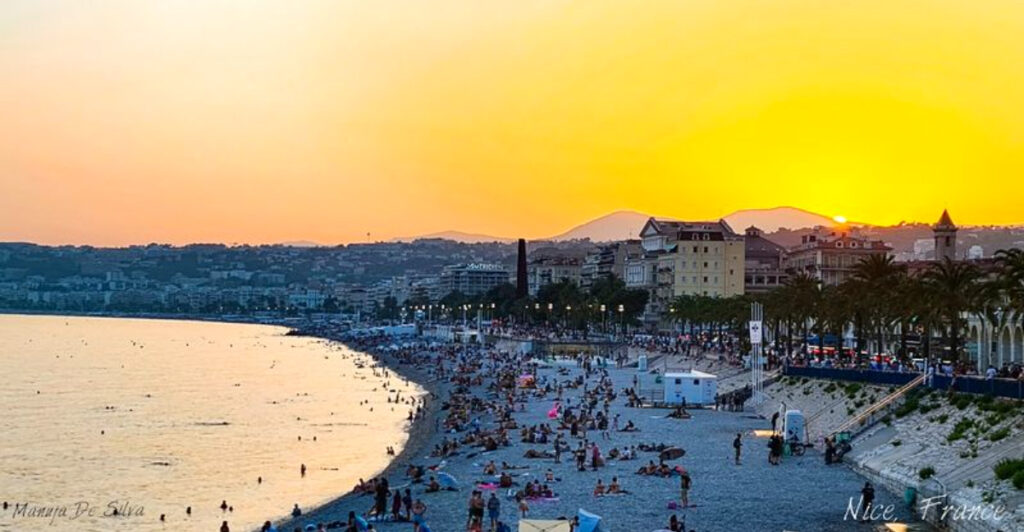
Nice sits on the French Riviera like a postcard that refuses to apologize for being this beautiful. While Paris can feel overwhelming and occasionally chilly toward tourists, Nice has developed a noticeably more relaxed and welcoming energy, particularly toward American visitors who arrive with genuine curiosity about Mediterranean life.
The city has seen a steady increase in direct transatlantic flights in recent years, making it more accessible than ever for American travelers. A growing expat community has also helped shape Nice into a city that is comfortable navigating cultural differences with warmth rather than impatience.
English is more widely spoken here than the Parisian stereotype might suggest, especially along the Promenade des Anglais and in the old town market areas.
The food culture in Nice is a genuine revelation. Socca, a crispy chickpea pancake sold at outdoor markets, is one of the most satisfying snacks in all of Europe.
Rosé wine flows freely at seaside cafes where nobody rushes you out the door. The turquoise Mediterranean water and the warm Riviera light create a setting that makes every afternoon feel like a small luxury.
Nice also serves as an excellent base for exploring Monaco and the surrounding Provencal villages. It is France at its most approachable and its most gorgeous.
San Jose, Costa Rica
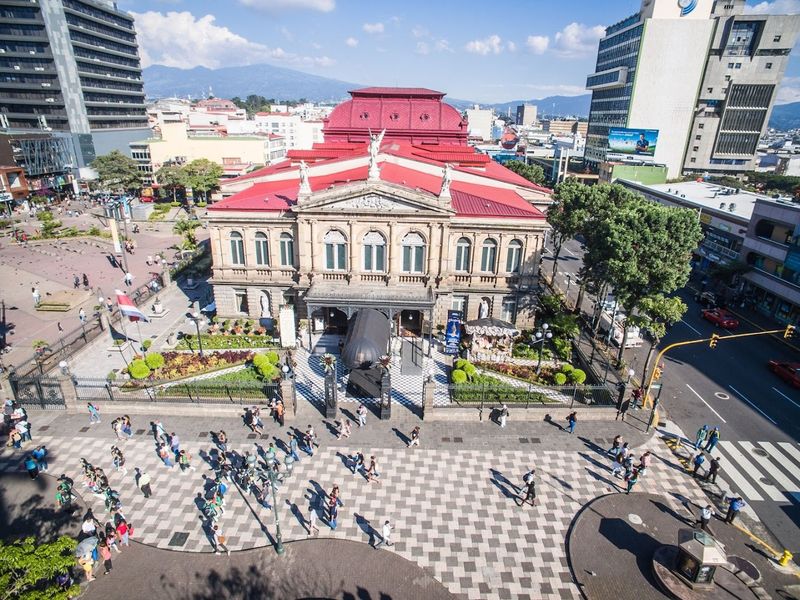
Pura vida is not just a phrase Costa Ricans say to tourists. It is a genuine operating philosophy that shapes how people interact, work, and welcome strangers into their world.
American visitors to San Jose consistently describe locals as some of the most patient and genuinely helpful people they have encountered anywhere in their travels.
Costa Rica has been one of the top international destinations for U.S. travelers for decades, and that long relationship has created a tourism infrastructure that is unusually well-suited to American needs. English is widely spoken in hotels, restaurants, and tour companies throughout the city.
Currency exchange is straightforward, and the U.S. dollar is accepted in many places alongside the local colon.
San Jose itself often gets overlooked in favor of Costa Rica’s famous beaches and national parks, but the capital deserves more credit. The Mercado Central is a lively indoor market packed with local food, coffee, and crafts.
The Gold Museum and the National Theater are both genuinely impressive cultural experiences. Day trips to nearby volcanoes, cloud forests, and coffee plantations are easy to organize and absolutely worth the effort.
For Americans who want tropical warmth, natural beauty, and locals who seem genuinely happy to see them, San Jose is a welcoming and underrated starting point.
Share this story