 Unearth The Voyage
Culture is not just a museum piece in these cities, it is the rhythm of daily life. You can taste it in street food, hear it in music drifting from doorways, and feel it in rituals that have survived centuries.
Each city proves that tradition and modernity can share the same streets without losing soul. If you are seeking places where heritage still breathes, this list will guide your journey.
Kyoto, Japan
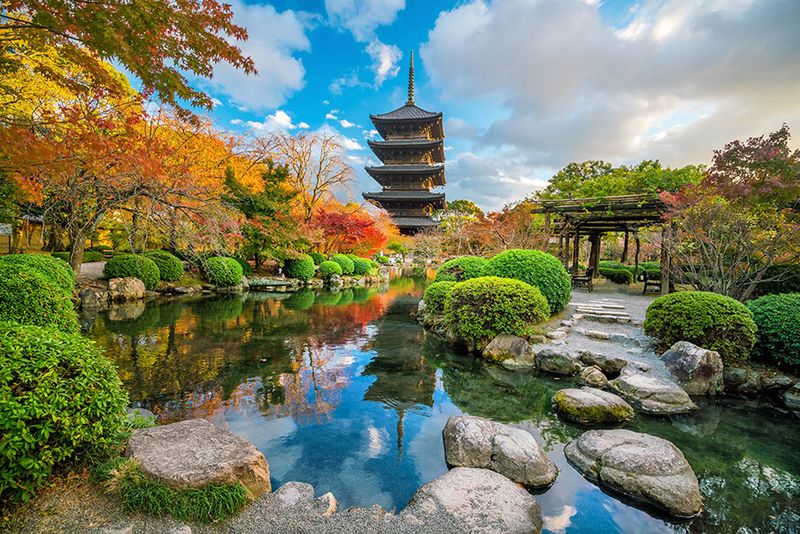
Kyoto draws you in with a quiet dignity that feels timeless. You stroll past wooden machiya and hear the soft shuffle of geta sandals echo against stones polished by centuries.
Tea steam curls from a tatami room, and the scent of incense hints at shrines tucked behind camellias.
There are over two thousand temples and shrines, yet the city never becomes a stage set. In Gion, geiko glide to evening appointments, while artisans hammer metal leaf and shape delicate wagashi.
You watch ceremonies that are not demonstrations but lived practice, from tea whisked in silence to Noh chants that vibrate through cedar halls.
Seasonal festivals animate the calendar, with Gion Matsuri parades threading past modern storefronts that respect their neighbors. Markets pulse with pickles, tofu, and kyo-yasai, the heirloom vegetables of this region.
Even sleek trains seem to bow as they pass gardens designed for contemplation.
As you wander narrow lanes, craftwork shops teach patience through hands and memory. You sense how innovation is welcomed only when it honors lineage.
Kyoto does not resist change, it instructs it, insisting on harmony between past and present.
Every corner reveals layers of care, from repaired roof tiles to the way light is framed by shoji. You leave with slower footsteps and eyes tuned to detail.
The city stays with you, an intimate mentor reminding you culture is a daily choice.
Fez, Morocco
Fez pulls you into its labyrinth with a hum that never fades. In Fes el Bali, hooves clatter, merchants call, and the scent of cedar and saffron mingles with leather.
You move by touch and sound, guided by archways that frame a thousand doorways to craft and prayer.
Artisans here do not imitate tradition, they continue it. Tanners stir vats of indigo and saffron under sunlit terraces, while coppersmiths beat out music from metal.
Potters turn clay into bowls with memory in their hands, patterns emerging like recited verses.
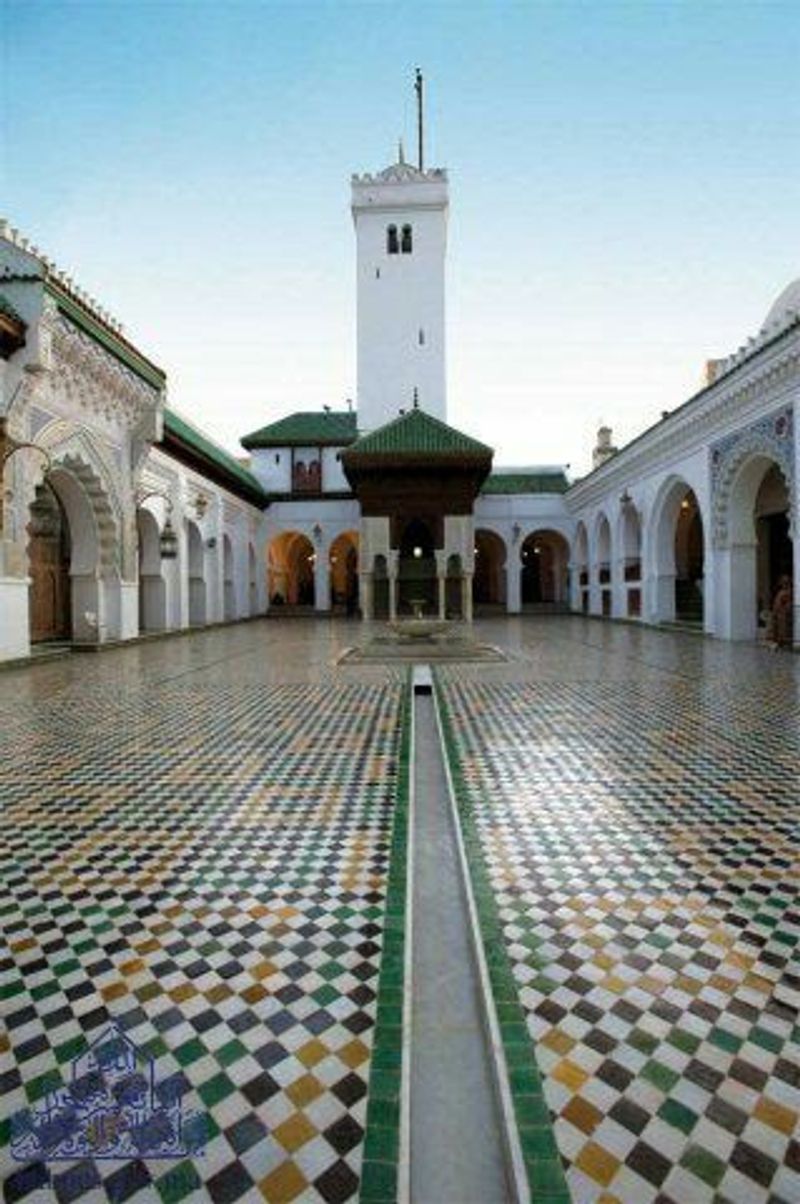
Madrassas and mosques anchor community, their zellij and carved stucco teaching geometry through devotion. Workshops open to visitors who want to learn, not just watch, and you find humility in trying a simple chisel stroke.
The medina’s maze protects rhythm from cars and noise, preserving a human scale of exchange.
Evenings bring storytelling and tea, a sweetness balanced with mint and time. Recipes pass across generations, as couscous steams and preserved lemons glow like small suns.
Markets change with the seasons, yet the etiquette of bargaining keeps its grace.
Fez is not curated for you, it includes you if you listen. You learn to read walls, shadows, and voices that echo down alleys.
When you leave, you carry the cadence of the medina, a reminder that craft is community made visible.
Istanbul, Türkiye
Istanbul lives where continents meet and customs converse. Call to prayer threads through gull cries on the Bosphorus, while ferries carry baklava boxes and office chatter.
You taste sesame from a fresh simit and feel the city balancing history with a quick stride.
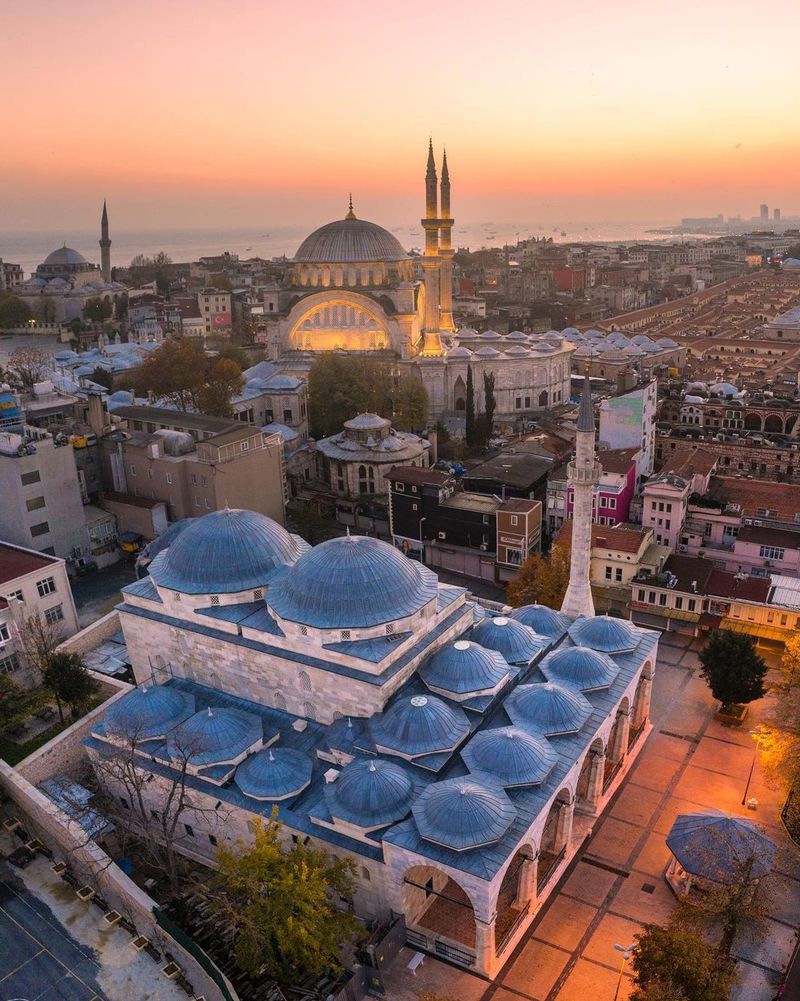
In Sultanahmet, domes and minarets map an old empire onto modern errands. Grand Bazaar alleys pulse with gold, textiles, and jokes traded as currency.
Artisans still knot carpets while designers remix motifs into contemporary fashion and ceramics.
Tea culture stitches neighborhoods together, tulip shaped glasses clinking on saucers. Hammams release eucalyptus breath into marble rooms where routine becomes ritual.
Street musicians thread saz melodies through tram bells, and festivals merge folk dance with experimental stages.
Orthodox, Ottoman, and republican layers coexist without neat edges. A fisherman ties his lure near Byzantine walls, and a student sketches tile geometry beside commuters.
You sense how the city refuses to retire its past, choosing instead to put it to work every day.
Markets follow the seasons, from anchovies to green almonds, and kitchens answer with dishes that travel time. You leave with pockets of spice and a new pace to your walk.
Istanbul invites you to return, because tradition here is a conversation still in progress.
Varanasi, India
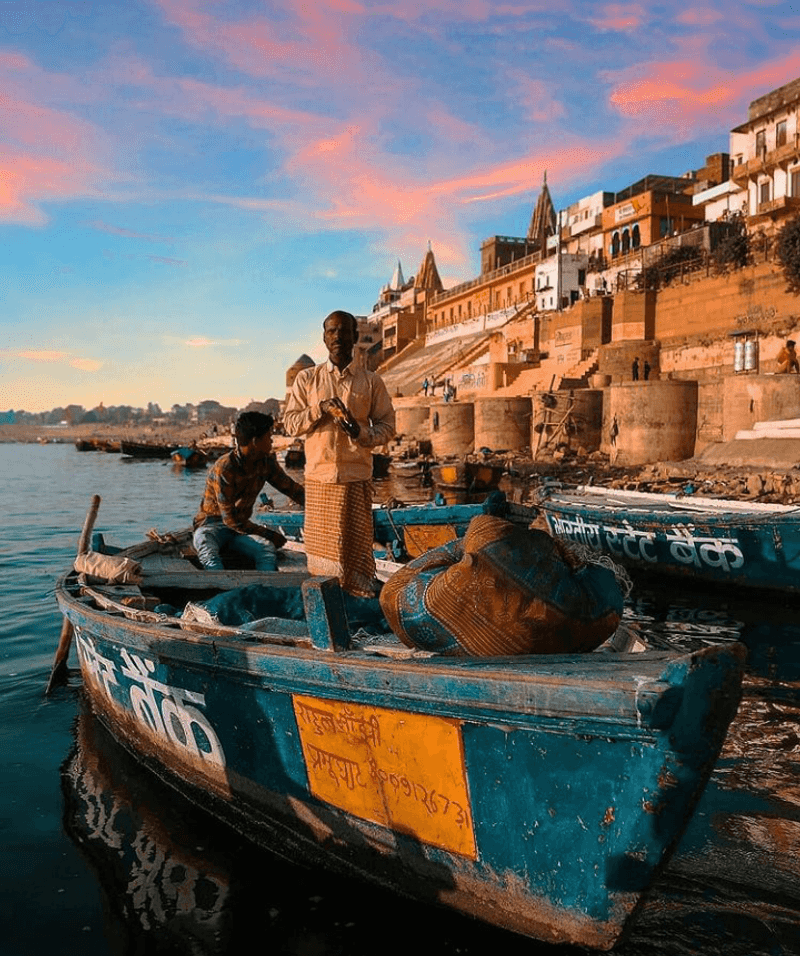
Varanasi greets dawn with bells, birds, and the steady breath of the Ganges. You watch pilgrims descend steps where stone remembers millions of feet.
The river carries flowers and flame, a moving altar binding daily chores to cosmic rhythm.
On the ghats, priests conduct aarti that turns smoke into choreography. Devotees chant as boats drift, and saffron robes catch first light.
This is not spectacle for visitors, it is life for those who return, morning after morning, to greet eternity.
Inside the lanes, brassware glints beside silk, and sweet shops perfume air with cardamom. You pass doorways where mantras whisper and sitars practice scales.
Temples share walls with homes, collapsing distance between sacred and ordinary.
Festivals crest through the year, crowding rooftops with lamps and sky with kites. Ritual calendar guides business hours and mealtimes, while classical music schools anchor tradition to young voices.
The city’s endurance teaches patience more than nostalgia.
Even the quiet moments feel inhabited by story. You sip chai and count time in clay cups that return to earth.
Leaving, you carry a slower heartbeat and a conviction that faith persists because it is practiced, not preserved behind glass.
Galway, Ireland
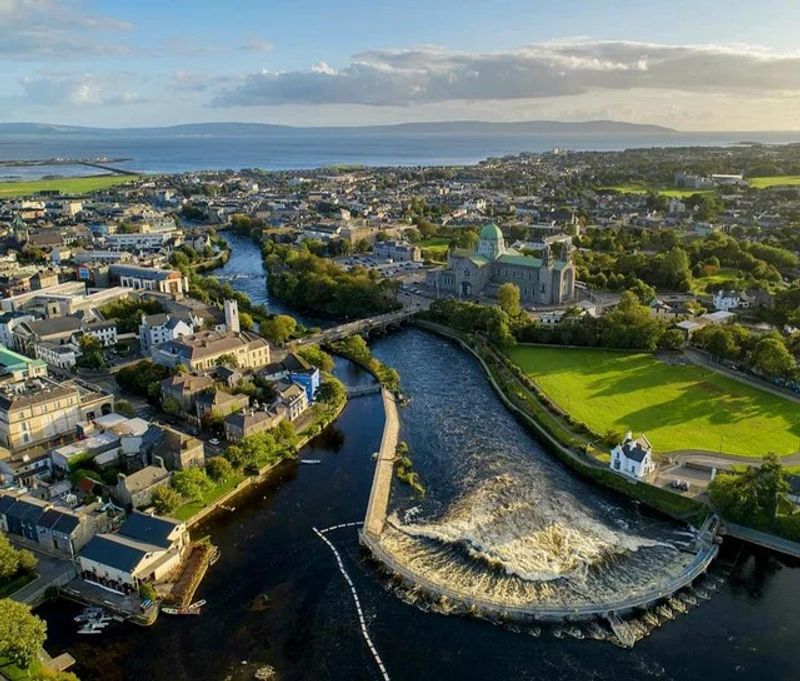
Galway sounds like fiddles warming up as footsteps find cobbles. You slip into a pub where a session blooms in the corner, pints and reels keeping time.
The Irish language peeks from street signs and conversations, linking sea winds to old stories.
Festivals punctuate the year, from literature and film to oysters and street theatre. Buskers turn Shop Street into a stage, while community arts projects pull neighbors into the act.
You meet makers at markets selling tweed, ceramics, and sea salt caramels.
On the edge of Connemara, the city holds a gateway role without losing intimacy. Gaelic games share space with surfers and students, and traditions pass in casual handoffs.
Children step dance on tiny platforms, their joy loud as bodhrans.
Food tells another chapter through brown bread, smoked fish, and butter that tastes like fields. The radio toggles between sean nos singing and indie bands, proof that heritage has range.
You feel welcomed into a culture that defends playfulness as seriously as craft.
Nights end with salt air and laughter that follows you to the quay. In the morning, gulls critique your pacing as you seek coffee and scones.
Galway keeps its roots by keeping doors open, inviting you to join rather than observe.
Rome, Italy
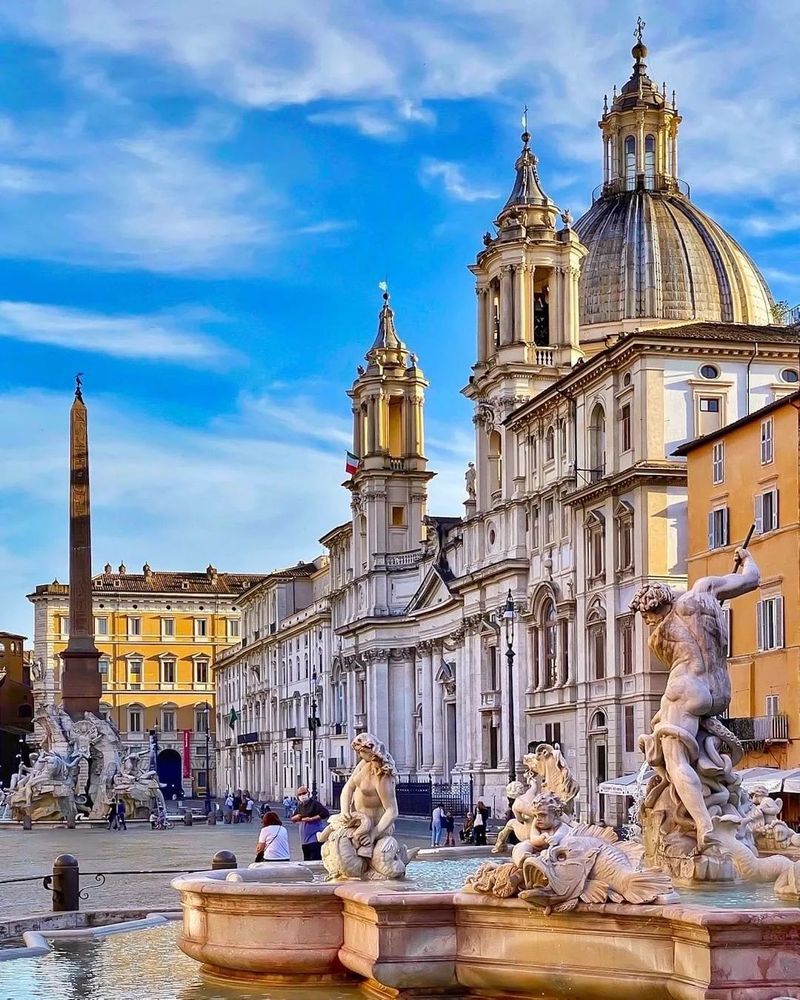
Rome wears centuries like a well tailored jacket. You sip espresso as scooters thread past columns that remember empires.
Daily life and archaeology share the same piazzas, and conversation fills the space between church bells.
Markets trade in tomatoes that taste like summer, while bakers fold layers into cornetti at dawn. Artisans repair marble statues and make sandals by hand, continuing crafts older than street names.
Processions and feast days still move through neighborhoods with quiet authority.
From the Forum to Trastevere, history feels active, not archived. Fountains tell stories in water and stone, and baroque ceilings lift eyes toward frescoed skies.
You learn routes by scent and echo, moving from basilica shadow to lively trattoria.
Roman cuisine defends simplicity as sophistication. Cacio e pepe arrives glossy, and artichokes crunch like spring.
Evenings stretch as conversations loop around football, politics, and recipes taught by grandmothers.
The city insists on pace, asking you to match its stride without rushing. You notice repairs on ancient walls and fresh graffiti answering classical friezes.
Rome remains itself by letting eras overlap, trusting citizens to read the whole palimpsest.
Marrakech, Morocco
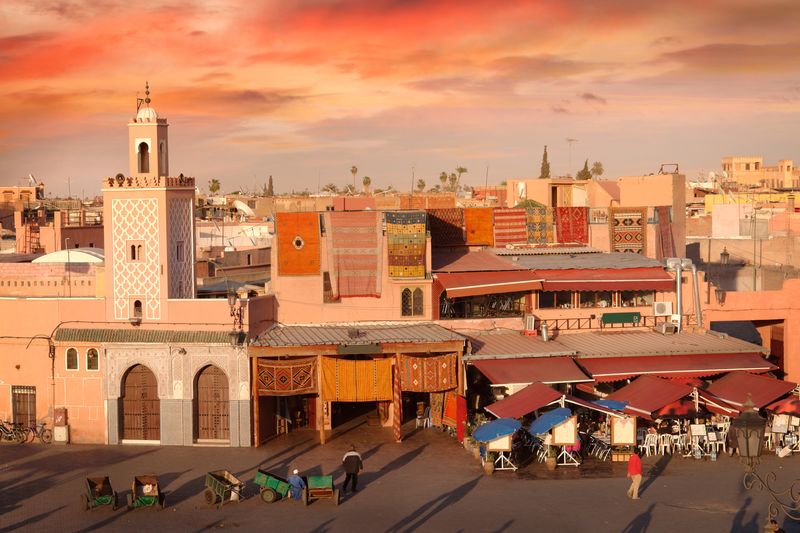
Marrakech vibrates like a drumbeat at dusk. Jemaa el Fna turns into a theatre where storytellers weave, cooks smoke the air, and musicians fold rhythms into conversation.
You wander from snake charmers to spice pyramids that smell like fire and citrus.
In the medina, craftsmen carve cedar, hand knot rugs, and shape brass that catches lantern light. Riad courtyards offer stillness within walls painted with history.
You learn how bargaining doubles as social ritual, measured in smiles and mint tea.
Traditional dishes anchor memory to appetite, from tagines that whisper saffron to fluffy msemen. Hammams cleanse with black soap while gossip rinses from tiled rooms.
The city’s palette, a chorus of ochre and rose, reflects Atlas dust and market heat.
As night deepens, gnawa rhythms invite you closer, and the square becomes a map of living heritage. Workshops welcome travelers to try tadelakt plaster or dye wool, proving tradition grows through practice.
Modern galleries nearby show how old motifs adapt without apology.
You leave with fingers scented by cumin and orange blossom. The medina stays in your stride, a zigzag that finds shade and story.
Marrakech keeps its roots by treating culture as a daily performance with room for newcomers.
Athens, Greece
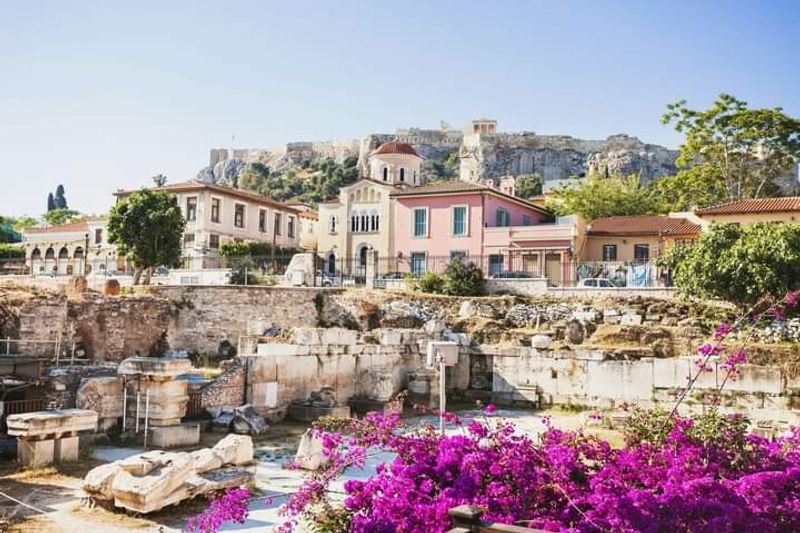
Athens pairs sun stroked marble with neighborhood chatter. From the Acropolis, you trace lines that still shape civic life below.
In Plaka and Psiri, tavernas set tables under vines while bouzouki melodies ride the breeze.
Orthodox churches pulse with incense and candlelight, echoing chants that anchor weeks. Festivals spill into squares where folk steps meet contemporary choreography.
You watch families linger for late dinners, proof that conversation and food remain civic arts.
Museums clarify timelines, but streets provide context. Kafeneia serve coffee beside debates on football and philosophy, and graffiti argues for futures with ancient confidence.
Markets hawk olives, herbs, and fish still awake with sea shine.
Ancient stones are not fenced off from daily rhythm. Runners loop past ruins at dawn, and schoolchildren sketch columns between gelato breaks.
The city models how democracy and disorder coexist productively.
Leaving, you carry a pocket of thyme and a head full of myths reframed as news. Athens keeps its roots by welcoming questions and second helpings.
You return because the city speaks plainly and leaves room for your reply.
Prague, Czech Republic
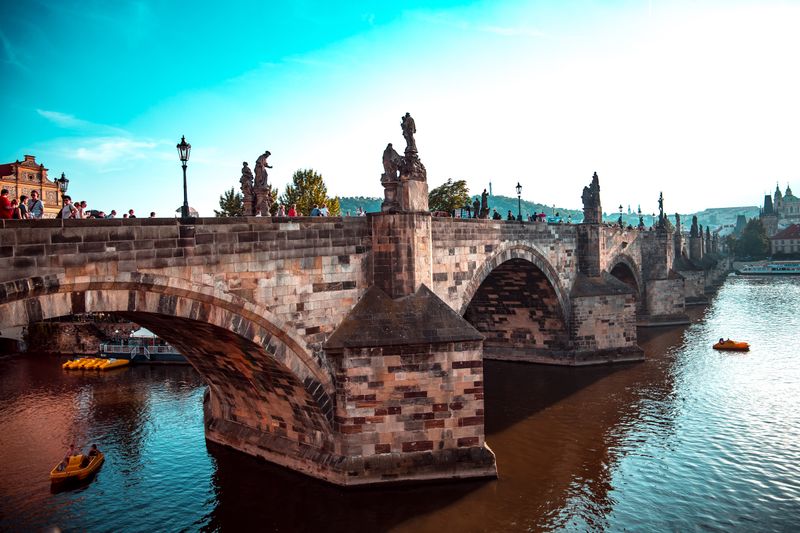
Prague greets you with bells and river light. Charles Bridge holds footsteps like a long memory, statues watching as mist rolls off the Vltava.
You follow spires toward squares where clocks measure time in stories.
Gothic and baroque facades frame markets selling kolaches, puppets, and crystal. Marionette makers carve faces that feel stubbornly alive, while folk musicians turn corners into stages.
Beer halls serve conversations that last longer than foam.
Festivals celebrate saints, seasons, and craft, keeping rituals in circulation. You notice how traditions adapt without losing shape, from kroje costumes to new theatre that bows to the past.
Art schools teach technique alongside irreverence, a Bohemian balance.
In courtyards, you hear quiet workshops filing violins and gilding frames. The city’s pace invites wandering and close looking, favoring alleys over highways.
Cafes preserve a habit of reading that pairs well with pastry crumbs.
Prague keeps its magic by staying useful, not precious. Trams rattle through history, carrying grocery bags and symphonies alike.
You leave with a sense that heritage here is less a monument than a neighborhood agreement.
Lisbon, Portugal
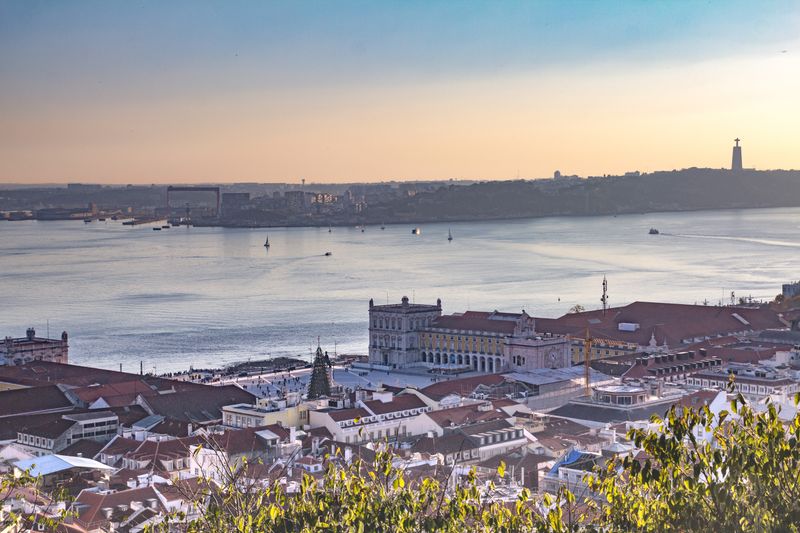
Lisbon leans into hills that tumble toward the Atlantic. In Alfama, tram bells answer gulls while azulejos catch sun like tiny seas.
You pause at a miradouro as laundry sails and a guitarist tunes a minor key.
Fado spills from taverns where voices hold entire neighborhoods. Festivals drape bunting across stairways, and sardines scent summer streets.
You taste past and present in a single bite of pastel de nata still warm from the tray.
Markets swing with olive oil, tinned fish art, and citrus bright as tile. Artisans cut cork and paint tiles, teaching patterns that carry centuries.
The city’s rhythm, half melancholy and half celebration, invites you to linger between both.
Old quarters resist erasure by staying lived in, not staged. Neighbors compare recipes on doorsteps and fix radios that outlast trends.
Contemporary galleries and tech hubs coexist politely with fado houses that keep late hours.
When you leave, the light follows, a soft gold that makes memory generous. Lisbon keeps its roots by letting daily life be the museum.
You return because the streets remember your steps and answer with song.
Split, Croatia
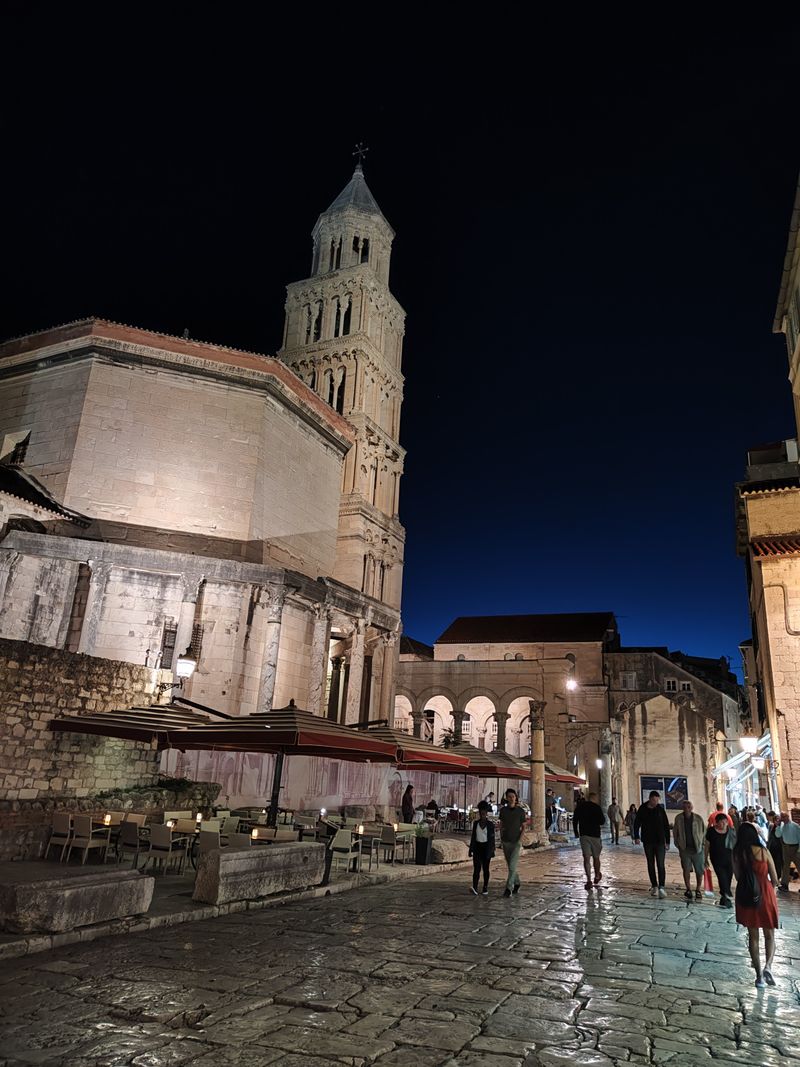
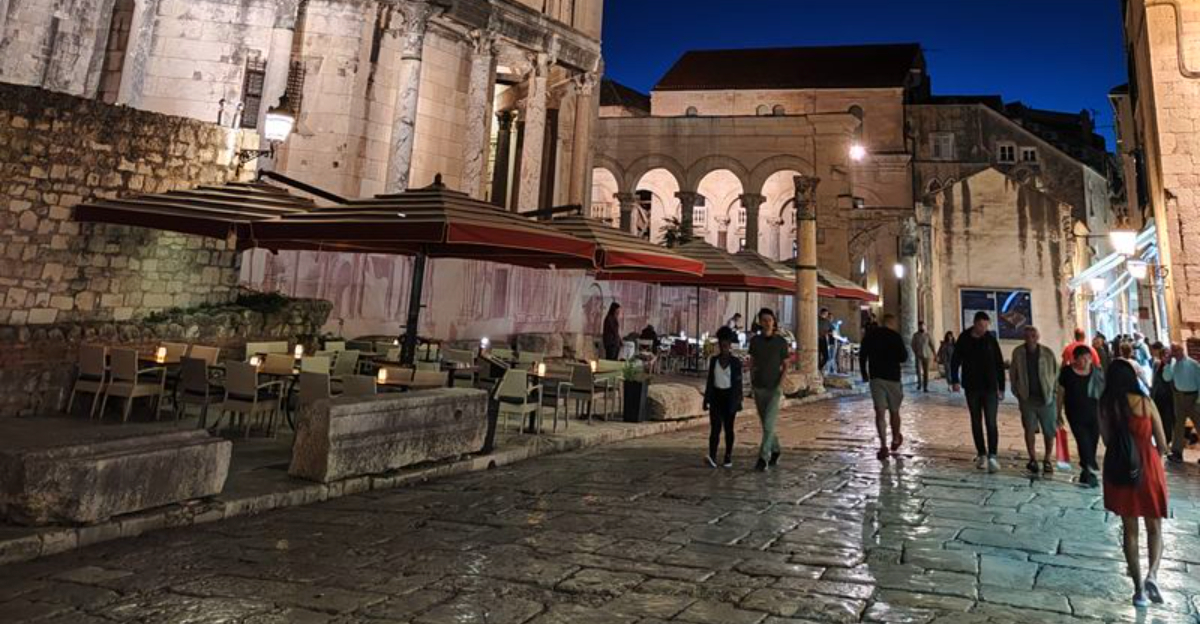
Split makes Roman stone feel neighborly. Diocletian’s Palace functions like a living organism, its walls holding cafes, homes, and laundry lines.
You sip coffee in a peristyle where emperors once paced and tourists now share shade with locals.
Klapa singing lifts through courtyards, harmonies swirling like sea air. Fishermen mend nets along the Riva, and markets display figs, anchovies, and cheeses that name villages.
Festivals keep Dalmatian pride audible without drowning daily routine.
Church bells and soccer chants share timing, an unexpected duet. Craftspeople carve stone and build boats, teaching skills that make coasts durable.
Recipes anchor families, from peka stews to olive oil pressed in small mills.
Archaeology here is not fenced, it is furnished. Kids chase pigeons across Roman thresholds as guides recount layered history.
You sense how modern apartments trust ancient foundations to carry weight and memory.
Leaving, you feel the city’s calm blend of resilience and sunlit ease. Split keeps roots by letting life inhabit heritage, not orbit it.
You carry a pocket of sea salt and a tune that keeps playing after the ferry departs.
Jaipur, India
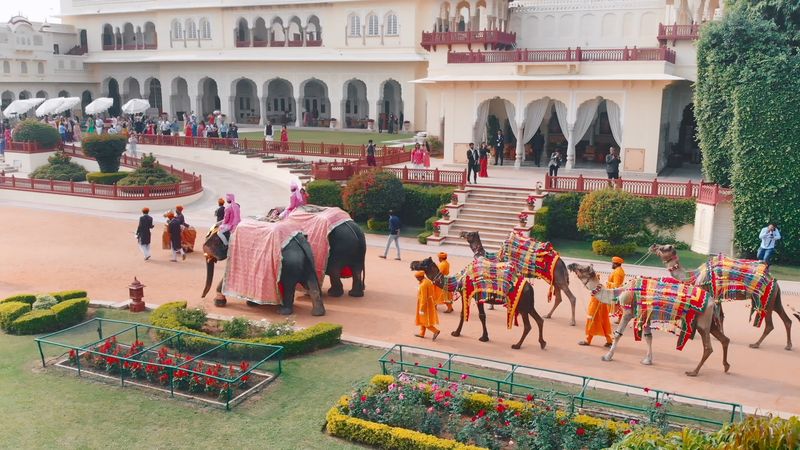
Jaipur glows at dawn like a city dressed for celebration. The Pink City’s facades catch light, and markets wake with clatter and color.
You trace lattice windows at Hawa Mahal, then follow spice scents toward textiles that bear fresh dye.
Rajasthani crafts thrive in workshops where block printers stamp rhythm into fabric. Jewelers set stones with practiced calm, and miniature painters stack worlds into inches.
Festivals crest with processions, drums, and elephants adorned in patterns that echo palaces.
Forts hold vantage and memory, their walls guiding breezes and stories. Courtyards teach symmetry without lectures, and stepwells reflect skies like disciplined mirrors.
Street food turns hunger into adventure, from kachori heat to sweet lassi relief.
Local life keeps pace with commerce and ritual. You hear temple bells at dusk and wedding bands winding through traffic with brass and joy.
Modern hotels borrow traditional craft without sanding away detail.
When you leave, pink dust follows, reminding you that beauty here is practical and shared. Jaipur protects heritage by using it daily, not sealing it behind velvet ropes.
You carry patterns in your head and a promise to return with more time.
Oaxaca, Mexico
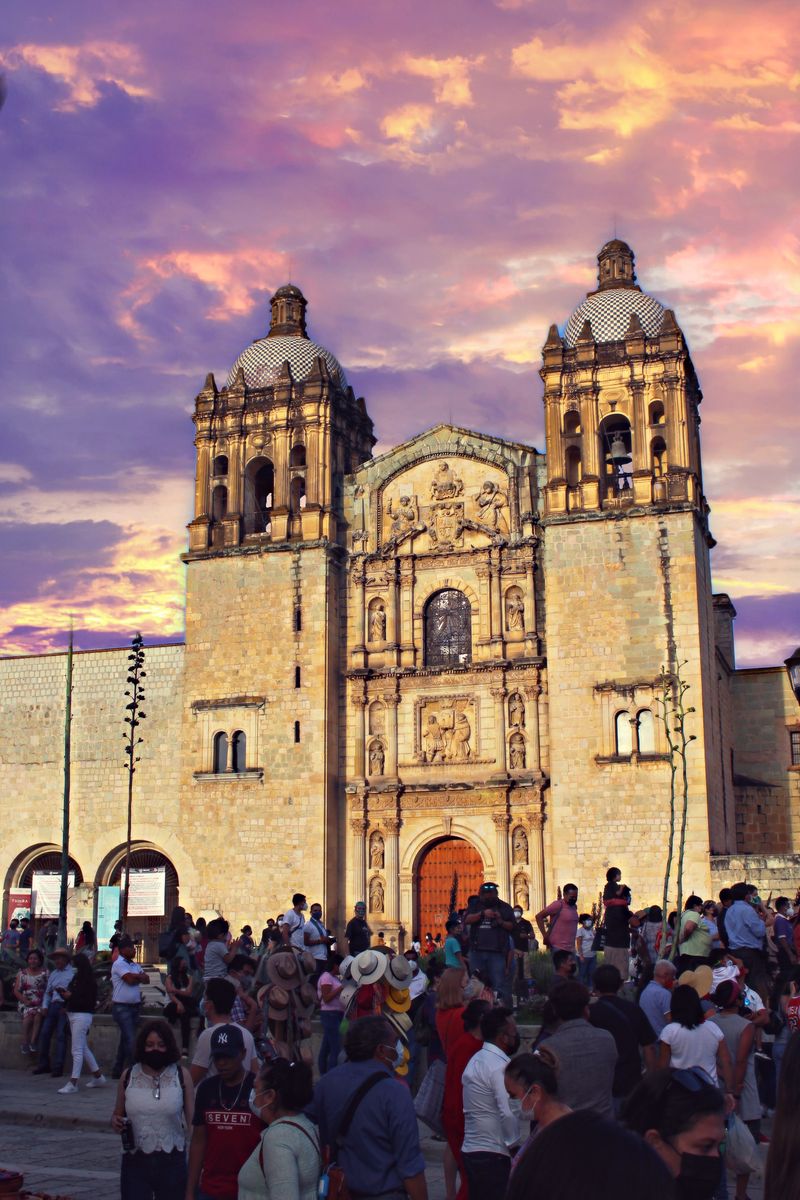
Oaxaca tastes like a dozen kinds of mole and smells like roasting cacao. Markets bustle with chapulines, herbs, and clay pots, while church plazas host brass bands and weddings.
You feel culture in the choreography between vendors, families, and musicians.
Zapotec and Mixtec traditions ground the region’s artistry. Weavers dye wool with cochineal and indigo, then thread patterns that map mountains and rain.
Potters in Atzompa and black clay artists in San Bartolo make vessels that hold both water and story.
Guelaguetza brings dancers from across communities, skirts spinning like color wheels. Mezcaleros guide you through agave fields, teaching patience measured in years.
Street murals argue for justice and joy, updating history without erasing elders.
Cooking classes reveal technique as hospitality. You grind chiles on a metate and learn that sauce is memory made edible.
Bakeries perfume dawn, while night stalls fry tlayudas that crackle under stars.
Oaxaca keeps its roots by celebrating reciprocity. Neighbors trade work and music as easily as ingredients.
You leave with stained fingertips and a deeper appetite for the traditions that feed both body and belonging.
Lhasa, Tibet
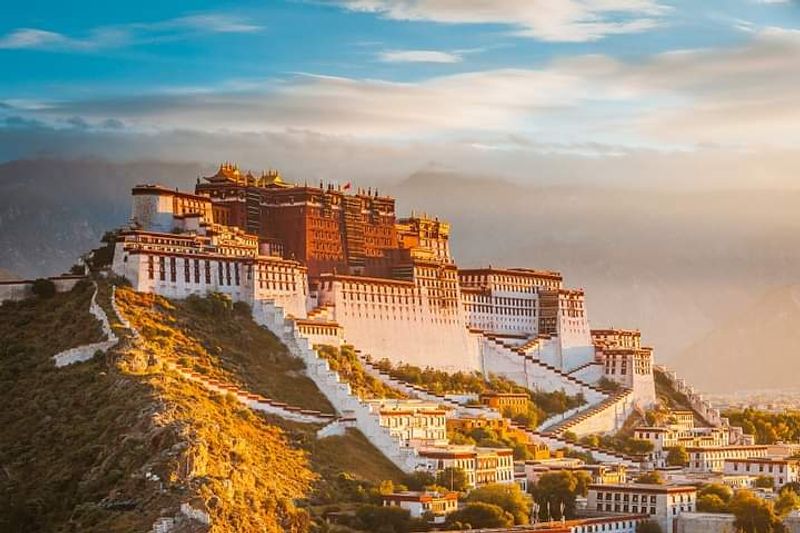
Lhasa moves to the cadence of prayer wheels and footsteps circling Jokhang. Barkhor Street forms a living mandala where devotion shapes traffic.
You breathe juniper incense as pilgrims bow, rise, and bow again with practiced grace.
Monastic chants roll like low thunder through courtyards painted with saffron and maroon. Prayer flags stitch color into sky, releasing wishes with every gust.
Artisans paint thangka with steady hands, layering gold and mineral blues into precise cosmologies.
Tea houses pour yak butter tea that challenges and comforts in equal measure. Markets sell barley, turquoise, and ritual items alongside everyday goods.
The city’s altitude sharpens light, making shadows feel carved rather than cast.
Festivals synchronize movement across rooftops and squares, from masked cham dances to processions. Pilgrimage routes fold the region into the city, turning geography into liturgy.
Modern influences appear but tend to orbit sacred centers rather than displace them.
You leave with a quieter voice and a slower blink. Lhasa holds its roots through repetition that renews rather than dulls.
The memory of spinning wheels and fluttering flags follows you down the mountain.
Hanoi, Vietnam
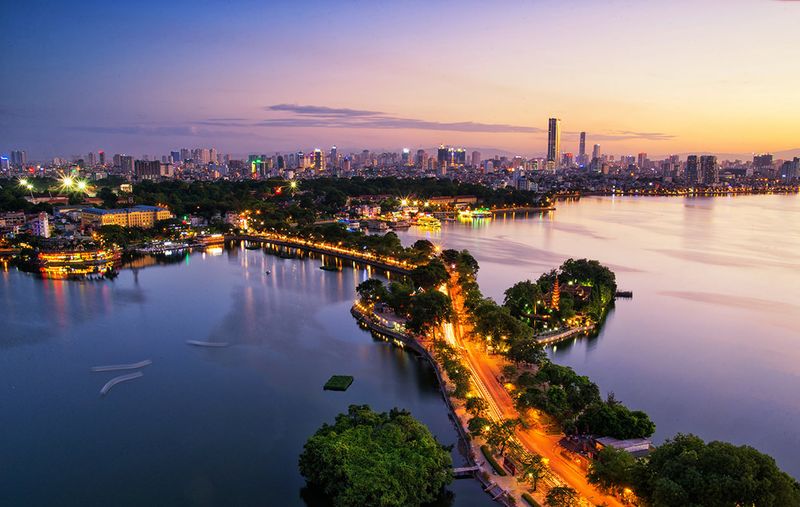
Hanoi wakes early with soup steam rising like morning fog. In the Old Quarter, vendors balance baskets while scooters sketch fast cursive around them.
You sip pho at a tiny stool and feel the city settle into its daily rhythm.
Temples hide behind banyans, offering incense and red lacquer calm. Water puppetry posters promise lakeside stories, where wooden figures splash through myths kept lively for families.
Street coffee drips through metal filters, delivering patience in small cups.
Craft guild streets still hint at their specialties, from tin to silk. Tailors work beside motor repair shops, proof that tradition and necessity are practical friends.
Markets change with monsoon moods, but etiquette remains steady and courteous.
Music rides on sidewalk grills, and poetry seems to live in the pauses of traffic. You learn to cross streets by trust and measured steps.
French shutters shade noodles, and colonial layers give texture without erasing Vietnamese core.
As evening cools, bia hoi gatherings tap fresh kegs and shared laughter. Hanoi keeps its roots through repetition and care, not nostalgia alone.
You leave with a habit of early mornings and a taste for balance.
Granada, Spain
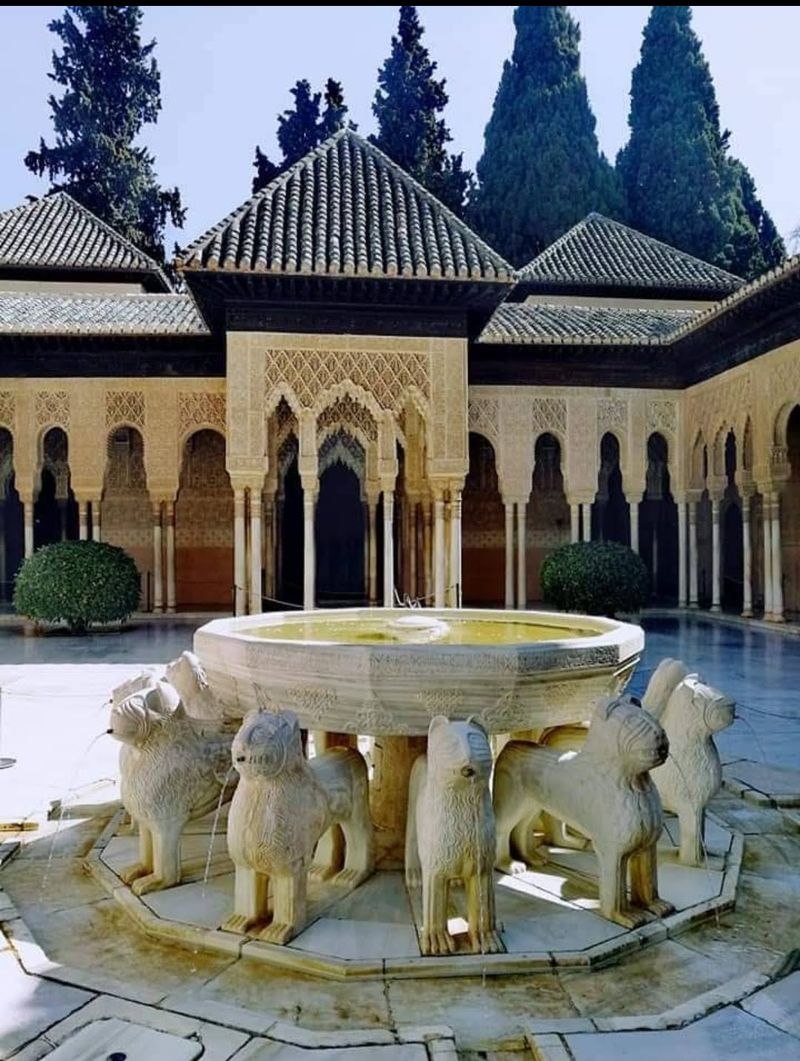
Granada holds a dialogue between Moorish grace and Andalusian grit. The Alhambra watches over whitewashed lanes where jasmine climbs and footsteps echo.
You climb to a mirador and see tile, water, and mountain woven together.
In the Albaicin and Sacromonte, caves host flamenco that feels like live voltage. Guitar, palm claps, and heelwork tell stories that refuse simplification.
Tapas arrive with each drink, teaching generosity as habit rather than exception.
Arabic legacies persist in arches, tea houses, and spices that perfume kitchens. Students share plazas with grandparents, and street poets sell verses by the page.
Festivals stitch liturgy and nightlife into a pattern that looks casual but holds fast.
Craftspeople cut leather and inlay wood, keeping geometry fluent. Courtyards cool afternoons with fountains that write soft lessons in stone.
You sense how Granada respects silence as much as song.
Leaving, you carry a chord progression that will not resolve. The city keeps its roots by playing both sides of its history and letting them harmonize.
You promise yourself a longer stay next time, because depth lives here.
Lahore, Pakistan
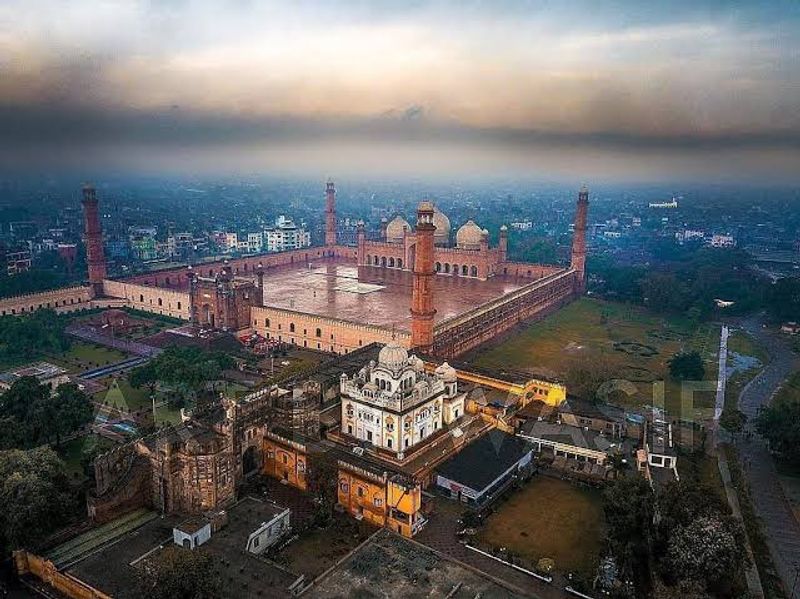
Lahore greets you with spice smoke and poetry. In the Walled City, Badshahi Mosque and the Fort hold space for faith and rule, now neighbors to food streets that sizzle.
You taste history in nihari before sunrise and kulfi after midnight.
Shrines host qawwali that lifts voices into trance, drawing crowds that know every refrain. Calligraphers shape Quranic verses while truck artists paint moving galaxies on metal.
The city’s love of language appears in book fairs and backyard debates.
Bazaar alleys overflow with phulkari embroidery, brass, and sweets stacked like architecture. Winter brings citrus, and spring spreads kites across sky in Basant memories and revivals.
Cricket punctuates afternoons, as vendors pass chai in tiny glasses.
Festivals and family rituals keep time, not calendars. Mughal gardens teach symmetry to couples on evening walks.
New cafes share lanes with tandoors, refusing the false choice between old and new.
You leave with stained fingertips and verses that hum while you pack. Lahore keeps roots by feeding body and mind at the same table.
The city follows you with warmth that is hard to refuse.
Cusco, Peru
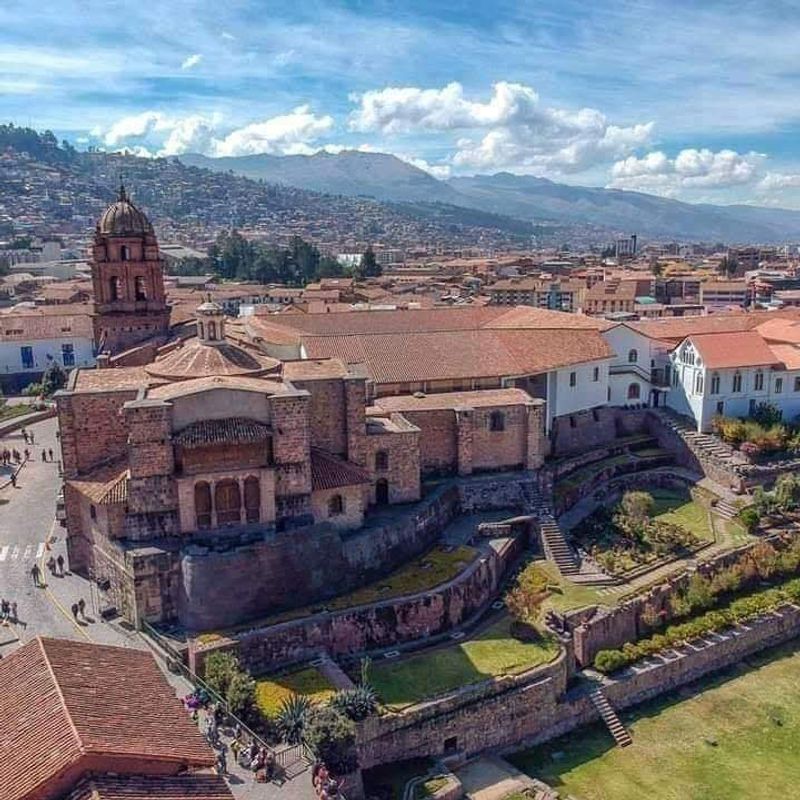
Cusco sits where Inca foundations shoulder colonial balconies. You feel the stones lock like puzzle pieces under your steps.
The Plaza de Armas gathers dancers, vendors, and travelers in a choreography that spans centuries.
Quechua language and dress animate markets bursting with woven color. Textiles encode mountains, rivers, and seasons in stripes that mean more than decoration.
Rituals tied to agricultural cycles still guide festivals and household choices.
Nearby sites like Sacsayhuaman extend lessons in engineering and ceremony. Coca leaves, pan flutes, and potatoes in countless varieties remind you of altitude and ingenuity.
Kitchens blend ancestral staples with contemporary creativity.
Artisans carve gourds, pound silver, and weave belts on backstrap looms. You watch, then try, and learn how patience becomes pattern.
Guides share stories that resist simplification, honoring both pain and resilience.
Cusco keeps roots by treating heritage as daily infrastructure. Streets, songs, and recipes hold knowledge you can touch.
You leave with the altitude still in your lungs and gratitude for a city that teaches through practice.



