Every breath you take should be clean, but for hundreds of millions of people around the world, that is simply not the case. Air pollution has quietly become one of the deadliest threats on the planet, responsible for millions of premature deaths each year.
Some cities are so choked with smog, dust, and toxic particles that just stepping outside can feel like a health risk. Here are 15 cities where air pollution has climbed to genuinely dangerous levels, and why each one is struggling to clear the air.
Delhi, India
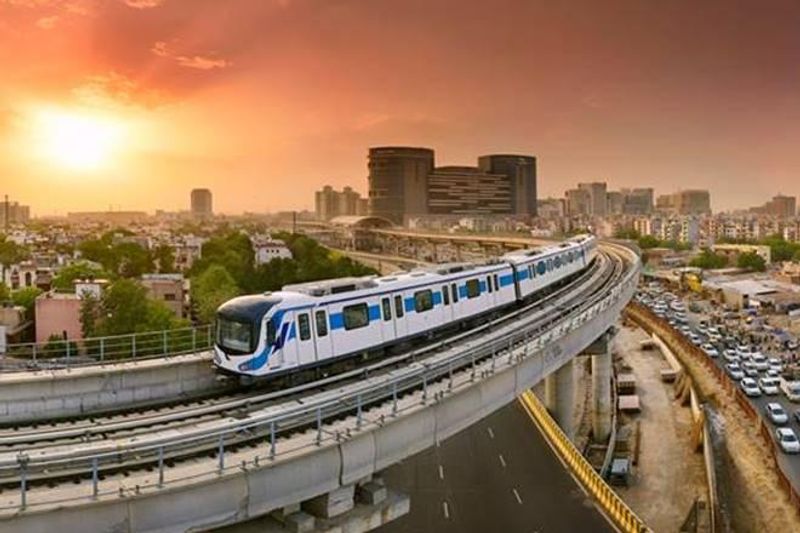
On some winter mornings in Delhi, the smog is so thick you can barely see a building two blocks away. India’s capital has earned the grim reputation of being one of the most polluted major cities on the planet, and the numbers back that up.
PM2.5 levels here regularly soar to ten or even twenty times the World Health Organization’s safe limit.
The culprits are everywhere. Millions of vehicles clog the roads daily, factories pump out industrial fumes, and massive construction projects kick up clouds of fine dust.
Every autumn, farmers in neighboring states burn leftover crop stubble, sending walls of smoke rolling into the city and turning the sky a sickly orange-grey.
Children and elderly residents are hit hardest, with hospitals reporting spikes in respiratory cases during peak pollution months. Delhi’s government has tried odd-even vehicle rules, emergency school shutdowns, and water-sprinkler trucks to settle dust.
Some progress has been made, but the scale of the problem is enormous. Cleaner public transport, stricter industrial regulations, and regional cooperation on crop burning are all needed to make a lasting difference for Delhi’s 33 million residents.
Lahore, Pakistan
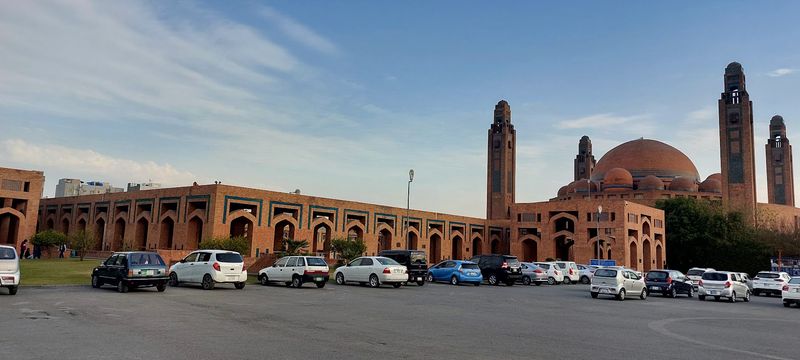
Lahore has a problem it cannot seem to shake: every winter, the city disappears into a blanket of toxic smog so dense that flights get cancelled and schools shut their doors. Pakistan’s cultural capital, famous for its Mughal architecture and street food, has been ranking among the world’s most polluted cities with alarming consistency.
The air quality index regularly tips into the “hazardous” category, which is the highest danger level on the scale.
Brick kilns ringing the city are a major contributor, burning coal and waste materials around the clock. Add in vehicle exhaust from an aging fleet of cars and rickshaws, industrial emissions, and smoke drifting across from Indian Punjab’s crop-burning season, and the mix becomes genuinely dangerous.
Visibility on bad days can drop to just a few hundred meters.
Local authorities have experimented with closing brick kilns during peak smog season and banning crop burning, but enforcement remains inconsistent. Residents have started keeping air purifiers at home and wearing N95 masks outdoors.
Long-term solutions will require upgrading fuel standards, transitioning kilns to cleaner technology, and improving public transport. Until then, Lahore’s air remains a serious public-health emergency that demands urgent attention.
Dhaka, Bangladesh
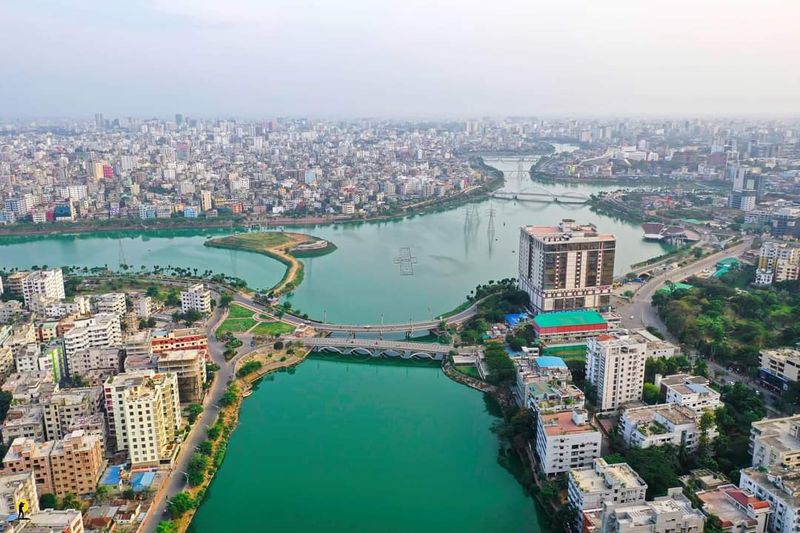
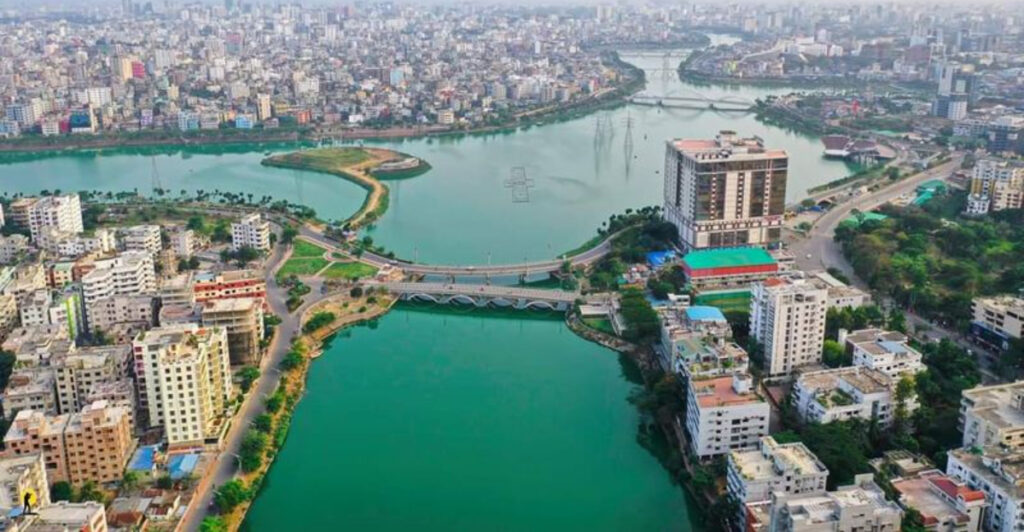
Dhaka grows faster than almost any city on Earth, and that breakneck pace comes with a serious cost to the air its residents breathe. Squeezed into one of the world’s most densely populated urban areas, roughly 22 million people deal daily with pollution from traffic, brick kilns, garment factories, and nonstop construction.
PM2.5 readings in Dhaka frequently rank the city among the top five most polluted capitals globally.
Two-stroke engines on auto-rickshaws and motorbikes are a particularly dirty source of emissions, pumping out black smoke in tight, crowded lanes. Seasonal changes make things worse: dry winters trap pollutants close to the ground, while winds from India bring additional particles across the border.
Riverside industrial zones add another layer of chemical pollution to the mix.
Bangladesh’s government has pushed to phase out two-stroke vehicles and has introduced compressed natural gas alternatives, which has helped somewhat. Satellite imagery shows that brick kilns surrounding the city are a key target for cleaner-technology upgrades.
Improving waste management to reduce open burning would also deliver quick gains. Dhaka’s story is one of rapid development outrunning environmental protection, but with focused effort, the city has a real chance to turn things around for its millions of residents.
Baghdad, Iraq
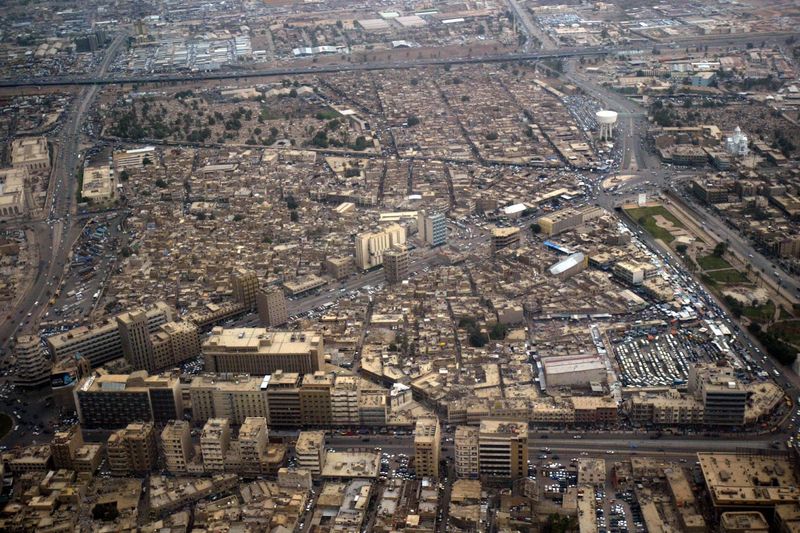
Picture a city where the sky turns brown not just from traffic fumes but from walls of desert sand rolling in off the surrounding plains. Baghdad is battered by pollution from multiple directions at once: vehicle exhaust, industrial emissions, oil-field flaring, and ferocious dust storms that can engulf the entire city in minutes.
These sandstorms, known locally as haboobs, can push PM10 particle levels to catastrophic heights in a matter of hours.
Decades of conflict have left infrastructure battered, meaning older, dirtier power generators run constantly and vehicle fleets are filled with aging, fuel-inefficient cars. Oil fields near the city routinely flare excess gas, releasing toxic compounds directly into the atmosphere.
Waste burning in open lots is common because formal waste management systems are underfunded and overstretched.
Residents report chronic respiratory problems, eye irritation, and increased rates of asthma across all age groups. Baghdad’s children are especially vulnerable, spending formative years breathing air that rarely meets even the most basic safety standards.
Rebuilding environmental monitoring systems, cracking down on illegal waste burning, and modernizing power generation are critical steps forward. The path to cleaner air in Baghdad is long, but international support and investment in green infrastructure could make a meaningful difference.
Kinshasa, Democratic Republic of the Congo
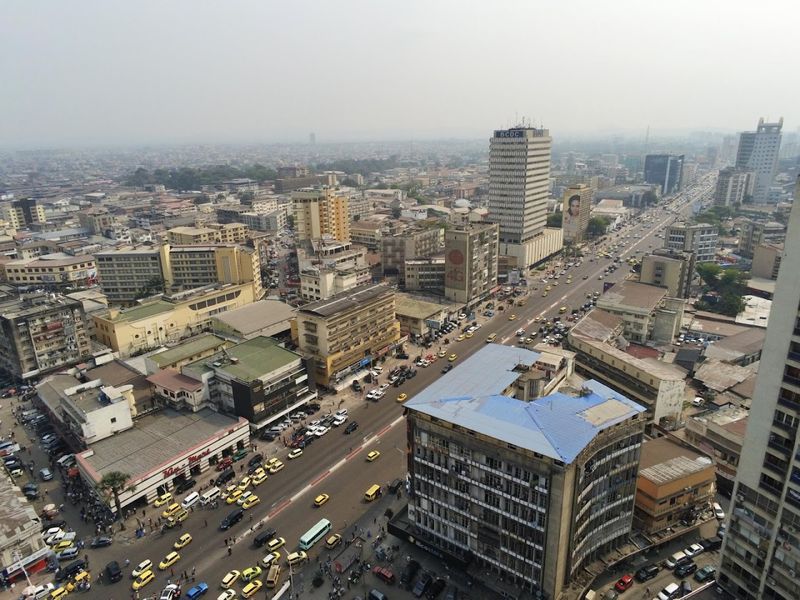
Kinshasa is Africa’s second-largest city, a sprawling, energetic metropolis of over 17 million people, and its air quality is quietly becoming a public-health crisis. Unlike many polluted cities where industry is the main villain, Kinshasa’s biggest problem is far more basic: cooking fuel.
The vast majority of households rely on charcoal and wood fires for cooking, and the cumulative smoke from millions of stoves hangs over the city like a permanent grey curtain.
Traffic congestion adds significantly to the problem. The city’s road network struggles to keep up with its exploding population, meaning vehicles idle for hours in gridlock, burning fuel inefficiently and releasing thick exhaust.
Informal waste burning is widespread in neighborhoods without regular garbage collection, sending a cocktail of toxic smoke into streets where children play and markets operate.
Access to cleaner cooking solutions like liquefied petroleum gas or electric stoves remains out of reach financially for most families. Environmental monitoring in Kinshasa is limited, which means the true scale of the pollution problem is likely underreported.
Investing in cleaner cooking technology, improving waste collection, and developing public transport could transform air quality significantly. Kinshasa’s people deserve the same clean-air standards that residents of wealthier cities take for granted.
Kolkata, India
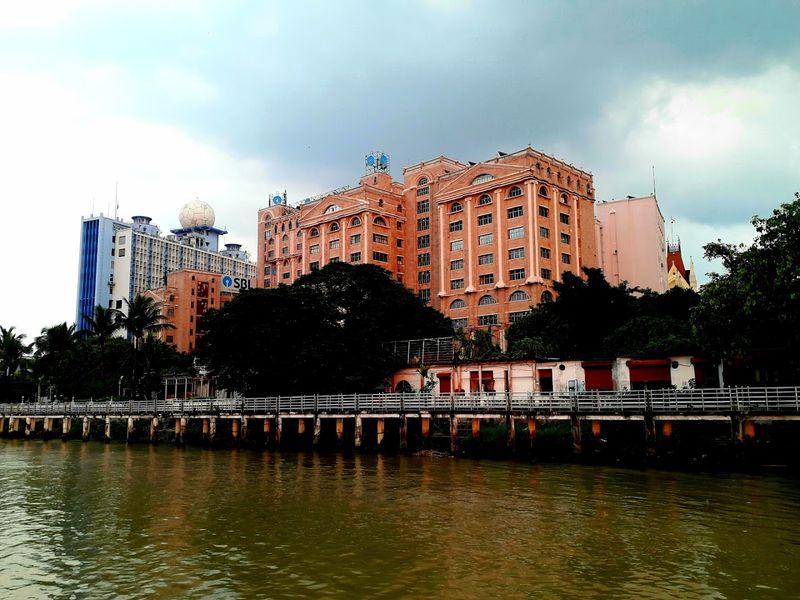
Kolkata has a certain old-world charm, with its colonial architecture, famous yellow taxis, and hand-pulled rickshaws. But beneath that nostalgic surface lies an air-quality crisis that affects every single person living in the city.
PM2.5 concentrations in Kolkata regularly exceed WHO guidelines by a factor of ten or more, placing it firmly in the danger zone for chronic health impacts.
The city’s vehicle fleet is a major contributor, particularly its fleet of older diesel buses and trucks that belch black smoke through narrow streets. Industrial zones on the city’s outskirts pump out emissions from factories producing everything from steel to chemicals.
Seasonal garbage burning and the smoke from Diwali fireworks create additional pollution spikes that can last for days.
River breezes from the Hooghly occasionally help clear the air, but during winter temperature inversions, pollutants get trapped close to the ground and concentrations skyrocket. Studies have linked Kolkata’s air pollution to higher rates of lung cancer, childhood asthma, and cardiovascular disease among long-term residents.
Switching to electric buses, expanding the metro network, and tightening factory emission standards are all promising strategies. Kolkata’s government has shown awareness of the problem, but the pace of change needs to accelerate significantly to protect public health.
Karachi, Pakistan
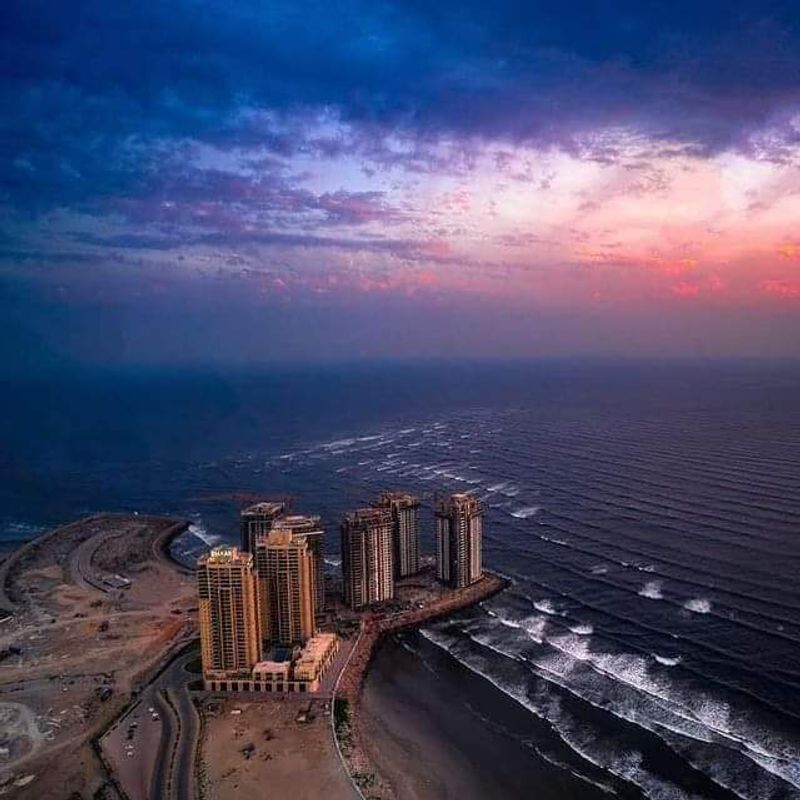
Karachi is Pakistan’s largest city and its economic engine, home to roughly 16 million people packed into a coastal metropolis that never seems to sleep. Unfortunately, the city’s relentless energy comes with a serious downside: air quality that consistently ranks among the worst in South Asia.
Industrial zones along the city’s outskirts release a steady stream of pollutants, while an enormous and aging vehicle fleet floods the streets with exhaust fumes around the clock.
The steel mills, chemical plants, and tanneries operating near residential areas are particularly problematic, releasing heavy metals and toxic gases that mix with everyday traffic pollution. Karachi’s coastal location occasionally helps, with sea breezes pushing pollutants inland, but during calm weather conditions, smog builds up rapidly and stays put for days at a stretch.
Open burning of solid waste is rampant in areas where formal garbage collection is absent, adding yet another layer of particulate matter to the already burdened atmosphere. Health surveys in Karachi have found alarming rates of respiratory disease among children living near industrial areas.
Stricter factory emission controls, a shift to cleaner fuels in vehicles, and improved solid-waste management would all deliver measurable air-quality improvements. Karachi’s residents are resilient, but they should not have to accept toxic air as a normal part of daily life.
Hanoi, Vietnam
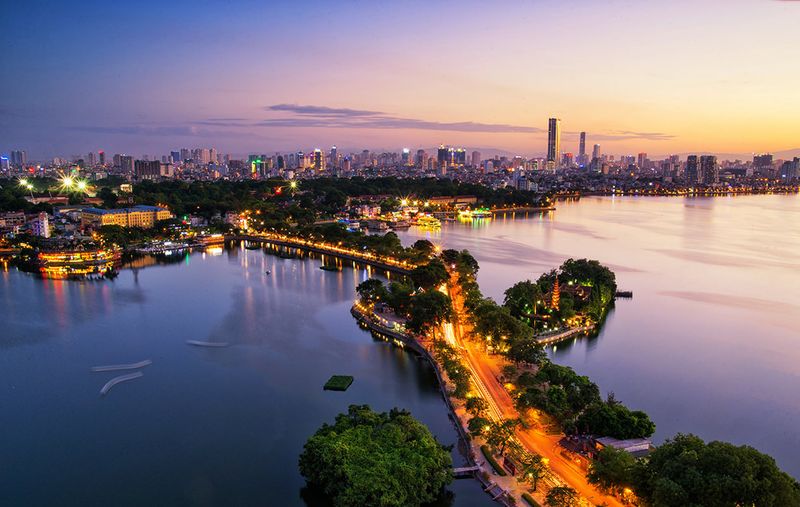
Hanoi’s streets are famously alive with the buzz and weave of millions of motorbikes, and that constant hum of engines is doing real damage to the city’s air. Vietnam’s capital has recorded some jaw-dropping pollution spikes in recent years, occasionally ranking as the most polluted major city in the world on a given day.
The combination of motorbike exhaust, coal-burning power plants, and industrial emissions creates a persistent haze that hangs over the city’s lakes and tree-lined boulevards.
Agricultural burning in surrounding rural areas adds seasonal bursts of smoke, particularly during harvest periods. Coal remains a dominant fuel for both industry and household cooking in parts of the country, and the emissions from coal use are a significant contributor to Hanoi’s PM2.5 problem.
Construction activity across the rapidly developing city kicks up fine dust that stays airborne for hours.
Vietnam has ambitious plans to phase out coal power and increase renewable energy capacity, which would help Hanoi’s air considerably over the coming decade. In the shorter term, transitioning motorbikes to electric models and introducing stricter vehicle emission standards would deliver faster results.
Many Hanoi residents already wear face masks daily as a cultural norm, but cleaner air would be far more effective than any mask at protecting long-term health.
Mumbai, India
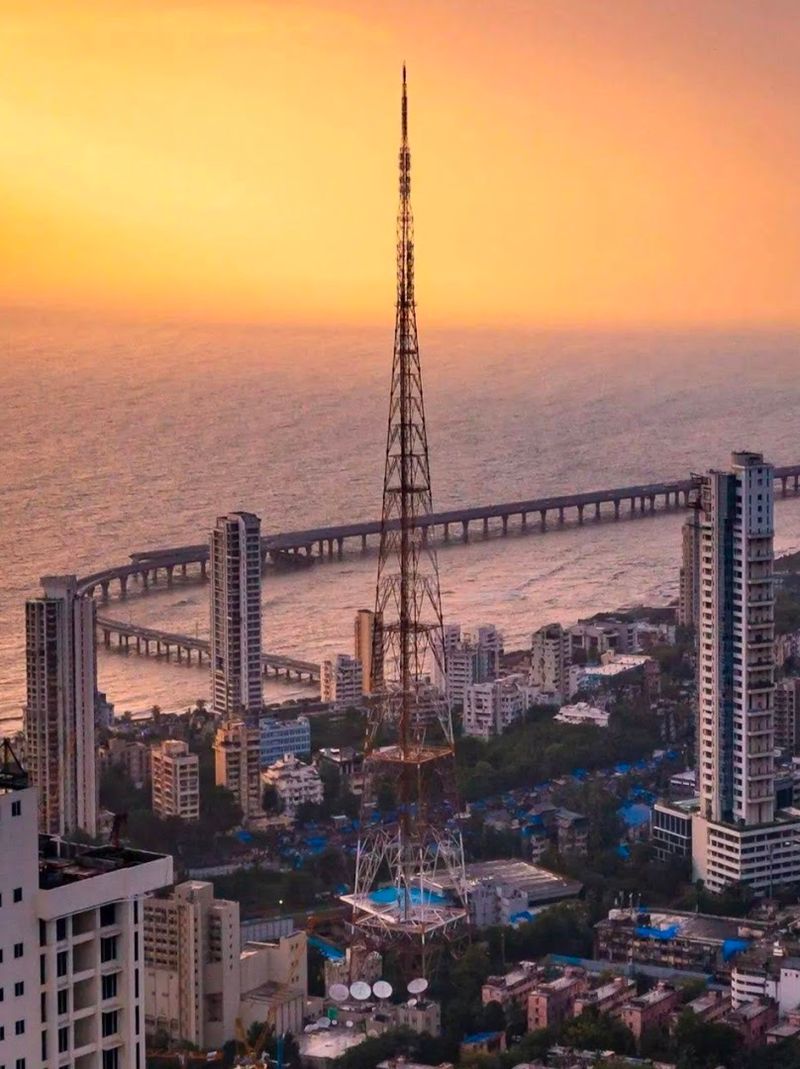
Mumbai might be the city of Bollywood dreams, but its air quality is more nightmare than fantasy for the 21 million people who call it home. India’s financial capital consistently records PM2.5 levels well above safe limits, driven by a relentless combination of traffic, construction, industrial activity, and the burning of solid waste in informal settlements.
The city’s geography does not help either: surrounded by water on three sides, it can trap pollutants when winds are calm.
The construction boom transforming Mumbai’s skyline generates enormous quantities of fine dust, and enforcement of dust-control measures on building sites is patchy at best. A massive vehicle fleet, including millions of two-wheelers and an aging fleet of diesel trucks, contributes heavily to roadside pollution levels that can be ten times higher than the city average.
Dharavi and other densely populated informal neighborhoods bear the worst of it, with residents experiencing high rates of respiratory illness and skin conditions linked to poor air quality. Mumbai’s suburban train network is one of the world’s busiest and does keep millions of cars off the road, which is a genuine positive.
Expanding electric vehicle adoption, improving construction-site dust controls, and cracking down on waste burning are the next critical steps toward giving Mumbai cleaner, healthier air.
Tashkent, Uzbekistan
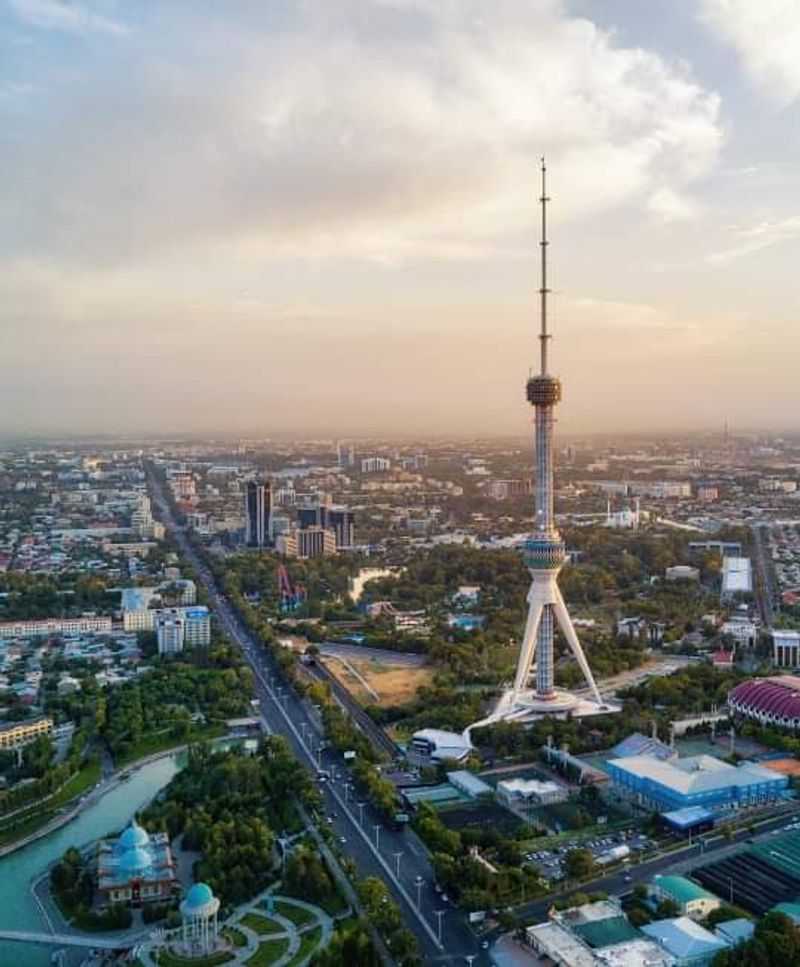
Central Asia does not always make the headlines in global pollution discussions, but Tashkent deserves serious attention. Uzbekistan’s capital is home to nearly 3 million people and sits in a geographic bowl that can trap air pollutants, especially during winter when cold air settles near the ground and keeps emissions from rising and dispersing.
PM2.5 readings during these inversion events regularly exceed WHO guidelines by a wide margin.
The city’s industrial heritage from the Soviet era left behind a collection of aging factories and power plants that were never designed with environmental protection in mind. Many continue to burn coal and heavy fuel oil, releasing sulfur dioxide and particulate matter in quantities that would be illegal in most of Europe or North America.
Vehicle emissions add to the load, as the car fleet is dominated by older models with minimal emission controls.
Household heating is another key factor, with many residents burning coal or wood in traditional stoves during the cold Central Asian winters. Uzbekistan has been making some progress on energy reform, and there is growing interest in natural gas as a cleaner transition fuel.
Upgrading industrial facilities, modernizing the vehicle fleet, and promoting energy-efficient home heating would all help Tashkent’s residents breathe easier through the long winter months ahead.
Beijing, China
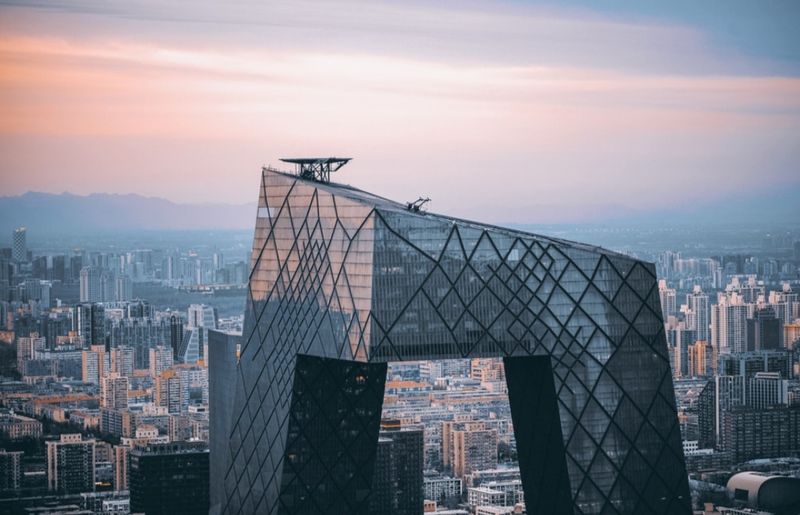
A decade ago, Beijing’s pollution was so notorious that foreign diplomats were quietly compensated with “hardship pay” for being posted there. The city has since made remarkable strides in cleaning up its air, shutting coal-fired power plants, banning older vehicles, and investing massively in electric transport.
Yet Beijing still cannot fully escape its pollution legacy, and episodes of heavy smog continue to hit the city when weather conditions are unfavorable.
Winter remains the trickiest season. Cold temperatures push residents across northern China to heat their homes, and when winds drop and temperature inversions form, the accumulated emissions from millions of households and vehicles pool over the capital.
Regional industrial activity in surrounding Hebei province also contributes significantly to Beijing’s bad air days.
China’s government has shown it can move fast when it chooses to, and the improvements in Beijing’s air quality since 2013 are genuinely impressive by any measure. PM2.5 levels have dropped by more than 50 percent over that period, which is a major public health achievement.
However, the job is not finished. Continuing to push industry toward cleaner production, expanding electric vehicle infrastructure, and addressing regional pollution sources will be essential to make Beijing’s air quality truly safe for all residents year-round.
Cairo, Egypt
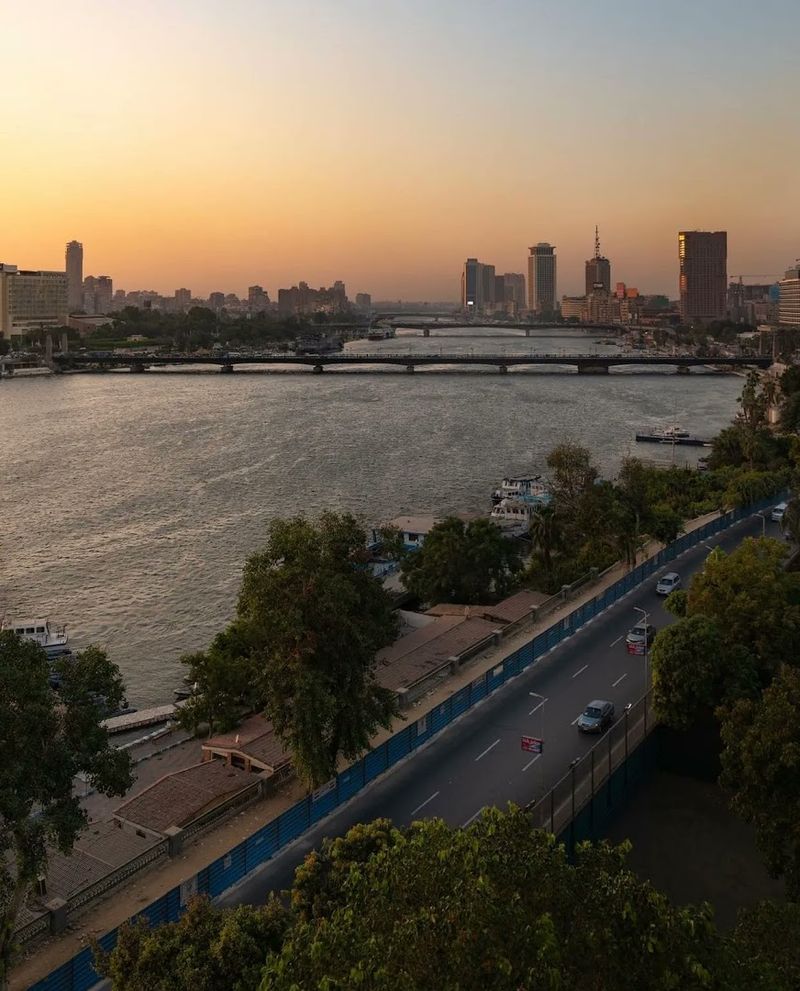
Cairo wears its pollution like a permanent overcoat. Egypt’s sprawling capital, home to over 20 million people, sits in a natural basin formed by the Nile Valley that is brilliant at collecting pollutants and not so great at letting them escape.
The result is a chronic smog problem that locals call “the black cloud,” a phenomenon that intensifies every autumn when farmers in the Nile Delta burn rice straw after harvest.
Vehicle emissions are the year-round backbone of Cairo’s pollution problem. The city’s traffic is legendary, with millions of older cars and minibuses crawling through congested streets, burning leaded fuel or poorly refined diesel.
Lead levels in Cairo’s air have historically been among the highest recorded in any global city, causing particular concern for children’s neurological development.
Desert dust from the Sahara adds natural particulate matter to the mix, making it hard to separate the human-made pollution from natural sources. Industrial zones in the city’s east and south release chemical pollutants that compound the health risks further.
Cairo’s metro system offers a cleaner alternative for millions of commuters, and expanding it would help. Banning open field burning and transitioning to cleaner vehicle fuels are the most impactful near-term steps toward giving Cairo’s residents the clean air they urgently need.
Ulaanbaatar, Mongolia
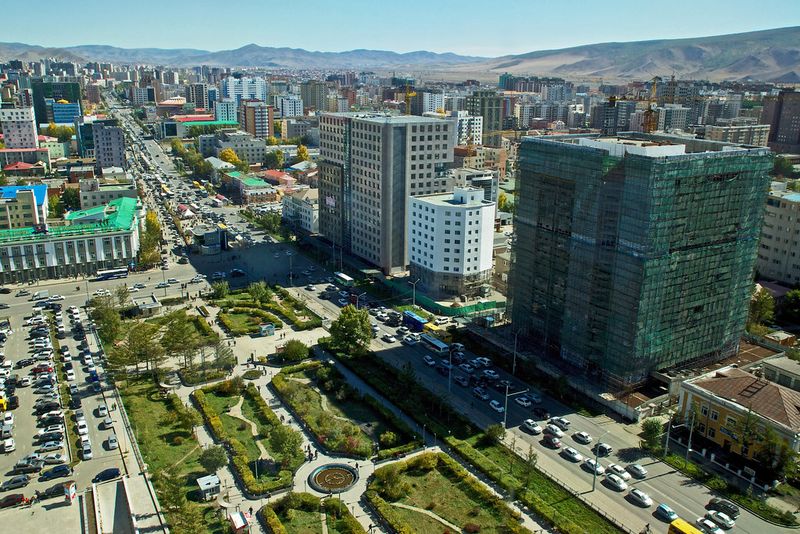
Winter in Ulaanbaatar is a uniquely brutal experience, and not just because temperatures can plunge to minus 40 degrees Celsius. The Mongolian capital earns the grim title of one of the world’s most polluted cities during the cold season, when hundreds of thousands of ger district residents burn raw coal in traditional stoves to survive the cold.
The smoke that pours from these stoves has nowhere to go, trapped by the surrounding mountains and a near-permanent temperature inversion that sits over the city like a lid.
PM2.5 concentrations in Ulaanbaatar during winter can be 80 times the WHO safe limit on the worst days. Children living in ger districts have been found to have significantly stunted lung development compared to children in cleaner environments.
Pregnant women, the elderly, and anyone with a respiratory condition face genuinely life-threatening risks just from breathing the outdoor air.
Mongolia’s government has introduced subsidized cleaner-burning stoves and fuel briquettes as a partial solution, and some progress has been made in reducing the worst spikes. But the fundamental challenge is poverty: coal is cheap and available, while alternatives are expensive.
International climate finance and targeted subsidies for cleaner heating solutions could make a transformative difference for Ulaanbaatar’s most vulnerable residents before the next brutal winter arrives.
Kabul, Afghanistan
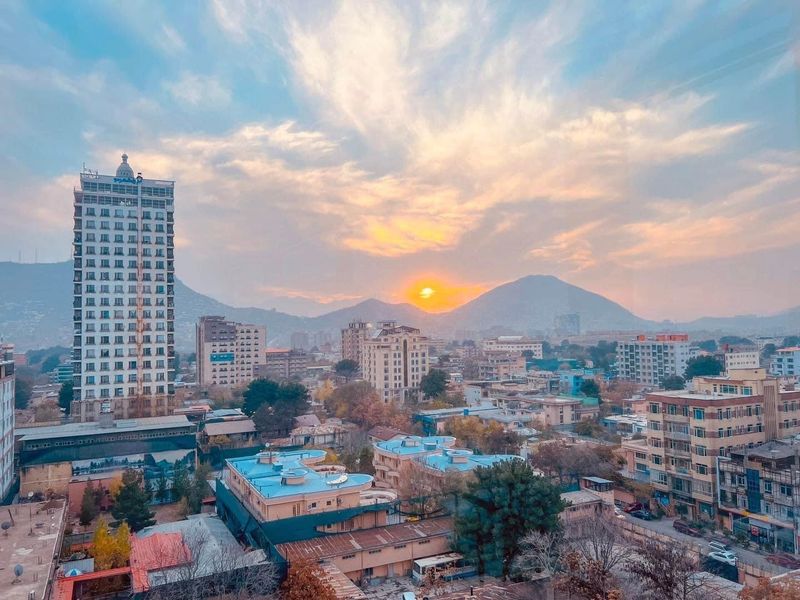
Kabul sits in a high-altitude valley ringed by mountains, and while that setting sounds dramatic and beautiful, it creates a perfect trap for air pollution. The Afghan capital’s geography means that emissions from vehicles, generators, and heating stoves cannot easily disperse, building up to levels that make some of the world’s other polluted cities look manageable by comparison.
Winters here are particularly brutal for air quality.
Access to reliable electricity is extremely limited, so households and businesses run diesel generators constantly, filling the air with thick exhaust. Low-quality fuel, including used motor oil and plastic waste, is burned for heating in many neighborhoods because cleaner alternatives are simply unaffordable or unavailable.
Unpaved roads throughout much of the city generate enormous quantities of fine dust every time a vehicle passes.
Years of conflict have devastated environmental monitoring and regulatory capacity, meaning the true scale of Kabul’s air pollution problem is difficult to measure precisely, though the visible reality speaks for itself. The health toll is severe, with respiratory disease among the leading causes of illness and death across all age groups.
Rebuilding basic environmental infrastructure, improving fuel quality, and expanding electricity access would all help reduce Kabul’s pollution burden. For now, its residents endure some of the most dangerous air on Earth, day after day.
Jakarta, Indonesia
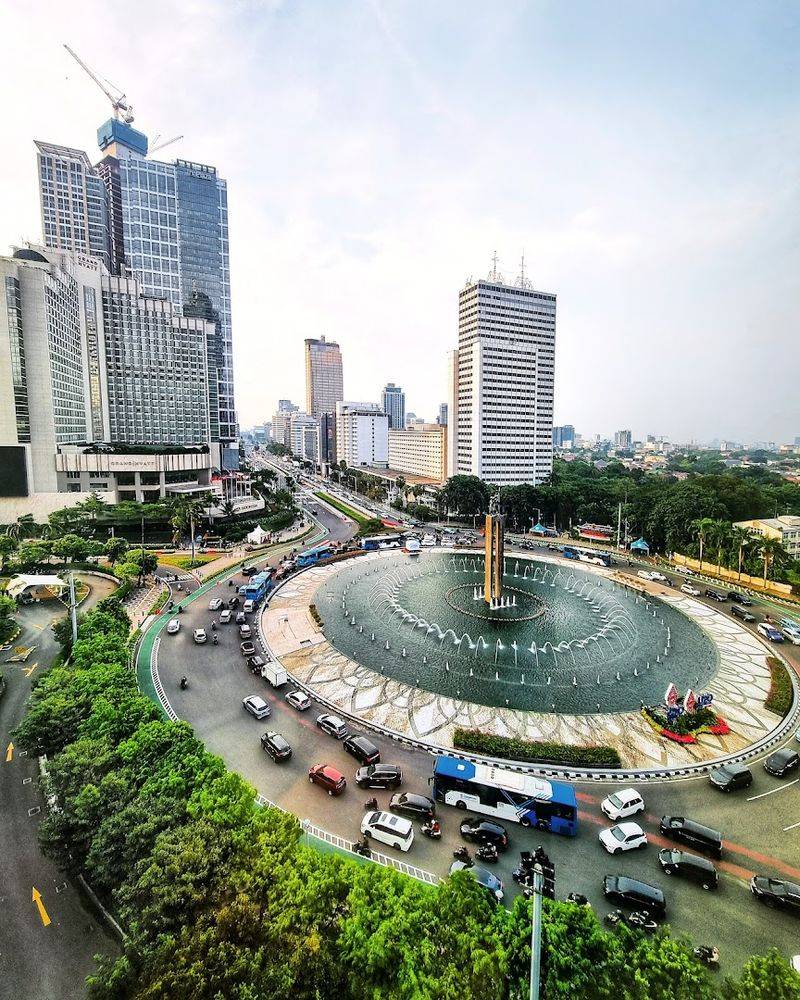
Jakarta has a traffic problem, a coal problem, and an air-quality problem, and they are all deeply connected. Indonesia’s massive capital, home to over 10 million people in the city proper and 34 million in the greater metro area, regularly ranks as one of Southeast Asia’s most polluted urban centers.
On bad days, the city’s famous skyline of glass towers disappears entirely behind a wall of brown haze.
Coal-fired power plants ringing the city supply a huge share of Jakarta’s electricity and are among the biggest single sources of air pollution in the region. Millions of motorcycles and private cars clog roads that were simply not built to handle this volume of traffic, idling and burning fuel for hours in gridlock.
Industrial zones to the city’s west add chemical pollutants to the already overloaded atmosphere.
Indonesia has announced plans to phase out coal power over the coming decades, which would be transformative for Jakarta’s air if implemented on schedule. The city’s new MRT system is a promising step toward reducing vehicle dependence, though it needs significant expansion to make a dent in car numbers.
Jakarta is also in the process of relocating Indonesia’s capital to a new city on Borneo, which may eventually ease some pressure. Cleaner air in Jakarta will require bold policy and sustained investment over many years.
Share this story