 Unearth The Voyage
Some cities look affordable on paper but hit your wallet hard once you actually move there. From hidden housing fees to sky-high grocery bills, the true cost of living in certain places can be a real shock.
Whether you’re planning to relocate, study abroad, or just curious about where your money would disappear fastest, this list has some surprises in store. These 15 cities consistently catch newcomers off guard with expenses that go far beyond what most people budget for.
Zurich, Switzerland
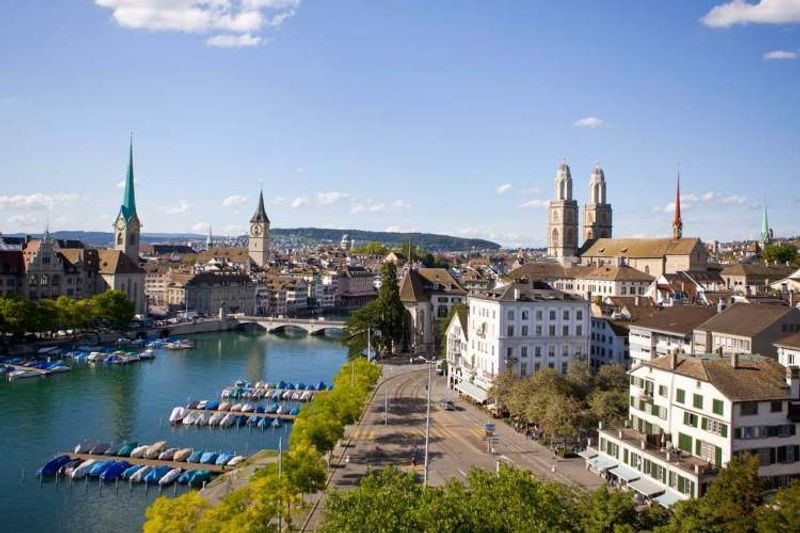
Your morning coffee in Zurich costs roughly what a full meal would in most other countries. That single fact tells you everything you need to know about daily life in this Swiss city.
Zurich consistently ranks as one of the most expensive cities on the planet, and it earns that title every single day.
Rent alone can swallow a huge chunk of any paycheck. A one-bedroom apartment in the city center routinely runs well above 2,000 Swiss francs per month.
Even grocery shopping feels like a luxury experience, with basic items priced significantly higher than in neighboring Germany or France.
Salaries in Zurich are among the highest in Europe, which softens the blow for locals. But expats, students, and short-term visitors often feel the financial pressure almost immediately.
Dining out, catching a tram, or grabbing a bottle of wine all add up faster than expected.
The Swiss franc’s strength keeps import prices elevated year-round. Strong demand for housing and limited new construction keep the rental market tight.
Zurich is genuinely world-class in quality, but that quality comes with a price tag that surprises almost everyone who arrives unprepared.
Geneva, Switzerland
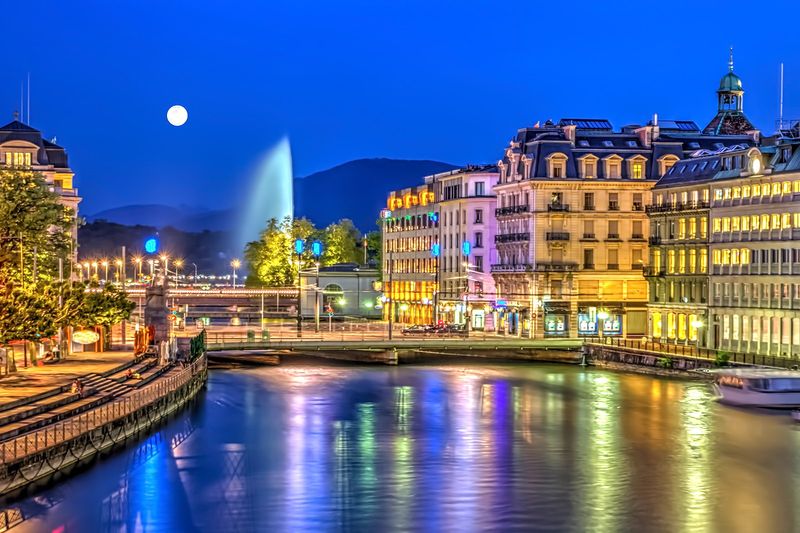
Walk into any supermarket in Geneva and prepare for a small moment of disbelief at the checkout. Prices here operate on a completely different level from most of Europe, and that applies to nearly every category of spending.
Geneva is not just expensive — it is relentlessly, consistently expensive.
Housing is the biggest financial challenge for most residents. The city attracts diplomats, international civil servants, and finance professionals, all competing for a limited pool of apartments.
That demand keeps rents stubbornly high, with little relief in sight for ordinary earners.
Healthcare, while high quality, adds another layer of cost through mandatory insurance premiums that can run into hundreds of francs monthly. Even public transport, though excellent, costs more than in most comparable European cities.
Dining out, especially near the lake or in the city center, can drain a budget shockingly fast.
Geneva’s international character gives it a polished, cosmopolitan energy that many residents genuinely love. The city offers beautiful parks, world-class museums, and easy access to the Alps.
But maintaining a comfortable life here demands serious financial planning, especially for newcomers who underestimate just how far their money will not go.
London, United Kingdom
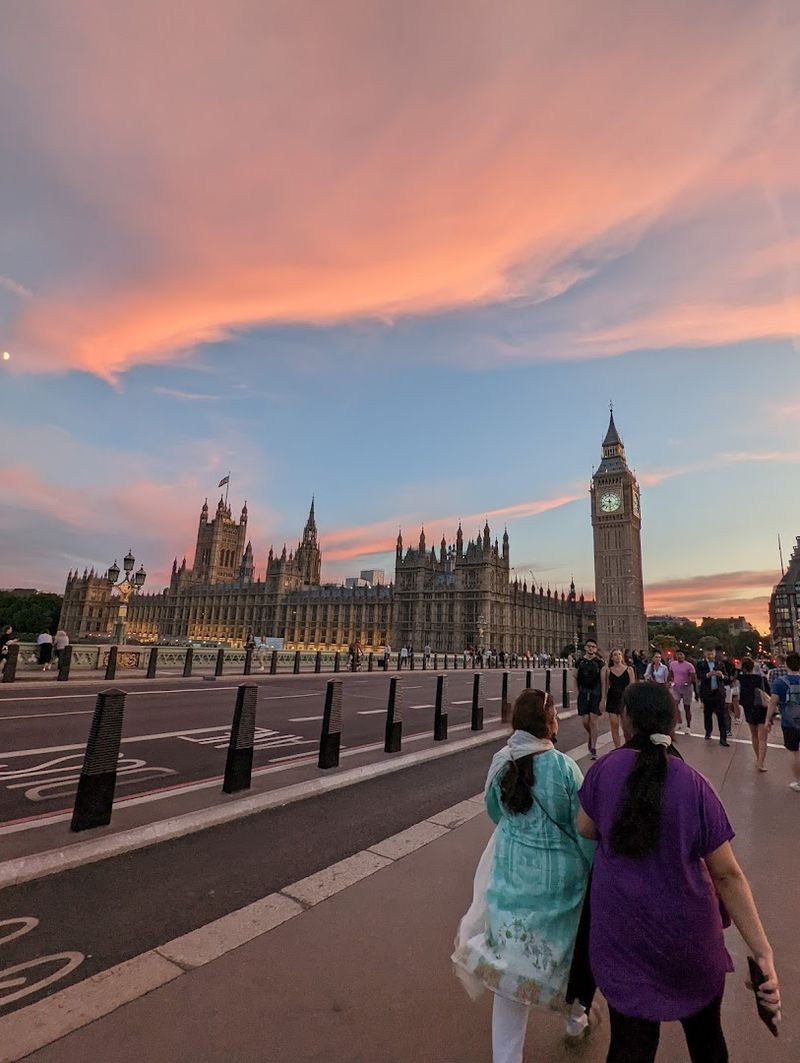
Rent in London does not just take a big bite out of your paycheck — it practically swallows it whole. Average monthly rents for a one-bedroom flat in Zone 1 or Zone 2 regularly exceed £2,000, and prices have continued climbing well into 2026.
The city’s global reputation keeps demand relentlessly high.
Transport costs add up quickly too. An Oyster card commute across multiple zones can cost well over £150 per month, and that is before accounting for occasional taxi rides or bike rentals.
Dining out ranges from affordable street food to eye-wateringly expensive sit-down restaurants, often with little middle ground.
Utility bills, council tax, and broadband fees pile onto housing costs in ways that newcomers rarely budget for upfront. Many people arrive expecting London to feel manageable on a decent salary, only to discover that comfortable living requires significantly more than they planned.
Despite all this, London remains one of the world’s most exciting cities. Its job market, cultural diversity, and sheer energy make it magnetic.
Just go in with realistic expectations and a carefully padded savings account, because this city rewards the prepared and humbles everyone else fairly quickly.
Paris, France

There is a reason Parisian apartments in movies always look impossibly charming and impossibly small — because in real life, space in Paris costs an absolute fortune. Central arrondissements like the 6th or 7th have some of the highest per-square-meter property prices in Europe.
Even renting a modest studio can stretch a budget to its limits.
Groceries are pricier than many expect, particularly for quality produce and imported goods. While a baguette remains famously cheap, a full weekly shop at a well-stocked market or upscale supermarket can feel surprisingly heavy on the wallet.
Dining at sit-down restaurants, even casual bistros, adds up fast when eating out frequently.
Utilities and building charges, known locally as charges de copropriete, catch many renters off guard. These fees can add hundreds of euros per month on top of already high base rents.
Transport via the Metro is relatively affordable, but taxis and ride-shares are priced at standard Western European rates.
Paris has a reputation for romance and culture that draws millions of people every year. Living there, however, is a different experience from visiting.
The beauty is real, the croissants are real, and unfortunately, the financial strain is just as real for those who do not plan carefully.
Monaco
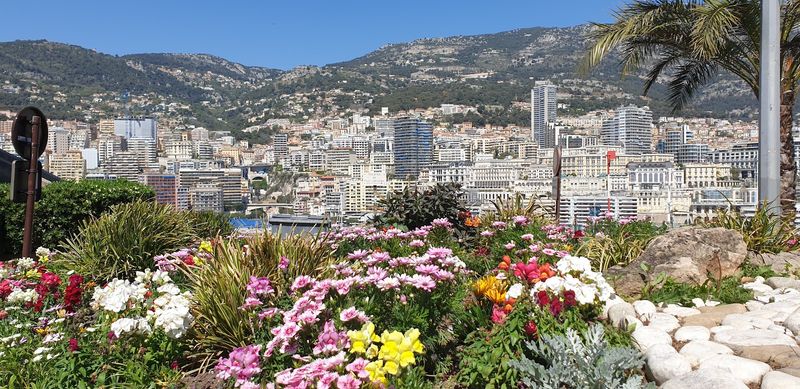
Monaco is technically a country, but at roughly two square kilometers, it fits comfortably inside the word “expensive” with room to spare. This tiny principality on the French Riviera holds the record for the highest property prices anywhere on Earth.
Buying an apartment here is not a transaction — it is an investment strategy reserved for the ultra-wealthy.
Even renting is staggeringly costly. A modest one-bedroom apartment in Monaco can run upward of €5,000 per month, and that is considered a bargain by local standards.
Basic services, groceries, and restaurant meals all carry price tags that reflect the city-state’s exclusive clientele and limited land supply.
There is no income tax in Monaco, which attracts high earners from around the world and further inflates demand. The population density is among the highest globally, meaning every square meter of space is fiercely competed for.
Even parking a car here requires a budget most people would rather spend on rent elsewhere.
For those who can genuinely afford it, Monaco delivers an unmatched lifestyle of glamour, safety, and Mediterranean sunshine. For everyone else, it is an extraordinary place to visit for an afternoon and quietly appreciate from a safe financial distance before heading home.
Copenhagen, Denmark
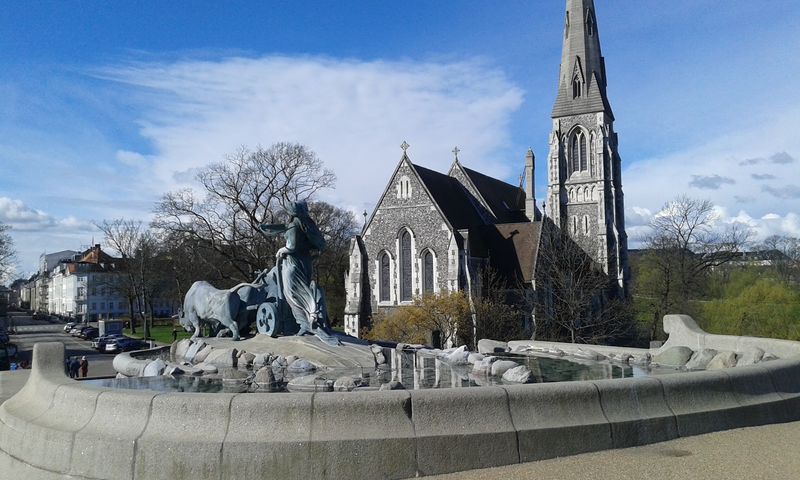
Copenhagen regularly tops global livability rankings, and Danes will cheerfully tell you the city is worth every krone — right before you check the price of a burger. A casual meal out in Copenhagen can easily cost 150 to 200 Danish kroner, and a craft beer at a bar rarely drops below 80 kroner.
The math adds up uncomfortably fast.
Housing costs have risen sharply over the past decade. Central neighborhoods like Vesterbro and Norrebro are now highly sought after, pushing rents to levels that surprise even Europeans moving from other capitals.
Monthly rent for a standard two-bedroom apartment in a desirable area can exceed 15,000 kroner.
Alcohol is taxed heavily in Denmark, making nights out notably pricier than in Southern Europe. Clothing, electronics, and imported goods also carry higher price tags than most visitors expect.
Even everyday items like shampoo or a bottle of olive oil reflect Denmark’s elevated cost base.
The flipside is genuinely impressive. Copenhagen offers excellent public services, world-class cycling infrastructure, and a standard of living that is hard to match.
Residents generally feel they get good value for their spending. But for newcomers arriving without a Danish salary, the city’s costs can feel like a very expensive surprise indeed.
Reykjavik, Iceland
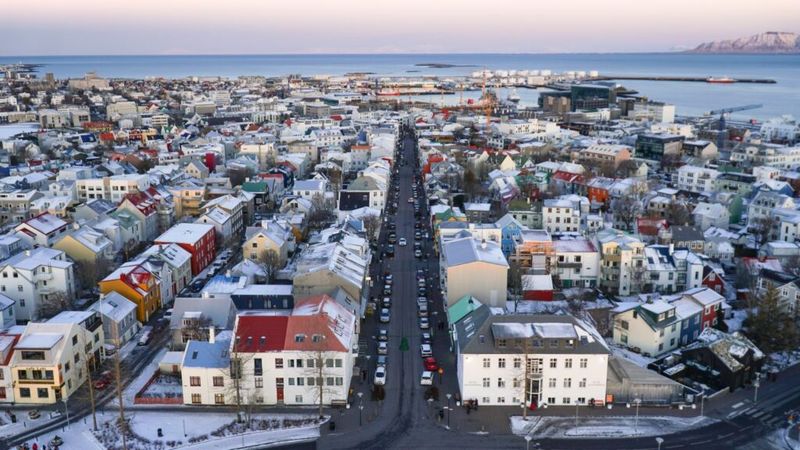
Iceland imports a remarkable amount of what its residents eat, wear, and use every day, and that logistical reality shows up clearly in every price tag. Reykjavik is one of those cities where you glance at a restaurant menu and quietly do the mental math twice, just to make sure you read it correctly.
Spoiler: you did.
A basic grocery run in Reykjavik costs significantly more than in mainland Europe. Fresh vegetables, meat, and packaged goods all carry import premiums that accumulate quickly during a weekly shop.
Even domestic products like dairy and fish, which Iceland produces in abundance, are priced at levels that reflect high local wages and operational costs.
Fuel is expensive, and since public transport options outside the capital are limited, many residents depend on personal vehicles. Heating costs, while partially offset by Iceland’s geothermal energy system, still add to monthly household expenses.
Dining out regularly is a luxury that most locals budget for carefully.
Tourism has also played a role in pushing prices upward. Reykjavik caters to a steady stream of visitors willing to pay premium rates, which gradually filters into everyday local pricing.
The city is breathtakingly beautiful and genuinely unique, but arriving with a tight budget means the Northern Lights might be the only free thing you enjoy.
Dublin, Ireland
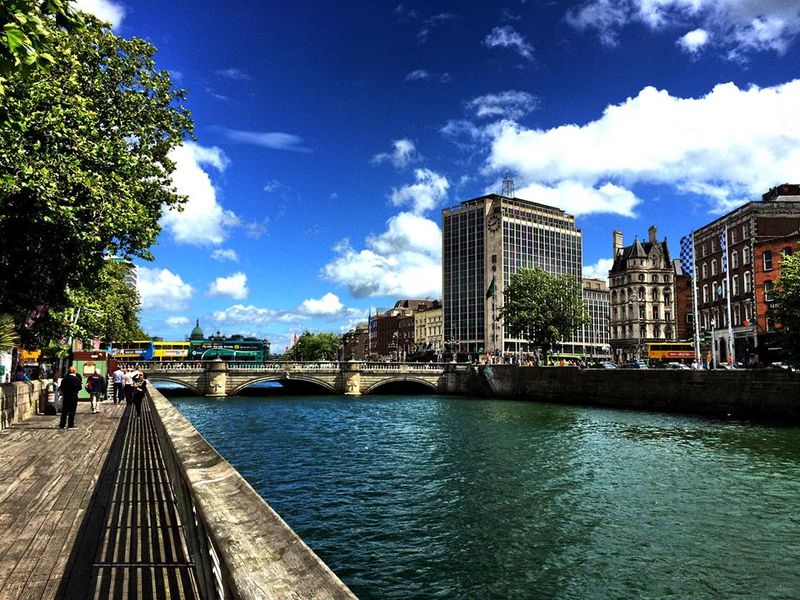
Dublin’s housing crisis has become something of a dark legend in European city planning circles. Rents have increased so aggressively over the past decade that many long-term residents have been priced out of neighborhoods they grew up in.
For newcomers, finding an affordable flat in the city center can feel like an impossible task.
Average monthly rent for a one-bedroom apartment in Dublin now rivals cities like Amsterdam and Stockholm, which surprises many people given Ireland’s reputation for a lower cost of living compared to the UK. Tech company expansions and a growing international workforce have intensified competition for limited housing stock.
Dining out is also pricier than expected. A sit-down lunch at a casual restaurant typically costs €15 to €20 per person before drinks.
Pub culture is central to Dublin life, but even a pint of Guinness has risen in price to the point where a night out requires a genuine budget.
Transport costs, childcare, and healthcare add further pressure for families. While salaries in Dublin’s tech and finance sectors are strong, service industry workers and younger renters often struggle significantly.
Dublin is a vibrant, friendly city with enormous charm, but its affordability gap has grown into one of the most pressing issues facing residents today.
Oslo, Norway
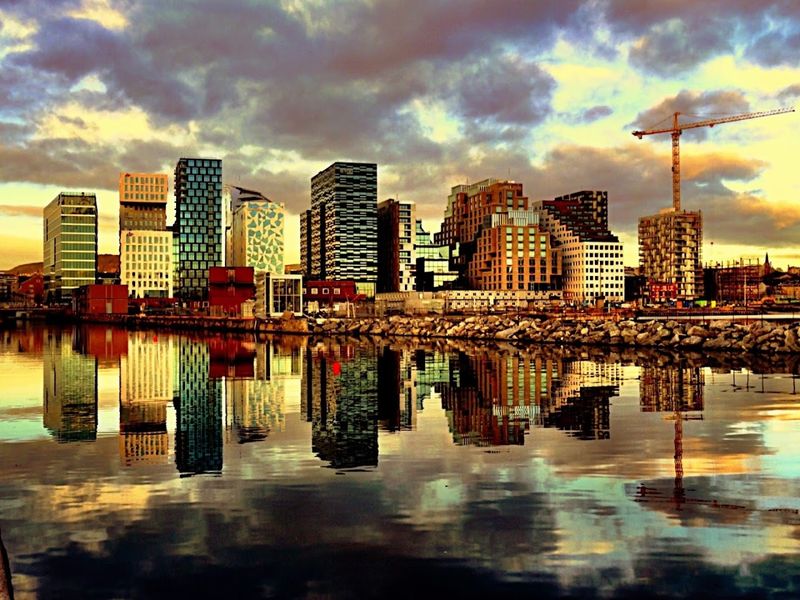
Ordering a round of drinks in Oslo is a moment that has humbled many a confident traveler. A single beer at a bar can cost 100 Norwegian kroner or more, and a taxi ride across town can feel like a small investment.
Norway’s oil wealth has created a high-wage economy where everything reflects that prosperity in its pricing.
Grocery bills in Oslo sit well above the European average. Even staple items like bread, cheese, and vegetables cost noticeably more than in Germany, France, or Spain.
Alcohol purchased at a restaurant or bar is particularly steep, partly due to Norway’s strict taxation policies on alcoholic beverages.
Housing in Oslo has become increasingly expensive, especially in central districts like Frogner and Majorstuen. Demand consistently outpaces new construction, keeping prices elevated for both buyers and renters.
Many younger Norwegians are choosing to live further from the city center to manage costs more sustainably.
Despite the price pressure, Oslo delivers an exceptional quality of life. Public services are excellent, nature is accessible and stunning, and the city feels safe and well-organized.
Those moving from abroad need to plan their budgets carefully, though, because Oslo’s costs have a way of exceeding initial estimates by a surprisingly wide margin.
Amsterdam, Netherlands
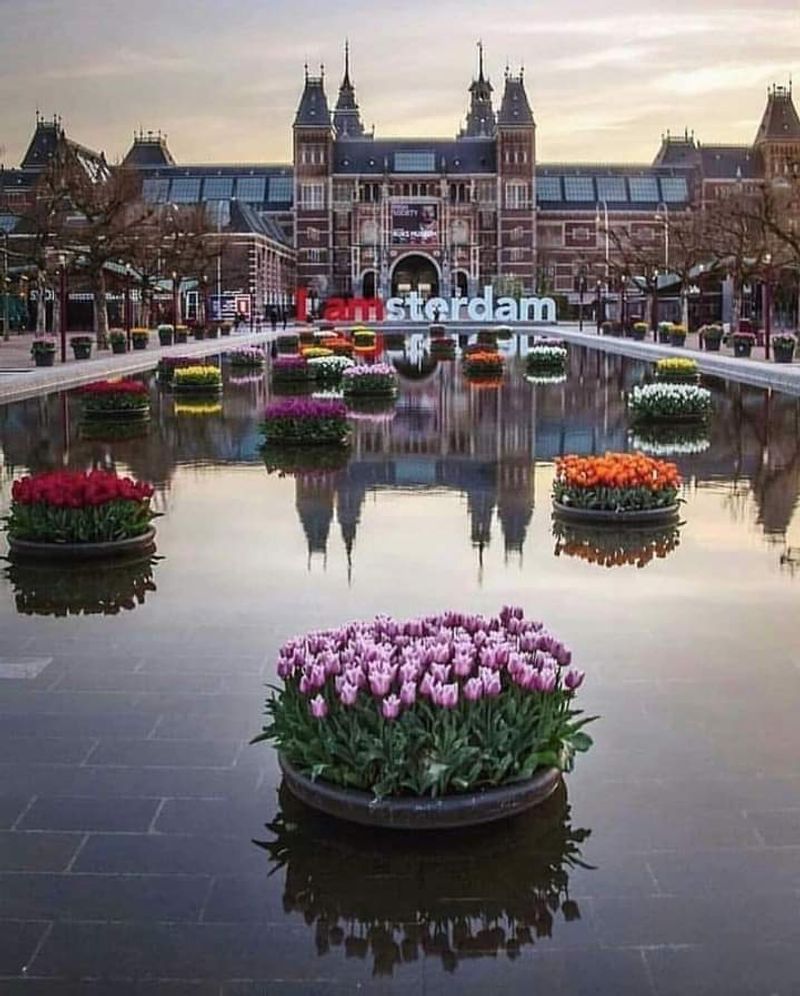
Amsterdam’s famous canals look postcard-perfect, but the real estate lining those canals has become one of Europe’s most competitive and costly housing markets. Rents have surged dramatically over the past several years, driven by a combination of international migration, tourism infrastructure, and a chronic shortage of new residential development in the city center.
Finding a reasonably priced apartment in Amsterdam now often requires months of searching, waitlists, and a fair amount of luck. Many expats end up paying well over €1,500 per month for a compact one-bedroom, and prices in sought-after neighborhoods like De Pijp or Jordaan push even higher.
Competition among applicants for available rentals is intense.
Tourism has had a measurable ripple effect on everyday pricing. Restaurants near major attractions charge premium rates, and even local cafes in popular districts have adjusted their menus accordingly.
Supermarket prices are reasonable by Dutch standards, but still higher than many Southern European equivalents.
Amsterdam has introduced various measures to cool its housing market, including limits on short-term rentals. Progress has been slow, however, and costs remain stubbornly elevated for most residents.
The city rewards those who plan carefully, but arriving without a solid financial strategy means those beautiful canal views come with a very real financial sting.
Stockholm, Sweden
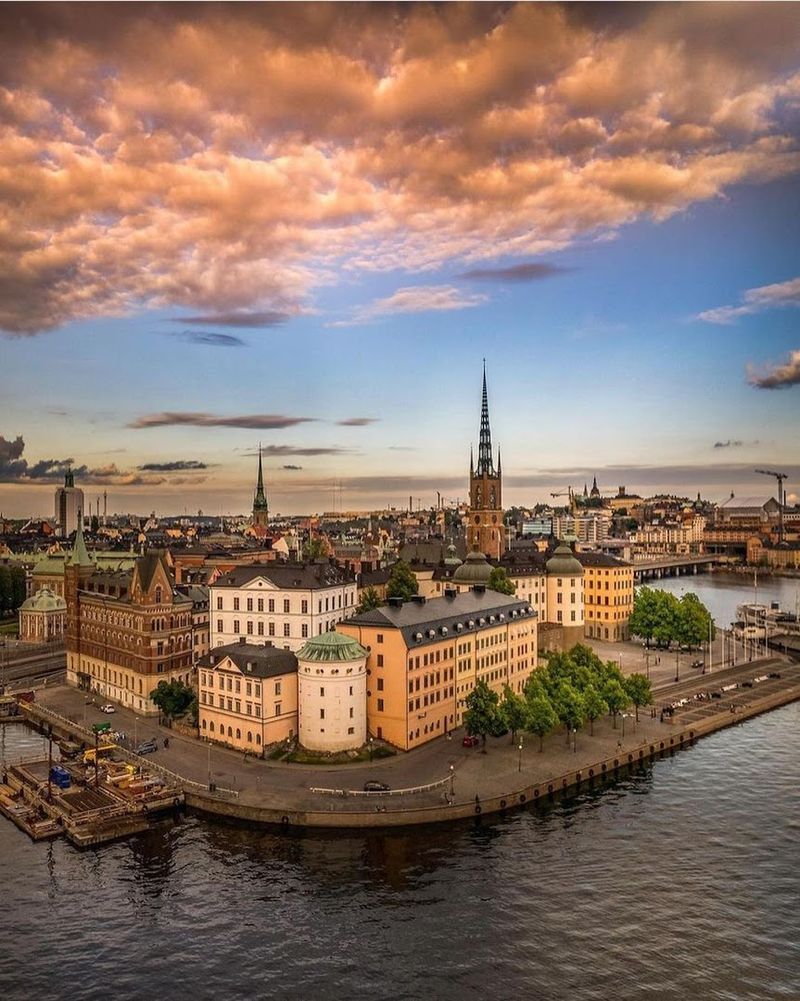
Stockholm has a waiting list for rent-controlled apartments that stretches, in some cases, over a decade. That single detail captures the city’s housing challenge better than any statistic.
The rental market operates in two very different worlds: heavily subsidized controlled units and a free market where prices climb steadily each year.
Free-market rents in desirable neighborhoods like Ostermalm or Sodermalm can be eye-opening for newcomers. A standard two-bedroom apartment in central Stockholm regularly exceeds 20,000 Swedish kroner per month.
Many residents choose to buy rather than rent, but property prices in the city have risen sharply over the past decade as well.
Dining out in Stockholm is enjoyable but costly. A mid-range restaurant meal typically runs 200 to 300 kroner per person, and alcohol at restaurants is taxed significantly, making a bottle of wine at dinner a notable line item in any budget.
Even a casual fika, the Swedish tradition of coffee and pastries, costs more than many expect.
Stockholm’s public transport system is excellent and reasonably priced, offering some financial relief. The city also provides strong public services and a high standard of living.
But for those relocating without a Swedish-level salary already lined up, the gap between expectations and actual monthly costs tends to be a genuinely startling discovery.
Milan, Italy

Milan operates on a completely different financial frequency from the rest of Italy, and newcomers who expect Italian affordability are in for a rude awakening. As the country’s financial capital and undisputed fashion hub, the city attracts wealth, talent, and investment from across the globe — all of which push prices firmly upward.
Rent in central Milan, particularly in neighborhoods like Brera, Navigli, or the Porta Nuova district, rivals costs in other major European capitals. A well-located one-bedroom apartment can easily run €1,500 to €2,000 per month.
Even areas slightly outside the center have seen rents climb sharply as demand from professionals and international students grows.
Dining out in Milan spans a wide range, but quality restaurants in fashionable neighborhoods carry price tags to match their reputation. A sit-down dinner with wine in a popular area can cost €60 to €80 per person without much effort.
Even aperitivo hour, while often generous with snacks, adds up when frequented regularly.
Shopping, particularly near the Quadrilatero della Moda fashion district, is a world unto itself in terms of pricing. Milan is electric, stylish, and genuinely thrilling to live in.
Just budget significantly more than you would for Rome or Naples, because this city has clearly decided that being Italy’s most expensive is a title worth keeping.
Barcelona, Spain
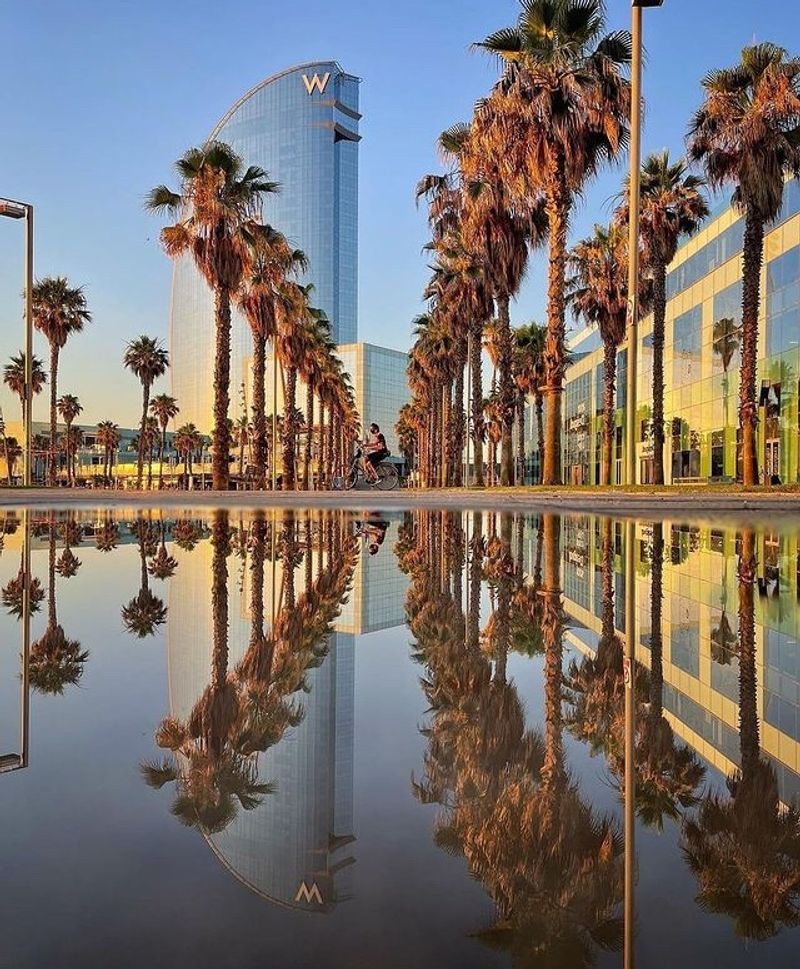
Barcelona used to be the city that budget travelers bragged about — cheap tapas, affordable flats, and warm weather thrown in for free. That version of Barcelona is fading fast.
A surge in international demand, remote workers relocating from higher-cost cities, and relentless tourism growth have pushed living costs to levels that surprise nearly everyone arriving today.
Housing is the clearest sign of the shift. Rents in popular neighborhoods like Gracia, Eixample, and El Born have risen sharply over the past five years.
A one-bedroom apartment in a desirable area now regularly exceeds €1,200 to €1,500 per month, a figure that would have seemed extraordinary just a decade ago. Many long-term residents have been forced to relocate to outer districts.
Dining costs have climbed alongside housing. While affordable tapas bars still exist, trendy restaurants in central neighborhoods charge prices comparable to Paris or Amsterdam.
Grocery costs have also risen, reflecting broader inflation across Spain and the added demand generated by a booming tourist economy.
Barcelona’s city government has attempted to regulate short-term rentals and cool the housing market with mixed results so far. The city remains stunning, vibrant, and deeply livable in many ways.
But the days of stretching a modest budget comfortably across Barcelona’s neighborhoods have largely passed, replaced by a financial reality that catches many newcomers genuinely off guard.
Vienna, Austria
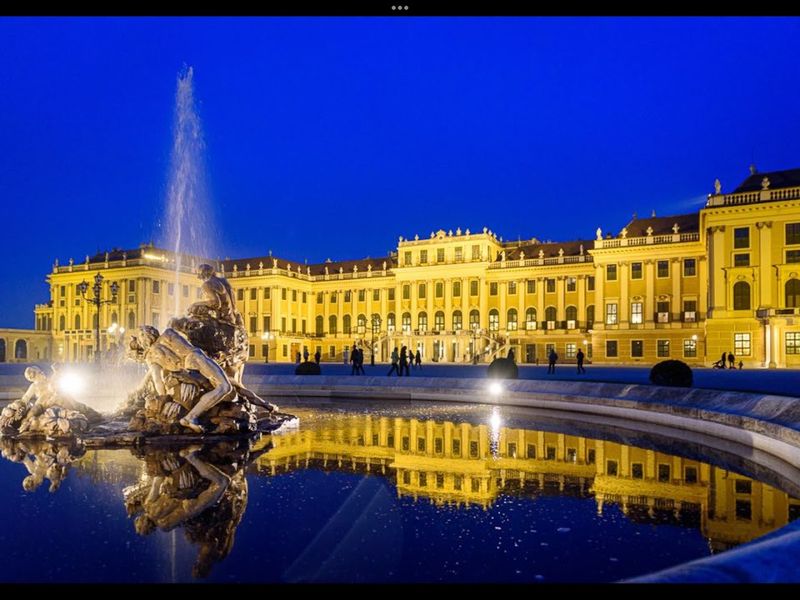
Vienna has a well-earned reputation as one of Europe’s most livable cities, with excellent public transport, rich culture, and a relaxed pace that residents genuinely treasure. What often gets left out of that glowing description is that costs have been rising steadily, and the gap between Vienna’s image as an affordable capital and its actual price level is quietly closing.
Housing in Vienna operates through a mix of social housing, private rentals, and ownership. Social housing keeps costs manageable for those fortunate enough to access it.
The private rental market, however, has tightened considerably, with rents in desirable districts like the 1st, 4th, and 9th rising to levels that surprise newcomers expecting Central European affordability.
Dining in Vienna ranges from genuine bargains at traditional Viennese Gasthauser to notably expensive meals at the city’s renowned fine dining establishments. Grocery prices sit comfortably above the EU average, and utility costs have risen sharply following broader European energy price increases in recent years.
Vienna rewards residents who learn to navigate its systems — social housing queues, seasonal markets, and local discount supermarkets all offer ways to manage expenses wisely. But for expats arriving without those local advantages, the monthly budget tends to run higher than initial research suggested.
Vienna is wonderful, but it is no longer the budget-friendly gem it was once considered.
Lisbon, Portugal
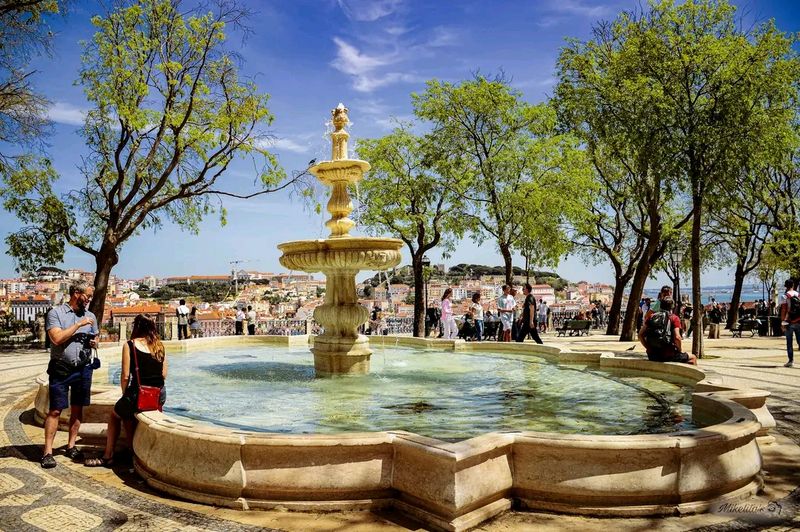
Not long ago, Lisbon was Europe’s best-kept secret for affordable city living — a sun-drenched capital where your money stretched further than almost anywhere else on the continent. That secret got out in a very big way.
A flood of digital nomads, foreign retirees, and international investors discovered the city simultaneously, and prices responded accordingly.
Housing costs in Lisbon have transformed dramatically over the past eight years. Neighborhoods like Alfama, Principe Real, and Chiado, once home to modest local families, now command rents that rival Madrid and Rome.
A one-bedroom apartment in a central location regularly exceeds €1,400 per month, a figure that has displaced many long-term Portuguese residents to the city’s outskirts.
Food and transport remain relatively affordable compared to Northern European capitals, offering some financial breathing room. A meal at a local tasca can still be reasonably priced, and the Metro system is among the most affordable in Western Europe.
These pockets of value, however, do little to offset the shock of Lisbon’s rental market for those arriving unprepared.
Portugal introduced a Golden Visa program that attracted significant foreign investment, which many economists credit with accelerating the housing price surge. The government has since modified the program, but the effects on Lisbon’s affordability linger strongly.
Lisbon is still magnificent — sun, history, pasteis de nata — but budget travelers should update their expectations before booking a one-way ticket.



