 Unearth The Voyage
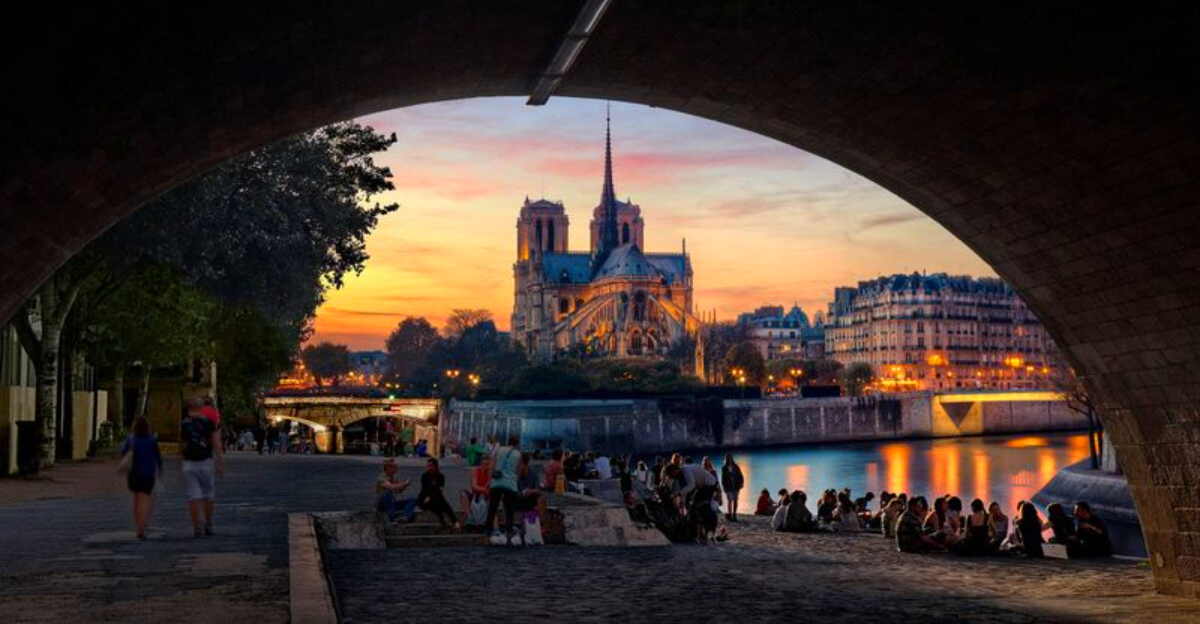
There is a special kind of magic that happens when streets are best explored at a strolling pace. These historic centers invite unhurried discovery, where bell towers, plazas, and alleyways unfold like chapters in a living story. Every corner reveals layers of architecture, food, and culture arranged within a human scale grid.
Lace up comfortable shoes and let these cities turn each block into a moment worth remembering.
Florence, Italy
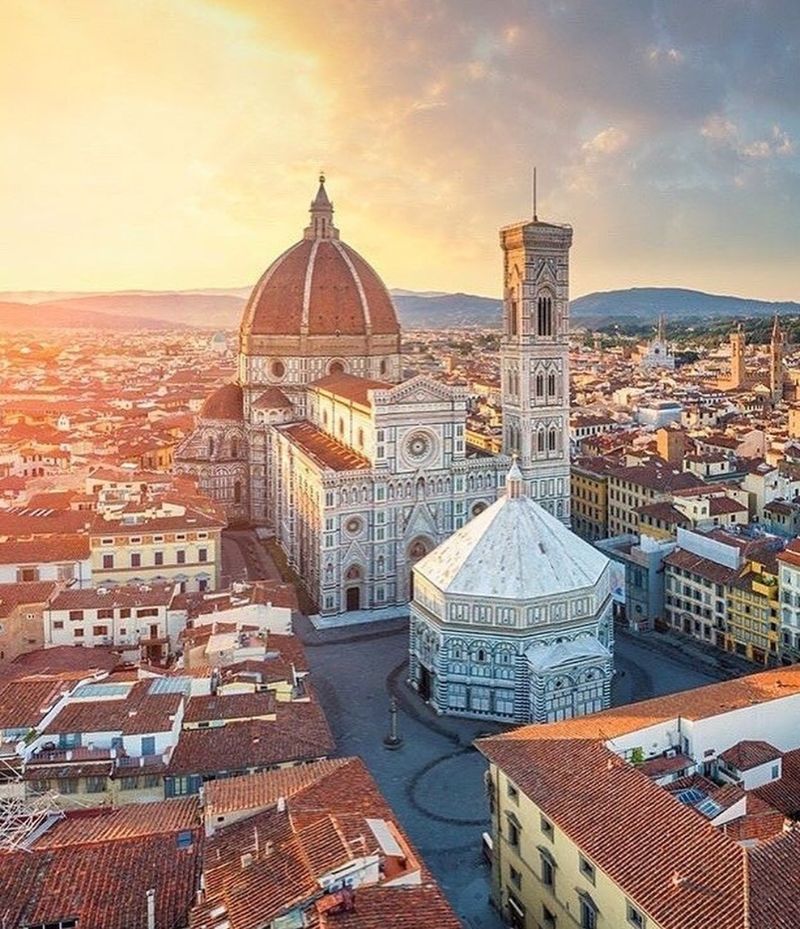
Florence rewards walkers with a maze of Renaissance treasures set within a compact core. The Duomo rises like a beacon, guiding steps past marble facades and terracotta roofs. Cobbled lanes stitch together plazas where street musicians echo beneath frescoed arches.
From the Uffizi to Ponte Vecchio, masterpieces appear at a comfortable cadence. Art spills from museums into shopfronts and studios, where goldsmiths and leatherworkers keep traditions alive. Cafes tuck into corners, inviting a pause for espresso and almond biscotti.
Evenings soften the stone as lanterns glow across the Arno. Church bells mark the rhythm, while hidden courtyards reveal worn wells and climbing jasmine. Slow walking turns side streets into galleries of detail, rewarding curiosity with quiet marvels.
Paris, France
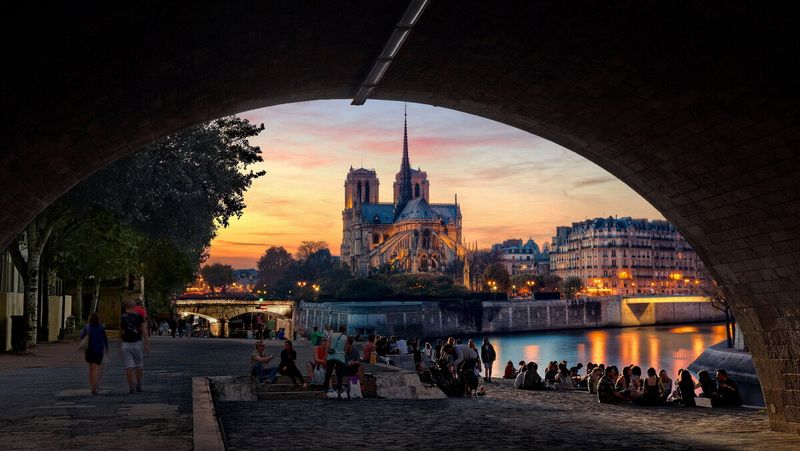
Paris unfolds best at pedestrian speed, where bridges and boulevards link stories across the Seine. On Île de la Cité, Gothic shadows kiss the river while bells drift over bookstalls. In Le Marais, centuries-old townhouses flank narrow lanes alive with patisseries.
Montmartre’s climbs reward with windmills, ateliers, and tiled stairways. Museums and gardens appear in a pleasing rhythm, never far apart. Café terraces script daily theater, with clinking cups and rustling newspapers as soundtrack.
Grand avenues coexist with secret passages that reveal hidden courtyards. Street corners frame monuments like postcards still warm from printing. Walking reveals texture in stone, ironwork, and bakery air, turning the city’s timeline into a close conversation.
Prague, Czech Republic
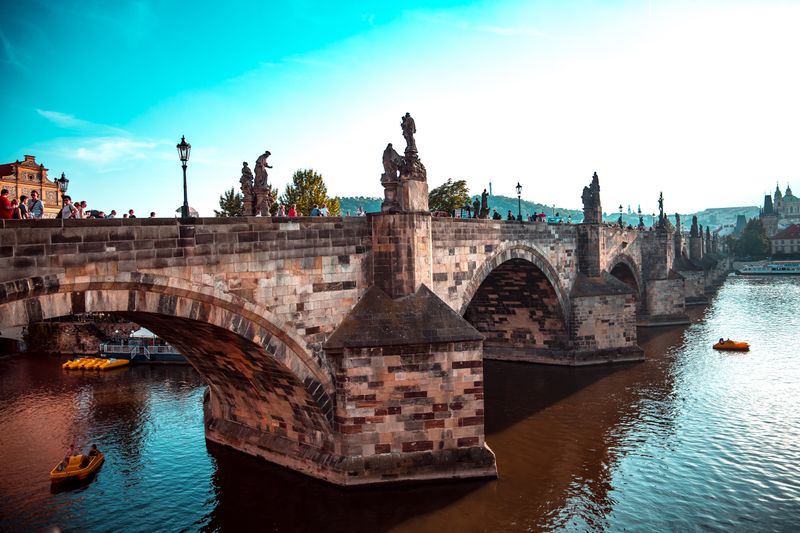
Prague’s core invites slow steps between Gothic spires and Baroque curls. The Astronomical Clock gathers a small crowd as figures parade above cobbles worn smooth. Crossing Charles Bridge feels ceremonial, with saints watching over the Vltava’s silver surface.
Old Town and Malá Strana weave together like chapters in a folktale. Lanterns flare at twilight, and rooftops sharpen against apricot skies. Courtyards hide frescoes, while bakeries breathe out cinnamon and poppy.
Paths climb toward the castle, rewarding patience with river panoramas. Musicians thread melodies through arches, turning alleys into stages. In this compact city, distance shrinks and history expands, making every corner a quiet revelation worth savoring.
Bruges, Belgium
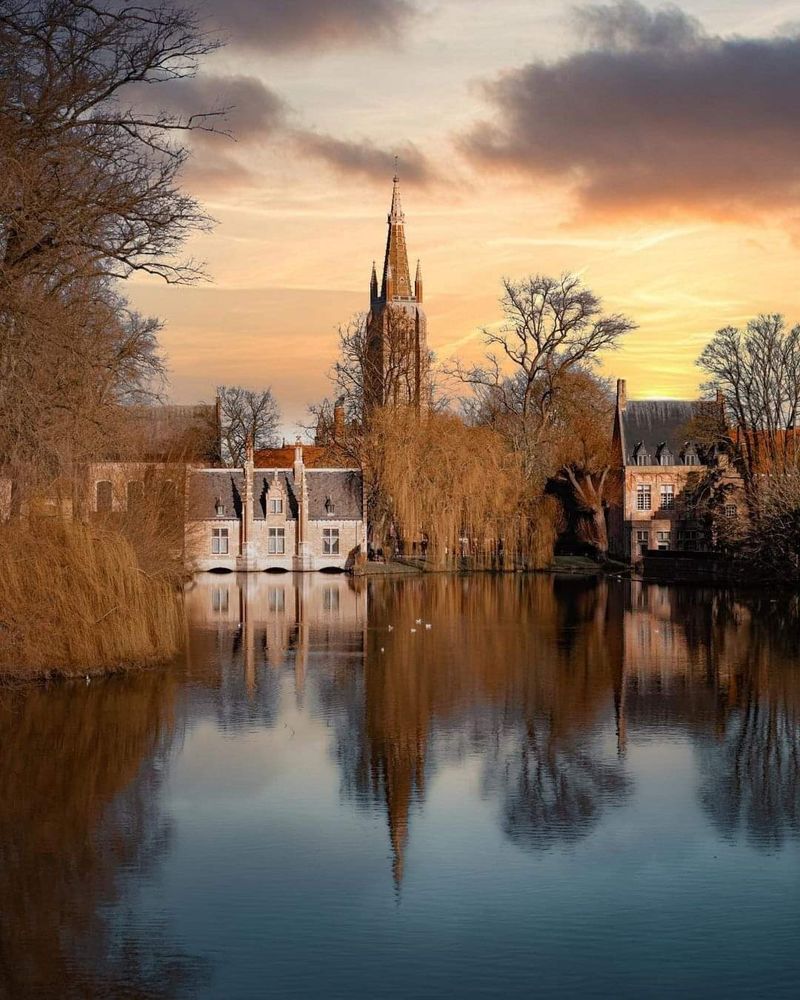
Bruges feels like a perfectly preserved whisper from the Middle Ages. Canals braid the old town, mirroring stepped gables and brick lacework. The Belfry measures time as bicycles hum and chocolate perfumes the breeze.
Market squares shift from early flower stalls to evening glow. Short walks thread past chapels, lace shops, and hidden almshouses. Every corner seems to frame a postcard made real, complete with swans drifting under stone arches.
Quiet streets lead to breweries and beguinages where silence gathers like wool. Bridges provide pauses to watch ripples crease reflections. With sights clustered close, wandering feels effortless, turning simple steps into a gentle passage through centuries.
Edinburgh, Scotland
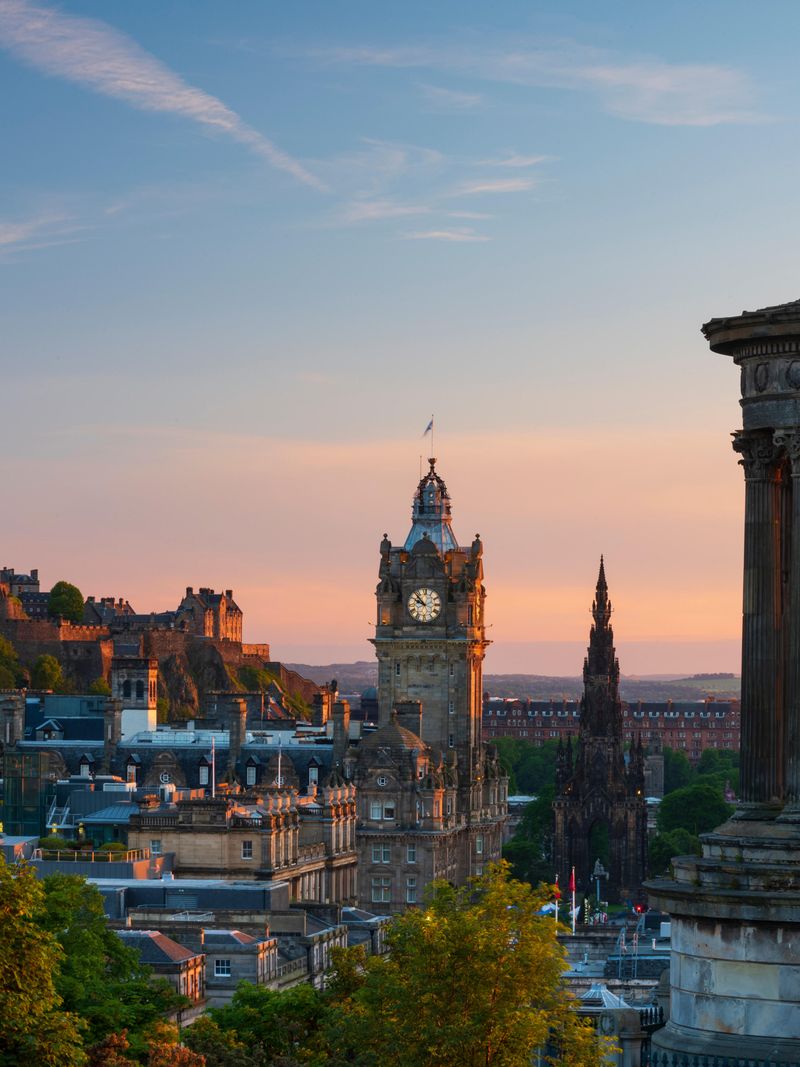
Edinburgh’s Old Town stacks drama onto a volcanic spine. The Royal Mile flows from the castle toward the palace, lined with wynds and closes that drop into secret courtyards. Bagpipes drift past carved lintels and weathered stone.
New Town balances the mood with Georgian grace and generous avenues. Museums and galleries nestle within a comfortable walking radius. Cafes glow against the cool air, promising scones and a brief warm refuge.
Hiking up Calton Hill or along the crags adds wild edges to urban steps. Rain polishes cobbles until the city shimmers. In compact distances, layers of Enlightenment thought and medieval grit reveal themselves one block at a time.
Pontevedra, Spain
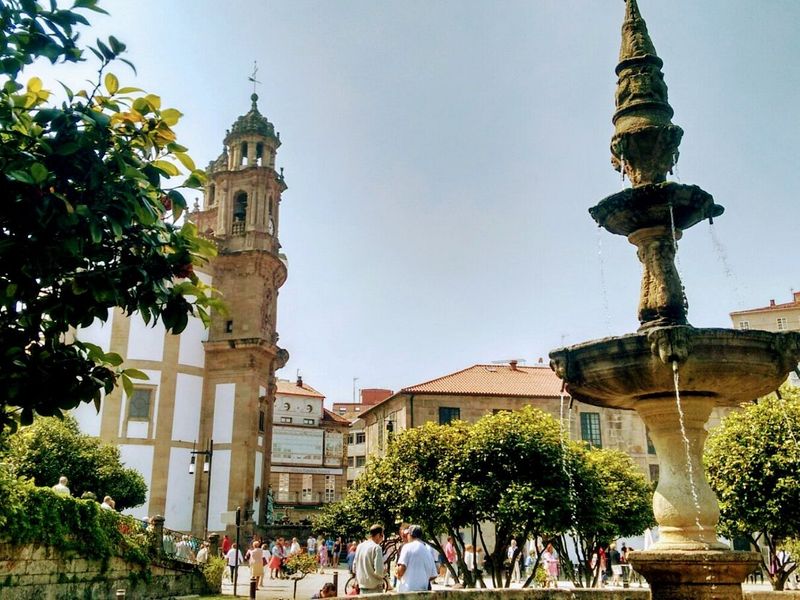
Pontevedra proves how people-first planning transforms a city’s heartbeat. The historic center is largely car-free, letting voices and footsteps replace engines. Granite squares knit together churches, arcades, and lively markets within easy reach.
Short links connect plazas where children play under chestnut trees. Sculptures and wayfinding nod to pilgrims passing through on the Camino. Cafes spread chairs across sunlit stones, inviting slow conversation with pulpo and local wine.
Streets narrow and widen like breath, guiding a relaxed pace. Artisans display work in small studios tucked near quiet chapels. With distances compressed, daily life and heritage mingle naturally, offering a gentle blueprint for humane urban living.
Quebec City, Canada
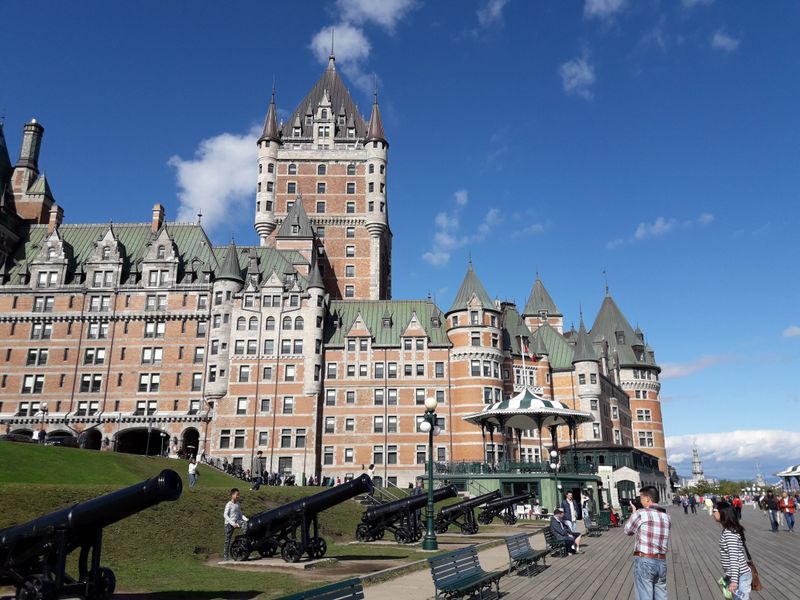
Old Quebec wraps European charm in North American weather. Stone walls cradle steep lanes climbing toward Château Frontenac like a crown. Signs swing over cafés and creperies while church bells scatter across the river air.
Place Royale gathers history around warm doorways and bright shutters. Wooden sleds and staircases thread neighborhoods stacked on cliffs. Musicians and street artists add color even on crisp days.
Terrasse Dufferin surprises with river vistas that shift from blue steel to silver. Fortifications stitch a walkable loop of viewpoints and milestones. Distances stay kind, making it easy to trace French colonial footprints and modern energy together.
Savannah, Georgia, USA
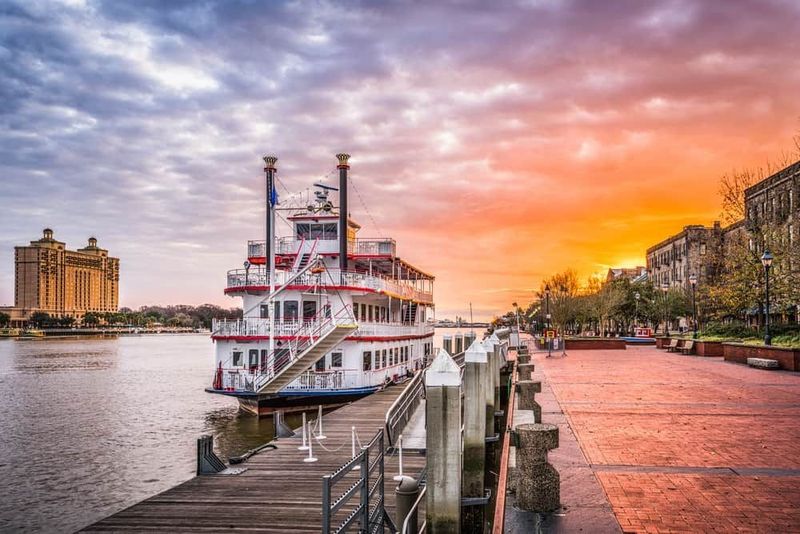
Savannah invites a graceful pace under canopies of moss. Squares appear like pearls set in a tidy grid, each with statues, benches, and birdsong. Brick sidewalks pass porch fans, wrought iron, and pastel shutters.
Forsyth Park anchors morning walks with a shimmering fountain. The route between churches, house museums, and quiet cemeteries feels easy. Sweet scents drift from praline shops as carriages roll patiently past.
History rides close to the surface, from Revolutionary tales to literary ghosts. Shady benches offer pauses that stretch longer than planned. With everything stitched tightly together, wandering becomes a gentle ritual of discovery and rest.
Amsterdam, Netherlands
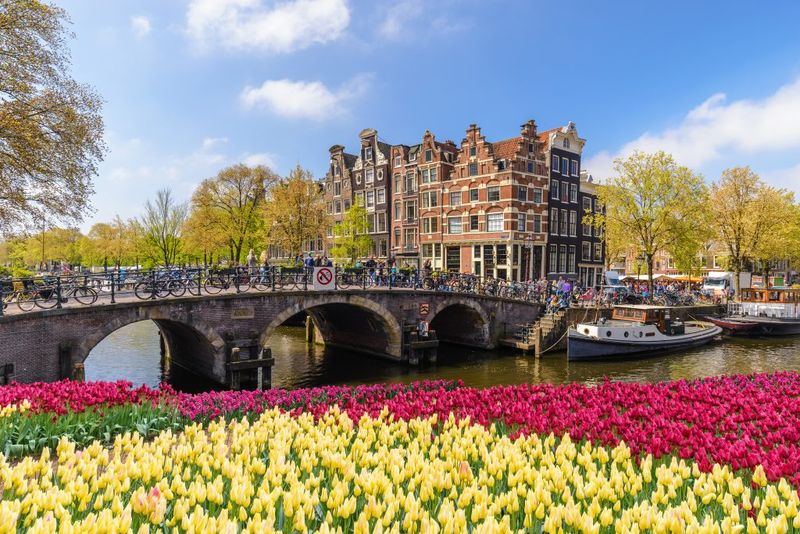
Amsterdam’s historic heart feels tuned to human rhythm. The canal ring curves like a necklace, linking bridges, gables, and shopfronts. Steps move easily between markets, museums, and bakeries perfumed with spice.
Pedestrian crossings share space with soft bicycle hum. Dam Square, the Anne Frank House, and hidden courtyards align within short distances. Water flickers against brick, creating shifting mosaics under arched spans.
Evenings glow with string lights and window reflections. Cafes gather conversations at canal edges as boats drift by. The city’s compact plan and calm streets turn every errand into a small and memorable excursion.
Barcelona, Spain
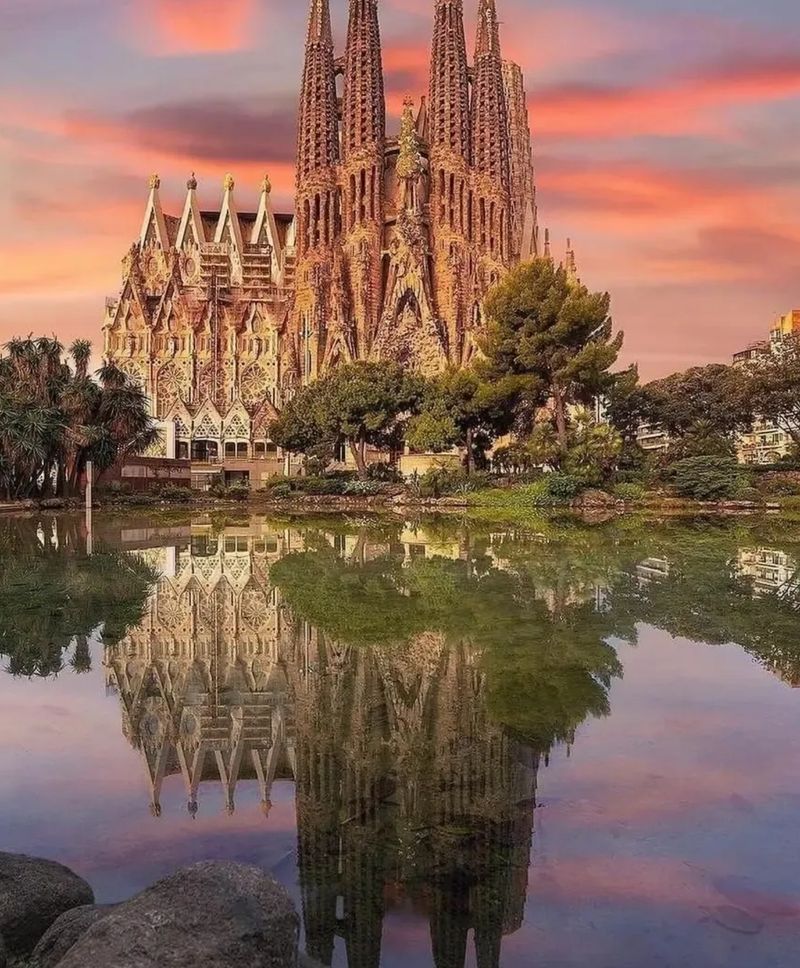
Barcelona’s Barri Gòtic folds medieval lanes into a lively maze. Stone alleys funnel toward plazas where balconies spill geraniums. The cathedral’s spires peek between laundry lines and lanterns.
Close by, artisans shape leather and paper while tapas bars hum. Plaça Reial opens like a stage framed by palm trees and arcades. Steps along La Rambla find street performers, flower stalls, and spontaneous applause.
Modernisme adds a second timeline, with facades rippling like seashells. Paths thread effortlessly to nearby neighborhoods, keeping distances friendly. Walking reveals layers that feel both ancient and freshly alive.
Kyoto, Japan
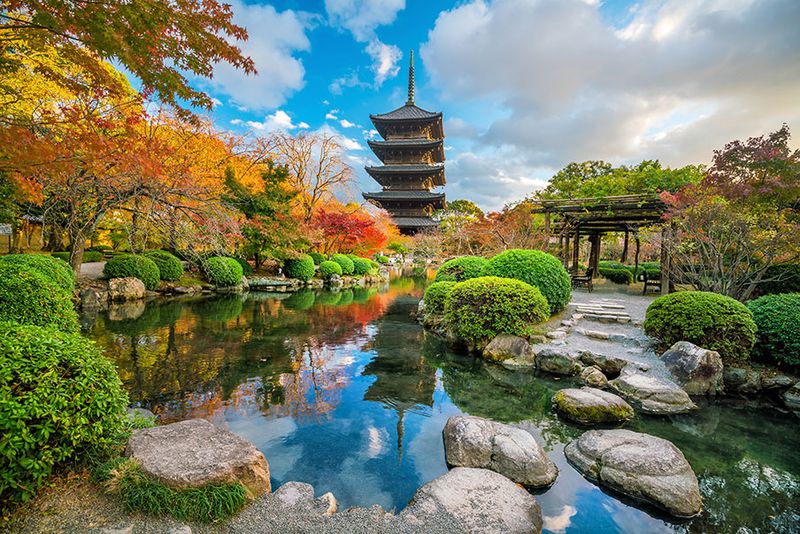
Kyoto’s old districts move to a careful, quiet rhythm. Machiya facades line lanes where lanterns pulse like warm fireflies. Stone steps of Ninenzaka and Sannenzaka guide gentle climbs toward pagodas.
Temples hide behind bamboo and moss, revealing gates with measured dignity. Tea houses whisper steam into cool air. Seasonal changes turn the same path new, from cherry blush to ember-red maples.
Shops sell ceramics and textiles that carry local hands in every fiber. Alleyways curve just enough to keep curiosity awake. Distances stay modest, allowing tradition to unfold at a respectful, unhurried pace.
Dubrovnik, Croatia
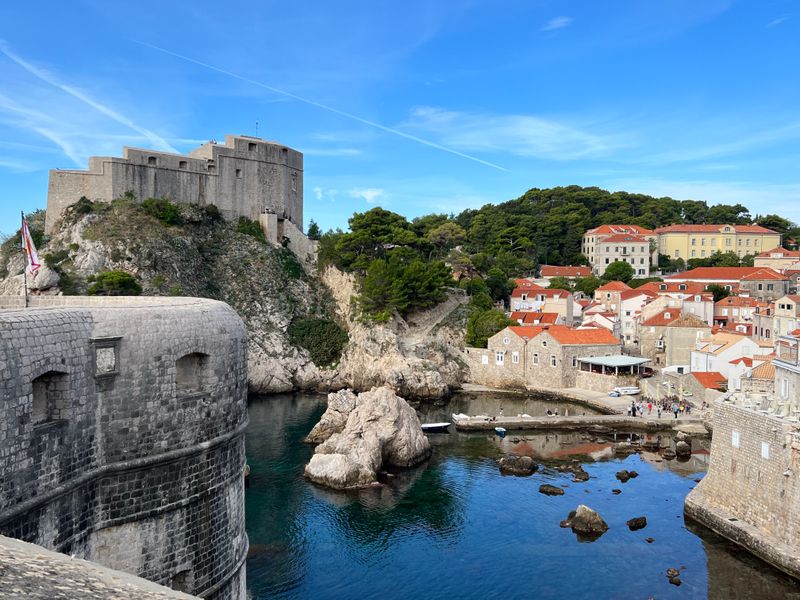
Dubrovnik concentrates drama within bright stone and sea light. City walls trace a complete circuit, offering sweeping views over terracotta roofs. Marble streets glow, polished by centuries of footsteps.
Churches and palaces crowd Stradun while alleyways climb steeply toward quiet terraces. Sea breezes salt the air and soften the heat. Fortresses anchor corners like guardians of memory and trade.
Even a short walk reveals monasteries, fountains, and tiny squares. Steps echo at dusk as lamps skim gold across limestone. With traffic kept at bay, the city invites an easy, immersive encounter with its maritime soul.
Porto, Portugal
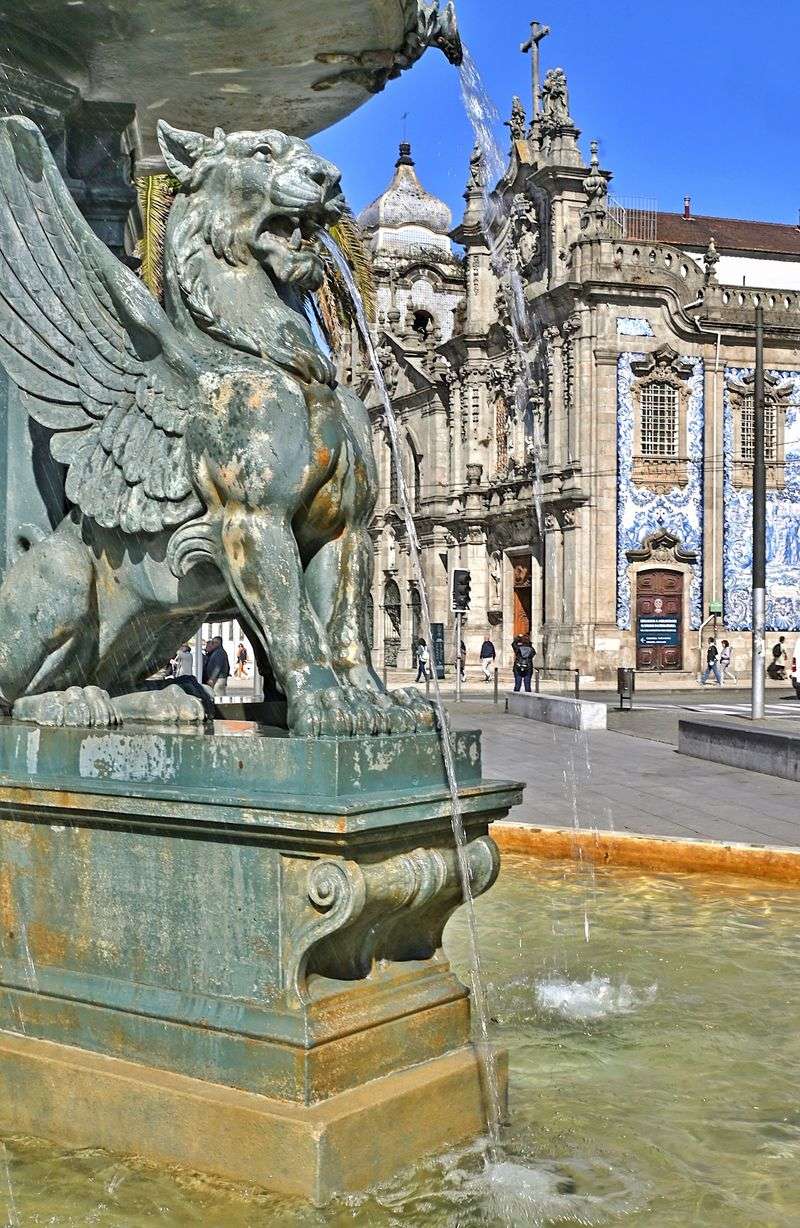
Porto compresses hills, river, and tiles into a walkable quilt. Clérigos Tower points the way through streets scented with grilled sardines. Azulejo murals turn stations and churches into open-air galleries.
Ribeira ripples with color as boats bob against stone quays. Wine lodges wait across the bridge, close enough for a lazy amble. Steep lanes repay effort with overlooks that feel both humble and grand.
Small bakeries hand over still-warm pastéis as trams clatter by. Corners reveal viewpoints, chapels, and laughter escaping taverns. Everything sits near enough to stitch a day into a satisfying story of hills and water.
Košice, Slovakia
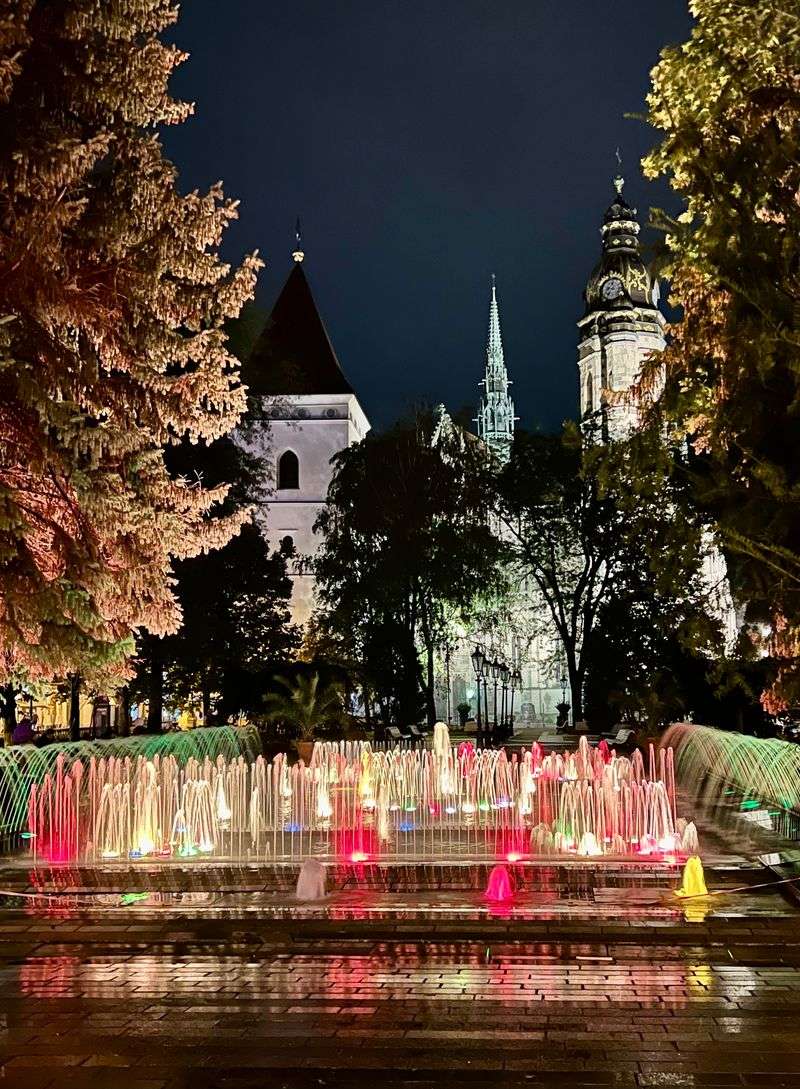
Košice centers around a gracious promenade that feels made for lingering. St. Elizabeth Cathedral anchors the view with Gothic lace rising above trees. The singing fountain adds playful rhythm to steady footfall.
Pastel facades line arcades where cafes warm the air with roasted beans. Galleries, theaters, and museums cluster within a friendly radius. Tram rails glint alongside benches and flowerbeds, sharing space peacefully.
Side streets reveal courtyards and craft shops with local spirit. Distances remain kind, keeping energy for details in stone and wood. By dusk, lights gild the cathedral and conversations stretch, making walking the obvious pleasure.
Sibiu, Romania
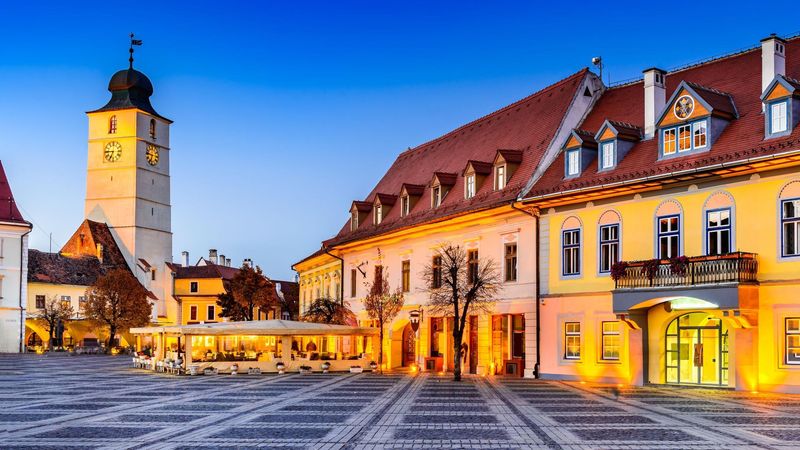
Sibiu’s Saxon heritage shows in tidy squares and watchful rooftops. Piata Mare spreads wide while the Council Tower keeps time over cheerful facades. Those famous roof “eyes” seem to follow steps with quiet curiosity.
Arched passageways knit the Upper and Lower towns. Bridges cross small drops to streets lined with craftsmen and bakeries. Museums and churches gather close, offering easy leaps between centuries.
Evenings bring violins and casual conversation under warm light. Cafes spill into the square, serving soups, pastries, and local wine. With everything near at hand, wandering becomes a relaxed dialogue with well-kept history.



