The year 1968 was one of the most turbulent and transformative in modern history, and its music reflected every bit of that energy. From soul and rock to psychedelic pop, the songs released that year carried ideas, emotions, and stories that stuck with people for decades.
What makes these tracks truly remarkable is how quickly a single lyric can bring the whole song rushing back, even if you haven’t heard it in years. Whether you grew up with these songs or discovered them later, this list covers 15 unforgettable 1968 hits, each anchored by a lyric so recognizable that one line is all you need.
1. “Hey Jude” – The Beatles
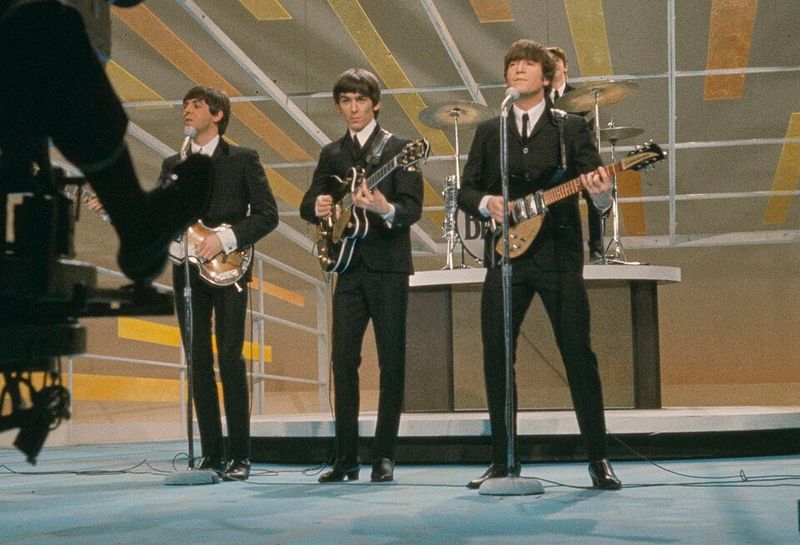
Paul McCartney wrote this song as a personal message to John Lennon’s young son Julian during a difficult time in the family, and that sincerity comes through in every note. Released in August 1968, it became one of The Beatles’ best-selling singles of all time, charting at number one in multiple countries simultaneously.
The song runs over seven minutes, which was unusually long for a pop single at the time. Its extended singalong ending, built on repeating the word “na,” became one of the most crowd-pleasing moments in concert history.
Radio stations initially hesitated over the length but played it anyway due to overwhelming demand.
That opening line, “Hey Jude, don’t make it bad,” is arguably the most recognizable first lyric of the entire decade. It carries warmth and directness that listeners of any age immediately connect with.
2. “(Sittin’ On) The Dock of the Bay” – Otis Redding
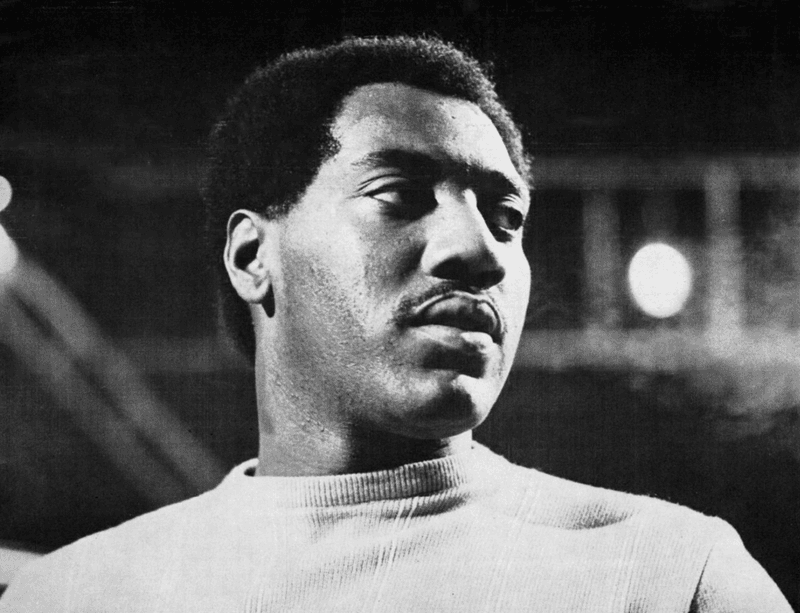
Otis Redding recorded this track just days before his passing in December 1967, making its January 1968 release one of the most bittersweet moments in music history. It became the first posthumous single to reach number one on the Billboard Hot 100.
The song marked a stylistic shift for Redding, moving away from high-energy soul toward something quieter and more introspective. Co-written with guitarist Steve Cropper, the track features a distinctive whistled outro that Redding intended as a placeholder for lyrics he never finished writing.
“Sittin’ in the mornin’ sun” opens the track with calm simplicity, setting a reflective tone that listeners recognized immediately. It went on to win two Grammy Awards and is now considered one of the most important recordings of the 1960s.
Few opening lines capture stillness so effectively in just five words.
3. “Mrs. Robinson” – Simon & Garfunkel
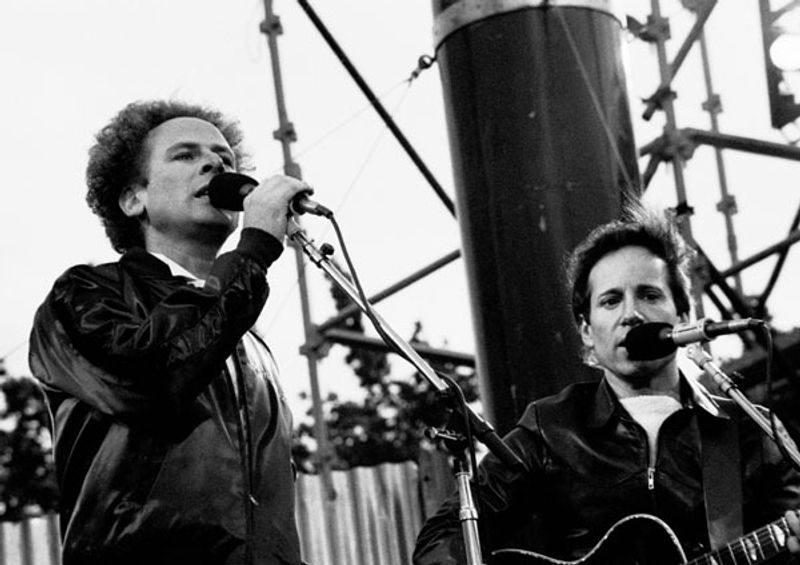
Originally developed as background music for the 1967 film The Graduate, this track was expanded into a full single released in 1968 and quickly became one of Simon & Garfunkel’s defining recordings. It won the Grammy Award for Record of the Year, which was a significant milestone for folk-pop at the time.
The lyrics blend casual charm with subtle social commentary, touching on themes of disillusionment and cultural identity. Paul Simon’s clever wordplay gave the song layers that rewarded repeated listening, while the upbeat acoustic arrangement kept it radio-friendly.
“Here’s to you, Mrs. Robinson” functions almost like a toast, addressing a fictional character in a way that felt both personal and universally relatable. The song peaked at number one in the United States and helped define what pop music could accomplish when paired with film storytelling.
4. “Born to Be Wild” – Steppenwolf
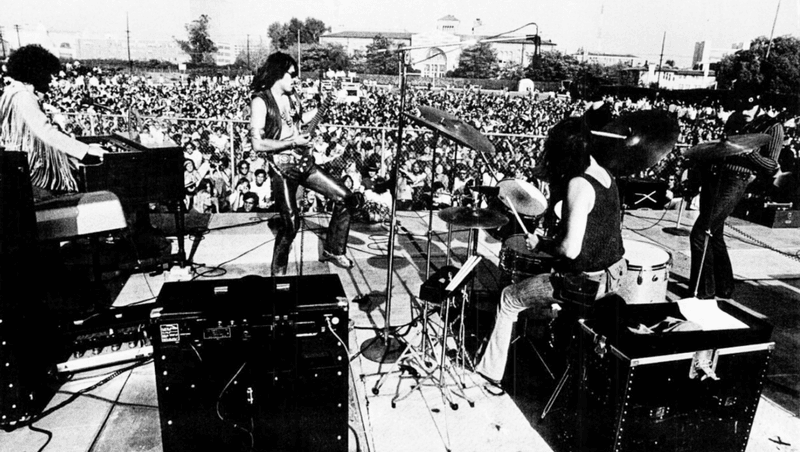
Released in the summer of 1968, this track by Canadian-American rock band Steppenwolf became one of the defining rock anthems of the late 1960s. It was among the first songs to feature the phrase “heavy metal thunder” in its lyrics, a term that would later name an entire music genre.
The song gained massive cultural reach when it appeared in the 1969 film Easy Rider, cementing its association with freedom, motorcycles, and the counterculture movement. That connection made it a permanent fixture in American pop culture well beyond its original release year.
“Get your motor runnin'” is one of those opening lines that barely needs a second word before listeners know exactly what song is playing. Its raw, driving energy made it a staple of classic rock radio for decades.
The track reached number two on the Billboard Hot 100 in 1968.
5. “Jumpin’ Jack Flash” – The Rolling Stones
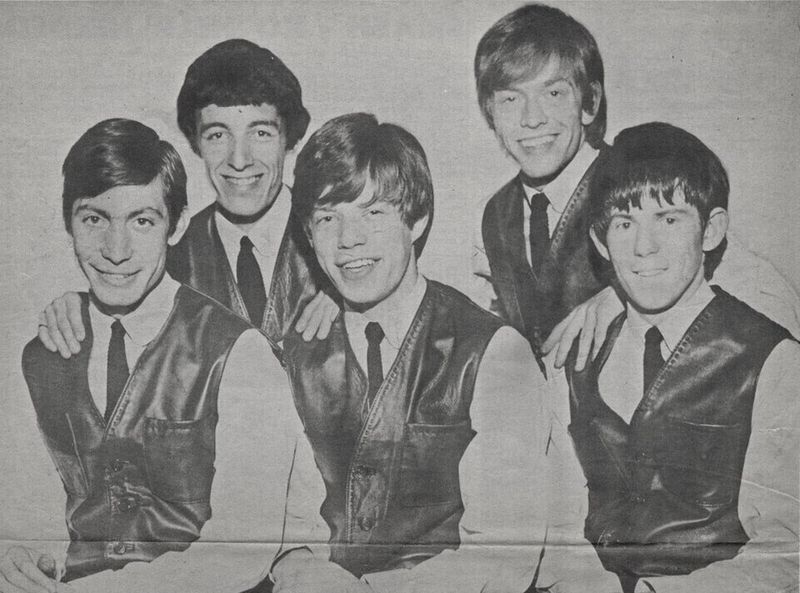
After a period of experimenting with psychedelic and orchestral sounds, The Rolling Stones returned to their hard rock roots with this track, released in May 1968. The shift was deliberate and well-received, with critics praising the song’s raw energy as a return to form for the band.
Mick Jagger and Keith Richards wrote the song after Richards’ gardener, Jack Dyer, walked past a window early one morning, prompting Jagger to ask who it was. That small moment sparked one of the band’s most enduring hits.
“I was born in a crossfire hurricane” opens with a boldness that few rock lyrics can match. The line is vivid without being overly complicated, and it sets an urgent tone that carries through the entire track.
The song reached number one in the United Kingdom and remains a crowd favorite at Rolling Stones concerts to this day.
6. “People Got to Be Free” – The Rascals
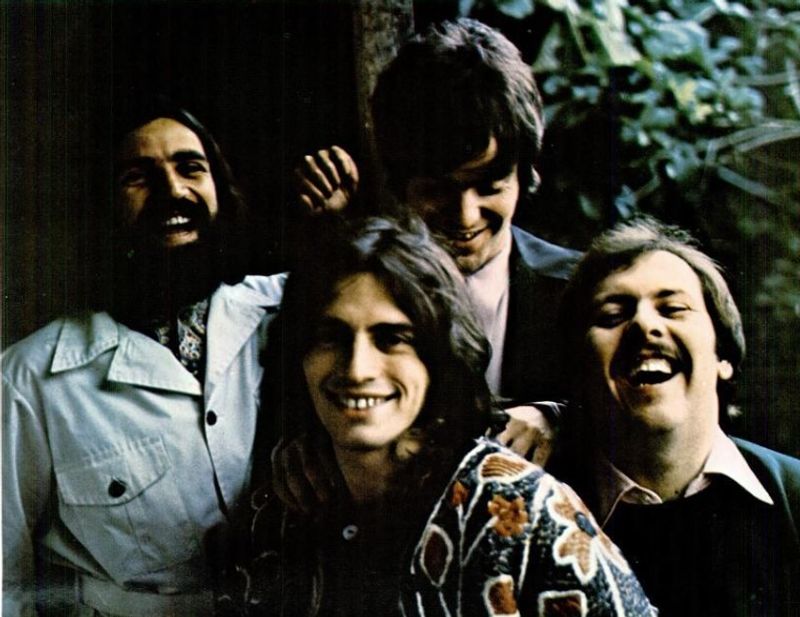
Released in July 1968, this track arrived at one of the most charged moments in American social history. The Rascals wrote it in response to the wave of social unrest sweeping the country, and its message of unity and human dignity resonated immediately with a wide audience.
The song spent five weeks at number one on the Billboard Hot 100, making it one of the biggest hits of the year. Its upbeat, gospel-influenced arrangement gave the message a hopeful quality that distinguished it from more confrontational protest music of the era.
“All the world over, so easy to see, people everywhere just wanna be free” is a lyric that feels almost self-evident in its simplicity, which is exactly what made it so powerful. The Rascals had already established themselves as a top act, but this song elevated their cultural significance considerably.
7. “Sunshine of Your Love” – Cream
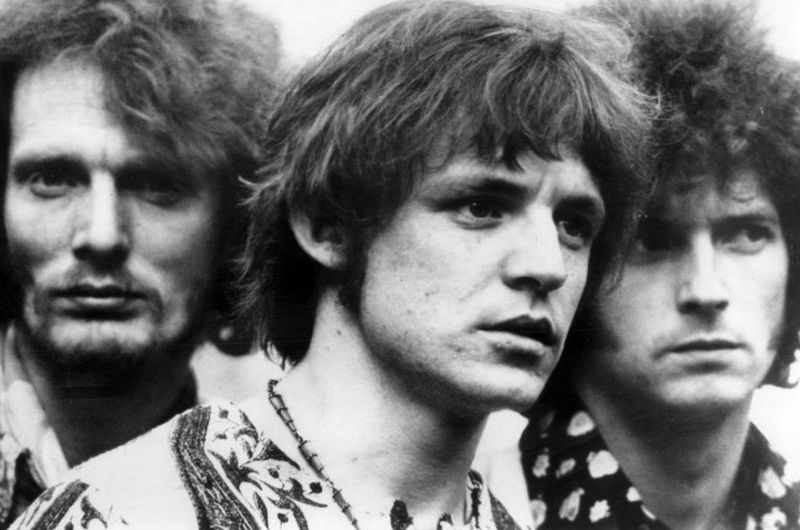
Cream released this track as a single in the United States in January 1968, and it quickly became one of the most recognizable guitar riffs in rock history. The riff was co-written by bassist Jack Bruce, guitarist Eric Clapton, and lyricist Pete Brown, making it a true collaborative effort.
The song blends blues structure with psychedelic rock in a way that felt genuinely new at the time. Its two-minute guitar solo was unusually long for radio, yet stations played it anyway because listeners kept requesting it.
“It’s gettin’ near dawn, when lights close their tired eyes” opens the track with a calm confidence that immediately draws attention. The song reached number 36 on the Billboard Hot 100 but had a far greater cultural impact than its chart position suggested.
It is now consistently ranked among the greatest rock songs ever recorded.
8. “I Heard It Through the Grapevine” – Marvin Gaye
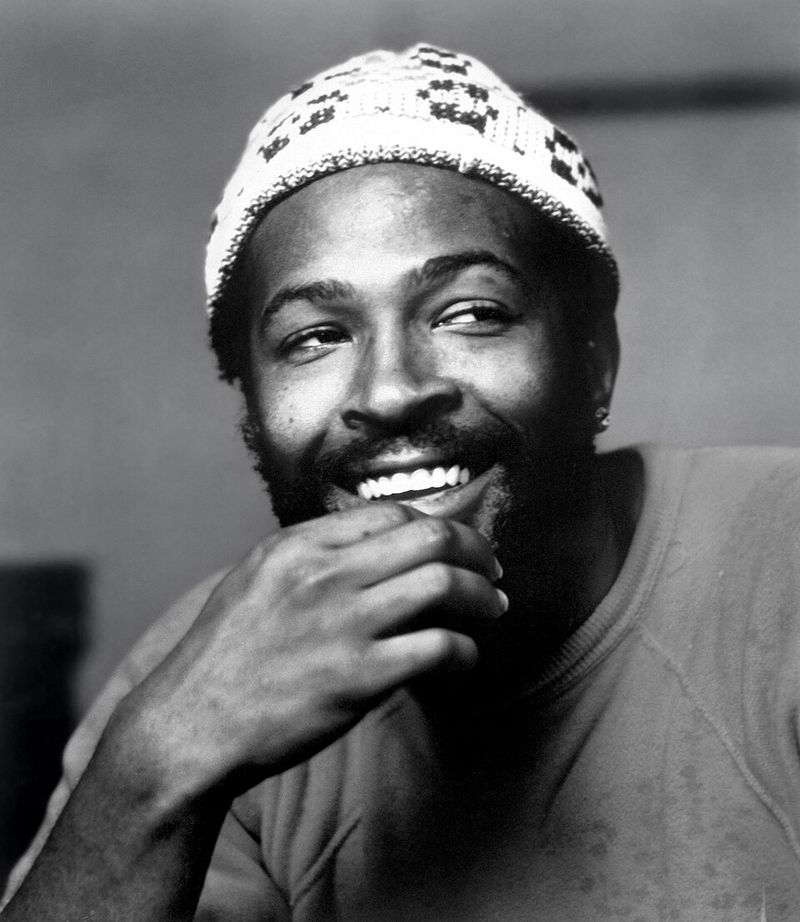
Marvin Gaye’s version of this track was actually recorded in 1966 but held back by Motown executives who doubted its commercial appeal. When it was finally released in October 1968, it became the label’s best-selling single up to that point, reaching number one on the Billboard Hot 100.
The song had already been recorded and released by Gladys Knight & the Pips in 1967, but Gaye’s slower, more tension-filled arrangement gave it a completely different character. Producer Norman Whitfield built the track around a hypnotic groove that perfectly matched the song’s themes of suspicion and betrayal.
“I bet you’re wonderin’ how I knew” pulls listeners directly into a conversation, creating an immediate sense of drama. The track went on to become one of the most covered songs in pop history and is still regularly featured in films, television, and commercials decades after its release.
9. “Fire” – The Crazy World of Arthur Brown
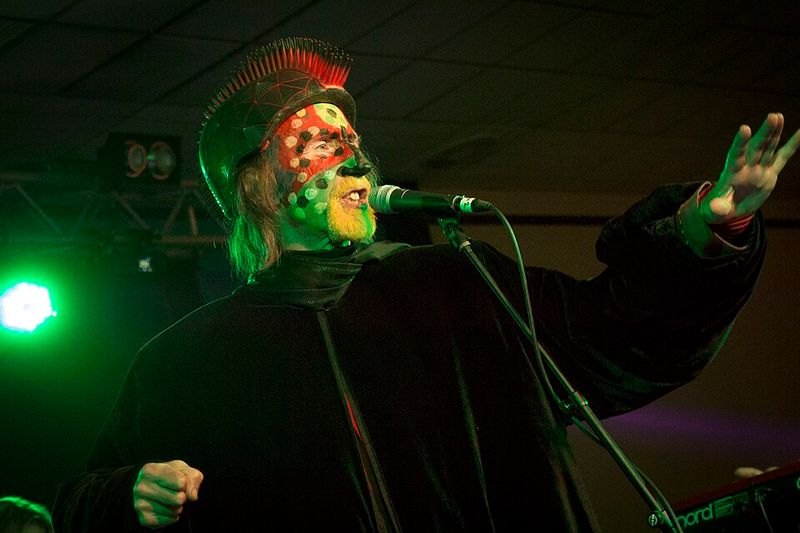
No other number one hit of 1968 opened quite like this one. Arthur Brown’s theatrical persona and dramatic stage presence made this track unlike anything else on the charts that year, and its opening declaration is still one of the most startling in pop history.
The song reached number one in the United Kingdom and number two in the United States, giving Brown a brief but spectacular moment at the top of the music world. His performances involved elaborate costumes and flaming headgear, which made him one of the most visually distinctive acts of the era.
“I am the god of hellfire” is a lyric that requires no context. Anyone who has heard it once remembers it permanently.
The track influenced later generations of theatrical rock performers and is still cited as a pioneering example of shock-value artistry used effectively within a pop format.
10. “Those Were the Days” – Mary Hopkin
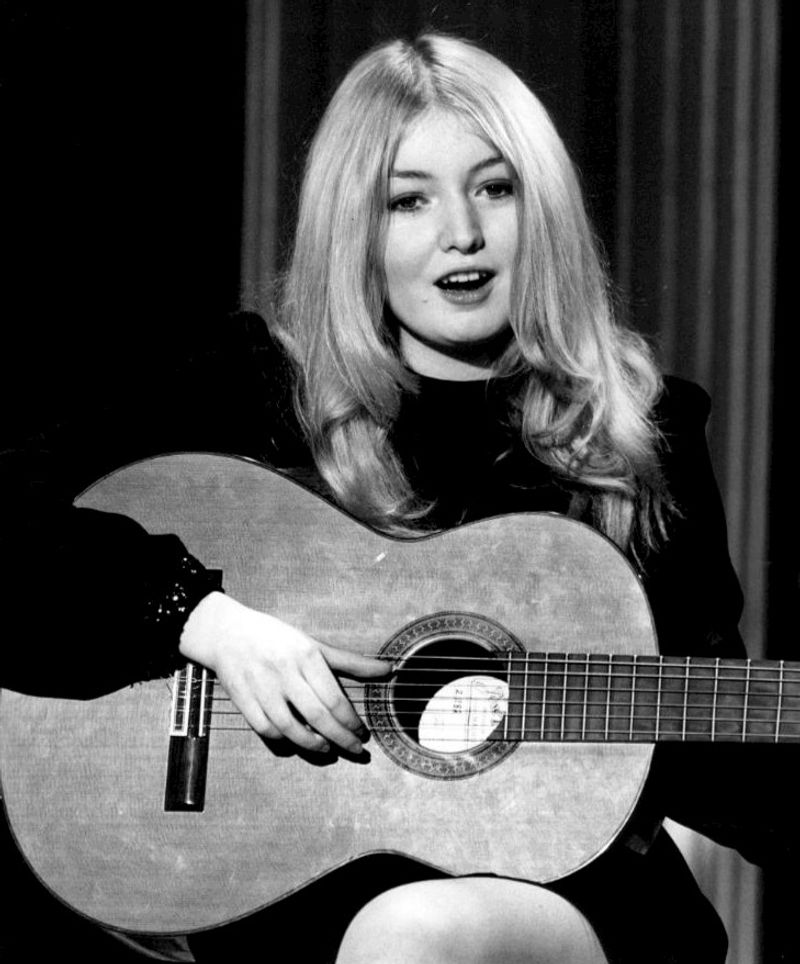
Welsh singer Mary Hopkin was just 18 years old when this song was released in August 1968, making her one of the youngest artists to top the charts that year. The track was produced by Paul McCartney and became the second single released on The Beatles’ Apple Records label.
Based on a Russian folk song called “Dorogoi Dlinnoyu,” the track was adapted into English by lyricist Gene Raskin. Hopkin recorded versions in multiple languages, including French, German, Spanish, and Italian, which helped it reach international audiences simultaneously.
“Once upon a time there was a tavern” opens the song like the beginning of a story, which is exactly what it is. The track reached number one in the United Kingdom and number two in the United States.
Its mix of folk melody and nostalgic storytelling gave it a broad appeal that crossed age groups and cultural boundaries.
11. “Hello, I Love You” – The Doors
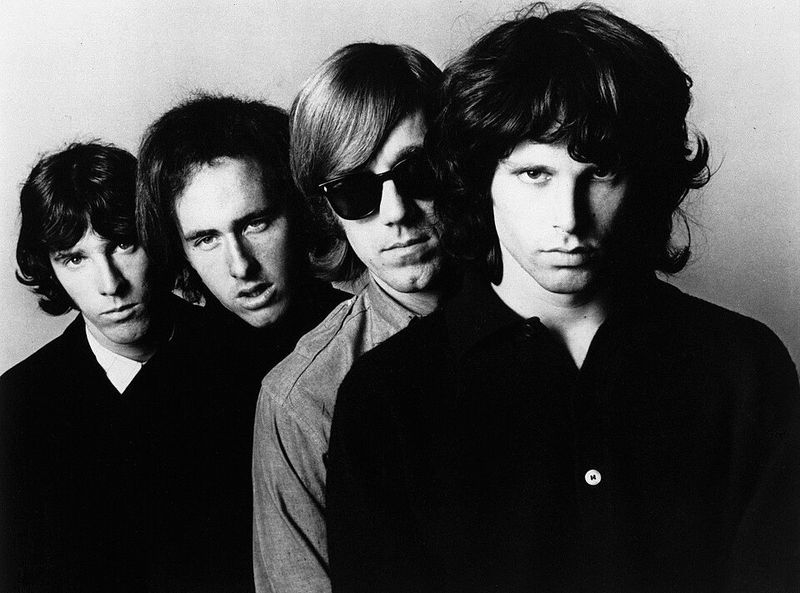
Released in June 1968, this was The Doors’ second number one hit on the Billboard Hot 100, following “Light My Fire” from the previous year. The track has a lighter, more pop-oriented feel compared to much of the band’s catalog, which helped it reach a broader mainstream audience.
Jim Morrison reportedly wrote the song after seeing a young woman walking along a Venice Beach pier in the mid-1960s. That casual origin story contrasts sharply with the dramatic reputation the band cultivated throughout their career.
“Hello, I love you, won’t you tell me your name” is one of the most direct opening lines in 1960s rock. Its simplicity is part of its staying power.
The song was later the subject of a copyright dispute due to its rhythmic similarity to “All Day and All of the Night” by The Kinks, though no formal ruling was made.
12. “All Along the Watchtower” – The Jimi Hendrix Experience
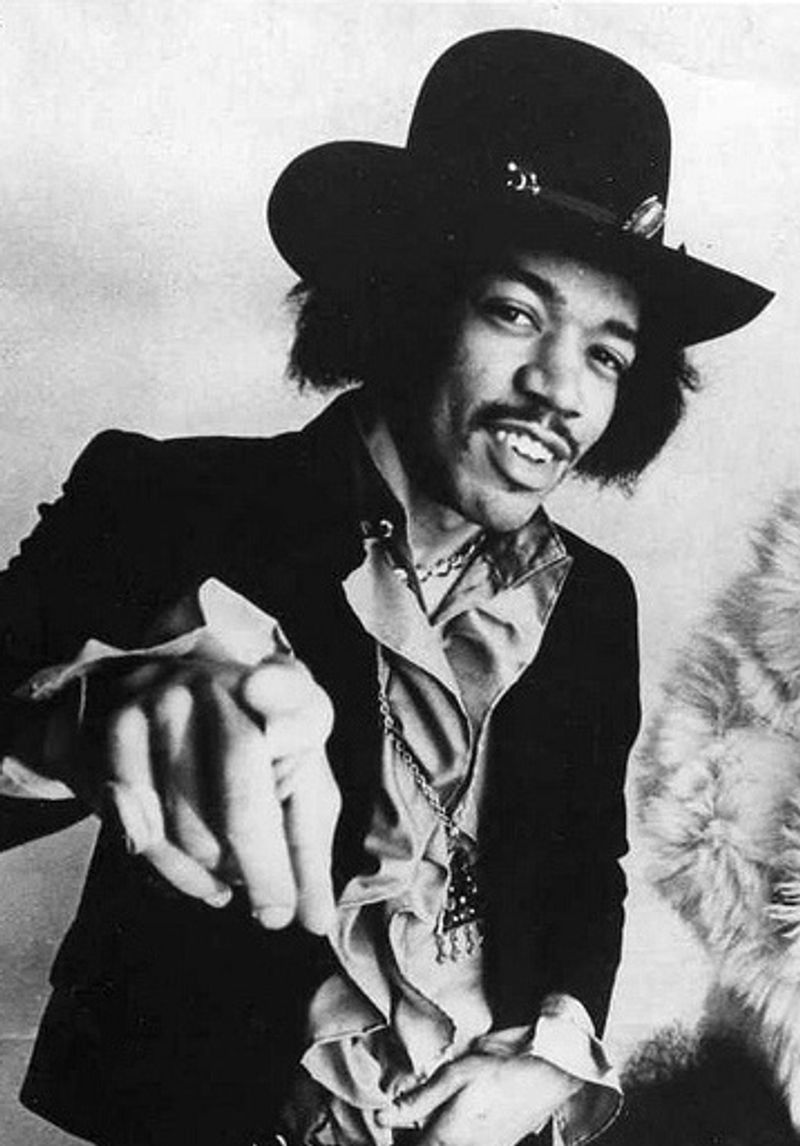
Bob Dylan wrote and recorded this song in late 1967, but Jimi Hendrix’s version, released in September 1968, is the one most people know by heart. Hendrix transformed the sparse folk original into an electric rock arrangement that Dylan himself later acknowledged as definitive.
Dylan even began performing his own song in a style closer to Hendrix’s interpretation.
The track reached number five in the United Kingdom and number 20 in the United States, modest chart numbers that do little justice to its long-term cultural impact. It has since appeared on countless greatest-songs lists and is a staple of classic rock radio.
“There must be some kind of way outta here, said the joker to the thief” sets up a tense, almost cinematic exchange from the very first line. The imagery is cryptic but compelling, and it rewards repeated listening in a way that few singles from 1968 can claim.
13. “Piece of My Heart” – Big Brother & the Holding Company
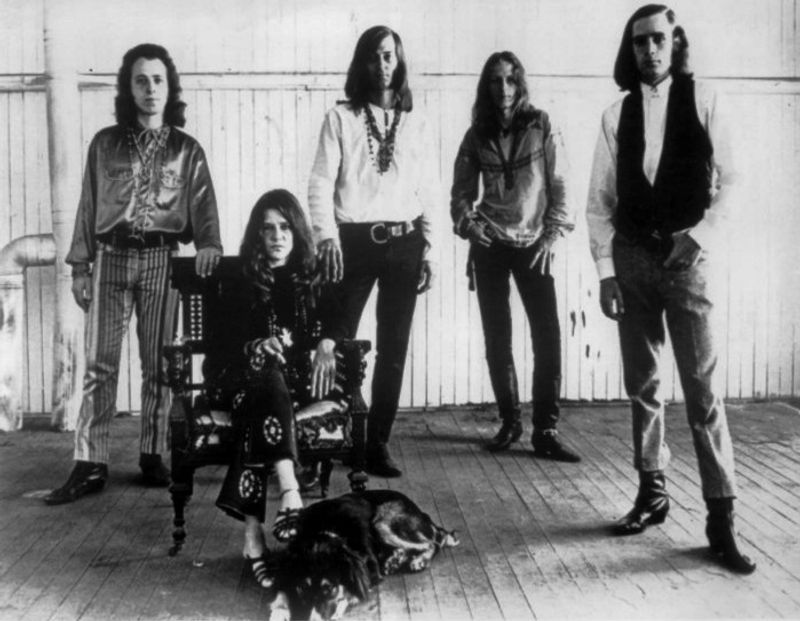
Originally recorded by Erma Franklin in 1967, this song found its most famous interpretation when Janis Joplin and Big Brother & the Holding Company released it on their landmark album Cheap Thrills in 1968. The album reached number one on the Billboard 200 and stayed there for eight weeks.
Joplin’s raw, unrestrained vocal delivery gave the track an emotional intensity that set it apart from the original recording. Her performance became a defining moment for women in rock music and helped establish her as one of the most powerful vocalists of her generation.
“Take another little piece of my heart now, baby” is a plea and a challenge all at once. The lyric captures a specific kind of emotional exhaustion that listeners recognized immediately.
The track remains a cornerstone of late-1960s rock and is still regularly featured in film soundtracks and retrospective music programming.
14. “Dance to the Music” – Sly & the Family Stone
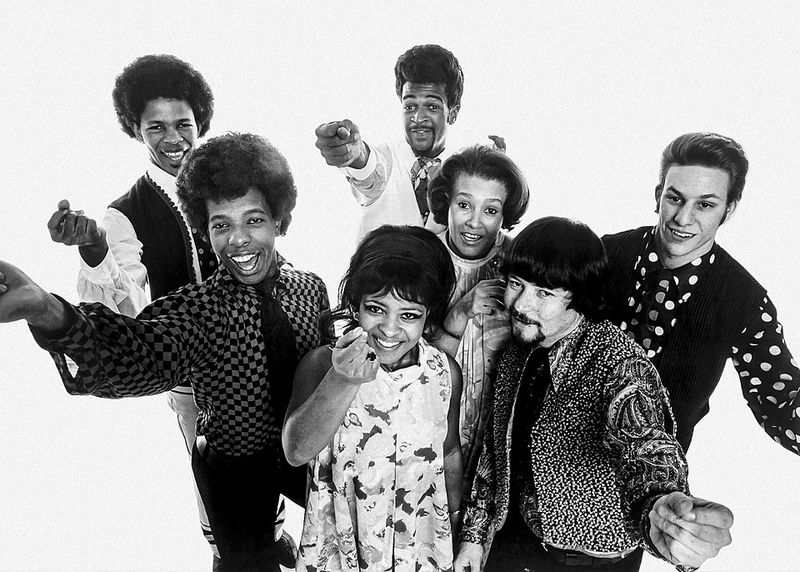
Sly & the Family Stone arrived on the national scene with this debut single in January 1968, and it immediately signaled that something genuinely new was happening in popular music. The track blended funk, soul, rock, and pop in a way that had not been done before, and its energy was infectious from the very first second.
The song’s structure is unusual, with each band member getting a featured moment, almost like a musical introduction of the group. That format gave it a live-performance quality that studio recordings rarely captured at the time.
“Get up and dance to the music” is an instruction as much as it is a lyric, and audiences responded accordingly. The track reached number eight on the Billboard Hot 100 and laid the groundwork for the band’s later, more ambitious recordings.
Their influence on funk and hip-hop production in the following decades was substantial and well-documented.
15. “Magic Carpet Ride” – Steppenwolf
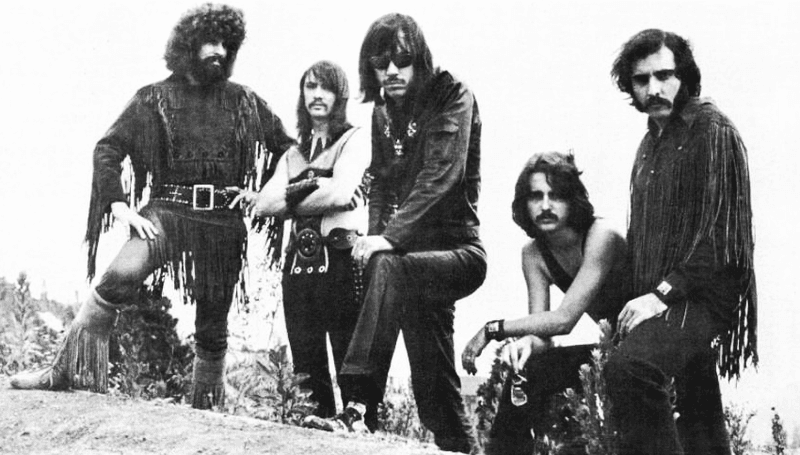
Released in September 1968, just a few months after “Born to Be Wild,” this track proved that Steppenwolf had more range than a single hit could suggest. It reached number three on the Billboard Hot 100 and became the band’s second consecutive top-five single, a rare achievement for a rock act in that era.
The song leans into the psychedelic experimentation that defined much of 1968’s rock output, with swirling organ work and a layered production style that felt current without being derivative. Drummer Jerry Edmonton and bassist Nick St. Nicholas built a rhythmic foundation that kept the track grounded even as the lyrics went abstract.
“I like to dream, yes, yes, right between the sound machine” is an opening that prioritizes imagination over logic, which suited the cultural mood of the late 1960s perfectly. The song remains a classic rock radio staple and a reliable marker of the era’s adventurous spirit.
Share this story