Growing up in the 1980s meant one thing above all else: the toys were absolutely legendary. From soft plush buddies to puzzle cubes that made adults want to cry, the decade delivered some of the most creative, weird, and wonderful playthings ever made.
These toys did not just sit on shelves. They sparked friendships, fueled arguments over who got the last one at the store, and left memories that still make grown adults smile decades later.
Here are 15 classic toys that truly defined what it meant to be a kid in the 1980s.
Cabbage Patch Kids
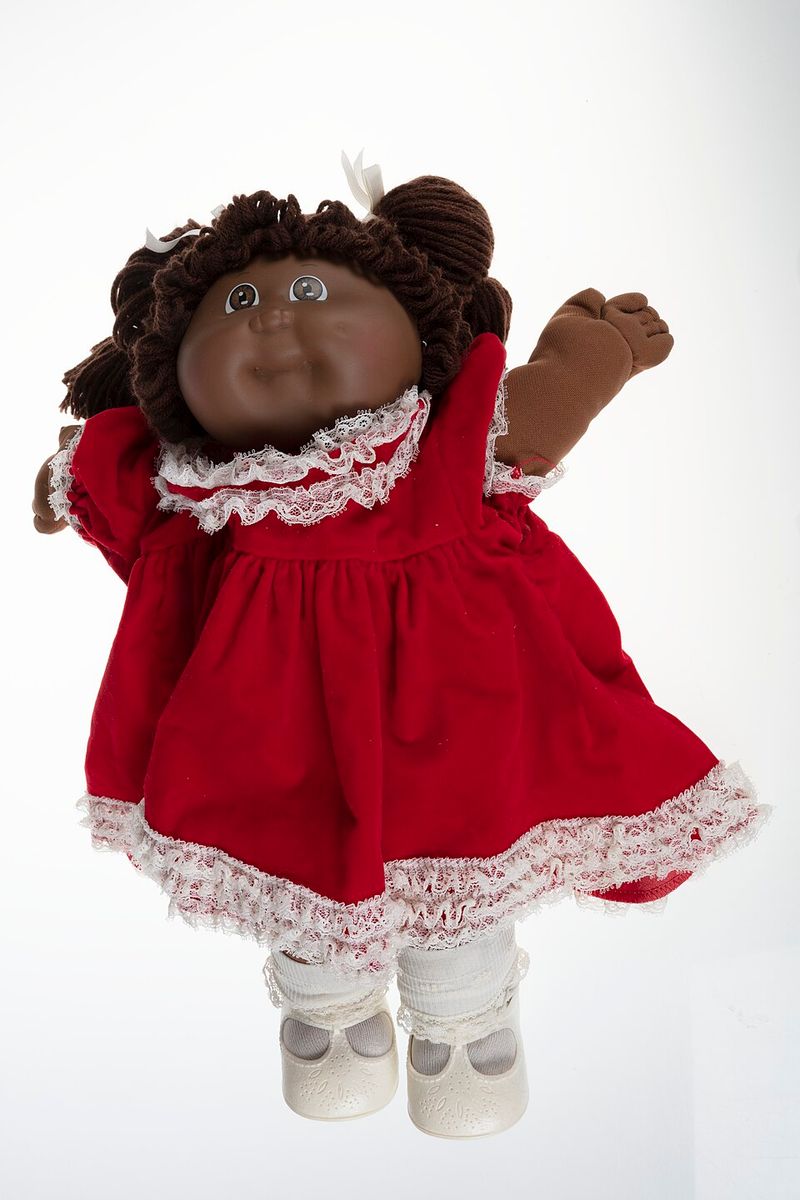
No toy has ever made kids feel quite like a new parent the way Cabbage Patch Kids did. These soft-faced dolls came with real names, birth certificates, and adoption papers, turning a simple purchase into a full emotional ceremony.
Stores could barely keep them on shelves.
The holiday shopping madness of 1983 became almost legendary. Parents pushed, elbowed, and waited in lines that stretched out the door, all for a doll that looked a little like a potato but somehow stole every kid’s heart.
I remember my cousin treating hers like a real baby for months.
What made Cabbage Patch Kids special was the personal touch. Every doll felt unique, and the adoption angle made kids feel genuinely responsible for their new little buddy.
For many ’80s children, this was not just a toy. It was family.
Transformers
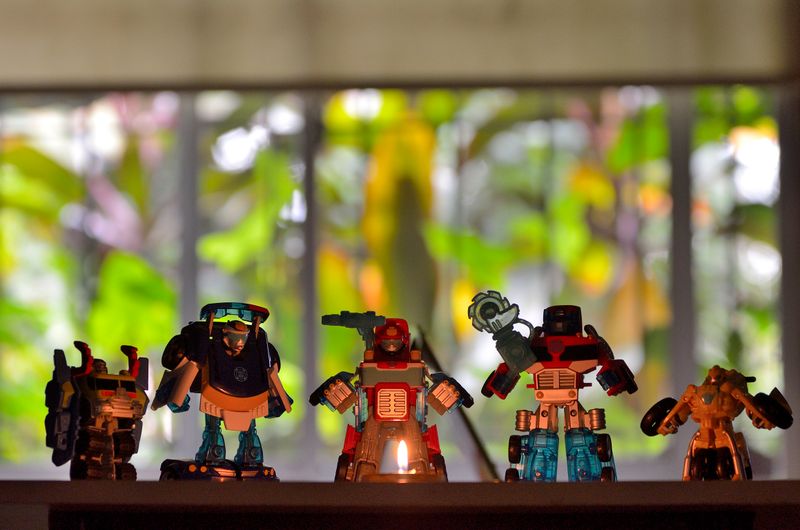
Two toys for the price of one? Transformers said yes, and kids everywhere lost their minds.
One second Optimus Prime was a mighty robot ready for battle. The next, a few twists and clicks later, he was a semi-truck rolling across the carpet.
Launched in 1984, Transformers blended action figures, puzzles, and a full-blown intergalactic war between Autobots and Decepticons. The cartoon and comics made the characters feel massive, far bigger than the plastic figures rattling around in your backpack.
Honestly, half the fun was watching someone else transform a figure and pretending you already knew how to do it. The instructions were a disaster, but nobody admitted that.
Transformers rewired what kids expected from an action figure, and the bar has never quite come back down since.
My Little Pony
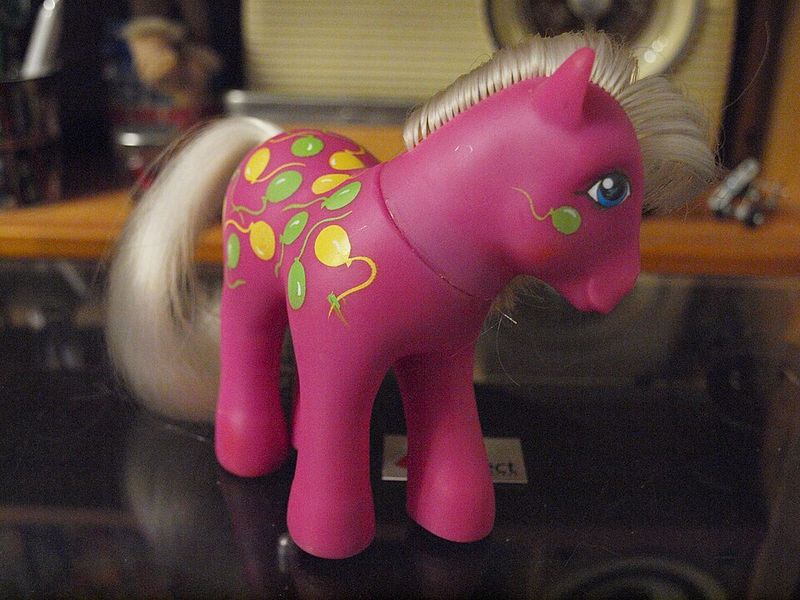
Pastel horses with brushable hair and tiny symbols on their rumps should not have been this addictive. Yet somehow, My Little Pony turned collecting into a full-time childhood hobby.
One pony was never enough. You needed a stable, a castle, and at least twelve more.
The toy line launched in 1982 and exploded from there. Each pony had a name, a color, and a cutie mark that made her feel distinct.
Kids organized them by color, traded them with friends, and built elaborate fantasy worlds on the living room floor.
My Little Pony also had a cartoon that gave the characters actual stories and personalities, which deepened the connection kids felt. The combination of collectibility, color, and charm made this one of the decade’s most enduring toy lines.
Some of us still know which pony was our absolute favorite.
He-Man and the Masters of the Universe
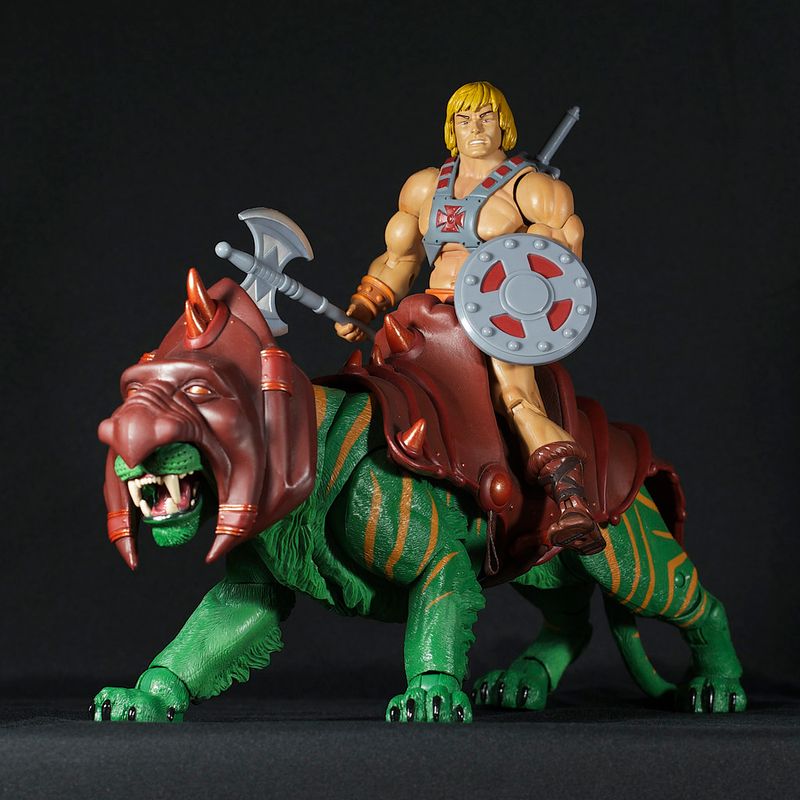
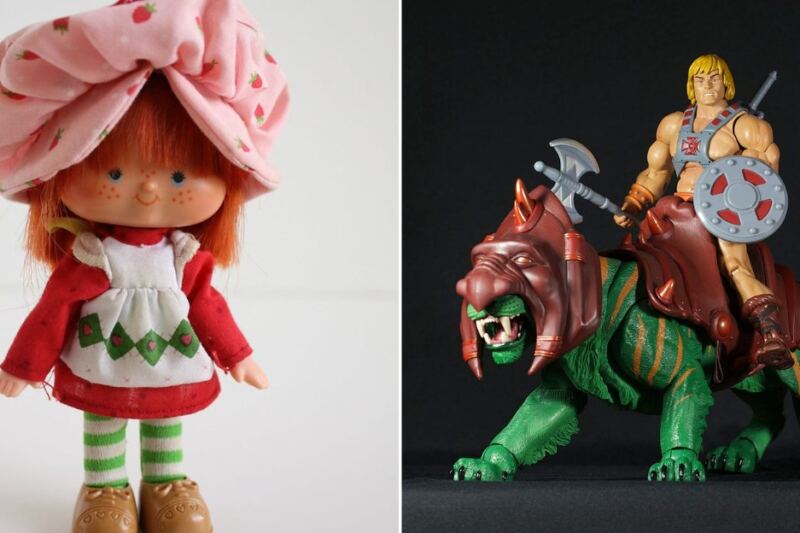
By the power of Grayskull, this toy line was built differently. He-Man and the Masters of the Universe arrived in 1982 with bulging muscles, wild characters, and a castle playset so cool it made every other toy look ordinary.
Skeletor alone is a villain for the ages.
What made the line brilliant was its range. You had heroic warriors, terrifying villains, strange beast companions, and vehicles that somehow fit into the same wild universe.
Castle Grayskull had a working drawbridge and a throne room, which was basically a kid’s dream home.
The cartoon series sealed the deal. Once kids heard He-Man shout his famous catchphrase, the figures flew off shelves faster than Battle Cat could charge.
For an entire generation, Eternia was not a fictional planet. It was the living room floor every Saturday morning.
Care Bears
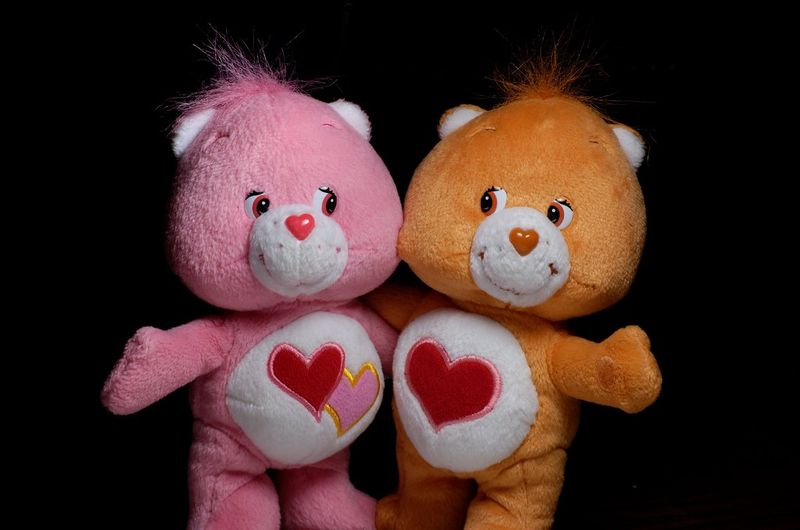
Not every ’80s toy was about battles and robots. Care Bears came in soft and sweet, armed with nothing but feelings and a belly badge.
Each bear had a symbol that matched its personality, from Cheer Bear’s rainbow to Grumpy Bear’s little rain cloud.
Originally greeting card characters, Care Bears made the leap to plush toys in 1983 and became instant bedroom staples. They stood out because they were not competitive or action-packed.
They were warm, comforting, and oddly therapeutic for small humans dealing with big emotions.
Picking a favorite bear was serious business. Were you a Tenderheart Bear kid or a Funshine Bear person?
The choice said a lot about you, apparently. Care Bears proved that a toy did not need lasers or superpowers to become iconic.
Sometimes a soft hug and a rainbow belly badge are more than enough.
Teddy Ruxpin
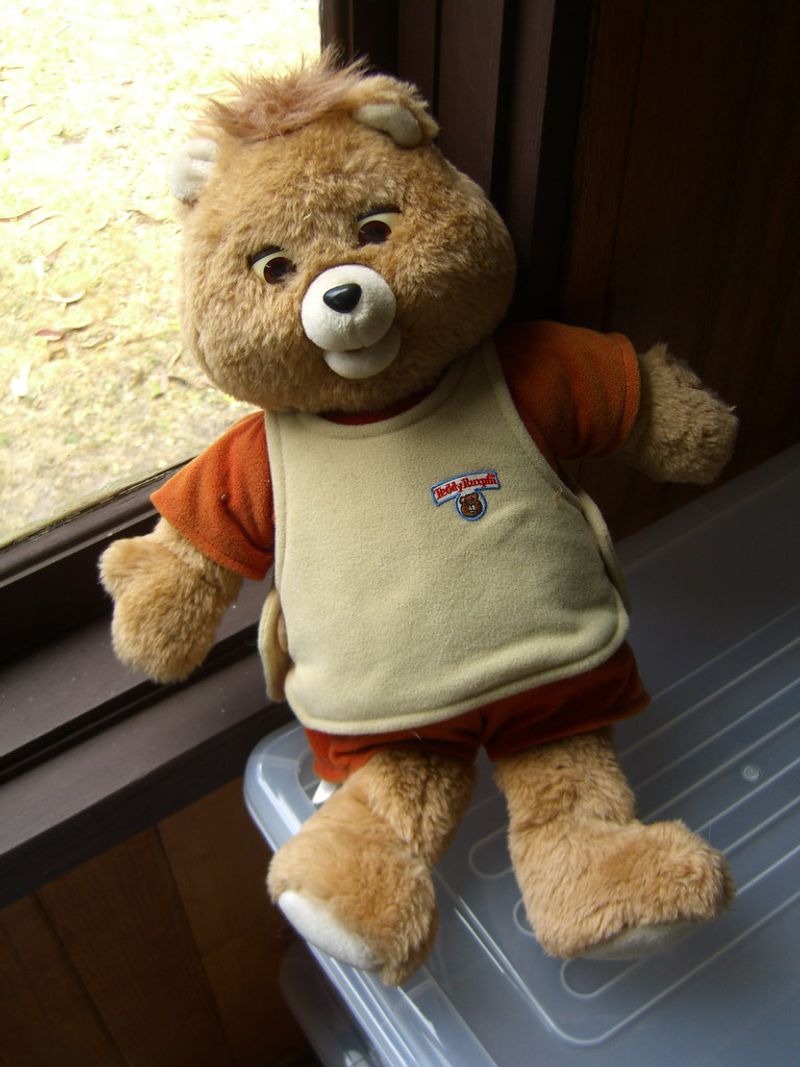
Teddy Ruxpin walked so that smart speakers could run. Back in 1985, a bear that moved its mouth and told stories using cassette tapes was nothing short of mind-blowing.
Regular stuffed animals felt immediately boring by comparison.
The technology was simple by today’s standards, but the effect was magical. Kids would sit cross-legged in front of Teddy Ruxpin while he narrated adventures, his eyes blinking and his mouth moving in sync with the tape.
It felt personal in a way few toys had managed before.
Teddy Ruxpin became the best-selling toy of 1985 and 1986, which tells you everything about how well it landed. The cassette tapes are pure nostalgia now, but at the time they were genuinely exciting technology.
He was the toy that proved kids were ready for interactive storytelling long before anyone else figured that out.
Rubik’s Cube
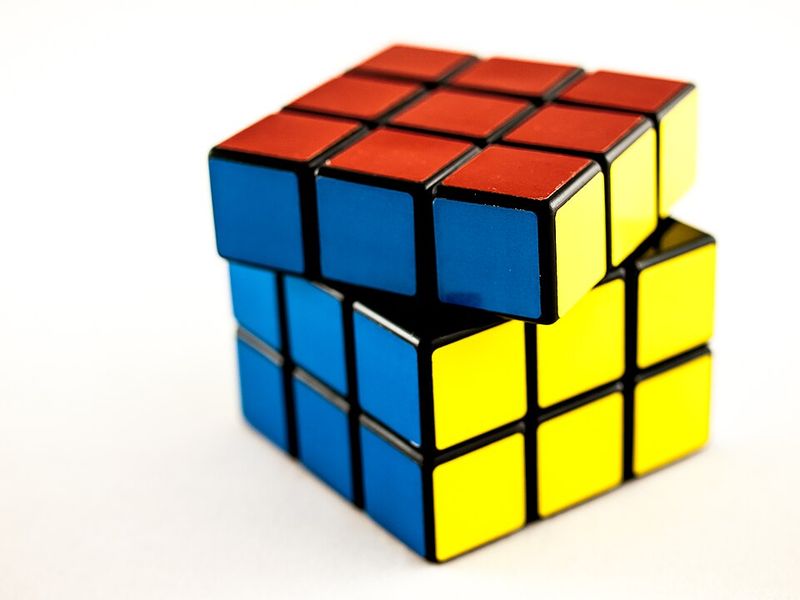
The Rubik’s Cube is proof that a toy does not need a single moving character to drive an entire generation completely mad. Six sides, nine squares each, and more than 43 quintillion possible combinations.
Someone thought this was a fun gift for children.
Invented in 1974 by Hungarian professor Erno Rubik, the cube became a global craze by the early 1980s. Kids and adults alike twisted it obsessively, convinced that the solution was just one more turn away.
Spoiler: it usually was not.
The sticker-peeling shortcut became its own cultural phenomenon. Some kids cracked the algorithm.
Others gave up and just displayed the scrambled cube on a shelf like modern art. Either way, the Rubik’s Cube demanded attention and delivered frustration in the most satisfying way possible.
Few toys before or since have been so brilliantly infuriating.
Pound Puppies
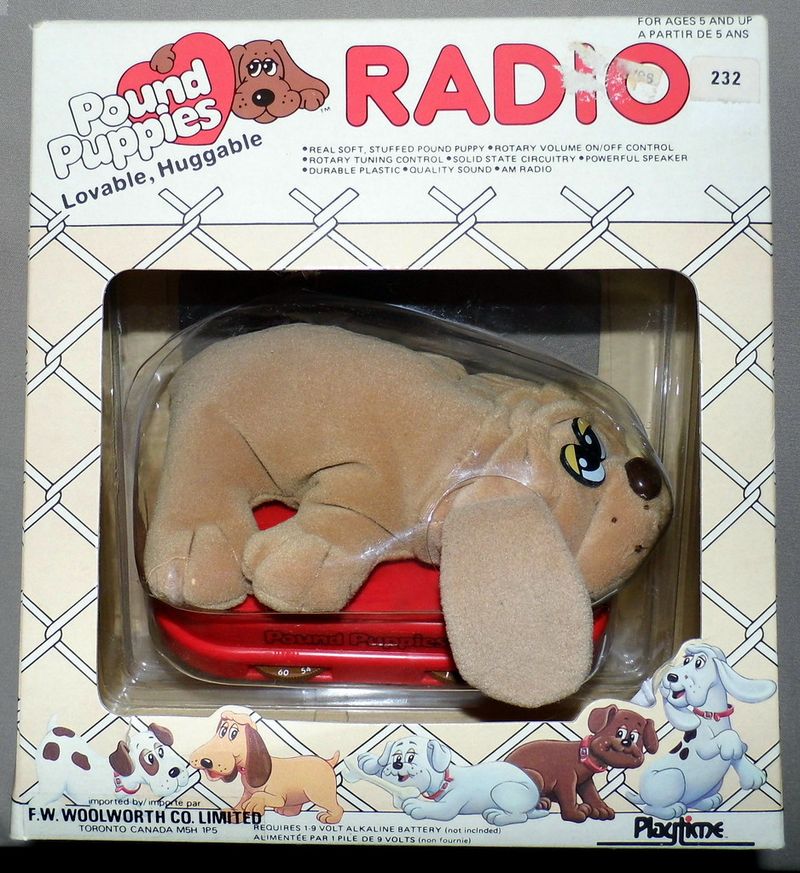
Those droopy eyes and floppy ears were completely calculated, and kids fell for it every single time. Pound Puppies arrived in 1984 with a clever emotional hook: these plush pups needed a home, and you were just the kid to give them one.
Adoption certificates included.
The concept worked because it tapped into something real. Kids who loved animals but could not have a real pet found the next best thing in a Pound Puppy.
Soft, huggable, and designed to look genuinely sad until someone rescued them, they were hard to walk past without feeling guilty.
What set Pound Puppies apart from other plush toys was the storytelling layer underneath the fluff. The adoption angle gave kids ownership and purpose.
They were not just playing with a stuffed dog. They were saving one.
That small detail turned a simple plush toy into something kids genuinely treasured.
Teenage Mutant Ninja Turtles Action Figures
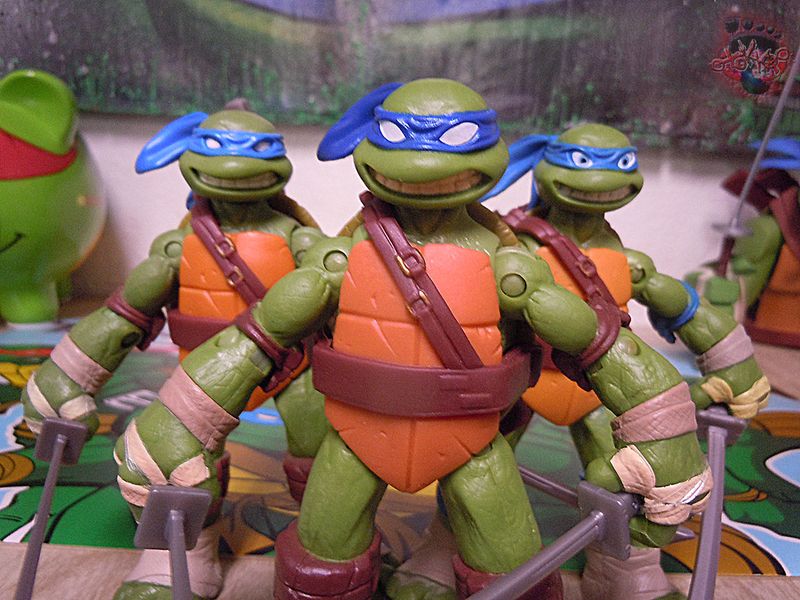
Four mutant turtles trained in ninjutsu, living in a sewer, and obsessed with pizza. On paper, this sounds like the pitch that should have gotten someone fired.
Instead, it became one of the biggest toy crazes of the late 1980s.
The TMNT action figures launched in 1988 and immediately took over toy aisles. Each turtle had a distinct color, weapon, and personality, which meant every kid could claim a favorite and defend that choice loudly.
I was always a Donatello supporter, for the record.
The line expanded fast, adding villains like Shredder and Krang, vehicles, playsets, and enough accessories to fill an entire sewer hideout. The animated series made the characters feel alive, and the figures brought them home.
Cowabunga was not just a catchphrase. It was a way of life for an entire generation of kids.
Polly Pocket
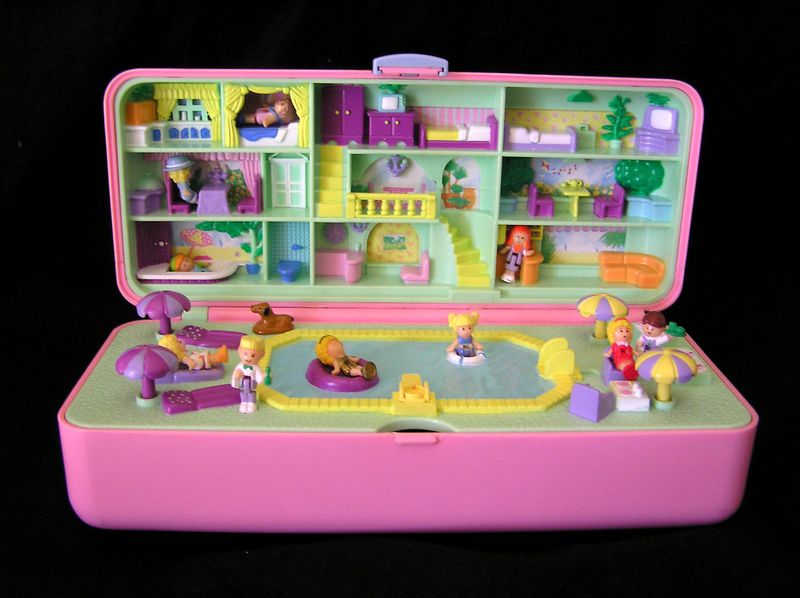
Polly Pocket was the toy that proved great things really do come in small packages. Launched in 1989, the original sets fit inside a compact case you could slip into a pocket and carry absolutely anywhere.
An entire world, small enough to hold in your palm.
The detail inside each case was remarkable for something so tiny. Little rooms, furniture, and figures were packed into a space smaller than a sandwich.
Kids loved the portability and the feeling that they were the only ones who knew this miniature universe existed inside their bag.
There was something genuinely special about the small scale. It felt secret, like a private world only you could access.
Polly Pocket rewarded patience and imagination, and it proved that a toy did not need to be large to feel enormous. For kids who loved tiny details, this was the ultimate find.
Micro Machines
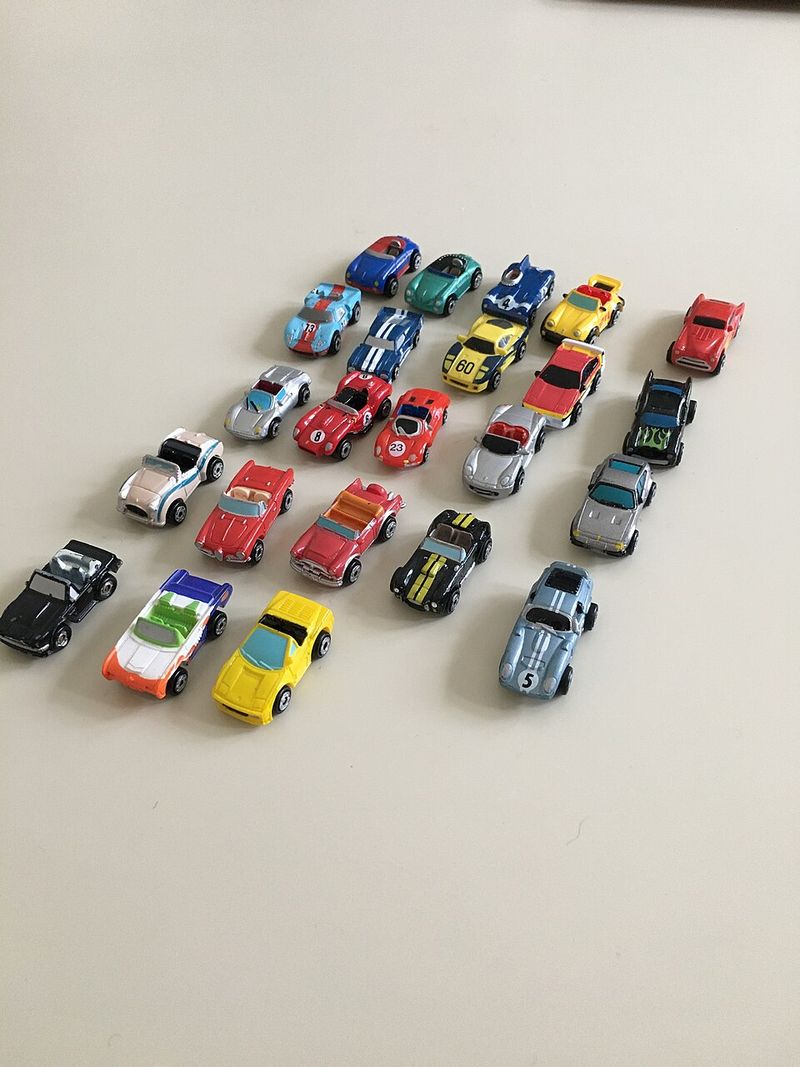
Micro Machines were so small, the commercials had a fast-talking spokesperson rattle off their features at warp speed just to fit everything in. These miniature vehicles were tiny, yes, but they were also wildly detailed and completely irresistible to collect.
Launched in 1987, Micro Machines came in cars, trucks, boats, planes, tanks, and more. The whole point was the size.
Kids could line up fifty of them on a single tabletop, build traffic jams, race them across textbooks, or just admire how impossibly small they were.
Fitting a handful in your pocket meant your toy collection was always within reach. The playsets were equally clever, some hidden inside folded-up cases shaped like everyday objects.
Micro Machines proved that the smallest toys can have the biggest personalities. Tiny cars, massive fun, and a commercial jingle that still lives rent-free in many ’80s brains.
Koosh Ball
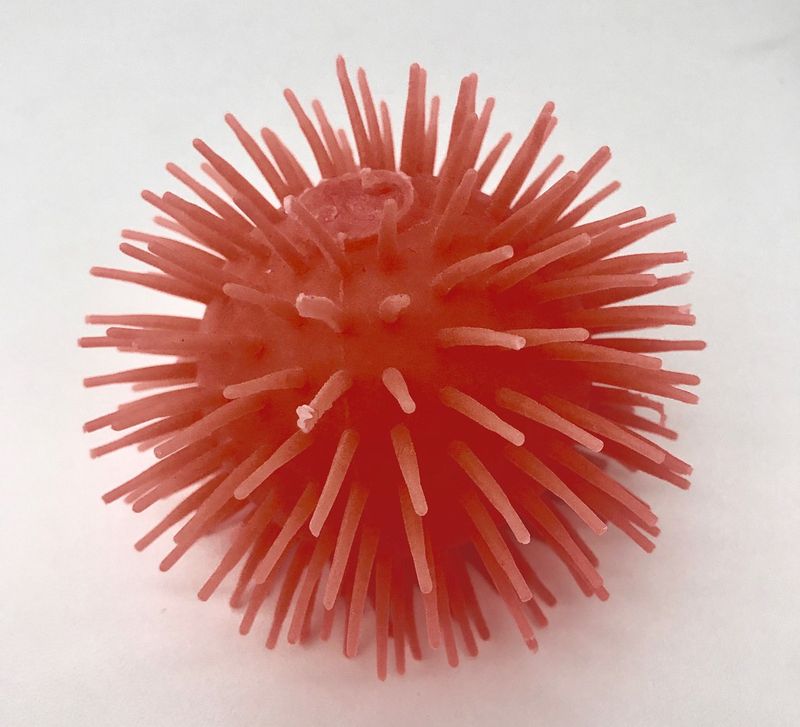
The Koosh Ball looks like something a sea creature sneezed out, but somehow it became one of the most satisfying toys of the late 1980s. Made from hundreds of soft rubber filaments, it was floppy, squishy, and almost impossible to put down once you picked it up.
Invented in 1987 by Scott Stillinger, who wanted an easier ball for his kids to catch, the Koosh Ball solved a real problem. Unlike hard rubber balls, it was soft enough for indoor play and gentle enough that missing a catch did not result in a broken lamp or a bruised nose.
Tossing a Koosh Ball back and forth required almost no skill, which was actually the genius of it. Anyone could play.
The satisfying little thwap it made when caught became oddly addictive. Simple, weird-looking, and endlessly fun, the Koosh Ball was the decade’s quirkiest overachiever.
Strawberry Shortcake Dolls
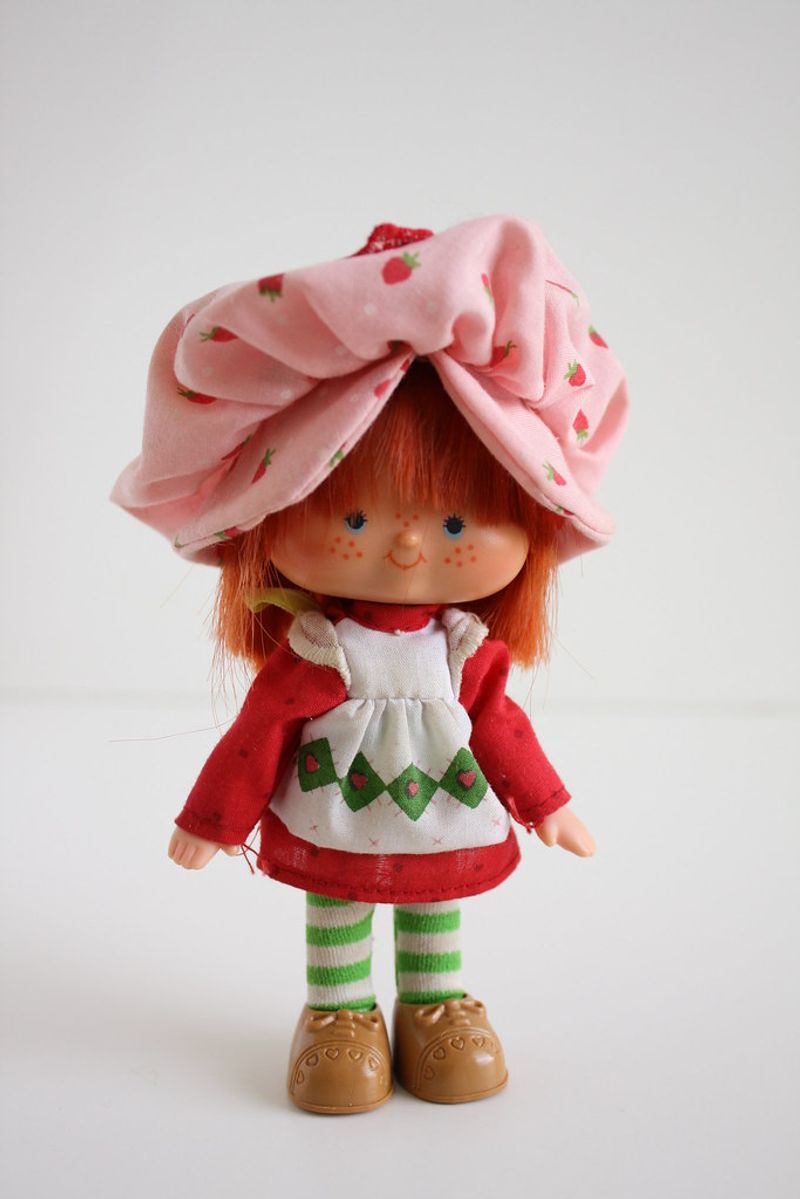
Strawberry Shortcake dolls came with something no other toy line had mastered quite so well: a scent. These fruit-themed characters smelled like their names, and opening the toy box was an experience all on its own.
Sweet, fruity, and completely unforgettable.
The line launched in 1980, growing from greeting card art into a full toy universe of dessert-named characters with matching pets and accessories. Kids collected them not just for play but for the sheer cheerfulness they brought to any shelf or toy bin.
Strawberry Shortcake, Orange Blossom, Lemon Meringue, and the rest of the crew had a storybook quality that felt warm and imaginative without being sugary in an annoying way. The scented dolls remain one of the most sensory-specific toy memories of the early ’80s.
Even now, a faint strawberry smell can send some people straight back to 1982 without warning.
Popples
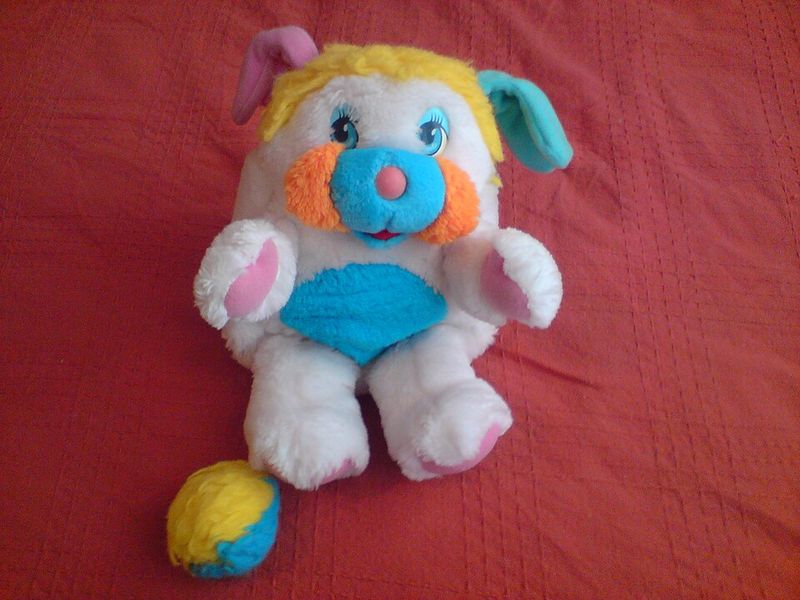
Popples had a party trick that no other stuffed animal could match. Tuck them in, roll them up, and they became a colorful plush ball.
Pop them back open and out came a cheerful, fuzzy character ready to cuddle. That reversible gimmick was pure 1980s genius.
Introduced in 1986, Popples came in a rainbow of colors with names like Puffball, Prize, and Pancake. They were soft enough to sleep with, bouncy enough to toss around, and fun enough to flip in and out of ball form approximately four hundred times in one afternoon.
The bright, exuberant designs matched the decade’s love of bold colors and playful excess perfectly. Popples were not trying to teach a lesson or spark deep imagination.
They were just flat-out fun, and sometimes that is exactly what a toy needs to be. No wonder so many ’80s kids remember them with a grin.
Nintendo Game Boy
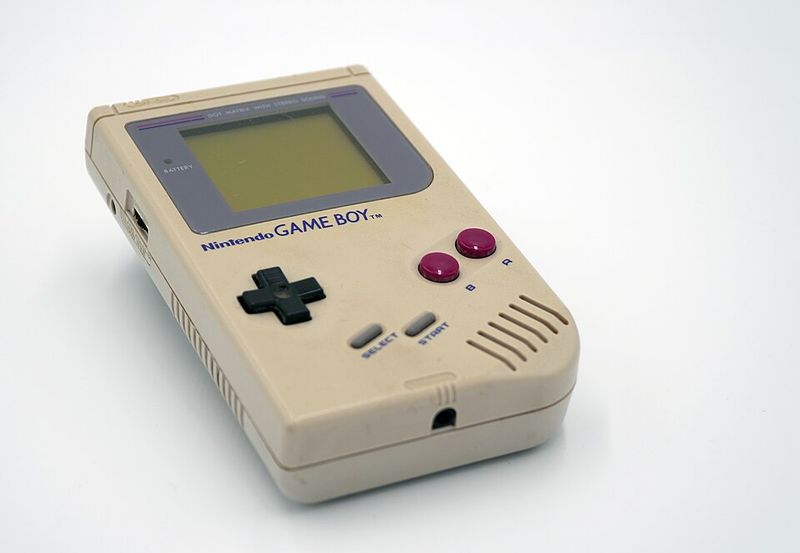
The Nintendo Game Boy arrived in 1989 and quietly changed everything. Before it, video games meant sitting in front of a TV.
After it, games lived in your pocket and went wherever you went. That shift was bigger than most people realized at the time.
The hardware was modest: a gray brick, a small green-tinted screen, and a D-pad that clicked satisfyingly under your thumb. But Tetris was bundled in the box, and that one game alone could eat an entire road trip without anyone noticing.
My uncle once missed his bus stop because of Tetris. Twice.
The Game Boy outsold flashier competitors with color screens because it had better games, longer battery life, and a durability that became legendary. It was practically indestructible.
For kids growing up at the end of the decade, the Game Boy was not just a toy. It was a preview of the future.
Share this story