 Unearth The Voyage
Some meals do more than fill your stomach. They take you straight back to a scratched-up kitchen table, the smell of something bubbling on the stove, and the sound of the evening news playing in the background.
Growing up in the 1950s, 60s, and 70s meant eating food that was hearty, simple, and unapologetically satisfying. Here are 15 meals that every Baby Boomer knows by heart.
Meatloaf with Ketchup Glaze
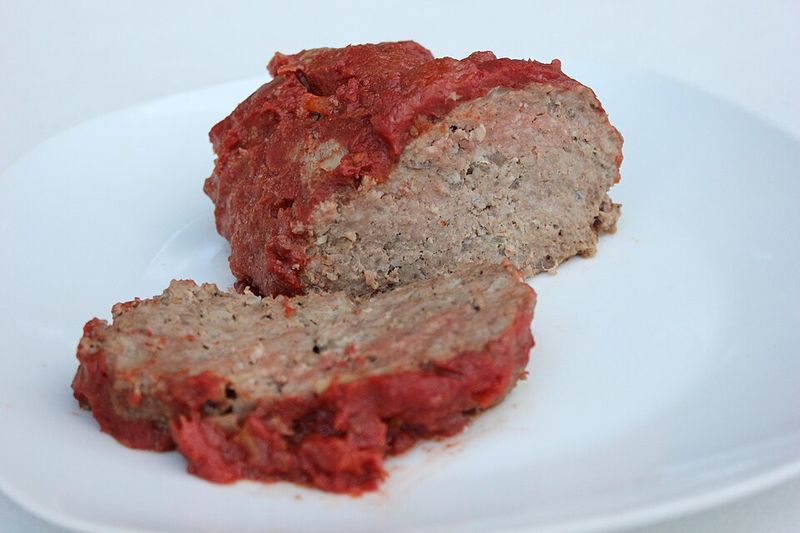
Mom did not need a recipe card for this one. She just knew.
Ground beef, breadcrumbs, an egg, and that iconic ketchup stripe across the top that caramelized into something almost magical in the oven.
Meatloaf was Monday-night dependable. It showed up after a long school day like a warm handshake.
Leftovers made the best sandwiches the next day, cold from the fridge and slapped between two slices of white bread.
Tuna Noodle Casserole
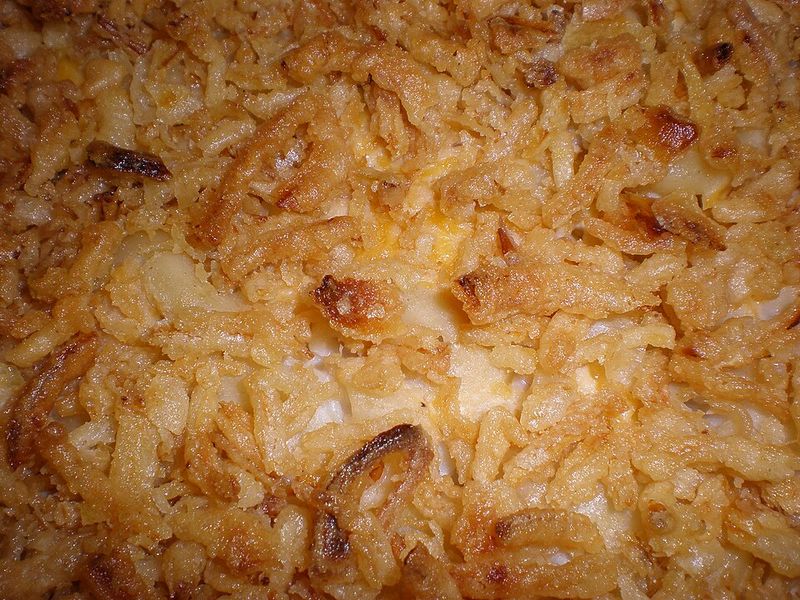
Canned tuna, egg noodles, cream of mushroom soup, and a crunchy cracker topping. That is it.
That is the whole magic trick.
Tuna noodle casserole was the dish that stretched a tight grocery budget without anyone feeling shortchanged. I remember scraping the crispy edges from the pan before anyone else could get to them.
It was cheap, filling, and oddly comforting in a way that fancy food rarely manages to pull off.
TV Dinners (Foil-Tray Favorites)
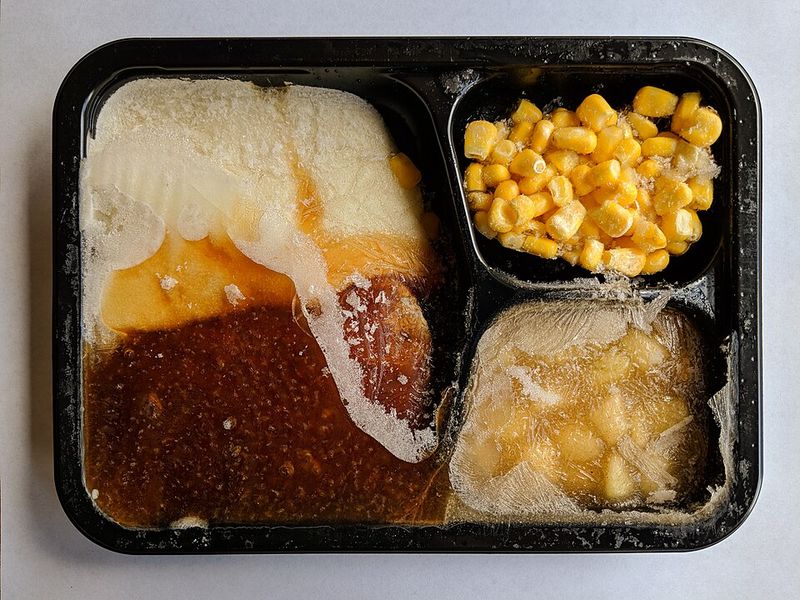
Swanson changed family life forever in 1953 when it introduced the TV dinner. Suddenly, eating in front of the television was not just allowed.
It was practically encouraged.
Those little foil trays with their tidy compartments felt futuristic and fun. The mashed potatoes were gluey.
The brownie was tiny. Nobody cared.
Eating a TV dinner felt like a tiny rebellion against the formal dining table, and every kid loved it for exactly that reason.
Jell-O Salad (The Wiggly Potluck Star)
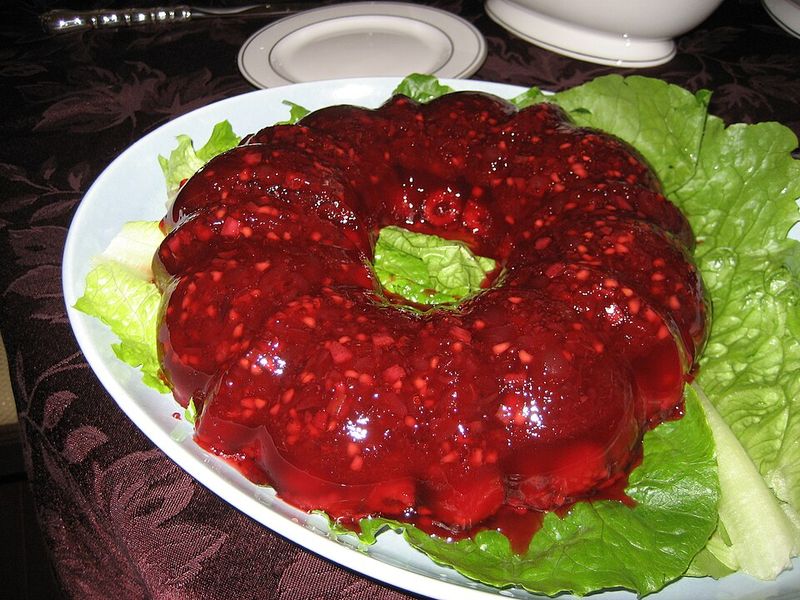
Somewhere between a dessert and a side dish lived Jell-O salad, and nobody questioned it. It wobbled onto every potluck table with complete confidence.
Lime Jell-O with cream cheese and crushed pineapple was a crowd favorite. So was the orange version with shredded carrots, which sounds wrong but tasted surprisingly right.
Jell-O salad was the dish that made guests say, “Oh, you made your famous Jell-O thing!” and mean it as a genuine compliment.
Sloppy Joes (Messy in the Best Way)
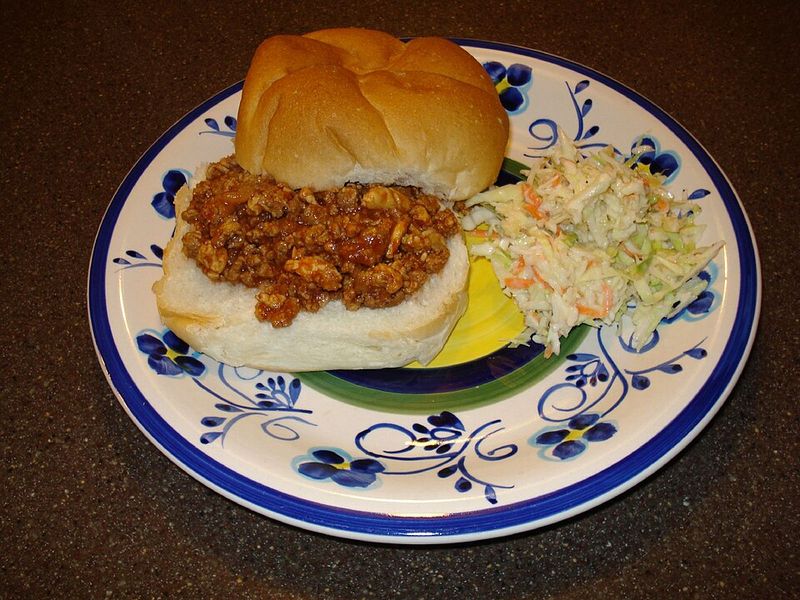
There was never a graceful way to eat a Sloppy Joe, and that was entirely the point. The sauce dripped down your hands, soaked the bun, and landed on your shirt.
Worth it every time.
Ground beef cooked down in a tangy tomato sauce and piled high on a soft bun. School cafeterias served them on Fridays.
Moms made them on busy weeknights. The name was honest, the flavor was bold, and the napkin situation was always out of control.
Spaghetti with Meat Sauce (Plus the “Green Can” Parmesan)
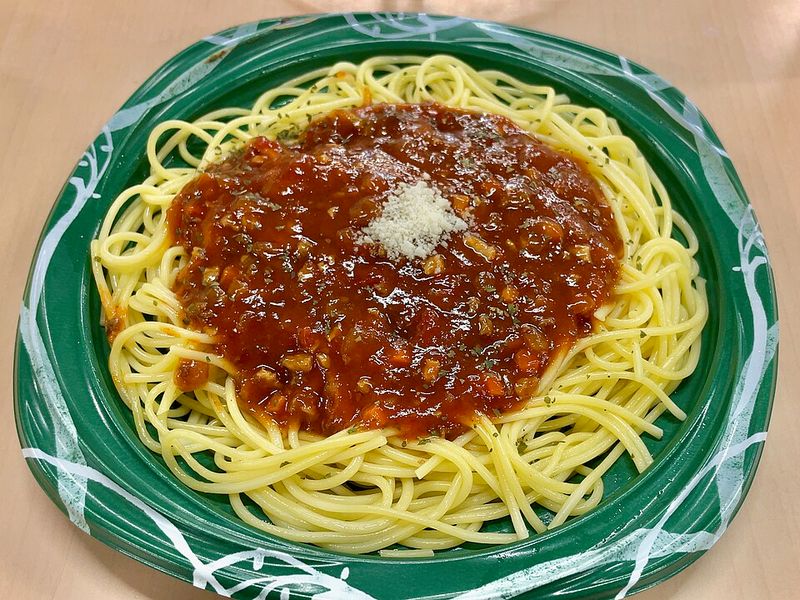
The green Kraft Parmesan can deserves its own hall of fame. That powdery, salty shake-on cheese was a non-negotiable part of spaghetti night, no matter what any Italian grandmother might say.
Spaghetti with meat sauce was the weeknight warrior of boomer kitchens. A pound of ground beef, a jar of Ragu, and a big pot of noodles fed the whole family without drama.
It was the kind of meal that made the whole house smell incredible from two rooms away.
Boxed Macaroni and Cheese
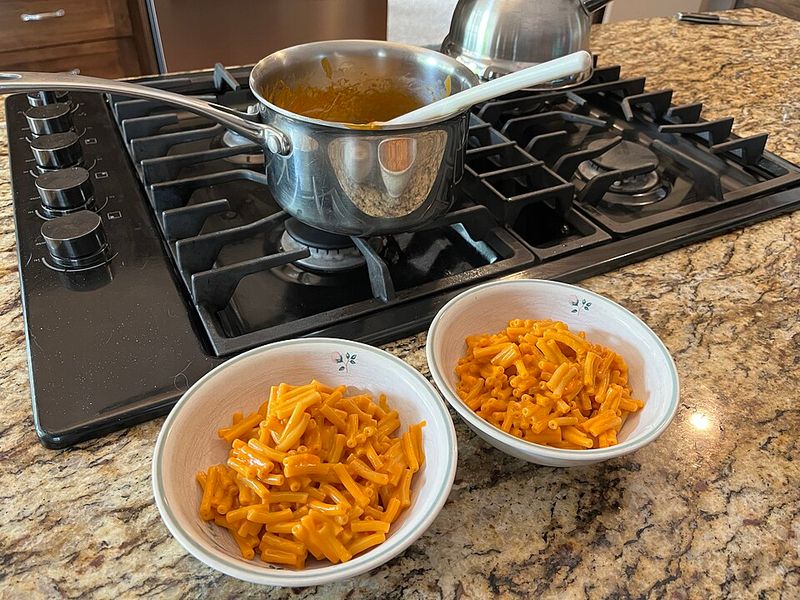
Kraft introduced boxed mac and cheese in 1937, but Baby Boomers made it a religion. That bright orange powder mixed with butter and milk created something that defied all logic and tasted absolutely perfect.
Kids begged for it. Babysitters relied on it.
Moms kept six boxes in the pantry just in case. I ate it straight from the pot more times than I can count.
Boxed mac and cheese was not a compromise. It was the main event.
Pot Roast with Vegetables (Sunday-Dinner Classic)
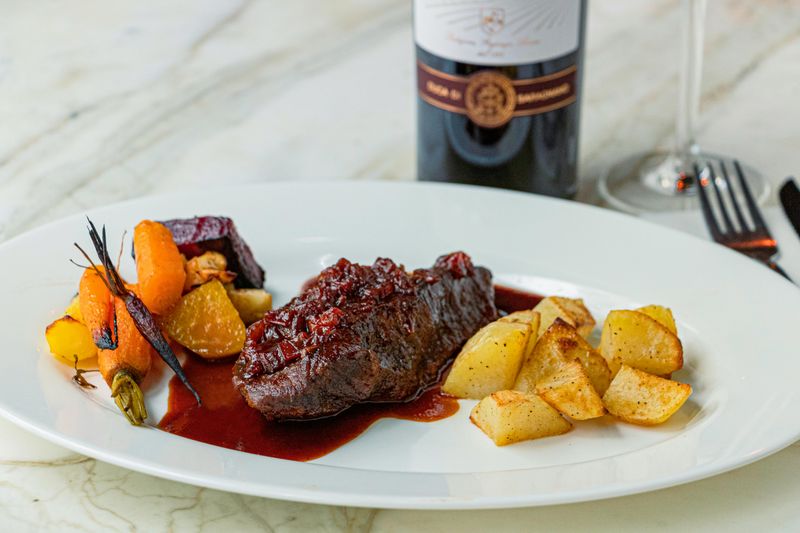
Sunday pot roast was not just dinner. It was an event.
The whole house smelled like slow-cooked beef and root vegetables from noon until the family sat down together at five o’clock sharp.
Chuck roast, carrots, potatoes, and onions all braised low and slow until everything turned fork-tender and the broth became something close to gold. No fancy technique required.
Just patience and a good Dutch oven. The leftovers made a killer hash the next morning, too.
Creamed Chipped Beef on Toast (“S.O.S.”)
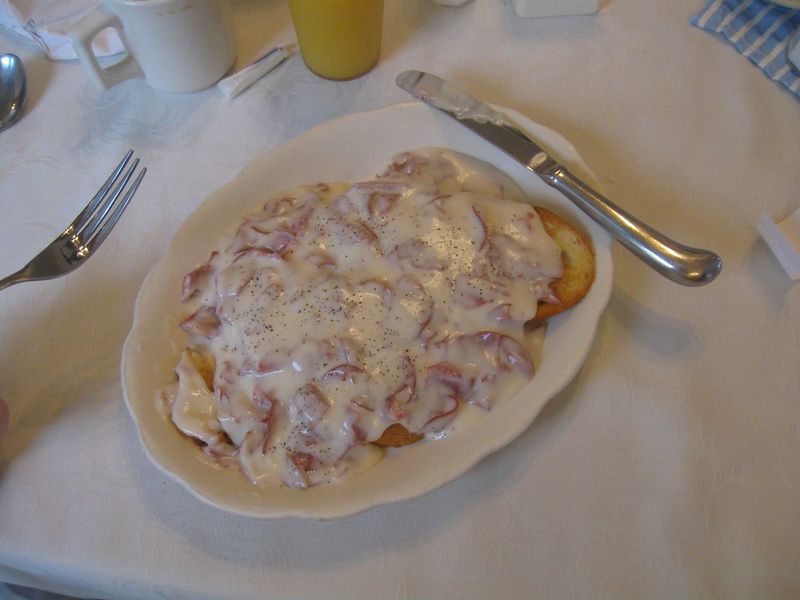
The military nickname for this dish was not exactly polite, but it stuck. Creamed chipped beef on toast had a reputation, and yet somehow it kept showing up on breakfast tables across America.
Thin slices of dried beef folded into a thick, peppery white sauce and spooned over toast. It sounds simple because it was.
Dads who served in the armed forces recognized it immediately. Some loved it.
Some had complicated feelings. Everyone ate it anyway, usually without complaint.
Deviled Eggs (Party-Tray Royalty)
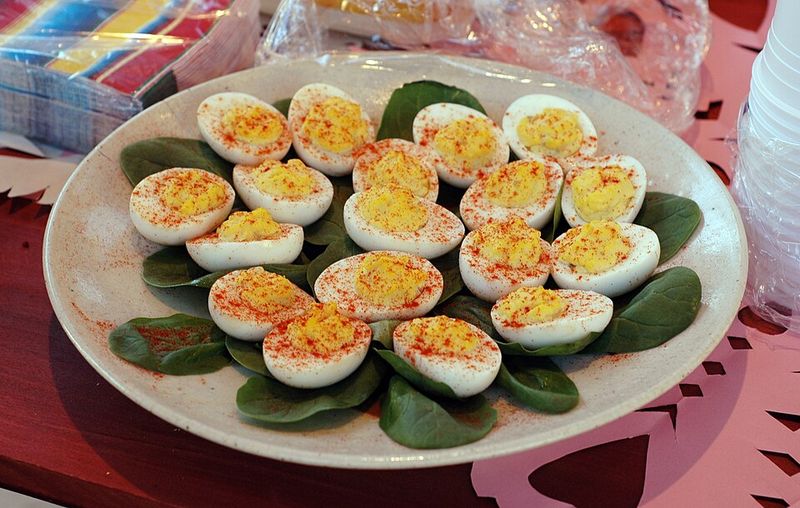
No church potluck, holiday gathering, or summer cookout was complete without a deviled egg tray. The special carrier with its little oval indentations was a prized kitchen item in every boomer household.
Hard-boiled egg whites filled with a creamy mix of yolk, mustard, mayo, and a paprika dusting on top. They disappeared faster than anything else on the table.
I once watched my aunt guard her tray like it contained actual treasure. Honestly, it kind of did.
Fish Sticks with Tartar Sauce
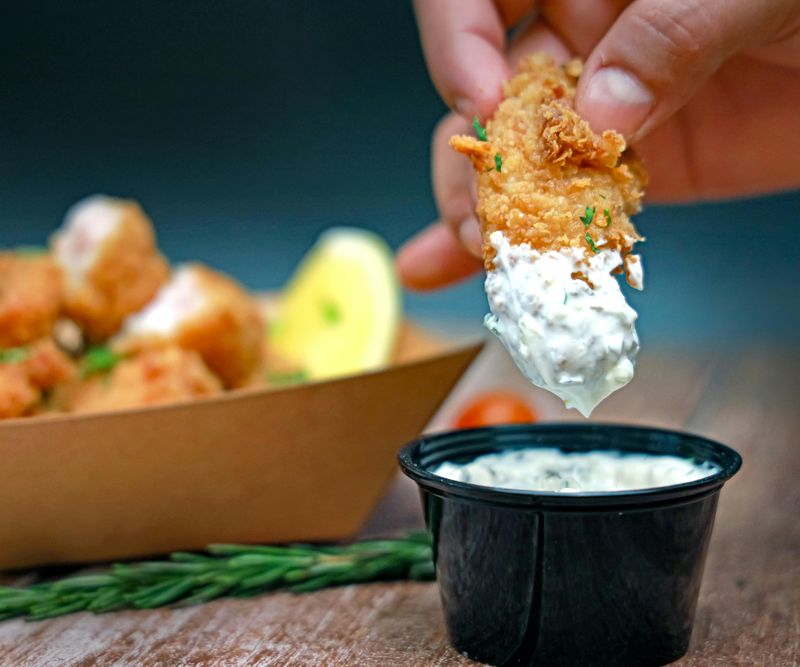
Friday nights had a flavor, and it tasted like crispy breaded fish sticks straight from a box. Mrs. Paul and Gorton both built empires on this exact concept.
Baked or fried until golden, served with a blob of tangy tartar sauce for dipping. Fish sticks were easy, fast, and universally accepted by even the pickiest kids at the table.
They were not pretending to be fancy. They were proudly, cheerfully basic, and that was their greatest strength.
Bologna Sandwiches (Lunchbox Legend)
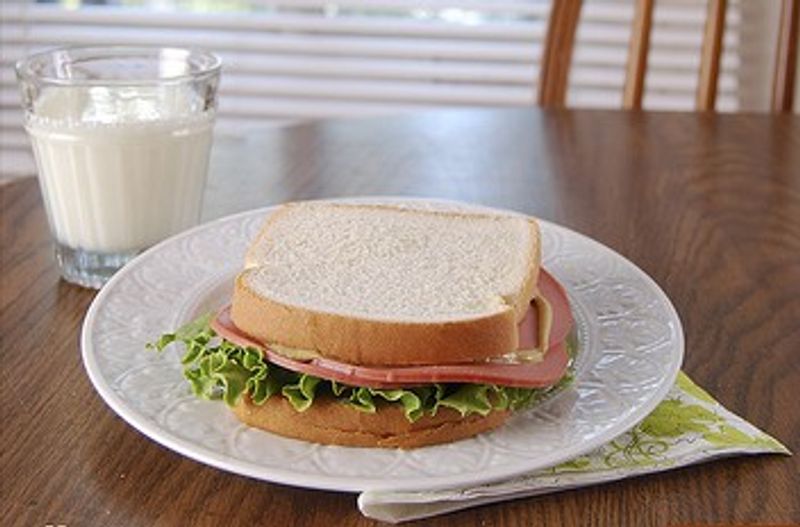
Bologna was the king of the lunchbox, and everyone knew it. Thick-sliced or thin, with yellow mustard on white bread, it was the sandwich that showed up every single day without apology.
Some kids got fancy with cheese or lettuce. Others kept it pure.
Oscar Mayer’s jingle made the whole thing iconic. That catchy tune about spelling out bologna made an entire generation memorize a word they might never have learned otherwise.
Marketing genius wrapped in a cold cut.
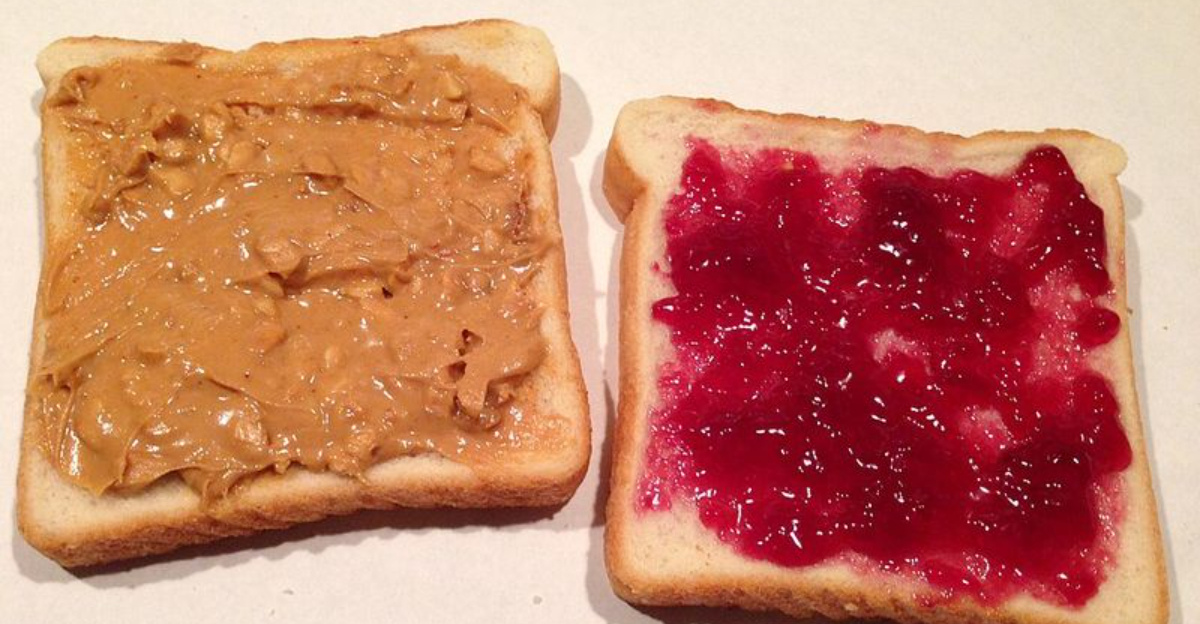
Peanut Butter and Jelly Sandwiches
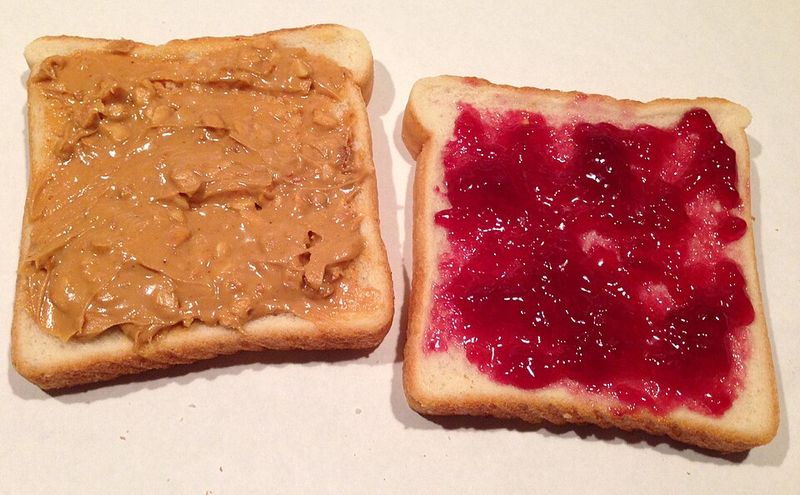
Grape jelly or strawberry jam? That debate divided households more than politics ever could.
Peanut butter and jelly sandwiches were the great equalizer of boomer childhoods everywhere.
Creamy Skippy or crunchy Jif on soft Wonder Bread with a thick swipe of Welch’s grape jelly. Simple, portable, and endlessly satisfying.
The peanut butter always stuck to the roof of your mouth, and somehow that was part of the charm. No boomer lunchbox history is complete without this sticky legend.
Pineapple Upside-Down Cake (Retro Showstopper)
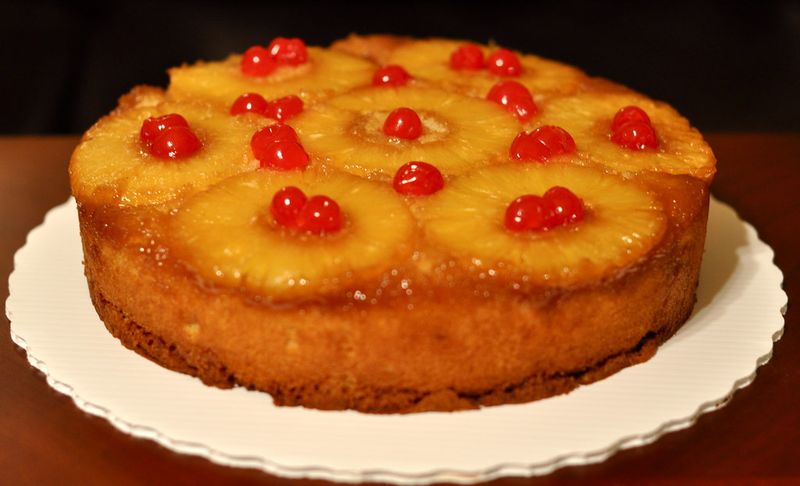
Flipping that cake pan over the plate was the most dramatic moment in any boomer kitchen. Everyone held their breath.
When it landed perfectly with those caramelized pineapple rings staring up at you, the whole room exhaled with relief and delight.
Brown sugar, butter, canned pineapple slices, and bright red maraschino cherries created a sticky, gorgeous topping. The cake beneath was tender and buttery.
It was retro before retro was cool, and it still earns applause at every table it visits today.
Icebox Cake (No-Bake Nostalgia)
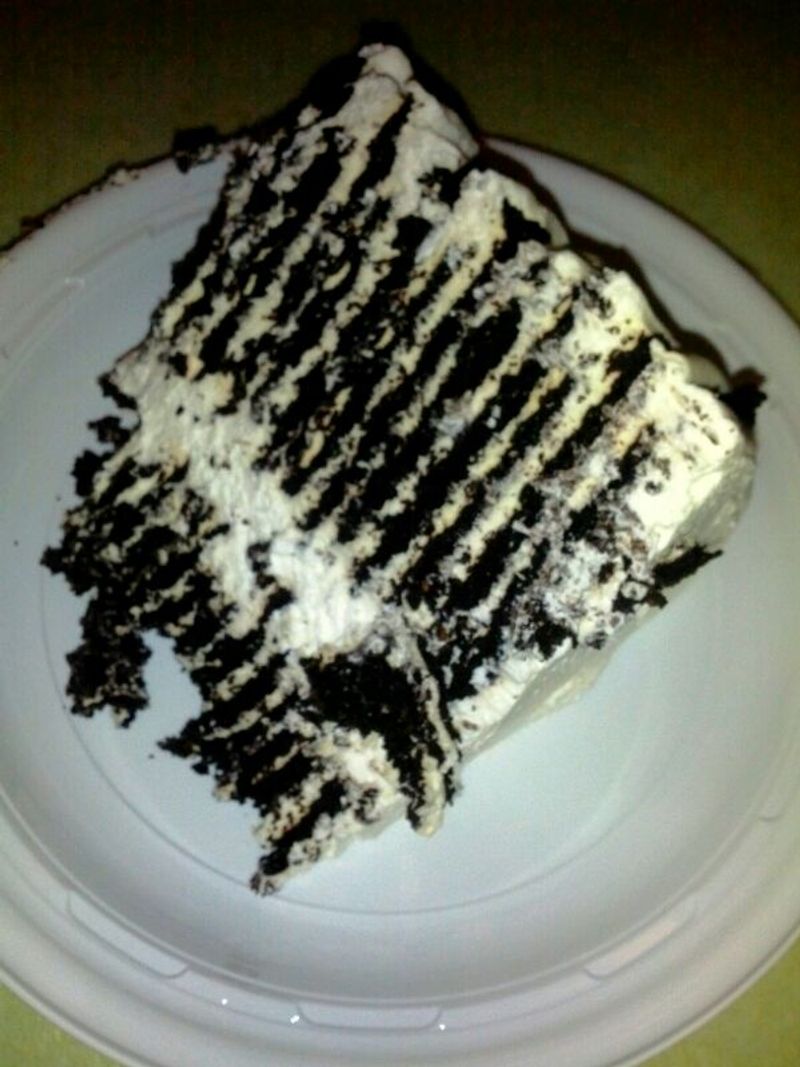
No oven, no stress, no problem. Icebox cake required nothing but patience, a box of Nabisco Famous Chocolate Wafers, and enough whipped cream to build something truly beautiful in the fridge.
Layer cookies, spread cream, repeat. Then wait overnight while the cookies softened into something almost cake-like.
The result was cool, creamy, and completely irresistible. Grandmothers made this on hot summer days when turning on the oven felt like a personal insult.
It was effortless elegance hiding behind a very humble ingredient list.



