 Unearth The Voyage
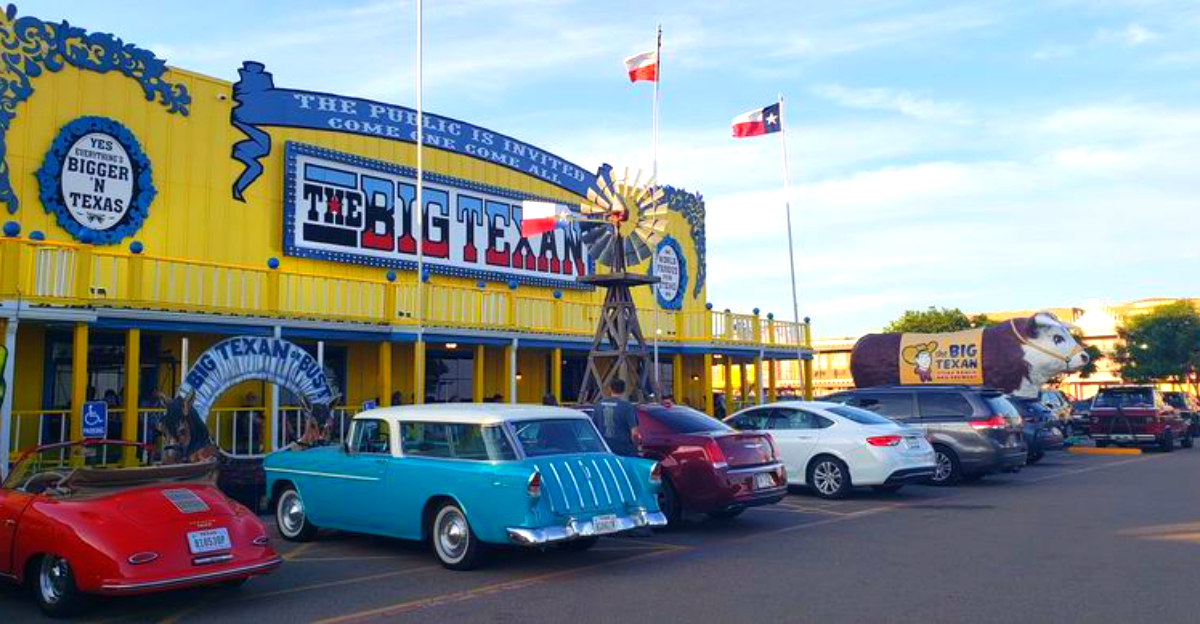
The great American road trip used to run on station wagons, folded maps, motel vacancy signs, and the promise of a solid meal just off the highway. In the 1970s, these restaurant stops were part refueling station, part local bulletin board, and part family memory machine, serving everyone from sunburned vacationers to salesmen with sample cases and kids counting license plates.
Some were attached to motels, some sat beside them, and some practically became the reason to stop for the night, thanks to pie counters, giant breakfasts, regional specialties, and signs so bold they could steer you off the interstate without asking twice. Ahead, you will find 15 classics that helped define that era, from Route 66 icons to truck stop legends and quiet dining rooms near bays, canyons, and small town main streets, each one offering a revealing slice of how Americans traveled, ate, and happily lingered between one mile marker and the next.
1. Blue Swallow Café – Tucumcari, NM (815 W 2nd St)
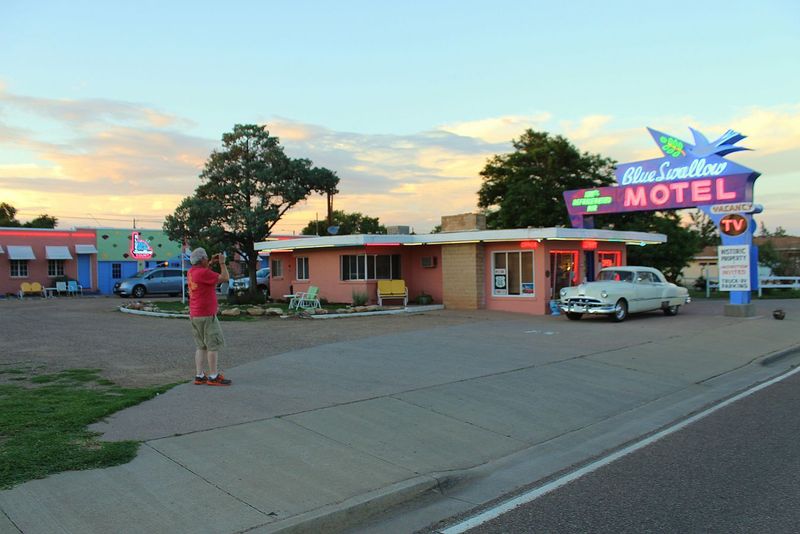
A neon sign with staying power can do half the advertising, and Blue Swallow Café knew it. In Tucumcari, this Route 66 favorite paired the appeal of a classic motel stop with straight-ahead comfort food that kept travelers from treating town like a blur through the windshield.
Burgers, pie, and dependable counter service gave the place its practical charm, while the 1939 sign delivered exactly the kind of roadside identity families remembered years later. During the 1970s, that mix of familiarity and local character mattered, especially for people crossing long New Mexico stretches and wanting one stop that felt easy to trust.
It was never about gimmicks alone. The café worked because it fit the rhythm of the road: park, eat, chat a little, maybe book a room nearby, then continue west or east feeling slightly more organized than before.
That was a quiet kind of excellence.
2. Du-Par’s Restaurant & Bakery – Los Angeles, CA (6333 W 3rd St)
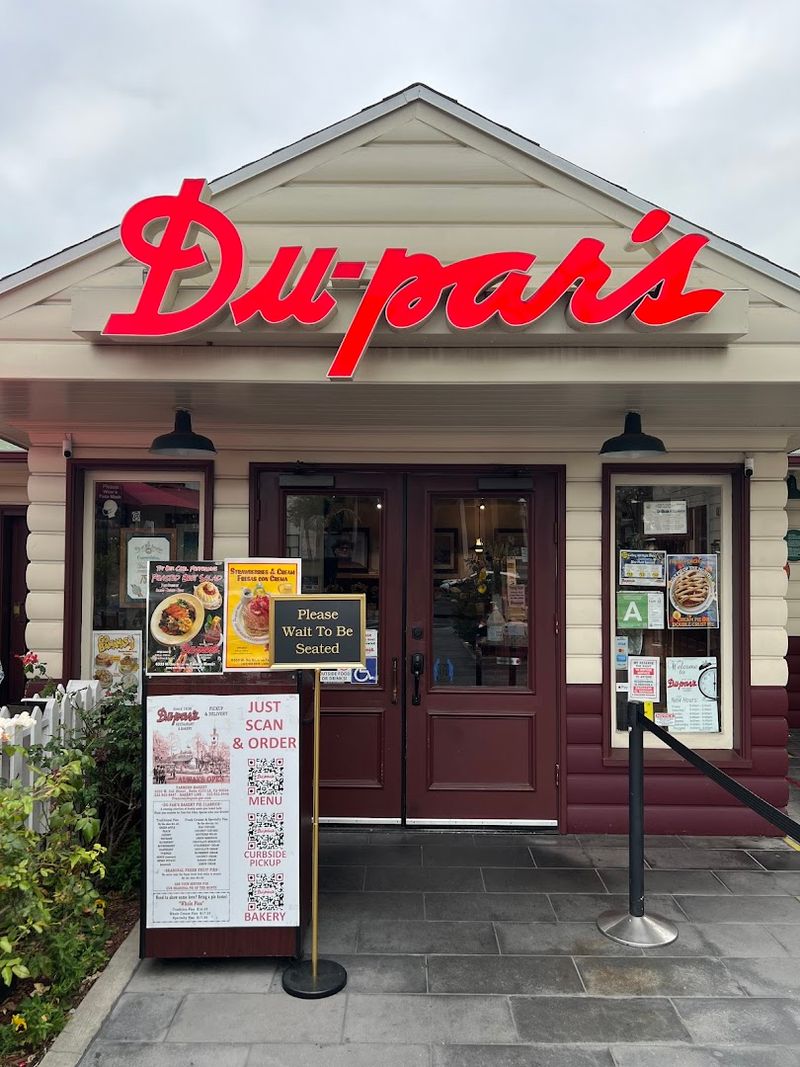
Late-night pancakes can solve more travel problems than any paper map, and Du-Par’s built a reputation on exactly that kind of rescue mission. Near the Farmers Market in Los Angeles, it served motorists, night owls, and motel guests who wanted a reliable meal without decoding a trendy menu.
Its 24-hour schedule was a major advantage in the 1970s, when road trips often slipped into odd hours and city arrivals rarely lined up neatly with dinner plans. The restaurant and bakery offered pancakes, hot sandwiches, pie, and breakfast at any time, which meant Sunset Strip drivers and cross-state wanderers could land there without overthinking the stop.
Du-Par’s also had that useful blend of bustle and steadiness that made a big city feel manageable. You could fuel up, regroup, and head back out with a full stomach and a renewed sense that Los Angeles, despite all evidence, might actually cooperate with your schedule.
3. 66 Diner – Albuquerque, NM (12166 N Frontage Rd SW)
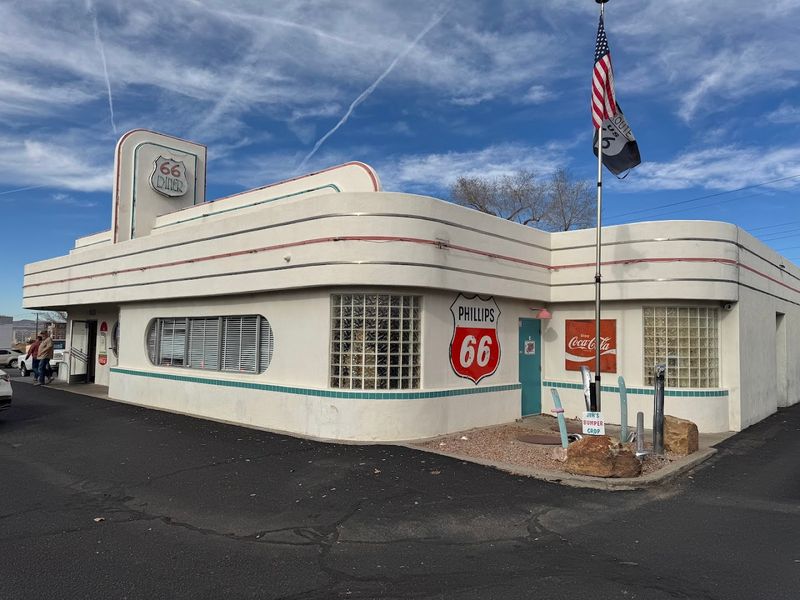
Chrome, fries, and a frontage-road address can make a strong argument for pulling over, and 66 Diner understands the formula. Though its retro identity nods to an earlier era, the place captures the kind of nostalgia many travelers now associate with the 1970s motel-and-highway experience.
Set along Albuquerque’s Route 66 corridor, it leans into malts, burgers, and polished Americana without becoming a costume party. That balance matters because the best roadside restaurants feel usable first, memorable second, giving you a booth, a basket of fries, and enough personality to justify the detour.
For anyone tracing old highway routes, 66 Diner offers the pleasure of a stop that respects history while keeping the menu uncomplicated. You come for the classic diner staples, stay for the visual fun, and leave with one of those pleasantly predictable travel memories that somehow outlasts the fancy stuff.
4. Iron Skillet – Joplin, MO (at Love’s Travel Stop, I-44)
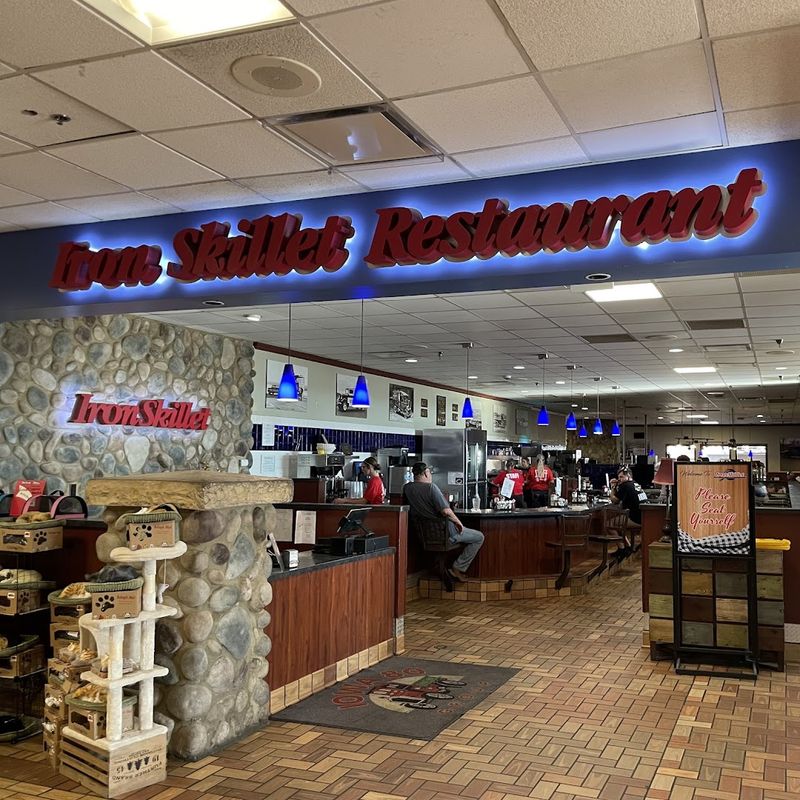
Truck stops rarely waste time pretending to be delicate, and that is exactly why Iron Skillet earned its place in road-trip history. In Joplin, the restaurant offered the kind of hearty, straightforward meals that made drivers feel they had chosen competence over chaos.
Catfish platters, big breakfasts, and broad menus suited long-haul truckers, vacationing families, and anyone clocking serious interstate miles on I-44. During the 1970s, that all-purpose reliability mattered because cross-country travel demanded places that could handle odd hours, big appetites, and people who wanted a quick refill before the next state line.
Its travel-stop setting only strengthened the appeal. You could eat, stretch, grab supplies, and settle into the motel rhythm of the highway without leaving the orbit of the exit ramp, which is exactly the sort of convenience that turns a restaurant into a tradition rather than just another meal.
5. Big Texan Steak Ranch – Amarillo, TX (7701 I-40)
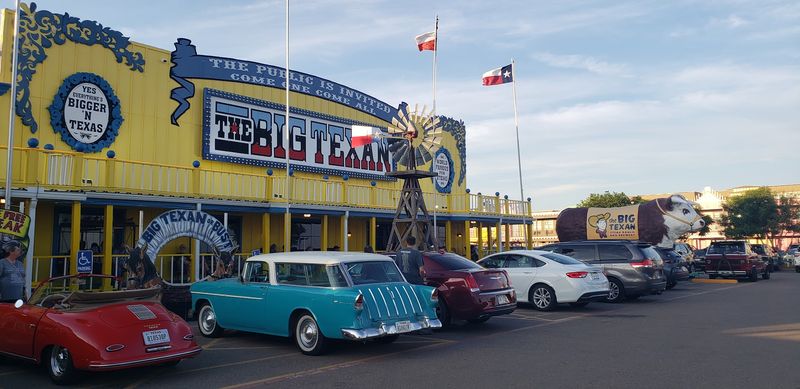
Nothing says road-trip swagger quite like a restaurant that turned dinner into a challenge and a roadside stop into family folklore. Big Texan Steak Ranch lured I-40 travelers with oversized portions, cowboy branding, and motel-friendly convenience that made Amarillo feel less like a pass-through and more like an event.
The famous 72-ounce steak challenge began earlier, but in the 1970s it became prime road chatter, especially among motorists who wanted a story as much as a meal. Families who had no interest in competitive eating still stopped for steaks, baked potatoes, and the broad, theatrical dining room built to entertain restless travelers.
The attached motel connection mattered, too, because this was exactly the sort of place where you could park, eat big, sleep nearby, and hit the highway with zero fuss the next morning. For road trippers, efficiency rarely looked this playful.
6. Rock Café – Stroud, OK (114 W Main St)
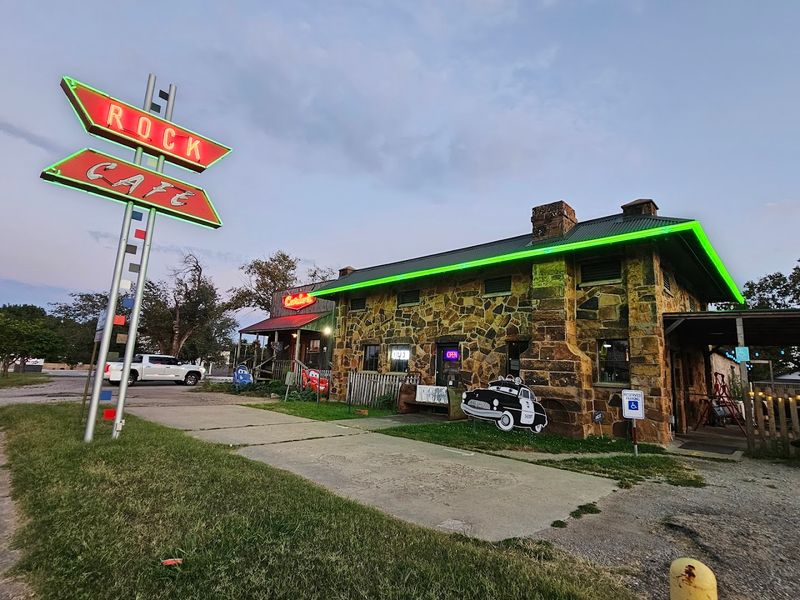
Built with rock and run with determination, Rock Café always looked tougher than the average roadside lunch stop. In Stroud, Oklahoma, it became a dependable Route 66 landmark where travelers could count on a meal served with small-town confidence rather than corporate polish.
The café had been feeding people since the 1930s, but its road-trip peak arrived when highway culture and motel travel were still deeply tied to old main streets. By the 1970s, that history gave the place an edge, because diners wanted authenticity without a lecture, and Rock Café delivered burgers, comfort food, and a setting that had actually earned its age.
Its appeal came from endurance as much as menu. You were not just stopping for lunch; you were participating in a chain of travel habits repeated by families, sales reps, and vacationers for decades, which is a neat trick for any restaurant and a rare one for a roadside classic.
7. Denny’s – Barstow, CA (1515 E Main St, Route 66)
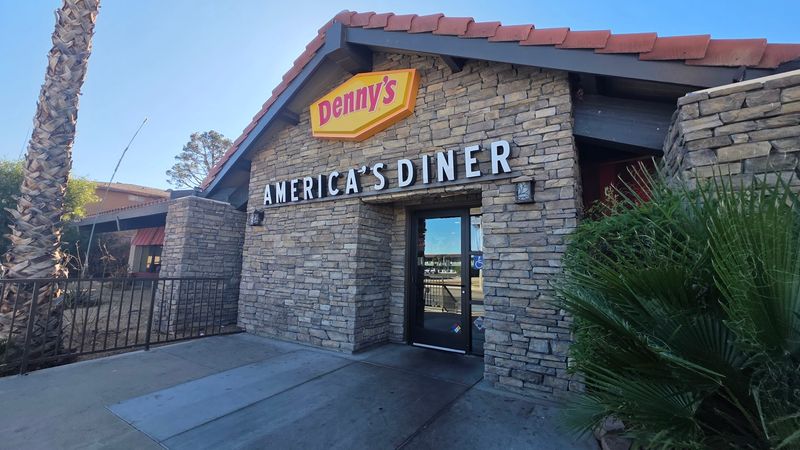
Some road-trip memories come with a giant novelty sign, and some come with a laminated menu that never let you down. Denny’s in Barstow represented the second category, which may be less glamorous but was absolutely essential for travelers rolling through the California desert on Route 66.
Its value was consistency. By the 1970s, motorists knew a Denny’s could provide breakfast at convenient hours, familiar service, and the kind of all-day menu that pleased parents, picky kids, and drivers who had lost track of what meal they were technically eating.
The Grand Slam became the famous shorthand, but the real victory was predictability near a cluster of motels and highway exits where people needed a simple answer. In Barstow, that mattered more than flair.
A booth, hot coffee alternatives for some, a plate stacked with basics, and a clean restart for the next leg of the trip – sometimes that is the whole magic.
8. Midpoint Café – Adrian, TX (I-40 at Route 66 midpoint)
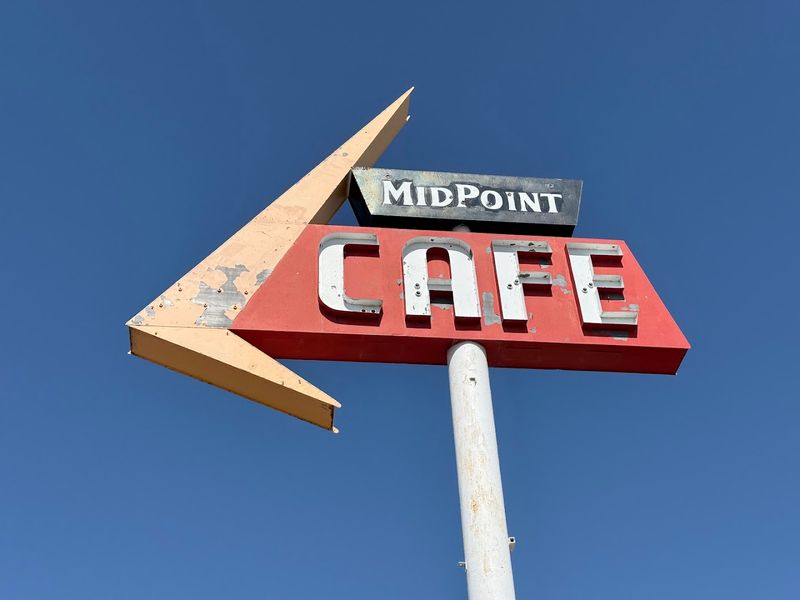
Halfway marks have a special power over tired drivers, and Midpoint Café turned that simple fact into a memorable stop. Sitting at the Route 66 midpoint near Adrian, Texas, it gave travelers the satisfaction of not just eating lunch, but achieving a tiny geographic milestone.
Pie became central to its reputation, and for good reason, because a strong dessert case can brighten even the most argumentative family car. In the 1970s, when Amarillo-to-Amarillo jokes and map-based bragging rights still had real entertainment value, the café’s midpoint identity made it more than a convenience stop near highway lodging.
Its charm also came from scale. Midpoint Café never needed to overpower the landscape.
It simply offered a solid meal, a clear story, and the kind of marker people could point to later when summarizing a cross-country trip. On a long road, that blend of certainty and pie is hard to beat.
9. Bagdad Café – Newberry Springs, CA (46508 Rte 66)
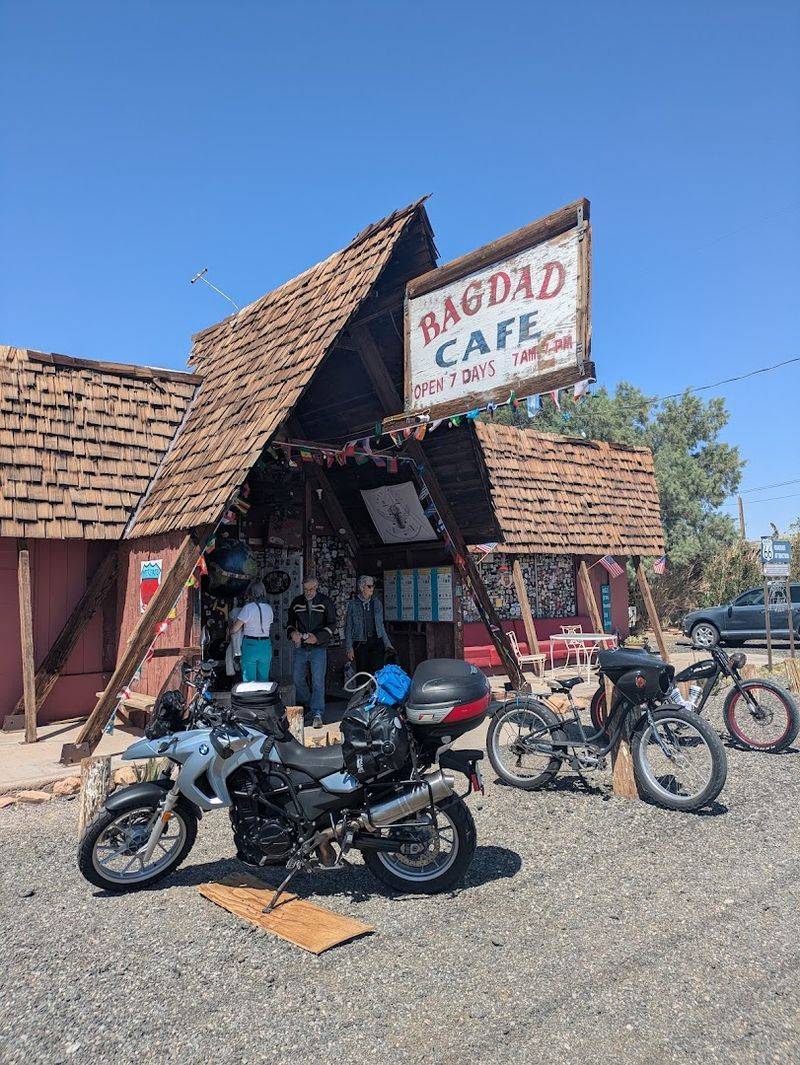
Desert highways reward bold stops, and Bagdad Café has always understood the assignment. Although many people know it through a later film connection, its deeper appeal comes from older Route 66 roadhouse roots that fit the motel-road-trip pattern of the 1970s remarkably well.
In practical terms, this was the kind of place travelers remembered because it offered more personality than the average highway meal without making service complicated. Apple pie, roadside banter, and a location in Newberry Springs gave it the useful quality of feeling remote yet still ready for business, which is exactly what desert drivers want.
Its long-term reputation grew because the setting did not try to hide its isolation. Instead, it made that geography part of the stop.
You paused, ate, reset your route, and appreciated the fact that one well-placed café could still anchor miles of open road better than any sleek chain trying too hard.
10. Lakeside Inn Dining Room – Omena, MI (Grand Traverse Bay)
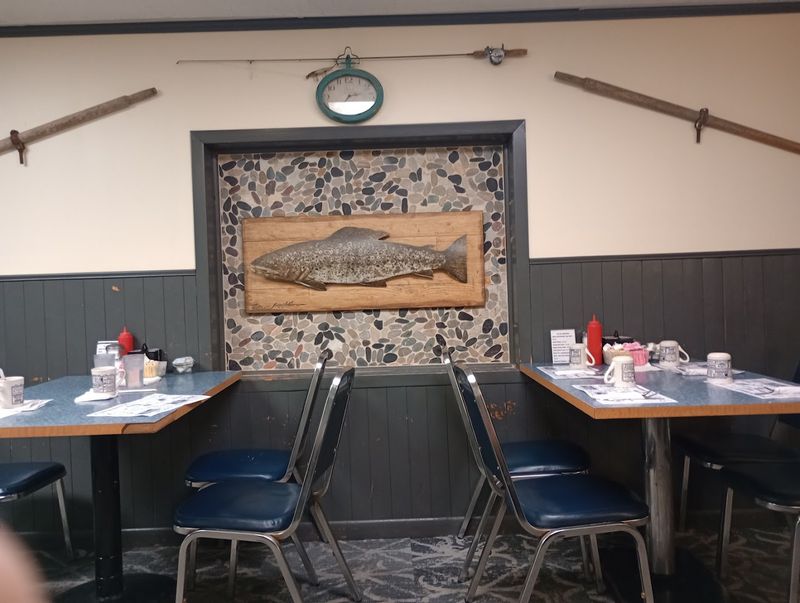
Not every classic road-trip restaurant sat beside a roaring interstate, and that is part of what made Lakeside Inn Dining Room stand out. In Omena, along Grand Traverse Bay, it offered travelers a quieter motel-style stop where northern Michigan scenery met old-school dining-room order.
Fish fries were a signature draw, but the bigger appeal was the way the place slowed the pace without becoming fussy. For 1970s motorists tracing M-22, that mattered.
A stop here felt intentional, the sort of meal break that justified a night nearby and rewarded anyone willing to trade speed for a better route.
The dining room served a different branch of American road culture than truck stops and neon diners, yet it belonged in the same conversation. It provided rest, a sit-down meal, and a clear sense of place.
Sometimes the most memorable travel restaurant is the one that persuades you not to rush back into the car.
11. Stagecoach Inn Restaurant – Salado, TX (301 Stagecoach Rd)
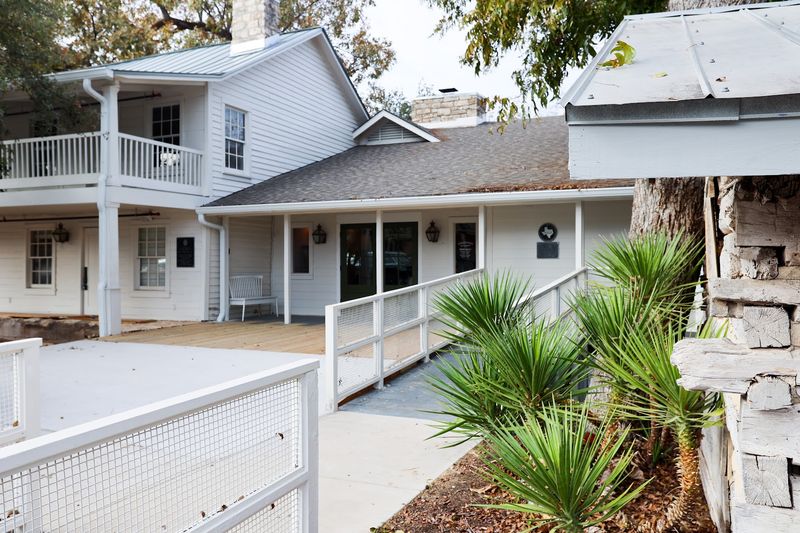
History can be served family-style, and Stagecoach Inn Restaurant did exactly that in Salado. Close to I-35, it gave Texas road trippers a stop that felt rooted in older travel traditions while still fitting the practical motel patterns of the 1970s.
Its well-known chilis and family platters made it especially popular with groups who wanted one table, several dishes, and no drama about the menu. That combination mattered on long drives, because the best roadside meals are often the ones that settle everyone down fast and send the trip back on schedule.
Stagecoach Inn also benefited from the kind of setting that made a stop feel substantial rather than random. Travelers could eat, rest nearby, and absorb a bit of regional character without detouring into anything complicated.
In a decade that still prized the family vacation by car, this place offered exactly what the highway promised but did not always deliver: comfort with a Texas accent.
12. Stuckey’s – Various (e.g., Perry, GA on I-75)
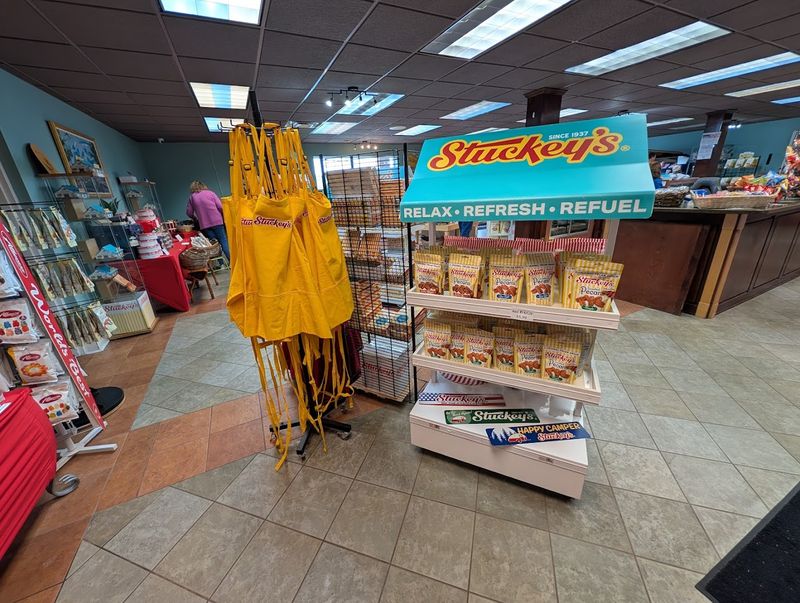
Road trips in the 1970s practically came with a pecan log roll somewhere in the back seat, and Stuckey’s is why. More than a single restaurant, it was an empire of roadside stops that blended candy counters, quick meals, souvenirs, and motel-era convenience into one highly strategic pause.
At locations such as Perry, Georgia, travelers found a place that understood impulse buying before the term became business-school wallpaper. You came in for a sandwich or coffee alternative, then left with fudge, postcards, a sack of snacks, and maybe a dashboard monkey because road judgment had briefly taken the afternoon off.
That broad appeal is what made Stuckey’s so defining. It was not just about one iconic dish, but about shaping the entire stop itself.
Families stretched their legs, parents refocused the route, and kids negotiated for candy with the determination of experienced union reps. In motel-road-trip history, few names are more instantly recognizable.
13. Cozy Dog Drive In – Springfield, IL (2935 S 6th St)
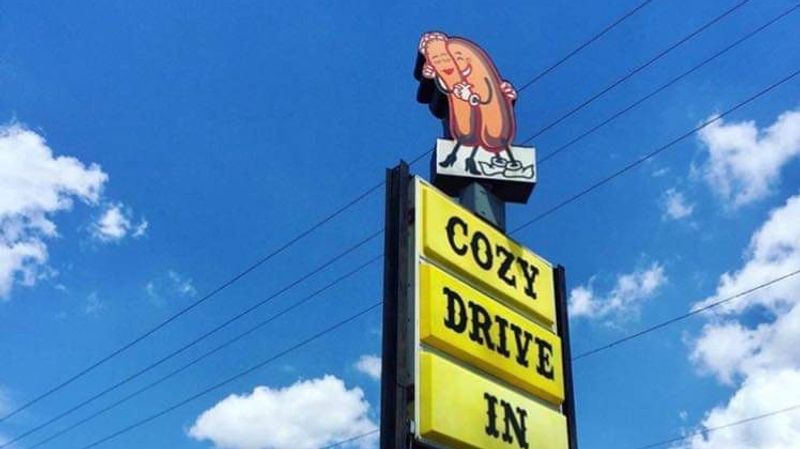
Inventing a portable road-trip food is a strong way to secure your place in highway history, and Cozy Dog Drive In has that box checked. In Springfield, Illinois, this Route 66 classic turned the corn dog into a calling card and gave motel travelers an easy, memorable stop.
By the 1970s, its reputation was already well established, which helped the place attract both nostalgic repeat visitors and first-timers chasing road lore. The menu stayed practical, the setting remained approachable, and the whole operation fit neatly into the rhythm of a family trip where not everyone wanted a long, formal meal.
That simplicity was the point. Cozy Dog worked because it offered a specific specialty, served it without fuss, and wrapped the experience in enough Route 66 identity to make the stop feel earned.
You could eat quickly, laugh at how much mileage one corn dog had generated, and continue down the road with a story that was genuinely useful.
14. Palms Grill Café – Atlanta, IL (111 N Vine St)
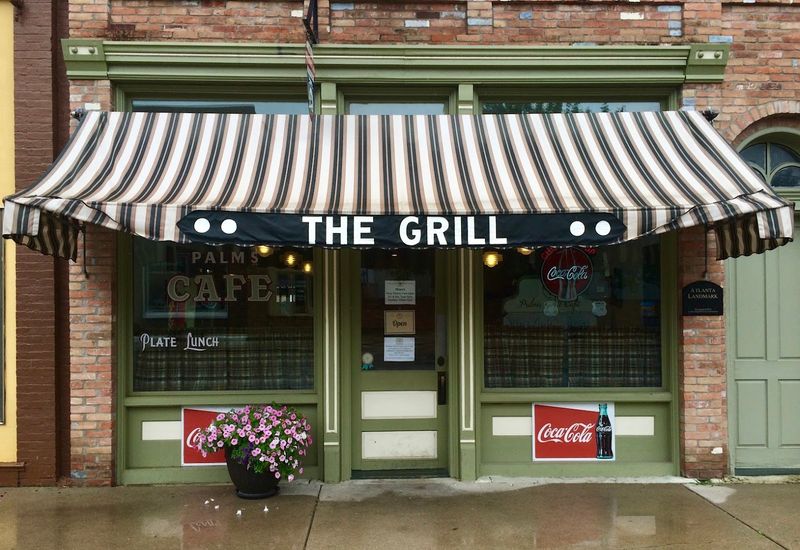
Pie slices have settled many family travel debates, and Palms Grill Café sits firmly on the side of peacekeeping. In Atlanta, Illinois, this highway charmer became the sort of place where a simple booth, a menu of familiar standards, and a strong dessert case could rescue the afternoon.
Its connection to the Lincoln Highway and Route 66 orbit gave it extra road credibility, but the café’s staying power came from basic competence. During the 1970s, motorists prized restaurants that felt local without becoming puzzling, and Palms Grill delivered exactly that with straightforward service and the kind of pie people discussed before the check arrived.
For travelers staying in nearby motels or just passing through central Illinois, it offered a clean break from the interstate mindset. You could sit down, reset your schedule, and remember that road trips were supposed to include places with names, regulars, and a pie server who looked fully capable of winning any argument.
15. Delgadillo’s Snow Cap – Seligman, AZ (Route 66)
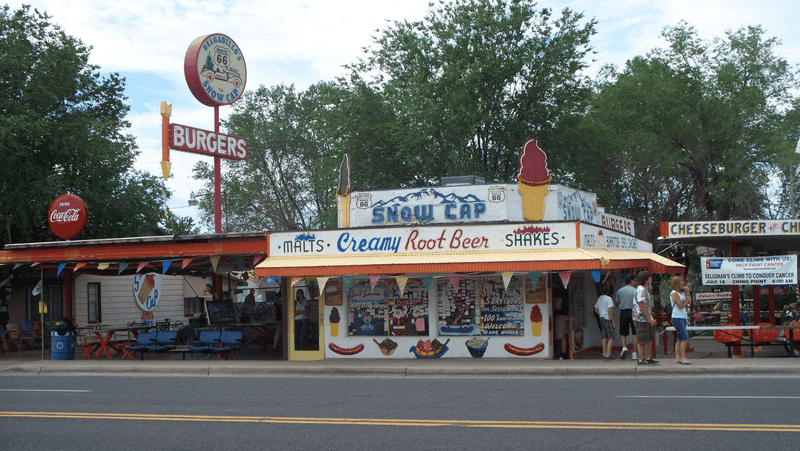
Roadside humor can age badly, but Delgadillo’s Snow Cap somehow kept the joke machine running with charm intact. In Seligman, Arizona, this quirky burger stop became a famous break for motel travelers who wanted lunch with a side of nonsense that stayed friendly and unmistakably local.
The burgers were the anchor, yet the real draw was the personality built into the stop. Travelers in the 1970s did not just want another anonymous counter.
They wanted a place worth mentioning in postcards and family retellings, and Snow Cap delivered that through playful service, oddball details, and an atmosphere that never took itself too seriously.
What keeps it in the conversation is balance. The restaurant offered actual convenience along Route 66, not merely a novelty backdrop.
You could eat, laugh, stretch your legs, and continue down the highway feeling that the trip had finally picked up a little character. Some stops feed you.
This one also improved the storytelling.



