 Unearth The Voyage
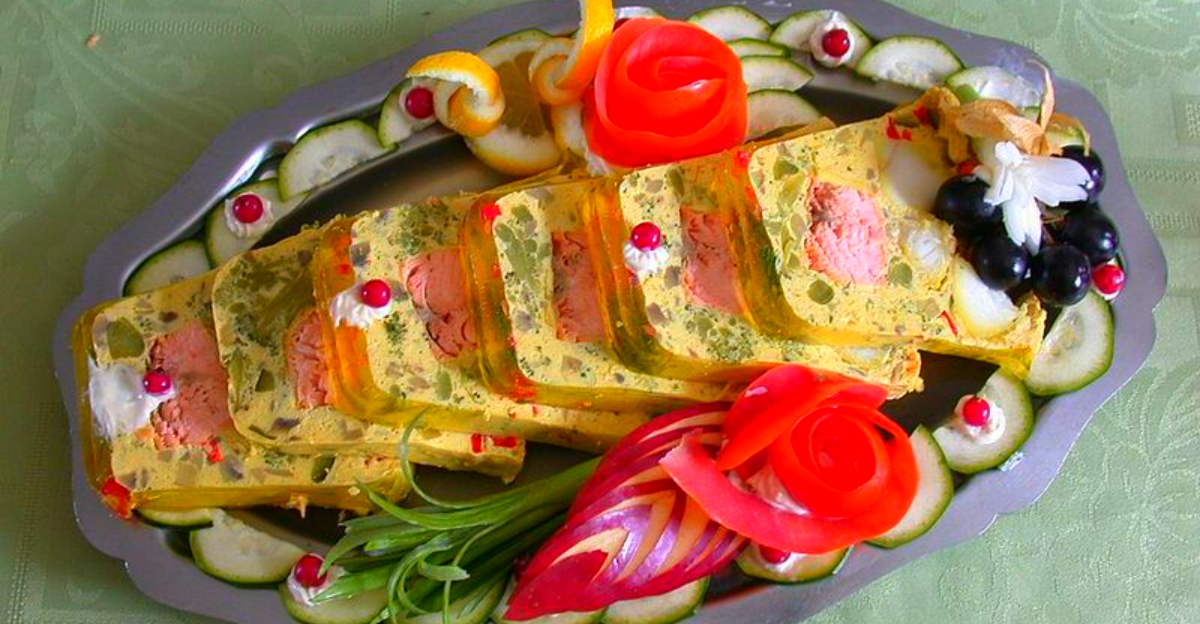
Some dishes were once the highlight of a night out, the kind you still describe years later. Then menus slimmed down, tastes shifted, and those icons quietly slipped away.
You can almost taste the buttery sauces and tableside flames, yet they are missing from most dining rooms now. Let’s revisit the classics you rarely see anymore and why they disappeared.
1. Beef Wellington
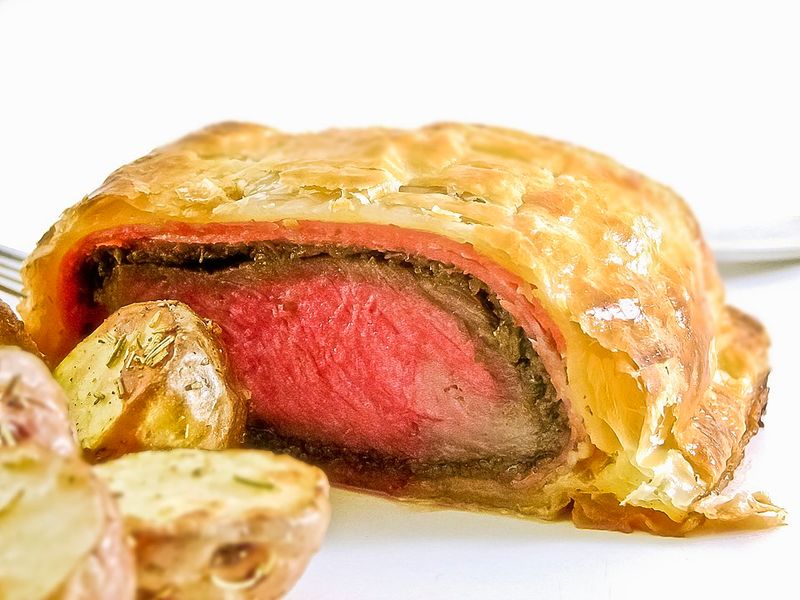
Beef Wellington once felt like theater, arriving bronzed and perfectly swaddled in pastry. You waited for that reveal, the rosy center and savory mushroom duxelles perfuming the room.
But the labor, waste risk, and timing precision made it a chef’s headache.
As diners asked for lighter plates and quicker service, restaurants moved on. Contemporary kitchens favor shareable bites and customizable steaks over grand set pieces.
Nostalgia remains, yet practicality rules. You’ll still find it at holiday pop-ups or throwback tasting menus.
2. Chicken à la King
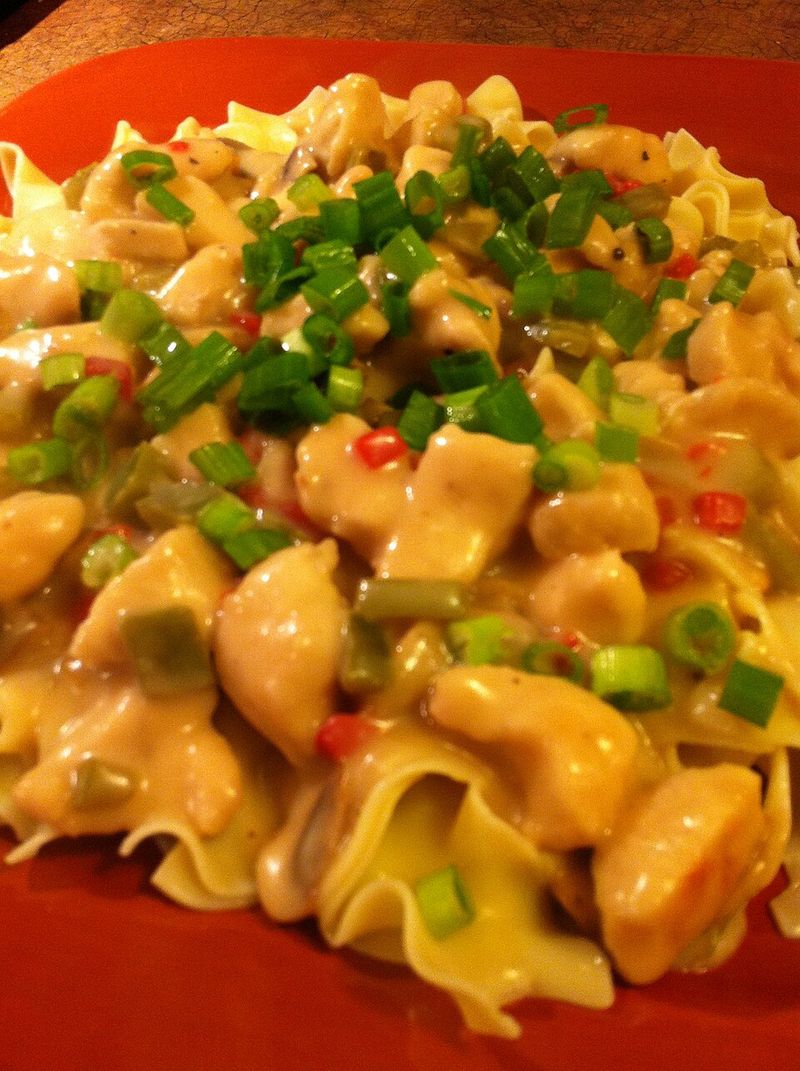
Chicken à la King tasted like a deluxe hug, creamy sherry-kissed sauce pooling around tender bites. It reigned on hotel menus and banquet halls, reliable and rich.
Then the low-fat era arrived, and heavy cream sauces lost their shine.
Kitchens chasing brightness and crunch swapped it for roasted chicken and herb-forward pan sauces. Convenience also nudged it away, since the sauce separates if held too long.
Today, you might glimpse it at a nostalgic brunch or in family cookbooks. Comfort never fully vanishes, it just hides.
3. Oysters Rockefeller
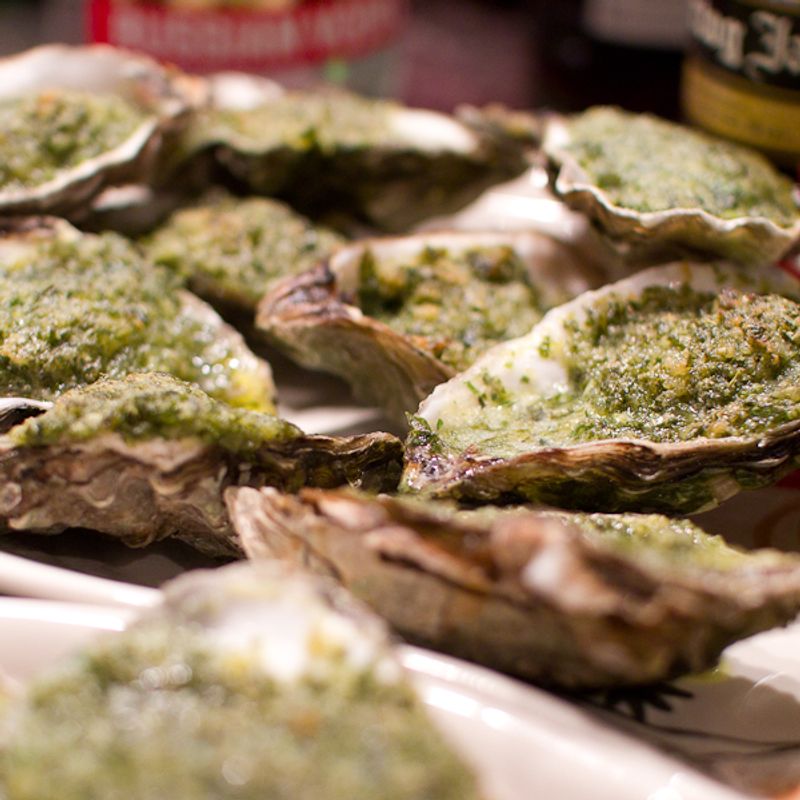
Oysters Rockefeller once signaled decadent beginnings, emerald herb-butter bubbling over briny shells. It promised spectacle without flames, a rich gateway to the meal.
But sourcing consistent oysters, food-safety concerns, and labor pushed it aside for crudos and ceviches.
Modern seafood menus lean bright and raw, with citrus and heat outshining dense butter. The secrecy of the original recipe added mystique, not scalability.
You’ll still find it at legacy spots in New Orleans and old-guard steakhouses. When it appears, order it, and savor history arriving on crushed ice or blistered pans.
4. Trout Amandine
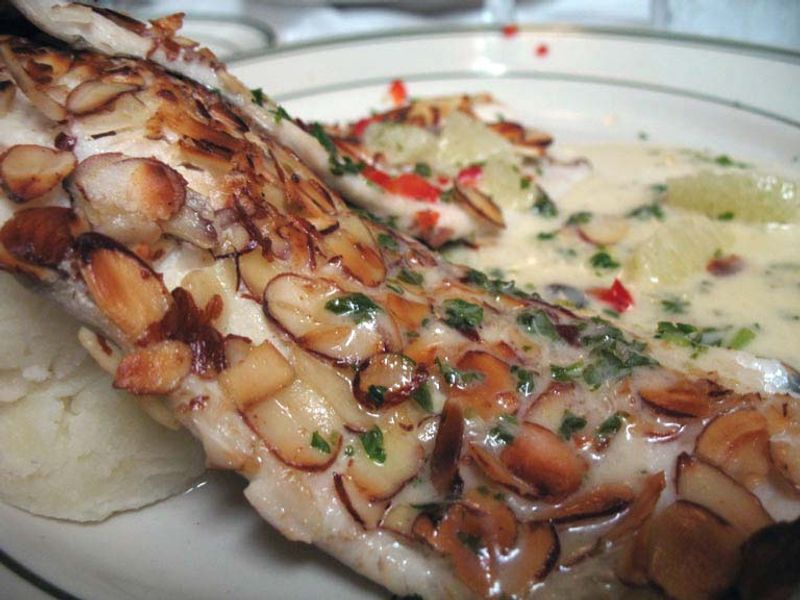
Trout Amandine once bridged French technique and American lakes. Browned butter and toasted almonds turned delicate fish luxurious without being heavy.
Then menus tilted toward salmon, tuna, and sustainable farmed options with broader appeal and supply reliability.
Deboning whole trout takes time, and guests now prefer boneless fillets. Kitchens also chase punchier flavors and global influences.
The simple elegance of meunière sauces fell from trend cycles. You can still find Trout Amandine in mountain lodges, bistros, and nostalgic supper clubs.
When you do, the lemon’s zing against nutty butter still charms.
5. Shrimp Cocktail in Frosty Glass
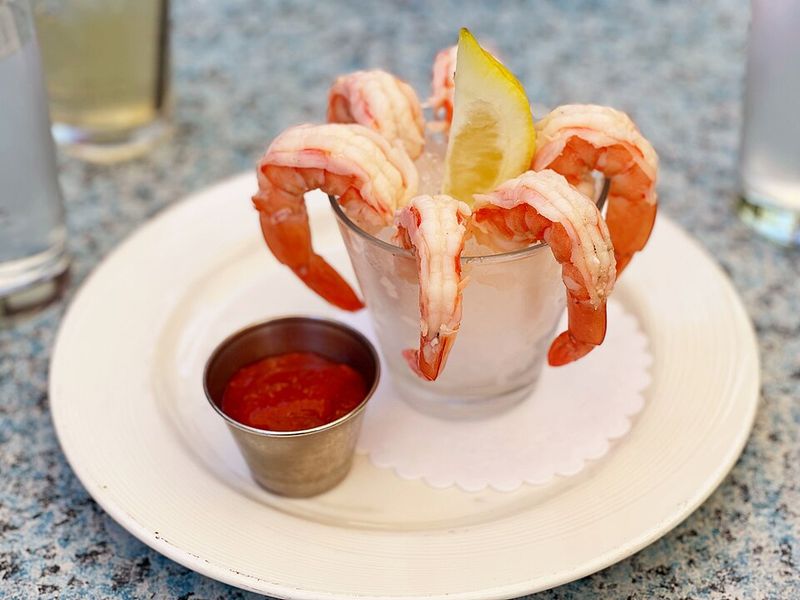
Shrimp cocktail used to arrive in a frosty glass, tails draped like jewelry. It was icy, snappy, and reliably fancy.
Over time, diners sought regionality and spice, trading ketchup-horseradish zing for aguachile, gochujang glazes, or peri-peri skewers.
Commodity shrimp also faced sustainability questions and quality swings. Restaurants chased provenance, and the old presentation felt staged.
You can still order it at casinos, cruise ships, and throwback steakhouses. When that chilled plume of steam hits, nostalgia does too.
Simple is not always boring, but fashion is ruthless.
6. Consommé
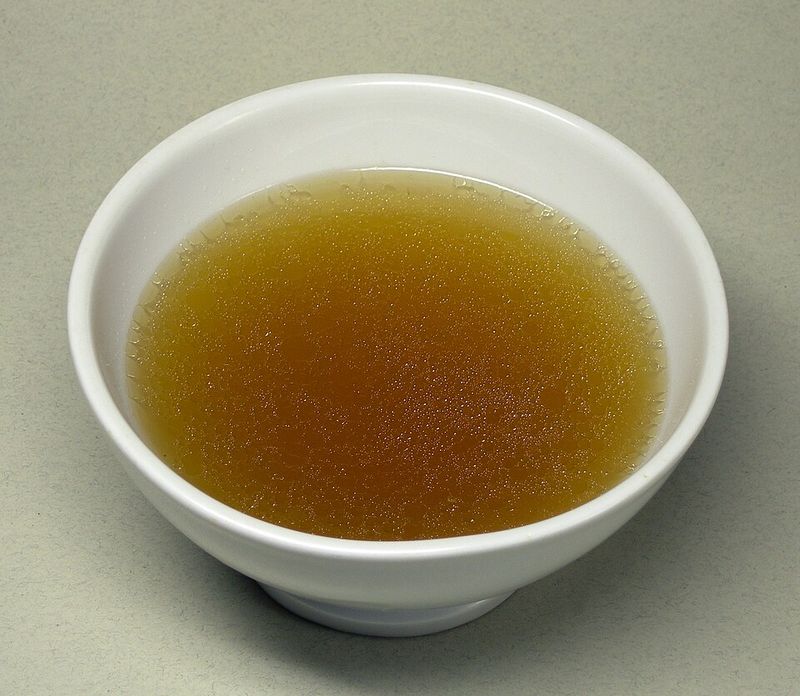
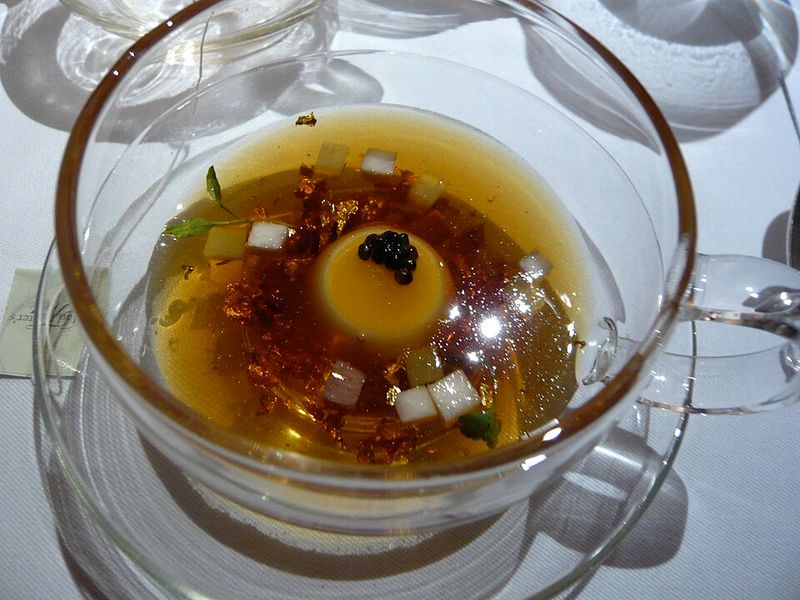
Consommé is clarity distilled, a jewel-toned broth strained through patience. It telegraphed skill and discipline, yet that perfection took hours and waste.
As margins tightened, few kitchens could justify daily clarification for a subtle starter.
Guests leaned toward robust ramen, pho, and bouillon-packed soups with visible texture. Transparent elegance lost ground to comfort and heft.
Some fine-dining rooms still pour it tableside, infusing herbs for aroma theater. Mostly, though, consommé lives in culinary schools and chef competitions, a rite of passage rather than a menu staple.
7. French Fried Onions (as a Plate Staple)
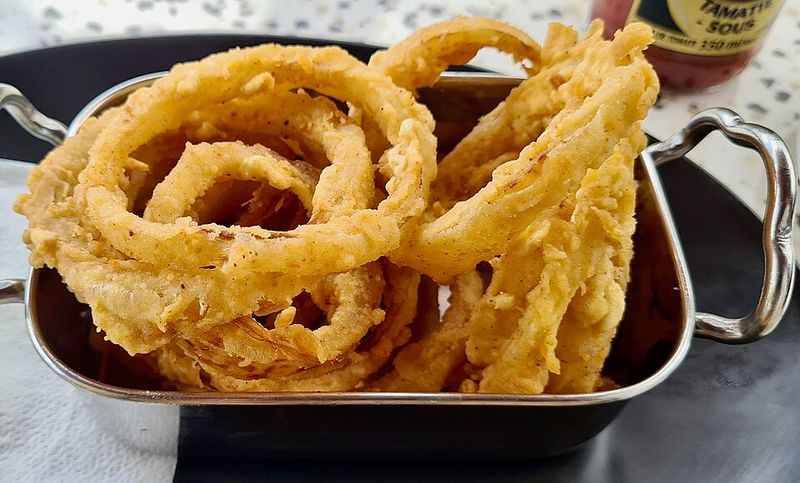
French fried onions once crowned steaks and burgers, adding crackle and sweetness. Then came concerns about fryers, allergens, and cross-usage.
Kitchens trimmed garnish lists for speed and consistency, swapping in fresh slaws, pickled onions, or charred scallions.
Guests also wanted less grease and more freshness on the plate. Even steakhouses leaned toward roasted vegetables and clean finishes.
The onion crunch now appears as tempura rings or shallot chips in moderation. The towering haystack became passé.
Still, that first bite of salty crisp against juicy beef remains missed.
8. Stuffed Mushrooms (Classic Steakhouse Style)
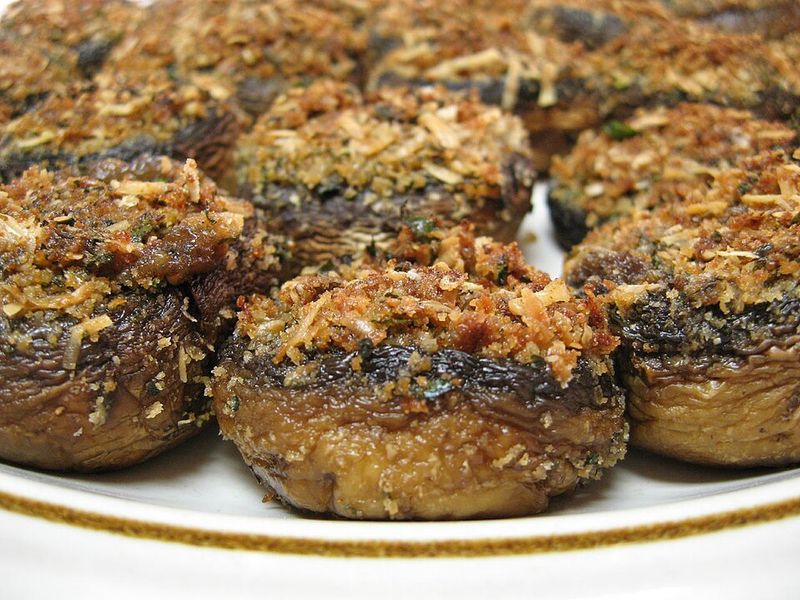
Stuffed mushrooms were the reliable opener, savory, cheesy, and biteable. They looked timeless under broilers, sending garlicky perfume across the room.
But prep is fiddly, caps weep water, and holding quality dips fast during busy service.
As appetizer menus modernized, chefs replaced them with crudos, tartares, and vegetable-forward small plates. Diners wanted brightness over dense crumbs.
Today, you might spot upgraded versions with sausage or crab at old-school places. The classic breadcrumb-and-parmesan formula survives at holiday parties more than restaurants.
9. Chicken Cordon Bleu
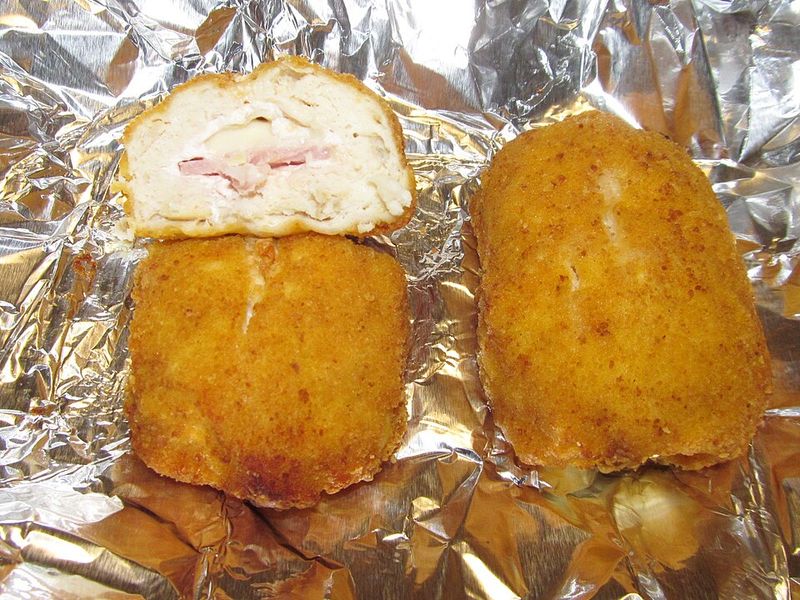
Chicken Cordon Bleu once screamed special night out, molten cheese locked inside crisp crumbs. It arrived with buttered vegetables and proud ceremony.
But it is fussy to prep, risks dryness, and reads heavy to modern diners.
Restaurants pivoted to roast chicken with pan jus or schnitzel with bright salads. Health concerns around processed ham and big portions did not help.
You still see it at banquet halls, country clubs, and nostalgic cafes. At home, it is a weekend project.
In restaurants, the clock and margins win.
10. Steak Diane
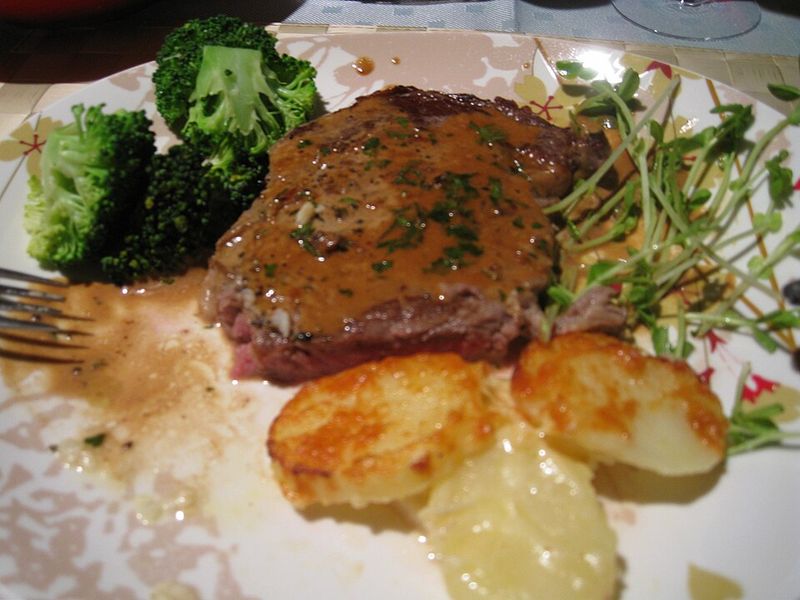
Steak Diane thrived on drama, pans tilting, cognac igniting, sauce glossing tender medallions. It tasted rich and peppery, the room briefly smelling of flame.
But tableside carts demanded space, training, and insurance headaches many restaurants abandoned.
Open kitchens offer theater without fire at your elbow. Guests also diversified steak preferences, favoring ribeye or strip with simple sauces.
The ceremony faded with the era of white jackets and carvings. Some legacy rooms still perform Diane on weekends.
When the flame blooms, you remember why it mattered.
11. Mock Turtle Soup
Mock Turtle Soup told a story of scarcity and ingenuity, mimicking prized turtle with veal and aromatics. It was hearty, fortified with sherry and lemon.
As tastes lightened and veal ethics sharpened, the dish slipped from grace.
Soup courses also shrank on modern menus, replaced by salads and shared starters. The flavor reads old-fashioned, even when delicious.
You might still find it in Cincinnati, New Orleans, or heritage clubs. Order it for a portal to another dining era, where soup could anchor a meal.
12. Prime Rib (as a Common Menu Item)
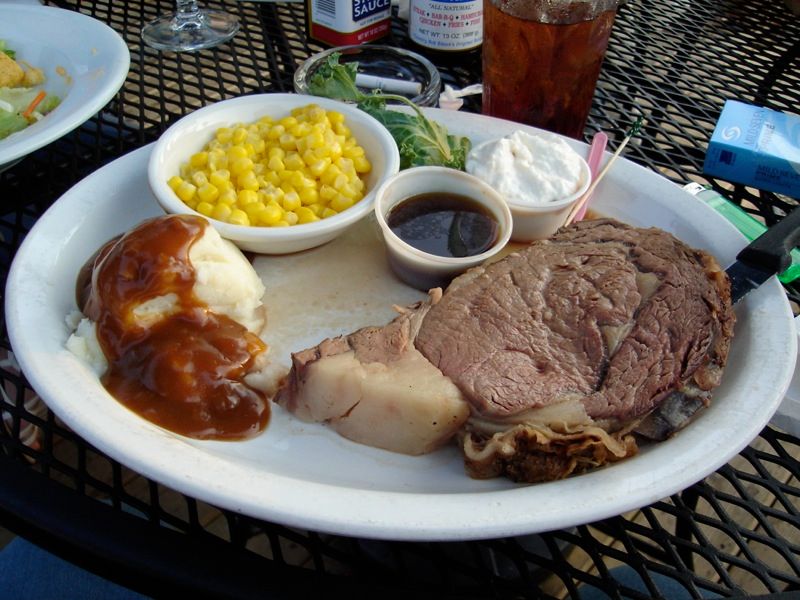
Prime rib once anchored Sunday dinners and nightly specials, carved generously with au jus. Rising beef costs and tight margins made holding large roasts risky.
Guests also wanted customizable doneness, tough with a single roast.
As menus leaned toward steaks cooked to order, prime rib receded to buffets, steakhouses, and holiday features. The romance of carving tables never fully died, though.
When you see it, the horseradish bite and Yorkshire crunch still thrill. It is comfort and ceremony, rare like the center cut itself.
13. Flambéed Crêpes Suzette
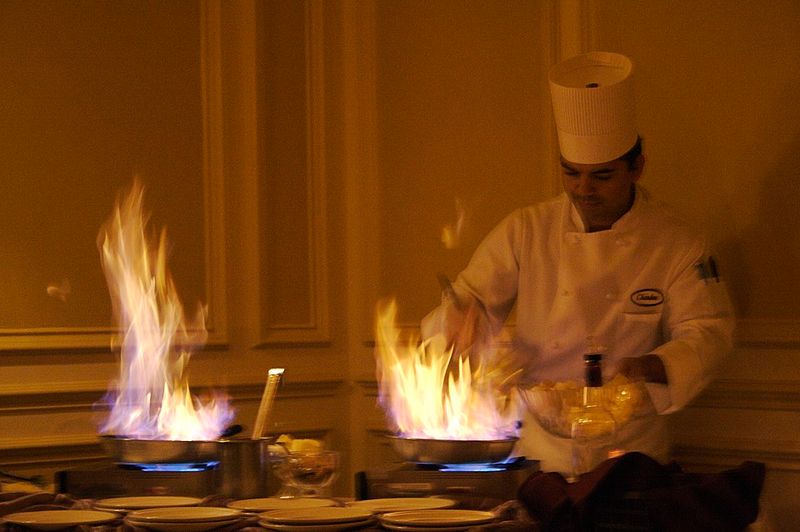
Crêpes Suzette lit up dining rooms, blue flame dancing across orange-butter sauce. The aroma felt like celebration, even before dessert arrived.
Yet tableside flambé requires training, time, and space few restaurants spare today.
Open-fire regulations and insurance tightened, and pastry shifted toward plated minimalism. Guests now chase seasonal tarts, gelatos, or petite fours.
Still, in grand hotels and cruise liners, Suzette survives as spectacle. When the flame flickers out, the caramelized citrus whispers of another era.
14. Rich Terrines and Pâtés
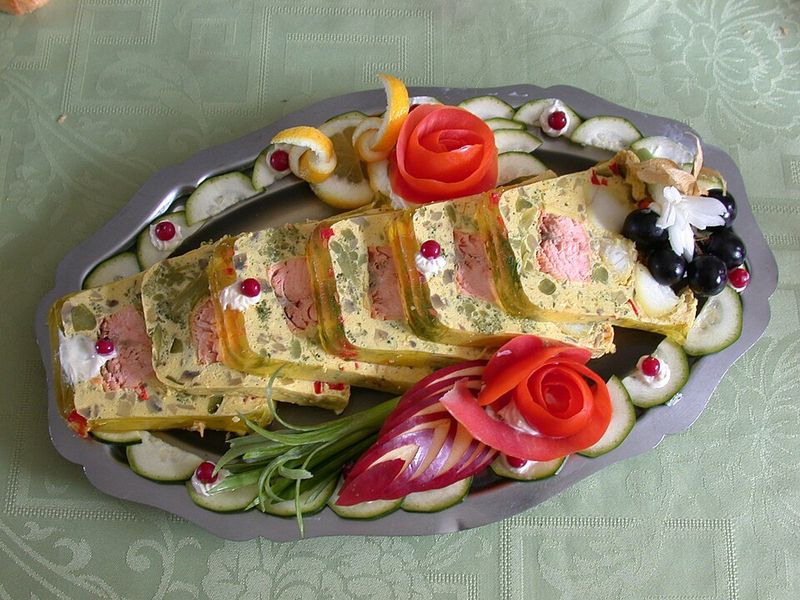
Terrines and pâtés once opened meals with confident richness. They take days to cure, press, and perfect, demanding patience and space.
Casual dining and fast tickets left little room for charcuterie craft outside dedicated spots.
Guests leaned toward lighter starters and vibrant vegetables. Still, in bistros, wine bars, and chef-driven delis, you can taste their depth.
When you spread pâté on toasted baguette with mustard and pickles, time slows. The craft is not gone, just concentrated where it is loved.
15. Lobster Newberg
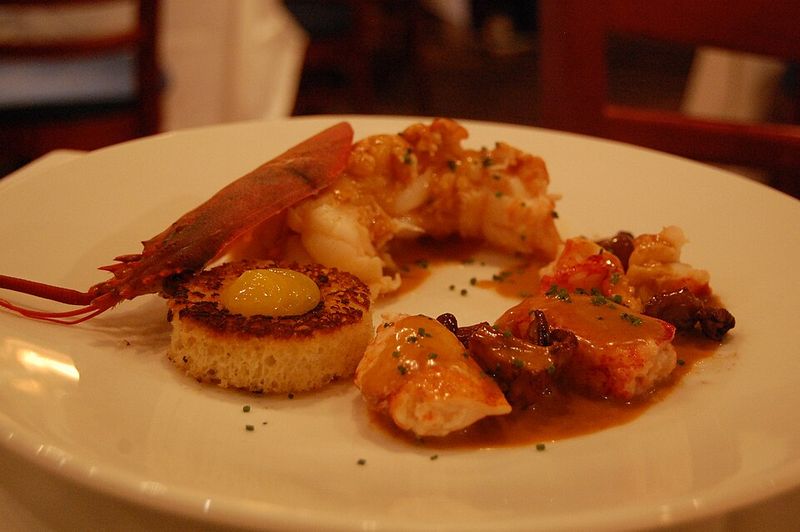
Lobster Newberg draped sweet meat in cognac-cream, decadent and proud. Born at Delmonico’s, it was a status signal.
But heavy sauces waned, and diners pursued lighter, brighter seafood with clear provenance.
Rising lobster prices and labor complexity did not help. Restaurants now showcase grilled lobster with citrus and herbs.
Newberg surfaces for nostalgia dinners and holiday specials. When it appears, the aroma alone transports you to gilded rooms and tuxedoed servers.



